Yard-Long Bean
A tropical climbing bean that produces remarkably long, slender pods up to two feet in length, popular in Asian cooking.





On this pageOverview
Meet Yard-Long Bean
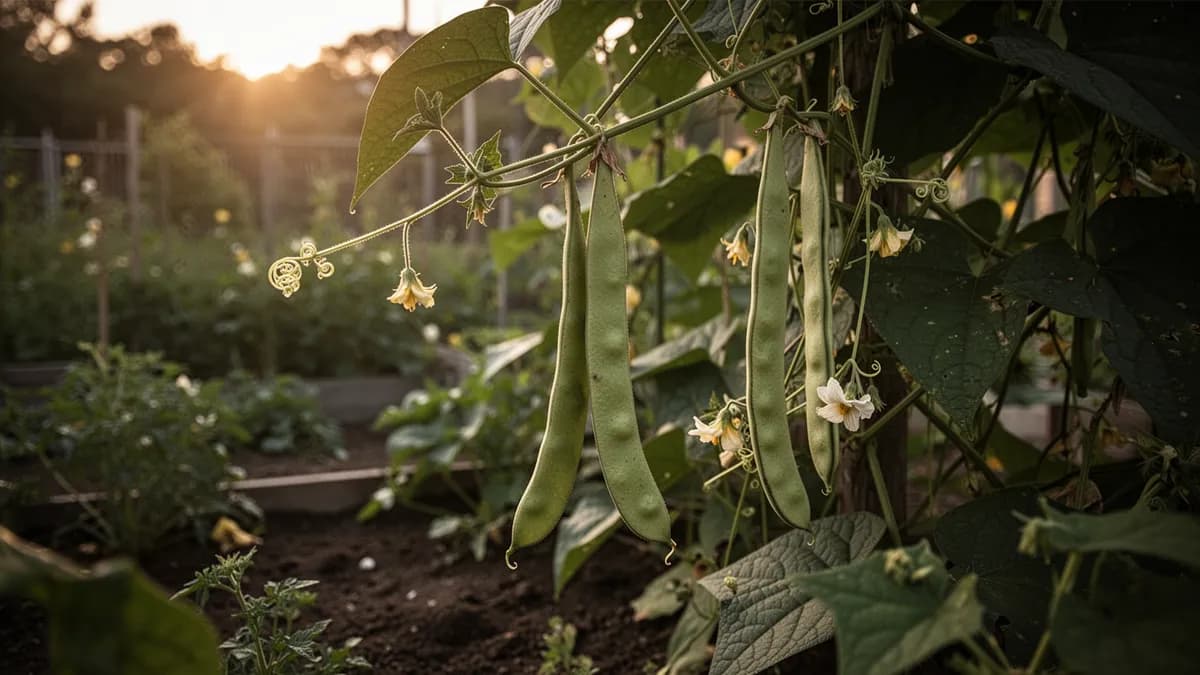
A tropical climbing bean that produces remarkably long, slender pods up to two feet in length, popular in Asian cooking. Yard-long beans thrive in heat and humidity, performing best in conditions that would cause common beans to struggle. Provide sturdy, tall supports as the vigorous vines can reach ten feet or more in a single season. Harvest pods when pencil-thin and about eighteen inches long for the most tender texture, before seeds swell noticeably.
When to plant Yard-Long Bean
Soak seeds in warm water for 4-8 hours before planting to speed germination. Direct sow outdoors when soil temperature is consistently above 65°F, planting seeds 1 inch deep and 4-6 inches apart. For a head start in cooler climates, start seeds indoors in peat pots 3-4 weeks before the last frost date. Use a heat mat to maintain 75-85°F soil temperature for optimal germination in 7-10 days. Inoculate seeds with cowpea Rhizobium for best nitrogen fixation. Transplant carefully to avoid disturbing the taproot.
Your Yard-Long Bean Year
Composed for Zone 7 · typical seasons · frost passes Apr 2, returns Nov 1
Plant Yard-Long Bean May – Jun, pick Jul – Oct. Check the planting methods below and set your climate to personalize these windows.
How to grow Yard-Long Bean
Yard-long beans are true heat lovers that require warm soil temperatures of at least 65°F for germination and thrive when daytime temperatures reach 80-95°F. Direct sow seeds 1 inch deep and 4-6 inches apart after all danger of frost has passed and the soil has thoroughly warmed. In shorter-season climates, start seeds indoors 3-4 weeks before transplanting to gain extra growing time.
Provide tall, sturdy supports at least 8-10 feet high, as yard-long beans are vigorous climbers. Bamboo teepees, trellises, or strong netting work well. The vines twine counterclockwise and may need initial guidance toward their supports. Water deeply and consistently, providing 1-1.5 inches per week, as inconsistent watering leads to tough, fibrous pods.
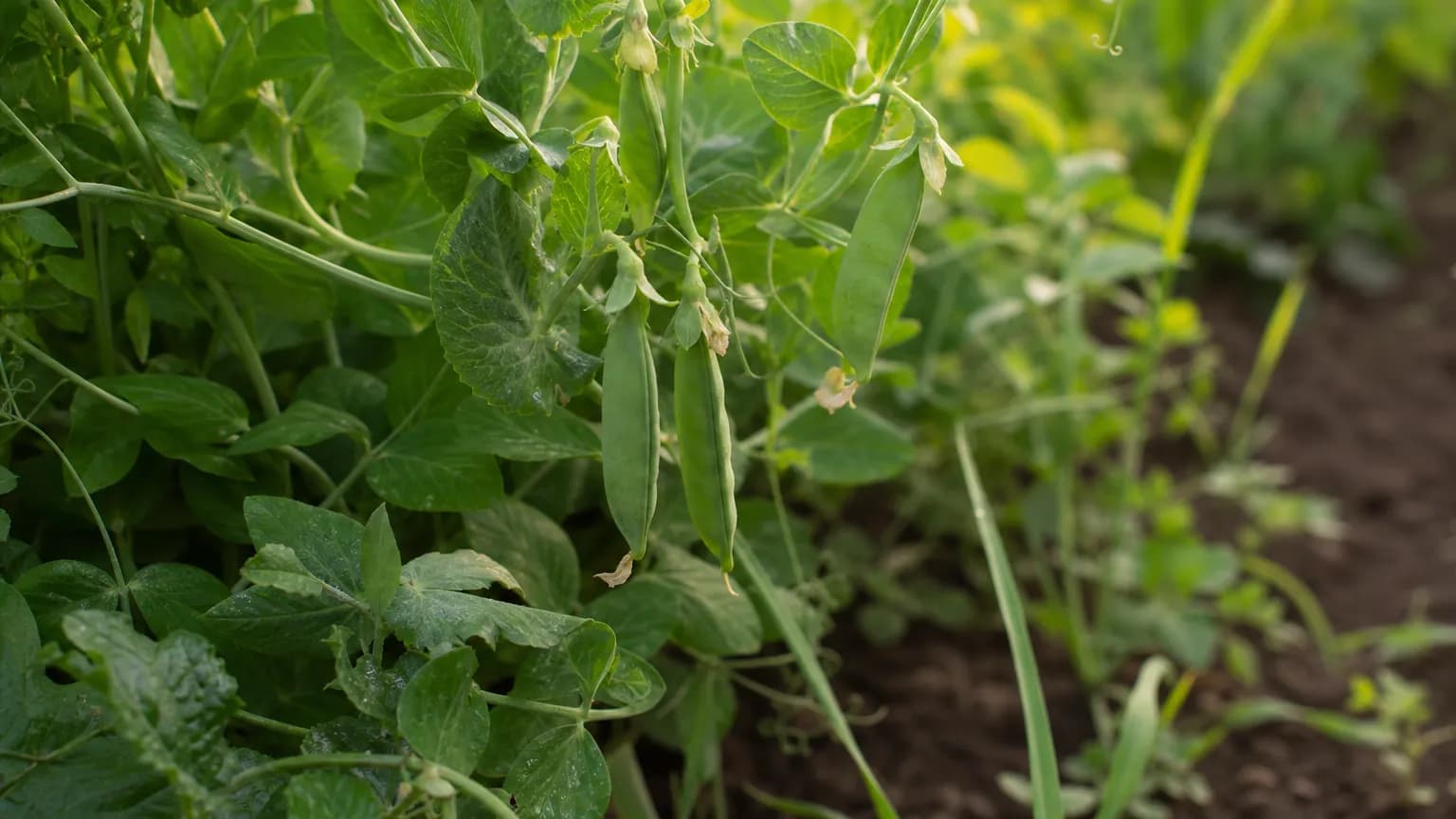
As a member of the cowpea family, yard-long beans fix nitrogen and tolerate poorer soils better than common beans. However, they still benefit from fertile, well-drained soil enriched with compost. Avoid excessive nitrogen fertilization which promotes foliage over pod production. Side-dress with a phosphorus-rich fertilizer when flowering begins to boost pod set. In tropical climates, successive plantings every 3-4 weeks extend the harvest season.
72 plants fit a 4 × 8 ft bed
Each Yard-Long Bean wants 20 cm of elbow room. The planner keeps that spacing for you — every plant, every bed.
Yard-Long Bean's best neighbours
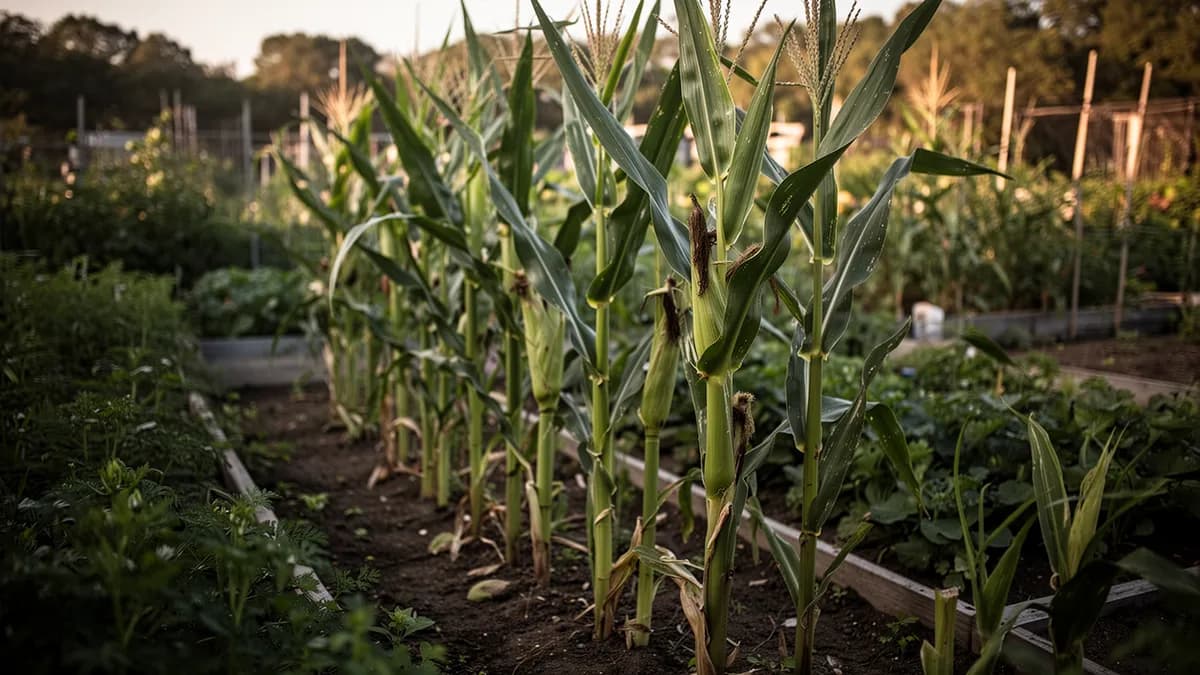
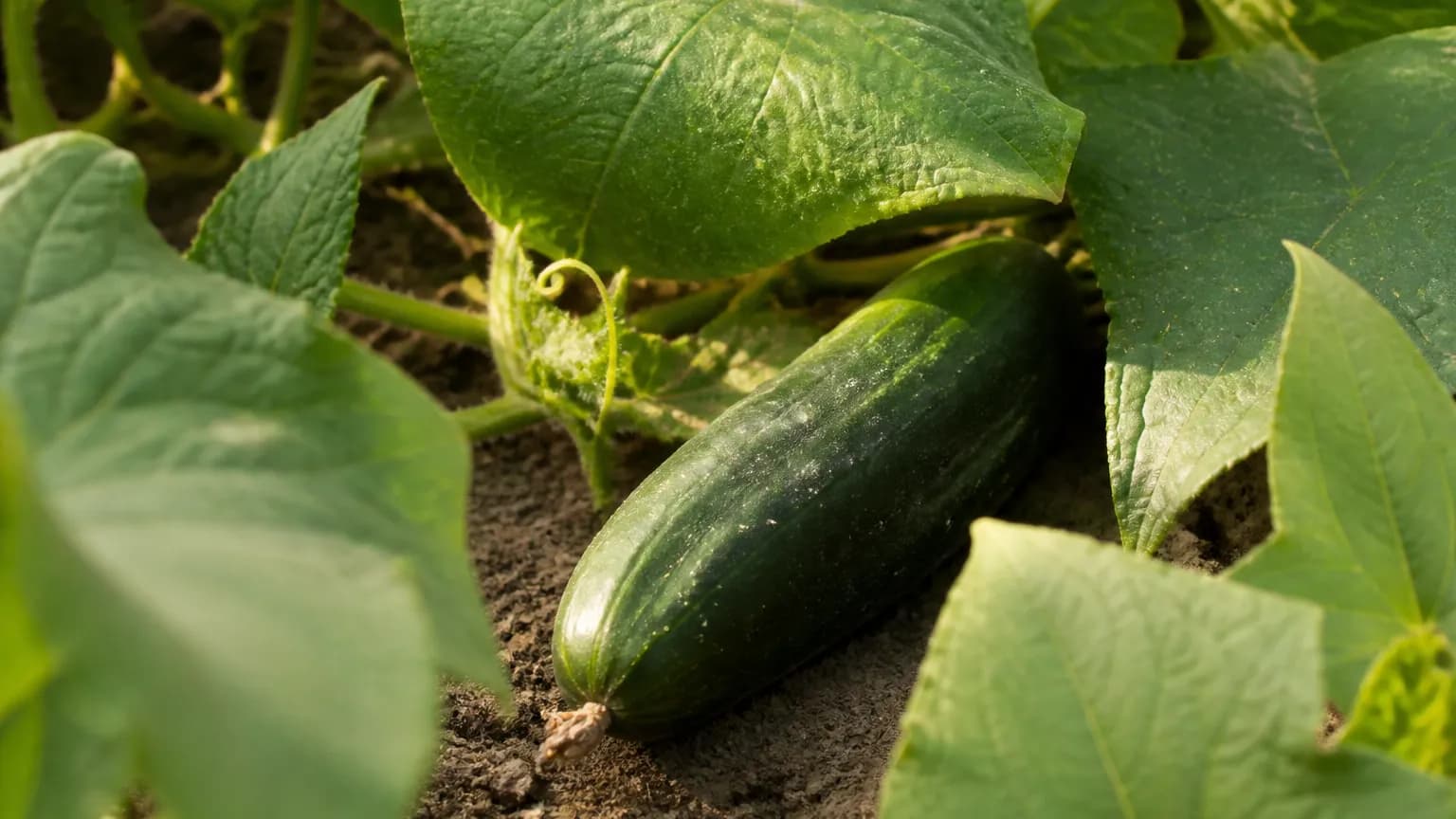
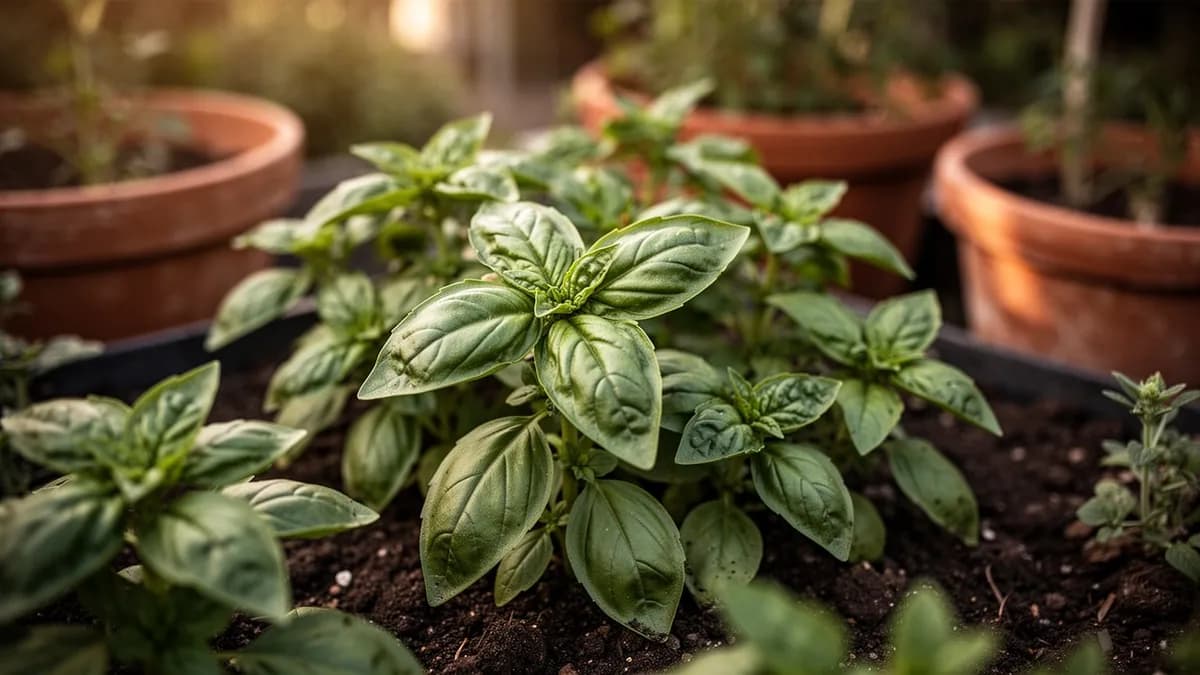
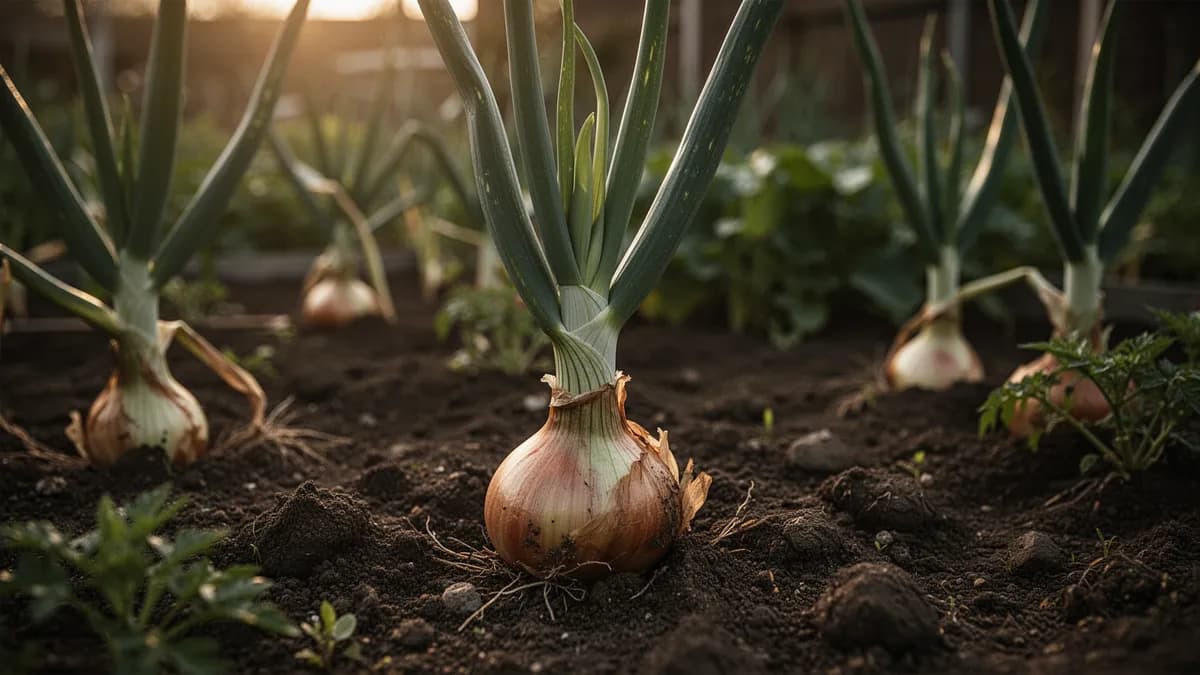
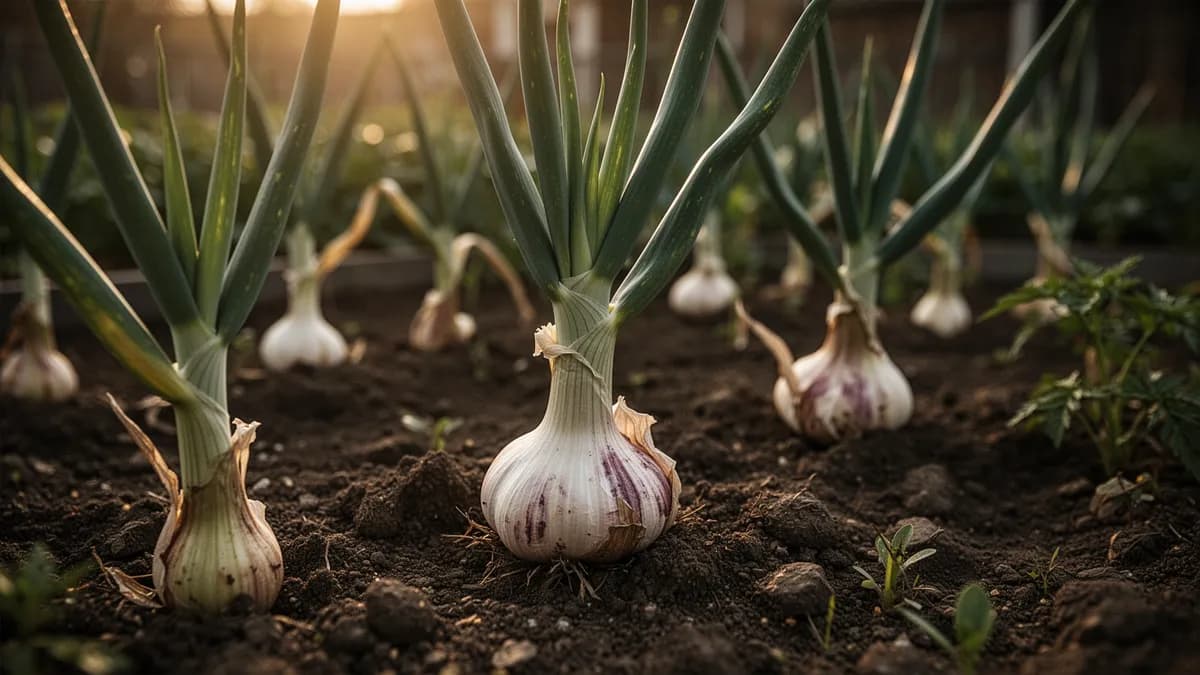
Yard-long beans grow well with corn, which provides natural climbing support and benefits from the nitrogen fixation. Plant alongside cucumbers, squash, and eggplant which all thrive in similar warm conditions. Basil and marigolds planted nearby help repel aphids and other pests. Avoid planting near alliums such as onions and garlic, which can inhibit legume growth. Sunflowers make excellent living supports and attract pollinators that improve pod set.
Corn belongs beside it. Onion doesn't.
Old growers' knowledge, checked against Yard-Long Bean's real companion table below — test any plant you're growing.
Try Yard-Long Bean in a bed — right here
A real planner bed with Yard-Long Bean already in it. Tap a companion to place it and watch the pairing checks answer — green for good neighbours, red for a clash.


Related growing guides
Feed it well
Yard-long beans prefer well-drained, sandy loam soil with a pH of 6.0-7.0. Work in aged compost before planting but avoid heavy nitrogen amendments since these legumes fix their own nitrogen. Apply a balanced 5-10-10 fertilizer at planting time and side-dress with bone meal or a phosphorus-rich fertilizer when flowering begins. In poor soils, inoculate seeds with cowpea-type Rhizobium inoculant to enhance nitrogen fixation. Raised beds with loose soil promote the best root development and drainage.
Ideal Temperature
Hardiness Zone Compatibility
From seed to harvest, stage by stage
Seed Germination
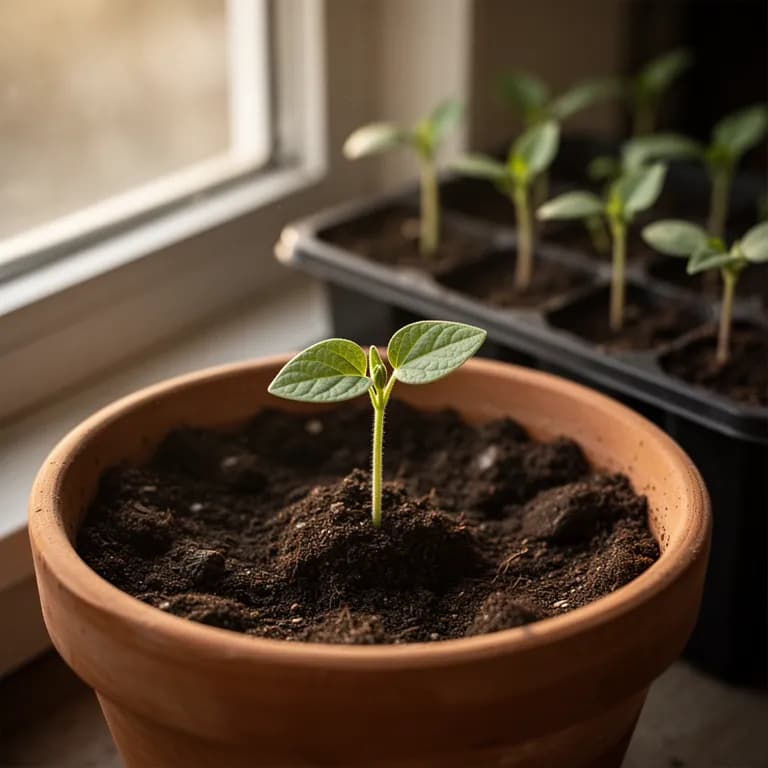
Seeds germinate best in warm soil above 21°C (70°F), producing a thick white radicle root followed by sturdy oval cotyledon leaves. Pre-soaking seeds for 4-8 hours softens the seed coat and speeds germination to 5-7 days. In cool soils, seeds may rot before germinating.
Seedling & Vine Establishment
True trifoliate leaves emerge with the characteristic three-leaflet pattern of cowpea relatives. The stem begins searching for vertical support and will twine counterclockwise around any nearby structure. Root nodules with nitrogen-fixing bacteria begin forming.
Rapid Vine Growth
Vines grow explosively in hot weather, climbing 2-3 meters or more along their supports. Abundant trifoliate leaves create a dense canopy. The extensive root system with active nitrogen-fixing nodules allows the plant to thrive in moderate fertility soils.
Flowering
Clusters of delicate lavender to white flowers appear at leaf nodes, typically opening in the early morning. Flowers are self-pollinating but benefit from bee visits for improved pod set. Each flower pair can produce two pods if conditions are favorable.
Pod Development & Harvest
Pods develop rapidly, growing several centimeters per day in hot weather. At the ideal harvest stage (30-45 cm), pods are pencil-thin, snap crisply when bent, and seeds are barely visible inside. The plant continues flowering and setting new pods simultaneously.
Peak Production
The plant enters sustained production, simultaneously flowering and fruiting for 6-8 weeks during the hottest part of summer. A single vigorous vine can produce dozens of pods per week. Production slows as nighttime temperatures drop below 15°C (60°F) in autumn.
Soak seeds in warm water for 4-8 hours before planting. Ensure soil temperature is at least 21°C (70°F) — use a soil thermometer. Inoculate with cowpea-type Rhizobium for optimal nitrogen fixation from the start.
Caring for Yard-Long Bean month by month
What to do each month for your Yard-Long Bean
October
You are hereFinal harvests in most zones as temperatures drop. Collect fully dried seed pods for next year. Pull spent vines from trellises and compost healthy plant material. Clean and store trellis structures.
Know exactly what to do in your garden — every month
One email at the start of each month: what to sow, plant, and tackle right now — for your Yard-Long Bean and everything growing around it. Plus a short starter course that helps you dodge the classic mistakes.
- What to do, right now
- Matched to your season
- Starter course included
Harvesting Yard-Long Bean
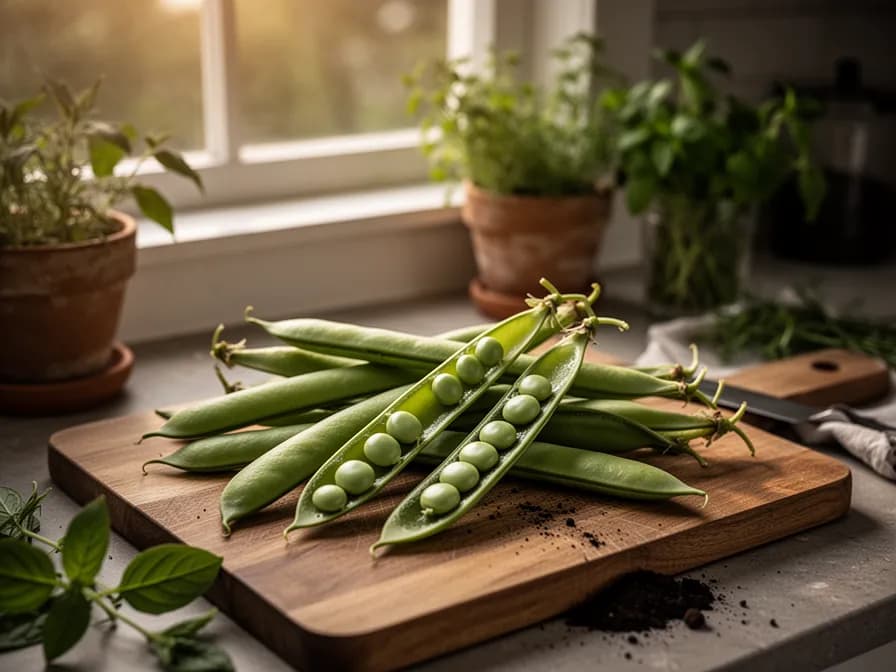
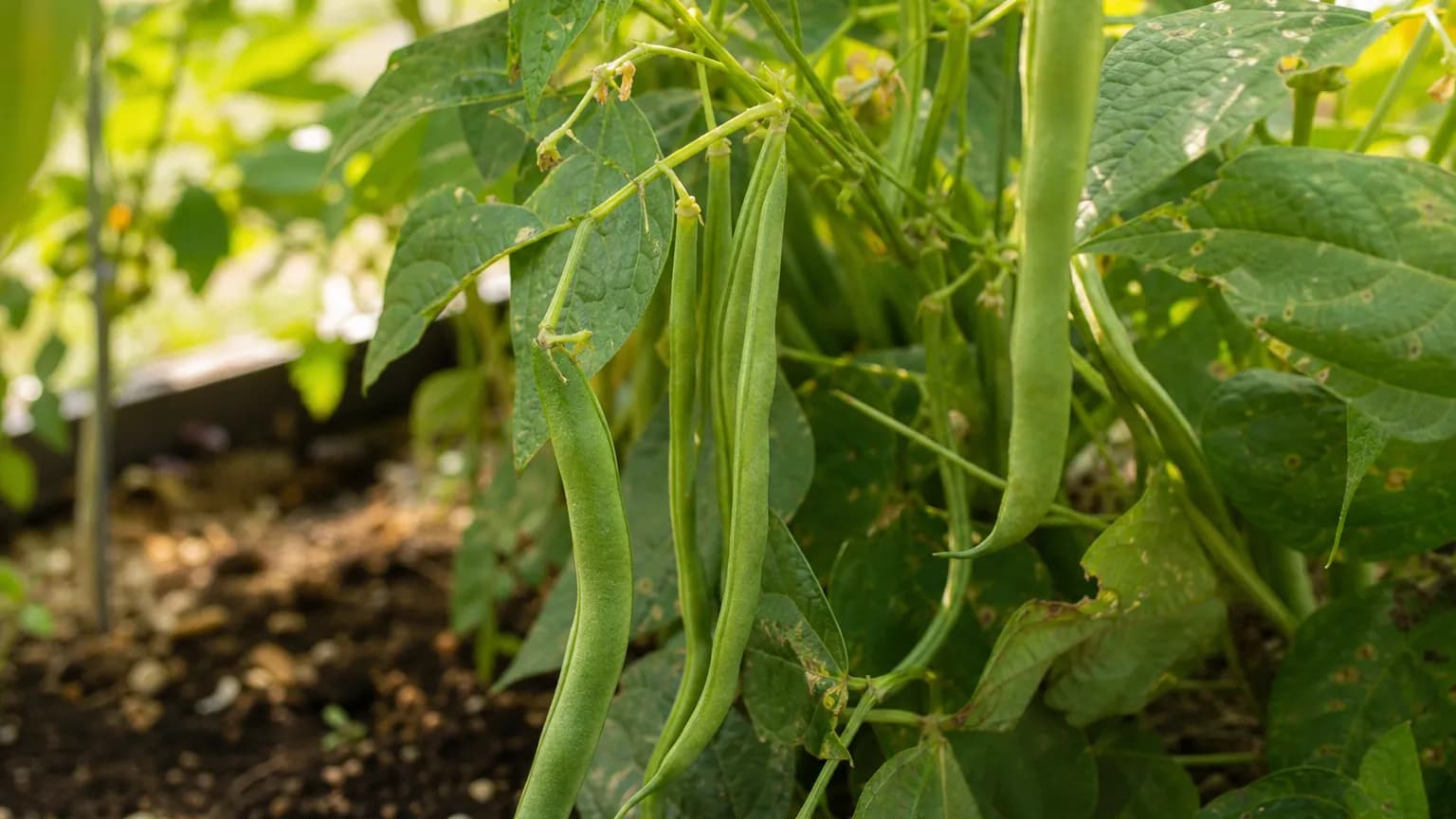
Harvest yard-long beans when pods are 12-18 inches long and still slender, before seeds begin to swell noticeably inside the pod. At the ideal stage, pods should snap crisply when bent. Check plants daily during peak production as pods grow rapidly in warm weather, sometimes adding several inches in a single day. Cut pods with scissors or snap them off at the stem to avoid pulling on the vine. Regular harvesting every 1-2 days stimulates continued flowering and pod production throughout the season.
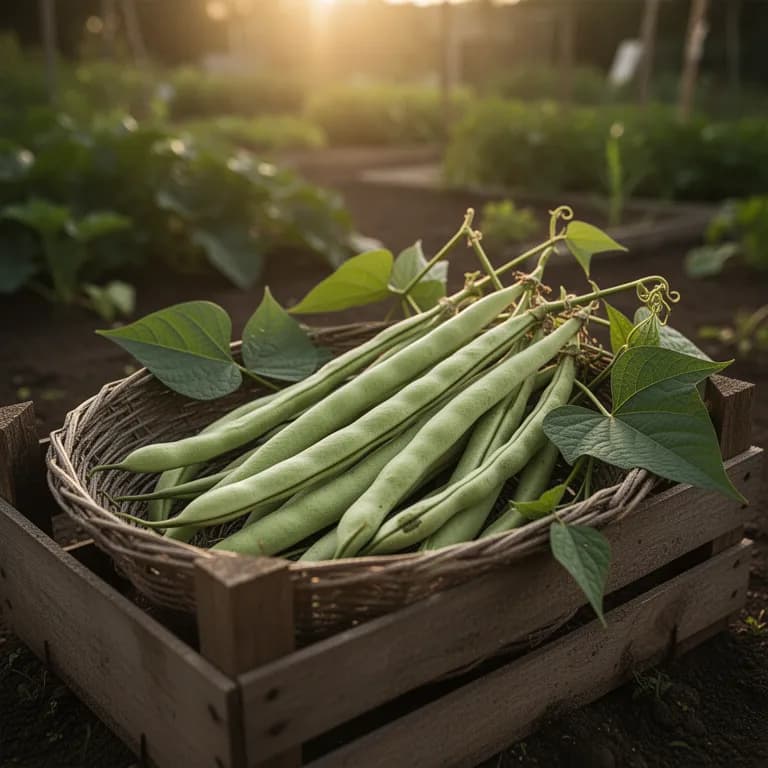
assuming you plant when the window opens — set your real date
Pick Yard-Long Bean promptly and the plant keeps producing.
Storage & Preservation
Fresh yard-long beans are best used within 2-3 days of harvest as they lose crispness quickly. Store unwashed in a plastic bag in the refrigerator crisper drawer. For freezing, cut into 2-inch segments, blanch for 2 minutes, cool in ice water, and freeze flat on trays before transferring to freezer bags. Yard-long beans can also be pickled in a vinegar brine with garlic and chili for a tangy preserved snack. Dried beans from mature pods store well in airtight containers for up to a year.
What goes wrong — and the fix
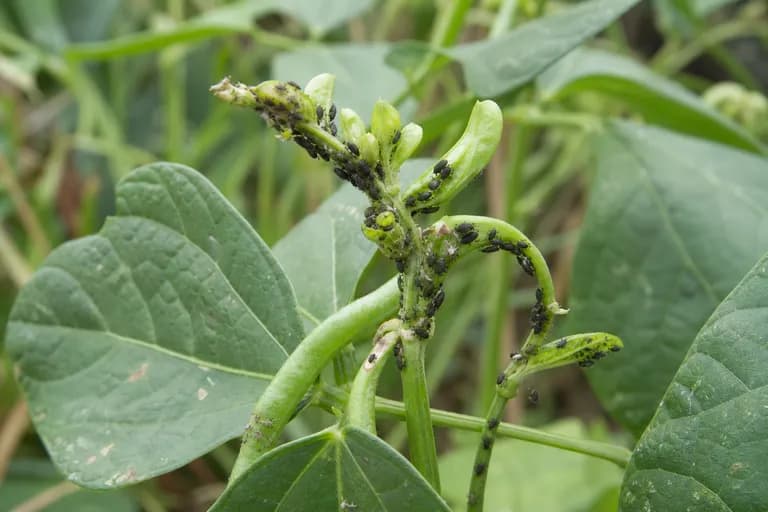
Bean Aphid
PestDense colonies of black or dark green aphids on growing tips, flower buds, and young pods causing stunted growth and distorted pods.
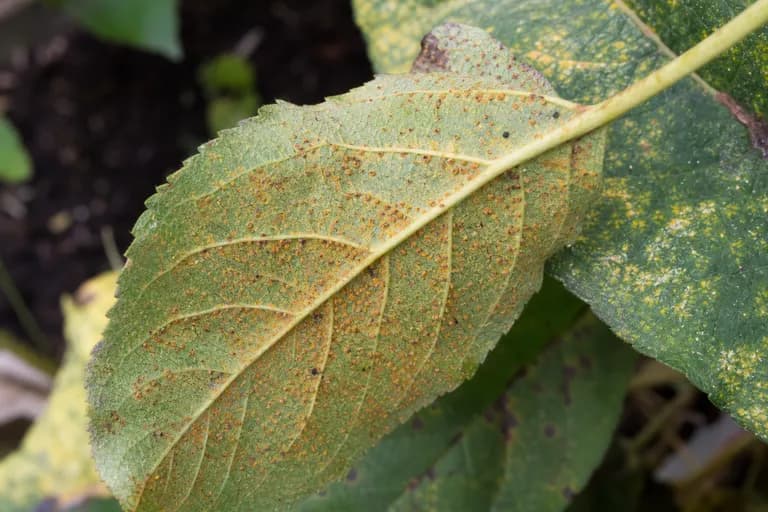
Rust
DiseaseOrange-brown pustules on leaf undersides and stems that rupture to release powdery spores, leading to premature leaf drop.
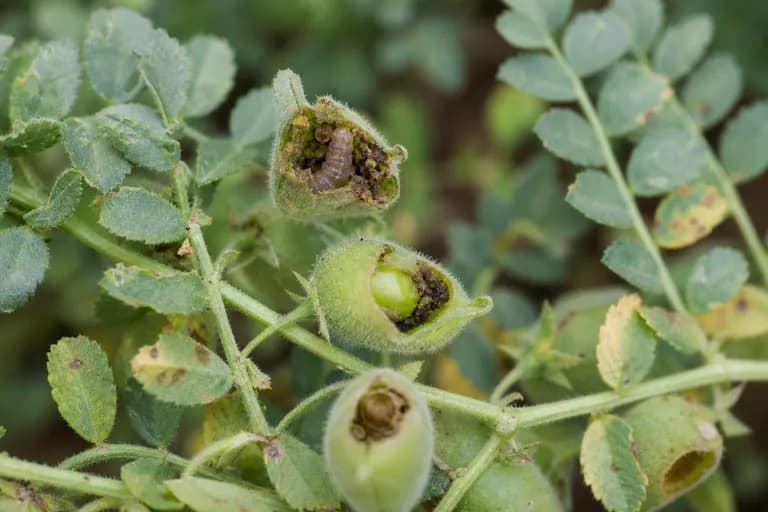
Pod Borer
PestSmall holes in pods with frass visible, larvae feeding inside pods destroying developing seeds.
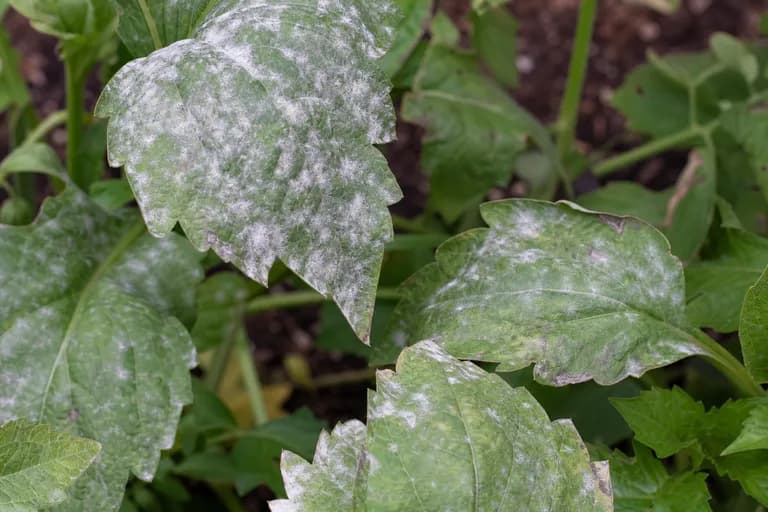
Powdery Mildew
DiseaseWhite powdery coating on leaves and stems, leading to yellowing, curling, and premature leaf drop.
Troubleshooting Common Problems
Poor pod set often results from insufficient heat or irregular watering during flowering. Ensure consistent moisture and wait for truly warm weather before planting. Tough, fibrous pods indicate overmature harvesting; pick more frequently. Short vines with few pods may signal compacted soil or inadequate support structures. In humid climates, fungal diseases can be problematic so ensure good air circulation. Flower drop without pod formation can occur during extreme heat above 100°F; provide light afternoon shade in such conditions.
Growing Tips
- Build your trellis before you plant, not after. Yard-long beans grow explosively in warm weather and will be tangled on the ground before you finish construction. Supports should be at least 2.5-3 meters tall and anchored firmly — a loaded vine in a rainstorm exerts enormous weight.
- Do not plant too early. Yard-long beans are even more cold-sensitive than common green beans. Planting in cold soil results in rotted seeds and stunted seedlings. Wait until soil is genuinely warm — at least 21°C (70°F) — even if it means planting 2-3 weeks later than your neighbors' green beans.
- Inoculate seeds with cowpea-type Rhizobium inoculant before planting, especially if the soil has never grown cowpeas or yard-long beans. This dramatically improves nitrogen fixation, plant vigor, and pod production without any synthetic fertilizer.
- Water deeply and consistently, providing 2.5-4 cm per week, especially during flowering and pod development. Irregular watering causes tough, fibrous pods and blossom drop. Drip irrigation or soaker hoses at the base are ideal — avoid overhead watering that promotes fungal disease.
- Harvest daily during peak production. Pods can add 5-8 cm of length in a single hot day. The ideal picking size is 30-45 cm when pods are pencil-thin and snap crisply. Pods left past prime become tough and signal the plant to stop flowering.
- Avoid nitrogen-heavy fertilizers. As legumes, yard-long beans fix their own nitrogen. Excess nitrogen produces lush foliage but dramatically reduces flowering and pod set. Use a phosphorus-rich fertilizer like bone meal or 5-10-10 when flowering begins.
- Grow yard-long beans vertically, never on the ground. Pods that touch the soil develop rot, discoloration, and curved shapes. Vertical growing also improves air circulation, reduces disease pressure, and makes daily harvesting much easier.
- Plant in succession every 3-4 weeks from late spring through midsummer in warm zones to extend the harvest from early summer well into autumn. This is especially effective in zones 9-12 where the growing season allows multiple plantings.
Grow your best Yard-Long Bean yet — and everything around it.
Start a free plan today. Lay out your beds, drop in your Yard-Long Bean, and let PlotMyGarden handle the timing, spacing, companions and reminders from seed to harvest basket.
Pick your Yard-Long Bean
Chinese Red Noodle
Stunning deep burgundy-red pods that turn green when cooked. Excellent flavor and very ornamental on the vine.
Mosaic
Light green pods with purple speckles that grow to 18 inches. Tender texture and sweet flavor when harvested young.
Liana
High-yielding variety with dark green, crisp pods. Good heat tolerance and consistent production over a long season.
Orient Extra Long
Produces exceptionally long pods up to 30 inches in ideal conditions. Mild flavor and tender when picked at 14-18 inches.
Yard-long beans are a premium vegetable at Asian grocery stores and farmers markets, typically selling for $4-8 per pound. A single plant grown from a $3 seed packet (containing 30+ seeds) can produce 3-7 lbs of beans over a season. Growing just 4-6 plants easily yields 15-30 lbs of fresh beans, representing $60-240 in retail value from about $3 in seeds and the cost of a simple trellis. The savings are especially significant for cooks who use yard-long beans frequently in Asian stir-fries and salads.
Quick recipes
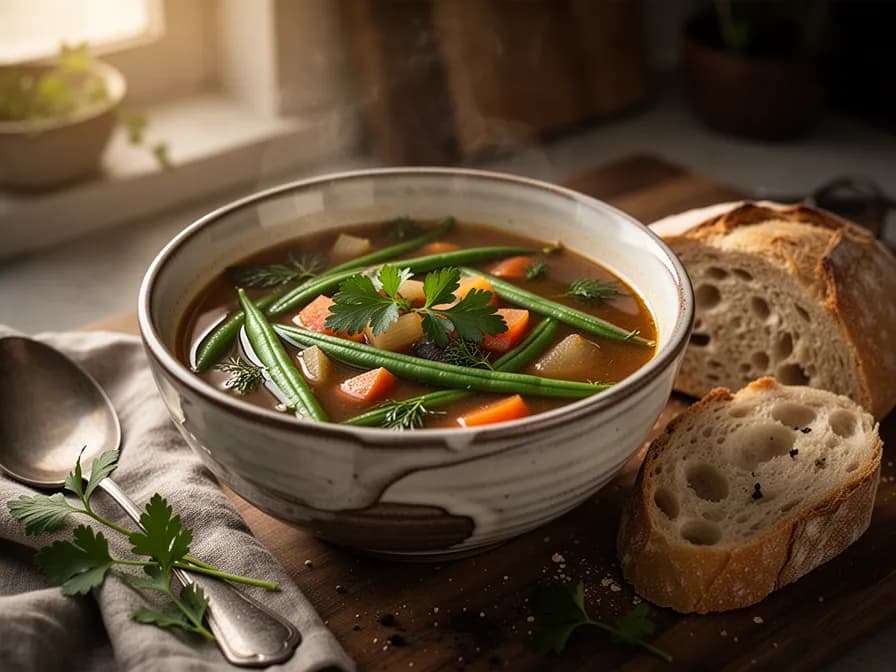
Stir-Fried Yard-Long Beans with Garlic and Chili
15 minThe most popular way to prepare yard-long beans across Southeast Asia — quick high-heat stir-frying preserves the snappy texture and concentrates the sweet, nutty flavor. Charred edges add a wonderful smoky dimension.
7 ingredientsSichuan Dry-Fried Yard-Long Beans
25 minA beloved Sichuan classic where beans are first fried until blistered and wrinkled, then tossed with savory preserved vegetables and ground pork. The dry-frying technique creates an intensely concentrated flavor and addictive chewy texture.
8 ingredientsThai Yard-Long Bean Salad (Tam Tua Fak Yao)
20 minA punchy, refreshing Thai salad where raw or blanched yard-long beans are pounded in a mortar with a spicy-sour-sweet dressing. This street food favorite showcases the beans' crisp texture and fresh flavor.
9 ingredientsCulinary Uses
Yard-long beans are a staple in Southeast Asian, Chinese, and Indian cuisines. Cut into 2-inch pieces for stir-fries with garlic, ginger, and chili. They pair beautifully with shrimp paste, fermented black beans, and coconut curry. Use in Thai som tam (papaya salad) or dry-fried Sichuan style. They hold their texture better than snap beans in long-cooked dishes and are delicious in tempura or simply sauteed with sesame oil.
What's inside
Health Benefits
- Rich in folate (vitamin B9), which is essential for DNA synthesis, red blood cell formation, and is critically important during pregnancy for preventing neural tube defects in developing babies.
- Provides 21% of the daily value of vitamin C per 100g, a potent antioxidant that supports immune defense, collagen production for healthy skin, and enhances the absorption of plant-based iron.
- Contains significant dietary fiber (2.8g per 100g) that promotes healthy digestion, feeds beneficial gut bacteria, supports regular bowel movements, and may help lower cholesterol levels.
- Good source of plant-based iron, and when consumed with its own vitamin C content, absorption is naturally enhanced — making yard-long beans particularly valuable for vegetarians and vegans at risk of iron deficiency.
- Provides vitamin A as beta-carotene (17% DV per 100g), supporting healthy vision, skin integrity, and immune function. The darker-podded varieties like Chinese Red Noodle contain even higher levels of antioxidant pigments.
- Low glycemic index food that provides sustained energy without blood sugar spikes, making yard-long beans a smart choice for people managing diabetes or watching their carbohydrate intake.
Where Yard-Long Bean comes from
Yard-long beans (Vigna unguiculata subsp. sesquipedalis) are a subspecies of the cowpea, believed to have been domesticated from wild Vigna species in tropical Africa. While the broader cowpea complex originated in sub-Saharan Africa — where wild relatives still grow today — the yard-long bean as a distinct cultivated form was developed in southern China and Southeast Asia, likely through centuries of selective breeding for ever-longer pods and climbing habit.
The earliest evidence of yard-long bean cultivation in Asia dates to approximately 2,000 years ago, and the crop became deeply integrated into the agricultural systems and cuisines of China, Thailand, Vietnam, Indonesia, the Philippines, and India. In traditional Asian farming, yard-long beans were valued not only as a food crop but also as a nitrogen-fixing companion plant in rice paddies and mixed-cropping systems. Chinese agricultural texts from the Tang Dynasty (618-907 CE) reference long-podded cowpea varieties, indicating a well-established cultivation tradition by that era.
European explorers and traders encountered yard-long beans in Asia during the Age of Exploration and brought seeds back to botanical gardens and tropical colonies. However, the crop never gained widespread popularity in Europe due to its strict requirement for sustained heat — it simply does not thrive in the cool, short summers of temperate climates. In the Americas, yard-long beans found a natural home in the Caribbean, southern Florida, and the Gulf Coast region where summer heat and humidity mirror the plant's tropical preferences.
Today, yard-long beans are among the most commercially important vegetables in tropical Asia, with China, Thailand, Indonesia, and the Philippines as major producers. In the United States, they are increasingly popular at farmers markets and in home gardens, driven by growing interest in Asian cuisine and the search for heat-tolerant crops that actually improve with the high temperatures that stress conventional green beans. Modern varieties include the striking Chinese Red Noodle with its deep burgundy pods, the high-yielding Liana, and the exceptionally long Orient Extra Long.
Yard-Long Bean: did you know?
Fascinating facts about Yard-Long Bean
Despite the common name, yard-long beans rarely reach a full yard (91 cm) in length — the typical harvestable size is 30-45 cm (12-18 inches), but under ideal tropical conditions some pods can stretch to 75 cm (30 inches) or more.
Yard-Long Bean questions, answered
When should I plant Yard-Long Bean?
What are good companion plants for Yard-Long Bean?
What hardiness zones can Yard-Long Bean grow in?
How much sun does Yard-Long Bean need?
How far apart should I space Yard-Long Bean?
What pests and diseases affect Yard-Long Bean?
How do I store Yard-Long Bean after harvest?
What are the best Yard-Long Bean varieties to grow?
What soil does Yard-Long Bean need?
How tall do yard-long bean trellises need to be?
Why are my yard-long beans tough and stringy?
Can I grow yard-long beans in a short-season or cool climate?
What is the difference between yard-long beans and regular green beans?
Do yard-long beans fix nitrogen in the soil?
Can I eat yard-long beans raw?
You just read the theory. Now grow it on autopilot.
Everything that makes Yard-Long Bean fiddly — the timing, the spacing, the companions, the harvest window — is exactly what PlotMyGarden handles for you, for every plant in your garden.
A plan that knows your weather
Set your location once. Get sow, feed and harvest dates built around your real last-frost date and live forecast — no more guessing from a generic seed packet.
From the “When to plant” sectionDrag-and-drop bed planner
Design beds on a grid. Every plant snaps to its proper spacing, and you can see your whole season laid out before you spend a cent on seed.
From the “Growing guide” sectionCompanion conflicts, caught early
200+ good-and-bad pairings checked live as you plant — so a season-wrecking mistake never makes it into the ground.
From the “Companions” sectionReminders you'll actually act on
“Water the beans.” “Pick today before it turns.” Timely, specific, and tied to the plants you're really growing.
From the “Harvest” sectionSuccession, scheduled
Want a harvest for six weeks, not six days? It spaces your sowings automatically and reminds you when each new block is due.
From the “When to plant” sectionA record that gets smarter
Every harvest you log teaches it your garden. Next year's plan starts from what actually worked in your soil, not a textbook's.
From the “Overview” sectionPlant these alongside Yard-Long Bean
More Legumes
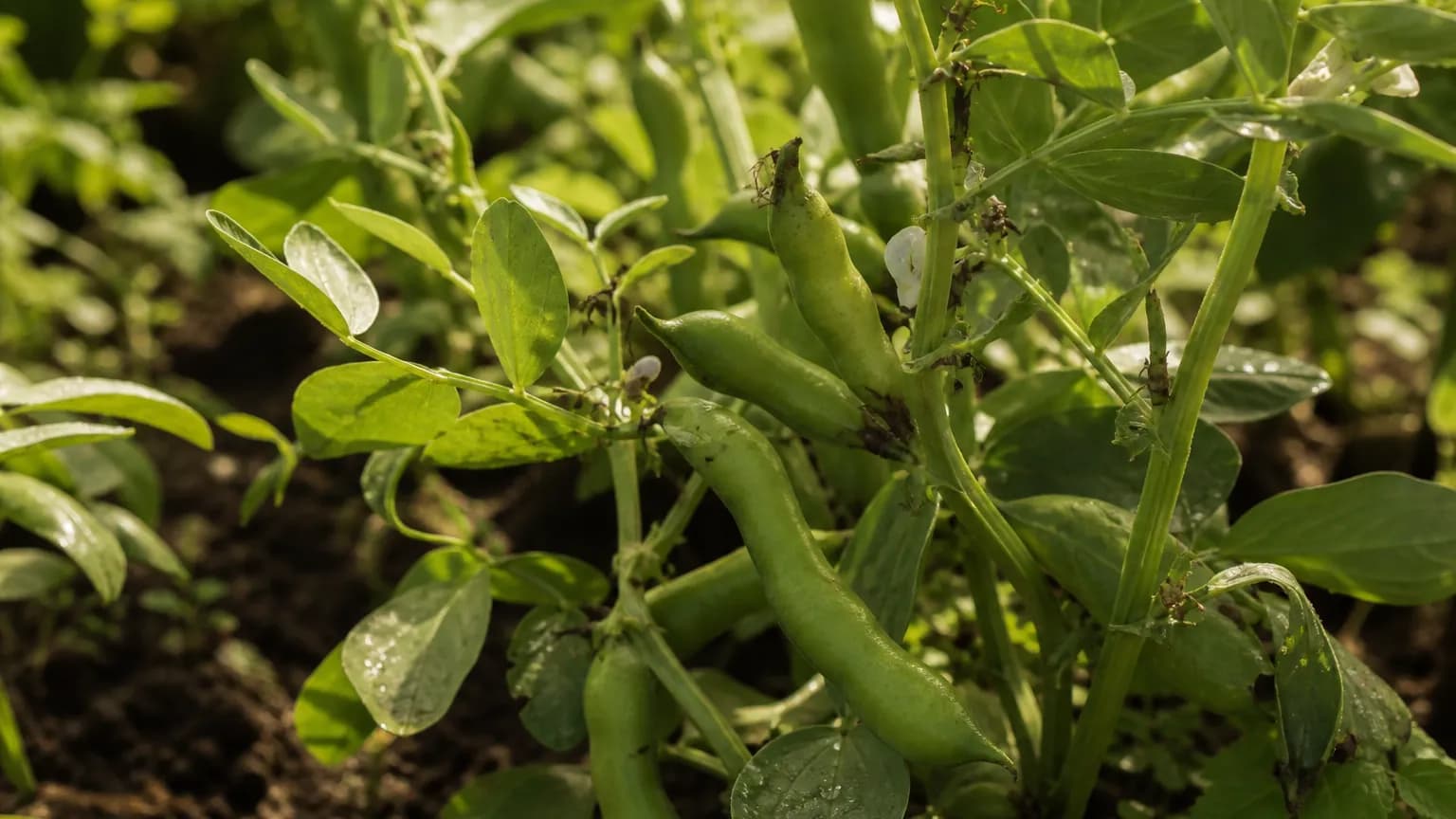
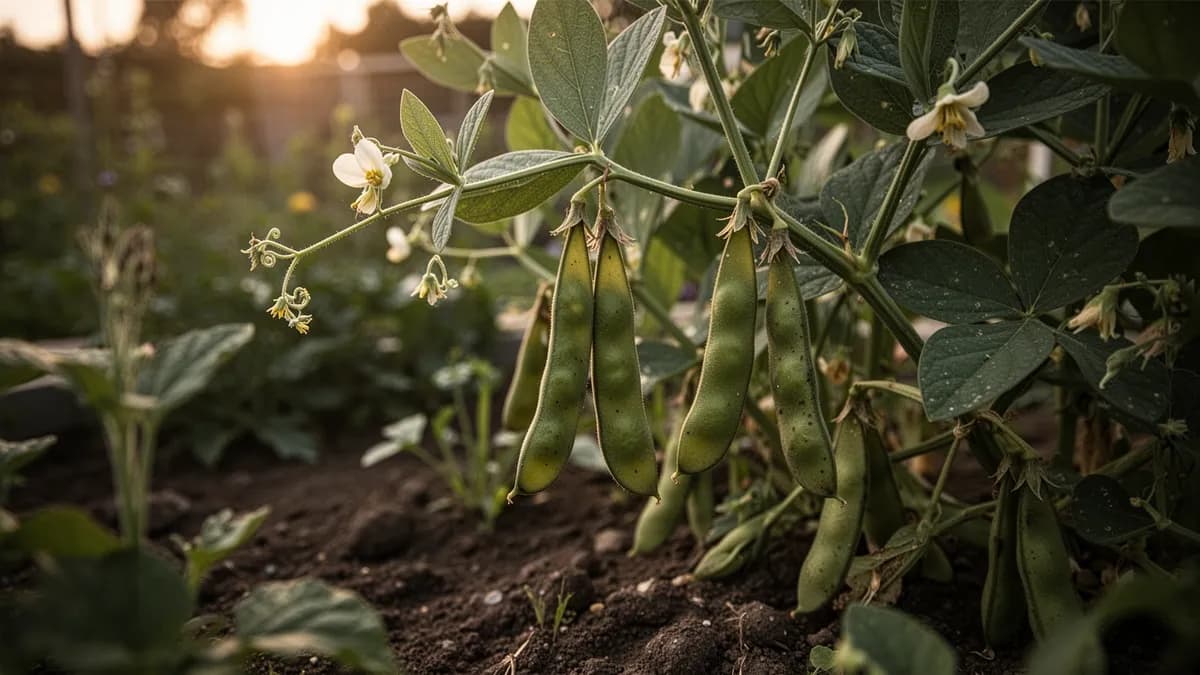
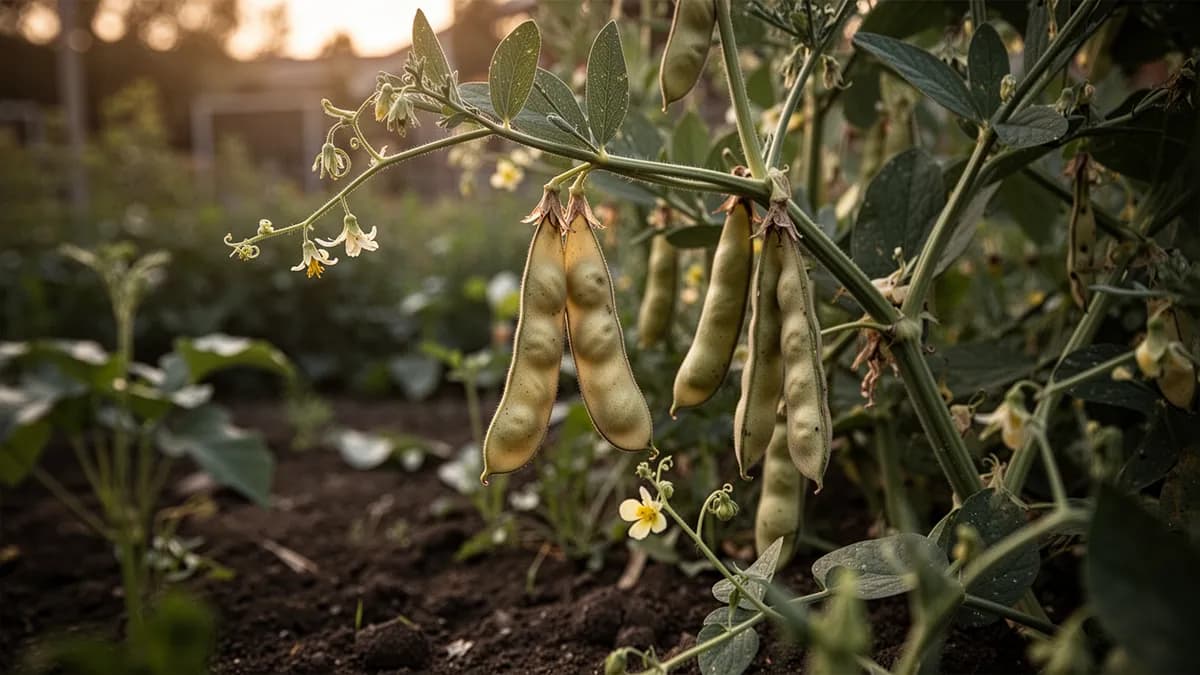
Keep Yard-Long Bean away from these
Garden plans featuring Yard-Long Bean
Grow your best Yard-Long Bean yet — and everything around it.
Start a free plan today. Lay out your beds, drop in your Yard-Long Bean, and let PlotMyGarden handle the timing, spacing, companions and reminders from seed to harvest basket.