Tritonia
A South African corm producing graceful sprays of cup-shaped orange, salmon, or pink flowers on wiry stems in late spring.





On this pageOverview
Meet Tritonia
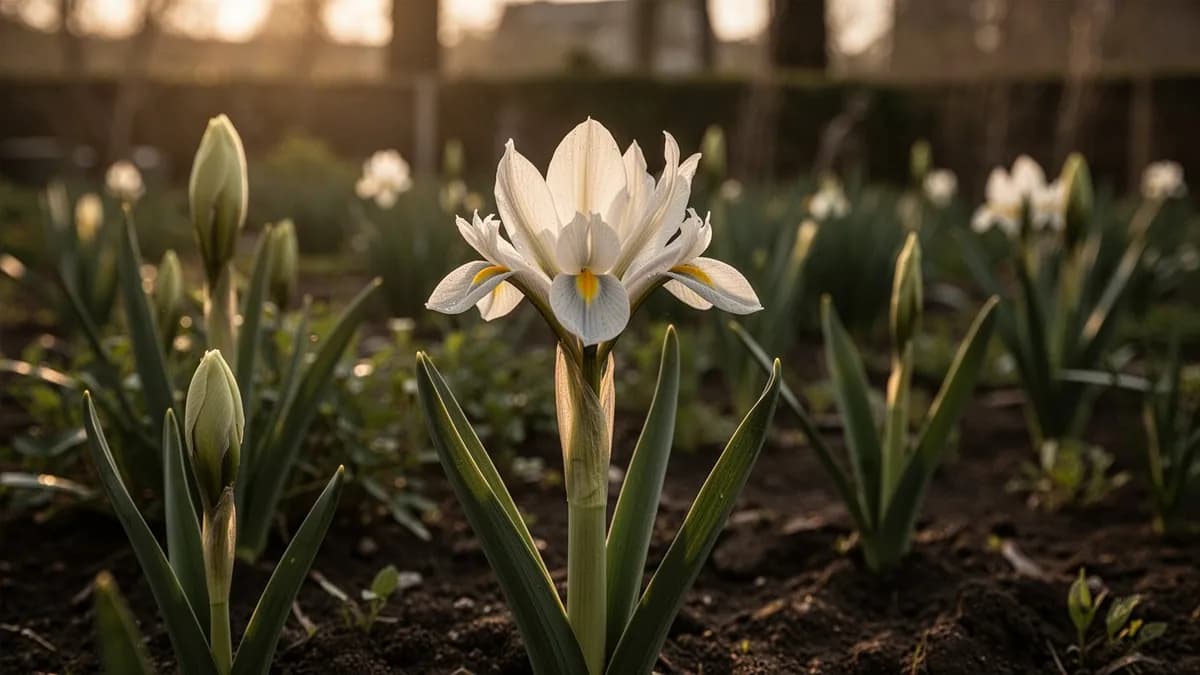
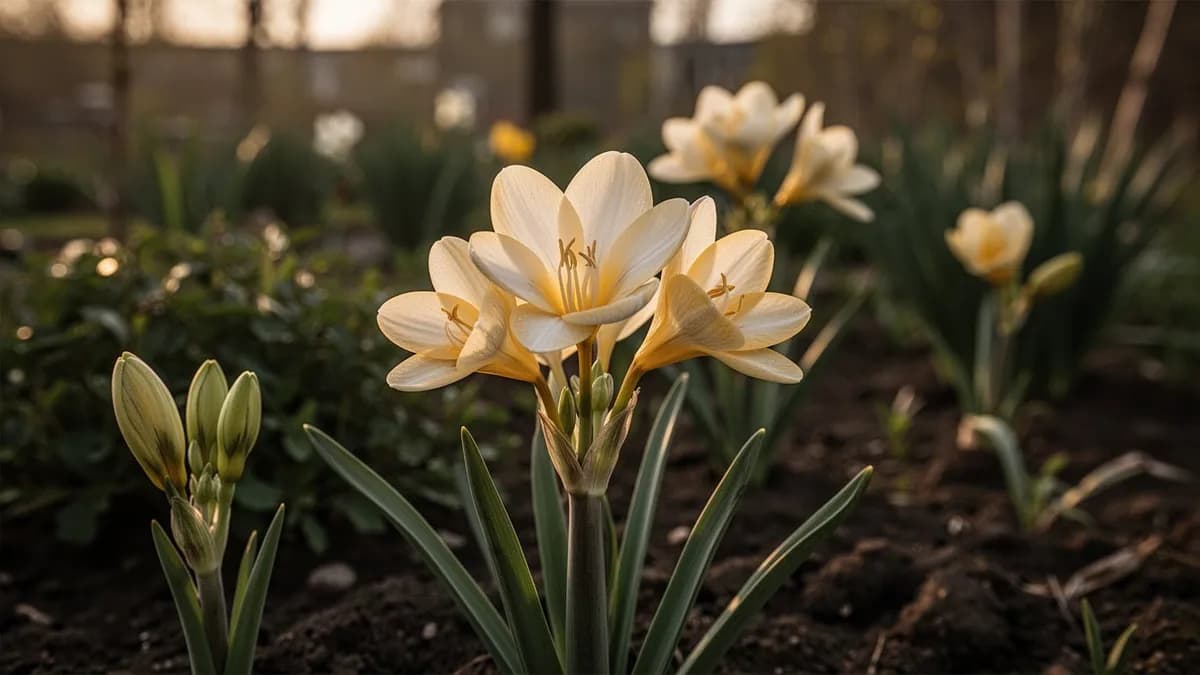
A South African corm producing graceful sprays of cup-shaped orange, salmon, or pink flowers on wiry stems in late spring. Tritonia is closely related to freesia and crocosmia and shares their preference for well-drained soil and dry summer dormancy. It naturalizes well in mild climates and is excellent for cutting.
When to plant Tritonia
Tritonia can be grown from seed sown in autumn in pots of gritty, free-draining compost. Scatter seeds on the surface, press lightly into the compost, and cover with fine grit. Water well and place in a cool, bright location. Seeds germinate within three to six weeks. Maintain the natural wet-winter, dry-summer cycle as seedlings develop. Grow on for two to three seasons before transplanting to permanent positions. Flowering typically begins in the third year from seed.
Your Tritonia Year
Composed for Zone 7 · typical seasons · frost passes Apr 2, returns Nov 1
Plant Tritonia Oct – Nov, pick May – Jun. Check the planting methods below and set your climate to personalize these windows.
How to grow Tritonia
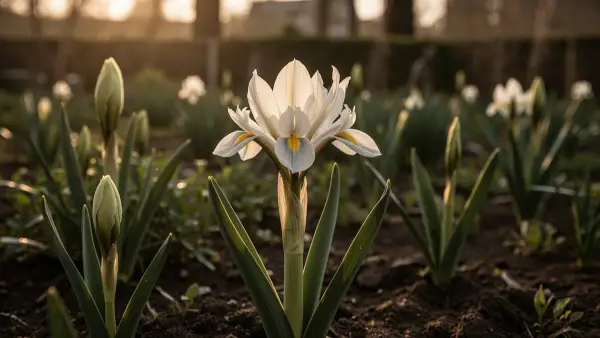
Plant tritonia corms in autumn, three to four inches deep and three to four inches apart, in a warm, sheltered location with well-drained soil in full sun. Like its relatives freesia and crocosmia, tritonia grows during the cool, moist months of autumn through spring and requires a completely dry summer dormancy period. Mediterranean climates with dry summers are ideal, but tritonia is somewhat more adaptable than many South African bulbs.
During the active growing season, water regularly to keep the soil evenly moist. The narrow, iris-like foliage emerges in autumn and the graceful sprays of cup-shaped flowers appear on wiry stems in late spring to early summer. Each corm produces several flowering stems, creating a generous display of warm-toned blooms in orange, salmon, and pink.
In zones below 7, lift corms after foliage dies back and store dry through summer for replanting in autumn. In milder areas, tritonia can remain in the ground year-round if drainage is excellent and summer rainfall is minimal. Mulch lightly with gravel rather than organic material to maintain the dry, warm conditions the corms prefer during dormancy.
288 plants fit a 4 × 8 ft bed
Each Tritonia wants 10 cm of elbow room. The planner keeps that spacing for you — every plant, every bed.
Tritonia's best neighbours
Tritonia combines beautifully with its South African relatives including ixia, sparaxis, and freesia in mixed plantings that share the same cultural requirements. In Mediterranean gardens, pair with lavender, rosemary, and other drought-adapted plants. The warm flower colors complement silver-foliaged companions like artemisia and santolina. In containers, create a display with other winter-growing bulbs for a colorful spring show.
Corn Lily belongs beside it.
Old growers' knowledge, checked against Tritonia's real companion table below — test any plant you're growing.
Try Tritonia in a bed — right here
A real planner bed with Tritonia already in it. Tap a companion to place it and watch the pairing checks answer — green for good neighbours, red for a clash.


Related growing guides
Feed it well
Tritonia thrives in well-drained, sandy or loamy soil with a pH of 6.0 to 7.5. Excellent drainage is essential, particularly during summer dormancy when excess moisture causes rot. Amend heavy soils with coarse sand and grit. Apply a balanced liquid fertilizer every two to three weeks during the growing season from autumn through spring. Cease feeding as foliage begins to yellow. A light application of bone meal at planting time provides phosphorus for root development.
Ideal Temperature
Hardiness Zone Compatibility
From seed to harvest, stage by stage
Corm Planting
Plant Tritonia corms in autumn at a depth of approximately 5 to 8 centimeters and 8 to 10 centimeters apart in well-drained soil. In their native South African habitat they are planted before the winter rainy season. In colder climates, plant in spring after the last frost.
Root Establishment
The corm develops a network of fine roots that anchor the plant and begin absorbing moisture and nutrients. No above-ground growth is visible during this phase, but the corm is actively preparing for leaf emergence.
Leaf Emergence
Narrow, sword-shaped leaves emerge in a distinctive fan arrangement typical of the Iridaceae family. Each corm produces a cluster of four to six erect, ribbed leaves that grow 20 to 30 centimeters tall. The foliage channels rainfall toward the corm base.
Flower Spike Development
A slender flower spike emerges from the center of the leaf fan, growing to 30 to 40 centimeters tall. Buds form along one side of the spike in a secund (one-sided) arrangement. The buds are initially green and gradually take on an orange tint as they mature.
Full Bloom
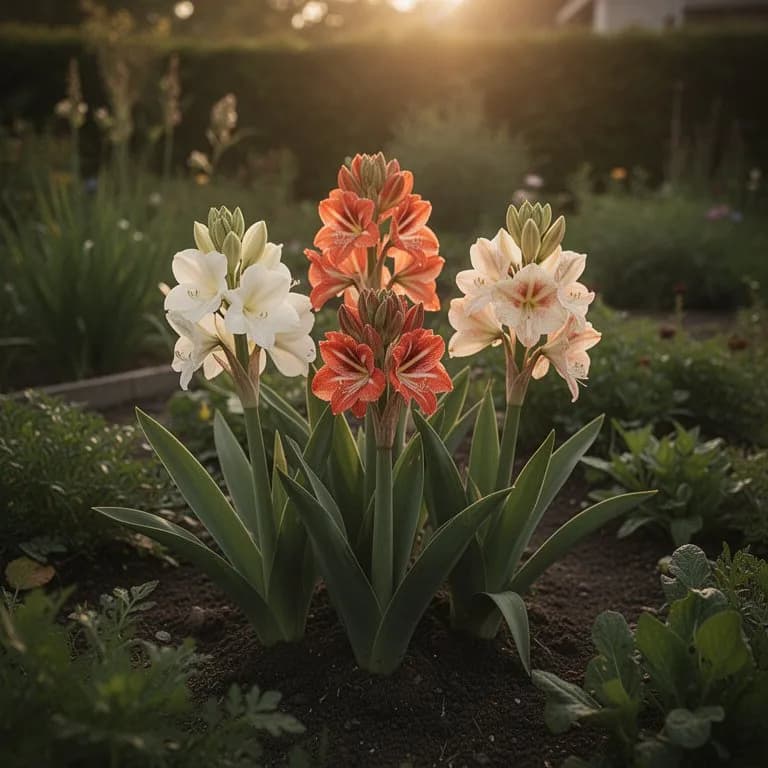
The cup-shaped flowers open sequentially from the base of the spike upward, each bloom lasting three to five days. Flowers are typically vivid orange to salmon with a deeper orange or yellow throat. The display period lasts two to three weeks as successive flowers open.
Seed Set and Corm Replenishment
After flowering, the plant channels energy back into the corm and produces small offset cormels around the mother corm. If pollinated, small capsules develop containing round seeds. The foliage remains green and photosynthetically active during this critical period.
Dormancy
Foliage yellows and dies back as the corm enters its summer dormancy period. The corm rests underground in a dry state, relying on its stored reserves until the next growing season begins. In its native habitat, this coincides with the dry summer months.
Choose a site with full sun and sharp drainage. Incorporate coarse sand or fine gravel into heavy soils to prevent waterlogging, which causes corm rot.
Caring for Tritonia month by month
What to do each month for your Tritonia
October
You are hereNorthern Hemisphere: in cold climates, lift corms after foliage dies and store for winter. In mild climates, leave corms in the ground with a light mulch. Southern Hemisphere: prepare beds and plant corms for the new season.
Know exactly what to do in your garden — every month
One email at the start of each month: what to sow, plant, and tackle right now — for your Tritonia and everything growing around it. Plus a short starter course that helps you dodge the classic mistakes.
- What to do, right now
- Matched to your season
- Starter course included
Harvesting Tritonia
Cut tritonia stems for delicate arrangements when the first two or three flowers on the spray have opened. The graceful, curving stems with warm-toned cup-shaped flowers add movement and charm to small bouquets. Place immediately in cool water. Cut flowers last five to eight days in a vase. Tritonia combines beautifully with other spring flowers and fresh greenery for informal, garden-style arrangements.
assuming you plant when the window opens — set your real date
From bulbs, tubers or cloves
Pick Tritonia promptly and the plant keeps producing.
Storage & Preservation
In cold climates, lift tritonia corms after foliage yellows and dies back in early summer. Clean off soil, remove old corm husks, and dry in a warm, ventilated area for two weeks. Store in paper bags or mesh containers at 60 to 70 degrees Fahrenheit through summer. Replant in autumn when temperatures begin to cool. In frost-free areas with dry summers, leave corms in the ground undisturbed for best naturalization.
What goes wrong — and the fix
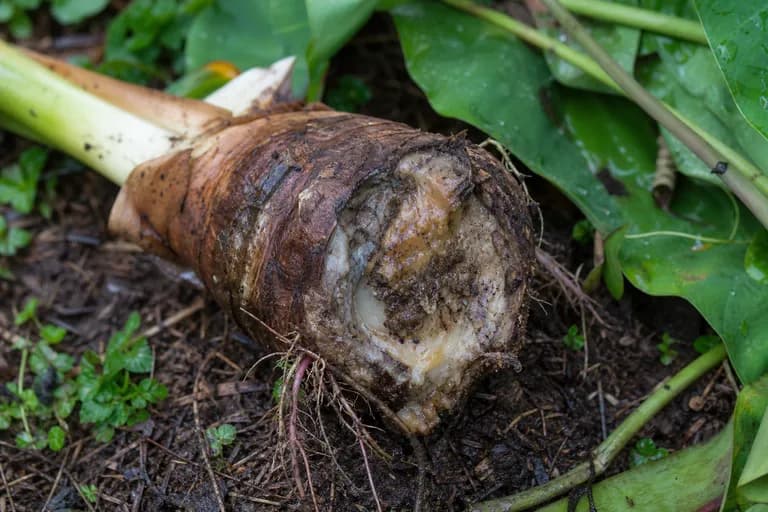
Corm Rot
DiseaseSoft, discolored corms that produce weak or no growth. A mushy texture and foul smell when the corm is lifted and inspected.
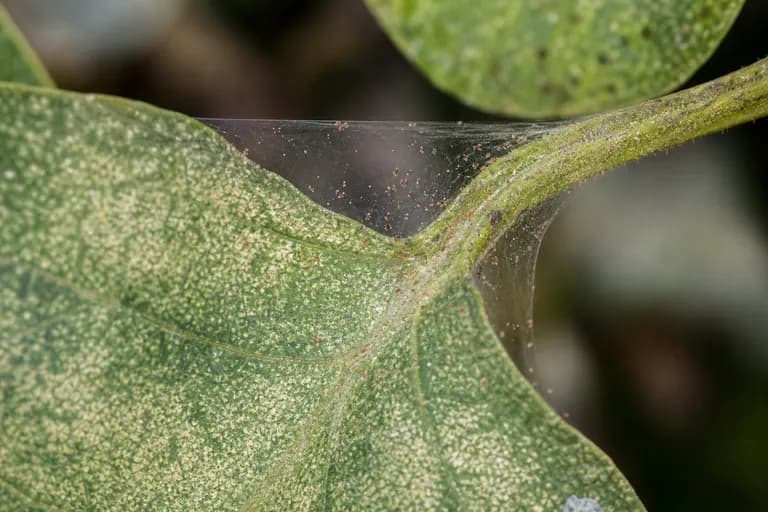
Spider Mites
PestFine stippling on leaves, yellowing foliage, tiny webs visible on leaf surfaces during warm, dry spells in late spring.
Troubleshooting Common Problems
The main cause of failure is summer moisture reaching dormant corms, a particular problem in regions with summer rainfall. Growing in containers or raised beds with excellent drainage is the solution. In cold climates, forgetting to lift corms before frost results in total loss. Undersized corms may not flower in their first season, requiring a year of growth to reach blooming size. The wiry stems may need light support in exposed positions.
Growing Tips
- Plant Tritonia corms in groups of at least ten to fifteen for the most visually impactful display, spacing them 8 to 10 centimeters apart in informal drifts rather than rigid rows.
- Ensure the planting site has excellent drainage by raising the bed 10 to 15 centimeters above grade or adding a generous layer of coarse sand and gravel beneath the corms.
- In USDA zones 7 and below, treat Tritonia as a spring-planted bulb and lift corms in autumn after the foliage has died back, storing them dry in a frost-free location over winter.
- Apply a thin layer of fine gravel or decomposed granite mulch around the planting area to suppress weeds while allowing the soil surface to dry quickly between waterings.
- Avoid planting Tritonia in heavy clay soil without significant amendment, as waterlogged conditions during dormancy will cause corm rot and plant loss.
- Feed Tritonia once at the start of the growing season with a balanced slow-release fertilizer at half the recommended rate, as these plants are adapted to nutrient-poor soils.
- Position Tritonia where they will receive at least six hours of direct sunlight daily, as insufficient light results in weak, floppy stems and poor flower color.
- Allow Tritonia to naturalize undisturbed for three to four years before lifting and dividing congested clumps, as they flower most prolifically when slightly crowded.
- Interplant Tritonia with low-growing ground covers such as creeping thyme or blue star creeper to insulate the soil and provide visual interest during the dormancy period.
- In windy gardens, plant Tritonia on the leeward side of low-growing shrubs or walls to protect the slender flower spikes from being damaged by strong gusts.
Grow your best Tritonia yet — and everything around it.
Start a free plan today. Lay out your beds, drop in your Tritonia, and let PlotMyGarden handle the timing, spacing, companions and reminders from seed to harvest basket.
Pick your Tritonia
Crocata
The most common species with bright orange cup-shaped flowers on eighteen-inch stems, reliable and free-flowering in well-drained conditions.
Pink Sensation
A lovely cultivar with soft salmon-pink flowers, slightly later blooming than the species and excellent for cutting.
Prince of Orange
Deep, rich orange flowers with a slight coppery glow, larger and more intensely colored than the standard species.
A single Tritonia corm costs between two and four dollars and produces three to five offset cormels each year. Within three to four growing seasons, an initial planting of ten corms can multiply into fifty or more flowering-sized corms at no additional cost. This makes Tritonia one of the most economical ornamental bulbs for creating large, colorful garden displays, saving thirty to fifty dollars compared to purchasing equivalent numbers of new corms each season.
Quick recipes
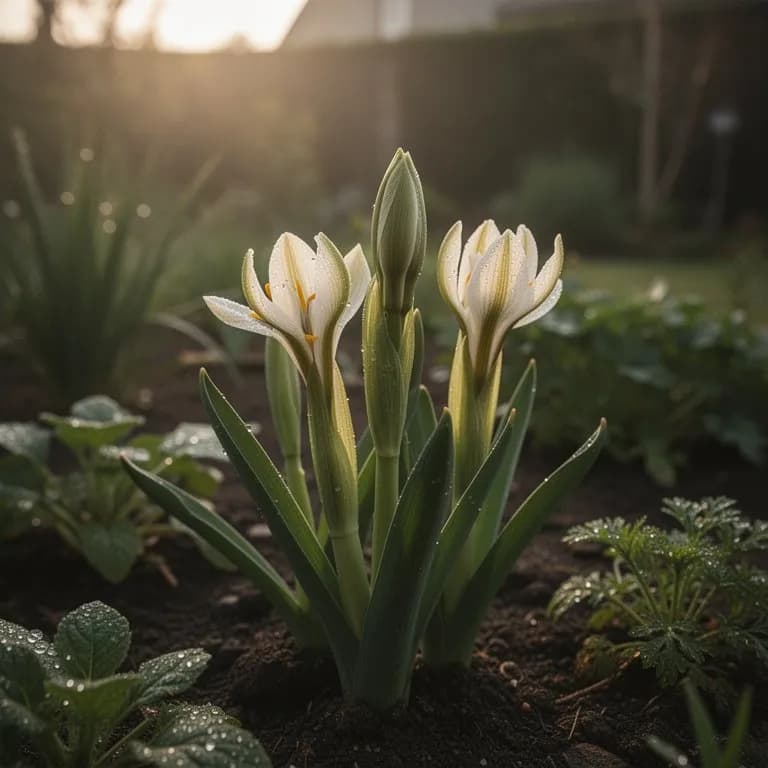
Long-Lasting Tritonia Cut Flower Arrangement
15 minutesCreate a stunning floral display using freshly cut Tritonia stems. The vibrant orange blooms pair beautifully with blue and purple flowers for a striking complementary color arrangement that lasts up to ten days.
5 ingredientsDried Tritonia Seed Head Wreath
45 minutesAfter the blooming season, the attractive seed capsules of Tritonia can be dried and incorporated into a rustic wreath. The architectural seed heads add texture and a natural South African flair to autumn and winter door decorations.
5 ingredientsPressed Tritonia Botanical Art
10 minutes active, 3-4 weeks pressing timePreserve the delicate beauty of Tritonia flowers by pressing them for use in framed botanical art or greeting cards. The flat, cup-shaped flowers press exceptionally well and retain much of their orange color when dried properly.
5 ingredientsWhat's inside
Health Benefits
- Tritonia is a purely ornamental plant with no edible or medicinal uses, but growing it provides meaningful mental health benefits through the calming, rewarding practice of gardening.
- The vivid orange flowers contribute to a visually stimulating garden environment, and exposure to bright warm colors has been linked to elevated mood and reduced feelings of seasonal depression.
- Caring for cormous plants like Tritonia through their seasonal growth cycle encourages a mindful connection to natural rhythms and the passage of the seasons.
- Working with soil when planting and lifting corms exposes gardeners to the beneficial soil bacterium Mycobacterium vaccae, which has been shown to stimulate serotonin production.
- Growing Tritonia in a pollinator-friendly garden supports local ecosystems by providing nectar to bees, butterflies, and other beneficial insects during the flowering season.
- The act of propagating Tritonia by dividing cormels and sharing them with fellow gardeners fosters community connection and social well-being.
Where Tritonia comes from
Tritonia crocata, commonly known as the flame freesia or blazing star, is a cormous perennial native to the Western Cape of South Africa. It is found growing wild on rocky sandstone and granite slopes in the fynbos biome, one of the most botanically diverse ecosystems on Earth. The species thrives in the Mediterranean-type climate of this region, where cool, wet winters alternate with warm, dry summers.
The plant was first encountered by European botanists during the eighteenth century explorations of the Cape Colony. Carl Peter Thunberg, a Swedish naturalist and student of Linnaeus, collected specimens during his travels between 1772 and 1775. The species was formally described by the Scottish botanist Robert Ker Gawler in 1802, who placed it in the genus Tritonia based on the variable orientation of its stamens. The genus name derives from the Greek 'triton,' meaning weathervane, a reference to this distinctive floral characteristic.
Tritonia crocata was introduced to European horticulture in the early nineteenth century, where it found favor in British and Dutch conservatories and mild coastal gardens. Victorian plant collectors prized it for its vibrant color and reliable flowering. By the late 1800s, it had been widely distributed through the horticultural trade and had begun to naturalize in climatically suitable regions including coastal California, southern Australia, and parts of the Mediterranean Basin.
In its native fynbos habitat, Tritonia crocata plays an important ecological role. It has coevolved with long-tongued nemestrinid flies, which serve as its primary pollinators. The plant is also adapted to periodic wildfire, which clears competing vegetation and releases nutrients into the soil, stimulating vigorous corm regeneration and mass flowering in the seasons following a burn. Today it remains a cherished garden plant in warm-temperate and Mediterranean climates worldwide.
Tritonia: did you know?
Fascinating facts about Tritonia
The name Tritonia comes from the Greek word 'triton,' meaning weathervane, referring to the variable directions in which the stamens point in different species.
Tritonia questions, answered
When should I plant Tritonia?
What are good companion plants for Tritonia?
What hardiness zones can Tritonia grow in?
How much sun does Tritonia need?
How far apart should I space Tritonia?
What pests and diseases affect Tritonia?
How do I store Tritonia after harvest?
What are the best Tritonia varieties to grow?
What soil does Tritonia need?
Is Tritonia crocata the same as crocosmia or freesia?
Can I grow Tritonia in containers?
Why did my Tritonia corms not flower this year?
When is the best time to divide Tritonia clumps?
Are Tritonia plants toxic to pets or children?
How do I protect Tritonia from pests and diseases?
You just read the theory. Now grow it on autopilot.
Everything that makes Tritonia fiddly — the timing, the spacing, the companions, the harvest window — is exactly what PlotMyGarden handles for you, for every plant in your garden.
A plan that knows your weather
Set your location once. Get sow, feed and harvest dates built around your real last-frost date and live forecast — no more guessing from a generic seed packet.
From the “When to plant” sectionDrag-and-drop bed planner
Design beds on a grid. Every plant snaps to its proper spacing, and you can see your whole season laid out before you spend a cent on seed.
From the “Growing guide” sectionCompanion conflicts, caught early
200+ good-and-bad pairings checked live as you plant — so a season-wrecking mistake never makes it into the ground.
From the “Companions” sectionReminders you'll actually act on
“Water the beans.” “Pick today before it turns.” Timely, specific, and tied to the plants you're really growing.
From the “Harvest” sectionSuccession, scheduled
Want a harvest for six weeks, not six days? It spaces your sowings automatically and reminds you when each new block is due.
From the “When to plant” sectionA record that gets smarter
Every harvest you log teaches it your garden. Next year's plan starts from what actually worked in your soil, not a textbook's.
From the “Overview” sectionPlant these alongside Tritonia
More Bulbs
Grow your best Tritonia yet — and everything around it.
Start a free plan today. Lay out your beds, drop in your Tritonia, and let PlotMyGarden handle the timing, spacing, companions and reminders from seed to harvest basket.