Yellow Pear Tomato
A prolific heirloom cherry tomato producing hundreds of small, pear-shaped yellow fruits with mild, sweet flavor.





On this pageOverview
Meet Yellow Pear Tomato
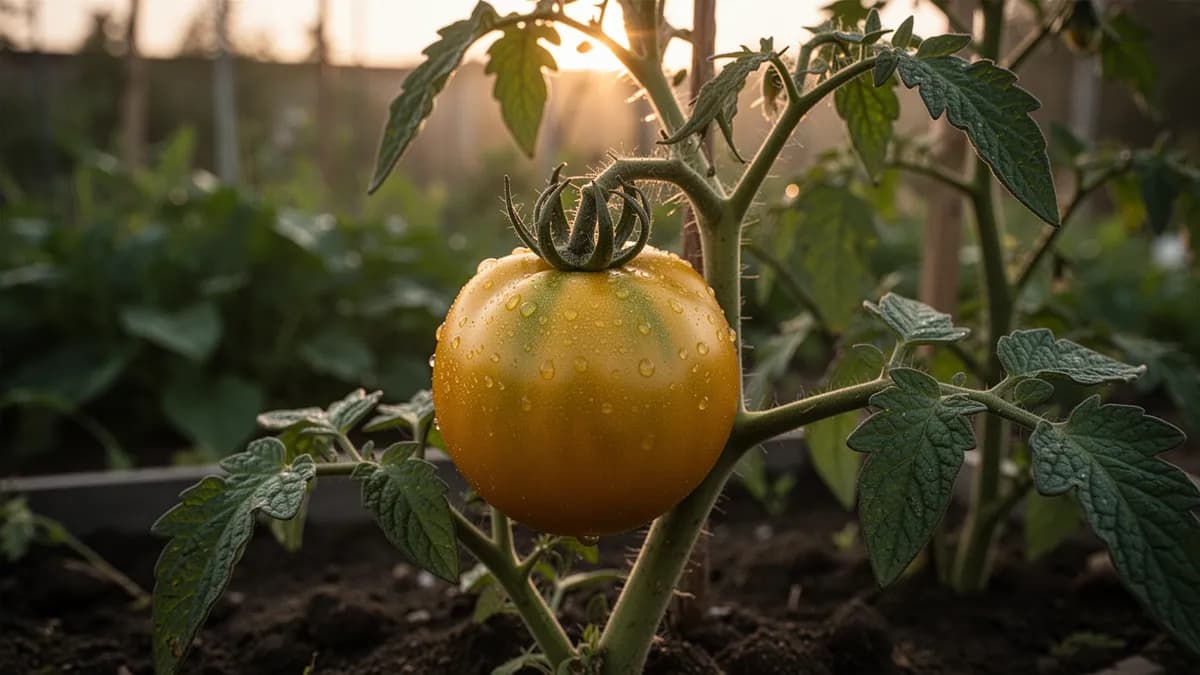
A prolific heirloom cherry tomato producing hundreds of small, pear-shaped yellow fruits with mild, sweet flavor. Indeterminate vines grow vigorously and can reach eight feet or more, requiring tall stakes or a strong trellis. Plants are remarkably disease-resistant and produce continuously until frost, making them a reliable garden workhorse. The bright yellow color and unique shape add visual appeal to salads and appetizer platters.
When to plant Yellow Pear Tomato
Start Yellow Pear seeds indoors 6-8 weeks before the last frost. Plant one-quarter inch deep at 75-85°F for germination in 7-10 days. Provide strong light for 14-16 hours daily. Pot up when true leaves develop, burying stems deeply. Harden off for 10-14 days before transplanting when nighttime temperatures stay above 50°F. Plant deeply in the garden with strong supports already in place. As an open-pollinated heirloom, save seeds from the best fruits. Yellow Pear may also self-sow from dropped fruits in the garden.
Your Yellow Pear Tomato Year
Composed for Zone 7 · typical seasons · frost passes Apr 2, returns Nov 1
Plant Yellow Pear Tomato Feb – May, pick Jul – Sep. Check the planting methods below and set your climate to personalize these windows.
How to grow Yellow Pear Tomato
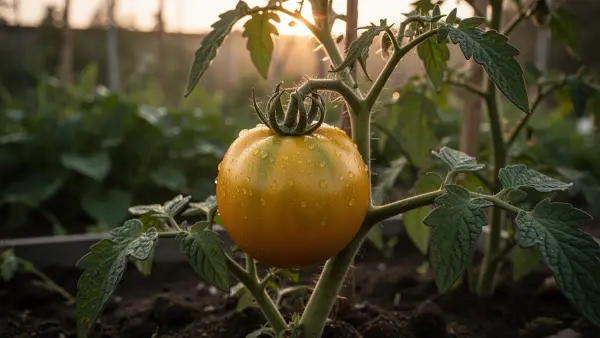
Yellow Pear is a prolific heirloom cherry tomato producing hundreds of small, pear-shaped yellow fruits with a mild, sweet, low-acid flavor. These extremely vigorous indeterminate plants can grow 8-10 feet tall and spread widely, requiring substantial support. Start seeds indoors 6-8 weeks before the last frost. Transplant after soil reaches 60°F.
Space plants 36 inches apart with very strong staking, tall caging, or trellis support. Yellow Pear is one of the most vigorous tomato varieties and will overwhelm standard tomato cages. Prune to 2-3 main stems or the vine will become an impenetrable thicket. Water with 1-1.5 inches per week. The small fruits are prone to splitting after rain, so consistent moisture helps.
Yellow Pear is incredibly productive, often producing 500+ small fruits per plant over a long season. Fruits mature in 70-80 days and continue producing until frost. The mild, sweet flavor and charming pear shape make these tomatoes particularly popular with children. The plants self-sow readily and may appear as volunteers in next year's garden. Yellow Pear dates to at least 1805, making it one of the oldest tomato varieties still in cultivation.
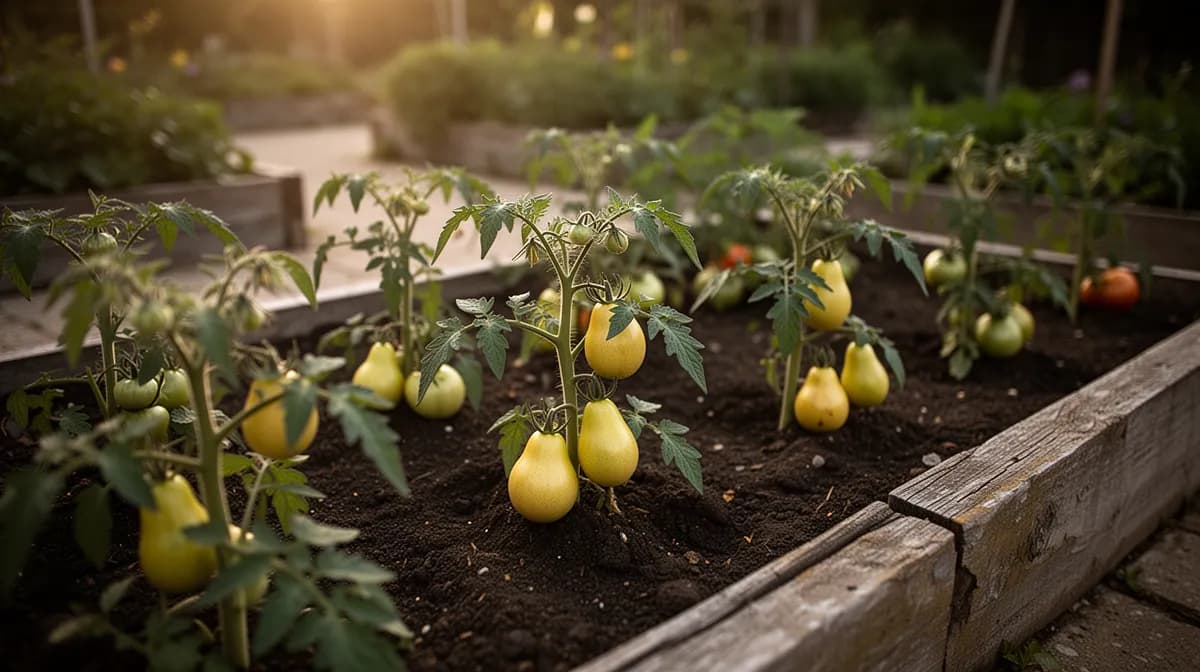
8 plants fit a 4 × 8 ft bed
Each Yellow Pear Tomato wants 60 cm of elbow room. The planner keeps that spacing for you — every plant, every bed.
Yellow Pear Tomato's best neighbours
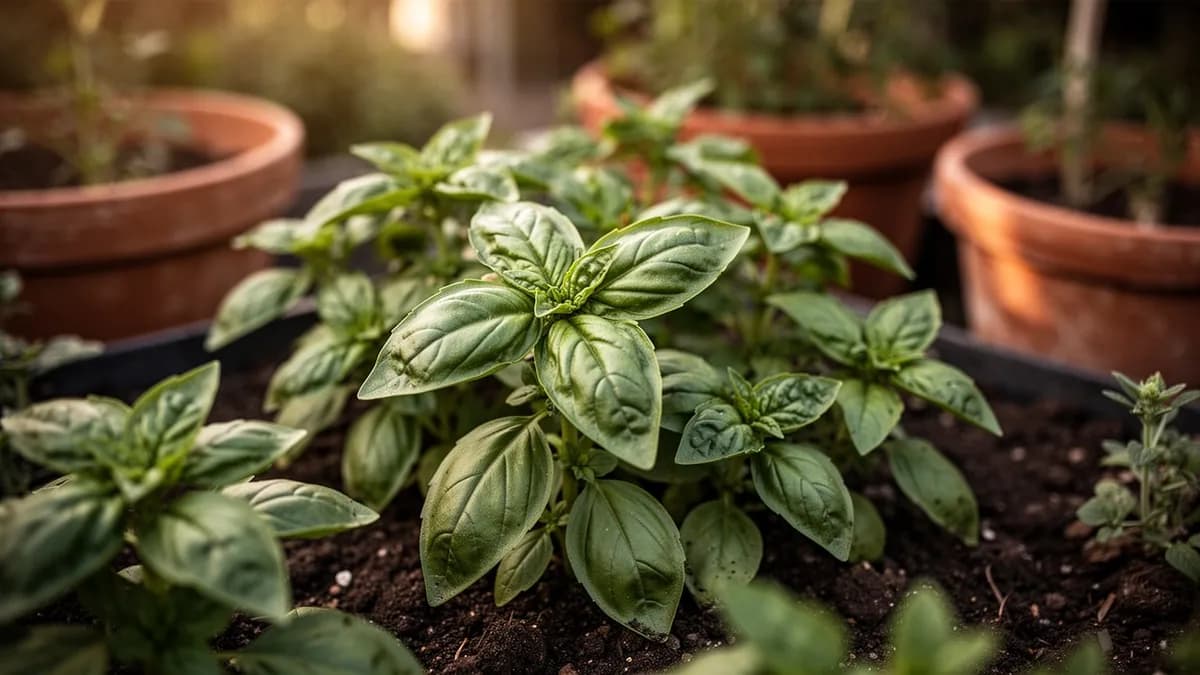
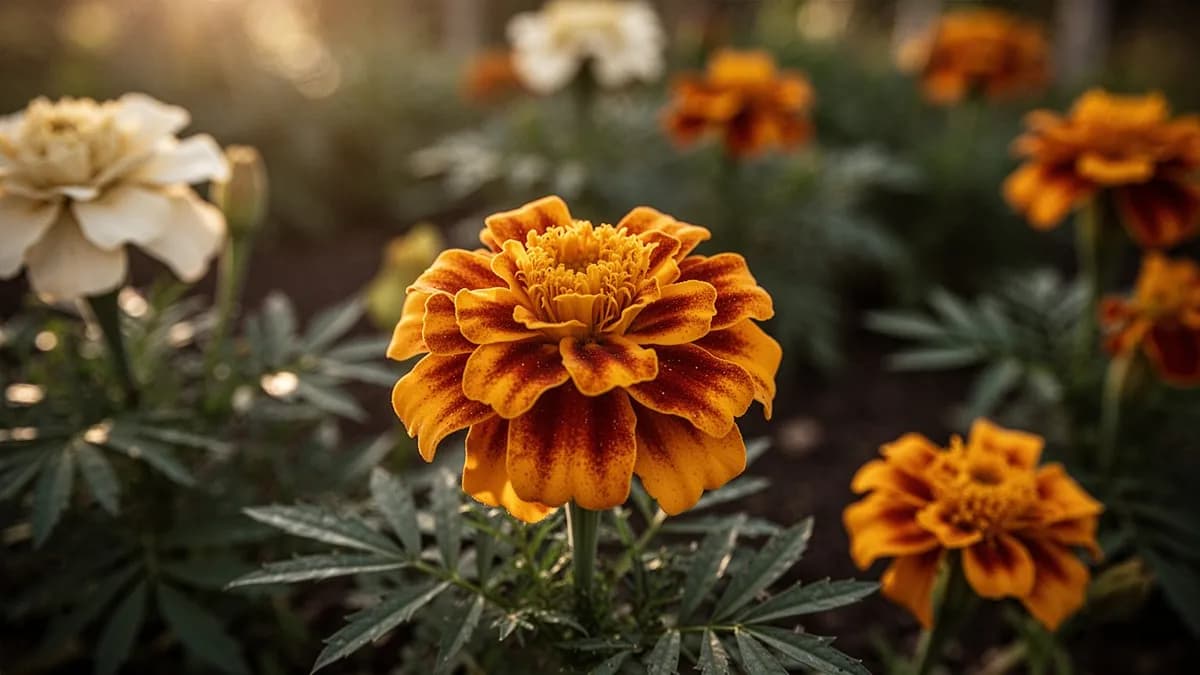
Yellow Pear's aggressive growth requires careful companion placement. Plant basil nearby for pest deterrence; the vigorous tomato may shade the basil beneficially in hot weather. Marigolds at the perimeter repel nematodes. Due to the spreading habit, keep ground-level companions at the edges of the planting area. Borage attracts pollinators. Avoid fennel and brassicas. Position Yellow Pear where its vigorous growth will not overwhelm smaller neighbors. Trailing nasturtiums can share ground space beneath the tall vines.
Basil belongs beside it. Cabbage doesn't.
Old growers' knowledge, checked against Yellow Pear Tomato's real companion table below — test any plant you're growing.
Try Yellow Pear Tomato in a bed — right here
A real planner bed with Yellow Pear Tomato already in it. Tap a companion to place it and watch the pairing checks answer — green for good neighbours, red for a clash.


Related growing guides
Feed it well
Yellow Pear tomatoes grow vigorously in any reasonably fertile, well-drained soil with a pH of 6.0-7.0. They are less demanding than large-fruited varieties and produce well even in average garden soil. Incorporate compost before planting and apply moderate fertilizer at transplanting. Avoid excessive nitrogen which fuels already-excessive vine growth. A phosphorus-rich feed when flowering begins channels energy toward fruit production. These vigorous plants may actually produce better with slightly lean conditions that check vegetative growth.
Ideal Temperature
Hardiness Zone Compatibility
From seed to harvest, stage by stage
Seed Starting
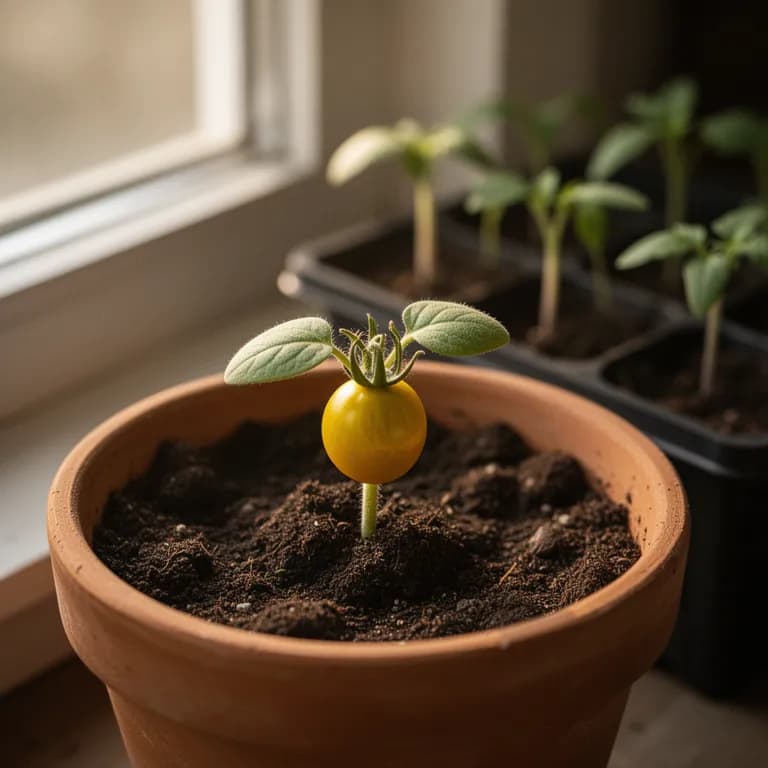
Seeds germinate in warm conditions, sending up a thin stem topped with two oval cotyledon leaves. Yellow Pear tomato seeds are small and require consistent warmth of 21-27°C (70-80°F) for reliable germination in 5-10 days. The delicate seedlings are light-sensitive and will stretch toward the nearest light source.
Seedling Development
True leaves emerge with the characteristic tomato serrated edges and fuzzy texture. The stem thickens and develops tiny hairs that can eventually root if they contact soil. By 4-6 weeks, seedlings should have 4-6 sets of true leaves and a sturdy, slightly purple-tinged stem.
Vegetative Growth
After transplanting, the plant establishes its root system and begins rapid above-ground growth. As an indeterminate variety, Yellow Pear produces a strong central leader with numerous side shoots (suckers) at every leaf axil. Growth accelerates dramatically once nighttime temperatures consistently exceed 15°C (60°F).
Flowering and Fruit Set
Yellow star-shaped flowers appear in long trusses of 8-12 blooms each. Yellow Pear sets fruit readily in warm weather and is largely self-pollinating, though gentle shaking or wind vibration improves pollination rates. The first tiny green pear-shaped fruits become visible within days of successful pollination.
Fruit Ripening
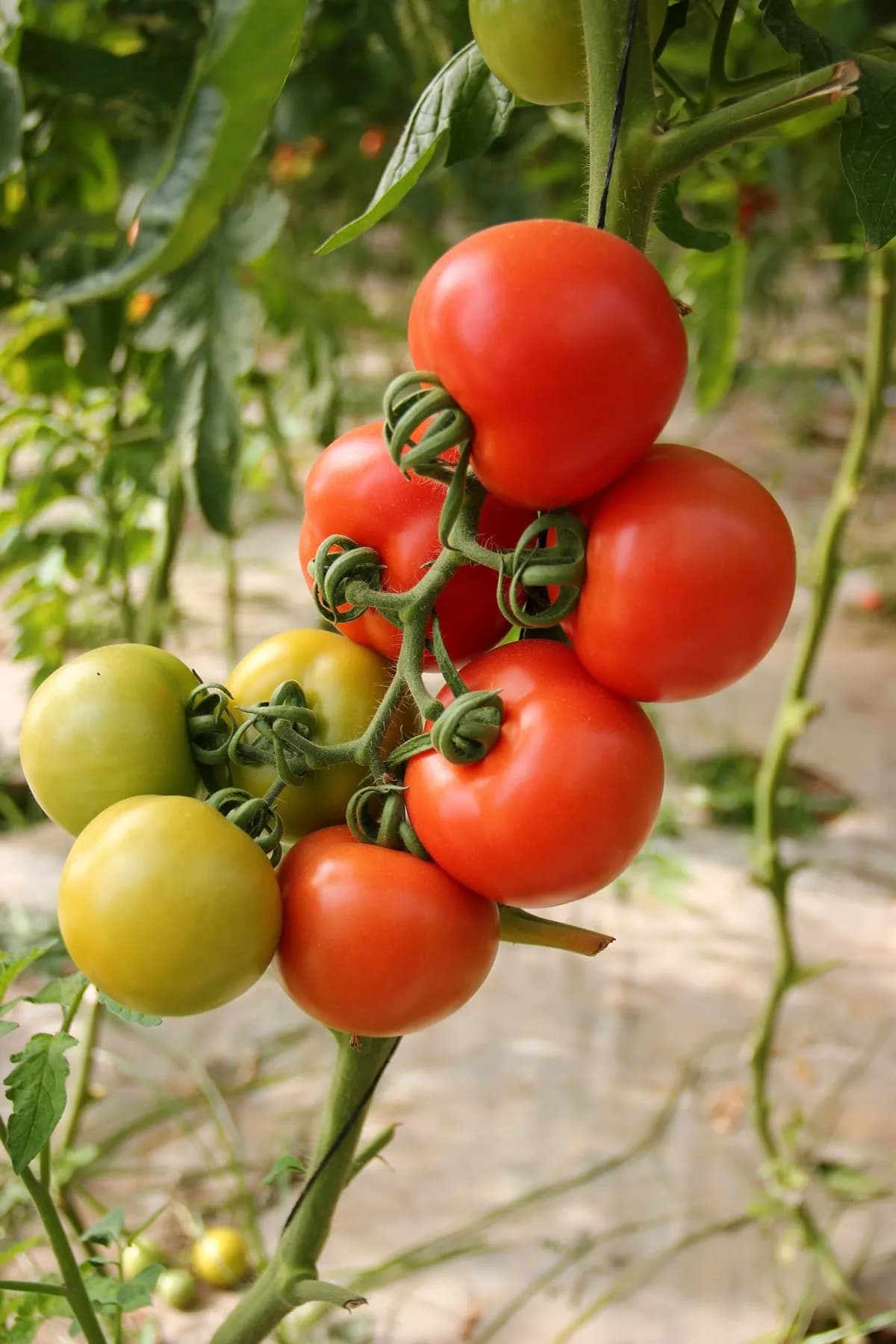
Fruits develop their distinctive pear shape and transition from green to pale yellow to a rich golden hue. Each truss ripens somewhat sequentially from the stem end outward. The skin becomes slightly translucent and yields gently to pressure when perfectly ripe. Flavor peaks when fruit detaches from the vine with minimal effort.
Continuous Production
Yellow Pear enters its prolific production phase, simultaneously flowering, setting fruit, and ripening across dozens of trusses. As an indeterminate variety, it produces continuously until frost. A single healthy plant can yield hundreds of fruits over the season, with peak production during the warmest months.
Start seeds indoors 6-8 weeks before your last frost date. Sow 6mm deep in sterile seed-starting mix. Provide 14-16 hours of strong light from grow lights positioned 5-10 cm above seedlings to prevent leggy growth.
Caring for Yellow Pear Tomato month by month
What to do each month for your Yellow Pear Tomato
October
You are hereFinal harvests in most zones. Pick all remaining fruits — even green ones will ripen on a sunny windowsill or in a paper bag with a ripe banana. Pull spent plants and compost healthy material. Save seeds from the best-flavored fruits for next year by fermenting in water for 2-3 days.
Know exactly what to do in your garden — every month
One email at the start of each month: what to sow, plant, and tackle right now — for your Yellow Pear Tomato and everything growing around it. Plus a short starter course that helps you dodge the classic mistakes.
- What to do, right now
- Matched to your season
- Starter course included
Harvesting Yellow Pear Tomato
Harvest Yellow Pear tomatoes when fruits are fully golden yellow and separate easily from the vine with a gentle tug. Ripe fruits may drop if not picked promptly. Check plants every 1-2 days during peak production as the enormous quantity ripening simultaneously can be overwhelming. Pop fruits directly into your mouth while harvesting for the ultimate garden snack. Overripe fruits tend to split and attract insects, so regular picking is important. Each plant can produce 500+ small fruits over the season.
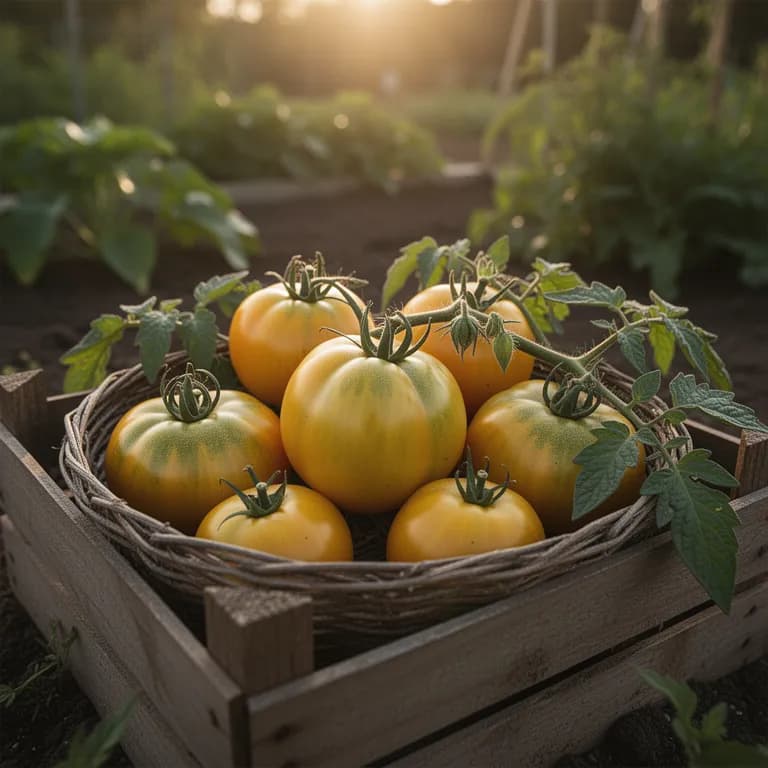
assuming you plant when the window opens — set your real date
Pick Yellow Pear Tomato promptly and the plant keeps producing.
Storage & Preservation
Fresh Yellow Pear tomatoes keep at room temperature for 3-5 days. The enormous quantity produced makes preservation essential. Freeze whole on trays and bag for winter use in sauces and soups. Make a distinctive yellow tomato sauce with bright, sweet flavor. Dehydrate halved fruits for a sweet, chewy snack. Pickle whole in a light vinegar brine for a beautiful golden preserved product. Yellow Pear makes excellent tomato jam and chutney. Can using standard tomato canning methods with proper acidification. Share generously with neighbors during peak harvest.
What goes wrong — and the fix
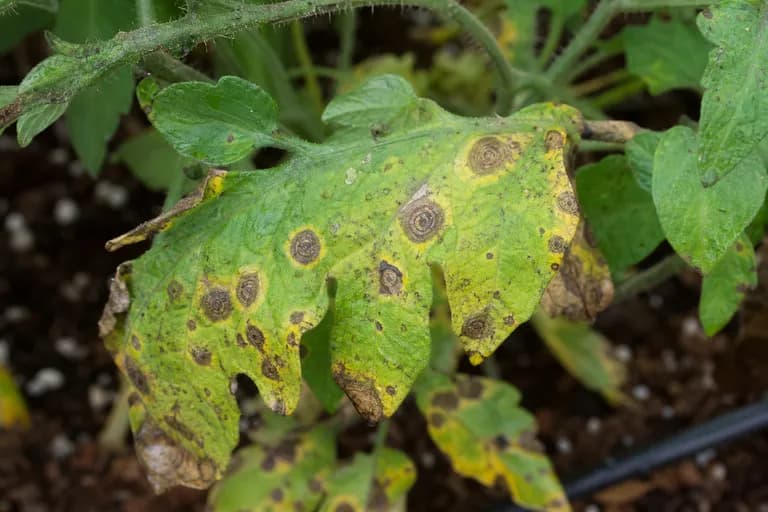
Early Blight
DiseaseBrown target-like spots on lower leaves that progress upward, eventually causing significant defoliation.
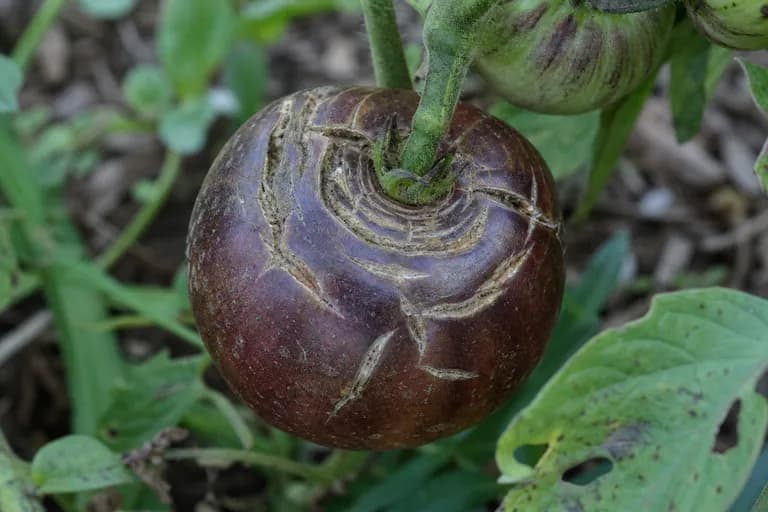
Cracking
DiseaseSmall splits in the thin skin of ripe fruits, especially after rain following dry conditions.
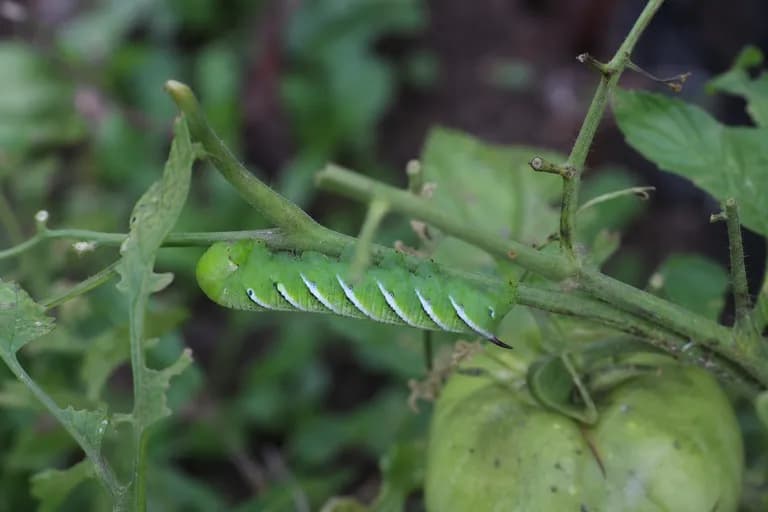
Tomato Hornworm
PestLarge caterpillars feeding on foliage, though the vigorous plant usually tolerates some damage.
Troubleshooting Common Problems
Uncontrolled vine growth is the primary challenge; without aggressive pruning, Yellow Pear becomes an impenetrable jungle. Prune to 2-3 main stems and remove suckers regularly. Fruit splitting after rain is common with the thin-skinned small fruits; maintain consistent moisture. The enormous yield can be overwhelming; plan for preservation or sharing. Self-sowing volunteers appear in subsequent years and may need to be weeded. The mild flavor may seem bland to those preferring more acidic tomatoes; pairs best with other ingredients.
Growing Tips
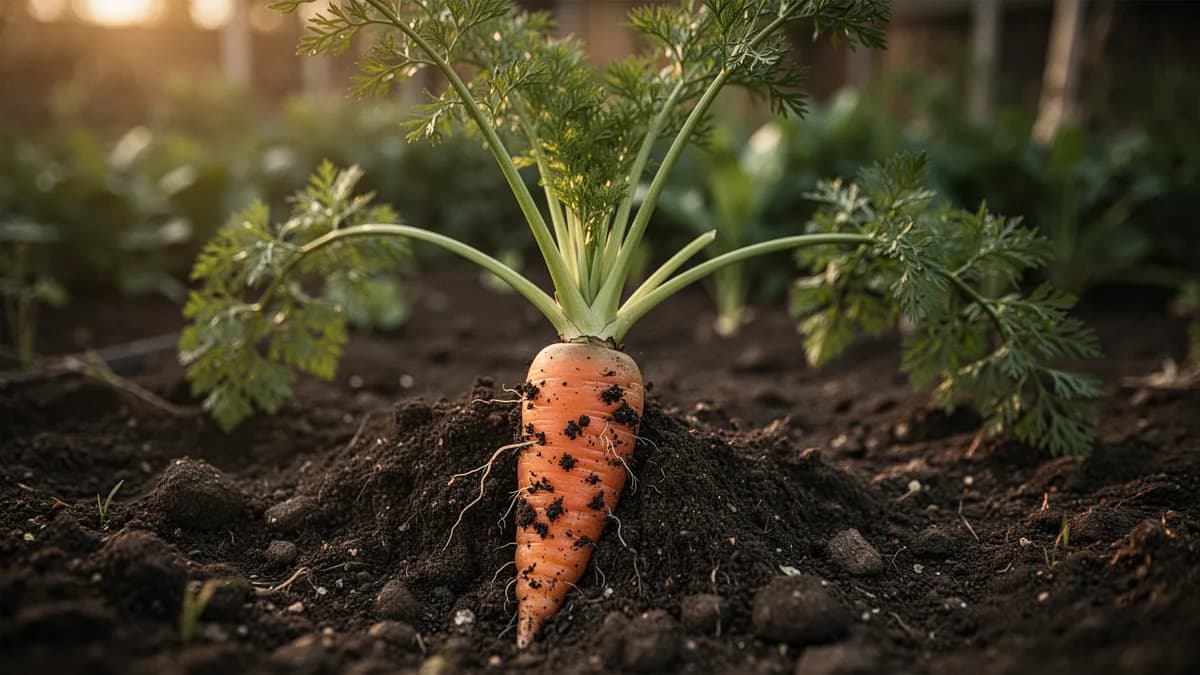
- Plant deeply — bury at least two-thirds of the stem when transplanting. Every tiny hair on a buried tomato stem can develop into a root, creating a massive root system that supports the vigorous top growth Yellow Pear is known for.
- Provide serious support from day one. Yellow Pear is an extremely vigorous indeterminate variety that can easily reach 240 cm or more. Use 180-240 cm stakes, heavy-duty cages, or a strong trellis system — flimsy supports will collapse under the weight of a loaded plant by midsummer.
- Prune strategically but not excessively. Remove suckers below the first flower cluster and maintain 2-3 main stems. Over-pruning reduces Yellow Pear's legendary productivity, while no pruning creates an impenetrable jungle. Finding the middle ground is the key to this variety.
- Water consistently and deeply — 2.5-5 cm per week delivered at the soil level, never overhead. Yellow Pear's small fruits are especially prone to splitting after sudden heavy watering or rain following a dry spell. Drip irrigation and heavy mulch are the best defenses.
- Feed regularly but moderately. Too much nitrogen produces enormous leafy vines with delayed fruiting. Use a balanced fertilizer at transplant, then switch to a low-nitrogen, high-potassium formula (like 5-10-10) once flowering begins to maximize fruit production.
- Harvest at the peak of golden color when fruits detach from the vine with a gentle twist. Yellow Pear has a tendency to drop overripe fruit, so check plants every 1-2 days during peak production. Slightly underripe fruits will ripen beautifully on the kitchen counter.
- Manage the sprawl. Yellow Pear produces an extraordinary number of suckers and side shoots. Weekly pruning sessions during the growing season are essential to keep the plant focused, accessible, and well-ventilated. Neglecting pruning for even two weeks creates a tangled mess.
- Rotate your planting location annually. Tomatoes should not be planted in the same bed where tomatoes, peppers, eggplants, or potatoes grew in the previous 2-3 years. Soil-borne diseases like fusarium wilt, verticillium wilt, and early blight build up in soil where solanaceous crops are repeated.
Grow your best Yellow Pear Tomato yet — and everything around it.
Start a free plan today. Lay out your beds, drop in your Yellow Pear Tomato, and let PlotMyGarden handle the timing, spacing, companions and reminders from seed to harvest basket.
Pick your Yellow Pear Tomato
Yellow Pear
The classic heirloom with small pear-shaped golden fruits and mild, sweet flavor. Extremely prolific and vigorous.
Yellow Grape
Oblong yellow cherry with sweeter flavor and better crack resistance than Yellow Pear. Very productive.
Beam's Yellow Pear
Selected strain with more uniform fruit shape and slightly improved disease resistance while maintaining classic character.
Blush Tiger
Pear-shaped variety with yellow and pink striping and sweet-tart flavor. Visually stunning and productive.
A single Yellow Pear plant from a nursery costs $3-5 (or pennies from seed) and can produce 300-500 fruits over a season. Cherry and specialty tomatoes retail for $4-7 per pint at grocery stores and $5-9 at farmers markets. Growing just 2-3 Yellow Pear plants can save $60-120 per season on fresh cherry tomatoes alone. The surplus is ideal for homemade quick pickles, dried tomatoes, and freezing for winter sauces — further multiplying your savings compared to buying specialty preserved tomato products.
Quick recipes
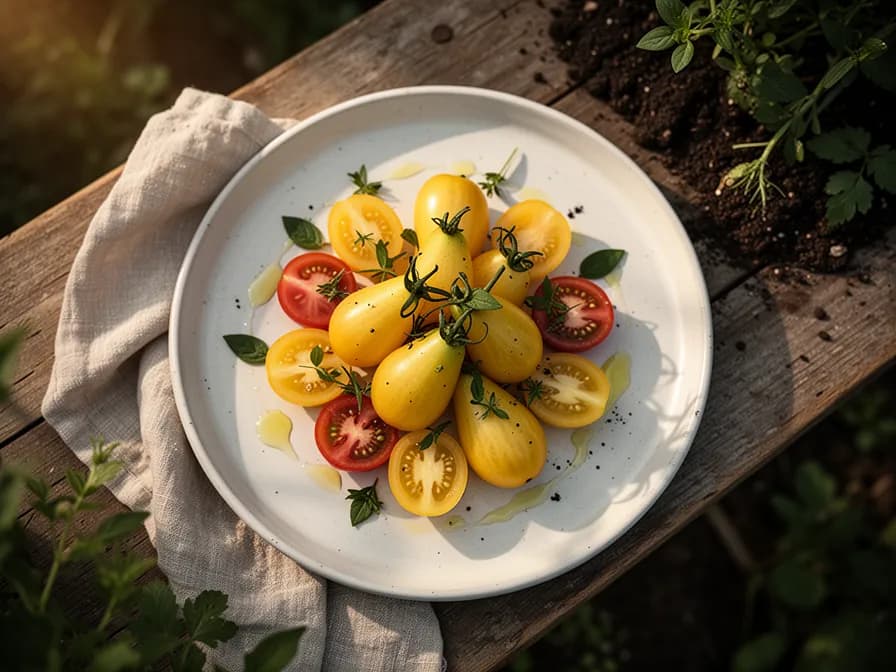
Yellow Pear Tomato Bruschetta
15 minA golden twist on the Italian classic — sweet Yellow Pear tomatoes halved and tossed with fresh basil, garlic, and good olive oil, then piled onto crusty toasted bread. The mild sweetness of Yellow Pear tomatoes makes this version more delicate and elegant than red tomato bruschetta.
7 ingredientsRoasted Yellow Pear Tomato Pasta
30 minWhole Yellow Pear tomatoes roasted at high heat until blistered and jammy, then tossed with pasta, garlic, and fresh herbs. Roasting concentrates the natural sugars and creates an intensely sweet, caramelized sauce without any added sugar.
7 ingredientsYellow Pear Tomato Quick Pickles
15 min + 24hr chillA tangy, sweet refrigerator pickle that preserves the summer harvest beautifully. These golden pickled tomatoes are stunning in salads, on cheese boards, or as a garnish for grilled meats and sandwiches.
9 ingredientsCulinary Uses
Yellow Pear tomatoes are irresistible garden snacks, popped directly into the mouth while picking. Halve and toss into salads for pops of golden color and mild sweetness. Roast halved fruits with olive oil and herbs for a sweet, caramelized accompaniment. Make a beautiful yellow tomato sauce for pasta with a bright, sweet character. String whole fruits on skewers for grilling. Use in fresh salsas mixed with red tomatoes for colorful presentation. Perfect for children's lunchboxes. Yellow tomato jam pairs beautifully with sharp cheeses on crackers.
What's inside
Health Benefits
- Contains cis-lycopene, a highly bioavailable form of the powerful antioxidant that gives yellow tomatoes their golden color — studies suggest lycopene consumption is associated with reduced risk of cardiovascular disease and certain cancers.
- Lower acidity than red tomatoes due to reduced citric and malic acid content, making Yellow Pear tomatoes significantly easier to digest for people with acid reflux, GERD, or sensitive stomachs.
- Good source of vitamin C, providing about 17% of the daily value per 100g, which supports immune defense, collagen synthesis for healthy skin, and enhanced iron absorption from plant-based meals.
- Rich in beta-carotene, which the body converts to vitamin A — essential for maintaining healthy vision, supporting skin cell turnover, and regulating immune system function.
- High in potassium relative to sodium, contributing to healthy blood pressure regulation and cardiovascular function — a diet rich in potassium-containing foods like tomatoes is associated with lower stroke risk.
- Extremely low calorie density at just 18 calories per 100g while providing fiber, vitamins, and minerals, making Yellow Pear tomatoes an ideal high-volume, nutrient-dense snack for weight management.
Where Yellow Pear Tomato comes from
The Yellow Pear tomato (Solanum lycopersicum) is one of the oldest named heirloom tomato varieties in continuous cultivation. Its origins trace back to the wild tomato species of western South America — specifically the coastal deserts and Andean foothills of Peru, Ecuador, and northern Chile — where small-fruited, pear-shaped wild tomatoes still grow today. The pear shape seen in Yellow Pear is an ancestral trait found in several wild Solanum species, suggesting this variety may be closer to the original domesticated tomato forms than many modern cultivars.
Yellow Pear first appears in European horticultural records in the early 1800s. It was described by Bernard McMahon in his 1805 American seed catalog and was likely cultivated in both European and American gardens before that date. During the 18th and 19th centuries, tomatoes were still viewed with suspicion by many Europeans and Americans who considered them ornamental or even poisonous — small, sweet varieties like Yellow Pear were among the first to gain acceptance as edible garden plants precisely because their mild flavor and attractive appearance made them approachable. Thomas Jefferson grew pear-shaped yellow tomatoes at Monticello, and the variety became a fixture of American kitchen gardens throughout the 1800s.
As large-fruited, uniform red tomatoes came to dominate commercial agriculture in the 20th century, heirloom varieties like Yellow Pear were preserved primarily by home gardeners and seed savers. The variety experienced a major resurgence beginning in the 1980s and 1990s as the heirloom tomato movement gained momentum, driven by gardeners seeking flavor, diversity, and a connection to agricultural heritage. Today, Yellow Pear is one of the most widely grown heirloom tomatoes in the world, prized for its extraordinary productivity, sweet mild flavor, and the golden visual beauty it brings to gardens and plates alike. It remains a living link to the earliest days of tomato cultivation in the Americas.
Yellow Pear Tomato: did you know?
Fascinating facts about Yellow Pear Tomato
Yellow Pear is one of the oldest tomato varieties still in cultivation today — it was first described in European botanical literature in 1805 and was likely grown in American gardens as early as the late 1700s, making it a true heirloom with over two centuries of continuous cultivation.
Yellow Pear Tomato questions, answered
When should I plant Yellow Pear Tomato?
What are good companion plants for Yellow Pear Tomato?
What hardiness zones can Yellow Pear Tomato grow in?
How much sun does Yellow Pear Tomato need?
How far apart should I space Yellow Pear Tomato?
What pests and diseases affect Yellow Pear Tomato?
How do I store Yellow Pear Tomato after harvest?
What are the best Yellow Pear Tomato varieties to grow?
What soil does Yellow Pear Tomato need?
Why are my Yellow Pear tomatoes splitting and cracking?
How do I control the massive growth of my Yellow Pear plant?
Are Yellow Pear tomatoes good for cooking or only fresh eating?
Can I save seeds from my Yellow Pear tomatoes?
Why is my Yellow Pear plant producing lots of flowers but few fruits?
How does Yellow Pear compare to other cherry tomato varieties?
You just read the theory. Now grow it on autopilot.
Everything that makes Yellow Pear Tomato fiddly — the timing, the spacing, the companions, the harvest window — is exactly what PlotMyGarden handles for you, for every plant in your garden.
A plan that knows your weather
Set your location once. Get sow, feed and harvest dates built around your real last-frost date and live forecast — no more guessing from a generic seed packet.
From the “When to plant” sectionDrag-and-drop bed planner
Design beds on a grid. Every plant snaps to its proper spacing, and you can see your whole season laid out before you spend a cent on seed.
From the “Growing guide” sectionCompanion conflicts, caught early
200+ good-and-bad pairings checked live as you plant — so a season-wrecking mistake never makes it into the ground.
From the “Companions” sectionReminders you'll actually act on
“Water the beans.” “Pick today before it turns.” Timely, specific, and tied to the plants you're really growing.
From the “Harvest” sectionSuccession, scheduled
Want a harvest for six weeks, not six days? It spaces your sowings automatically and reminds you when each new block is due.
From the “When to plant” sectionA record that gets smarter
Every harvest you log teaches it your garden. Next year's plan starts from what actually worked in your soil, not a textbook's.
From the “Overview” sectionPlant these alongside Yellow Pear Tomato
More Nightshades
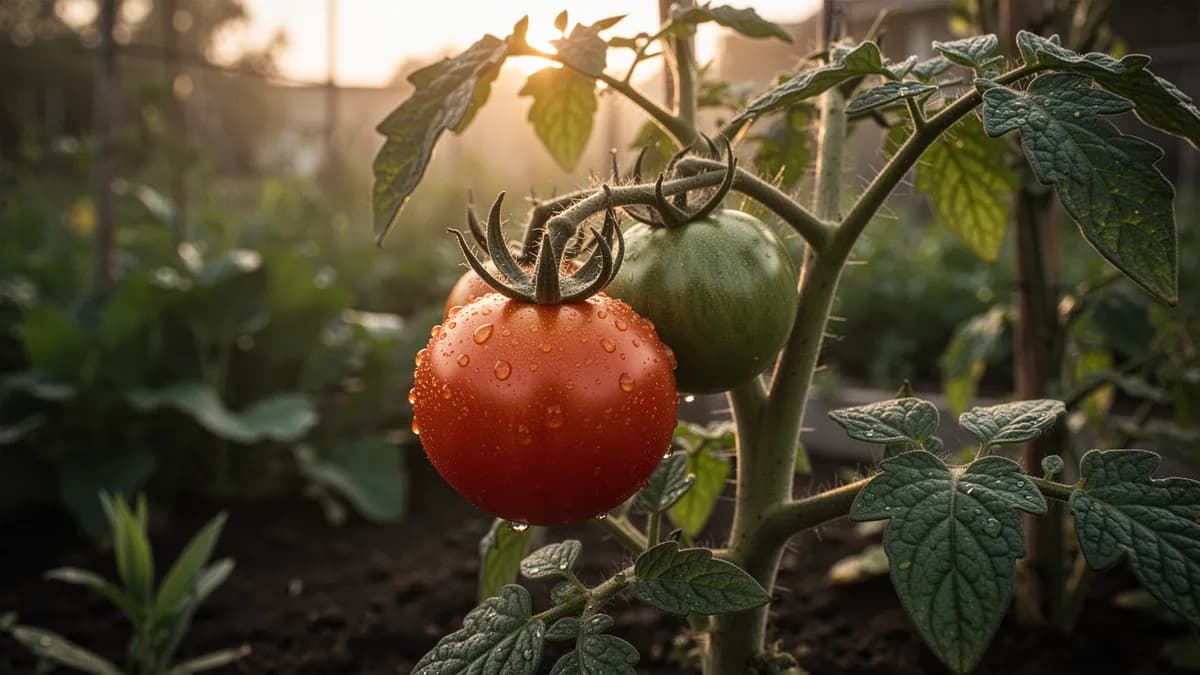
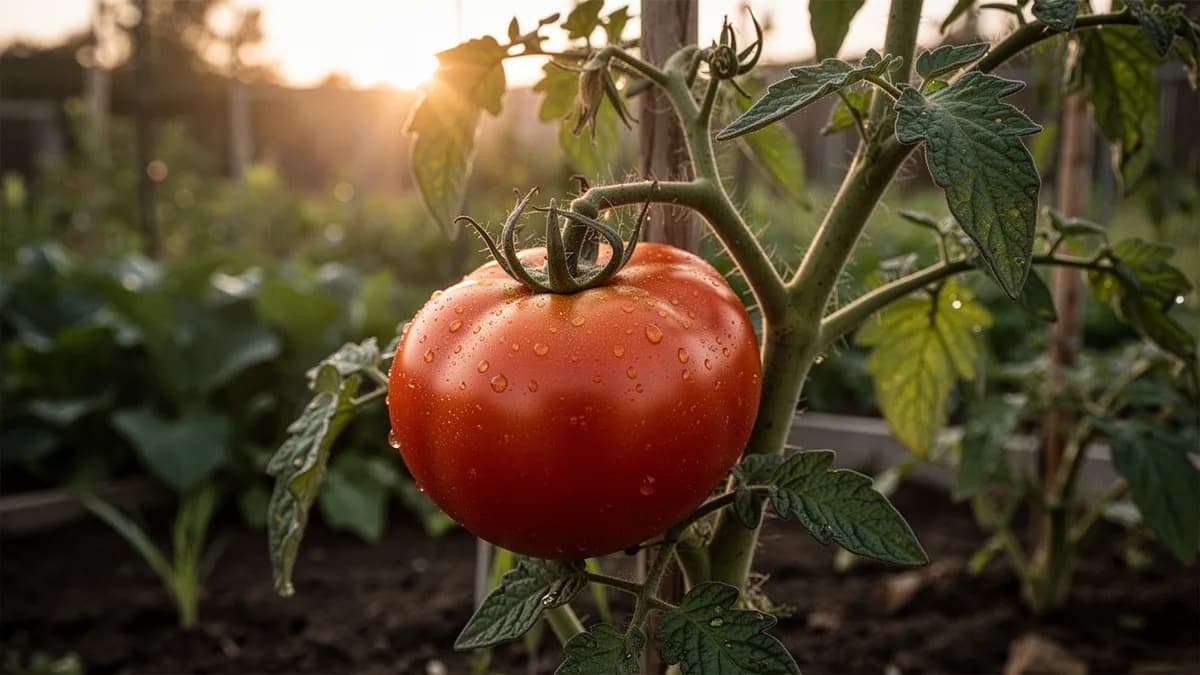
Keep Yellow Pear Tomato away from these
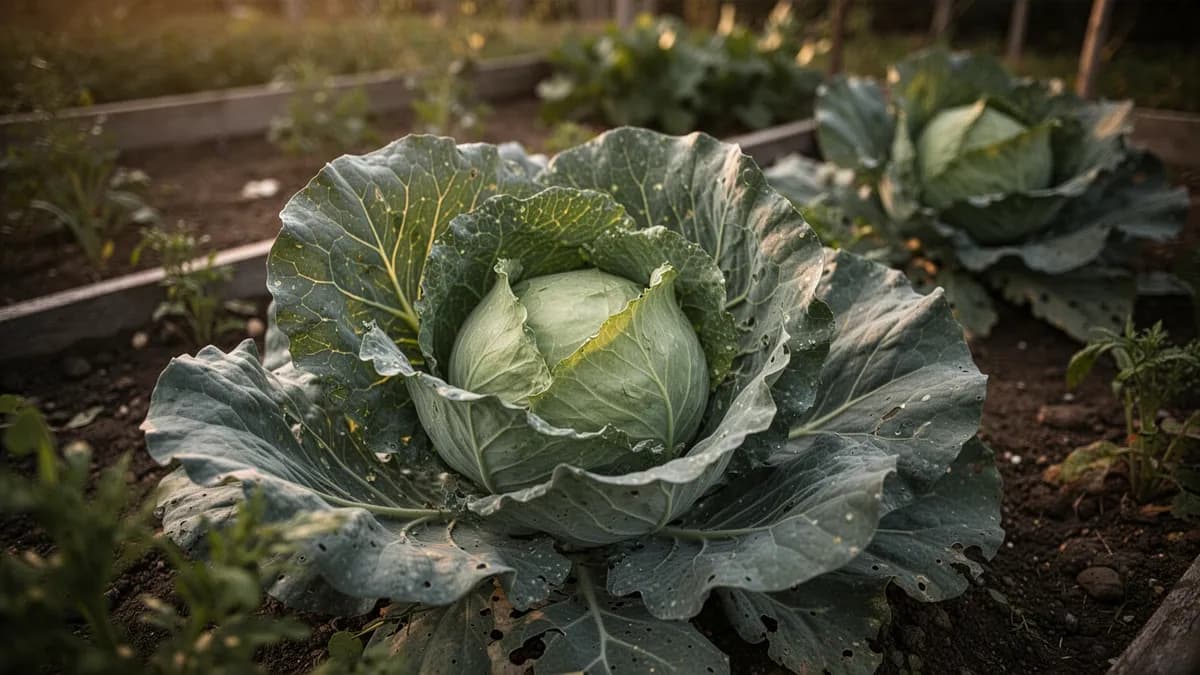
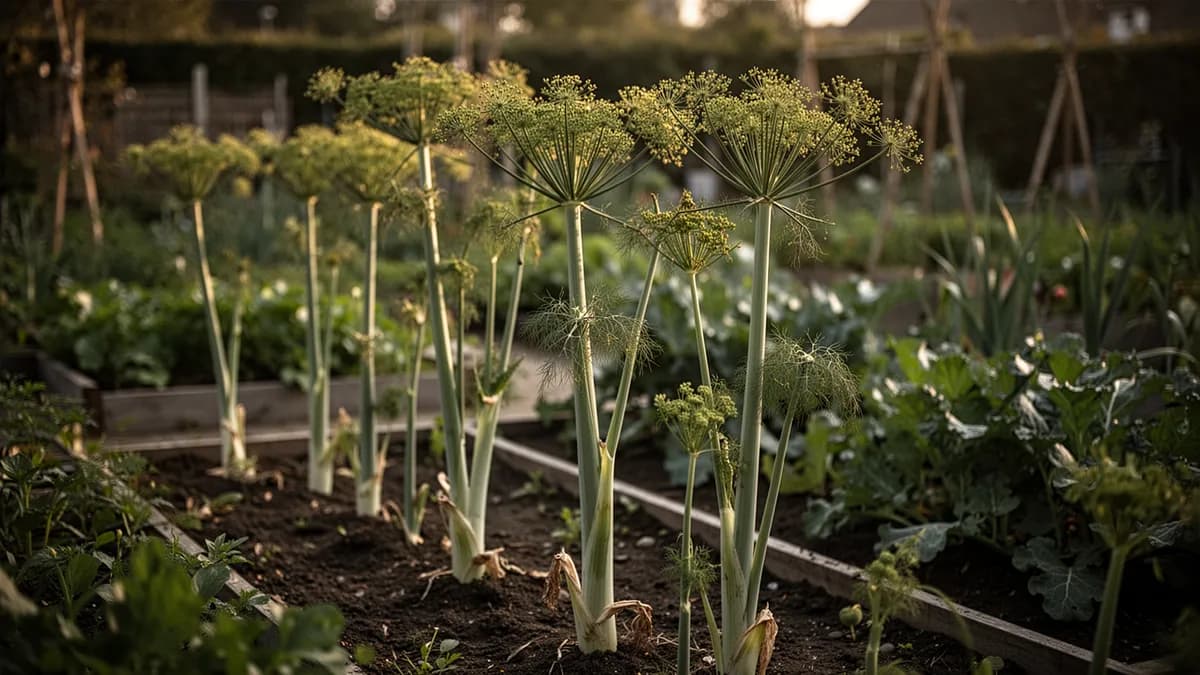
Garden plans featuring Yellow Pear Tomato
Grow your best Yellow Pear Tomato yet — and everything around it.
Start a free plan today. Lay out your beds, drop in your Yellow Pear Tomato, and let PlotMyGarden handle the timing, spacing, companions and reminders from seed to harvest basket.