Mexican Sunflower
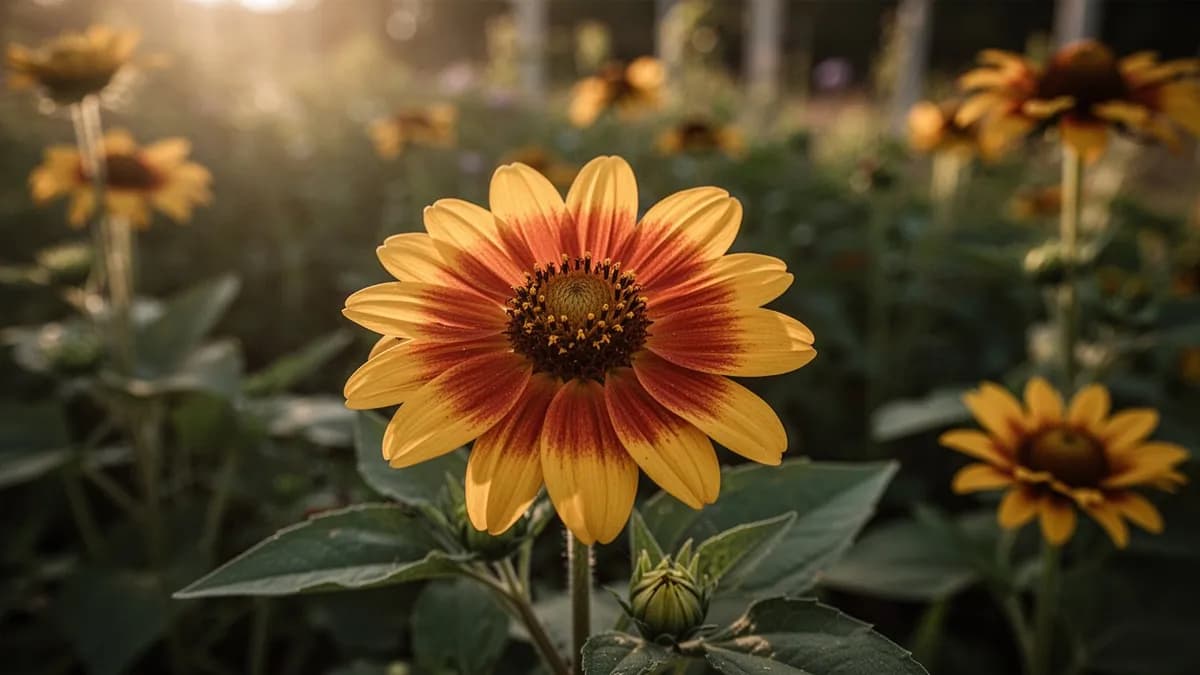
A bold, heat-loving annual producing vivid orange-red daisy flowers on tall, sturdy plants that are irresistible to butterflies and hummingbirds.





On this pageOverview
Meet Mexican Sunflower
A bold, heat-loving annual producing vivid orange-red daisy flowers on tall, sturdy plants that are irresistible to butterflies and hummingbirds. Mexican sunflower thrives in hot, dry conditions and poor soil, growing rapidly to six feet or more. Plant at the back of borders and handle cut stems carefully as they are hollow and fragile.
When to plant Mexican Sunflower
Direct sow seeds after the last frost in warm soil (65°F/18°C or above). Press seeds 1/4 inch deep and water lightly. Germination is quick—5-7 days in warm soil. Thin to 24-36 inches apart. For earlier blooms, start indoors 4-6 weeks before the last frost in individual pots. Do not start too early, as large seedlings are difficult to transplant. Handle transplants gently to avoid breaking the fragile stems.
Your Mexican Sunflower Year
Composed for Zone 7 · typical seasons · frost passes Apr 2, returns Nov 1
Plant Mexican Sunflower Apr – May, pick Jul – Oct. Check the planting methods below and set your climate to personalize these windows.
How to grow Mexican Sunflower
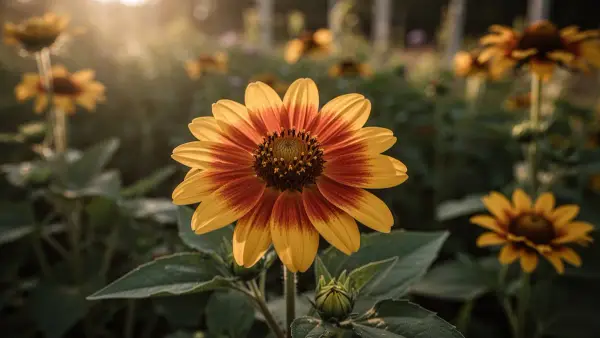
Mexican sunflower is a spectacular, fast-growing annual that creates a bold tropical presence in the garden, quickly reaching 4-6 feet tall and wide. Direct sow seeds after all danger of frost when soil has warmed to 65°F (18°C). Press seeds 1/4 inch into warm soil and thin seedlings to 24-36 inches apart—these plants need room.
Choose the hottest, sunniest spot in the garden. Mexican sunflower thrives in intense heat and poor, dry soil where most other plants struggle. Rich soil and excess fertilizer produce enormous plants that may topple. The vivid orange-red daisy flowers appear from midsummer through frost, each bloom lasting several days before being replaced by new ones.
Butterflies, particularly monarchs, swallowtails, and painted ladies, are irresistibly attracted to the nectar-rich flowers. Hummingbirds also visit frequently. Mexican sunflower is one of the best butterfly-attracting plants available, and a single plant can draw dozens of butterflies at once during peak migration periods.
8 plants fit a 4 × 8 ft bed
Each Mexican Sunflower wants 60 cm of elbow room. The planner keeps that spacing for you — every plant, every bed.
Mexican Sunflower's best neighbours
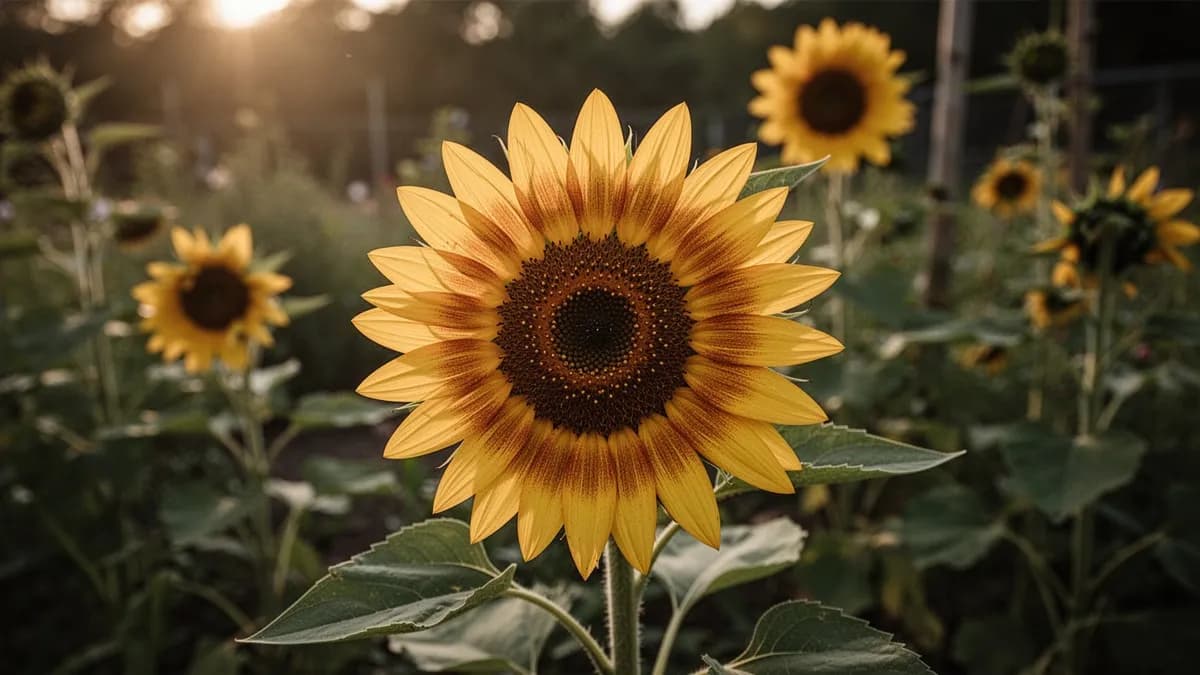
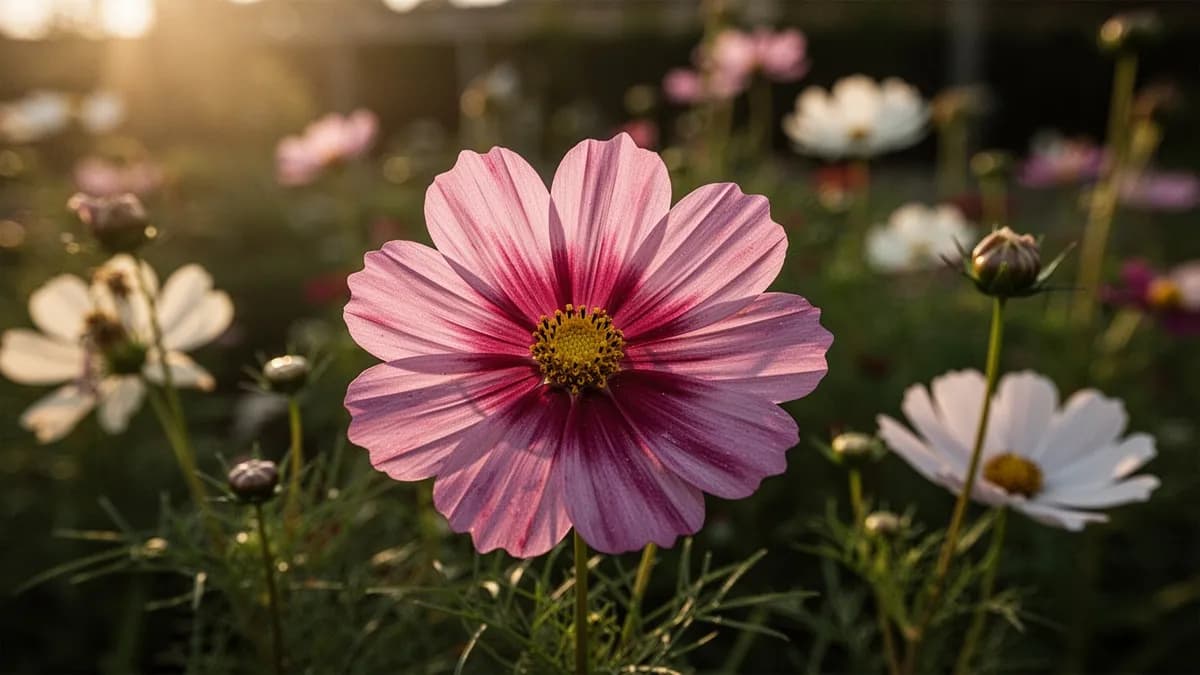
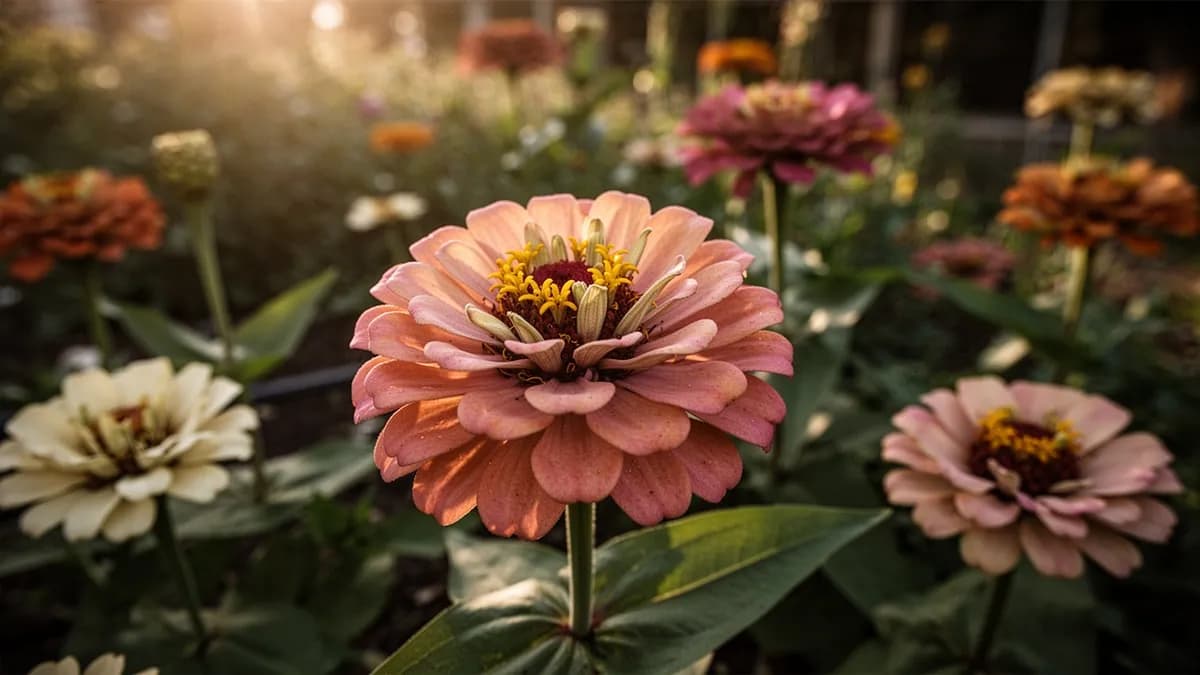
Mexican sunflower is the anchor of any butterfly garden, attracting more butterfly species than almost any other annual. Plant alongside zinnias, lantana, verbena, and butterfly bush for a complete butterfly habitat. The bold orange flowers contrast dramatically with purple ageratum and blue salvia. Use at the back of borders with cosmos and sunflowers for a towering, wildlife-friendly display.
Sunflower belongs beside it.
Old growers' knowledge, checked against Mexican Sunflower's real companion table below — test any plant you're growing.
Try Mexican Sunflower in a bed — right here
A real planner bed with Mexican Sunflower already in it. Tap a companion to place it and watch the pairing checks answer — green for good neighbours, red for a clash.


Related growing guides
Feed it well
Mexican sunflower thrives in poor to average, well-drained soil with a pH of 6.0-8.0. Rich soil produces enormous plants with excessive foliage and fewer flowers. Fertilizer is unnecessary in most garden soil—this plant actually performs better with neglect. In very poor, sandy soil, a single application of balanced fertilizer at planting may be beneficial, but err on the side of underfeeding.
Ideal Temperature
Hardiness Zone Compatibility
From seed to harvest, stage by stage
Seed Germination
Tithonia seeds germinate quickly in warm soil, typically within five to ten days. Seeds should be sown shallowly at about one-quarter inch deep, as they benefit from some light exposure. Soil temperature should be at least 65°F (18°C) for reliable germination.
Seedling Development
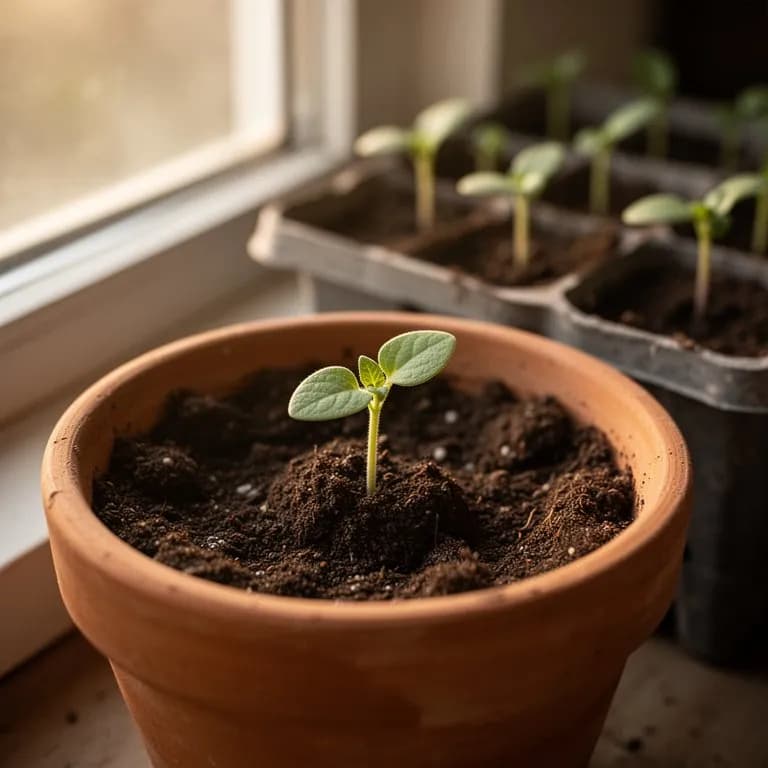
Seedlings develop their first true leaves, which are broad and slightly fuzzy. The stem begins to thicken and the root system establishes itself. Growth is moderate during this phase as the plant builds its foundation.
Vegetative Growth
The plant enters a rapid growth phase, producing large three-lobed leaves on thick hollow stems. Tithonia can grow two to three inches per day under ideal conditions, quickly reaching three to four feet tall. The branching structure becomes well established during this period.
Budding and Early Bloom
Flower buds form at the tips of branches and the first vibrant orange to orange-red blooms begin opening. Each flower is a composite bloom measuring two to three inches across, resembling a single dahlia. The plant continues to grow taller, often reaching five to six feet.
Peak Flowering
The plant is in full bloom with dozens of flowers open simultaneously, creating a spectacular display of orange that is highly attractive to butterflies, bees, and hummingbirds. Flowering continues until the first frost. Seeds begin maturing in earlier flower heads.
Seed Maturation and Decline
As temperatures cool and days shorten, flowering slows and seed heads dry on the plant. The foliage may begin to yellow. The plant will be killed by the first hard frost as it is a tender annual. Dried seed heads contain numerous dark seeds that can be collected for the following season.
Keep the soil consistently moist but not waterlogged during germination. Starting seeds indoors four to six weeks before the last frost date gives plants a head start in shorter growing seasons.
Caring for Mexican Sunflower month by month
What to do each month for your Mexican Sunflower
October
You are hereCollect dried seed heads and extract seeds for storage. Enjoy the last flushes of bloom before frost arrives. Compost plant debris after the first killing frost
Know exactly what to do in your garden — every month
One email at the start of each month: what to sow, plant, and tackle right now — for your Mexican Sunflower and everything growing around it. Plus a short starter course that helps you dodge the classic mistakes.
- What to do, right now
- Matched to your season
- Starter course included
Harvesting Mexican Sunflower
Cut Mexican sunflower blooms for arrangements when flowers are fully open and the central disk is still tight. Handle stems very carefully—they are hollow and brittle, snapping easily if bent. Use a sharp knife rather than scissors, and cut stems at a node (where a leaf meets the stem) for the strongest point. Sear the cut end with a flame or dip in boiling water for 10 seconds before placing in a vase. Flowers last 4-6 days in water.
assuming you plant when the window opens — set your real date
Pick Mexican Sunflower promptly and the plant keeps producing.
Storage & Preservation
Mexican sunflower does not dry well for preserved arrangements due to its large, heavy flower heads. As an annual, it does not store as bulbs. Save seed by allowing some flower heads to dry on the plant until the seeds are dark and loose. Shake into an envelope and store in a cool, dry place. Seeds remain viable for 2-3 years. Self-sowing is common in mild climates.
What goes wrong — and the fix
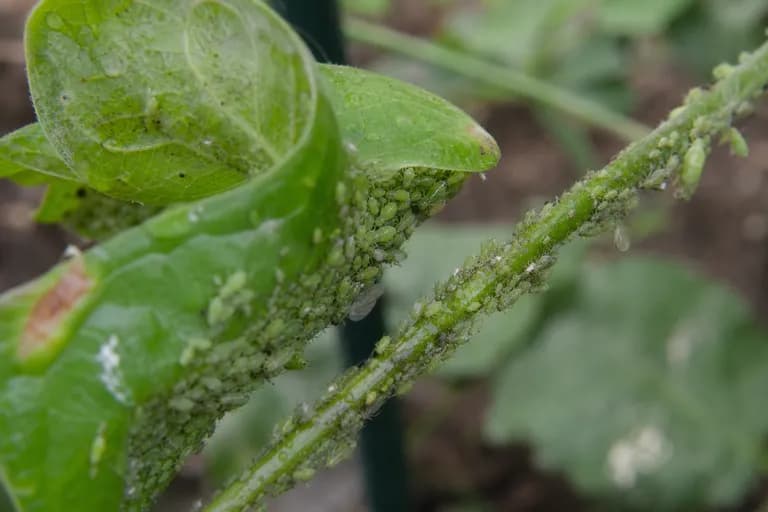
Aphids
PestClusters on stems and buds. Sticky honeydew. Minor issue that rarely affects overall plant health.
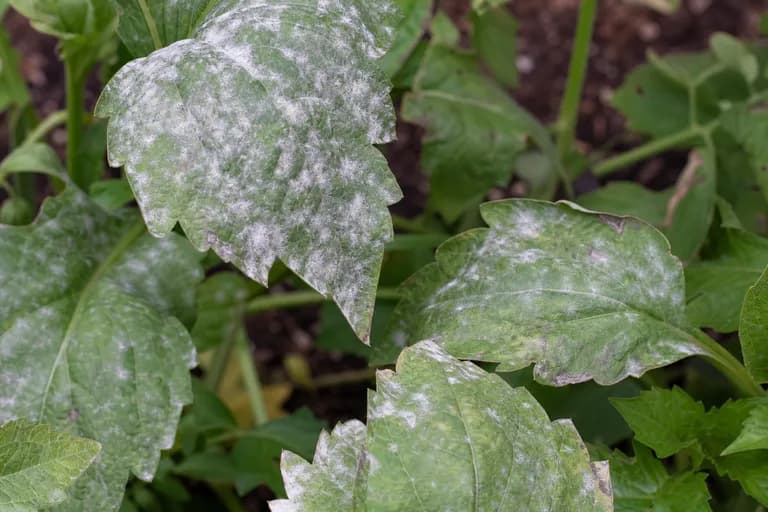
Powdery Mildew
DiseaseWhite coating on lower leaves, typically late in the season. Usually cosmetic.
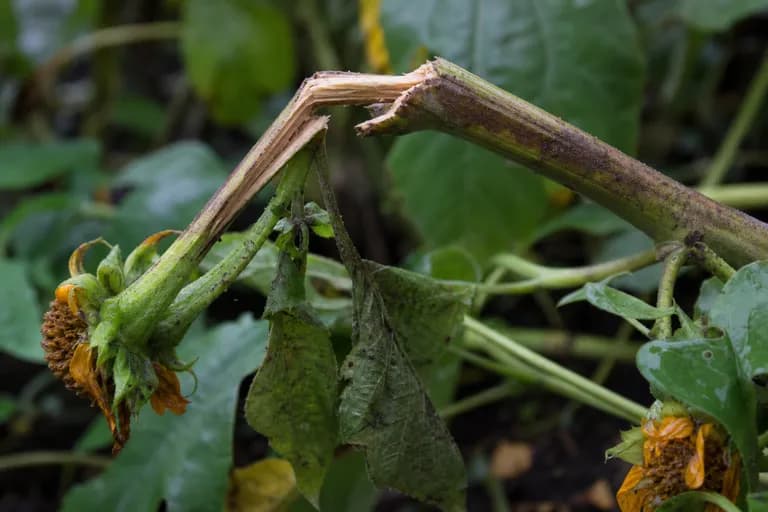
Stem Breakage
DiseaseHollow stems snap in strong winds, especially when laden with heavy flower heads.
Troubleshooting Common Problems
The biggest challenge is the sheer size—plants can reach 6 feet tall and wide, overwhelming small gardens. Compact varieties like 'Fiesta del Sol' solve this. Hollow stems are fragile and snap in strong winds; stake or plant in sheltered locations. When cutting for vases, the hollow stems must be cauterized to prevent air bubbles that block water uptake. Overwatering and rich soil produce rank, floppy growth.
Growing Tips
- Sow seeds indoors four to six weeks before your last frost date for the earliest blooms, or direct sow after frost danger has passed for a simpler approach.
- Choose the sunniest spot in your garden as tithonia requires at least six to eight hours of direct sunlight daily to reach its full flowering potential.
- Avoid rich or heavily amended soil as tithonia actually flowers more prolifically in lean to average soil conditions with moderate fertility.
- Space plants 24 to 36 inches apart to allow for their wide branching habit and to promote good air circulation that prevents foliar diseases.
- Install sturdy stakes or grow plants along a fence for support, as the hollow stems can snap in strong winds or heavy rain, especially when the plant is top-heavy with blooms.
- Deadhead spent flowers every three to four days to keep the plant producing new blooms rather than directing energy into seed production.
- Water deeply once per week rather than frequent shallow watering to encourage a strong deep root system that improves drought tolerance.
- Handle cut stems carefully when making bouquets as they are hollow and brittle. Cut at an angle and immediately place in hot water to sear the stem and prevent wilting.
- Allow a few late-season flower heads to dry completely on the plant to collect seeds for next year. Store seeds in labeled paper envelopes in a cool dry location.
- Chop and compost all plant material after the first frost. Tithonia biomass breaks down quickly and adds valuable phosphorus and potassium to your compost pile.
Grow your best Mexican Sunflower yet — and everything around it.
Start a free plan today. Lay out your beds, drop in your Mexican Sunflower, and let PlotMyGarden handle the timing, spacing, companions and reminders from seed to harvest basket.
Pick your Mexican Sunflower
Tithonia 'Torch'
The classic variety at 5-6 feet with vibrant orange-red flowers. Bold, heat-loving, and irresistible to butterflies.
Tithonia 'Fiesta del Sol'
Compact 28-inch plants with slightly smaller but equally vivid orange flowers. Ideal for smaller gardens and containers.
Tithonia 'Goldfinger'
Bright golden-orange flowers on 3-4 foot plants. More manageable size than the standard 'Torch' while retaining great garden impact.
Tithonia is one of the most cost-effective plants for the home garden. A single packet of seeds costing two to four dollars can produce 30 to 50 plants, each generating over 100 blooms throughout the season. The plants self-sow readily, providing free plants in subsequent years. Additionally, using tithonia leaves as homemade compost tea fertilizer can replace commercial organic fertilizers that typically cost 15 to 25 dollars per bag, saving gardeners 30 to 60 dollars per growing season on soil amendments alone.
Quick recipes
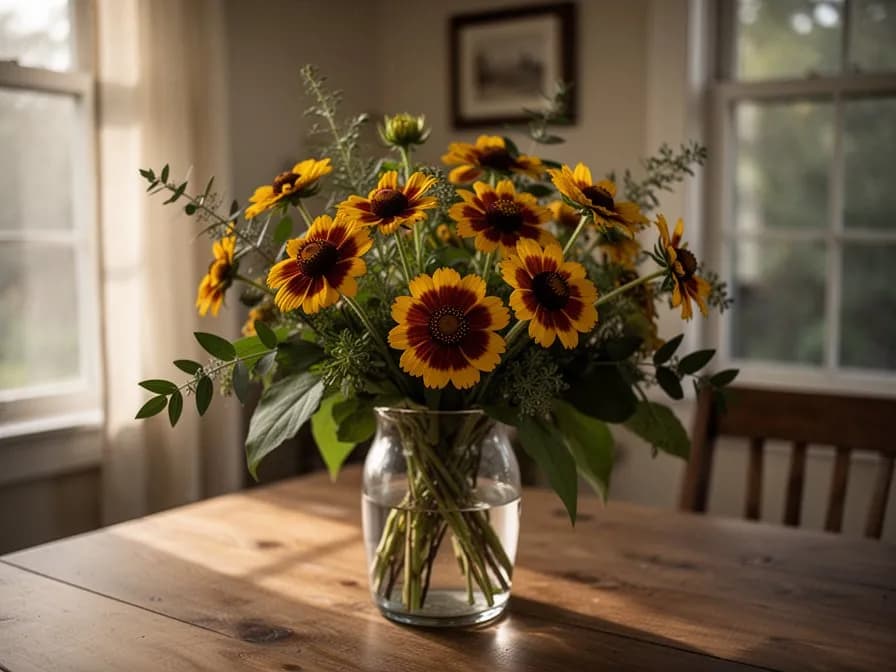
Tithonia Leaf Compost Tea Fertilizer
20 minutes plus 3 days steepingA nutrient-rich liquid fertilizer made by steeping tithonia leaves in water. This homemade plant food is packed with phosphorus, nitrogen, and potassium, making it an excellent organic alternative to synthetic fertilizers for vegetable gardens and container plants.
4 ingredients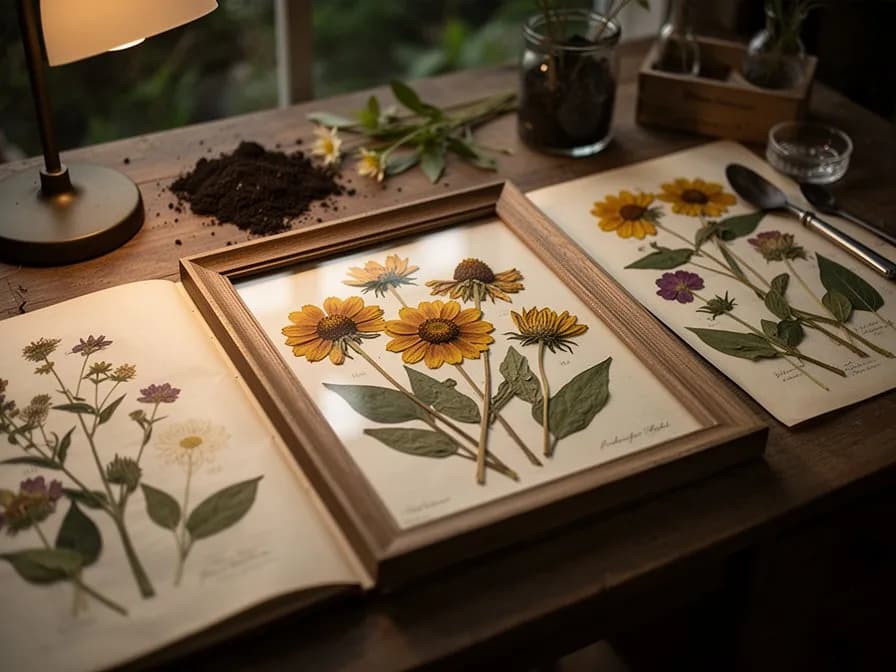
Tithonia Petal Natural Dye Bath
45 minutes active time plus overnight soakThe vibrant orange petals of Mexican sunflower produce a warm golden-yellow to soft orange natural dye suitable for cotton and silk fabrics. This simple dye bath uses fresh or dried petals and common kitchen mordants to create beautiful earthy tones.
4 ingredients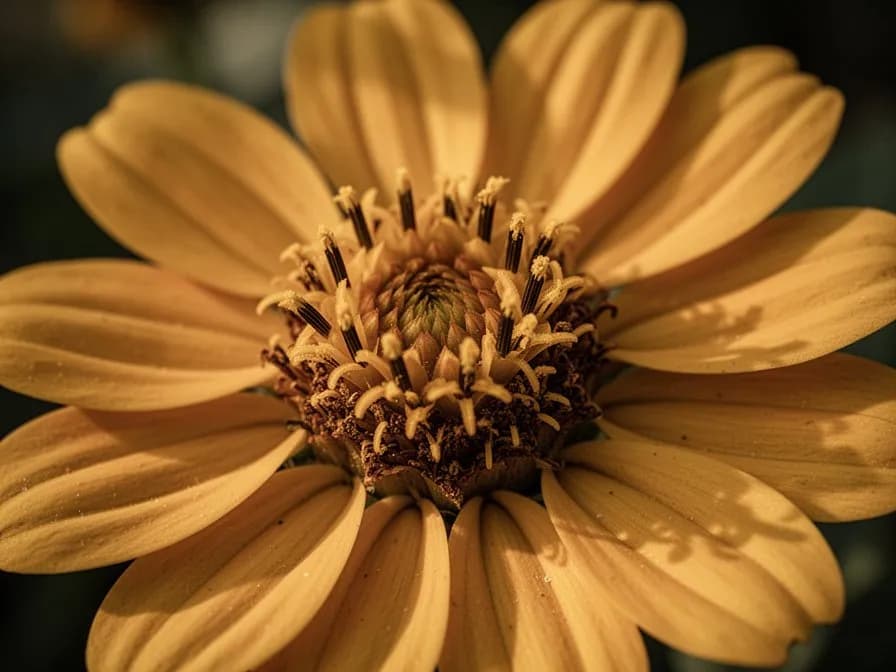
Dried Tithonia Flower Arrangement
15 minutes plus 2 weeks drying timeWhile tithonia flowers are best known for their fresh beauty, the seed heads and partially dried blooms can be preserved for rustic autumn arrangements. Harvesting at the right stage and drying properly produces long-lasting decorative elements with warm earthy tones.
4 ingredientsWhat's inside
Health Benefits
- Tithonia leaf extracts have demonstrated anti-inflammatory properties in laboratory studies, with compounds that may help reduce swelling and discomfort when applied topically.
- Research has identified sesquiterpene lactones in tithonia leaves that exhibit antimicrobial activity against several strains of bacteria and fungi.
- Traditional healers in Mexico and West Africa have used tithonia preparations to support liver health and promote healthy digestion for generations.
- The high flavonoid content in tithonia flowers and leaves provides antioxidant compounds that help neutralize free radicals in the body.
- Growing tithonia in the garden promotes mental well-being by attracting butterflies and pollinators, creating a calming and visually enriching outdoor environment.
- Spending time tending tithonia plants and observing their rapid growth provides the therapeutic benefits of horticultural activity, including reduced stress and improved mood.
Where Mexican Sunflower comes from
Tithonia rotundifolia, commonly known as the Mexican sunflower, is a vigorous annual flowering plant native to Mexico and Central America, where it thrives in warm tropical and subtropical climates. The plant belongs to the Asteraceae family and has been cultivated by indigenous peoples of Mesoamerica for centuries, both as an ornamental and for practical agricultural applications. Spanish explorers encountered the plant during the colonial period and were struck by its brilliant orange flowers and rapid growth habit. The genus name Tithonia was assigned by the French botanist Joseph de Jussieu in the eighteenth century, drawing from the Greek mythological figure Tithonus, who was associated with the dawn and its warm golden colors. Over the following centuries, tithonia spread throughout the tropical world, finding particular success in sub-Saharan Africa and Southeast Asia. In East Africa, agricultural researchers discovered that tithonia leaves contain remarkably high concentrations of nitrogen, phosphorus, and potassium, making the plant an invaluable green manure for smallholder farmers who cannot afford synthetic fertilizers. Studies conducted in Kenya, Tanzania, and Uganda demonstrated that incorporating fresh tithonia biomass into soil before planting could dramatically increase yields of staple crops such as maize, beans, and kale. In North American and European gardens, tithonia gained popularity during the twentieth century as gardeners recognized its exceptional value as a pollinator plant, particularly for attracting monarch butterflies, swallowtails, and various native bee species. Modern cultivars such as Torch, with its tall stature reaching six feet, and the compact Fiesta del Sol, which stays under three feet, have expanded the plant's versatility in garden design from cottage borders to container plantings.
Mexican Sunflower: did you know?
Fascinating facts about Mexican Sunflower
Tithonia rotundifolia is native to Mexico and Central America, where it has been cultivated for centuries both as an ornamental and for its agricultural benefits as a green manure crop.
Mexican Sunflower questions, answered
When should I plant Mexican Sunflower?
What are good companion plants for Mexican Sunflower?
What hardiness zones can Mexican Sunflower grow in?
How much sun does Mexican Sunflower need?
How far apart should I space Mexican Sunflower?
What pests and diseases affect Mexican Sunflower?
How do I store Mexican Sunflower after harvest?
What are the best Mexican Sunflower varieties to grow?
What soil does Mexican Sunflower need?
Is tithonia the same as a regular sunflower?
How tall does tithonia grow and does it need staking?
Will tithonia come back every year on its own?
Why is my tithonia growing tall but not flowering?
Is tithonia safe to plant near vegetables?
Can I use tithonia leaves as fertilizer for my garden?
You just read the theory. Now grow it on autopilot.
Everything that makes Mexican Sunflower fiddly — the timing, the spacing, the companions, the harvest window — is exactly what PlotMyGarden handles for you, for every plant in your garden.
A plan that knows your weather
Set your location once. Get sow, feed and harvest dates built around your real last-frost date and live forecast — no more guessing from a generic seed packet.
From the “When to plant” sectionDrag-and-drop bed planner
Design beds on a grid. Every plant snaps to its proper spacing, and you can see your whole season laid out before you spend a cent on seed.
From the “Growing guide” sectionCompanion conflicts, caught early
200+ good-and-bad pairings checked live as you plant — so a season-wrecking mistake never makes it into the ground.
From the “Companions” sectionReminders you'll actually act on
“Water the beans.” “Pick today before it turns.” Timely, specific, and tied to the plants you're really growing.
From the “Harvest” sectionSuccession, scheduled
Want a harvest for six weeks, not six days? It spaces your sowings automatically and reminds you when each new block is due.
From the “When to plant” sectionA record that gets smarter
Every harvest you log teaches it your garden. Next year's plan starts from what actually worked in your soil, not a textbook's.
From the “Overview” sectionPlant these alongside Mexican Sunflower
More Annuals
Grow your best Mexican Sunflower yet — and everything around it.
Start a free plan today. Lay out your beds, drop in your Mexican Sunflower, and let PlotMyGarden handle the timing, spacing, companions and reminders from seed to harvest basket.