Tomillo naranja
Una variedad de tomillo con un distintivo aroma cítrico a naranja que la hace excepcional para pescados, aves y postres.





En esta páginaResumen
Conoce Tomillo naranja
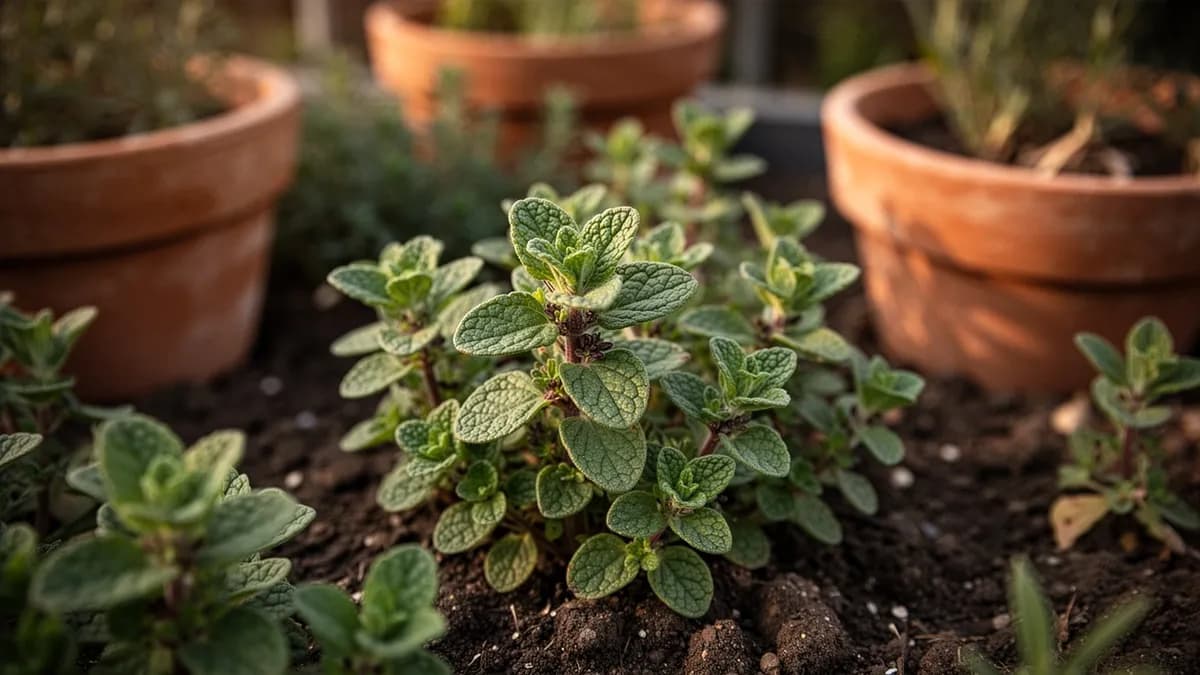
Una variedad de tomillo con un distintivo aroma cítrico a naranja que la hace excepcional para pescados, aves y postres. Las plantas compactas de color verde grisáceo producen flores lila pálido y prosperan en suelos pobres y bien drenados. Usa las ramitas frescas para perfumar salsas cremosas, natillas y cócteles veraniegos con sutiles notas de naranja y hierbas.
Cuándo plantar Tomillo naranja
El tomillo naranja se propaga mejor por esquejes de tallo o división para garantizar el aroma a naranja; las plantas obtenidas por semilla pueden variar. Toma esquejes semileñosos de 8 cm a principios del verano, retira las hojas inferiores y enraíza en una mezcla arenosa con calor de fondo. Las raíces se desarrollan en 3-5 semanas. Divide las matas establecidas en primavera separando con cuidado las secciones enraizadas. El acodo también funciona bien: sujeta un tallo bajo al suelo arenoso húmedo y las raíces se forman en 6-8 semanas.
Tu año de Tomillo naranja
Ajustado a Zona 7 · temporada típica · la helada se va hacia el 2 abr y vuelve hacia el 1 nov
Planta Tomillo naranja Mar – May y cosecha May – Sep. Consulta los métodos de plantación y elige tu clima para adaptar los periodos.
Cómo cultivar Tomillo naranja
El tomillo naranja es una variedad fragante que combina el sabor tradicional del tomillo con un aroma cítrico a naranja distintivo, creando una hierba versátil tanto para platos salados como dulces. Plántalo a pleno sol en un suelo pobre y bien drenado, dejando 25 cm entre plantas. Las plantas compactas de color verde grisáceo crecen entre 15 y 25 cm de altura y se extienden formando montículos bajos y aromáticos, ideales para bordes y cultivo en contenedores.
Como todos los tomillos, esta variedad exige un drenaje excelente por encima de todo. Mejora los suelos pesados con grava y arena gruesa. Riega con moderación una vez establecida: el tomillo naranja es muy tolerante a la sequía y desarrolla su aroma cítrico más intenso en condiciones pobres y secas. El exceso de riego es la forma más rápida de perder la planta. Un acolchado de grava complementa la estética mediterránea y protege la corona de la humedad.
Poda ligeramente después de la floración a mediados del verano para mantener una forma densa y compacta y estimular un crecimiento nuevo y aromático. Las flores lila pálido atraen abejas y mariposas. El tomillo naranja es algo menos resistente al frío que el tomillo común, así que ofrece protección invernal en la zona 5 con acolchado de grava y buen drenaje. Las plantas permanecen semicaducas en inviernos suaves.

36 plantas caben en un bancal de 120 × 240 cm
Cada Tomillo naranja pide 25 cm de margen. El planificador guarda ese marco por ti — cada planta, cada bancal.
Los mejores vecinos de Tomillo naranja
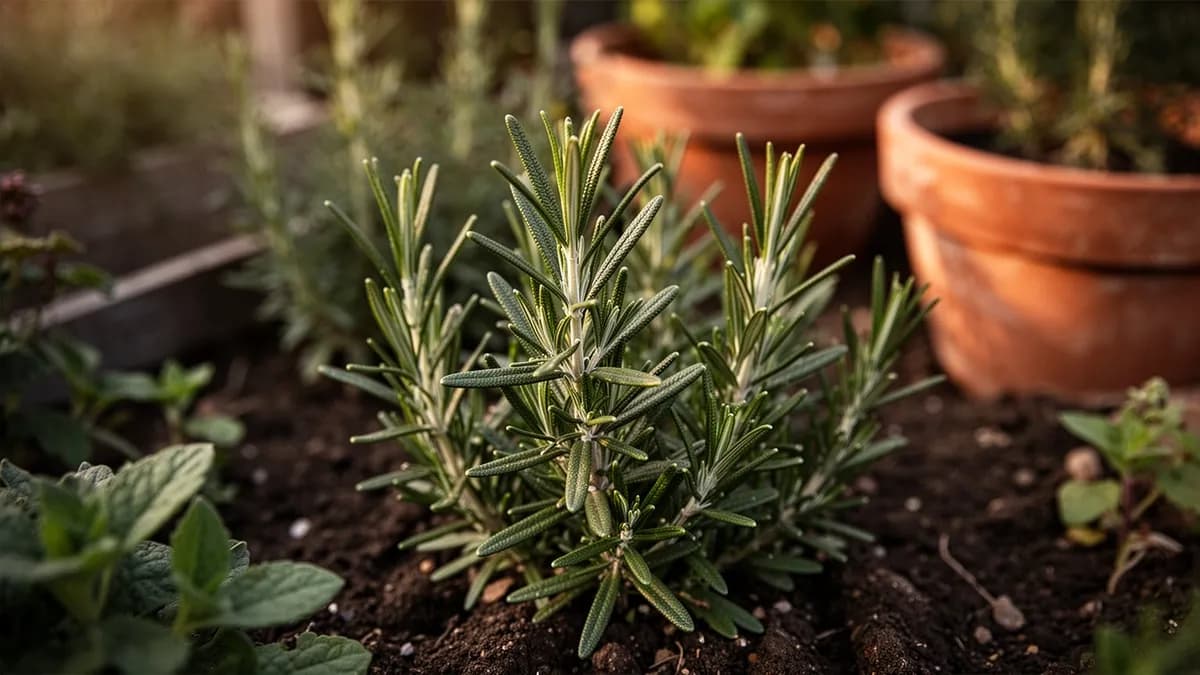
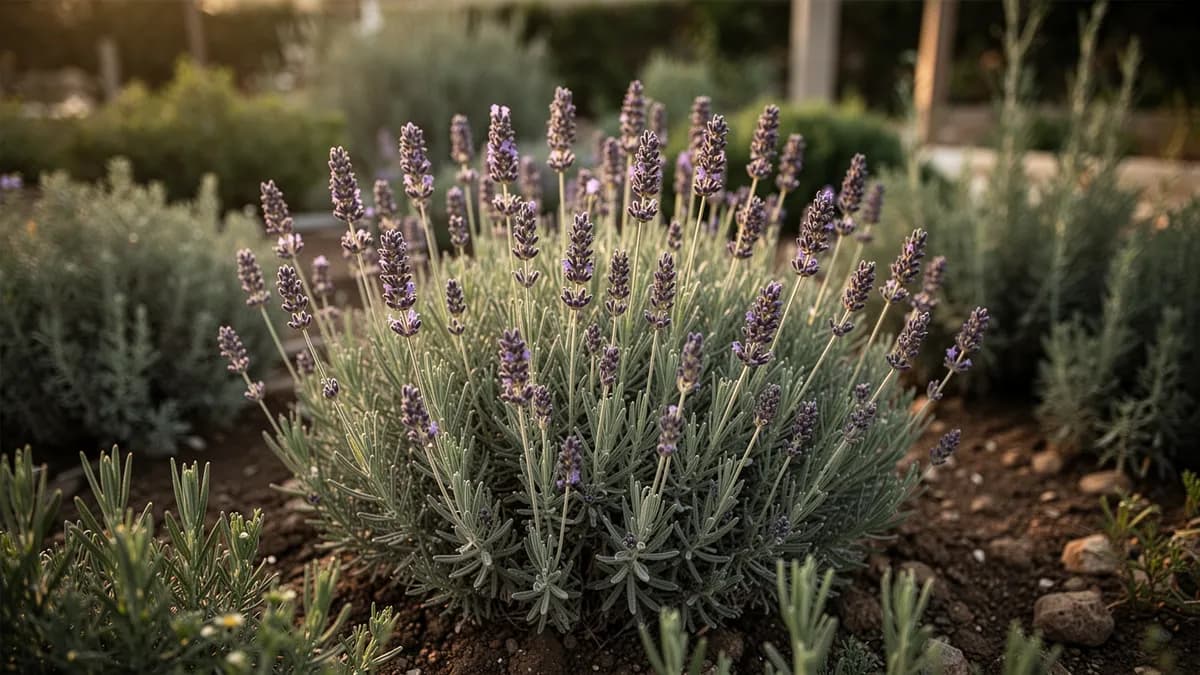
El tomillo naranja comparte los mismos beneficios de repelencia de plagas que otros tomillos, ya que aleja las orugas de las coles y la mosca blanca gracias a sus aceites esenciales aromáticos. Plántalo junto a romero, salvia y lavanda en huertos de hierbas de estilo mediterráneo. Su porte compacto lo convierte en una excelente planta de borde que ayuda a definir los límites del jardín mientras disuade a las plagas. Cuando florece, atrae polinizadores e insectos beneficiosos. Evita asociarlo con hierbas que aman la humedad.
Romero va a su lado. Albahaca no.
Saber de huerto de siempre, cotejado con la tabla real de Tomillo naranja — prueba cualquier planta que cultives.
Prueba Tomillo naranja en un bancal, aquí mismo
Un bancal real del planificador con Tomillo naranja ya plantado. Toca una planta compañera para colocarla y mira cómo responde la comprobación de vecinos: verde para buenos vecinos, rojo si hay conflicto.


Guías de cultivo relacionadas
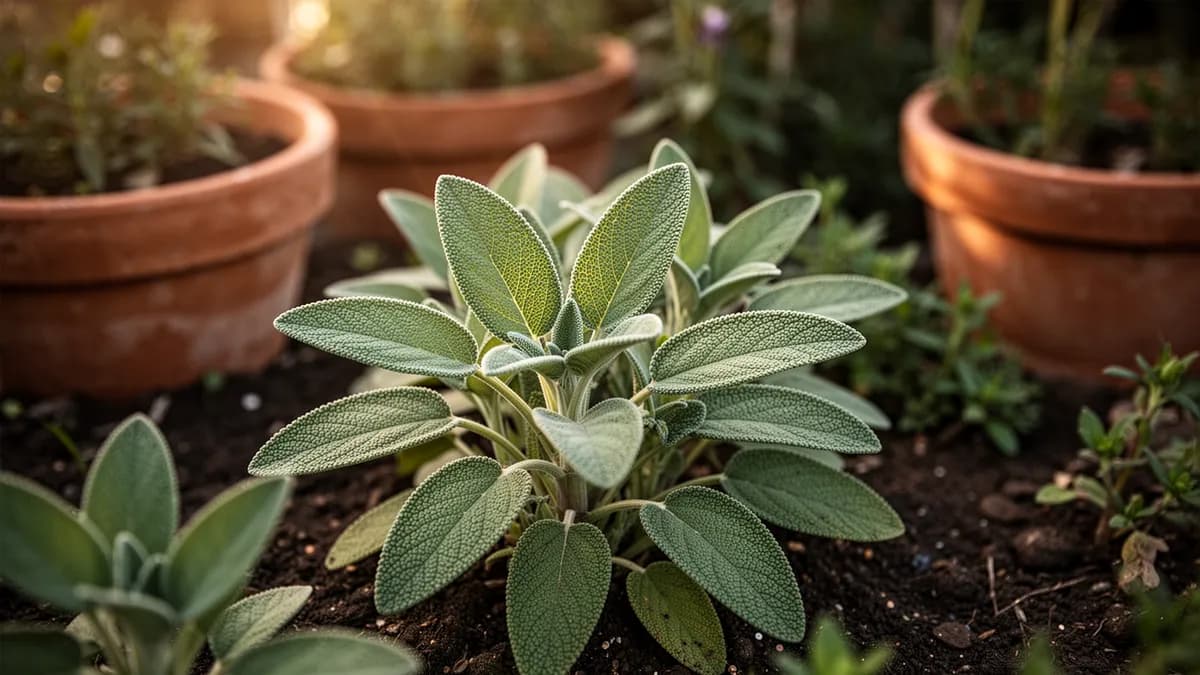
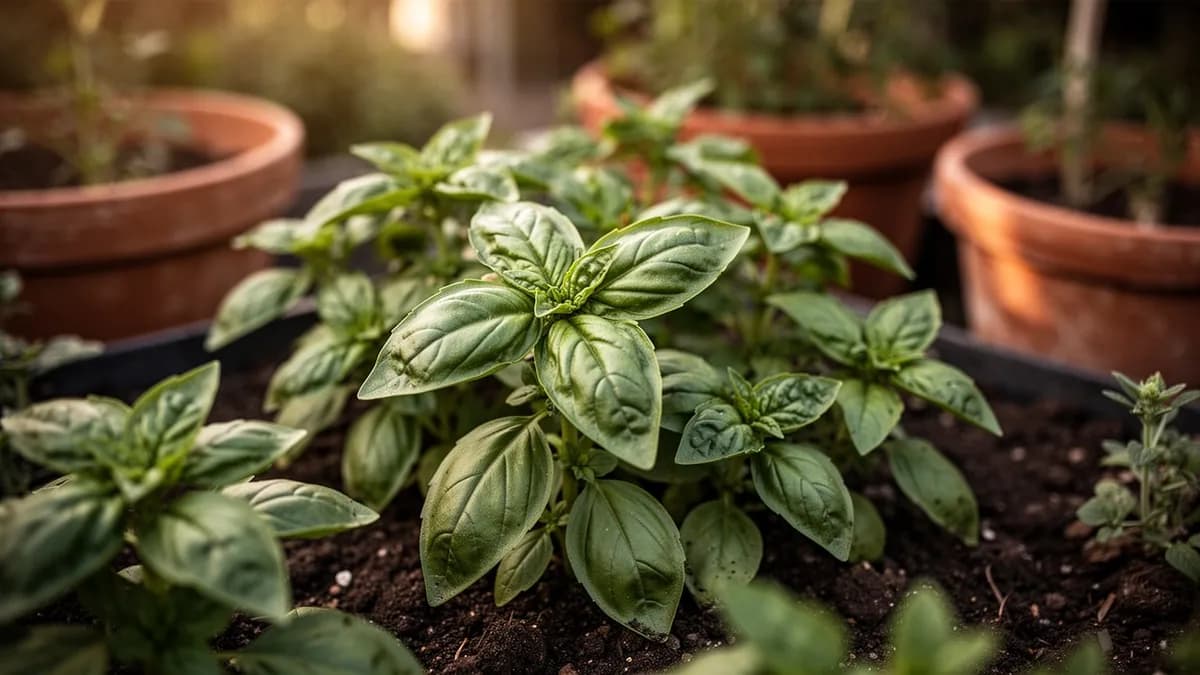
Abónalo bien
Cultívalo en un suelo pobre y bien drenado, con pH entre 6.0 y 8.0. Un drenaje excelente no es negociable: añade grava gruesa y perlita a los suelos pesados. No necesita fertilización importante; una ligera aplicación de compost en primavera basta. Un suelo rico disminuye el aroma a naranja y produce un crecimiento débil y propenso a enfermedades. En macetas, usa una mezcla de drenaje rápido con tierra para macetas y un 40% de perlita. Cubre la superficie con grava fina.
Temperatura ideal
Compatibilidad de zonas de rusticidad
De la semilla a la cosecha, etapa por etapa
Germinación
Las semillas de tomillo naranja son extremadamente pequeñas y germinan despacio y de forma irregular durante 14-21 días. Las semillas necesitan luz para germinar y deben sembrarse en la superficie de una mezcla fina y húmeda para semilleros. Las temperaturas del suelo de 18-24°C (65-75°F) son óptimas. La tasa de germinación suele ser menor que la del tomillo común, alrededor del 50-60%, así que siembra abundante.
Desarrollo de plántulas
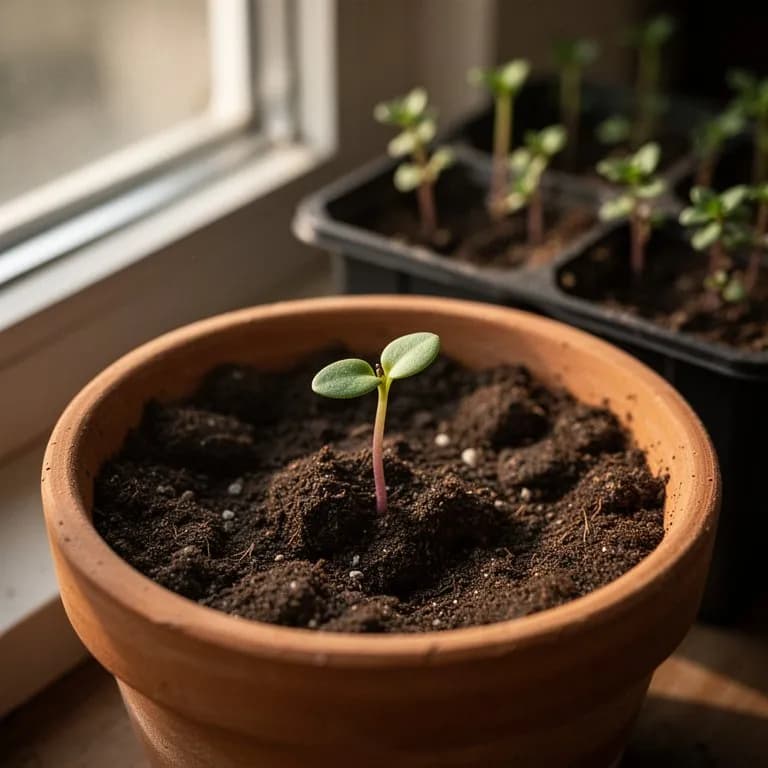
Las plántulas diminutas crecen muy despacio al principio, produciendo tallos finísimos y pares de hojas minúsculas. El aroma cítrico característico comienza a notarse cuando se frotan suavemente las hojas de las plántulas. Son frágiles y susceptibles al damping off en condiciones demasiado húmedas.
Crecimiento vegetativo
Las plantas empiezan a desarrollar su característico porte bajo y acolchado, produciendo tallos muy ramificados cubiertos de pequeñas hojas verde grisáceo. El crecimiento se acelera notablemente una vez establecido el sistema radicular. El aroma cítrico a naranja se intensifica con la exposición al sol y las temperaturas cálidas. Puede empezar una cosecha ligera cuando las plantas estén bien establecidas.
Floración
Racimos de pequeñas flores de rosa pálido a lavanda aparecen en las puntas de los tallos a comienzos y mediados del verano. Las flores son muy atractivas para las abejas melíferas, abejorros y sírfidos beneficiosos. La floración señala el pico de concentración de aceites esenciales en el follaje, lo que hace de este el momento ideal para una gran cosecha si vas a secar hierbas para almacenarlas.
Crecimiento perenne maduro
Después de su primera temporada, el tomillo naranja se convierte en una perenne semicaducifolia que forma una alfombra baja y densa de 15-20 cm de alto y hasta 30-45 cm de ancho. Los tallos más viejos se vuelven leñosos en la base mientras siguen produciendo brotes verdes frescos desde las puntas. La planta entra en semidormancia en invierno en climas fríos, pero conserva el follaje en regiones suaves.
Reposo invernal
En las zonas 5-7, el tomillo naranja entra en semidormancia, conserva parte del follaje verde grisáceo pero deja de crecer activamente. Los tallos leñosos y el porte denso proporcionan cierto autoaislamiento. En las zonas 8-9, las plantas pueden seguir produciendo hojas aprovechables durante el invierno, especialmente en lugares resguardados. La resistencia de las raíces es mayor que la de la parte aérea.
No cubras las semillas: presiónalas suavemente sobre la superficie y pulveriza con un atomizador. Cubre las bandejas con plástico transparente o campanas de humedad para mantener la humedad. El calor de fondo de una manta térmica para plántulas mejora mucho la velocidad y uniformidad de la germinación.
Cuidar Tomillo naranja mes a mes
Qué hacer cada mes para tu Tomillo naranja
Octubre
Mes actualStop harvesting to allow plants to harden off before winter. Check drainage around plants and improve if needed — winter wet is more lethal than cold. Apply a thin gravel mulch around the crown in zones 5-6.
Ten claro qué hacer en tu huerto, cada mes
Un correo al empezar cada mes: qué sembrar, plantar y hacer ahora mismo — para tu Tomillo naranja y todo lo que crece alrededor. Más un breve curso inicial para esquivar los errores clásicos.
- Qué hacer ahora mismo
- Ajustado a tu temporada
- Curso inicial incluido
Cosechar Tomillo naranja
Cosecha las puntas de los tallos de tomillo naranja durante toda la temporada de crecimiento, cortando longitudes de 8-10 cm justo por encima de un nudo foliar. El aroma cítrico a naranja es más intenso por la mañana y justo antes de la floración. Retira las hojas diminutas de los tallos para cocinar, o usa las ramitas enteras para infusionar salsas y retíralas antes de servir. Para secar, cosecha justo antes de que se abran las flores para obtener la máxima concentración de aceites esenciales. La cosecha ligera y regular fomenta un crecimiento más tupido y productivo.

se supone que plantas al comenzar el periodo — indica tu fecha real
Cosecha Tomillo naranja a tiempo y la planta sigue produciendo.
Almacenamiento y conservación
El tomillo naranja fresco se conserva de 1 a 2 semanas en el refrigerador dentro de una bolsa sellada con una toalla de papel húmeda. Sécalo colgando pequeños manojos en un lugar cálido y oscuro durante 1-2 semanas. El aroma a naranja se atenúa algo con el secado, pero el sabor del tomillo sigue siendo excelente. Guarda las hojas secas en frascos herméticos hasta por un año. Congela ramitas frescas en bolsas para congelador para conservar mejor su aroma cítrico. Infúsalo en miel para obtener un endulzante cítrico y herbal excepcional con té y repostería.
Qué falla — y cómo solucionarlo
Podredumbre radicular
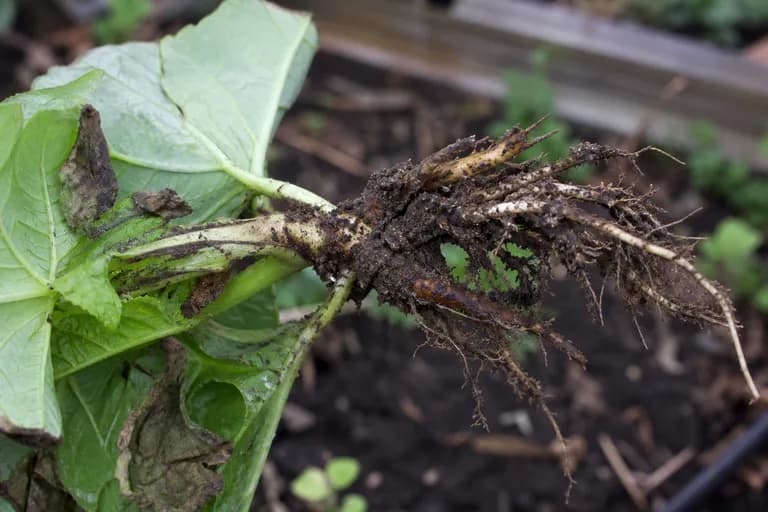
EnfermedadOscurecimiento y marchitez de los tallos desde la base hacia arriba, tejido blando y pastoso en la corona, colapso de la planta en condiciones húmedas.
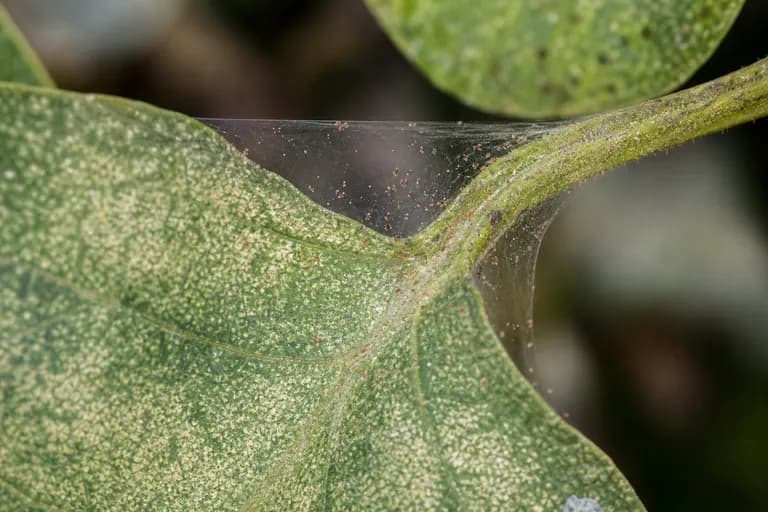
Araña roja
PlagaMoteado fino y bronceado en las hojas, pequeñas telarañas visibles en el envés durante tiempo cálido y seco.
Solución de problemas comunes
La pérdida del aroma a naranja suele indicar exceso de fertilizante, exceso de riego o falta de sol; cultívalo a pleno sol y en condiciones pobres y secas para obtener el máximo aroma. Con la edad se forman centros leñosos y desnudos; poda con regularidad y sustituye las plantas cada 3-4 años. Las pérdidas invernales en la zona 5 son frecuentes; asegúrate de que el drenaje sea perfecto y añade un acolchado protector de grava. Un crecimiento débil y alargado indica falta de luz.
Consejos de cultivo
- Planta el tomillo naranja en el suelo más pobre y mejor drenado que tengas. Un suelo rico y fértil produce un crecimiento exuberante, pero un aroma y un contenido de aceites esenciales mucho más débiles. Un suelo pobre, ligeramente alcalino y pedregoso imita su hábitat mediterráneo natural y genera un follaje con el aroma más intenso.
- Nunca acolches el tomillo naranja con materiales orgánicos como corteza, paja u hojas: retienen humedad contra los tallos y favorecen la podredumbre fatal de la corona. En su lugar, usa una capa de 2 cm de grava fina o piedra caliza triturada alrededor de las plantas, que mantiene seca la corona, refleja el calor y suprime las malas hierbas.
- Propaga el tomillo naranja por esquejes de tallo en lugar de por semilla para garantizar plantas fieles al tipo con el distintivo aroma a naranja. Toma esquejes semileñosos de 7-10 cm a finales del verano, retira las hojas inferiores, sumérgelos en hormona de enraizamiento y enraíza en una mezcla 50/50 de perlita y arena gruesa.
- Riega en profundidad, pero muy raramente: deja que el suelo se seque por completo entre riegos. El tomillo naranja establecido es extraordinariamente tolerante a la sequía y, de hecho, produce un follaje con un aroma más intenso bajo un ligero estrés hídrico. El exceso de riego es, con diferencia, la causa más común de muerte del tomillo naranja.
- Sitúa las plantas donde reciban al menos 6-8 horas de sol directo al día. La producción de aceites esenciales es directamente proporcional a la exposición solar, y las plantas en sombra producen un crecimiento alargado y débil con muy poco aroma. Las laderas orientadas al sur, los muros o los bancales elevados son ubicaciones ideales.
- Cosecha cortando ramitas en lugar de arrancar hojas individuales: esto favorece un rebrote limpio y evita daños en la estructura de tallos leñosos. Nunca retires más de un tercio de la planta de una vez y evita cortar el crecimiento leñoso viejo, que rara vez regenera.
- Poda con fuerza las plantas establecidas a comienzos de la primavera, justo cuando aparece nuevo crecimiento verde en la base, recortando entre un tercio y la mitad. Este rejuvenecimiento anual evita que la planta se convierta en una masa leñosa y hueca y extiende su vida productiva de 2-3 años a 4-5 años.
- Cultiva el tomillo naranja en macetas con drenaje excelente para obtener los mejores resultados en climas húmedos o lluviosos. Usa una mezcla de partes iguales de sustrato, arena gruesa y perlita en macetas de terracota, que evacúan el exceso de humedad mucho mejor que los recipientes de plástico o esmaltados.
- Planta el tomillo naranja junto a senderos, entre piedras de paso o en el borde de bancales elevados, donde se rozará al pasar con los pies o las manos: eso libera ráfagas de su cálido aroma cítrico y crea una experiencia sensorial de jardín que pocas plantas pueden igualar.
- Asócialo cerca de rosales, brassicas y tomates. Sus aceites aromáticos ayudan a repeler pulgones, mosca blanca y polillas de la col, y sus flores atraen sírfidos y avispas parásitas que se alimentan de plagas comunes del jardín, convirtiéndolo en un eficaz disuasorio orgánico de plagas.
Cultiva tu mejor Tomillo naranja — y todo lo que la rodea.
Empieza un plan gratis hoy. Diseña tus bancales, coloca tu Tomillo naranja y deja que PlotMyGarden gestione el momento, el espaciado, las asociaciones y los recordatorios de la semilla a la cesta.
Elige tu Tomillo naranja
Tomillo naranja (Thymus fragrantissimus 'Orange')
La variedad estándar con aroma a cítricos, follaje verde grisáceo y un dulce perfume a naranja. Crecimiento compacto hasta 25 cm.
Tomillo limón (Thymus citriodorus)
Tomillo cítrico relacionado con un aroma brillante a limón. Más común y fácil de encontrar. Existen formas variegadas verde y dorado.
Tomillo lima
Una variedad de tomillo con un suave aroma a lima. Menos común que las de limón o naranja. Funciona bien en platos de inspiración tropical.
Las variedades de tomillo especializadas como el tomillo naranja rara vez se encuentran en supermercados y alcanzan precios premium de 3-6 € por pequeño envase en mercados de agricultores y tiendas gourmet cuando aparecen. Una sola planta joven cuesta 4-8 € en viveros de hierbas y produce ramitas frescas durante 3-4 años como perenne, aportando un valor estimado de 40-80 € en hierba fresca por temporada. Como el tomillo naranja se propaga fácilmente por esquejes, una planta madre puede producir decenas de nuevas plantas sin coste, lo que lo convierte en una excelente inversión a largo plazo para cualquier huerto de cocina.
Recetas rápidas

Infusión de miel y tomillo naranja
10 min + 1 semana de infusiónUna miel fragante con notas cítricas y herbales, elaborada al macerar ramitas frescas de tomillo naranja en miel cruda. El cálido aroma a naranja del tomillo impregna la miel durante una semana, creando un condimento versátil perfecto para rociar sobre yogur, tablas de quesos, verduras asadas o para remover en té caliente.
4 ingredientesMuslos de pollo asados con tomillo naranja
15 min de preparación + 35 min de cocciónMuslos de pollo con hueso asados con abundantes puñados de tomillo naranja fresco, ajo y un chorrito de zumo de naranja. Las notas cítricas de la hierba combinan de maravilla con las aves, creando un pollo con piel crujiente y jugos aromáticos perfectos para servir sobre arroz o pan crujiente.
8 ingredientesGalletas de mantequilla con tomillo cítrico
20 min de preparación + 15 min de horneadoDelicadas galletas de mantequilla infusionadas con hojas de tomillo naranja frescas finamente picadas y un toque de ralladura de naranja. Su cálido sabor herbal y cítrico las hace perfectas para la merienda o como un inesperado regalo comestible del jardín.
7 ingredientesUsos culinarios
El sabor único a cítricos y hierbas del tomillo naranja une la cocina salada y la dulce. Es excepcional con pollo asado, marisco y pescado a la parrilla, donde sus notas de naranja complementan muy bien la proteína. Úsalo en postres de fruta: infusiona nata o natillas con ramitas frescas para darles un matiz herbal y cítrico sutil. Añádelo a bizcochos de naranja, scones y galletas de mantequilla. Machácalo en cócteles, limonada y sangría. Combina de maravilla con chocolate negro, miel y frutas de hueso. Prepara mantequilla de tomillo naranja para el maíz en la mazorca.
Qué contiene
Beneficios para la salud
- Contiene altas concentraciones de timol, un compuesto fenólico natural con propiedades antibacterianas, antifúngicas y antivirales científicamente validadas; el té de tomillo tradicional se ha usado durante siglos para tratar infecciones respiratorias altas y dolores de garganta.
- Es rico en vitamina C (178 % del VD por 100 g), por lo que incluso pequeñas cantidades culinarias aportan una contribución significativa a la ingesta diaria de antioxidantes y al apoyo del sistema inmunitario, especialmente durante la temporada de resfriados y gripe.
- Los compuestos de aceites esenciales geraniol y linalool, que dan al tomillo naranja su aroma cítrico, han demostrado efectos antiinflamatorios y calmantes en estudios clínicos de aromaterapia, lo que podría ayudar a reducir el estrés y la ansiedad.
- Contiene ácido rosmarínico, un potente polifenol antioxidante que, según investigaciones, puede ayudar a suprimir las respuestas inflamatorias alérgicas al inhibir la liberación de histamina de los mastocitos, ofreciendo posible alivio a quienes sufren alergias estacionales.
- Las infusiones de tomillo se han usado en la medicina tradicional europea como expectorante natural y antitusivo, y estudios modernos confirman que el extracto de tomillo es tan eficaz como algunos jarabes para la tos convencionales para aliviar síntomas de bronquitis.
- El alto contenido de hierro (17.4 mg por cada 100 g) combinado con la vitamina C, que mejora la absorción del hierro, convierte al tomillo en una valiosa fuente complementaria de hierro, especialmente beneficiosa para quienes siguen dietas vegetales y pueden tener riesgo de déficit de hierro.
De dónde viene Tomillo naranja
El tomillo naranja (Thymus fragrantissimus 'Orange') es una selección cultivada dentro del vasto y antiguo género Thymus, que abarca más de 350 especies originarias de la cuenca mediterránea, el norte de África y Asia templada. El género surgió en las colinas calcáreas y secas laderas del sur de Europa, donde las especies silvestres de tomillo han cubierto pendientes rocosas durante millones de años. La evidencia arqueológica sugiere que los seres humanos han recolectado y usado tomillo desde al menos el Neolítico, con restos carbonizados hallados en antiguos yacimientos agrícolas de todo el Mediterráneo que datan de hace más de 5.000 años.
Los antiguos egipcios usaban el tomillo, llamado 'tham', como ingrediente clave en sus preparaciones de embalsamamiento, reconociendo sus poderosas propiedades conservantes y antimicrobianas mucho antes de que la ciencia moderna identificara el timol. La civilización griega elevó el tomillo a símbolo de valor, elegancia y vitalidad: el filósofo Plinio recomendaba quemarlo para purificar estancias y ahuyentar criaturas venenosas. Las legiones romanas extendieron su cultivo por todo el imperio, usándolo para dar sabor a quesos y licores y quemando haces de tomillo para purificar barracones y templos.
Durante la Edad Media, el tomillo pasó a ser fundamental en los huertos de hierbas de los monasterios europeos, donde los monjes lo cultivaban tanto como planta medicinal como elemento culinario esencial. Las damas bordaban ramitas de tomillo en los pañuelos que entregaban a los caballeros como símbolo de valor. La variedad específica con aroma a naranja surgió a partir de programas de selección durante el renacimiento hortícola del siglo XX, cuando los cultivadores especializados empezaron a aislar variedades de tomillo con perfiles aromáticos inusuales. Thymus fragrantissimus, la especie progenitora, destacaba por su distintivo aroma afrutado y cítrico, y la selección 'Orange' se propagó por su aroma especialmente vivo a piel de naranja. Hoy en día, el tomillo naranja se cultiva sobre todo como hierba culinaria y ornamental de especialidad, apreciada por los chefs por su capacidad única para unir sabores salados y cítricos en platos que van desde carnes asadas hasta postres, cócteles y mieles artesanales.
Tomillo naranja: ¿sabías que?
Datos fascinantes sobre Tomillo naranja
El tomillo naranja (Thymus fragrantissimus 'Orange') obtiene su distintivo aroma cítrico no de la genética de una naranja, sino de una relación única de compuestos del aceite esencial, principalmente geraniol y linalool, que juntos imitan el aroma de la piel de naranja fresca de forma tan convincente que los catadores con los ojos vendados suelen identificarlo como cítrico y no como tomillo.
Tomillo naranja: preguntas frecuentes
¿Cuándo debo plantar Tomillo naranja?
¿Cuáles son buenas plantas acompañantes para Tomillo naranja?
¿En qué zonas de rusticidad puede crecer Tomillo naranja?
¿Cuánto sol necesita Tomillo naranja?
¿A qué distancia debo espaciar Tomillo naranja?
¿Qué plagas y enfermedades afectan a Tomillo naranja?
¿Cómo almaceno Tomillo naranja después de la cosecha?
¿Cuáles son las mejores variedades de Tomillo naranja para cultivar?
¿Qué suelo necesita Tomillo naranja?
¿A qué sabe y huele el tomillo naranja en comparación con el tomillo normal?
¿El tomillo naranja es perenne y cuánto vive?
¿Por qué mi tomillo naranja sigue muriendo, especialmente en invierno?
¿Puedo cultivar tomillo naranja en interior durante todo el año?
¿Cómo seco y guardo el tomillo naranja para conservar su sabor cítrico?
¿El tomillo naranja es seguro para las mascotas y puede usarse en cocina para niños?
Acabas de leer la teoría. Ahora cultívala en piloto automático.
Todo lo que hace que Tomillo naranja sea delicado — el momento, el espaciado, las asociaciones, la ventana de cosecha — es justo lo que PlotMyGarden resuelve por ti, para cada planta de tu huerto.
Un plan que conoce tu clima
Indica tu ubicación una vez. Recibe fechas de siembra, abonado y cosecha basadas en tu última helada real y el pronóstico en vivo — sin adivinar con un sobre genérico.
De la sección “Cuándo plantar”Planificador de bancales de arrastrar y soltar
Diseña bancales sobre una cuadrícula. Cada planta encaja con su espaciado correcto y ves toda la temporada antes de gastar un céntimo en semillas.
De la sección “Cultivo”Conflictos de asociación, detectados a tiempo
Más de 200 buenas y malas combinaciones comprobadas en vivo mientras plantas — para que un error que arruine la temporada nunca llegue a la tierra.
De la sección “Asociaciones”Recordatorios que sí vas a seguir
“Riega las judías.” “Recoge hoy antes de que se pase.” Oportunos, concretos y ligados a las plantas que de verdad cultivas.
De la sección “Cosecha”Escalonado, programado
¿Quieres cosechar seis semanas en vez de seis días? Reparte tus siembras automáticamente y te avisa cuando toca el siguiente lote.
De la sección “Cuándo plantar”Un registro que se vuelve más listo
Cada cosecha que registras le enseña tu huerto. El plan del año que viene parte de lo que de verdad funcionó en tu suelo, no en un manual.
De la sección “Resumen”Planta estos junto a Tomillo naranja
Más Hierbas culinarias
Mantén Tomillo naranja lejos de estos
Cultiva tu mejor Tomillo naranja — y todo lo que la rodea.
Empieza un plan gratis hoy. Diseña tus bancales, coloca tu Tomillo naranja y deja que PlotMyGarden gestione el momento, el espaciado, las asociaciones y los recordatorios de la semilla a la cesta.