Creeping Thyme
A mat-forming ground cover thyme that grows only 2-3 inches tall, producing masses of tiny pink-purple flowers in summer.





On this pageOverview
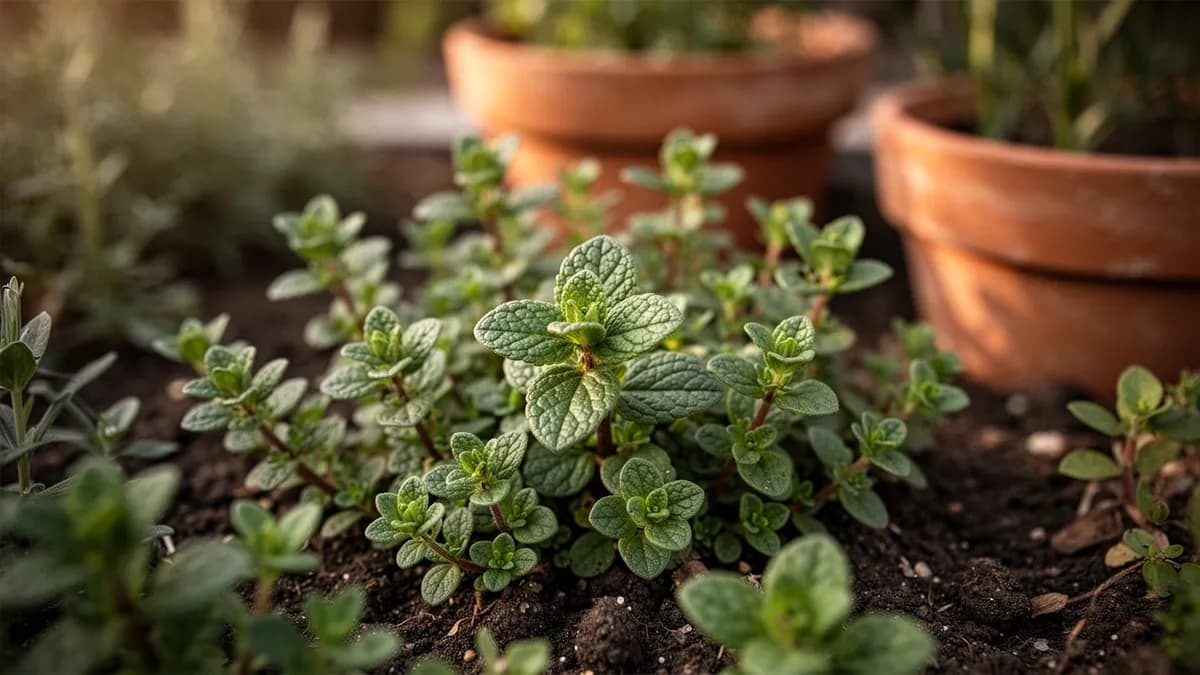
Meet Creeping Thyme
A mat-forming ground cover thyme that grows only 2-3 inches tall, producing masses of tiny pink-purple flowers in summer. Ideal for planting between stepping stones, along pathways, or as a lawn substitute in dry areas. While mildly flavored for culinary use, it releases a pleasant fragrance when walked upon.
When to plant Creeping Thyme
Sow creeping thyme seeds indoors 6-8 weeks before the last frost or directly outdoors in early spring. Scatter the tiny seeds on the surface of moist, well-drained seed-starting mix and press in without covering, as they need light for germination. Seeds germinate in 14-21 days at 60-70°F. Seedlings are very small and grow slowly at first. Alternatively, transplant nursery plugs or divisions for faster coverage. For ground cover plantings, space plugs 6-12 inches apart and plants will knit together within 1-2 seasons.
Your Creeping Thyme Year
Composed for Zone 7 · typical seasons · frost passes Apr 2, returns Nov 1
Plant Creeping Thyme Mar – May, pick May – Sep. Check the planting methods below and set your climate to personalize these windows.
How to grow Creeping Thyme
Establish creeping thyme from nursery-grown plugs, stem cuttings, or divisions in spring or early fall. Space plugs 6-12 inches apart for ground cover; they will fill in to form a solid mat within 1-2 growing seasons. Seed can be sown directly outdoors in early spring by scattering on prepared soil and pressing in without covering, as the tiny seeds need light for germination.
Creeping thyme is remarkably adaptable but performs best in full sun with lean, sharply drained soil. It thrives in rocky crevices, gravel paths, and sandy soils where most other plants struggle. This species is the ideal choice for planting between flagstones, along walkway edges, or as a low-maintenance lawn alternative in dry, sunny areas. The mat of tiny leaves tolerates light foot traffic and releases a pleasant fragrance when walked upon.
Once established, creeping thyme requires almost no maintenance. Water sparingly, as overwatering is the most common cause of failure. The plant is extremely drought-tolerant and cold-hardy to zone 4. After the showy flush of pink-purple flowers in early to midsummer, shear the plant lightly to remove spent blooms and encourage thicker, more even coverage. Divide overgrown mats every 3-4 years in spring to rejuvenate the planting.
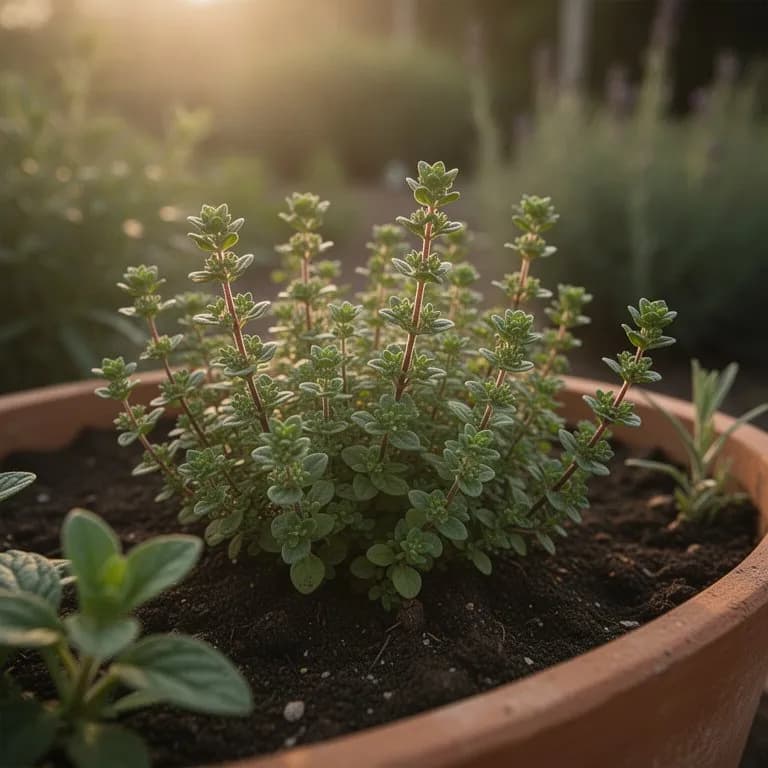
32 plants fit a 4 × 8 ft bed
Each Creeping Thyme wants 30 cm of elbow room. The planner keeps that spacing for you — every plant, every bed.
Creeping Thyme's best neighbours
Creeping thyme is an exceptional living mulch and ground cover between and around taller vegetable plants and fruit trees. It suppresses weeds, retains soil moisture, and attracts pollinators with its abundant summer flowers. Plant beneath established roses, fruit trees, and shrubs where it will form a fragrant, low-maintenance carpet. Creeping thyme between garden bed pathways reduces mud and provides a pleasant surface to walk on. Its aromatic oils provide mild pest deterrence for surrounding plants.
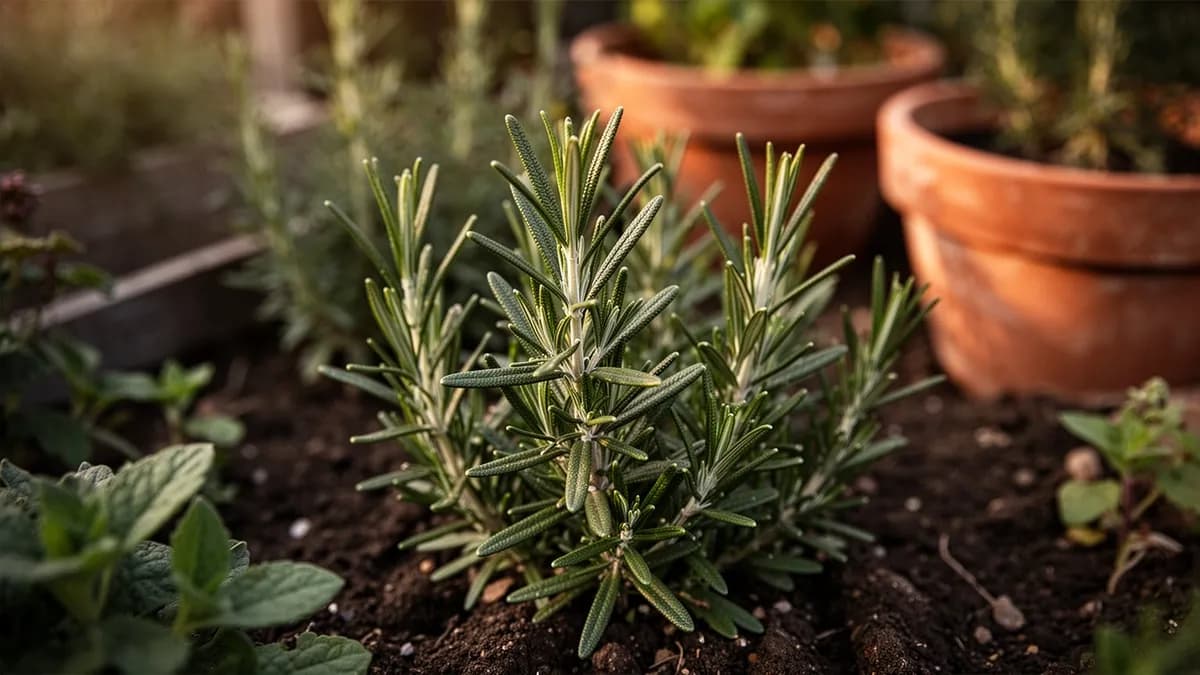
Rosemary belongs beside it. Basil doesn't.
Old growers' knowledge, checked against Creeping Thyme's real companion table below — test any plant you're growing.
Try Creeping Thyme in a bed — right here
A real planner bed with Creeping Thyme already in it. Tap a companion to place it and watch the pairing checks answer — green for good neighbours, red for a clash.


Related growing guides
Feed it well
Creeping thyme thrives in poor, lean, sharply drained soil and actually performs worse in rich, fertile conditions. Sandy, gravelly, or rocky soil is ideal. Maintain a pH of 6.0-8.0; creeping thyme tolerates alkaline conditions well. No fertilization is needed for established plantings. Excess fertility produces leggy, loose growth instead of the tight mat desired for ground cover. For pathway plantings, lay a base of sand or fine gravel before planting to ensure excellent drainage beneath the mat. Avoid organic mulch, which holds too much moisture.
Ideal Temperature
Hardiness Zone Compatibility
From seed to harvest, stage by stage
Seed Germination
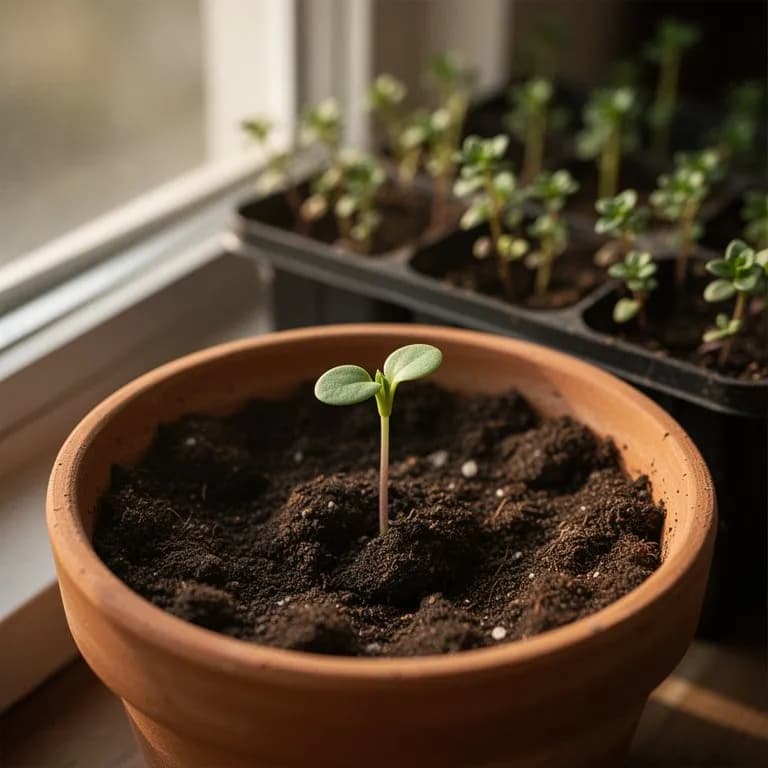
Creeping thyme seeds are extremely small — nearly dust-like — and require light to germinate. Seeds are surface-sown and pressed gently into moist soil or seed-starting mix without being covered. Germination is slow and erratic, typically taking 14-21 days at temperatures of 18-24°C (65-75°F). Seedlings emerge as tiny hair-thin stems with minuscule paired leaves.
Seedling Establishment
Tiny seedlings grow very slowly, developing their first sets of true leaves which are small, oval, and aromatic even at this early stage. Stems begin to elongate and lean sideways, hinting at the prostrate growth habit to come. Root systems establish gradually, anchoring the young plants. Seedlings are vulnerable to damping-off disease in overly wet conditions.
Vegetative Spreading
Plants begin their characteristic horizontal growth, sending out runners that root at the nodes wherever they contact soil. The woody stems branch freely, creating an ever-expanding mat of fragrant foliage 5-10 cm tall. A single plant can spread 30-45 cm in its first growing season. The foliage becomes denser as lateral branches interweave to form a tight carpet.
Flowering
In its second year onward, creeping thyme erupts into bloom from late spring through midsummer, covering the foliage mat with dense clusters of tiny tubular flowers in shades of pink, purple, magenta, or white depending on the cultivar. The flowers are extremely attractive to bees, butterflies, and other pollinators, making creeping thyme one of the most valuable ground covers for supporting pollinator health.
Mature Mat Formation
After flowering, the plant continues spreading and thickening its mat through the growing season. Stems become increasingly woody at the base while new green growth extends outward. A mature creeping thyme planting forms a dense, weed-suppressing carpet that can persist for 5-10 years with minimal care. Plants go semi-dormant in winter, with foliage often taking on bronze or purple tones in cold weather.
Do not cover seeds with soil — they need light to germinate. Mist the surface gently to keep it consistently moist without washing the seeds away. Using a humidity dome or plastic wrap over the tray helps maintain even moisture during the long germination period.
Caring for Creeping Thyme month by month
What to do each month for your Creeping Thyme
October
You are hereFinal harvest of fresh sprigs before growth stops. Prepare thyme for winter by ensuring drainage is excellent around the crown — standing water and ice are the primary winter killers of creeping thyme. In very cold zones (3-4), a light covering of evergreen boughs after the ground freezes provides extra insulation.
Know exactly what to do in your garden — every month
One email at the start of each month: what to sow, plant, and tackle right now — for your Creeping Thyme and everything growing around it. Plus a short starter course that helps you dodge the classic mistakes.
- What to do, right now
- Matched to your season
- Starter course included
Harvesting Creeping Thyme
Creeping thyme is primarily grown as an ornamental ground cover, but its leaves are mildly aromatic and can be harvested for culinary use. Snip short stems before or during flowering when the flavor is strongest. The tiny leaves are tedious to strip from stems, so harvest sprigs and use them whole in cooking, removing before serving. The abundant flowers are also edible and make an attractive garnish. For ground cover plantings, avoid heavy harvesting that would create bare patches in the mat.
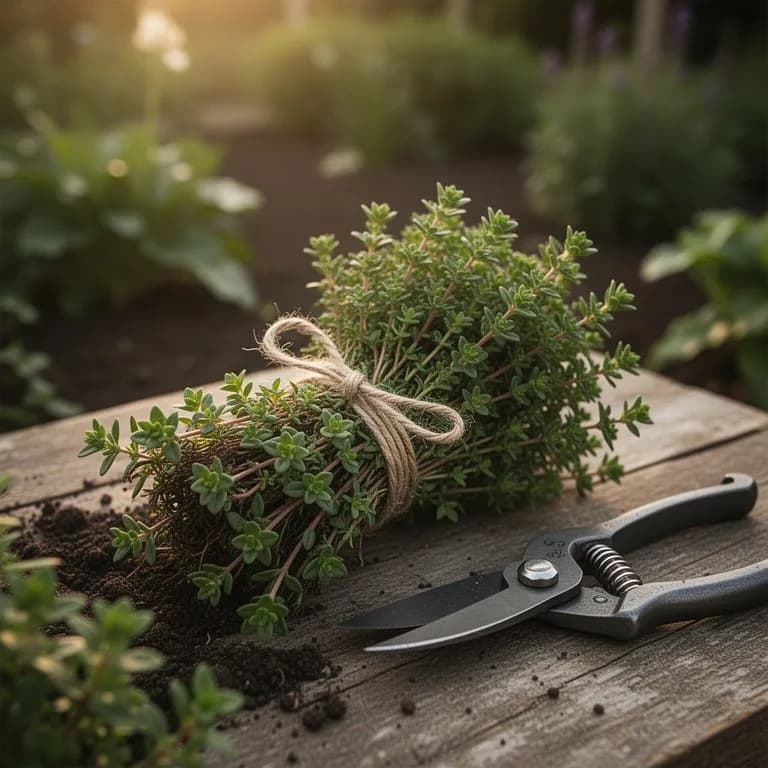
assuming you plant when the window opens — set your real date
Pick Creeping Thyme promptly and the plant keeps producing.
Storage & Preservation
Dry creeping thyme by spreading clipped stems on screens in a warm, well-ventilated area for about one week. The small leaves dry quickly and can be crumbled off the stems once fully crisp. Store in small airtight jars away from light. Dried creeping thyme has a milder flavor than culinary thyme varieties but works well in herbal tea blends. Fresh sprigs can be frozen in small freezer bags. The flowers can be dried and added to potpourri or sachets for a pleasant, subtle fragrance.
What goes wrong — and the fix
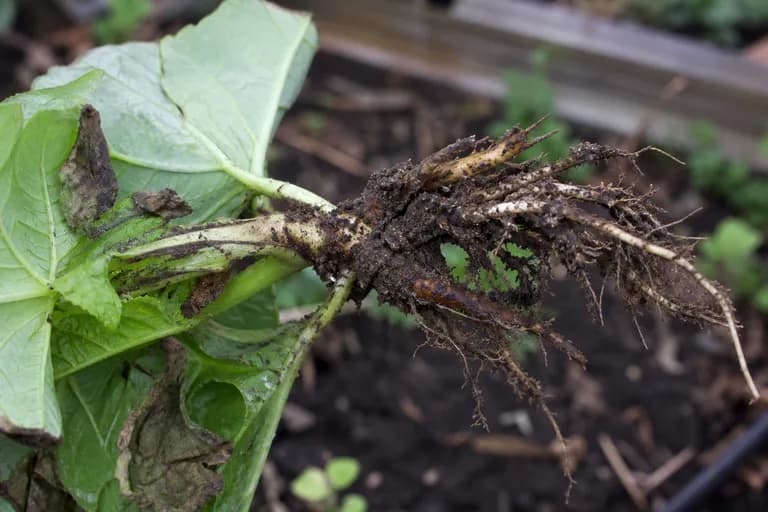
Root Rot
DiseaseBrown patches appearing in the mat, individual stems dying off, mushy roots when lifted, poor recovery from winter.
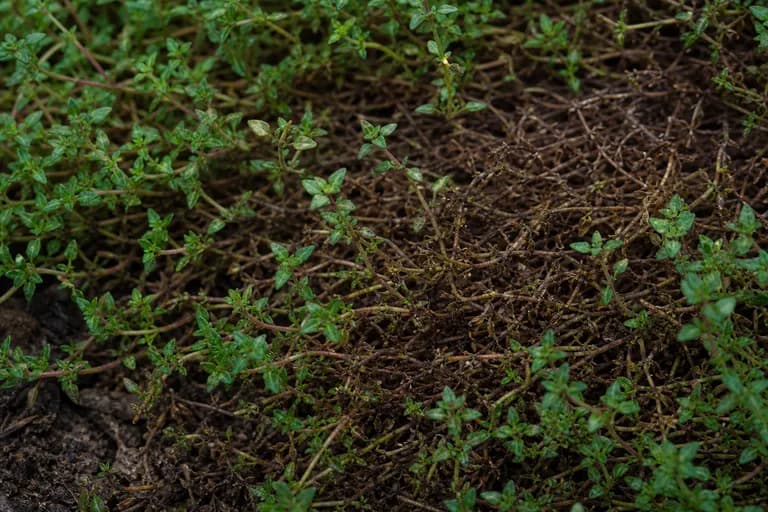
Fungal Dieback
DiseaseSections of the mat turning brown and dying, usually starting from the center of older plantings, especially in humid conditions.
Troubleshooting Common Problems
The primary issue with creeping thyme is browning or dying out in the center of older mats, especially in humid climates or with overwatering. Shearing after flowering and improving drainage prevent this. In dense shade, creeping thyme becomes sparse and fails to flower. It is not suitable for heavy foot traffic, only light and occasional stepping. In regions with wet, heavy clay soil, creeping thyme often fails; amend planting areas with generous amounts of gravel and sand. Slugs may feed on new growth in very wet conditions.
Growing Tips
- Start with transplants rather than seeds for faster results. Creeping thyme seeds are tiny, slow to germinate (14-21 days), and seedlings grow slowly for the first few months. Nursery transplants or divisions from established plants give you a year's head start on coverage.
- Ensure excellent drainage above all else. Creeping thyme evolved on rocky Mediterranean slopes and will rot in waterlogged soil faster than almost any other cause of failure. If your soil is heavy clay, plant in raised beds or amend heavily with coarse sand, perlite, or fine gravel.
- Plant in full sun for the best flowering, densest growth, and highest essential oil content. Creeping thyme tolerates light shade but becomes leggy, sparse, and less aromatic without at least 6 hours of direct sunlight per day.
- Space plants 20-30 cm apart for ground cover. Although it seems sparse initially, creeping thyme fills in rapidly once established. Planting too densely wastes plants and can create poor air circulation that encourages fungal problems in humid climates.
- Do not over-water or over-fertilize. Creeping thyme thrives on neglect once established. Water only during extended dry periods in the first year, then let natural rainfall suffice. Rich, fertile soil produces weak, floppy growth — lean, even rocky soil produces the toughest, most aromatic plants.
- Shear the entire mat back by one-third immediately after the main flowering flush. This prevents the plant from becoming woody and bare in the center, stimulates fresh leafy regrowth, and often triggers a lighter second round of flowers in late summer.
- Propagate easily by division or layering. To divide, lift a section of mat in spring, pull apart into smaller pieces each with roots attached, and replant immediately. For layering, simply press a trailing stem against bare soil and weigh it down with a small stone — it will root within weeks.
- Use creeping thyme between stepping stones and pavers by planting small plugs in the joints. The plants will fill the gaps within a season, creating a fragrant surface that releases scent when stepped on. Choose compact cultivars like Elfin or Minor for tight spaces between stones.
- Avoid heavy mulch over the crown and foliage. Unlike most garden plants, creeping thyme prefers to have its stems and crown exposed to air and light. A top-dressing of fine gravel or coarse sand is ideal — it mimics the plant's natural rocky habitat and keeps the crown dry.
- In cold climates (zones 3-5), ensure winter drainage is excellent. Creeping thyme survives extreme cold but is killed by ice forming around the crown in poorly drained soil. A light cover of evergreen boughs after the ground freezes provides additional wind protection without trapping moisture.
Grow your best Creeping Thyme yet — and everything around it.
Start a free plan today. Lay out your beds, drop in your Creeping Thyme, and let PlotMyGarden handle the timing, spacing, companions and reminders from seed to harvest basket.
Pick your Creeping Thyme
Red Creeping Thyme (Coccineus)
The most popular variety with vivid magenta-red flowers that create a stunning carpet of color in summer. Very low growing at just 2-3 inches.
Elfin Thyme
An extremely compact selection growing less than 1 inch tall with tiny leaves and sparse pink flowers. Perfect for miniature gardens and stepping stone crevices.
Pink Chintz
Features salmon-pink flowers on a dense, flat mat of grey-green foliage. One of the most floriferous creeping thyme selections available.
Fresh thyme sells for $2-4 per small bundle at grocery stores, and dried organic thyme costs $8-15 per 100g at specialty shops. A single $3-5 creeping thyme plant produces fresh herbs for 5-10 years with virtually no inputs — no fertilizer, minimal water, and no pest control needed. Over its lifespan, one plant easily provides $50-100 worth of fresh and dried thyme. Beyond culinary savings, creeping thyme as a lawn alternative eliminates mowing, watering, and fertilizing costs associated with traditional grass lawns — homeowners who replace even a small area can save $100-200 per year on lawn maintenance.
Quick recipes
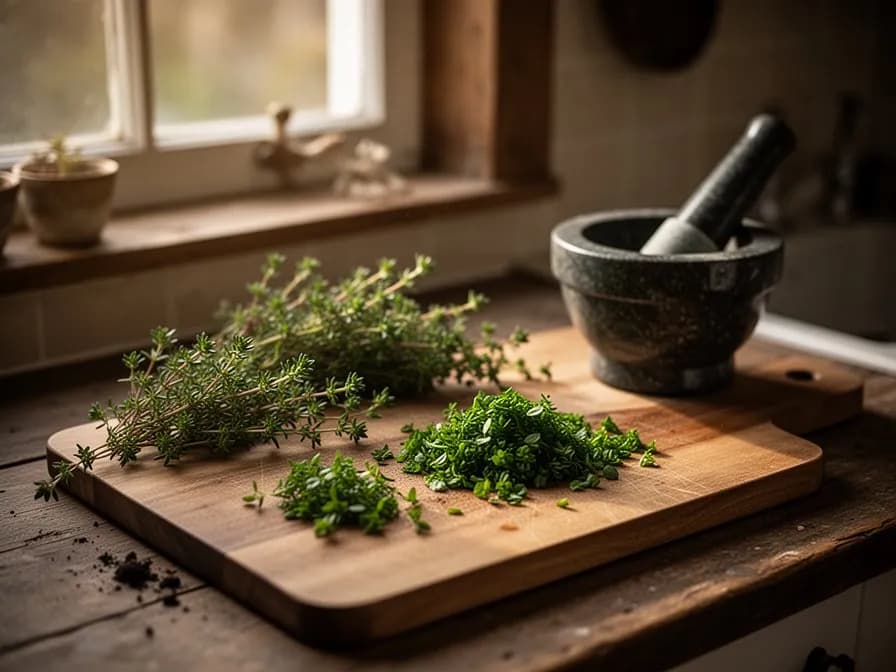
Creeping Thyme Herbal Tea
10 minA soothing, aromatic herbal infusion that has been used for centuries to ease coughs, aid digestion, and calm the nerves. Fresh creeping thyme makes a more delicate tea than common thyme, with floral notes and a gentle warmth.
4 ingredientsThyme-Infused Honey
15 min + 2 weeks infusionA fragrant, golden honey infused with the floral aroma of creeping thyme — inspired by the legendary thyme honeys of Greece and Provence. Use it to drizzle over cheese, yogurt, roasted vegetables, or fresh fruit for an elegant finishing touch.
3 ingredientsCreeping Thyme and Lemon Compound Butter
10 min + 1 hour chillingA versatile herb butter that melts beautifully over grilled fish, roasted chicken, steamed vegetables, or crusty bread. The delicate floral quality of creeping thyme pairs exquisitely with the brightness of lemon zest.
6 ingredientsCulinary Uses
While less pungent than French or English thyme, creeping thyme leaves have a mild herbal flavor suitable for seasoning soups, stews, and teas. The tiny flowers are edible and add a delicate floral note to salads, desserts, and cocktails. Creeping thyme is most often used in herbal tea blends where its gentle flavor complements chamomile and mint. It can season grilled meats and vegetables in larger quantities to compensate for its milder flavor compared to culinary varieties.
What's inside
Health Benefits
- Rich in thymol, a naturally occurring phenol with potent antiseptic and antimicrobial properties — thyme tea has been used for centuries to soothe sore throats, ease coughs, and support respiratory health during colds and bronchitis.
- Contains high concentrations of antioxidants including rosmarinic acid, luteolin, and apigenin, which help neutralize free radicals, reduce oxidative stress, and may lower the risk of chronic inflammatory conditions.
- Excellent source of vitamin C (178% DV per 100g fresh), supporting immune system function, collagen synthesis for healthy skin, and enhanced iron absorption from plant-based foods when consumed together.
- Provides significant amounts of vitamin A (95% DV per 100g fresh) as beta-carotene, supporting eye health, skin cell renewal, and the body's first line of immune defense in mucous membranes.
- Thyme essential oils have demonstrated antifungal properties in research, and traditional herbalism uses thyme preparations topically for minor skin irritations, fungal infections, and as a natural insect repellent.
- The carvacrol found in creeping thyme has shown mood-boosting potential in preliminary studies, with evidence suggesting it may increase serotonin and dopamine levels — aligning with the historical use of thyme aromatherapy for lifting spirits and easing anxiety.
Where Creeping Thyme comes from
Creeping thyme (Thymus serpyllum), also known as wild thyme, Breckland thyme, or mother of thyme, is native to the temperate regions of Europe and North Africa, with its natural range extending from the British Isles across the Mediterranean basin to western Asia. It thrives in the wild on dry, rocky slopes, sandy heathlands, and alpine meadows where poor soil and harsh exposure discourage competing vegetation — conditions that have shaped its low-growing, mat-forming survival strategy over millennia.
The relationship between humans and creeping thyme stretches back to ancient civilizations. The Egyptians used thyme in embalming preparations, valuing its preservative and antiseptic qualities. Greeks and Romans elevated it further, associating it with courage, elegance, and purification. Roman soldiers exchanged sprigs of thyme as tokens of respect, and the herb was strewn across floors to scent rooms and repel insects. Throughout medieval Europe, ladies embroidered sprigs of thyme onto knights' scarves as symbols of bravery, and the herb was placed beneath pillows to ward off nightmares and melancholy.
As a medicinal plant, creeping thyme has been used continuously for over two thousand years. Hippocrates documented its use for respiratory ailments, and medieval monastery gardens always included thyme among their essential medicinal herbs. The plant's essential oil, rich in thymol and carvacrol, was recognized as a powerful antiseptic long before germ theory — herbalist Nicholas Culpeper in the 1600s recommended it for coughs, internal infections, and strengthening the lungs. Modern pharmaceutical research has validated many of these traditional uses, confirming the antimicrobial, antioxidant, and anti-inflammatory properties of thyme's volatile compounds.
Today, creeping thyme is cultivated worldwide as an ornamental ground cover, culinary herb, and pollinator plant. Hundreds of cultivars have been selected for flower color, leaf fragrance, growth vigor, and hardiness, including popular varieties like Elfin, Coccineus, Pink Chintz, and White Moss. It remains one of the most widely recommended plants for rock gardens, walkway borders, and lawn alternatives in sustainable landscape design.
Creeping Thyme: did you know?
Fascinating facts about Creeping Thyme
Ancient Greeks burned creeping thyme as incense in their temples, believing its fragrant smoke carried prayers to the gods. The word 'thyme' itself derives from the Greek 'thymon,' meaning 'to fumigate' or 'courage' — Greek soldiers bathed in thyme-infused water before battle for bravery.
Creeping Thyme questions, answered
When should I plant Creeping Thyme?
What are good companion plants for Creeping Thyme?
What hardiness zones can Creeping Thyme grow in?
How much sun does Creeping Thyme need?
How far apart should I space Creeping Thyme?
What pests and diseases affect Creeping Thyme?
How do I store Creeping Thyme after harvest?
What are the best Creeping Thyme varieties to grow?
What soil does Creeping Thyme need?
Can creeping thyme be used as a lawn replacement?
What is the difference between creeping thyme and common thyme?
How fast does creeping thyme spread?
Is creeping thyme safe for pets and children?
Why is my creeping thyme dying in the center of the mat?
When should I harvest creeping thyme for cooking and drying?
You just read the theory. Now grow it on autopilot.
Everything that makes Creeping Thyme fiddly — the timing, the spacing, the companions, the harvest window — is exactly what PlotMyGarden handles for you, for every plant in your garden.
A plan that knows your weather
Set your location once. Get sow, feed and harvest dates built around your real last-frost date and live forecast — no more guessing from a generic seed packet.
From the “When to plant” sectionDrag-and-drop bed planner
Design beds on a grid. Every plant snaps to its proper spacing, and you can see your whole season laid out before you spend a cent on seed.
From the “Growing guide” sectionCompanion conflicts, caught early
200+ good-and-bad pairings checked live as you plant — so a season-wrecking mistake never makes it into the ground.
From the “Companions” sectionReminders you'll actually act on
“Water the beans.” “Pick today before it turns.” Timely, specific, and tied to the plants you're really growing.
From the “Harvest” sectionSuccession, scheduled
Want a harvest for six weeks, not six days? It spaces your sowings automatically and reminds you when each new block is due.
From the “When to plant” sectionA record that gets smarter
Every harvest you log teaches it your garden. Next year's plan starts from what actually worked in your soil, not a textbook's.
From the “Overview” sectionPlant these alongside Creeping Thyme
More Culinary Herbs
Keep Creeping Thyme away from these
Garden plans featuring Creeping Thyme
Grow your best Creeping Thyme yet — and everything around it.
Start a free plan today. Lay out your beds, drop in your Creeping Thyme, and let PlotMyGarden handle the timing, spacing, companions and reminders from seed to harvest basket.