Russischer Estragon
Ein widerstandsfähigerer, aber weniger aromatischer Verwandter des Französischen Estragons, der aus Samen gezogen werden kann und strenge Winter verträgt.





Auf dieser SeiteÜberblick
Russischer Estragon im Überblick
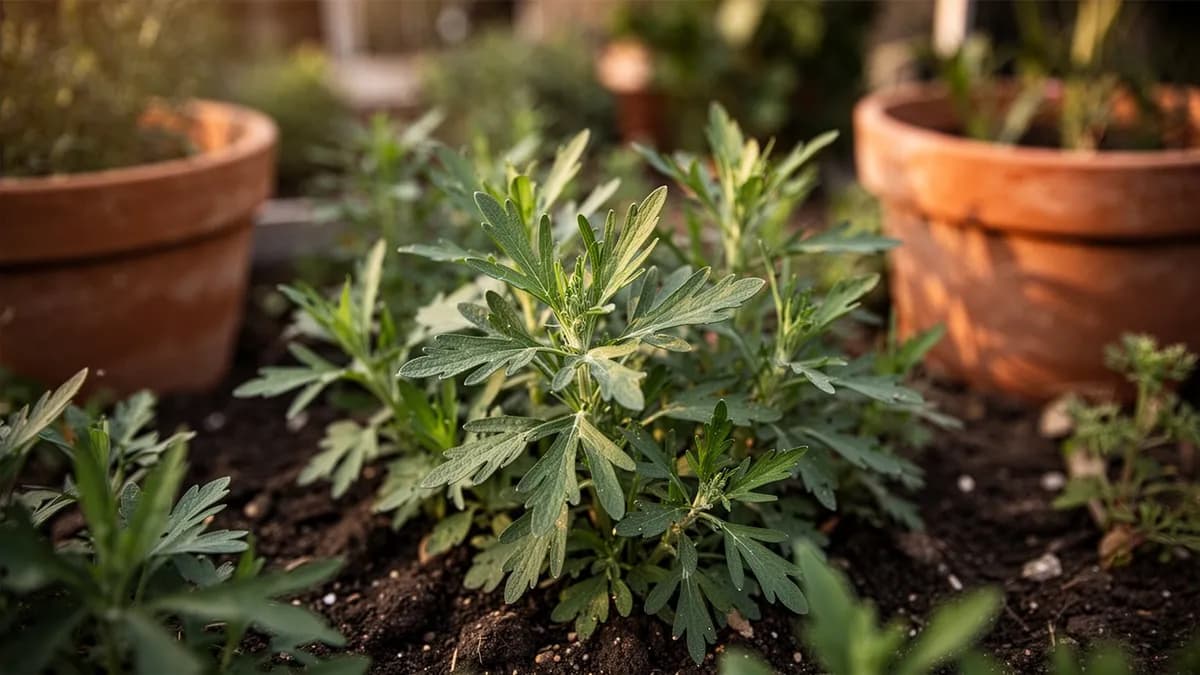
Ein widerstandsfähigerer, aber weniger aromatischer Verwandter des Französischen Estragons, der aus Samen gezogen werden kann und strenge Winter verträgt. Russischer Estragon hat einen milderen, etwas bitteren Geschmack und eine gröbere Textur als die französische Sorte. Am besten in gekochten Gerichten verwendet, wo sein subtileres Aroma verstärkt wird, oder als zuverlässige Alternative dort, wo Französischer Estragon nicht überleben kann.
Wann Russischer Estragon pflanzen
Russischer Estragon ist eine der wenigen Estragon-Sorten, die aus Samen gezogen werden können. Säen Sie die Samen 6–8 Wochen vor dem letzten Frost drinnen aus, drücken Sie sie auf die Oberfläche feuchter Aussaaterde, ohne sie zu bedecken – die Samen benötigen Licht zum Keimen. Die Keimung dauert 10–14 Tage bei 18–22°C. Sämlinge wachsen nach der Etablierung kräftig. Pflanzen Sie nach dem Abhärten ins Freie, wenn keine Frostgefahr mehr besteht. Die Teilung etablierter Horste im Frühling ist ebenfalls einfach und liefert schneller größere Pflanzen. Selbstausgesäte Sämlinge können im Frühling umgepflanzt werden.
Dein Russischer Estragon-Jahr
Abgestimmt auf Zone 7 · typische Saison · Frost geht um den 2. Apr. und kehrt um den 1. Nov. zurück
Russischer Estragon Mär – Mai pflanzen, Mai – Sep ernten. Beachte die Pflanzmethoden unten und wähle dein Klima für passende Zeiträume.
So baust du Russischer Estragon an
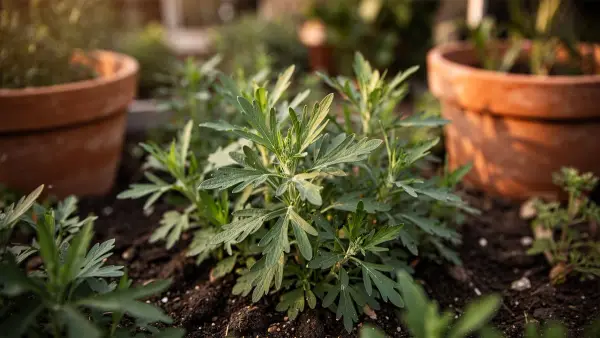
Russischer Estragon ist der widerstandsfähigere, aber weniger aromatische Verwandte des Französischen Estragons, der Wintertemperaturen bis -40°C verträgt und der einzige Estragon ist, der zuverlässig aus Samen gezogen werden kann. Pflanzen Sie ihn in voller Sonne mit gut durchlässigem Boden und einem Abstand von 45 cm. Obwohl sein Aroma milder und etwas bitterer als das des Französischen Estragons ist, ist Russischer Estragon eine praktische Wahl für Gärtner in extremen Klimazonen, in denen die französische Sorte nicht überleben kann.
Verwenden Sie mageren, gut durchlässigen Boden – wie alle Artemisien gedeiht Russischer Estragon am besten in eher armem, trockenem Boden. Nährstoffreicher, feuchter Boden führt zu üppigem, geschmacklosem Wachstum. Gießen Sie sparsam, sobald die Pflanze etabliert ist, da sie bemerkenswert trockenheitstolerant ist. Eine gute Drainage ist für das Überleben im Winter unerlässlich, da nasse Wurzeln in kaltem Boden mehr Verluste verursachen als Kälte allein.
Russischer Estragon wächst zu einer kräftigen, aufrechten Pflanze heran, die 90–120 cm hoch wird – deutlich größer und gröber als Französischer Estragon. Knipsen Sie regelmäßig die Triebspitzen ab, um die Verzweigung zu fördern und die Blattdichte zu verbessern. Im Gegensatz zum Französischen Estragon blüht diese Art und bildet Samen. Entfernen Sie Blütenstiele, um die Energie auf die Blattproduktion umzuleiten. Pflanzen können durch Selbstaussaat und sich ausbreitende Rhizome invasiv werden – wählen Sie den Standort entsprechend und entfernen Sie unerwünschte Sämlinge.
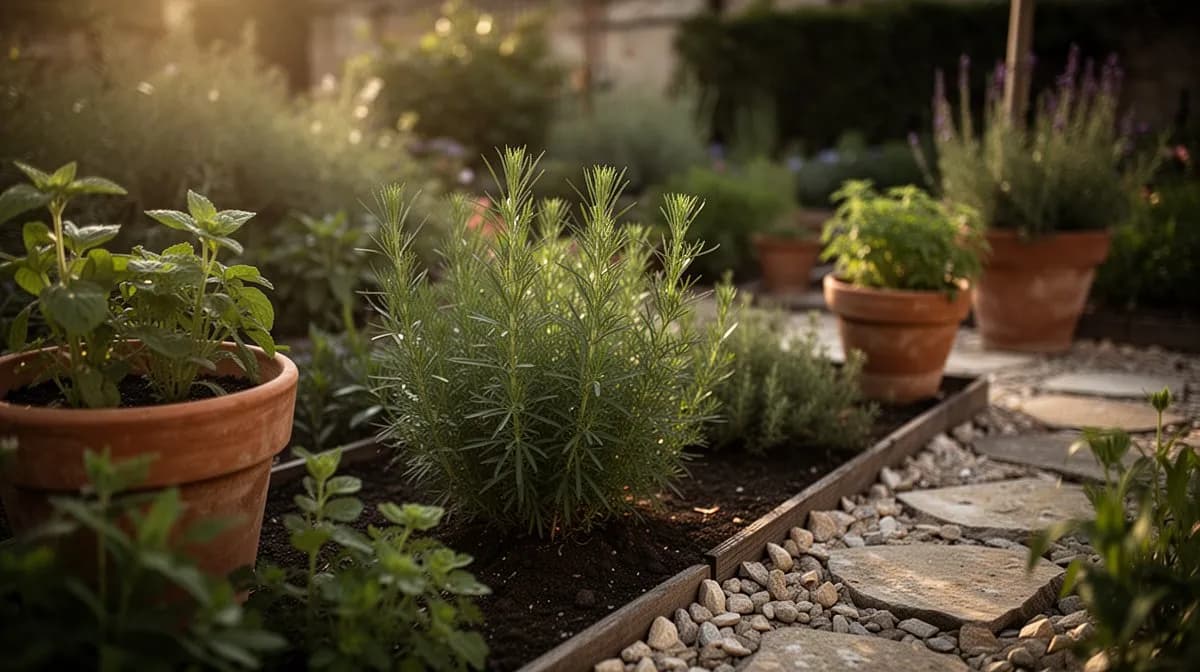
10 Pflanzen passen in ein Beet von 120 × 240 cm
Russischer Estragon braucht 45 cm Platz pro Pflanze. Der Planer hält diesen Abstand für dich ein — jede Pflanze, jedes Beet.
Die besten Nachbarn für Russischer Estragon
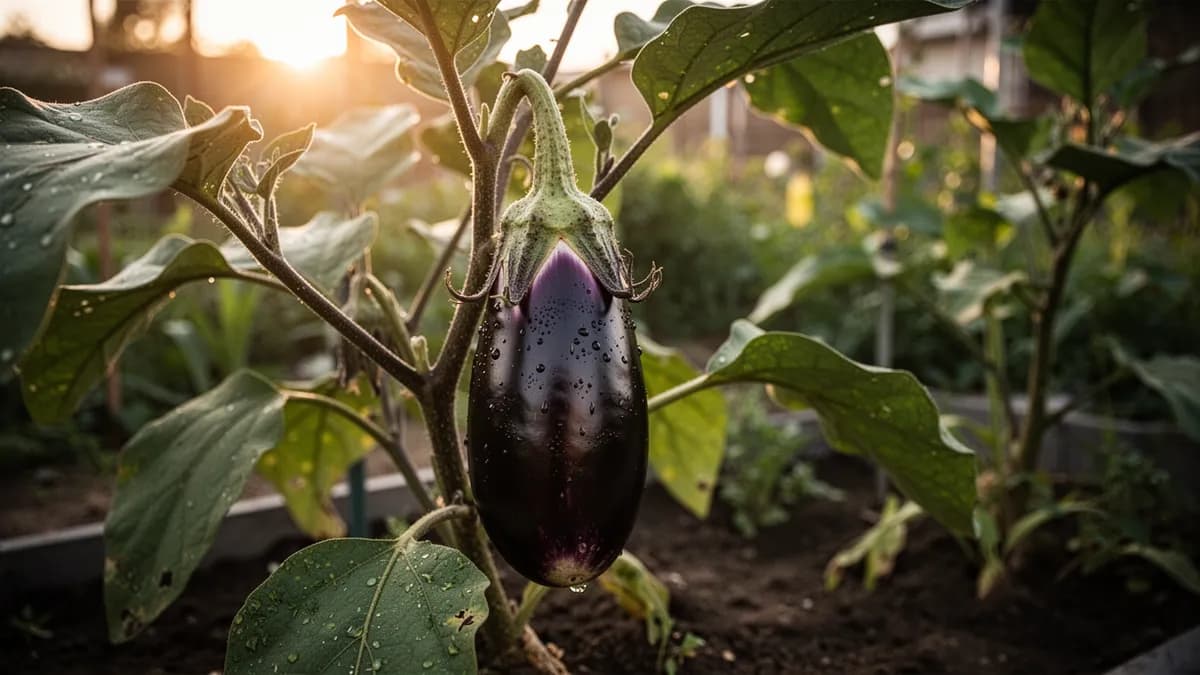
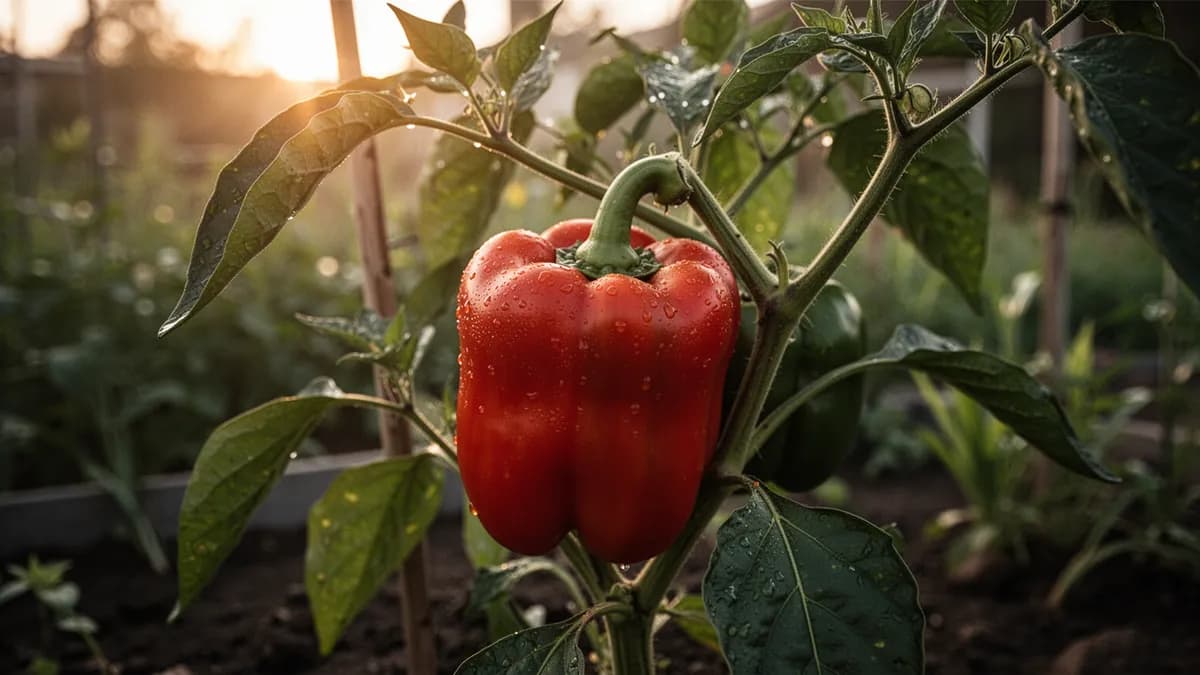
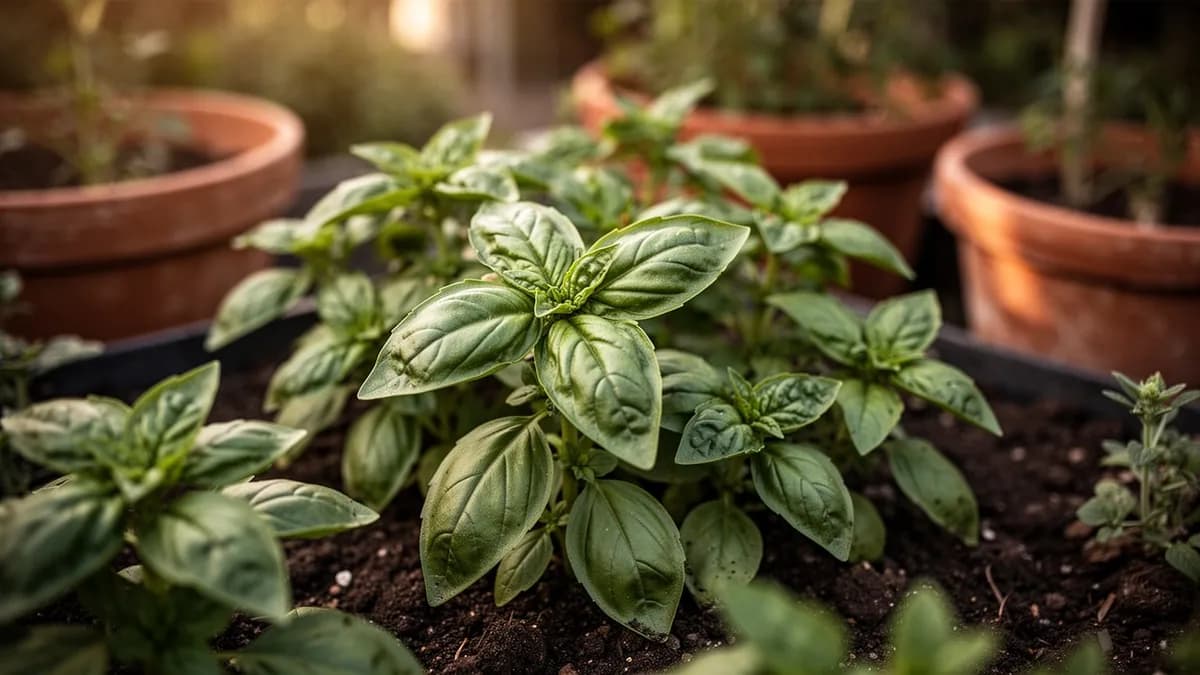
Wie alle Artemisien produziert Russischer Estragon allelopathische Verbindungen, die das Wachstum einiger Nachbarpflanzen hemmen können. Halten Sie ihn von empfindlichen Kräutern wie Basilikum und zarten Sämlingen fern. Diese gleichen Verbindungen können jedoch einige Unkräuter und bodenbürtige Krankheitserreger unterdrücken. Pflanzen Sie ihn neben Auberginen und Paprika, wo er bestimmte Schädlinge abschrecken kann. Sein hohes, kräftiges Wachstum kann kürzere Nachbarpflanzen beschatten – platzieren Sie ihn auf der Nordseite von Beeten, um unerwünschten Schatten zu vermeiden.
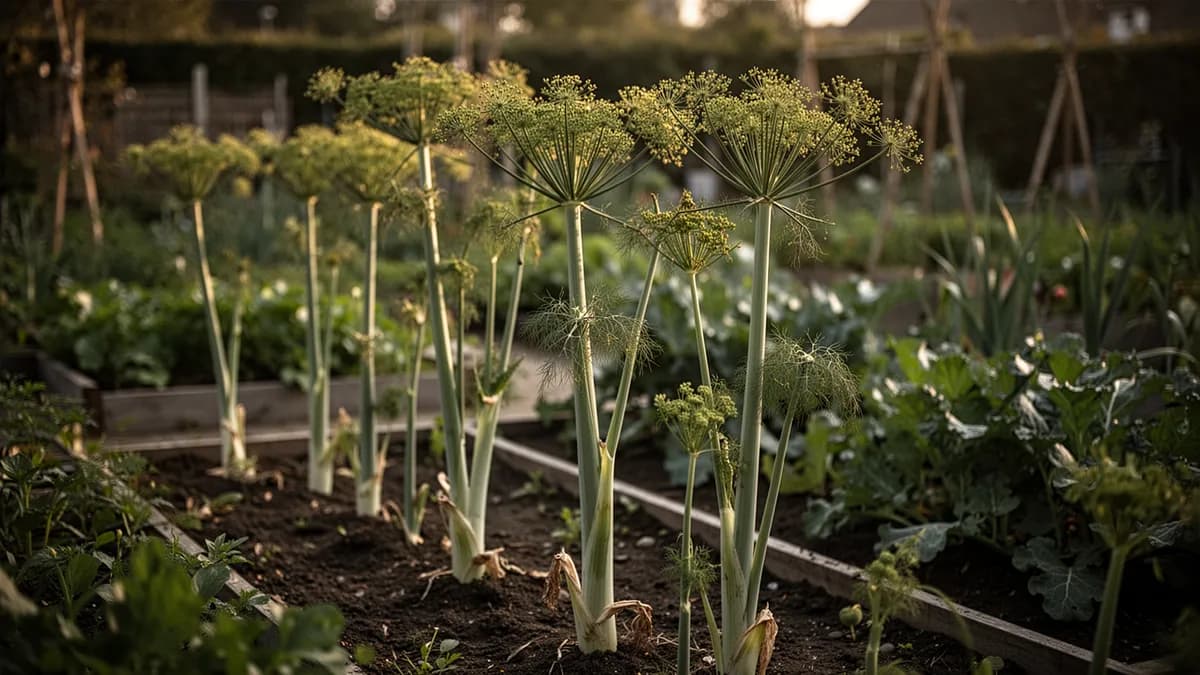
Aubergine gehört daneben. Fenchel nicht.
Altes Gärtnerwissen, geprüft an der echten Nachbartabelle von Russischer Estragon — teste jede Pflanze, die du anbaust.
Probiere Russischer Estragon direkt hier im Beet
Ein echtes Planer-Beet, Russischer Estragon steht schon drin. Tippe einen Begleiter an, platziere ihn und sieh, wie die Nachbarschaftsprüfung antwortet — grün für gute Nachbarn, rot bei Streit.


Passende Anbau-Ratgeber
Richtig düngen
Wachsen Sie in magerem, gut durchlässigem Boden mit pH 6,0–7,5. Russischer Estragon entwickelt in armem Boden tatsächlich ein besseres Aroma – nährstoffreiche, fruchtbare Bedingungen erzeugen üppiges, aber fades Wachstum. Verbessern Sie schweren Lehm mit Sand und Kies für die Drainage. Minimale Düngung; eine leichte Kompostauflage im Frühling ist mehr als ausreichend. In Containern verwenden Sie eine gut durchlässige Mischung und vermeiden Sie zu große Töpfe. Alkalischer bis neutraler Boden wird bevorzugt.
Ideale Temperatur
Winterhärtezone-Kompatibilität
Von der Saat zur Ernte, Schritt für Schritt
Keimung
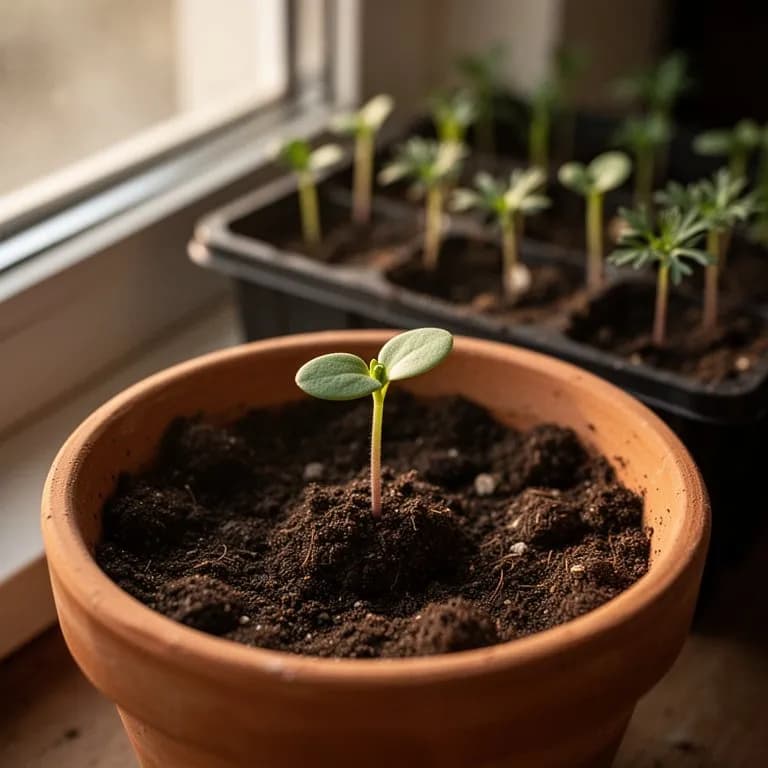
Russische Estragonsamen sind winzig und keimen in 7–14 Tagen, wenn sie auf feuchtem Boden bei 15–20°C (59–68°F) oberflächlich ausgesät werden. Anders als Französischer Estragon produziert Russischer Estragon reichlich keimfähige Samen, was den Start von Grund auf einfach macht. Sämlinge erscheinen als zarte, fadenartige Stängel mit winzigen gepaarten Blättern.
Sämlingsentwicklung
Sämlinge entwickeln ihre ersten echten Blätter, die schmal, lanzenförmig und glattrandig sind und beim Reiben ein mildes, grasiges Aroma haben. Das Wurzelsystem beginnt sich zu verzweigen und die jungen Pflanzen zeigen den für die Art charakteristischen aufrechten Wuchs. Das Wachstum ist während dieser Etablierungsphase moderat.
Vegetatives Wachstum
Pflanzen treten in kräftiges, aufrechtes Wachstum ein und treiben mehrere verzweigte Stängel mit schmalen aromatischen Blättern. Der charakteristische milde, anisartige Duft entwickelt sich, wenn die ätherischen Öldrüsen im Laub reifen. Pflanzen können bei warmem Wetter mit ausreichend Sonnenlicht 5–8 cm pro Woche wachsen und bilden schnell buschige Horste.
Blüte
Lockere Rispen winziger gelblich-grüner Blüten erscheinen an den Triebspitzen und oberen Blattachseln. Russische Estragonblüten sind klein und unauffällig, produzieren aber keimfähigen Pollen und Samen, anders als der sterile Französische Estragon. Die Blüten ziehen kleine Nützlinge an, darunter Schlupfwespen und Schwebfliegen.
Samenbildung und Spätsaison
Befruchtete Blüten entwickeln winzige Achänen-Samen, die an der Pflanze reifen und trocknen. Das Blattaroma erreicht seinen Höhepunkt in den Wochen kurz vor und während der frühen Blüte und nimmt dann allmählich ab, wenn die Pflanze Energie in die Samenproduktion leitet. Untere Blätter können gegen Ende der Saison zu vergilben beginnen.
Winterruhe
Russischer Estragon ist eine extrem winterharte Staude, die im Herbst bis zum Boden abstirbt und als ruhender Wurzelstock überwintert. Die holzige Krone und die sich ausbreitenden Rhizome können Temperaturen bis -30°C (-22°F) ohne Schutz überstehen, was ihn in den USDA-Zonen 3 bis 9 zuverlässig macht.
Säen Sie die Samen oberflächlich aus und drücken Sie sie sanft in den Boden, ohne sie zu bedecken. Halten Sie sie mit einem Sprüher gleichmäßig feucht und sorgen Sie für helles, indirektes Licht. Bodenwärme von einer Heizmatte beschleunigt die Keimung deutlich.
Russischer Estragon Monat für Monat pflegen
Was du jeden Monat für deine Russischer Estragon tun solltest
Oktober
Aktueller MonatNachdem der erste starke Frost das Laub geschwärzt hat, schneiden Sie alle Stängel auf 5–10 cm über dem Boden zurück. In den Zonen 3–5 tragen Sie eine leichte Mulchschicht aus Stroh oder trockenen Blättern über der Krone als Winterisolierung auf. Stellen Sie sicher, dass die Drainage ausgezeichnet ist – Winterfeuchtigkeit tötet mehr Estragonpflanzen als Kälte.
Immer wissen, was jetzt im Garten zu tun ist
Eine E-Mail zum Monatsanfang: was du jetzt säen, pflanzen und anpacken solltest — für deine Russischer Estragon und alles, was drumherum wächst. Dazu ein kurzer Startkurs, der dich vor den klassischen Fehlern bewahrt.
- Was jetzt zu tun ist
- Passend zu deiner Saison
- Startkurs inklusive
Russischer Estragon ernten
Ernten Sie während der gesamten Wachstumsperiode Triebspitzen des Russischen Estragons und schneiden Sie 10–15 cm lange Stücke direkt über einem Blattknoten ab. Junge Frühlingstriebe haben das mildeste Aroma und werden mit zunehmender Reife bitterer. Verwenden Sie zum Kochen größere Mengen als beim Französischen Estragon, um eine ähnliche Wirkung zu erzielen. Regelmäßiges Ernten hält die Pflanzen kompakt und produktiv. Das Aroma verbessert sich und wird beim Kochen komplexer, anders als beim Französischen Estragon, der am besten frisch ist.
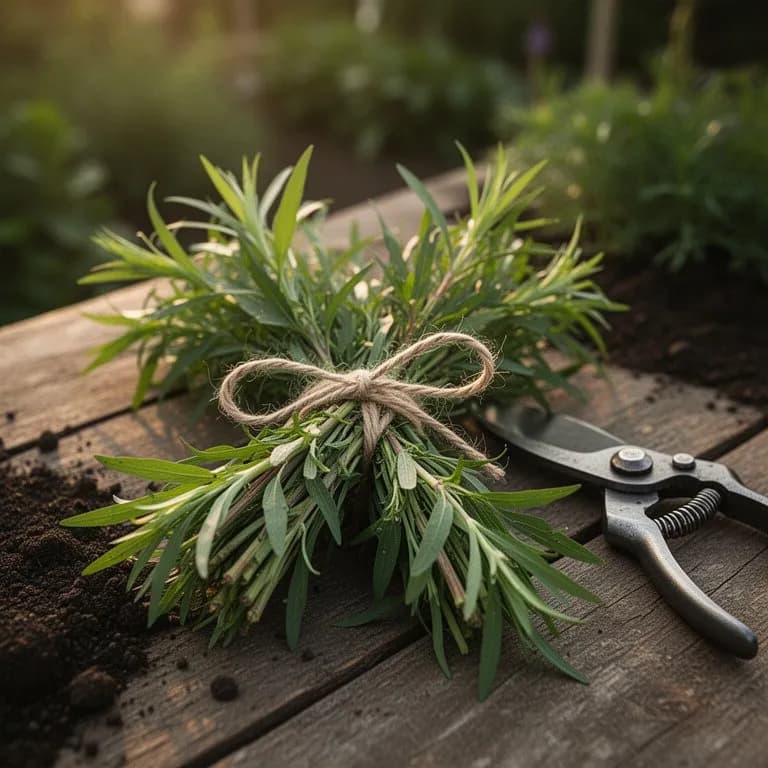
angenommen, du pflanzt zu Beginn des Zeitraums — trage dein tatsächliches Datum ein
Ernte Russischer Estragon zügig, dann trägt die Pflanze weiter.
Lagerung & Konservierung
Frischer Russischer Estragon hält sich etwa eine Woche gekühlt in einem verschlossenen Beutel mit einem feuchten Papiertuch. Trocknen Sie ihn, indem Sie Bündel an einem warmen, dunklen, gut belüfteten Ort 1–2 Wochen aufhängen – das Aroma konzentriert sich beim Trocknen tatsächlich etwas. Lagern Sie getrocknete Blätter in luftdichten Gläsern bis zu einem Jahr. Frieren Sie frische Zweige in Gefrierbeuteln ein oder hacken Sie sie und frieren Sie sie in Olivenöl in Eiswürfelformen ein. In Essig einlegen, obwohl das Ergebnis milder als Französischer Estragon-Essig ist.
Was schiefgeht — und die Lösung
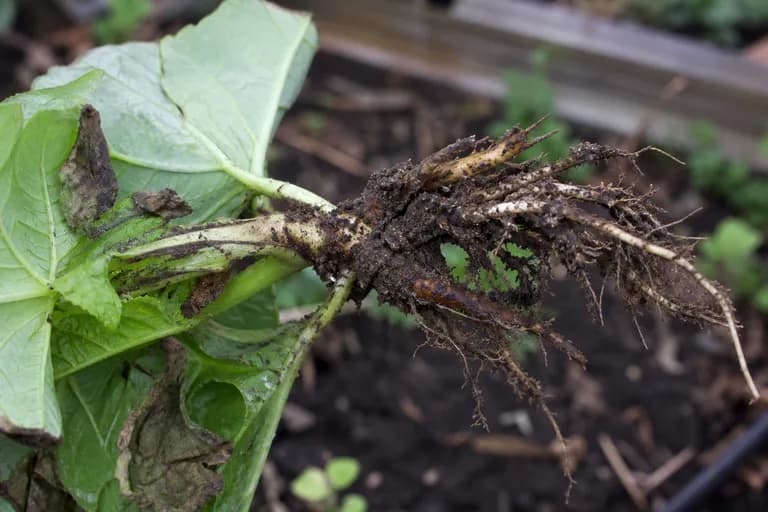
Wurzelfäule
KrankheitVergilbende untere Blätter, Welken trotz Feuchtigkeit, weiches, dunkles Kronengewebe, Zusammenbruch der Pflanze.
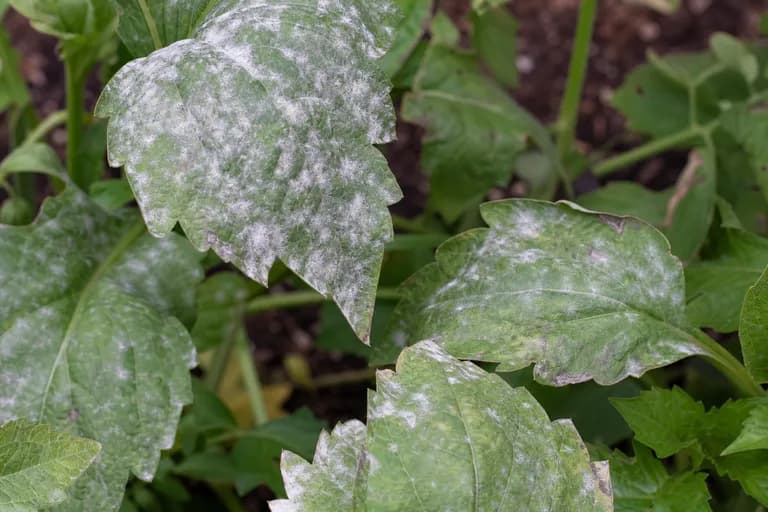
Echter Mehltau
KrankheitWeißer, pudriger Belag auf Blättern und Stängeln, besonders im Spätsommer bei feuchtem Wetter mit schlechter Luftzirkulation.
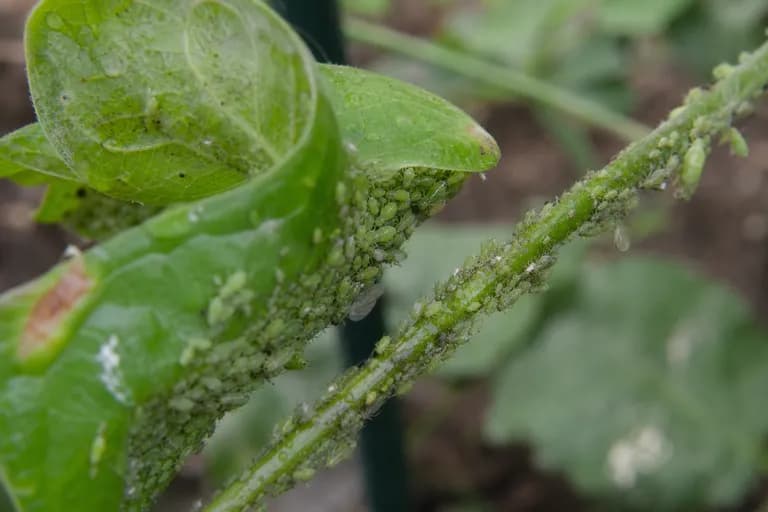
Blattläuse
SchädlingAnsammlungen weicher Insekten an Triebspitzen und Blütenstielen, eingerollte Neutriebe, klebriger Honigtau.
Fehlerbehebung bei häufigen Problemen
Die häufigste Beschwerde ist das schwache Aroma im Vergleich zum Französischen Estragon – dies ist der Art inhärent und kann durch Kulturmethoden nicht verbessert werden. Pflanzen können durch Selbstaussaat und Rhizomausbreitung invasiv werden; entfernen Sie Blüten vor der Samenreife und verwenden Sie Wurzelbarrieren. Schlaksiges, überhängendes Wachstum in nährstoffreichem Boden ist häufig – kultivieren Sie mager und trocken. Große Pflanzen benötigen möglicherweise Stützen an exponierten Standorten. Pflanzen können sich in warmen Klimazonen aggressiver ausbreiten als gewünscht.
Anbautipps
- Russischer Estragon ist eine der wenigen kulinarischen Estragonsorten, die aus Samen gezogen werden können, was ihn weitaus zugänglicher und erschwinglicher macht als Französischer Estragon, der Stecklinge oder Teilungen einer bestehenden Pflanze erfordert.
- Pflanzen Sie in voller Sonne mit scharf drainiertem Boden. Russischer Estragon hat sich in trockenen Steppen entwickelt und verträgt absolut keine staunassen Wurzeln. Verbessern Sie schweren Lehmboden vor dem Pflanzen großzügig mit grobem Sand oder Perlit oder kultivieren Sie in Hochbeeten.
- Gehen Sie sparsam mit Dünger um. Nährstoffreicher, stark verbesserter Boden produziert üppiges Wachstum mit schlechtem Aroma. Estragon entwickelt seine beste Konzentration ätherischer Öle in magerem, eher armem Boden – eine einzige leichte Kompostgabe im Frühling ist alles, was er braucht.
- Ernten Sie häufig, indem Sie Triebspitzen schneiden, anstatt einzelne Blätter abzustreifen. Regelmäßiges Spitzenschneiden fördert seitliche Verzweigung, hält die Pflanzen kompakt und verhindert die holzige Schlaksigkeit, die sich entwickelt, wenn Pflanzen ungeschnitten bleiben.
- Verbessern Sie das mildere Aroma des Russischen Estragons, indem Sie die Blätter vor der Verwendung trocknen oder welken lassen. 24–48 Stunden Sonnentrocknung oder Ofentrocknung bei niedriger Temperatur von 35°C (95°F) konzentriert die ätherischen Öle und bringt die subtilen Anisnoten hervor, die in frischen Blättern schwach sind.
- Teilen Sie etablierte Horste alle 3–4 Jahre im zeitigen Frühling, um die Vitalität zu erhalten und zu verhindern, dass die Mitte des Horstes abstirbt. Heben Sie die gesamte Wurzelmasse an, entsorgen Sie die holzige Mitte und pflanzen Sie gesunde äußere Teilstücke mit kräftigen Wurzelabschnitten wieder ein.
- Installieren Sie eine Wurzelbarriere, wenn Sie Russischen Estragon in gemischten Kräuterbeeten pflanzen. Die Pflanze breitet sich aggressiv über unterirdische Rhizome aus und wird innerhalb weniger Saisons in benachbarte Kräuter eindringen, wenn sie nicht physisch eingedämmt wird.
- Kombinieren Sie Russischen Estragon mit Essig- oder Ölaufgüssen, um sein Aroma einzufangen und zu intensivieren. Das milde frische Aroma, das manche Köche enttäuscht, verwandelt sich in ein wirklich aromatisches Gewürz, wenn es zwei Wochen in Weißweinessig oder leichtem Olivenöl gezogen wird.
- Schützen Sie die Kronen vor Winterfäule statt vor Winterkälte. Russischer Estragon ist extrem frosthart, aber anfällig für Kronenfäule in nassen Winterböden. Mulchen Sie mit Kies oder grobem Sand statt mit feuchtigkeitshaltenden organischen Mulchen und sorgen Sie für ausgezeichnete Drainage.
- Starten Sie mehrere Pflanzen aus Samen und wählen Sie die aromatischsten Exemplare aus. Aus Samen gezogener Russischer Estragon zeigt natürliche Variation in der Aromaintensität – zerdrücken Sie ein Blatt und riechen Sie daran, und vermehren Sie dann die duftendsten Pflanzen durch Teilung für Ihren dauerhaften Kräutergarten.
Bau deine beste Russischer Estragon an — und alles drumherum.
Starte heute kostenlos. Lege deine Beete an, setze deine Russischer Estragon ein und lass PlotMyGarden Timing, Abstände, Begleiter und Erinnerungen von der Saat bis zum Erntekorb übernehmen.
Finde deine Russischer Estragon
Russischer Estragon
Die Standard-Art aus Samenanzucht. Winterhart bis -40°C, aber mit milderem, bitterem Geschmack als Französischer Estragon.
Französischer Estragon (A. dracunculus var. sativa)
Die erstklassige Küchenvarietät mit süßem Anisaroma. Kann nicht aus Samen gezogen werden. Weniger winterhart (Zonen 4–8).
Mexikanischer Estragon (Tagetes lucida)
Nicht verwandte Tagetes-Pflanze mit ausgezeichnetem Anisaroma für heiße Klimazonen. Mehrjährig in den Zonen 8–12.
Russische Estragonsamen kosten 2–3 € pro Packung und jede Packung enthält genug Samen für Dutzende von Pflanzen. Während frischer Estragon bei Feinkostläden und auf Wochenmärkten für 3–6 € pro kleinem Bund verkauft wird, ist er in herkömmlichen Supermärkten oft gar nicht erhältlich. Eine einzige gut gepflegte Pflanze liefert frischen Estragon vom späten Frühling bis zum frühen Herbst und genug getrocknetes Kraut für den Winterbedarf – und ersetzt leicht 30–50 € an gekauften frischen Kräutern und 15–25 € an getrocknetem Estragon jährlich. Da die Pflanze eine kräftige Staude ist, die sich über Rhizome ausbreitet und sich selbst aussät, bietet eine einmalige Investition von wenigen Euro Estragon für Jahre ohne wiederkehrende Kosten.
Schnelle Rezepte
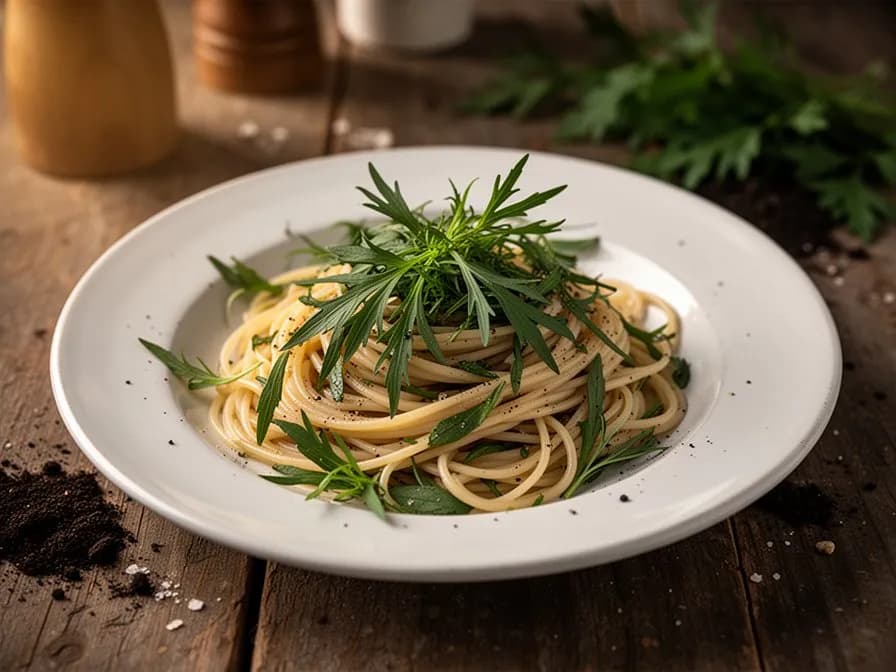
Russischer Estragon-Kräutertee
10 Min.Ein wohltuender Verdauungstee, der traditionell in Osteuropa und Zentralasien genossen wird. Frische oder getrocknete Russische Estragonblätter ergeben einen blassgelben Aufguss mit einem sanften bittersüßen Geschmack und subtiler Anisnote. Wird oft nach schweren Mahlzeiten serviert, um die Verdauung zu unterstützen.
5 ZutatenEstragon-Kräuterbutter
10 Min.Eine zusammengesetzte Butter aus fein gehacktem Russischem Estragon mit Knoblauch und Zitronenschale. Russischer Estragon hat ein milderes Aroma als der Französische, daher ergibt eine großzügige Menge eine ausgewogene Kräuterbutter, perfekt zum Schmelzen über gegrilltem Fisch, Bratkartoffeln oder zum Bestreichen von warmem, knusprigem Brot.
6 ZutatenEstragon-Essig-Aufguss
15 Min. (plus 2 Wochen Ziehzeit)Eine klassische Konservierungsmethode, die die aromatischen Öle des Estragons in Weißweinessig einfängt. Russischer Estragon ergibt einen milderen, kräuterigeren Essig als Französischer Estragon, hervorragend für Salatdressings, zum Ablöschen von Pfannen und zum Verfeinern von Saucen.
5 ZutatenKulinarische Verwendung
Russischer Estragon hat ein milderes, etwas bittereres Aroma als der Französische und eignet sich am besten für gekochte Gerichte, in denen sein subtilerer Charakter verstärkt wird. Verwenden Sie ihn in lange gekochten Eintöpfen, Schmorgerichten und Suppen, in denen das zarte Aroma des Französischen Estragons ohnehin verloren ginge. Gut in Kräuterbutter, Vinaigrettes und Marinaden bei großzügiger Verwendung. Passt zu Hühnchen, Eiern und Wurzelgemüse. Einige Köche bevorzugen ihn wegen seines weniger dominanten Geschmacks in zusammengesetzten Gerichten, in denen Estragon eher eine Hintergrundnote als ein Hauptakteur sein soll.
Was drinsteckt
Gesundheitsvorteile
- Enthält flüchtige Verbindungen wie Estragol und Methyleugenol, die in Laborstudien antioxidative Aktivität gezeigt haben und zum Schutz der Zellen vor oxidativem Stress beitragen, wenn das Kraut regelmäßig als Küchengewürz konsumiert wird.
- Traditionelles Verdauungsmittel, das seit Jahrhunderten in Osteuropa und Zentralasien verwendet wird – Estragontee regt den Appetit an, lindert Blähungen und unterstützt eine gesunde Verdauung durch Förderung der Gallen- und Verdauungsenzymproduktion.
- Liefert bei großzügiger Verwendung beim Kochen bedeutsame Mengen an Vitamin A, Vitamin C und Kalium und trägt zur Immunfunktion, Hautgesundheit und kardiovaskulären Unterstützung als Teil einer ausgewogenen Ernährung bei.
- Die milden natürlich betäubenden Eigenschaften der ätherischen Estragonöle werden in der Volksmedizin zur Linderung von Zahnschmerzen, zur Beruhigung von Halsschmerzen und zur Verringerung leichter Beschwerden im Mundbereich verwendet, wenn sie frisch gekaut oder als Gurgellösung angewendet werden.
- Enthält Eisen und Mangan in konzentrierten Mengen im getrockneten Kraut und unterstützt die Bildung roter Blutkörperchen, den Energiestoffwechsel und die Knochengesundheit – besonders vorteilhaft, wenn Estragon täglich als primäres Würzkraut verwendet wird.
- Studien deuten darauf hin, dass bestimmte Verbindungen in Artemisia-Arten eine gesunde Blutzuckerregulierung unterstützen können, und Russischer Estragonextrakt wurde als möglicher ergänzender Ansatz zur Unterstützung der Stoffwechselgesundheit untersucht.
Woher Russischer Estragon stammt
Russischer Estragon (Artemisia dracunculoides) stammt aus den weiten Graslandsteppen und halbariden Regionen, die sich von Sibirien und der Mongolei über Zentralasien bis nach Osteuropa erstrecken. Er wächst seit Jahrtausenden wild in diesem riesigen Verbreitungsgebiet und gedeiht in den rauen Kontinentalklimaten, in denen die Sommer glühend heiß und die Winter monatelang tief gefroren sind. Die Pflanze wurde lange aus der Wildnis gesammelt, bevor sie gezielt kultiviert wurde, wobei nomadische Völker der eurasischen Steppe sie als Heilkraut, Teepflanze und Würzmittel für konservierte Lebensmittel verwendeten.
Die früheste dokumentierte medizinische Verwendung von Russischem Estragon stammt aus den traditionellen mongolischen und tibetischen Heilsystemen, in denen Aufgüsse des getrockneten Krauts bei Verdauungsbeschwerden, Appetitlosigkeit und Schlaflosigkeit verschrieben wurden. Als sich das Kraut entlang der Handelsrouten westwärts ausbreitete, wurde es in die Volkspharmakopöen Persiens, des Kaukasus und schließlich des mittelalterlichen Europas integriert. Arabische Ärzte beschrieben die Eigenschaften des Estragons im 10. und 11. Jahrhundert, und das Kraut erreichte europäische Klostergärten im 13. Jahrhundert, wo es neben seinem aromatischeren Verwandten, dem Französischen Estragon, kultiviert wurde.
Die kulturelle Bedeutung des Russischen Estragons ist wohl am größten in Georgien und der weiteren Kaukasusregion, wo er zur bestimmenden Zutat von Tarkhun wurde – einem leuchtend grünen Kräuter-Erfrischungsgetränk, das 1887 vom Tifliser Apotheker Mitrophane Lagidze kreiert wurde. Tarkhun wurde zu einem der beliebtesten Getränke der Sowjetunion und bleibt bis heute eine geliebte kulturelle Ikone in Osteuropa und Zentralasien. In der russischen und ukrainischen Küche würzt das frische und getrocknete Kraut eingelegtes Gemüse, Marinaden und Suppen. Während westliche Küchentraditionen den Französischen Estragon wegen seines stärkeren Anisaromas generell bevorzugt haben, wurde Russischer Estragon in seinen Heimatregionen immer für seine Winterhärte, einfache Kultivierung und die Art geschätzt, wie sich seine subtilen Aromen beim Trocknen oder beim Einlegen in Essig und Öl entwickeln und konzentrieren.
Russischer Estragon: Schon gewusst?
Faszinierende Fakten über Russischer Estragon
Russischer Estragon (Artemisia dracunculoides) erhält seinen Artnamen 'dracunculoides' vom Lateinischen für 'kleiner Drache', eine Anspielung auf die schlangenförmige Gestalt seines Wurzelsystems. Mittelalterliche Kräuterkundige glaubten, die gewundenen Wurzeln könnten Schlangenbisse heilen, gemäß der Signaturenlehre, die besagt, dass das Aussehen einer Pflanze ihren medizinischen Nutzen offenbart.
Russischer Estragon: Fragen & Antworten
Wann sollte ich Russischer Estragon pflanzen?
Was sind gute Begleitpflanzen für Russischer Estragon?
In welchen Winterhärtezonen kann Russischer Estragon wachsen?
Wie viel Sonne braucht Russischer Estragon?
Welchen Abstand sollte ich zwischen Russischer Estragon lassen?
Welche Schädlinge und Krankheiten befallen Russischer Estragon?
Wie lagere ich Russischer Estragon nach der Ernte?
Was sind die besten Russischer Estragon-Sorten zum Anbauen?
Welchen Boden braucht Russischer Estragon?
Was ist der Unterschied zwischen Russischem und Französischem Estragon?
Lohnt sich der Anbau von Russischem Estragon, wenn das Aroma milder ist als beim Französischen?
Wie verhindere ich, dass Russischer Estragon meinen Kräutergarten übernimmt?
Kann ich Russischen Estragon im Topf anbauen?
Wann ist die beste Zeit, Russischen Estragon zum Trocknen zu ernten?
Hat Russischer Estragon medizinische Anwendungen?
Du hast die Theorie gelesen. Jetzt baue sie auf Autopilot an.
Alles, was Russischer Estragon knifflig macht — das Timing, die Abstände, die Begleiter, das Erntefenster — genau das übernimmt PlotMyGarden für dich, für jede Pflanze im Garten.
Ein Plan, der dein Wetter kennt
Standort einmal festlegen. Aussaat-, Dünge- und Erntedaten rund um deinen echten letzten Frosttermin und die Live-Vorhersage — kein Raten mehr nach Saattüte.
Aus dem Abschnitt „Pflanzzeit“Beetplaner per Drag & Drop
Beete auf einem Raster gestalten. Jede Pflanze rastet im richtigen Abstand ein, und du siehst die ganze Saison, bevor du einen Cent für Saatgut ausgibst.
Aus dem Abschnitt „Anbau“Begleiter-Konflikte früh erkannt
Über 200 gute und schlechte Kombinationen werden beim Pflanzen live geprüft — so landet ein saisonruinierender Fehler nie in der Erde.
Aus dem Abschnitt „Begleiter“Erinnerungen, nach denen du wirklich handelst
„Gieß die Bohnen.“ „Heute ernten, bevor's umschlägt.“ Pünktlich, konkret und auf deine echten Pflanzen bezogen.
Aus dem Abschnitt „Ernte“Staffel-Aussaat, geplant
Sechs Wochen ernten statt sechs Tage? Die App verteilt deine Aussaaten automatisch und erinnert dich, wenn der nächste Satz fällig ist.
Aus dem Abschnitt „Pflanzzeit“Ein Verlauf, der schlauer wird
Jede protokollierte Ernte bringt der App deinen Garten bei. Der Plan fürs nächste Jahr startet bei dem, was in deinem Boden wirklich funktioniert hat.
Aus dem Abschnitt „Überblick“Pflanze diese neben Russischer Estragon
Weitere Küchenkräuter
Halte Russischer Estragon von diesen fern
Bau deine beste Russischer Estragon an — und alles drumherum.
Starte heute kostenlos. Lege deine Beete an, setze deine Russischer Estragon ein und lass PlotMyGarden Timing, Abstände, Begleiter und Erinnerungen von der Saat bis zum Erntekorb übernehmen.