Sweet Sultan
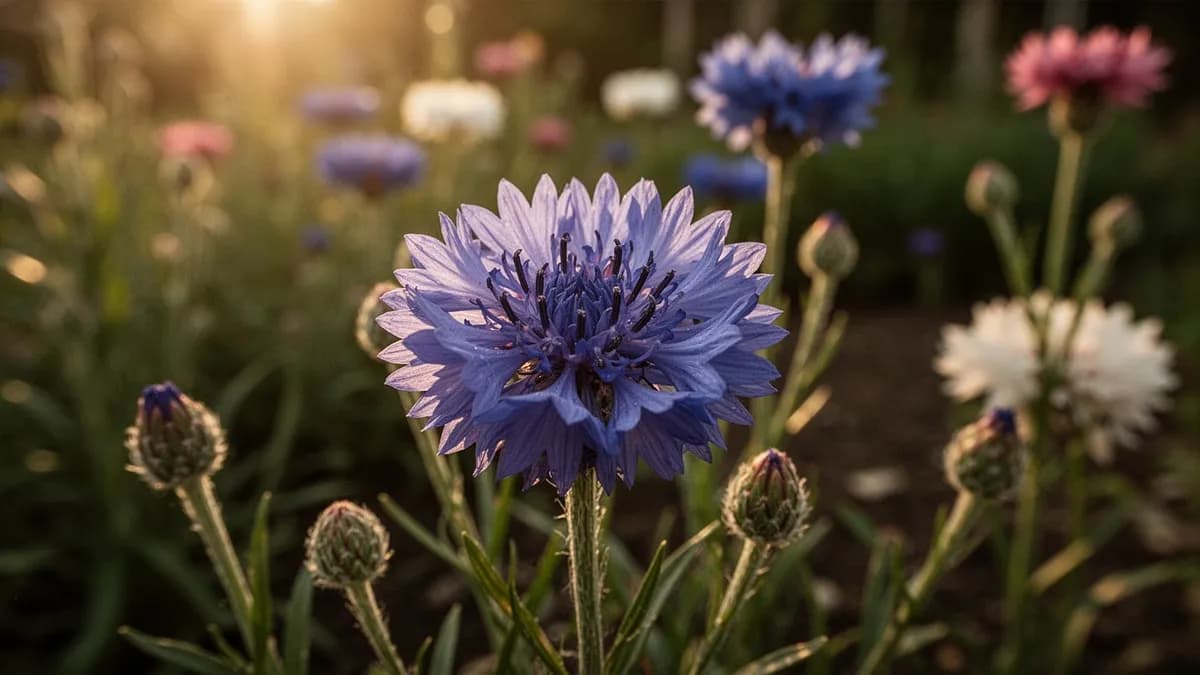
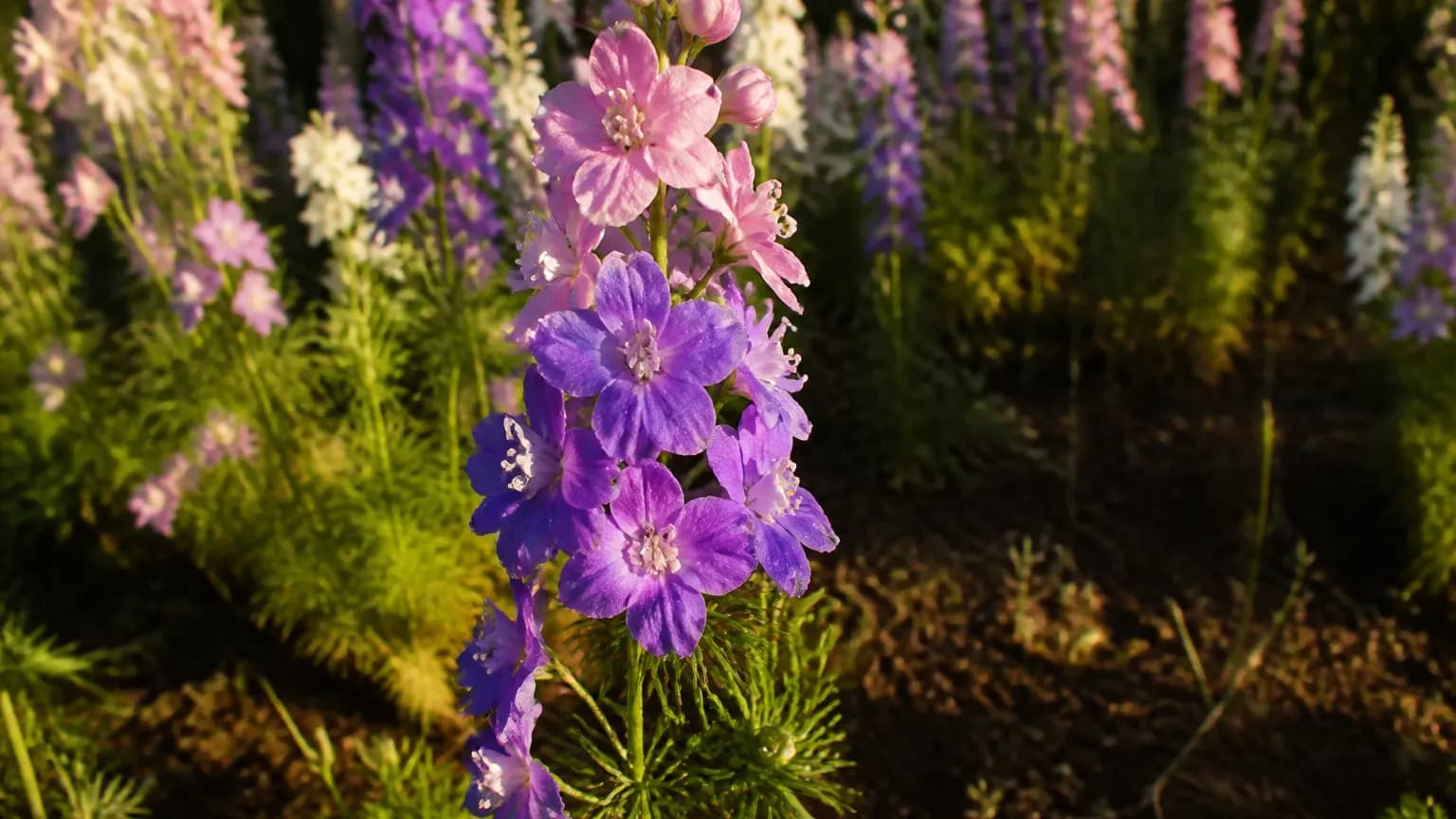
A fragrant, old-fashioned annual with fluffy, thistle-like flowers in soft pink, purple, white, and yellow that have a sweet, musky scent.





On this pageOverview
Meet Sweet Sultan
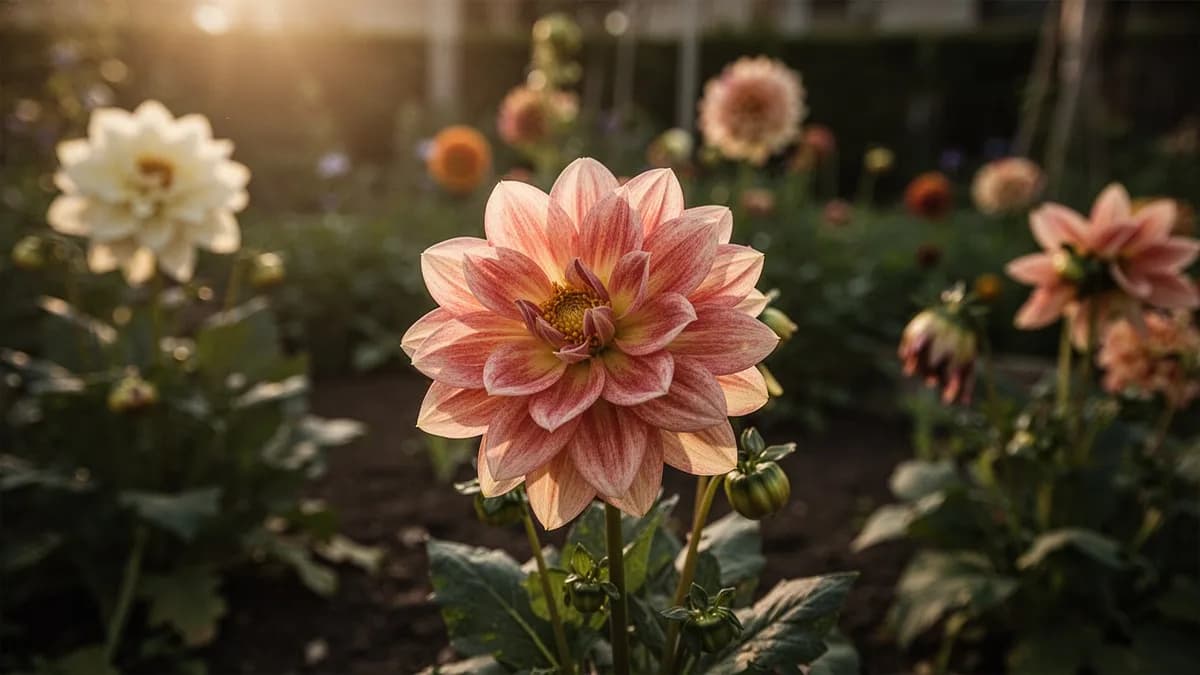
A fragrant, old-fashioned annual with fluffy, thistle-like flowers in soft pink, purple, white, and yellow that have a sweet, musky scent. Sweet sultan prefers cool weather and direct sowing in spring for blooms that make excellent, long-lasting cut flowers. It is easy to grow in lean, well-drained soil with full sun.
When to plant Sweet Sultan
Direct sow seeds in early spring as soon as the soil can be worked. Sweet sultan strongly dislikes transplanting—always sow in its final position. Cover seeds lightly with fine soil and keep moist until germination in 10-14 days at 55-65°F (13-18°C). Thin seedlings to 10-12 inches apart. For extended bloom, make succession sowings every 3 weeks through spring.
Your Sweet Sultan Year
Composed for Zone 7 · typical seasons · frost passes Apr 2, returns Nov 1
Plant Sweet Sultan Mar – Apr, pick May – Aug. Check the planting methods below and set your climate to personalize these windows.
How to grow Sweet Sultan
Sweet sultan is a delightful old-fashioned annual that deserves wider planting for its sweet, musky fragrance and charming fluffy flowers. Direct sow seeds in early spring as soon as the soil can be worked—sweet sultan dislikes transplanting and performs best when sown in place. Cover seeds lightly and thin seedlings to 10-12 inches apart.
Choose a sunny spot with well-drained, lean to average soil. Like its relative the bachelor button, sweet sultan thrives in poor soil and produces weak, floppy growth in rich conditions. Water sparingly once established—these Mediterranean natives prefer dry conditions.
Sweet sultan blooms best in cool weather and may stop flowering in the heat of midsummer. In hot climates, sow early for spring blooms or late for autumn flowers. The flowers emerge as fluffy, thistle-like puffballs in soft colors—pink, purple, yellow, and white—each emitting a sweet, honey-like fragrance that perfumes the garden and attracts butterflies.
36 plants fit a 4 × 8 ft bed
Each Sweet Sultan wants 25 cm of elbow room. The planner keeps that spacing for you — every plant, every bed.
Sweet Sultan's best neighbours
Sweet sultan is a natural companion for other old-fashioned, cottage-garden annuals: bachelor buttons, larkspur, love-in-a-mist, and sweet peas. The fragrant flowers attract butterflies and complement the scents of nearby lavender, stocks, and mignonette. In the cutting garden, plant alongside snapdragons and cosmos for diverse, fragrant bouquets.
Bachelor's Button belongs beside it.
Old growers' knowledge, checked against Sweet Sultan's real companion table below — test any plant you're growing.
Try Sweet Sultan in a bed — right here
A real planner bed with Sweet Sultan already in it. Tap a companion to place it and watch the pairing checks answer — green for good neighbours, red for a clash.


Related growing guides
Feed it well
Sweet sultan thrives in poor to average, well-drained, slightly alkaline soil with a pH of 6.5-7.5. Avoid rich, heavily amended beds. Fertilizer is generally unnecessary—these lean-soil plants produce their best flowers with minimal nutrition. In containers, use a well-draining mix and fertilize sparingly, if at all.
Ideal Temperature
Hardiness Zone Compatibility
From seed to harvest, stage by stage
Seed Germination
Sweet sultan seeds germinate readily in cool to moderate soil temperatures between 15-20°C. Sow seeds about 6mm deep in moist, well-drained seed-starting mix. Seeds prefer darkness for germination, so cover them lightly with soil or vermiculite. Germination typically occurs within 7-14 days under optimal conditions.
Seedling Development
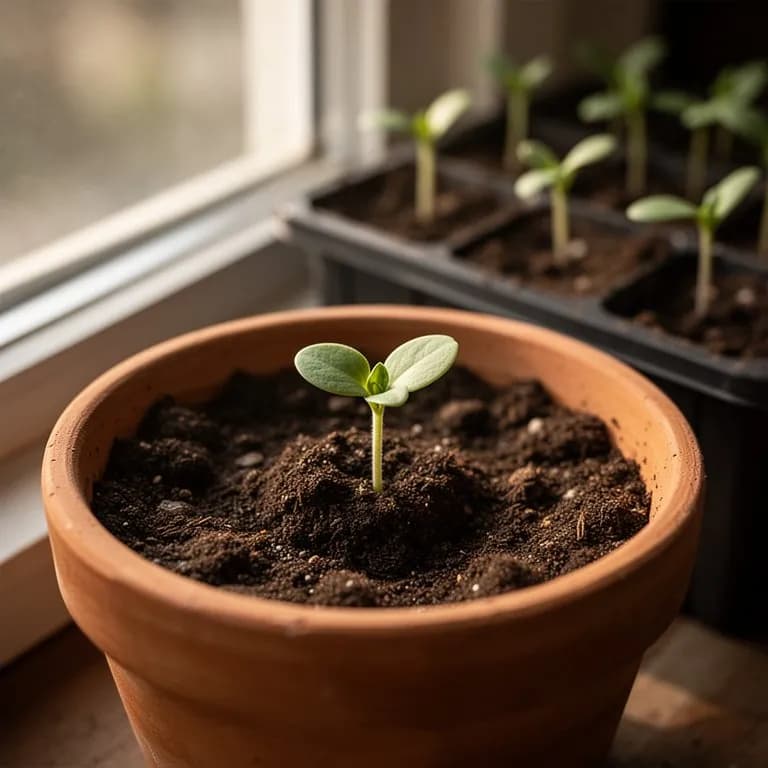
Seedlings develop their first true leaves, which are elongated and slightly lobed with a distinctive grey-green color. At this stage, the young plants form a low rosette of basal foliage. Growth is moderate, and seedlings benefit from bright indirect light transitioning to full sun as they harden off.
Vegetative Rosette
The plant develops a robust rosette of deeply lobed, silvery-green leaves. The root system expands and the stem base thickens in preparation for the flowering phase. Plants at this stage are building the energy reserves needed to support prolific bloom production.
Stem Elongation and Bud Formation
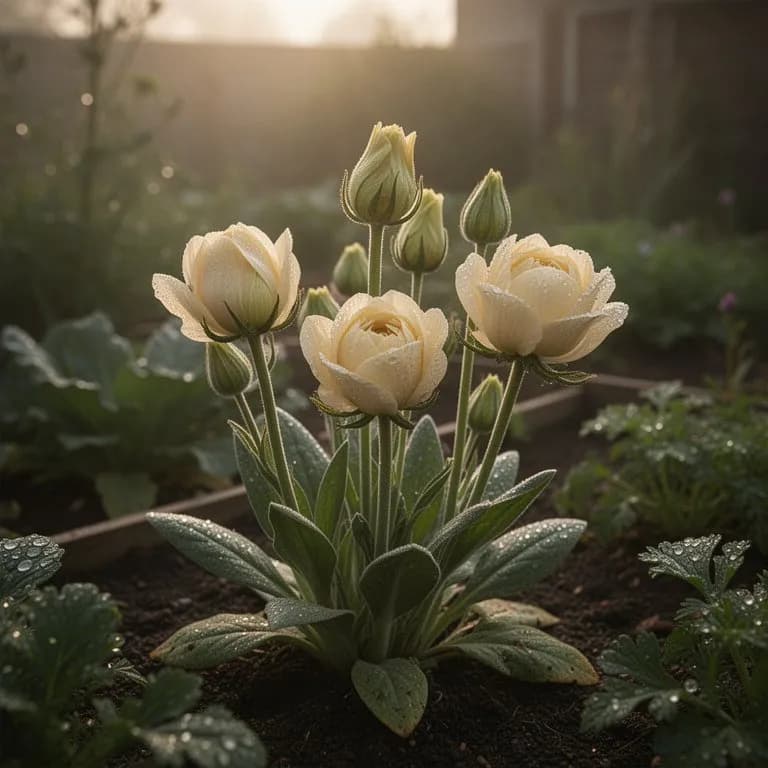
Flowering stems begin to elongate from the rosette center, growing 45-60 cm tall with branching lateral stems. Each stem tip develops a rounded bud enclosed in overlapping papery bracts. The buds swell over several days before the fringed petals begin to emerge from the top.
Full Bloom
The flowers open fully into large, fringed, thistle-like blooms measuring 5-8 cm across. Each flower head is composed of numerous tubular florets with delicately fringed tips that create a soft, powder-puff appearance. The blooms release a strong, sweet, musky fragrance that is most intense in the morning and evening hours.
Seed Set and Decline
As an annual, sweet sultan completes its lifecycle by setting seed after the main flowering period. The flower heads dry and develop feathery pappus structures that aid in wind dispersal. The foliage begins to yellow and the plant gradually declines as energy is directed entirely into seed maturation.
Keep the soil consistently moist but not waterlogged during germination. Bottom watering helps prevent disturbing the seeds while maintaining even moisture throughout the medium.
Caring for Sweet Sultan month by month
What to do each month for your Sweet Sultan
October
You are hereClear all remaining sweet sultan plants from beds. Amend the soil with compost or well-rotted manure in preparation for next year's planting. In mild climates (USDA zones 8-10), sow seeds directly in autumn for early spring blooms.
Know exactly what to do in your garden — every month
One email at the start of each month: what to sow, plant, and tackle right now — for your Sweet Sultan and everything growing around it. Plus a short starter course that helps you dodge the classic mistakes.
- What to do, right now
- Matched to your season
- Starter course included
Harvesting Sweet Sultan
Sweet sultan is a superb cut flower, lasting 7-10 days in the vase—significantly longer than most annual flowers. Cut when flowers are about three-quarters open. The remaining petals will continue to unfurl in the vase. The sweet, musky fragrance is strongest when flowers first open. Re-cut stems every few days and change water frequently for maximum longevity.
assuming you plant when the window opens — set your real date
Pick Sweet Sultan promptly and the plant keeps producing.
Storage & Preservation
Sweet sultan flowers can be dried by hanging small bunches upside down in a dark, warm area for 1-2 weeks, though they lose some of their soft color. The fragrance does not persist well when dried. For seed saving, allow some flowers to mature on the plant until seed heads dry and crumble easily. Collect seeds and store in labeled envelopes in a cool, dry place. Seeds remain viable for 2-3 years.
What goes wrong — and the fix
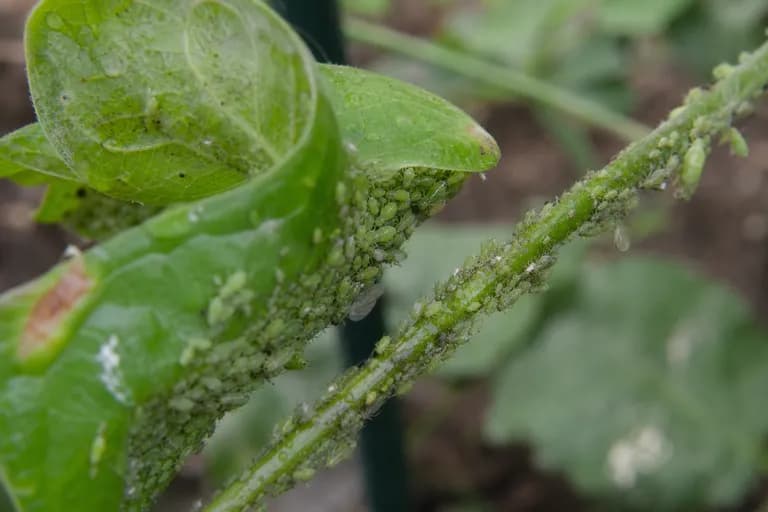
Aphids
PestSmall insects clustered on stems and buds. Sticky residue on leaves.
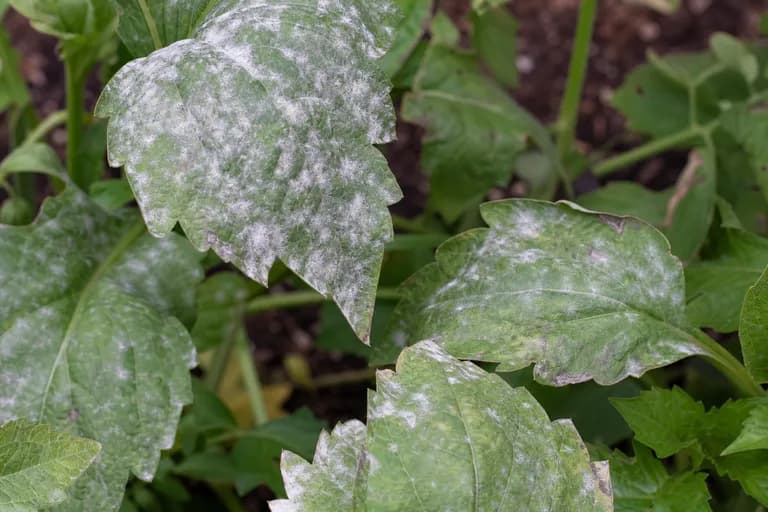
Powdery Mildew
DiseaseWhite powdery coating on leaves, especially in humid weather late in the season.
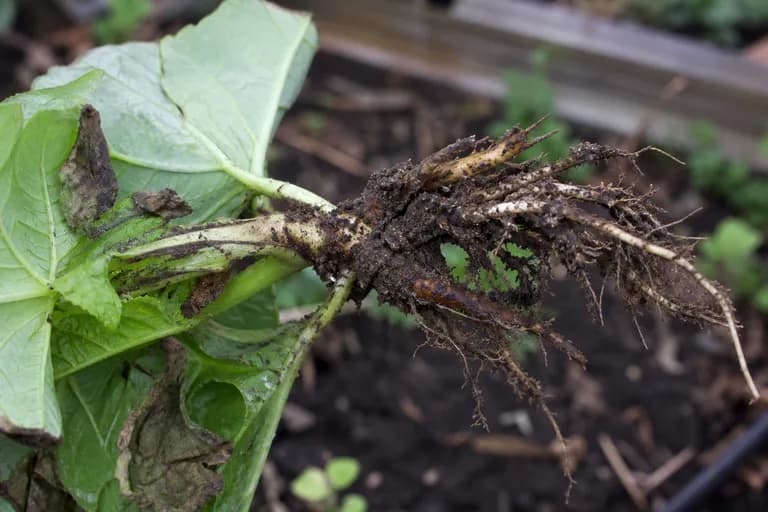
Root Rot
DiseasePlants wilt despite adequate moisture. Stems soften at the base.
Troubleshooting Common Problems
Heat intolerance is the main issue—sweet sultan struggles when temperatures exceed 80°F (27°C). Time sowings for cool-season bloom in hot climates. The plants resent transplanting and should always be direct-sown where they are to grow. Floppy stems indicate too-rich soil or too much water. In humid climates, powdery mildew may appear but rarely warrants treatment.
Growing Tips
- Sow sweet sultan seeds directly where they are to grow whenever possible, as the plants develop a taproot that resents transplanting. If starting indoors, use biodegradable peat pots that can be planted directly into the ground without disturbing the roots.
- Choose a location with full sun and well-drained, moderately fertile soil with a slightly alkaline pH between 6.5 and 7.5. Sweet sultan originates from Mediterranean limestone regions and performs poorly in heavy, waterlogged, or highly acidic soils.
- Sow seeds in successive batches every 2-3 weeks from early spring through early summer to extend the flowering season well into autumn. This staggered approach ensures continuous bloom rather than a single flush.
- Water at the base of the plant rather than overhead to keep foliage dry and reduce the risk of powdery mildew, which is the most common disease affecting sweet sultan in humid conditions.
- Deadhead spent flowers promptly and consistently to redirect the plant's energy from seed production into forming new buds. Regular deadheading can nearly double the total number of flowers produced per plant.
- Provide support for taller varieties by placing thin bamboo stakes or a grid of twine netting over the planting area when plants are 20-25 cm tall. This prevents stems from toppling over in rain or wind.
- Avoid excessive nitrogen fertilization, which promotes lush foliage at the expense of flowers. A balanced liquid fertilizer applied every two to three weeks at half strength is sufficient for strong growth and prolific bloom.
- In regions with hot summers above 30°C, plant sweet sultan where it receives morning sun and light afternoon shade. Heat stress causes premature bolting, shorter stems, and reduced fragrance in the blooms.
- Allow a few plants to self-sow at the end of the season by leaving the last flower heads to mature and drop their seeds. Sweet sultan naturalizes easily in well-drained garden soil and volunteer seedlings often appear the following spring.
- Companion plant sweet sultan with larkspur, cosmos, bachelor buttons, and snapdragons for a classic cottage garden cutting garden. The mixed heights, textures, and colors create a beautiful and productive display that attracts diverse pollinators.
Grow your best Sweet Sultan yet — and everything around it.
Start a free plan today. Lay out your beds, drop in your Sweet Sultan, and let PlotMyGarden handle the timing, spacing, companions and reminders from seed to harvest basket.
Pick your Sweet Sultan
Amberboa 'Imperialis' Mix
A blend of soft pink, purple, yellow, and white fluffy flowers on wiry 24-inch stems. The most commonly available form.
Amberboa 'The Bride'
Pure white flowers with an exceptionally sweet fragrance. Elegant in all-white gardens and mixed bouquets.
Amberboa 'Dairy Maid'
Soft lemon-yellow flowers that add warmth to the typically cool-toned sweet sultan palette.
A packet of sweet sultan seeds costs $2-4 and contains 50-100 seeds, each of which can produce a plant yielding 15-25 cut flower stems over its blooming season. Specialty cut flowers like sweet sultan sell for $8-15 per bunch at farmers markets and florists. Growing your own from a single seed packet can produce the equivalent of $60-150 worth of cut flowers in a single season. Because sweet sultan self-sows readily in favorable conditions, you may never need to purchase seeds again after the first year, making it one of the most cost-effective flowers for a home cutting garden.
Quick recipes
Sweet Sultan Petal Infused Honey
10 minutes + 2 weeks infusionCapture the intoxicating musky-sweet fragrance of sweet sultan in a jar of raw honey. The petals slowly release their aromatic compounds into the honey over two weeks, creating a luxuriously scented sweetener perfect for drizzling over yogurt, cheese boards, or fresh scones. Use freshly picked, unsprayed blooms for the best flavor.
4 ingredientsSweet Sultan Floral Iced Tea
15 minutes + chillingA delicately perfumed, caffeine-free iced tea made by steeping fresh or dried sweet sultan blooms in hot water with a touch of honey and lemon. The resulting infusion has a pale golden color and a subtle, musky-floral aroma that is both refreshing and elegant, perfect for garden parties and warm summer afternoons.
6 ingredientsSweet Sultan Petal Butter
15 minutes + 2 hours chillingA fragrant compound butter infused with finely chopped sweet sultan petals, perfect for spreading on warm bread, melting over grilled vegetables, or topping freshly baked scones. The petals add a subtle floral note and delicate specks of color to the butter, making it as beautiful as it is flavorful.
5 ingredientsWhat's inside
Health Benefits
- Sweet sultan flowers contain flavonoid compounds with mild antioxidant activity that may help protect cells from oxidative stress when consumed as a herbal tea or edible garnish.
- In traditional Turkish and Persian herbal medicine, infusions of Centaurea species including sweet sultan have been used to support digestive health and relieve mild stomach discomfort.
- The calming fragrance of sweet sultan has been used in aromatherapy to promote relaxation and reduce feelings of stress and mental fatigue, similar to other strongly scented garden flowers.
- Centaurea moschata contains sesquiterpene lactones, a class of compounds found in the Asteraceae family that have been studied for their anti-inflammatory properties in preliminary research.
- Growing and tending sweet sultan provides documented mental health benefits associated with gardening, including reduced cortisol levels, improved mood, and enhanced feelings of well-being.
- The flowers attract a wide diversity of beneficial pollinators to the garden, indirectly supporting a healthier garden ecosystem that produces better yields from nearby food crops.
Where Sweet Sultan comes from
Sweet sultan (Centaurea moschata) is native to the eastern Mediterranean region, with its center of origin spanning from Turkey and the Caucasus through Iran and into parts of Central Asia. The plant thrives in the dry, rocky, calcareous soils and warm summers of its homeland, where it grows as a hardy annual in open meadows, field margins, and disturbed ground at elevations up to 1,500 meters. The species has a rich cultural history that stretches back centuries in the Ottoman Empire, where it was cultivated as a prized ornamental in the elaborate palace gardens of Constantinople. The Ottoman sultans were particularly enamored with its intoxicating musky-sweet fragrance, and the flower became closely associated with Turkish horticultural tradition, giving rise to its common English name. Sweet sultan was introduced to Western European gardens in the early 1600s, likely through diplomatic exchanges and the bustling trade routes that connected the Ottoman Empire with Venice, Genoa, and other Mediterranean port cities. The renowned Flemish botanist Carolus Clusius is believed to have received seeds from correspondents in Constantinople and helped distribute the plant across European botanical gardens. By the mid-17th century, sweet sultan had become a staple of English cottage gardens, prized both for its showy, fringed blooms and for its extraordinary scent. During the Victorian era, it reached peak popularity as a cut flower and garden ornamental. Victorian florists valued it for its long vase life and its powerful fragrance, which could perfume an entire parlor. Seed houses offered it in an expanding palette of colors, from the traditional purple and mauve to white, pink, yellow, and deep rose. The Imperialis strain, developed in the late 19th century, produced larger flowers on taller stems and became the standard for cut-flower production. Sweet sultan also found use in the perfume industry, particularly in the Grasse region of southern France, where its essential oil contributed to floral compositions. Today, Centaurea moschata remains a beloved cottage garden annual worldwide, valued by home gardeners and specialty cut-flower growers for its unmatched combination of fragrance, beauty, and ease of cultivation.
Sweet Sultan: did you know?
Fascinating facts about Sweet Sultan
The species name 'moschata' means 'musk-scented' in Latin, referring to the flowers' distinctive sweet, musky fragrance that has been compared to a blend of honey, vanilla, and chocolate.
Sweet Sultan questions, answered
When should I plant Sweet Sultan?
What are good companion plants for Sweet Sultan?
What hardiness zones can Sweet Sultan grow in?
How much sun does Sweet Sultan need?
How far apart should I space Sweet Sultan?
What pests and diseases affect Sweet Sultan?
How do I store Sweet Sultan after harvest?
What are the best Sweet Sultan varieties to grow?
What soil does Sweet Sultan need?
Is sweet sultan an annual or a perennial?
Why are my sweet sultan plants not flowering?
Can I grow sweet sultan in containers?
How do I use sweet sultan as a cut flower?
Are sweet sultan flowers edible?
When is the best time to sow sweet sultan seeds?
You just read the theory. Now grow it on autopilot.
Everything that makes Sweet Sultan fiddly — the timing, the spacing, the companions, the harvest window — is exactly what PlotMyGarden handles for you, for every plant in your garden.
A plan that knows your weather
Set your location once. Get sow, feed and harvest dates built around your real last-frost date and live forecast — no more guessing from a generic seed packet.
From the “When to plant” sectionDrag-and-drop bed planner
Design beds on a grid. Every plant snaps to its proper spacing, and you can see your whole season laid out before you spend a cent on seed.
From the “Growing guide” sectionCompanion conflicts, caught early
200+ good-and-bad pairings checked live as you plant — so a season-wrecking mistake never makes it into the ground.
From the “Companions” sectionReminders you'll actually act on
“Water the beans.” “Pick today before it turns.” Timely, specific, and tied to the plants you're really growing.
From the “Harvest” sectionSuccession, scheduled
Want a harvest for six weeks, not six days? It spaces your sowings automatically and reminds you when each new block is due.
From the “When to plant” sectionA record that gets smarter
Every harvest you log teaches it your garden. Next year's plan starts from what actually worked in your soil, not a textbook's.
From the “Overview” sectionPlant these alongside Sweet Sultan
More Annuals
Grow your best Sweet Sultan yet — and everything around it.
Start a free plan today. Lay out your beds, drop in your Sweet Sultan, and let PlotMyGarden handle the timing, spacing, companions and reminders from seed to harvest basket.