Sugar Snap Peas
A sweet, plump pea variety with edible pods that combines the best qualities of snow peas and shell peas.





On this pageOverview
Meet Sugar Snap Peas
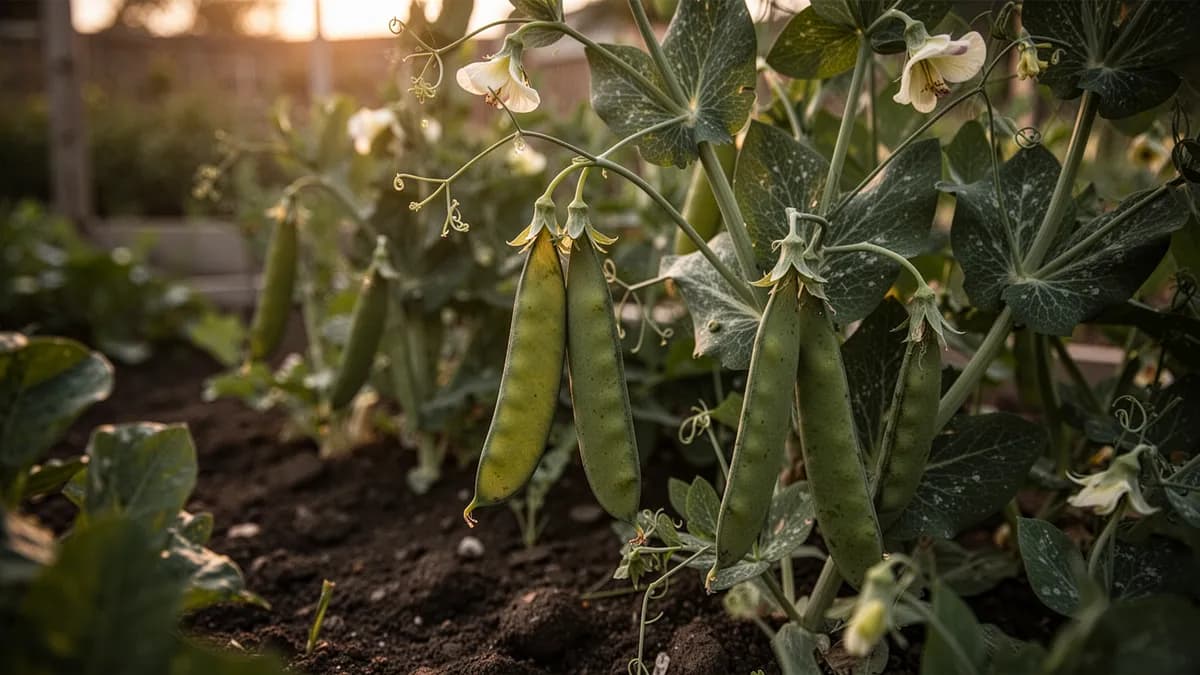
A sweet, plump pea variety with edible pods that combines the best qualities of snow peas and shell peas. Sugar snap peas are best eaten fresh from the vine when the pods are round and full with a satisfying crunch. Remove the string along the spine of the pod before eating for the best texture. These are one of the most rewarding garden crops for children, as the sweet pods can be picked and eaten directly in the garden.
When to plant Sugar Snap Peas
Direct sow sugar snap pea seeds outdoors 4-6 weeks before the last frost date, planting 1 inch deep and 2-3 inches apart. Seeds germinate in soil as cool as 40°F but sprout faster in warmer conditions. Pre-soaking seeds overnight in room-temperature water speeds germination by 1-2 days. Inoculate seeds with pea-specific Rhizobium inoculant just before planting. For extra-early harvests, start seeds indoors in peat pots 3-4 weeks before transplanting, but handle transplants gently as peas dislike root disturbance.
Your Sugar Snap Peas Year
Composed for Zone 7 · typical seasons · frost passes Apr 2, returns Nov 1
Plant Sugar Snap Peas Feb – Apr, pick May – Jul. Check the planting methods below and set your climate to personalize these windows.
How to grow Sugar Snap Peas
Sugar snap peas combine the edible pod of snow peas with the plump, sweet peas of shelling varieties, creating a dual-purpose crop that is delicious eaten whole. Direct sow seeds 1 inch deep and 2-3 inches apart in early spring, 4-6 weeks before the last frost date, as soon as soil can be worked. These cool-season crops thrive at 55-65°F and tolerate light frosts.
Most sugar snap varieties are vigorous climbers reaching 5-6 feet tall and require sturdy trellising. Install a strong support system at planting time using netting, wire panels, or string between posts. Even bush varieties produce more abundantly with some support. Water consistently with about 1 inch per week, keeping soil evenly moist but not waterlogged.
Like all peas, sugar snaps are nitrogen fixers that improve soil fertility. They perform best in cool weather and decline rapidly in heat above 80°F. In mild climates, grow as a fall or winter crop for extended harvests. Succession plantings every 2-3 weeks maximize the harvest window. Remove spent vines after production ends and follow with warm-season crops like tomatoes or peppers that benefit from the residual nitrogen.
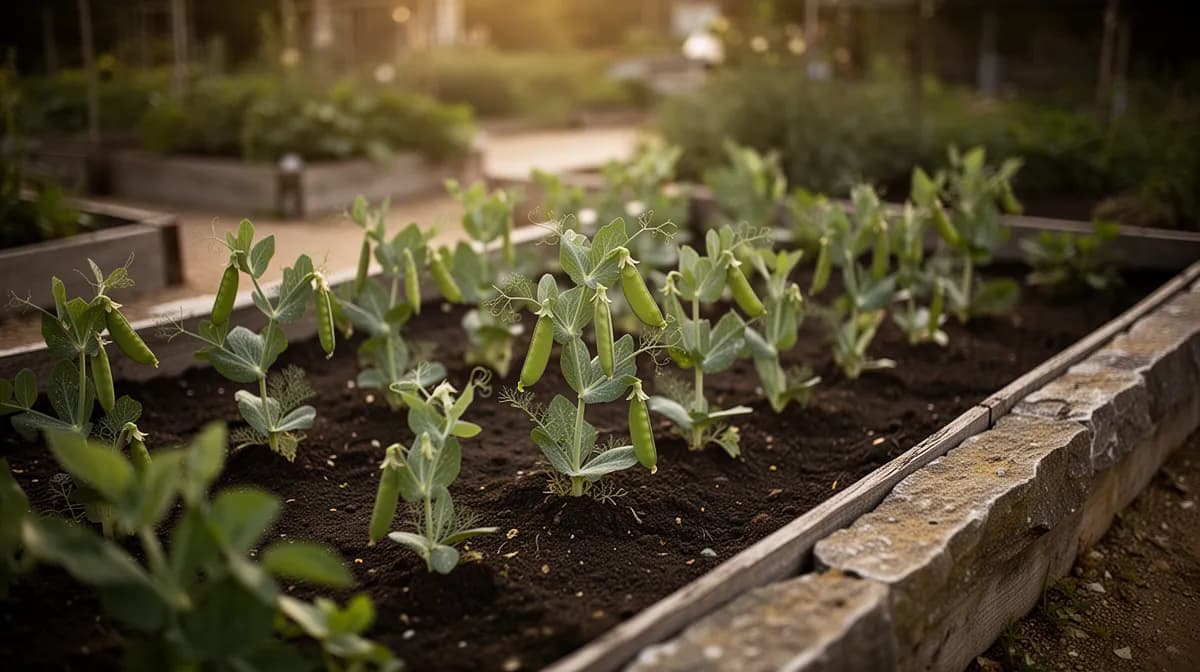
450 plants fit a 4 × 8 ft bed
Each Sugar Snap Peas wants 8 cm of elbow room. The planner keeps that spacing for you — every plant, every bed.
Sugar Snap Peas's best neighbours
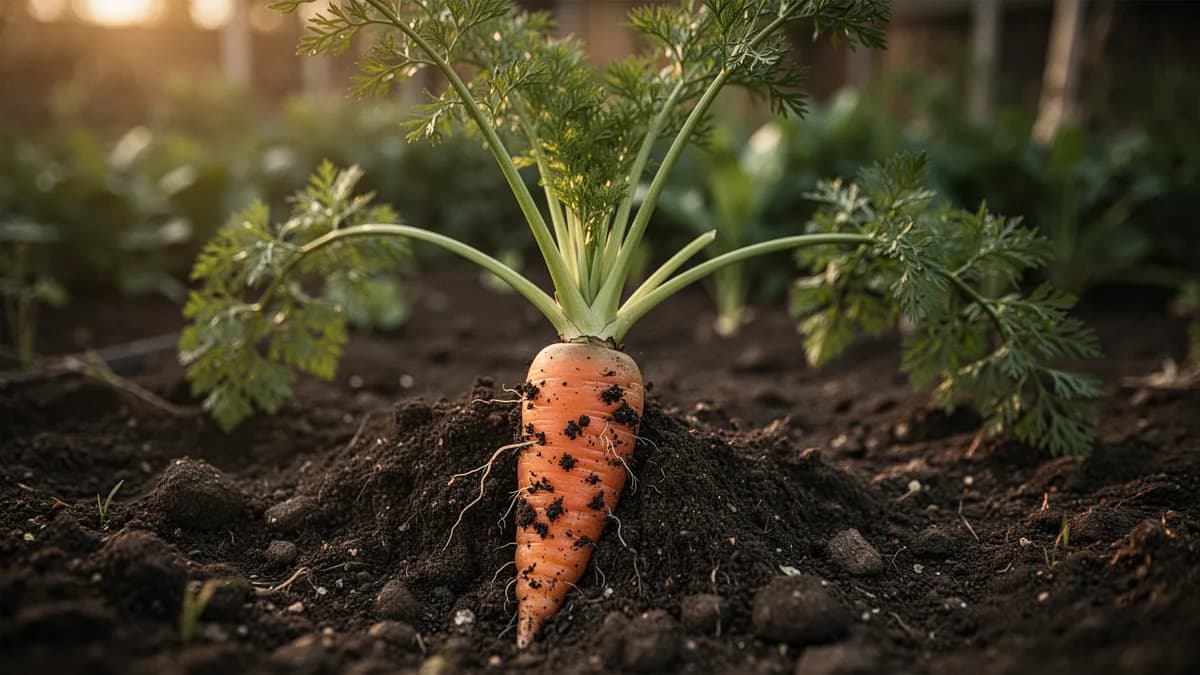
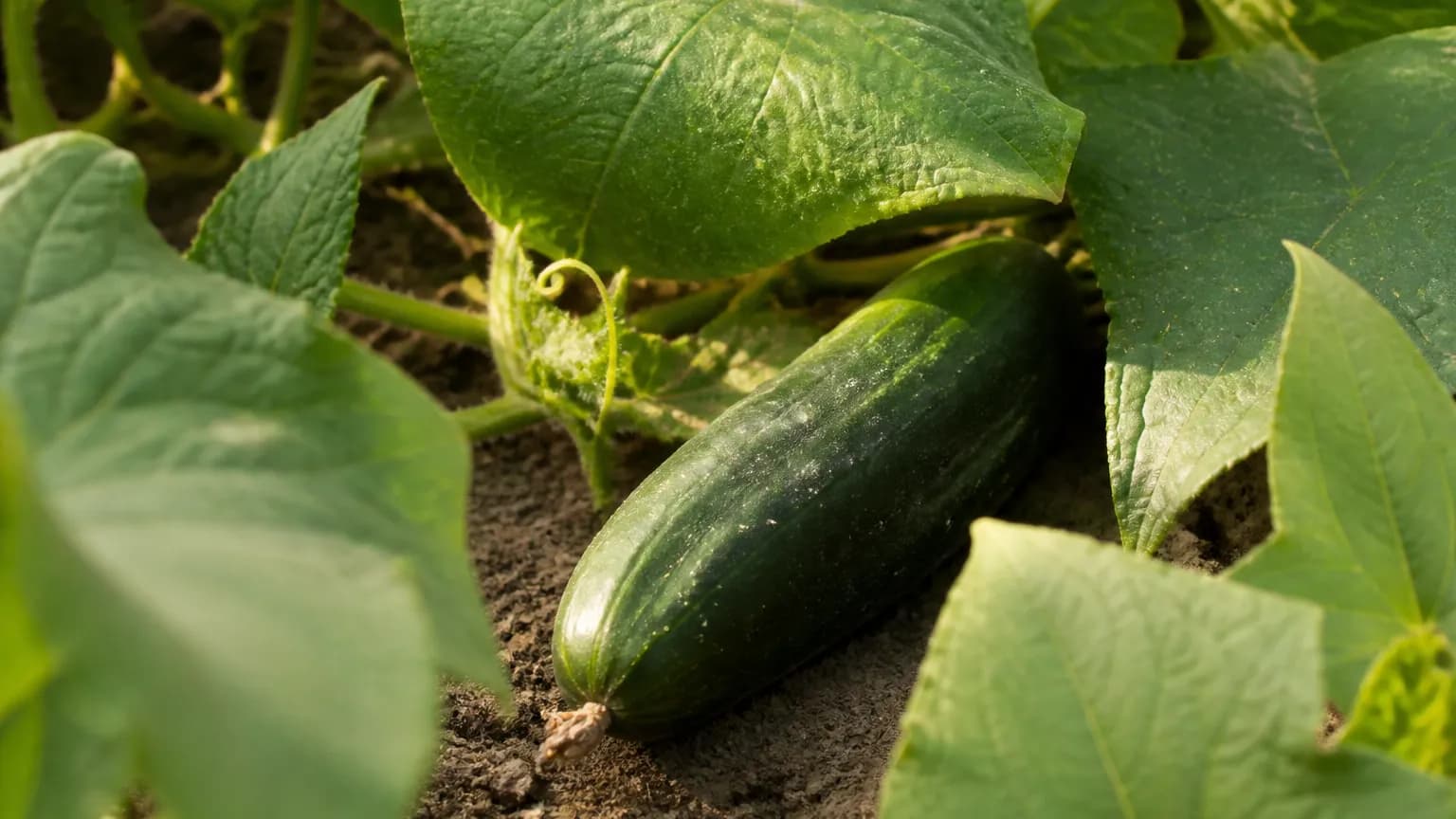
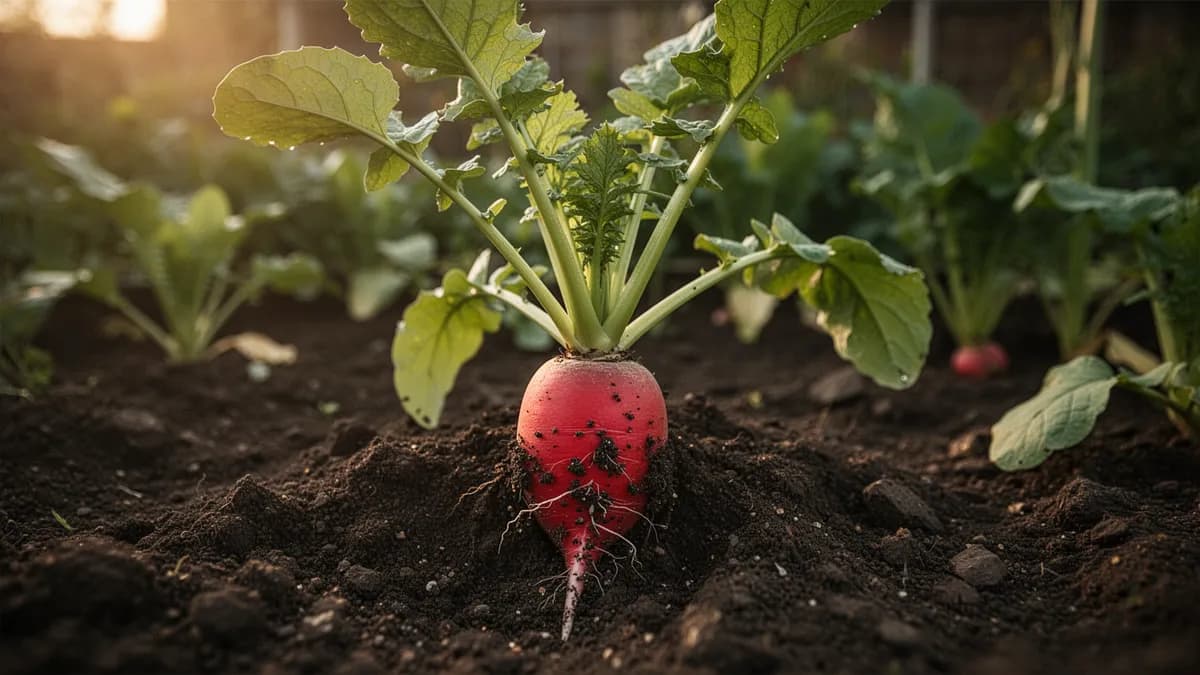
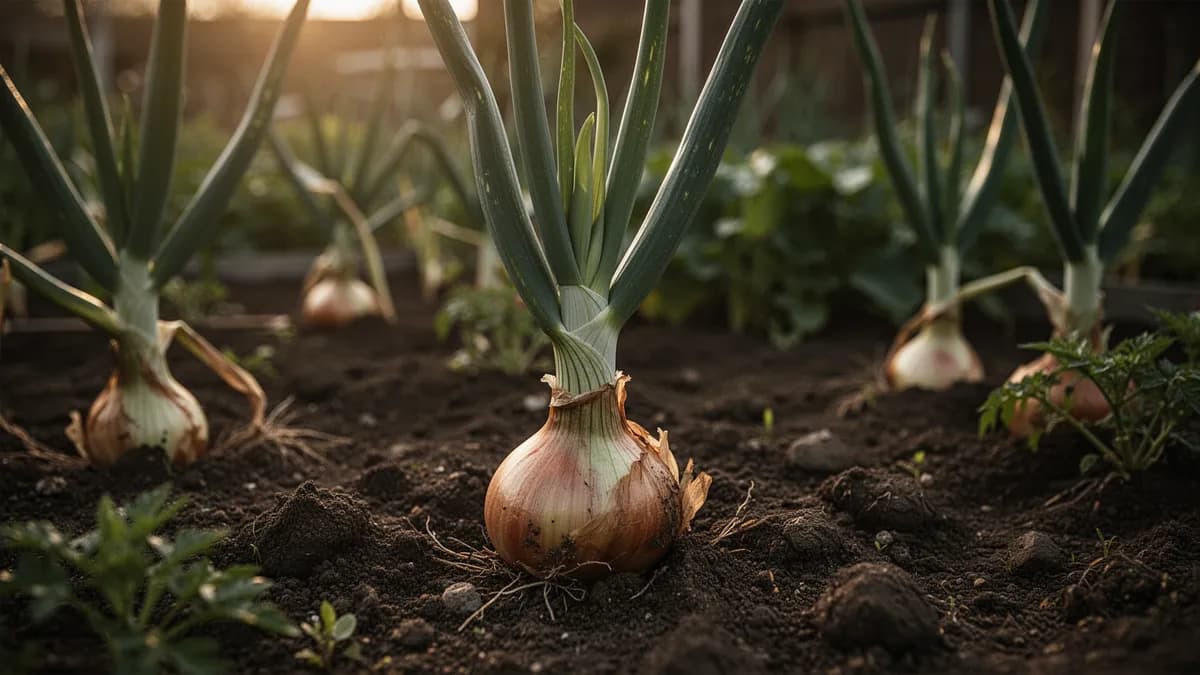
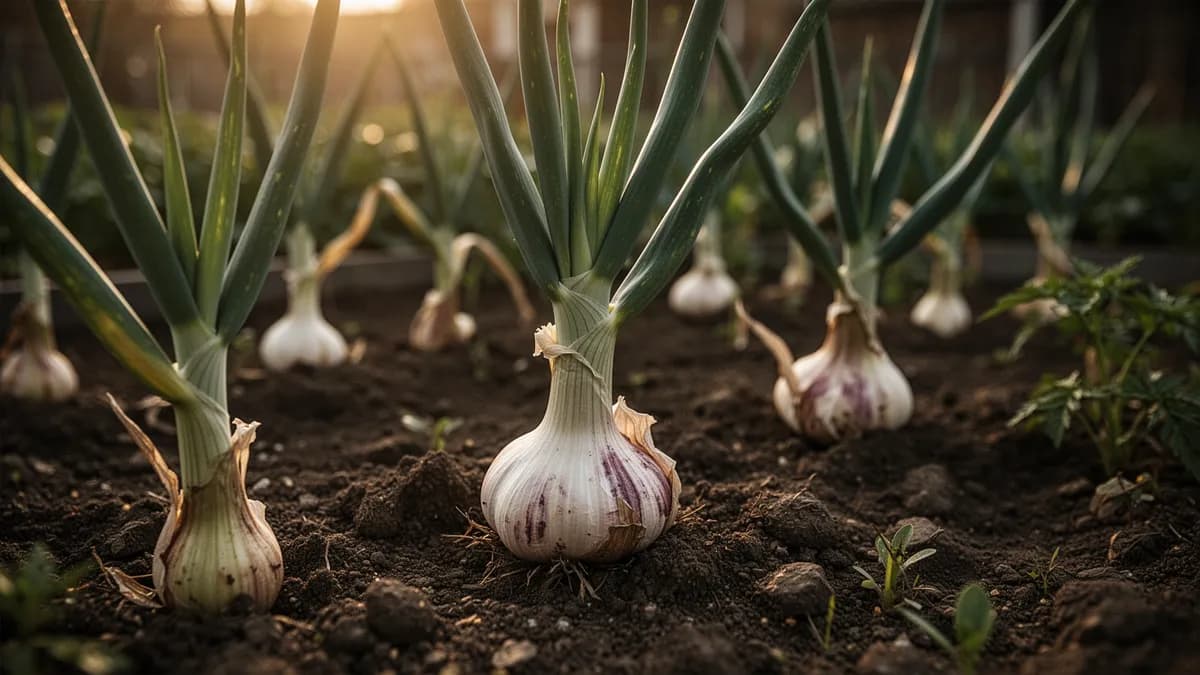
Sugar snap peas pair well with carrots, radishes, and lettuce in cool-season gardens. They benefit corn and other heavy feeders through nitrogen fixation when grown in rotation. Aromatic herbs like mint, cilantro, and chives help deter pea moth when planted nearby. Cucumbers can climb the same trellis in succession after pea vines are removed. Avoid planting near alliums like onions and garlic. Follow peas with warm-season crops like tomatoes and peppers that benefit from the nitrogen legacy.
Carrot belongs beside it. Onion doesn't.
Old growers' knowledge, checked against Sugar Snap Peas's real companion table below — test any plant you're growing.
Try Sugar Snap Peas in a bed — right here
A real planner bed with Sugar Snap Peas already in it. Tap a companion to place it and watch the pairing checks answer — green for good neighbours, red for a clash.


Related growing guides
Feed it well
Sugar snap peas prefer fertile, well-drained soil with a pH of 6.0-7.5. Work in compost or well-aged manure before planting. As nitrogen fixers, they need phosphorus and potassium more than nitrogen. Apply bone meal or rock phosphate at planting and avoid high-nitrogen fertilizers which promote lush foliage at the expense of pod production. Inoculate seeds with pea Rhizobium for optimal nitrogen fixation. Raised beds warm faster in spring and provide the drainage peas prefer.
Ideal Temperature
Hardiness Zone Compatibility
From seed to harvest, stage by stage
Seed Germination
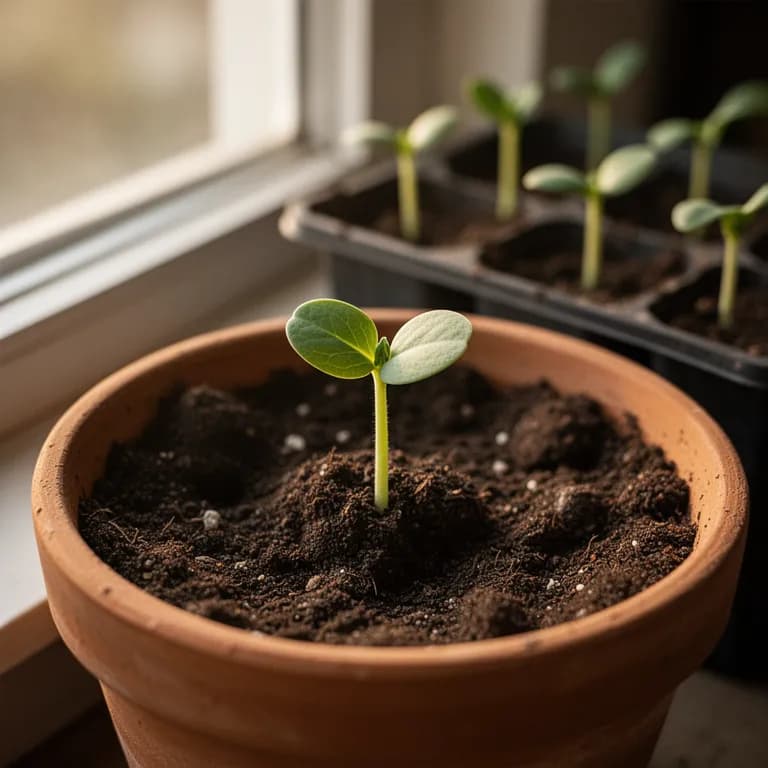
Seeds swell and push out a pale radicle root followed by a sturdy, hooked shoot that pulls the cotyledons through the soil surface. In cool soil at 40-50°F germination takes 7-14 days; in warmer soil near 60-70°F seeds emerge in just 5-7 days. Inoculated seeds begin forming nitrogen-fixing root nodules almost immediately.
Seedling Growth
True leaves emerge as pairs of small, rounded leaflets with a central tendril. The stem thickens and the first tendrils begin actively reaching for support. Rhizobium nodules become visible on roots as small white or pink bumps, indicating active nitrogen fixation.
Vine Growth
Rapid vertical growth as vines climb their support with tightly coiling tendrils. Tall varieties like Sugar Snap can add 3-4 inches per day in ideal cool weather. The lush, blue-green foliage fills out along the trellis and the root system expands with active nitrogen-fixing nodules.
Flowering
Delicate white (or occasionally purple-tinted) flowers appear in pairs at leaf nodes along the vine. Pea flowers are self-pollinating, so each bloom reliably sets a pod without requiring bee visits. Flowering typically begins at the base of the vine and progresses upward over several weeks.
Pod Development
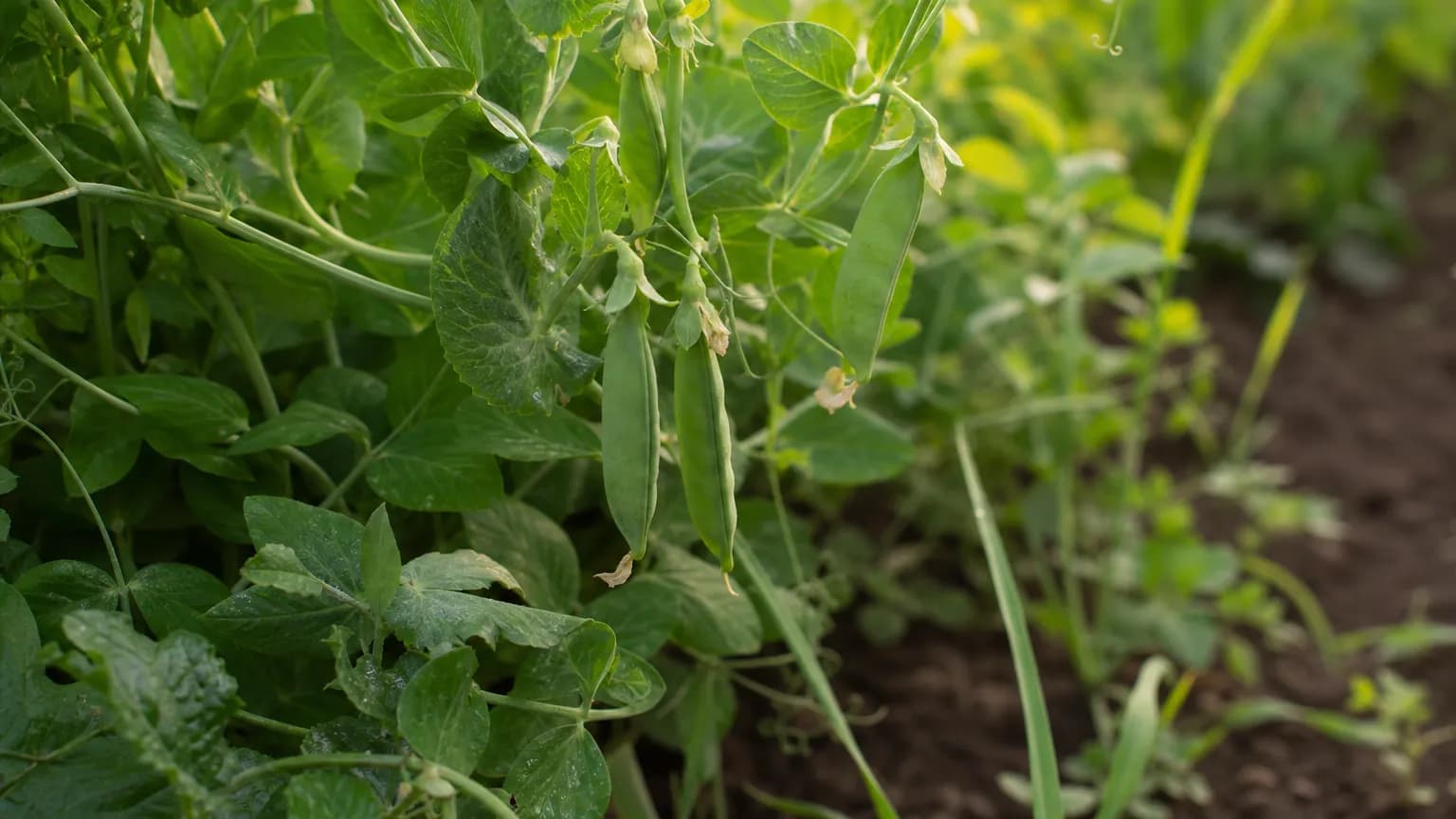
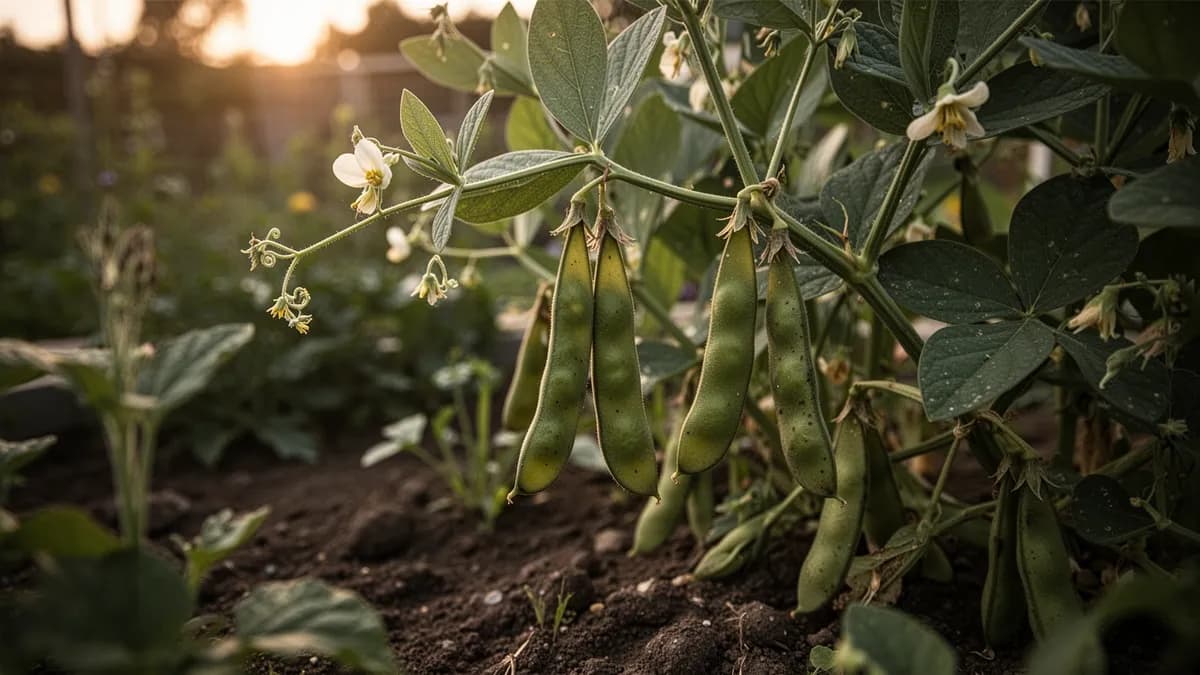
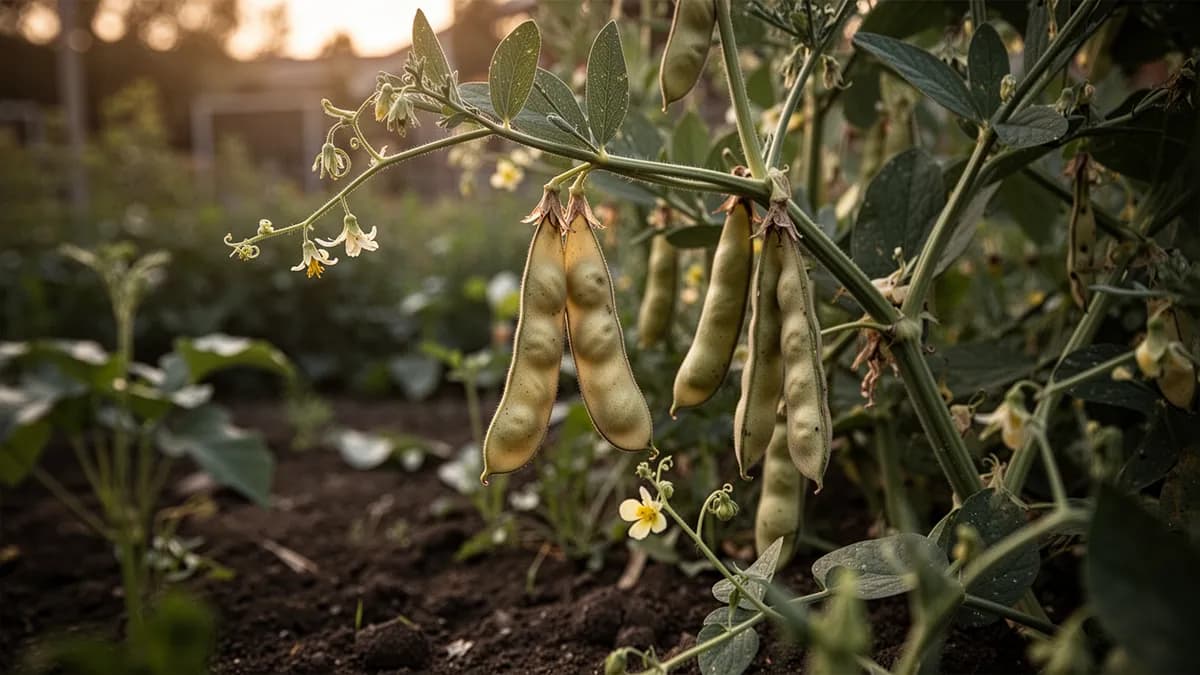
Flat young pods swell rapidly as the peas inside develop. Sugar snap pods become round and plump with fully developed peas visible through the pod wall. The pod remains bright green, crisp, and sweet at this stage — the ideal harvest window.
Peak Harvest
The vine enters sustained production with new flowers opening at the top while lower pods reach harvest size. A single plant can produce for 3-4 weeks in cool weather. Production slows and stops as temperatures consistently exceed 80°F.
Pre-soak seeds overnight and inoculate with pea-specific Rhizobium before planting. Sow 1 inch deep in moist soil. Protect from birds and mice with row cover until seedlings emerge.
Caring for Sugar Snap Peas month by month
What to do each month for your Sugar Snap Peas
October
You are hereFall crops begin flowering and setting pods in zones 6-8. Harvest regularly. In zones 9-10, continue tending winter plantings. Light frost actually sweetens the flavor of developing pods — no need to protect established vines.
Know exactly what to do in your garden — every month
One email at the start of each month: what to sow, plant, and tackle right now — for your Sugar Snap Peas and everything growing around it. Plus a short starter course that helps you dodge the classic mistakes.
- What to do, right now
- Matched to your season
- Starter course included
Harvesting Sugar Snap Peas
Harvest sugar snap peas when pods are plump and round with fully developed peas visible inside, but while the pod is still bright green and crisp. The ideal stage is when pods snap cleanly when bent. Pick every 1-2 days as the harvest window for each pod is brief; overripe pods become tough and starchy. Morning harvest yields the sweetest, crispest pods. Remove the string along the seam before eating if the variety is not stringless. Regular picking encourages continued production.
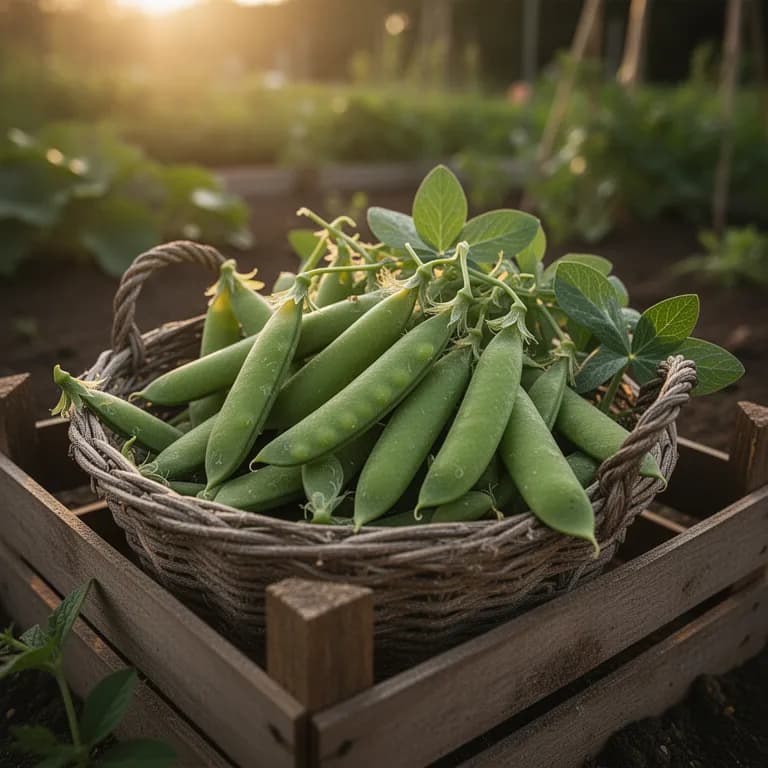
assuming you plant when the window opens — set your real date
Pick Sugar Snap Peas promptly and the plant keeps producing.
Storage & Preservation
Fresh sugar snap peas are best eaten immediately but will keep in the refrigerator for up to one week in a perforated plastic bag. For freezing, remove strings, blanch whole pods for 2 minutes, cool in ice water, drain, and freeze flat on trays before transferring to freezer bags. Frozen sugar snaps keep for up to 12 months but lose some crispness. They are excellent pickled with dill and garlic for a crunchy preserved snack. Dehydrated sugar snaps make a healthy chip-like snack.
What goes wrong — and the fix
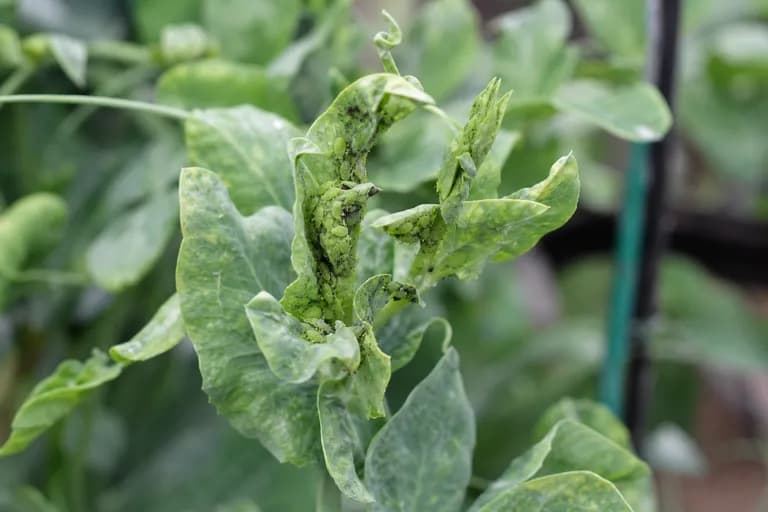
Pea Aphid
PestLarge pale green aphids on growing tips and pods, causing wilted shoots, sticky honeydew, and reduced pod quality.
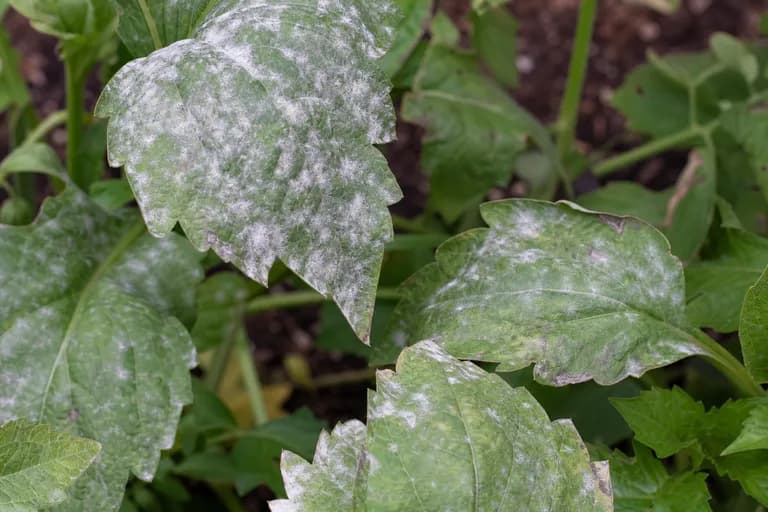
Powdery Mildew
DiseaseWhite powdery fungal growth on leaves, stems, and pods, reducing photosynthesis and pod quality.
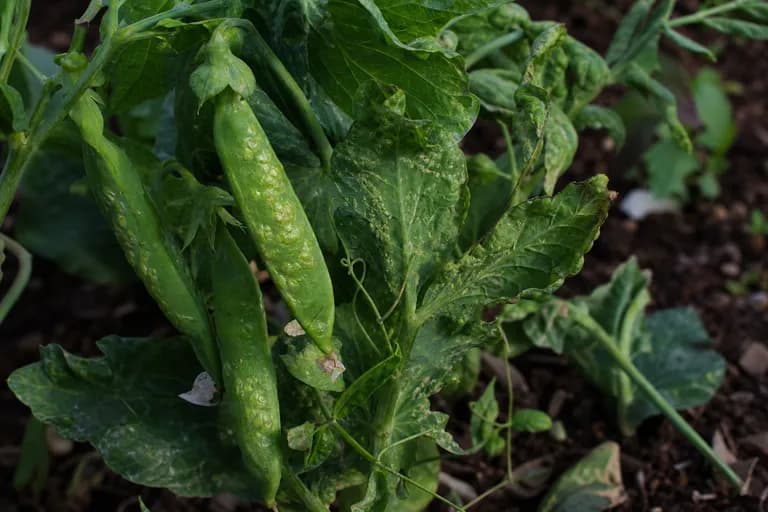
Pea Enation Mosaic Virus
DiseaseTranslucent blistering on pods, distorted leaves with enations (outgrowths) on undersides, stunted growth.
Troubleshooting Common Problems
Heat is the primary enemy of sugar snap peas, causing flowers to abort and pods to become tough when temperatures exceed 80°F. Plant as early as possible in spring. Powdery mildew is almost inevitable in warm conditions; choose resistant varieties. Pods can become tough and stringy if left on the vine too long; harvest frequently. Poor pod fill may indicate insufficient moisture during pod development. Birds and mice may eat seeds at planting; cover beds with row cover or netting until seedlings establish.
Growing Tips
- Plant as early as humanly possible. Sugar snap peas race against rising temperatures, and every extra week of cool weather means more pods. Sow 4-6 weeks before the last frost — peas shrug off light freezes that would kill tomatoes and peppers.
- Inoculate seeds with pea-specific Rhizobium bacteria before planting. This is not optional for best results — inoculated plants fix their own nitrogen, grow more vigorously, and produce significantly more pods than uninoculated plants, especially in soil where peas have not been grown before.
- Install your trellis at planting time, not after. By the time vines need support they are growing inches per day, and untrained vines tangle into an unharvested mess on the ground. A simple system of twine strung between posts works perfectly.
- Succession-sow every 2-3 weeks for 2-3 plantings to extend the harvest window. Each planting produces for 3-4 weeks, so staggered sowings can stretch your sugar snap season from 4 weeks to 8-10 weeks in cool climates.
- Water consistently at the base rather than overhead. Wet foliage in warm, humid conditions invites powdery mildew — the most common disease of sugar snap peas. Drip irrigation or soaker hoses are ideal.
- Pick every single day during peak harvest. Pods go from perfect to overmature in 24-48 hours, and leaving ripe pods on the vine signals the plant to stop flowering. Frequent picking is the single most important thing you can do to maximize your total harvest.
- Do not fertilize with nitrogen. As legumes, peas fix their own nitrogen from the air. Adding nitrogen fertilizer promotes leafy vine growth at the expense of pod production and can actually inhibit the Rhizobium bacteria from forming nodules.
- Plan what comes next. When pea vines are spent in early summer, pull them and immediately plant warm-season crops like tomatoes, peppers, or beans in the same bed. These successor crops benefit enormously from the nitrogen that pea roots have deposited in the soil.
Grow your best Sugar Snap Peas yet — and everything around it.
Start a free plan today. Lay out your beds, drop in your Sugar Snap Peas, and let PlotMyGarden handle the timing, spacing, companions and reminders from seed to harvest basket.
Pick your Sugar Snap Peas
Sugar Snap
The original sugar snap pea variety with tall 6-foot vines and excellent sweet flavor. The standard by which all others are measured.
Super Sugar Snap
Improved version with better powdery mildew resistance and slightly thicker pods. Vigorous climber to 5-6 feet.
Sugar Ann
Early-maturing dwarf variety reaching only 2 feet tall. No trellising needed and excellent for containers and small spaces.
Cascadia
Compact 3-foot plants with stringless pods and good disease resistance. Excellent flavor and heavy yields in a small package.
A packet of sugar snap pea seeds costs $3-5 and contains 50-100 seeds — enough to plant a 10-15 foot row that can produce 3-5 kg (7-11 lbs) of fresh pods. With organic sugar snap peas selling for $4-8 per pound at grocery stores and farmers markets, a single row can yield $30-80 worth of produce from a $4 seed packet. Sugar snap peas are also one of the easiest crops to grow, requiring minimal inputs beyond a trellis and water, making them one of the highest-return crops for beginning gardeners.
Quick recipes
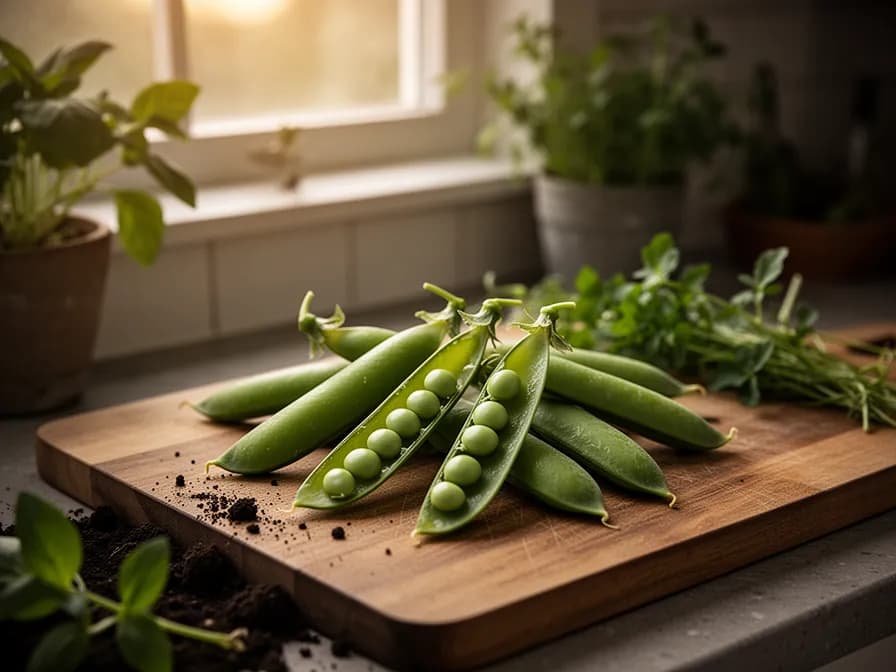
Sesame Ginger Sugar Snap Stir-Fry
10 minThe classic way to cook sugar snap peas — a lightning-fast stir-fry that keeps them brilliantly green and snappy. Fresh ginger and toasted sesame oil bring out the natural sweetness of the pods.
8 ingredients
Sugar Snap Pea, Mint, and Feta Salad
10 minA bright spring salad that celebrates raw sugar snaps at their crunchy best. Fresh mint and tangy feta complement the natural sweetness of just-picked pods. No cooking required.
7 ingredientsGarlic Butter Sugar Snaps with Lemon
8 minAn elegant 5-minute side dish — sugar snap peas sauteed in butter with garlic until just barely tender, then finished with a squeeze of lemon. Simple, quick, and absolutely delicious alongside grilled fish or chicken.
6 ingredientsCulinary Uses
Sugar snap peas are delicious raw right off the vine as a garden snack, making them favorites with children. Serve with hummus or ranch dip for appetizers. Add to stir-fries in the last 30 seconds of cooking to retain crunch. Toss into salads, grain bowls, and pasta dishes. They pair excellently with mint, lemon, sesame, and butter. Lightly blanched and chilled, they make an elegant crudite. Sauteed with spring onions and pea shoots creates a celebration of pea flavors.
What's inside
Health Benefits
- Exceptionally rich in vitamin C — a single cup of raw sugar snap peas provides over 100% of the daily value, supporting immune function, collagen production, and iron absorption from plant-based foods.
- Good source of vitamin A as beta-carotene (22% DV per 100g), an antioxidant that supports healthy vision, skin integrity, and immune defense against infections.
- Contains significant dietary fiber (2.6g per cup) that promotes digestive regularity, feeds beneficial gut bacteria, and helps maintain stable blood sugar levels after meals.
- Provides plant-based iron (2.1mg per cup), and the high vitamin C content in the same food dramatically enhances non-heme iron absorption — a natural pairing that benefits vegetarians and vegans.
- Rich in vitamin K, essential for proper blood clotting, bone metabolism, and cardiovascular health — important for all ages but especially for growing children and older adults.
- Low glycemic index and high fiber-to-calorie ratio make sugar snap peas an excellent food for blood sugar management, weight control, and sustained energy without blood sugar spikes.
Where Sugar Snap Peas comes from
The sugar snap pea is a remarkably recent creation in the long history of pea cultivation. While garden peas (Pisum sativum) have been cultivated for over 10,000 years — making them one of humanity's oldest crops, with archaeological evidence from Neolithic settlements in the Near East, Turkey, and the Swiss lake dwellings — the sugar snap variety was not developed until the late 20th century.
In the 1960s, Dr. Calvin Lamborn at the Gallatin Valley Seed Company in Twin Falls, Idaho, began crossing snow peas (which have edible flat pods but small peas) with a mutant shell pea that had unusually thick, fleshy pod walls. After years of painstaking selection, he released the Sugar Snap pea in 1979. It combined the edible pod of the snow pea with the plump, sweet peas of a shelling variety — a combination that had never existed before. The variety was an immediate sensation, winning the prestigious All-America Selections gold medal in its debut year, one of very few vegetables to receive this honor.
The sugar snap pea's popularity spread rapidly worldwide during the 1980s and 1990s, and breeders quickly developed improved varieties including bush types like Sugar Ann (1984, also an AAS winner), stringless selections like Cascadia, and disease-resistant hybrids like Super Sugar Snap. Today, sugar snap peas are grown commercially across North America, Europe, Central America, and East Africa, and they have become one of the most popular crops for home gardens due to their ease of growing, heavy yields, and irresistible fresh-eating quality. The sugar snap pea stands as one of the great successes of modern plant breeding — a genuinely new vegetable that filled a niche no one knew existed.
Sugar Snap Peas: did you know?
Fascinating facts about Sugar Snap Peas
Sugar snap peas were invented, not discovered — plant breeder Calvin Lamborn crossed a snow pea with a mutant thick-podded shell pea at the Gallatin Valley Seed Company in Idaho, releasing the first Sugar Snap variety in 1979. It immediately won an All-America Selections gold medal.
Sugar Snap Peas questions, answered
When should I plant Sugar Snap Peas?
What are good companion plants for Sugar Snap Peas?
What hardiness zones can Sugar Snap Peas grow in?
How much sun does Sugar Snap Peas need?
How far apart should I space Sugar Snap Peas?
What pests and diseases affect Sugar Snap Peas?
How do I store Sugar Snap Peas after harvest?
What are the best Sugar Snap Peas varieties to grow?
What soil does Sugar Snap Peas need?
Do I need to remove the strings from sugar snap peas before eating?
Why are my sugar snap pea plants flowering but not setting pods?
Can I grow sugar snap peas in containers?
Should I grow bush or climbing sugar snap peas?
Why do my sugar snap peas taste starchy instead of sweet?
Can I plant a fall crop of sugar snap peas?
You just read the theory. Now grow it on autopilot.
Everything that makes Sugar Snap Peas fiddly — the timing, the spacing, the companions, the harvest window — is exactly what PlotMyGarden handles for you, for every plant in your garden.
A plan that knows your weather
Set your location once. Get sow, feed and harvest dates built around your real last-frost date and live forecast — no more guessing from a generic seed packet.
From the “When to plant” sectionDrag-and-drop bed planner
Design beds on a grid. Every plant snaps to its proper spacing, and you can see your whole season laid out before you spend a cent on seed.
From the “Growing guide” sectionCompanion conflicts, caught early
200+ good-and-bad pairings checked live as you plant — so a season-wrecking mistake never makes it into the ground.
From the “Companions” sectionReminders you'll actually act on
“Water the beans.” “Pick today before it turns.” Timely, specific, and tied to the plants you're really growing.
From the “Harvest” sectionSuccession, scheduled
Want a harvest for six weeks, not six days? It spaces your sowings automatically and reminds you when each new block is due.
From the “When to plant” sectionA record that gets smarter
Every harvest you log teaches it your garden. Next year's plan starts from what actually worked in your soil, not a textbook's.
From the “Overview” sectionPlant these alongside Sugar Snap Peas
More Legumes
Keep Sugar Snap Peas away from these
Garden plans featuring Sugar Snap Peas
Grow your best Sugar Snap Peas yet — and everything around it.
Start a free plan today. Lay out your beds, drop in your Sugar Snap Peas, and let PlotMyGarden handle the timing, spacing, companions and reminders from seed to harvest basket.