Red Spring Onion
A colorful scallion variety with vivid crimson stalks that add color and mild, sweet onion flavor to salads and garnishes.





On this pageOverview
Meet Red Spring Onion
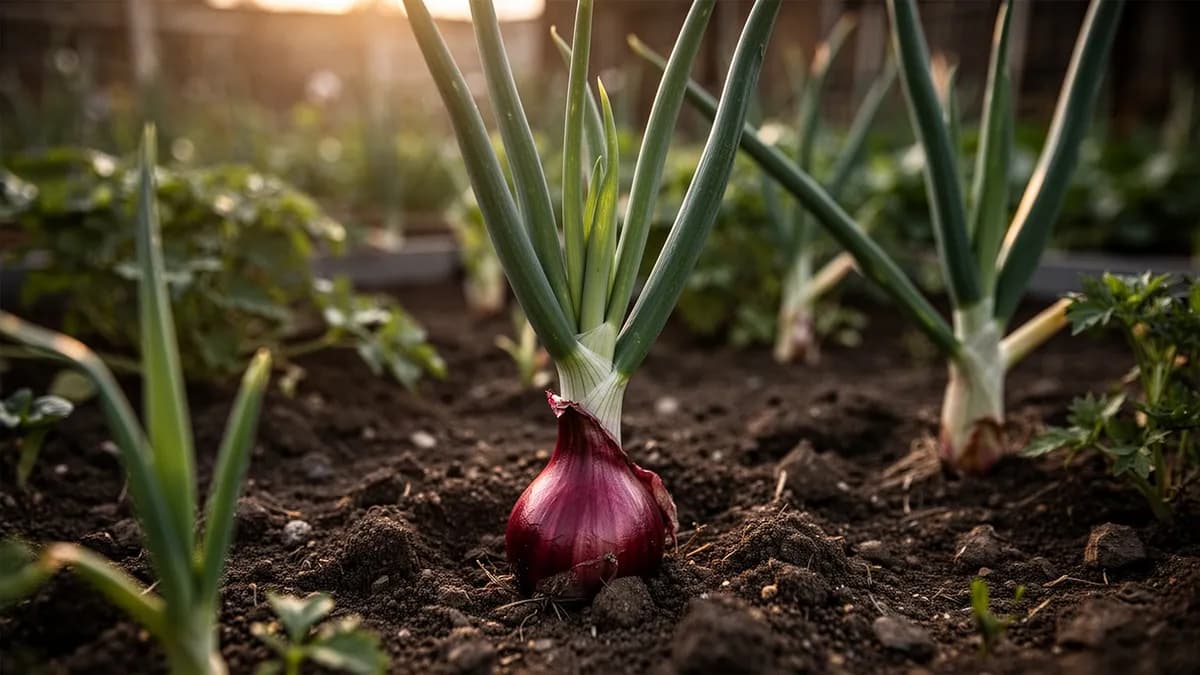
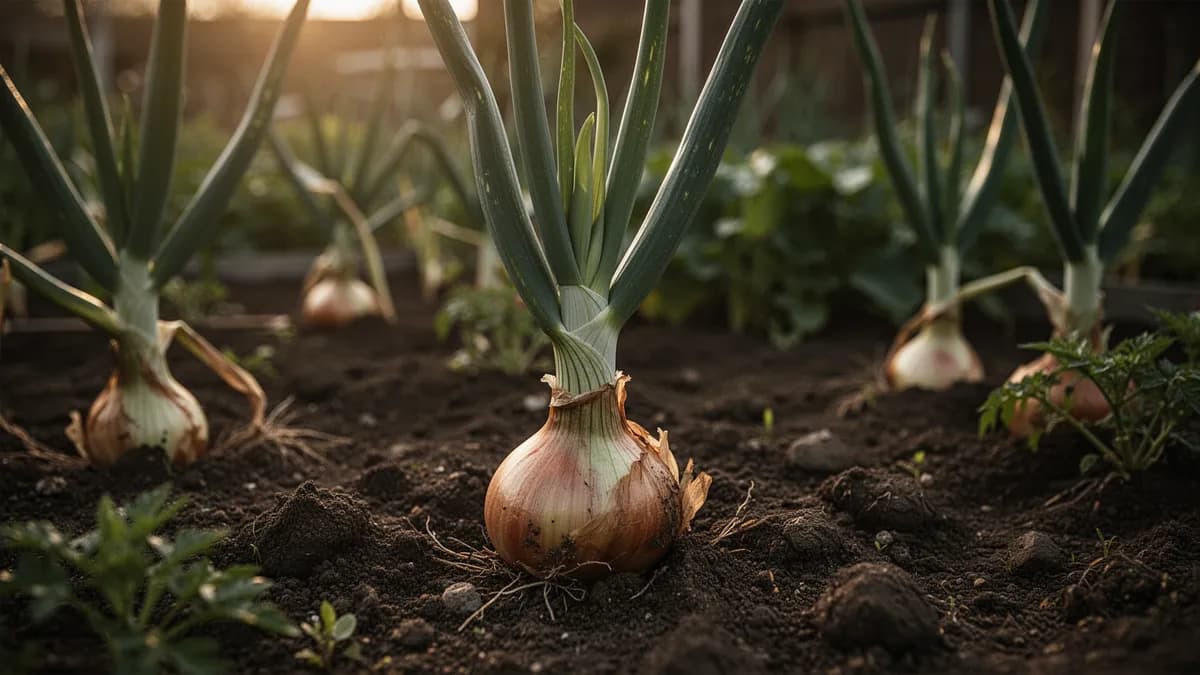
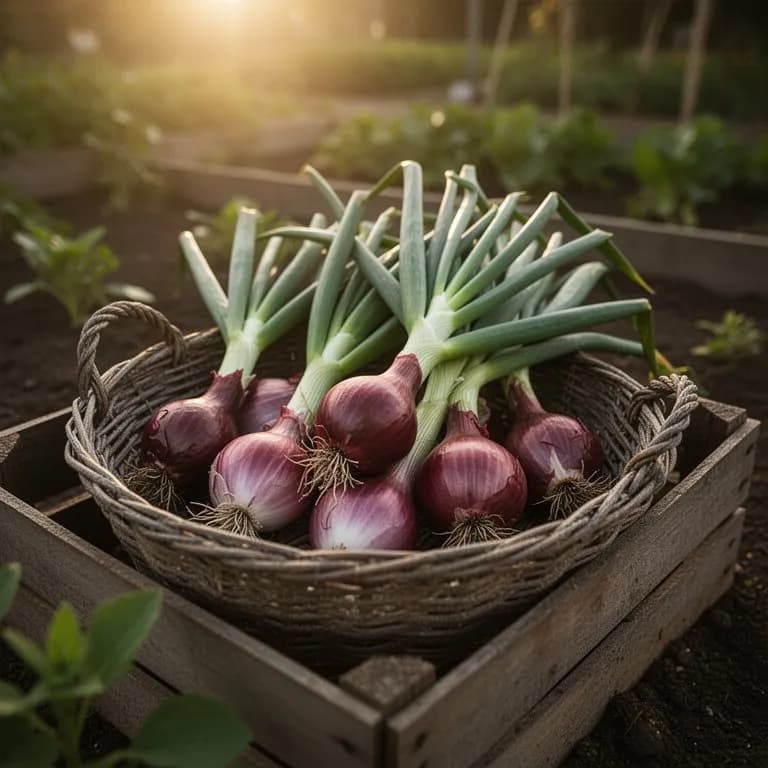
A colorful scallion variety with vivid crimson stalks that add color and mild, sweet onion flavor to salads and garnishes. The red color runs from the base up through the lower portion of the green top, creating a striking two-toned effect. Flavor is milder and sweeter than white scallions, excellent for raw applications where the color shows. Succession sow every three weeks for continuous harvest of these beautiful salad onions.
When to plant Red Spring Onion
Sow red spring onion seeds directly outdoors from early spring through late summer for continuous harvest. Plant seeds 1 cm deep and 1-2 cm apart in rows 15 cm apart. For an earlier start, sow indoors in cell trays four to six weeks before the last frost, planting three to four seeds per cell. Transplant as intact clumps when seedlings reach 10-15 cm tall. Germination takes seven to fourteen days in soil temperatures of 10-24 degrees Celsius. Use fresh seed for best germination rates, as allium seed viability declines rapidly after the first year. In mild climates, fall sowings in August and September provide winter and early spring harvests.
Your Red Spring Onion Year
Composed for Zone 7 · typical seasons · frost passes Apr 2, returns Nov 1
Plant Red Spring Onion Mar – Apr, Aug – Sep, pick May – Jun, Oct – Nov. Check the planting methods below and set your climate to personalize these windows.
How to grow Red Spring Onion
Red spring onions are among the easiest and most rewarding alliums to grow, offering quick harvests and striking color. Sow seeds directly outdoors from early spring through late summer for continuous harvest. Scatter seeds in shallow drills about 1 cm deep and 1-2 cm apart in rows 15 cm apart. Cover lightly and keep moist until germination in seven to fourteen days. Thin to 3-5 cm apart as seedlings develop.
For the quickest harvest, start seeds indoors four to six weeks before the last frost and transplant small clumps of three to four seedlings outdoors. This gives a two-week head start and produces sturdier plants. Red spring onions grow rapidly in cool weather and can tolerate light frost. Keep soil consistently moist and weed-free, as spring onions are shallow-rooted and easily outcompeted. A light application of balanced liquid fertilizer every two weeks supports fast, tender growth.
Succession sow every three weeks from March through September for an unbroken supply. In hot climates, focus sowings on spring and fall when cooler temperatures produce the best flavor and color. Red spring onions are ready to harvest in 55 to 65 days when the stalks are pencil-thick. The red coloring intensifies with maturity and cooler temperatures. Pull or cut at ground level depending on whether regrowth is desired.
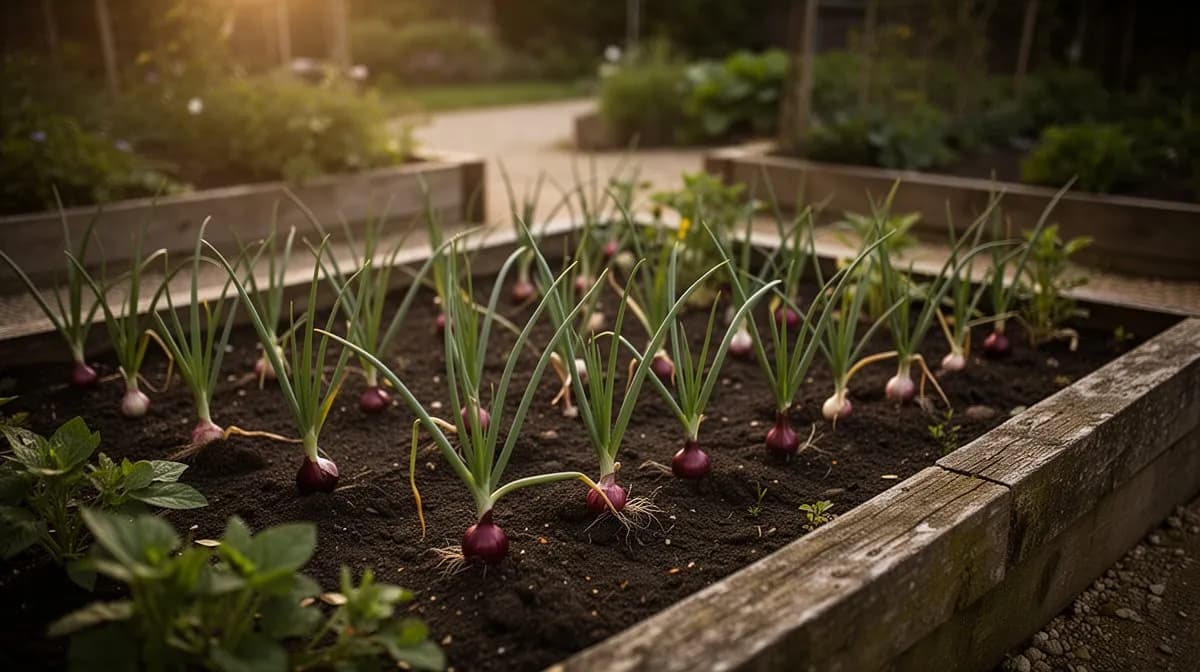
450 plants fit a 4 × 8 ft bed
Each Red Spring Onion wants 8 cm of elbow room. The planner keeps that spacing for you — every plant, every bed.
Red Spring Onion's best neighbours
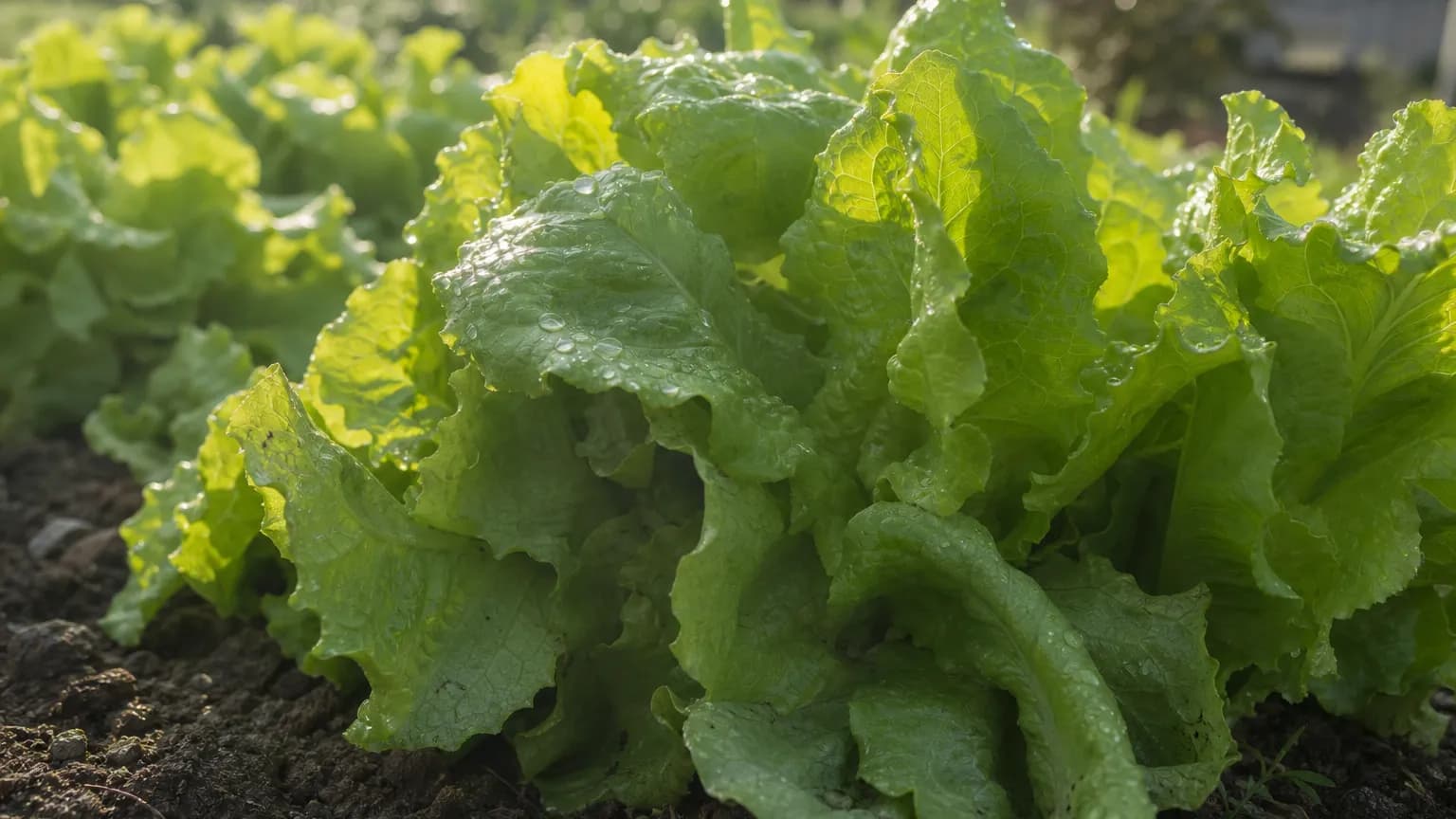
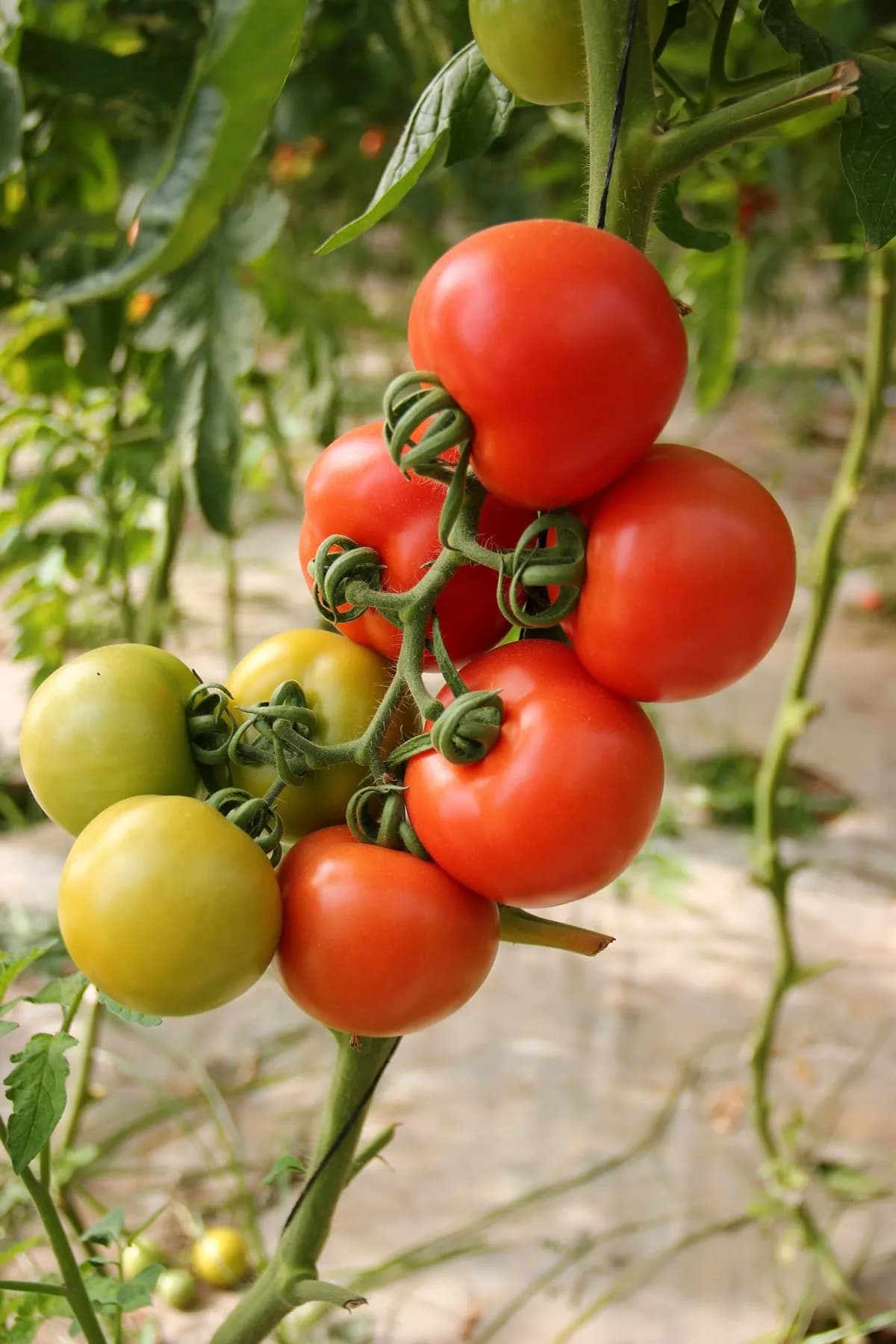
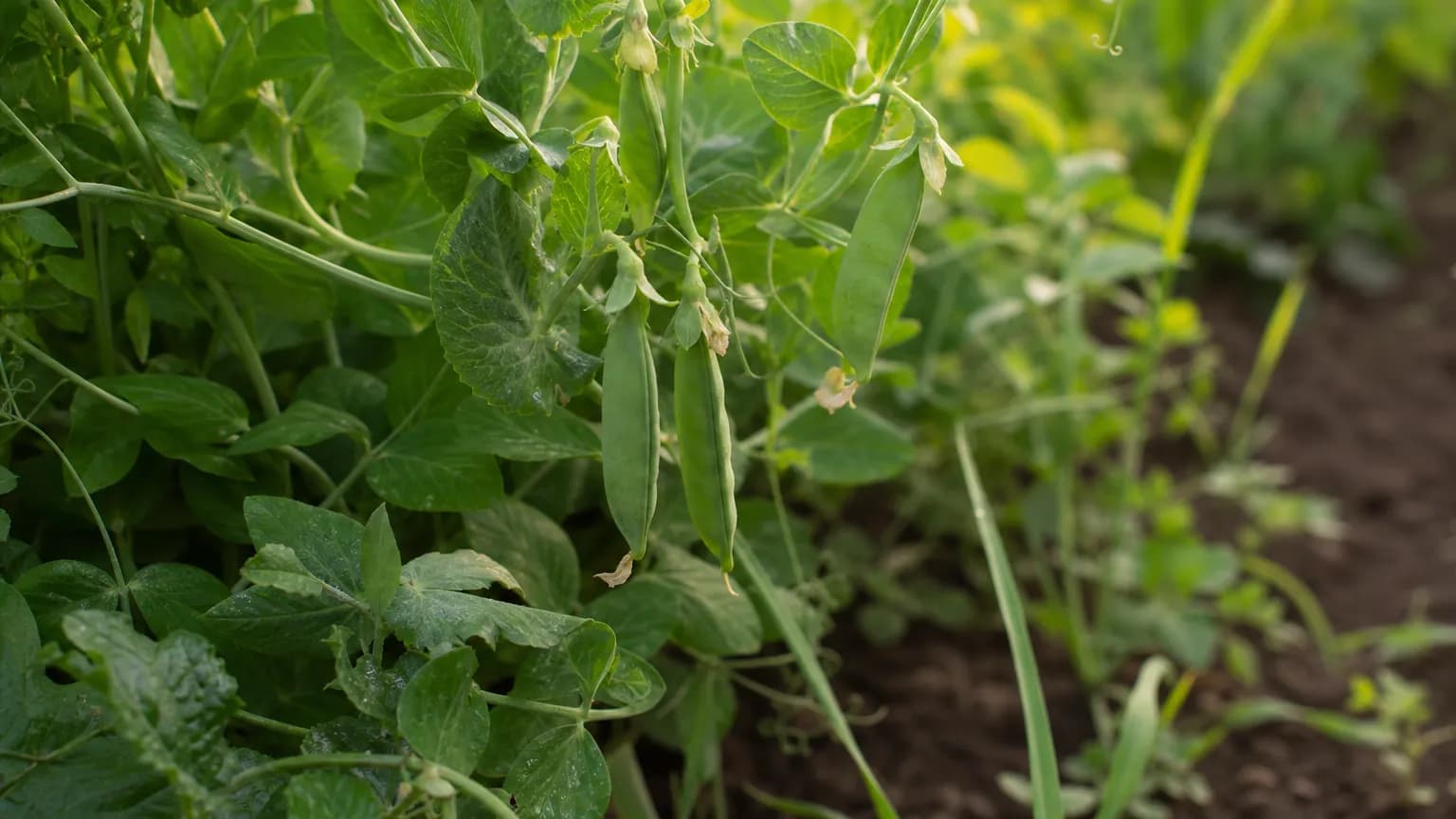
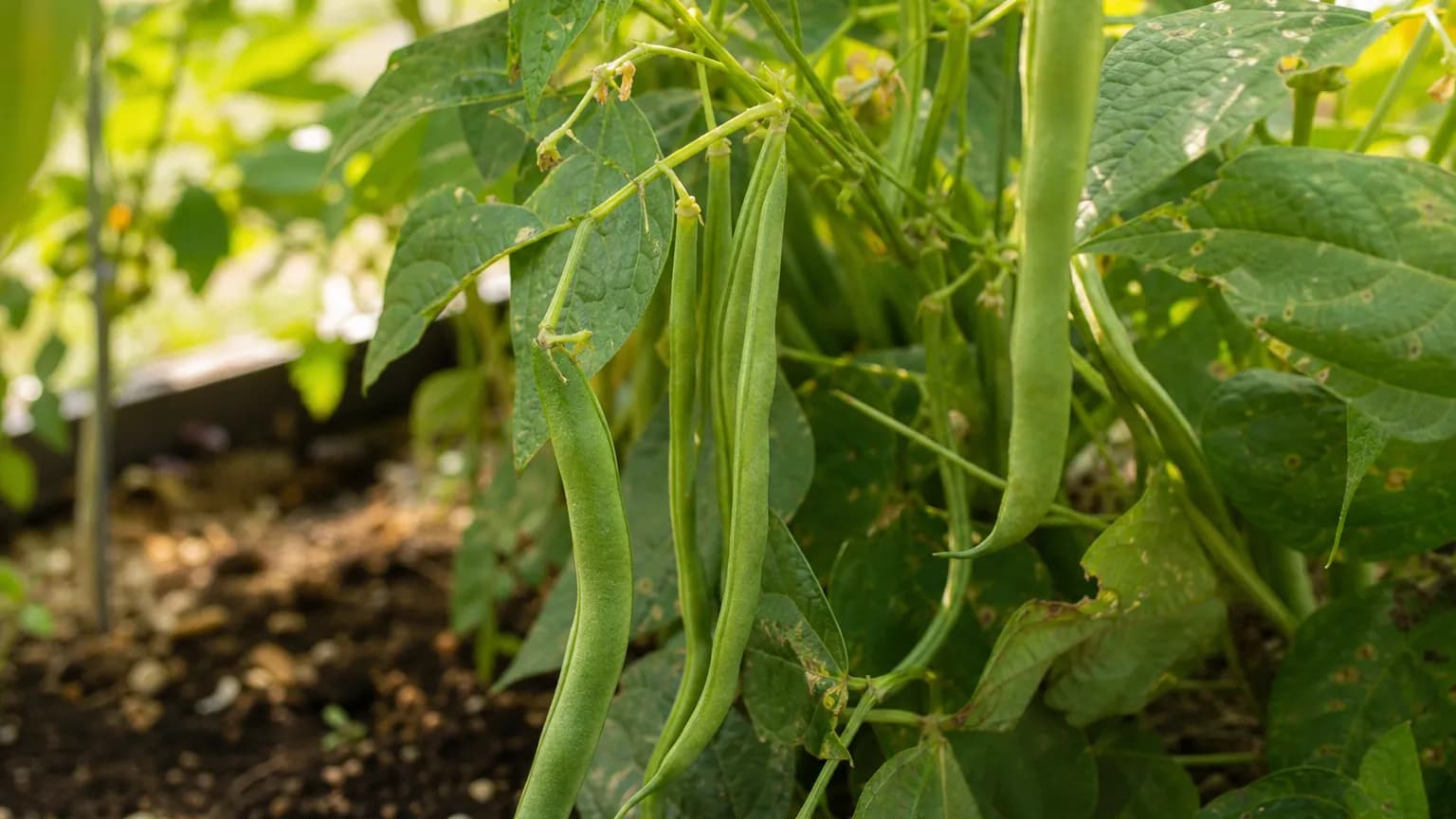
Red spring onions work well as border plants around vegetable beds, providing pest deterrence while occupying minimal space. Their shallow roots and compact habit allow interplanting between slower-growing crops like tomatoes, peppers, and brassicas. Plant near carrots for mutual pest protection. Lettuce and radishes make excellent row companions that mature at complementary times. Herbs like basil and cilantro grow well alongside spring onions. Avoid planting near peas and beans, where allium compounds may inhibit nitrogen fixation. The quick turnover of spring onions makes them ideal for gap-filling in garden beds.
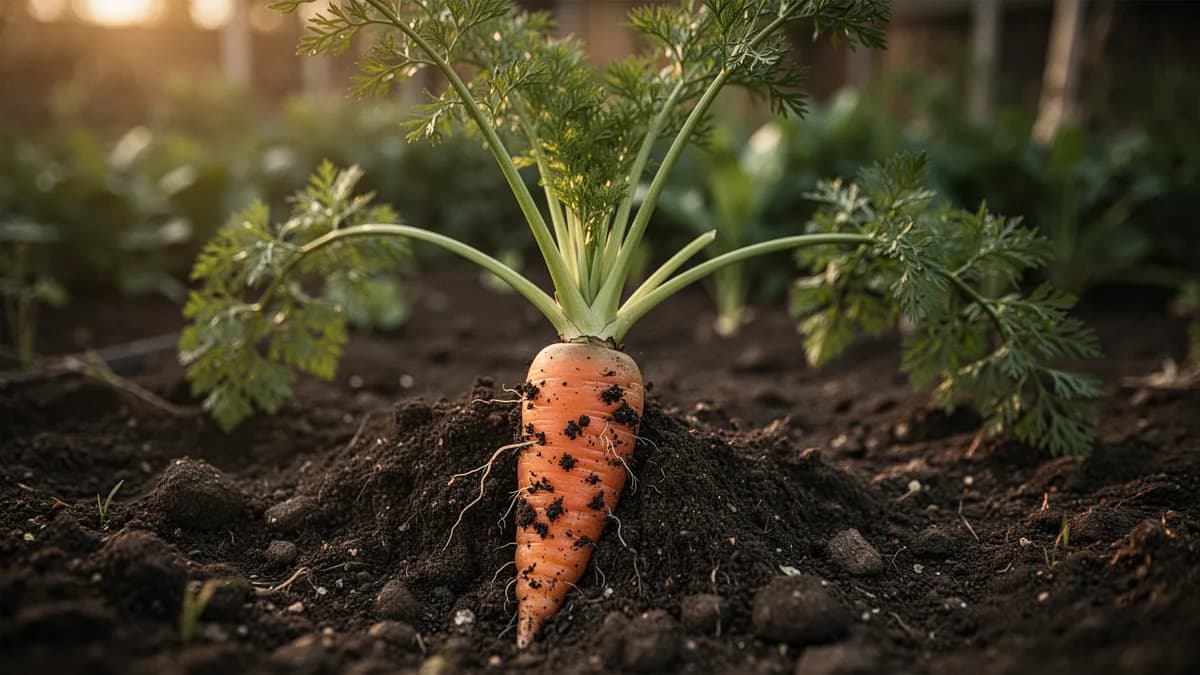
Carrot belongs beside it. Peas doesn't.
Old growers' knowledge, checked against Red Spring Onion's real companion table below — test any plant you're growing.
Try Red Spring Onion in a bed — right here
A real planner bed with Red Spring Onion already in it. Tap a companion to place it and watch the pairing checks answer — green for good neighbours, red for a clash.


Related growing guides
Feed it well
Red spring onions grow best in loose, fertile soil with a pH of 6.0 to 7.0. Work in fine compost before sowing to create a smooth, friable seedbed that tiny onion seedlings can push through easily. Avoid rocky or clumpy soil that can distort growth. A balanced fertilizer worked into the bed at sowing provides adequate nutrition for the short growing cycle. Supplement with liquid fish emulsion or seaweed extract every two weeks for the fastest, most tender growth. Avoid heavy nitrogen which can reduce red coloring. Potassium-rich amendments like wood ash help develop the best color intensity.
Ideal Temperature
Hardiness Zone Compatibility
From seed to harvest, stage by stage
Seed Starting
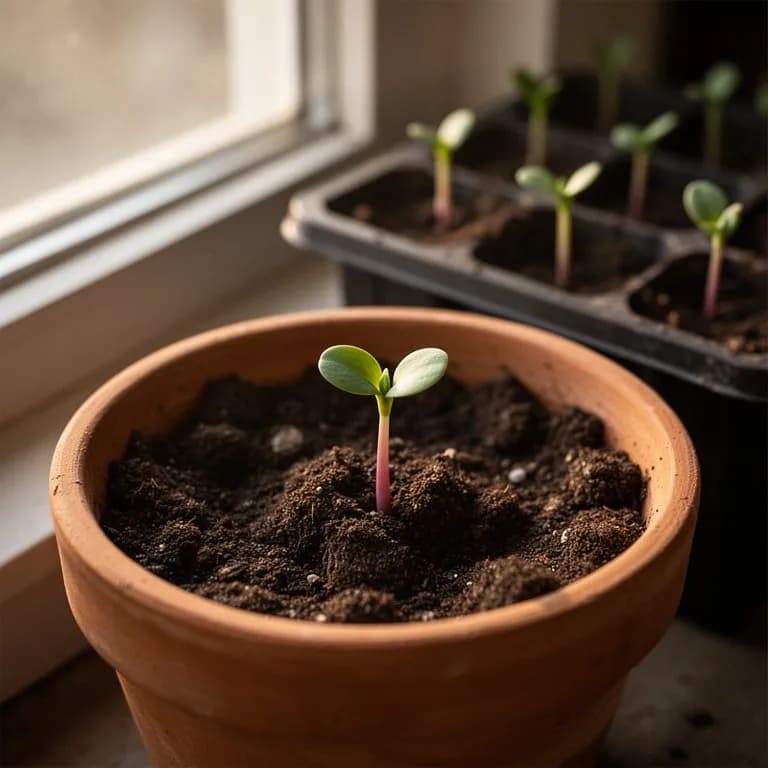
Red spring onion seeds germinate in 7-14 days, sending up a thin, looped grass-like shoot that straightens as the cotyledon extends. Seeds require consistent moisture and cool to moderate soil temperatures of 10-24°C (50-75°F) for reliable germination. The emerging shoot is pale green and indistinguishable from white spring onion seedlings at this stage — red pigmentation develops later.
Seedling Development
The first true leaf emerges as a slender hollow tube alongside the cotyledon. Growth is slow at this stage as the shallow root system establishes. By the end of this phase, seedlings have 2-3 true leaves and the very first hints of red pigmentation may appear at the base of the stem, especially in cooler conditions. Seedlings are fragile and easily outcompeted by weeds.
Vegetative Growth
Plants grow rapidly, adding new hollow tubular leaves from the center and thickening the stem base. The characteristic red-purple pigmentation intensifies during this phase, spreading upward from the base. The root system expands but remains shallow. Plants develop 4-6 upright leaves and the stem reaches about half its final thickness.
Color Development
The stem base swells to pencil thickness and the anthocyanin pigmentation reaches its peak intensity, producing the vivid crimson to deep burgundy coloring that distinguishes red spring onions. Cooler temperatures during this phase produce the deepest, most saturated color. The plant has 6-8 leaves and the two-toned effect — red below, green above — becomes fully visible.
Harvest Window
Plants reach their optimal harvest size at pencil thickness (about 1-1.5 cm diameter at the base). The harvest window spans 2-3 weeks before plants begin to develop a bulge at the base and the flavor sharpens. For cut-and-come-again harvests, slicing 2 cm above soil level allows regrowth for a lighter second harvest in 2-3 weeks.
Sow seeds 1 cm deep and 1-2 cm apart in fine, friable soil or seed-starting mix. Keep the surface consistently moist with a fine mist — drying out even briefly can kill emerging seedlings. Use fresh seed for the best germination rates, as allium seed viability drops sharply after 1-2 years.
Caring for Red Spring Onion month by month
What to do each month for your Red Spring Onion
October
You are hereHarvest autumn-sown crops as they reach pencil thickness. The cooler temperatures produce the deepest, most vivid red coloring of the entire year. In mild climates (zones 8-10), sow a late crop for winter harvest under row cover. Pull and compost any bolted plants.
Know exactly what to do in your garden — every month
One email at the start of each month: what to sow, plant, and tackle right now — for your Red Spring Onion and everything growing around it. Plus a short starter course that helps you dodge the classic mistakes.
- What to do, right now
- Matched to your season
- Starter course included
Harvesting Red Spring Onion
Red spring onions are ready to harvest when stalks reach pencil thickness, about 55 to 65 days from sowing. For the most intense red color, allow plants to mature slightly beyond minimum harvest size. Pull plants from moist soil by grasping at the base, or use a fork to loosen the soil alongside the row first. Harvest the largest plants first to give remaining ones more room. Trim roots and any damaged outer leaves. For cut-and-come-again harvests, slice plants 2 cm above the soil line and allow regrowth for a second, lighter harvest in two to three weeks.
assuming you plant when the window opens — set your real date
Pick Red Spring Onion promptly and the plant keeps producing.
Storage & Preservation
Fresh red spring onions store in the refrigerator for up to two weeks when wrapped in a damp paper towel inside a loose plastic bag. Stand upright in a glass with a small amount of water on the countertop for short-term storage. The green tops can be sliced and frozen for later use as a garnish. Whole red spring onions can be pickled in rice vinegar for an attractive, tangy condiment that retains its red color beautifully. Dehydrate sliced rings for a colorful addition to spice blends. Unlike bulb onions, spring onions are best enjoyed fresh.
What goes wrong — and the fix
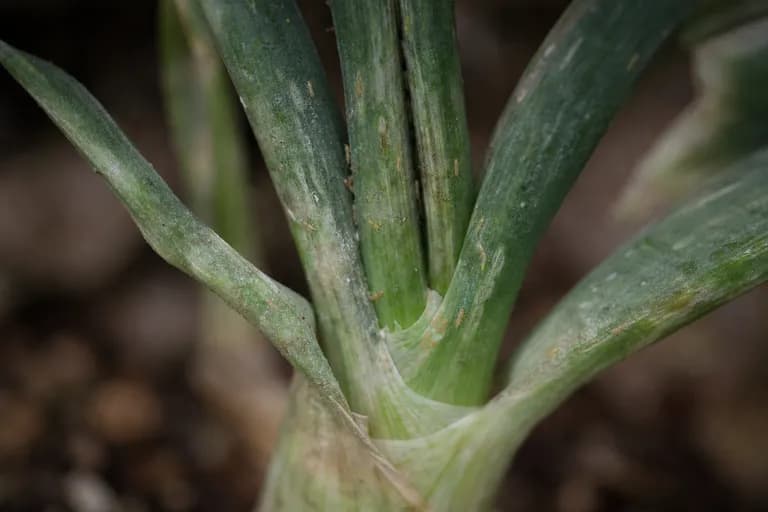
Onion Thrips
PestSilvery-white streaks on leaves, stunted growth, and distorted tops. Severe infestations cause leaves to brown and wither.
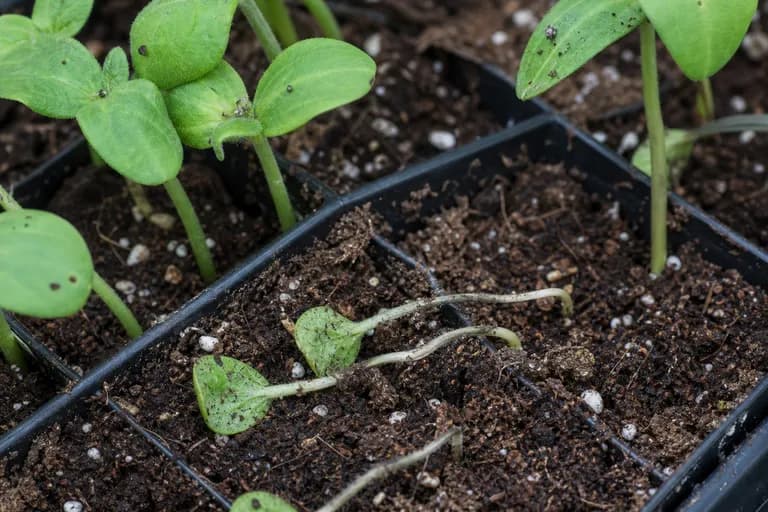
Damping Off
DiseaseYoung seedlings collapse at the soil line, stems becoming thin, water-soaked, and brown. Entire patches of seedlings can be lost quickly.
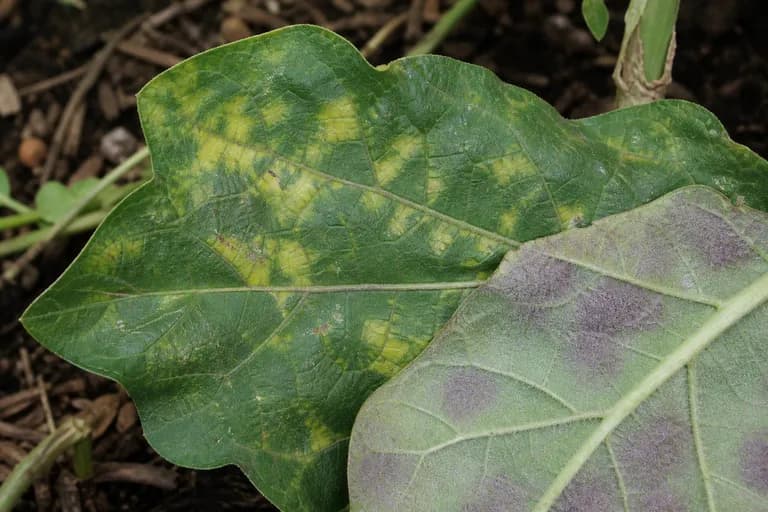
Downy Mildew
DiseasePale green or yellow patches on leaves with grayish-purple fuzzy growth visible on the underside, especially during cool, humid weather.
Troubleshooting Common Problems
Poor color development is the most common complaint, usually caused by warm temperatures, excessive nitrogen, or harvesting too young. Cooler temperatures and adequate maturity produce the deepest red color. Bolting occurs when plants experience temperature fluctuations or are left too long before harvest. Thin, weak plants result from overcrowding or insufficient light. Failure to germinate in hot weather is common as onion seeds prefer cool soil. Floppy tops that fall over indicate overwatering or overly rich soil. Slug damage on young seedlings can be prevented with copper barriers or organic slug pellets.
Growing Tips
- Succession sow every three weeks from early spring through early autumn for an unbroken supply. This is the single most important technique for red spring onions — a one-time sowing gives you a two-week harvest window, but succession sowing delivers scallions for eight months or more.
- Use fresh seed every year without exception. Allium seeds lose viability faster than almost any other vegetable family. Year-old onion seed may germinate at 30-40% instead of the 80-90% you get from fresh seed, leading to thin, patchy rows.
- Sow densely and thin gradually. Scatter seeds 1-2 cm apart and thin to 3-5 cm as plants grow — the thinnings are edible as micro-onions. Dense initial sowing ensures no gaps in the row and the thinning process provides bonus harvests along the way.
- Keep beds meticulously weed-free, especially in the first four weeks. Spring onion seedlings are some of the weakest competitors in the vegetable garden — their thin, upright leaves cannot shade out weeds and their shallow roots cannot outcompete established weed roots for moisture and nutrients.
- Reduce nitrogen fertilizer as plants approach harvest size to intensify the red coloring. Excess nitrogen produces lush green growth but dilutes the anthocyanin pigments that give red spring onions their visual appeal. A potassium-rich feed like liquid kelp or wood ash in the final two weeks enhances color.
- Time your most important sowings for autumn harvest. Red spring onions that mature in cool weather (below 18°C / 65°F) develop dramatically deeper, more saturated crimson coloring than those grown in warm conditions. August and September sowings for October-November harvest produce the most stunning scallions of the year.
- Interplant with carrots for the classic companion planting combination. The scent of alliums deters carrot root fly, while the scent of carrots deters onion fly — the two crops protect each other when grown side by side in alternating rows 15 cm apart.
- For a cut-and-come-again harvest, slice plants 2 cm above soil level instead of pulling them. The remaining base will regrow a lighter but still usable second harvest in 2-3 weeks, effectively doubling your yield from a single sowing.
Grow your best Red Spring Onion yet — and everything around it.
Start a free plan today. Lay out your beds, drop in your Red Spring Onion, and let PlotMyGarden handle the timing, spacing, companions and reminders from seed to harvest basket.
Pick your Red Spring Onion
Deep Purple
An intensely colored red scallion with deep burgundy stalks that hold their color well even when lightly cooked.
Red Beard
A vigorous red spring onion with excellent crimson color extending well up the stalk and a mild, sweet flavor ideal for salads.
Reddy
Compact red spring onion with quick maturity and uniform color development, excellent for container growing and succession sowing.
Lilia
A striking violet-red spring onion from Italy with exceptional sweetness and a longer, more upright growth habit.
Red spring onions at grocery stores and farmers markets typically sell for $2-4 per bunch of 6-8 scallions. A single $3-4 seed packet contains 400-600 seeds, enough to grow 300+ spring onions — the equivalent of 40-50 store-bought bunches worth $80-200 at retail prices. With succession sowing, a 2-meter bed can keep a household supplied with fresh red spring onions for 8-9 months of the year. The savings are even more dramatic compared to organic red spring onions, which command a significant premium at specialty grocers.
Quick recipes
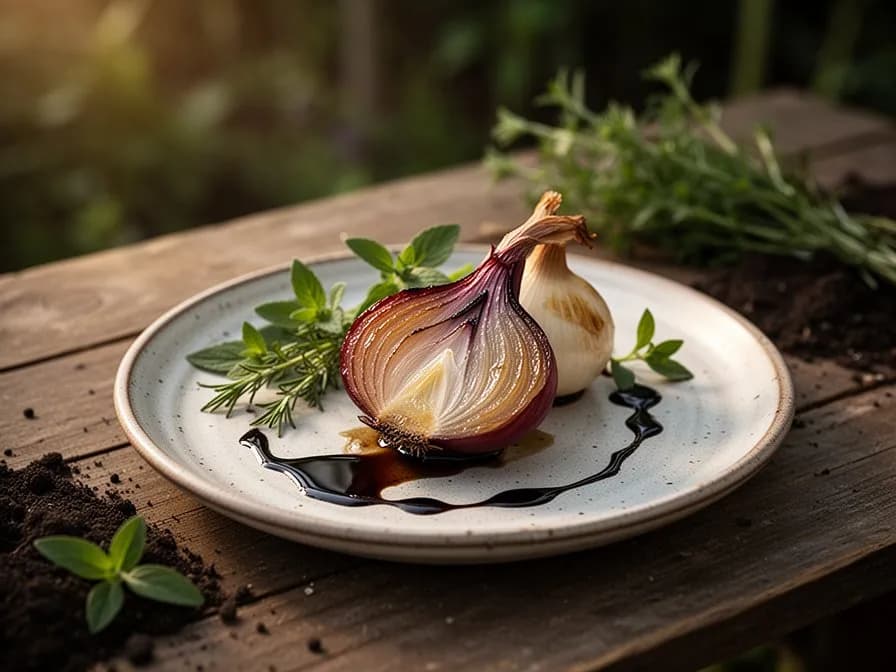
Quick-Pickled Red Spring Onions
10 minA stunning quick pickle where sliced red spring onions turn vivid magenta in a simple rice vinegar brine. The acid brightens the anthocyanin pigments to a spectacular hue while mellowing the raw bite into a sweet, tangy condiment perfect for tacos, grain bowls, and sandwiches.
6 ingredientsGrilled Red Spring Onions with Romesco Sauce
20 minWhole red spring onions grilled until charred and tender, served with a smoky Spanish romesco sauce for dipping. The high heat caramelizes the natural sugars and softens the stems while the charred green tops add a pleasant bitterness — a simplified version of the Catalan calcot tradition.
8 ingredientsRed Spring Onion and Goat Cheese Flatbread
25 minA simple flatbread topped with sliced red spring onions that turn sweet and silky when baked, crumbled tangy goat cheese, and a drizzle of honey. The red onions retain some of their color in the oven and create a beautiful contrast against the white cheese.
8 ingredientsCulinary Uses
Red spring onions are prized for their visual impact in raw preparations. Slice thinly on the bias for vibrant salad garnishes and sushi toppings. Use as a colorful substitute for standard scallions in any recipe. Grill whole until charred and serve with romesco sauce. Float thinly sliced rings on soups and ramen for a pop of color. Toss into stir-fries at the last moment to preserve color and crunch. The mild, sweet flavor pairs beautifully with goat cheese, citrus, and avocado in modern salads.
What's inside
Health Benefits
- Red spring onions contain anthocyanins in their crimson outer layers — the same class of antioxidants found in blueberries and red wine — which have been associated with reduced inflammation, improved cardiovascular health, and enhanced cognitive function in numerous studies.
- Rich in quercetin, a flavonoid concentrated in the red and outer layers that has demonstrated anti-inflammatory, antihistamine, and antiviral properties in laboratory research, and may help reduce allergy symptoms and support respiratory health.
- The organosulfur compounds released when red spring onions are cut or crushed (including allicin) have demonstrated antimicrobial properties and may support cardiovascular health by helping to maintain healthy blood pressure and cholesterol levels.
- Good source of vitamin C in both the green tops and the red base, supporting immune function, collagen synthesis, and enhanced absorption of non-heme iron from plant-based foods — especially beneficial when spring onions garnish iron-rich dishes.
- The green tops are rich in vitamin A as beta-carotene and vitamin K, both essential nutrients often lacking in modern diets — eating the entire spring onion from root to tip provides a broader nutritional profile than consuming only the stem base.
- Contains prebiotic fructans (inulin-type fibers) that feed beneficial Bifidobacteria and Lactobacilli in the gut, supporting digestive health and a balanced microbiome without the high FODMAP load found in mature bulb onions.
Where Red Spring Onion comes from
Spring onions, also known as scallions or green onions, trace their origins to central Asia, with wild Allium species still found growing across a broad arc from western China through Afghanistan, Iran, and into the Caucasus region. The earliest definitive records of spring onion cultivation come from China, where they have been grown for at least 5,000 years and are deeply embedded in the culinary traditions of every regional cuisine. From China, spring onion cultivation spread along ancient trade routes to Korea, Japan, and Southeast Asia, and separately westward through Persia to the Mediterranean world. Ancient Egyptians, Greeks, and Romans all cultivated and prized various forms of alliums including immature onions harvested at the green stage.
Red-stemmed spring onion varieties are a more recent development in the long history of allium breeding. While naturally occurring red-pigmented onion variants have existed for centuries, the deliberate selection and stabilization of red spring onion cultivars accelerated in the late 20th century as plant breeders recognized the market demand for colorful salad vegetables. Varieties such as Deep Purple, Red Beard, and Lilia were developed through traditional selective breeding, crossing red bulb onion genetics with the non-bulbing habit of bunching onion types to produce reliably crimson-stemmed scallions.
Today, red spring onions are grown worldwide by home gardeners and market farmers seeking to add visual drama to their harvests. Commercial production remains modest compared to white and green varieties, concentrated in specialty vegetable operations in Japan, Italy, the United Kingdom, and the western United States. The rise of food photography, farmers markets, and chef-driven cuisine has dramatically increased demand for colorful vegetable varieties, and red spring onions have become a staple of the specialty salad and garnish trade.
Red Spring Onion: did you know?
Fascinating facts about Red Spring Onion
Red spring onions get their crimson color from anthocyanins, the same water-soluble pigments found in red wine, blueberries, and red cabbage. These pigments intensify in cool weather, which is why autumn-harvested red spring onions are often the most vibrantly colored of the entire growing season.
Red Spring Onion questions, answered
When should I plant Red Spring Onion?
What are good companion plants for Red Spring Onion?
What hardiness zones can Red Spring Onion grow in?
How much sun does Red Spring Onion need?
How far apart should I space Red Spring Onion?
What pests and diseases affect Red Spring Onion?
How do I store Red Spring Onion after harvest?
What are the best Red Spring Onion varieties to grow?
What soil does Red Spring Onion need?
Why are my red spring onions not developing good red color?
Can I grow red spring onions in containers?
Why are my spring onions bolting (flowering) instead of staying as scallions?
Do the red spring onion tops lose their color when cooked?
How are red spring onions different from red bulb onions?
When is the best time of year to sow red spring onions?
You just read the theory. Now grow it on autopilot.
Everything that makes Red Spring Onion fiddly — the timing, the spacing, the companions, the harvest window — is exactly what PlotMyGarden handles for you, for every plant in your garden.
A plan that knows your weather
Set your location once. Get sow, feed and harvest dates built around your real last-frost date and live forecast — no more guessing from a generic seed packet.
From the “When to plant” sectionDrag-and-drop bed planner
Design beds on a grid. Every plant snaps to its proper spacing, and you can see your whole season laid out before you spend a cent on seed.
From the “Growing guide” sectionCompanion conflicts, caught early
200+ good-and-bad pairings checked live as you plant — so a season-wrecking mistake never makes it into the ground.
From the “Companions” sectionReminders you'll actually act on
“Water the beans.” “Pick today before it turns.” Timely, specific, and tied to the plants you're really growing.
From the “Harvest” sectionSuccession, scheduled
Want a harvest for six weeks, not six days? It spaces your sowings automatically and reminds you when each new block is due.
From the “When to plant” sectionA record that gets smarter
Every harvest you log teaches it your garden. Next year's plan starts from what actually worked in your soil, not a textbook's.
From the “Overview” sectionPlant these alongside Red Spring Onion
More Alliums
Keep Red Spring Onion away from these
Grow your best Red Spring Onion yet — and everything around it.
Start a free plan today. Lay out your beds, drop in your Red Spring Onion, and let PlotMyGarden handle the timing, spacing, companions and reminders from seed to harvest basket.