Skullcap
A native perennial with small blue hooded flowers used in herbal medicine as a calming nervine for stress and sleep support.





On this pageOverview
Meet Skullcap
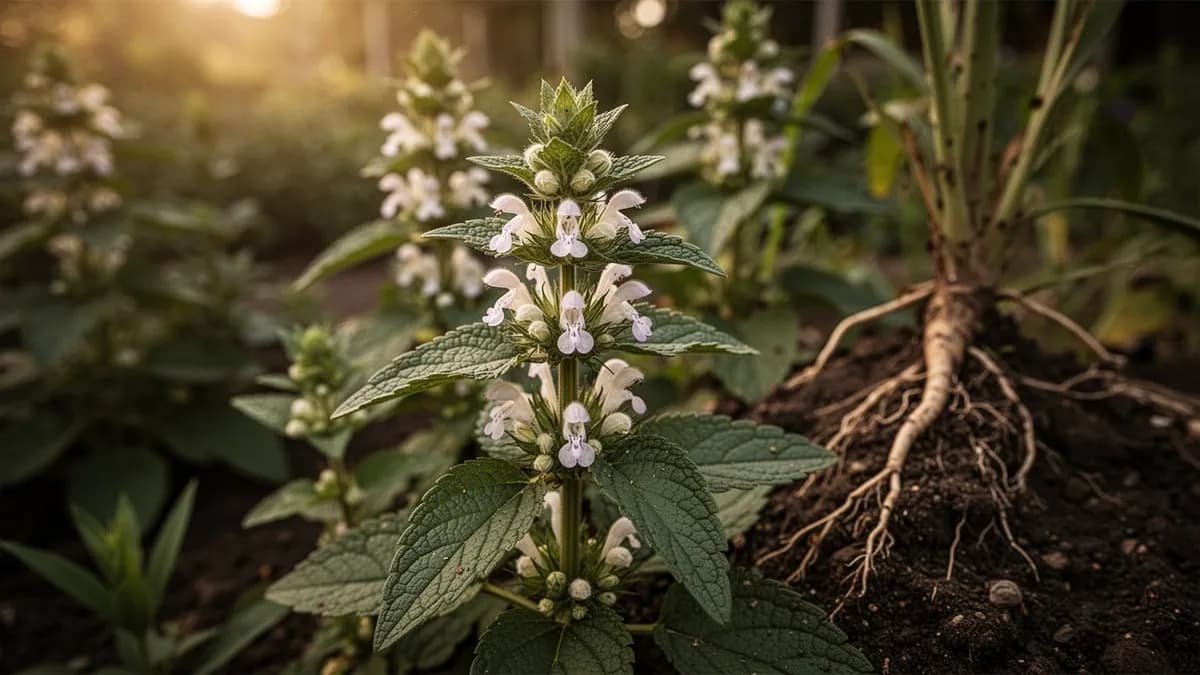
A native perennial with small blue hooded flowers used in herbal medicine as a calming nervine for stress and sleep support. American skullcap grows naturally along stream banks and in moist meadows and is best harvested just as flowers begin to open. Grow in moist soil with partial shade and use fresh in tinctures for the strongest preparations.
When to plant Skullcap
Skullcap seeds require 4-6 weeks of cold moist stratification before sowing. Mix seeds with damp sand and refrigerate at 3-5°C. After stratification, surface-sow on moist seed compost—seeds need light to germinate. Keep at 18-22°C and expect slow, irregular germination over 2-6 weeks. Seedlings are small and delicate; handle carefully when transplanting. Alternatively, divide established plants in spring or take stem cuttings in early summer for faster propagation. First-year plants typically do not flower.
Your Skullcap Year
Composed for Zone 7 · typical seasons · frost passes Apr 2, returns Nov 1
Plant Skullcap Mar – May, pick Jul – Sep. Check the planting methods below and set your climate to personalize these windows.
How to grow Skullcap
American skullcap is a graceful woodland perennial that thrives in the dappled shade and moist soils of its native habitat along stream banks and forest edges. Plant in partial shade with consistently moist, humus-rich soil for best results. Space plants 30cm apart and mulch well to maintain soil moisture and coolness around the roots.
Skullcap grows 30-60cm tall with slender branching stems and pairs of toothed leaves. The small blue-violet hooded flowers appear along one side of the stem from midsummer onward. Water regularly, especially during dry spells, as skullcap does not tolerate prolonged drought. A thick layer of leaf mold or compost mulch helps maintain the consistently moist conditions this herb prefers.
Cut plants back to 10cm in late autumn after frost kills the top growth. Divide established clumps every 3-4 years in spring to maintain vigor. Skullcap is a relatively slow grower in its first year, establishing a strong root system before producing abundant top growth in subsequent seasons. Be patient—the plant rewards long-term cultivation with increasing harvests each year.
32 plants fit a 4 × 8 ft bed
Each Skullcap wants 30 cm of elbow room. The planner keeps that spacing for you — every plant, every bed.
Skullcap's best neighbours
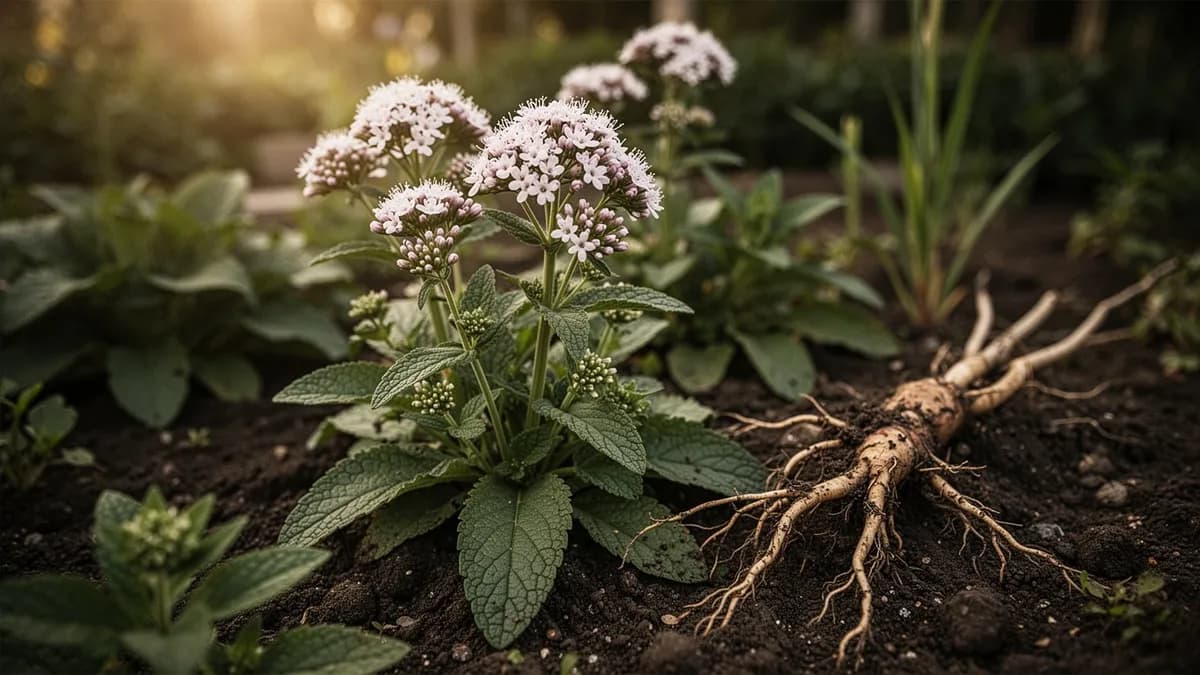
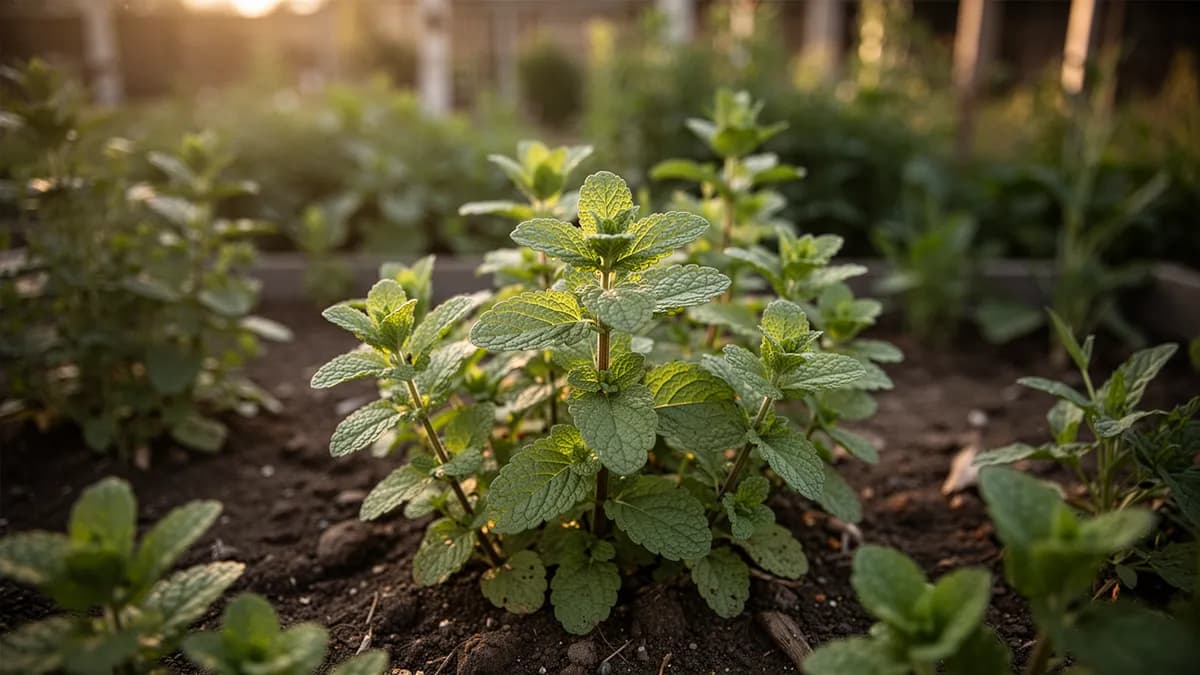
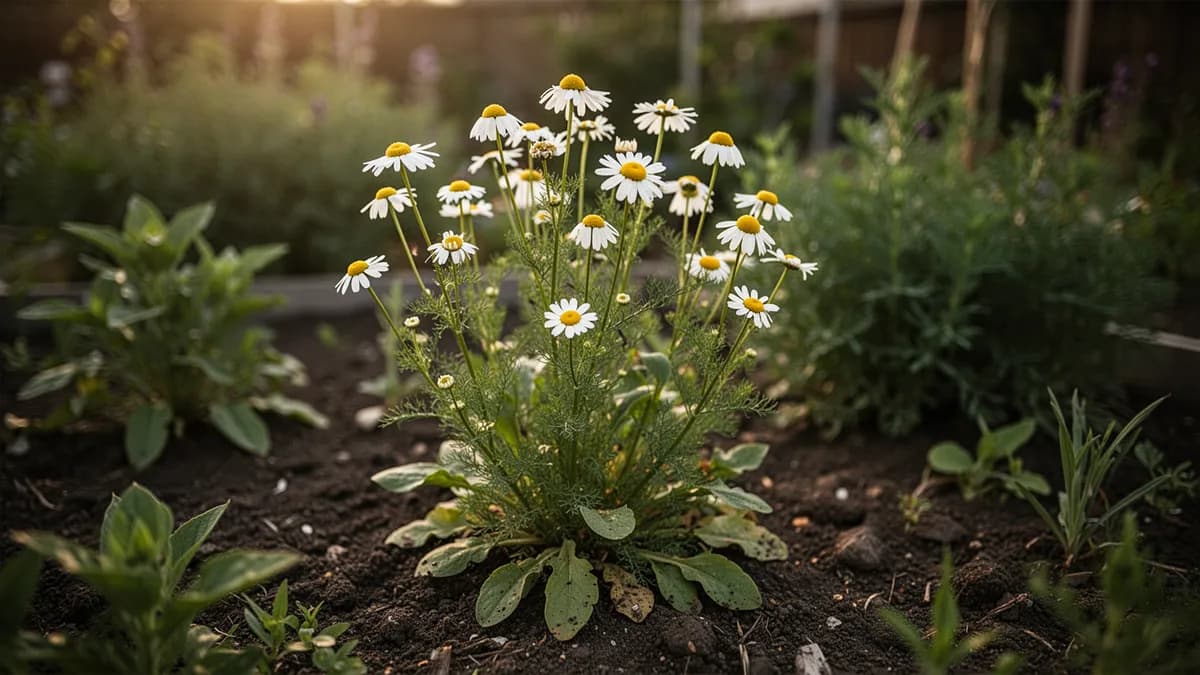
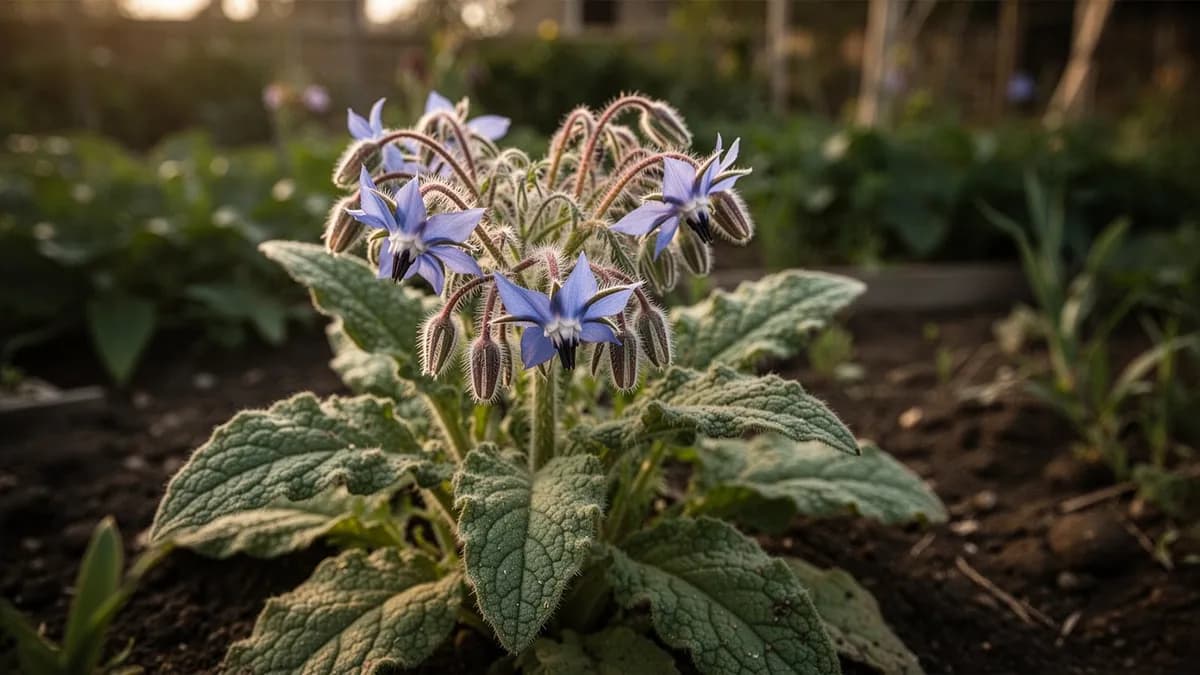
Skullcap grows naturally alongside other moisture-loving herbs like valerian, lemon balm, and meadowsweet. In a medicinal herb garden, plant near other nervine herbs for a dedicated calming garden section. It pairs well with taller plants like elderberry and black cohosh that provide dappled shade. Skullcap also grows well alongside native woodland plants like bloodroot, goldenseal, and blue cohosh in a shade garden setting.
Valerian belongs beside it.
Old growers' knowledge, checked against Skullcap's real companion table below — test any plant you're growing.
Try Skullcap in a bed — right here
A real planner bed with Skullcap already in it. Tap a companion to place it and watch the pairing checks answer — green for good neighbours, red for a clash.


Related growing guides
Feed it well
Skullcap needs consistently moist, humus-rich soil with good drainage—mimicking its native streamside habitat. Ideal pH is 6.0-7.0. Amend heavy clay with compost and perlite for better structure while retaining moisture. A top-dressing of leaf mold or aged compost each spring provides adequate nutrition. Avoid synthetic fertilizers. Maintain a deep organic mulch layer year-round to keep roots cool and soil evenly moist.
Ideal Temperature
Hardiness Zone Compatibility
From seed to harvest, stage by stage
Seed Stratification and Germination
Skullcap seeds require cold stratification for 1-2 weeks at 4°C to break dormancy. After stratification, surface-sow seeds on moist seed-starting mix and press gently without covering, as light is required for germination. Maintain temperatures between 18-22°C and keep the medium consistently moist. Germination is often erratic, taking 7-21 days after stratification.
Seedling Development
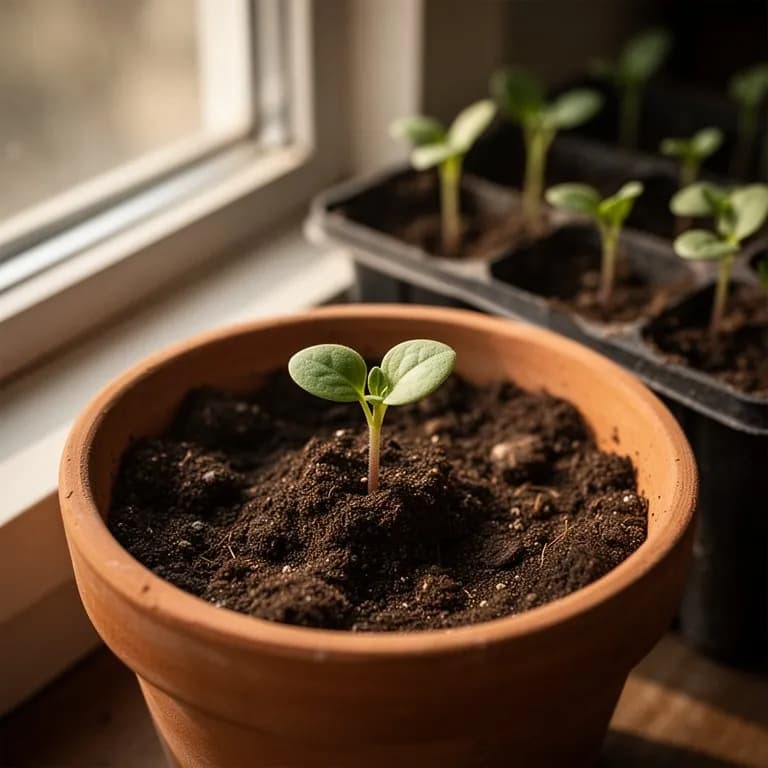
Tiny seedlings develop their first true leaves, which are oval with lightly toothed margins. Growth is slow initially, and seedlings are fragile. Provide bright indirect light or filtered sunlight for 12-14 hours per day. Maintain even moisture without waterlogging.
Vegetative Growth
Plants develop characteristic square stems and pairs of opposite, toothed leaves. The branching habit becomes apparent as the plant fills out. Skullcap spreads gradually via short rhizomes, forming small clumps. Plants reach 30-60 cm in height during this stage.
Bud Formation
Small flower buds begin to develop in the leaf axils along the upper portions of the stems. The buds appear in racemes along one side of the stem, a characteristic feature of Scutellaria lateriflora that distinguishes it from other skullcap species.
Flowering
Blue to violet two-lipped flowers open progressively along the racemes from bottom to top. Each flower is 6-8 mm long with a distinctive helmet-shaped calyx that gives the plant its common name. Flowering typically occurs from July through September and attracts numerous pollinating insects.
Seed Set and Late Season
After pollination, the distinctive cap-shaped calyx closes over the developing nutlets. Each calyx contains four small seeds. The foliage begins to yellow as the plant directs energy to seed maturation and root storage for winter dormancy.
Winter Dormancy
Above-ground growth dies back completely after the first hard frost. The perennial root system and rhizomes remain alive underground, storing energy for the following spring. Skullcap is hardy to USDA zones 3-8, tolerating significant winter cold without protection in most climates.
Use a humidity dome or plastic wrap to maintain moisture while seeds germinate. Mist gently rather than watering heavily to avoid displacing tiny seeds.
Caring for Skullcap month by month
What to do each month for your Skullcap
October
You are hereCollect mature seed heads for spring sowing. Cut remaining stems back to 5-8 cm after foliage yellows and dies back from frost. Apply a fresh layer of organic mulch around the root zone.
Know exactly what to do in your garden — every month
One email at the start of each month: what to sow, plant, and tackle right now — for your Skullcap and everything growing around it. Plus a short starter course that helps you dodge the classic mistakes.
- What to do, right now
- Matched to your season
- Starter course included
Harvesting Skullcap
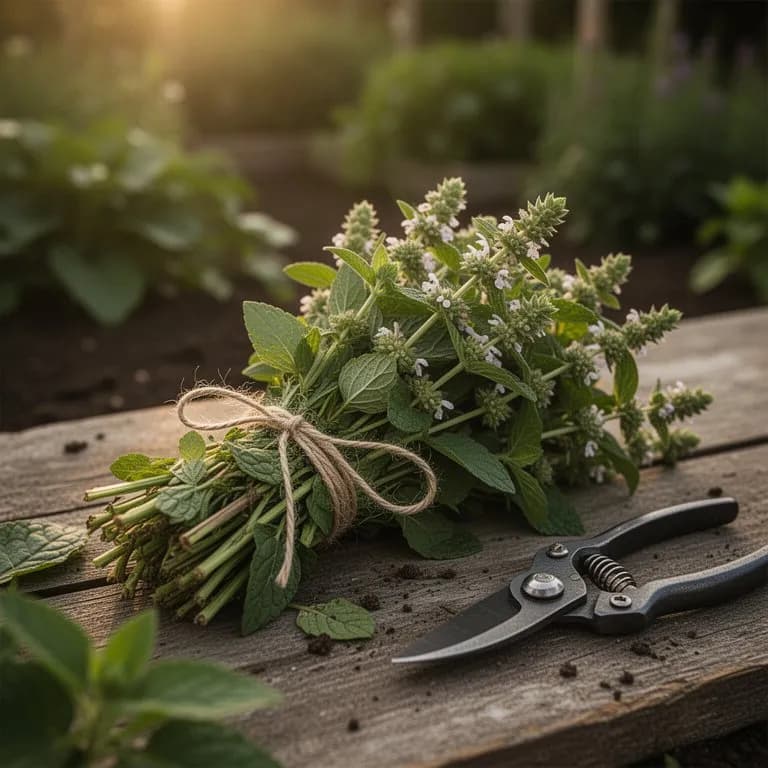
Harvest skullcap when plants are in full flower, typically July through September. Cut stems about two-thirds of the way down, leaving enough foliage for recovery. The aerial parts—leaves, stems, and flowers—are all used medicinally. For tinctures, fresh herb is strongly preferred over dried as many active compounds degrade with drying. Harvest in mid-morning after dew dries. Take no more than one-third of any individual plant to ensure continued vigor.
assuming you plant when the window opens — set your real date
Pick Skullcap promptly and the plant keeps producing.
Storage & Preservation
For the most potent preparations, tincture fresh skullcap immediately after harvest in 50% vodka at a 1:2 ratio (herb to menstruum). If drying, work quickly—spread on screens in a well-ventilated area at room temperature or use a dehydrator at 35°C. Dry within 2-3 days to preserve the blue-green color; browning indicates degraded quality. Store dried herb in airtight glass jars away from light. Use within 6-9 months as potency declines relatively quickly compared to other herbs.
What goes wrong — and the fix
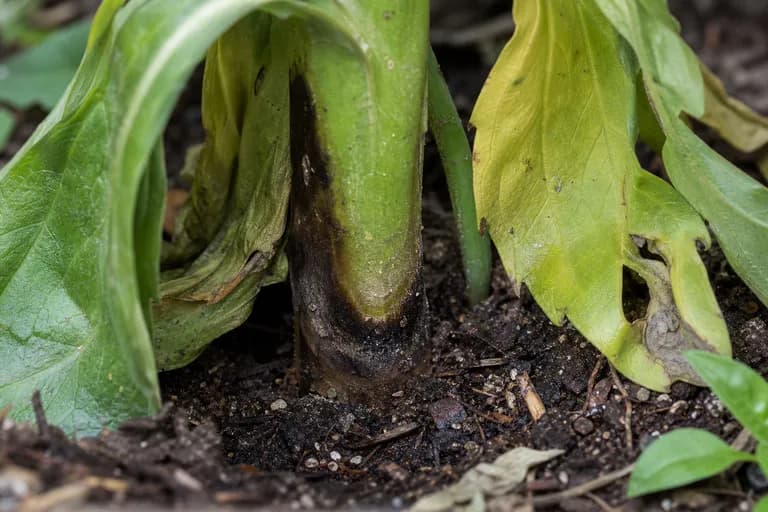
Crown Rot
DiseaseWilting despite adequate moisture, blackened stem bases, mushy crown tissue. Often fatal if not caught early.
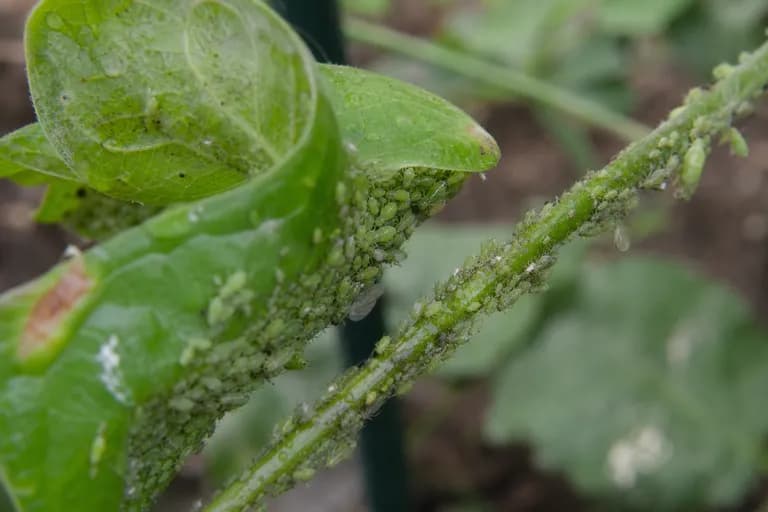
Aphids
PestClusters of small green or black insects on tender shoot tips and flower buds, causing distorted growth.
Troubleshooting Common Problems
Wilting in summer usually indicates insufficient moisture—skullcap is not drought-tolerant and needs consistent watering. Poor growth or yellowing leaves may signal too much sun exposure; move to a shadier location. Slow establishment in the first year is normal. Confusion with other Scutellaria species is common—ensure correct botanical identification. If growing for medicine, buy plants from reputable herb nurseries to guarantee authentic S. lateriflora.
Growing Tips
- Choose a planting site with partial shade and consistently moist, humus-rich soil. Skullcap naturally grows along streambanks and woodland edges, and it performs best when these conditions are replicated in the garden.
- Cold stratify seeds before sowing by placing them in a damp paper towel inside a sealed plastic bag in the refrigerator for 7-14 days. This mimics the natural winter dormancy period and dramatically improves germination rates.
- Surface-sow seeds without covering them, as skullcap requires light to germinate. Press seeds gently into the surface of moist seed-starting mix and keep consistently moist until germination occurs in 7-21 days.
- Maintain even soil moisture throughout the growing season. Unlike drought-tolerant Mediterranean herbs, skullcap evolved in wetland margins and will wilt, scorch, and produce fewer flowers if allowed to dry out repeatedly.
- Mulch generously with 5-7 cm of organic material such as shredded leaves, aged bark, or compost to conserve soil moisture, suppress weeds, and mimic the natural leaf litter layer of its woodland habitat.
- Divide established clumps every 3-4 years in early spring just as new shoots emerge. This rejuvenates the plant, increases your stock, and prevents the center of older clumps from becoming woody and unproductive.
- Harvest aerial parts during peak bloom by cutting stems to 10-15 cm above the ground. Avoid cutting more than two-thirds of any clump at once, leaving sufficient foliage for the plant to photosynthesize and recover.
- Dry harvested stems by hanging small bundles upside down in a warm, well-ventilated area away from direct sunlight. Properly dried skullcap should retain its green color and have a mild, hay-like aroma.
- Avoid over-fertilizing skullcap. A single annual side-dressing of compost in spring provides all the nutrients needed. Excessive nitrogen produces lush foliage with reduced concentrations of beneficial flavonoids.
- Be aware that skullcap can be confused with germander (Teucrium) when not in flower. Always verify plant identity by the distinctive cap-shaped calyx during flowering before using any harvested material.
Grow your best Skullcap yet — and everything around it.
Start a free plan today. Lay out your beds, drop in your Skullcap, and let PlotMyGarden handle the timing, spacing, companions and reminders from seed to harvest basket.
Pick your Skullcap
Scutellaria lateriflora
American skullcap, the primary species used in Western herbalism. Native to North America with small blue flowers and strong nervine properties.
Scutellaria baicalensis
Baikal or Chinese skullcap, used in Traditional Chinese Medicine primarily for its root. Different medicinal profile focused on anti-inflammatory actions.
Scutellaria galericulata
Common European skullcap found in marshy areas. Similar appearance to American skullcap but less commonly used in herbal medicine.
A packet of skullcap seeds costs $3-5 and yields dozens of plants, while a single nursery transplant runs $5-9. Dried skullcap herb retails for $12-25 per ounce in specialty herb shops, and commercial tinctures cost $10-18 per bottle. A single mature clump produces 2-4 ounces of dried herb per season across multiple harvests. Over its 10-15 year lifespan, one clump can save you $200-500 on dried herb and tincture purchases. Because skullcap spreads gently via rhizomes and self-seeds readily, your initial planting naturally expands into a productive colony at no additional cost.
Quick recipes
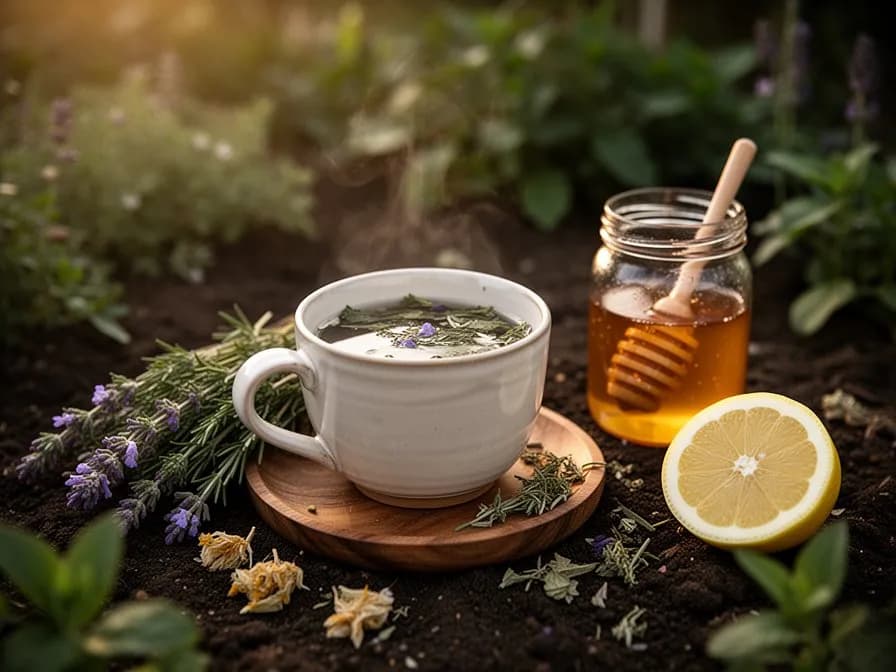
Classic Skullcap Calming Tea
10 minutesA time-honored herbal infusion that has been used in American herbalism for over 200 years to promote relaxation. The mild, slightly bitter flavor of skullcap pairs well with honey and lemon. Best enjoyed in the evening as part of a calming bedtime routine.
5 ingredientsSkullcap and Passionflower Evening Blend
15 minutesA synergistic herbal tea blend combining two of North America's most valued calming herbs. The gentle bitterness of skullcap balances with the mild, grassy sweetness of passionflower for a deeply soothing evening beverage. This combination has been popular in herbal practice since the 19th century.
6 ingredientsSkullcap Herb-Infused Honey
10 minutes + 2 weeks infusionA simple folk preparation that captures the beneficial compounds of fresh skullcap in raw honey over a slow two-week infusion period. The finished honey can be stirred into tea, drizzled over yogurt, or taken by the spoonful as a traditional herbal remedy. Use freshly harvested flowering tops for the best results.
5 ingredientsWhat's inside
Health Benefits
- Skullcap contains the flavonoid baicalin, which has been studied for its ability to bind to GABA-A receptors in the brain, potentially supporting relaxation and reducing feelings of nervousness and tension.
- Clinical research has shown that skullcap extract may help support healthy sleep patterns when consumed as a tea or supplement in the evening, without causing the grogginess associated with some conventional sleep aids.
- The antioxidant flavonoids in skullcap, including scutellarein and wogonin, have demonstrated anti-inflammatory properties in laboratory studies, suggesting potential benefits for reducing oxidative stress.
- Traditional herbalists have used skullcap for centuries to ease nervous headaches and tension-related muscle tightness, particularly in the neck and shoulders.
- Skullcap tea has been used as a mild digestive aid in folk medicine, with herbalists recommending it to soothe occasional stomach discomfort associated with nervous tension and stress.
- Preliminary research suggests that the flavonoids in Scutellaria lateriflora may support neuroprotective processes, with ongoing studies investigating their potential role in maintaining healthy cognitive function over time.
Where Skullcap comes from
American skullcap (Scutellaria lateriflora) is native to the wetlands, meadows, and streambanks of North America, with a natural range extending from southern Canada through most of the United States. It thrives in moist, rich soils along riverbanks, in damp woodlands, and at the edges of marshes and ponds, typically found at elevations from sea level to around 1,500 meters. Indigenous peoples of North America were the first to recognize the medicinal properties of this unassuming plant. The Cherokee used it as a ceremonial herb and to promote relaxation, while the Iroquois employed it to support women's health and ease transitions. European colonists quickly adopted skullcap from Native American traditions, and by the late 18th century it had become one of the most important herbs in the American materia medica. In the early 1800s, Dr. Lawrence Van Derveer popularized skullcap as a treatment for nervous conditions, and it became widely known as a premier nerve tonic throughout the 19th century. The Eclectic physicians, a school of American herbalists active from the 1830s to the 1930s, considered skullcap indispensable for their practice and prescribed it extensively for sleeplessness, nervous tension, and restlessness. The herb earned the colorful folk name 'mad dog weed' during the 1770s when it was promoted as a cure for rabies by a physician named Dr. Lawrence Van Derveer, though this claim was never substantiated. By the early 20th century, skullcap had crossed the Atlantic and was being cultivated in European herb gardens, where it was embraced by British and continental herbalists. Modern scientific interest in skullcap has focused on its rich flavonoid content, particularly baicalin, scutellarein, and wogonin, which have demonstrated notable bioactive properties in laboratory studies. Today, Scutellaria lateriflora remains one of the most widely used calming herbs in Western herbalism and is commercially cultivated across North America and Europe for the herbal supplement industry.
Skullcap: did you know?
Fascinating facts about Skullcap
The name 'skullcap' comes from the shape of the calyx, which has a small cap-like projection on the upper side that resembles a medieval leather helmet or skullcap worn by soldiers.
Skullcap questions, answered
When should I plant Skullcap?
What are good companion plants for Skullcap?
What hardiness zones can Skullcap grow in?
How much sun does Skullcap need?
How far apart should I space Skullcap?
What pests and diseases affect Skullcap?
How do I store Skullcap after harvest?
What are the best Skullcap varieties to grow?
What soil does Skullcap need?
Is American skullcap safe to use as an herbal tea?
How do I tell American skullcap apart from other similar plants?
Can I grow skullcap in full sun or does it need shade?
How long does it take for skullcap to establish and produce a harvestable crop?
Will skullcap spread aggressively in my garden?
What pests and diseases affect skullcap?
You just read the theory. Now grow it on autopilot.
Everything that makes Skullcap fiddly — the timing, the spacing, the companions, the harvest window — is exactly what PlotMyGarden handles for you, for every plant in your garden.
A plan that knows your weather
Set your location once. Get sow, feed and harvest dates built around your real last-frost date and live forecast — no more guessing from a generic seed packet.
From the “When to plant” sectionDrag-and-drop bed planner
Design beds on a grid. Every plant snaps to its proper spacing, and you can see your whole season laid out before you spend a cent on seed.
From the “Growing guide” sectionCompanion conflicts, caught early
200+ good-and-bad pairings checked live as you plant — so a season-wrecking mistake never makes it into the ground.
From the “Companions” sectionReminders you'll actually act on
“Water the beans.” “Pick today before it turns.” Timely, specific, and tied to the plants you're really growing.
From the “Harvest” sectionSuccession, scheduled
Want a harvest for six weeks, not six days? It spaces your sowings automatically and reminds you when each new block is due.
From the “When to plant” sectionA record that gets smarter
Every harvest you log teaches it your garden. Next year's plan starts from what actually worked in your soil, not a textbook's.
From the “Overview” sectionPlant these alongside Skullcap
More Medicinal Herbs
Garden plans featuring Skullcap
Grow your best Skullcap yet — and everything around it.
Start a free plan today. Lay out your beds, drop in your Skullcap, and let PlotMyGarden handle the timing, spacing, companions and reminders from seed to harvest basket.