Sapote negra
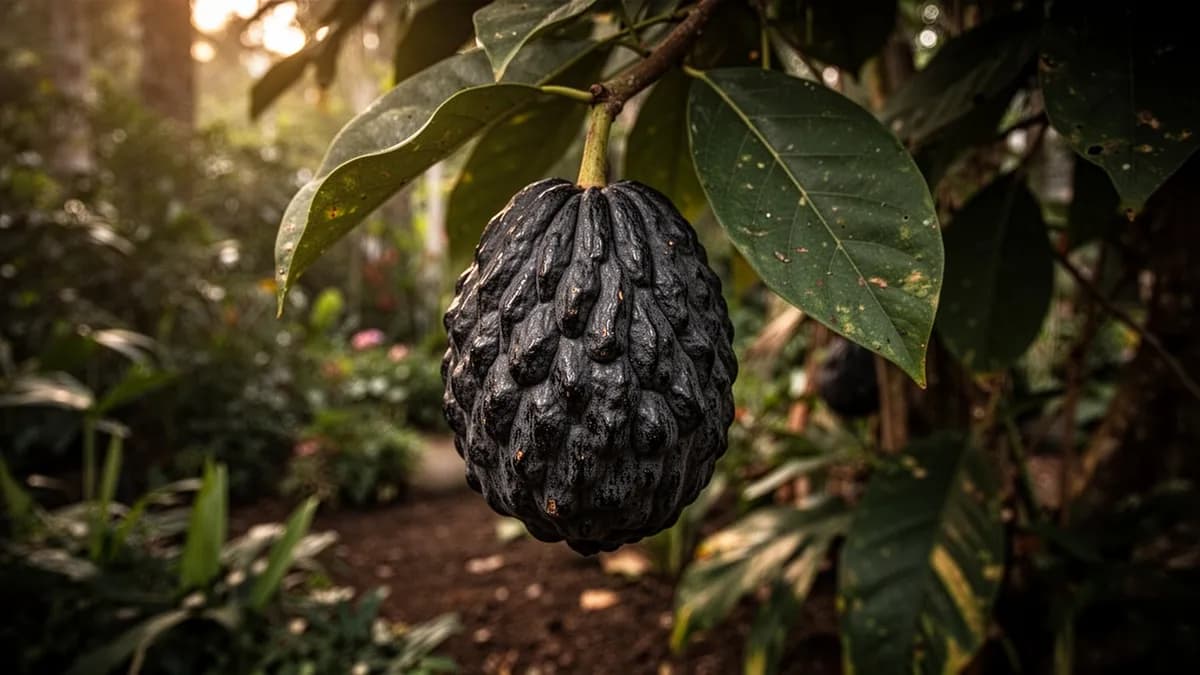
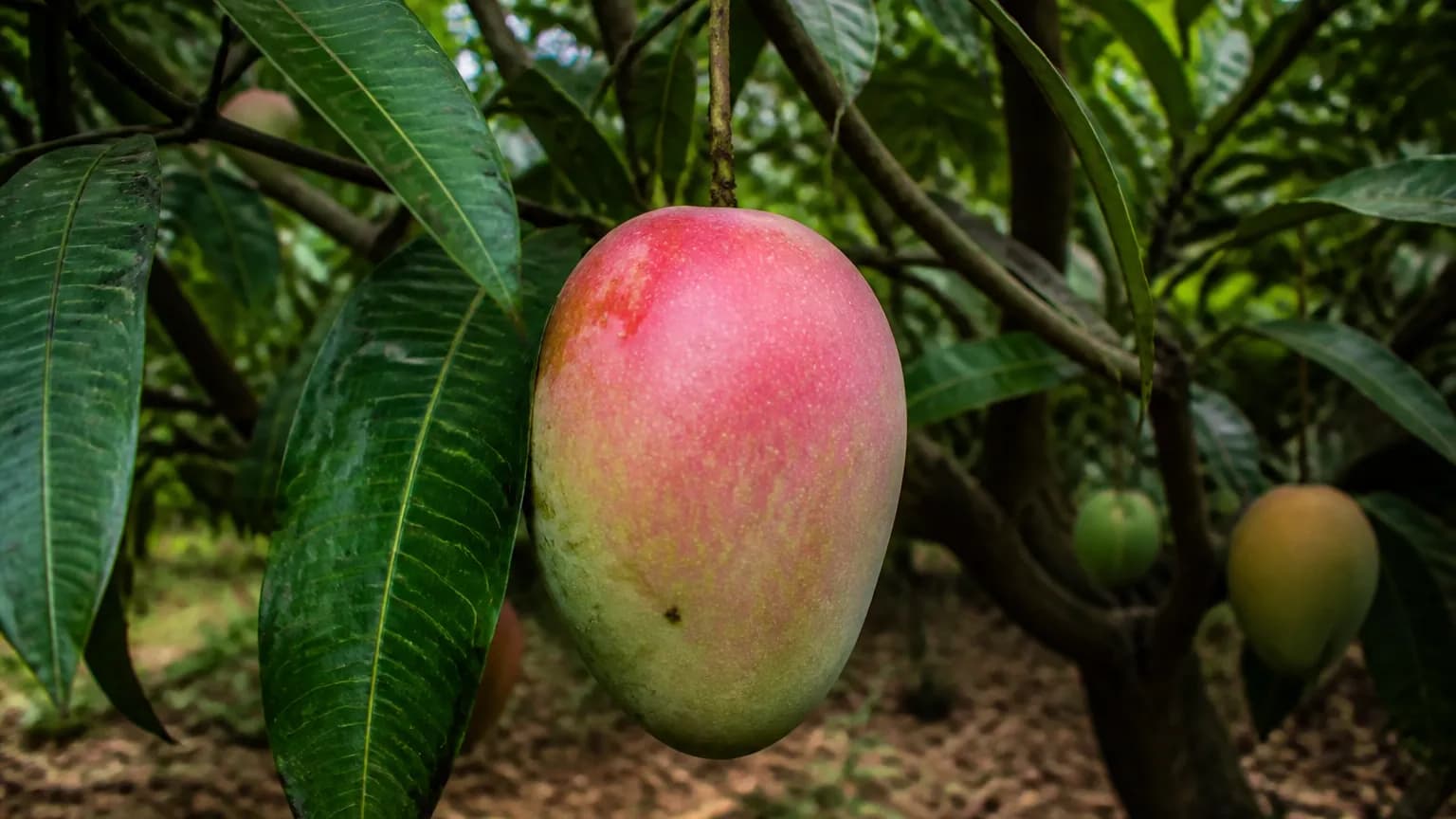
Conocida como la fruta de pudin de chocolate, esta pariente tropical del caqui produce frutos de piel verde y pulpa marrón oscura, con sabor a chocolate, cuando están completamente maduros.





En esta páginaResumen
Conoce Sapote negra
Conocida como la fruta de pudin de chocolate, esta pariente tropical del caqui produce frutos de piel verde y pulpa marrón oscura, con sabor a chocolate, cuando están completamente maduros. La sapote negra es estrictamente tropical y no tolera nada de heladas. Los frutos inmaduros son astringentes e incomibles; hace falta paciencia para dejar que se ablanden por completo antes de disfrutarlos.
Cuándo plantar Sapote negra
La sapote negra se cultiva fácilmente a partir de semilla fresca, que germina en tres a seis semanas cuando se siembra en sustrato húmedo a 25 a 30 grados Celsius. Las semillas deben plantarse en los pocos días siguientes a la extracción del fruto maduro, ya que la viabilidad cae rápidamente al secarse. Los árboles de semilla son variables en calidad y tardan en producir, necesitando de cuatro a seis años. Se recomiendan encarecidamente los árboles injertados de cultivares con nombre, ya que fructifican antes y producen frutos de calidad alta y constante. El injerto de hendidura o el injerto por aproximación sobre patrón de semilla son los métodos de propagación estándar. El acodo aéreo también funciona bien en ramas maduras seleccionadas.
Tu año de Sapote negra
Ajustado a Zona 7 · temporada típica · la helada se va hacia el 2 abr y vuelve hacia el 1 nov
Planta Sapote negra Abr – Jun y cosecha Ene, Oct – Dic. Consulta los métodos de plantación y elige tu clima para adaptar los periodos.
Cómo cultivar Sapote negra
La sapote negra es un árbol tropical perenne de la familia del caqui que en estado silvestre puede alcanzar 25 metros, aunque en cultivo suele mantenerse entre 6 y 10 metros mediante podas regulares. El árbol necesita un clima tropical estrictamente libre de heladas, ya que incluso una breve exposición a temperaturas inferiores a 0 grados Celsius puede causar daños graves o la muerte. Plántelo a pleno sol y protegido de los vientos fuertes, dejando una separación de 5 a 8 metros entre árboles en un suelo profundo y bien drenado. También puede cultivarse en contenedores grandes en climas más frescos, trasladando el árbol al interior durante el invierno.
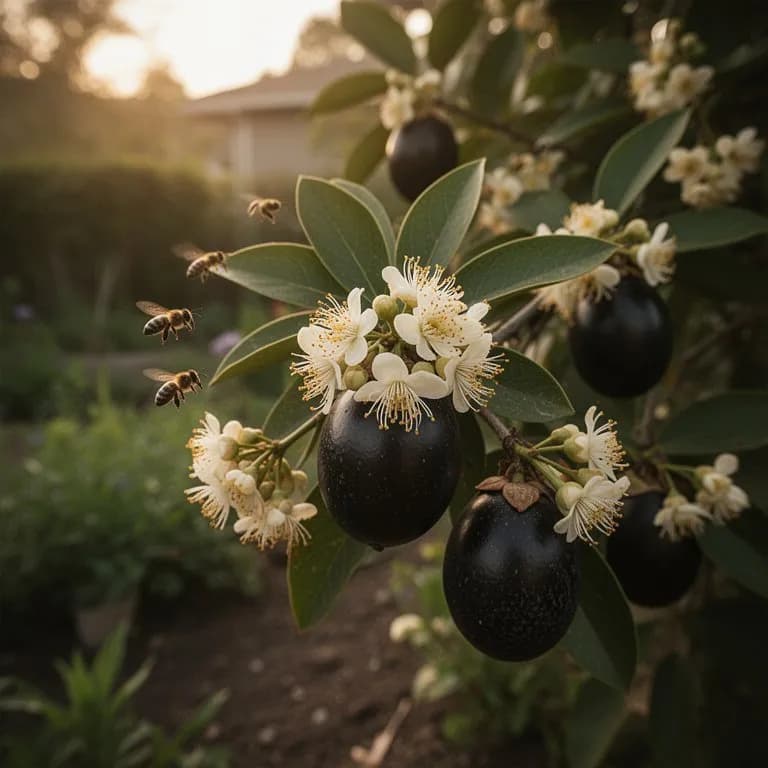
El árbol presenta una copa atractiva y densa, con hojas brillantes de color verde oscuro, y produce pequeñas flores blancas directamente sobre las ramas. La sapote negra es dioica, o a veces monoica, lo que significa que algunos árboles pueden necesitar un polinizador para producir frutos. Plante al menos dos árboles de semilla o una variedad injertada conocida por ser autofértil para asegurar un cuajado fiable. La polinización la realizan pequeños insectos y el viento.
Riegue con regularidad durante la temporada de crecimiento, especialmente durante la floración y el desarrollo de los frutos, aportando un riego profundo semanal si no llueve. El árbol tolera moderadamente la sequía una vez establecido, pero produce frutos mucho mejores con humedad constante. Pode los árboles jóvenes para desarrollar un líder central fuerte con ramas estructurales bien espaciadas. Los árboles maduros necesitan una poda mínima, más allá de eliminar madera muerta y mantener una altura manejable para la cosecha. Los árboles empezarán a dar fruto entre cuatro y seis años después de plantarlos desde semilla, o entre dos y tres años en el caso de ejemplares injertados.
Para Sapote negra un bancal de 120 × 240 cm se queda corto
Cada Sapote negra pide 500 cm de margen. El planificador guarda ese marco por ti — cada planta, cada bancal.
Guías de cultivo relacionadas
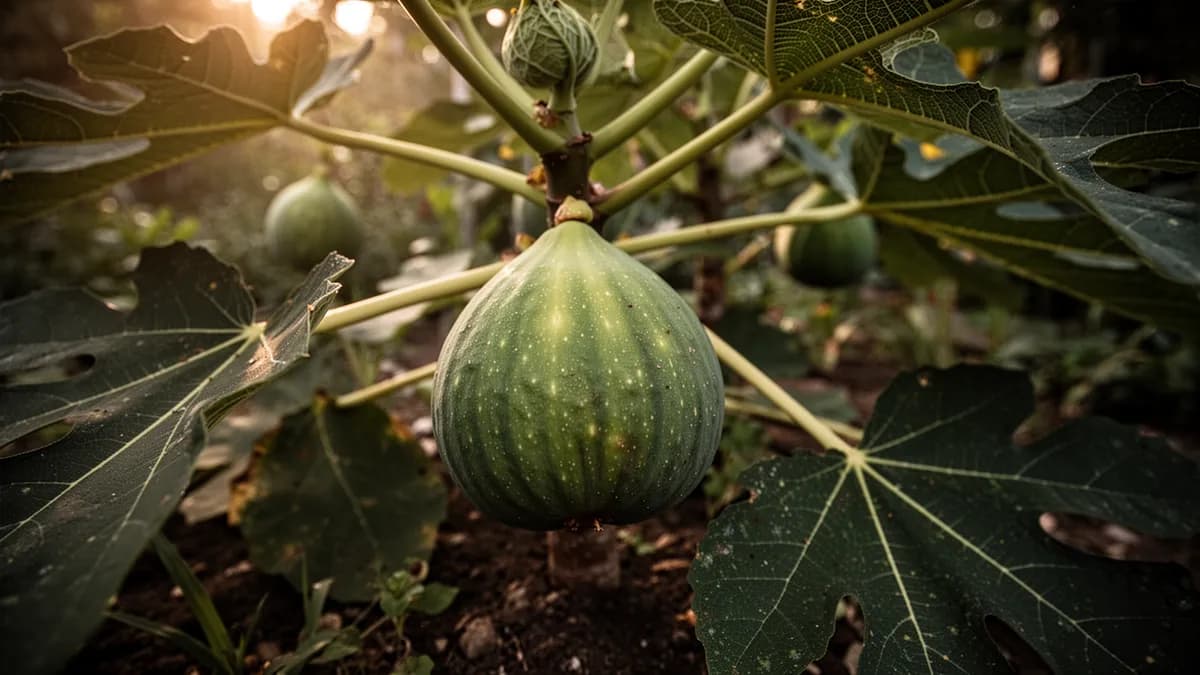
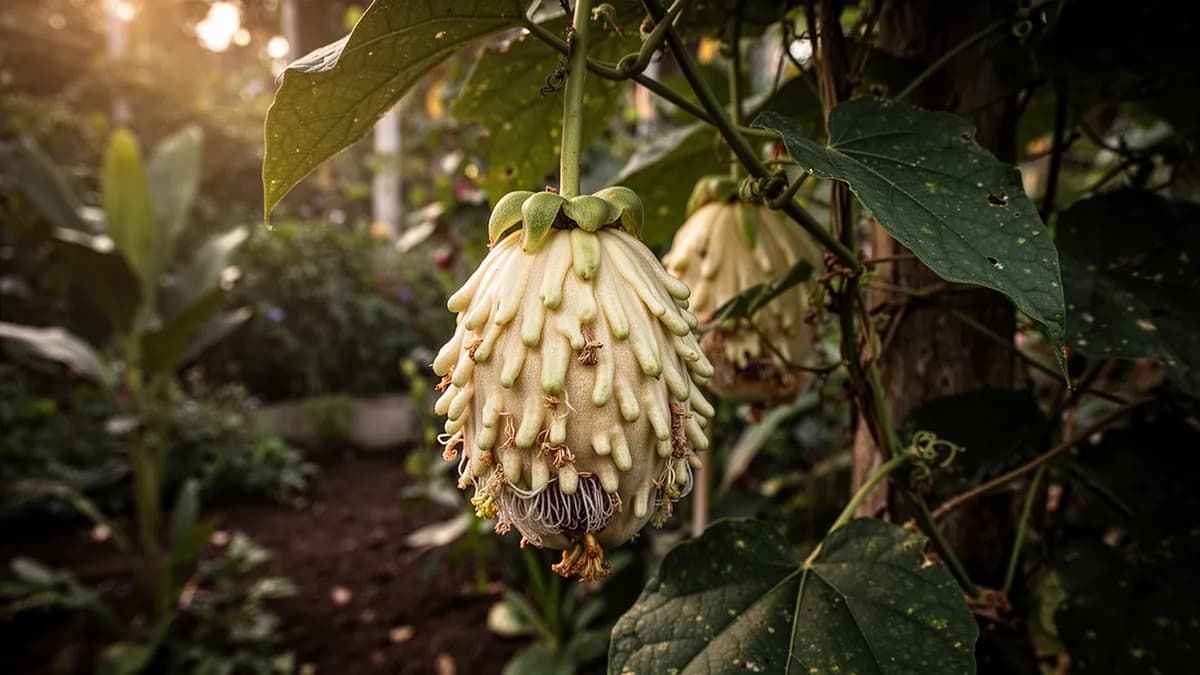
Abónalo bien
La sapote negra prefiere un suelo profundo, rico y bien drenado, con un pH de 5.5 a 7.0. El árbol tolera una gama de suelos, incluidos arenosos, francos e incluso basados en caliza, siempre que el drenaje sea adecuado. Aplique un fertilizante equilibrado para frutales tropicales cuatro veces al año durante la temporada de crecimiento. Los árboles jóvenes se benefician de más nitrógeno para establecer la copa, mientras que los árboles en producción necesitan más potasio y fósforo para apoyar el desarrollo de los frutos. Aplique una capa generosa de acolchado orgánico en la zona radicular y use pulverizaciones foliares de micronutrientes si aparecen síntomas de carencia.
Temperatura ideal
Compatibilidad de zonas de rusticidad
De la semilla a la cosecha, etapa por etapa
Germinación de la semilla y emergencia de la plántula
Las semillas de sapote negra se extraen de frutos maduros, se limpian y se plantan frescas para obtener la mejor viabilidad. La germinación es lenta e irregular y suele tardar de 3 a 6 semanas en condiciones cálidas y húmedas. Las semillas deben sembrarse a unos 2 cm de profundidad en una mezcla de inicio bien drenada, mantenida constantemente cálida a 25-30°C. Las plántulas emergen con un par de cotiledones brillantes, seguidos de las primeras hojas verdaderas, que son estrechas y lanceoladas.
Crecimiento vegetativo juvenil
Los jóvenes árboles de sapote negra crecen lentamente durante sus dos primeros años, desarrollando un líder único y recto y un sistema radicular progresivamente más amplio. Las hojas oblongas, brillantes y verde oscuro alcanzan entre 10 y 25 cm. Durante esta etapa el árbol construye la estructura que sostendrá durante décadas. El crecimiento se concentra en brotes durante la estación cálida y húmeda, con periodos de descanso entre ellos.
Desarrollo de copa antes de la producción
Entre los dos y los cinco años, la sapote negra desarrolla una copa densa y redondeada y empieza a formar las ramas estructurales leñosas que darán fruto. El árbol puede alcanzar entre 2 y 4 metros de altura durante este periodo. La corteza se engrosa y el diámetro del tronco aumenta de forma notable. Los árboles procedentes de semilla suelen no florecer hasta el quinto año o más tarde, mientras que los injertados pueden empezar ya en el tercer año.
Primera floración y cuajado
Los árboles maduros de sapote negra producen pequeñas flores blancas tubulares en las axilas de las hojas, que suelen aparecer en primavera y comienzos del verano. Diospyros nigra es principalmente dioico, lo que significa que las flores masculinas y femeninas suelen aparecer en árboles separados, aunque algunos cultivares son autofértiles o parcialmente autofértiles. La polinización la realizan insectos. Tras una polinización exitosa, pequeños frutos verdes comienzan a desarrollarse y se expanden durante los siguientes cuatro a seis meses.
Desarrollo y maduración del fruto
El fruto de la sapote negra tarda aproximadamente de 4 a 6 meses en madurar tras la polinización. La fruta crece hasta 5-12 cm de diámetro y permanece dura y de color verde brillante en el árbol. Se cosecha cuando la piel adquiere un verde oliva apagado y el cáliz se afloja ligeramente. Después debe madurar fuera del árbol a temperatura ambiente durante 3 a 14 días, hasta que la piel se oscurezca, se arrugue un poco y la pulpa alcance una consistencia similar a la de una natilla de chocolate.
Producción madura y cosecha continua
Una vez establecido, un árbol maduro de sapote negra puede producir fruta todos los años durante décadas. Los árboles en condiciones tropicales ideales pueden dar dos cosechas al año, con la principal a finales de otoño e invierno y una segunda cosecha más pequeña en primavera. Un árbol bien mantenido de 8 a 10 años puede producir entre 200 y 500 frutos por temporada. El árbol sigue creciendo lentamente y, si no se poda, puede alcanzar alturas de 8 a 15 metros.
Use solo semillas frescas, ya que la viabilidad cae con rapidez tras unas semanas de secado. Mantenga el medio de cultivo uniformemente húmedo pero no encharcado. Coloque las bandejas de semillero en un lugar cálido y luminoso con luz indirecta. Una esterilla térmica ajustada a 28°C puede mejorar mucho la velocidad y el porcentaje de germinación.
Cuidar Sapote negra mes a mes
Qué hacer cada mes para tu Sapote negra
Octubre
Mes actualLa temporada principal de cosecha comienza en muchas regiones tropicales y subtropicales. Coseche la fruta cuando el cáliz se afloje y el color de la piel se vuelva verde oliva apagado. Manipule la fruta con cuidado para evitar magulladuras. Madure la fruta cosechada en el interior a temperatura ambiente, lejos de la luz solar directa.
Ten claro qué hacer en tu huerto, cada mes
Un correo al empezar cada mes: qué sembrar, plantar y hacer ahora mismo — para tu Sapote negra y todo lo que crece alrededor. Más un breve curso inicial para esquivar los errores clásicos.
- Qué hacer ahora mismo
- Ajustado a tu temporada
- Curso inicial incluido
Cosechar Sapote negra
Los frutos de la sapote negra requieren una paciencia excepcional, porque deben dejarse madurar por completo fuera del árbol para desarrollar su textura y sabor característicos de pudin de chocolate. Coseche cuando la piel verde brillante se vuelva verde oliva apagado y el fruto ceda al presionarlo suavemente. La fruta debe sentirse pesada para su tamaño. Después de recogerla, déjela madurar a temperatura ambiente durante tres a siete días, hasta que la piel parezca casi a punto de abrirse y la pulpa del interior se haya vuelto completamente marrón oscura y blanda. La fruta inmadura es extremadamente astringente y completamente incomible. Un árbol maduro puede producir entre 200 y 500 frutos por temporada.
se supone que plantas al comenzar el periodo — indica tu fecha real
Cosecha Sapote negra a tiempo y la planta sigue produciendo.
Almacenamiento y conservación
La sapote negra inmadura puede guardarse a temperatura ambiente durante una o dos semanas mientras termina de madurar. Una vez plenamente madura, la fruta solo se conserva dos o tres días antes de pasarse. La pulpa madura puede sacarse con una cuchara y congelarse de inmediato, conservando su sabor a chocolate hasta seis meses. La pulpa congelada es una base excelente para postres saludables con sabor a chocolate. La pulpa de sapote negra puede deshidratarse para obtener cuero de fruta con un sabor sorprendentemente parecido al chocolate. La pulpa también se conserva bien mezclada con cacao y azúcar como un untable o mermelada con sabor a chocolate.
Qué falla — y cómo solucionarlo
Mosca de la fruta
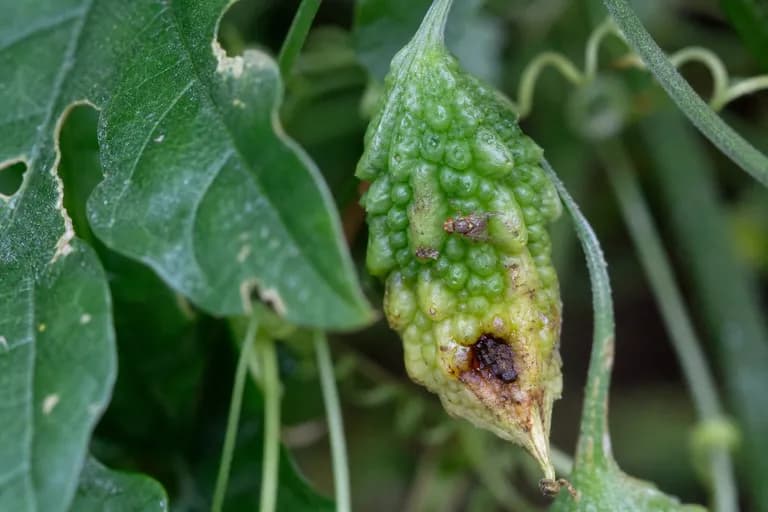
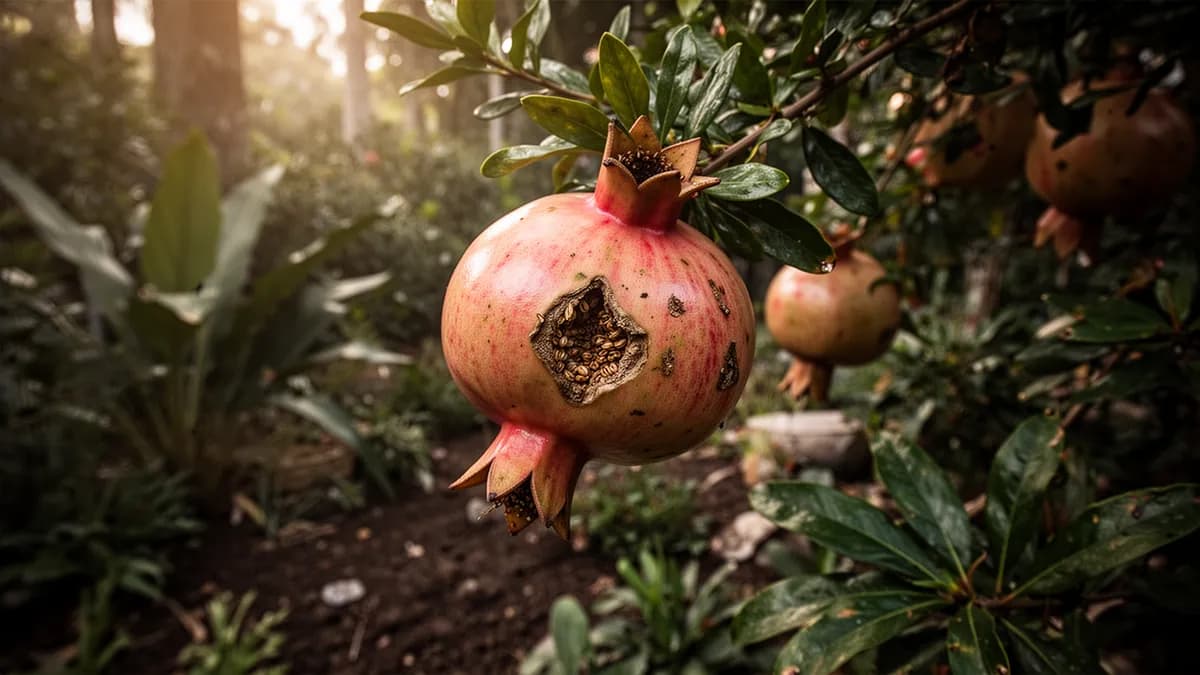
PlagaPequeñas heridas de punción en la superficie del fruto donde las moscas ponen sus huevos. Las larvas se abren paso por la pulpa, causando pudrición interna y caída prematura del fruto.
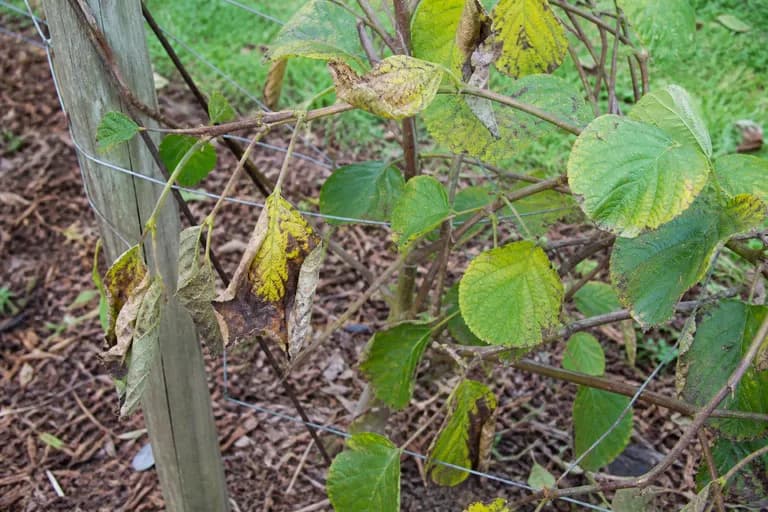
Podredumbre de la raíz (Phytophthora)
EnfermedadAmarilleo y marchitez de las hojas, declive lento del árbol y decoloración oscura de la corteza a la altura del suelo. Las raíces aparecen empapadas y marrones.
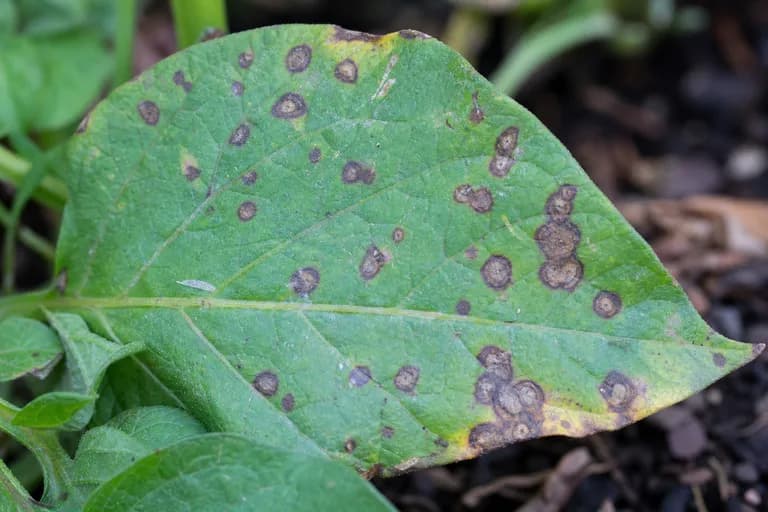
Mancha foliar
EnfermedadManchas circulares marrones o grises en las hojas, a veces con halos amarillos. La infección fuerte provoca caída prematura de hojas y debilita el árbol.
Solución de problemas comunes
La frustración más común con la sapote negra es la naturaleza astringente y completamente incomible de la fruta inmadura, que lleva a muchos principiantes a cosechar demasiado pronto y declarar que la fruta es terrible. El largo periodo de maduración fuera del árbol exige paciencia y experiencia para juzgarlo bien. La infestación por mosca de la fruta es un problema importante en muchas regiones tropicales y reduce notablemente la cosecha limpia. El gran tamaño del árbol dificulta la recolección sin escaleras o pértigas, y los árboles sin poda superan pronto alturas manejables. En climas marginales, incluso una helada ligera puede dañar el follaje e impedir la fructificación de la temporada siguiente.
Consejos de cultivo
- Plante la sapote negra en un lugar que reciba pleno sol al menos 6 a 8 horas al día, ya que una luz insuficiente reduce de forma notable la floración, el cuajado y la calidad general de la fruta.
- Asegure un drenaje excelente plantando sobre un pequeño montículo o cama elevada si su suelo nativo es una arcilla pesada, porque las raíces de la sapote negra son muy susceptibles a la podredumbre radicular en condiciones encharcadas.
- Proteja los árboles jóvenes de las heladas cubriéndolos con manta antiheladas o arpillera cuando se prevea que las temperaturas bajen de 2 °C, y considere plantar cerca de una pared orientada al sur para obtener más calor radiante en zonas subtropicales límite.
- Aplique una capa gruesa de acolchado orgánico, como virutas de madera, acolchado de caña de azúcar o hojas caídas, extendiéndola desde 30 cm del tronco hasta la línea de goteo para conservar humedad, moderar la temperatura del suelo y suprimir las malas hierbas competidoras.
- Riegue en profundidad y con poca frecuencia en lugar de hacerlo superficialmente todos los días, buscando aproximadamente 25 a 50 mm de agua total por semana procedente de lluvia combinada con riego suplementario durante la temporada de crecimiento y fructificación.
- Fertilice tres veces al año con un fertilizante completo para frutales tropicales que incluya micronutrientes como zinc, manganeso e hierro, esenciales para un buen color del follaje y un fuerte desarrollo del fruto.
- Pode anualmente después de la cosecha principal para mantener una altura manejable de 4 a 6 metros, retirar madera muerta o enferma y abrir la copa interior para mejorar la entrada de luz y la circulación de aire, lo que reduce la presión de enfermedades fúngicas.
- Si su árbol no cuaja frutos pese a una floración sana, la causa más común es la ausencia de un árbol polinizador, ya que muchos cultivares de sapote negra requieren polinización cruzada de un árbol macho o de otra hembra para producir fruto.
- Coseche la fruta cuando todavía esté firme y dura en el árbol, cortando el pedúnculo con tijeras afiladas, y después déjela madurar en interior a temperatura ambiente durante 3 a 14 días hasta que la piel se oscurezca y la pulpa adquiera una consistencia similar a una natilla.
- Congele la pulpa madura sobrante en cubiteras o bolsas con cierre hasta seis meses, para disponer de una reserva lista de ingrediente natural con sabor a chocolate para batidos, repostería y postres durante todo el año.
Cultiva tu mejor Sapote negra — y todo lo que la rodea.
Empieza un plan gratis hoy. Diseña tus bancales, coloca tu Sapote negra y deja que PlotMyGarden gestione el momento, el espaciado, las asociaciones y los recordatorios de la semilla a la cesta.
Elige tu Sapote negra
Bernecker
Una selección autofértil que produce frutos medianos a grandes con una pulpa excelente, rica y con sabor a chocolate. Una de las variedades injertadas más disponibles.
Maher
Una selección de Florida que produce frutos grandes con pulpa suave, cremosa y pocas semillas. Productor constante y abundante que empieza a fructificar joven.
Quisqueya
Una selección de la República Dominicana con frutos muy grandes y un sabor a chocolate excepcionalmente rico. Árbol vigoroso con buena resistencia a enfermedades.
Merida
Una selección mexicana conocida por su tamaño compacto y su fructificación fiable en condiciones subtropicales. Produce frutos medianos con buen sabor.
Un solo árbol maduro de sapote negra puede producir entre 200 y 500 frutos por temporada, y cada fruto pesa entre 200 y 700 gramos. Con precios de mercado especializado de 4 a 8 € por fruto, un árbol productivo de patio puede aportar entre 800 y 4.000 € en fruta fresca al año. Como la pulpa madura sirve de sustituto natural para mousse de chocolate, natillas y postres a base de cacao, los cultivadores también ahorran mucho en productos premium de cacao, lácteos y dulces procesados a lo largo del año. El árbol requiere muy pocas compras una vez establecido, prosperando con acolchado orgánico básico, compost y fertilizante equilibrado ocasional.
Recetas rápidas

Mousse de chocolate de sapote negra
10 minutos más 1 hora de refrigeraciónUna mousse decadente y naturalmente dulce que usa la pulpa cremosa de sapote negra madura como base, creando un postre rico sin necesidad de añadir cacao, lácteos ni azúcar refinado. El sabor natural parecido al chocolate de la fruta brilla con fuerza, y un toque de vainilla y sirope de arce redondea el gusto lujoso.
6 ingredientesTazón tropical de batido de sapote negra
8 minutosUn batido espeso y cremoso que combina pulpa congelada de sapote negra con plátano y leche de coco para un desayuno o merienda que parece y sabe a postre de chocolate, pero está repleto de vitaminas, fibra y energía natural. Añada sus toppings crujientes favoritos para un contraste de texturas muy satisfactorio.
5 ingredientes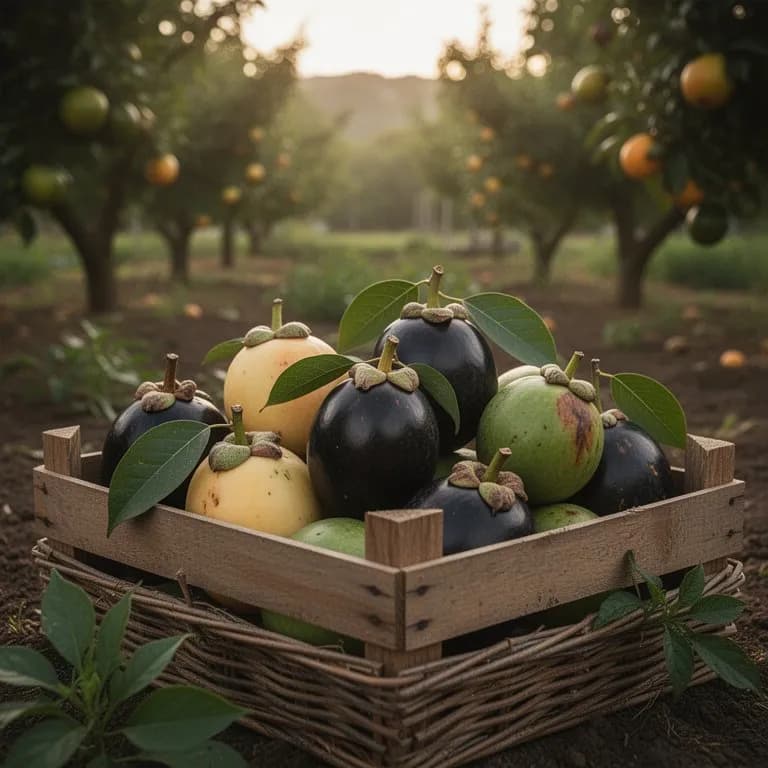
Pan de plátano con sapote negra
15 minutos de preparación más 55 minutos de horneadoUn pan de plátano húmedo y muy aromático, en el que la pulpa de sapote negra aporta un matiz natural a chocolate y cremosidad extra sin necesidad de cacao en polvo. Esta receta produce un pan tierno y profundamente satisfactorio, perfecto para el desayuno, la merienda o como un tentempié saludable para toda la familia.
9 ingredientesUsos culinarios
La pulpa madura de la sapote negra se parece de forma extraordinaria al pudin de chocolate tanto en sabor como en textura, lo que la convierte en una favorita para postres saludables. Suele mezclarse con un poco de zumo de naranja o ron y servirse como mousse natural de chocolate. Es un ingrediente excelente para batidos cuando se mezcla con plátano y leche. La pulpa puede sustituir al cacao en muchas recetas, produciendo brownies, pasteles y helados con sabor natural a chocolate. Mezclada con cacao real, azúcar y nata, crea una crema de chocolate extraordinariamente rica.
Qué contiene
Beneficios para la salud
- Su contenido excepcionalmente alto de vitamina C fortalece el sistema inmunitario, favorece la síntesis de colágeno para una piel sana y mejora la absorción de hierro procedente de alimentos vegetales de la dieta.
- Es rica en fibra dietética, que favorece una digestión saludable, promueve la regularidad intestinal, alimenta a las bacterias beneficiosas del intestino y ayuda a mantener niveles estables de glucosa después de las comidas.
- Aporta una cantidad importante de potasio, un mineral esencial que ayuda a regular la presión arterial, favorece la contracción muscular adecuada y mantiene un equilibrio hídrico saludable en todo el cuerpo.
- Contiene una amplia variedad de compuestos antioxidantes, incluidos carotenoides, polifenoles y ácido ascórbico, que ayudan a neutralizar radicales libres y pueden reducir el riesgo de afecciones inflamatorias crónicas.
- Naturalmente baja en grasa y sin colesterol, lo que la convierte en un sustituto ideal de los postres de chocolate ricos en grasa y de los dulces procesados dentro de dietas cardiosaludables y de control de peso.
- Aporta vitaminas del complejo B, incluidas niacina, riboflavina y tiamina, que desempeñan funciones críticas en el metabolismo energético celular, la función del sistema nervioso y el mantenimiento de glóbulos rojos sanos.
De dónde viene Sapote negra
La sapote negra (Diospyros nigra) es nativa del este de México, Centroamérica y partes de Colombia, donde se ha cultivado como frutal apreciado durante mucho más de mil años. Las civilizaciones azteca y maya valoraban el árbol no solo por su fruta dulce y parecida a una natilla, sino también por su madera densa y duradera, que se usaba en la construcción y en la fabricación de herramientas. La palabra náhuatl 'tzapotl', que significa fruta blanda, dio origen al nombre moderno 'sapote', término que hoy se aplica a varios frutos tropicales no relacionados con texturas cremosas similares. Los exploradores españoles conocieron la sapote negra durante la conquista de México a comienzos del siglo XVI y la llevaron a Filipinas y otras colonias tropicales durante la era del comercio de los galeones de Manila, desde donde se extendió gradualmente por el sudeste asiático y las islas del Pacífico. En el siglo XIX, el árbol ya había sido introducido en regiones tropicales de Australia, Hawái y Florida, donde encontró condiciones favorables en zonas costeras libres de heladas. A pesar de su sabor y valor nutricional excepcionales, la sapote negra sigue siendo relativamente desconocida fuera de los trópicos porque la fruta madura es extremadamente blanda, se magulla con facilidad y solo dura unos pocos días, lo que hace poco práctico su transporte comercial a larga distancia. En las últimas décadas, el creciente interés por las frutas tropicales exóticas, las dietas basadas en plantas y las alternativas naturales al chocolate ha despertado una renovada atención por parte de productores especializados, aficionados a la permacultura y blogueros gastronómicos de todo el mundo. Hoy en día, pueden encontrarse pequeños huertos y árboles en patios traseros en los climas adecuados de todos los continentes tropicales y subtropicales cálidos, y la fruta está cada vez más disponible en mercados de agricultores y tiendas especializadas en las regiones donde puede cultivarse localmente.
Sapote negra: ¿sabías que?
Datos fascinantes sobre Sapote negra
La sapote negra se conoce como la 'fruta de pudin de chocolate' porque su pulpa madura tiene un sabor, un color y una textura cremosa sorprendentemente similares a una mousse de chocolate, pese a no contener cacao ni cafeína.
Sapote negra: preguntas frecuentes
¿Cuándo debo plantar Sapote negra?
¿En qué zonas de rusticidad puede crecer Sapote negra?
¿Cuánto sol necesita Sapote negra?
¿A qué distancia debo espaciar Sapote negra?
¿Qué plagas y enfermedades afectan a Sapote negra?
¿Cómo almaceno Sapote negra después de la cosecha?
¿Cuáles son las mejores variedades de Sapote negra para cultivar?
¿Qué suelo necesita Sapote negra?
¿Por qué mi árbol de sapote negra no produce ningún fruto después de varios años de crecimiento?
Acabas de leer la teoría. Ahora cultívala en piloto automático.
Todo lo que hace que Sapote negra sea delicado — el momento, el espaciado, las asociaciones, la ventana de cosecha — es justo lo que PlotMyGarden resuelve por ti, para cada planta de tu huerto.
Un plan que conoce tu clima
Indica tu ubicación una vez. Recibe fechas de siembra, abonado y cosecha basadas en tu última helada real y el pronóstico en vivo — sin adivinar con un sobre genérico.
De la sección “Cuándo plantar”Planificador de bancales de arrastrar y soltar
Diseña bancales sobre una cuadrícula. Cada planta encaja con su espaciado correcto y ves toda la temporada antes de gastar un céntimo en semillas.
De la sección “Cultivo”Conflictos de asociación, detectados a tiempo
Más de 200 buenas y malas combinaciones comprobadas en vivo mientras plantas — para que un error que arruine la temporada nunca llegue a la tierra.
De la sección “Asociaciones”Recordatorios que sí vas a seguir
“Riega las judías.” “Recoge hoy antes de que se pase.” Oportunos, concretos y ligados a las plantas que de verdad cultivas.
De la sección “Cosecha”Escalonado, programado
¿Quieres cosechar seis semanas en vez de seis días? Reparte tus siembras automáticamente y te avisa cuando toca el siguiente lote.
De la sección “Cuándo plantar”Un registro que se vuelve más listo
Cada cosecha que registras le enseña tu huerto. El plan del año que viene parte de lo que de verdad funcionó en tu suelo, no en un manual.
De la sección “Resumen”Más Frutas tropicales
Cultiva tu mejor Sapote negra — y todo lo que la rodea.
Empieza un plan gratis hoy. Diseña tus bancales, coloca tu Sapote negra y deja que PlotMyGarden gestione el momento, el espaciado, las asociaciones y los recordatorios de la semilla a la cesta.