Tricolor Sage
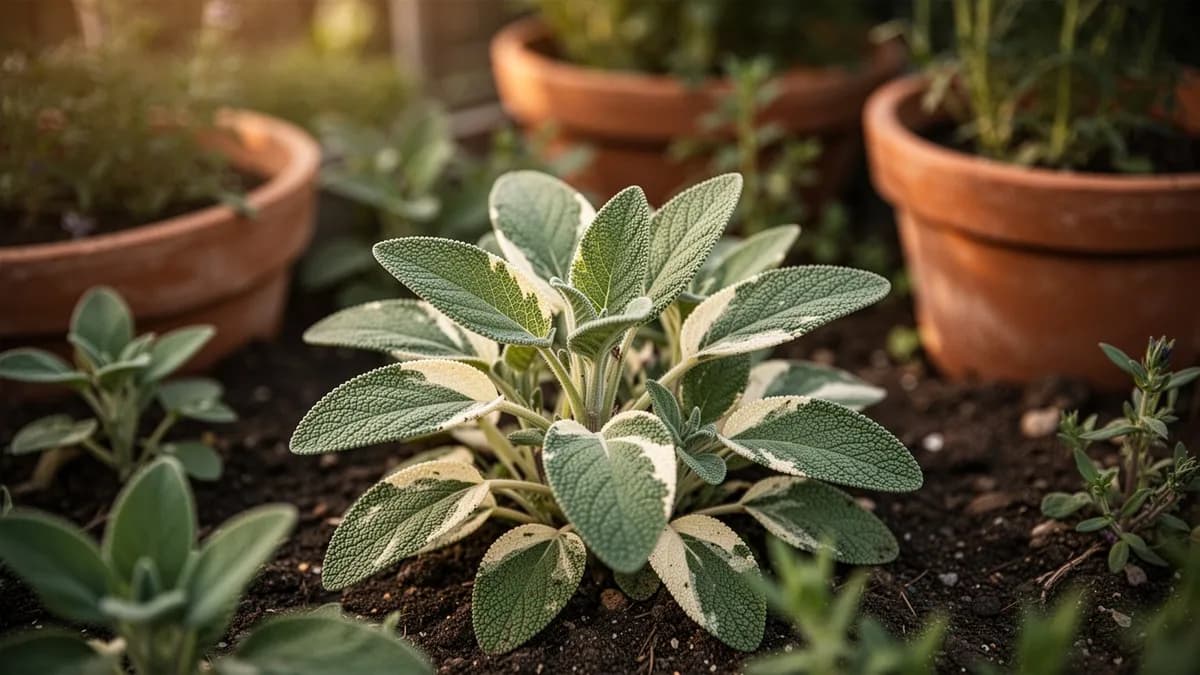
The most colorful sage variety with leaves splashed in green, white, and pink-purple that intensify in cool weather.





On this pageOverview
Meet Tricolor Sage
The most colorful sage variety with leaves splashed in green, white, and pink-purple that intensify in cool weather. Tricolor sage is less vigorous and less cold-hardy than common sage but makes a stunning ornamental-edible specimen. Use the flavorful leaves in cooking just like regular sage while enjoying the decorative foliage display.
When to plant Tricolor Sage
Tricolor sage must be propagated vegetatively to maintain its variegation—seed-grown plants revert to plain green. Take 10cm semi-ripe cuttings in early to midsummer from the most colorfully variegated stems. Remove lower leaves, dip in rooting hormone, and insert into a perlite-peat mix. Maintain 20°C and humidity under a clear cover. Rooting takes 4-6 weeks. Layering also works—pin a low stem to moist soil and roots develop in 6-8 weeks. Always select propagation material from the most intensely colored growth.
Your Tricolor Sage Year
Composed for Zone 7 · typical seasons · frost passes Apr 2, returns Nov 1
Plant Tricolor Sage Apr – May, pick May – Oct. Check the planting methods below and set your climate to personalize these windows.
How to grow Tricolor Sage
Tricolor sage is the showpiece of ornamental herb gardens, with leaves splashed in green, creamy white, and pink-purple that intensify in cool weather. Plant in full sun with well-drained soil after the last frost, spacing 50cm apart. This variety is less vigorous and less cold-hardy than common sage, making it best suited for zones 6-10 with winter protection in marginal areas.
Provide the same lean, well-drained soil that all sage varieties require. The variegated leaves are more sensitive to cold, heat, and moisture than plain green sage, so extra attention to siting and drainage pays dividends. Water moderately, allowing soil to dry between waterings. Avoid overhead irrigation, which can promote fungal issues on the dense, colorful foliage.
The reduced chlorophyll in variegated leaves means tricolor sage grows more slowly and is less vigorous than green sage. Provide optimal growing conditions to compensate—full sun, lean soil, and protection from harsh winds. Prune lightly in spring to remove winter damage and shape plants. If all-green shoots appear (reversion), remove them immediately at the base to prevent them from overtaking the tricolored growth.
8 plants fit a 4 × 8 ft bed
Each Tricolor Sage wants 50 cm of elbow room. The planner keeps that spacing for you — every plant, every bed.
Tricolor Sage's best neighbours
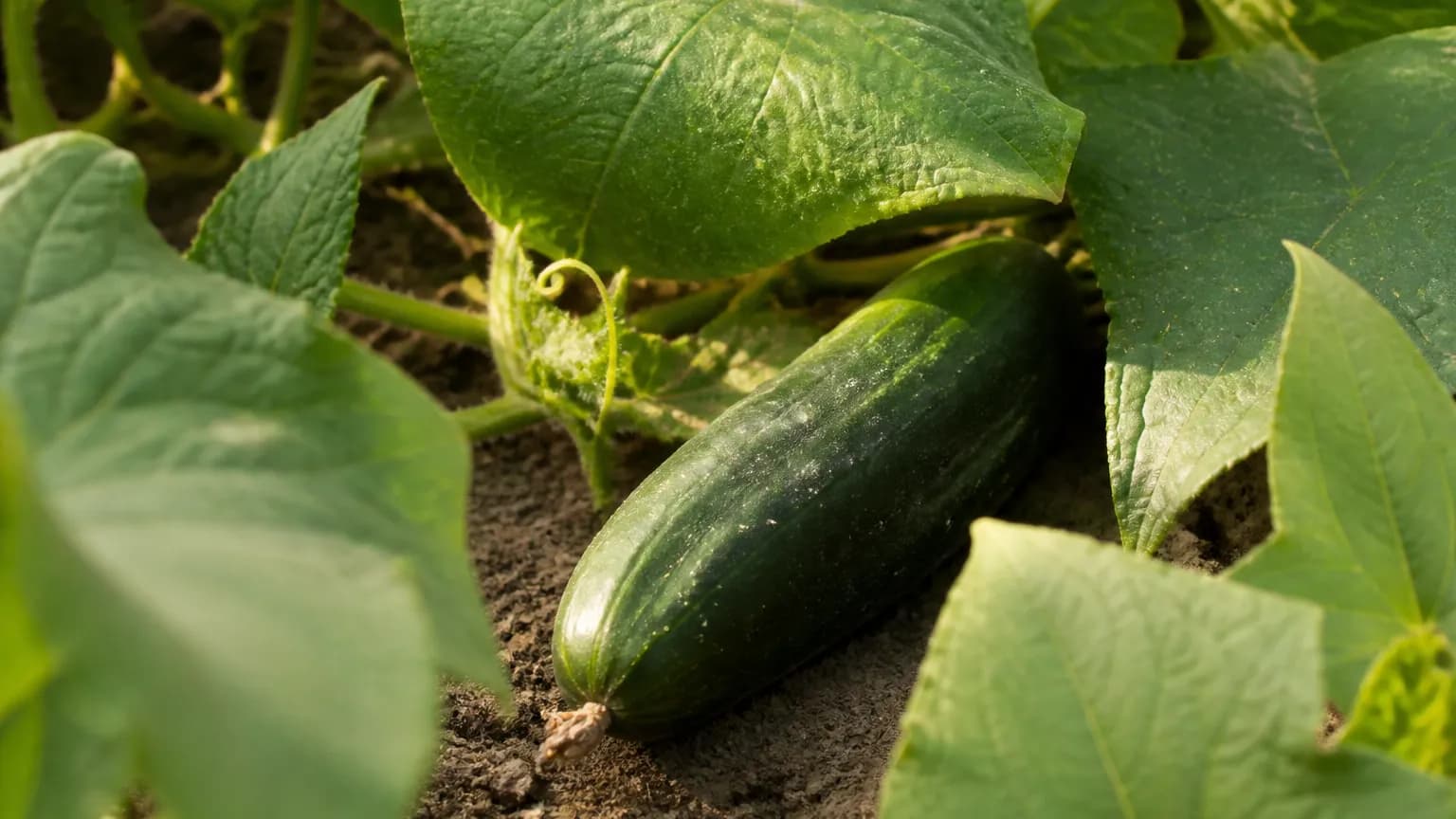
Tricolor sage provides the same pest-deterrent benefits as common sage, repelling cabbage moths and carrot flies through aromatic oils. The ornamental foliage adds visual interest to companion plantings beyond mere pest control. Plant near brassicas and roses for both beauty and protection. The less vigorous growth means tricolor sage is less likely to crowd neighboring plants. Avoid pairing with cucumbers and basil.
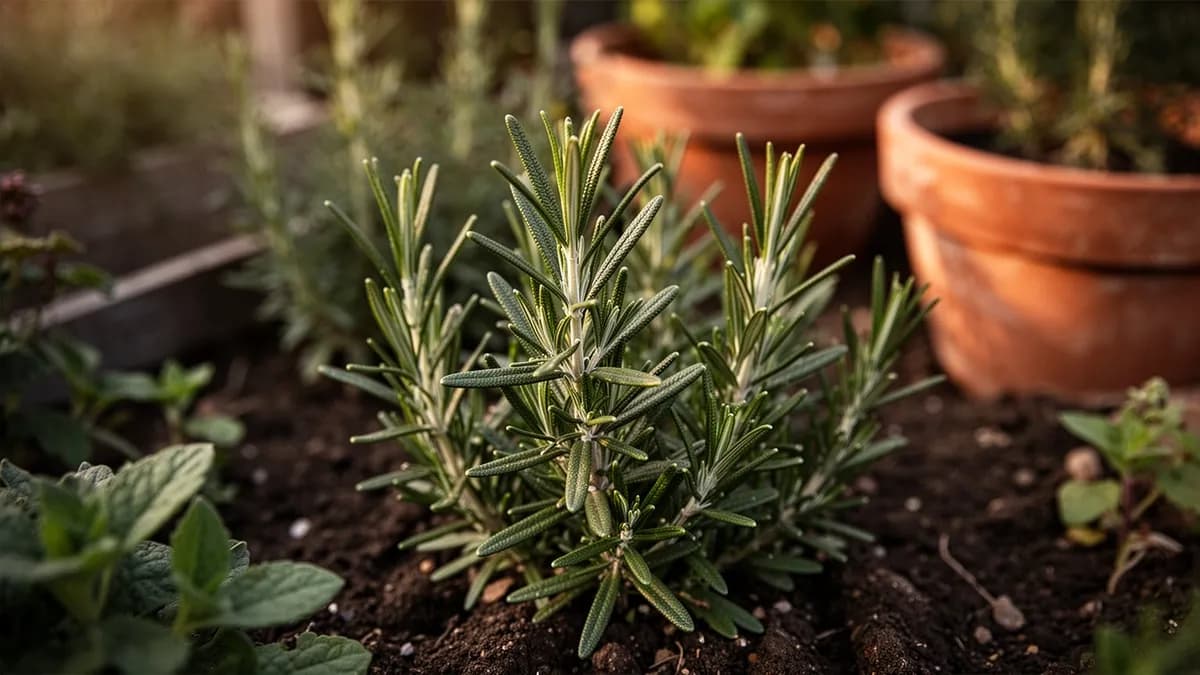
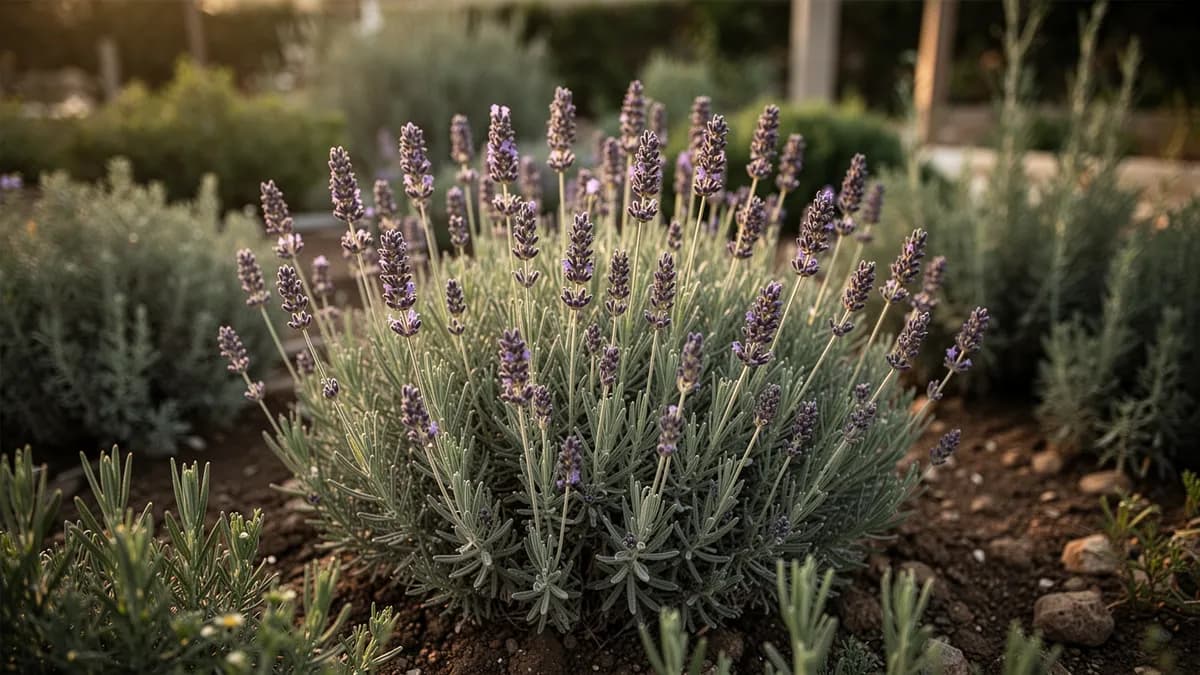
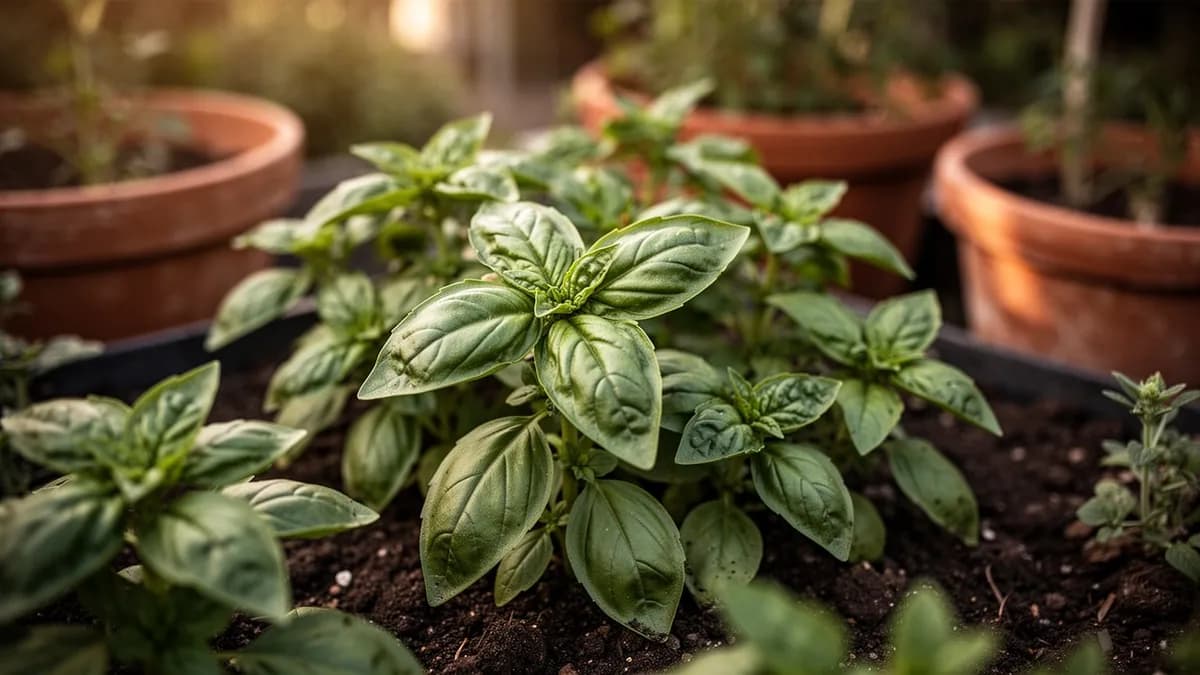
Rosemary belongs beside it. Basil doesn't.
Old growers' knowledge, checked against Tricolor Sage's real companion table below — test any plant you're growing.
Try Tricolor Sage in a bed — right here
A real planner bed with Tricolor Sage already in it. Tap a companion to place it and watch the pairing checks answer — green for good neighbours, red for a clash.


Related growing guides
Feed it well
Grow in lean, well-drained soil with pH 6.0-7.5, amended with coarse sand or grit if needed. Tricolor sage is particularly sensitive to wet feet—err on the side of too dry rather than too wet. Minimal fertilization; light compost in spring is sufficient. Avoid nitrogen-rich feeds that promote lush green growth at the expense of colorful variegation. In containers, use a very free-draining mix with 40% perlite.
Ideal Temperature
Hardiness Zone Compatibility
From seed to harvest, stage by stage
Cutting / Propagation
Tricolor sage is best propagated from stem cuttings or layering rather than seed, as seeds do not reliably produce the variegated foliage. Take 8-10 cm softwood cuttings in late spring or early summer.
Rooted Cutting
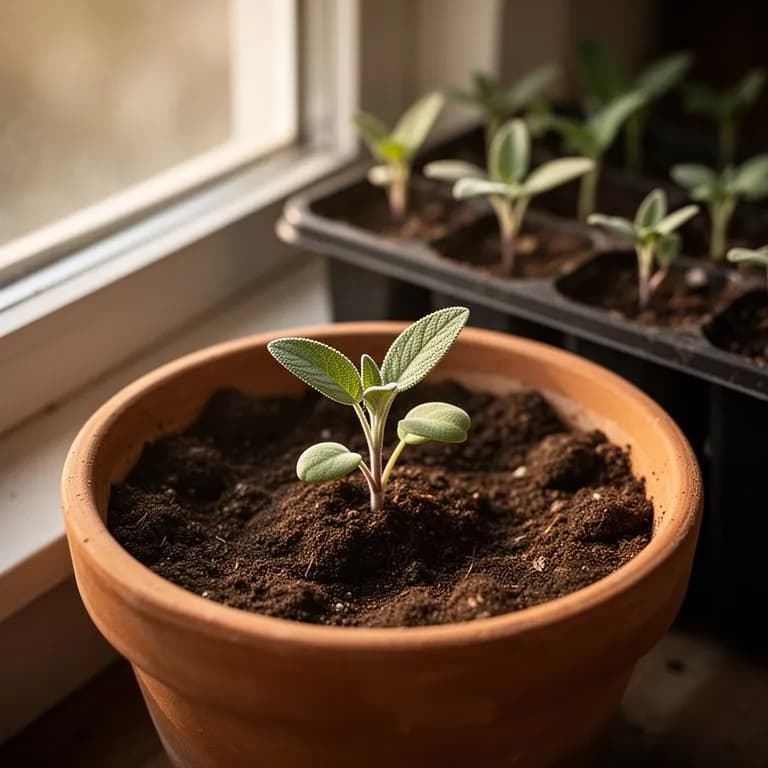
Roots have established and new leaf growth begins. The young plant develops its first set of true variegated leaves showing the characteristic purple, white, and green pattern.
Vegetative Growth
The plant establishes a bushy framework with multiple branching stems. Variegation becomes more pronounced as leaves mature, and the plant develops its woody base.
Established Plant
The plant reaches its mature size of 30-45 cm tall and wide. Leaves are fully aromatic and ready for regular harvesting. The woody base is well developed.
Flowering
In late spring to early summer of its second year, the plant produces spikes of blue-violet tubular flowers. Flowering can reduce leaf production and aromatic oil concentration.
Dormancy / Overwintering
Growth slows significantly in autumn and winter. The plant may lose some leaves in colder climates but retains its woody framework. Tricolor sage is less cold-hardy than common sage.
Dip cuttings in rooting hormone and place in a moist, well-draining medium. Keep humidity high with a clear cover and provide indirect light until roots form in 2-3 weeks.
Caring for Tricolor Sage month by month
What to do each month for your Tricolor Sage
October
You are hereApply a protective mulch of gravel or bark chips around the base. Move container plants to sheltered positions. Take last cuttings if propagation material is needed.
Know exactly what to do in your garden — every month
One email at the start of each month: what to sow, plant, and tackle right now — for your Tricolor Sage and everything growing around it. Plus a short starter course that helps you dodge the classic mistakes.
- What to do, right now
- Matched to your season
- Starter course included
Harvesting Tricolor Sage
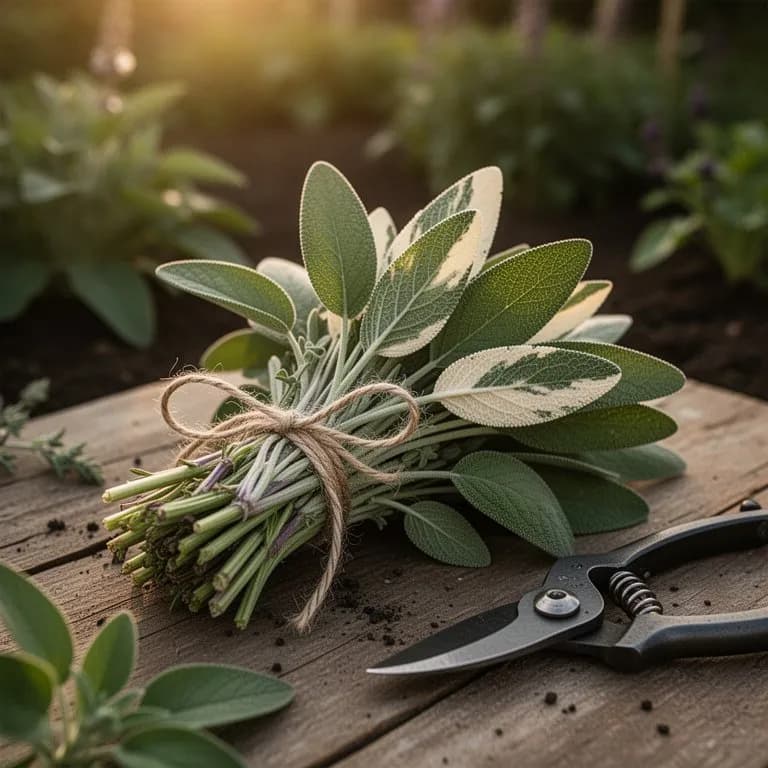
Harvest tricolor sage leaves individually or in small sprigs, being careful not to over-harvest the less vigorous variegated growth. Select the most colorful leaves for garnishing—the pink-purple tones are especially beautiful on plates. Flavor is comparable to common sage, though slightly milder. Begin harvesting lightly once plants are well-established, and avoid heavy cutting that can stress the plant. The most vivid leaf colors develop in cool weather, making spring and autumn harvests the most decorative.
assuming you plant when the window opens — set your real date
Pick Tricolor Sage promptly and the plant keeps producing.
Storage & Preservation
Fresh tricolor sage keeps for about one week refrigerated in a sealed bag with a damp paper towel. The variegated leaves lose their pink and white coloring when dried, turning uniformly pale green-gray, so drying is functional rather than decorative. Freeze individual leaves on trays for cooking use—frozen leaves retain better color than dried. Infuse fresh colorful leaves in white vinegar for a visually striking herbal vinegar. Press individual leaves between wax paper to preserve their colors for craft use.
What goes wrong — and the fix
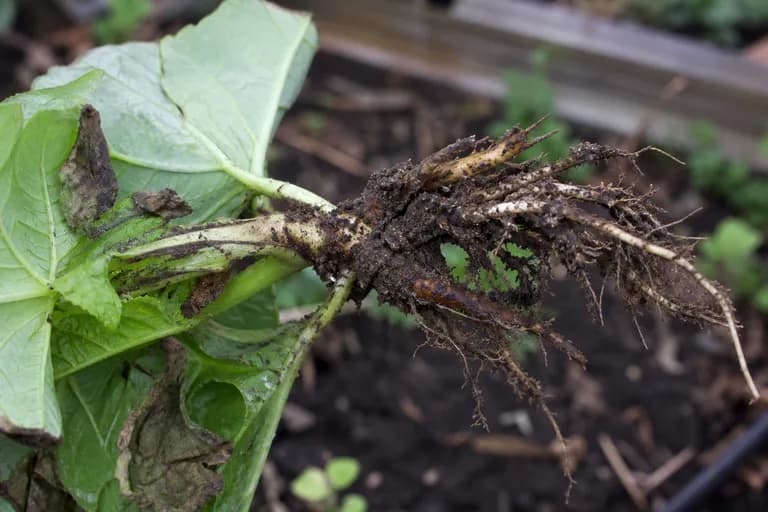
Root Rot
DiseaseRapid wilting and collapse, blackened stem bases, soft mushy roots. Tricolor sage is more susceptible than green sage due to lower vigor.
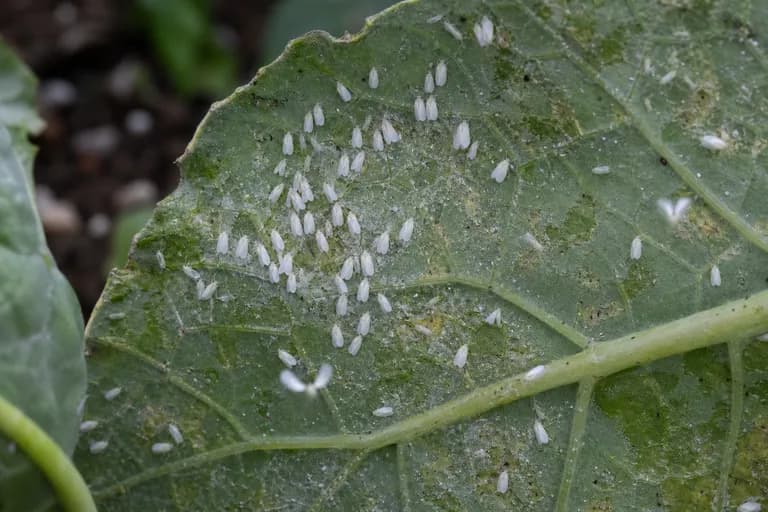
Whiteflies
PestTiny white flying insects that rise in clouds when foliage is disturbed. Sticky honeydew on leaves, possible sooty mold.
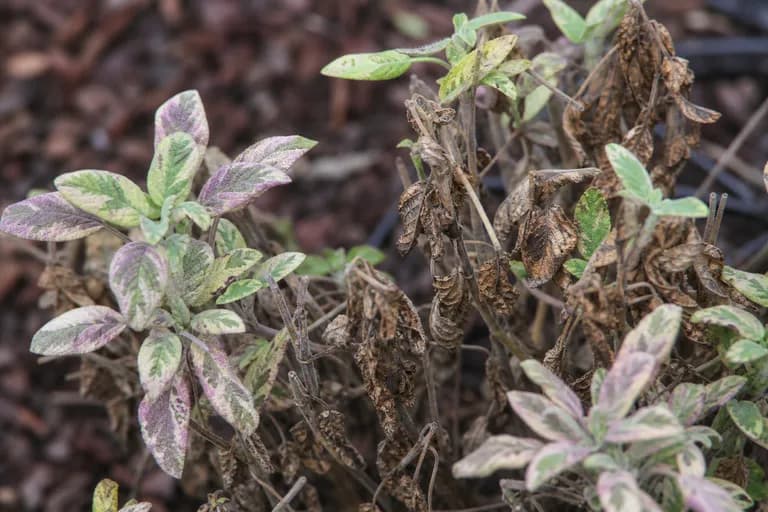
Winter Damage
DiseaseBrown, desiccated foliage and stem dieback after cold spells. Tricolor sage is 2 zones less hardy than common sage.
Troubleshooting Common Problems
Less cold-hardy than common sage—protect in zones 6-7 with winter fleece and dry mulch. Reversion to solid green or purple shoots must be removed immediately at the base. Less vigorous than green sage, so avoid heavy harvesting. Brown leaf edges in summer indicate heat stress or sunburn on the white-variegated portions; provide light afternoon shade in hot climates. Prone to sudden collapse from root rot in poorly drained soil.
Growing Tips
- Plant tricolor sage in full sun for the best leaf coloration. Insufficient light causes the variegation to fade, resulting in mostly green leaves with less ornamental appeal.
- Use extremely well-draining soil amended with coarse sand or perlite. Sage is a Mediterranean herb that suffers in heavy, moisture-retentive soils and is far more likely to die from overwatering than underwatering.
- Propagate exclusively from cuttings or layering, not seeds. Seeds from tricolor sage will not produce true-to-type variegated plants and will revert to common green sage.
- Prune established plants by one-third in early spring to prevent them from becoming leggy and woody. Never cut back into old wood with no visible leaf buds, as it may not regenerate.
- Space plants 40-50 cm apart to ensure good air circulation, which helps prevent fungal diseases like powdery mildew that can be problematic in humid climates.
- Apply a gravel or stone chip mulch around plants rather than organic mulch, which retains too much moisture near the crown and can cause stem rot.
- Protect from hard winter frosts below -10C with horticultural fleece, or grow in containers that can be moved to a sheltered location. Tricolor sage is notably less cold-hardy than common sage.
- Avoid heavy nitrogen fertilization, which produces lush but less aromatic growth and can diminish the intensity of the variegation. A single light feed in spring is sufficient.
- Harvest regularly throughout the growing season by snipping stem tips, which encourages branching and keeps the plant compact and productive.
- Replace plants every 3-4 years when they become excessively woody and less productive. Take cuttings from the best-performing plants before removing old stock to maintain your supply.
Grow your best Tricolor Sage yet — and everything around it.
Start a free plan today. Lay out your beds, drop in your Tricolor Sage, and let PlotMyGarden handle the timing, spacing, companions and reminders from seed to harvest basket.
Pick your Tricolor Sage
Tricolor
The standard variety with green, white, and pink-purple variegation that intensifies in cool weather. The most widely available ornamental sage.
Purpurascens (Purple Sage)
Purple-flushed leaves on a more vigorous plant than tricolor. Better cold hardiness. Strong sage flavor with slightly smoky undertones.
Icterina (Golden Sage)
Green and gold variegated leaves. More vigorous than tricolor and slightly hardier. Good culinary flavor with attractive foliage.
A single tricolor sage plant costs around $4-8 at a garden center and can provide fresh sage leaves for 3-5 years with proper care. Fresh sage at grocery stores typically costs $2-4 per small package. With regular harvesting from spring through autumn, one plant can easily replace 15-20 store-bought packages annually, saving $30-80 per year. Additionally, dried sage from your own plant offers superior flavor compared to store-bought dried sage, and the ornamental value replaces the need for separate decorative plantings.
Quick recipes

Tricolor Sage Butter
10 minutesA vibrant compound butter featuring the aromatic flavor of fresh tricolor sage. Perfect melted over pasta, grilled chicken, roasted vegetables, or spread on warm crusty bread.
6 ingredientsSage and White Bean Soup
35 minutesA comforting Tuscan-inspired soup where tricolor sage adds its warm, slightly peppery flavor to creamy white beans. A wholesome meal that showcases sage as the star ingredient.
7 ingredients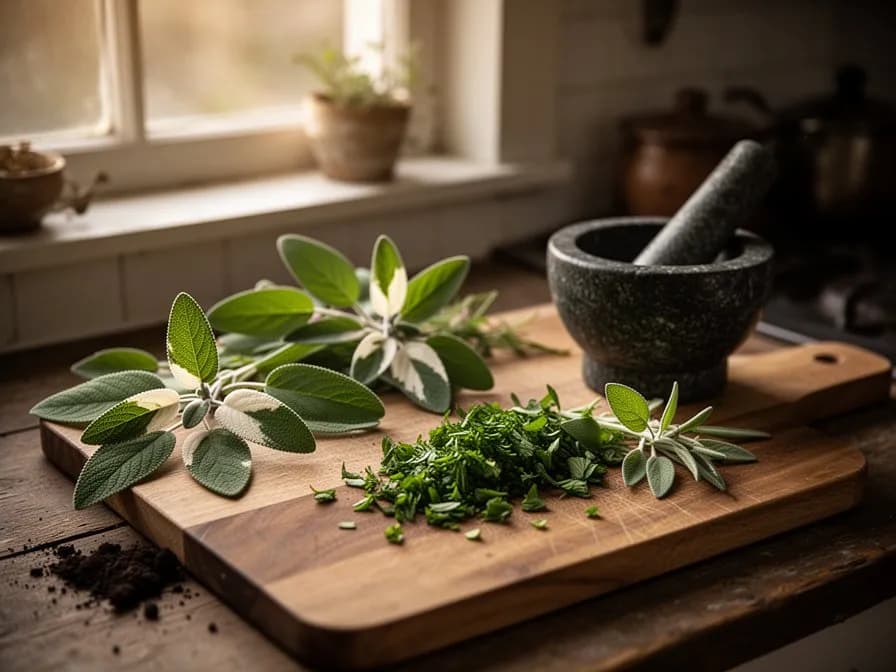
Crispy Fried Sage Leaves
5 minutesThe beautiful variegated leaves of tricolor sage become translucent and shatteringly crisp when briefly fried. An elegant garnish for risotto, pasta, or squash dishes that highlights the ornamental beauty of this cultivar.
3 ingredientsCulinary Uses
Tricolor sage has the same culinary uses as common sage, with a slightly milder flavor. The beautiful variegated leaves make stunning edible garnishes for fall and holiday dishes. Use in brown butter pasta sauce, stuffings, sausage seasoning, and with roasted squash. The pink-purple coloring adds visual drama to compound butters and herb-crusted meats. Float whole leaves in clear soups for an elegant presentation.
What's inside
Health Benefits
- Contains rosmarinic acid and carnosic acid, powerful antioxidants that help protect cells from oxidative stress and may support cognitive function.
- Traditional herbal remedy for sore throats and oral inflammation; sage tea or gargle has mild antiseptic and astringent properties.
- May support digestive health by stimulating the production of digestive enzymes and reducing bloating and intestinal discomfort.
- Research suggests sage compounds may help regulate blood sugar levels, making it of interest for supporting metabolic health.
- Contains anti-inflammatory compounds that may help reduce inflammation throughout the body when consumed regularly as part of a balanced diet.
- Sage extracts have shown potential to support memory and cognitive performance, with historical use as a brain tonic dating back centuries.
Where Tricolor Sage comes from
Salvia officinalis, the species from which tricolor sage derives, is native to the Mediterranean region, particularly the coastal areas of the northern Mediterranean basin including modern-day Croatia, Greece, Italy, and Turkey. Wild sage has been gathered and cultivated in this region for thousands of years, with archaeological evidence suggesting its use dating back to ancient Egyptian, Greek, and Roman civilizations. The Romans considered sage a sacred herb, harvesting it with elaborate ceremonies, and they helped spread its cultivation throughout their empire into northern Europe and Britain. During the Middle Ages, sage became one of the most important medicinal herbs in European monastery gardens. Charlemagne ordered its cultivation in imperial gardens in 812 AD, and the famous Salerno medical school posed the rhetorical question: why should a man die while sage grows in his garden? The plant was used to treat ailments ranging from digestive complaints to memory loss, and sage tea was a common household remedy across Europe for centuries. The specific tricolor cultivar was developed through selective horticultural breeding, likely in the mid-20th century, as ornamental herb gardening gained popularity. Breeders selected for the striking variegation pattern that combines grey-green leaf centers with irregular cream-white margins suffused with pink and purple tones, especially prominent on young growth. This cultivar was given the Royal Horticultural Society Award of Garden Merit for its outstanding ornamental and culinary qualities. Today, tricolor sage is grown worldwide in herb gardens, ornamental borders, and containers, valued equally for its beauty and its traditional culinary uses in stuffings, meat dishes, and infusions.
Tricolor Sage: did you know?
Fascinating facts about Tricolor Sage
Tricolor sage is a cultivar of the common culinary sage (Salvia officinalis) selected specifically for its ornamental variegated foliage of green, white, and purple-pink.
Tricolor Sage questions, answered
When should I plant Tricolor Sage?
What are good companion plants for Tricolor Sage?
What hardiness zones can Tricolor Sage grow in?
How much sun does Tricolor Sage need?
How far apart should I space Tricolor Sage?
What pests and diseases affect Tricolor Sage?
How do I store Tricolor Sage after harvest?
What are the best Tricolor Sage varieties to grow?
What soil does Tricolor Sage need?
Can tricolor sage be used in cooking the same way as regular sage?
Why is my tricolor sage losing its variegation and turning all green?
Is tricolor sage a perennial or does it need replanting each year?
How do I propagate tricolor sage successfully?
What pests and diseases affect tricolor sage?
Can tricolor sage be grown indoors?
You just read the theory. Now grow it on autopilot.
Everything that makes Tricolor Sage fiddly — the timing, the spacing, the companions, the harvest window — is exactly what PlotMyGarden handles for you, for every plant in your garden.
A plan that knows your weather
Set your location once. Get sow, feed and harvest dates built around your real last-frost date and live forecast — no more guessing from a generic seed packet.
From the “When to plant” sectionDrag-and-drop bed planner
Design beds on a grid. Every plant snaps to its proper spacing, and you can see your whole season laid out before you spend a cent on seed.
From the “Growing guide” sectionCompanion conflicts, caught early
200+ good-and-bad pairings checked live as you plant — so a season-wrecking mistake never makes it into the ground.
From the “Companions” sectionReminders you'll actually act on
“Water the beans.” “Pick today before it turns.” Timely, specific, and tied to the plants you're really growing.
From the “Harvest” sectionSuccession, scheduled
Want a harvest for six weeks, not six days? It spaces your sowings automatically and reminds you when each new block is due.
From the “When to plant” sectionA record that gets smarter
Every harvest you log teaches it your garden. Next year's plan starts from what actually worked in your soil, not a textbook's.
From the “Overview” sectionPlant these alongside Tricolor Sage
More Culinary Herbs
Keep Tricolor Sage away from these
Grow your best Tricolor Sage yet — and everything around it.
Start a free plan today. Lay out your beds, drop in your Tricolor Sage, and let PlotMyGarden handle the timing, spacing, companions and reminders from seed to harvest basket.