Toskanischer Blauer Rosmarin
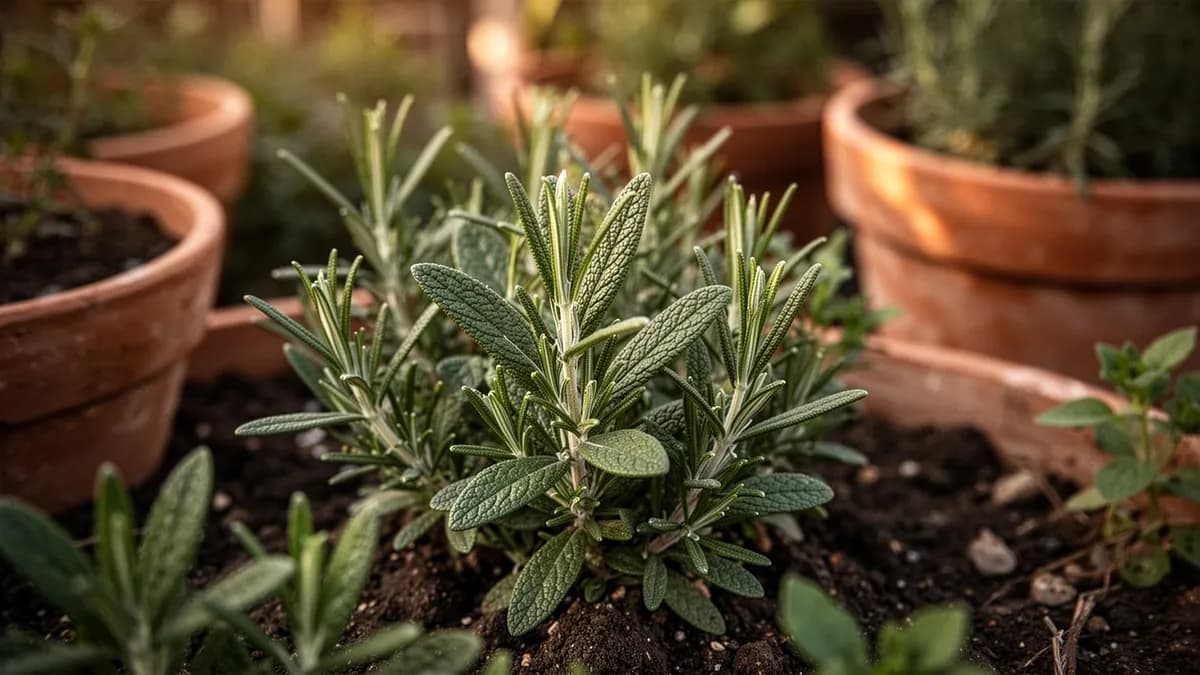
Eine hohe, aufrechte Rosmarinsorte, die 150–180 cm erreicht, mit tiefblauen Blüten und außergewöhnlich aromatischen, dunkelgrünen Nadeln.





Auf dieser SeiteÜberblick
Toskanischer Blauer Rosmarin im Überblick
Eine hohe, aufrechte Rosmarinsorte, die 150–180 cm erreicht, mit tiefblauen Blüten und außergewöhnlich aromatischen, dunkelgrünen Nadeln. Tuscan Blue gilt dank seines hohen Gehalts an ätherischen Ölen und seines kräftigen Aromas als eine der besten Küchensorten. Ideal als Hecke oder Solitärpflanze in warmen Klimazonen mit hervorragender Drainage.
Wann Toskanischer Blauer Rosmarin pflanzen
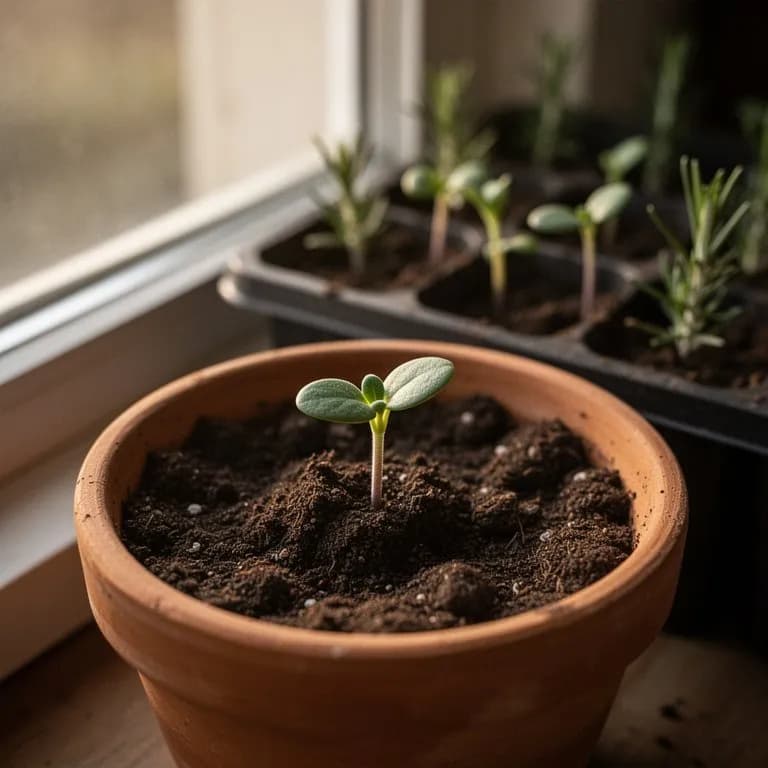
Tuscan Blue Rosmarin muss vegetativ vermehrt werden, um seine Sorteneigenschaften zu erhalten. Schneiden Sie im späten Frühling oder Frühsommer 12–15 cm lange, halbverholzte Stecklinge von gesunden, nicht blühenden Trieben. Entfernen Sie die Nadeln an den unteren 5 cm, tauchen Sie die Schnittstelle in Bewurzelungshormonpulver und stecken Sie den Steckling in eine gut durchlässige Perlit-Sand-Mischung. Decken Sie mit einer Feuchtigkeitsglocke ab und stellen Sie ihn an einen hellen, aber nicht direkt sonnigen Platz bei 18–24 °C. Besprühen Sie regelmäßig, um die Luftfeuchtigkeit zu erhalten. Die Bewurzelung erfolgt in 4–6 Wochen. Topfen Sie bewurzelte Stecklinge um und ziehen Sie sie 2–3 Monate vor, bevor Sie sie auspflanzen.
Dein Toskanischer Blauer Rosmarin-Jahr
Abgestimmt auf Zone 7 · typische Saison · Frost geht um den 2. Apr. und kehrt um den 1. Nov. zurück
Toskanischer Blauer Rosmarin Mär – Mai pflanzen, Jan – Dez ernten. Beachte die Pflanzmethoden unten und wähle dein Klima für passende Zeiträume.
So baust du Toskanischer Blauer Rosmarin an
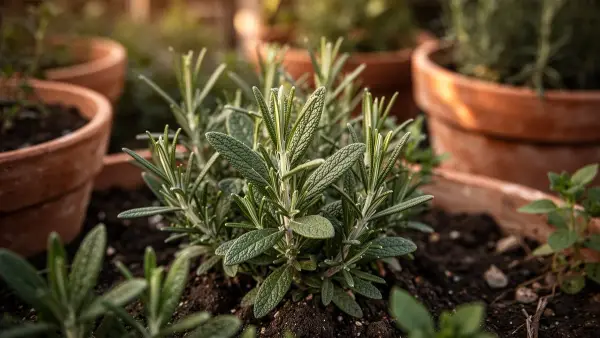
Vermehren Sie Tuscan Blue Rosmarin über Jungpflanzen aus der Gärtnerei oder Stecklingen, da die Aussaat unzuverlässig ist und keine sortentreuen Pflanzen hervorbringt. Schneiden Sie 12–15 cm lange Stecklinge von halbverholztem Wachstum im späten Frühling oder Frühsommer. Entfernen Sie die unteren Nadeln, tauchen Sie die Schnittstelle in Bewurzelungshormon und bewurzeln Sie sie in einer Mischung aus Perlit und grobem Sand. Die Bewurzelung dauert in der Regel 4–6 Wochen.
Pflanzen Sie an einem Standort mit voller Sonne und ausgezeichneter Drainage. Tuscan Blue ist ein kräftiger, aufrechter Wachser, der 150–180 cm hoch und 90–120 cm breit werden kann – planen Sie daher ausreichend Platz ein. Die Pflanze gedeiht am besten in sandigem, kiesigem oder felsigem Boden mit einem pH-Wert von 6,0–7,5. Vermeiden Sie nährstoffreiche, schwere oder lehmige Böden, die zu viel Feuchtigkeit an den Wurzeln halten. In grenzwertig winterharten Zonen (7–8) pflanzen Sie die Pflanze an einer nach Süden oder Westen ausgerichteten Wand für reflektierte Wärme und Windschutz.
Gießen Sie nach dem Anwachsen gründlich, aber selten, und lassen Sie den Boden zwischen den Wassergaben vollständig abtrocknen. Tuscan Blue ist sehr trockenheitsverträglich und entwickelt unter leicht trockenen Bedingungen sogar konzentriertere ätherische Öle. Schneiden Sie jährlich nach der Blütezeit im Winter bis Frühling zurück, formen Sie die Pflanze und entfernen Sie abgestorbene oder sich kreuzende Äste. Diese Sorte lässt sich hervorragend zu Hecken, Säulen oder Formschnittfiguren in formalen Gartengestaltungen erziehen.
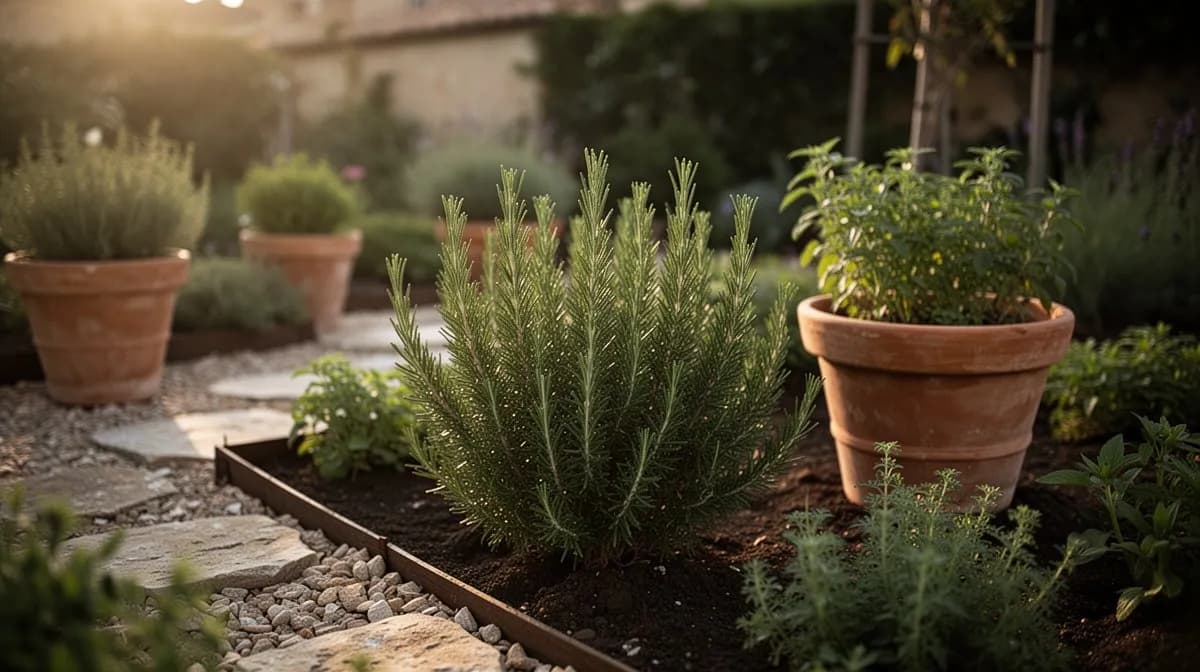
3 Pflanzen passen in ein Beet von 120 × 240 cm
Toskanischer Blauer Rosmarin braucht 75 cm Platz pro Pflanze. Der Planer hält diesen Abstand für dich ein — jede Pflanze, jedes Beet.
Die besten Nachbarn für Toskanischer Blauer Rosmarin
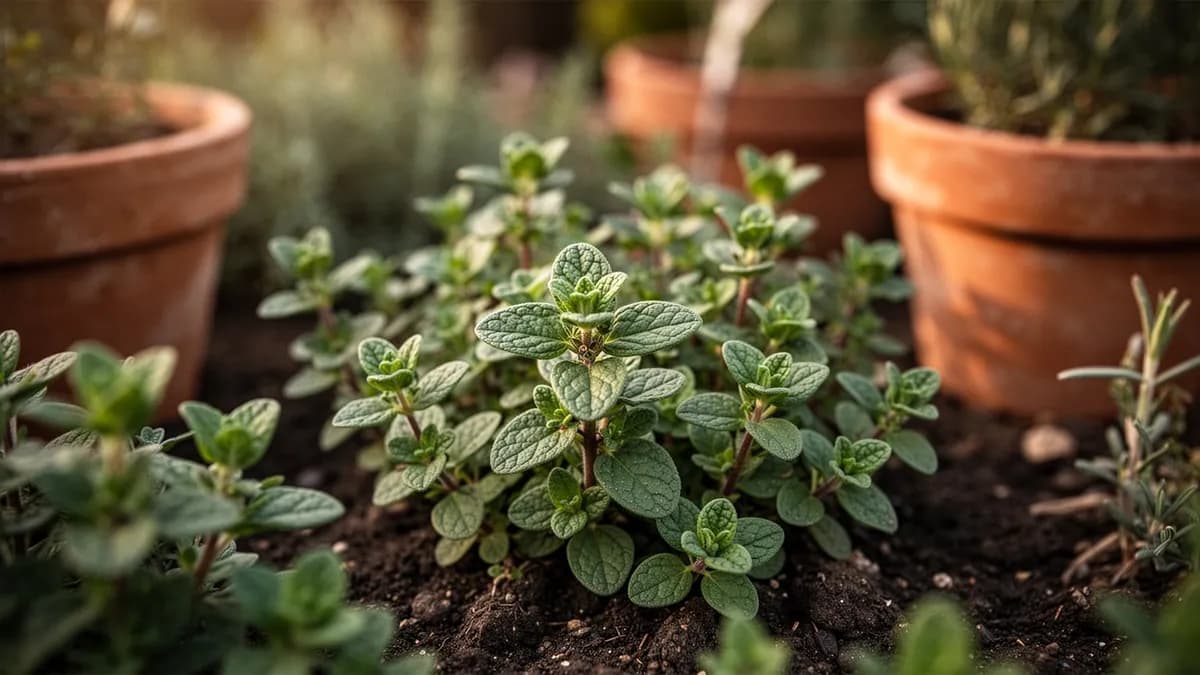
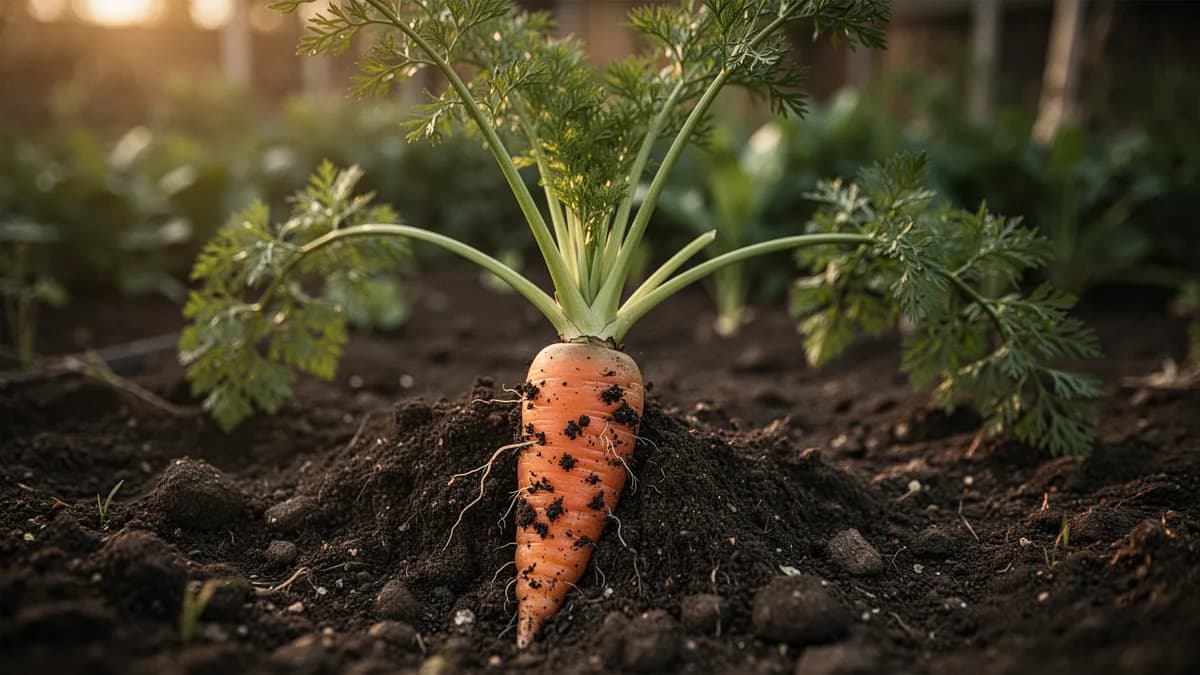
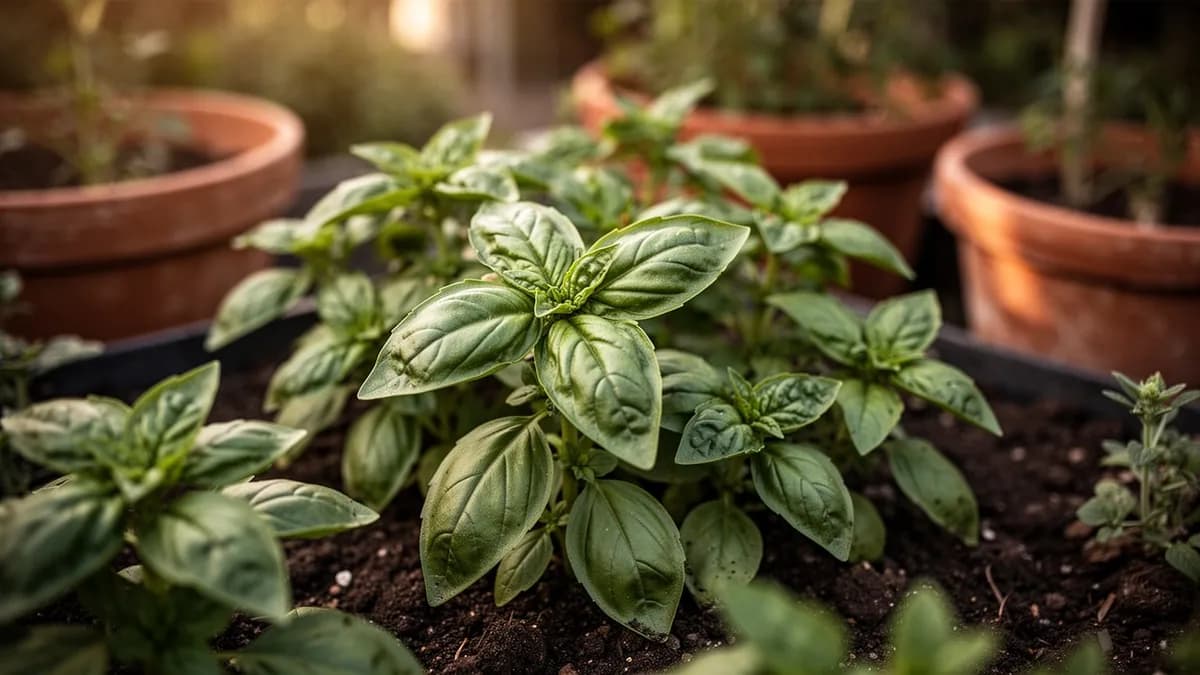
Tuscan Blue Rosmarins Höhe und sein starkes Aroma machen ihn zu einer hervorragenden Hintergrundpflanze, die viele häufige Gartenschädlinge abschreckt. Sein Duft vertreibt Kohlmotten, Möhrenfliegen und bestimmte Käferarten. Pflanzen Sie ihn hinter niedrigeren Gemüse- und Kräuterarten, die von Windschutz und Schädlingsabwehr profitieren. Er wächst wunderbar zusammen mit Salbei, Thymian, Lavendel und anderen trockenheitsverträglichen mediterranen Kräutern. Die reichhaltigen Winterblüten bieten entscheidenden frühen Nektar für Bienen. Vermeiden Sie die Pflanzung neben Basilikum oder anderen feuchtigkeitsliebenden Kräutern, die häufiges Gießen benötigen.
Salbei gehört daneben. Basilikum nicht.
Altes Gärtnerwissen, geprüft an der echten Nachbartabelle von Toskanischer Blauer Rosmarin — teste jede Pflanze, die du anbaust.
Probiere Toskanischer Blauer Rosmarin direkt hier im Beet
Ein echtes Planer-Beet, Toskanischer Blauer Rosmarin steht schon drin. Tippe einen Begleiter an, platziere ihn und sieh, wie die Nachbarschaftsprüfung antwortet — grün für gute Nachbarn, rot bei Streit.


Passende Anbau-Ratgeber
Richtig düngen
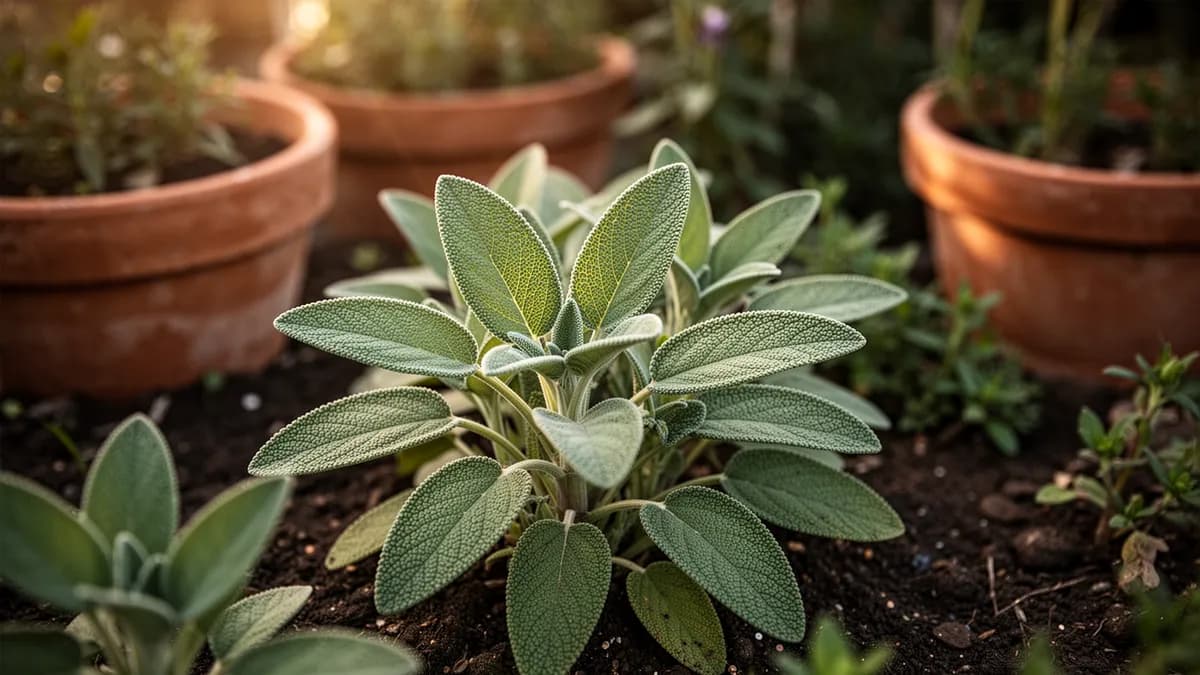
Tuscan Blue Rosmarin gedeiht in magerem, schnell entwässerndem Boden. Sandiger Lehm, verwitterter Granit oder felsiger Gartenboden sind ideal. Vermeiden Sie schweren Lehm, torfhaltige Mischungen oder Boden, der nach Regen nass bleibt. Halten Sie einen pH-Wert von 6,0–7,5 ein; kalken Sie bei saurem Boden mit Gartenkalk auf. Düngen Sie sehr sparsam mit einer leichten Gabe von ausgewogenem Granulatdünger im zeitigen Frühjahr. Übermäßiges Düngen erzeugt üppiges, weiches Wachstum, das weniger aromatisch und anfälliger für Frost und Krankheiten ist. Eine Kies- oder Steinmulchschicht um die Basis verhindert, dass sich Feuchtigkeit an der Krone sammelt.
Ideale Temperatur
Winterhärtezone-Kompatibilität
Von der Saat zur Ernte, Schritt für Schritt
Vermehrung und Etablierung
Tuscan Blue Rosmarin wird am zuverlässigsten über Stecklinge oder Jungpflanzen aus der Gärtnerei vermehrt, da Samen langsam und unregelmäßig innerhalb von 14–28 Tagen keimen und geringe Erfolgsraten aufweisen. Stecklinge von 10–15 cm Länge bewurzeln sich in 3–4 Wochen, wenn sie in feuchten Sand oder Perlit gesteckt werden. Jungpflanzen aus der Gärtnerei wachsen schnell an, sobald die Wurzeln den umgebenden Boden erkunden.
Jugendwachstum
Junge Pflanzen entwickeln ihre charakteristischen schmalen, ledrigen, dunkelgrünen Blätter mit silbrig-weißer Unterseite. Die Triebe beginnen von der Basis her zu verholzen und wechseln von weichem Grün zu holzigem Braun. Die ausgeprägt aufrechte Wuchsform von Tuscan Blue wird sichtbar, wenn sich der Haupttrieb kräftig streckt. Die Produktion ätherischer Öle steigt mit der Reife des Laubes.
Aktives vegetatives Wachstum
Die Pflanzen wachsen im ersten vollen Jahr schnell und erreichen eine Höhe von 60–90 cm mit einer säulenförmigen, aufrechten Form. Dichte Verzweigung schafft eine buschige Struktur, ideal für regelmäßige Ernte. Das Wurzelsystem entwickelt sich umfangreich, verankert die Pflanze fest und erschließt Feuchtigkeit tief im Boden. Der Gehalt an ätherischen Ölen in den Blättern erreicht während der warmen Sommermonate seine höchste Konzentration.
Erste Blüte
Tuscan Blue Rosmarin bringt im zweiten Jahr seine erste bedeutende Blüte hervor und bedeckt die oberen Triebabschnitte mit Büscheln auffälliger tiefblauer bis violettblauer, zweilippiger Blüten. In milden Klimazonen blüht er hauptsächlich vom späten Winter bis zum Frühling, in kühleren Zonen vom Frühling bis zum Frühsommer. Bienen, Schmetterlinge und Kolibris werden stark von den nektarreichen Blüten angezogen.
Ausgewachsenes Exemplar
Über 2–5 Jahre reift Tuscan Blue Rosmarin zu einem beeindruckenden aufrechten Strauch von 120–180 cm Höhe und 60–90 cm Breite heran. Stamm und Hauptäste werden kräftig verholzt mit abblätternder Rinde. Die Pflanze blüht jeden Frühling üppig und kann im Herbst eine zweite Blüte hervorbringen. Bei richtiger Pflege können Rosmarinpflanzen 10–15 Jahre oder länger produktiv bleiben.
Nehmen Sie im späten Frühling oder Frühsommer halbverholzte Stecklinge. Entfernen Sie die unteren Blätter, tauchen Sie die Schnittstelle in Bewurzelungshormon und stecken Sie den Steckling in einen Topf mit feuchtem Perlit oder grobem Sand. Stellen Sie ihn an einen hellen, aber nicht direkt sonnigen Platz und besprühen Sie regelmäßig, bis sich in 3–4 Wochen Wurzeln bilden.
Toskanischer Blauer Rosmarin Monat für Monat pflegen
Was du jeden Monat für deine Toskanischer Blauer Rosmarin tun solltest
Oktober
Aktueller MonatIn Zone 7 und kälter bringen Sie in Kübeln gewachsenen Rosmarin vor dem ersten starken Frost an ein sonniges, nach Süden ausgerichtetes Fenster ins Haus. In den Zonen 8–12 bleiben die Pflanzen ganzjährig im Freien. Bringen Sie eine leichte Mulchschicht aus Kies oder grobem Sand um Freilandpflanzen auf, um die Wurzeln zu isolieren, ohne Feuchtigkeit an den Trieben einzuschließen.
Immer wissen, was jetzt im Garten zu tun ist
Eine E-Mail zum Monatsanfang: was du jetzt säen, pflanzen und anpacken solltest — für deine Toskanischer Blauer Rosmarin und alles, was drumherum wächst. Dazu ein kurzer Startkurs, der dich vor den klassischen Fehlern bewahrt.
- Was jetzt zu tun ist
- Passend zu deiner Saison
- Startkurs inklusive
Toskanischer Blauer Rosmarin ernten
Ernten Sie Tuscan Blue Rosmarin das ganze Jahr über, indem Sie 10–15 cm lange Triebspitzen schneiden. Diese Sorte hat außergewöhnlich breite, dunkelgrüne Nadeln mit hohem Gehalt an ätherischen Ölen, was sie zu einer der aromatischsten und geschmacksintensivsten Rosmarinsorten zum Kochen macht. Vermeiden Sie das Schneiden in altes, verholztes Gewebe, das schlecht regeneriert. Die beste Erntepraxis ist es, jeden Schnitt als leichten Rückschnitt zu behandeln und die Pflanze beim Sammeln zu formen. Entfernen Sie nie mehr als ein Drittel des Laubes auf einmal. Die tiefblauen Blüten sind essbar und eignen sich hervorragend als Garnitur.
angenommen, du pflanzt zu Beginn des Zeitraums — trage dein tatsächliches Datum ein
Ernte Toskanischer Blauer Rosmarin zügig, dann trägt die Pflanze weiter.
Lagerung & Konservierung
Frischer Tuscan Blue Rosmarin hält sich im Kühlschrank hervorragend 2–3 Wochen, wenn er in ein feuchtes Papiertuch gewickelt und in einem verschlossenen Beutel aufbewahrt wird. Die breiten Nadeln trocknen wunderbar – hängen Sie gebündelte Zweige 1–2 Wochen an einem warmen, dunklen Ort auf und bewahren Sie die abgestreiften Nadeln in luftdichten Gläsern bis zu 18 Monate auf. Frieren Sie ganze Zweige direkt in Gefrierbeuteln ein, um sie das ganze Jahr über bequem verwenden zu können. Tuscan Blue eignet sich hervorragend für Rosmarin-infundiertes Olivenöl dank seiner konzentrierten ätherischen Öle. Mischen Sie getrocknete Nadeln mit Meersalz und Zitronenschale für ein feines Finishing-Salz.
Was schiefgeht — und die Lösung
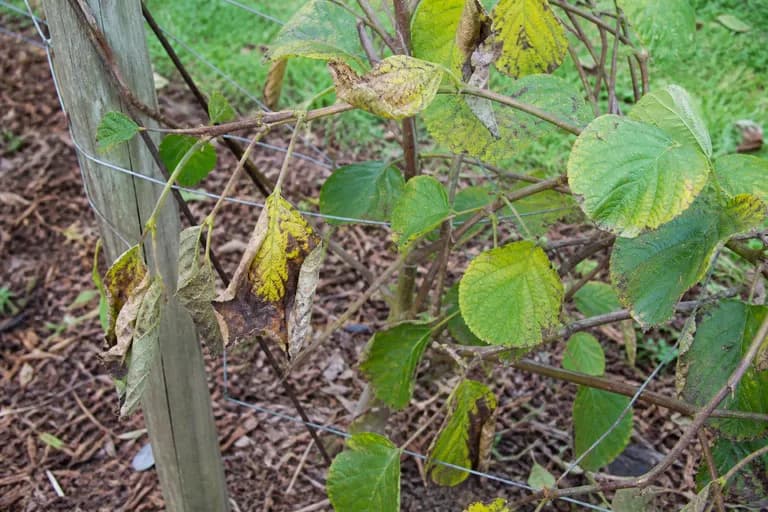
Wurzelfäule (Phytophthora)
KrankheitFortschreitendes Absterben der Triebspitzen, dunkel verfärbte Wurzeln, Welken der Pflanze trotz feuchtem Boden, schließlich Zusammenbruch der Pflanze.
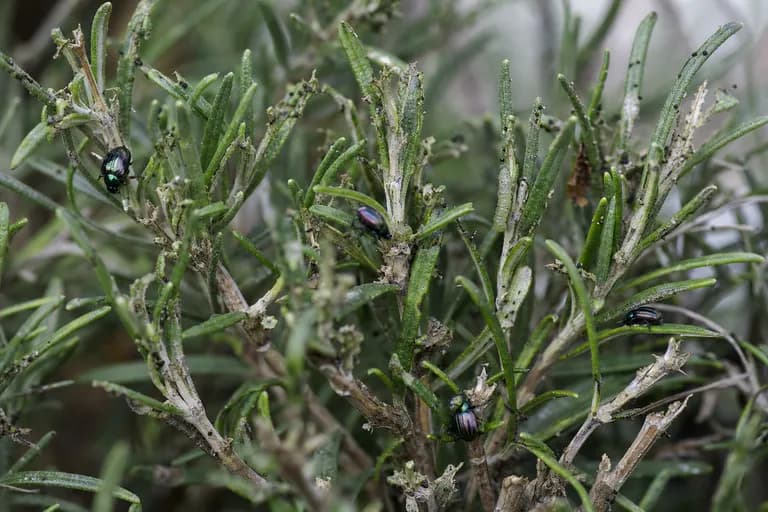
Rosmarinkäfer
SchädlingMetallisch grün-violett gestreifte Käfer, die an Nadeln und Trieben fressen, Entlaubung der Triebspitzen, sichtbare Larven im Frühling.
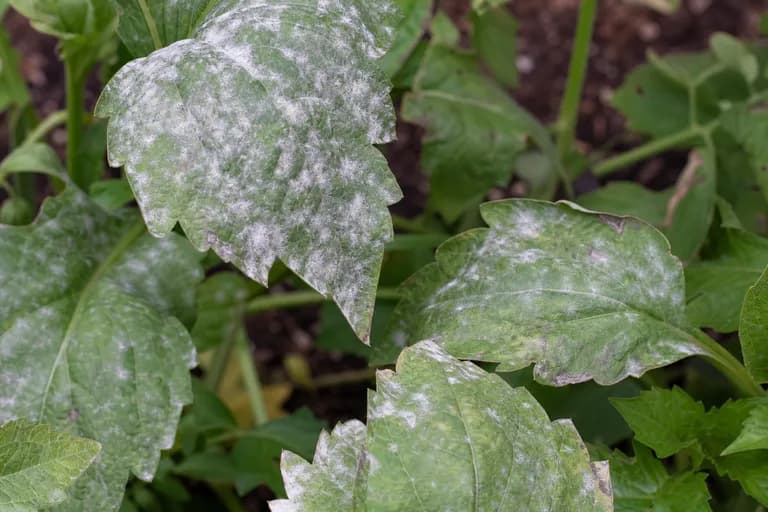
Echter Mehltau
KrankheitWeißer, pudriger Belag auf Nadeln und jungen Trieben, vermindertes Wachstum, Verformung neuer Triebe.
Fehlerbehebung bei häufigen Problemen
Wurzelfäule durch Überwässerung oder schlechte Drainage ist die häufigste Todesursache bei Tuscan Blue Rosmarin. Die hohe, aufrechte Wuchsform kann an der Basis kahl und sparrig werden, wenn nicht jährlich nach der Blüte zurückgeschnitten wird. In Zonen kälter als 7 kann Tuscan Blue Winterschäden erleiden oder ganz absterben – kultivieren Sie die Pflanze in großen Kübeln, die bei Kälteeinbrüchen an einen geschützten Ort gebracht werden können. Kübelpflanzen benötigen häufigeres, aber dennoch mäßiges Gießen. Starke Winde können aufrechte Äste brechen – wählen Sie einen geschützten Standort oder stützen Sie junge Pflanzen, bis sie einen kräftigen Stamm entwickelt haben.
Anbautipps
- Drainage ist der wichtigste Einzelfaktor für den erfolgreichen Anbau von Tuscan Blue Rosmarin. Pflanzen Sie in scharf entwässernden Boden, der mit grobem Sand, Perlit oder feinem Kies verbessert wurde. Hochbeete, Hügel oder Kübel mit Abflusslöchern werden dringend empfohlen, besonders in Gebieten mit Lehmboden oder hohen Niederschlägen.
- Wählen Sie den wärmsten, sonnigsten Platz in Ihrem Garten – eine nach Süden ausgerichtete Mauer oder Steinfläche, die gespeicherte Wärme abstrahlt, ist ideal. Tuscan Blue Rosmarin benötigt täglich mindestens 6–8 Stunden direkte Sonne und gedeiht in reflektierter Wärme, die die sonnengebrannten Hügel seiner Heimat Toskana nachahmt.
- Gießen Sie gründlich, aber sehr selten. Lassen Sie die oberen 5 cm des Bodens zwischen den Wassergaben vollständig abtrocknen. Überwässerung ist die häufigste Todesursache bei Rosmarin – weit mehr Pflanzen gehen durch Wurzelfäule bei übermäßiger Feuchtigkeit verloren als durch Trockenheit. Im Zweifelsfall gießen Sie nicht.
- Vermeiden Sie nährstoffreichen, stark kompostierten Boden. Rosmarin hat sich in mageren, felsigen Mittelmeerböden entwickelt und produziert unter weniger fruchtbaren Bedingungen sogar aromatischere ätherische Öle. Übermäßiger Stickstoff verursacht üppiges, aber geschmacksschwaches Wachstum, das anfälliger für Schädlinge und Krankheiten ist.
- Schneiden Sie regelmäßig zurück, aber schneiden Sie niemals in altes, blattloses Holz. Rosmarin regeneriert nicht aus kahlen Trieben wie viele andere Sträucher. Schneiden Sie immer bis zu einem Punkt zurück, an dem grünes, nadelbewachsenes Wachstum verbleibt. Der beste Zeitpunkt für einen starken Rückschnitt ist unmittelbar nach der Frühlingsblüte.
- Vermehren Sie über Stecklinge statt über Samen. Nehmen Sie 10–15 cm lange Stecklinge von gesunden, halbverholzten Trieben im späten Frühling oder Sommer, entfernen Sie die unteren Blätter, tauchen Sie in Bewurzelungshormon und bewurzeln Sie in Perlit oder grobem Sand. Stecklinge bewurzeln in 3–4 Wochen und bringen Pflanzen hervor, die identisch mit der Mutterpflanze sind.
- In Zone 7 und kälter kultivieren Sie Tuscan Blue Rosmarin in Kübeln, die für den Winter ins Haus gebracht werden können. Verwenden Sie einen Terrakottatopf mit hervorragender Drainage und eine magere, sandige Topfmischung. Gewöhnen Sie die Pflanzen schrittweise um – plötzliche Temperaturänderungen belasten Rosmarin mehr als gleichmäßige Kälte.
- Mulchen Sie mit Kies, kleinen Steinen oder grobem Sand anstelle von organischem Mulch. Organischer Mulch wie Rindenmulch oder Stroh hält Feuchtigkeit an den Trieben und schafft Bedingungen, die Wurzelfäule und Pilzkrankheiten begünstigen. Mineralischer Mulch verbessert die Drainage, reflektiert Wärme und hält die Kronenbasis trocken.
- Düngen Sie sparsam – eine leichte Gabe von ausgewogenem organischem Dünger oder eine dünne Kompostauflage im Frühjahr reicht für das gesamte Jahr. Überdüngter Rosmarin wächst schnell, produziert aber weniger ätherische Öle, was zu weniger aromatischen Blättern und verringerter Schädlingsresistenz führt.
- Pflanzen Sie Tuscan Blue Rosmarin als Begleitpflanze in der Nähe von Gemüse wie Kohl, Bohnen, Karotten und Tomaten. Seine starken aromatischen Öle sollen helfen, Möhrenfliegen, Kohlmotten und Bohnenkäfer abzuwehren. Die Blüten locken außerdem nützliche Raubinsekten wie Schlupfwespen und Schwebfliegen in den Garten.
Bau deine beste Toskanischer Blauer Rosmarin an — und alles drumherum.
Starte heute kostenlos. Lege deine Beete an, setze deine Toskanischer Blauer Rosmarin ein und lass PlotMyGarden Timing, Abstände, Begleiter und Erinnerungen von der Saat bis zum Erntekorb übernehmen.
Finde deine Toskanischer Blauer Rosmarin
Tuscan Blue
Der herausragende Küchenrosmarin mit hohem, aufrechtem Wuchs bis 180 cm, breiten dunklen Nadeln und intensiven tiefblauen Blütenähren. Gilt als Goldstandard für Geschmack.
Blue Spires
Eine eng verwandte aufrechte Selektion mit ähnlicher Höhe, aber etwas schmalerer Form und reichhaltigen blauen Blüten. Hervorragend für Heckenpflanzungen in warmen Klimazonen.
Gorizia
Eine italienische Sorte mit besonders breiten Nadeln und einem etwas stärker kampferbetonten Geschmacksprofil. Besonders bei Köchen wegen ihrer intensiven Aromatik geschätzt.
Frischer Rosmarin kostet im Supermarkt 2–4 € pro kleiner Packung (15–20 g), und getrockneter Rosmarin kostet 4–8 € pro Glas. Eine einzelne Tuscan Blue Rosmarinpflanze, die für 5–12 € in der Gärtnerei erhältlich ist, liefert bei minimalem Pflegeaufwand 10–15 Jahre oder länger kontinuierlich frische Kräuter und spart dabei leicht 50–100 € an frischem Rosmarin jährlich. Die Pflanze eliminiert außerdem den Abfall, der bei gekauften Kräutern entsteht, die oft welken, bevor sie vollständig verbraucht werden. Die Vermehrung durch Stecklinge senkt die Kosten noch weiter, da eine etablierte Pflanze durch einfache Stecklingsvermehrung Dutzende neuer Pflanzen kostenlos hervorbringen kann.
Schnelle Rezepte
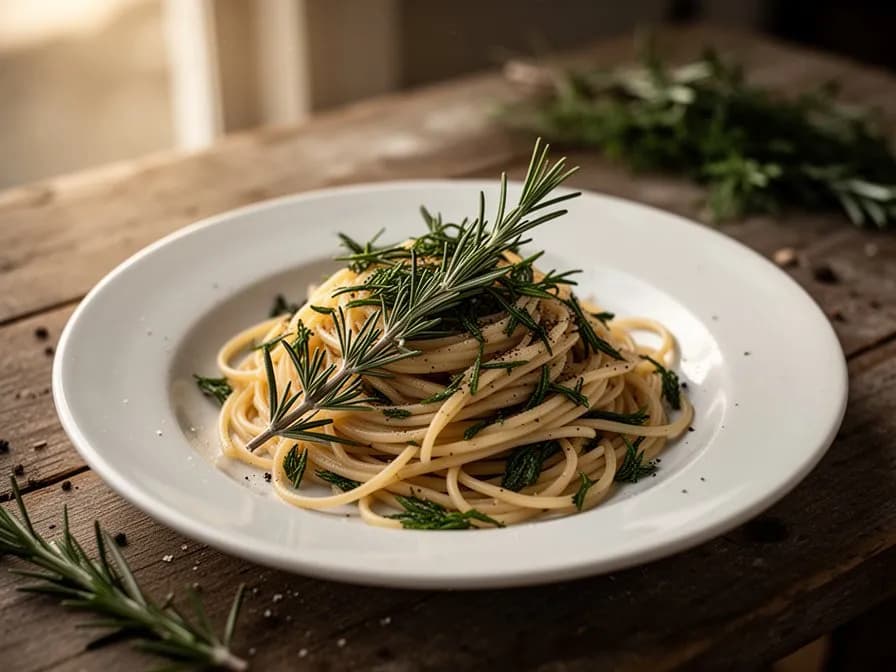
Rosmarin-Focaccia
90 Min.Ein klassisches italienisches Fladenbrot mit Olivenöl-Vertiefungen, belegt mit frischen Tuscan Blue Rosmarinnadeln und grobem Meersalz. Der wasserreiche Teig ergibt eine luftige, offene Krume mit einer knusprigen goldenen Kruste, die die Küche mit dem unverwechselbaren Duft von Rosmarin und warmem Brot erfüllt.
7 ZutatenRosmarin-Knoblauch-Olivenöl
15 Min.Ein duftendes aromatisiertes Öl, das einfache Gerichte in etwas Besonderes verwandelt. Frischer Tuscan Blue Rosmarin wird zusammen mit Knoblauch sanft in hochwertigem Olivenöl erwärmt, um seine ätherischen Öle freizusetzen – ein vielseitiges Würzmittel zum Brot dippen, Salate anmachen, über gegrilltes Gemüse träufeln oder Pasta verfeinern.
5 ZutatenRosmarin-Zitronen-Brathähnchen
75 Min.Ein Sonntagsklassiker, bei dem frische Rosmarinzweige unter die Haut und in die Bauchhöhle eines ganzen Hähnchens gelegt werden, zusammen mit Zitronenhälften und Knoblauch. Der Rosmarin durchdringt das Fleisch beim Braten und ergibt ein unglaublich aromatisches, goldbraunes Hähnchen mit zartem, kräuterreichem Fleisch.
7 ZutatenKulinarische Verwendung
Tuscan Blue gilt weithin als der beste Küchenrosmarin dank seiner konzentrierten ätherischen Öle und seines ausgewogenen, harzigen und zugleich süßlichen Geschmacks. Verwenden Sie ihn zum Würzen von gebratenem Lamm, Hähnchen, Schweinefleisch und Rindfleisch. Er veredelt Bratkartoffeln, Focaccia und gegrilltes Gemüse. Die breiten Nadeln geben ihr Aroma langsam in lang gekochten Gerichten wie Eintöpfen und Schmorgerichten ab. Streifen Sie frische Nadeln ab und hacken Sie sie fein für Kräutermarinaden, Gewürzmischungen und Kräuterbutter. Die essbaren tiefblauen Blüten verleihen Gerichten eine milde Rosmarinnote und eine dramatische Farbe.
Was drinsteckt
Gesundheitsvorteile
- Enthält kraftvolle antioxidative Verbindungen wie Carnosolsäure und Rosmarinsäure, die in klinischen Studien nachweislich freie Radikale neutralisieren, oxidative Stressmarker reduzieren und Zellen vor Schäden schützen – was Rosmarin zu einem der wirksamsten antioxidativen Kräuter macht.
- Forschungsergebnisse zeigen, dass das Einatmen des Duftes von ätherischem Rosmarinöl die kognitive Leistungsfähigkeit, die Gedächtnisleistung und die geistige Wachheit verbessert. Eine in Therapeutic Advances in Psychopharmacology veröffentlichte Studie ergab, dass bereits die Umgebungsexposition mit Rosmarinaroma die Geschwindigkeit und Genauigkeit bei kognitiven Aufgaben signifikant steigerte.
- Die entzündungshemmenden Verbindungen des Rosmarins, insbesondere Carnosol und Carnosolsäure, hemmen nachweislich Entzündungswege ähnlich wie gängige entzündungshemmende Medikamente und bieten potenziell Linderung bei Gelenkschmerzen, Muskelkater und chronisch-entzündlichen Erkrankungen.
- Wirkt als natürliche Verdauungshilfe, indem er die Gallenproduktion anregt und die Fettverdauung verbessert. Die traditionelle mediterrane Kräutermedizin verwendet seit Jahrhunderten Rosmarintee nach schweren Mahlzeiten, und moderne Forschung bestätigt seine karminativen und spasmolytischen Wirkungen auf den Magen-Darm-Trakt.
- Enthält natürliche antimikrobielle Verbindungen, die gegen ein breites Spektrum lebensmittelbedingter Krankheitserreger wirksam sind, darunter Staphylococcus aureus, E. coli und Listeria monocytogenes – was seine traditionelle Verwendung als Lebensmittelkonservierungsmittel und seine moderne Anwendung als natürliches Antimikrobikum in der Lebensmittelindustrie unterstützt.
- Neue Forschungsergebnisse deuten darauf hin, dass Rosmarinverbindungen, insbesondere Carnosolsäure, neuroprotektive Signalwege unterstützen können, die für den altersbedingten kognitiven Abbau relevant sind. Studien in Neurochemical Research haben gezeigt, dass Carnosolsäure schützende Signalwege in Gehirnzellen aktiviert, die oxidativem Stress ausgesetzt sind.
Woher Toskanischer Blauer Rosmarin stammt
Rosmarin (Salvia rosmarinus, früher Rosmarinus officinalis) stammt von den trockenen, felsigen Kalksteinhängen und Küstenklippen des Mittelmeerraums, wobei sein Zentrum der Vielfalt sich von Südfrankreich über Italien und Spanien bis zu den Küsten Griechenlands und der Türkei erstreckt. Die Sorte ‚Tuscan Blue' hat ihren Ursprung auf den sonnengebrannten Hügeln Mittelitaliens, wo Rosmarin seit über 2.000 Jahren als Küchen-, Heil- und Zeremonienkraut von höchster Bedeutung kultiviert wird.
Die alten Römer verehrten Rosmarin als heilige Pflanze, flochten ihn in Hochzeitskränze als Symbol der Treue, verbrannten ihn bei Begräbnissen als Tribut an die Verstorbenen und pflanzten ihn in Hausgärten als Schutz gegen böse Geister. Römische Soldaten trugen Rosmarinzweige auf Feldzügen, da sie glaubten, das Kraut schütze sie vor der Pest und reinige die Luft um ihre Lager. Der lateinische Name ‚ros marinus' – Tau des Meeres – spiegelt den natürlichen Lebensraum der Pflanze an den Mittelmeerküstenklippen wider, wo morgendliche Nebel vom Meer hereinziehen.
Im Mittelalter wurde Rosmarin zu einem der wichtigsten Kräuter in europäischen Klostergärten, wo er für Medizin, Küche und religiöse Zeremonien kultiviert wurde. Er war eine Hauptzutat des berühmten Ungarischen Wassers, eines der frühesten alkoholhaltigen Parfüme, das angeblich im 14. Jahrhundert für Königin Elisabeth von Ungarn hergestellt wurde. Rosmarin verbreitete sich mit dem Römischen Reich und später über klösterliche Handelsnetzwerke in ganz Nordeuropa und erreichte im 14. Jahrhundert England, wo er tief in Volkstraditionen rund um Gedächtnis, Liebe und Treue verwurzelt wurde.
Die Sorte ‚Tuscan Blue' wurde wegen ihres außergewöhnlich aufrechten Wuchses, der tiefblau-violetten Blüten und ihres intensiven aromatischen Charakters selektiert – Eigenschaften, die sie von den vielen anderen Rosmarinsorten unterscheiden. Außerhalb Italiens wurde sie im 20. Jahrhundert breit verfügbar und ist heute eine der beliebtesten Küchen-Rosmarinsorten weltweit, geschätzt von Köchen und Gärtnern gleichermaßen für ihren kräftigen Geschmack, ihre Zierwirkung und ihre wüchsige, wärmeliebende Konstitution.
Toskanischer Blauer Rosmarin: Schon gewusst?
Faszinierende Fakten über Toskanischer Blauer Rosmarin
Tuscan Blue Rosmarin ist eine der höchsten aufrechten Rosmarinsorten und kann in milden Klimazonen 180 cm oder mehr erreichen – in seiner Heimat Toskana können ausgewachsene Exemplare an sonnengewärmten Steinmauern fast 2 Meter erreichen und jahrzehntelang leben.
Toskanischer Blauer Rosmarin: Fragen & Antworten
Wann sollte ich Toskanischer Blauer Rosmarin pflanzen?
Was sind gute Begleitpflanzen für Toskanischer Blauer Rosmarin?
In welchen Winterhärtezonen kann Toskanischer Blauer Rosmarin wachsen?
Wie viel Sonne braucht Toskanischer Blauer Rosmarin?
Welchen Abstand sollte ich zwischen Toskanischer Blauer Rosmarin lassen?
Welche Schädlinge und Krankheiten befallen Toskanischer Blauer Rosmarin?
Wie lagere ich Toskanischer Blauer Rosmarin nach der Ernte?
Was sind die besten Toskanischer Blauer Rosmarin-Sorten zum Anbauen?
Welchen Boden braucht Toskanischer Blauer Rosmarin?
Wie winterhart ist Tuscan Blue Rosmarin im Vergleich zu anderen Sorten?
Warum wird mein Rosmarin braun und verliert Nadeln?
Kann ich Tuscan Blue Rosmarin ganzjährig drinnen anbauen?
Wann und wie sollte ich Tuscan Blue Rosmarin für das beste Aroma ernten?
Was ist der Unterschied zwischen Tuscan Blue und anderen Rosmarinsorten?
Lockt Tuscan Blue Rosmarin Bestäuber in den Garten?
Du hast die Theorie gelesen. Jetzt baue sie auf Autopilot an.
Alles, was Toskanischer Blauer Rosmarin knifflig macht — das Timing, die Abstände, die Begleiter, das Erntefenster — genau das übernimmt PlotMyGarden für dich, für jede Pflanze im Garten.
Ein Plan, der dein Wetter kennt
Standort einmal festlegen. Aussaat-, Dünge- und Erntedaten rund um deinen echten letzten Frosttermin und die Live-Vorhersage — kein Raten mehr nach Saattüte.
Aus dem Abschnitt „Pflanzzeit“Beetplaner per Drag & Drop
Beete auf einem Raster gestalten. Jede Pflanze rastet im richtigen Abstand ein, und du siehst die ganze Saison, bevor du einen Cent für Saatgut ausgibst.
Aus dem Abschnitt „Anbau“Begleiter-Konflikte früh erkannt
Über 200 gute und schlechte Kombinationen werden beim Pflanzen live geprüft — so landet ein saisonruinierender Fehler nie in der Erde.
Aus dem Abschnitt „Begleiter“Erinnerungen, nach denen du wirklich handelst
„Gieß die Bohnen.“ „Heute ernten, bevor's umschlägt.“ Pünktlich, konkret und auf deine echten Pflanzen bezogen.
Aus dem Abschnitt „Ernte“Staffel-Aussaat, geplant
Sechs Wochen ernten statt sechs Tage? Die App verteilt deine Aussaaten automatisch und erinnert dich, wenn der nächste Satz fällig ist.
Aus dem Abschnitt „Pflanzzeit“Ein Verlauf, der schlauer wird
Jede protokollierte Ernte bringt der App deinen Garten bei. Der Plan fürs nächste Jahr startet bei dem, was in deinem Boden wirklich funktioniert hat.
Aus dem Abschnitt „Überblick“Pflanze diese neben Toskanischer Blauer Rosmarin
Weitere Küchenkräuter
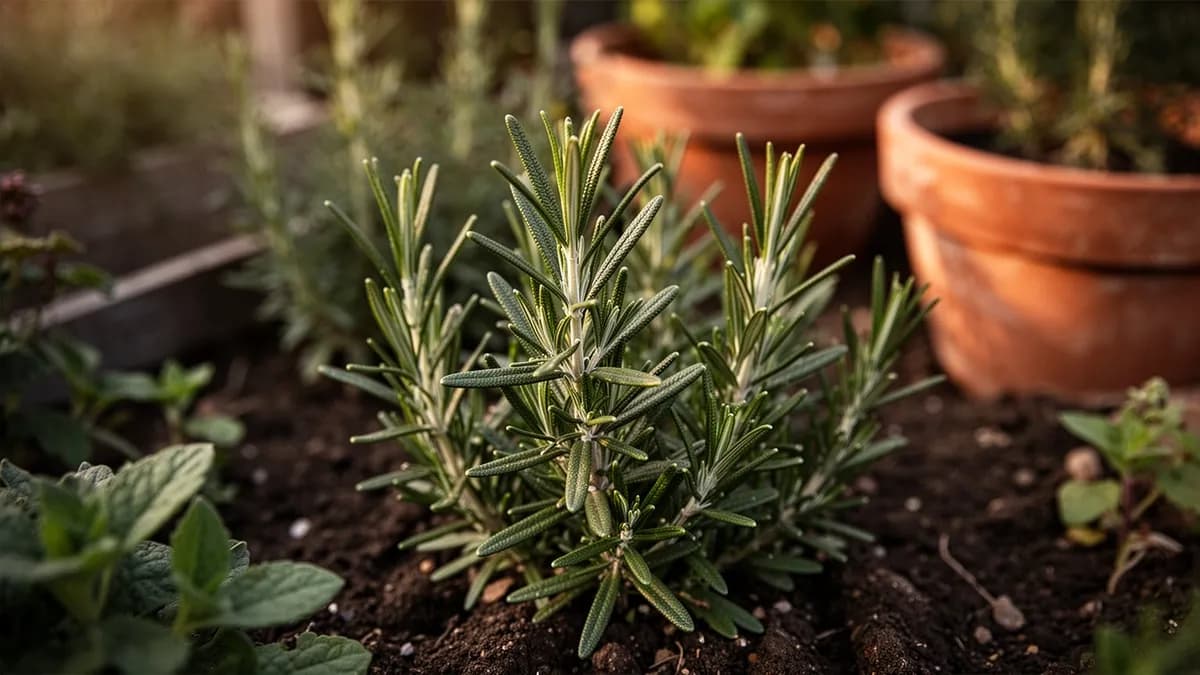
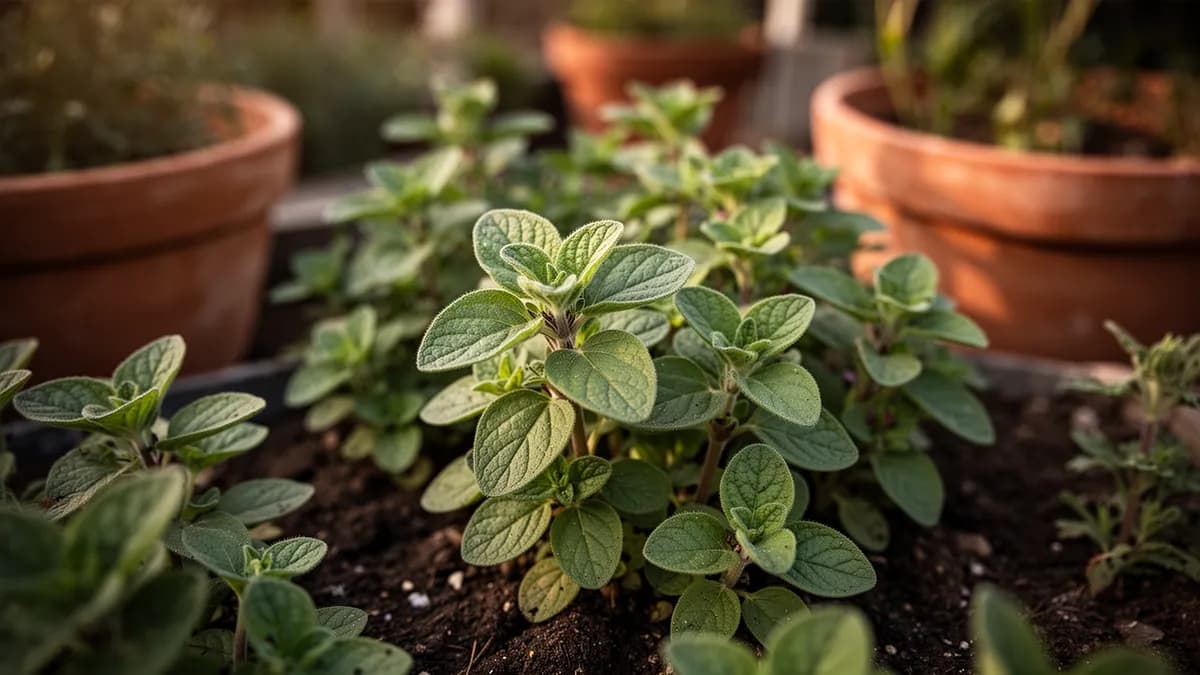
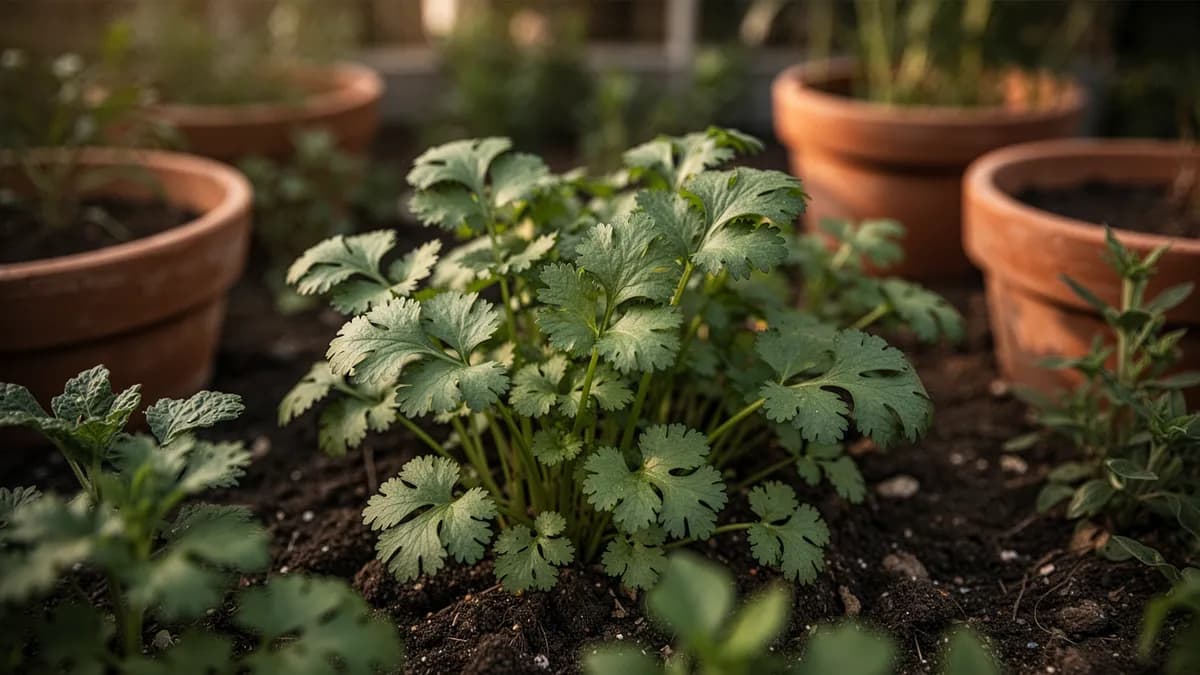
Halte Toskanischer Blauer Rosmarin von diesen fern
Gartenpläne mit Toskanischer Blauer Rosmarin
Bau deine beste Toskanischer Blauer Rosmarin an — und alles drumherum.
Starte heute kostenlos. Lege deine Beete an, setze deine Toskanischer Blauer Rosmarin ein und lass PlotMyGarden Timing, Abstände, Begleiter und Erinnerungen von der Saat bis zum Erntekorb übernehmen.