Quince Tree
A small, ornamental fruit tree with beautiful pink-tinged spring blossoms and aromatic golden fruits used for cooking, preserves, and membrillo paste.





On this pageOverview
Meet Quince Tree
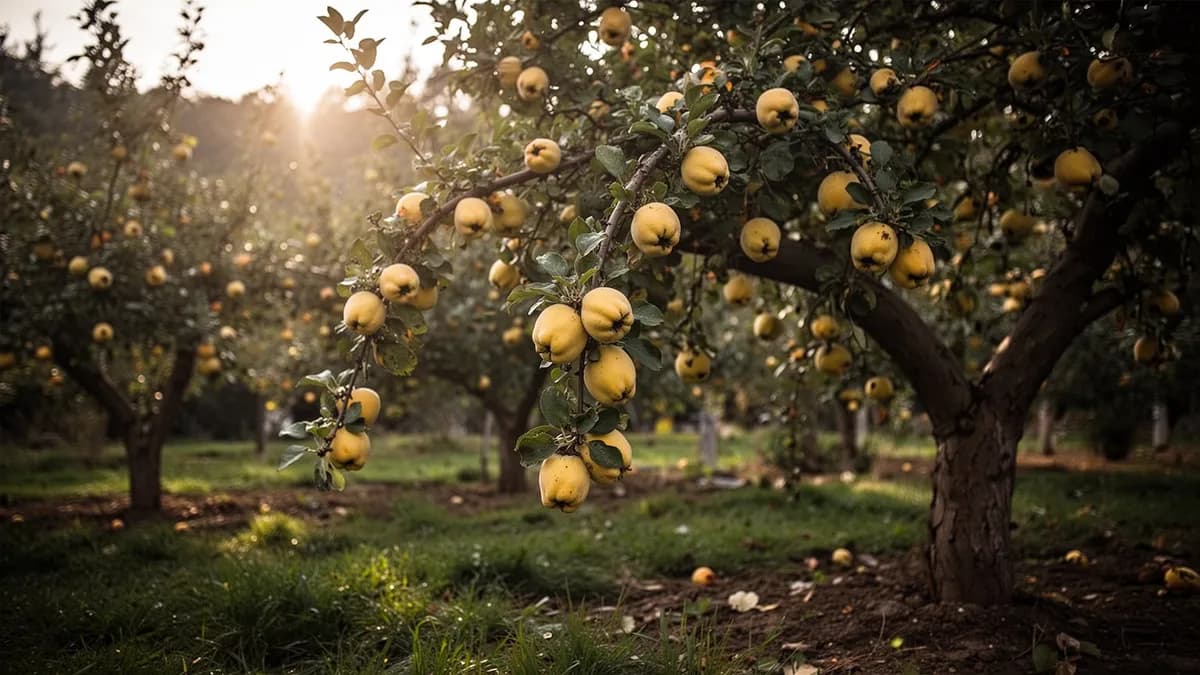
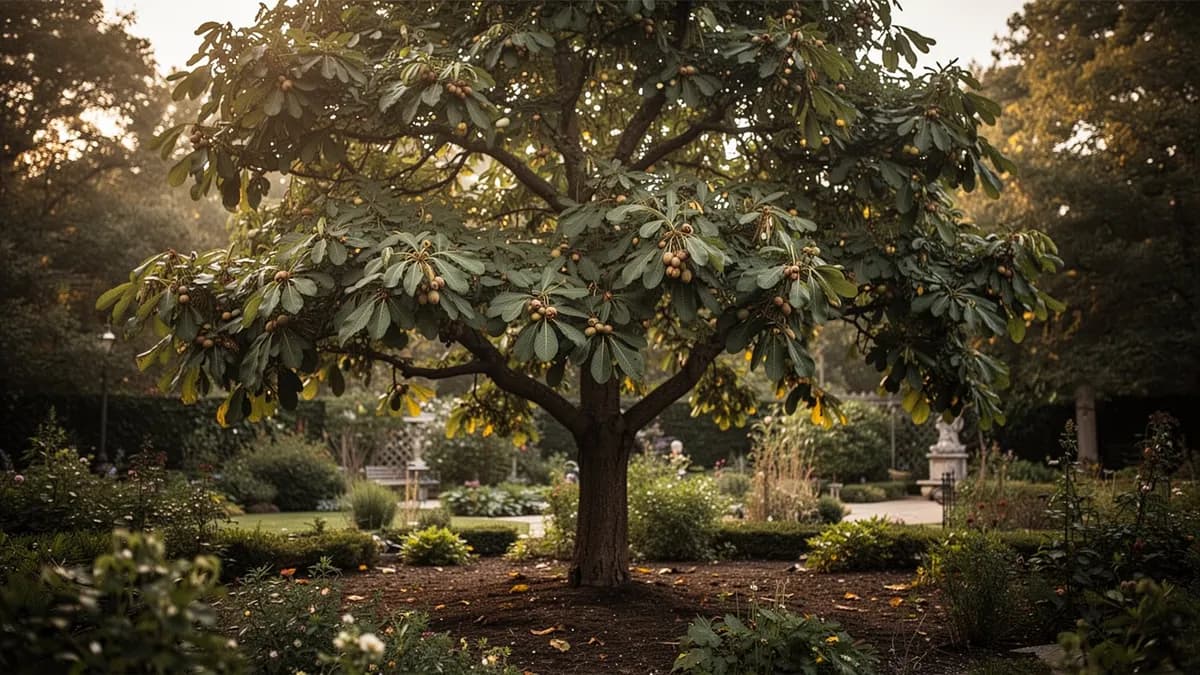
A small, ornamental fruit tree with beautiful pink-tinged spring blossoms and aromatic golden fruits used for cooking, preserves, and membrillo paste. Quince fruits are too hard and astringent to eat raw but transform into a beautiful rosy-pink color when slowly cooked with sugar. The trees are self-fertile, relatively pest-resistant, and tolerant of wet soil conditions that would harm other fruit trees. Prune to an open goblet shape for best fruit production and airflow.
When to plant Quince Tree
Quince trees are propagated by hardwood cuttings, layering, or grafting. Hardwood cuttings taken in late winter root readily, making quince one of the easiest fruit trees to propagate at home. Select pencil-thick cuttings 8 to 10 inches long from one-year-old wood and insert into moist potting mix. Quince rootstock is also widely used for grafting pear trees, producing smaller, earlier-bearing pear trees. Named varieties can be budded onto quince seedling rootstock in late summer for true-to-type plants.
Your Quince Tree Year
Composed for Zone 7 · typical seasons · frost passes Apr 2, returns Nov 1
Plant Quince Tree Mar – Apr, Nov, pick Oct – Nov. Check the planting methods below and set your climate to personalize these windows.
How to grow Quince Tree
Quince trees are small, self-fertile deciduous trees that reach 12 to 15 feet tall with a naturally open, somewhat irregular growth habit. Plant in full sun in any well-drained soil with a pH of 6.0 to 7.5. Unlike most fruit trees, quinces tolerate heavy, wet clay soil remarkably well, making them excellent choices for poorly drained sites. Space trees 15 feet apart. Quince blooms later than apples and pears, reducing the risk of frost damage to flowers.
Water regularly during the first two growing seasons to establish a strong root system. Once established, quince trees are moderately drought-tolerant but produce better fruit with consistent moisture during the growing season. Apply a balanced fertilizer in early spring and topdress with compost annually. Quince trees are moderate feeders and respond well to organic soil management.
Prune quince trees in winter to develop and maintain an open goblet or vase shape that admits light and air to the center of the canopy. Remove suckers from the base, crossing branches, and dead wood annually. Quince fruit develops on the tips of current-season growth, so avoid heavy heading cuts that remove fruiting wood. The large, solitary pink-white flowers in late spring are among the most beautiful of any fruit tree. Harvest fruit in October and November when it turns golden yellow and highly fragrant.
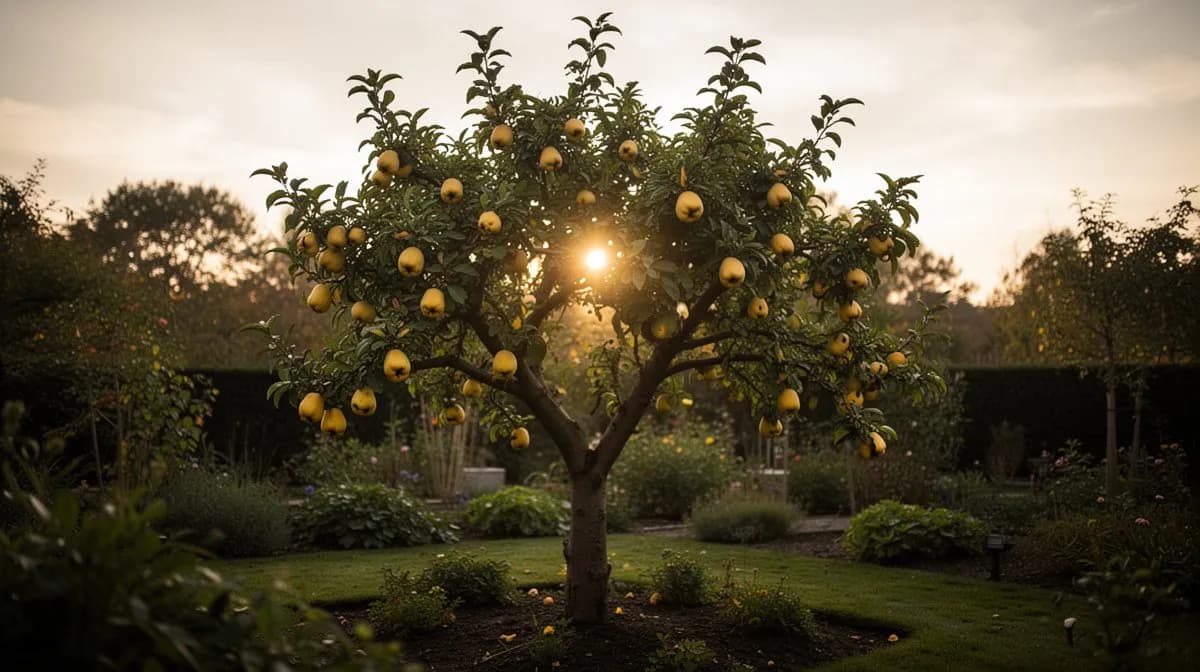
Quince Tree needs more room than a 4 × 8 ft bed gives
Each Quince Tree wants 500 cm of elbow room. The planner keeps that spacing for you — every plant, every bed.
Quince Tree's best neighbours
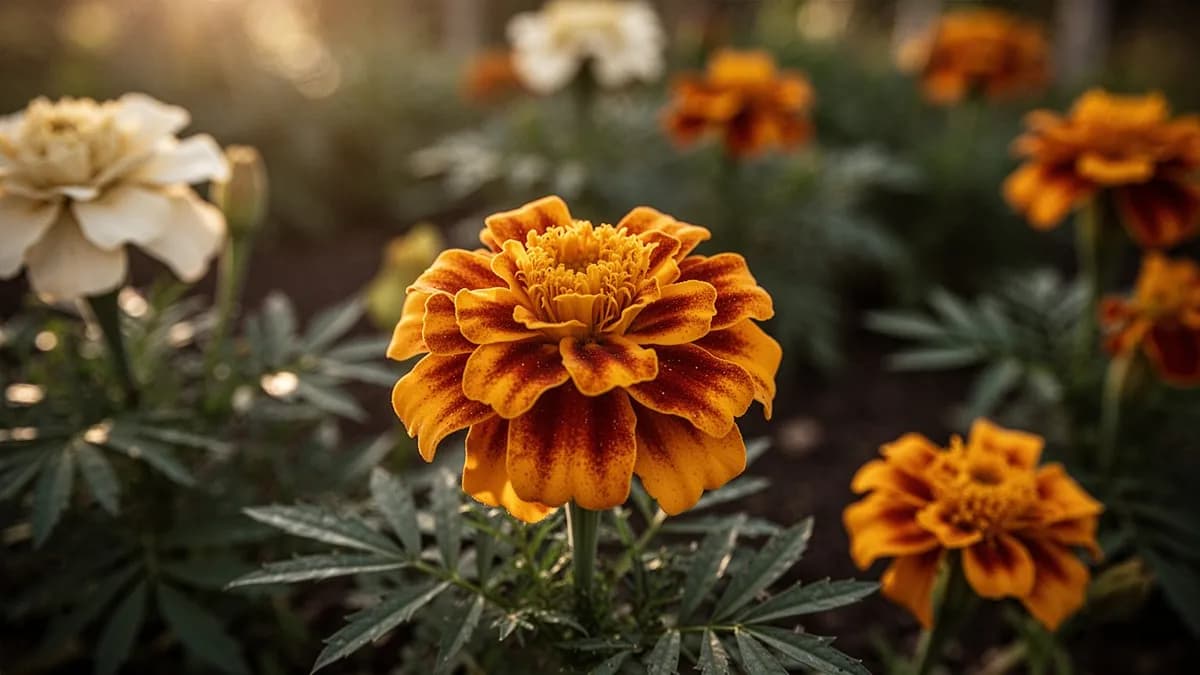
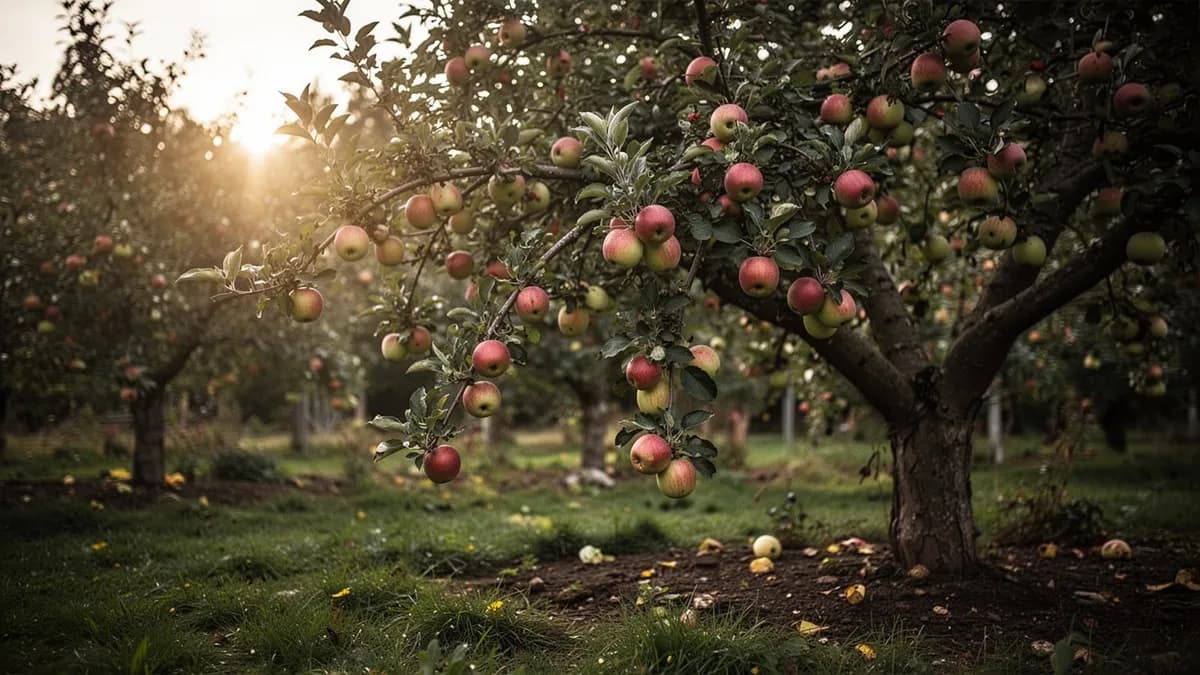
Quince trees make excellent companions in mixed fruit orchards alongside apples, pears, and medlars. Their tolerance of wet soil makes them suitable for areas where other fruit trees struggle. Underplant with comfrey, which thrives in similar moist conditions and provides nutrient-rich mulch material. Spring-blooming bulbs and primroses naturalize beautifully beneath the open canopy. Avoid planting near juglone-producing walnut trees. Aromatic herbs like lavender and rosemary around the drip line attract pollinators.
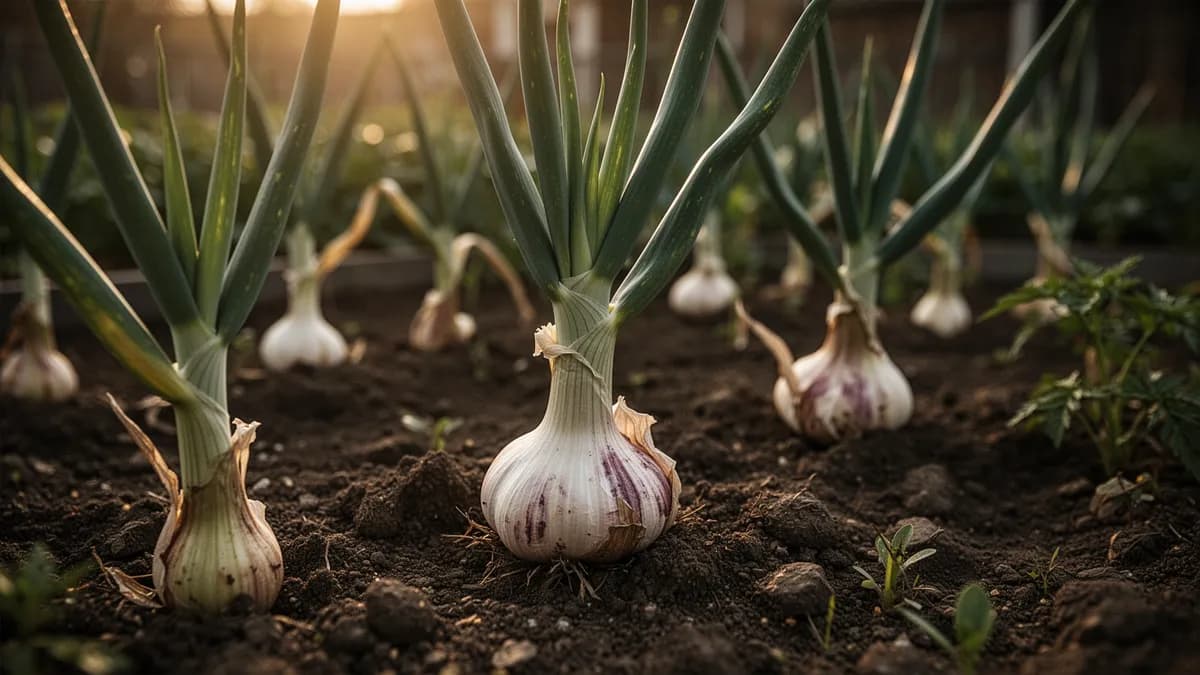
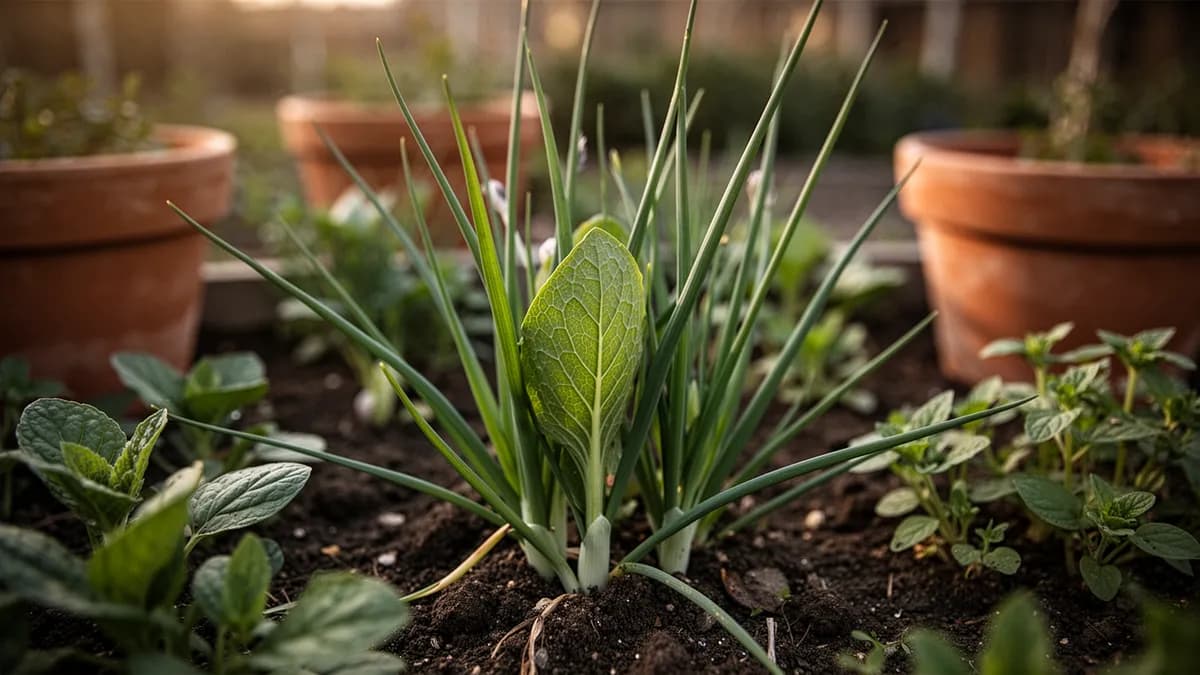
Garlic belongs beside it. Walnut Tree doesn't.
Old growers' knowledge, checked against Quince Tree's real companion table below — test any plant you're growing.
Try Quince Tree in a bed — right here
A real planner bed with Quince Tree already in it. Tap a companion to place it and watch the pairing checks answer — green for good neighbours, red for a clash.


Related growing guides
Feed it well
Quince trees are more tolerant of wet, heavy clay soil than almost any other fruit tree, making them valuable for poorly drained garden sites. They prefer a pH of 6.0 to 7.5 and grow well in loam, clay loam, and even heavy clay. Apply compost as a topdressing in late winter and a balanced organic fertilizer in early spring. Avoid excessive nitrogen, which promotes succulent growth susceptible to fire blight. Iron chlorosis may occur in very alkaline soils and can be corrected with chelated iron applications.
Ideal Temperature
Hardiness Zone Compatibility
From seed to harvest, stage by stage
Winter Dormancy
The quince tree is fully leafless and dormant through winter. Root activity slows but does not stop entirely, and the tree accumulates the 300 to 500 chill hours below 7 °C it requires for reliable flowering. Quince has a relatively modest chilling requirement compared with apples and pears, which helps it perform well in milder climates. Energy reserves stored in the wood and root system sustain the tree until spring growth resumes.
Bud Break and Leaf Emergence
As soil and air temperatures rise in early to mid spring, plump leaf buds swell and unfurl into large, oval, softly downy leaves. Unlike many fruit trees, the quince produces its leaves before or simultaneously with its flowers rather than after. New shoot growth is vigorous, extending from the tips of one-year-old wood. The downy covering on young leaves helps protect them from late frost and excessive moisture loss.
Flowering
Large, solitary flowers open at the tips of short lateral shoots in late spring. Each bloom is 4 to 5 cm across with five delicate petals that range from white to soft pink, and they are lightly fragrant. Quince flowers are borne singly rather than in clusters, giving the tree an elegant appearance. Most cultivars of Cydonia oblonga are self-fertile, but cross-pollination from another quince or a compatible pear tree generally improves fruit set and size.
Fruit Set and Development
After successful pollination the petals drop and a small green fruitlet begins to enlarge at the base of each flower. The young fruit is covered in a dense grey-white woolly pubescence that gradually thins as it grows. During this long development phase the fruit transitions from round-green to its mature pear or apple shape depending on cultivar. The tree channels significant energy into fruit growth, and adequate water and nutrients during this period directly influence final fruit size.
Fruit Ripening
From early to mid autumn the fruit transitions from green to a rich golden yellow, and the woolly coating gradually rubs off or weathers away. The intense floral and citrus-like fragrance of ripe quince becomes noticeable even from a distance. The flesh remains hard and astringent when raw, which is normal for Cydonia oblonga. Fruit is ready to harvest when it detaches from the spur with a gentle upward twist and the skin has turned uniformly golden.
Post-Harvest and Leaf Fall
After the last fruit is picked the tree begins shutting down for winter. Leaves turn golden yellow before dropping, and the tree redistributes nutrients from the foliage into the root system and woody framework for storage. This period of resource reallocation is critical for the following season performance. The attractive twisted branch architecture of the quince tree becomes visible once the canopy is bare.
Apply a winter wash of plant oil or sulphur-based spray on a dry day above 5 °C to control overwintering pest eggs and fungal spores. Check the trunk and branch junctions for signs of canker and prune out any dead or diseased wood with sterilised tools. Replenish organic mulch around the root zone to a depth of 8 to 10 cm, keeping it clear of the trunk.
Caring for Quince Tree month by month
What to do each month for your Quince Tree
October
You are hereHarvest main-season fruit before hard frost. Store sound fruit in single layers in a cool well-ventilated shed or garage. Process damaged fruit immediately into preserves.
Know exactly what to do in your garden — every month
One email at the start of each month: what to sow, plant, and tackle right now — for your Quince Tree and everything growing around it. Plus a short starter course that helps you dodge the classic mistakes.
- What to do, right now
- Matched to your season
- Starter course included
Harvesting Quince Tree
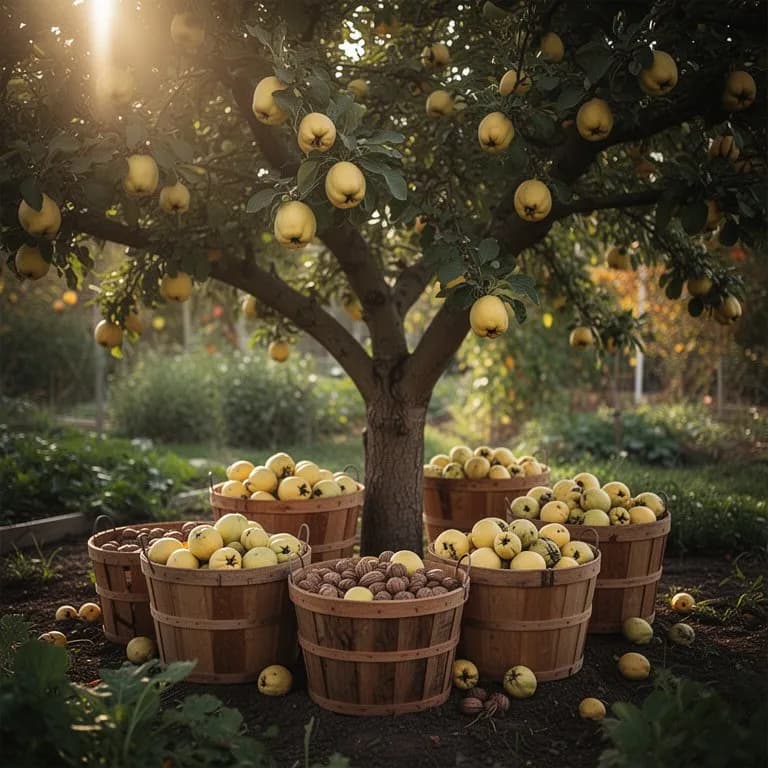
Harvest quince in October or November when the fruit turns from green to golden yellow and develops its characteristic intense fragrance. Ripe quince is still very hard and cannot be eaten raw due to its astringent, gritty flesh. Cut fruit from the tree with a short stem attached, handling carefully to avoid bruising the tender skin. A light frost improves flavor development. The fruit should emit a powerful, sweet aroma when ripe, filling a room with perfume when brought indoors.
assuming you plant when the window opens — set your real date
Pick Quince Tree promptly and the plant keeps producing.
Storage & Preservation
Quince stores exceptionally well in a cool, well-ventilated area for 2 to 3 months. Keep fruit in a single layer, not touching, at 35 to 40 degrees Fahrenheit. Quince must be cooked to be edible, and the hard, pale flesh transforms into a beautiful rosy-pink color with a rich, honeyed flavor when slowly simmered. Membrillo, a firm quince paste, is the most famous preserved form and pairs perfectly with manchego cheese. Quince jelly, marmalade, and poached quince halves are classic preparations.
What goes wrong — and the fix
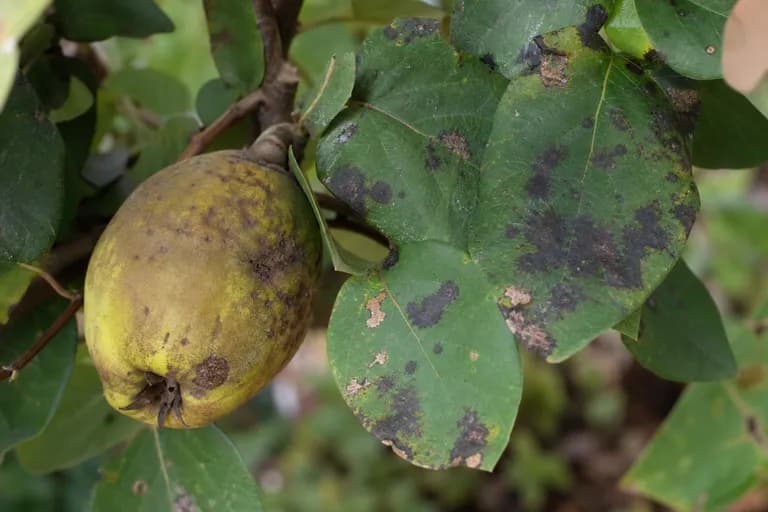
Quince Leaf Blight
DiseaseSmall, irregular dark spots on leaves that enlarge and cause premature defoliation. Severe infections weaken the tree and reduce fruit production.
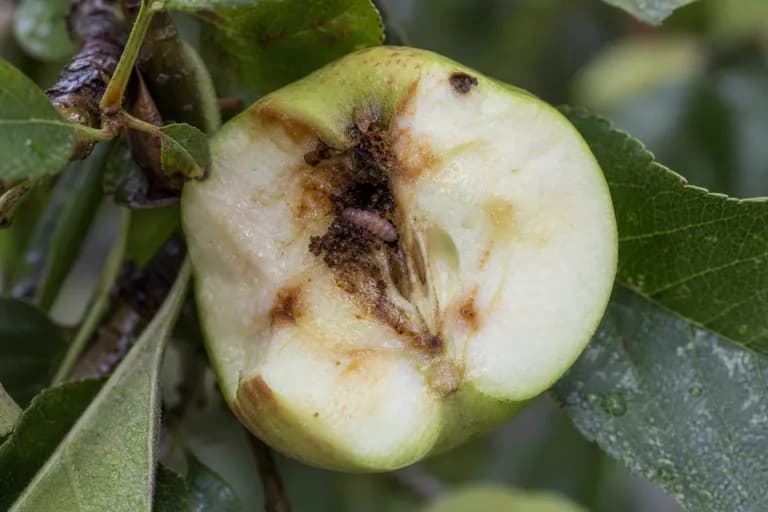
Codling Moth
PestLarvae tunnel into fruit near the calyx end, leaving frass at entry points. Damaged fruit has brown tunnels through the flesh.
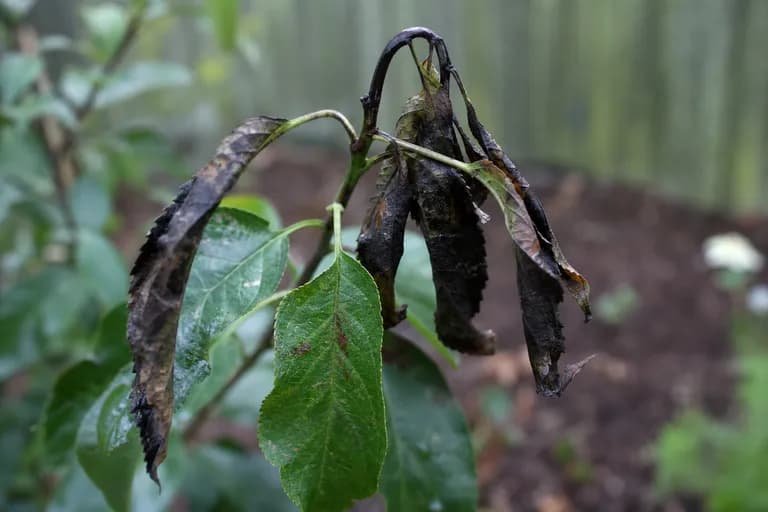
Fire Blight
DiseaseShoot tips wilt and bend into a shepherd's crook shape. Bark may appear water-soaked with bacterial ooze. Quince is highly susceptible as a pome fruit relative.
Troubleshooting Common Problems
Quince leaf blight is the most common disease issue, causing defoliation during wet seasons and weakening trees over time. Fire blight can be devastating, as quince is highly susceptible. Choose resistant varieties when available and avoid over-fertilization. Some gardeners are disappointed that quince cannot be eaten raw, not realizing that cooking is essential to develop the extraordinary flavor and color. Late-season fruit may not fully ripen in short-summer climates before frost.
Growing Tips
- Plant quince trees in a sheltered position with full sun and well-drained loamy soil with a pH of 6.0 to 7.0 for best fruit quality.
- Space standard quince trees 4 to 5 metres apart, or 3 metres for trees on Quince A dwarfing rootstock.
- Water deeply and consistently during the first two growing seasons to establish a strong root system before reducing supplemental irrigation.
- Apply a balanced organic fertiliser such as blood and bone in early spring and again after fruit set to sustain vigorous growth and fruit development.
- Prune in late winter to maintain an open vase shape with four to five well-spaced main branches, removing crossing or inward-growing shoots.
- Mulch the root zone with 8 to 10 cm of well-rotted compost or wood chips, keeping the material at least 15 cm away from the trunk to prevent collar rot.
- Monitor for Entomosporium leaf blight throughout the growing season and apply a fungicide at bud break and petal fall in areas where the disease is prevalent.
- Harvest fruit only when fully golden and fragrant — quince picked too early will not ripen properly off the tree and will lack flavour.
- Store harvested quinces in a single layer in a cool, well-ventilated space at around 2 to 4 °C where they can keep for up to two months.
- Avoid planting quince near hawthorn or firethorn as these related plants can share fire blight and rust diseases with Cydonia oblonga.
Grow your best Quince Tree yet — and everything around it.
Start a free plan today. Lay out your beds, drop in your Quince Tree, and let PlotMyGarden handle the timing, spacing, companions and reminders from seed to harvest basket.
Pick your Quince Tree
Smyrna
A large-fruited variety with excellent cooking quality, producing golden fruit with intense fragrance. Vigorous tree with good disease resistance.
Champion
One of the most cold-hardy quince varieties, producing large, tender fruit that cooks more quickly than other types. Reliable bearer in northern climates.
Vranja
A Serbian variety prized for its enormous, highly aromatic fruit. Makes outstanding membrillo and jelly. Moderate disease resistance.
Aromatnaya
A Russian variety notable for producing fruit sweet enough to eat fresh when fully ripe, unique among quinces. Very cold-hardy.
A single mature quince tree can yield 15 to 25 kg of fruit annually, and because quince is rarely found in supermarkets, when available it typically sells for 6 to 10 dollars per kilogram. Growing your own provides an estimated 100 to 200 dollars worth of fruit each year from a tree that requires minimal inputs, no expensive spraying programme, and very little ongoing maintenance once established.
Quick recipes
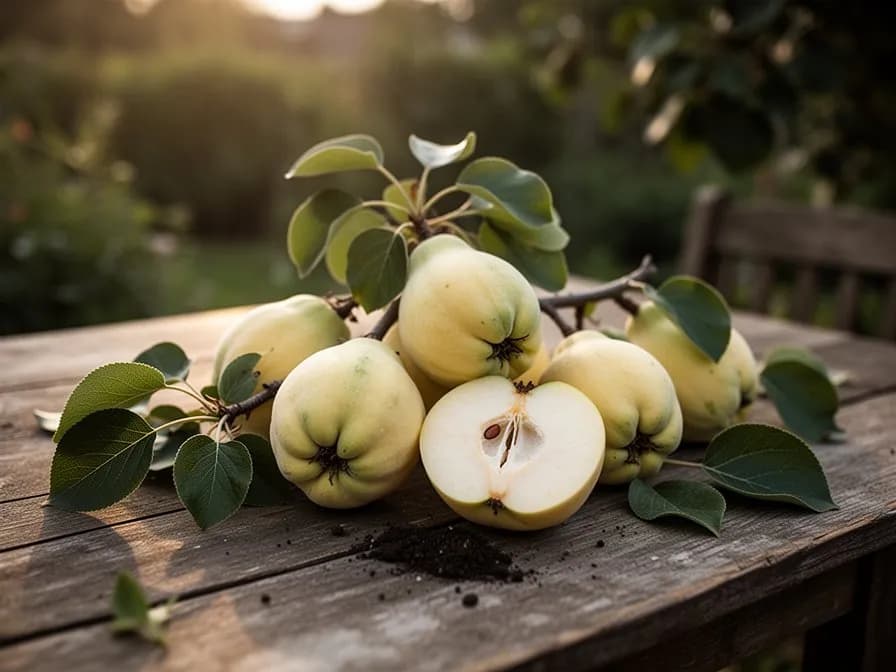
Slow-Roasted Honey Quince
15 min prep, 2.5 hours roastingQuince halves roasted low and slow with honey, vanilla, and a splash of wine until they turn a deep ruby colour and become meltingly tender. Serve warm with yoghurt, ice cream, or alongside roasted meats.
6 ingredients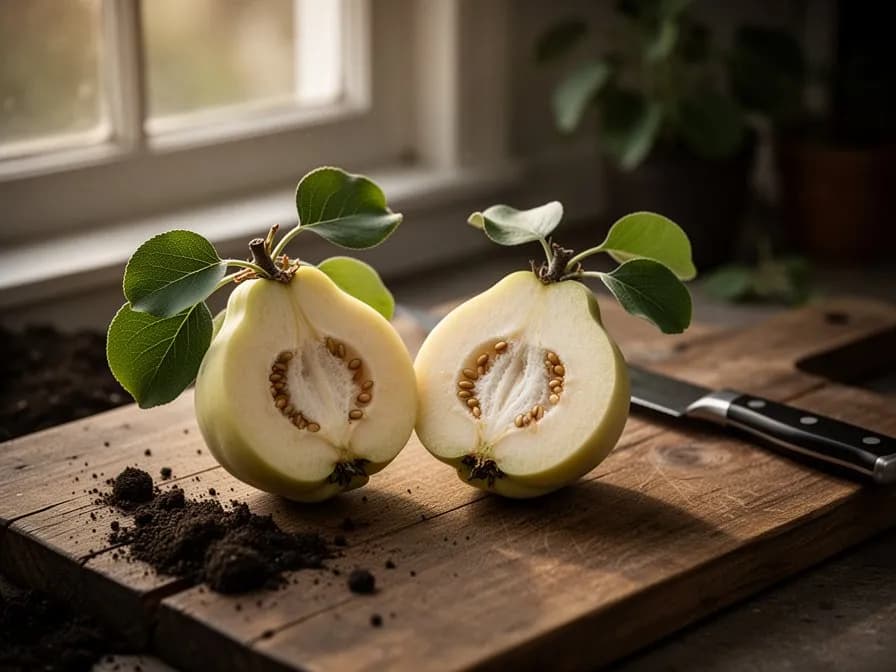
Classic Quince Membrillo
30 min prep, 1.5 hours cookingA firm, sliceable quince paste with a jewel-like ruby hue and concentrated sweet-tart flavour. Membrillo is the traditional Spanish companion to manchego cheese and keeps for months in the refrigerator.
5 ingredientsQuince and Cardamom Compote
15 min prep, 45 min cookingQuince poached gently with cardamom, cinnamon, and orange zest into a fragrant compote that turns a lovely pink colour. Perfect spooned over porridge, pancakes, or stirred into natural yoghurt.
6 ingredientsCulinary Uses
Quince is a supremely culinary fruit that must be cooked to reveal its extraordinary qualities. The hard, astringent raw flesh transforms into tender, rosy-pink, honeyed deliciousness when slowly simmered with sugar. Membrillo paste paired with manchego cheese is a classic Spanish combination. Quince jelly has a beautiful color and delicate floral flavor. Poached quince halves served with cream are an elegant dessert. The fruit adds depth to apple pies and is used in Middle Eastern stews and tagines.
What's inside
Health Benefits
- High pectin content supports digestive regularity and may help lower LDL cholesterol levels when consumed as part of a balanced diet.
- Rich in antioxidant polyphenols including chlorogenic acid that help neutralise free radicals and reduce oxidative stress.
- Traditional use as a mucilage-rich infusion from the seeds provides soothing relief for sore throats and mild coughs.
- Good source of vitamin C which supports immune function, collagen synthesis, and iron absorption from plant foods.
- Contains anti-inflammatory compounds that have shown promise in preliminary studies for reducing symptoms of allergic reactions.
- Low glycaemic index when cooked without excessive sugar, making it a suitable fruit option for people managing blood sugar levels.
Where Quince Tree comes from
Cydonia oblonga, the true quince, originated in the mountainous regions of the Caucasus, northern Iran, and Turkmenistan, where wild populations still grow in rocky valleys and along riverbanks. Archaeological evidence from sites in Mesopotamia suggests that quince was among the earliest cultivated fruit trees, with seeds and fruit remains dating back to at least 2000 BCE. The ancient Sumerians and Babylonians prized quince for its fragrance and its preserving qualities in the days before refrigeration. Greek and Roman writers including Pliny the Elder and Columella described multiple quince varieties and detailed methods for cooking and preserving the fruit, recommending it poached in honey as a digestive aid and throat remedy. The Romans spread quince cultivation across their empire, introducing it to Iberia, Gaul, and Britain. During the medieval period, monasteries throughout Europe maintained quince orchards both for the kitchen and for the ornamental beauty of the trees. The fruit became deeply embedded in the culinary traditions of Spain and Portugal, where membrillo, a firm quince paste, remains a staple pairing with cheese to this day. Spanish and Portuguese colonists carried quince to the Americas in the sixteenth century, and the tree adapted well to the warm climates of California, Argentina, and Uruguay. In Central Asia and the Middle East, quince has never lost its prominence — it features in Iranian khoresh, Turkish and Lebanese stews, and Uzbek pilafs. Today the largest commercial producers of quince are Turkey, China, Iran, Argentina, and Morocco, though the fruit is experiencing a renaissance among home gardeners and artisan food producers in temperate regions worldwide who value its unique flavour and remarkable versatility in the kitchen.
Quince Tree: did you know?
Fascinating facts about Quince Tree
Ancient Greeks considered the quince sacred to Aphrodite and it is widely believed to be the golden apple of the Garden of the Hesperides from Greek mythology.
Quince Tree questions, answered
When should I plant Quince Tree?
What are good companion plants for Quince Tree?
What hardiness zones can Quince Tree grow in?
How much sun does Quince Tree need?
How far apart should I space Quince Tree?
What pests and diseases affect Quince Tree?
How do I store Quince Tree after harvest?
What are the best Quince Tree varieties to grow?
What soil does Quince Tree need?
Can you eat quince fruit raw?
Does a quince tree need a pollinator?
How long does it take for a quince tree to bear fruit?
Why is my quince fruit staying green and not turning yellow?
What causes brown spots on quince leaves?
What is the difference between a quince tree and a flowering quince?
You just read the theory. Now grow it on autopilot.
Everything that makes Quince Tree fiddly — the timing, the spacing, the companions, the harvest window — is exactly what PlotMyGarden handles for you, for every plant in your garden.
A plan that knows your weather
Set your location once. Get sow, feed and harvest dates built around your real last-frost date and live forecast — no more guessing from a generic seed packet.
From the “When to plant” sectionDrag-and-drop bed planner
Design beds on a grid. Every plant snaps to its proper spacing, and you can see your whole season laid out before you spend a cent on seed.
From the “Growing guide” sectionCompanion conflicts, caught early
200+ good-and-bad pairings checked live as you plant — so a season-wrecking mistake never makes it into the ground.
From the “Companions” sectionReminders you'll actually act on
“Water the beans.” “Pick today before it turns.” Timely, specific, and tied to the plants you're really growing.
From the “Harvest” sectionSuccession, scheduled
Want a harvest for six weeks, not six days? It spaces your sowings automatically and reminds you when each new block is due.
From the “When to plant” sectionA record that gets smarter
Every harvest you log teaches it your garden. Next year's plan starts from what actually worked in your soil, not a textbook's.
From the “Overview” sectionPlant these alongside Quince Tree
More Fruit Trees
Keep Quince Tree away from these
Grow your best Quince Tree yet — and everything around it.
Start a free plan today. Lay out your beds, drop in your Quince Tree, and let PlotMyGarden handle the timing, spacing, companions and reminders from seed to harvest basket.