Ciruela Stanley
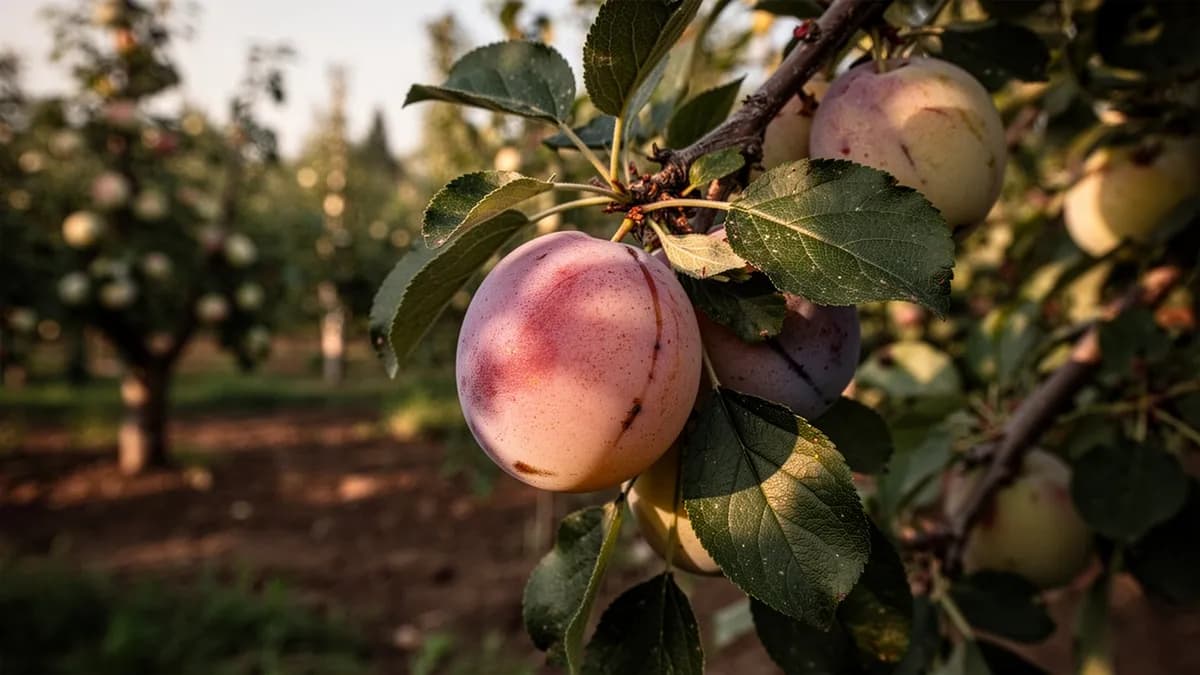
La clásica ciruela europea para secado, que produce frutos medianos, azul oscuro y de hueso libre, con pulpa firme, dulce y verde dorada, perfecta para secar como ciruelas pasas.





En esta páginaResumen
Conoce Ciruela Stanley
La clásica ciruela europea para secado, que produce frutos medianos, azul oscuro y de hueso libre, con pulpa firme, dulce y verde dorada, perfecta para secar como ciruelas pasas. Stanley es autofértil, muy productiva y requiere unas 800 horas de frío. Su pulpa densa resiste muy bien el horneado, el enlatado y la elaboración de brandy de ciruela tradicional.
Cuándo plantar Ciruela Stanley
Los huesos de ciruela Stanley germinan de forma fiable tras la estratificación en frío. Limpie los huesos de la fruta madura y estratifíquelos en arena húmeda a entre 1 y 4 °C durante 90 a 150 días. Las plántulas de ciruela europea son más uniformes que las japonesas, pero aun así no serán idénticas a la planta madre. Plante a 2.5 cm de profundidad en primavera. Para obtener árboles Stanley fieles a la variedad, injerte púas sobre patrón de mirabolano o San Julián mediante injerto inglés o de lengüeta a finales de invierno. La yema en agosto también funciona bien.
Tu año de Ciruela Stanley
Ajustado a Zona 7 · temporada típica · la helada se va hacia el 2 abr y vuelve hacia el 1 nov
Planta Ciruela Stanley Feb – Mar y cosecha Ago – Sep. Consulta los métodos de plantación y elige tu clima para adaptar los periodos.
Cómo cultivar Ciruela Stanley
Los ciruelos Stanley rinden mejor a pleno sol, en un suelo franco profundo y bien drenado, con un pH de 6.0 a 7.0. Plante árboles de raíz desnuda a finales de invierno, dejando una separación de 5.5 a 6.7 metros entre ejemplares estándar. Stanley es plenamente autofértil y una de las ciruelas europeas más fiables, con unas 800 horas de frío. Además, sirve como excelente polinizador para otras variedades de ciruela europea.
Riegue a fondo cada 7 a 10 días durante la temporada de crecimiento. En general, las ciruelas europeas requieren menos raleo que las japonesas, pero elimine cualquier fruto dañado o agrupado cuando tenga tamaño de guisante. Entrene el árbol con una forma de líder central modificado, que encaja mejor con el porte más erguido de las ciruelas europeas que la forma de vaso abierto usada en las variedades japonesas.
Pode ligeramente a finales de invierno, ya que las ciruelas europeas necesitan una poda menos agresiva que las japonesas. Elimine ramas cruzadas, brotes de agua y madera muerta. Stanley fructifica principalmente en dardos que producen durante varios años, así que evite quitar sistemas de dardos ya establecidos. Aplique un fertilizante equilibrado a comienzos de primavera. Su floración tardía ayuda a evitar daños por heladas en la mayoría de las regiones.
Para Ciruela Stanley un bancal de 120 × 240 cm se queda corto
Cada Ciruela Stanley pide 400 cm de margen. El planificador guarda ese marco por ti — cada planta, cada bancal.
Los mejores vecinos de Ciruela Stanley
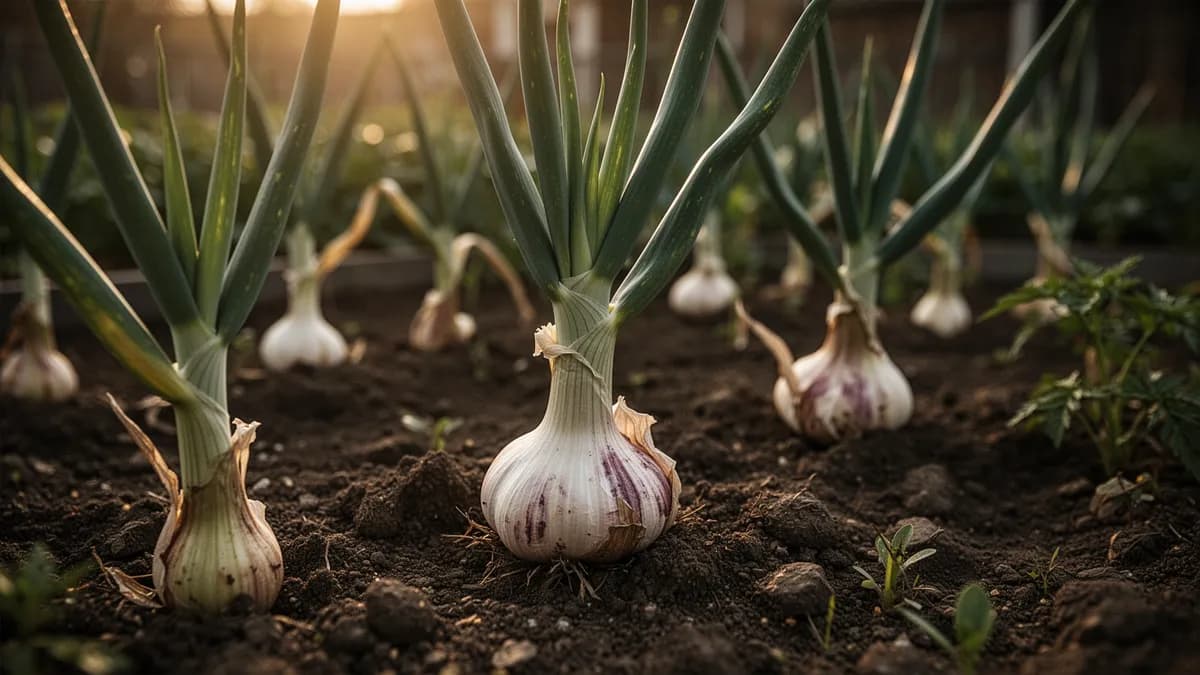
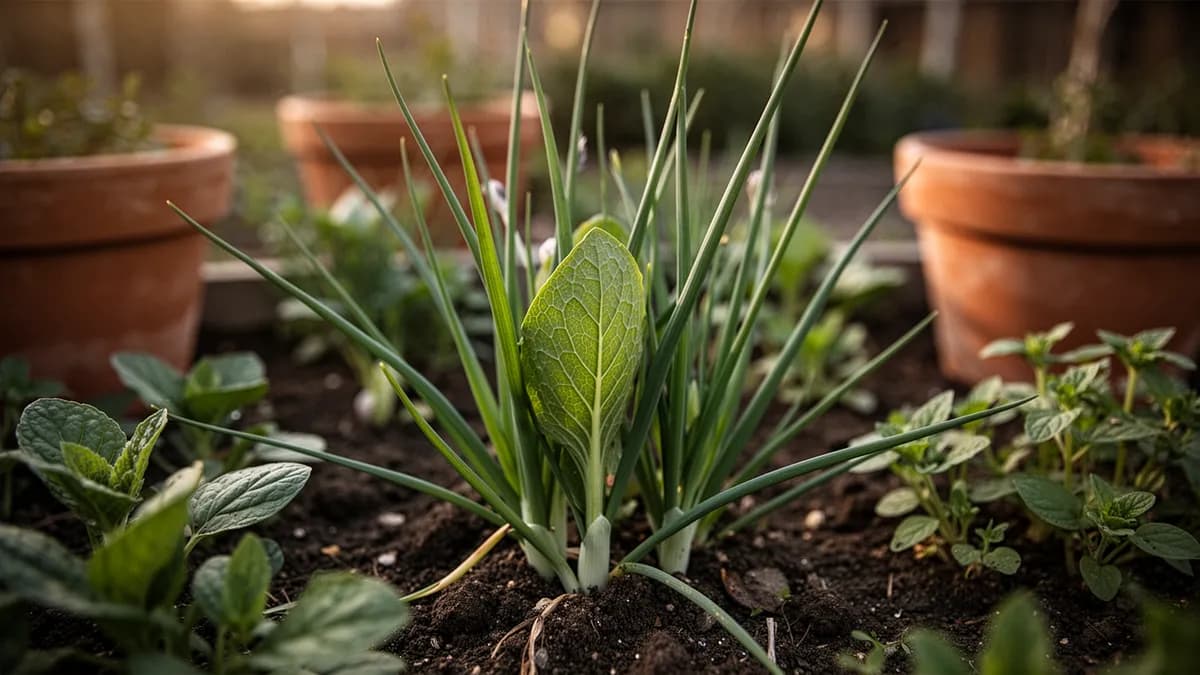
Plante ajo y cebollino cerca para ahuyentar pulgones y barrenadores. La consuelda en la línea de goteo sirve como acumuladora de nutrientes y fuente de acolchado. El tanaceto y la milenrama atraen avispas parasitoides beneficiosas. El trébol o la veza entre las hileras fijan nitrógeno. Evite la proximidad de nogales y castaños de nogal por la toxicidad de la juglona. El rábano picante plantado cerca puede disuadir al gorgojo de la ciruela.
Ajo va a su lado. Nogal no.
Saber de huerto de siempre, cotejado con la tabla real de Ciruela Stanley — prueba cualquier planta que cultives.
Prueba Ciruela Stanley en un bancal, aquí mismo
Un bancal real del planificador con Ciruela Stanley ya plantado. Toca una planta compañera para colocarla y mira cómo responde la comprobación de vecinos: verde para buenos vecinos, rojo si hay conflicto.


Guías de cultivo relacionadas
Abónalo bien
Stanley tolera una gama de suelos más amplia que la mayoría de las frutas de hueso, incluso arcillas moderadamente pesadas, aunque el buen drenaje sigue siendo importante. El pH ideal es de 6.0 a 7.0. Aplique a comienzos de primavera un fertilizante equilibrado 10-10-10, a razón de medio kilo por cada centímetro de diámetro del tronco. Las ciruelas europeas tienen una demanda moderada de fertilidad y el exceso de abonado favorece un crecimiento excesivo en detrimento de la fructificación. Cubra con una capa de 8 a 10 cm de material orgánico.
Temperatura ideal
Compatibilidad de zonas de rusticidad
De la semilla a la cosecha, etapa por etapa
Reposo
Desde finales de otoño hasta finales de invierno, la ciruela Stanley entra en reposo completo. Las hojas han caído y el árbol conserva energía en su sistema radicular y su estructura leñosa. Este periodo de descanso es esencial para el correcto desarrollo de las yemas florales y para mantener el vigor general.
Brotación y floración
A comienzos o mediados de primavera, las yemas se hinchan y aparecen flores blancas a rosadas pálidas antes de que las hojas se desplieguen. La ciruela Stanley es parcialmente autofértil, pero da cosechas mucho más abundantes cuando se poliniza cruzadamente con otras ciruelas europeas cercanas, como la italiana o la damasquina.
Cuajado y crecimiento de las hojas
Tras la polinización, pequeños frutos verdes se desarrollan junto con la expansión del follaje. El árbol aumenta rápidamente su capacidad fotosintética. La caída natural de frutos, conocida como caída de junio, ocurre cuando el árbol se aclarea por sí mismo hasta una carga manejable.
Desarrollo y maduración del fruto
Durante el verano, las ciruelas se hinchan y empiezan a cambiar de verde a azul violeta intenso. La acumulación de azúcar aumenta notablemente en las últimas cuatro a seis semanas antes de la cosecha. La característica pruina polvorienta aparece en la piel como señal de madurez.
Cosecha
Las ciruelas Stanley suelen madurar desde finales de agosto hasta mediados de septiembre en la mayoría de los climas templados. El fruto alcanza su máxima calidad cuando presenta un color intenso, cede ligeramente al apretarlo con suavidad y se separa limpiamente del pedúnculo. Los árboles producen con fiabilidad a partir del tercer o cuarto año.
Recuperación poscosecha
Después de la cosecha, el árbol dirige su energía de nuevo a las reservas de las raíces y a la formación de las yemas florales del año siguiente. Las hojas amarillean gradualmente y caen a medida que se acorta la duración del día. También se produce un último impulso de crecimiento radicular antes de que el suelo se enfríe por completo.
Esta es la ventana ideal para plantar árboles de raíz desnuda y realizar la poda de formación. Elimine cualquier rama cruzada, dañada o que crezca hacia el interior para establecer una estructura fuerte y abierta en forma de vaso.
Cuidar Ciruela Stanley mes a mes
Qué hacer cada mes para tu Ciruela Stanley
Octubre
Mes actualAplique una capa superficial de compost bien descompuesto o estiércol de granja alrededor de la línea de goteo cuando la cosecha haya terminado por completo. Retire las hojas caídas de debajo del árbol para reducir las esporas fúngicas invernantes.
Ten claro qué hacer en tu huerto, cada mes
Un correo al empezar cada mes: qué sembrar, plantar y hacer ahora mismo — para tu Ciruela Stanley y todo lo que crece alrededor. Más un breve curso inicial para esquivar los errores clásicos.
- Qué hacer ahora mismo
- Ajustado a tu temporada
- Curso inicial incluido
Cosechar Ciruela Stanley
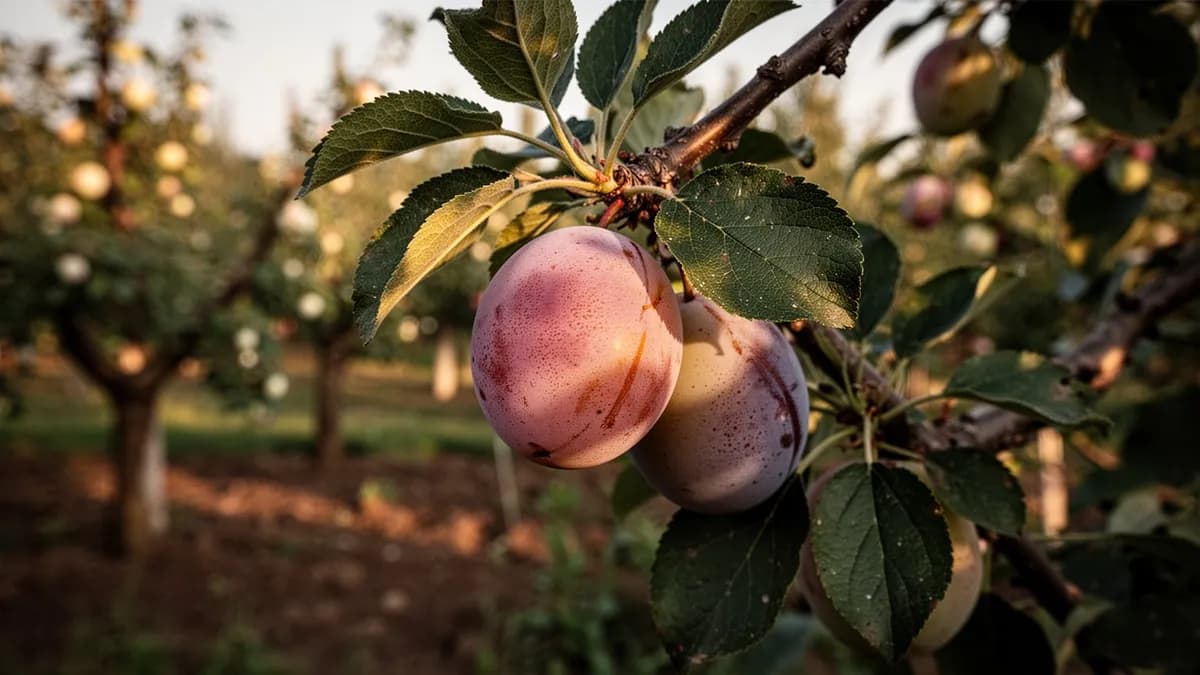
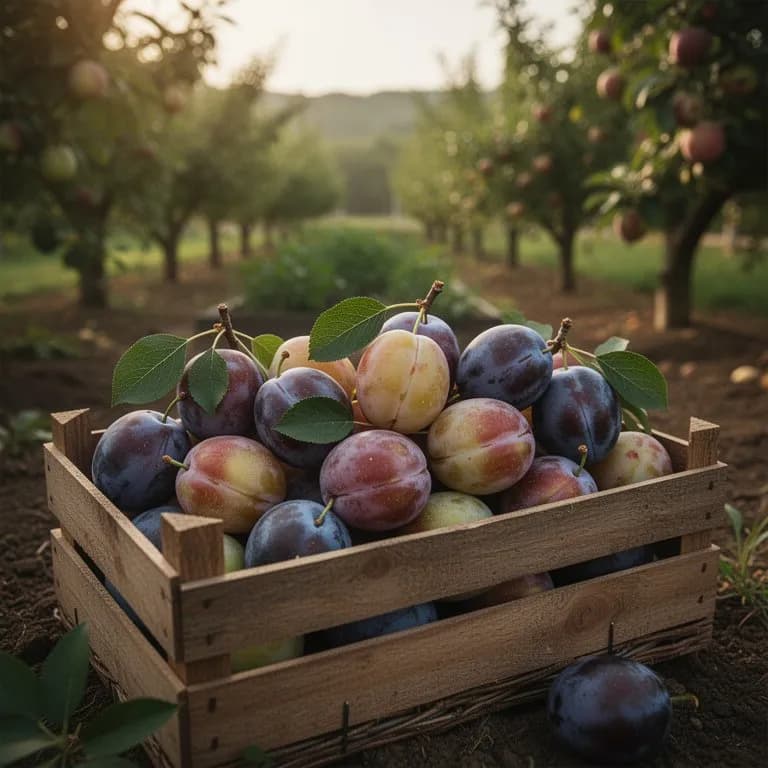
Las ciruelas Stanley maduran desde finales de agosto hasta septiembre, pasando a un azul violeta intenso con una abundante capa cerosa. La pulpa de hueso libre es verde dorada y se separa con limpieza del hueso. Coseche cuando el fruto esté ligeramente blando y el pedúnculo se desprenda fácilmente con un suave giro. A diferencia de las ciruelas japonesas, las Stanley maduran bien en el árbol sin volverse harinosas. Un árbol maduro produce entre 22 y 34 kg al año. Su pulpa firme tolera mejor el manejo que la mayoría de las ciruelas.
se supone que plantas al comenzar el periodo — indica tu fecha real
Cosecha Ciruela Stanley a tiempo y la planta sigue produciendo.
Almacenamiento y conservación
Las ciruelas Stanley frescas se conservan una semana a temperatura ambiente o de 3 a 4 semanas refrigeradas a entre -0.5 y 0 °C. Son la ciruela ideal para secar, porque se deshidratan de maravilla gracias a su alto contenido en azúcar y baja humedad. Seque las ciruelas partidas por la mitad en un deshidratador a 55 a 60 °C durante 18 a 24 horas. Son excelentes para conservas, mantequilla de ciruela y mermeladas. Las ciruelas Stanley producen un slivovitz excelente, un aguardiente tradicional de Europa del Este.
Qué falla — y cómo solucionarlo
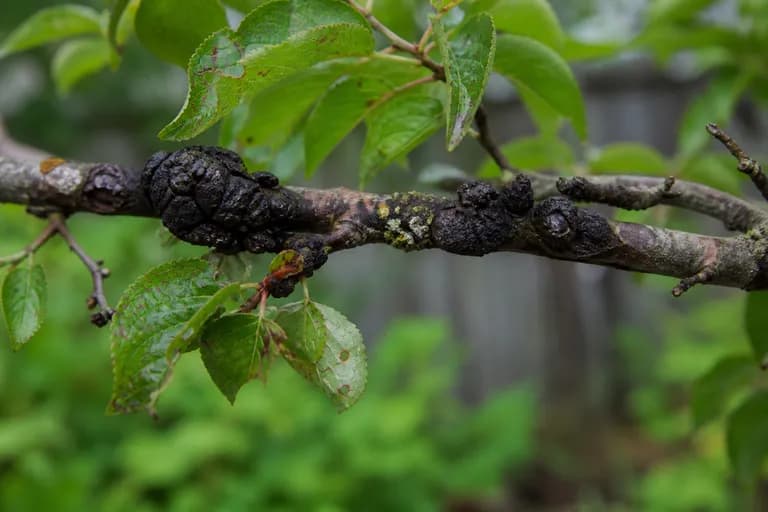
Nudo negro
EnfermedadAbultamientos duros, negros e irregulares en las ramas, que aumentan de tamaño cada año y pueden acabar estrangulando los brotes.
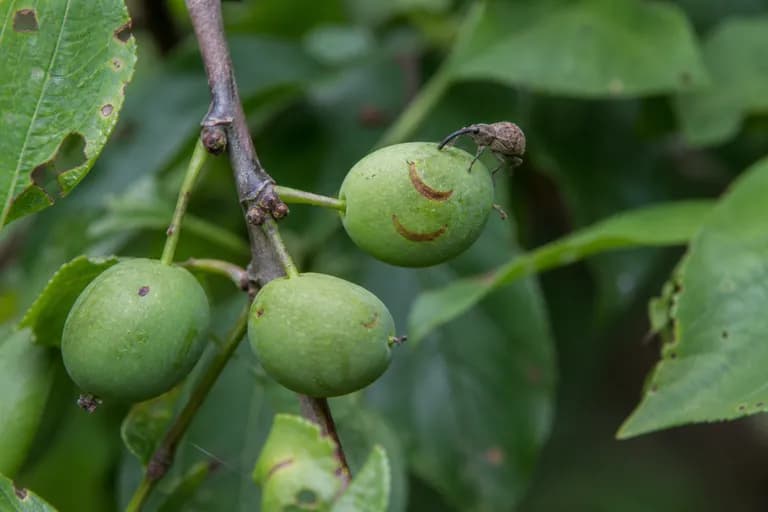
Gorgojo de la ciruela
PlagaCicatrices en forma de media luna en el fruto por la puesta de huevos, frutos con galerías y caída prematura.
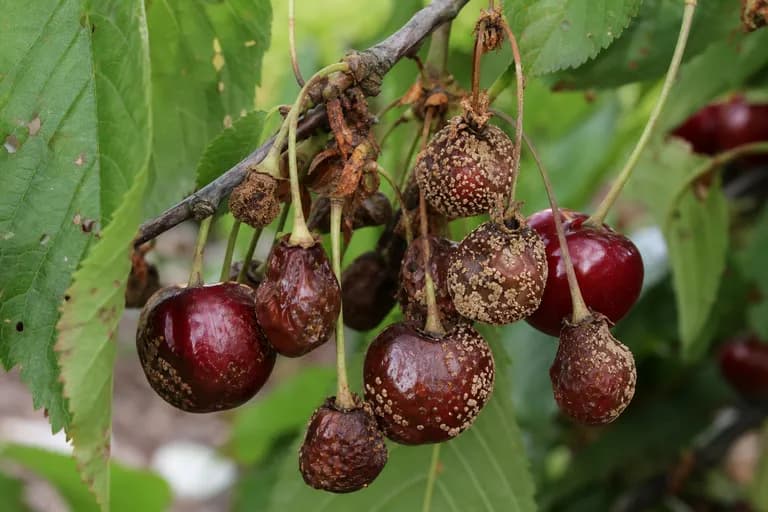
Podredumbre parda
EnfermedadMoho marrón y algodonoso en los frutos en maduración, frutos momificados que permanecen en el árbol durante el invierno.
Solución de problemas comunes
El nudo negro es la amenaza más grave para las ciruelas Stanley y exige retirar con vigilancia la madera infectada. El gorgojo de la ciruela causa daños importantes en la fruta en las regiones orientales. La floración tardía es una ventaja, pero el árbol aún puede sufrir daños por heladas en primaveras inusualmente frías. Las cosechas abundantes pueden provocar roturas de ramas si no se apoyan. Aves y avispas atacan el fruto maduro cuando el nivel de azúcar aumenta cerca de la cosecha.
Consejos de cultivo
- Plant Stanley plum in a sheltered, south- or southwest-facing position to maximize sun exposure and protect blossoms from cold spring winds, which can reduce pollinator activity and cause early fruitlets to drop.
- Stanley plum performs best in deep, fertile, well-drained loam with a soil pH between 6.0 and 6.5. Avoid waterlogged spots — prolonged wet feet are the single most common cause of early tree decline in European plums.
- If space permits, plant a second European plum variety such as Czar, Opal, or Italian Prune within 15 meters to act as a cross-pollinator. Although Stanley is partially self-fertile, cross-pollination consistently produces heavier crops with larger individual fruit.
- Adopt an open vase or modified central leader pruning form from the first year. Keeping the center of the canopy open dramatically improves air circulation, reduces fungal pressure from brown rot and silver leaf, and makes harvest far easier.
- Always prune Stanley plum in late spring or summer — never in autumn or winter — to minimize the risk of silver leaf disease (Chondrostereum purpureum), a serious fungal pathogen that enters through pruning wounds most readily when temperatures are low.
- Apply a 8–10 cm layer of organic mulch such as wood chip or well-rotted compost around the base each spring, keeping it 15 cm clear of the trunk. This retains moisture, moderates soil temperature, suppresses weeds, and slowly feeds the root zone.
- In years of very heavy fruit set, thin clusters to a single fruit every 8–10 cm after the natural June drop has completed. Thinning improves fruit size and sweetness, reduces the risk of biennial bearing, and prevents structural branch damage from excessive weight.
- Watch for brown rot (Monilinia fructicola) during warm, humid summers — it can devastate a crop rapidly. Remove any infected fruit immediately, do not compost it, and ensure good airflow through the canopy to keep conditions drier around the fruit.
- Stake newly planted trees firmly for the first two to three years, using a low stake that allows the trunk to flex slightly in wind — this builds trunk strength and taper without causing graft union stress.
- If your tree shows signs of gummosis — amber, jelly-like resin oozing from the bark — investigate the cause promptly. While some gummosis is a normal stress response, persistent gumming can indicate bacterial canker or borer activity requiring targeted action.
Cultiva tu mejor Ciruela Stanley — y todo lo que la rodea.
Empieza un plan gratis hoy. Diseña tus bancales, coloca tu Ciruela Stanley y deja que PlotMyGarden gestione el momento, el espaciado, las asociaciones y los recordatorios de la semilla a la cesta.
Elige tu Ciruela Stanley
Stanley (estándar)
La introducción original de 1926 en Nueva York, el referente entre las ciruelas europeas para secado, con piel azul oscuro y pulpa dulce.
Pasa italiana
Una ciruela europea para secado muy emparentada, con características similares, popular en el noroeste del Pacífico.
President
Una ciruela europea grande y de temporada tardía, que madura después de Stanley y ofrece una calidad excelente para consumo en fresco.
Valor
Una ciruela europea creada en Canadá, con frutos más grandes y mejor resistencia a enfermedades que Stanley.
Un solo ciruelo Stanley maduro, que produce de forma conservadora unos 25 kg de fruta por temporada, sustituye alrededor de 50 tarros de mermelada de ciruela comprada en el comercio a precios minoristas actuales, lo que supone un ahorro anual de entre 150 y 250 € según la zona. A lo largo de su vida productiva típica de 25 años, un árbol puede aportar el equivalente a más de 3.000 € en fruta fresca y conservada. Incluso las ciruelas Stanley secas ofrecen un ahorro aún mayor, ya que la fruta seca premium cuesta 10 a 15 € por 500 g en tiendas, y secar solo 5 kg de fruta fresca produce aproximadamente 1.5 kg de ciruelas pasas por un valor de 30 a 45 €.
Recetas rápidas
Mermelada de ciruela Stanley
20 minutos de preparación, 45 minutos de cocciónUna conserva clásica y de sabor profundo que captura la riqueza dulce y ácida de las ciruelas Stanley frescas. Esta mermelada cuaja de maravilla gracias al pectina natural de la ciruela y se conserva hasta un año en tarros cerrados.
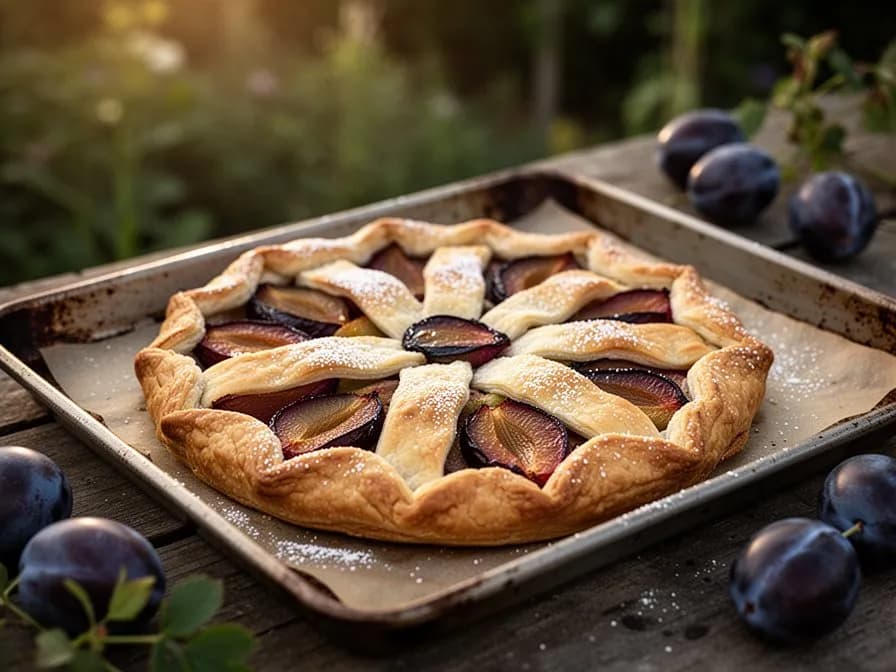
5 ingredientesGalette de ciruela Stanley asada y tomillo
30 minutos de preparación, 35 minutos de horneadoUna tarta rústica de forma libre con mitades de ciruela caramelizadas sobre una base de masa mantecosa. La combinación de ciruelas dulces y tomillo salado la convierte en un postre elegante o en una pieza central para la hora del té con un esfuerzo mínimo.
7 ingredientesCiruelas pasas Stanley caseras
15 minutos de preparación, 10 a 12 horas de secadoSecar ciruelas Stanley en casa para convertirlas en ciruelas pasas es sencillo y muy satisfactorio. El resultado es una fruta desecada intensamente dulce y masticable, con una profundidad de sabor muy superior a la de cualquier producto comprado, y las ciruelas pasas se conservan durante meses si se almacenan correctamente.
2 ingredientesUsos culinarios
Stanley es la clásica ciruela para secado, con una pulpa densa y dulce que se deshidrata de maravilla. Brilla en bollos de ciruela, pasteles de ciruela de Europa del Este y el tradicional zwetschgenkuchen. Su pulpa firme resiste bien el horneado y da excelentes tartas, empanadas y pasteles de ciruela. Úsela para mantequilla de ciruela, mermelada de ciruela y chutney. Las ciruelas Stanley producen un slivovitz y un brandy de ciruela excelentes.
Qué contiene
Beneficios para la salud
- El alto contenido de antocianinas en la piel de la ciruela Stanley proporciona una potente actividad antioxidante que ayuda a neutralizar los radicales libres y a reducir el estrés oxidativo celular asociado con el envejecimiento y las enfermedades crónicas.
- El consumo regular de ciruelas y ciruelas pasas ha demostrado en estudios clínicos mejorar la densidad mineral ósea, un efecto atribuido a su contenido de vitamina K, boro y compuestos polifenólicos que modulan la actividad de formación ósea.
- Las ciruelas contienen fibra alimentaria y sorbitol, que juntos favorecen una motilidad intestinal saludable, lo que las convierte en un remedio suave y tradicional para el estreñimiento ocasional sin los efectos laxantes agresivos.
- El potasio y el bajo contenido de sodio de las ciruelas frescas contribuyen a una regulación saludable de la presión arterial, apoyando la función cardiovascular como parte de una dieta equilibrada.
- Los ácidos clorogénicos de las ciruelas se han asociado en investigaciones con una mejor sensibilidad a la insulina y una reducción de los picos de glucosa tras las comidas, lo que sugiere un posible papel en el apoyo a la salud metabólica.
- Las ciruelas aportan una cantidad útil de vitamina C, que favorece la síntesis de colágeno, la función inmunitaria y la absorción del hierro no hemo procedente de alimentos vegetales consumidos en la misma comida.
De dónde viene Ciruela Stanley
La ciruela Stanley tiene sus raíces en los programas sistemáticos de mejora frutal de principios del siglo XX en el noreste de Estados Unidos. Fue lanzada en 1926 por la Estación Experimental Agrícola del Estado de Nueva York, en Ginebra, Nueva York, una institución que ha aportado a la horticultura estadounidense decenas de variedades frutales fundamentales. Se cree que Stanley es un cruce entre la ciruela Agen, una variedad francesa muy apreciada en Europa para la producción de ciruelas pasas, y la ciruela pasa alemana, un tipo europeo vigoroso y resistente al frío. La combinación dio lugar a una variedad singularmente adaptada a las temporadas de crecimiento más cortas y a los inviernos más fríos del noreste de Estados Unidos y del sur de Canadá.
Durante gran parte del siglo XX, Stanley fue la variedad comercial dominante de ciruela para secado cultivada en el este de Estados Unidos. Su capacidad para secarse en ciruelas pasas de alta calidad sin fermentar alrededor del hueso, una característica determinada por la relación entre azúcar y agua, la convirtió en el referente con el que se comparaban otras variedades de secado. Huertos comerciales de Nueva York, Pensilvania, Míchigan y la región de los Grandes Lagos plantaron Stanley en grandes cantidades a partir de la década de 1930, y llegó a ser sinónimo de la industria estadounidense de la ciruela seca junto con la ciruela pasa francesa de California.
Más allá de la producción comercial, Stanley se convirtió en un elemento básico de los huertos domésticos en los estados del Atlántico medio y Nueva Inglaterra por una razón sencilla: simplemente funciona. Tolera de forma fiable los inviernos fríos hasta aproximadamente -25 °C, cuaja con bastante regularidad incluso cuando la polinización cruzada es limitada, y produce cosechas generosas de ciruelas grandes, vistosas y azul violeta año tras año. A diferencia de muchas frutas de hueso, no exige unas condiciones de suelo especialmente precisas ni un manejo intensivo.
Hoy en día, la ciruela Stanley sigue siendo la ciruela europea más plantada en jardines domésticos del noreste de Estados Unidos y es muy común en huertos patrimoniales del Reino Unido y del norte de Europa, donde ha sido adoptada con entusiasmo tanto para comer en fresco como para conservar. Su larga y productiva vida —los árboles suelen fructificar con fiabilidad durante 20 a 30 años o más— le ha dado una presencia multigeneracional en los jardines familiares, y sigue siendo la opción recomendada para cualquiera que plante por primera vez un ciruelo en un clima templado fresco.
Ciruela Stanley: ¿sabías que?
Datos fascinantes sobre Ciruela Stanley
La ciruela Stanley se desarrolló en la Estación Experimental Agrícola del Estado de Nueva York, en Ginebra, Nueva York, en 1926, lo que la convierte en una de las variedades de ciruela más importantes creadas en Estados Unidos durante el siglo XX.
Ciruela Stanley: preguntas frecuentes
¿Cuándo debo plantar Ciruela Stanley?
¿Cuáles son buenas plantas acompañantes para Ciruela Stanley?
¿En qué zonas de rusticidad puede crecer Ciruela Stanley?
¿Cuánto sol necesita Ciruela Stanley?
¿A qué distancia debo espaciar Ciruela Stanley?
¿Qué plagas y enfermedades afectan a Ciruela Stanley?
¿Cómo almaceno Ciruela Stanley después de la cosecha?
¿Cuáles son las mejores variedades de Ciruela Stanley para cultivar?
¿Qué suelo necesita Ciruela Stanley?
Do I need two Stanley plum trees for them to fruit?
Why is my Stanley plum tree not fruiting despite being several years old?
When is the right time to harvest Stanley plums?
What is the best rootstock for a Stanley plum in a home garden?
How do I prevent and manage brown rot on my Stanley plum?
Can I grow a Stanley plum in a container?
Acabas de leer la teoría. Ahora cultívala en piloto automático.
Todo lo que hace que Ciruela Stanley sea delicado — el momento, el espaciado, las asociaciones, la ventana de cosecha — es justo lo que PlotMyGarden resuelve por ti, para cada planta de tu huerto.
Un plan que conoce tu clima
Indica tu ubicación una vez. Recibe fechas de siembra, abonado y cosecha basadas en tu última helada real y el pronóstico en vivo — sin adivinar con un sobre genérico.
De la sección “Cuándo plantar”Planificador de bancales de arrastrar y soltar
Diseña bancales sobre una cuadrícula. Cada planta encaja con su espaciado correcto y ves toda la temporada antes de gastar un céntimo en semillas.
De la sección “Cultivo”Conflictos de asociación, detectados a tiempo
Más de 200 buenas y malas combinaciones comprobadas en vivo mientras plantas — para que un error que arruine la temporada nunca llegue a la tierra.
De la sección “Asociaciones”Recordatorios que sí vas a seguir
“Riega las judías.” “Recoge hoy antes de que se pase.” Oportunos, concretos y ligados a las plantas que de verdad cultivas.
De la sección “Cosecha”Escalonado, programado
¿Quieres cosechar seis semanas en vez de seis días? Reparte tus siembras automáticamente y te avisa cuando toca el siguiente lote.
De la sección “Cuándo plantar”Un registro que se vuelve más listo
Cada cosecha que registras le enseña tu huerto. El plan del año que viene parte de lo que de verdad funcionó en tu suelo, no en un manual.
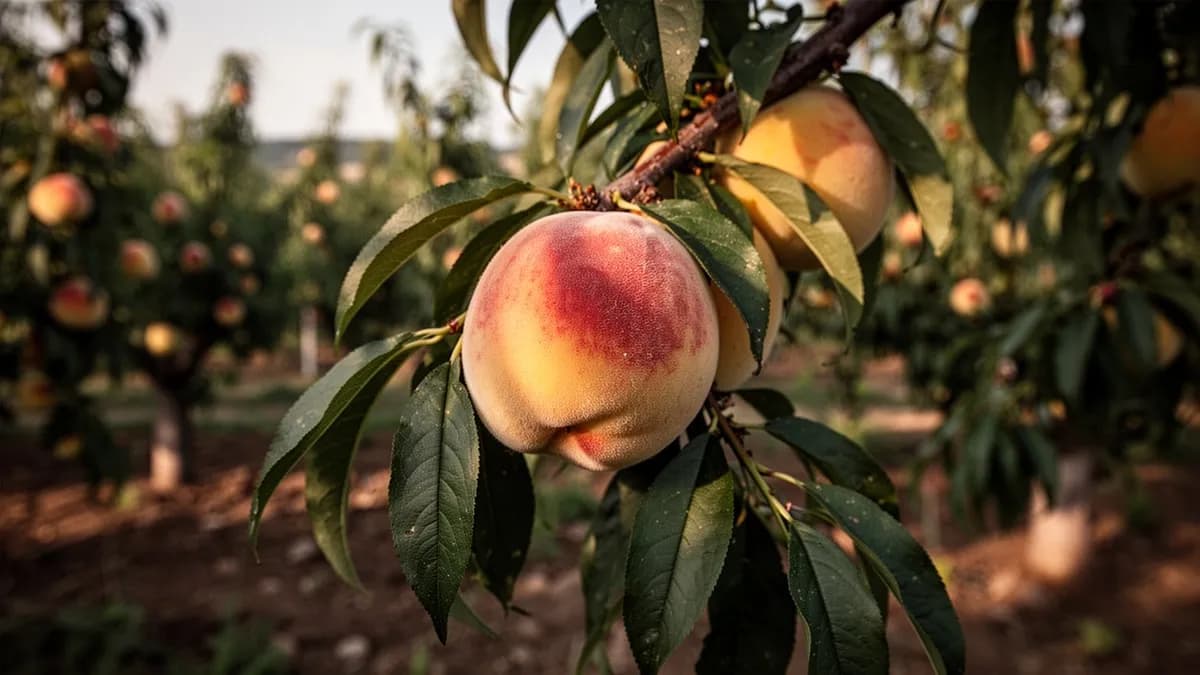
De la sección “Resumen”Planta estos junto a Ciruela Stanley
Más Frutas de hueso
Mantén Ciruela Stanley lejos de estos
Cultiva tu mejor Ciruela Stanley — y todo lo que la rodea.
Empieza un plan gratis hoy. Diseña tus bancales, coloca tu Ciruela Stanley y deja que PlotMyGarden gestione el momento, el espaciado, las asociaciones y los recordatorios de la semilla a la cesta.