Ciruela damascena
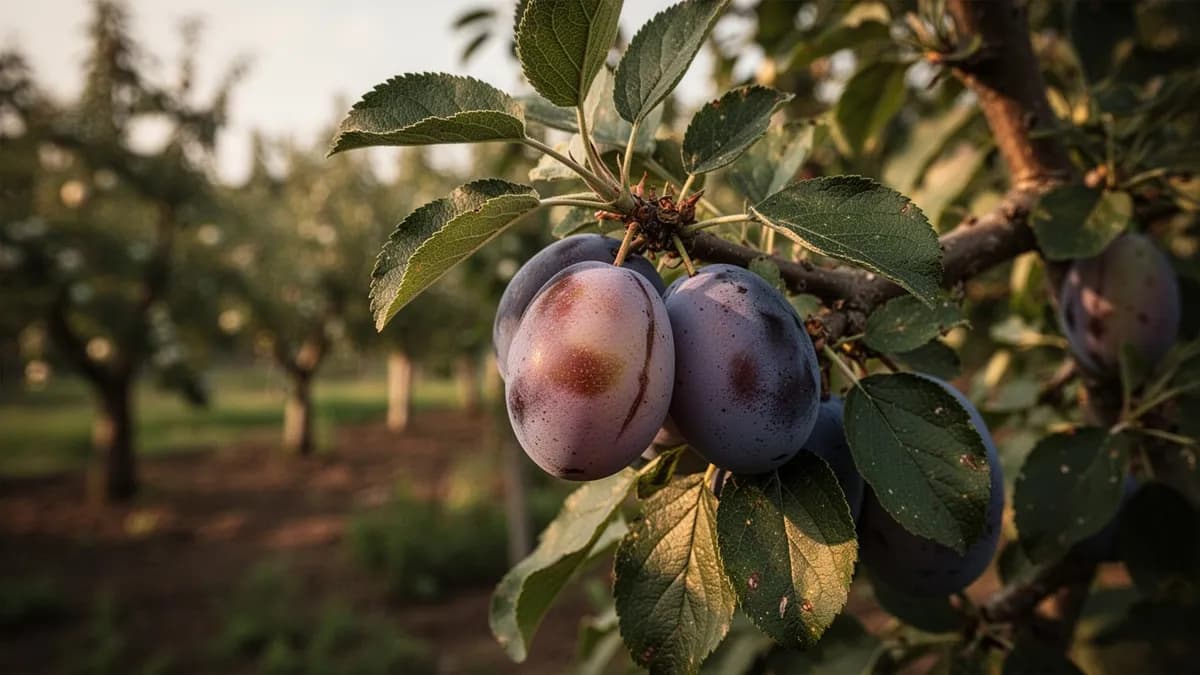
Una pequeña ciruela ovalada y astringente, utilizada sobre todo para hacer mermeladas, ginebra de damasco y pasta de fruta gracias a su sabor intensamente ácido en crudo.





En esta páginaResumen
Conoce Ciruela damascena
Una pequeña ciruela ovalada y astringente, utilizada sobre todo para hacer mermeladas, ginebra de damasco y pasta de fruta gracias a su sabor intensamente ácido en crudo. Las damascenas son autofértiles, extremadamente resistentes y poco propensas a enfermedades, lo que las convierte en una de las frutas de hueso más fáciles de cultivar. A menudo se encuentran en viejos setos y jardines rurales de Gran Bretaña y Europa.
Cuándo plantar Ciruela damascena
Los huesos de damasco germinan con facilidad tras una estratificación en frío de 90 a 120 días. A diferencia de muchas frutas de hueso, las plántulas de damasco producen fruta de calidad razonable, aunque puede diferir de la variedad madre. Plante los huesos estratificados a 2.5 cm de profundidad en primavera. Las plántulas empiezan a fructificar en cuatro a seis años. Para variedades con nombre, compre árboles injertados sobre patrón St. Julien A o Pixy. Pixy ofrece un enanizado útil para jardines pequeños. Las damascenas también pueden propagarse por brotes de raíz.
Tu año de Ciruela damascena
Ajustado a Zona 7 · temporada típica · la helada se va hacia el 2 abr y vuelve hacia el 1 nov
Planta Ciruela damascena Mar – Abr y cosecha Sep – Oct. Consulta los métodos de plantación y elige tu clima para adaptar los periodos.
Cómo cultivar Ciruela damascena
Las damascenas están entre las frutas de hueso más fáciles de cultivar y prosperan en las zonas USDA 4 a 8 con cuidados mínimos. Estos árboles duros y autofértiles toleran suelos pobres, semisombra e inviernos fríos que dañarían a otras ciruelas. Plántelos a raíz desnuda a finales del invierno, dejando entre 3.5 y 4.5 metros de distancia. Las damascenas crecen de forma natural como árboles compactos o grandes arbustos de 3.5 a 6 metros de altura.
Los árboles florecen más tarde que las ciruelas japonesas, lo que ayuda a evitar los daños por heladas tardías, y cargan mucha fruta sin necesidad de polinizador. Las damascenas requieren una poda mínima, limitada a retirar madera muerta, ramas cruzadas y mantener un tronco despejado. Los árboles tienen una forma naturalmente equilibrada y no necesitan sistemas formales de formación.
Abone ligeramente a principios de primavera con un fertilizante de uso general. Las damascenas no son muy exigentes y prosperan incluso en condiciones de abandono. Riegue durante sequías prolongadas, aunque los ejemplares ya establecidos toleran bastante bien la falta de agua. Los pequeños frutos ovalados maduran al final de la temporada, de septiembre a octubre, y desarrollan su sabor característicamente intenso y ácido, que al cocerse con azúcar se transforma en conservas excepcionales.
Para Ciruela damascena un bancal de 120 × 240 cm se queda corto
Cada Ciruela damascena pide 300 cm de margen. El planificador guarda ese marco por ti — cada planta, cada bancal.
Los mejores vecinos de Ciruela damascena
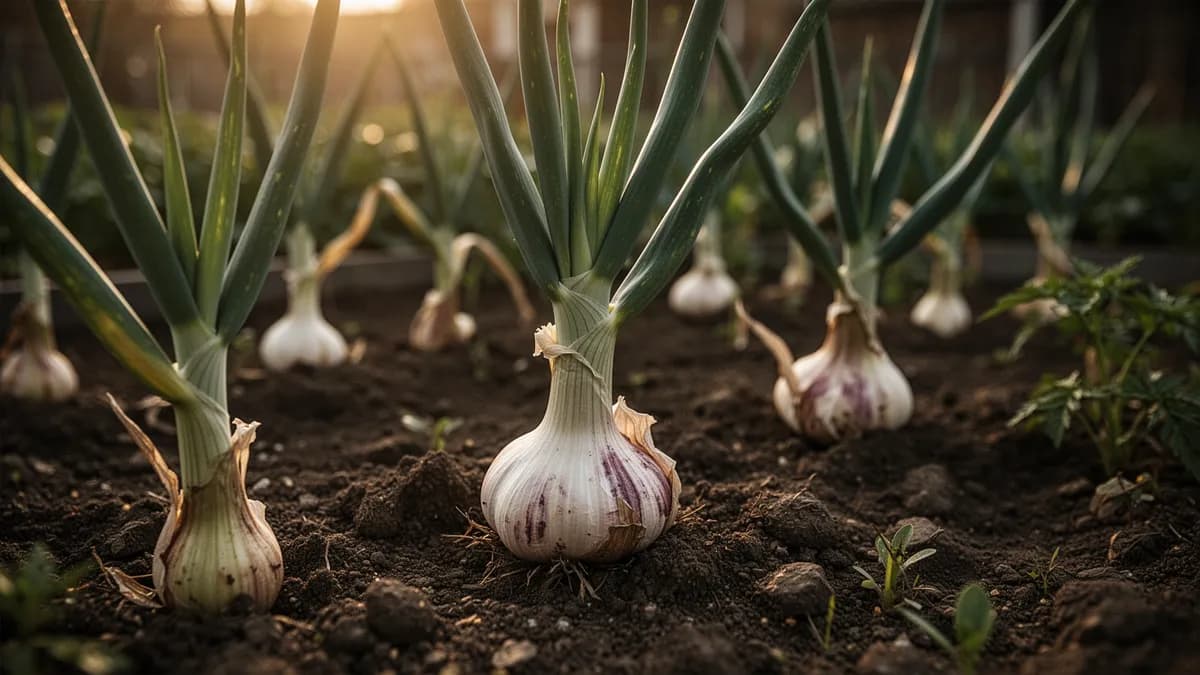
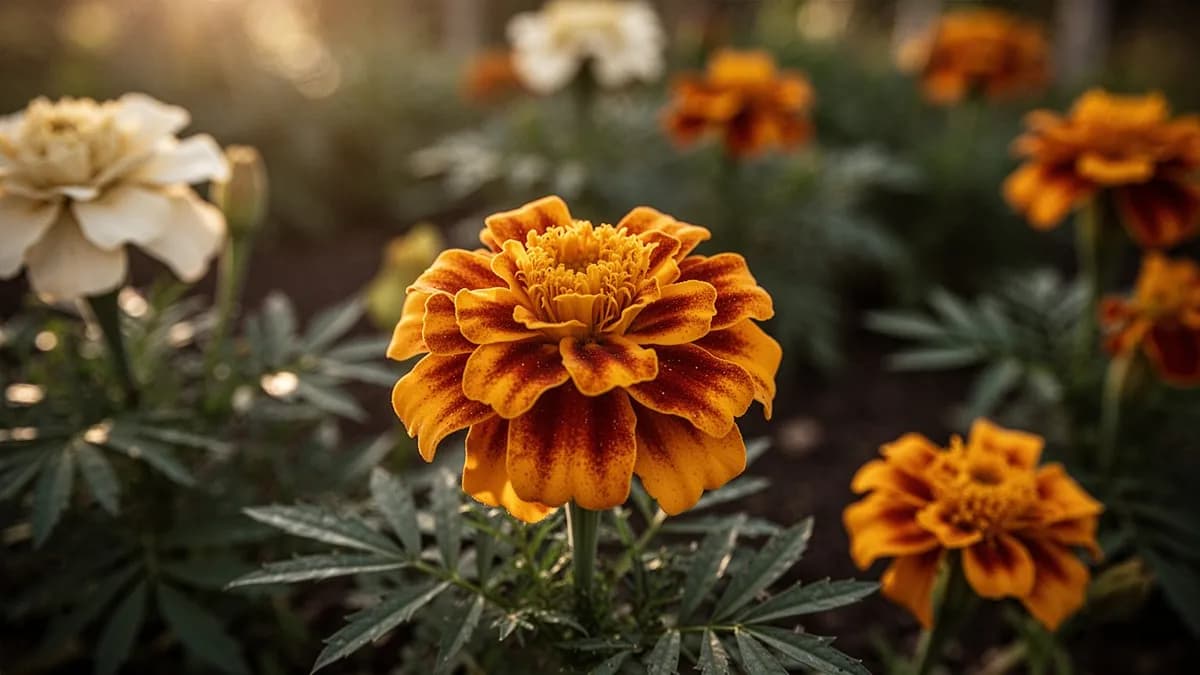
Las damascenas funcionan de maravilla en plantaciones de seto junto a espino blanco, endrino y saúco. Su carácter resistente las hace adecuadas como cortavientos para frutales más delicados situados detrás. Plante debajo hierbas tolerantes a la sombra como el ajo silvestre y la menta. El trébol fijador de nitrógeno bajo la copa mejora el suelo. Las damascenas suelen plantarse en los bordes de los huertos o en setos de lindero, donde su rusticidad y autofertilidad resultan ventajosas.
Ajo va a su lado. Nogal no.
Saber de huerto de siempre, cotejado con la tabla real de Ciruela damascena — prueba cualquier planta que cultives.
Prueba Ciruela damascena en un bancal, aquí mismo
Un bancal real del planificador con Ciruela damascena ya plantado. Toca una planta compañera para colocarla y mira cómo responde la comprobación de vecinos: verde para buenos vecinos, rojo si hay conflicto.


Guías de cultivo relacionadas
Abónalo bien
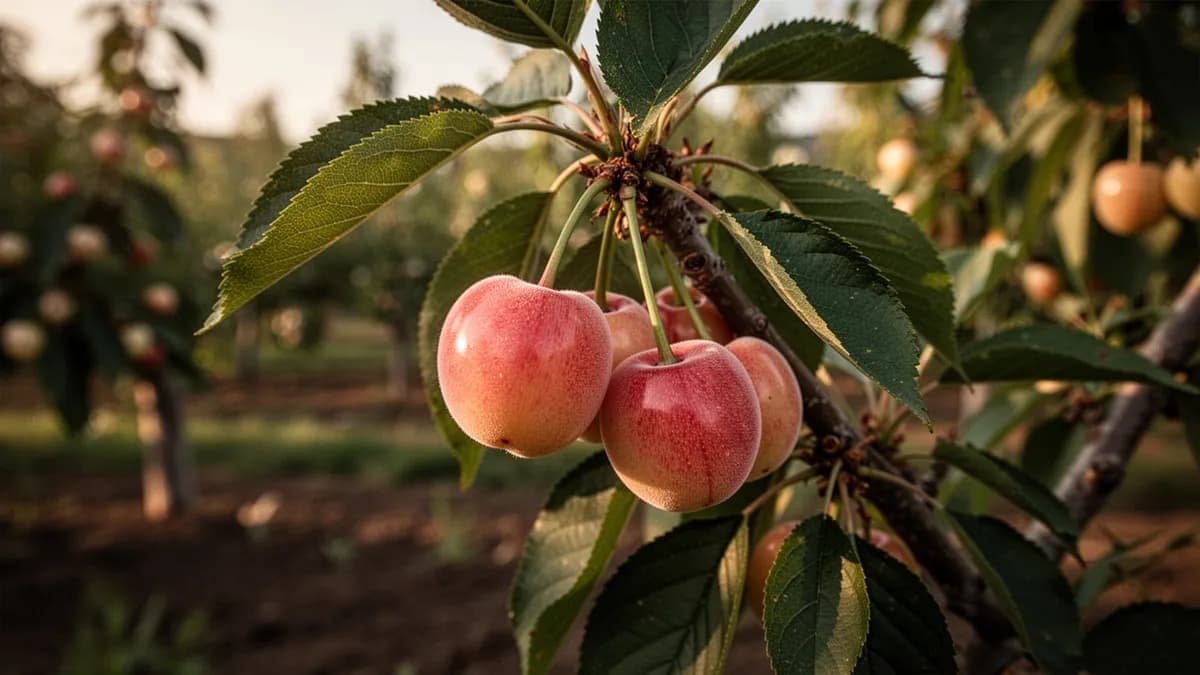
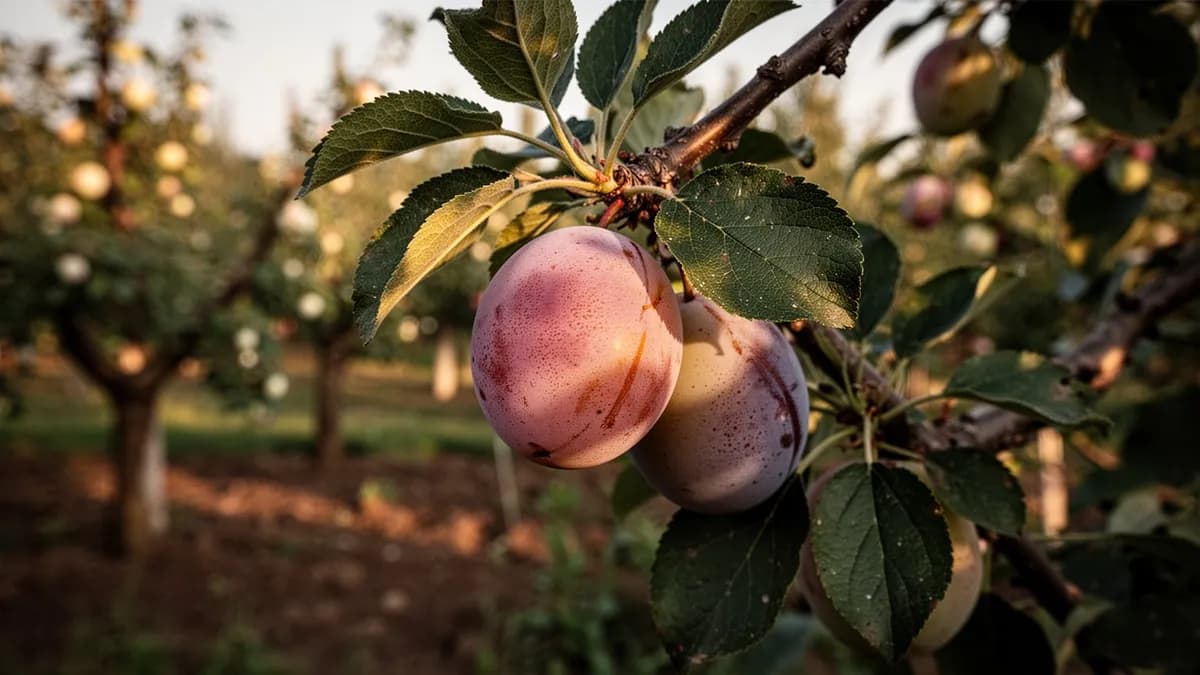
Las damascenas toleran de forma notable suelos pobres, pesados e incluso encharcados, donde otras frutas de hueso fracasarían. Prefieren un pH de 5.5 a 7.0, pero se adaptan a un rango amplio. Basta con una fertilización ligera anual en primavera. El exceso de abono produce un crecimiento exuberante a expensas de la fructificación. Las damascenas prosperan en condiciones de jardín rural con una intervención mínima. Los árboles son excelentes para lugares difíciles donde otros frutales más exigentes no prosperan.
Temperatura ideal
Compatibilidad de zonas de rusticidad
De la semilla a la cosecha, etapa por etapa
Reposo y engrosamiento de yemas a finales del invierno
El ciruelo damasceno pasa el invierno totalmente en reposo, con ramas desnudas de corteza oscura. Al ser uno de los frutales de hueso que florecen más temprano, las yemas comienzan a hincharse de forma notable a finales del invierno, aunque todavía puedan producirse heladas. Las yemas, pequeñas y oscuras, se van abultando poco a poco y empiezan a mostrar el más leve tono verde plateado mientras el árbol se prepara para una de las floraciones más tempranas del huerto. Este periodo de reposo es esencial para acumular las horas de frío que desencadenan una floración fiable.
Floración temprana y polinización
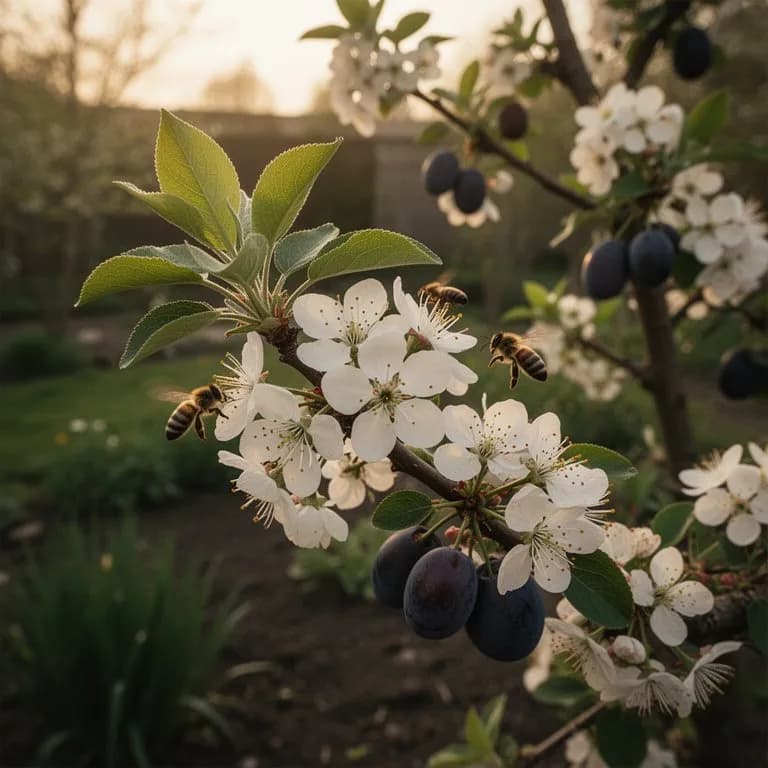
Los ciruelos damascenos florecen muy temprano en la temporada de frutales de hueso, a menudo semanas antes que la mayoría de los ciruelos y cerezos. Masas de pequeñas flores blancas de cinco pétalos se abren a lo largo de las ramas desnudas antes de que aparezcan las hojas, creando una imagen espectacular pero también exponiendo las flores a un mayor riesgo de daños por heladas tardías. La polinización la realizan principalmente abejas de aparición temprana, sírfidos y otros insectos atraídos por el abundante néctar. La mayoría de las variedades de damasco son al menos parcialmente autofértiles, aunque se benefician de un compañero compatible cercano.
Cuajado y aclareo natural
Tras una polinización exitosa, pequeños frutos verdes y duros se desarrollan en la base de cada flor. Los damascos son famosos por su productividad y cuajan frutos en racimos excepcionalmente densos a lo largo de las ramas. El árbol desprende de forma natural parte de los frutitos en finales de primavera, pero ese aclareo natural rara vez basta para evitar que las ramas queden peligrosamente sobrecargadas. Intervenir con aclareo manual en esta fase compensa con creces en calidad del fruto y salud del árbol durante años.
Cosecha
Los damascos maduran desde finales de agosto hasta septiembre y a veces hasta principios de octubre, bastante más tarde que la mayoría de las ciruelas de mesa. El fruto está listo cuando adquiere un color azul púrpura profundo, se siente ligeramente blando en el extremo del pedúnculo y el tallo se separa fácilmente del espolón con un giro suave. A diferencia de las ciruelas dulces de mesa, los damascos maduros son intensamente ácidos y astringentes en crudo, pero se transforman magníficamente al cocinarlos con azúcar en mermeladas, jaleas, pastas de fruta y compotas. El momento de la cosecha es crítico, ya que el fruto sobremaduro cae y atrae avispas.
Poscosecha y caída de hojas
Una vez recogida la cosecha, el árbol dirige sus recursos hacia las raíces y la estructura leñosa, acumulando reservas para la temporada siguiente. Las hojas pueden adquirir tonos amarillos o dorado pálido antes de caer en octubre y noviembre. El árbol entra gradualmente en reposo completo a medida que bajan las temperaturas y se acortan los días. Cualquier fruto momificado o madera enferma que permanezca en el árbol debe retirarse antes de que el reposo sea completo para reducir la propagación de enfermedades fúngicas.
Reposo invernal
El ciruelo damasceno completamente en reposo es una planta resistente y robusta en invierno, capaz de soportar heladas fuertes que dañarían a otros frutales de hueso menos rústicos. La estructura desnuda de ramas deja ver la elegante forma del árbol y permite inspeccionar fácilmente posibles chancros, madera muerta y daños de plagas. El frío intenso durante este periodo es beneficioso, ya que los ciruelos damascenos necesitan varios cientos de horas de frío por debajo de 7°C para salir del reposo con fiabilidad y florecer bien la primavera siguiente.
Reposo y engrosamiento de yemas a finales del invierno
El ciruelo damasceno pasa el invierno totalmente en reposo, con ramas desnudas de corteza oscura. Al ser uno de los frutales de hueso que florecen más temprano, las yemas comienzan a hincharse de forma notable a finales del invierno, aunque todavía puedan producirse heladas. Las yemas, pequeñas y oscuras, se van abultando poco a poco y empiezan a mostrar el más leve tono verde plateado mientras el árbol se prepara para una de las floraciones más tempranas del huerto. Este periodo de reposo es esencial para acumular las horas de frío que desencadenan una floración fiable.
Aplica un aceite de invierno a finales del invierno para sofocar los huevos invernantes de pulgón del ciruelo y cochinillas. También es el mejor momento para realizar la poda estructural en los árboles jóvenes que aún necesitan formación, ya que las heridas en madera joven cicatrizan mejor a finales del invierno que en árboles frutales ya establecidos, que solo deben podarse en verano.
Cuidar Ciruela damascena mes a mes
Qué hacer cada mes para tu Ciruela damascena
Octubre
Mes actualTermine toda la recolección. Rastrille las hojas caídas y retire los restos alrededor de la base del árbol para reducir la propagación de enfermedades. Plante nuevos árboles a raíz desnuda desde mediados de otoño, mientras el suelo sigue lo bastante cálido para que se establezcan las raíces.
Ten claro qué hacer en tu huerto, cada mes
Un correo al empezar cada mes: qué sembrar, plantar y hacer ahora mismo — para tu Ciruela damascena y todo lo que crece alrededor. Más un breve curso inicial para esquivar los errores clásicos.
- Qué hacer ahora mismo
- Ajustado a tu temporada
- Curso inicial incluido
Cosechar Ciruela damascena
Las damascenas maduran de septiembre a octubre, más tarde que la mayoría de las ciruelas. El fruto está listo cuando adquiere un color azul púrpura intenso, presenta una gruesa capa cerosa y comienza a ablandarse ligeramente. Para mermeladas y conservas, recoja el fruto cuando esté totalmente maduro y blando. Para la ginebra de damasco, un fruto algo menos maduro y con más taninos produce un sabor más complejo. Sacuda las ramas sobre lonas para recoger el fruto de forma eficiente.
se supone que plantas al comenzar el periodo — indica tu fecha real
Cosecha desde finales del verano hasta principios del otoño, cuando los frutos se vuelven azul púrpura intenso, se sienten ligeramente blandos en el extremo del tallo y se desprenden con un giro suave.
Almacenamiento y conservación
Las damascenas frescas se conservan hasta una semana en el frigorífico. Su verdadero valor está en las elaboraciones conservadas: la mermelada de damasco es una de las mejores conservas de fruta de la tradición culinaria inglesa. La pasta de damasco es una pasta espesa y cortable que se sirve con quesos curados. La ginebra de damasco macera la fruta en ginebra con azúcar durante varios meses, creando un licor sublime. La fruta se congela entera para usarla más adelante en mermeladas. El chutney de damasco con especias acompaña de maravilla a las carnes frías y al queso.
Qué falla — y cómo solucionarlo
Enfermedad de la hoja plateada
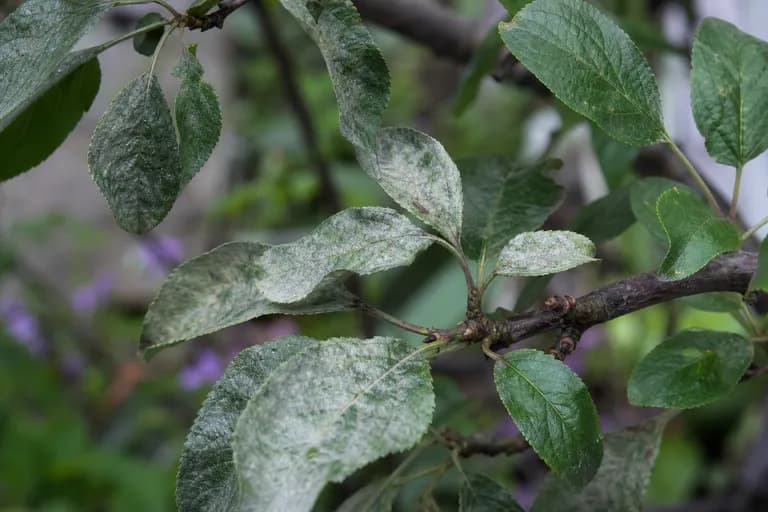
EnfermedadLas hojas desarrollan un brillo plateado. Las ramas afectadas muestran una coloración marrón en la madera al cortarlas. Puede acabar matando el árbol si no se trata.
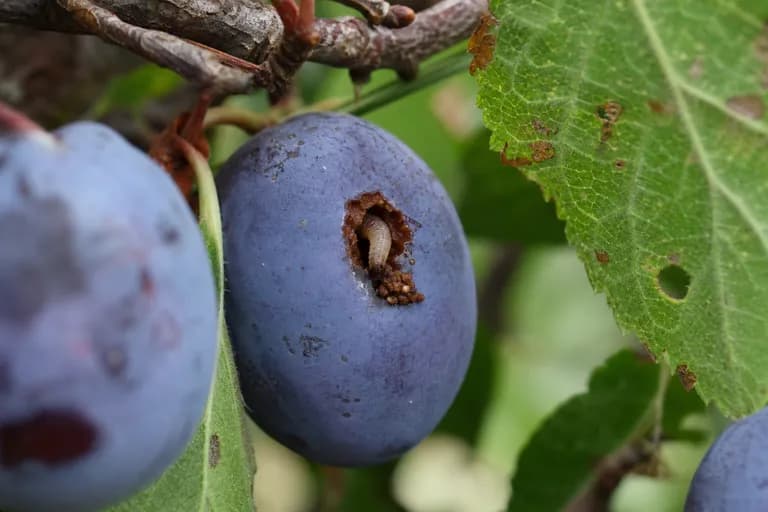
Polilla de la ciruela
PlagaLas larvas perforan los frutos en maduración y se alimentan alrededor del hueso. Los frutos afectados pueden mostrar excrementos en el orificio de entrada y caer prematuramente.
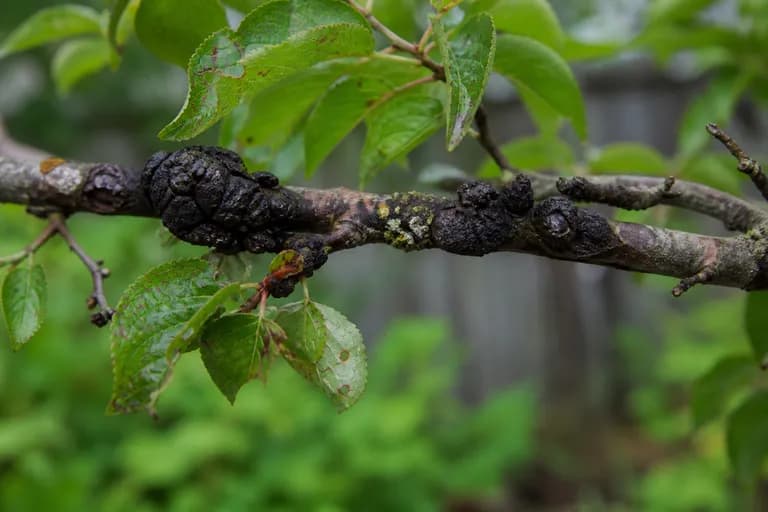
Nudo negro
EnfermedadEngrosamientos duros, negros y rugosos en las ramas que aumentan cada año. Pueden deformar y debilitar el árbol durante varios años.
Solución de problemas comunes
La mayor frustración con las damascenas es la intensa astringencia del fruto crudo, demasiado ácido para la mayoría de las personas. Quienes esperan una ciruela dulce de mesa se llevarán una decepción. El pequeño tamaño del fruto hace que la cosecha sea laboriosa. La enfermedad de la hoja plateada puede afectar a las damascenas, aunque son más resistentes que muchas ciruelas. Los años de carga abundante pueden ir seguidos de años débiles. Los árboles pueden emitir brotes desde la raíz, especialmente sobre patrón Myrobalan.
Consejos de cultivo
- Plant damsons in a sheltered position that receives at least six hours of direct sun daily. Despite their toughness, damson flowers are among the earliest of any stone fruit and extremely vulnerable to late spring frosts. Avoid planting in low-lying frost pockets where cold air settles on still nights, and consider a south- or west-facing wall for the best protection in colder gardens.
- Choose the right rootstock for your space and purpose. St. Julien A produces a medium-sized tree of 3-4 metres that crops very heavily and suits most garden situations. Pixy dwarfing rootstock keeps trees to 2-3 metres and is ideal for smaller plots and container growing. Standard rootstocks produce large, long-lived trees of 5-6 metres best suited to orchards with space to spare.
- Most damson varieties including Merryweather, Farleigh, and Shropshire Prune are at least partially self-fertile and will set a reasonable crop without a partner. However, all benefit from a compatible pollinator within about 15-20 metres, and planting two different varieties together consistently produces heavier, more reliable crops than relying on a single self-fertile tree.
- Never prune an established damson in autumn or winter. Silver leaf disease, a serious and potentially fatal fungal pathogen, enters through pruning wounds and is most virulent during cool, damp conditions from autumn through spring. All pruning of established fruiting trees should be carried out between June and August when wounds heal quickly and fungal spore counts in the air are at their lowest.
- Thin fruit clusters aggressively after the natural early-summer drop, even though it feels counterproductive. Damsons set an extraordinary number of fruitlets and without intervention the branches can become dangerously overloaded, leading to catastrophic breakage, very small fruit, and a poor harvest the following year from an exhausted tree. Space fruitlets to 4-5 cm apart within each cluster.
- Water young damson trees consistently for their first two to three growing seasons while they are establishing their root system. Mature trees are considerably more drought-tolerant but will drop fruit prematurely and may produce split fruit if they experience severe moisture stress while the crop is swelling in late summer. A deep soak every 10-14 days during prolonged dry spells is far more beneficial than frequent shallow watering.
- Apply a generous mulch of well-rotted compost, wood chip, or farmyard manure in a 60-90 cm circle around the base of the tree each autumn or spring. Keep the mulch at least 10 cm clear of the trunk to prevent collar rot. Mulching suppresses competing grass and weeds, conserves soil moisture, moderates soil temperature, and feeds the soil biology that supports long-term tree health.
- Prepare for the harvest by having sterilised jars, jam-making equipment, and a plan for the fruit before the tree ripens. Damsons on a productive tree can all ripen within a two-to-three-week window, quickly progressing from under-ripe to overripe to fallen if not monitored daily. Processing the fruit into jam, cheese, or gin immediately after picking gives far better results than refrigerating the harvest and delaying preservation.
- Use the stones that rise to the surface during jam making as a practical guide to quantity: count the stones to calculate roughly how many fruits went into the batch, and check that roughly the same number have been skimmed out before potting. A small number of stones inevitably remain in any damson jam, so always warn guests to be careful when eating damson preserves.
- Consider training a damson as a fan against a warm wall or fence in gardens where spring frosts are a recurring problem. Fan training spreads the canopy over a large area of wall that retains heat overnight, reducing frost risk to the early blossom, makes netting straightforward, and allows easy inspection and harvesting. Fan-trained damsons also make a beautiful and productive use of otherwise wasted vertical space in a kitchen garden.
Cultiva tu mejor Ciruela damascena — y todo lo que la rodea.
Empieza un plan gratis hoy. Diseña tus bancales, coloca tu Ciruela damascena y deja que PlotMyGarden gestione el momento, el espaciado, las asociaciones y los recordatorios de la semilla a la cesta.
Elige tu Ciruela damascena
Shropshire Prune Damson
La damascena inglesa clásica, con frutos pequeños, ovalados y azul negro, y un sabor intenso. Autofértil y muy resistente. El referente para las conservas de damasco.
Merryweather
Una damascena más grande, más dulce y apta para comer fresca cuando está completamente madura. Menos astringente que las damascenas tradicionales. Buena tanto para consumo en fresco como para cocinar.
Farleigh Damson
Una variedad muy productiva y fiable, originaria de Kent, Inglaterra. Frutos pequeños con la acidez clásica de la damascena. Muy fiable y resistente a enfermedades. Autofértil.
Bradley's King
Una damascena de fruto grande, adecuada tanto para cocinar como para consumir fresca cuando está totalmente madura. Buen sabor para conservas y ginebra de damasco.
A bare-root damson tree on St. Julien A rootstock typically costs $20-40 from a specialist nursery and begins producing meaningful harvests within 4-6 years. Once established, a mature damson yields 25-50 kg of fruit annually for 50 years or more. At retail prices of $4-8 per kilogram for fresh damsons (where available) or $6-12 per 340g jar of quality damson jam, a single productive tree generates the equivalent of $100-400 or more in fruit value each year. Over a productive lifespan, the return on a $30 tree investment can easily exceed $5,000-10,000 in fruit and preserve value. The surplus beyond immediate fresh use converts almost entirely into high-value preserves including jam, jelly, cheese, and gin with minimal waste, making the damson one of the most economically efficient fruiting trees for a home garden.
Recetas rápidas
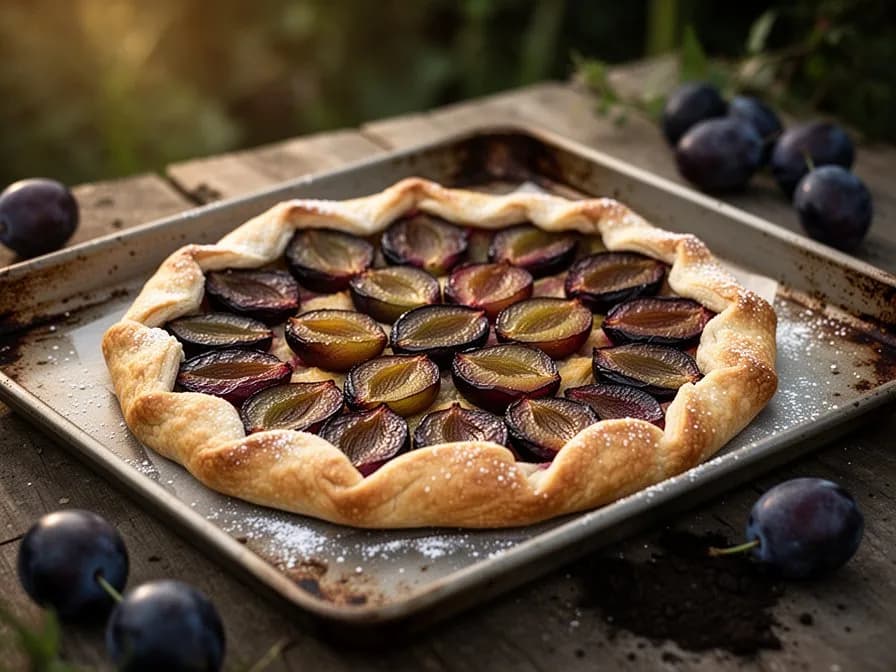
Classic Damson Jam
15 minutes plus 30 minutes cookingThe ultimate use for a damson glut, this deep-coloured jam sets beautifully without added pectin thanks to the natural pectin content of damson skins and stones. The flavour is intensely fruity, tart, and complex in a way that no shop-bought plum jam can approach. Stones are removed after cooking by skimming them as they rise to the surface, which is quicker and easier than stoning the raw fruit. Allow the jam to mature for at least two weeks before opening for the best flavour development.
4 ingredientes
Damson Gin
20 minutes active time plus 3 months infusingOne of the most rewarding things you can make from a damson harvest. The fruit infuses over months in gin and sugar, slowly releasing its deep colour, fruity aroma, and complex tart-sweet flavour into a liqueur that makes an exceptional festive drink. Patience is the only real skill required. The strained fruit left over after making damson gin can be used to make an intensely boozy chocolate cake or brownie.
4 ingredientes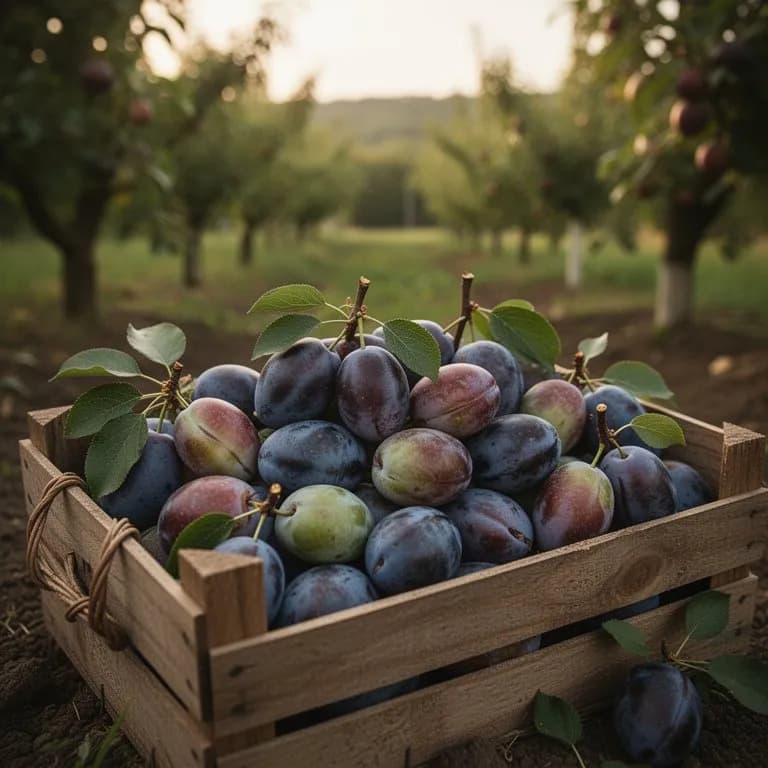
Damson Cheese
30 minutes plus 1 hour simmering and overnight settingDamson cheese is a firm, sliceable preserve with a history stretching back centuries in British country kitchens. It is traditionally served alongside hard cheese, cold game, and pork, where its intense tartness and deep fruit flavour cut through rich, fatty foods brilliantly. Unlike jam, it sets so firmly it can be turned out of its mould and sliced. A good damson cheese improves for months in the jar and the best examples are cellared for a year before opening.
5 ingredientesUsos culinarios
Las damascenas brillan en la cocina más que como fruta de mesa. La mermelada de damasco se considera una de las mejores conservas de fruta, con un sabor a ciruela intenso y complejo. La ginebra de damasco es una tradición británica que consiste en macerar la fruta en ginebra con azúcar durante meses. La pasta de damasco es una pasta espesa y cortable que se sirve junto con cheddar curado. La fruta da lugar a chutneys, crumbles y tartas excelentes. Cocínela con azúcar y sírvala sobre helado o yogur.
Qué contiene
Beneficios para la salud
- Exceptional anthocyanin content from the deep purple skin provides powerful antioxidant protection against oxidative stress, with research associating regular anthocyanin consumption with reduced risk of cardiovascular disease and age-related cognitive decline
- High natural pectin and fibre levels support healthy gut function by feeding beneficial gut bacteria, slowing glucose absorption after meals, and promoting regular digestion, benefits that are present even in cooked preserves to a meaningful degree
- Significant vitamin C content supports immune system function, enhances the absorption of non-haem iron from vegetable sources eaten in the same meal, and contributes to collagen production for healthy connective tissue and skin integrity
- Polyphenols including chlorogenic acid and neochlorogenic acid found in damson flesh and skin have been linked in clinical studies to improved insulin sensitivity and lower post-meal blood glucose response, suggesting a protective role against metabolic syndrome
- Provides vitamin K at levels that contribute meaningfully toward the daily requirement, supporting blood clotting efficiency and long-term bone health, particularly when consumed regularly as part of a diet rich in varied fruits and vegetables
- The combination of organic acids including malic acid and tartaric acid with natural sugars gives damson products a low to medium glycaemic index, providing sustained energy release without the rapid blood sugar spikes associated with higher-glycaemic sweetened foods
De dónde viene Ciruela damascena
Las damascenas tienen una larga y distinguida historia en los jardines británicos, donde se cultivaron durante siglos tanto por su utilidad como por su resistencia. El nombre se asocia a menudo con viejos setos, lindes de campo y jardines de cabaña, donde su fiabilidad y su cosecha abundante las convirtieron en un recurso muy apreciado. Probablemente proceden de formas antiguas de ciruela europeas y se conocen desde hace mucho como una fruta especialmente apta para conservas.
En la tradición rural británica, las damascenas eran valoradas sobre todo por la elaboración de mermeladas, chutneys y ginebra de damasco. Su acidez natural y su alto contenido en pectina las hacían ideales para conservas, y muchas familias dependían de la cosecha otoñal para llenar la despensa de conservas para el invierno. Este uso les dio un lugar especial en la cultura culinaria del hogar y del campo.
Más allá de la cocina, las damascenas también formaron parte del paisaje agrícola mixto. Su tolerancia al clima duro, a los suelos modestos y a la poda mínima las hizo encajar bien en setos y bordes de huertos, donde ofrecían alimento tanto a las personas como a la fauna. A día de hoy siguen siendo una variedad querida por los jardineros que buscan un frutal resistente, tradicional y de gran sabor para cocinar.
Ciruela damascena: ¿sabías que?
Datos fascinantes sobre Ciruela damascena
Las ciruelas son una de las primeras frutas domesticadas por el ser humano, con pruebas arqueológicas de su cultivo que se remontan al Neolítico, hacia el 6000 a. C., en la región que rodea el mar Caspio.
Ciruela damascena: preguntas frecuentes
¿Cuándo debo plantar Ciruela damascena?
¿Cuáles son buenas plantas acompañantes para Ciruela damascena?
¿En qué zonas de rusticidad puede crecer Ciruela damascena?
¿Cuánto sol necesita Ciruela damascena?
¿A qué distancia debo espaciar Ciruela damascena?
¿Qué plagas y enfermedades afectan a Ciruela damascena?
¿Cómo almaceno Ciruela damascena después de la cosecha?
¿Cuáles son las mejores variedades de Ciruela damascena para cultivar?
¿Qué suelo necesita Ciruela damascena?
Can damsons be eaten raw or are they only suitable for cooking?
How is a damson different from a regular plum?
When is the right time to harvest damsons?
My damson tree crops very heavily one year and barely at all the next. Why does this happen and can I prevent it?
How do I deal with the stones when making damson jam?
Are damsons suitable for growing in a small garden or can they only be grown as large trees?
Acabas de leer la teoría. Ahora cultívala en piloto automático.
Todo lo que hace que Ciruela damascena sea delicado — el momento, el espaciado, las asociaciones, la ventana de cosecha — es justo lo que PlotMyGarden resuelve por ti, para cada planta de tu huerto.
Un plan que conoce tu clima
Indica tu ubicación una vez. Recibe fechas de siembra, abonado y cosecha basadas en tu última helada real y el pronóstico en vivo — sin adivinar con un sobre genérico.
De la sección “Cuándo plantar”Planificador de bancales de arrastrar y soltar
Diseña bancales sobre una cuadrícula. Cada planta encaja con su espaciado correcto y ves toda la temporada antes de gastar un céntimo en semillas.
De la sección “Cultivo”Conflictos de asociación, detectados a tiempo
Más de 200 buenas y malas combinaciones comprobadas en vivo mientras plantas — para que un error que arruine la temporada nunca llegue a la tierra.
De la sección “Asociaciones”Recordatorios que sí vas a seguir
“Riega las judías.” “Recoge hoy antes de que se pase.” Oportunos, concretos y ligados a las plantas que de verdad cultivas.
De la sección “Cosecha”Escalonado, programado
¿Quieres cosechar seis semanas en vez de seis días? Reparte tus siembras automáticamente y te avisa cuando toca el siguiente lote.
De la sección “Cuándo plantar”Un registro que se vuelve más listo
Cada cosecha que registras le enseña tu huerto. El plan del año que viene parte de lo que de verdad funcionó en tu suelo, no en un manual.
De la sección “Resumen”Planta estos junto a Ciruela damascena
Más Frutas de hueso
Mantén Ciruela damascena lejos de estos
Cultiva tu mejor Ciruela damascena — y todo lo que la rodea.
Empieza un plan gratis hoy. Diseña tus bancales, coloca tu Ciruela damascena y deja que PlotMyGarden gestione el momento, el espaciado, las asociaciones y los recordatorios de la semilla a la cesta.