Pineapple
A terrestrial bromeliad that produces a single fruit from the center of a rosette of spiky leaves over 18 to 24 months.





On this pageOverview
Meet Pineapple
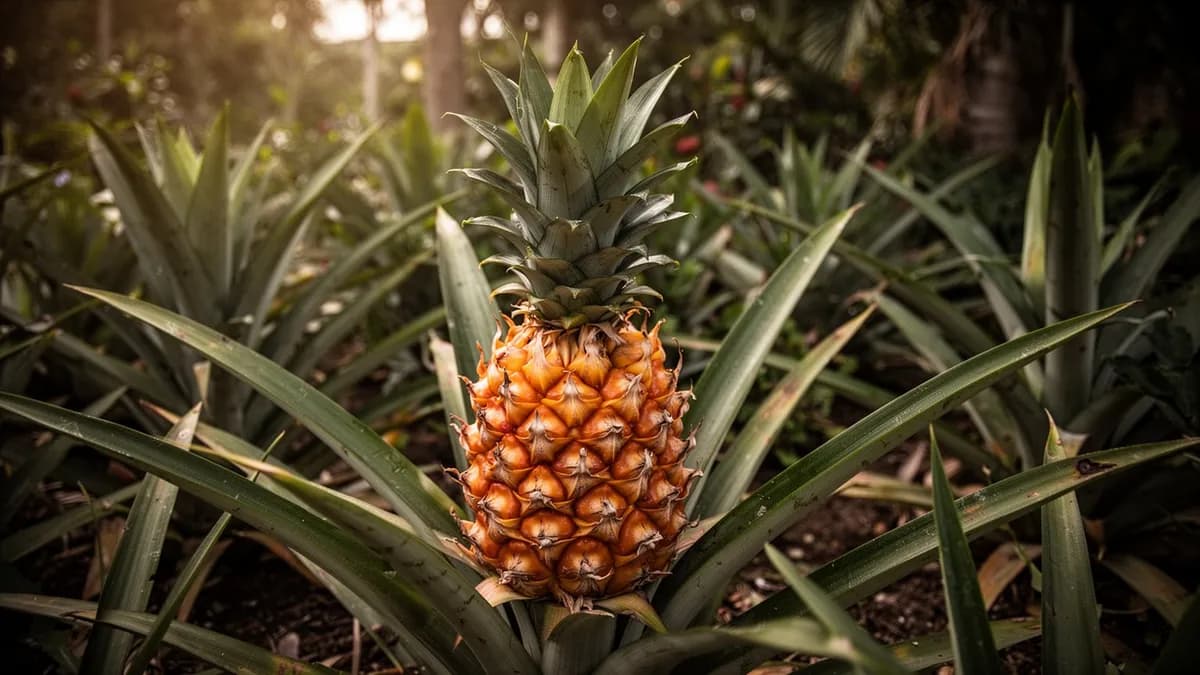
A terrestrial bromeliad that produces a single fruit from the center of a rosette of spiky leaves over 18 to 24 months. Pineapples can be started from the leafy crown of a store-bought fruit, rooted in water and then planted. They are surprisingly drought-tolerant and make excellent container plants in bright, warm indoor spaces.
When to plant Pineapple
Root a pineapple crown by twisting off the top, removing lower leaves, drying two days, then planting in moist mix. Roots develop in two to four weeks. Ratoon suckers from fruited plants are even faster. Slips from the fruit stalk also work. Growing from seed is extremely slow and variable.
Your Pineapple Year
Composed for Zone 7 · typical seasons · frost passes Apr 2, returns Nov 1
Plant Pineapple Mar – May, pick May – Nov. Check the planting methods below and set your climate to personalize these windows.
How to grow Pineapple
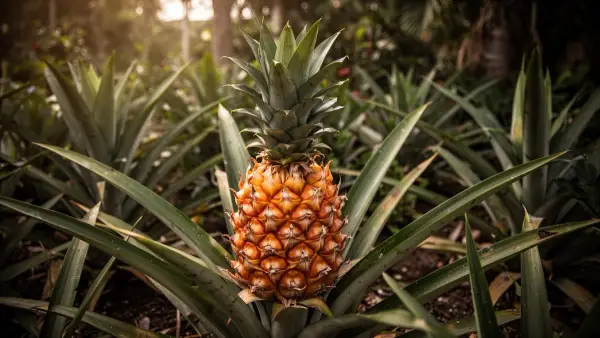
Pineapple grows as a rosette of stiff, spiny leaves in full sun and well-drained, acidic soil. Plant crowns or suckers two feet apart. The easiest start is rooting a store-bought pineapple crown by twisting it off, drying for a day, then planting in moist soil.
Water moderately, allowing soil to dry between waterings. Pineapples store water in thick leaves and are drought-tolerant. In containers, water into the central cup as well as the soil. Avoid overwatering, which causes root rot.
Feed monthly with balanced liquid fertilizer via foliar sprays. After 12 to 18 months, induce flowering by placing a ripe apple in the center and covering with plastic for a week. Fruit develops over four to six months after flowering.
8 plants fit a 4 × 8 ft bed
Each Pineapple wants 60 cm of elbow room. The planner keeps that spacing for you — every plant, every bed.
Related growing guides
Feed it well
Prefers acidic, well-drained sandy soil with pH 4.5 to 6.5. Cannot tolerate clay or waterlogging. In containers, use cactus or bromeliad mix with perlite. Apply balanced liquid fertilizer monthly via foliar sprays. Supplement with iron and magnesium if yellowing appears. Avoid lime or alkaline amendments.
Ideal Temperature
Hardiness Zone Compatibility
From seed to harvest, stage by stage
Planting & Establishment
Whether starting from a crown, slip, or ratoon sucker, the plant focuses on establishing a root system. The planting material should be allowed to dry for a day or two before planting to prevent rot. Roots begin to develop within two to three weeks in warm conditions.
Vegetative Growth
The plant enters a prolonged period of leaf production, building up a large rosette of sword-like leaves. Each new leaf adds to the plant's photosynthetic capacity and prepares it for fruiting. During this stage, the plant can grow to two to four feet in diameter.
Flower Induction
After a sufficient number of leaves have developed, the plant becomes capable of flowering. In tropical climates, flowering is triggered naturally by cooler nights or drought stress. In cultivation, ethylene gas or ethephon solution is often used to force uniform flowering.
Flowering
A compact, cone-shaped inflorescence emerges from the center of the plant. It is composed of up to 200 individual purple florets that open progressively from the base to the top over about two weeks. Each floret corresponds to one of the 'eyes' on the mature fruit.
Fruit Development
Following flowering, the individual fruitlets fuse and swell to form the composite fruit. The fruit grows steadily over four to five months, changing from a compact green cone to the familiar large, spiky fruit. The crown of leaves at the top continues to grow simultaneously.
Ripening
The fruit begins to turn from green to yellow, starting at the base and progressing upward. Sugar content increases dramatically and the characteristic sweet aroma becomes noticeable. The eyes of the fruit flatten and the skin color becomes more uniform.
Harvest & Ratoon
The fruit is harvested by cutting the stalk with a sharp knife. After the main harvest, the plant produces ratoon shoots from the base, which will each bear a second fruit in approximately 12 to 15 months. Most commercial operations and home gardeners allow one or two ratoon crops before replanting.
Keep the soil consistently moist but not waterlogged. Avoid fertilizing for the first four to six weeks to allow roots to establish without risk of burn.
Caring for Pineapple month by month
What to do each month for your Pineapple
October
You are hereContinue to reduce watering and fertilization frequency as days shorten in temperate climates. In tropical and subtropical regions, this is an ideal month for planting. Harvest any remaining ripe fruits before cold weather arrives in frost-prone areas.
Know exactly what to do in your garden — every month
One email at the start of each month: what to sow, plant, and tackle right now — for your Pineapple and everything growing around it. Plus a short starter course that helps you dodge the classic mistakes.
- What to do, right now
- Matched to your season
- Starter course included
Harvesting Pineapple
Pineapple is ready when skin changes from green to golden-yellow at the base and emits a sweet aroma. It should sound slightly hollow when tapped. Cut with a sharp knife, leaving an inch of stem. Each plant produces one fruit then dies back while producing ratoon suckers. Fruit does not ripen much after harvest, so pick at full color.
assuming you plant when the window opens — set your real date
Pick Pineapple promptly and the plant keeps producing.
Storage & Preservation
Whole pineapple keeps at room temperature two to three days or refrigerated up to a week. Cut pineapple should be consumed within three to five days refrigerated. Freeze in chunks, can in syrup, dry into rings, or make jam and juice. Fresh pineapple contains bromelain enzyme that prevents gelatin from setting.
What goes wrong — and the fix
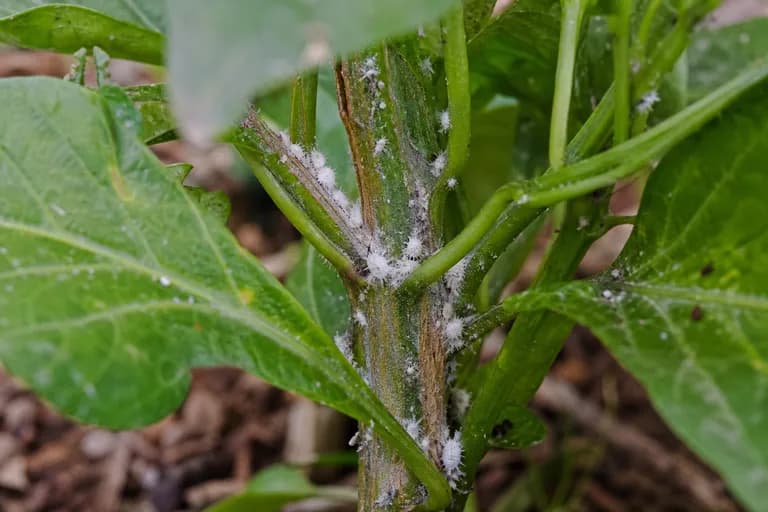
Mealybugs
PestWhite cottony masses in leaf axils; sticky honeydew; wilting; associated with pineapple wilt virus.
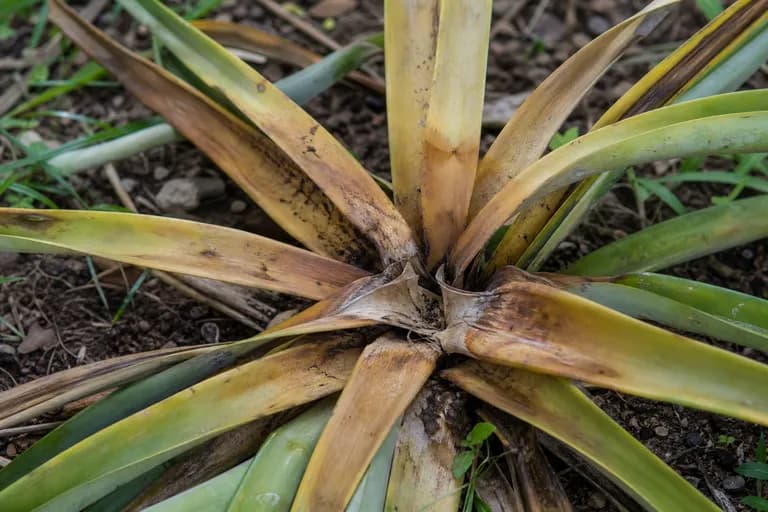
Heart Rot (Phytophthora)
DiseaseCentral leaves turn yellow then brown and pull out easily; foul odor; plant collapse.
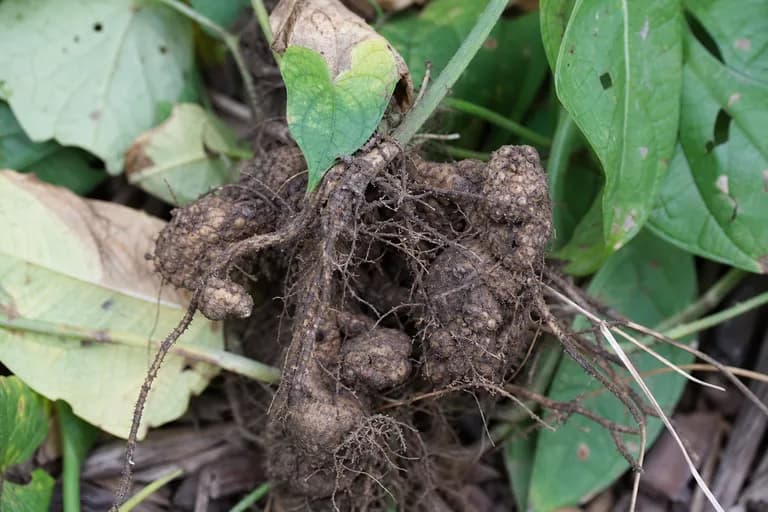
Nematodes
PestStunted growth; yellowing leaves; poor root development; reduced fruit size.
Troubleshooting Common Problems
The most common failure is impatience, as pineapple takes 18 to 24 months. Overwatering causes fatal root and heart rot. Cold below 50 degrees stalls growth; below 28 degrees is fatal. Mealybugs transmit pineapple wilt virus. Spiny leaves can be hazardous in high-traffic areas.
Growing Tips
- When propagating from a store-bought pineapple crown, remove the bottom few rows of leaves to expose about an inch of the stem, then allow the cut end to dry and callous for two to three days before planting. This significantly reduces the risk of rot during rooting.
- Pineapples are adapted to relatively poor, sandy, and well-draining soils. In heavier clay soils, amend generously with coarse sand and perlite, or grow in raised beds or containers to ensure the excellent drainage that pineapples require.
- The plant feeds heavily through its leaves as well as its roots. Foliar feeding with a diluted balanced fertilizer applied directly to the leaves and especially into the cup formed by the leaf rosette can dramatically accelerate growth compared to soil fertilization alone.
- If your mature pineapple plant has not flowered after 14 to 16 months, try the apple method: place one or two ripe apples in the center of the plant, cover the entire plant with a large plastic bag, and leave it in place for about four days. The ethylene gas emitted by the apples often successfully triggers flowering within six to ten weeks.
- Pineapples are highly tolerant of drought once established but extremely sensitive to waterlogging and root rot. Always grow in containers or beds with drainage holes and never allow the roots to sit in standing water, which can kill the plant within days.
- In subtropical and temperate climates, position container-grown pineapples against a south-facing wall where reflected heat and light will create a warmer microclimate. This can extend the effective growing season by several weeks at each end and may make the difference between getting fruit and not.
- The recommended spacing for pineapple plants in a garden bed is approximately 30 to 40 cm (12 to 16 inches) between plants in a row and 90 cm (36 inches) between rows. This close spacing allows for efficient land use while still providing adequate air circulation to reduce disease pressure.
- When selecting ratoon shoots to keep after the main harvest, choose shoots that emerge from as close to the base of the stem as possible ('ground suckers'), as these tend to develop the largest and best-quality fruits. Shoots that emerge higher up on the main stem ('slips') are useful for propagation but often produce smaller fruits.
- Mulching around pineapple plants with a thick layer of organic material such as straw, wood chips, or sugarcane mulch serves multiple purposes: it retains soil moisture, moderates soil temperature, suppresses weeds, and gradually improves soil fertility as it decomposes. Keep the mulch a few inches away from the base of the stem.
- Pineapples are self-incompatible, meaning that a single variety cannot pollinate itself. If you are growing just one variety and your pineapple is pollinated — for example, by hummingbirds transferring pollen from a neighbor's plant — the fruit will contain hard, inedible seeds. Most home gardeners growing a single variety do not need to worry about this, but it is worth knowing if you find seeds in your fruit.
Grow your best Pineapple yet — and everything around it.
Start a free plan today. Lay out your beds, drop in your Pineapple, and let PlotMyGarden handle the timing, spacing, companions and reminders from seed to harvest basket.
Pick your Pineapple
Smooth Cayenne
Standard commercial variety with large, juicy fruits and excellent sweet-tart flavor.
MD-2 (Gold)
Premium hybrid with extra-sweet golden flesh, low acidity, and longer shelf life.
Red Spanish
Hardy variety with aromatic flesh and good disease resistance.
Sugarloaf
White-fleshed with exceptional sweetness and no acidic bite.
Growing your own pineapple at home can deliver meaningful savings over time, particularly if you live in a tropical or subtropical climate where the plant produces regularly. A single organic pineapple at a specialty grocery store can cost between $3 and $8, while a plant started from the crown of a store-bought pineapple costs virtually nothing to propagate. After the initial 18-to-24-month wait for the first fruit, a well-maintained plant will produce ratoon crops in approximately 12 to 15 months each, providing a steady supply of homegrown fruit. In a warm climate, a small plot with five to ten plants can keep a family supplied with fresh pineapple throughout the year, saving $50 to $200 or more annually while ensuring access to fruit at peak ripeness — a quality that is essentially impossible to achieve with commercially harvested, shipped pineapples.
Quick recipes
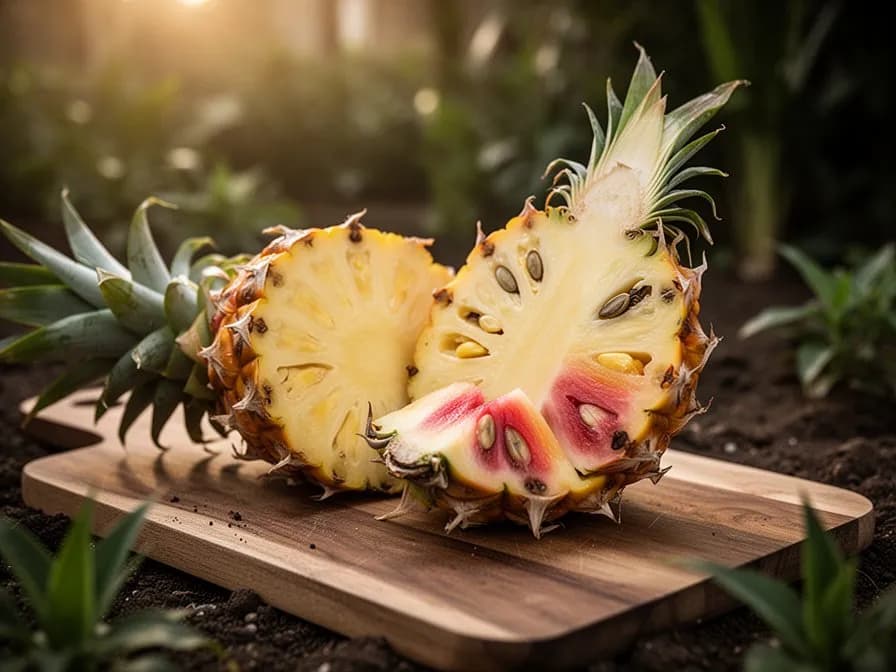
Fresh Pineapple Salsa
15 minutesA vibrant, tropical salsa that pairs beautifully with grilled fish, chicken tacos, or tortilla chips. The combination of sweet pineapple, fiery jalapeño, and bright cilantro creates a balance of flavors that is both refreshing and complex.
7 ingredients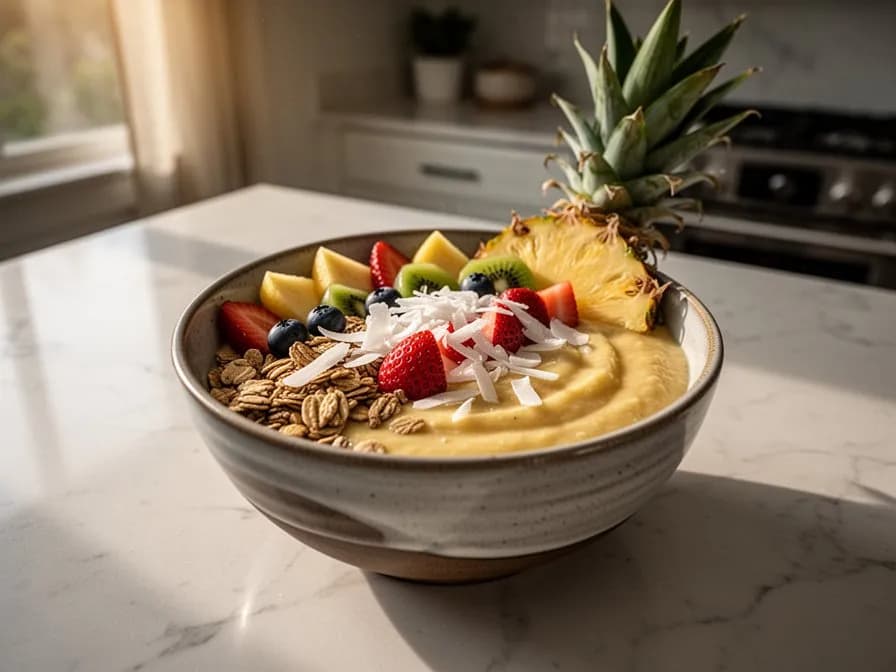
Grilled Pineapple with Brown Sugar and Cinnamon
20 minutesGrilling concentrates the sugars in pineapple and adds a smoky caramel depth that elevates this simple dessert or side dish. Serve alongside vanilla ice cream for an impressive yet effortless dessert, or alongside grilled pork or chicken.
6 ingredientsPineapple Ginger Smoothie
5 minutesA bright, energizing smoothie that showcases the natural sweetness of fresh pineapple while the ginger adds warmth and an anti-inflammatory boost. This smoothie is packed with vitamin C, bromelain, and digestive-supporting compounds.
7 ingredientsCulinary Uses
Eaten fresh as a snack, in fruit salads, and in tropical drinks. Essential in pina coladas, Hawaiian pizza, and sweet-and-sour dishes. Grilled pineapple is a popular barbecue side. Used in upside-down cakes, sorbets, and tropical salsas. Juice is a staple beverage and cocktail mixer.
What's inside
Health Benefits
- Bromelain, the proteolytic enzyme found almost exclusively in pineapple, has demonstrated significant anti-inflammatory properties and may help reduce swelling, bruising, and healing time after surgery or injury.
- A single cup of fresh pineapple provides over 100% of the recommended daily intake of vitamin C, making it an exceptional immune-boosting food that also supports collagen production and healthy skin.
- Pineapple is one of the best dietary sources of manganese, a trace mineral that plays a critical role in bone formation, wound healing, and the metabolism of carbohydrates, amino acids, and cholesterol.
- The combination of dietary fiber, bromelain, and digestive enzymes in pineapple makes it a natural digestive aid that can help break down proteins, reduce bloating, and support a healthy gut microbiome.
- Pineapple contains a variety of antioxidants including vitamin C, beta-carotene, flavonoids, and phenolic acids that work together to neutralize free radicals and may reduce the risk of chronic diseases associated with oxidative stress.
- Research suggests that the anti-inflammatory effects of bromelain may help reduce symptoms of sinusitis, arthritis, and inflammatory bowel conditions, making fresh pineapple a functional food with potential therapeutic benefits beyond basic nutrition.
Where Pineapple comes from
The pineapple (Ananas comosus) is native to the region between southern Brazil and Paraguay, where wild relatives of the plant are still found today. Indigenous peoples of South America had cultivated and selectively bred the pineapple for thousands of years before European contact, spreading it northward through Central America and into the Caribbean islands, where it was well established by the time Christopher Columbus arrived in 1493. Columbus and his crew encountered the fruit on the island of Guadeloupe during his second voyage and brought specimens back to Europe, where it caused an immediate sensation.
In Europe, the pineapple became the ultimate symbol of wealth, exoticism, and hospitality. Kings and aristocrats competed to grow pineapples in specially heated greenhouses called pineries or pineapple pits, an extraordinarily expensive undertaking. King Charles II of England was famously painted in 1675 receiving the first pineapple grown in England as a royal gift. In the American colonies, a pineapple placed atop the entrance of a home signaled welcome and hospitality to guests — a tradition that explains the prevalence of pineapple motifs in early American architecture and decorative arts.
Commercial cultivation expanded dramatically in the 19th century, with Hawaii becoming a dominant producer following the establishment of large plantations by James Dole in the early 1900s. The invention of reliable canning technology made pineapple available to a global mass market for the first time, transforming it from a luxury item into an everyday food. Today, the pineapple is grown commercially throughout the tropical world, with Costa Rica, the Philippines, Brazil, Thailand, and Indonesia among the leading producers. The Smooth Cayenne variety, developed in Hawaii, remains the most widely cultivated variety globally, prized for its consistent flavor, large size, and suitability for mechanical harvesting. Despite its now-common status, the pineapple retains its cultural association with warmth, welcome, and tropical indulgence.
Pineapple: did you know?
Fascinating facts about Pineapple
The pineapple is not a single fruit but a composite of up to 200 individual berries that have fused together around a central core — each 'eye' on the surface corresponds to one individual fruitlet.
Pineapple questions, answered
When should I plant Pineapple?
What hardiness zones can Pineapple grow in?
How much sun does Pineapple need?
How far apart should I space Pineapple?
What pests and diseases affect Pineapple?
How do I store Pineapple after harvest?
What are the best Pineapple varieties to grow?
What soil does Pineapple need?
How long does it take to grow a pineapple from a crown to a harvestable fruit?
Can I grow a pineapple indoors or in a container?
How do I know when my pineapple is ripe and ready to harvest?
Why are my pineapple plant's leaves turning yellow?
What pests and diseases should I watch out for when growing pineapple?
Can I eat the pineapple core, and what can I do with the leaves and crown after harvest?
You just read the theory. Now grow it on autopilot.
Everything that makes Pineapple fiddly — the timing, the spacing, the companions, the harvest window — is exactly what PlotMyGarden handles for you, for every plant in your garden.
A plan that knows your weather
Set your location once. Get sow, feed and harvest dates built around your real last-frost date and live forecast — no more guessing from a generic seed packet.
From the “When to plant” sectionDrag-and-drop bed planner
Design beds on a grid. Every plant snaps to its proper spacing, and you can see your whole season laid out before you spend a cent on seed.
From the “Growing guide” sectionCompanion conflicts, caught early
200+ good-and-bad pairings checked live as you plant — so a season-wrecking mistake never makes it into the ground.
From the “Companions” sectionReminders you'll actually act on
“Water the beans.” “Pick today before it turns.” Timely, specific, and tied to the plants you're really growing.
From the “Harvest” sectionSuccession, scheduled
Want a harvest for six weeks, not six days? It spaces your sowings automatically and reminds you when each new block is due.
From the “When to plant” sectionA record that gets smarter
Every harvest you log teaches it your garden. Next year's plan starts from what actually worked in your soil, not a textbook's.
From the “Overview” sectionMore Tropical Fruits
Grow your best Pineapple yet — and everything around it.
Start a free plan today. Lay out your beds, drop in your Pineapple, and let PlotMyGarden handle the timing, spacing, companions and reminders from seed to harvest basket.