Pinienkernbaum
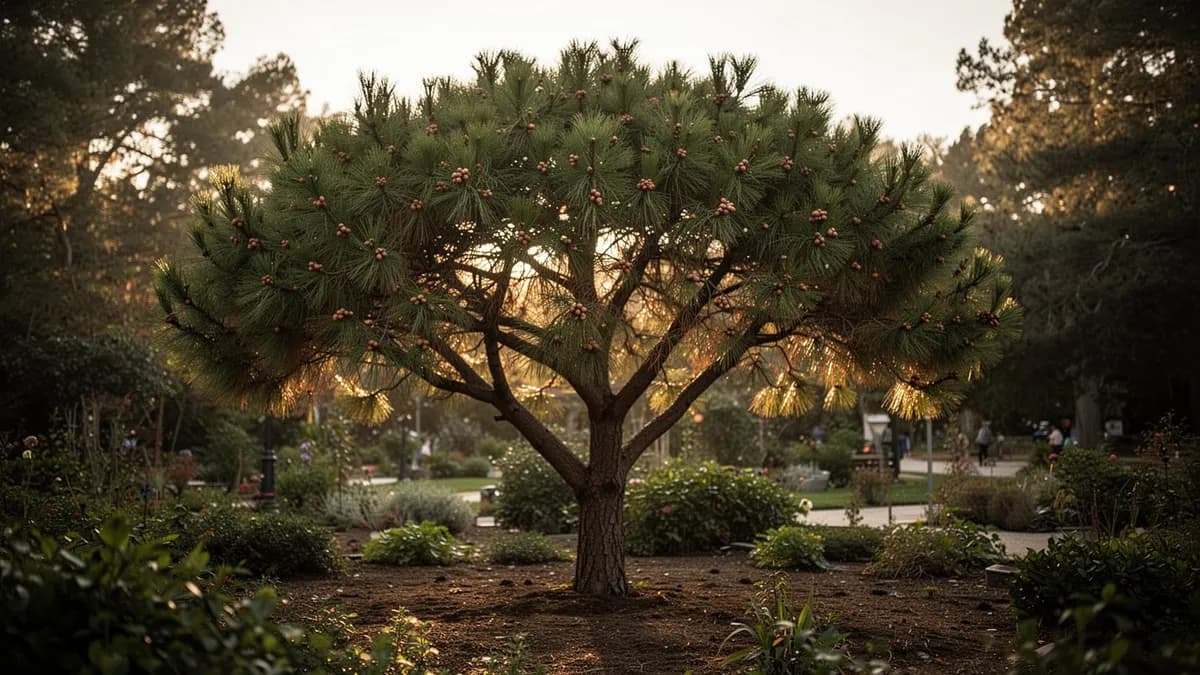
Eine ikonische Mittelmeerkiefer mit einer markanten schirmförmigen Krone, die essbare Samen in ihren großen Zapfen produziert.





Auf dieser SeiteÜberblick
Pinienkernbaum im Überblick
Eine ikonische Mittelmeerkiefer mit einer markanten schirmförmigen Krone, die essbare Samen in ihren großen Zapfen produziert. Pinienkernbäume sind extrem langsam in der Erstproduktion und brauchen oft zehn oder mehr Jahre, tragen dann aber über viele Jahrzehnte. Sie gedeihen in armen, sandigen, gut durchlässigen Böden und voller Sonne mit minimalem Wasser nach der Etablierung. Ernten Sie die Zapfen im Herbst, bevor sie sich vollständig öffnen, und trocknen Sie sie dann, um die kleinen, hochwertigen Samen freizusetzen, die für Pesto und die mediterrane Küche verwendet werden.
Wann Pinienkernbaum pflanzen
Pinienkernbäume können aus Samen gezogen werden, benötigen aber eine Kaltschichtung von 60 bis 90 Tagen in feuchtem Sand im Kühlschrank vor der Aussaat. Säen Sie stratifizierte Samen im zeitigen Frühjahr in tiefe Töpfe und bedecken Sie sie mit einem halben Zentimeter Sandmischung. Die Keimung ist langsam und unregelmäßig und dauert 2 bis 8 Wochen. Ziehen Sie die Sämlinge ein bis zwei Jahre in tiefen Behältern auf, bevor Sie sie an ihren endgültigen Standort verpflanzen, um die Pfahlwurzelentwicklung zu ermöglichen. Veredelte Bäume aus Baumschulen beginnen früher zu tragen und produzieren zuverlässiger als Sämlinge.
Dein Pinienkernbaum-Jahr
Abgestimmt auf Zone 7 · typische Saison · Frost geht um den 2. Apr. und kehrt um den 1. Nov. zurück
Pinienkernbaum Mär – Apr, Okt – Nov pflanzen, Okt – Nov ernten. Beachte die Pflanzmethoden unten und wähle dein Klima für passende Zeiträume.
So baust du Pinienkernbaum an
Wählen Sie einen Pflanzstandort in voller Sonne mit sandigem oder kiesigem, gut durchlässigem Boden. Pinienkernbäume stammen aus dem Mittelmeerraum und gedeihen in alkalischen bis neutralen Böden mit einem pH-Wert von 6,5 bis 8,0. Pflanzen Sie junge, im Container gezogene Setzlinge im Frühling oder Herbst und graben Sie ein Loch, das doppelt so breit wie der Wurzelballen ist. Gießen Sie bei der Pflanzung gründlich und bewässern Sie in den ersten beiden Sommern zusätzlich, um die Pfahlwurzel beim Einwachsen zu unterstützen.
Nach der Etablierung sind Pinien bemerkenswert trockenheitsresistent und müssen nur selten gegossen werden, außer bei anhaltender Trockenheit. Vermeiden Sie nährstoffreiche, fruchtbare Böden und starke Düngung, die schnelles, aber schwaches Wachstum fördern. Mulchen Sie leicht mit Kies oder Pinienrinde, um Unkraut zu unterdrücken und etwas Feuchtigkeit zu bewahren, ohne den Wurzelhals nass zu halten.
Pinienkernbäume wachsen langsam und benötigen möglicherweise 10 bis 15 Jahre, bevor sie ihre erste nennenswerte Zapfenernte produzieren. Geduld ist unerlässlich. Schneiden Sie nur tote oder beschädigte Äste, da sich die charakteristische Schirmkrone natürlich entwickelt. Schützen Sie junge Bäume in den ersten Jahren mit Drahtgittern vor Wildverbiss.
Für Pinienkernbaum ist ein Beet von 120 × 240 cm zu klein
Pinienkernbaum braucht 800 cm Platz pro Pflanze. Der Planer hält diesen Abstand für dich ein — jede Pflanze, jedes Beet.
Die besten Nachbarn für Pinienkernbaum
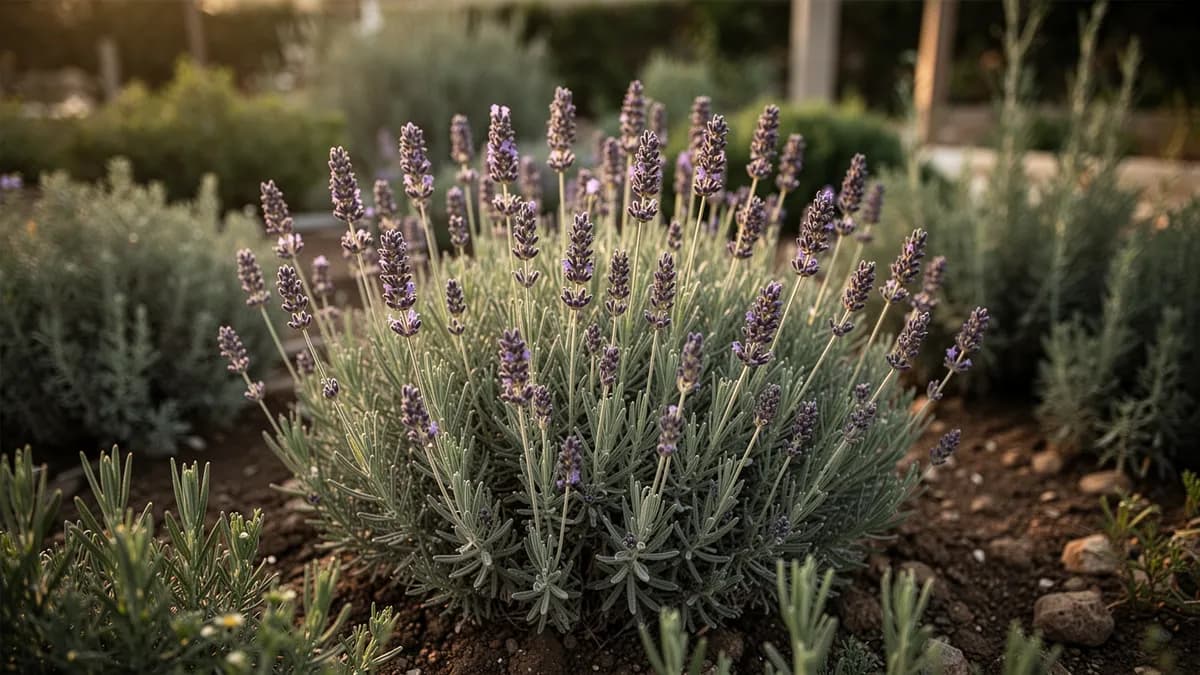
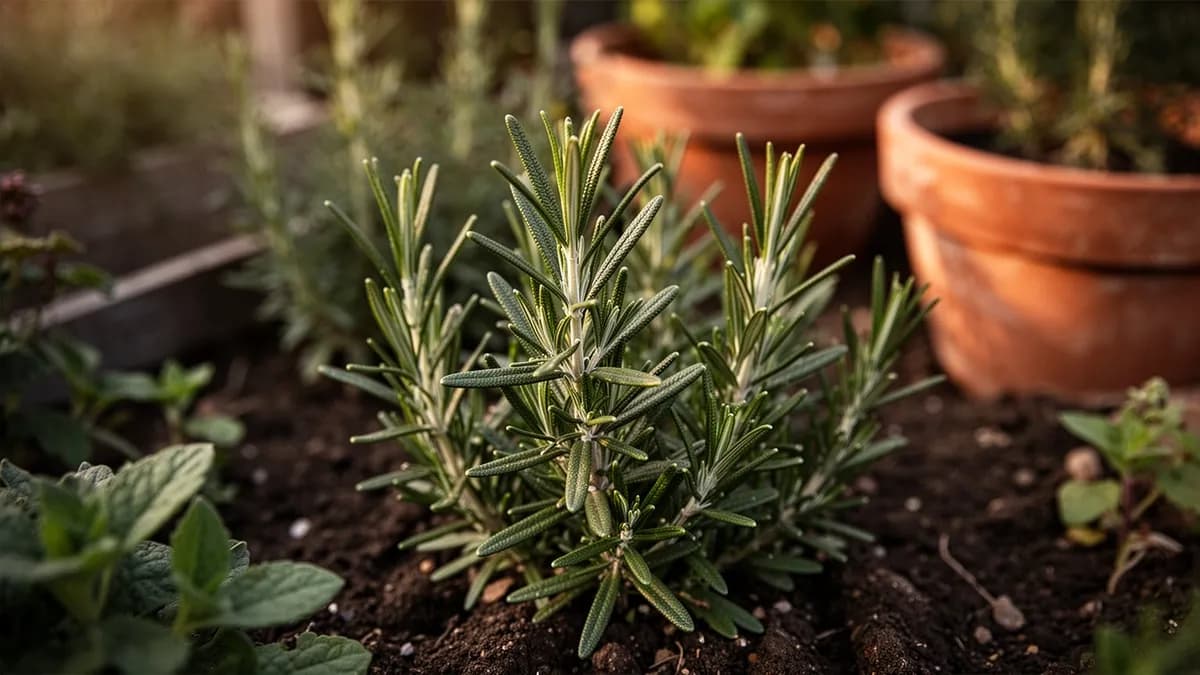
Pflanzen Sie trockenheitsresistente mediterrane Kräuter wie Lavendel, Rosmarin, Thymian und Oregano unter Pinienkernbäume. Diese Begleitpflanzen gedeihen unter den gleichen trockenen, gut durchlässigen Bedingungen und ihr aromatisches Laub kann helfen, einige Schädlinge abzuschrecken. Vermeiden Sie feuchtigkeitsliebende Arten in der Nähe von Pinienkernbäumen, da die Bewässerungsanforderungen im Widerspruch stehen. Einheimische Gräser und Wildblumen, die an trockene Bedingungen angepasst sind, eignen sich als attraktive Bodendecker. Stickstofffixierende Pflanzen wie Klee können arme Böden verbessern, ohne übermäßige Fruchtbarkeit zu erzeugen.
Lavendel gehört daneben.
Altes Gärtnerwissen, geprüft an der echten Nachbartabelle von Pinienkernbaum — teste jede Pflanze, die du anbaust.
Probiere Pinienkernbaum direkt hier im Beet
Ein echtes Planer-Beet, Pinienkernbaum steht schon drin. Tippe einen Begleiter an, platziere ihn und sieh, wie die Nachbarschaftsprüfung antwortet — grün für gute Nachbarn, rot bei Streit.


Passende Anbau-Ratgeber
Richtig düngen
Pinienkernbäume bevorzugen arme bis mäßig fruchtbare, gut durchlässige sandige oder steinige Böden. Schwere Tonböden müssen stark mit Sand und Kies verbessert werden, um Wurzelfäule zu verhindern. Diese Bäume sind an nährstoffarme Bedingungen angepasst und brauchen selten Düngung. Wenn das Wachstum auf extrem armen Böden sehr langsam ist, bringen Sie im zeitigen Frühjahr eine leichte Gabe eines ausgewogenen Langzeitdüngers aus. Vermeiden Sie stickstoffreiche Dünger, die weiches, schädlingsanfälliges Wachstum fördern. Halten Sie den Boden-pH zwischen 6,5 und 8,0.
Ideale Temperatur
Winterhärtezone-Kompatibilität
Von der Saat zur Ernte, Schritt für Schritt
Samenkeimung
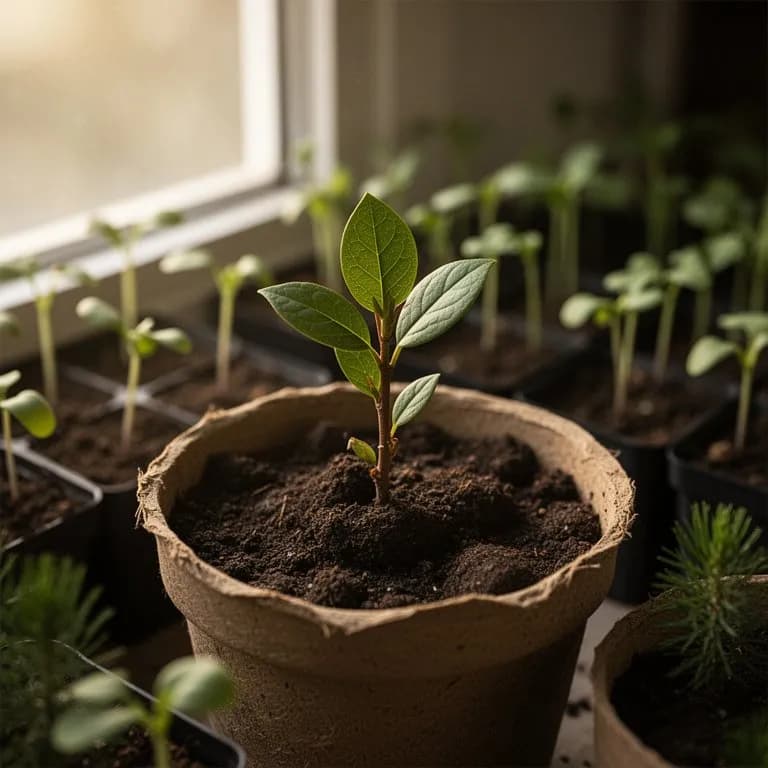
Pinienkerne benötigen eine Kaltschichtung von 30 bis 60 Tagen vor der Keimung. Die Samen werden etwa 2 Zentimeter tief in gut durchlässigen Sandboden gesät. Die Keimung ist langsam und unregelmäßig, wobei zuerst die Keimwurzel erscheint, gefolgt von den Keimblättern, die durch die Bodenoberfläche dringen.
Sämlingsetablierung
Der Sämling entwickelt seine ersten echten Nadeln und etabliert ein Pfahlwurzelsystem. Das Wachstum ist in dieser Phase langsam und erreicht im ersten Jahr typischerweise 10 bis 20 Zentimeter. Die junge Pflanze hat eine kegelförmige Form, die sich deutlich von der ausgewachsenen Schirmform unterscheidet.
Jugendliches Wachstum
In den nächsten zwei bis fünf Jahren wächst der Jungbaum kräftiger und legt unter günstigen Bedingungen 30 bis 50 Zentimeter Höhe pro Jahr zu. Das Wurzelsystem dehnt sich erheblich aus und der Stamm beginnt sich zu verdicken. Der Baum behält in dieser Zeit eine kegelförmige bis abgerundete Form.
Vorproduktive Reifung
Zwischen dem sechsten und zwanzigsten Jahr entwickelt der Baum seine charakteristische schirmförmige Krone. Der Stamm wird robuster mit tief gerissener Rinde. Männliche und weibliche Zapfen beginnen zu erscheinen, aber eine nennenswerte Kernproduktion hat noch nicht begonnen. Der Baum kann 6 bis 10 Meter Höhe erreichen.
Frühe Produktion
Ab etwa dem 20. bis 25. Jahr beginnt der Baum, nennenswerte Mengen an Pinienzapfen zu produzieren. Jeder Zapfen braucht volle drei Jahre, um am Ast zu reifen. Die Erträge sind anfangs bescheiden, steigen aber stetig, wenn der Baum größer wird und mehr zapfentragende Äste entwickelt.
Volle Produktion
Ab etwa dem 30. Jahr erreicht die Pinie die volle produktive Reife. Ein gesunder, ausgewachsener Baum kann 30 bis 100 Kilogramm Zapfen pro Jahr produzieren, was etwa 3 bis 10 Kilogramm geschälte Pinienkerne ergibt. Der Baum kann 15 bis 25 Meter hoch werden mit einer breiten, ausladenden Krone.
Vermächtnis und Rückgang
Pinien können über 200 Jahre alt werden, obwohl die Produktion nach 80 bis 100 Jahren allmählich nachlässt. Ältere Bäume bleiben wertvoll für ihre ornamentale Schönheit, ihren Schatten und ihre ökologischen Beiträge, einschließlich Lebensraum für Vögel und Wildtiere. Der massive Stamm und die ausladende Krone werden mit zunehmendem Alter immer majestätischer.
Weichen Sie die Samen 48 Stunden in Wasser ein, bevor Sie sie in feuchtem Sand im Kühlschrank bei 2 bis 5 Grad Celsius stratifizieren, um die besten Keimraten zu erzielen.
Pinienkernbaum Monat für Monat pflegen
Was du jeden Monat für deine Pinienkernbaum tun solltest
Oktober
Aktueller MonatReife Pinienzapfen ernten, bevor sie sich vollständig öffnen und Samen abwerfen. Heruntergefallene Zapfen vom Boden zum Verarbeiten sammeln. Samen im Freien für natürliche Kaltschichtung über den Winter aussäen
Immer wissen, was jetzt im Garten zu tun ist
Eine E-Mail zum Monatsanfang: was du jetzt säen, pflanzen und anpacken solltest — für deine Pinienkernbaum und alles, was drumherum wächst. Dazu ein kurzer Startkurs, der dich vor den klassischen Fehlern bewahrt.
- Was jetzt zu tun ist
- Passend zu deiner Saison
- Startkurs inklusive
Pinienkernbaum ernten
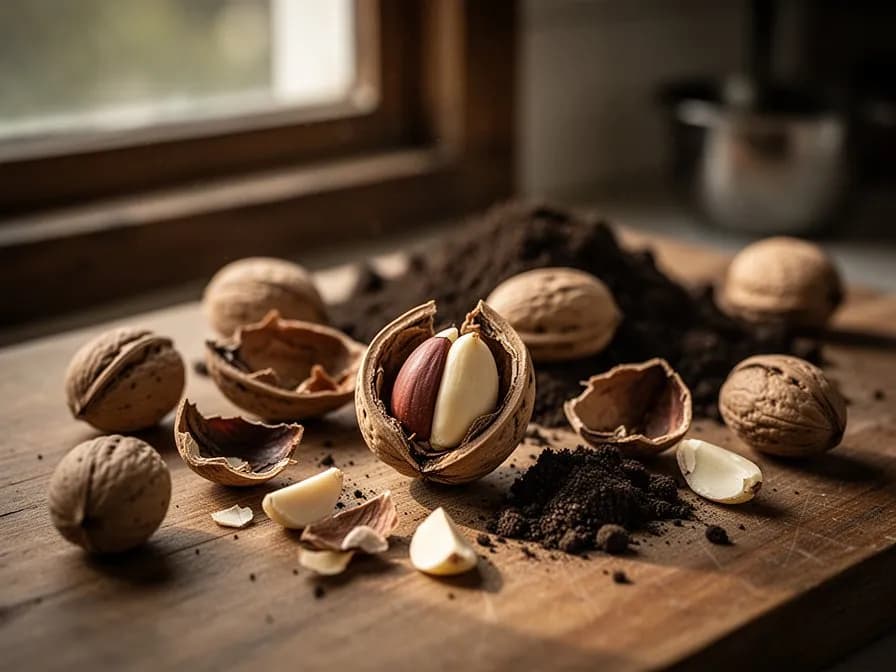
Ernten Sie Pinienzapfen im Herbst, wenn sie beginnen braun zu werden, aber bevor sie sich vollständig öffnen und die Samen freisetzen. Drehen Sie die Zapfen von Hand von den Ästen ab oder verwenden Sie eine Hakenstange für höher gelegene Zapfen. Verteilen Sie die geernteten Zapfen auf Sieben an einem warmen, trockenen Ort für mehrere Wochen, bis sie sich öffnen und die Samen freigeben. Knacken Sie die dünnen Schalen mit einer Zange oder einem Nussknacker, um die cremefarbenen weißen Kerne im Inneren zu extrahieren. Ein einzelner ausgewachsener Baum kann 4,5 bis 9 Kilogramm Zapfen pro Jahr liefern.
angenommen, du pflanzt zu Beginn des Zeitraums — trage dein tatsächliches Datum ein
Ernte Pinienkernbaum zügig, dann trägt die Pflanze weiter.
Lagerung & Konservierung
Lagern Sie ungeschälte Pinienkerne an einem kühlen, trockenen Ort bis zu 3 Monate. Geschälte Pinienkerne sind reich an Öl und werden schnell ranzig, daher bewahren Sie sie in einem luftdichten Behälter im Kühlschrank bis zu 2 Monate oder im Gefrierfach bis zu 6 Monate auf. Rösten Sie Pinienkerne leicht in einer trockenen Pfanne, um ihren buttrigen Geschmack vor der Verwendung zu verstärken. Für die Langzeitlagerung vakuumieren Sie geschälte Kerne und frieren Sie sie sofort nach der Extraktion ein.
Was schiefgeht — und die Lösung
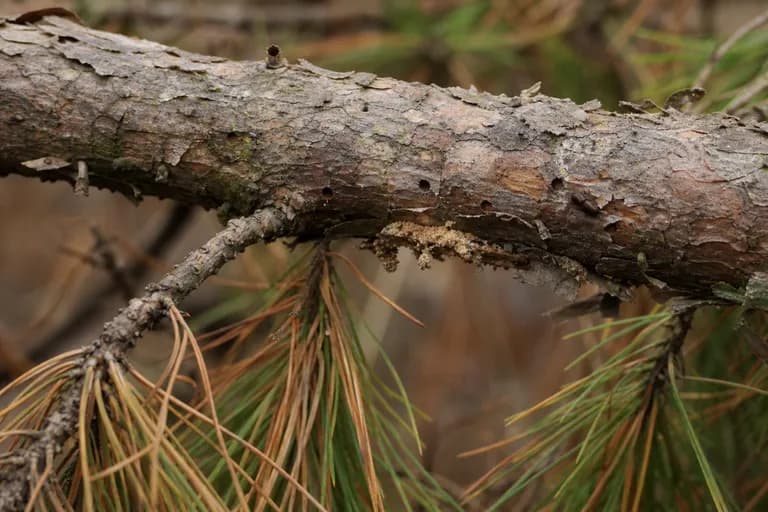
Kiefernborkenkäfer
SchädlingKleine runde Bohrlöcher in der Rinde mit Sägemehlfrass. Das Laub vergilbt und verbräunt, wenn die Käfer Äste unter der Rinde ringeln.
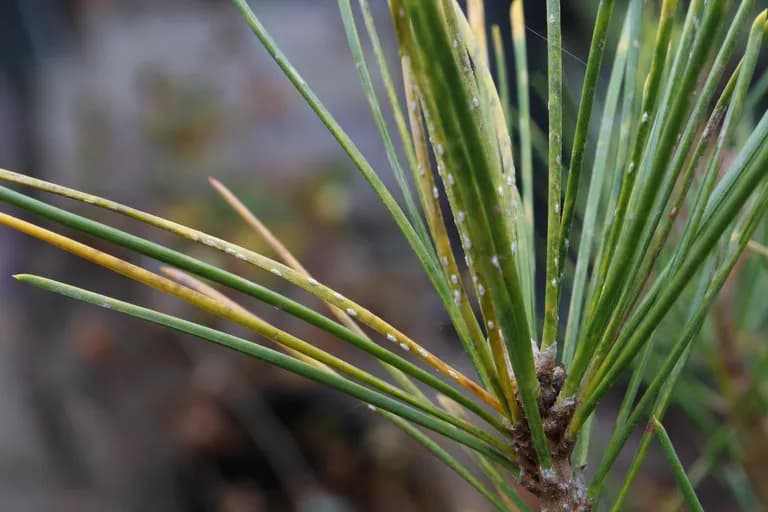
Kiefernnadel-Schildlaus
SchädlingWeiße, längliche Wachsschildläuse auf den Nadeln, die Vergilbung, verminderte Vitalität und spärliches Laub verursachen.
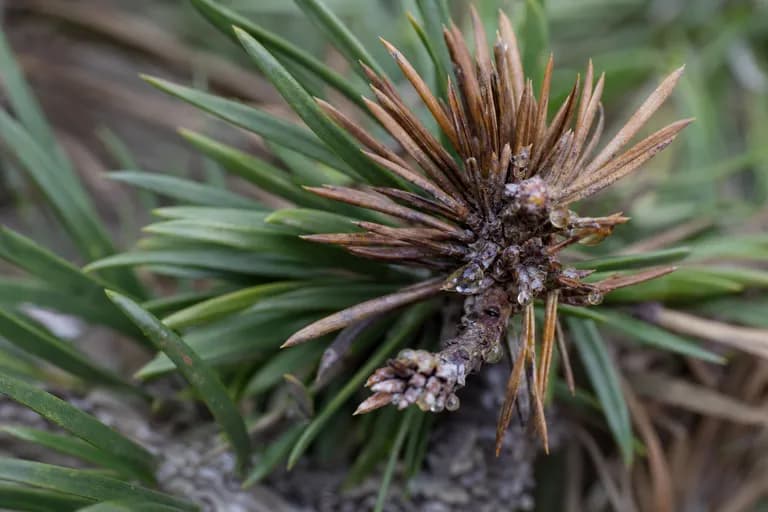
Diplodia-Triebsterben
KrankheitNeue Triebe und Kerzen sind gestaucht mit kurzen, braunen Nadeln. Harztröpfchen sind an betroffenen Trieben sichtbar.
Fehlerbehebung bei häufigen Problemen
Die häufigste Frustration ist die extrem lange Wartezeit, bis die Bäume Kerne produzieren, oft 10 bis 15 Jahre oder mehr. Vögel und Eichhörnchen konkurrieren aggressiv um die Ernte, und das Benetzen großer Bäume ist unpraktisch. Übermäßiges Gießen verursacht Wurzelfäule bei diesen trockenheitsangepassten Bäumen. Junge Bäume können in feuchten Klimazonen Schwierigkeiten haben, in denen Pilzkrankheiten gedeihen. Windschäden an der breiten Krone können an exponierten Standorten auftreten, daher bieten Sie in den ersten Jahren Schutz vor vorherrschenden Winden.
Anbautipps
- Wählen Sie einen Pflanzstandort mit voller Sonneneinstrahlung und ausgezeichneter Drainage, da Pinien sehr anfällig für Wurzelfäule in staunassen Böden sind und am besten in sandigem oder lehmigem, gut durchlässigem Boden gedeihen.
- Pflanzen Sie Pinien mindestens 8 bis 10 Meter auseinander, damit sich ihre breiten Schirmkronen ohne Konkurrenz voll entwickeln können, was die Zapfenproduktion jedes Baumes maximiert.
- Gießen Sie junge Bäume in den ersten drei Sommern einmal pro Woche tief, um ein starkes Wurzelsystem zu etablieren, und reduzieren Sie dann die Bewässerung schrittweise, wenn der Baum reift und trockenheitsresistent wird.
- Tragen Sie eine dicke Schicht organischen Mulch um die Baumbasis bis zur Kronentraufe auf, halten Sie den Mulch aber mindestens 15 Zentimeter vom Stamm entfernt, um Rindenverrottung und Schädlingsprobleme zu vermeiden.
- Vermeiden Sie starke Stickstoffdüngung, die übermäßiges vegetatives Wachstum auf Kosten der Zapfenproduktion fördert. Verwenden Sie stattdessen einen ausgewogenen oder phosphorreichen Dünger, der einmal im zeitigen Frühjahr ausgebracht wird.
- Schneiden Sie junge Bäume minimal, um einen starken Mitteltrieb zu entwickeln, und entfernen Sie nur tote, kreuzende oder beschädigte Äste. Übermäßiger Schnitt reduziert die Photosynthesekapazität, die für die Zapfenentwicklung benötigt wird.
- Schützen Sie junge Bäume vor starkem Wind, indem Sie in den ersten zwei bis drei Jahren einen stabilen Pfahl installieren, da das sich entwickelnde Wurzelsystem Zeit braucht, um den Baum gegen Windwurf zu verankern.
- Überwachen Sie den Kiefernprozessionsspinner, indem Sie Äste im Winter auf weiße Seidennester untersuchen und diese umgehend entfernen, da die Raupen Bäume entlauben und ihre Haare schwere Hautreizungen verursachen.
- Ernten Sie Zapfen im Spätherbst oder Frühwinter, indem Sie sie mit einer langen Hakenstange von den Ästen schlagen, bevor sie sich vollständig öffnen, und trocknen Sie die Zapfen dann in der Sonne, bis sie ihre Samen freigeben.
- Lagern Sie geschälte Pinienkerne in einem luftdichten Behälter im Kühlschrank bis zu drei Monate oder im Gefrierfach bis zu neun Monate, da ihr hoher Ölgehalt dazu führt, dass sie bei Raumtemperatur schnell ranzig werden.
Bau deine beste Pinienkernbaum an — und alles drumherum.
Starte heute kostenlos. Lege deine Beete an, setze deine Pinienkernbaum ein und lass PlotMyGarden Timing, Abstände, Begleiter und Erinnerungen von der Saat bis zum Erntekorb übernehmen.
Finde deine Pinienkernbaum
Pinus pinea
Die klassische italienische Pinie mit schirmförmiger Krone. Produziert die größten und kommerziell wertvollsten Pinienkerne aller Arten.
Pinus koraiensis
Koreanische Kiefer, die kälteresistenter ist als die italienische Pinie, geeignet für die Zonen 4 bis 7. Produziert ausgezeichnete Qualitätskerne an einem großen pyramidenförmigen Baum.
Pinus edulis
Colorado-Pinyon-Kiefer, ein kleinerer Baum aus dem amerikanischen Südwesten. Extrem trockenheitstolerant und produziert geschmackvolle kleine Kerne.
Pinus cembroides
Mexikanische Pinyon-Kiefer, angepasst an heiße, trockene Klimazonen. Ein kompakter Baum, der süße, dünnschalige Kerne produziert, die in der südwestlichen Küche geschätzt werden.
Der Anbau einer eigenen Pinie ist eine langfristige Investition, die sich über Jahrzehnte großzügig auszahlt. Bei Einzelhandelspreisen für Pinienkerne von 50 bis 100 Euro pro Kilogramm repräsentiert ein einzelner ausgewachsener Baum, der jährlich 3 bis 10 Kilogramm geschälte Kerne produziert, einen Wert von 150 bis 1.000 Euro an Pinienkernen pro Jahr. Während die 20 bis 25 Jahre Wartezeit bis zur ersten nennenswerten Ernte Geduld erfordert, bietet der Baum gleichzeitig wertvollen Schatten, Windschutz und ornamentale Schönheit. Über eine produktive Lebensdauer von 50 bis 80 Jahren kann eine Pinie Pinienkerne im Wert von Zehntausenden von Euro zu aktuellen Marktpreisen liefern, was sie zu einem der wertvollsten Nussbäume macht, den man für zukünftige Generationen pflanzen kann.
Schnelle Rezepte
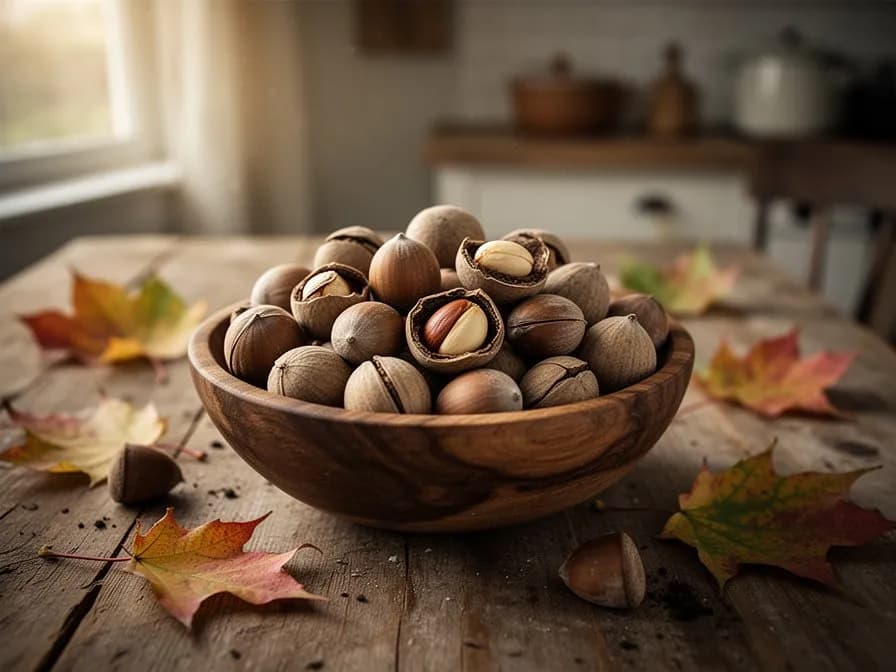
Klassisches Basilikum-Pesto mit gerösteten Pinienkernen
10 Min.Ein traditionelles genuesisches Pesto aus frischen Basilikumblättern und leicht gerösteten Pinienkernen, zu einer reichhaltigen, duftenden Sauce verarbeitet, perfekt für Pasta, Sandwiches oder als Dip. Das Rösten der Pinienkerne bringt ihre buttrige Süße hervor und verleiht dem fertigen Pesto Tiefe.
6 ZutatenHonig-gerösteter Pinienkern- und Ziegenkäse-Salat
15 Min.Ein raffinierter Salat, der pfeffrigen Rucola mit cremigem Ziegenkäse und karamellisierten, honiggerösteten Pinienkernen kombiniert. Die Wärme der gerösteten Kerne schmilzt den Käse leicht und erzeugt einen reizvollen Kontrast von Texturen und Temperaturen.
7 ZutatenPinienkern-Rosmarin-Butterkekse
25 Min.Buttrige, krümelige Butterkekse mit ganzen Pinienkernen und frischem Rosmarin. Diese herzhaft-süßen Kekse sind ein traditionelles italienisch inspiriertes Gebäck, das wunderbar zu Kaffee oder Tee passt und den delikaten Geschmack von Pinienkernen zur Geltung bringt.
7 ZutatenKulinarische Verwendung
Pinienkerne sind unverzichtbar im klassischen Basilikum-Pesto und werden in der mediterranen, nahöstlichen und asiatischen Küche vielfältig eingesetzt. Rösten Sie sie, um ihren reichen, buttrigen Geschmack für Salate, Pastagerichte und Getreidereisgerichte hervorzubringen. Sie verleihen Keksen, Tartes und Baklava eine cremige Reichhaltigkeit. Pinienkerne harmonieren wunderbar mit geröstetem Gemüse, Ziegenkäse und Honig.
Was drinsteckt
Gesundheitsvorteile
- Pinienkerne enthalten Pinolensäure, eine einzigartige Fettsäure, die die Freisetzung von Cholecystokinin und Glucagon-like Peptide-1 stimuliert – Hormone, die das Sättigungsgefühl fördern und bei der Appetitkontrolle und dem Gewichtsmanagement helfen können.
- Der hohe Magnesiumgehalt in Pinienkernen unterstützt die kardiovaskuläre Gesundheit, indem er hilft, den Blutdruck zu regulieren, einen normalen Herzrhythmus aufrechtzuerhalten und das Risiko einer arteriellen Verkalkung zu reduzieren.
- Reich an Antioxidantien wie Vitamin E, Lutein und Mangan helfen Pinienkerne, freie Radikale zu neutralisieren und oxidativen Stress zu reduzieren, der mit chronischen Krankheiten und vorzeitiger Alterung verbunden ist.
- Pinienkerne liefern eine ausgezeichnete Quelle für Eisen und Kupfer, zwei Mineralstoffe, die für eine gesunde Produktion roter Blutkörperchen und den Sauerstofftransport essentiell sind, was sie bei der Vorbeugung von Eisenmangelanämie nützlich macht.
- Die Kombination von Zink, Vitamin E und essentiellen Fettsäuren in Pinienkernen unterstützt die Immunsystemfunktion und kann dazu beitragen, die Dauer und Schwere häufiger Infektionen zu reduzieren.
- Der regelmäßige Verzehr von Pinienkernen als Teil einer mediterranen Ernährung wird mit verbesserten Blutfettprofilwerten in Verbindung gebracht, einschließlich reduziertem LDL-Cholesterin und erhöhtem HDL-Cholesterin.
Woher Pinienkernbaum stammt
Die Pinie (Pinus pinea) stammt aus dem Mittelmeerraum, wo sie seit Jahrtausenden ein fester Bestandteil der Landschaft und der menschlichen Ernährung ist. Archäologische Funde von Stätten auf der Iberischen Halbinsel, in Italien und im östlichen Mittelmeerraum zeigen, dass Pinienkerne bereits in der Altsteinzeit gesammelt und verzehrt wurden, was sie zu einem der ältesten bekannten Sammelnahrungsmittel Europas macht. Die alten Römer schätzten Pinienkerne besonders und kultivierten Pinien aktiv in Plantagen und entlang von Straßen. Römische Legionen führten Pinienkerne als kompaktes, energiereiches Nahrungsmittel auf Feldzügen mit, und die Samen waren in der römischen Küche von herzhaften Gerichten bis zu süßem Gebäck prominent vertreten. Das dem Apicius zugeschriebene römische Kochbuch enthält zahlreiche Rezepte, die Pinienkerne als Hauptzutat verwenden. Während des Mittelalters wurden Pinien ausgiebig in ganz Südeuropa von Klostergemeinschaften gepflanzt, die sowohl die Kerne als auch das Holz schätzten. Spanische und portugiesische Entdecker führten den Baum später in Teile Südamerikas und andere Regionen mit geeignetem mediterranem Klima ein. Heute sind die größten kommerziellen Produzenten von Pinienkernen aus Pinus pinea Spanien, Portugal, Italien, die Türkei und Tunesien. Die Bäume werden auch als Zierbäume in Parks und Küstengebieten in warmgemäßigten Regionen weltweit gepflanzt. Der moderne Anbau steht vor Herausforderungen durch den Klimawandel, die invasive Amerikanische Kiefernwanze und den Kiefernprozessionsspinner, aber laufende Zuchtprogramme zielen darauf ab, schneller wachsende Sorten zu entwickeln, die in jüngerem Alter mit der Kernproduktion beginnen. Die Pinie bleibt eine kulturell und wirtschaftlich bedeutsame Art, deren anmutige Silhouette weiterhin mediterrane Landschaften prägt.
Pinienkernbaum: Schon gewusst?
Faszinierende Fakten über Pinienkernbaum
Pinien werden seit über 6.000 Jahren wegen ihrer essbaren Samen kultiviert, wobei Belege für den Verzehr von Pinienkernen an antiken römischen archäologischen Stätten im gesamten Mittelmeerraum gefunden wurden.
Pinienkernbaum: Fragen & Antworten
Wann sollte ich Pinienkernbaum pflanzen?
Was sind gute Begleitpflanzen für Pinienkernbaum?
In welchen Winterhärtezonen kann Pinienkernbaum wachsen?
Wie viel Sonne braucht Pinienkernbaum?
Welchen Abstand sollte ich zwischen Pinienkernbaum lassen?
Welche Schädlinge und Krankheiten befallen Pinienkernbaum?
Wie lagere ich Pinienkernbaum nach der Ernte?
Was sind die besten Pinienkernbaum-Sorten zum Anbauen?
Welchen Boden braucht Pinienkernbaum?
Wie lange dauert es, bis eine Pinie anfängt, Pinienkerne zu produzieren?
Kann ich eine Pinie außerhalb eines mediterranen Klimas anbauen?
Warum sind Pinienkerne im Laden so teuer?
Was ist das Pinienmund-Syndrom und muss ich mir Sorgen machen?
Wie extrahiere ich die Kerne aus geernteten Pinienzapfen?
Brauche ich mehr als eine Pinie für die Bestäubung?
Du hast die Theorie gelesen. Jetzt baue sie auf Autopilot an.
Alles, was Pinienkernbaum knifflig macht — das Timing, die Abstände, die Begleiter, das Erntefenster — genau das übernimmt PlotMyGarden für dich, für jede Pflanze im Garten.
Ein Plan, der dein Wetter kennt
Standort einmal festlegen. Aussaat-, Dünge- und Erntedaten rund um deinen echten letzten Frosttermin und die Live-Vorhersage — kein Raten mehr nach Saattüte.
Aus dem Abschnitt „Pflanzzeit“Beetplaner per Drag & Drop
Beete auf einem Raster gestalten. Jede Pflanze rastet im richtigen Abstand ein, und du siehst die ganze Saison, bevor du einen Cent für Saatgut ausgibst.
Aus dem Abschnitt „Anbau“Begleiter-Konflikte früh erkannt
Über 200 gute und schlechte Kombinationen werden beim Pflanzen live geprüft — so landet ein saisonruinierender Fehler nie in der Erde.
Aus dem Abschnitt „Begleiter“Erinnerungen, nach denen du wirklich handelst
„Gieß die Bohnen.“ „Heute ernten, bevor's umschlägt.“ Pünktlich, konkret und auf deine echten Pflanzen bezogen.
Aus dem Abschnitt „Ernte“Staffel-Aussaat, geplant
Sechs Wochen ernten statt sechs Tage? Die App verteilt deine Aussaaten automatisch und erinnert dich, wenn der nächste Satz fällig ist.
Aus dem Abschnitt „Pflanzzeit“Ein Verlauf, der schlauer wird
Jede protokollierte Ernte bringt der App deinen Garten bei. Der Plan fürs nächste Jahr startet bei dem, was in deinem Boden wirklich funktioniert hat.
Aus dem Abschnitt „Überblick“Pflanze diese neben Pinienkernbaum
Weitere Nussbäume
Bau deine beste Pinienkernbaum an — und alles drumherum.
Starte heute kostenlos. Lege deine Beete an, setze deine Pinienkernbaum ein und lass PlotMyGarden Timing, Abstände, Begleiter und Erinnerungen von der Saat bis zum Erntekorb übernehmen.