Annual Pincushion Flower
typical season: sow Mar – May · blooms Jun – Sep · set your climate
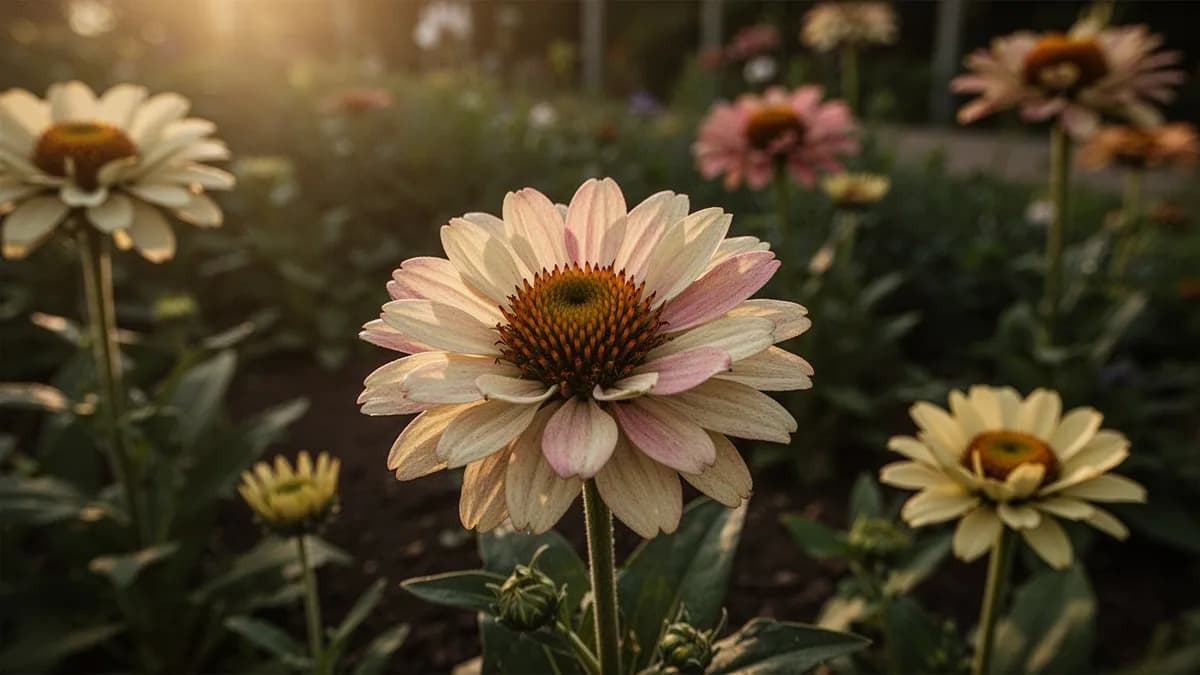
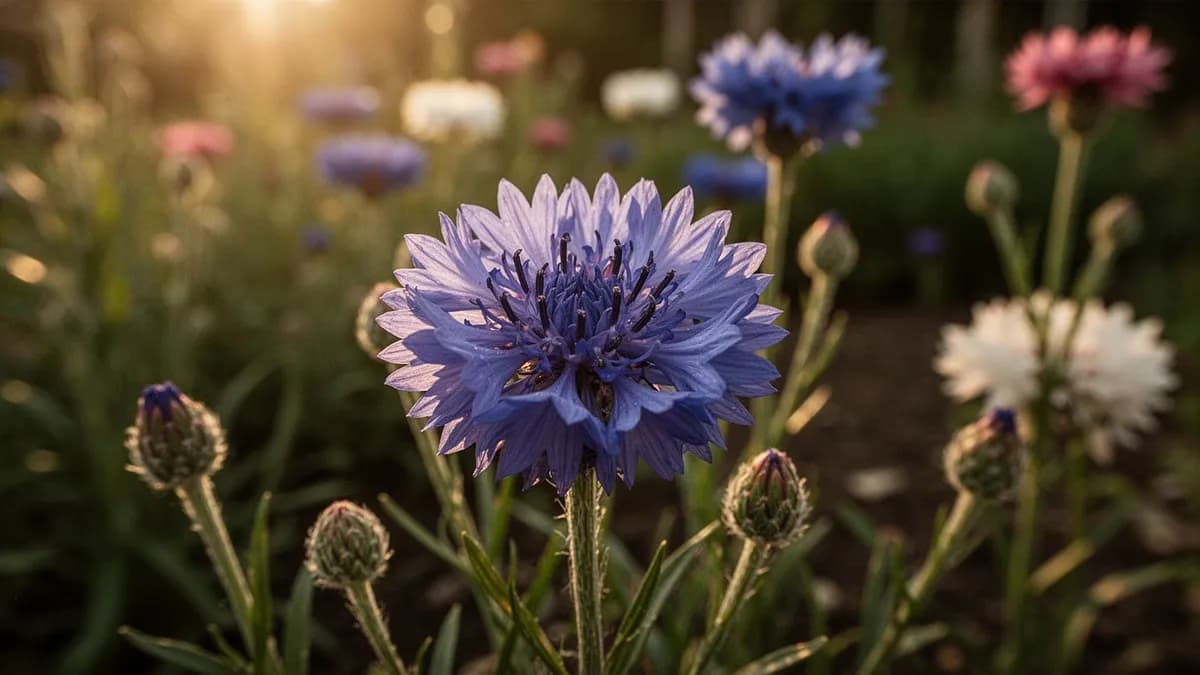
A cottage garden classic with domed, frilly flower heads in deep purple, pink, white, and lavender that attract a constant parade of butterflies.
On this pageOverview
Meet Annual Pincushion Flower
A cottage garden classic with domed, frilly flower heads in deep purple, pink, white, and lavender that attract a constant parade of butterflies. Annual pincushion flowers bloom prolifically when deadheaded regularly and make charming, long-lasting cut flowers. They prefer cool to moderate temperatures and may decline in extreme summer heat.
When to plant Annual Pincushion Flower
Sow seeds indoors 4-6 weeks before the last frost, covering lightly with seed compost. Keep at 65-70°F (18-21°C). Germination takes 10-14 days. Transplant after hardening off. For direct sowing, scatter seed on prepared soil in early spring, rake in lightly, and thin to 10-12 inches apart. Seeds can also be sown in autumn in mild-winter climates for early spring blooms.
Your Annual Pincushion Flower Year
Composed for Zone 7 · typical seasons · frost passes Apr 2, returns Nov 1
Plant Annual Pincushion Flower Mar – May, in bloom Jun – Sep. Check the planting methods below and set your climate to personalize these windows.
Annual Pincushion Flower in bloom this season? Its next window opens Mar 1
One email a few days before it opens where you garden and one two weeks before it closes — then one when the first blooms are due.
One email per milestone, never more than one a week. Unsubscribe with one tap. No account needed.
How to grow Annual Pincushion Flower
Annual pincushion flower is a cottage garden essential that produces an abundance of domed, ruffled flower heads on wiry stems from early summer through autumn. Sow seeds indoors 4-6 weeks before the last frost, covering lightly with seed compost. Germination takes 10-14 days at 65-70°F (18-21°C). Direct sowing in early spring also works well.
Transplant or thin seedlings to 10-12 inches apart in full sun with well-drained soil. Pincushion flowers prefer cool to moderate temperatures and thrive in climates with mild summers. In hot regions, provide light afternoon shade and generous mulching to keep roots cool.
Consistent deadheading is the key to continuous bloom—remove spent flowers before they set seed, and plants will flower tirelessly for months. The flowers are butterfly magnets, attracting painted ladies, monarchs, and swallowtails in abundance. Each flower head consists of tiny florets surrounding prominent stamens that give it the characteristic pincushion appearance.
36 plants fit a 4 × 8 ft bed
Each Annual Pincushion Flower wants 25 cm of elbow room. The planner keeps that spacing for you — every plant, every bed.
Annual Pincushion Flower's best neighbours
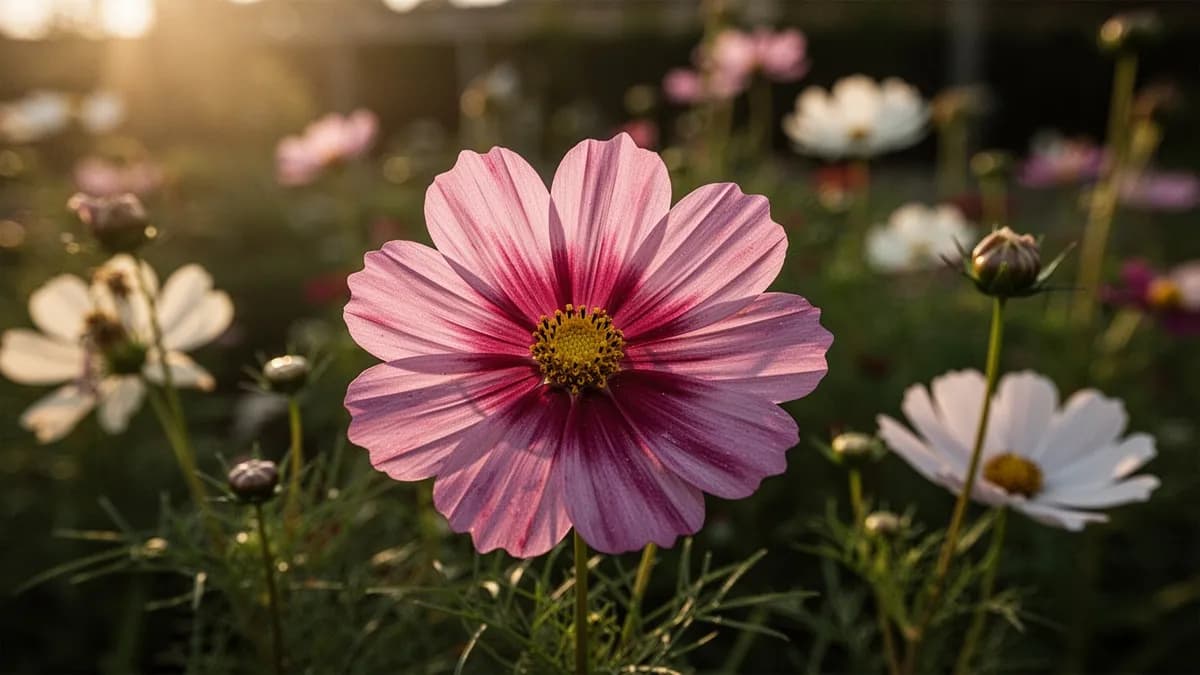
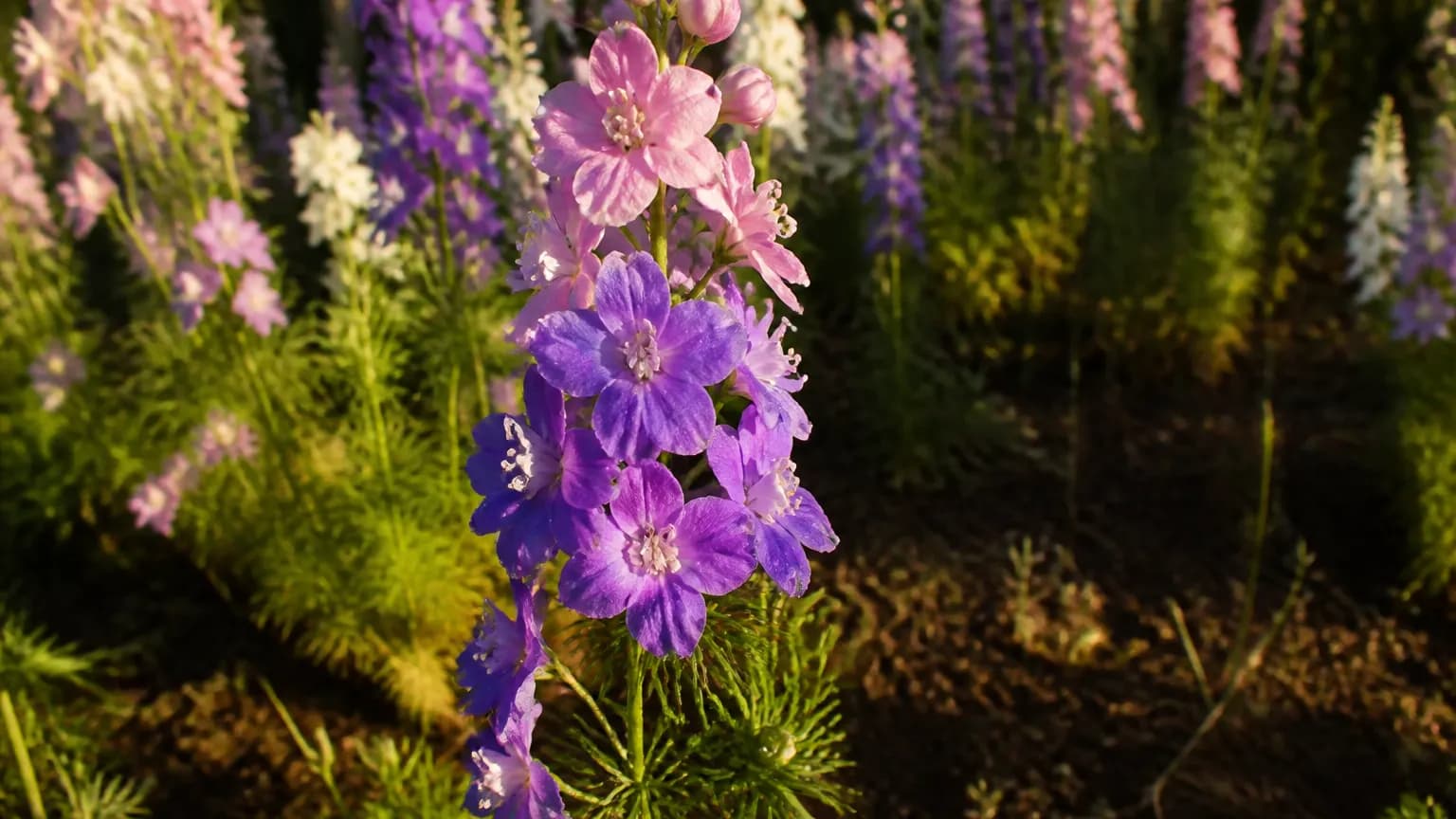
Pincushion flowers are quintessential cottage garden companions. Plant alongside cosmos, bachelor buttons, sweet peas, and larkspur for a romantic, informal border. The domed flower heads contrast beautifully with spiky flowers like larkspur and salvia. In butterfly gardens, combine with verbena, lantana, and echinacea to create a nectar-rich buffet all season long.
Cosmos belongs beside it.
Old growers' knowledge, checked against Annual Pincushion Flower's real companion table below — test any plant you're growing.
Related growing guides
Feed it well
Pincushion flowers prefer moderately fertile, well-drained soil with a slightly alkaline pH of 7.0-7.5. They perform poorly in acidic or waterlogged conditions. Work compost and a handful of lime (if soil is acidic) into the planting area. Apply a balanced slow-release fertilizer at planting time. Supplement with liquid fertilizer every 3-4 weeks during the blooming season.
Ideal Temperature
Hardiness Zone Compatibility
From seed to harvest, stage by stage
Seed Germination
Seeds are sown on the surface or lightly covered with 3mm of fine vermiculite. Germination occurs in 10 to 14 days at soil temperatures of 15-21°C (60-70°F). Seeds require light to germinate, so avoid burying them deeply.
Seedling Development
Seedlings develop their first true leaves, which are narrow and slightly toothed. The basal rosette begins to form, and roots establish in the growing medium. Seedlings can be transplanted to individual pots once two sets of true leaves appear.
Vegetative Growth
Plants grow vigorously, producing a bushy mound of deeply lobed foliage 30-45 cm tall. Branching stems elongate and the plant develops its overall structure. This phase benefits from pinching the growing tips to encourage bushier growth.
Bud Formation and Early Flowering
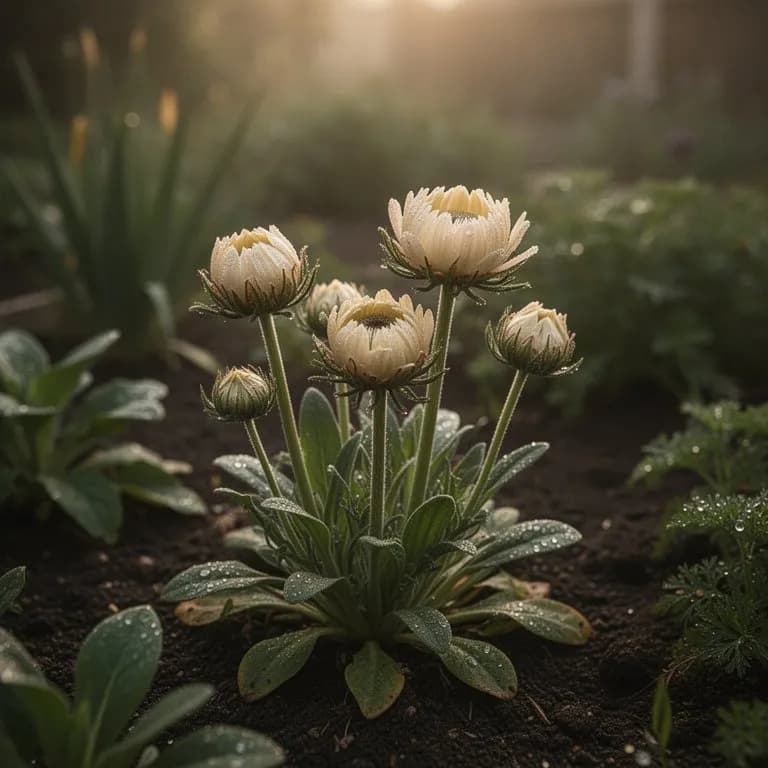
Rounded flower buds appear at the tips of wiry stems. The first blooms open, revealing the characteristic dome-shaped head with protruding stamens resembling pins in a cushion. Flower colors range from deep purple-black through lavender, pink, rose, and white.
Peak Bloom
The plant reaches its peak display with dozens of blooms open simultaneously. Each flower head lasts 7 to 10 days on the plant and over a week as a cut flower. Continuous deadheading extends the bloom period well into autumn.
Seed Set and Late Season
As days shorten and temperatures cool, flower production slows. Papery spherical seed heads develop where spent flowers remain. These ornamental seed heads can be harvested for dried arrangements or left to self-sow for next season.
End of Season Decline
As an annual, Scabiosa atropurpurea completes its life cycle with the arrival of hard frosts. Foliage yellows and the plant dies back naturally. Remove spent plants from the garden and compost healthy material.
Keep the seed-starting medium consistently moist but not waterlogged. A humidity dome helps maintain even moisture during this stage.
Caring for Annual Pincushion Flower month by month
What to do each month for your Annual Pincushion Flower
November
You are hereClean up garden beds where pincushion flowers grew to reduce overwintering pest habitat. Amend the soil with compost or well-rotted manure to prepare for next season.
Harvesting Annual Pincushion Flower
Pincushion flowers are excellent cut flowers with a vase life of 7-10 days. Cut when flowers are about three-quarters open and the central stamens are just beginning to emerge. Cut stems long in the cool morning and place in water immediately. The flowers pair beautifully with cosmos, larkspur, and bachelor buttons in cottage-style arrangements.
assuming you plant when the window opens — set your real date
Deadhead Annual Pincushion Flower regularly and it keeps flowering.
Storage & Preservation
The ornamental seed heads of pincushion flowers dry well for everlasting arrangements. Allow some flowers to mature fully on the plant until the domed seed head becomes papery and straw-colored. Cut and hang upside down to dry for 1-2 weeks. Save seed from dried heads by crumbling them over a sheet and collecting the small dark seeds. Store in labeled envelopes in a cool, dry place.
What goes wrong — and the fix
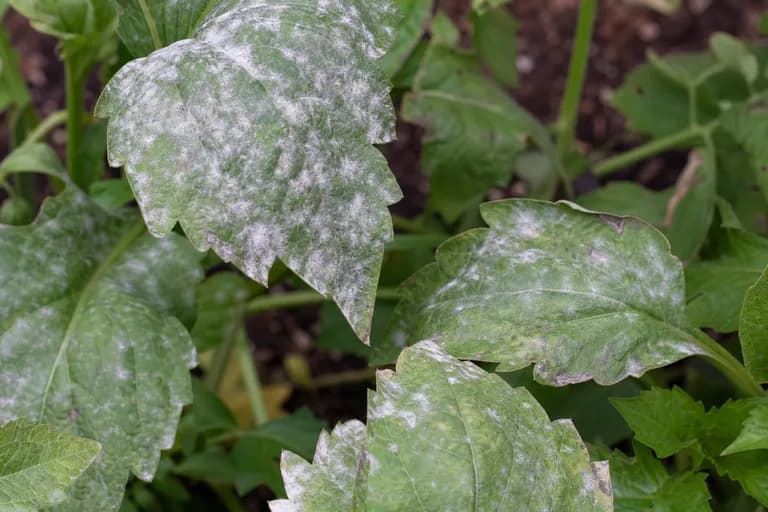
Powdery Mildew
DiseaseWhite powdery coating on leaves, especially in humid weather with poor air circulation.
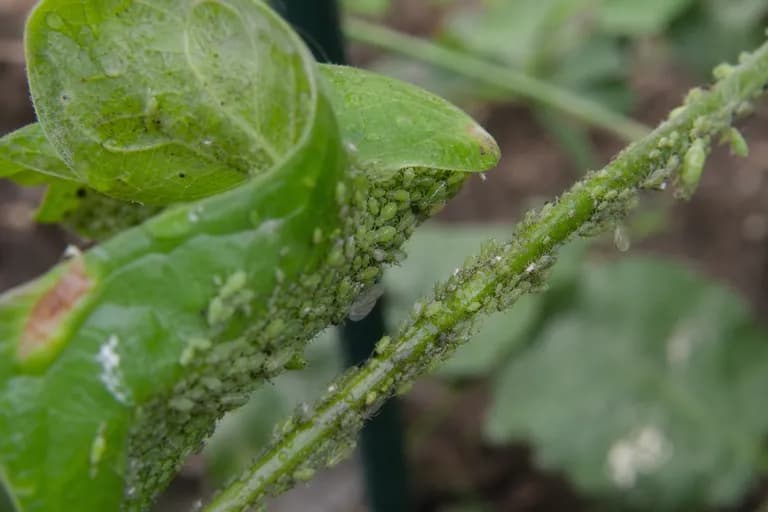
Aphids
PestSoft-bodied insects on stems and flower buds. Sticky honeydew and distorted growth.
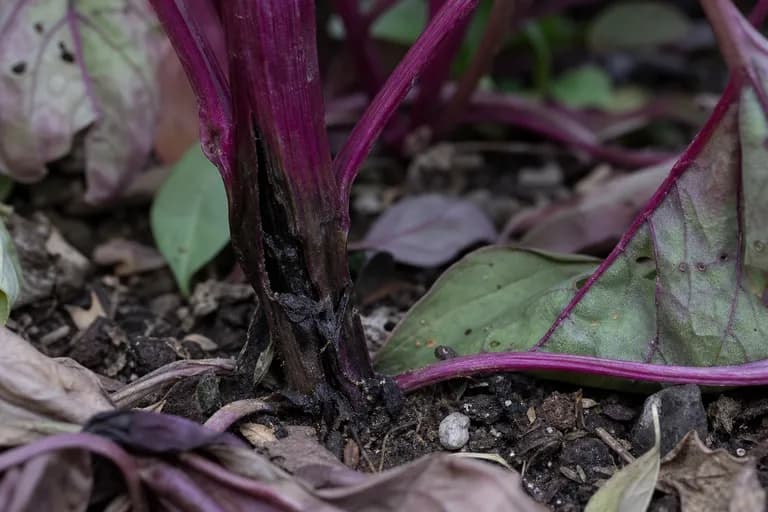
Stem Rot
DiseaseStems darken and soften at soil level in wet conditions. Plants lean and collapse.
Troubleshooting Common Problems
Plants that stop blooming are usually suffering from heat stress or inadequate deadheading—remove spent flowers diligently. Leggy, floppy growth results from too much shade or over-fertilizing. In heavy, wet soils, root rot is common—ensure excellent drainage. Self-sowing can be prolific if spent flowers are not removed, which can be a benefit or nuisance depending on the garden situation.
Growing Tips
- Sow seeds indoors 6-8 weeks before the last frost for the earliest blooms, or direct sow outdoors after frost danger has passed for a slightly later but equally vigorous display.
- Provide full sun with at least 6 hours of direct sunlight daily. In hot climates with temperatures regularly above 32°C, site plants where they receive afternoon shade to prevent heat stress.
- Ensure excellent drainage, as Scabiosa is highly susceptible to root rot in waterlogged soil. Raised beds or sandy loam amended with compost are ideal growing conditions.
- Pinch the central growing tip when seedlings reach 10-15 cm tall to encourage branching and significantly increase the total number of flowering stems per plant.
- Deadhead spent blooms every two to three days by cutting the stem back to a side shoot or leaf node. This single practice can double total flower production over the season.
- Support taller varieties with a grow-through grid or ring support installed when plants are young, as the wiry stems can flop in wind and heavy rain.
- Apply a balanced liquid fertilizer at half strength every two weeks during the active growing and flowering season, but avoid high-nitrogen formulations that promote leafy growth at the expense of blooms.
- Water at the base of the plant rather than overhead to minimize the risk of powdery mildew, which is the most common disease issue in humid climates.
- Make succession plantings every three to four weeks from late winter through late spring to ensure continuous bloom from early summer well into the first autumn frosts.
- Harvest cut flowers when the first ring of outer florets has opened but the center is still tight. Cut stems early in the morning and place immediately in cool water with floral preservative for a vase life of 7-10 days.
Pick your Annual Pincushion Flower
Scabiosa 'Ace of Spades'
Deep, near-black maroon flowers that provide dramatic contrast in borders and arrangements. Unique and striking.
Scabiosa 'Oxford Blue'
Rich, deep lavender-blue flowers on strong stems. A classic cottage garden color that mixes well with everything.
Scabiosa 'QIS' series
Bred for the cut-flower trade with long stems and large flowers in deep red, salmon, scarlet, and formula mix.
Scabiosa 'Fata Morgana'
Soft, creamy yellow flowers that add warmth to the typically cool-toned pincushion palette. Unusual and elegant.
A single packet of Scabiosa atropurpurea seeds costs around $3-5 and produces 40-60 plants. Each plant yields 50 or more stems per season. At florist prices of $3-5 per stem, a home-grown cutting garden of just 10 plants can produce over $1,500 worth of cut flowers in one growing season, making it one of the highest-value flowers a gardener can grow from seed.
Quick recipes
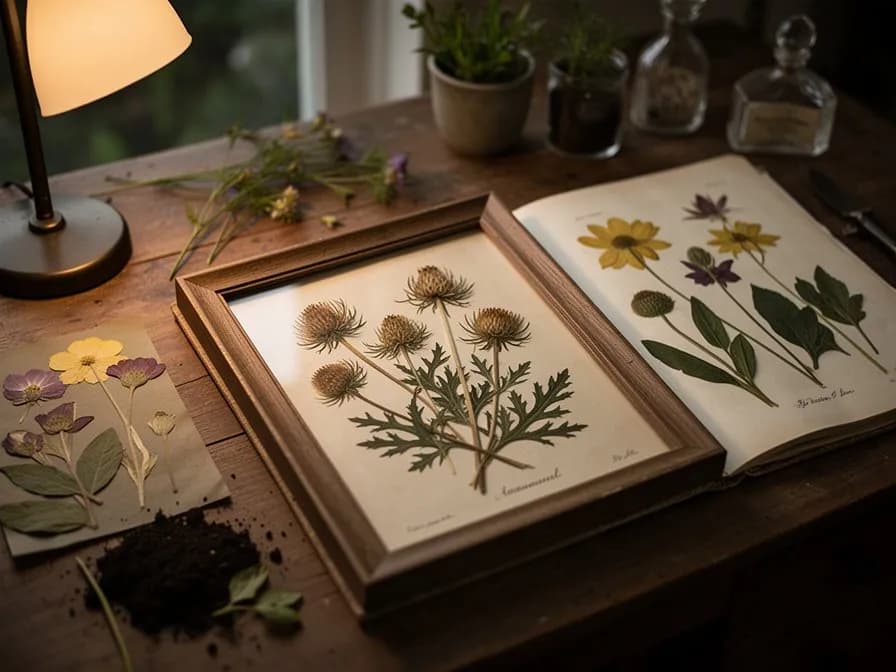
Fresh Pincushion Flower Bouquet
10 minutesA simple hand-tied bouquet showcasing the romantic, airy quality of fresh Scabiosa blooms. Harvest stems in early morning when flowers are just fully open, cutting at a 45-degree angle. Combine mixed colors with complementary foliage for an effortless garden-to-vase arrangement that lasts over a week.
5 ingredientsDried Scabiosa Seed Head Wreath
45 minutesAn elegant dried wreath featuring the distinctive spherical seed heads of Scabiosa, which resemble tiny drumsticks. The papery seed heads dry naturally on the plant and retain their shape for months, making them perfect for long-lasting autumn and winter decorations.
5 ingredients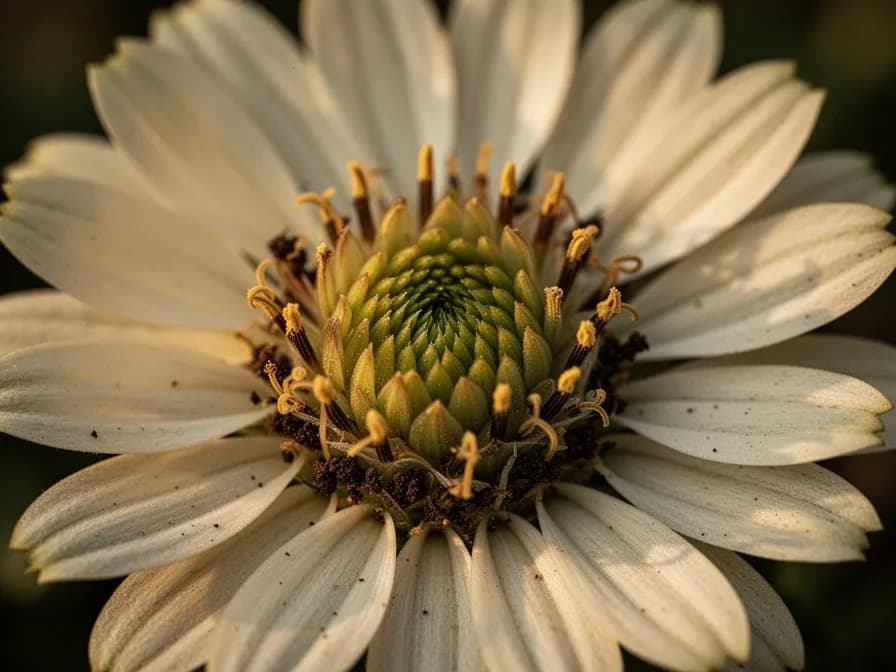
Pressed Pincushion Flower Botanical Art
20 minutes active, 2-3 weeks pressing timePreserve the intricate beauty of Scabiosa blooms by pressing them for use in framed botanical art, greeting cards, or bookmarks. The flat flower heads press well and retain their color surprisingly, especially the darker purple and maroon varieties.
5 ingredientsWhat's inside
Health Benefits
- Spending time tending pincushion flowers in the garden has been shown to reduce cortisol levels and lower stress, contributing to improved mental well-being.
- Growing Scabiosa supports local pollinator populations including honeybees, bumblebees, and butterflies, which strengthens broader ecosystem health and food crop pollination.
- Arranging fresh cut flowers from the garden encourages creative expression and mindfulness, activities associated with reduced anxiety and improved mood.
- The long blooming season of pincushion flowers provides months of colorful garden enjoyment, which research links to faster recovery from mental fatigue and improved focus.
- Gardening activities involved in growing Scabiosa, including sowing, transplanting, deadheading, and harvesting, provide gentle low-impact physical exercise beneficial for joint mobility and cardiovascular health.
- Having fresh flowers in the home, such as long-lasting Scabiosa arrangements, has been associated with increased feelings of happiness and life satisfaction in environmental psychology studies.
Where Annual Pincushion Flower comes from
Scabiosa atropurpurea, the annual pincushion flower, is native to the Mediterranean basin, with its natural range extending from southern Europe through North Africa and into western Asia. The species has been documented growing wild in rocky meadows, open woodlands, and along roadsides throughout Portugal, Spain, southern France, Italy, Greece, Turkey, and Morocco, where it thrives in the region's warm, dry summers and mild, wet winters.
The plant entered European horticulture in the late sixteenth century, with early cultivation records appearing in the botanical gardens of Padua and Leiden around 1590. By the early seventeenth century, it had become a popular garden flower across northern Europe, prized for its long blooming season and rich color palette. The noted English herbalist John Gerard described it in his 1597 Herball, and John Parkinson featured it prominently in his 1629 Paradisus Terrestris, recommending it for both ornamental use and its purported medicinal properties.
Throughout the centuries, plant breeders have expanded the color range from the original deep purple-black to include shades of lavender, pink, rose, salmon, cherry red, and pristine white. The species name atropurpurea, meaning dark purple, references the wild type's characteristically deep coloring. Notable modern breeding programs, particularly in Japan and the Netherlands, have produced improved cultivars with larger flowers, longer stems, and more compact growth habits suited to containers and small gardens.
In traditional folk medicine across the Mediterranean, preparations made from Scabiosa leaves and roots were applied as poultices to treat skin ailments, which gave rise to the genus name from the Latin scabies. While these medicinal uses have largely fallen out of practice, the plant has found renewed popularity in the contemporary cut flower industry, where its airy, romantic blooms are highly valued by floral designers for wedding bouquets and rustic arrangements.
Annual Pincushion Flower: did you know?
Fascinating facts about Annual Pincushion Flower
The genus name Scabiosa comes from the Latin word 'scabies' meaning itch, because the plant was historically used in folk remedies to treat skin irritations and scabies.
Annual Pincushion Flower questions, answered
When should I plant Annual Pincushion Flower?
What are good companion plants for Annual Pincushion Flower?
What hardiness zones can Annual Pincushion Flower grow in?
How much sun does Annual Pincushion Flower need?
How far apart should I space Annual Pincushion Flower?
What pests and diseases affect Annual Pincushion Flower?
How do I store Annual Pincushion Flower after harvest?
What are the best Annual Pincushion Flower varieties to grow?
What soil does Annual Pincushion Flower need?
Is Scabiosa atropurpurea an annual or a perennial?
When should I start pincushion flower seeds indoors?
Why are my pincushion flowers not blooming?
Are pincushion flowers safe around children and pets?
How do I keep cut Scabiosa flowers fresh in a vase?
What are the best companion plants for annual pincushion flowers?
Plant these alongside Annual Pincushion Flower
More Annuals
Grow your best Annual Pincushion Flower yet — and everything around it.
Start a free plan today. Lay out your beds, drop in your Annual Pincushion Flower, and let PlotMyGarden handle the timing, spacing, companions and reminders from seed to harvest basket.
