Amerikanische Kaki
Eine in Nordamerika heimische Kaki, die kleinere, aber intensiver schmeckende Früchte als asiatische Sorten hervorbringt, oft erst nach dem ersten starken Frost.





Auf dieser SeiteÜberblick
Amerikanische Kaki im Überblick
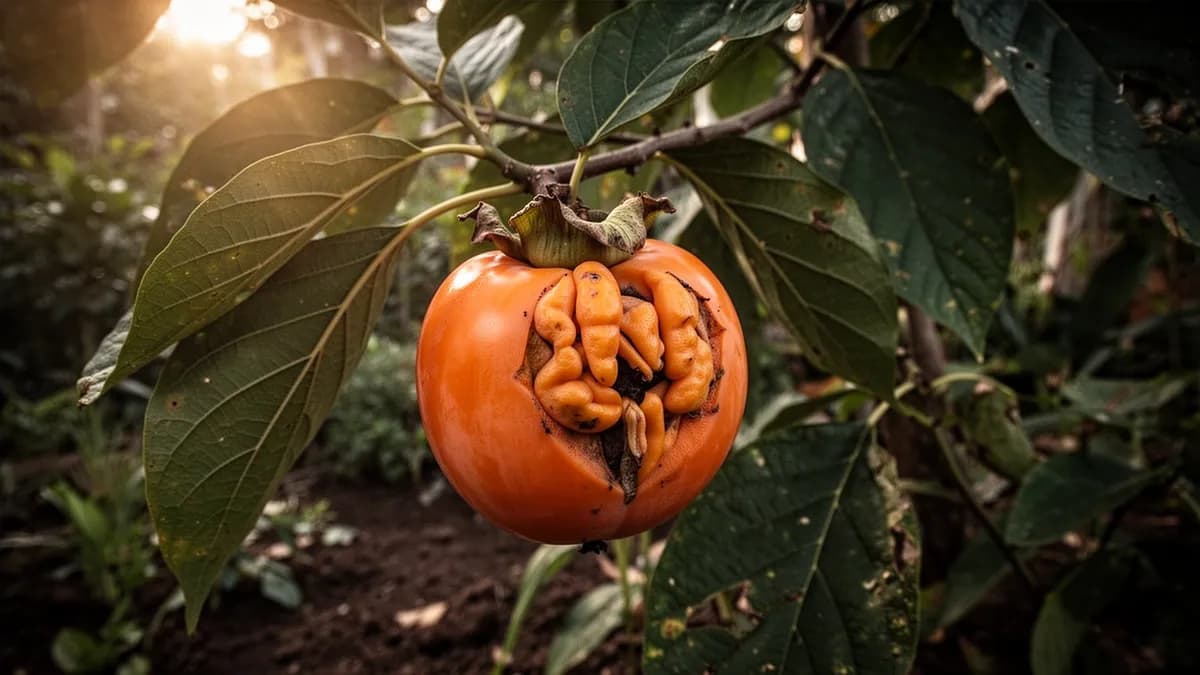
Eine in Nordamerika heimische Kaki, die kleinere, aber intensiver schmeckende Früchte als asiatische Sorten hervorbringt, oft erst nach dem ersten starken Frost. Amerikanische Kakis sind extrem winterhart und ergeben wunderschöne Landschaftsbäume mit attraktiver Rinde und Herbstfärbung. Die Früchte sind adstringierend, bis sie vollständig weich sind, und eignen sich am besten zum Backen, für Puddings und Konfitüren.
Wann Amerikanische Kaki pflanzen
Samen der Amerikanischen Kaki benötigen neunzig Tage kalte, feuchte Stratifikation. Reinigen Sie Samen von reifen Früchten und legen Sie sie in feuchtes Torfmoos in einem verschlossenen Beutel im Kühlschrank. Nach der Stratifikation pflanzen Sie fünf Zentimeter tief in hohe, tiefe Behälter, um die Pfahlwurzel aufzunehmen. Die Keimung dauert zwei bis sechs Wochen bei 21 bis 27 Grad Celsius. Behandeln Sie die sich entwickelnde Pfahlwurzel beim Umpflanzen vorsichtig. Sämlingsbäume tragen in vier bis neun Jahren Früchte. Benannte Sorten müssen auf Sämlingsunterlagen veredelt werden.
Dein Amerikanische Kaki-Jahr
Abgestimmt auf Zone 7 · typische Saison · Frost geht um den 2. Apr. und kehrt um den 1. Nov. zurück
Amerikanische Kaki Mär – Apr pflanzen, Sep – Nov ernten. Beachte die Pflanzmethoden unten und wähle dein Klima für passende Zeiträume.
So baust du Amerikanische Kaki an
Die Amerikanische Kaki ist ein winterharter, heimischer Baum, der natürlich von Connecticut bis Florida und westwärts bis Texas und Kansas vorkommt. Er gedeiht in voller Sonne, verträgt aber auch Halbschatten und erreicht im Garten eine Höhe von neun bis fünfzehn Metern. Pflanzen Sie wurzelnackte oder Containerbäume im Frühling in jeden gut durchlässigen Boden. Die tiefe Pfahlwurzel macht das Umpflanzen schwierig, wählen Sie den endgültigen Standort daher sorgfältig. Gießen Sie während der ersten Vegetationsperiode und mulchen Sie, um die Feuchtigkeit zu bewahren.
Einmal etabliert, ist die Amerikanische Kaki extrem pflegeleicht und verträgt Trockenheit, Hitze, Kälte und nährstoffarme Böden mit minimalem Aufwand. Eine Düngung ist in ordentlichem Boden selten nötig. Der Baum ist zweihäusig, das heißt, es werden getrennte männliche und weibliche Bäume für die Fruchtbildung benötigt – pflanzen Sie mindestens einen männlichen Baum für acht bis zehn weibliche. Einige benannte Sorten sind selbstfruchtbar.
Schneiden Sie im Spätwinter während der Ruhephase, um ein stabiles Gerüst aufzubauen und tote oder sich kreuzende Äste zu entfernen. Der Baum entwickelt natürlich eine attraktive, abgerundete Krone. Die Amerikanische Kaki breitet sich durch Wurzelausläufer aus, die bei Bedarf entfernt werden sollten. Die Frucht reift im Herbst und verbessert ihren Geschmack oft nach dem ersten starken Frost, der sie am Baum weich macht. Diese Bäume bieten hervorragenden Lebensraum für Wildtiere und ernähren Rehe, Opossums, Waschbären und Vögel.
Für Amerikanische Kaki ist ein Beet von 120 × 240 cm zu klein
Amerikanische Kaki braucht 360 cm Platz pro Pflanze. Der Planer hält diesen Abstand für dich ein — jede Pflanze, jedes Beet.
Die besten Nachbarn für Amerikanische Kaki
Die Amerikanische Kaki eignet sich gut als Solitärbaum in Waldgärten und Permakultur-Designs. Ihre tiefe Pfahlwurzel konkurriert nicht stark mit flachwurzelnden Pflanzen. Papau, Holunder und Felsenbirne sind gute heimische Obstbegleiter. Frühlingswildblumen und Farne gedeihen im lichten Schatten unter der Krone. Halten Sie gemähtes Gras vom Stamm fern, da der Baum empfindlich gegen Rasenmäherschäden ist. Der Baum bietet hervorragendes Herbstfutter für Wildtiere.
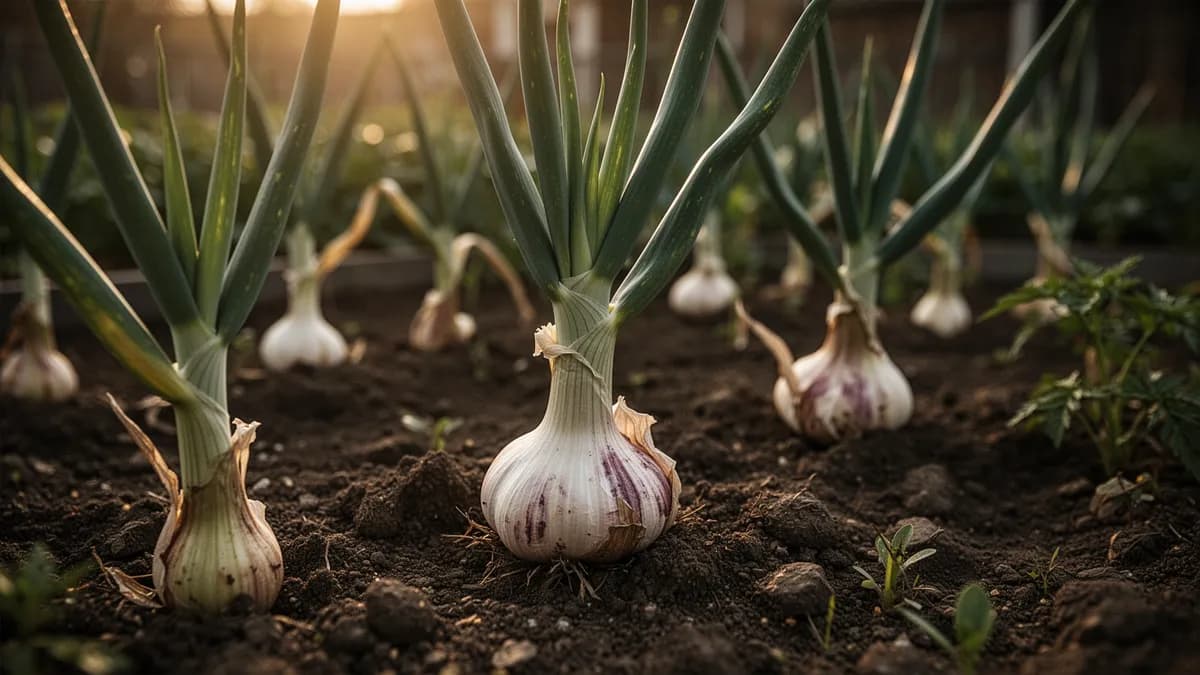
Knoblauch gehört daneben.
Altes Gärtnerwissen, geprüft an der echten Nachbartabelle von Amerikanische Kaki — teste jede Pflanze, die du anbaust.
Probiere Amerikanische Kaki direkt hier im Beet
Ein echtes Planer-Beet, Amerikanische Kaki steht schon drin. Tippe einen Begleiter an, platziere ihn und sieh, wie die Nachbarschaftsprüfung antwortet — grün für gute Nachbarn, rot bei Streit.


Passende Anbau-Ratgeber
Richtig düngen
Die Amerikanische Kaki ist außerordentlich anpassungsfähig an Bodenverhältnisse und wächst in sandigen, lehmigen, tonigen und sogar felsigen Böden mit einem pH-Bereich von 5,5 bis 7,5. Sie verträgt nährstoffarme Böden besser als fast jeder andere Obstbaum. Eine Düngung ist selten nötig; eine leichte jährliche Gabe von Volldünger im Frühling ist ausreichend. Vermeiden Sie starke Stickstoffdüngung, die übermäßiges Wachstum fördert und die Fruchtbildung reduziert. Die tiefe Pfahlwurzel erschließt Feuchtigkeit und Nährstoffe aus tiefen Bodenschichten.
Ideale Temperatur
Winterhärtezone-Kompatibilität
Von der Saat zur Ernte, Schritt für Schritt
Winterruhe & Etablierung
Die Amerikanische Kaki bricht im Frühling sehr spät aus der Winterruhe aus – oft als letzter Baum. Im ersten Jahr wird die Energie fast vollständig in die Wurzelentwicklung gelenkt. Das oberirdische Wachstum ist minimal, aber ein tiefes, weitreichendes Wurzelsystem bildet sich unterirdisch. Geduld ist in dieser Phase unerlässlich.
Jugendliches vegetatives Wachstum
Im zweiten und dritten Jahr beschleunigt sich das oberirdische Wachstum, da das Wurzelsystem reift. Die Blätter sind groß, glänzend und tiefgrün. Der Baum entwickelt seine charakteristische aufrechte Form. In dieser Phase werden keine Früchte erwartet – der Baum investiert in den strukturellen Aufbau.
Erste Blüte
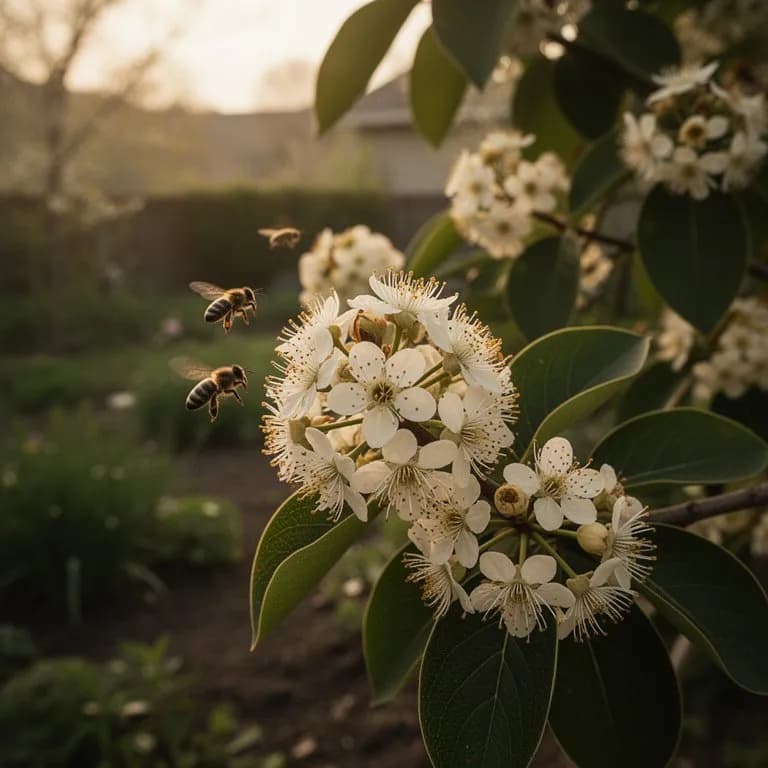
Veredelte Bäume können bereits ab dem dritten Jahr blühen; Sämlingsbäume blühen typischerweise erst zwischen dem fünften und siebten Jahr. Kleine, glockenförmige, cremeweiße Blüten erscheinen von Ende Mai bis Juni an neuem Holz. Weibliche und männliche Blüten befinden sich meist an getrennten Bäumen, obwohl einige Amerikanische Kakis teilweise selbstfruchtbar sind.
Fruchtentwicklung
Nach erfolgreicher Bestäubung entwickeln sich im Sommer kleine grüne Früchte, die allmählich auf 2,5–5 cm Durchmesser anwachsen. Die Frucht bleibt adstringierend und ungenießbar, solange sie grün und orange ist. Die charakteristische Zucker-Stärke-Umwandlung, die Kakis genießbar macht, erfolgt erst bei vollständiger Reife, typischerweise ausgelöst durch Frost oder anhaltend warme Temperaturen im Spätherbst.
Reifung & Ernte
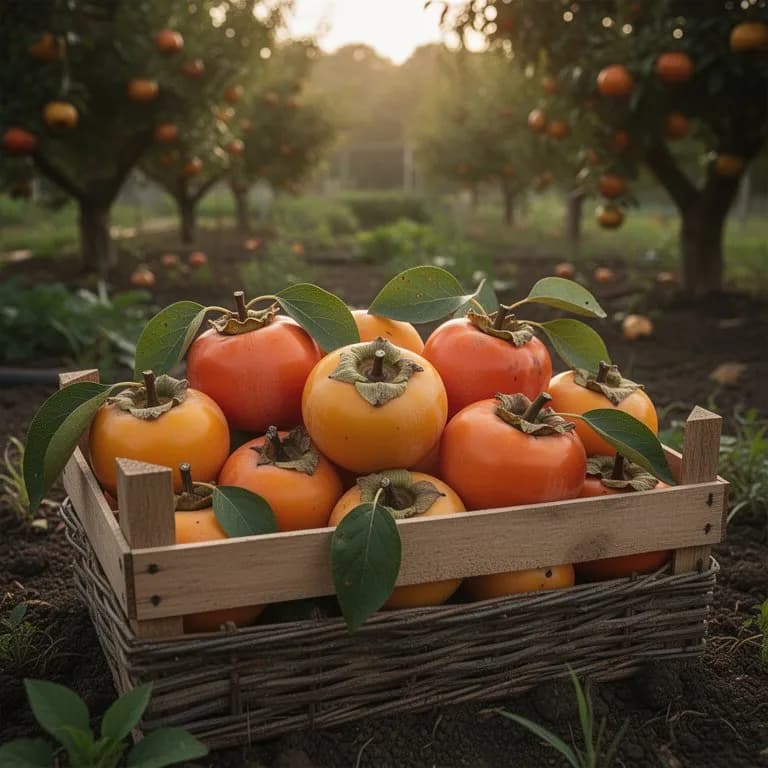
Die Frucht reift von September bis November, wobei die volle Reife oft nach dem ersten starken Frost erreicht wird. Vollreife Kakis sind tief orange, runzelig und extrem weich – fast gelartig in der Textur. Der Zuckergehalt kann 25–30 Brix erreichen, was sie zu den süßesten heimischen nordamerikanischen Früchten macht. Früchte, die zu Boden fallen, sind typischerweise auf dem Höhepunkt der Reife.
Volle Reife & Langzeitproduktion
Ausgewachsene Amerikanische Kakibäume sind extrem langlebig, wobei einige Exemplare über 100 Jahre alt werden. Ein gesunder, ausgewachsener Baum kann jährlich 11–34 kg Früchte produzieren. Bäume werden zunehmend trockenheitstolerant und benötigen nach der Etablierung fast keine Eingaben mehr. Die Herbstfärbung ist ausgezeichnet – die Blätter verfärben sich gelb, orange und tiefrot, bevor sie abfallen.
Gießen Sie im ersten Jahr nicht zu viel und düngen Sie nicht stark. Lassen Sie den Baum seine Wurzeln mit minimaler Einwirkung natürlich etablieren.
Amerikanische Kaki Monat für Monat pflegen
Was du jeden Monat für deine Amerikanische Kaki tun solltest
Oktober
Aktueller MonatHaupterntemonat für die meisten Amerikanischen Kaki-Sorten. Sammeln Sie täglich reife Früchte. Frieren Sie überschüssiges Fruchtfleisch in Gefrierbeuteln für das Winterbacken ein. Die Herbstlaubfärbung ist spektakulär – genießen Sie die dekorative Pracht der orangefarbenen, gelben und roten Blätter.
Immer wissen, was jetzt im Garten zu tun ist
Eine E-Mail zum Monatsanfang: was du jetzt säen, pflanzen und anpacken solltest — für deine Amerikanische Kaki und alles, was drumherum wächst. Dazu ein kurzer Startkurs, der dich vor den klassischen Fehlern bewahrt.
- Was jetzt zu tun ist
- Passend zu deiner Saison
- Startkurs inklusive
Amerikanische Kaki ernten
Amerikanische Kakis müssen vollständig weich und fast durchscheinend sein, bevor man sie isst, da unreife Früchte extrem adstringierend sind. Die besten Früchte fallen oft nach dem ersten starken Frost von selbst vom Baum. Schütteln Sie Äste sanft über einem Tuch oder einer Plane, um reife Früchte aufzufangen, oder pflücken Sie Früchte, die bei leichtester Berührung nachgeben. Die Schale sollte sich wie ein Wasserballon anfühlen, wenn die Frucht perfekt reif ist. Einige Anbauer lassen die Früchte am Baum gefrieren, um die Süße zu verstärken.
angenommen, du pflanzt zu Beginn des Zeitraums — trage dein tatsächliches Datum ein
Ernte Amerikanische Kaki zügig, dann trägt die Pflanze weiter.
Lagerung & Konservierung
Reife Amerikanische Kakis sind extrem verderblich und sollten innerhalb weniger Tage verbraucht werden. Das Fruchtfleisch kann durch Passieren durch eine Flotte Lotte oder ein Sieb gewonnen werden, um Samen und Schale zu entfernen, und dann in abgemessenen Portionen bis zu einem Jahr eingefroren werden. Gefrorenes Fruchtfleisch ist die Standardmethode zur Konservierung der Ernte zum Backen. Die Frucht kann auch im Ganzen getrocknet werden als zäher, süßer Snack. Kaki-Fruchtleder aus püriertem Fruchtfleisch ist eine traditionelle Appalachische Konservierungsmethode.
Was schiefgeht — und die Lösung
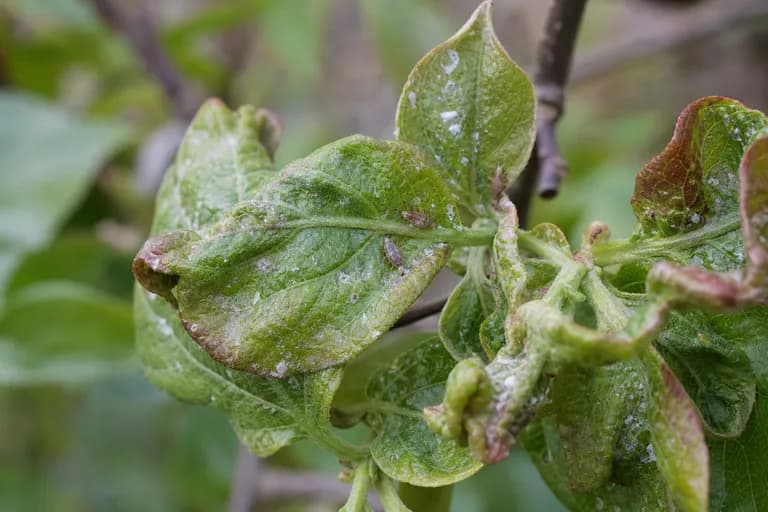
Kaki-Blattfloh
SchädlingEinrollen und Verformung junger Blätter, weiße wachsartige Absonderungen auf Blattoberflächen, reduziertes Neuwachstum im Frühling.
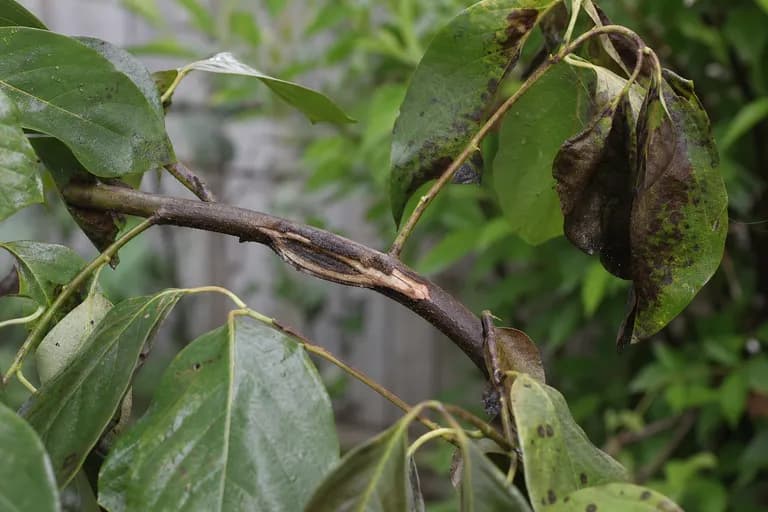
Kaki-Welke
KrankheitPlötzliches Welken und Schwarzwerden einzelner Äste, dunkle Streifen im Holz sichtbar, wenn die Rinde abgezogen wird, fortschreitender Rückgang des Baumes.
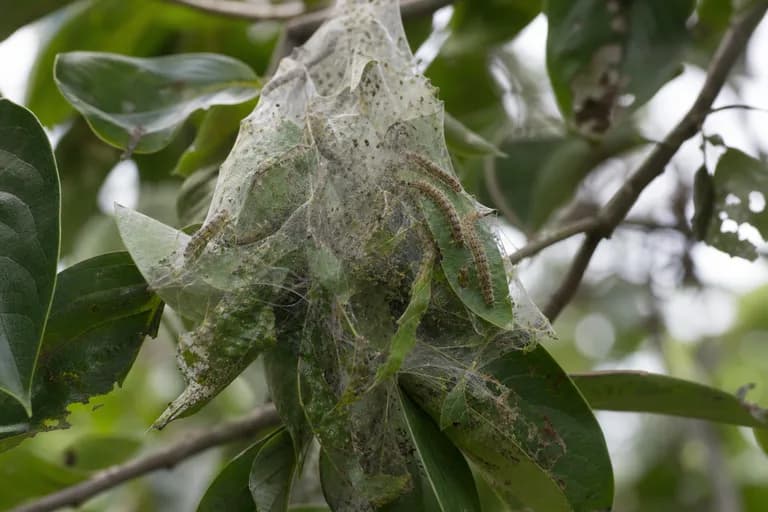
Herbst-Gespinstmotte
SchädlingGroße Seidengespinste, die Astspitzen und Laub umhüllen, Raupen, die an eingeschlossenen Blättern fressen, Entlaubung betroffener Äste.
Fehlerbehebung bei häufigen Problemen
Das häufigste Problem ist die Ausbildung von Wurzelausläufern, die ungewollte Wildlinge im gesamten Garten erzeugen können. Die Frucht verfärbt Pflaster und alles, was sie berührt, wenn sie herunterfällt. Unreife Früchte sind intensiv adstringierend und im Grunde ungenießbar. Männliche und weibliche Bäume werden für die Fruchtbildung benötigt, es sei denn, selbstfruchtbare Sorten werden gepflanzt. Die tiefe Pfahlwurzel macht das Umpflanzen etablierter Bäume nahezu unmöglich. Der Wettbewerb mit Wildtieren um reife Früchte kann intensiv sein.
Anbautipps
- Die Amerikanische Kaki treibt im Frühling extrem spät aus – oft als allerletzter Laubbaum in der Landschaft. Gehen Sie niemals davon aus, dass eine Kaki tot ist im Früh- oder sogar Mittelfrühling. Warten Sie bis Juni, bevor Sie schlussfolgern, dass sie den Winter nicht überstanden hat.
- Sämlings-Kakis entwickeln sehr schnell eine tiefe, kräftige Pfahlwurzel. Wenn Sie aus Samen ziehen, pflanzen Sie direkt in den Boden oder in sehr tiefe Behälter und verpflanzen Sie vor dem Ende der ersten Vegetationsperiode. Der Versuch, ältere Sämlinge umzupflanzen, scheitert meist an der Störung der Pfahlwurzel.
- Für zuverlässig hohe Fruchterträge pflanzen Sie mindestens zwei Bäume – eine weibliche Fruchtsorte und einen männlichen Bestäuber. Obwohl einige Amerikanische Kakis parthenokarpische (kernlose) Früchte ohne Bestäubung ansetzen, produzieren bestäubte Bäume deutlich mehr und größere Früchte. Eine wilde Kaki in der Nachbarschaft kann manchmal als Bestäuber dienen.
- Die Adstringenz der Amerikanischen Kaki wird durch lösliche Tannine verursacht, die sich erst bei vollständiger physiologischer Reife vollständig abbauen. Frost beschleunigt diesen Prozess, ist aber nicht unbedingt erforderlich – vollreife Früchte sind bei jeder Temperatur süß. Ernten Sie niemals nach Kalenderdatum; ernten Sie immer nach Fühlen und Schmecken.
- Die Amerikanische Kaki gedeiht in armen, trockenen, felsigen oder tonigen Böden, in denen andere Obstbäume Schwierigkeiten haben. Sie ist einer der anpassungsfähigsten heimischen Obstbäume Nordamerikas und produziert unter mildem Stress tatsächlich aromatischere Früchte als unter reichen, stark gedüngten Bedingungen. Vermeiden Sie Überdüngung.
- Die natürliche Neigung zur Ausläuferbildung der Amerikanischen Kaki kann ein Dickicht von Wurzelausläufern um den Stamm herum erzeugen, besonders wenn die Wurzeln durch Mähen oder Bodenbearbeitung gestört werden. Entfernen Sie Ausläufer umgehend auf Bodenhöhe, wenn Sie einen einstämmigen Baum wünschen, oder lassen Sie sie sich entwickeln für ein mehrstämmiges, wildtierfreundliches Dickicht.
- Beim Verarbeiten von Kaki-Fruchtfleisch zum Kochen passieren Sie es durch ein Sieb oder eine Flotte Lotte, um Samen und Schalenfasern zu entfernen. Kaki-Fruchtfleisch lässt sich hervorragend in Gefrierbeuteln bis zu einem Jahr einfrieren – messen Sie einfach vor dem Einfrieren 250-ml- oder 500-ml-Portionen ab für bequeme Verwendung beim Backen im Winter.
- Amerikanisches Kakiholz ist extrem hart, schwer und dicht. Die charakteristische blockartige, krokodilartige Rinde macht den Baum im Winter leicht identifizierbar. Wenn Sie jemals große Äste schneiden müssen, verwenden Sie scharfe Qualitätswerkzeuge – das Holz stumpft Klingen schnell ab.
- Obwohl die Amerikanische Kaki im Vergleich zu den meisten Obstbäumen sehr krankheitsresistent ist, kann sie gelegentlich von der Kaki-Welke (Cephalosporium diospyri) betroffen sein, einer Pilzkrankheit, die plötzliches Welken und Absterben von Ästen verursacht. Es gibt keine Heilung; entfernen und vernichten Sie betroffenes Holz umgehend weit unterhalb der sichtbaren Welkelinie, um eine Ausbreitung zu verhindern.
- Für den besten Geschmack lassen Sie Kakis vollständig am Baum reifen und ernten Sie, wenn sie fallen oder sich ohne Widerstand lösen. Die Frucht ist bereit, wenn sie so weich ist, dass sie sich fast flüssig unter der Schale anfühlt. Wenn Sie früher pflücken müssen, lassen Sie die Frucht bei Zimmertemperatur mehrere Tage nachreifen, bis sie vollständig weich ist, bevor Sie sie essen.
Bau deine beste Amerikanische Kaki an — und alles drumherum.
Starte heute kostenlos. Lege deine Beete an, setze deine Amerikanische Kaki ein und lass PlotMyGarden Timing, Abstände, Begleiter und Erinnerungen von der Saat bis zum Erntekorb übernehmen.
Finde deine Amerikanische Kaki
Prok
Eine der am meisten empfohlenen benannten Sorten, die große Früchte mit ausgezeichnetem Geschmack hervorbringt. Selbstfruchtbar und sehr winterhart. Zuverlässiger jährlicher Träger.
Meader
Eine extrem winterharte Sorte, die bis minus 32 Grad Celsius überlebt. Selbstfruchtbar mit mittelgroßen, süßen Früchten. Ideal für nördliche Gärten.
Early Golden
Wie der Name schon sagt, reift diese Sorte früher als die meisten Amerikanischen Kakis. Mittelgroße goldene Früchte mit reichem, süßem Geschmack.
Szukis
Ausgewählt wegen ihrer großen Fruchtgröße und ihres sehr süßen Geschmacks. Winterhart und ertragreich. Eine der am besten schmeckenden Amerikanischen Kaki-Sorten.
Ein einzelner ausgewachsener Amerikanischer Kakibaum kann bei voller Produktion jährlich 11–34 kg Früchte liefern, ohne nennenswerte jährliche Kosten nach der Etablierung. Zu Bauernmarktpreisen, wo Amerikanische Kakis 8–16 € pro Kilogramm für wildgesammelte oder Spezialfrüchte erzielen können, repräsentiert ein produktiver Baum 90–540 € an Fruchtwert pro Saison. Über den direkten Fruchtwert hinaus bietet der Baum jahrzehntelangen Wildtierlebensraum, ausgezeichnete herbstliche Zierfärbung und funktionales Hartholz – alles bei praktisch keinen Pflegekosten nach der Etablierungsphase. Seine außerordentliche Trockenheits- und Kältetoleranz bedeutet, dass in den meisten Klimazonen keine Bewässerungsinfrastruktur erforderlich ist.
Schnelle Rezepte

Klassischer Amerikanischer Kaki-Pudding
20 Min. Vorbereitung, 55 Min. BackzeitDas Kaki-Rezept schlechthin aus dem amerikanischen Mittleren Westen – ein dichter, saftiger, gewürzter Pudding mit einer Textur zwischen Brownie und Dampfpudding. Dieses Traditionsrezept wurde über Generationen in Familien aus Indiana und den Appalachen weitergegeben.
12 Zutaten
Kaki-Walnuss-Butter
15 Min. Vorbereitung, 45 Min. KochzeitEine dicke, aromatische Fruchtbutter, die die karamell-honigartige Süße der Amerikanischen Kaki einfängt. Auf Toast gestrichen, in Haferbrei gerührt oder als Glasur für gebratenes Schweinefleisch verwendet. Eignet sich wunderbar als selbstgemachtes Geschenk und hält gekühlt bis zu drei Wochen.
8 ZutatenKaki-Rucola-Salat mit Pekannüssen
10 Min.Ein frischer, saisonaler Herbstsalat, der die marmeladige Süße reifer Amerikanischer Kakis mit pfeffrigem Rucola, gerösteten Pekannüssen und einer würzigen Apfelessig-Vinaigrette kombiniert. Eine einfache und elegante Art, Kakis frisch zu genießen und ihren unglaublichen Geschmack ganz ohne Kochen zu präsentieren.
10 ZutatenKulinarische Verwendung
Das Fruchtfleisch der Amerikanischen Kaki ist die Hauptzutat im traditionellen Kaki-Pudding, einem beliebten Dessert aus dem Mittleren Westen und den Südstaaten. Das Fruchtfleisch wird auch in Keksen, schnellen Broten, Kuchen und Muffins verwendet. Es ergibt hervorragende Konfitüre, Fruchtbutter und Fruchtleder. Der intensive, reiche Geschmack harmoniert gut mit Gewürzen wie Zimt, Muskatnuss und Piment. Kaki-Bier und -Wein sind traditionelle Hausbrau-Anwendungen. Die getrocknete Frucht ist ein süßer, zäher Snack.
Was drinsteckt
Gesundheitsvorteile
- Reich an antioxidativen Verbindungen wie Beta-Carotin, Lycopin und Catechin-Polyphenolen, die freie Radikale neutralisieren und so möglicherweise das Risiko chronischer Krankheiten verringern und die Zellgesundheit unterstützen.
- Der hohe Ballaststoffgehalt unterstützt eine gesunde Verdauung, fördert regelmäßigen Stuhlgang und nährt nützliche Darmmikrobiom-Bakterien, was zur langfristigen Verdauungs- und Immungesundheit beiträgt.
- Enthält Betulinsäure, eine natürlich vorkommende Verbindung, die in Labor- und vorläufigen klinischen Studien entzündungshemmende, antivirale und antimikrobielle Eigenschaften gezeigt hat.
- Liefert nennenswert Vitamin C, das die Immunfunktion, die Kollagensynthese für Haut- und Gelenkgesundheit sowie die Eisenaufnahme aus pflanzlichen Lebensmitteln unterstützt.
- Der hohe natürliche Zuckergehalt liefert schnelle, nutzbare Energie ohne den Blutzuckeranstieg, der mit raffiniertem Zucker verbunden ist, dank der mildernden Wirkung von Ballaststoffen und Polyphenolen.
- Traditionell von indigenen Völkern und Appalachischen Kräuterkundigen als Adstringens verwendet – die tanninreiche Rinde und unreife Frucht wurden in der Volksmedizin zur Behandlung von Entzündungen, leichten Blutungen, Halsschmerzen und Hauterkrankungen eingesetzt.
Woher Amerikanische Kaki stammt
Die Amerikanische Kaki (Diospyros virginiana) ist einer der ältesten und am weitesten verbreiteten heimischen Obstbäume im östlichen Nordamerika, mit einem natürlichen Verbreitungsgebiet, das sich vom südlichen Connecticut und New York südwärts bis Florida und westwärts bis Kansas, Nebraska und Texas erstreckt. Sie ist seit Tausenden von Jahren ein Eckpfeiler sowohl der menschlichen Ernährung als auch der Wildtierökologie auf dem Kontinent.
Archäologische Belege dokumentieren die umfangreiche Nutzung der Amerikanischen Kaki durch indigene Völker in ihrem gesamten Verbreitungsgebiet. Samen und getrocknetes Fruchtfleisch wurden an archäologischen Stätten der Ureinwohner geborgen, die über 8.000 Jahre alt sind. Stämme wie die Cherokee, Shawnee, Chickasaw, Choctaw und viele Waldvölker des Ostens nutzten die Kaki auf vielfältige Weise: Das Fruchtfleisch wurde zu Kuchen und Laiben für die Wintervorratshaltung getrocknet, zu Getränken fermentiert und mit Maismehl zu traditionellen Broten verarbeitet. Die adstringierende unreife Frucht und die Rinde wurden medizinisch zur Behandlung von Halsschmerzen, Fieber und Mundgeschwüren verwendet.
Europäische Kolonisten übernahmen die Kaki schnell, nachdem sie ihr in den frühen 1600er Jahren begegnet waren. Captain John Smith schrieb 1612 über die Kaki und bemerkte, dass sie unreif einem Menschen den Mund zusammenziehe, aber vollreif so köstlich wie eine Aprikose sei. Die Kolonisten lernten von den Ureinwohnern, Kaki-Bier und Kaki-Brot herzustellen, und entwickelten später den Kaki-Pudding – einen dichten, gewürzten Pudding, der bis heute eine regionale Tradition in Indiana, North Carolina und Teilen des ländlichen Mittleren Westens ist.
Während des Bürgerkriegs wurden geröstete Kakisamen im Süden als Kaffeeersatz verwendet, als die Unionsblockade die Kaffeezufuhr unterbrach. Das Holz der Amerikanischen Kaki, das extrem hart und dicht ist, wurde im späten 19. und frühen 20. Jahrhundert kommerziell für Weberschiffchen, Golfschlägerköpfe und Billardqueues verwendet, bevor synthetische Materialien es ersetzten.
Obwohl von der modernen kommerziellen Landwirtschaft zugunsten der Asiatischen Kaki (Diospyros kaki) weitgehend übersehen, erlebt die Amerikanische Kaki ein Wiederaufleben des Interesses unter Sammlern, Liebhabern heimischer Pflanzen, Permakultur-Praktizierenden und Obstentdeckern, die ihre außerordentliche Winterhärte, Trockenheitstoleranz, ihren Wert für Wildtiere und ihren einzigartig reichen, karamellartigen Geschmack schätzen, den die Asiatische Art nicht erreichen kann.
Amerikanische Kaki: Schon gewusst?
Faszinierende Fakten über Amerikanische Kaki
Die Amerikanische Kaki (Diospyros virginiana) gehört zur Familie der Ebenholzgewächse – derselben Familie wie das teure tropische Ebenholz – und ihr Kernholz ist extrem dicht und hart, historisch verwendet für Golfschlägerköpfe und Weberschiffchen.
Amerikanische Kaki: Fragen & Antworten
Wann sollte ich Amerikanische Kaki pflanzen?
Was sind gute Begleitpflanzen für Amerikanische Kaki?
In welchen Winterhärtezonen kann Amerikanische Kaki wachsen?
Wie viel Sonne braucht Amerikanische Kaki?
Welchen Abstand sollte ich zwischen Amerikanische Kaki lassen?
Welche Schädlinge und Krankheiten befallen Amerikanische Kaki?
Wie lagere ich Amerikanische Kaki nach der Ernte?
Was sind die besten Amerikanische Kaki-Sorten zum Anbauen?
Welchen Boden braucht Amerikanische Kaki?
Warum ist mein Kakibaum der letzte Baum in meinem Garten, der im Frühling Blätter bekommt – stimmt etwas nicht?
Ich habe eine Kaki von meinem Baum probiert und sie war schrecklich adstringierend und hat mir den Mund zusammengezogen. Habe ich etwas falsch gemacht?
Mein weiblicher Kakibaum hat sehr wenig oder keine Früchte, obwohl er blüht. Was kann ich tun?
Wie lagere ich Amerikanische Kaki-Früchte und -Fruchtfleisch?
Ist die Amerikanische Kaki dasselbe wie die Kakis, die im Supermarkt verkauft werden?
Kann ich die Amerikanische Kaki aus den Samen der gesammelten Früchte ziehen?
Du hast die Theorie gelesen. Jetzt baue sie auf Autopilot an.
Alles, was Amerikanische Kaki knifflig macht — das Timing, die Abstände, die Begleiter, das Erntefenster — genau das übernimmt PlotMyGarden für dich, für jede Pflanze im Garten.
Ein Plan, der dein Wetter kennt
Standort einmal festlegen. Aussaat-, Dünge- und Erntedaten rund um deinen echten letzten Frosttermin und die Live-Vorhersage — kein Raten mehr nach Saattüte.
Aus dem Abschnitt „Pflanzzeit“Beetplaner per Drag & Drop
Beete auf einem Raster gestalten. Jede Pflanze rastet im richtigen Abstand ein, und du siehst die ganze Saison, bevor du einen Cent für Saatgut ausgibst.
Aus dem Abschnitt „Anbau“Begleiter-Konflikte früh erkannt
Über 200 gute und schlechte Kombinationen werden beim Pflanzen live geprüft — so landet ein saisonruinierender Fehler nie in der Erde.
Aus dem Abschnitt „Begleiter“Erinnerungen, nach denen du wirklich handelst
„Gieß die Bohnen.“ „Heute ernten, bevor's umschlägt.“ Pünktlich, konkret und auf deine echten Pflanzen bezogen.
Aus dem Abschnitt „Ernte“Staffel-Aussaat, geplant
Sechs Wochen ernten statt sechs Tage? Die App verteilt deine Aussaaten automatisch und erinnert dich, wenn der nächste Satz fällig ist.
Aus dem Abschnitt „Pflanzzeit“Ein Verlauf, der schlauer wird
Jede protokollierte Ernte bringt der App deinen Garten bei. Der Plan fürs nächste Jahr startet bei dem, was in deinem Boden wirklich funktioniert hat.
Aus dem Abschnitt „Überblick“Pflanze diese neben Amerikanische Kaki
Weitere Tropische Früchte
Bau deine beste Amerikanische Kaki an — und alles drumherum.
Starte heute kostenlos. Lege deine Beete an, setze deine Amerikanische Kaki ein und lass PlotMyGarden Timing, Abstände, Begleiter und Erinnerungen von der Saat bis zum Erntekorb übernehmen.