Perilla Verde
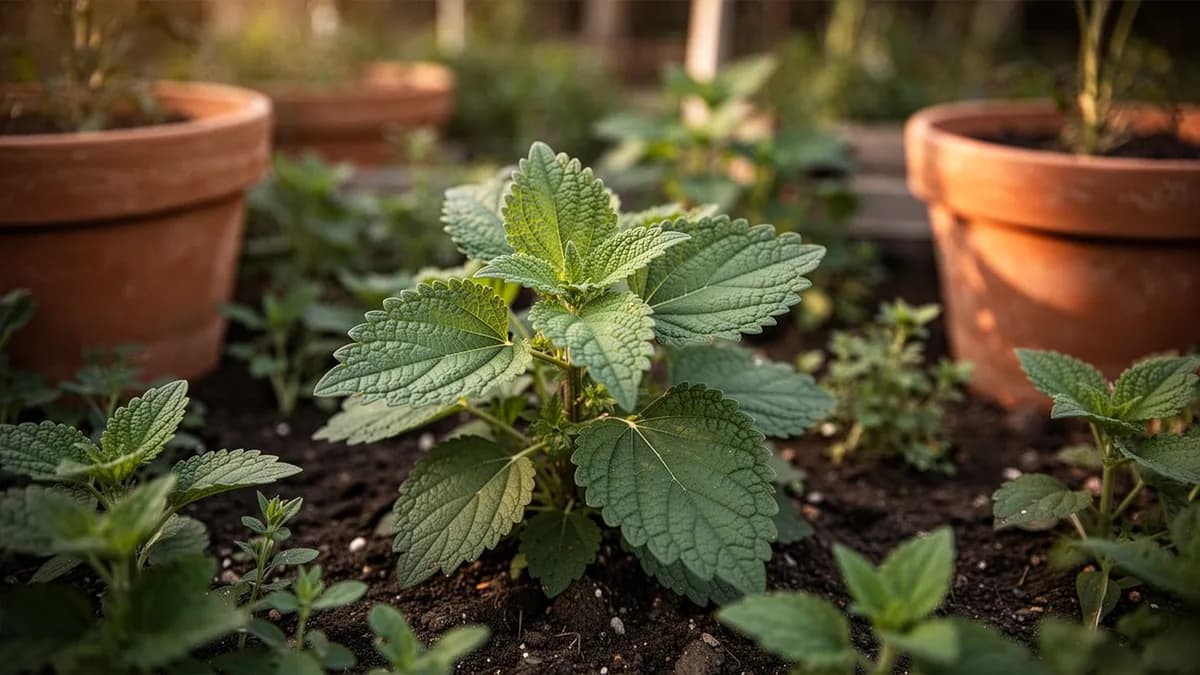
La forma de hoja verde de la perilla, ampliamente utilizada en la cocina japonesa como shiso, con un refrescante sabor a menta y albahaca.





En esta páginaResumen
Conoce Perilla Verde
La forma de hoja verde de la perilla, ampliamente utilizada en la cocina japonesa como shiso, con un refrescante sabor a menta y albahaca. Las hojas de perilla verde se emplean para envolver sushi, decorar sashimi y aromatizar la masa de tempura. Cultívela a plena sombra parcial en suelo húmedo y coseche con regularidad las hojas jóvenes para obtener el sabor más suave y aromático.
Cuándo plantar Perilla Verde
Las semillas de perilla necesitan luz y un período de estratificación fría o temperaturas fluctuantes para germinar con éxito. Siembre en la superficie de una mezcla húmeda para semilleros y presione suavemente sin cubrir. Refrigere las bandejas de siembra durante una semana antes de trasladarlas a condiciones cálidas (20-25 °C). La germinación tarda entre 7 y 21 días. Como alternativa, siembre directamente en el exterior cuando el suelo se haya calentado a 18 °C; las fluctuaciones naturales de temperatura entre el día y la noche mejoran la germinación. Aclare las plántulas dejando 25 cm entre ellas.
Tu año de Perilla Verde
Ajustado a Zona 7 · temporada típica · la helada se va hacia el 2 abr y vuelve hacia el 1 nov
Planta Perilla Verde Abr – Jun y cosecha Jun – Sep. Consulta los métodos de plantación y elige tu clima para adaptar los periodos.
Cómo cultivar Perilla Verde
La perilla verde, conocida como shiso en la cocina japonesa, es una planta anual de estación cálida de crecimiento rápido, con hojas grandes y aromáticas que combinan sabores de menta, albahaca, canela y clavo. Siembre las semillas después de que haya pasado todo riesgo de heladas y la temperatura del suelo alcance los 18 °C, ya que la perilla no germinará en suelo frío. Espacie las plantas 25 cm en sombra parcial con suelo fértil que retenga la humedad.
Las semillas necesitan luz y temperaturas fluctuantes para germinar. En climas cálidos, la perilla se autosiembra abundantemente y puede volverse invasora: elimine las flores para evitar su propagación no deseada. Proporcione humedad constante y sombra parcial, especialmente en climas calurosos donde el sol pleno puede provocar quemaduras en las hojas. Abone mensualmente con fertilizante líquido equilibrado para una producción de follaje exuberante.
Pellizque regularmente los ápices de crecimiento para favorecer la ramificación y retrasar la floración, ya que el sabor de las hojas disminuye cuando las plantas espigan. La perilla crece entre 60 y 90 cm de altura y constituye un atractivo fondo ornamental en jardines de hierbas. Las hojas son más grandes y sabrosas cuando las plantas se cultivan en condiciones de sombra parcial y suelo rico en humedad. Retire las espigas florales en cuanto aparezcan para prolongar la temporada de cosecha.
36 plantas caben en un bancal de 120 × 240 cm
Cada Perilla Verde pide 25 cm de margen. El planificador guarda ese marco por ti — cada planta, cada bancal.
Los mejores vecinos de Perilla Verde
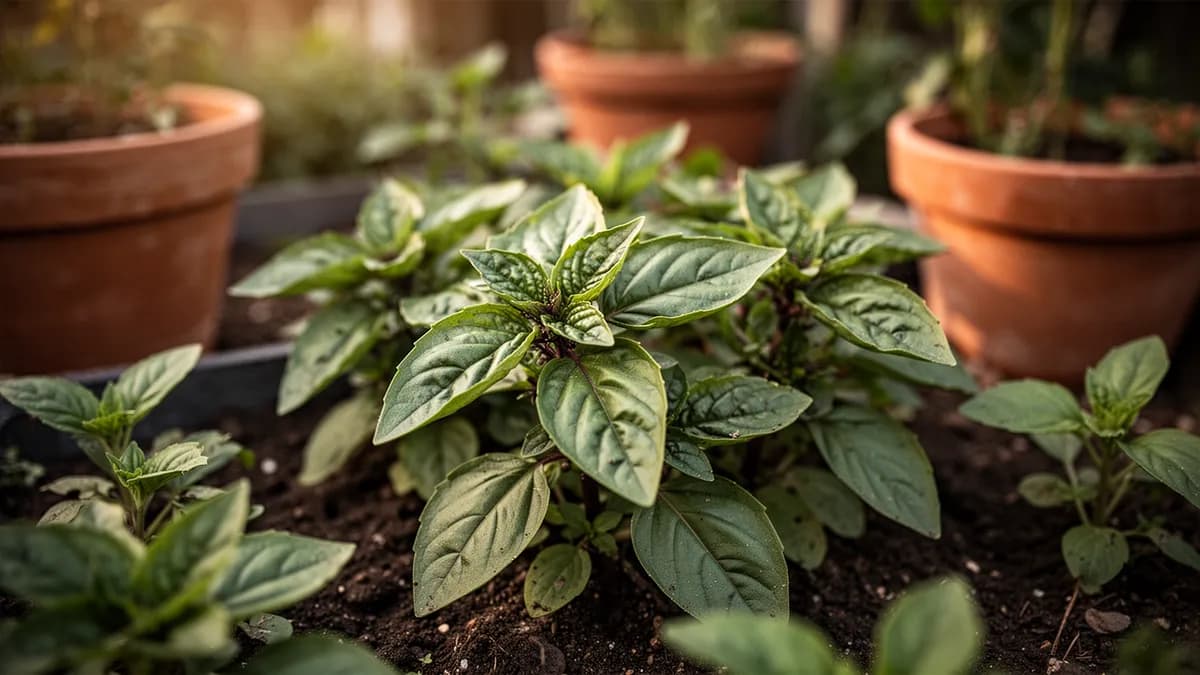
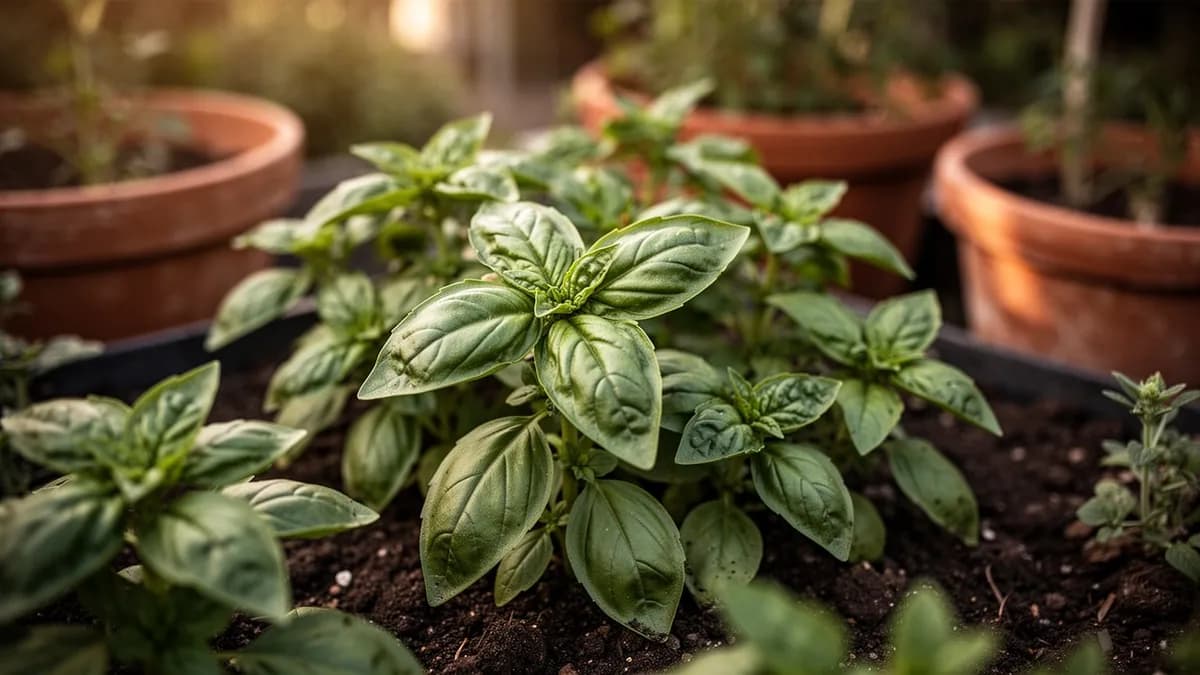
El intenso aroma de la perilla ayuda a ahuyentar plagas habituales del huerto como pulgones, ácaros araña y pulguillas. Plántela cerca de brásicas y tomates para protegerlos de plagas. Las flores atraen abejas e insectos beneficiosos cuando se dejan florecer. En las tradiciones asiáticas de plantas compañeras, la perilla se intercala frecuentemente con edamame y otras leguminosas. Evite plantarla junto a otros miembros de la familia Lamiaceae (menta) para prevenir la contaminación cruzada de sabores.
Albahaca tailandesa va a su lado.
Saber de huerto de siempre, cotejado con la tabla real de Perilla Verde — prueba cualquier planta que cultives.
Prueba Perilla Verde en un bancal, aquí mismo
Un bancal real del planificador con Perilla Verde ya plantado. Toca una planta compañera para colocarla y mira cómo responde la comprobación de vecinos: verde para buenos vecinos, rojo si hay conflicto.


Guías de cultivo relacionadas
Abónalo bien
Cultive en suelo fértil y bien drenado enriquecido con compost o estiércol maduro. El pH ideal es de 5.5 a 6.5 (ligeramente ácido). Abone cada 2-3 semanas con un fertilizante líquido equilibrado para una abundante producción de hojas. La perilla es una planta de consumo nutricional moderado a elevado que se beneficia de una fertilización constante. En macetas, use una mezcla de sustrato de calidad y abone semanalmente con fertilizante líquido diluido. Aplique un acolchado de compost para mantener la humedad del suelo y aportar nutrientes de liberación lenta.
Temperatura ideal
Compatibilidad de zonas de rusticidad
De la semilla a la cosecha, etapa por etapa
Germinación de semillas
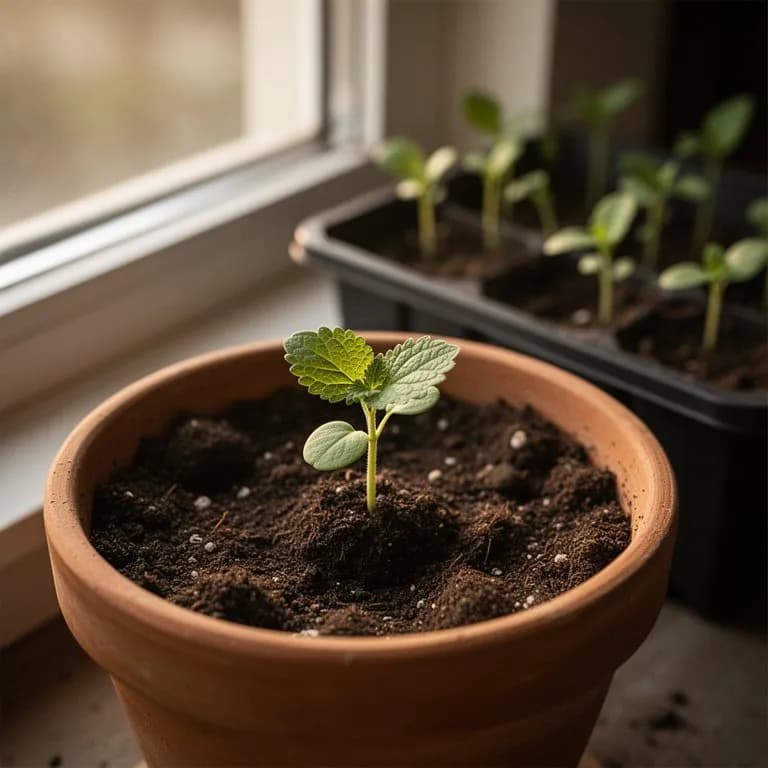
Las semillas de perilla necesitan luz y calor para germinar. Siembre en la superficie de suelo húmedo y mantenga una temperatura constante de 20-25 °C. La germinación puede ser lenta e irregular, tardando entre 7 y 14 días. Una semana de estratificación fría antes de la siembra puede mejorar significativamente las tasas de germinación.
Desarrollo de plántulas
Las plántulas desarrollan sus primeras hojas verdaderas con los característicos bordes dentados. El crecimiento es inicialmente lento mientras se establece el sistema radicular. Aclare las plántulas a 20-30 cm de distancia una vez que tengan dos pares de hojas verdaderas.
Crecimiento vegetativo
Las plantas entran en una fase de crecimiento vegetativo rápido, produciendo abundante follaje. Los tallos adquieren la sección cuadrangular característica de la familia de la menta. Las hojas crecen y desarrollan todo su perfil aromático. Las plantas pueden alcanzar entre 30 y 45 cm de altura durante esta fase.
Producción máxima de hojas
Las plantas alcanzan su tamaño definitivo de 45-90 cm y producen sus hojas más grandes y sabrosas. Este es el momento de máxima cosecha, cuando la concentración de aceites esenciales es más alta. La cosecha regular estimula la continua producción de hojas nuevas durante toda esta etapa.
Floración
Las espigas florales emergen de las puntas de los tallos con pequeñas flores tubulares blancas a lavanda pálido. La floración se desencadena por el acortamiento del día a finales del verano. Una vez iniciada, la producción de hojas se ralentiza y las hojas existentes pueden volverse algo más duras.
Formación de semillas
Las flores polinizadas dan lugar a pequeñas cápsulas de semillas a lo largo de las espigas. Las semillas maduran del verde al marrón a medida que se secan. Cada espiga floral puede producir docenas de semillas. La planta comienza a declinar cuando la energía se destina a la producción de semillas.
No cubra las semillas con excesiva profundidad, ya que necesitan luz para germinar. Riegue con pulverizador suave para mantener la superficie húmeda sin desplazar las diminutas semillas.
Cuidar Perilla Verde mes a mes
Qué hacer cada mes para tu Perilla Verde
Octubre
Mes actualCoseche las hojas restantes antes de la primera helada. Recoja las cabezuelas de semillas maduras para el próximo año cortando las espigas marrones y secándolas en bolsas de papel. Arranque las plantas agotadas y añádalas al compost.
Ten claro qué hacer en tu huerto, cada mes
Un correo al empezar cada mes: qué sembrar, plantar y hacer ahora mismo — para tu Perilla Verde y todo lo que crece alrededor. Más un breve curso inicial para esquivar los errores clásicos.
- Qué hacer ahora mismo
- Ajustado a tu temporada
- Curso inicial incluido
Cosechar Perilla Verde
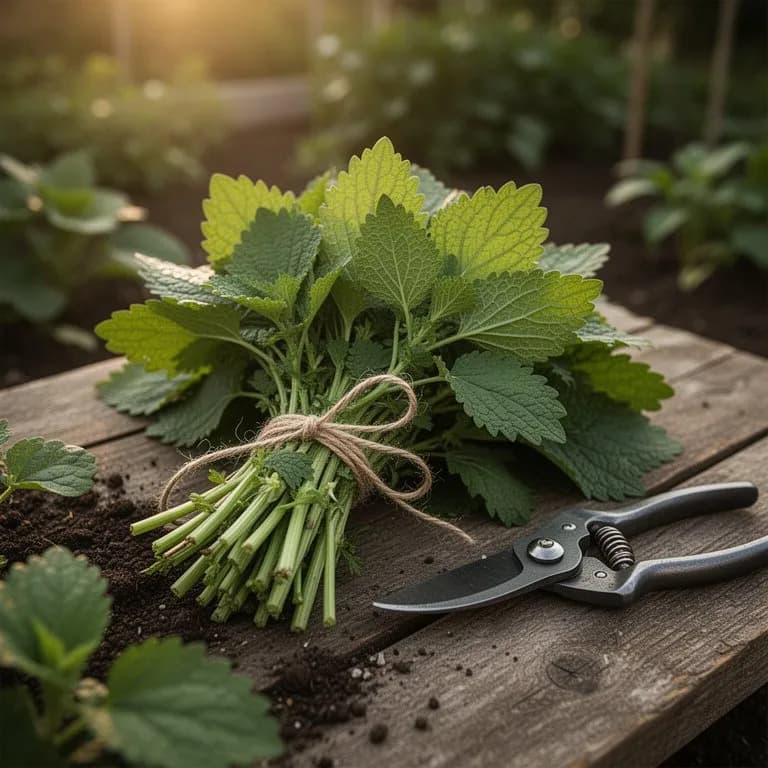
Comience a cosechar hojas de perilla cuando las plantas alcancen 20 cm de altura. Recoja hojas individuales de arriba hacia abajo, seleccionando las más jóvenes y aromáticas para consumo en crudo. Para cocinar, coseche tallos enteros cortando por encima de un nudo foliar. Las hojas se magullan con facilidad, así que manipúlelas con cuidado. Los botones florales y las pequeñas flores también son comestibles y tienen un sabor más intenso que las hojas. Coseche por la mañana para obtener el mejor aroma. Las hojas se aprovechan mejor frescas, ya que su complejo sabor se desvanece rápidamente tras la recolección.
se supone que plantas al comenzar el periodo — indica tu fecha real
Cosecha Perilla Verde a tiempo y la planta sigue produciendo.
Almacenamiento y conservación
Use las hojas de perilla lo más frescas posible, ya que se marchitan en pocas horas si no se almacenan correctamente. Envuélvalas en papel de cocina ligeramente húmedo dentro de un recipiente hermético y refrigere hasta 3 días. No las lave hasta el momento de usarlas. Las hojas pueden conservarse en sal al estilo de los umeboshi para su preservación a largo plazo. Congélelas individualmente en bandejas y luego transfiera a bolsas de congelador: la textura cambia, pero el sabor se conserva para cocinar. Prepare vinagre o aceite infusionado con perilla para un uso prolongado.
Qué falla — y cómo solucionarlo
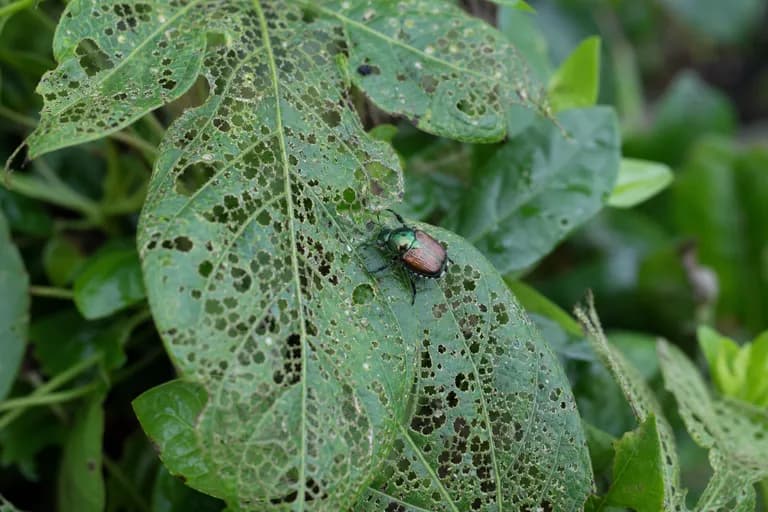
Escarabajo japonés
PlagaHojas esqueletizadas con solo las nervaduras visibles; escarabajos de color verde metálico y cobre que se alimentan en grupo.
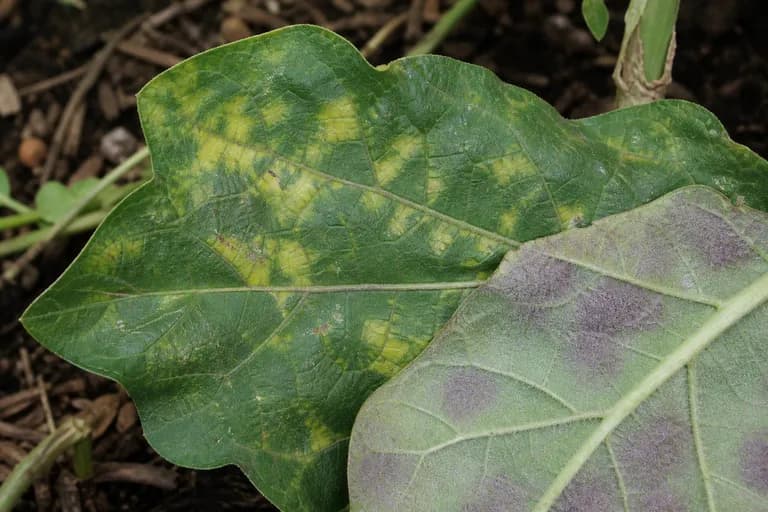
Mildiu velloso
EnfermedadAmarillamiento de la cara superior de las hojas con un crecimiento velloso grisáceo-morado en el envés, enrollamiento y caída de hojas.
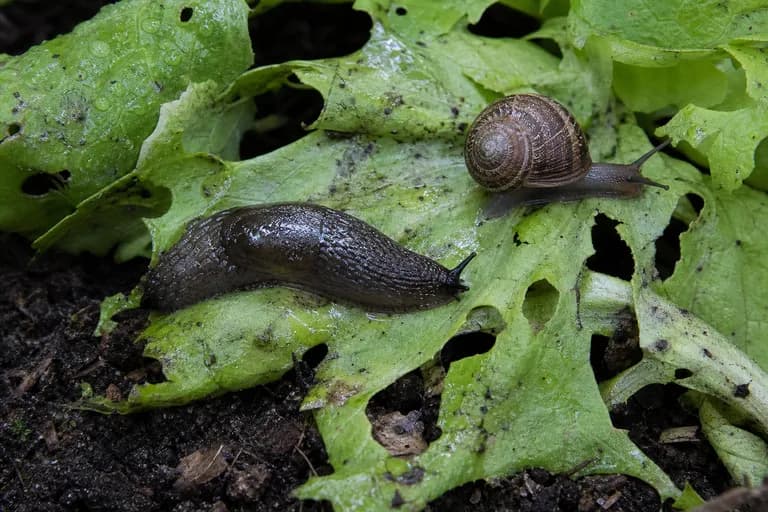
Babosas y caracoles
PlagaAgujeros irregulares en las hojas, especialmente en el follaje inferior. Rastros de baba plateada visibles sobre las plantas y alrededor de ellas.
Solución de problemas comunes
La autosiembra puede volverse invasora en climas cálidos: elimine las flores con regularidad para evitar su propagación. La espigación en tiempo caluroso acorta la temporada de cosecha; mantenga las plantas pinzadas y bien regadas para retrasar la floración. El marchitamiento bajo el sol pleno indica estrés por calor; proporcione sombra por la tarde. Las hojas pequeñas con escaso aroma indican falta de nutrientes o agua. En climas fríos, las semillas pueden no germinar si el suelo está demasiado frío: espere a que el suelo alcance los 18 °C antes de sembrar.
Consejos de cultivo
- Remoje las semillas en agua durante 24 horas antes de la siembra para mejorar las tasas de germinación, ya que las semillas de perilla tienen una cubierta naturalmente dura que puede ralentizar la absorción de agua.
- Siembre en la superficie y presione suavemente sobre el suelo sin cubrir, ya que la perilla necesita luz para germinar. Mantenga el suelo constantemente húmedo con pulverizaciones en lugar de riego abundante.
- Inicie las semillas en interior 6-8 semanas antes de la última helada para las cosechas más tempranas, ya que la perilla necesita una larga estación cálida para alcanzar su plena producción.
- Pellizque el ápice de crecimiento principal cuando la planta alcance entre 15 y 20 cm de altura para fomentar la ramificación lateral y un porte más arbustivo que produzca más hojas cosechables.
- Coseche las hojas con regularidad desde la parte superior de la planta hacia abajo, lo que promueve el crecimiento continuo de hojas nuevas y ayuda a retrasar la floración al eliminar las puntas del tallo que producen hormonas.
- Proporcione una humedad constante de unos 2.5 cm por semana, ya que las hojas de perilla se volverán duras y amargas si la planta sufre estrés hídrico durante la temporada de crecimiento.
- Cultive a pleno sol o en sombra parcial, teniendo en cuenta que las plantas con algo de sombra por la tarde tienden a producir hojas más grandes y tiernas que las expuestas al sol pleno todo el día en climas calurosos.
- Aplique un fertilizante líquido orgánico equilibrado cada dos semanas durante la temporada de crecimiento activo para mantener la rápida producción de hojas que hace de la perilla una hierba tan gratificante.
- Esté atento a los botones florales a partir de finales del verano y retírelos con prontitud para prolongar la cosecha de hojas varias semanas. La floración es la señal de que la planta deja de producir follaje nuevo.
- Deje florecer y producir semillas una o dos plantas al final de la temporada para la autosiembra natural. La perilla se establece fácilmente en el huerto de manera espontánea, proporcionando plantas gratuitas el año siguiente.
Cultiva tu mejor Perilla Verde — y todo lo que la rodea.
Empieza un plan gratis hoy. Diseña tus bancales, coloca tu Perilla Verde y deja que PlotMyGarden gestione el momento, el espaciado, las asociaciones y los recordatorios de la semilla a la cesta.
Elige tu Perilla Verde
Shiso Verde
La forma estándar de hoja verde utilizada en la cocina japonesa para envolver sushi, decorar sashimi y aromatizar el arroz. El sabor más suave de todas las variedades.
Shiso Rojo (Akajiso)
Hojas de color rojo-púrpura intenso utilizadas para dar color y sabor a las ciruelas umeboshi, el jengibre encurtido y el zumo de shiso. Sabor más fuerte y ligeramente metálico.
Britton (Bicolor)
Verde por el haz y morado por el envés. Combina el atractivo visual del shiso rojo con el sabor más suave del shiso verde.
Perilla coreana (Kkaennip)
Hojas más grandes y redondeadas con un característico sabor anisado y a nuez. Imprescindible en la cocina coreana para envolver carnes a la parrilla.
Una sola planta de perilla verde puede producir hojas de forma continua durante 3-4 meses mediante la cosecha regular, obteniendo entre 200 y 400 gramos de hojas frescas por planta a lo largo de la temporada. Las hojas frescas de shiso suelen venderse a entre 3 y 5 dólares por pequeño paquete de 10-20 hojas en supermercados especializados y tiendas asiáticas. Cultivar tan solo 3-4 plantas puede suponer fácilmente un ahorro de 50-80 dólares por temporada para los usuarios habituales, y dado que la perilla se autosiembra con facilidad, es posible que no necesite volver a comprar semillas después del primer año. Las propias semillas también son una cosecha valiosa, usadas como especia y fuente de aceite nutritivo.
Recetas rápidas
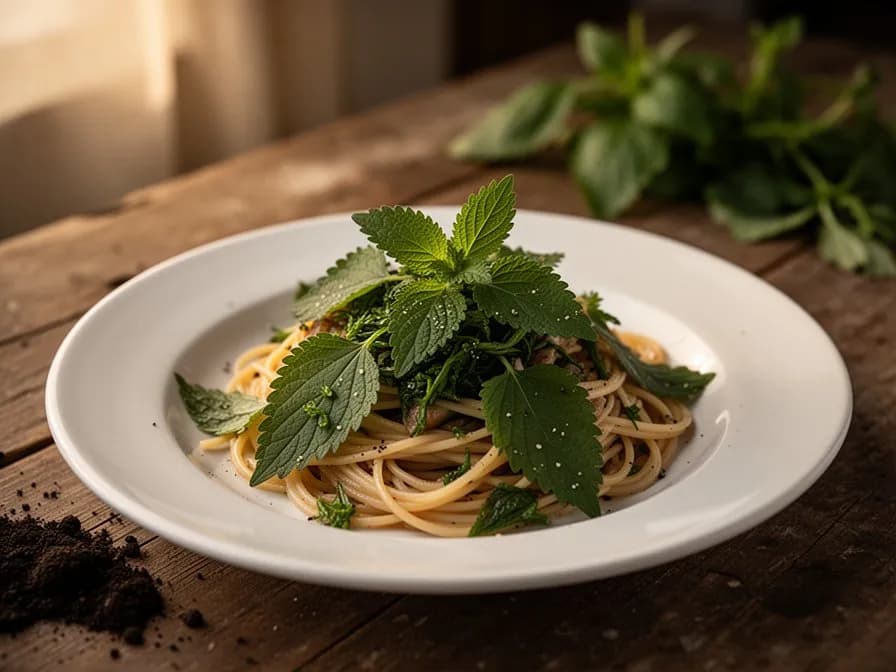
Pesto de Shiso
10 minutosUna versión de inspiración japonesa del pesto clásico que combina a la perfección con pasta, pescado a la parrilla o como salsa para mojar. El singular sabor a menta y albahaca del shiso crea una salsa brillante y aromática.
7 ingredientesTempura de Shiso
20 minutosHojas de shiso rebozadas en tempura, ligeras y crujientes, que realzan el aromático sabor de la hierba. Sírvanse como aperitivo o acompañando sashimi para una auténtica experiencia gastronómica japonesa.
7 ingredientesLimonada de Shiso
15 minutosUna refrescante bebida veraniega que infusiona el exclusivo aroma herbal de la perilla verde en una limonada agridulce. El shiso añade una intrigante complejidad anisada y mentolada que hace de esta bebida algo verdaderamente especial.
6 ingredientesUsos culinarios
Imprescindible en la cocina japonesa como shiso: envuelva sushi, decore sashimi y pique finamente para la salsa ponzu. Córtela en tiras para ensaladas, fideos fríos, arroz y encurtidos. Las hojas combinan a la perfección con pescado crudo, tofu y pepino. Fría hojas enteras en masa de tempura para un aperitivo crujiente. En la cocina coreana (como kkaennip), envuelva carnes a la parrilla y arroz. Prepare una infusión calmante con hojas secas.
Qué contiene
Beneficios para la salud
- Rica en ácido rosmarínico, un potente compuesto antioxidante que ha demostrado en estudios reducir los marcadores inflamatorios y puede ayudar a aliviar los síntomas de alergias estacionales y asma.
- Contiene altas concentraciones de ácido alfa-linolénico (ALA), un ácido graso omega-3 esencial que favorece la salud cardiovascular y ayuda a mantener niveles saludables de colesterol.
- Aporta cantidades excepcionales de vitamina A y betacaroteno, favoreciendo la salud ocular, la función inmunitaria y la integridad de la piel, con más del 100 % del valor diario por cada 100 g.
- Los aceites esenciales, en particular el perilaldehído, han demostrado propiedades antimicrobianas en investigaciones, lo que podría explicar la práctica tradicional de acompañar el pescado crudo con shiso en la cocina japonesa.
- Contiene luteolina y apigenina, compuestos flavonoides asociados con efectos neuroprotectores y menor riesgo de deterioro cognitivo según investigaciones nutricionales emergentes.
- El uso tradicional como auxiliar digestivo está respaldado por hallazgos modernos que sugieren que los compuestos de la perilla pueden ayudar a relajar el músculo liso del tracto digestivo y reducir la hinchazón y el malestar.
De dónde viene Perilla Verde
La perilla verde (Perilla frutescens var. crispa), conocida comúnmente como shiso en japonés, tiene una historia notablemente larga y rica que abarca varios milenios en Asia Oriental. Se cree que la planta se originó en las regiones montañosas de China y el subcontinente indio, donde aún crecen formas silvestres en la actualidad. La evidencia arqueológica sugiere que la perilla estuvo entre los primeros cultivos de Asia Oriental, con semillas encontradas en yacimientos que datan de alrededor del año 4000 a. C. en la actual China. La hierba se difundió a través del intercambio cultural a lo largo de las antiguas rutas comerciales a Corea, Japón, Vietnam y el sudeste asiático, donde cada región desarrolló sus propias tradiciones culinarias y medicinales en torno a la planta. En China, la perilla fue documentada en los primeros textos de medicina herbal, incluido el fundamental Shennong Ben Cao Jing, donde se prescribía para afecciones respiratorias, intoxicaciones alimentarias y dolencias digestivas. Los médicos chinos también señalaron su capacidad para inducir la sudoración, lo que la hacía valiosa para tratar resfriados y fiebres. La planta llegó a Japón siglos atrás, donde se fue integrando profundamente en el tejido culinario del país. La cocina japonesa elevó el shiso verde a la categoría de ingrediente esencial, especialmente como guarnición del sashimi, envoltura para los onigiri (bolas de arroz) y aromatizante clave en los platos de tempura. Los japoneses también desarrollaron la práctica de utilizar el shiso en la elaboración de las ciruelas encurtidas umeboshi, una tradición que pervive hasta hoy. La cocina coreana adoptó una variedad relacionada con hojas más grandes y de sabor ligeramente diferente, conocida como kkaennip, usándolas como envolturas para carnes a la parrilla y como guarniciones encurtidas. Los exploradores botánicos europeos encontraron la perilla durante la era de los descubrimientos, y la planta fue introducida en los jardines occidentales principalmente como ornamental durante el siglo XIX. Hoy, la perilla verde está viviendo un renacimiento en las cocinas occidentales, a medida que los chefs descubren su versátil perfil de sabor que tiende un puente entre las hierbas mediterráneas conocidas y los aromáticos asiáticos más singulares. Continúa siendo indispensable en las cocinas japonesa, coreana y vietnamita, y gana popularidad de manera constante entre los jardineros domésticos de todo el mundo, que aprecian tanto su belleza como su valor culinario.
Perilla Verde: ¿sabías que?
Datos fascinantes sobre Perilla Verde
La perilla verde (shiso) se cultiva en Asia Oriental desde hace más de 2.000 años, con registros de su uso que se remontan a textos chinos y japoneses antiguos, donde era valorada tanto como alimento como por sus propiedades medicinales.
Perilla Verde: preguntas frecuentes
¿Cuándo debo plantar Perilla Verde?
¿Cuáles son buenas plantas acompañantes para Perilla Verde?
¿En qué zonas de rusticidad puede crecer Perilla Verde?
¿Cuánto sol necesita Perilla Verde?
¿A qué distancia debo espaciar Perilla Verde?
¿Qué plagas y enfermedades afectan a Perilla Verde?
¿Cómo almaceno Perilla Verde después de la cosecha?
¿Cuáles son las mejores variedades de Perilla Verde para cultivar?
¿Qué suelo necesita Perilla Verde?
¿A qué sabe la perilla verde (shiso)?
¿Se puede cultivar perilla verde en macetas?
¿Cómo evito que la perilla verde se vuelva invasora?
¿Cuál es la diferencia entre la perilla verde y la morada?
¿Cuándo debo cosechar las hojas de perilla verde para obtener el mejor sabor?
¿Es la perilla verde segura para mascotas y niños?
Acabas de leer la teoría. Ahora cultívala en piloto automático.
Todo lo que hace que Perilla Verde sea delicado — el momento, el espaciado, las asociaciones, la ventana de cosecha — es justo lo que PlotMyGarden resuelve por ti, para cada planta de tu huerto.
Un plan que conoce tu clima
Indica tu ubicación una vez. Recibe fechas de siembra, abonado y cosecha basadas en tu última helada real y el pronóstico en vivo — sin adivinar con un sobre genérico.
De la sección “Cuándo plantar”Planificador de bancales de arrastrar y soltar
Diseña bancales sobre una cuadrícula. Cada planta encaja con su espaciado correcto y ves toda la temporada antes de gastar un céntimo en semillas.
De la sección “Cultivo”Conflictos de asociación, detectados a tiempo
Más de 200 buenas y malas combinaciones comprobadas en vivo mientras plantas — para que un error que arruine la temporada nunca llegue a la tierra.
De la sección “Asociaciones”Recordatorios que sí vas a seguir
“Riega las judías.” “Recoge hoy antes de que se pase.” Oportunos, concretos y ligados a las plantas que de verdad cultivas.
De la sección “Cosecha”Escalonado, programado
¿Quieres cosechar seis semanas en vez de seis días? Reparte tus siembras automáticamente y te avisa cuando toca el siguiente lote.
De la sección “Cuándo plantar”Un registro que se vuelve más listo
Cada cosecha que registras le enseña tu huerto. El plan del año que viene parte de lo que de verdad funcionó en tu suelo, no en un manual.
De la sección “Resumen”Planta estos junto a Perilla Verde
Más Hierbas culinarias
Cultiva tu mejor Perilla Verde — y todo lo que la rodea.
Empieza un plan gratis hoy. Diseña tus bancales, coloca tu Perilla Verde y deja que PlotMyGarden gestione el momento, el espaciado, las asociaciones y los recordatorios de la semilla a la cesta.