Garlic Chives
Flat-leaved chives with a distinct garlic flavor and white star-shaped flowers that bloom in late summer.





On this pageOverview
Meet Garlic Chives
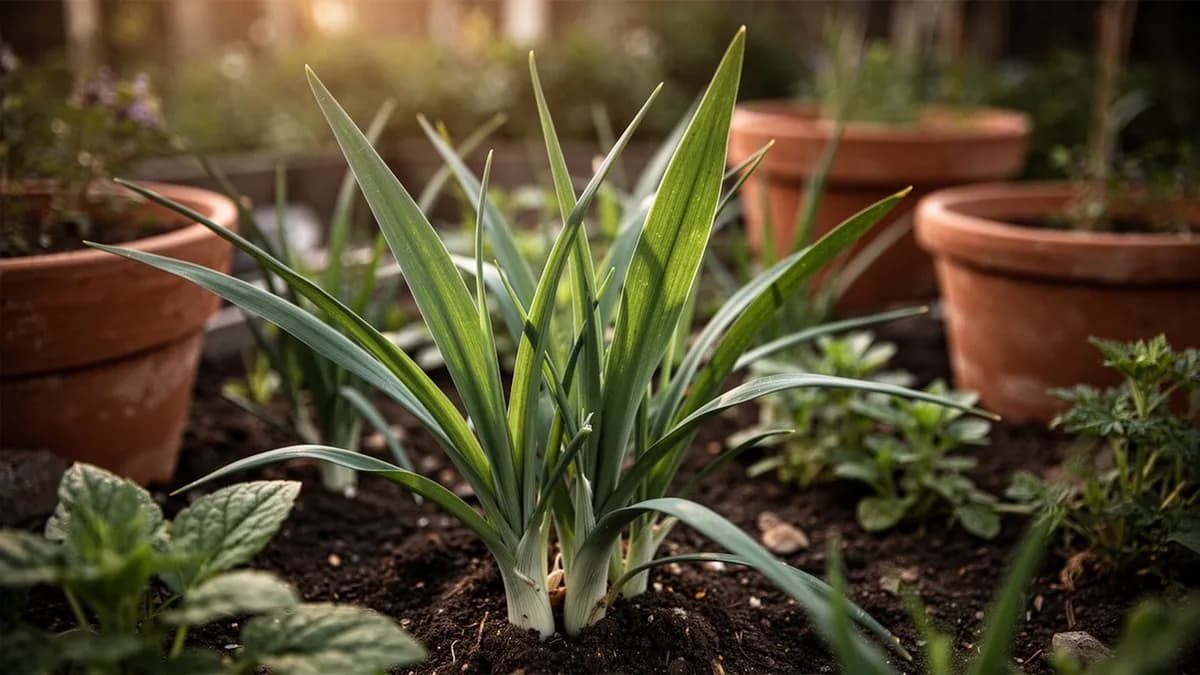
Flat-leaved chives with a distinct garlic flavor and white star-shaped flowers that bloom in late summer. Garlic chives are more vigorous than regular chives and can self-seed aggressively if flower heads are not removed. Use the flat leaves in Asian stir-fries, dumplings, and egg dishes for mild garlic seasoning.
When to plant Garlic Chives
Sow garlic chive seeds indoors 8-10 weeks before the last frost, or direct sow outdoors in spring once soil reaches 60°F. Sow seeds 1/4 inch deep in moist seed-starting mix, 3-4 seeds per cell. Seeds germinate in 7-14 days at 65-70°F. Seedlings are grass-like and grow slowly at first. Transplant clumps of 3-4 seedlings together for a fuller appearance. For faster results, purchase established clumps from a nursery or divide existing plants. Garlic chives reach harvestable size about 60 days from sowing.
Your Garlic Chives Year
Composed for Zone 7 · typical seasons · frost passes Apr 2, returns Nov 1
Plant Garlic Chives Mar – May, pick Apr – Oct. Check the planting methods below and set your climate to personalize these windows.
How to grow Garlic Chives
Garlic chives (Allium tuberosum) are a vigorous perennial herb with flat, grass-like leaves and a mild garlic flavor widely used in Asian cuisines. Start from seed sown indoors 8-10 weeks before the last frost, or direct sow in spring once soil reaches 60°F. Seeds germinate in 7-14 days. Alternatively, purchase established clumps or divide existing plants in spring or fall.
Plant in full sun to light shade, spacing clumps 6-8 inches apart in moderately fertile, well-drained soil. Garlic chives are extremely adaptable and tolerate a wide range of conditions including drought, poor soil, and partial shade. Water regularly during establishment, then reduce as plants become self-sufficient.
Garlic chives spread both by division and self-seeding, and can become invasive if flower heads are not deadheaded before seeds ripen. Cut flower stalks immediately after blooming to prevent unwanted spreading. Divide clumps every 3-4 years in spring to maintain vigor and prevent overcrowding. The white, star-shaped flowers are edible and attract many beneficial pollinators in late summer.
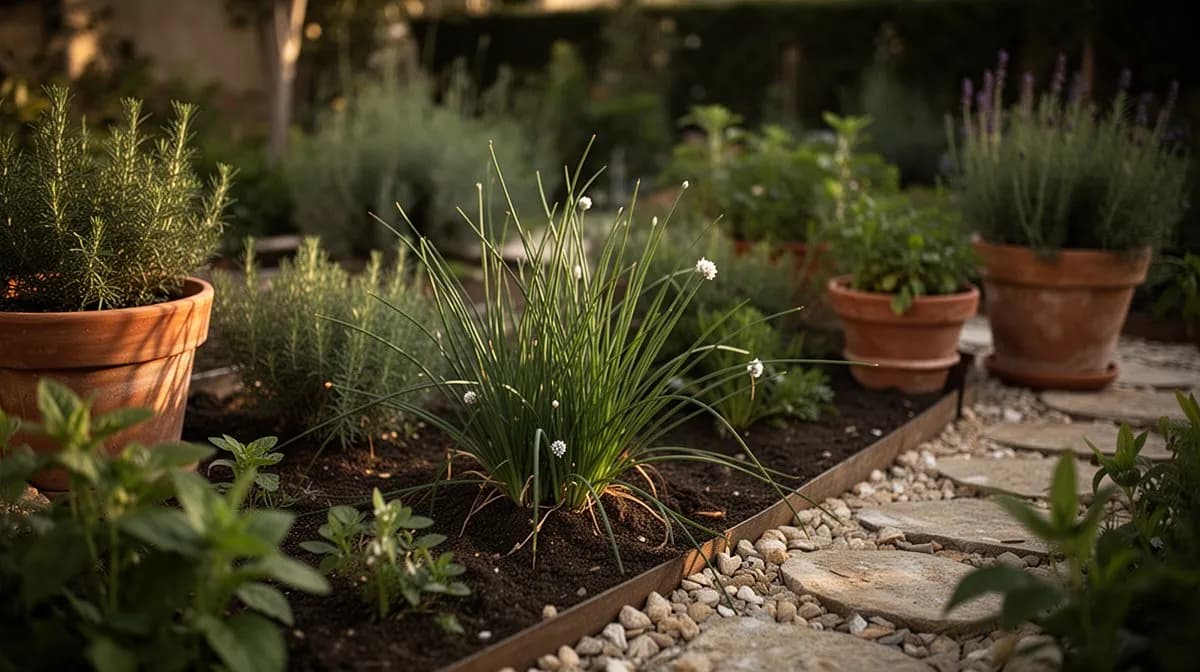
128 plants fit a 4 × 8 ft bed
Each Garlic Chives wants 15 cm of elbow room. The planner keeps that spacing for you — every plant, every bed.
Garlic Chives's best neighbours
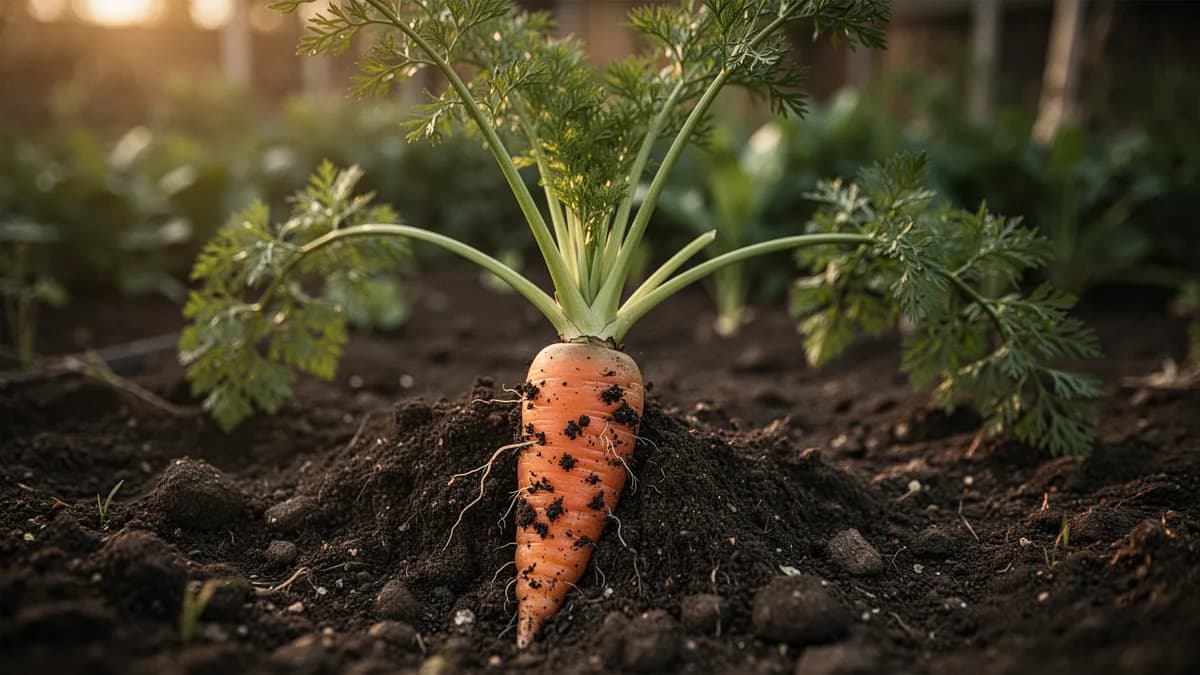
Garlic chives are excellent companion plants due to their sulfur compounds, which deter aphids, Japanese beetles, and other pests. Plant near roses to repel aphids and near carrots to confuse carrot flies. The late-summer flowers attract beneficial pollinators and predatory insects. Avoid planting near peas and beans, as alliums can inhibit the growth of legumes. Garlic chives planted around fruit trees help deter borers and other trunk pests.
Carrot belongs beside it. Peas doesn't.
Old growers' knowledge, checked against Garlic Chives's real companion table below — test any plant you're growing.
Try Garlic Chives in a bed — right here
A real planner bed with Garlic Chives already in it. Tap a companion to place it and watch the pairing checks answer — green for good neighbours, red for a clash.


Related growing guides

Feed it well
Garlic chives are highly adaptable and grow in most soil types with a pH of 6.0-7.0. They perform best in moderately fertile, well-drained soil but tolerate clay, sandy, and poor soils. Work in a light application of compost before planting. Feed established clumps in early spring with a balanced granular fertilizer or top-dress with compost. Avoid excessive nitrogen, which produces softer leaves more susceptible to disease. Container plants benefit from monthly feeding with diluted liquid fertilizer during the growing season.
Ideal Temperature
Hardiness Zone Compatibility
From seed to harvest, stage by stage
Seed Germination
Garlic chive seeds are small, black, and angular with a hard seed coat. They germinate slowly, typically requiring 14-21 days in warm, consistently moist soil. The first visible growth is a single thin, flat blade that can easily be confused with grass. Optimal germination occurs at soil temperatures of 20-25°C (68-77°F), though seeds will sprout at temperatures as low as 15°C (60°F) with extended germination time.
Seedling Development
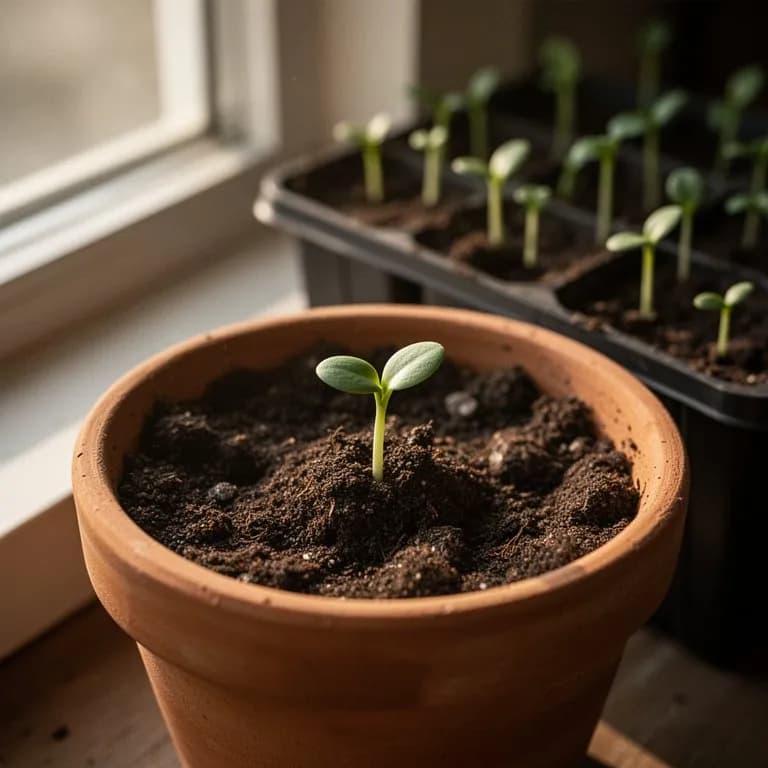
After the first blade emerges, additional flat leaves appear gradually from the central growing point. Growth is slow during this phase as the plant prioritizes building a strong rhizomatous root system. Seedlings are thin and delicate, resembling fine grass, and are highly vulnerable to competition from weeds and to drying out between waterings.
Vegetative Expansion
Plants enter a phase of accelerating growth, producing the characteristic flat, strap-like leaves more rapidly. The clump begins to thicken as the plant tillers from the base, sending up multiple leaf shoots from expanding underground rhizomes. By the end of this stage, a healthy clump will have 15-30 leaves and the distinctive mild garlic aroma becomes clearly noticeable when the foliage is brushed or crushed.
Harvest Maturity
Clumps reach full harvestable size with dense clusters of 25-50 leaves, each measuring 25-40 cm in height. Leaves are at peak tenderness and flavor before flower stalks begin to form. In the first year, harvest conservatively to allow the root system to establish fully. From the second year onward, full harvests can be taken every 3-4 weeks throughout the growing season, with the plant regenerating reliably each time.
Flowering and Seed Set
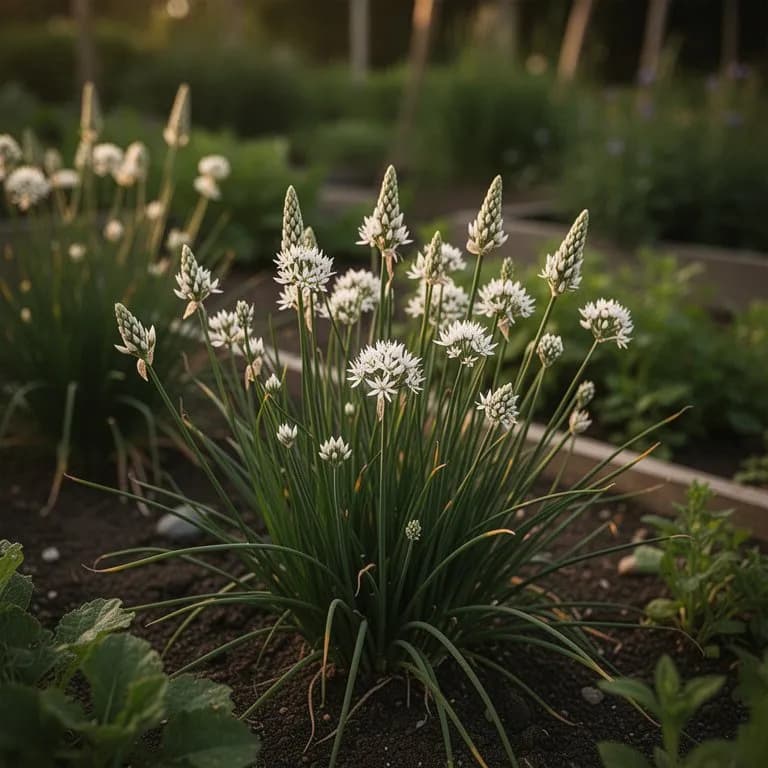
Stiff, round flower stalks emerge above the foliage in mid to late summer, each topped by a spherical umbel of white, star-shaped flowers. The blooms are fragrant and highly attractive to bees, butterflies, and beneficial predatory insects. Once flowering begins, leaf production slows and existing leaves become tougher as the plant redirects energy toward seed formation.
Dormancy and Overwintering
After the first hard frosts, all above-ground foliage yellows and dies back to ground level. The robust rhizomatous root system enters dormancy, surviving winter soil temperatures as cold as -30°C (-22°F). Energy reserves stored in the rhizomes fuel vigorous regrowth the following spring. Each successive year, the clump expands outward as new rhizome divisions develop, resulting in earlier emergence and stronger growth.
Sow seeds 6mm deep in fine seed-starting mix and keep evenly moist. A heat mat set to 21°C (70°F) dramatically improves germination speed and uniformity. Do not allow the surface to dry out during the germination period — cover trays with a humidity dome or plastic wrap until sprouts appear.
Caring for Garlic Chives month by month
What to do each month for your Garlic Chives
October
You are hereReduce watering frequency as growth naturally slows. Remove spent flower stalks and any yellowing or tattered foliage. In zones 3-6, apply 5-8 cm of insulating mulch after the first hard frost. In mild zones, light occasional harvests may continue well into autumn.
Know exactly what to do in your garden — every month
One email at the start of each month: what to sow, plant, and tackle right now — for your Garlic Chives and everything growing around it. Plus a short starter course that helps you dodge the classic mistakes.
- What to do, right now
- Matched to your season
- Starter course included
Harvesting Garlic Chives
Begin harvesting garlic chives when leaves reach 6-8 inches tall, about 60 days from sowing. Cut leaves with scissors or a sharp knife 2 inches above the soil line, and the plant will quickly regrow. Harvest frequently to encourage tender new growth. The flat leaves are best when young and tender; older leaves become tough and strongly flavored. Harvest flower buds just before they open for a garlicky garnish, or let flowers open fully for edible blooms. Each clump can be harvested multiple times throughout the growing season.
assuming you plant when the window opens — set your real date
Pick Garlic Chives promptly and the plant keeps producing.
Storage & Preservation
Store fresh garlic chives wrapped in damp paper towels in a plastic bag in the refrigerator for up to one week. Unlike regular chives, garlic chives wilt more quickly, so use promptly for best quality. Freeze by chopping leaves and storing in airtight bags or ice cube trays with water. Garlic chives do not dry well, as they lose most of their flavor and become papery. The best long-term preservation method is freezing or making garlic chive oil or butter and freezing in portions.
What goes wrong — and the fix
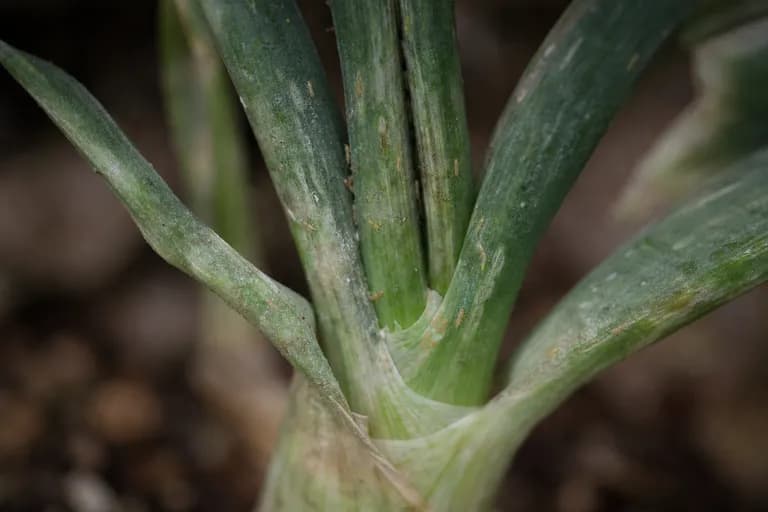
Onion Thrips
PestSilvery streaks and stippling on leaves, distorted growth, tiny slender insects visible in leaf folds.
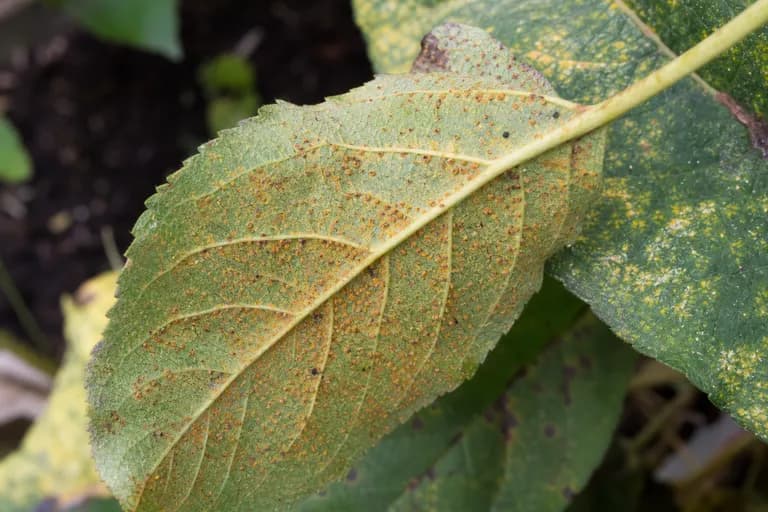
Rust
DiseaseOrange-brown pustules on leaf surfaces, yellowing and premature dying of foliage.
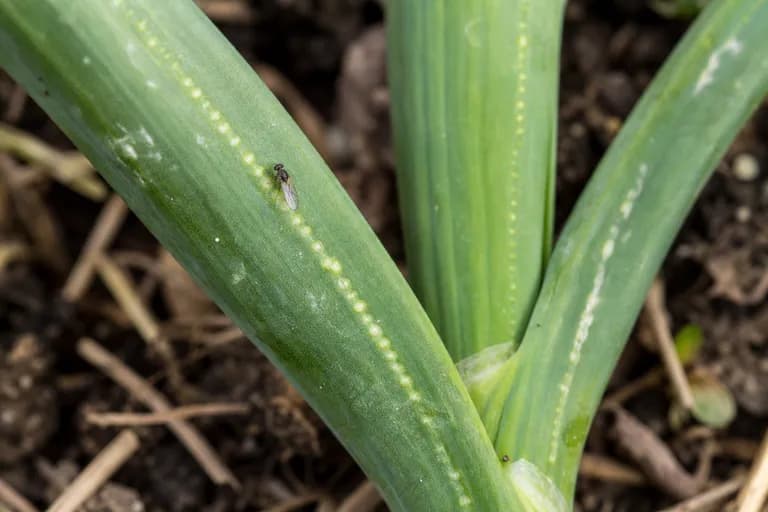
Allium Leaf Miner
PestWhite stippled mines on leaves, distorted growth, small maggots visible inside leaf tissue.
Troubleshooting Common Problems
The biggest issue with garlic chives is their aggressive self-seeding, which can make them invasive in the garden. Always deadhead flower stalks before seeds mature and scatter. Clumps become congested and less productive after 3-4 years and need division. Yellow, limp leaves usually indicate overwatering or poor drainage. Tough, fibrous leaves result from infrequent harvesting; cut regularly to maintain tender growth. In very hot climates, leaves may go dormant in midsummer and regrow when temperatures cool.
Growing Tips
- Plant garlic chive seedlings in clusters of 6-8 rather than singly. Clustering creates a substantial harvestable clump more quickly, typically yielding a usable first harvest months earlier than individually spaced seedlings.
- Always harvest by cutting the entire clump cleanly to 3 cm above the crown with sharp scissors or a knife — never pull individual leaves, which tears the growing point and invites fungal disease into the wounds.
- Water deeply and apply a nitrogen-rich liquid fertilizer immediately after every harvest. This simple post-harvest routine can reduce regrowth time from 4 weeks to approximately 3 weeks, significantly increasing your total seasonal yield.
- Prevent self-seeding by removing flower stalks before seed pods mature. Garlic chives are prolific self-sowers and can become weedy if flowers go to seed unchecked. Harvesting the tender flower buds for cooking serves double duty.
- Divide overcrowded clumps every 3-4 years in early spring when the first new shoots appear. Dig the entire clump, split into sections of 8-12 shoots, and replant at the original depth. This rejuvenates aging clumps that have developed dead, hollow centers.
- Experiment with blanching a clump to produce yellow garlic chives (jiu huang). Cover an established, well-fertilized clump with a light-proof overturned bucket or pot for 2-3 weeks. The resulting pale golden leaves have a sweeter, more delicate flavor prized in fine Chinese cuisine.
- Use garlic chives as companion plants throughout the garden. Their sulfurous root exudates and aromatic foliage help repel aphids, Japanese beetles, carrot rust flies, and certain soil nematodes. They make excellent borders around rose beds, fruit trees, and root vegetable rows.
- Stagger harvests across multiple clumps rather than cutting all at once. Maintain 3-4 clumps and rotate your cutting schedule so that fresh leaves are always available while other clumps recover and regrow.
- In regions with hot summers above 30°C, provide afternoon shade or plant on the east side of taller crops to maintain leaf tenderness. Garlic chives tolerate heat but produce their best-quality leaves when shielded from the harshest midday and afternoon sun.
- Bring a small potted division indoors before the first frost for winter harvests. Place on a bright south-facing windowsill or under grow lights for 12-14 hours daily. Indoor clumps produce thinner leaves but provide welcome fresh garlic-chive flavor throughout the cold months.
Grow your best Garlic Chives yet — and everything around it.
Start a free plan today. Lay out your beds, drop in your Garlic Chives, and let PlotMyGarden handle the timing, spacing, companions and reminders from seed to harvest basket.
Pick your Garlic Chives
Standard Garlic Chives
The common form with flat, medium-green leaves and white star-shaped flowers. Vigorous and reliable.
Nira (Japanese Garlic Chives)
A Japanese selection with wider, more tender leaves preferred for stir-frying and dumpling fillings.
Geisha
A refined variety with thinner, more delicate leaves and a milder garlic flavor. Excellent for raw garnishing.
Mauve
An ornamental variety with attractive mauve-pink flowers instead of white. Same garlic flavor with added garden beauty.
Garlic chives command premium prices at both Asian grocery stores ($2-4 per 100-150g bunch) and mainstream supermarkets ($4-6 per small bunch or clamshell). A single established garden clump produces the equivalent of 10-20 store-bought bunches per season, translating to $25-80 of value from a one-time investment of $2-3 in seeds or a free division from a fellow gardener. Because garlic chives are long-lived perennials that expand and strengthen each year, a single planting can remain productive for 10-15 years with minimal care — delivering a cumulative value of several hundred dollars from one initial planting. Factor in the superior freshness, the availability of flower buds (rarely sold in stores), and the option to produce luxury yellow chives at home, and the savings grow even further.
Quick recipes
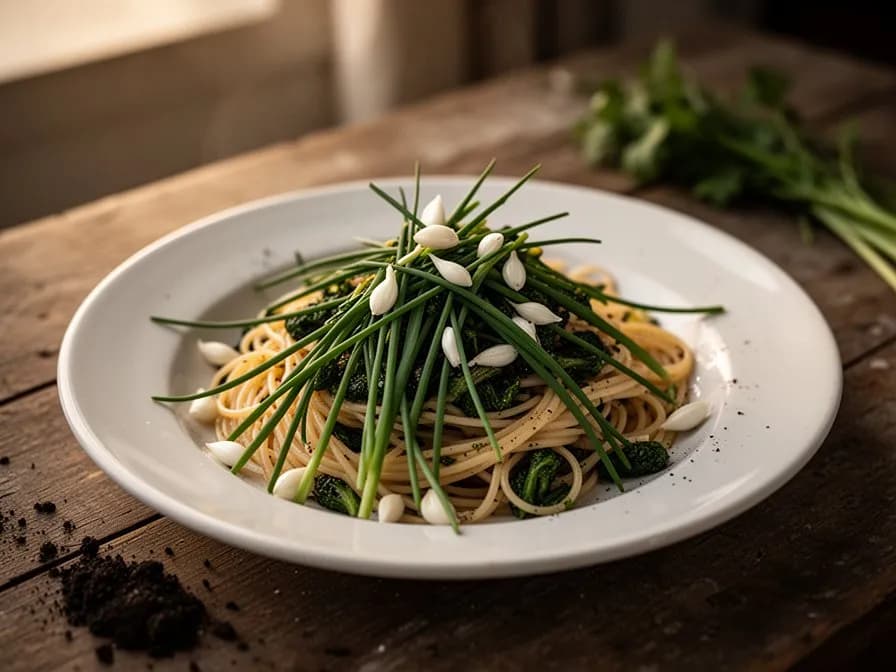
Garlic Chive Compound Butter
10 minA versatile compound butter infused with finely minced garlic chives, a hint of lemon zest, and a pinch of flaky salt. Roll it into a log, chill, and slice medallions over grilled steak, roasted potatoes, pan-seared fish, or warm crusty bread. Keeps for two weeks refrigerated or three months frozen.
5 ingredients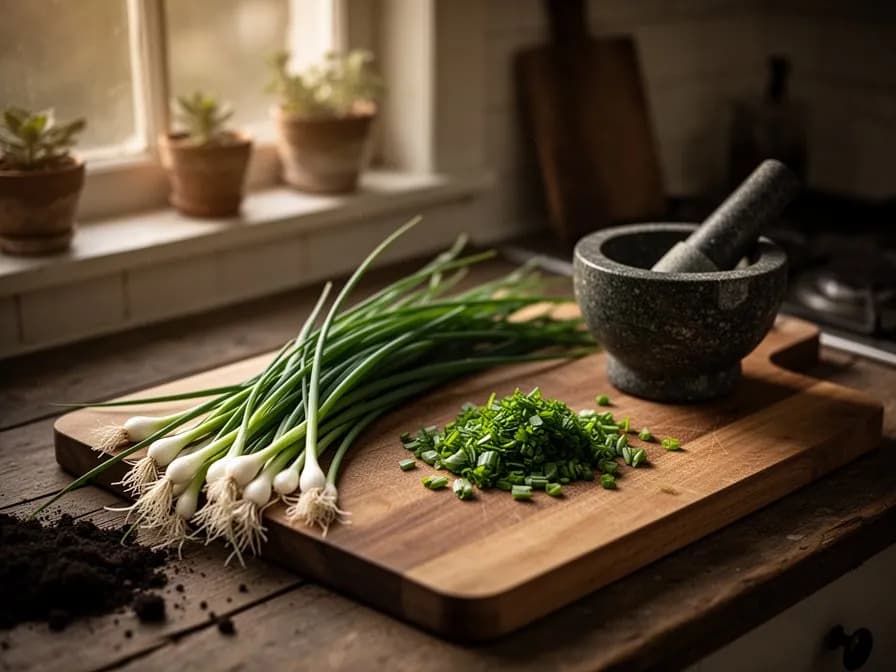
Garlic Chive and Egg Stir-Fry
10 minA lightning-fast dish where garlic chive lengths are tossed in a hot wok with softly scrambled eggs. The heat releases the chives' aromatic garlic fragrance, which permeates the tender golden egg curds. Serve over steamed rice for a satisfying weeknight meal in under ten minutes.
6 ingredientsGarlic Chive and Potato Flatbread
35 minCrispy pan-fried flatbreads stuffed with a savory filling of mashed potato and finely chopped garlic chives, seasoned with sesame oil and white pepper. The exterior crisps to a golden crunch while the interior stays soft and aromatic — perfect as a snack, side dish, or light lunch.
8 ingredientsCulinary Uses
Garlic chives are essential in many Asian cuisines. Use them in Chinese dumplings and potstickers, Korean pancakes (buchujeon), Japanese miso soup, and stir-fried noodle dishes. The mild garlic flavor complements eggs, tofu, and seafood beautifully. Add to fried rice during the last minute of cooking. The white flower buds and open flowers are edible garnishes with a mild garlic taste. Use as a chive substitute when a garlic note is desired.
What's inside
Health Benefits
- Rich in organosulfur compounds related to garlic's allicin, which research has associated with broad-spectrum antimicrobial activity, cardiovascular protection through improved lipid profiles, and potential anti-cancer properties via upregulation of phase II detoxification enzymes.
- Excellent source of vitamin A and beta-carotene, with 100g providing over 50% of the daily value — essential for maintaining healthy night vision, robust immune cell production, and the structural integrity of skin and mucosal barriers.
- Provides meaningful vitamin C that supports collagen formation for skin and joint health, enhances non-heme iron absorption from plant foods, and serves as a potent water-soluble antioxidant neutralizing free radicals.
- Outstanding vitamin K content (approximately 170% DV per 100g) supports proper blood coagulation and plays a critical role in calcium metabolism by activating osteocalcin, a protein that helps direct calcium into bones rather than soft tissues.
- Traditional East Asian medicine has used garlic chives for millennia to promote blood circulation, warm the body, and support kidney function — modern pharmacological studies have partially validated these uses by identifying bioactive compounds with vasodilatory and anti-inflammatory properties.
- The combination of dietary fiber and prebiotic sulfur compounds found in garlic chives supports beneficial gut bacteria diversity, promotes healthy digestion, and may help modulate inflammatory responses in the gastrointestinal tract.
Where Garlic Chives comes from
Garlic chives (Allium tuberosum), known variously as Chinese chives, ku chai, nira, and buchu, trace their origins to the wild grasslands and rocky slopes of Central and East Asia. The species' center of genetic diversity spans modern-day Mongolia, northern China, and parts of Siberia, where wild populations still grow today in mountain meadows and along forest margins. Archaeological and textual evidence places their deliberate cultivation in China at least 3,000 years ago, making them one of the oldest continuously grown herb crops in the world.
Ancient Chinese agricultural treatises from the Han Dynasty describe garlic chive cultivation methods remarkably similar to those used today, including the practice of blanching clumps under clay pots to produce the prized yellow chives (jiu huang). The plant held both culinary and cultural significance — the Shijing (Book of Songs), compiled around 600 BCE, mentions chives as offerings in ceremonial rituals, and Confucian texts reference them in discussions of seasonal eating and proper nutrition.
From China, garlic chives spread along trade and migration routes throughout East and Southeast Asia, becoming fundamental ingredients in the cuisines of Korea, Japan, Vietnam, Thailand, and India. Each culture developed distinctive preparations: Korean buchu kimchi and buchujeon pancakes, Japanese nira-filled gyoza and ramen toppings, and Vietnamese banh he (chive cakes). The plant arrived in Europe during the medieval period, likely through Silk Road connections, where it was grown mainly in monastery herb gardens as a medicinal rather than culinary crop. It reached North America with Chinese immigrants in the nineteenth century, initially cultivated in market gardens serving Chinatown communities along the West Coast. Today garlic chives are grown commercially across East Asia, India, and increasingly in Western countries to supply both Asian grocery markets and the expanding interest in diverse perennial herbs among home gardeners worldwide.
Garlic Chives: did you know?
Fascinating facts about Garlic Chives
Garlic chives (Allium tuberosum) have been cultivated in China for over 3,000 years and appear in some of the oldest surviving agricultural texts from the Zhou Dynasty (1046-256 BCE), where they were noted both as a food crop and a ritual offering.
Garlic Chives questions, answered
When should I plant Garlic Chives?
What are good companion plants for Garlic Chives?
What hardiness zones can Garlic Chives grow in?
How much sun does Garlic Chives need?
How far apart should I space Garlic Chives?
What pests and diseases affect Garlic Chives?
How do I store Garlic Chives after harvest?
What are the best Garlic Chives varieties to grow?
What soil does Garlic Chives need?
What is the difference between garlic chives and regular chives?
How do I stop garlic chives from spreading too aggressively?
Can I grow garlic chives in containers?
When is the best time to harvest garlic chives for maximum flavor?
Are garlic chives safe to eat raw?
Why are my garlic chive leaves turning yellow?
You just read the theory. Now grow it on autopilot.
Everything that makes Garlic Chives fiddly — the timing, the spacing, the companions, the harvest window — is exactly what PlotMyGarden handles for you, for every plant in your garden.
A plan that knows your weather
Set your location once. Get sow, feed and harvest dates built around your real last-frost date and live forecast — no more guessing from a generic seed packet.
From the “When to plant” sectionDrag-and-drop bed planner
Design beds on a grid. Every plant snaps to its proper spacing, and you can see your whole season laid out before you spend a cent on seed.
From the “Growing guide” sectionCompanion conflicts, caught early
200+ good-and-bad pairings checked live as you plant — so a season-wrecking mistake never makes it into the ground.
From the “Companions” sectionReminders you'll actually act on
“Water the beans.” “Pick today before it turns.” Timely, specific, and tied to the plants you're really growing.
From the “Harvest” sectionSuccession, scheduled
Want a harvest for six weeks, not six days? It spaces your sowings automatically and reminds you when each new block is due.
From the “When to plant” sectionA record that gets smarter
Every harvest you log teaches it your garden. Next year's plan starts from what actually worked in your soil, not a textbook's.
From the “Overview” sectionPlant these alongside Garlic Chives
More Culinary Herbs
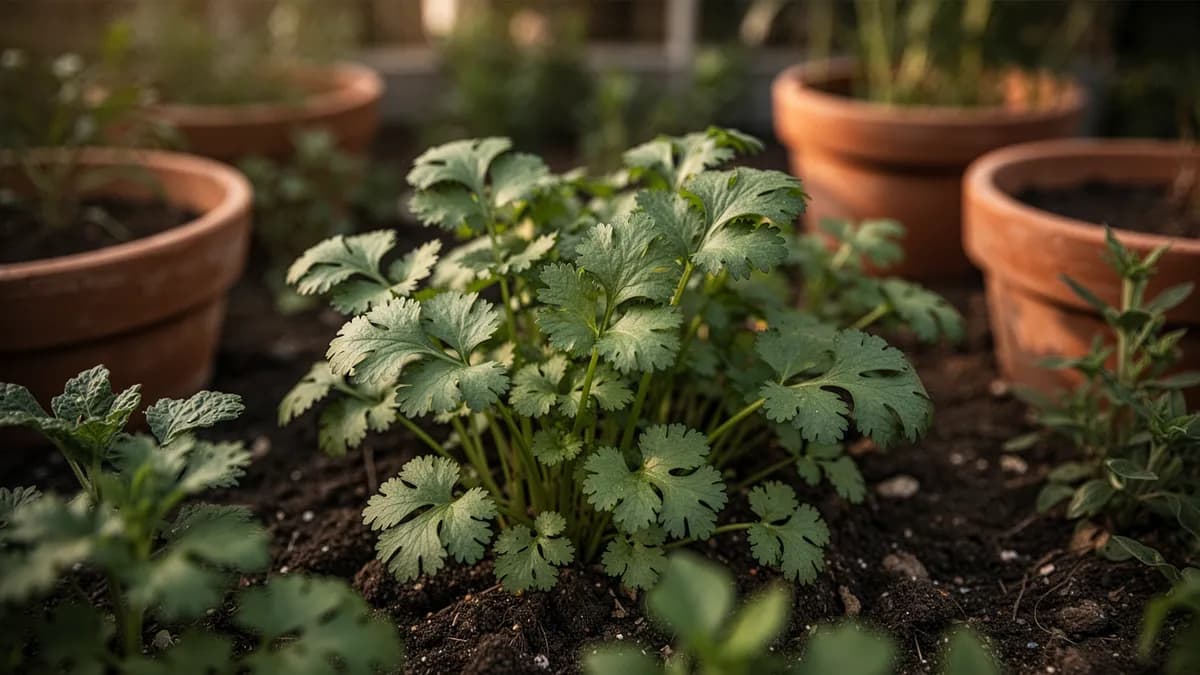
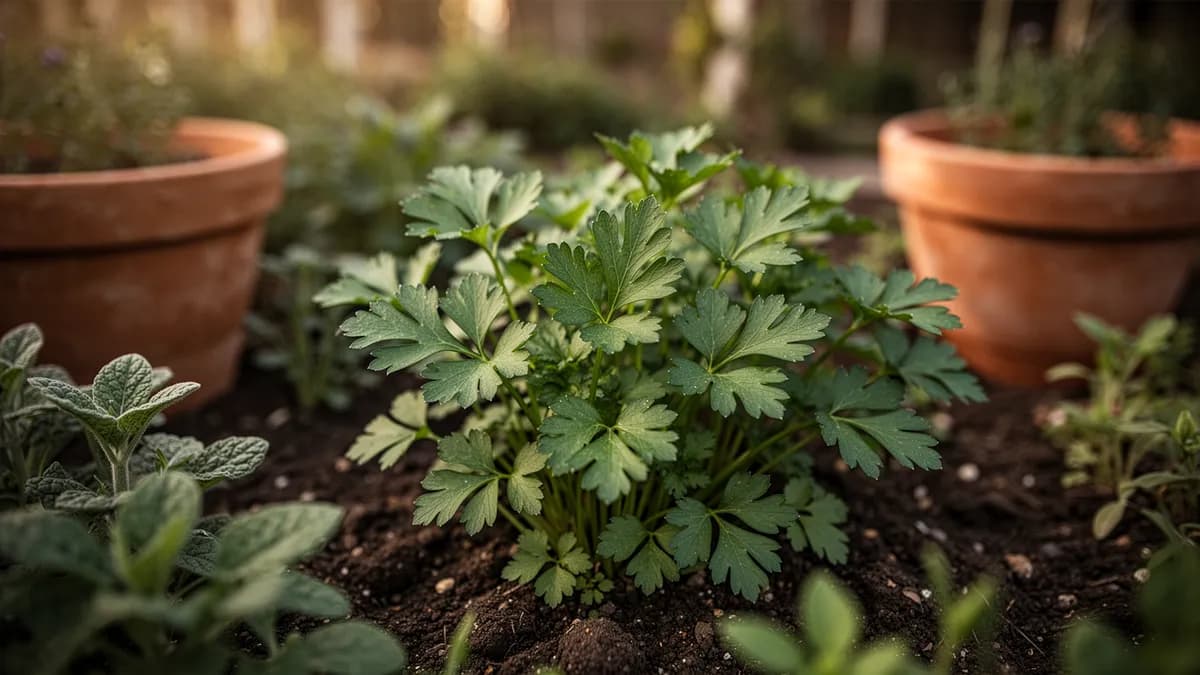
Keep Garlic Chives away from these
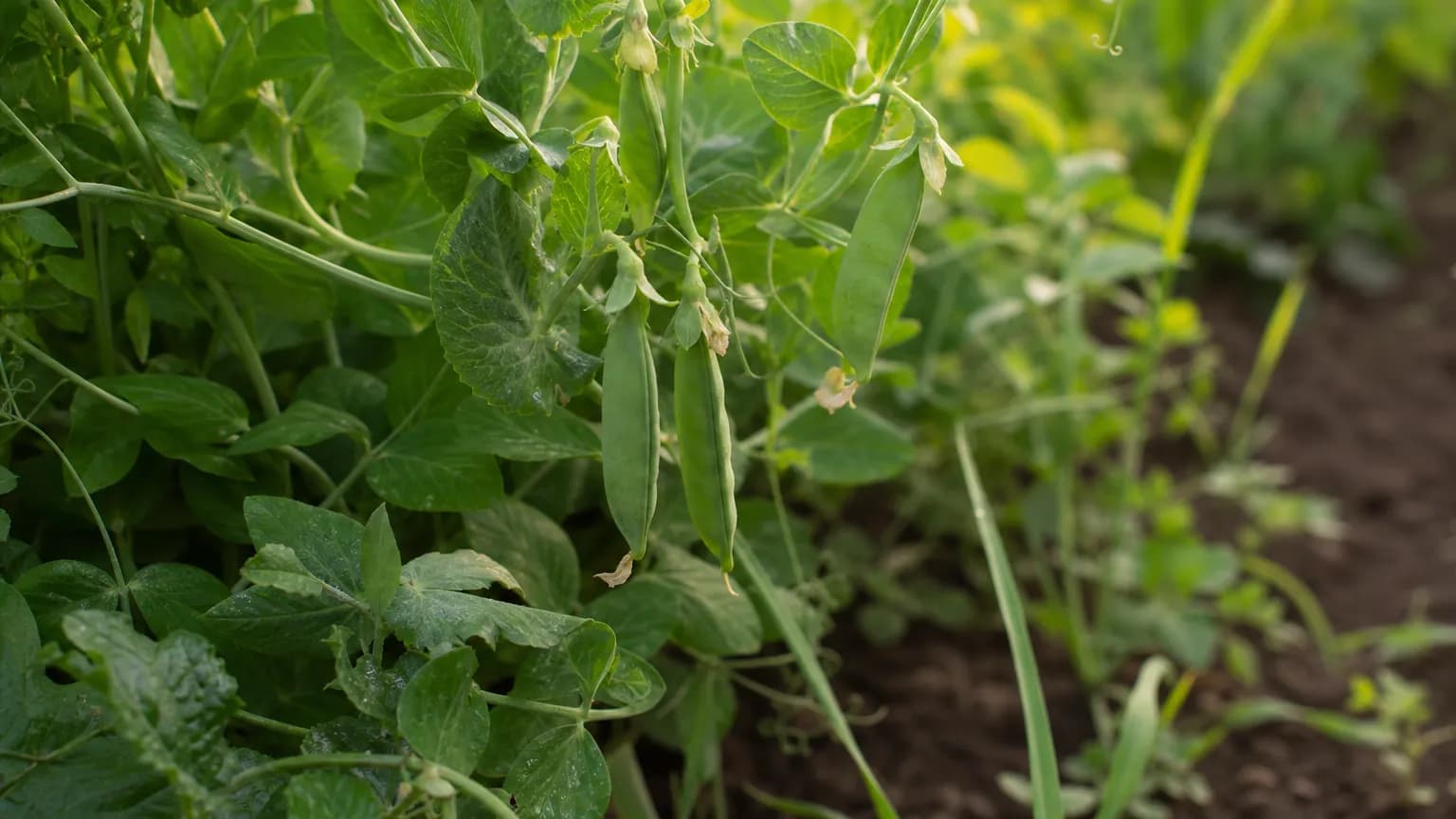
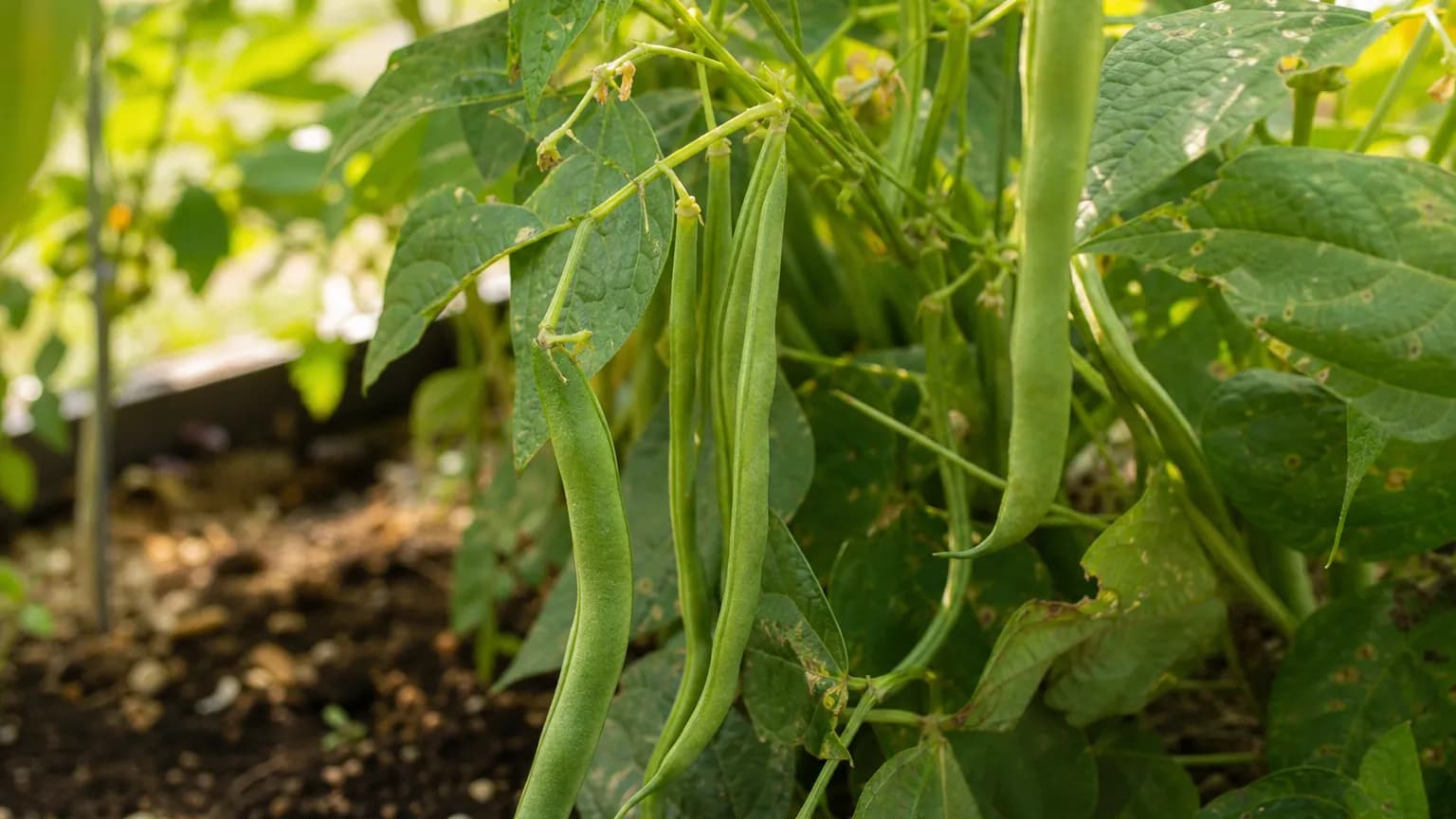
Grow your best Garlic Chives yet — and everything around it.
Start a free plan today. Lay out your beds, drop in your Garlic Chives, and let PlotMyGarden handle the timing, spacing, companions and reminders from seed to harvest basket.