Asian Pear
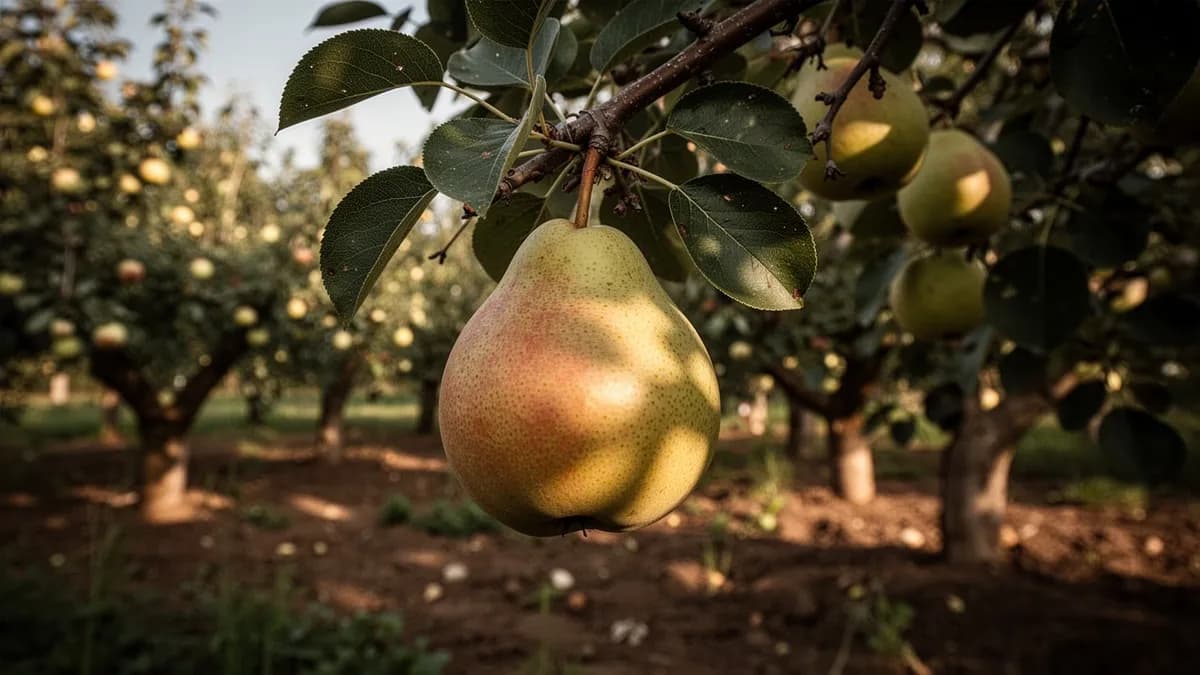
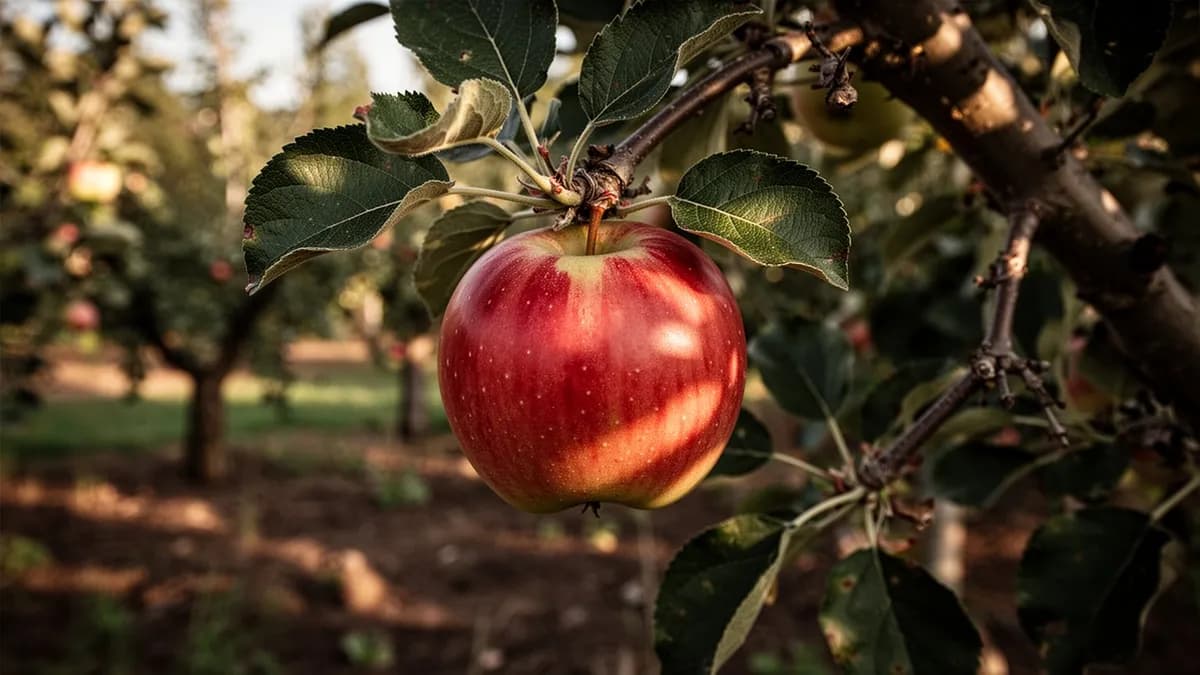
A round, apple-shaped pear with crisp, juicy flesh that stays crunchy even when fully ripe, unlike European pears.





On this pageOverview
Meet Asian Pear
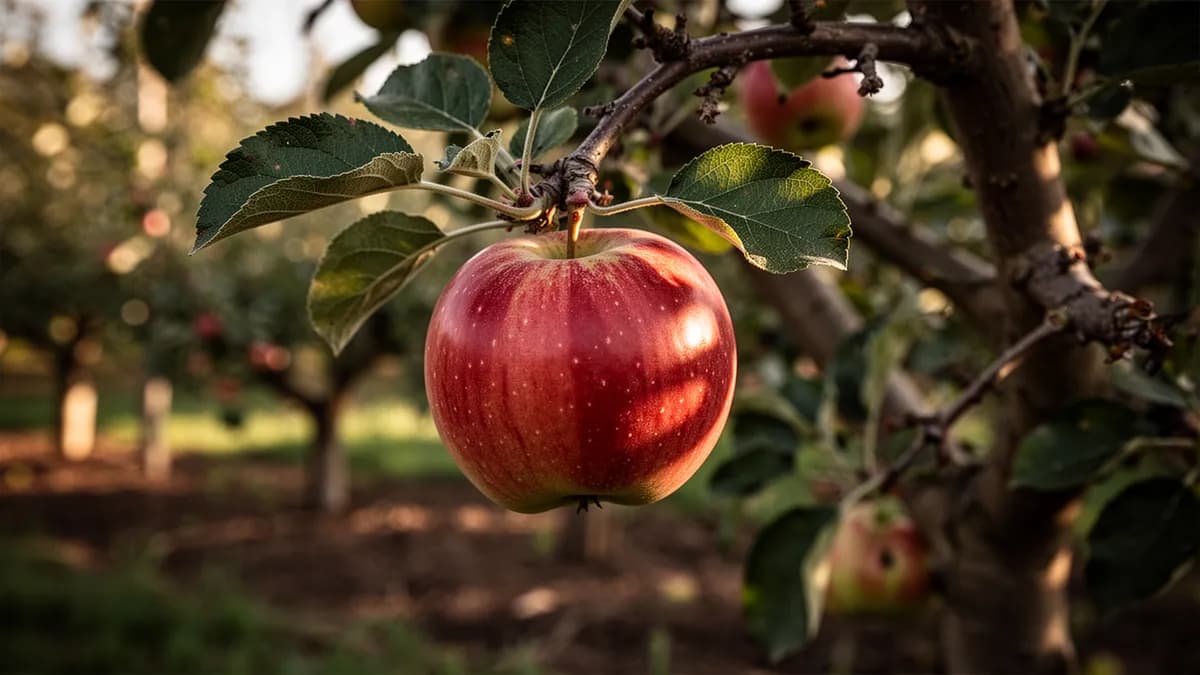
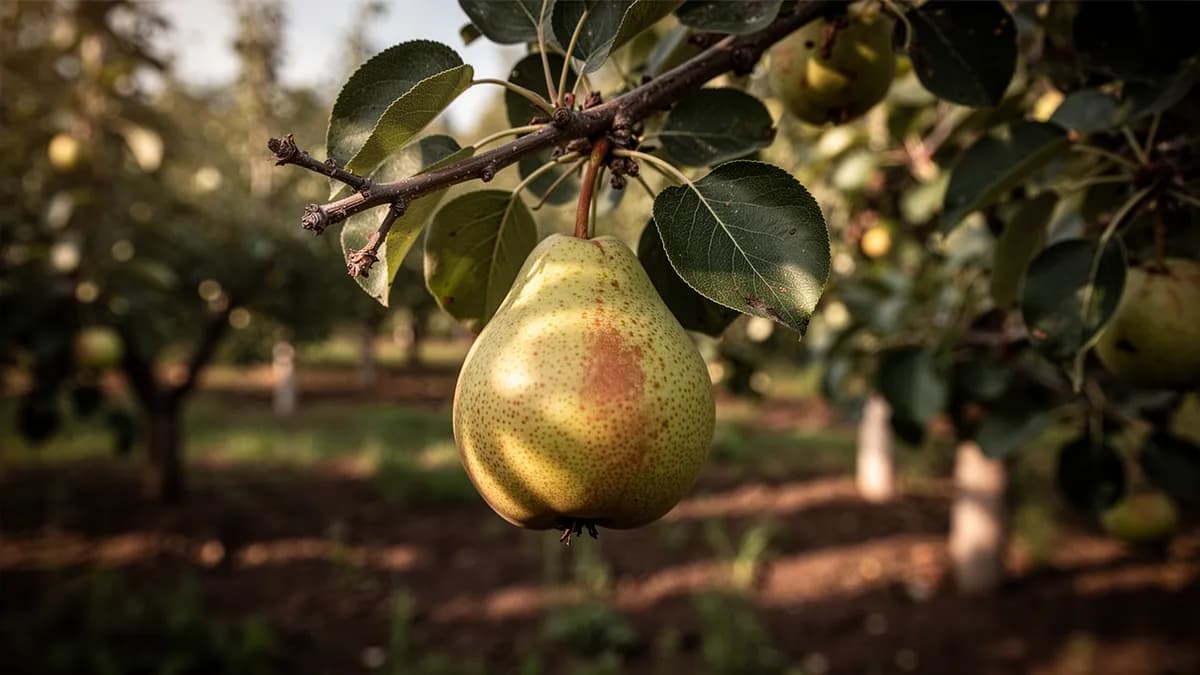
A round, apple-shaped pear with crisp, juicy flesh that stays crunchy even when fully ripe, unlike European pears. Asian pears ripen on the tree and should be picked when ready, not stored to soften like Western varieties. The refreshing, mildly sweet fruits are delicious in salads and slaws, and the trees tend to be very productive.
When to plant Asian Pear
Asian pear seeds require 60 to 90 days of cold stratification at 33 to 40 degrees Fahrenheit in moist peat or sand before they will germinate. Sow stratified seeds half an inch deep in well-draining potting mix in spring. Seedlings emerge in two to four weeks and grow moderately in their first year. Note that seedling Asian pears will not come true to the parent variety and may take eight to fifteen years to bear fruit. For named varieties, graft scion wood onto Pyrus betulaefolia or Pyrus calleryana rootstock using chip budding in late summer.
Your Asian Pear Year
Composed for Zone 7 · typical seasons · frost passes Apr 2, returns Nov 1
Plant Asian Pear Mar – Apr, pick Aug – Oct. Check the planting methods below and set your climate to personalize these windows.
How to grow Asian Pear
Asian pears require full sun and well-drained, fertile soil with a pH of 6.0 to 7.0. Plant bare-root trees in early spring while still dormant, spacing standard trees 15 to 20 feet apart and semi-dwarf selections 10 to 12 feet apart. Set the graft union two to three inches above the soil line and water deeply at planting. Apply a generous mulch ring of wood chips or shredded bark, keeping material several inches from the trunk.
Most Asian pear varieties require cross-pollination from a different Asian pear cultivar or a compatible European pear blooming at the same time. Thin fruit aggressively when fruitlets reach marble size, leaving only one fruit per cluster spaced six inches apart along branches. Asian pears set extremely heavy crops and will produce small, poor-quality fruit without thinning.
Train trees to an open vase or modified central leader shape, pruning in late winter. Asian pears produce fruit on short spurs along older wood, so avoid removing productive spur-bearing branches. Water deeply once per week during dry periods, providing about one inch of water. Reduce watering as fruit approaches maturity to concentrate sugars and prevent cracking.
Asian Pear needs more room than a 4 × 8 ft bed gives
Each Asian Pear wants 300 cm of elbow room. The planner keeps that spacing for you — every plant, every bed.
Asian Pear's best neighbours
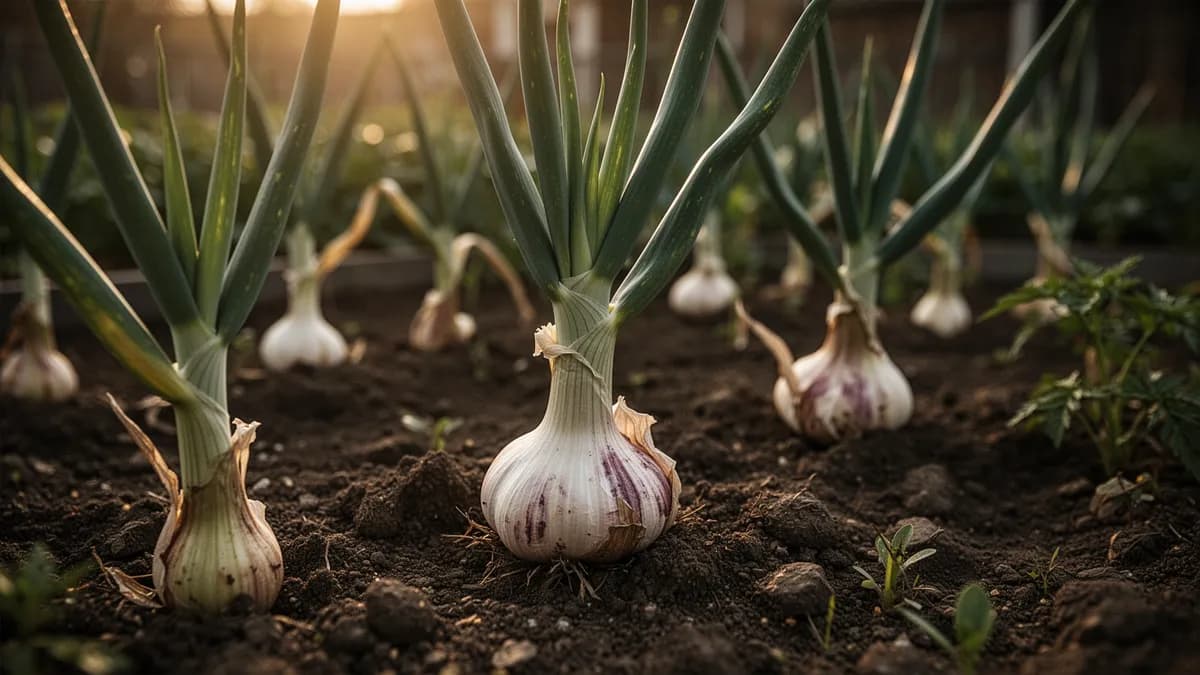
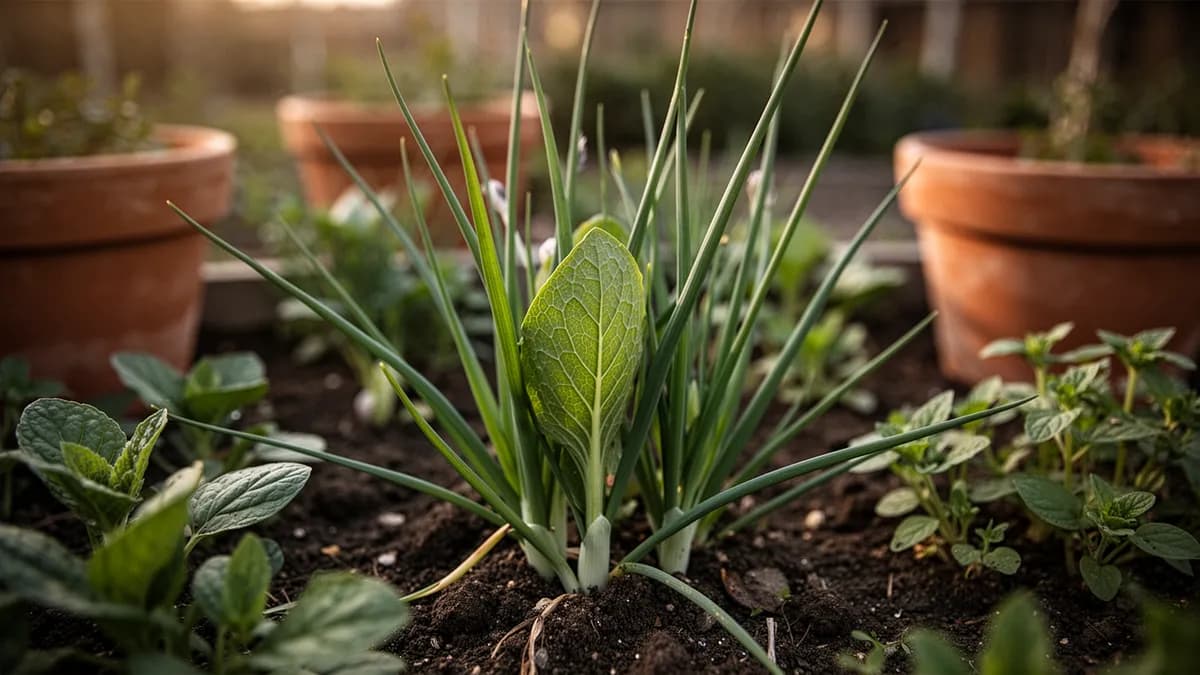
Plant garlic and chives around Asian pear trees to repel aphids and borers. Comfrey serves as an excellent dynamic accumulator for mulch material. Clover or vetch cover crops between rows fix nitrogen and support pollinator habitat. Tansy and dill attract beneficial insects that prey on codling moth and psylla. Avoid planting near walnut trees due to juglone sensitivity. Bee balm and lavender near the orchard help attract pollinators during the critical bloom period.
Garlic belongs beside it. Walnut Tree doesn't.
Old growers' knowledge, checked against Asian Pear's real companion table below — test any plant you're growing.
Try Asian Pear in a bed — right here
A real planner bed with Asian Pear already in it. Tap a companion to place it and watch the pairing checks answer — green for good neighbours, red for a clash.


Related growing guides
Feed it well
Asian pears prefer deep, well-drained loam with a pH of 6.0 to 7.0 and moderate fertility. Avoid heavy clay soils, which promote root diseases. Apply a balanced fertilizer in early spring, using about half the rate recommended for European pears, as Asian pears are naturally vigorous. Excessive nitrogen leads to lush vegetative growth, poor fruit quality, and increased fire blight risk. Top-dress with compost annually and maintain a thick mulch layer to conserve moisture.
Ideal Temperature
Hardiness Zone Compatibility
From seed to harvest, stage by stage
Dormancy & Chilling
Asian pear trees require 400–900 chill hours (hours below 7°C) during winter dormancy to break bud properly in spring. During this phase the tree appears lifeless, but internal hormonal changes are accumulating the energy needed for bloom.
Bud Break & Bloom
As temperatures warm, buds swell and burst into clusters of delicate white five-petaled flowers. Bloom typically lasts 7–14 days. Cross-pollination from a compatible variety (such as 'Hosui' with '20th Century') is essential for fruit set, as most Asian pears are self-unfruitful.
Fruit Set & Thinning
After successful pollination, small fruitlets form and begin to swell. Trees often set far more fruit than they can ripen well. Thinning is the single most important cultural practice at this stage, removing excess fruitlets to one per spur or 15–20 cm apart along branches.
Cell Expansion & Sizing
The remaining fruits undergo rapid cell expansion through summer, increasing dramatically in size and weight. Skin colour begins to develop from green toward yellow, gold, or russet depending on variety. Sugars are accumulating internally even before the skin colour suggests full ripeness.
Maturation & Harvest
Asian pears ripen fully on the tree, unlike European pears. Fruits are ready when they detach easily with a gentle upward twist, the skin has developed its characteristic colour, seeds are dark brown, and the flesh is crisp and sweet. Varieties like '20th Century' mature in late summer; 'Hosui' and 'Shinko' follow in early autumn.
Post-Harvest Rest
After harvest, the tree's energy shifts to storing carbohydrates in roots and woody tissue for the following season. Leaves remain through autumn, continuing photosynthesis until leaf drop. This is a critical time for the tree to rebuild reserves depleted by fruit production.
Winter Pruning
Once leaves have fallen and the tree is fully dormant, late winter is the ideal time to prune. Remove crossing branches, water sprouts, and any dead or diseased wood. Maintain an open-centre or modified central leader form to maximise light penetration into the canopy.
Do not fertilize during dormancy. Apply a layer of mulch around the root zone to protect roots from freeze-thaw cycles and retain soil moisture.
Caring for Asian Pear month by month
What to do each month for your Asian Pear
October
You are hereRake and dispose of fallen leaves and mummified fruits to reduce disease and pest overwintering. Apply a final deep watering before the soil cools significantly. Note any disease or pest issues to plan next year's management.
Know exactly what to do in your garden — every month
One email at the start of each month: what to sow, plant, and tackle right now — for your Asian Pear and everything growing around it. Plus a short starter course that helps you dodge the classic mistakes.
- What to do, right now
- Matched to your season
- Starter course included
Harvesting Asian Pear
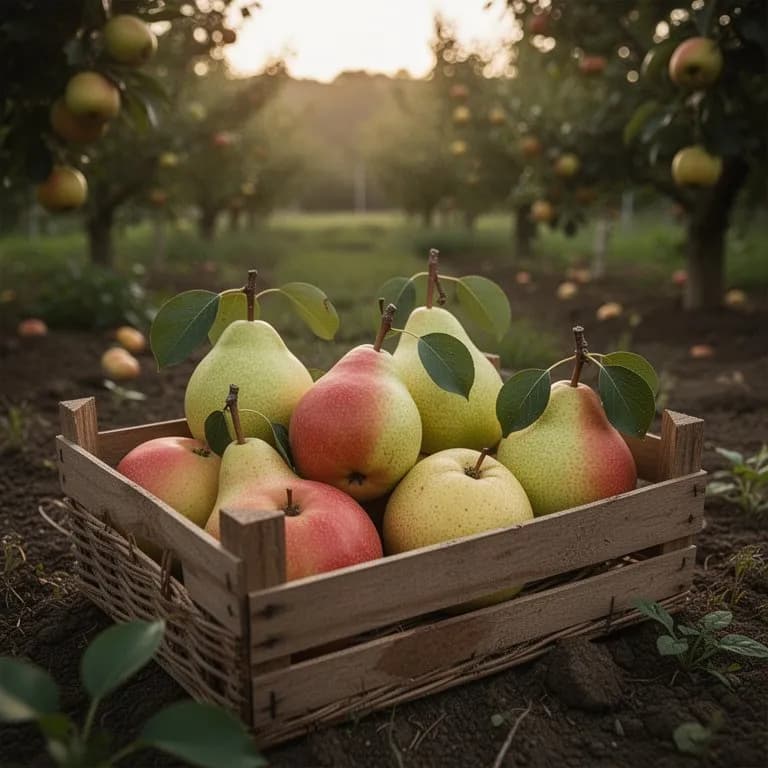
Unlike European pears, Asian pears ripen on the tree and should be picked when fully ripe for best flavor. Test ripeness by tasting a sample fruit; ripe Asian pears will be sweet, crunchy, and juicy. Most varieties develop their full skin color when mature, turning from green to golden yellow or bronze. Harvest by gently twisting and lifting the fruit. Handle carefully as the thin skin bruises easily despite the firm flesh. Harvest season extends over several weeks as fruit on the same tree ripens unevenly.
assuming you plant when the window opens — set your real date
Pick Asian Pear promptly and the plant keeps producing.
Storage & Preservation
Asian pears store remarkably well for a fruit eaten at full ripeness, lasting three to five months in cold storage at 32 to 34 degrees Fahrenheit with high humidity. Wrap individual fruits in paper to prevent bruising and moisture loss. They are best enjoyed fresh for their unique crispy texture. For preservation, slice and dehydrate for excellent dried fruit, or pickle in rice vinegar with ginger for a Korean-inspired condiment. They can also be juiced or fermented into pear cider.
What goes wrong — and the fix
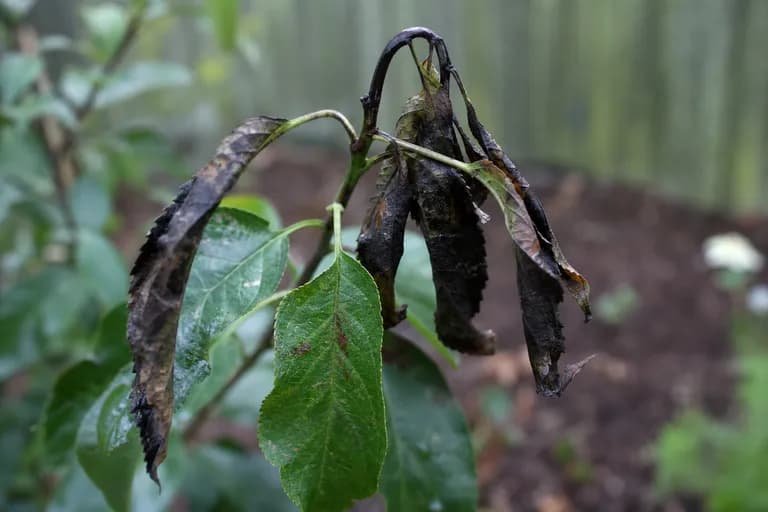
Fire Blight
DiseaseBlackened shoot tips with a scorched appearance; blossoms wilt and turn brown; oozing cankers on branches.
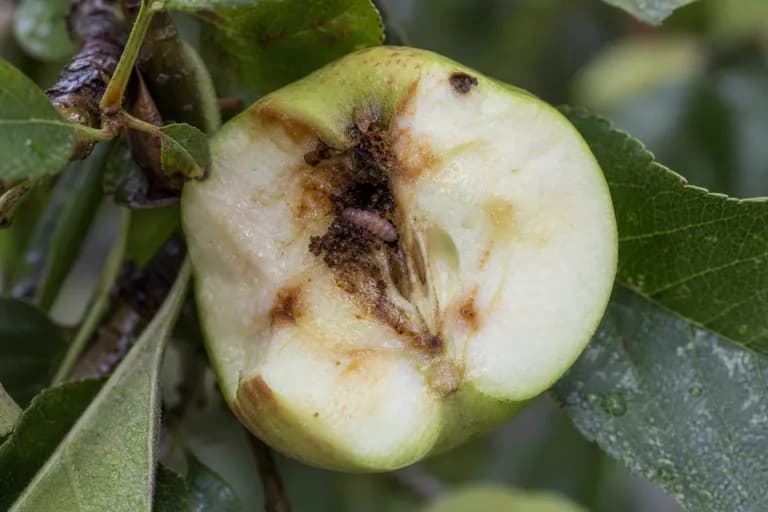
Codling Moth
PestSmall entry holes on fruit surface with frass; larvae tunnel to the core; premature fruit drop.
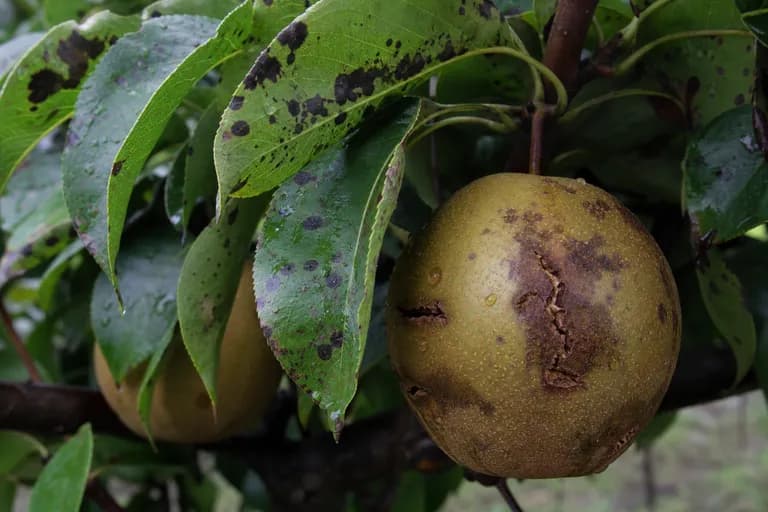
Asian Pear Scab
DiseaseOlive-green to black velvety spots on leaves and fruit; fruit becomes cracked and russeted; premature defoliation.
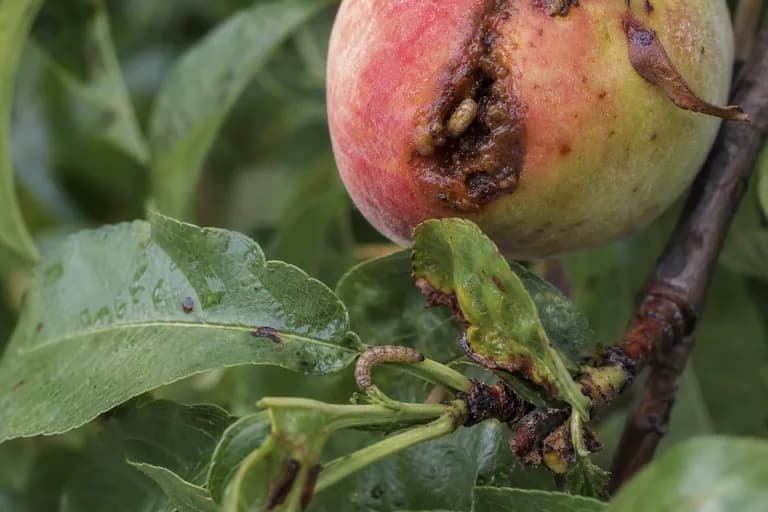
Oriental Fruit Moth
PestWilted shoot tips in spring; larvae bore into developing fruit near the stem end in summer generations.
Troubleshooting Common Problems
The most common problem with Asian pears is failure to thin fruit adequately, resulting in hundreds of small, tasteless fruits. Thin aggressively to one fruit per cluster when fruitlets are marble-sized. Birds and wasps are attracted to the sweet ripe fruit and can cause significant damage. The thin skin bruises easily during harvest and handling. Some varieties are highly susceptible to fire blight, so variety selection is critical for disease-prone regions. Fruit cracking can occur with irregular watering during the final ripening stage.
Growing Tips
- Plant two compatible Asian pear varieties within 15 metres of each other to ensure cross-pollination — most varieties are not reliably self-fertile, and even self-fertile types produce significantly larger and more abundant fruit with a pollinator partner.
- Choose a site with full sun (minimum 6–8 hours of direct sunlight daily) and excellent air drainage; avoid planting in low-lying frost pockets or areas where cold air pools overnight, as spring frosts during bloom will eliminate the entire crop.
- Asian pears are far more tolerant of clay soils than most fruit trees, but they will not tolerate waterlogged roots — if your soil drains poorly, plant on a raised mound or install subsurface drainage before planting.
- Fruit thinning is the single most impactful task you can perform: thin to one fruit per spur or one fruit every 15–20 cm along branches approximately 30 days after petal fall to dramatically increase individual fruit size, sweetness, and the long-term health of the tree.
- Fire blight (Erwinia amylovora) is the most serious disease threat to Asian pears — prune out affected shoots 30 cm below visible infection immediately, disinfect tools between each cut with 70% isopropyl alcohol, and avoid excessive nitrogen fertilisation that promotes the lush, succulent growth most susceptible to infection.
- Unlike European pears, Asian pears do not ripen off the tree — test for maturity using the twist test (a ripe fruit releases with a gentle upward twist) and by tasting, rather than relying on skin colour alone, which can be misleading across varieties.
- Harvested Asian pears store exceptionally well: properly refrigerated at 0–2°C in a perforated plastic bag, they can remain crisp and flavourful for 1–3 months, making it practical to stagger harvests and extend your eating season well into winter.
- If space is limited, Asian pears train beautifully as espaliers against a south- or west-facing wall or fence — this method maximises sun exposure, simplifies netting against birds, and allows very high-quality fruit production from a footprint of less than 60 cm depth.
- Pear psylla is a common pest in many regions; monitor for sticky honeydew deposits on leaves and whitish waxy nymphs on new growth from late spring, and manage with neem oil or horticultural soap before populations establish and become difficult to control.
- Mulching with a 7–10 cm layer of wood chips or straw from the drip line inward (never touching the trunk) conserves soil moisture during the critical summer fruit-sizing period, moderates soil temperature, suppresses competing weeds, and gradually improves soil organic matter.
Grow your best Asian Pear yet — and everything around it.
Start a free plan today. Lay out your beds, drop in your Asian Pear, and let PlotMyGarden handle the timing, spacing, companions and reminders from seed to harvest basket.
Pick your Asian Pear
Hosui
Golden-russeted fruit with rich, sweet, aromatic flavor and juicy flesh; one of the most flavorful Asian pear varieties.
Shinseiki
Smooth yellow-skinned fruit with mild, refreshing sweetness; self-fertile and reliable producer in most climates.
Korean Giant (Olympic)
Exceptionally large fruit weighing up to one pound each with sweet, crisp flesh and excellent storage life.
Chojuro
An heirloom variety with butterscotch-flavored, russeted fruit and strong disease resistance; productive and hardy.
Shinko
Bronze-russeted fruit with outstanding fire blight resistance; sweet and flavorful with a long storage life.
A mature Asian pear tree purchased as a 2-year-old grafted tree typically costs between $25 and $60, and will produce its first significant crop within 3–5 years. At full production, a single tree can yield 45–135 kg of fruit annually. Organic Asian pears at farmers markets and specialty grocers often retail for $3–$8 per kilogram, meaning a productive home tree can replace $135–$1,080 worth of purchased fruit each year. Over a tree's productive lifespan of 30–60 years, the cumulative savings are substantial — especially given the premium prices commanded by this fruit in conventional retail settings. Growing at home also eliminates packaging waste and food miles, and allows you to harvest at true peak ripeness rather than commercial picking maturity, resulting in measurably superior flavour.
Quick recipes
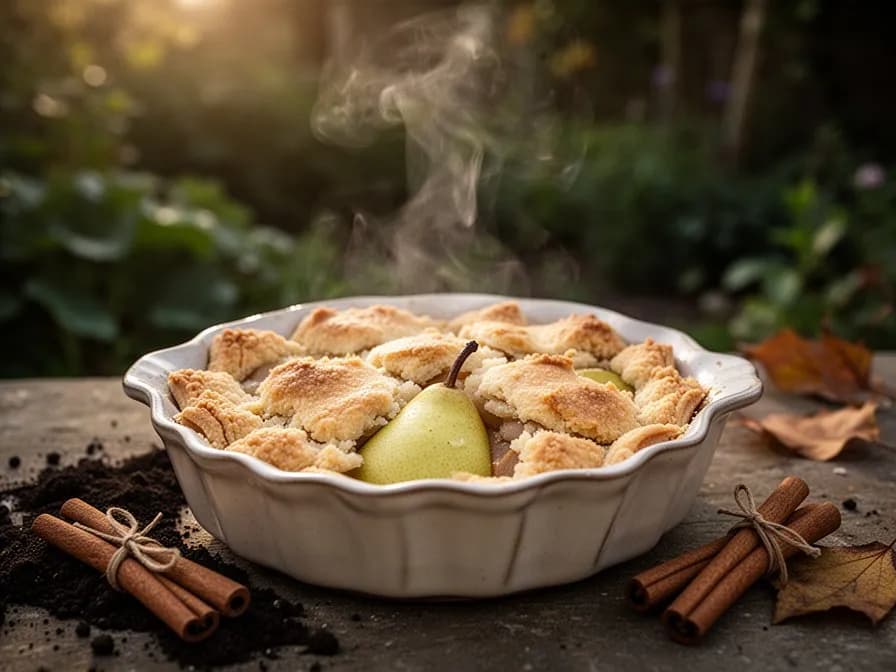
Asian Pear & Arugula Salad with Gorgonzola
10 minutesA vibrant, restaurant-quality salad that comes together in minutes. The peppery bite of arugula, the tang of Gorgonzola, and the sweet crunch of Asian pear create a perfect flavour balance. Ideal as a starter or a light lunch.
8 ingredients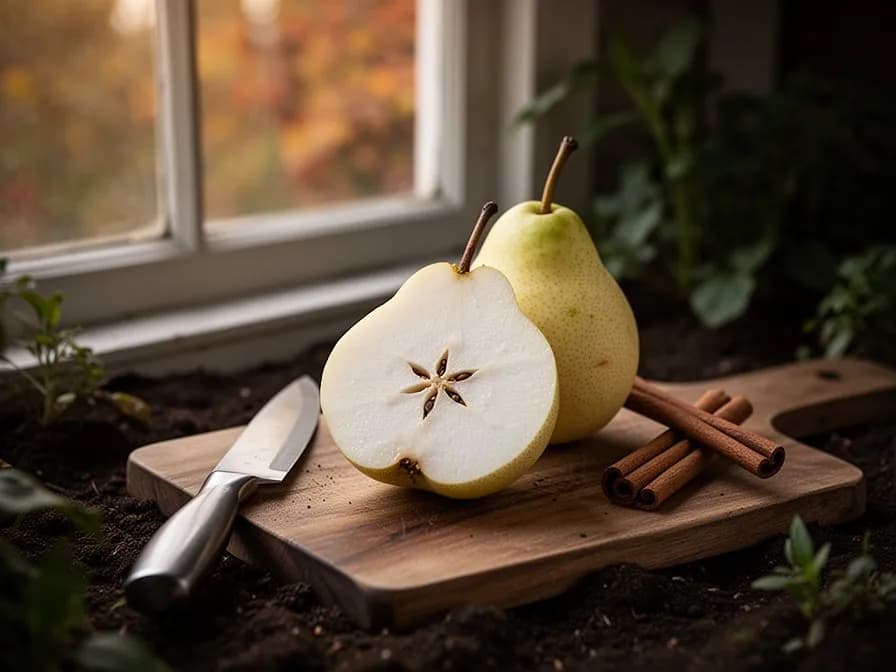
Korean Bulgogi Marinade with Asian Pear
15 minutes (plus marinating time)A classic Korean technique that uses the natural enzymes in fresh Asian pear to tenderise thinly sliced beef while adding subtle sweetness. The result is meltingly tender, caramelised bulgogi that is far superior to enzyme-free marinades.
10 ingredientsSparkling Asian Pear & Ginger Mocktail
5 minutesA refreshing, elegant drink that showcases the delicate floral sweetness of fresh Asian pear juice. The warming kick of ginger and the brightness of lime make this a sophisticated non-alcoholic option for any occasion.
7 ingredientsCulinary Uses
Asian pears are primarily eaten fresh for their unique crisp, juicy texture that is unlike any other fruit. They are excellent sliced into salads with greens, goat cheese, and toasted nuts. In Korean cuisine, they are grated into marinades for bulgogi to tenderize meat and add sweetness. Asian pears make refreshing cold-pressed juice and pair well with ginger in smoothies. They can be poached lightly but are best appreciated for their raw crunch.
What's inside
Health Benefits
- Supports digestive health through a combination of soluble pectin and insoluble fibre, which together nourish beneficial gut bacteria, regulate bowel transit time, and may reduce the risk of colorectal disease.
- Contributes to cardiovascular health by providing flavonoids and dietary fibre that help lower LDL cholesterol, reduce arterial inflammation, and support healthy blood pressure levels.
- Offers antioxidant protection from phenolic compounds including chlorogenic acid, quercetin, and epicatechin, which neutralise free radicals and may reduce the risk of chronic diseases including certain cancers.
- Helps with weight management due to its very low caloric density (51 kcal per 100 g), high water and fibre content, and naturally sweet flavour that satisfies sugar cravings with minimal energy intake.
- Provides immune support through vitamin C and zinc-supporting copper, helping to maintain the integrity of mucosal barriers and supporting the activity of white blood cells.
- May improve bone health over time through a combination of vitamin K, potassium, and boron — all present in modest amounts — which work synergistically to regulate calcium deposition and reduce bone resorption.
Where Asian Pear comes from
The Asian pear (Pyrus pyrifolia, also known as Pyrus serotina) is one of the oldest cultivated fruit trees in the world, with origins tracing back to the Yangtze River basin in central and southern China more than 3,000 years ago. Archaeological evidence and ancient Chinese texts confirm that pear cultivation was widespread across China during the Zhou Dynasty (1046–256 BCE), where the trees were grown both for their fruit and valued as ornamental specimens in imperial gardens. The fruit holds deep cultural significance in East Asia: in China, pears (lí, 梨) are associated with longevity and appear in classical poetry and painting; in Japan, the nashi pear has been cultivated for over 1,400 years and is considered a national fruit; in Korea, the bae (배) pear is a staple of cuisine and ceremony, featuring prominently in ancestral rites and traditional medicine.
The species spread gradually across East and Southeast Asia through trade routes and agricultural migration, diversifying into hundreds of regional varieties adapted to local climates. Japanese horticulturalists developed many of the most commercially important modern cultivars, beginning in the late 19th century. The variety '20th Century' (Nijisseiki), discovered in 1888 by a young Japanese farmer named Matsnosuke Makita growing as a chance seedling among a rubbish heap in Chiba Prefecture, became one of the most widely grown Asian pears globally and remains so today. Other landmark Japanese cultivars include 'Hosui' (released 1972), 'Kosui' (1959), and 'Shinko' (1941), each bred for improved sweetness, size, or storage quality.
Asian pears were introduced to North America during the California Gold Rush era (1850s), brought by Chinese immigrants who planted them in the Sierra Nevada foothills. Commercial interest in the United States grew slowly until the 1980s, when Asian-American markets and an expanding interest in specialty produce drove significant planting increases in California, Oregon, and Washington. Today Asian pears are grown commercially across temperate regions of the world, including Australia, New Zealand, South Africa, Chile, and throughout Europe. Ongoing breeding programs in Japan, South Korea, China, and the United States continue to develop new varieties with improved disease resistance, flavour complexity, and adaptability to different climate zones.
Asian Pear: did you know?
Fascinating facts about Asian Pear
Asian pears are sometimes called 'apple pears' or 'sand pears' because their crisp, firm texture resembles an apple even when fully ripe — they never soften the way European pears do.
Asian Pear questions, answered
When should I plant Asian Pear?
What are good companion plants for Asian Pear?
What hardiness zones can Asian Pear grow in?
How much sun does Asian Pear need?
How far apart should I space Asian Pear?
What pests and diseases affect Asian Pear?
How do I store Asian Pear after harvest?
What are the best Asian Pear varieties to grow?
What soil does Asian Pear need?
Do I need two Asian pear trees to get fruit?
When and how do I know if an Asian pear is ripe enough to pick?
Why did my Asian pear tree flower but not produce any fruit?
How do I prevent fire blight from spreading through my Asian pear tree?
Can I grow Asian pears in a container or small garden?
How long do Asian pears keep after harvest, and what is the best storage method?
You just read the theory. Now grow it on autopilot.
Everything that makes Asian Pear fiddly — the timing, the spacing, the companions, the harvest window — is exactly what PlotMyGarden handles for you, for every plant in your garden.
A plan that knows your weather
Set your location once. Get sow, feed and harvest dates built around your real last-frost date and live forecast — no more guessing from a generic seed packet.
From the “When to plant” sectionDrag-and-drop bed planner
Design beds on a grid. Every plant snaps to its proper spacing, and you can see your whole season laid out before you spend a cent on seed.
From the “Growing guide” sectionCompanion conflicts, caught early
200+ good-and-bad pairings checked live as you plant — so a season-wrecking mistake never makes it into the ground.
From the “Companions” sectionReminders you'll actually act on
“Water the beans.” “Pick today before it turns.” Timely, specific, and tied to the plants you're really growing.
From the “Harvest” sectionSuccession, scheduled
Want a harvest for six weeks, not six days? It spaces your sowings automatically and reminds you when each new block is due.
From the “When to plant” sectionA record that gets smarter
Every harvest you log teaches it your garden. Next year's plan starts from what actually worked in your soil, not a textbook's.
From the “Overview” sectionPlant these alongside Asian Pear
More Pome Fruits
Keep Asian Pear away from these
Grow your best Asian Pear yet — and everything around it.
Start a free plan today. Lay out your beds, drop in your Asian Pear, and let PlotMyGarden handle the timing, spacing, companions and reminders from seed to harvest basket.