Brotes de Guisante
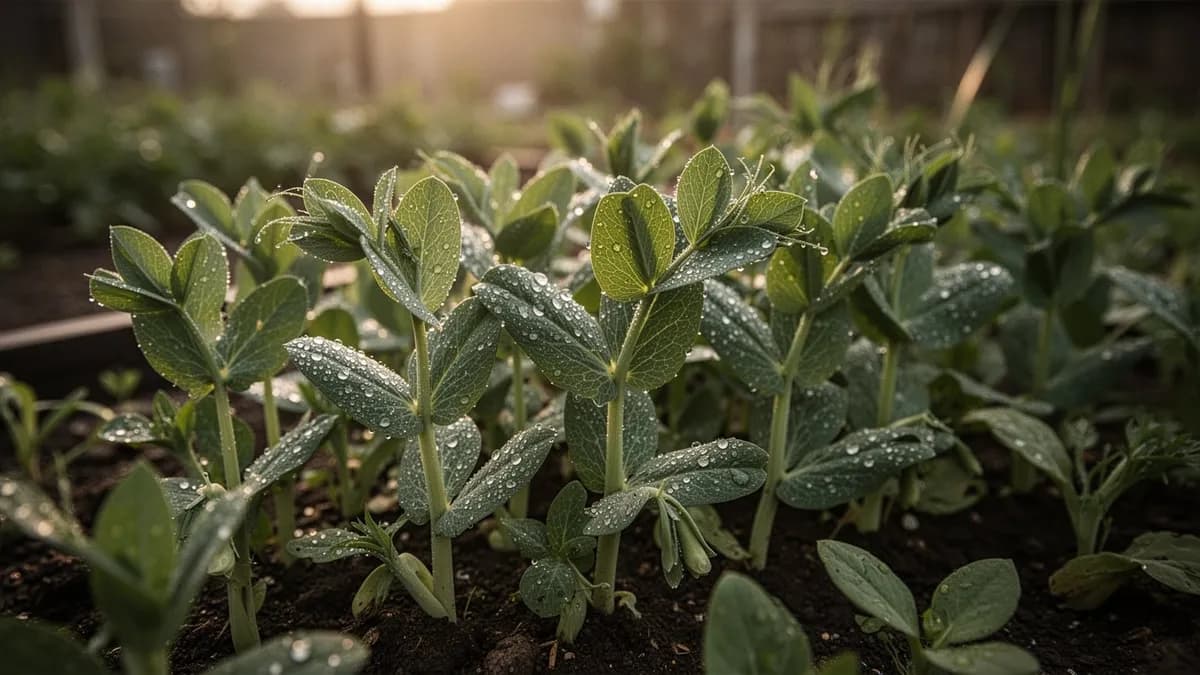
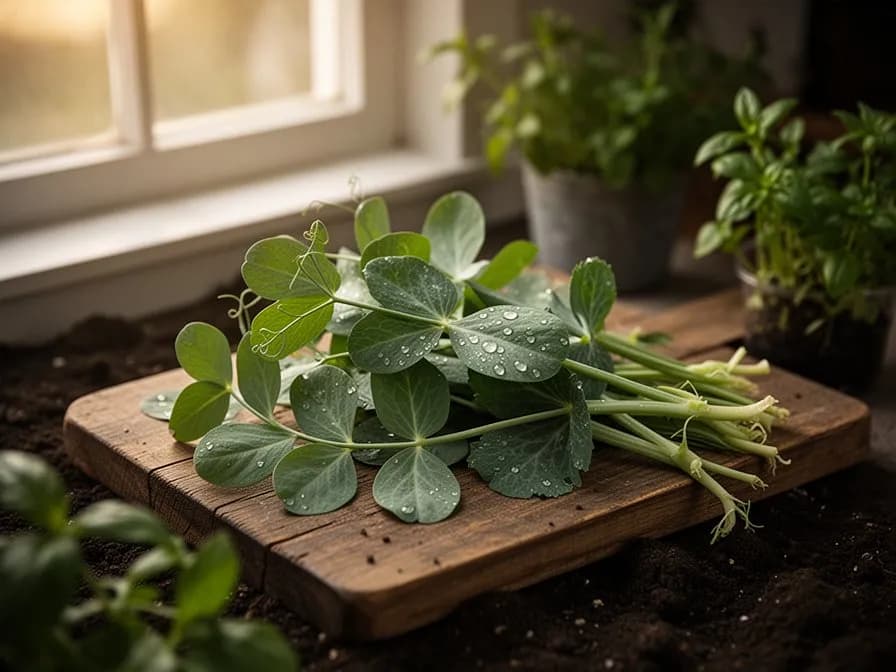
Los brotes de guisante son las puntas tiernas y los zarcillos jóvenes de la planta de guisante (Pisum sativum), cosechados cuando tienen 10-15 cm de altura.





En esta páginaResumen
Conoce Brotes de Guisante
Los brotes de guisante son las puntas tiernas y los zarcillos jóvenes de la planta de guisante (Pisum sativum), cosechados cuando tienen 10-15 cm de altura. Son un microgreen gourmet extraordinariamente dulce y crujiente, rico en vitamina C, vitamina A y ácido fólico, que se ha convertido en un ingrediente estrella de la alta cocina y la alimentación saludable.
Cuándo plantar Brotes de Guisante
Remoja las semillas en agua durante 8-12 horas antes de sembrar. Esparce densamente sobre sustrato húmedo en bandejas, jardineras o directamente en el suelo, a unos 1-2 cm de separación. Cubre con 1-2 cm de sustrato y mantén húmedo. La germinación ocurre en 3-5 días. Para producción continua durante toda la temporada, inicia una nueva siembra cada 7-10 días.
Tu año de Brotes de Guisante
Ajustado a Zona 7 · temporada típica · la helada se va hacia el 2 abr y vuelve hacia el 1 nov
Planta Brotes de Guisante Mar – Abr, Sep – Oct y cosecha Abr – May, Oct – Nov. Consulta los métodos de plantación y elige tu clima para adaptar los periodos.
Cómo cultivar Brotes de Guisante
Los brotes de guisante son uno de los cultivos más rápidos y fáciles de producir, tanto en el huerto como en interior. Remoja las semillas en agua durante 8-12 horas antes de sembrar para acelerar la germinación. Siembra densamente, esparciendo las semillas a 1-2 cm de separación en bandejas, jardineras o directamente en el suelo a 2 cm de profundidad.
En exterior, los brotes prefieren temperaturas frescas de 10-20°C y pueden sembrarse desde principios de primavera hasta mediados de otoño. En interior, se pueden producir durante todo el año en bandejas con sustrato ligero o incluso sobre papel de cocina húmedo. Mantén el sustrato uniformemente húmedo pero no encharcado. No necesitan luz directa intensa; una ventana luminosa es suficiente.
Para producción continua, siembra una nueva bandeja cada 7-10 días de modo que siempre tengas brotes en diferentes etapas de crecimiento. Las plantas no necesitan fertilización ya que la semilla contiene todos los nutrientes necesarios para las primeras semanas de crecimiento. Después del primer corte, muchas variedades rebrotan para un segundo o incluso tercer corte.
1152 plantas caben en un bancal de 120 × 240 cm
Cada Brotes de Guisante pide 5 cm de margen. El planificador guarda ese marco por ti — cada planta, cada bancal.
Los mejores vecinos de Brotes de Guisante
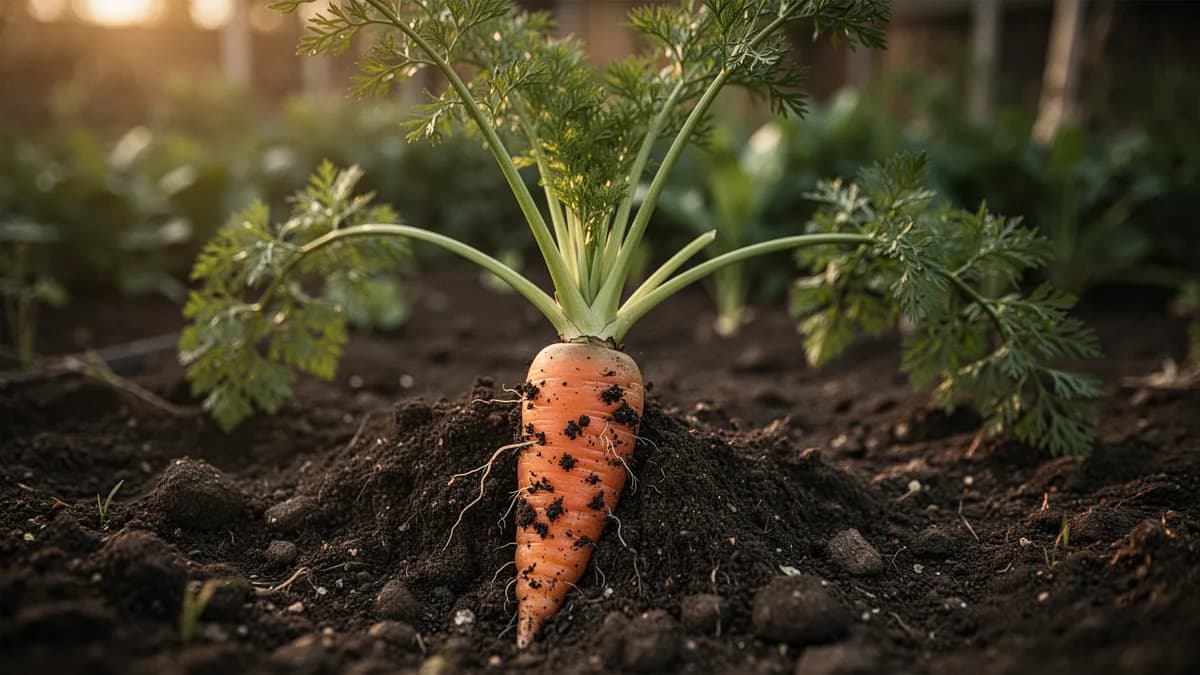
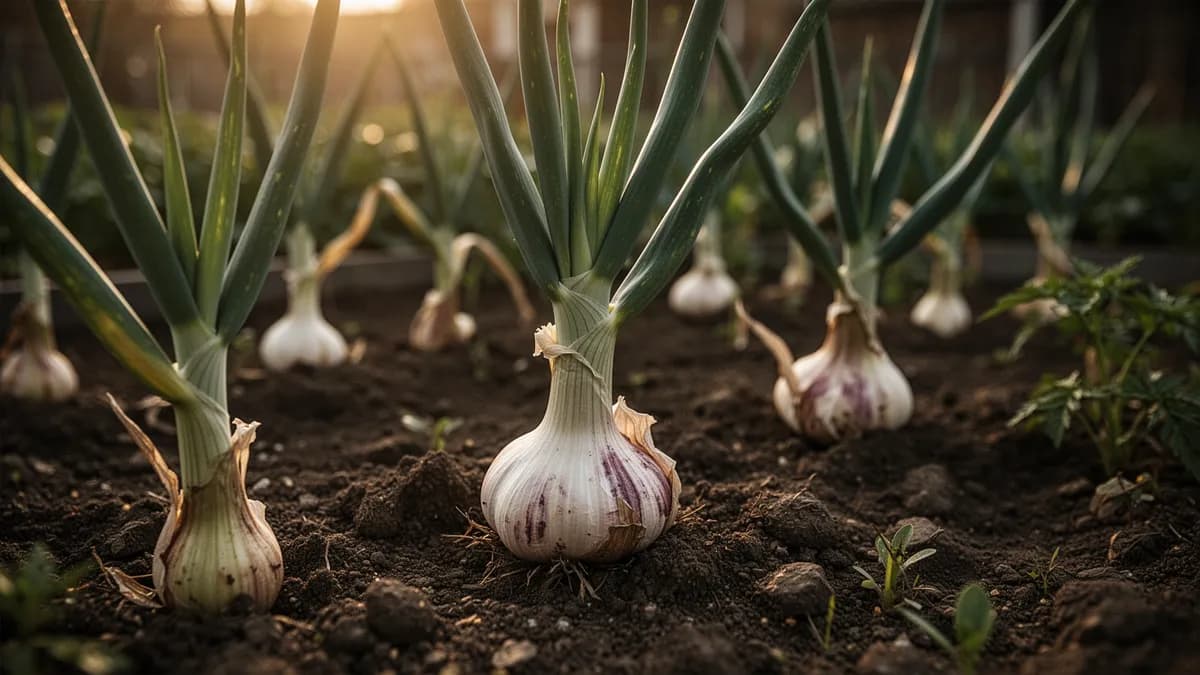
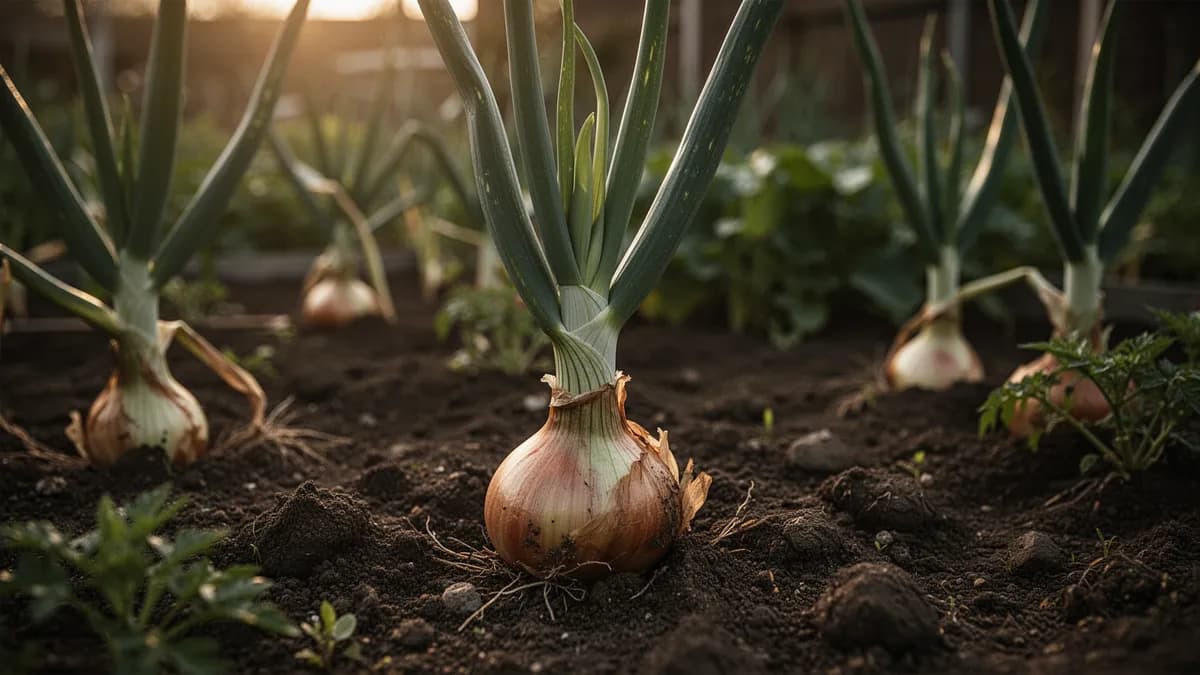
En el huerto, los brotes de guisante se pueden intercalar con zanahorias, rábanos y lechugas como cultivo rápido que se cosecha antes de que los vecinos necesiten el espacio. Como leguminosas, fijan nitrógeno que beneficia a los cultivos posteriores. Evita plantarlos cerca de ajos y cebollas.
Zanahoria va a su lado. Ajo no.
Saber de huerto de siempre, cotejado con la tabla real de Brotes de Guisante — prueba cualquier planta que cultives.
Prueba Brotes de Guisante en un bancal, aquí mismo
Un bancal real del planificador con Brotes de Guisante ya plantado. Toca una planta compañera para colocarla y mira cómo responde la comprobación de vecinos: verde para buenos vecinos, rojo si hay conflicto.


Guías de cultivo relacionadas
Abónalo bien
Los brotes de guisante crecen en prácticamente cualquier sustrato, desde tierra de jardín hasta mezcla para macetas, fibra de coco o incluso papel húmedo. Si se cultivan en suelo, prefieren pH entre 6,0 y 7,0. No necesitan fertilización ya que las semillas contienen suficientes nutrientes para las primeras semanas. Para rebrotes múltiples, un riego con fertilizante líquido diluido después del primer corte puede ayudar.
Temperatura ideal
Compatibilidad de zonas de rusticidad
De la semilla a la cosecha, etapa por etapa
Remojo y preparación de las semillas
Las semillas secas de guisante se remojan en agua a temperatura ambiente durante 8–12 horas para ablandar la cubierta y activar la germinación. Las semillas se hinchan visiblemente hasta casi duplicar su tamaño seco. Después del remojo, se escurren y se distribuyen de manera uniforme sobre la superficie de un sustrato húmedo en una bandeja, se presionan suavemente y se cubren ligeramente con tierra o se mantienen en oscuridad.
Germinación y establecimiento de raíces
Primero emergen las raíces radiculares blancas y se introducen en el sustrato, anclando la semilla. Después aparece un brote pálido y curvado (el epicótilo), que empuja hacia arriba a través de la tierra. En esta etapa, la bandeja suele mantenerse cubierta o en oscuridad para favorecer un fuerte desarrollo de las raíces antes de que los brotes busquen la luz.
Verdeado y expansión de las hojas
Cuando los brotes alcanzan 3–5 cm de altura, se destapan y se exponen a la luz. Los brotes amarillentos se vuelven rápidamente de un verde intenso gracias a la producción de clorofila. Se despliegan las primeras hojas verdaderas, pequeñas, redondeadas y en pares. Los tallos se engrosan y se fortalecen mientras los brotes fotosintetizan y crecen con vigor hacia la fuente de luz.
Desarrollo de zarcillos y ventana de cosecha
Los brotes alcanzan 8–15 cm de altura, con 2–3 pares de hojas verdaderas y los característicos zarcillos rizados aparecen en las puntas de crecimiento. Esta es la mejor ventana de cosecha: los brotes son dulces, tiernos y llenos de sabor. Los zarcillos y las hojas superiores son las partes más apreciadas, con una dulzura concentrada a guisante fresco.
Segunda cosecha y sucesión
Después del primer corte, los tallos restantes suelen emitir nuevos brotes laterales para una segunda cosecha. Este rebrote suele ser más fino y menos abundante que el primer corte, pero sigue siendo tierno y sabroso. Tras la segunda cosecha, la energía de la semilla se agota en gran medida y la bandeja se composta.
Usa guisantes secos enteros y sin tratar: las variedades de guisante de huerta, tirabeque o moteado funcionan bien. Evita los guisantes partidos, porque no germinan. Enjuaga bien las semillas antes de remojarlas para quitar polvo y suciedad.
Cuidar Brotes de Guisante mes a mes
Qué hacer cada mes para tu Brotes de Guisante
Octubre
Mes actualIndoor pea shoot growing hits its stride with ideal cool conditions. Grow trays on bright windowsills or supplement with grow lights as days shorten. Harvest outdoor shoot tips until frost kills the plants. Compost spent outdoor pea vines.
Ten claro qué hacer en tu huerto, cada mes
Un correo al empezar cada mes: qué sembrar, plantar y hacer ahora mismo — para tu Brotes de Guisante y todo lo que crece alrededor. Más un breve curso inicial para esquivar los errores clásicos.
- Qué hacer ahora mismo
- Ajustado a tu temporada
- Curso inicial incluido
Cosechar Brotes de Guisante
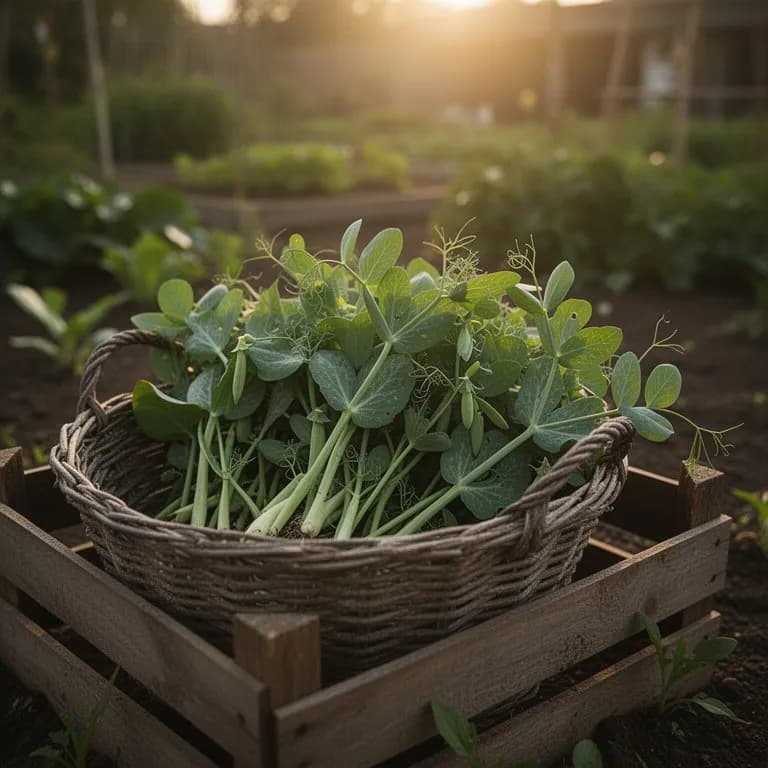
Cosecha los brotes cuando alcanzan 10-15 cm de altura, generalmente entre 14 y 25 días después de la siembra. Corta con tijeras limpias justo por encima del primer par de hojas para permitir el rebrote. Los zarcillos enrollados y las puntas más tiernas son las partes más apreciadas. Cosecha por la mañana para máxima frescura y crujencia.
se supone que plantas al comenzar el periodo — indica tu fecha real
Cuando los brotes midan 10–15 cm de altura, normalmente 10–14 días después de la siembra.
Almacenamiento y conservación
Los brotes de guisante son muy perecederos y se consumen mejor el mismo día de la cosecha. Se pueden conservar en el refrigerador envueltos en papel húmedo dentro de un recipiente hermético durante 3-5 días. No los laves hasta el momento de consumir. No son aptos para congelación ni deshidratación, ya que pierden completamente su textura crujiente.
Qué falla — y cómo solucionarlo
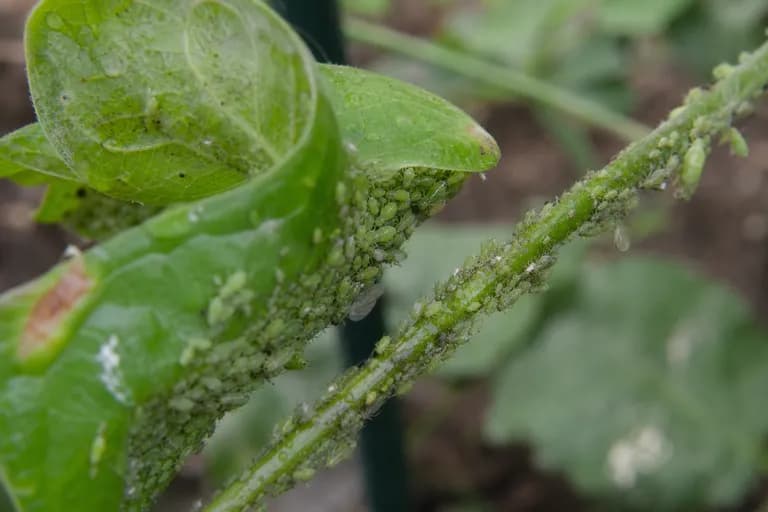
Pulgones
PlagaColonias de pequeños insectos verdes que se agrupan en los brotes tiernos y zarcillos, causando enrollamiento de las hojas jóvenes y secreciones pegajosas de melaza.
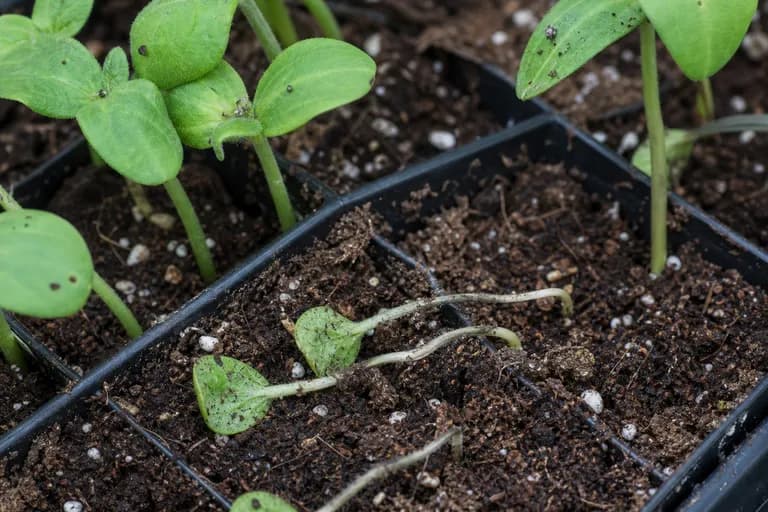
Damping-off (marchitez de plántulas)
EnfermedadLas plántulas se colapsan a nivel del suelo con el tallo ennegrecido y blando. Aparece generalmente en condiciones de excesiva humedad y poca ventilación.
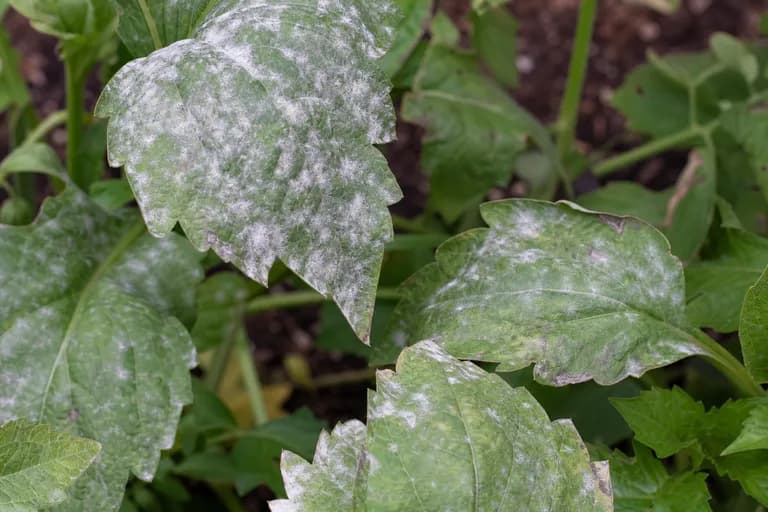
Moho gris (Botrytis)
EnfermedadManchas pardas blandas cubiertas de moho gris aterciopelado en los brotes y la base de las plántulas, especialmente en condiciones húmedas y cerradas.
Solución de problemas comunes
El calor excesivo (más de 25°C) hace que los brotes se espiguen rápidamente, se vuelvan fibrosos y pierdan su dulzor característico. La siembra excesivamente densa sin ventilación adecuada favorece enfermedades fúngicas como damping-off y moho gris. Asegura buena circulación de aire y temperaturas frescas para la mejor calidad.
Consejos de cultivo
- Always soak seeds for 8-12 hours before planting — this single step cuts germination time nearly in half and produces more uniform stands. Drain thoroughly and spread in a single dense layer on moist growing medium, leaving no gaps between seeds.
- Use a weight on top during the first 3-4 days of germination (another tray or a flat board with a light weight). This blackout period forces shoots to develop stronger, thicker stems as they push against resistance before reaching the light.
- Cool temperatures produce the best pea shoots. Avoid growing in rooms above 25°C (77°F) — heat causes thin, leggy growth and bitter flavor. A north-facing windowsill, basement with grow lights, or air-conditioned room all work better than a hot sunny window in summer.
- Mist the surface rather than pouring water when irrigating trays. Overwatering is the primary cause of mold, which appears as white fuzzy growth around the base of stems. Good air circulation from a small fan also prevents mold problems.
- Harvest at the right moment for peak flavor — when shoots are 8-15 cm tall with 2-3 pairs of true leaves and tendrils just beginning to curl. Beyond this stage, stems become fibrous and flavor diminishes. Cut just above the lowest leaf pair for a second harvest.
- Grow in soil or coconut coir rather than on paper towels alone. While pea shoots can germinate on damp paper, a 2-3 cm layer of growing medium provides nutrients for stronger growth, better flavor, and a more reliable second cutting.
- Start a new tray every 7-10 days for an uninterrupted supply. Label trays with the sowing date so you can track optimal harvest timing for your specific growing conditions and preferred pea variety.
- Save money by buying whole dried peas from the bulk section of grocery stores or food co-ops rather than packaged microgreen seeds. Whole dried green peas, marrowfat peas, and Austrian winter peas all produce excellent shoots at a fraction of the cost of specialty seed packets.
Cultiva tu mejor Brotes de Guisante — y todo lo que la rodea.
Empieza un plan gratis hoy. Diseña tus bancales, coloca tu Brotes de Guisante y deja que PlotMyGarden gestione el momento, el espaciado, las asociaciones y los recordatorios de la semilla a la cesta.
Elige tu Brotes de Guisante
Dwarf Grey Sugar
La variedad más popular para producción de brotes, con hojas y tallos de tonos púrpura decorativos. Sabor dulce intenso y textura crujiente excepcional. 14-21 días para brotes.
Taichung 13
Variedad taiwanesa desarrollada específicamente para producción de brotes, con hojas grandes y tiernas de sabor dulce. Muy productiva con múltiples rebrotes. 14-18 días.
Green Beauty
Variedad de hojas verdes grandes y brotes vigorosos con excelente capacidad de rebrote tras el corte. Sabor dulce y fresco ideal para ensaladas. 15-20 días.
Dun Pea
Variedad tradicional con semillas de color marrón que produce brotes robustos y carnosos. Muy resistente y adaptable a diferentes condiciones de cultivo. 14-21 días.
Fresh pea shoots sell for $15-30 per pound at farmers markets and specialty grocery stores, making them one of the most expensive salad greens available. A 1 kg bag of dried whole peas costs $3-6 and produces enough shoots for 6-10 tray harvests, yielding 1.5-3.5 kg (3-8 lbs) of fresh shoots worth $50-120 at retail prices. The only other costs are a $5-10 reusable growing tray and a bag of potting soil. Growing pea shoots at home delivers one of the highest returns on investment of any food you can produce, with savings of $100-300 per year for a household that regularly buys microgreens.
Recetas rápidas
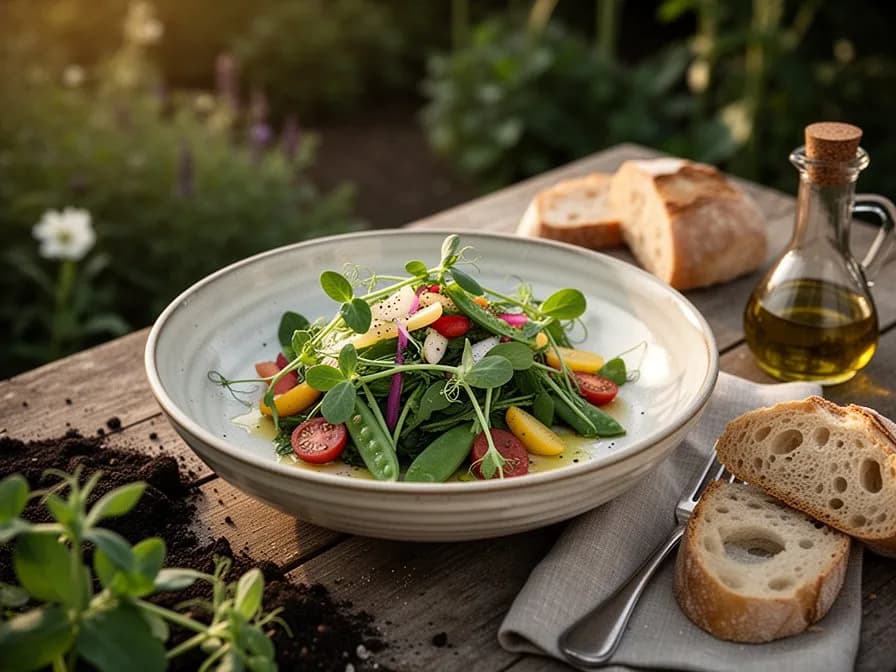
Garlic Stir-Fried Pea Shoots
8 minThe classic Chinese restaurant preparation — a heap of fresh pea shoots flash-fried in a smoking hot wok with sliced garlic and a splash of rice wine. The shoots wilt in seconds, turning silky and vibrant green while the garlic crisps at the edges. Served immediately as a simple, elegant side dish.
7 ingredientesSpring Pea Shoot and Radish Salad
10 minA bright, crunchy raw salad that showcases the sweet, fresh flavor of pea shoots alongside thinly sliced radishes, shaved Parmesan, and toasted sunflower seeds. A light lemon-honey vinaigrette ties everything together without masking the delicate pea flavor.
8 ingredientesPea Shoot and Ricotta Crostini
15 minToasted baguette slices spread with creamy lemon-zested ricotta and topped with a tangle of fresh pea shoots, a drizzle of good olive oil, and a crack of black pepper. A perfect spring appetizer or light lunch that highlights pea shoots in their simplest, most elegant form.
7 ingredientesUsos culinarios
Los brotes de guisante son un ingrediente gourmet versátil que se consume crudo en ensaladas, como guarnición decorativa en platos de restaurante y brevemente salteados con ajo y aceite de sésamo al estilo asiático. Aportan un dulzor fresco y textura crujiente únicos. Se añaden a sándwiches, bowls de poke, rollitos de primavera y sopas como toque final. Los zarcillos son particularmente decorativos.
Qué contiene
Beneficios para la salud
- Pea shoots are exceptionally rich in vitamin C, providing roughly 67% of the daily value per 100g — far more than most leafy greens — supporting immune function, collagen synthesis, and enhanced absorption of plant-based iron.
- High in beta-carotene and vitamin A (42% DV per 100g), which are essential for maintaining healthy vision, supporting the immune system, and promoting skin cell turnover and repair.
- Contain significant amounts of folate (vitamin B9), critical for DNA synthesis, red blood cell formation, and fetal neural development — especially important for women of childbearing age.
- Rich in antioxidant compounds including carotenoids, polyphenols, and chlorophyll that help neutralize free radicals and may reduce the risk of chronic inflammation and oxidative damage to cells.
- Provide plant-based iron in a form that is particularly bioavailable because the high vitamin C content in the same food enhances non-heme iron absorption by up to six times compared to eating iron-rich greens alone.
- Contain dietary fiber that supports digestive health, promotes the growth of beneficial gut bacteria, and contributes to satiety — all while delivering only 42 calories per 100g, making pea shoots excellent for nutrient-dense, low-calorie diets.
De dónde viene Brotes de Guisante
The garden pea (Pisum sativum) is one of humanity's oldest cultivated crops, with archaeological evidence of pea cultivation dating back over 10,000 years to the Fertile Crescent region of modern-day Turkey, Syria, and Iraq. Wild peas still grow in the Mediterranean basin and Central Asia. While dried peas were among the first stored foods that enabled settled agriculture, the practice of eating the young shoots likely began independently in China, where pea shoot tips ('dou miao') have been harvested and cooked for well over a thousand years. In Chinese agricultural traditions, pea shoots were gathered from field-grown pea crops as a seasonal delicacy, particularly in spring when the young plants were at their most tender.
For centuries, pea shoots remained primarily a feature of Chinese and Southeast Asian cuisines, served stir-fried with garlic in Cantonese restaurants and added to soups and noodle dishes across the region. The tender tips with their curling tendrils were considered a luxury ingredient because harvesting them from mature pea plants was labor-intensive and reduced the eventual pea pod harvest. In Hong Kong and Guangdong province, dou miao commanded premium prices at restaurants and markets.
The Western discovery of pea shoots as a culinary ingredient came in the 1980s and 1990s through Asian-fusion cuisine. Pioneering chefs in cities like San Francisco, New York, and London began featuring the delicate greens on their menus, and the microgreens movement of the early 2000s brought pea shoots into mainstream awareness. Today, pea shoots are one of the most popular microgreens worldwide, grown year-round in urban farms, home kitchens, and commercial greenhouses. Their ease of cultivation — requiring nothing more than seeds, a shallow tray, water, and light — has made them a gateway crop for indoor gardening enthusiasts and a staple of the local food movement.
Brotes de Guisante: ¿sabías que?
Datos fascinantes sobre Brotes de Guisante
Pea shoots have been a prized delicacy in Chinese cuisine for centuries, known as 'dou miao' — they were historically considered a luxury vegetable because hand-picking the tender tips from field-grown pea plants was extremely labor-intensive, and they were often reserved for imperial banquets.
Brotes de Guisante: preguntas frecuentes
¿Cuándo debo plantar Brotes de Guisante?
¿Cuáles son buenas plantas acompañantes para Brotes de Guisante?
¿En qué zonas de rusticidad puede crecer Brotes de Guisante?
¿Cuánto sol necesita Brotes de Guisante?
¿A qué distancia debo espaciar Brotes de Guisante?
¿Qué plagas y enfermedades afectan a Brotes de Guisante?
¿Cómo almaceno Brotes de Guisante después de la cosecha?
¿Cuáles son las mejores variedades de Brotes de Guisante para cultivar?
¿Qué suelo necesita Brotes de Guisante?
Can I grow pea shoots without soil?
Why are my pea shoots getting moldy?
Which pea variety produces the best shoots?
How many times can I harvest from one tray of pea shoots?
Are pea shoots safe to eat raw?
Can I grow pea shoots outdoors in my garden?
Acabas de leer la teoría. Ahora cultívala en piloto automático.
Todo lo que hace que Brotes de Guisante sea delicado — el momento, el espaciado, las asociaciones, la ventana de cosecha — es justo lo que PlotMyGarden resuelve por ti, para cada planta de tu huerto.
Un plan que conoce tu clima
Indica tu ubicación una vez. Recibe fechas de siembra, abonado y cosecha basadas en tu última helada real y el pronóstico en vivo — sin adivinar con un sobre genérico.
De la sección “Cuándo plantar”Planificador de bancales de arrastrar y soltar
Diseña bancales sobre una cuadrícula. Cada planta encaja con su espaciado correcto y ves toda la temporada antes de gastar un céntimo en semillas.
De la sección “Cultivo”Conflictos de asociación, detectados a tiempo
Más de 200 buenas y malas combinaciones comprobadas en vivo mientras plantas — para que un error que arruine la temporada nunca llegue a la tierra.
De la sección “Asociaciones”Recordatorios que sí vas a seguir
“Riega las judías.” “Recoge hoy antes de que se pase.” Oportunos, concretos y ligados a las plantas que de verdad cultivas.
De la sección “Cosecha”Escalonado, programado
¿Quieres cosechar seis semanas en vez de seis días? Reparte tus siembras automáticamente y te avisa cuando toca el siguiente lote.
De la sección “Cuándo plantar”Un registro que se vuelve más listo
Cada cosecha que registras le enseña tu huerto. El plan del año que viene parte de lo que de verdad funcionó en tu suelo, no en un manual.
De la sección “Resumen”Planta estos junto a Brotes de Guisante
Más Hortalizas de hoja
Mantén Brotes de Guisante lejos de estos
Cultiva tu mejor Brotes de Guisante — y todo lo que la rodea.
Empieza un plan gratis hoy. Diseña tus bancales, coloca tu Brotes de Guisante y deja que PlotMyGarden gestione el momento, el espaciado, las asociaciones y los recordatorios de la semilla a la cesta.