Purple Passion Fruit
The most widely grown passion fruit variety with dark purple skin and intensely aromatic, sweet-tart orange pulp.





On this pageOverview
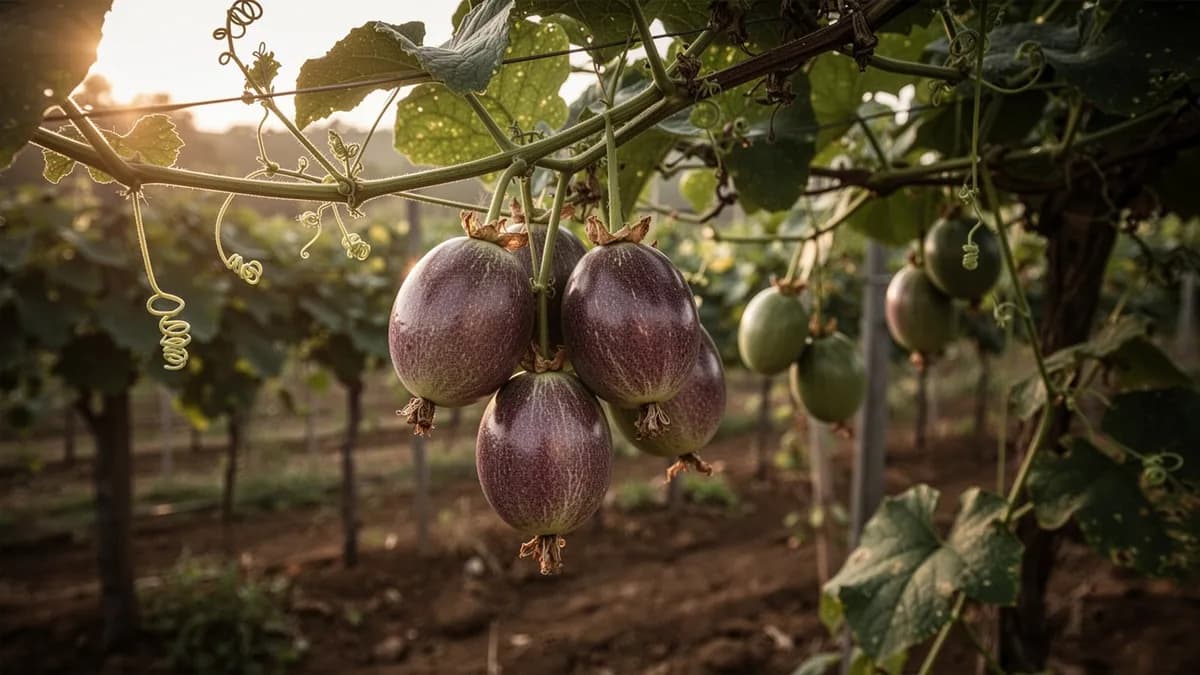
Meet Purple Passion Fruit
The most widely grown passion fruit variety with dark purple skin and intensely aromatic, sweet-tart orange pulp. Purple passion fruit is self-fertile and produces more reliably than yellow varieties in cooler subtropical conditions. The fruits drop to the ground when ripe, so harvest daily during peak season.
When to plant Purple Passion Fruit
Grows readily from fresh seed extracted from ripe fruit. Clean seeds and sow immediately as viability drops with drying. Plant half inch deep in warm moist mix at 75 to 85 degrees. Germination takes two to four weeks. Transplant outdoors after last frost. For faster fruiting, propagate by semi-hardwood cuttings in summer with rooting hormone and bottom heat.
Your Purple Passion Fruit Year
Composed for Zone 7 · typical seasons · frost passes Apr 2, returns Nov 1
Plant Purple Passion Fruit Mar – May, pick Jul – Oct. Check the planting methods below and set your climate to personalize these windows.
How to grow Purple Passion Fruit
Purple passion fruit thrives in frost-free subtropical and tropical climates with full sun. Plant in well-drained, fertile soil enriched with compost. Provide a strong trellis or wire structure as vines grow 15 to 20 feet per season. Space 10 to 15 feet apart. In marginal climates, plant against a south-facing wall for heat.
Purple passion fruit is self-fertile but cross-pollination improves yields. Carpenter bees are the primary pollinators; hand-pollinate where these bees are absent. Vines flower on current-season growth, so avoid heavy pruning of actively growing shoots during the season.
Water regularly during flowering and fruiting, one to two inches per week. Feed monthly with balanced fertilizer, switching to high-potassium during fruiting. Vines produce within one year of planting and typically live three to five years before declining.
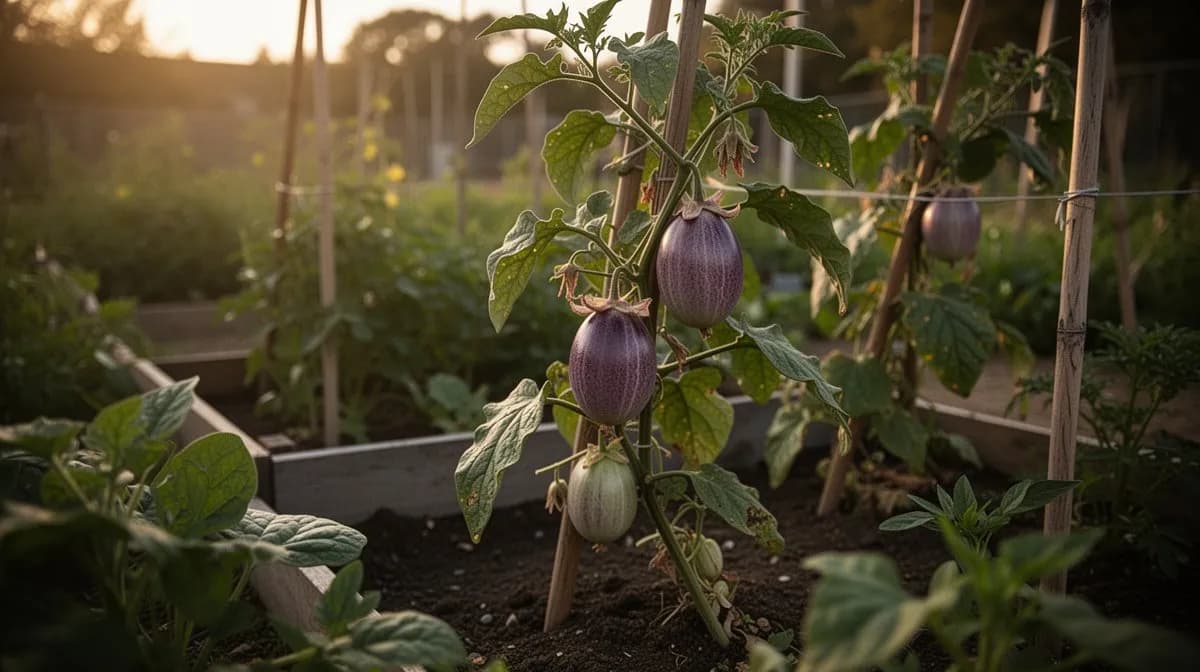
Purple Passion Fruit needs more room than a 4 × 8 ft bed gives
Each Purple Passion Fruit wants 300 cm of elbow room. The planner keeps that spacing for you — every plant, every bed.
Purple Passion Fruit's best neighbours
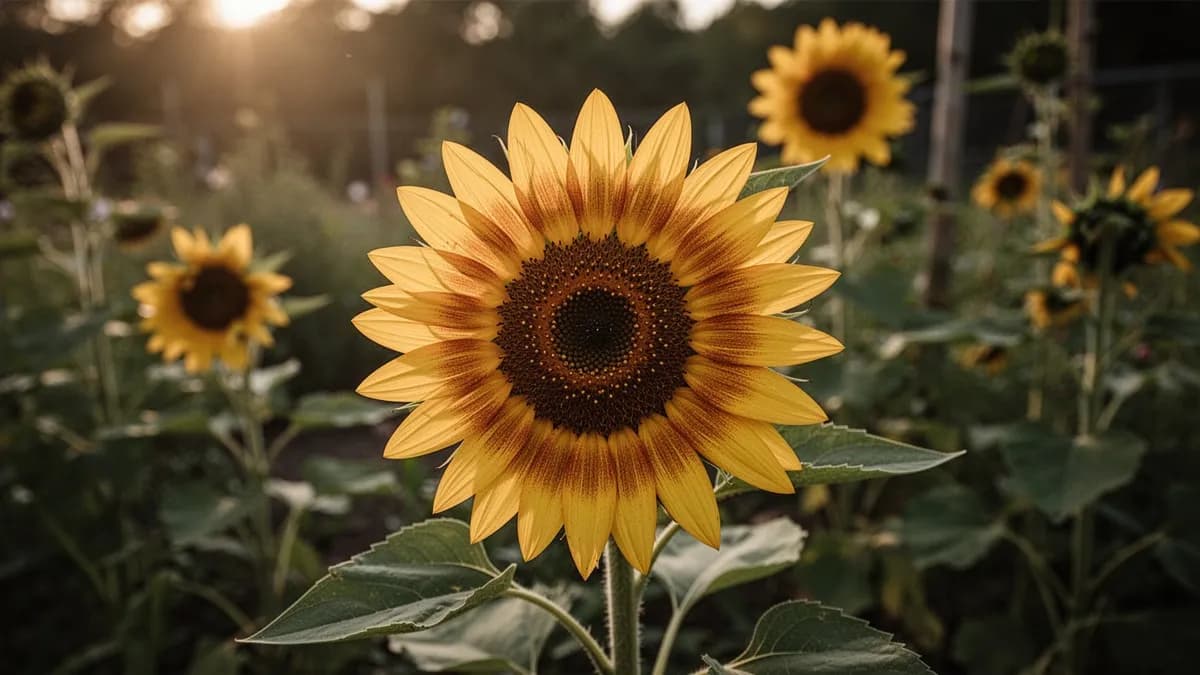
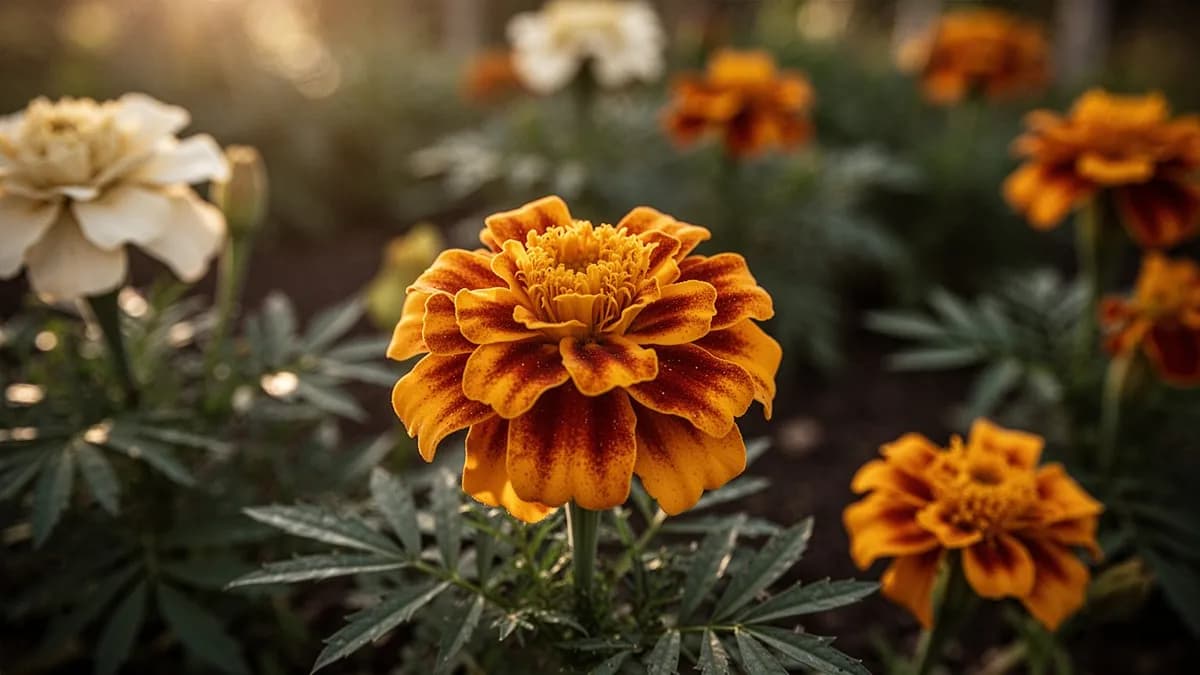
Plant sunflowers nearby to attract carpenter bees, the primary pollinators. Marigolds deter soil nematodes. Avoid walnut trees and their juglone. Low-growing herbs beneath the trellis provide living mulch. Sweet potatoes or squash make good groundcovers between established vines.
Sunflower belongs beside it. Walnut Tree doesn't.
Old growers' knowledge, checked against Purple Passion Fruit's real companion table below — test any plant you're growing.
Try Purple Passion Fruit in a bed — right here
A real planner bed with Purple Passion Fruit already in it. Tap a companion to place it and watch the pairing checks answer — green for good neighbours, red for a clash.


Related growing guides
Feed it well
Prefers well-drained fertile sandy loam with pH 6.0 to 6.5. Heavy clay causes root rot. Feed monthly during growth with balanced fertilizer, switching to high-potassium during fruiting. Avoid excess nitrogen promoting vegetative growth over flowers. Apply micronutrient foliar sprays including zinc and boron during flowering for improved fruit set.
Ideal Temperature
Hardiness Zone Compatibility
From seed to harvest, stage by stage
Germination
Seeds of the purple passion fruit germinate in 2–4 weeks when conditions are warm and consistently moist. Soaking seeds in warm water for 24 hours before sowing softens the hard seed coat and markedly improves germination rates. The seedling emerges with two small oval cotyledons before producing its first true deeply lobed leaves.
Seedling Establishment
The young purple passion fruit develops its characteristic deeply lobed, glossy dark-green leaves and begins producing slender tendrils that coil around any nearby support. Root development is vigorous during this phase and sets the foundation for the explosive vine growth that follows. Growth rate accelerates noticeably once the plant is moved into a warm, bright position.
Vigorous Vegetative Growth
The vine enters its most active phase, extending several meters and producing dense, glossy foliage. The purple passion fruit's dark-green three-lobed leaves are slightly deeper and glossier than those of the yellow variety, giving the vine a lush, ornamental quality even before it flowers. Tendrils wind tightly around trellis wires and supports. The plant's energy is directed almost entirely into building the vine framework that will carry the fruit load.
Flowering
The purple passion fruit's flowers are among the most visually striking of any edible plant — each blossom features a corona of deep violet and white banded filaments surrounding a prominent central reproductive column. Individual flowers open for a single day, typically mid-morning. Because the purple variety often exhibits a degree of self-incompatibility, fruit set is greatly enhanced when pollen is transferred between two different plants or hand-pollinated between separate flowers on the same vine.
Fruit Development
Following successful pollination, small hard green fruits swell steadily over 60–80 days. The fruit of the purple variety is somewhat smaller than the yellow form — typically 4–6 cm in diameter — but has notably richer, sweeter pulp with a more complex aromatic character. As the fruit matures, the skin transitions through deep green to purple-tinged green and finally to a rich, dark plum-purple color.
Ripening
Ripe purple passion fruit deepens to a dark plum-purple and the skin develops a characteristic wrinkled texture as it slowly desiccates — this wrinkling signals peak sweetness and concentrating sugars, not deterioration. The internal pulp becomes intensely fragrant, tart-sweet, and deeply golden. Many fruits detach from the vine naturally when fully ripe and can be collected from the ground daily.
Post-Harvest Renewal
After the main fruiting flush, the vine naturally enters a slower period. This is the ideal time for structural pruning to remove spent lateral shoots and encourage the new growth that will carry next season's flowers and fruit. In frost-free climates, a well-managed vine can produce two or three harvest flushes per year with appropriate pruning and feeding between each flush.
Maintain a soil temperature of 22–26°C using a seedling heat mat for fastest results. Sow seeds 1 cm deep in free-draining seed-raising mix and cover the tray with a clear propagator lid to retain humidity until germination.
Caring for Purple Passion Fruit month by month
What to do each month for your Purple Passion Fruit
October
You are herePost-harvest structural pruning month. Cut back lateral fruiting shoots by one-third, and remove any dead or weak stems entirely. Apply a balanced autumn fertilizer to support recovery and root development before winter. In containers, begin transitioning plants toward their winter position in a frost-free space.
Know exactly what to do in your garden — every month
One email at the start of each month: what to sow, plant, and tackle right now — for your Purple Passion Fruit and everything growing around it. Plus a short starter course that helps you dodge the classic mistakes.
- What to do, right now
- Matched to your season
- Starter course included
Harvesting Purple Passion Fruit
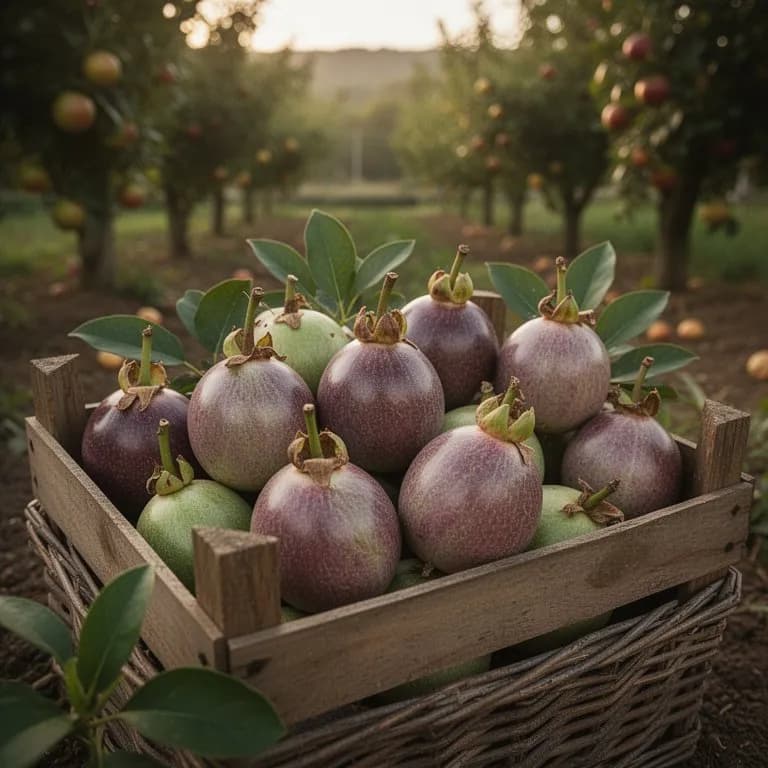
Purple passion fruit ripens when skin turns deep purple and becomes slightly wrinkled. Ripe fruits drop naturally, so collect fallen fruit daily. Fruits on the vine are ripe when they detach with a gentle twist. Wrinkled appearance indicates full ripeness and maximum sweetness. Smooth-skinned fruit is not yet at peak flavor. Peak harvest occurs summer through early fall.
assuming you plant when the window opens — set your real date
Pick Purple Passion Fruit promptly and the plant keeps producing.
Storage & Preservation
Fresh passion fruit keeps one to two weeks at room temperature or one month refrigerated. Pulp freezes exceptionally well in ice cube trays for up to one year. Makes outstanding juice, concentrate, mousse, and cocktail mixer. Seeds are edible and add pleasant crunch. Strain pulp through a sieve for smooth applications like curd and sauces.
What goes wrong — and the fix
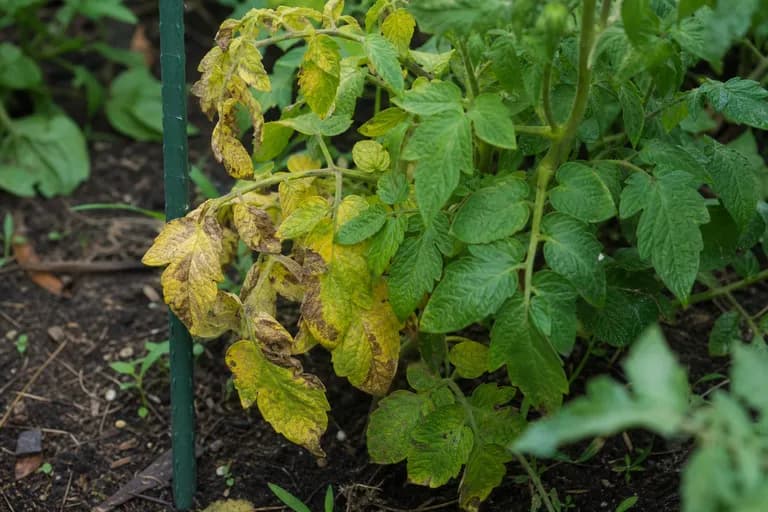
Fusarium Wilt
DiseaseYellowing and wilting from one side of the vine, followed by rapid collapse and death of the entire plant.
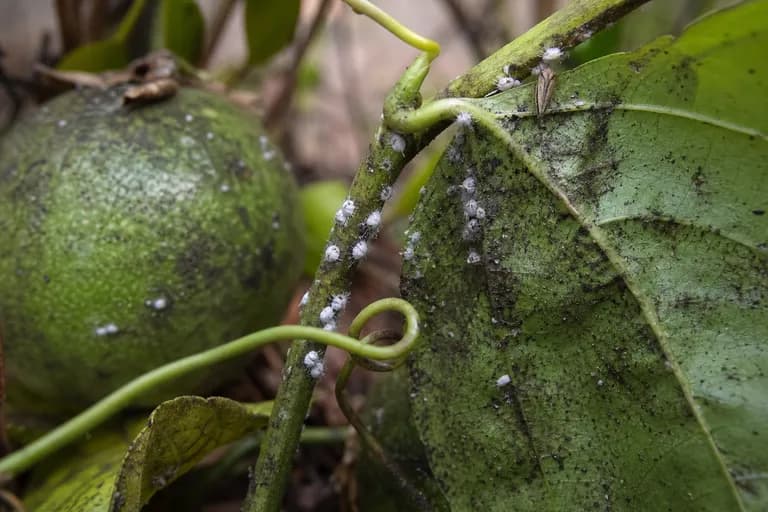
Passion Vine Hopper
PestSticky honeydew on leaves, sooty mold growth, weakened vigor from sap-sucking nymphs and adults.
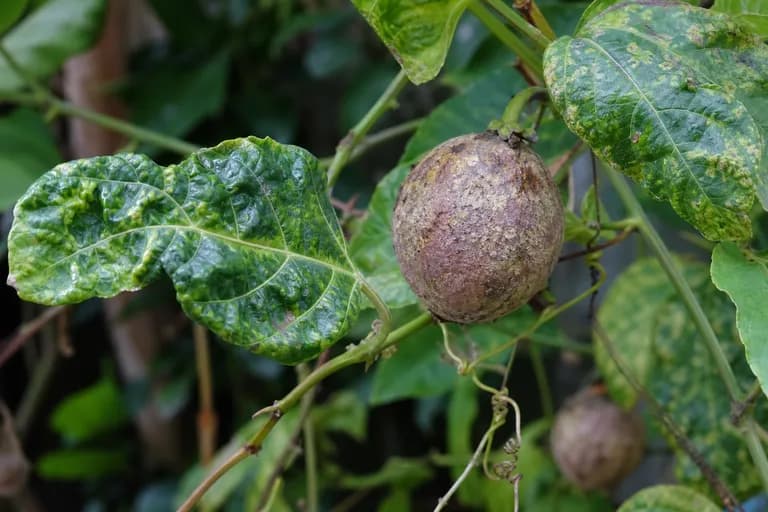
Woodiness Virus
DiseaseHardened woody fruit with reduced pulp, distorted leaves, and mosaic patterns. Spread by aphids.
Troubleshooting Common Problems
Fusarium wilt is the most devastating problem, killing vines within weeks. Short lifespan of three to five years requires regular replanting. Poor fruit set results from lack of carpenter bee pollinators. Frost kills vines in marginal zones. Overwatering causes root rot. Fruit fly damage in tropical regions requires bagging or trapping.
Growing Tips
- Choose the purple variety specifically if your garden experiences cool winters or temperatures below 10°C — Passiflora edulis f. edulis is considerably hardier than the yellow tropical form and is the only realistic choice for temperate climates outside of a heated greenhouse.
- Plant two purple passion fruit vines grown from different seed sources or cuttings of genetically distinct parents. The purple variety frequently exhibits self-incompatibility, meaning cross-pollination between two different plants produces dramatically better fruit set than relying on self-pollination from a single vine.
- Site your vine against the warmest, most sheltered wall or fence available — a south or south-west facing brick or stone wall is ideal. Masonry absorbs solar radiation during the day and radiates heat overnight, extending the frost-free microclimate by several weeks in autumn and spring compared to an open garden position.
- Build your trellis before planting and make it substantial from the outset — the vine will reach 5–8 meters in length and carry considerable fruit weight. Galvanized wire horizontal strands spaced 30 cm apart on sturdy timber or metal posts are far more effective than bamboo canes or light plastic mesh, which collapse under the weight of a mature fruiting vine.
- Hand-pollinate every morning during the flowering period without exception if you want a reliable harvest. Take a small dry soft-bristled brush, collect the bright yellow pollen from the stamens of one open flower, and dab it onto the three-pronged sticky stigma of another open flower. This takes 2–3 minutes and consistently doubles or triples fruit set compared to relying on pollinators alone.
- Switch fertilizers precisely at the onset of flowering — moving from a balanced NPK formula to a high-potassium fruit and tomato fertilizer at this point directs the plant's energy from vegetative growth to fruit development and measurably improves the sweetness and aroma of the resulting fruit. Continue the high-potassium feed through the entire fruiting season.
- Mulch the root zone with 10–15 cm of coarse organic material such as bark chips or straw and refresh it annually. Purple passion fruit has shallow, sensitive roots that are easily stressed by temperature extremes, waterlogging, and drought — a deep mulch stabilizes soil temperature and moisture, reduces weeding effort, and feeds the soil as it decomposes.
- Prune immediately after each harvest flush rather than waiting for an annual winter prune. Cutting lateral fruiting shoots back by one-third as soon as fruit is collected stimulates a rapid new flush of lateral growth that can produce a second crop within the same season in warm climates, effectively doubling your annual yield from the same vine.
- Grow purple passion fruit in a large container of at least 50 liters capacity if you live in a climate with hard winters. Use a mix of three parts good-quality potting compost to one part perlite for drainage. Container growing allows you to move the vine into a frost-free greenhouse or conservatory each autumn, protecting it through winters that would kill an unprotected in-ground plant.
- Replace vines proactively after 5–6 years, propagating fresh plants from semi-hardwood cuttings of your most productive vine before the old plant declines. Fusarium wilt and other soil-borne pathogens accumulate around established plants over time and cause a gradual, irreversible decline in vigor and yield. Replant in a fresh garden bed or with completely replaced container compost to avoid disease carryover.
Grow your best Purple Passion Fruit yet — and everything around it.
Start a free plan today. Lay out your beds, drop in your Purple Passion Fruit, and let PlotMyGarden handle the timing, spacing, companions and reminders from seed to harvest basket.
Pick your Purple Passion Fruit
Frederick
A widely adapted purple passion fruit with reliable self-fertility and excellent flavor, popular in Florida and Hawaii.
Possum Purple
An Australian selection with large heavy fruit and exceptionally sweet pulp. Self-fertile and very productive.
Black Knight
A dark-skinned variety with intense flavor and aroma, producing prolifically in warm climates.
Nellie Kelly
A grafted variety on hardy rootstock providing improved cold tolerance and Fusarium wilt resistance.
Purple passion fruit is among the most expensive fruits sold at specialty grocers and farmers' markets, frequently retailing at $3–6 per individual fruit in temperate-climate regions where the fresh variety must be imported. Organic and locally grown examples command even higher prices. A single established vine in a suitable subtropical or sheltered temperate garden produces 100–300 fruits per season across two or three harvest flushes. At conservative retail prices, this equates to $300–900 worth of fresh fruit annually from a single plant that costs little more than a trellis, occasional fertilizer, and regular watering to maintain. Home growers also benefit from the ability to harvest at true peak ripeness — a luxury unavailable with commercially distributed passion fruit, which is typically picked early for shipping tolerance and reaches the consumer well before its flavor peak.
Quick recipes
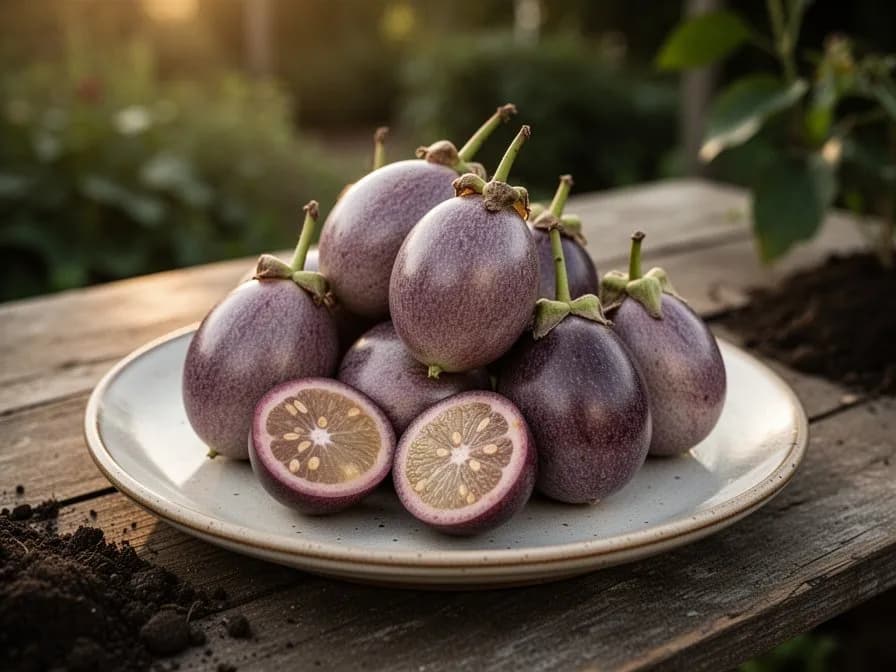
Purple Passion Fruit Posset
15 minutes plus 3 hours chillingA luxuriously simple no-bake dessert that lets the intense flavor of purple passion fruit take center stage. The natural acidity of the pulp sets the cream without gelatin, producing a silky, mousse-like texture with a sharp tropical finish. Serve in small glasses with a sprig of fresh mint and a few edible flowers.
5 ingredientsPassion Fruit and Mango Chia Pudding
10 minutes plus overnight chillingA vibrant, nutrient-dense breakfast or dessert that makes excellent use of freshly harvested purple passion fruit. The scooped pulp spooned over the top provides a stunning visual contrast and a burst of intense tropical flavor against the creamy vanilla-scented chia base. An ideal way to use fruit that has fallen from the vine overnight.
7 ingredientsPassion Fruit Caipirinha Cocktail
5 minutesA tropical twist on Brazil's national cocktail — entirely fitting given that passion fruit originates from the same country. The sharp, intensely aromatic pulp of purple passion fruit complements the earthy citrus notes of cachaça and balances the sweetness beautifully. A single vine provides enough fruit for a season of impressive cocktails.
6 ingredientsCulinary Uses
Pulp is prized for its intense aromatic flavor in mousse, cheesecake, and pavlova. The juice makes outstanding cocktails, smoothies, and tropical drinks. Passion fruit curd is a luxurious spread. Seeds add crunch to yogurt and salads. Concentrated pulp pairs beautifully with mango, coconut, and citrus flavors.
What's inside
Health Benefits
- The purple variety's exceptionally high soluble fiber content — among the highest of any common fruit at over 10 g per 100 g — feeds beneficial Lactobacillus and Bifidobacterium species in the gut microbiome, supporting immune regulation, digestion, and cholesterol management.
- Piceatannol, a stilbene polyphenol present in significant quantities in purple passion fruit pulp and peel, has shown anti-inflammatory, anti-proliferative, and cardiovascular-protective effects in multiple in vitro and animal studies, making it a compelling dietary source of this compound.
- Passiflorine and harmane alkaloids in the seeds modulate GABA-A receptors in the central nervous system, producing a clinically documented mild anxiolytic effect — several small human trials have found passion fruit extract supplementation measurably reduces situational anxiety and improves sleep onset time.
- Substantial vitamin C content (approximately 30 mg per 100 g) supports the immune system, promotes wound healing, and acts as a water-soluble antioxidant neutralizing free radicals implicated in cardiovascular disease, neurodegenerative conditions, and accelerated cellular aging.
- Beta-carotene and lutein from the characteristic golden pulp are precursors to vitamin A and contribute to the maintenance of photoreceptor function in the retina, reducing long-term risk of age-related macular degeneration and cataracts.
- Despite its sweet-tart flavor and significant natural sugar content, purple passion fruit has a low measured glycemic index (GI approximately 30) owing to its high fiber content, making it one of the few intensely sweet fruits genuinely suitable for people monitoring blood glucose levels.
Where Purple Passion Fruit comes from
Purple passion fruit (Passiflora edulis f. edulis) is native to the subtropical highlands of southern Brazil, Paraguay, and northern Argentina, where it evolved in climates somewhat cooler than the lowland tropics — a fact that accounts for its relative cold-tolerance compared to the yellow variety. Indigenous Guaraní and Tupi peoples consumed the fruit fresh and brewed preparations from the leaves and roots as a calming remedy for anxiety and restlessness, a traditional use backed by modern pharmacological research identifying passiflorine and other alkaloids in the plant.
European awareness of the plant arrived with 16th-century Jesuit missionaries, who were so struck by the extraordinary flower that they interpreted its anatomy as a devotional symbol of the Passion of Christ and named it Flos passionis. This spiritual naming gave rise to the common name used across dozens of languages today. The missionaries transported specimens back to Europe as botanical curiosities, where the plant was cultivated in monastery gardens primarily as an ornamental climber.
Commercial cultivation of the purple form expanded gradually through colonial introductions to subtropical regions worldwide. The variety was introduced to Hawaii in the 1880s and found ideal conditions there — Hawaii's volcanic soils, moderate subtropical climate, and large carpenter bee populations made it highly productive, and the Hawaiian industry became a model for passion fruit cultivation worldwide. Australia followed, where the purple variety became so deeply embedded in the national cuisine by the mid-20th century that it is now practically synonymous with the pavlova dessert.
The purple form's superior fresh-eating flavor — richer, sweeter, and more complex than the acidic yellow variety — has made it the preferred choice for home gardeners and fresh fruit markets in subtropical and temperate zones. New Zealand, Kenya, Colombia, and South Africa have all developed significant purple passion fruit industries built on its flavor reputation. In home gardens across Europe, the United Kingdom, and the Pacific Northwest of North America, the purple variety has gained a devoted following of gardeners who grow it against warm walls and in large containers, harvesting a fruit that costs several dollars each at specialty grocery stores but can be produced in abundance from a single well-tended vine.
Purple Passion Fruit: did you know?
Fascinating facts about Purple Passion Fruit
The purple passion fruit (Passiflora edulis f. edulis) produces smaller fruit than the yellow variety but consistently outranks it in flavor complexity — food scientists describe its aroma profile as containing over 400 identifiable volatile compounds, more than almost any other cultivated fruit.
Purple Passion Fruit questions, answered
When should I plant Purple Passion Fruit?
What are good companion plants for Purple Passion Fruit?
What hardiness zones can Purple Passion Fruit grow in?
How much sun does Purple Passion Fruit need?
How far apart should I space Purple Passion Fruit?
What pests and diseases affect Purple Passion Fruit?
How do I store Purple Passion Fruit after harvest?
What are the best Purple Passion Fruit varieties to grow?
What soil does Purple Passion Fruit need?
What makes the purple passion fruit variety different from the yellow variety?
Why does my purple passion fruit flower abundantly but set almost no fruit?
How cold-tolerant is purple passion fruit and can I grow it in the UK or Pacific Northwest?
When should I harvest purple passion fruit and how do I know it is ripe?
How do I propagate more purple passion fruit plants from my existing vine?
How do I deal with the most common pests and diseases on purple passion fruit?
You just read the theory. Now grow it on autopilot.
Everything that makes Purple Passion Fruit fiddly — the timing, the spacing, the companions, the harvest window — is exactly what PlotMyGarden handles for you, for every plant in your garden.
A plan that knows your weather
Set your location once. Get sow, feed and harvest dates built around your real last-frost date and live forecast — no more guessing from a generic seed packet.
From the “When to plant” sectionDrag-and-drop bed planner
Design beds on a grid. Every plant snaps to its proper spacing, and you can see your whole season laid out before you spend a cent on seed.
From the “Growing guide” sectionCompanion conflicts, caught early
200+ good-and-bad pairings checked live as you plant — so a season-wrecking mistake never makes it into the ground.
From the “Companions” sectionReminders you'll actually act on
“Water the beans.” “Pick today before it turns.” Timely, specific, and tied to the plants you're really growing.
From the “Harvest” sectionSuccession, scheduled
Want a harvest for six weeks, not six days? It spaces your sowings automatically and reminds you when each new block is due.
From the “When to plant” sectionA record that gets smarter
Every harvest you log teaches it your garden. Next year's plan starts from what actually worked in your soil, not a textbook's.
From the “Overview” sectionPlant these alongside Purple Passion Fruit
More Vine Fruits
Keep Purple Passion Fruit away from these
Grow your best Purple Passion Fruit yet — and everything around it.
Start a free plan today. Lay out your beds, drop in your Purple Passion Fruit, and let PlotMyGarden handle the timing, spacing, companions and reminders from seed to harvest basket.