Mooskrause Petersilie
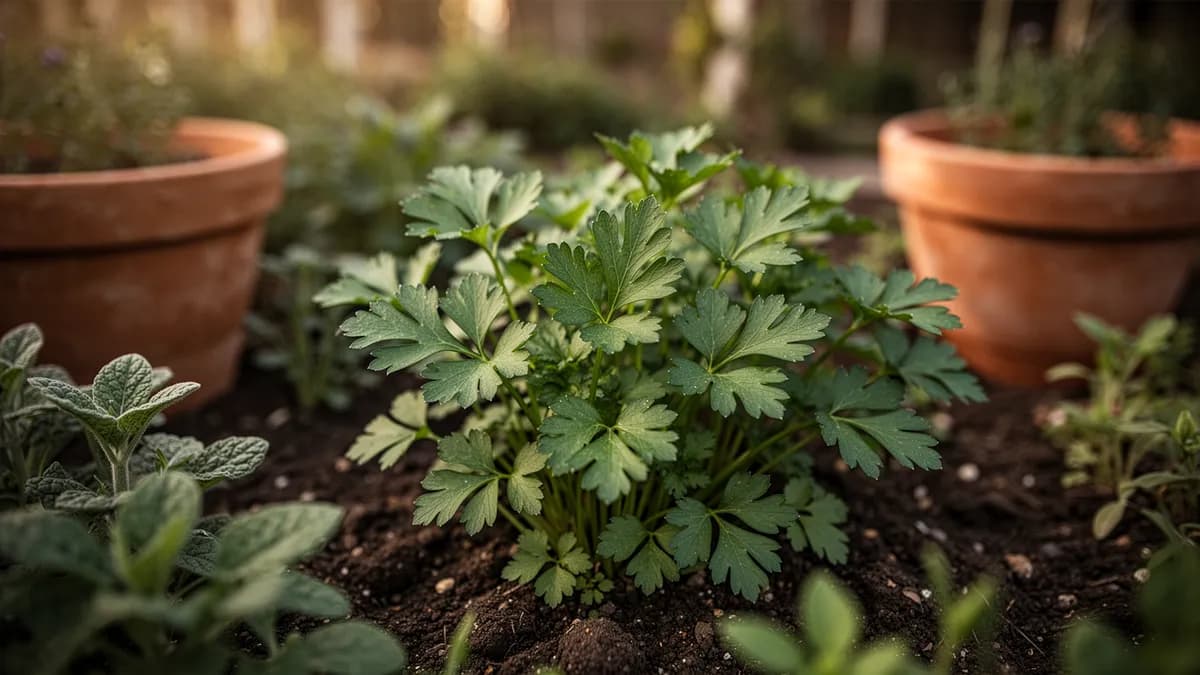
Eine extrem dicht gekräuselte Petersiliensorte mit dichtem, moosartigem Laub, die die dekorativste Garnitur aller Petersilientypen darstellt.





Auf dieser SeiteÜberblick
Mooskrause Petersilie im Überblick
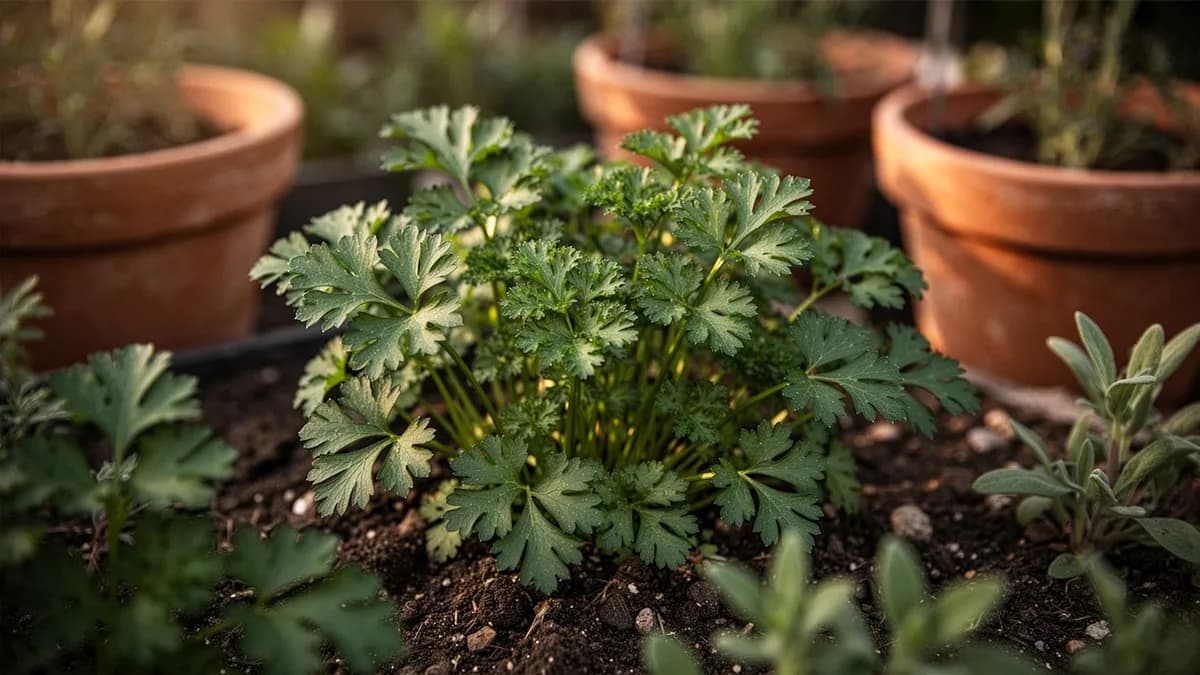
Eine extrem dicht gekräuselte Petersiliensorte mit dichtem, moosartigem Laub, die die dekorativste Garnitur aller Petersilientypen darstellt. Die kompakten Pflanzen bilden ordentliche Hügel, die sich ideal für den Anbau in Gefäßen und auf Küchenfensterbänken eignen. Obwohl der Geschmack milder ist als bei glatten Sorten, machen die attraktive Textur und die lange Haltbarkeit sie zu einem Restaurantliebling.
Wann Mooskrause Petersilie pflanzen
Beginnen Sie mit der Anzucht von mooskrauser Petersilie im Haus 10–12 Wochen vor dem letzten Frosttermin, da die Keimung langsam ist (2–4 Wochen). Weichen Sie die Samen 24 Stunden in warmem Wasser ein, bevor Sie sie in 0,5 cm Tiefe aussäen. Halten Sie eine Bodentemperatur von 18–22 °C und gleichmäßige Feuchtigkeit aufrecht. Bewässerung von unten verhindert Störungen an der Oberfläche. Samen können auch 3–4 Wochen vor dem letzten Frost direkt im Freien ausgesät werden. Manche Gärtner gießen nach der Aussaat kochendes Wasser entlang der Saatreihe, um die harte Samenschale aufzuweichen und die Keimung zu beschleunigen.
Dein Mooskrause Petersilie-Jahr
Abgestimmt auf Zone 7 · typische Saison · Frost geht um den 2. Apr. und kehrt um den 1. Nov. zurück
Mooskrause Petersilie Mär – Mai pflanzen, Mai – Okt ernten. Beachte die Pflanzmethoden unten und wähle dein Klima für passende Zeiträume.
So baust du Mooskrause Petersilie an
Mooskrause Petersilie bildet außergewöhnlich dicht gekräuseltes Laub, das attraktive kompakte Hügel formt, was sie zur erstklassigen Garnier-Petersilie und einer ausgezeichneten Kübelpflanze macht. Säen Sie die Samen 3–4 Wochen vor dem letzten Frost im Freien aus oder beginnen Sie 10–12 Wochen vor dem Umpflanzen mit der Anzucht im Haus. Pflanzen Sie im Abstand von 20 cm in fruchtbaren, feuchtigkeitsspeichernden Boden in voller Sonne bis Halbschatten.
Weichen Sie die Samen vor der Aussaat 24 Stunden in warmem Wasser ein, um die bekanntermaßen langsame Keimung zu verbessern. Halten Sie während der 2–4-wöchigen Keimzeit eine gleichmäßige Bodenfeuchtigkeit aufrecht. Gießen Sie nach dem Anwachsen regelmäßig und mulchen Sie, um die Wurzeln kühl zu halten – Petersilie schießt schnell, wenn sie durch Hitze oder Trockenheit gestresst wird. Düngen Sie alle 3–4 Wochen mit einem stickstoffreichen Dünger, um üppiges, dunkelgrünes Laub zu fördern.
Als zweijährige Pflanze bildet mooskrause Petersilie im ersten Jahr Blätter und blüht im zweiten Frühjahr, bevor sie abstirbt. Für eine kontinuierliche Ernte säen Sie jedes Jahr neue Pflanzen. In milden Klimazonen (Zone 7+) überwintern die Pflanzen oft und liefern frühe Frühjahrsernten, bevor sie schießen. Entfernen Sie alle Blütenstängel, die sich bilden, um die Blattproduktion zu verlängern, obwohl dies auf Dauer nicht verhindert werden kann.
72 Pflanzen passen in ein Beet von 120 × 240 cm
Mooskrause Petersilie braucht 20 cm Platz pro Pflanze. Der Planer hält diesen Abstand für dich ein — jede Pflanze, jedes Beet.
Die besten Nachbarn für Mooskrause Petersilie
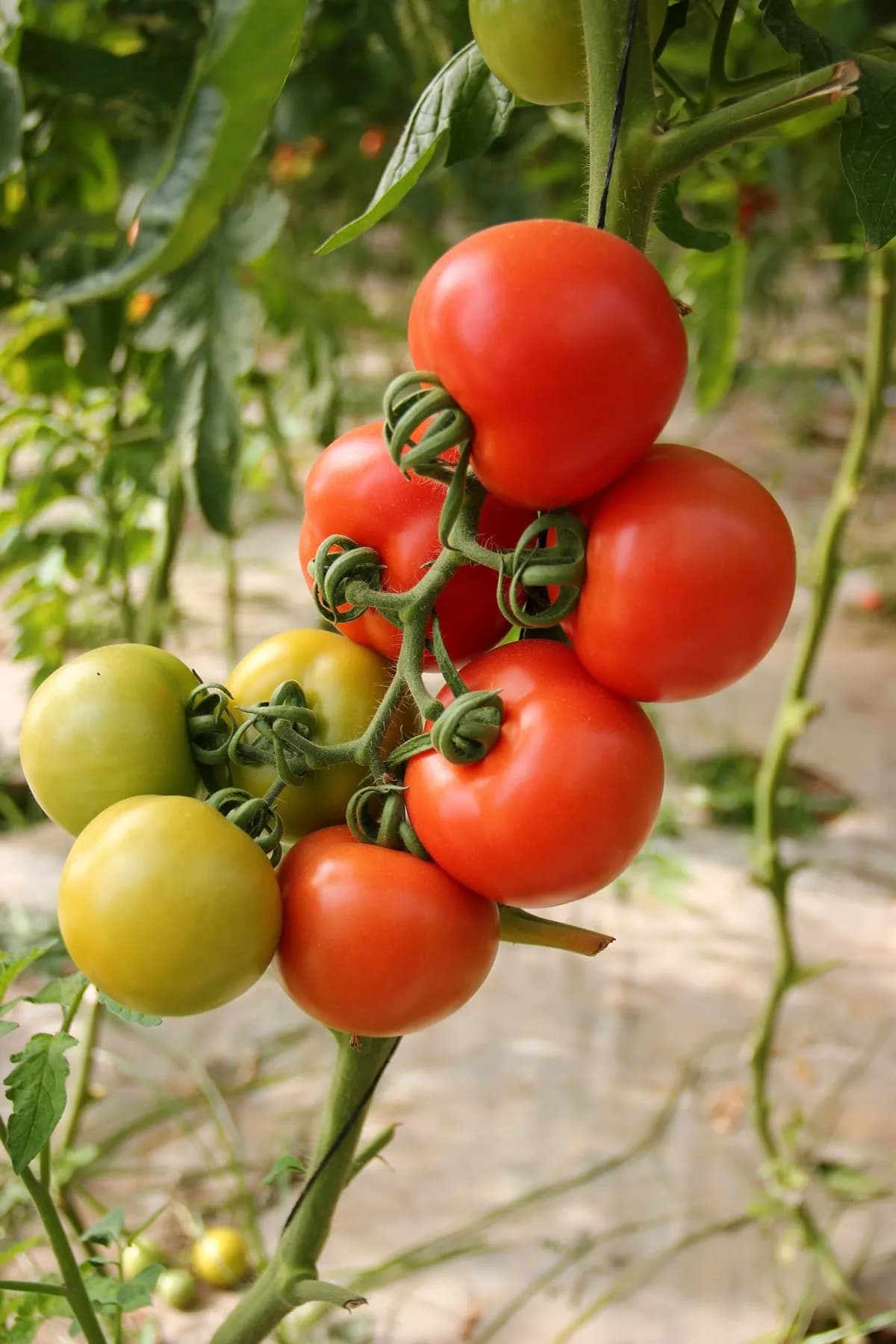
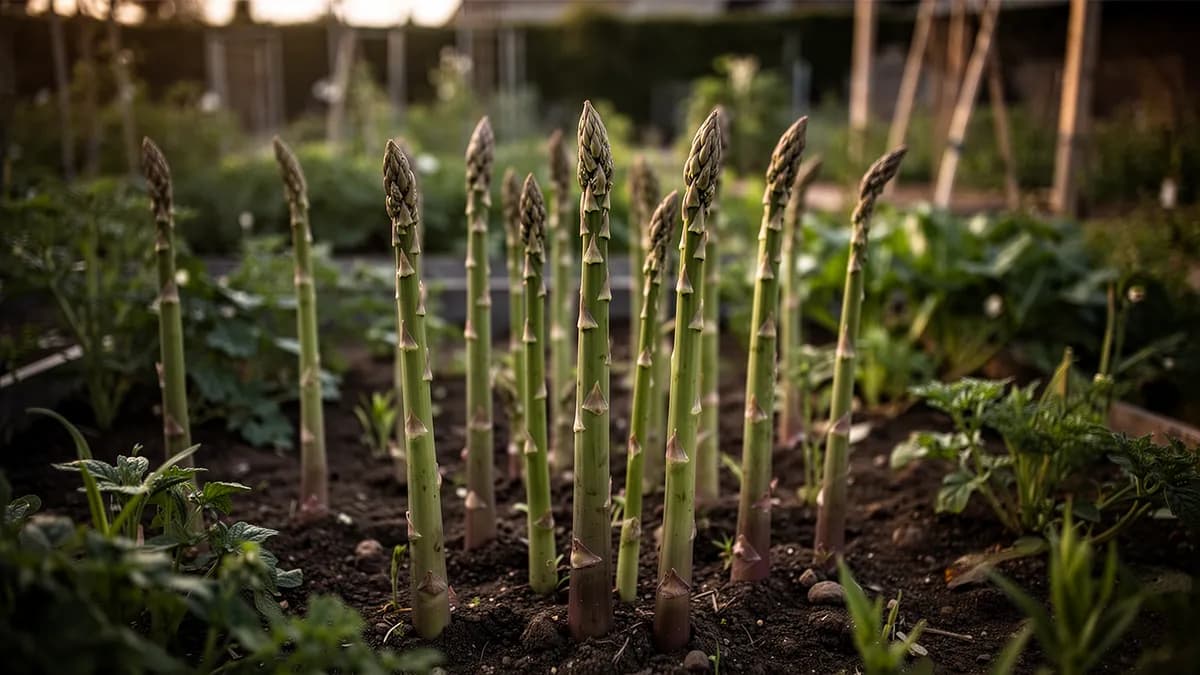
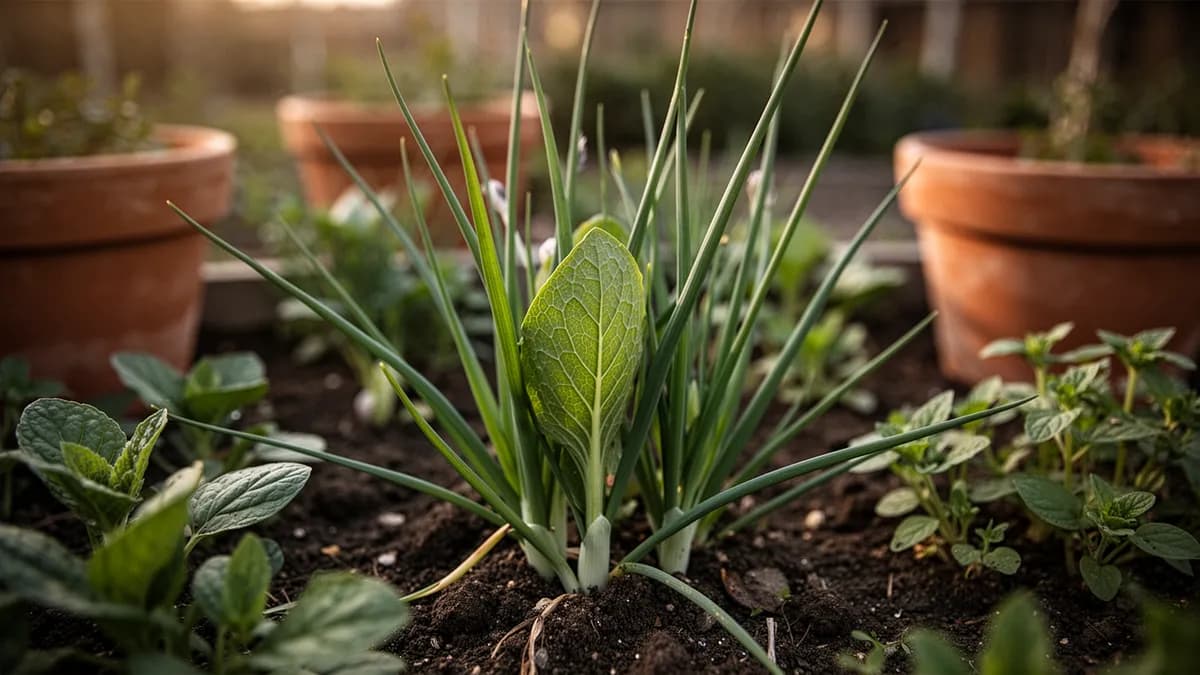
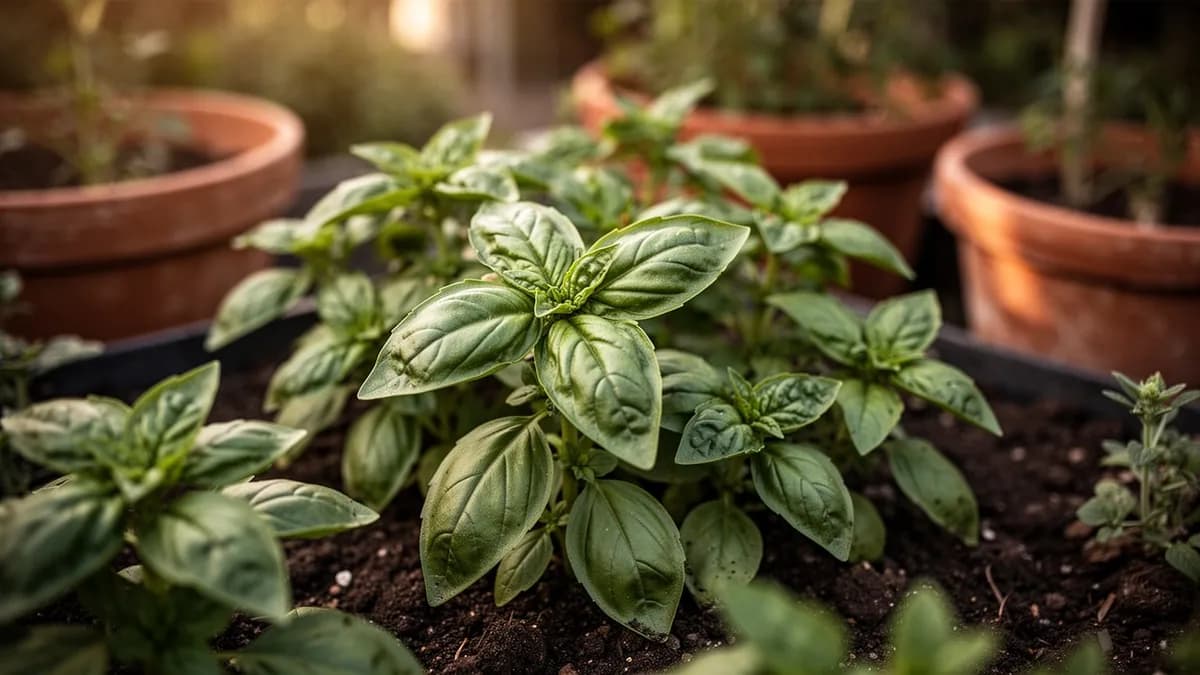
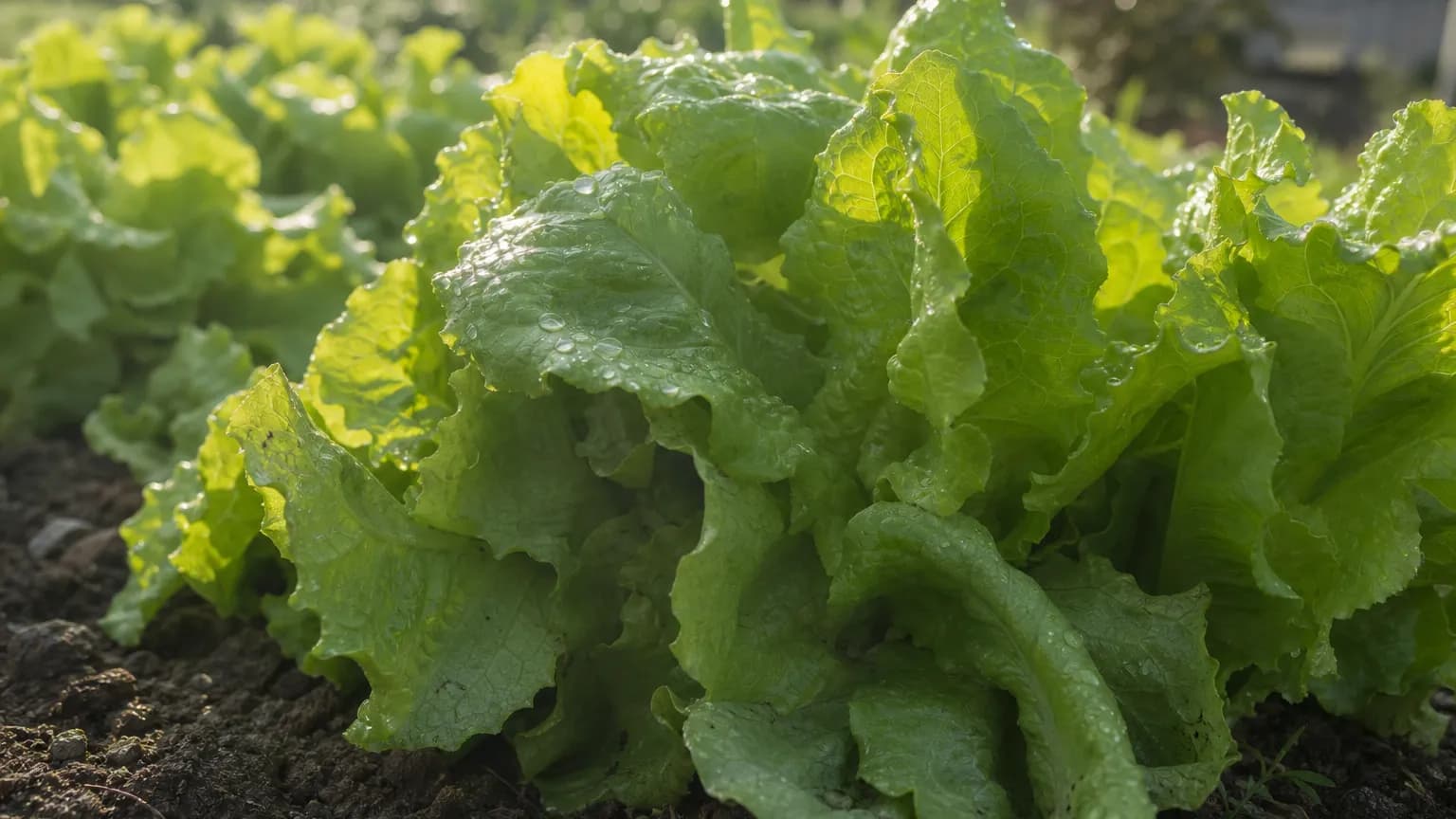
Petersilie fördert Tomaten, Spargel und Rosen, wenn sie in der Nähe gepflanzt wird, möglicherweise indem sie nützliche Schlupfwespen anlockt, die Tomatenschwärmer jagen. Das flache Wurzelsystem konkurriert nicht mit tiefer wurzelnden Begleitpflanzen. Vermeiden Sie die Pflanzung neben Salat und anderen Doldenblütlern, die gemeinsame Schädlinge und Krankheiten haben. Wenn die Petersilie im zweiten Jahr blühen darf, zieht sie Schwebfliegen und kleine Schlupfwespen an, die biologische Schädlingsbekämpfung im gesamten Garten ermöglichen.
Tomate gehört daneben. Kopfsalat nicht.
Altes Gärtnerwissen, geprüft an der echten Nachbartabelle von Mooskrause Petersilie — teste jede Pflanze, die du anbaust.
Probiere Mooskrause Petersilie direkt hier im Beet
Ein echtes Planer-Beet, Mooskrause Petersilie steht schon drin. Tippe einen Begleiter an, platziere ihn und sieh, wie die Nachbarschaftsprüfung antwortet — grün für gute Nachbarn, rot bei Streit.


Passende Anbau-Ratgeber
Richtig düngen
Kultivieren Sie in reichhaltigem, gut durchlässigem Boden mit hohem Gehalt an organischer Substanz. Der ideale pH-Wert liegt bei 6,0–7,0. Reichern Sie den Boden vor der Pflanzung großzügig mit Kompost an. Düngen Sie alle 3–4 Wochen mit einem stickstoffreichen Flüssigdünger, um dichtes, dunkelgrünes Blattwachstum zu fördern. Verwenden Sie in Gefäßen hochwertige Blumenerde und düngen Sie häufiger, da Nährstoffe durch regelmäßiges Gießen ausgewaschen werden. Geben Sie Mitte der Saison Blutmehl oder Fischmehl als zusätzliche Stickstoffversorgung hinzu.
Ideale Temperatur
Winterhärtezone-Kompatibilität
Von der Saat zur Ernte, Schritt für Schritt
Keimung
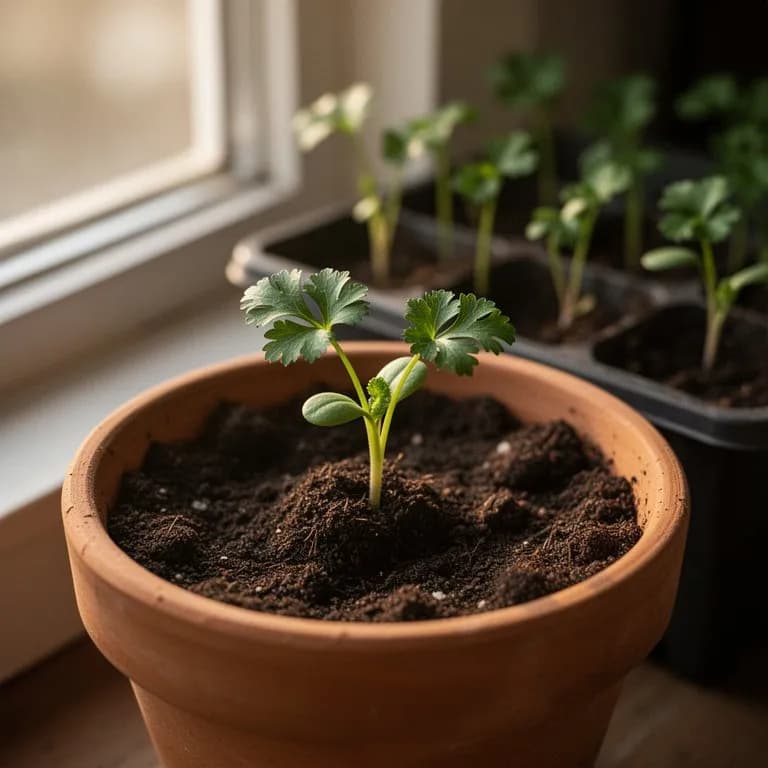
Petersiliensamen sind bekannt für ihre langsame Keimung, die oft 14 bis 21 Tage dauert. Die Samen enthalten Furocumarine, die die Keimung hemmen. Das Einweichen der Samen über Nacht in warmem Wasser kann den Prozess um mehrere Tage beschleunigen.
Sämlingsstadium
Die ersten echten Blätter erscheinen, anfangs glatt, bevor sie die charakteristische gekräuselte Textur entwickeln. Sämlinge sind empfindlich und wachsen in dieser Phase langsam, während sie ihr Wurzelsystem aufbauen.
Vegetatives Wachstum
Die Pflanze tritt in eine Phase kräftiger Blattproduktion ein und bildet eine dichte Rosette aus eng gekräuseltem, hellgrünem Laub. Die Stängel werden dicker und die Pflanze entwickelt eine kräftige Pfahlwurzel.
Reife Erntephase
Die Pflanze erreicht die volle Reife und produziert reichlich Laub, das sich für eine kontinuierliche Ernte eignet. Die äußeren Stängel sollten zuerst geschnitten werden, damit die Mitte während der gesamten Saison weiter neues Wachstum produzieren kann.
Überwinterung
Als zweijährige Pflanze kann Petersilie milde Winter mit etwas Schutz überstehen. Das Wachstum verlangsamt sich bei kaltem Wetter erheblich, kann aber an geschützten Standorten oder unter Abdeckung fortgesetzt werden. Die Pfahlwurzel speichert Energie für das zweite Jahr.
Schießen und Blüte
Im zweiten Jahr treibt die Petersilie einen hohen zentralen Blütenstängel mit kleinen gelbgrünen Doldenblüten. Sobald das Schießen beginnt, wird der Blattgeschmack bitter und die Pflanze leitet ihre Energie in die Samenproduktion um.
Halten Sie den Boden während der Keimung gleichmäßig feucht, aber nicht staunass. Bedecken Sie Anzuchtschalen mit Frischhaltefolie oder einer Feuchtigkeitshaube, um das Feuchtigkeitsniveau aufrechtzuerhalten.
Mooskrause Petersilie Monat für Monat pflegen
Was du jeden Monat für deine Mooskrause Petersilie tun solltest
Oktober
Aktueller MonatTragen Sie Mulch um die Pflanzen auf, um die Wurzeln vor frühem Frost zu schützen. Ernten Sie weiter, solange die Blätter grün bleiben. Stellen Sie in Gefäßen gezogene Pflanzen an geschützte Plätze oder nach drinnen in die Nähe eines hellen Fensters.
Immer wissen, was jetzt im Garten zu tun ist
Eine E-Mail zum Monatsanfang: was du jetzt säen, pflanzen und anpacken solltest — für deine Mooskrause Petersilie und alles, was drumherum wächst. Dazu ein kurzer Startkurs, der dich vor den klassischen Fehlern bewahrt.
- Was jetzt zu tun ist
- Passend zu deiner Saison
- Startkurs inklusive
Mooskrause Petersilie ernten
Beginnen Sie mit der Ernte der mooskrausen Petersilie, wenn die Pflanzen mindestens 8–10 gut entwickelte Blattstiele haben. Schneiden Sie die äußeren Stängel an der Basis ab und arbeiten Sie sich von außen nach innen vor, wobei der zentrale Vegetationspunkt intakt bleibt, um weiter zu wachsen. Diese Schnitt-und-Nachwuchs-Methode ermöglicht Ernten über viele Monate. Wählen Sie zum Garnieren die am dichtesten gekräuselten, leuchtend grünen Zweige. Die Stängel speichern mehr Geschmack als die Blätter, verwenden Sie sie daher beim Kochen mit, anstatt nur die Blattspitzen zu nutzen.
angenommen, du pflanzt zu Beginn des Zeitraums — trage dein tatsächliches Datum ein
Ernte Mooskrause Petersilie zügig, dann trägt die Pflanze weiter.
Lagerung & Konservierung
Frische mooskrause Petersilie hält sich 1–2 Wochen im Kühlschrank, wenn die Stängel in einem Glas Wasser stehen und locker mit einer Plastiktüte abgedeckt werden. Alternativ wickeln Sie sie in feuchte Papiertücher in einem verschlossenen Beutel. Frieren Sie gehackte Petersilie in Eiswürfelbehältern mit Wasser oder Olivenöl für bequemes Kochen ein. Die dicht gekräuselten Blätter halten beim Einfrieren besser als glatte Sorten. Trocknen Sie sie bei niedriger Temperatur im Dörrautomaten, obwohl getrocknete krause Petersilie viel von ihrem frischen Geschmack und ihrer Farbe verliert.
Was schiefgeht — und die Lösung
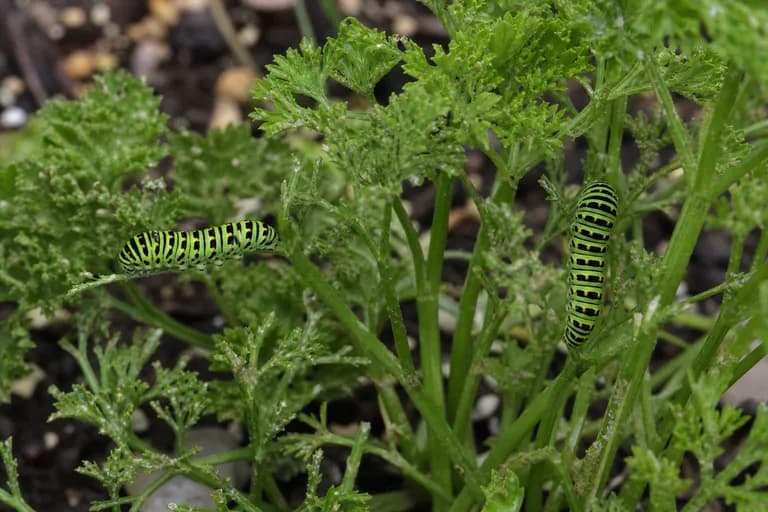
Petersilienraupe (Schwalbenschwanz-Larve)
SchädlingBunte grün, schwarz und gelb gestreifte Raupen fressen das Laub. Können kleine Pflanzungen schnell kahlfressen.
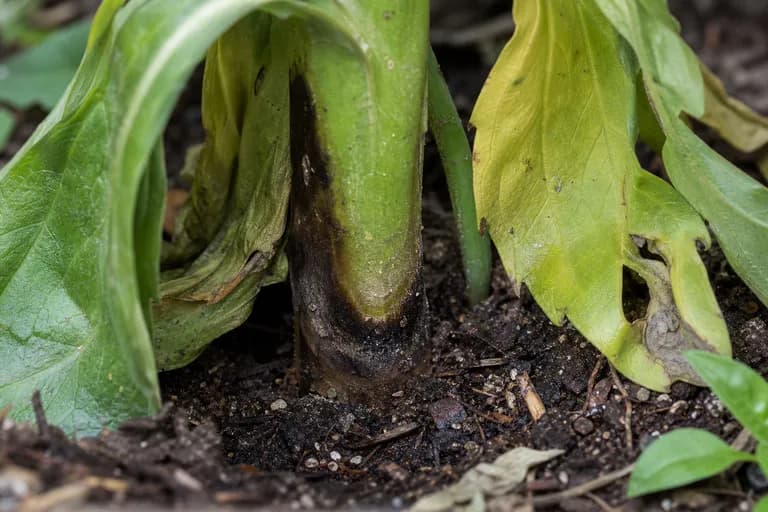
Kronenfäule
KrankheitVergilben der inneren Blätter, weiche Fäulnis an der Basis, wo die Stängel auf den Boden treffen, Welken und Zusammenfallen der Pflanze.
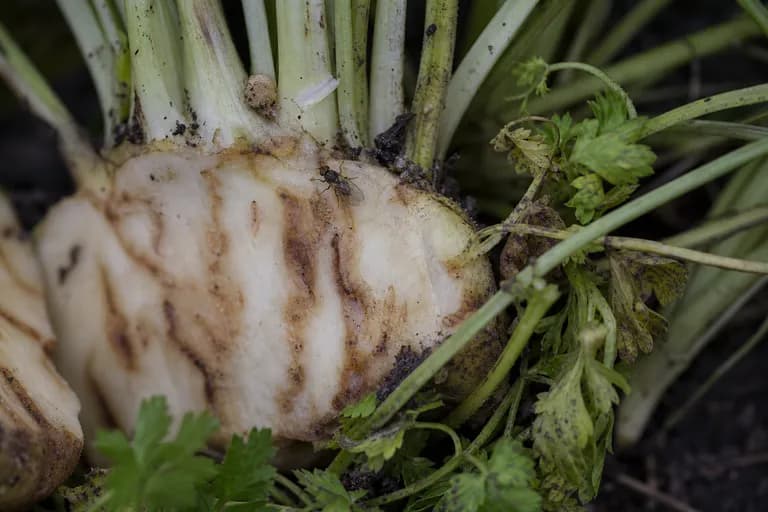
Möhrenfliege
SchädlingVergilben und Welken des Laubs, rostige Fraßgänge in den Wurzeln beim Herausziehen der Pflanzen. Niedrig fliegende Fliegen legen Eier an den Stängelbasis ab.
Fehlerbehebung bei häufigen Problemen
Langsame Keimung ist die größte Herausforderung bei Petersilie – das Einweichen der Samen und die Aufrechterhaltung gleichmäßiger Feuchtigkeit sind unerlässlich. Vergilbende untere Blätter deuten meist auf Stickstoffmangel hin; erhöhen Sie die Düngung. Schießen bei heißem Wetter bedeutet, dass die Pflanze ihren Lebenszyklus beendet – säen Sie gestaffelt für eine kontinuierliche Versorgung. Blasse, gelbliche Blätter im Halbschatten deuten auf zu wenig Licht hin; stellen Sie die Pflanze an einen helleren Standort. Kübelpflanzen trocknen schnell aus und benötigen im Sommer tägliches Gießen.
Anbautipps
- Weichen Sie Petersiliensamen vor der Aussaat 12 bis 24 Stunden in warmem Wasser ein, um die Samenschale aufzuweichen und den langsamen Keimprozess deutlich zu beschleunigen.
- Säen Sie die Samen flach in einer Tiefe von nur 5 bis 8 Millimetern aus, da Petersiliensamen etwas Licht benötigen, um die Keimung wirksam auszulösen.
- Halten Sie während der Keimzeit, die 14 bis 21 Tage dauern kann, eine gleichmäßige Bodenfeuchtigkeit aufrecht. Lassen Sie das Saatbett nicht austrocknen, da sonst die Keimrate stark sinkt.
- Kultivieren Sie Petersilie in reichhaltigem, gut durchlässigem Boden, der großzügig mit Kompost angereichert ist. Ein leicht saurer bis neutraler pH-Wert von 6,0 bis 7,0 ist ideal für kräftiges Wachstum.
- Ernten Sie zuerst die äußeren Stängel, indem Sie sie an der Basis der Pflanze schneiden. Diese Methode regt die Krone an, weiterhin frisches neues Wachstum aus der Mitte zu produzieren.
- Bieten Sie während der heißesten Sommerzeit Halbschatten, besonders in Zonen mit Temperaturen, die regelmäßig 28 Grad Celsius überschreiten, um das Schießen zu verzögern.
- Düngen Sie die Pflanzen alle zwei bis drei Wochen mit einem stickstoffreichen Flüssigdünger oder Komposttee, um die kräftige Blattproduktion während der gesamten Saison aufrechtzuerhalten.
- Pflanzen Sie Petersilie neben Tomaten, Spargel und Rosen als Begleitpflanze. Sie lockt Schwebfliegen und Schlupfwespen an, die häufige Gartenschädlinge jagen.
- Frieren Sie frische Petersilie in Eiswürfelbehältern mit etwas Wasser oder Olivenöl für die bequeme Portionierung beim Winterkochen ein. Dies bewahrt den Geschmack weit besser als das Trocknen.
- Kultivieren Sie Petersilie in kälteren Klimazonen in Gefäßen, die vor dem ersten strengen Frost auf eine helle Fensterbank ins Haus gebracht werden können, um die Ernte über den Winter zu verlängern.
Bau deine beste Mooskrause Petersilie an — und alles drumherum.
Starte heute kostenlos. Lege deine Beete an, setze deine Mooskrause Petersilie ein und lass PlotMyGarden Timing, Abstände, Begleiter und Erinnerungen von der Saat bis zum Erntekorb übernehmen.
Finde deine Mooskrause Petersilie
Moss Curled
Die klassische Sorte mit extrem dichten, moosartigen Kräuselungen und dunkelgrüner Farbe. Die Standard-Garnier-Petersilie.
Forest Green
Eine wüchsige Sorte mit sehr dunkelgrünen, dicht gekräuselten Blättern an kräftigen Stielen. Bessere Hitzetoleranz als die Standard-Mooskrause.
Triple Curled
Extra dicht gekräuselte Blätter mit einer fast krausen Textur. Kompakte Pflanzen, ideal für den Anbau in Gefäßen und auf Fensterbankgärten.
Krausa
Eine winterharte krause Petersilie mit guter Überwinterungsfähigkeit. Produziert reichlich, gut gekräuseltes Laub früh in der Saison.
Ein einzelnes Päckchen mooskrause Petersiliensamen kostet etwa 2 bis 3 Euro und kann Dutzende von Pflanzen hervorbringen, die jeweils über viele Monate Erträge liefern. Ein kleines Bund frische Petersilie im Supermarkt kostet typischerweise 1 bis 2 Euro und hält nur wenige Tage. Der Anbau von nur drei oder vier Pflanzen zu Hause kann eine kontinuierliche Versorgung mit frischer Petersilie im Wert von 40 bis 60 Euro oder mehr über eine gesamte Anbausaison liefern, was sie zu einem der ertragreichsten Kräuter für Hobbygärtner macht.
Schnelle Rezepte
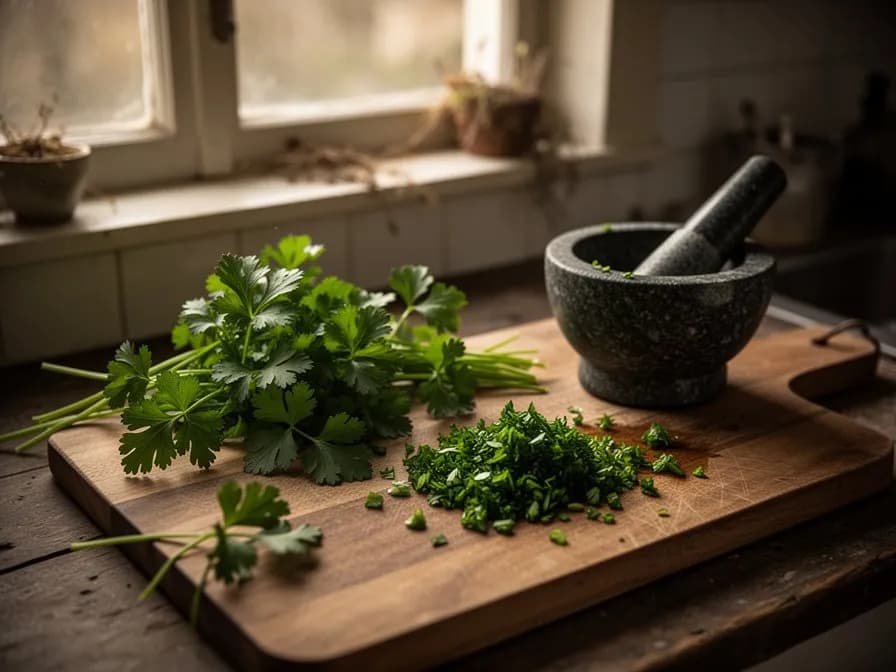
Klassischer Taboulé-Salat
20 Min.Ein traditioneller nahöstlicher Salat, bei dem Petersilie die Hauptrolle spielt und nicht nur als Garnitur dient. Frische mooskrause Petersilie wird fein gehackt und mit Bulgurweizen, Tomaten und einem frischen Zitronendressing zu einem erfrischenden und nahrhaften Gericht kombiniert.
8 Zutaten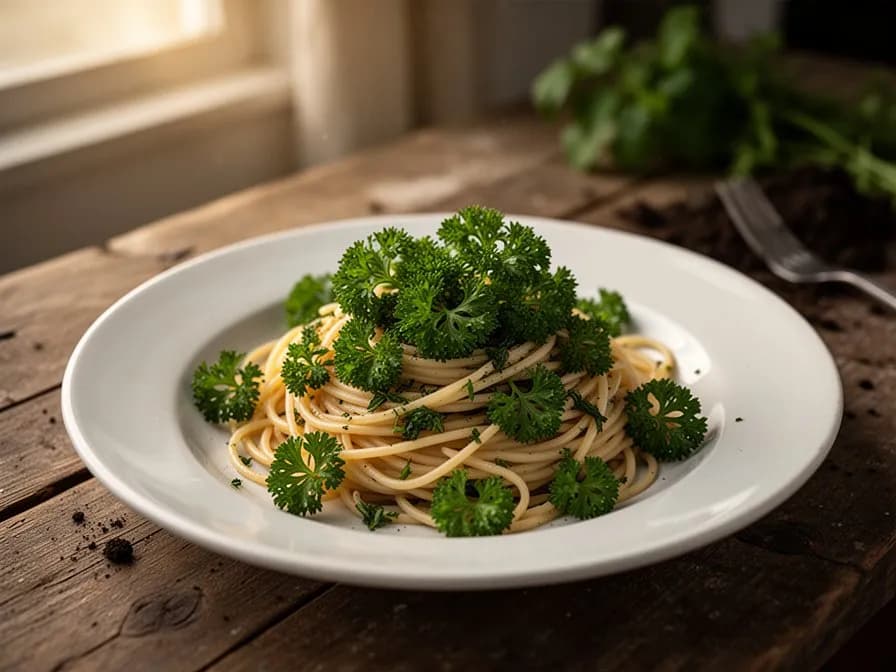
Petersilien-Pesto
10 Min.Ein leuchtend grünes Pesto, das Petersilie anstelle des traditionellen Basilikums verwendet und eine leichtere, kräuterigere Soße ergibt, die perfekt zu Pasta, gegrilltem Fisch oder auf knusprigem Brot passt. Die mooskrause Sorte verleiht dem Pesto eine wunderschöne tiefgrüne Farbe.
7 ZutatenChimichurri-Soße
15 Min.Eine argentinische Kräutersoße, die traditionell zu gegrilltem Fleisch serviert wird. Diese Version verwendet mooskrause Petersilie als Hauptkraut, kombiniert mit Knoblauch, Essig und Olivenöl, um ein kräftiges und würziges Gewürz zu schaffen, das auch hervorragend zu geröstetem Gemüse passt.
7 ZutatenKulinarische Verwendung
Mooskrause Petersilie ist das klassische Garnierkraut mit dekorativem Laub, das seine Form auf dem Teller gut behält. Der Geschmack ist milder und etwas bitterer als bei glatten Sorten. Verwenden Sie sie frisch in Salaten, Taboulé (obwohl glatte Petersilie traditionell ist) und grünen Soßen. Hacken Sie sie fein für Kräuterbutter, Frischkäse und Kräuterdips. Die gekräuselte Textur hält Dressings in Kartoffel- und Getreidesalaten gut. Frittieren Sie ganze Zweige für eine knusprige Garnitur.
Was drinsteckt
Gesundheitsvorteile
- Reich an Vitamin K, das eine entscheidende Rolle bei der Blutgerinnung spielt und die Knochenmineraldichte unterstützt, was dazu beiträgt, das Risiko von Knochenbrüchen zu verringern
- Enthält hohe Mengen an Vitamin C, einem starken Antioxidans, das die Immunfunktion, die Kollagensynthese und die Eisenaufnahme aus pflanzlichen Lebensmitteln unterstützt
- Liefert das Flavonoid Apigenin, das auf seine entzündungshemmenden Eigenschaften und sein Potenzial zur Unterstützung der Herz-Kreislauf-Gesundheit durch Verringerung von oxidativem Stress untersucht wird
- Wirkt als natürliches Diuretikum und wird traditionell zur Unterstützung der Nierengesundheit sowie zur Verringerung von Wassereinlagerungen und Blähungen eingesetzt
- Der hohe Chlorophyllgehalt kann die natürlichen Entgiftungsprozesse des Körpers unterstützen und trägt nach den Mahlzeiten zu frischem Atem bei
- Enthält Folsäure, die für die DNA-Synthese und Zellteilung unerlässlich ist, was sie besonders wichtig während der Schwangerschaft und in Phasen schnellen Wachstums macht
Woher Mooskrause Petersilie stammt
Mooskrause Petersilie gehört zur Art Petroselinum crispum, einem Mitglied der Familie der Doldenblütler (Apiaceae), die im zentralen und östlichen Mittelmeerraum beheimatet ist. Wilde Petersilie stammt wahrscheinlich aus Sardinien, von wo aus sie sich vor Tausenden von Jahren über Südeuropa, Nordafrika und Westasien ausbreitete. Archäologische Funde deuten darauf hin, dass Petersilie bereits im dritten Jahrhundert v. Chr. kultiviert wurde, wobei ihre anfängliche Verwendung hauptsächlich medizinisch und zeremoniell war und nicht kulinarisch. Die alten Griechen schätzten Petersilie als heilige Pflanze, die mit dem Tod und der Unterwelt in Verbindung gebracht wurde. Sie verwendeten sie zum Schmücken von Gräbern und zum Krönen von Siegern bei Leichenspielen, aßen sie aber selten bei Tisch. Die Römer waren unter den Ersten, die Petersilie als Nahrungspflanze annahmen und sie in Soßen, Salate und Fleischgerichte einarbeiteten. Der römische Naturforscher Plinius der Ältere bemerkte, dass Petersilie in fast jedem Garten und auf jedem Tisch im gesamten Reich vorhanden war. Nach dem Fall Roms wurde der Petersilienanbau in Klostergärten im gesamten mittelalterlichen Europa fortgesetzt, wo Mönche sie sowohl für ihre medizinischen Eigenschaften als auch ihre kulinarische Vielseitigkeit schätzten. Karl der Große ordnete im neunten Jahrhundert an, Petersilie in seinen königlichen Gärten anzubauen, was dazu beitrug, ihren Anbau in Nordeuropa zu verbreiten. Die mooskrause Sorte mit ihren eng gewellten und gekräuselten Blättern wurde durch selektive Züchtung in Europa im 16. und 17. Jahrhundert entwickelt. Gärtner bevorzugten diese Form wegen ihres dekorativen Aussehens und ihrer robusten Textur, die sie zu einer idealen Garnitur machte, die auf dem Teller ihre Form gut behielt. Im 18. Jahrhundert war mooskrause Petersilie zur dominierenden Sorte in englischen und französischen Küchengärten geworden. Europäische Kolonisten brachten Petersilie nach Amerika, wo sie sich schnell als Standardkraut etablierte. Heute bleibt mooskrause Petersilie eine der am häufigsten angebauten Kräutersorten in gemäßigten Gärten weltweit, geschätzt für ihr dekoratives Laub, ihren milden Geschmack und ihre außergewöhnliche Nährstoffdichte.
Mooskrause Petersilie: Schon gewusst?
Faszinierende Fakten über Mooskrause Petersilie
Man glaubte einst, dass Petersiliensamen siebenmal in die Unterwelt und zurück reisen, bevor sie keimen – eine volkstümliche Erklärung für ihre notorisch langsame und unregelmäßige Keimung.
Mooskrause Petersilie: Fragen & Antworten
Wann sollte ich Mooskrause Petersilie pflanzen?
Was sind gute Begleitpflanzen für Mooskrause Petersilie?
In welchen Winterhärtezonen kann Mooskrause Petersilie wachsen?
Wie viel Sonne braucht Mooskrause Petersilie?
Welchen Abstand sollte ich zwischen Mooskrause Petersilie lassen?
Welche Schädlinge und Krankheiten befallen Mooskrause Petersilie?
Wie lagere ich Mooskrause Petersilie nach der Ernte?
Was sind die besten Mooskrause Petersilie-Sorten zum Anbauen?
Welchen Boden braucht Mooskrause Petersilie?
Warum braucht meine Petersilie so lange zum Keimen?
Was ist der Unterschied zwischen mooskrauser und glatter Petersilie?
Warum hat meine Petersilie angefangen zu blühen und schmeckt bitter?
Kann ich mooskrause Petersilie das ganze Jahr über drinnen anbauen?
Wie verhindere ich Schädlinge an meinen Petersilienpflanzen?
Ist es sicher, Petersilie in großen Mengen zu essen?
Du hast die Theorie gelesen. Jetzt baue sie auf Autopilot an.
Alles, was Mooskrause Petersilie knifflig macht — das Timing, die Abstände, die Begleiter, das Erntefenster — genau das übernimmt PlotMyGarden für dich, für jede Pflanze im Garten.
Ein Plan, der dein Wetter kennt
Standort einmal festlegen. Aussaat-, Dünge- und Erntedaten rund um deinen echten letzten Frosttermin und die Live-Vorhersage — kein Raten mehr nach Saattüte.
Aus dem Abschnitt „Pflanzzeit“Beetplaner per Drag & Drop
Beete auf einem Raster gestalten. Jede Pflanze rastet im richtigen Abstand ein, und du siehst die ganze Saison, bevor du einen Cent für Saatgut ausgibst.
Aus dem Abschnitt „Anbau“Begleiter-Konflikte früh erkannt
Über 200 gute und schlechte Kombinationen werden beim Pflanzen live geprüft — so landet ein saisonruinierender Fehler nie in der Erde.
Aus dem Abschnitt „Begleiter“Erinnerungen, nach denen du wirklich handelst
„Gieß die Bohnen.“ „Heute ernten, bevor's umschlägt.“ Pünktlich, konkret und auf deine echten Pflanzen bezogen.
Aus dem Abschnitt „Ernte“Staffel-Aussaat, geplant
Sechs Wochen ernten statt sechs Tage? Die App verteilt deine Aussaaten automatisch und erinnert dich, wenn der nächste Satz fällig ist.
Aus dem Abschnitt „Pflanzzeit“Ein Verlauf, der schlauer wird
Jede protokollierte Ernte bringt der App deinen Garten bei. Der Plan fürs nächste Jahr startet bei dem, was in deinem Boden wirklich funktioniert hat.
Aus dem Abschnitt „Überblick“Pflanze diese neben Mooskrause Petersilie
Weitere Küchenkräuter
Halte Mooskrause Petersilie von diesen fern
Bau deine beste Mooskrause Petersilie an — und alles drumherum.
Starte heute kostenlos. Lege deine Beete an, setze deine Mooskrause Petersilie ein und lass PlotMyGarden Timing, Abstände, Begleiter und Erinnerungen von der Saat bis zum Erntekorb übernehmen.