Glattblättrige Petersilie
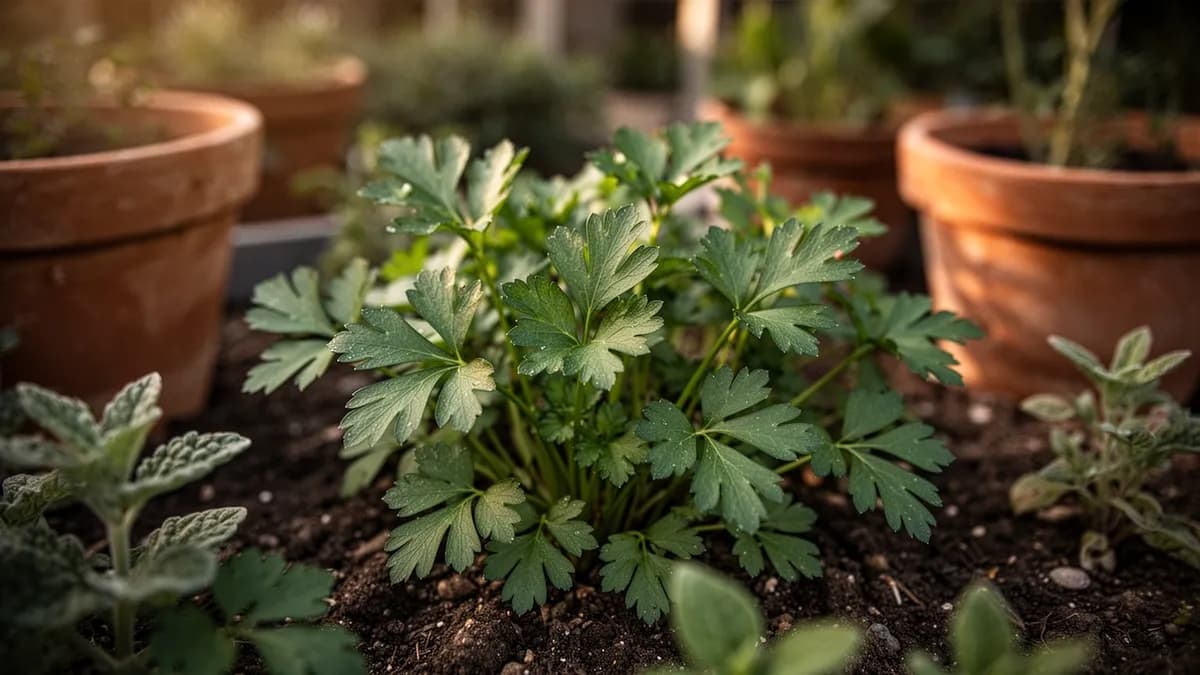
Die bevorzugte Küchenpetersiliesorte mit flachen, tief gelappten Blättern, die deutlich mehr Geschmack bieten als krause Sorten.





Auf dieser SeiteÜberblick
Glattblättrige Petersilie im Überblick
Die bevorzugte Küchenpetersiliesorte mit flachen, tief gelappten Blättern, die deutlich mehr Geschmack bieten als krause Sorten. Italienische glattblättrige Petersilie ist unverzichtbar in Taboulé, Chimichurri, Gremolata und als Würzkraut in unzähligen Gerichten. Weichen Sie die Samen vor dem Pflanzen ein und haben Sie Geduld, da die Keimung bis zu vier Wochen dauern kann.
Wann Glattblättrige Petersilie pflanzen
Weichen Sie die Samen der glattblättrigen Petersilie 12–24 Stunden in warmem Wasser ein, bevor Sie sie pflanzen, um die harte Samenschale aufzuweichen und die Keimung zu verbessern. Säen Sie die Samen 0,5 cm tief in feuchte Anzuchterde, 6–8 Samen pro Zelle, da die Keimrate niedrig sein kann. Halten Sie die Bodentemperatur bei 18–21 °C. Die Samen brauchen 14–28 Tage zum Keimen. Stellen Sie helles Licht bereit, sobald die Sämlinge erscheinen, und vereinzeln Sie auf 2–3 der stärksten Sämlinge pro Zelle. Pflanzen Sie nach 7–10 Tagen Abhärtung ins Freie um. Direktsaat ist auch im zeitigen Frühjahr oder Herbst wirksam.
Dein Glattblättrige Petersilie-Jahr
Abgestimmt auf Zone 7 · typische Saison · Frost geht um den 2. Apr. und kehrt um den 1. Nov. zurück
Glattblättrige Petersilie Mär – Mai pflanzen, Mai – Okt ernten. Beachte die Pflanzmethoden unten und wähle dein Klima für passende Zeiträume.
So baust du Glattblättrige Petersilie an
Glattblättrige Petersilie ist ein zweijähriges Kraut, das am besten als einjährige Pflanze für die Küche angebaut wird. Beginnen Sie mit der Aussaat 8–10 Wochen vor dem letzten Frosttermin im Haus und weichen Sie die Samen über Nacht in warmem Wasser ein, um die Keimung zu beschleunigen. Säen Sie die Samen 0,5 cm tief in feuchte Anzuchterde und halten Sie die Bodentemperatur bei 18–21 °C. Die Keimung ist bekanntermaßen langsam und dauert oft 2–4 Wochen, also haben Sie Geduld und halten Sie die Erde gleichmäßig feucht.
Setzen Sie die Sämlinge nach dem Abhärten ins Freie und pflanzen Sie sie in einem Abstand von 20–25 cm in nährstoffreiche, gut durchlässige Erde, die mit Kompost angereichert ist. Glattblättrige Petersilie verträgt Halbschatten und entwickelt tatsächlich aromatischere Blätter mit etwas Nachmittagsschatten in heißen Klimazonen. Gießen Sie regelmäßig, um die Erde gleichmäßig feucht, aber nicht staunass zu halten.
Sobald die Pflanzen etabliert sind, beginnen Sie mit der Ernte der äußeren Stängel, um kontinuierliches neues Wachstum aus der Mitte zu fördern. Im zweiten Jahr schießt die Petersilie und bildet Blüten und Samen. Lassen Sie einige Pflanzen blühen, um Nützlinge anzulocken und für die Selbstaussaat zukünftiger Ernten zu sorgen. Mulchen Sie um die Pflanzen herum, um die Feuchtigkeit zu halten und Unkraut zu unterdrücken.
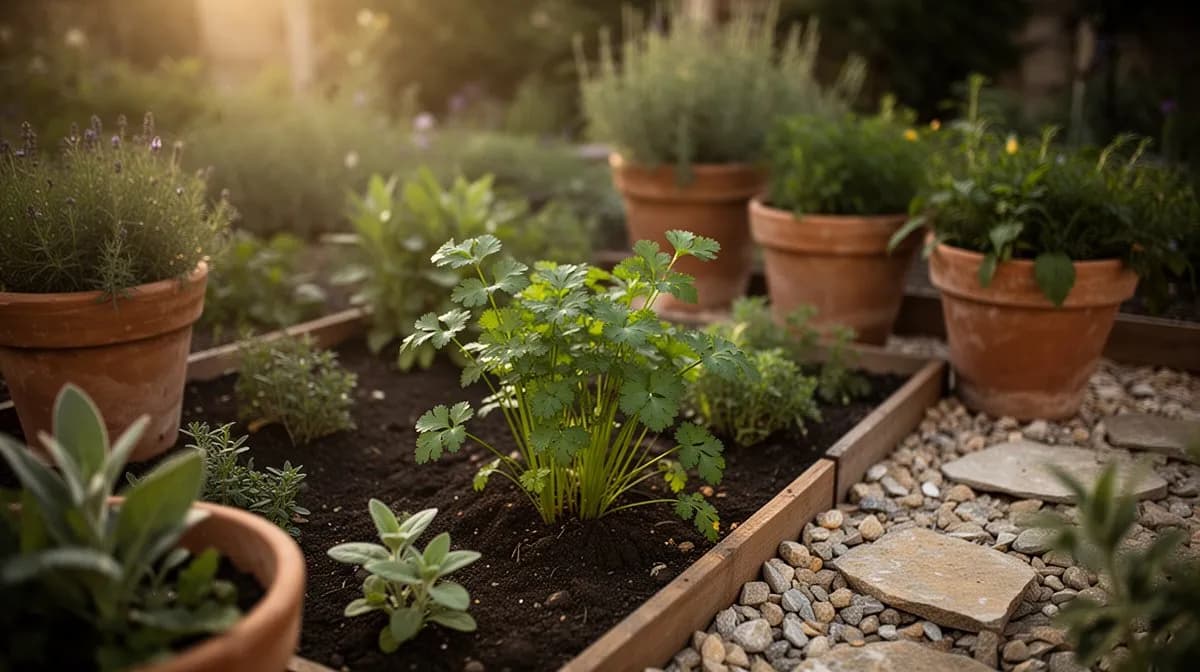
72 Pflanzen passen in ein Beet von 120 × 240 cm
Glattblättrige Petersilie braucht 20 cm Platz pro Pflanze. Der Planer hält diesen Abstand für dich ein — jede Pflanze, jedes Beet.
Die besten Nachbarn für Glattblättrige Petersilie
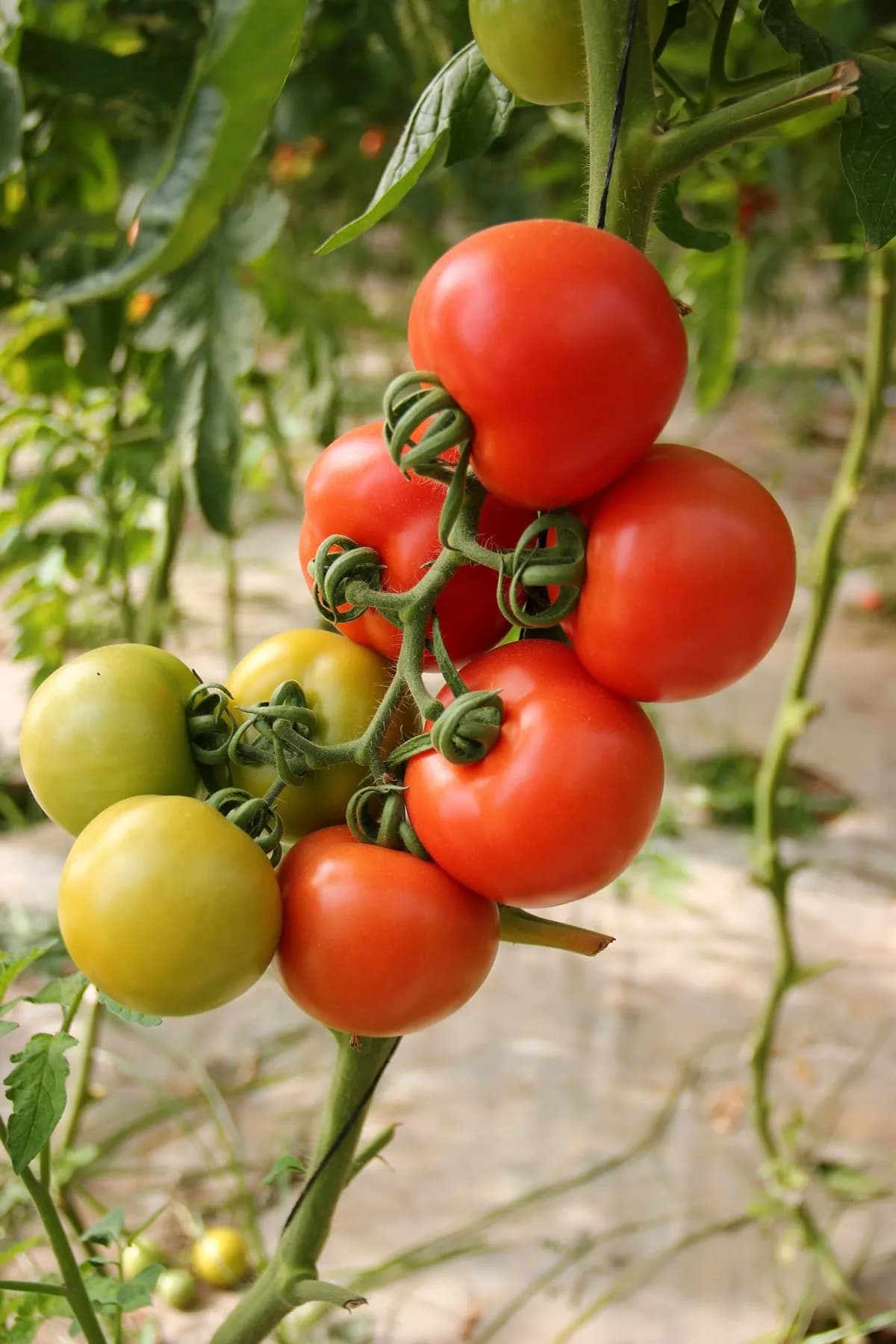
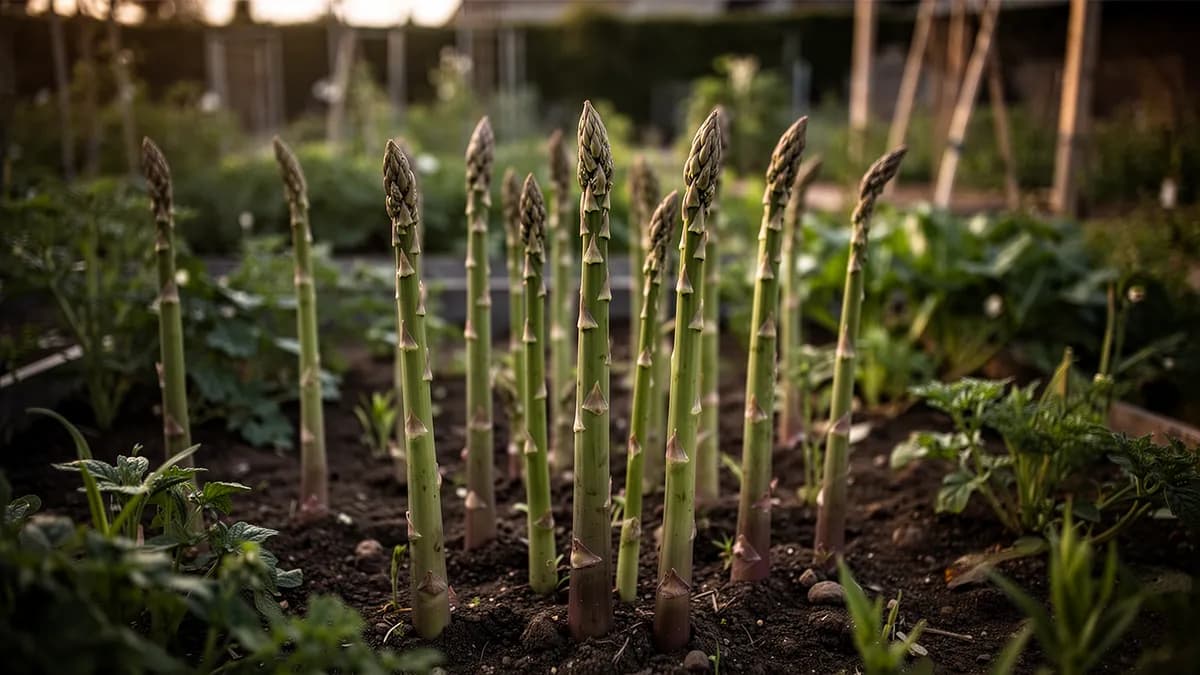
Glattblättrige Petersilie ist eine ausgezeichnete Begleitpflanze für Tomaten und vertreibt bestimmte Tomatenschädlinge mit ihren aromatischen Ölen, während sie nützliche Schwebfliegen und Schlupfwespen anlockt. Pflanzen Sie sie neben Spargel, um die Vitalität beider Pflanzen zu verbessern. Petersilie nützt auch Rosen, indem sie Raubinsekten anlockt, die Blattläuse bekämpfen. Vermeiden Sie das Pflanzen neben Kopfsalat, da sie um Nährstoffe konkurrieren, und halten Sie Abstand zu Minze, die Petersilie mit ihrem aggressiven Wurzelsystem überwältigen kann.
Tomate gehört daneben. Kopfsalat nicht.
Altes Gärtnerwissen, geprüft an der echten Nachbartabelle von Glattblättrige Petersilie — teste jede Pflanze, die du anbaust.
Probiere Glattblättrige Petersilie direkt hier im Beet
Ein echtes Planer-Beet, Glattblättrige Petersilie steht schon drin. Tippe einen Begleiter an, platziere ihn und sieh, wie die Nachbarschaftsprüfung antwortet — grün für gute Nachbarn, rot bei Streit.


Passende Anbau-Ratgeber
Richtig düngen
Glattblättrige Petersilie gedeiht in nährstoffreicher, gut durchlässiger Erde mit einem pH-Wert von 6,0–7,0. Arbeiten Sie 8–10 cm Kompost in das Pflanzenbeet ein, bevor Sie säen. Düngen Sie alle 3–4 Wochen mit einem stickstoffreichen Flüssigdünger oder Fischemulsion, um üppiges Blattwachstum zu fördern. Vermeiden Sie übermäßigen Phosphor, der die Blattproduktion hemmen kann. Geben Sie Mitte der Saison eine Kompost-Seitendüngung, um die Nährstoffe aufzufüllen. In Gefäßen verwenden Sie eine hochwertige Blumenerde mit Wurmhumus und düngen Sie alle zwei Wochen.
Ideale Temperatur
Winterhärtezone-Kompatibilität
Von der Saat zur Ernte, Schritt für Schritt
Samenkeimung
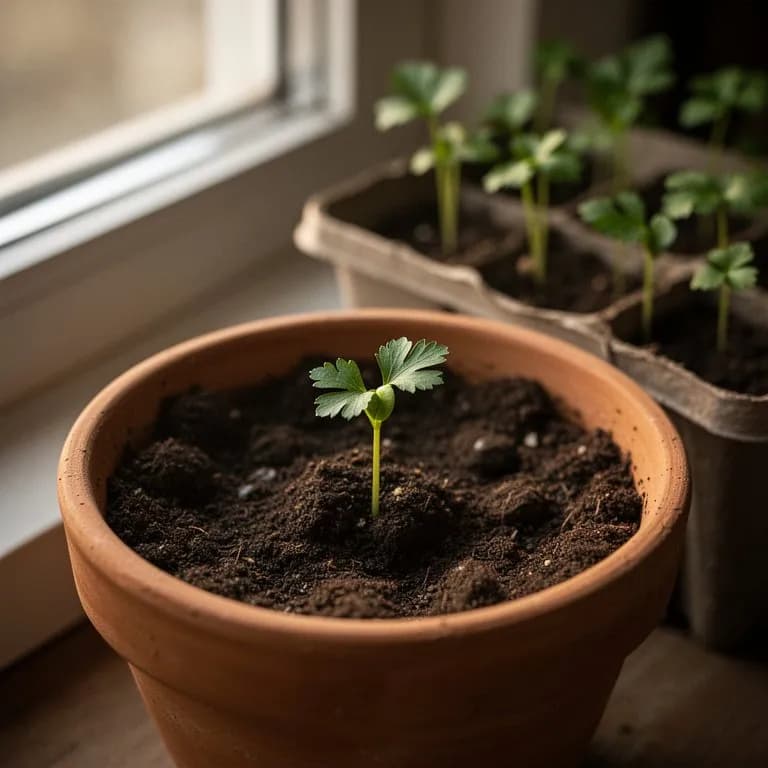
Petersiliensamen sind bekanntermaßen langsam und ungleichmäßig in der Keimung und brauchen unter idealen Bedingungen typischerweise 14–21 Tage. Die Samen enthalten Furanocumarine, die die Keimung hemmen, bis Feuchtigkeit die harte Samenschale vollständig durchdrungen hat. Eine winzige weiße Keimwurzel erscheint zuerst, gefolgt von einem schlanken Hypokotyl, das zwei schmale, riemenförmige Keimblätter über die Bodenoberfläche schiebt.
Sämlingsentwicklung
Die ersten echten Blätter erscheinen als kleine, flache zusammengesetzte Blätter mit drei Blättchen, die sich deutlich von den einfachen Keimblättern unterscheiden. Das Wachstum ist in diesem Stadium langsam, da die Pflanze stark in die Entwicklung einer tiefen, kräftigen Pfahlwurzel investiert, die sie durch ihren zweijährigen Lebenszyklus verankert und erhält. Sämlinge sind empfindlich und anfällig für Umfallkrankheit bei zu nassen Bedingungen.
Vegetatives Wachstum
Die Pflanze tritt in eine kräftige Wachstumsphase ein und produziert zunehmend größere zusammengesetzte Blätter mit tief gezahnten, flachen Blättchen an langen, glatten Stängeln. Eine dichte Rosette aus dunkelgrünem Laub bildet sich, während die Pflanze heranreift. Die tiefe Pfahlwurzel ist nun gut etabliert, wodurch die Pflanze im ausgewachsenen Zustand überraschend trockenheitstolerant ist. Die Stängel werden mit jedem aufeinanderfolgenden Schnitt dicker und produktiver.
Volle Produktion
Die Pflanze erreicht ihre volle produktive Größe und bildet einen üppigen Hügel aus aromatischem Laub von 30–45 cm Höhe und Breite. Blätter werden regelmäßig vom äußeren Ring der Rosette geerntet, während die zentrale Krone kontinuierlich neue Stängel nachschiebt. Unter guten Bedingungen kann eine einzelne Pflanze über mehrere Monate hinweg Dutzende Male geerntet werden. Der Geschmack ist in dieser langen produktiven Phase auf seinem Höhepunkt.
Überwinterung
Als zweijährige Pflanze übersteht glattblättrige Petersilie ihren ersten Winter in Zone 5 und wärmer und geht in eine Semi-Ruhephase über, wenn die Temperaturen sinken. Das Wachstum verlangsamt sich dramatisch und die äußeren Blätter können vergilben oder absterben, aber die Krone und Pfahlwurzel bleiben unter der Bodenoberfläche lebendig. In milden Klimazonen kann die eingeschränkte Ernte den Winter über fortgesetzt werden. Die Pflanze speichert Energie in ihrer Pfahlwurzel für den Blütenstängel des zweiten Jahres.
Schossen und Blüte
Im zweiten Jahr treibt die Pflanze schnell einen hohen zentralen Blütenstängel, der 60–90 cm erreicht. Flache Dolden mit winzigen gelbgrünen Blüten locken eine breite Palette von Nützlingen an, darunter Schwebfliegen, Schlupfwespen und Florfliegen. Die Blattproduktion verlangsamt sich und das verbleibende Laub wird zäher und bitterer, da die Pflanze alle Energie auf die Samenproduktion umlenkt. Die Samen reifen über mehrere Wochen von grün zu braun.
Weichen Sie die Samen 12–24 Stunden in warmem Wasser ein, um die Samenschale aufzuweichen und die Keimung zu beschleunigen. Säen Sie 5–8 mm tief und halten Sie die Erde gleichmäßig feucht – lassen Sie sie während der langen Keimphase niemals austrocknen. Eine feuchte Zeitungs- oder Juteabdeckung hilft, die Feuchtigkeit zu halten, bis die Sprossen erscheinen.
Glattblättrige Petersilie Monat für Monat pflegen
Was du jeden Monat für deine Glattblättrige Petersilie tun solltest
Oktober
Aktueller MonatBringen Sie eine dicke Wintermulchschicht (8–10 cm aus Stroh oder Laub) über den Kronen der Pflanzen an, die Sie überwintern möchten. In Zone 6 und kälter schützen Sie mit einem Frühbeet oder dicker Mulchschicht. Zimmerpflanzen in Töpfen sollten am hellsten verfügbaren Fenster mit mindestens 6 Stunden Licht stehen.
Immer wissen, was jetzt im Garten zu tun ist
Eine E-Mail zum Monatsanfang: was du jetzt säen, pflanzen und anpacken solltest — für deine Glattblättrige Petersilie und alles, was drumherum wächst. Dazu ein kurzer Startkurs, der dich vor den klassischen Fehlern bewahrt.
- Was jetzt zu tun ist
- Passend zu deiner Saison
- Startkurs inklusive
Glattblättrige Petersilie ernten
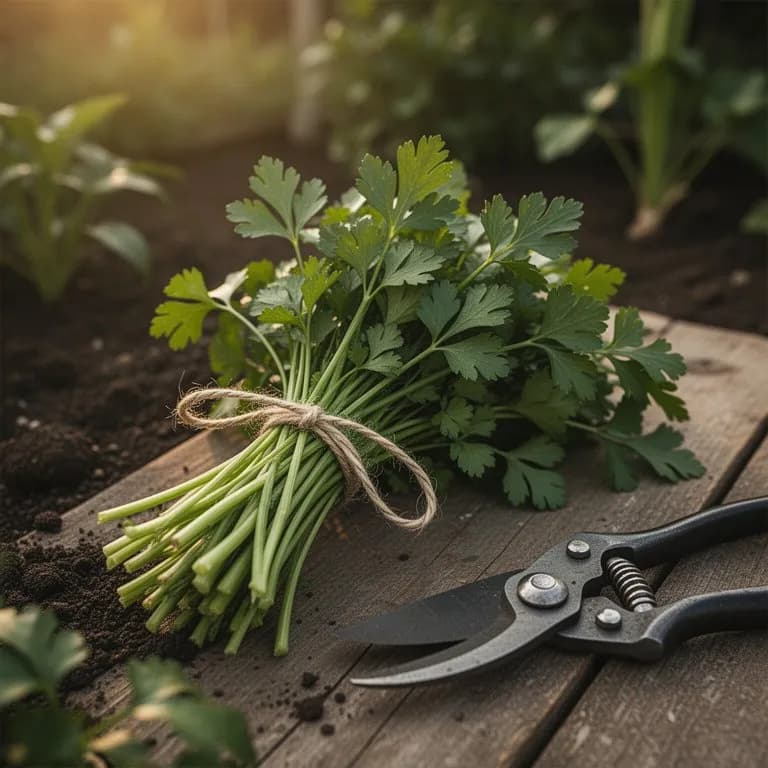
Beginnen Sie mit der Ernte der glattblättrigen Petersilie, sobald die Stängel drei Blattsegmente haben. Schneiden Sie die äußeren Stängel an der Basis ab, anstatt die Spitzen abzuknipsen, was die kontinuierliche Produktion aus der Mitte fördert. Ernten Sie morgens nach dem Abtrocknen des Taus für den höchsten Gehalt an ätherischen Ölen. Regelmäßiges Ernten alle 1–2 Wochen hält die Pflanzen produktiv. Für große Ernten schneiden Sie die gesamte Pflanze auf 5 cm über der Krone zurück, und sie wird nachwachsen. Eine Pflanze kann über die gesamte Wachstumssaison mehrere Schnitte liefern.
angenommen, du pflanzt zu Beginn des Zeitraums — trage dein tatsächliches Datum ein
Ernte Glattblättrige Petersilie zügig, dann trägt die Pflanze weiter.
Lagerung & Konservierung
Lagern Sie frische glattblättrige Petersilie, indem Sie die Stängel in ein feuchtes Küchentuch wickeln und in einem Plastikbeutel im Kühlschrank bis zu zwei Wochen aufbewahren, oder stellen Sie die Stängel wie einen Blumenstrauß in ein Glas Wasser. Für längere Aufbewahrung hacken Sie die Blätter und frieren Sie sie in Eiswürfelformen mit Wasser oder Olivenöl ein. Glattblättrige Petersilie lässt sich gut im Dörrgerät bei 35 °C trocknen und behält mehr Geschmack als krause Sorten beim Trocknen. Petersilie kann auch in Salz konserviert oder zu Kräuterbutter verarbeitet und eingefroren werden.
Was schiefgeht — und die Lösung
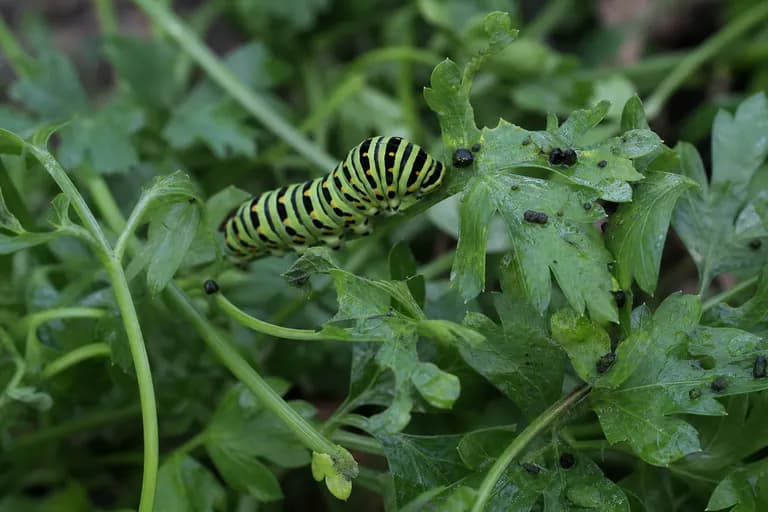
Petersilienraupe (Schwalbenschwanz-Raupe)
SchädlingGroße grüne, schwarz und gelb gestreifte Raupen, die am Laub fressen, sichtbarer Kot auf den Blättern.
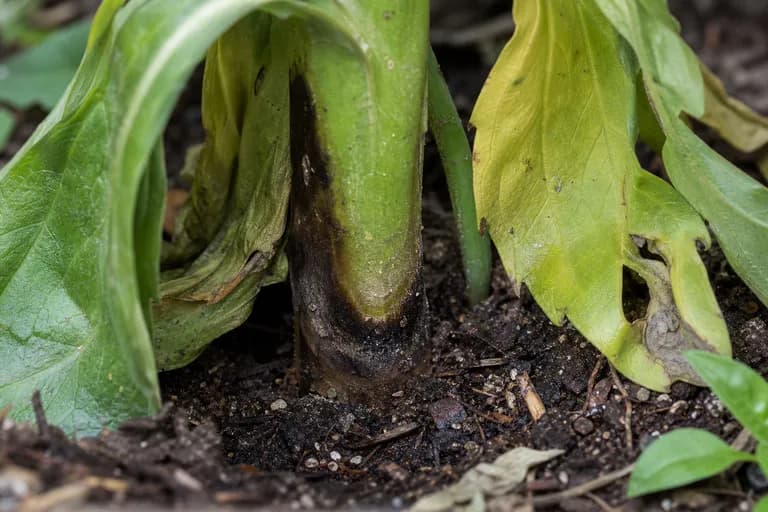
Wurzelfäule
KrankheitVergilbende untere Blätter, matschige Krone auf Bodenniveau, Welken trotz ausreichender Bewässerung.
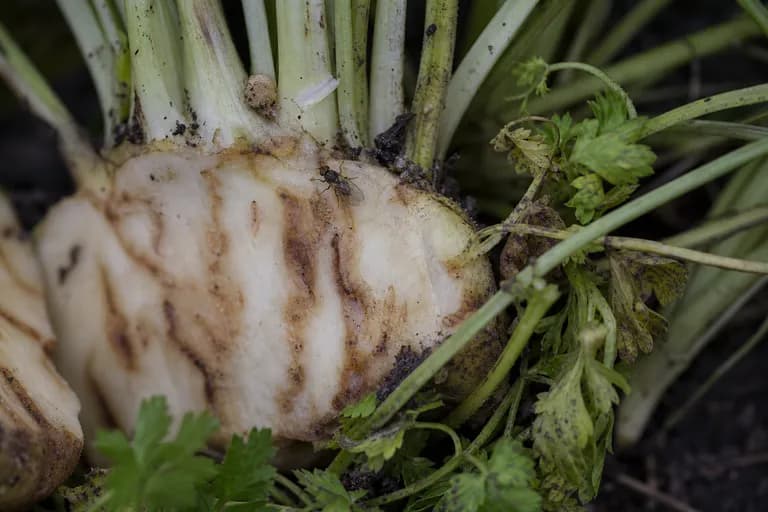
Möhrenfliege
SchädlingKümmerliches Wachstum, welkendes Laub, rostfarbene Fraßgänge in den Wurzeln beim Herausziehen.
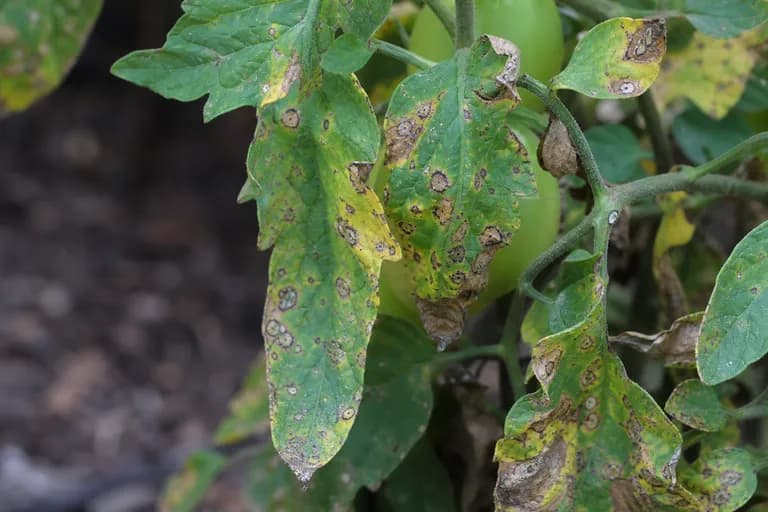
Septoria-Blattfleckenkrankheit
KrankheitKleine braune Flecken mit dunklen Rändern auf älteren Blättern, vergilbendes Laub, vorzeitiger Blattfall.
Fehlerbehebung bei häufigen Problemen
Langsame Keimung ist die häufigste Frustration bei glattblättriger Petersilie, die oft 3–4 Wochen dauert. Das Einweichen der Samen über Nacht verbessert die Keimrate erheblich. Gelbe Blätter deuten typischerweise auf Überbewässerung oder Stickstoffmangel hin. Schossen im zweiten Jahr ist für diese zweijährige Pflanze natürlich. Im ersten Jahr kann vorzeitiges Schossen durch Verpflanzungsstress oder Temperaturschwankungen verursacht werden. Vergeiles Wachstum resultiert aus unzureichendem Licht. Wurzelfäule tritt in schlecht entwässerten oder überbewässerten Böden auf.
Anbautipps
- Weichen Sie Petersiliensamen 12–24 Stunden in warmem Wasser ein, bevor Sie sie pflanzen, um die Keimung dramatisch zu beschleunigen. Ohne Einweichen können Petersiliensamen 3–6 Wochen zum Keimen brauchen – mit Einweichen erwarten Sie das Auftauchen in 10–14 Tagen. Manche Gärtner übergießen die Samen kurz mit kochendem Wasser, um die hartnäckige Samenschale weiter aufzuweichen.
- Säen Sie direkt oder pflanzen Sie Petersilie 3–4 Wochen vor dem letzten Frühjahrsfrost ins Freie. Petersilie ist überraschend kälteresistent und verträgt leichte Fröste, sodass man nicht auf warmes Wetter warten muss. Frühes Pflanzen gibt der Pfahlwurzel Zeit, sich vor der Sommerhitze zu etablieren.
- Wählen Sie einen Standort mit nährstoffreicher, feuchter, gut durchlässiger Erde in Vollsonne bis Halbschatten. Petersilie verträgt mehr Schatten als die meisten Kräuter und profitiert in heißen Klimazonen sogar von Nachmittagsschatten, wo volle Sonne vorzeitiges Schossen und bitter schmeckende Blätter verursachen kann.
- Verwenden Sie für den Topfanbau tiefe Gefäße (mindestens 25 cm), da Petersilie eine lange Pfahlwurzel entwickelt, die Platz braucht. Flache Gefäße verursachen Kümmerwuchs und frühes Schossen. Verwenden Sie eine nährstoffreiche Blumenerde und sorgen Sie für ausgezeichnete Drainage, um Wurzelfäule zu vermeiden.
- Ernten Sie, indem Sie ganze äußere Stängel an der Bodenoberfläche abschneiden, anstatt einzelne Blätter von oben zu pflücken. Diese Methode regt die Krone an, kräftige neue Stängel aus der Mitte zu bilden, und führt über die gesamte Saison zu einer buschigeren, produktiveren Pflanze.
- Ernten Sie niemals mehr als ein Drittel der Pflanze auf einmal. Das Entfernen von zu viel Laub auf einmal stresst die Pflanze und verlangsamt den Nachwuchs. Bei regelmäßiger moderater Ernte alle 2–3 Wochen bleibt eine einzelne Pflanze 6–8 Monate oder länger produktiv.
- Säen Sie Petersilie alle 4–6 Wochen vom frühen Frühling bis zum Hochsommer nach, um eine kontinuierliche Versorgung sicherzustellen. Dies ist besonders wichtig, da zweijährige Petersilie im zweiten Jahr schießt und neue Pflanzen im ersten Jahr Lücken in der Produktion verhindern.
- Pflanzen Sie Petersilie als Begleitpflanze neben Tomaten, Spargel und Rosen. Petersilie soll den Geschmack und die Vitalität benachbarter Tomatenpflanzen verbessern, und ihre Blüten locken Schwebfliegen und Schlupfwespen an, die Blattläuse, Raupen und andere häufige Gartenschädlinge bekämpfen.
- Glattblättrige Petersilie lässt sich besser einfrieren als fast jedes andere Kraut. Hacken Sie saubere Blätter, füllen Sie sie in Eiswürfelformen, bedecken Sie sie mit Wasser oder Olivenöl und frieren Sie sie ein. Diese Petersilienwürfel behalten ausgezeichnete Farbe und Geschmack für 6–12 Monate – weit überlegen gegenüber getrockneter Petersilie zum Kochen.
- Wenn Sie Petersilie im Winter drinnen anbauen, sorgen Sie für mindestens 6 Stunden direkte Sonneneinstrahlung oder ergänzen Sie mit einer Pflanzenlampe, die 15–20 cm über der Pflanze positioniert ist. Petersilie im Haus wächst langsamer als Freilandpflanzen, liefert aber während der kalten Monate einen stetigen Vorrat an frischen Blättern zum Kochen.
Bau deine beste Glattblättrige Petersilie an — und alles drumherum.
Starte heute kostenlos. Lege deine Beete an, setze deine Glattblättrige Petersilie ein und lass PlotMyGarden Timing, Abstände, Begleiter und Erinnerungen von der Saat bis zum Erntekorb übernehmen.
Finde deine Glattblättrige Petersilie
Giant of Italy
Die beliebteste glattblättrige Sorte mit sehr großen, dunkelgrünen Blättern und kräftigem Geschmack. Wüchsige Pflanze, die 60–90 cm hoch wird.
Titan
Eine kompakte glattblättrige Sorte mit ausgezeichneter Schossresistenz und dicken, dunkelgrünen Blättern. Ideal für den Anbau im Topf.
Giant of Naples
Eine alte italienische Sorte mit außergewöhnlich großen Blättern und kräftigem Sellerie-Petersilien-Geschmack. Hervorragende Schnitt-und-Nachwuchs-Produktion.
Frische glattblättrige Petersilie kostet im Supermarkt 2–4 € pro kleinem Bund, wobei jeder Bund nur 5–7 Tage im Kühlschrank hält. Ein einzelnes Samentütchen für 2–3 € ergibt 50–100 Pflanzen, und nur 3–4 Pflanzen im Garten liefern einen kontinuierlichen Vorrat an frischer Petersilie im Wert von 60–100 € oder mehr über eine volle Wachstumssaison zu Einzelhandelspreisen. Die Einsparungen vervielfachen sich dramatisch für alle, die regelmäßig kräuterintensive Gerichte wie Chimichurri, Taboulé oder Pesto zubereiten – bei denen ein einzelnes Rezept im Laden 6–12 € an Petersilie kosten kann, aber aus dem Garten praktisch nichts kostet.
Schnelle Rezepte
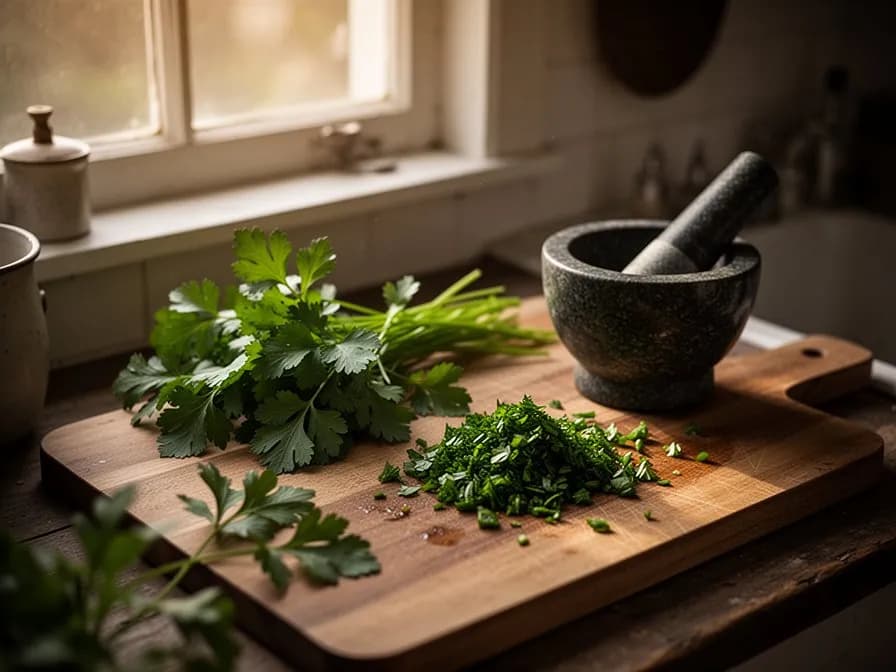
Klassisches argentinisches Chimichurri
15 Min.Die quintessentielle Petersiliensauce – ein kräftiges, kräuterreiches Würzmittel, das gegrilltes Fleisch, geröstetes Gemüse und knuspriges Brot verwandelt. Diese leuchtend grüne Sauce basiert auf einer Fülle frischer glattblättriger Petersilie als Grundlage, verfeinert mit Knoblauch, Essig und Chiliflocken.
7 ZutatenAuthentischer libanesischer Taboulé
30 Min.Echter libanesischer Taboulé ist ein Petersiliensalat mit etwas Bulgur, nicht umgekehrt. Dieser helle, intensiv frische Salat präsentiert glattblättrige Petersilie als Hauptdarsteller, ergänzt durch Minze, reife Tomaten und ein einfaches Zitronen-Olivenöl-Dressing.
8 ZutatenItalienische Gremolata
10 Min.Ein helles, aromatisches Mailänder Würzmittel aus fein gehackter Petersilie, Knoblauch und Zitronenschale. Traditionell über Ossobuco gelöffelt, ist Gremolata endlos vielseitig – streuen Sie sie über gebratenen Fisch, gegrilltes Gemüse, Pasta oder Suppen für einen sofortigen Frischekick.
5 ZutatenKulinarische Verwendung
Glattblättrige Petersilie ist die Basis von Taboulé, Chimichurri, Gremolata und Salsa verde. Ihr kräftiger Geschmack hält dem Kochen besser stand als krause Petersilie. Verwenden Sie sie großzügig in mediterranen Getreidesalaten, Suppen und Eintöpfen. Glattblättrige Petersilie ist unverzichtbar in Bouquet garni und Fines-herbes-Mischungen. Rühren Sie sie am Ende des Kochvorgangs in Pasta, Risotto und Eierspeisen für frischen Geschmack und lebhafte Farbe.
Was drinsteckt
Gesundheitsvorteile
- Außergewöhnlich reich an Vitamin K mit 1640 mcg pro 100 g – über 1360 % des Tageswerts – spielt eine entscheidende Rolle bei der ordnungsgemäßen Blutgerinnung, Kalziumregulierung und Erhaltung einer starken Knochendichte im Rahmen einer ausgewogenen Ernährung.
- Enthält bemerkenswert hohe Mengen an Vitamin C (133 mg pro 100 g, 148 % TW) und bietet starken antioxidativen Schutz sowie Unterstützung der Kollagensynthese, Wundheilung und Immunfunktion.
- Reich an dem antioxidativen Flavonoid Apigenin, das laut Labor- und Tierstudien entzündungshemmende, neuroprotektive und krebshemmende Eigenschaften haben könnte – obwohl mehr Forschung am Menschen nötig ist, um diese Wirkungen zu bestätigen.
- Der hohe Chlorophyllgehalt wirkt als natürliches inneres Desodorierungsmittel und wird seit Jahrhunderten traditionell zur Erfrischung des Atems verwendet und kann helfen, bestimmte Nahrungsgerüche einschließlich Knoblauch und Zwiebeln zu neutralisieren.
- Bietet eine konzentrierte Folatquelle (152 mcg pro 100 g, 38 % TW), die eine gesunde Zellteilung und DNA-Synthese unterstützt – besonders wichtig während der Schwangerschaft und für die Herz-Kreislauf-Gesundheit durch Homocysteinregulierung.
- Enthält flüchtige Ölverbindungen wie Myristicin und Eugenol, die in der traditionellen Kräutermedizin entzündungshemmende und leicht harntreibende Wirkungen gezeigt haben und möglicherweise die Nierengesundheit unterstützen und Wassereinlagerungen reduzieren.
Woher Glattblättrige Petersilie stammt
Glattblättrige Petersilie (Petroselinum crispum var. neapolitanum) hat ihren Ursprung in der zentralen Mittelmeerregion, wobei wilde Vorfahren noch heute auf felsigen Hügeln und Küstenklippen von Sardinien und Süditalien bis Griechenland, in die Türkei und nach Algerien wachsen. Archäologische und textliche Belege datieren den ersten Anbau von Petersilie im antiken Griechenland auf etwa das 3. Jahrhundert v. Chr., obwohl die Pflanze zunächst medizinisch und zeremoniell und nicht als Küchenkraut verwendet wurde. Die alten Griechen verbanden Petersilie mit Tod und der Unterwelt und verwendeten sie zum Schmücken von Gräbern und zur Herstellung von Trauerkränzen – ein Aberglaube, der so stark war, dass Krieger sich angeblich weigerten, das Kraut vor der Schlacht zu essen.
Die Römer waren die Ersten, die Petersilie als Nahrungspflanze annahmen und sie in Saucen, Salaten und als Atemerfrischer nach dem Essen verwendeten. Römische Legionen verbreiteten den Petersilienanbau in ihrem gesamten Reich, trugen sie durch Westeuropa, nach Britannien und über Nordafrika. Während des Mittelalters etablierte sich Petersilie fest in europäischen Klostergärten, wo Mönche sie sowohl für medizinische als auch kulinarische Zwecke kultivierten. Die glattblättrige Sorte wurde zur dominierenden kulinarischen Form in Südeuropa, während krause Petersilie in den nordeuropäischen Ländern als dekorative Garnierung an Beliebtheit gewann.
Der Name 'Petersilie' leitet sich vom griechischen 'petroselinon' ab, was 'Felsensellerie' bedeutet – ein Verweis auf die Vorliebe der Pflanze, in felsigen, gut durchlässigen mediterranen Böden zu wachsen. Italienische Köche machten glattblättrige Petersilie zu einer unverzichtbaren Zutat in ihrer Küche und verwendeten sie als Grundgeschmack zusammen mit Knoblauch und Olivenöl in unzähligen Gerichten. Das Kraut gelangte mit den frühen europäischen Kolonisten im 17. Jahrhundert nach Amerika und naturalisierte sich schnell in den milden Klimazonen sowohl Nord- als auch Südamerikas.
Heute ist glattblättrige Petersilie das am häufigsten verwendete Kraut in der westlichen Küche und eines der kommerziell bedeutendsten Kräuter weltweit. Italien, Frankreich und Deutschland sind die führenden europäischen Produzenten, während Kalifornien den Großteil der kommerziell angebauten Petersilie in den USA liefert. Die Vielseitigkeit des Krauts in Küchen vom nahöstlichen Taboulé über argentinisches Chimichurri bis hin zur französischen Persillade unterstreicht seine wahrhaft globale kulinarische Bedeutung.
Glattblättrige Petersilie: Schon gewusst?
Faszinierende Fakten über Glattblättrige Petersilie
Die alten Griechen betrachteten Petersilie als heilig und verbanden sie mit Tod und der Unterwelt – sie verwendeten sie zum Schmücken von Gräbern und Kränzen für Verstorbene, anstatt sie zu essen. Gewinner der Isthmischen und Nemeischen Spiele wurden mit Petersilienkränzen gekrönt, bevor Olivenkränze zum Standard wurden.
Glattblättrige Petersilie: Fragen & Antworten
Wann sollte ich Glattblättrige Petersilie pflanzen?
Was sind gute Begleitpflanzen für Glattblättrige Petersilie?
In welchen Winterhärtezonen kann Glattblättrige Petersilie wachsen?
Wie viel Sonne braucht Glattblättrige Petersilie?
Welchen Abstand sollte ich zwischen Glattblättrige Petersilie lassen?
Welche Schädlinge und Krankheiten befallen Glattblättrige Petersilie?
Wie lagere ich Glattblättrige Petersilie nach der Ernte?
Was sind die besten Glattblättrige Petersilie-Sorten zum Anbauen?
Welchen Boden braucht Glattblättrige Petersilie?
Was ist der Unterschied zwischen glattblättriger und krauser Petersilie?
Warum keimt meine Petersilie so langsam?
Warum hat meine Petersilie plötzlich geschossen und einen Blütenstängel gebildet?
Kann ich glattblättrige Petersilie ganzjährig drinnen anbauen?
Wie sollte ich frisch geschnittene Petersilie aufbewahren, damit sie am längsten frisch bleibt?
Ist glattblättrige Petersilie in großen Mengen sicher zu essen?
Du hast die Theorie gelesen. Jetzt baue sie auf Autopilot an.
Alles, was Glattblättrige Petersilie knifflig macht — das Timing, die Abstände, die Begleiter, das Erntefenster — genau das übernimmt PlotMyGarden für dich, für jede Pflanze im Garten.
Ein Plan, der dein Wetter kennt
Standort einmal festlegen. Aussaat-, Dünge- und Erntedaten rund um deinen echten letzten Frosttermin und die Live-Vorhersage — kein Raten mehr nach Saattüte.
Aus dem Abschnitt „Pflanzzeit“Beetplaner per Drag & Drop
Beete auf einem Raster gestalten. Jede Pflanze rastet im richtigen Abstand ein, und du siehst die ganze Saison, bevor du einen Cent für Saatgut ausgibst.
Aus dem Abschnitt „Anbau“Begleiter-Konflikte früh erkannt
Über 200 gute und schlechte Kombinationen werden beim Pflanzen live geprüft — so landet ein saisonruinierender Fehler nie in der Erde.
Aus dem Abschnitt „Begleiter“Erinnerungen, nach denen du wirklich handelst
„Gieß die Bohnen.“ „Heute ernten, bevor's umschlägt.“ Pünktlich, konkret und auf deine echten Pflanzen bezogen.
Aus dem Abschnitt „Ernte“Staffel-Aussaat, geplant
Sechs Wochen ernten statt sechs Tage? Die App verteilt deine Aussaaten automatisch und erinnert dich, wenn der nächste Satz fällig ist.
Aus dem Abschnitt „Pflanzzeit“Ein Verlauf, der schlauer wird
Jede protokollierte Ernte bringt der App deinen Garten bei. Der Plan fürs nächste Jahr startet bei dem, was in deinem Boden wirklich funktioniert hat.
Aus dem Abschnitt „Überblick“Pflanze diese neben Glattblättrige Petersilie
Weitere Küchenkräuter
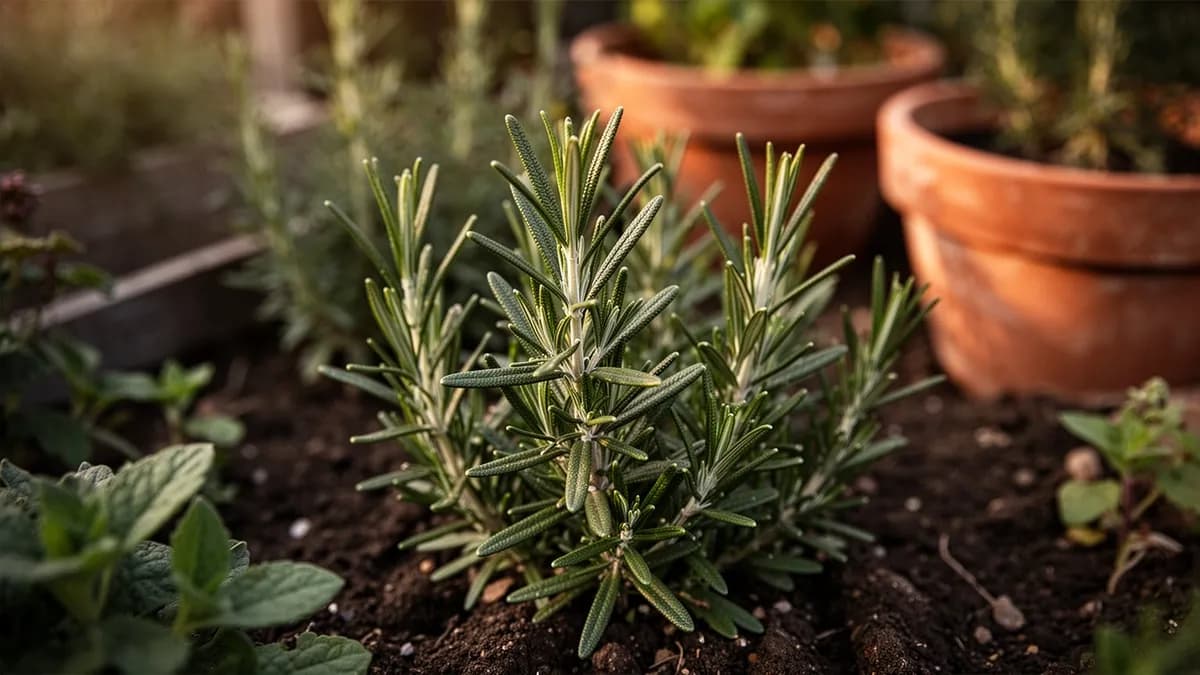
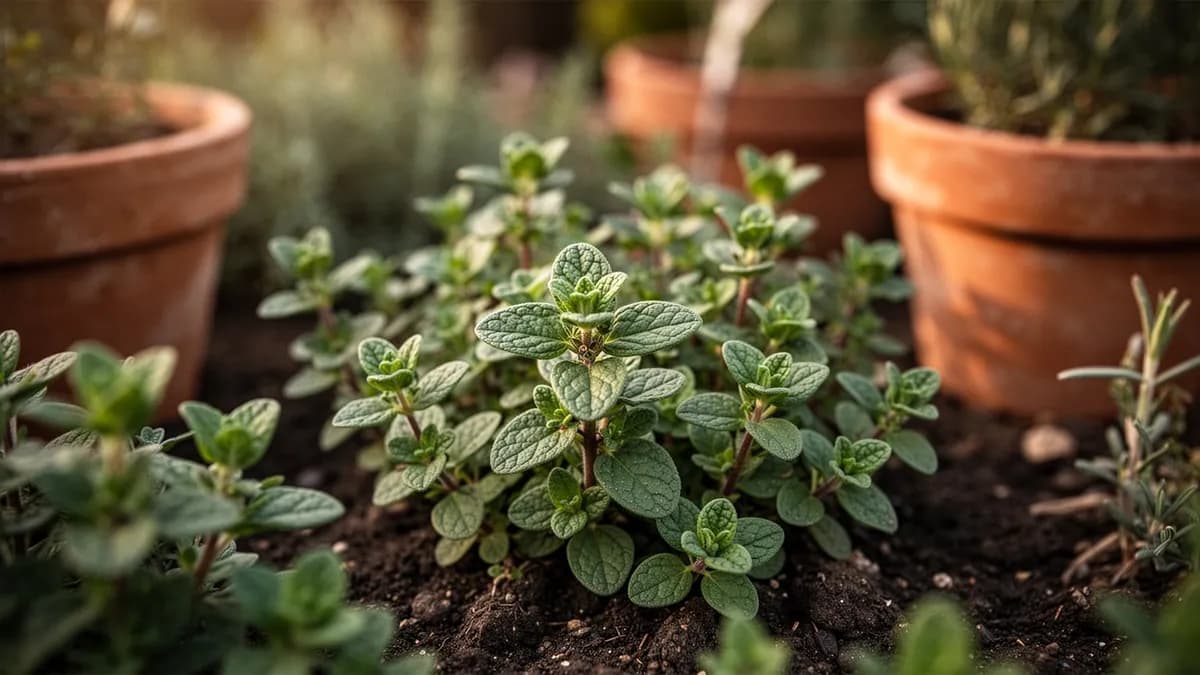
Halte Glattblättrige Petersilie von diesen fern
Gartenpläne mit Glattblättrige Petersilie
Bau deine beste Glattblättrige Petersilie an — und alles drumherum.
Starte heute kostenlos. Lege deine Beete an, setze deine Glattblättrige Petersilie ein und lass PlotMyGarden Timing, Abstände, Begleiter und Erinnerungen von der Saat bis zum Erntekorb übernehmen.