Pápalo
Hierba mexicana de sabor intenso y polarizante, usada como sustituto del cilantro en climas cálidos donde este espiga demasiado pronto.





En esta páginaResumen
Conoce Pápalo
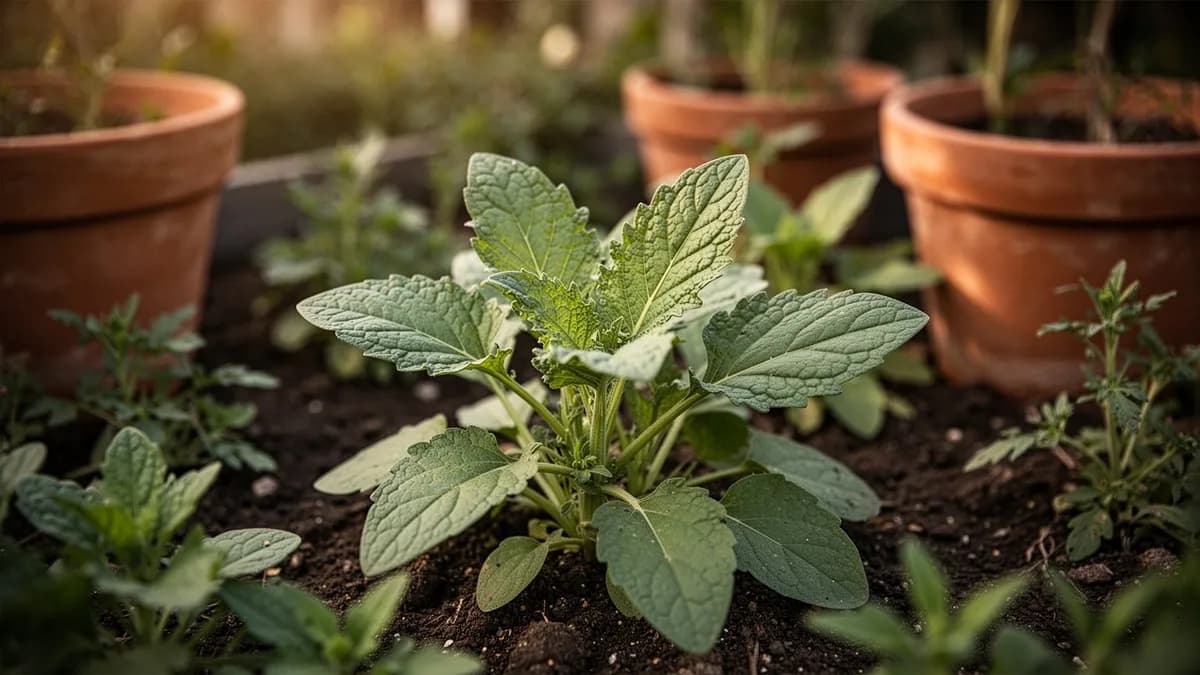
Hierba mexicana de sabor intenso y polarizante, usada como sustituto del cilantro en climas cálidos donde este espiga demasiado pronto. El pápalo tiene un sabor complejo que combina cilantro, rúcula y ruda, y se vuelve más potente con el calor. Úselo con moderación en tacos, salsas y tortas, y cultívelo en la parte más soleada y calurosa del huerto.
Cuándo plantar Pápalo
Siembre las semillas de pápalo directamente al exterior después de que haya pasado todo riesgo de helada y la temperatura del suelo alcance al menos 21 °C. Esparza las pequeñas semillas sobre la superficie del suelo húmedo o cúbralas con 3 mm de tierra fina. Las semillas germinan en 7-14 días en condiciones cálidas. El inicio en interior es posible 4-6 semanas antes de la última helada usando una alfombrilla térmica ajustada a 24-27 °C. El pápalo no tolera bien el trasplante, por lo que conviene usar macetas de turba que puedan plantarse directamente en el huerto. Aclare las plántulas dejando 30-45 cm entre ellas una vez establecidas.
Tu año de Pápalo
Ajustado a Zona 7 · temporada típica · la helada se va hacia el 2 abr y vuelve hacia el 1 nov
Planta Pápalo May – Jun y cosecha Jul – Sep. Consulta los métodos de plantación y elige tu clima para adaptar los periodos.
Cómo cultivar Pápalo
El pápalo (Porophyllum ruderale) es una hierba mexicana amante del calor que prospera en condiciones demasiado ardientes para el cilantro, lo que la convierte en un excelente sustituto en la temporada cálida. Siembre las semillas directamente al exterior después de que haya pasado todo riesgo de helada y la temperatura del suelo alcance al menos 21 °C. El pápalo no germina en suelo frío. Esparza las semillas sobre la superficie o cúbralas con 3 mm de tierra fina, ya que las semillas son pequeñas y necesitan algo de luz.
Plante en el lugar más cálido y soleado del huerto, en suelo bien drenado de fertilidad media o baja. Espacie las plantas 30-45 cm entre sí. El pápalo produce sus hojas más aromáticas en condiciones de estrés con calor intenso. Un suelo rico y una fertilización abundante producen plantas más grandes pero con un sabor más débil y menos concentrado. Riegue con moderación una vez establecido; el pápalo tolera bien la sequía.
El pápalo crece rápidamente hasta alcanzar 90-150 cm de altura, con hojas redondeadas de color verde azulado sobre tallos delgados. El sabor se intensifica drásticamente con el calor del verano, volviéndose abrumadoramente potente en pleno agosto. Coseche hojas jóvenes para un sabor más suave. La planta produce pequeñas cabezuelas florales en forma de botón que maduran en penachos de semillas esponjosas. El pápalo se resembra solo con facilidad en climas cálidos y puede establecerse de manera persistente una vez arraigado.
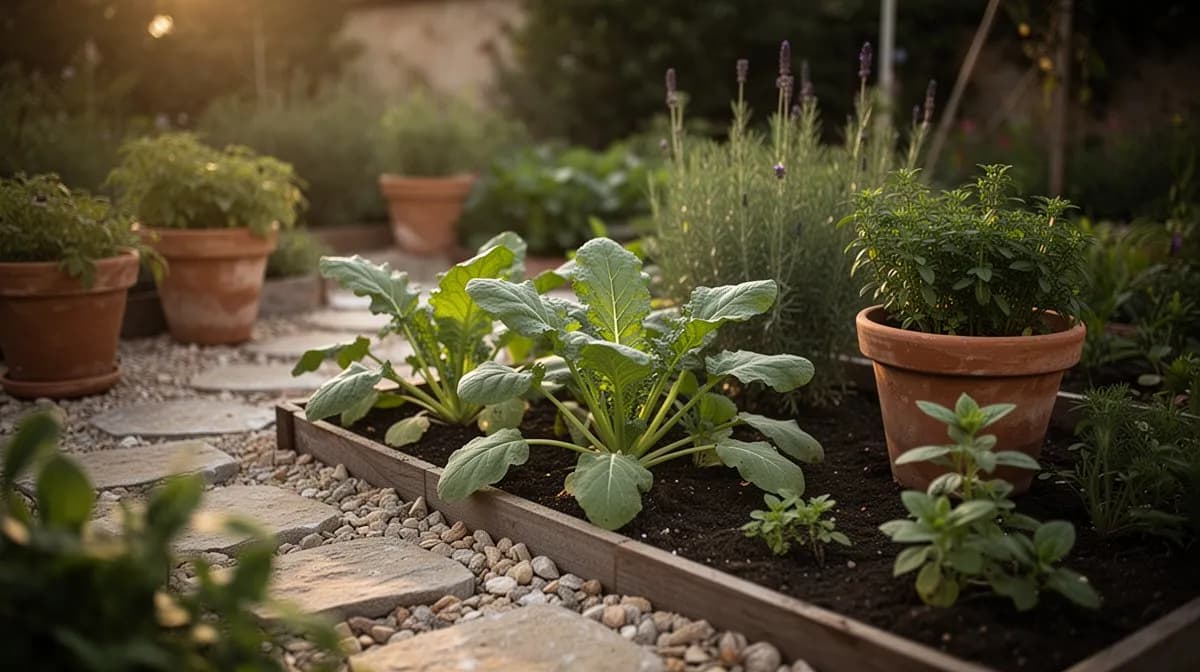
32 plantas caben en un bancal de 120 × 240 cm
Cada Pápalo pide 30 cm de margen. El planificador guarda ese marco por ti — cada planta, cada bancal.
Los mejores vecinos de Pápalo
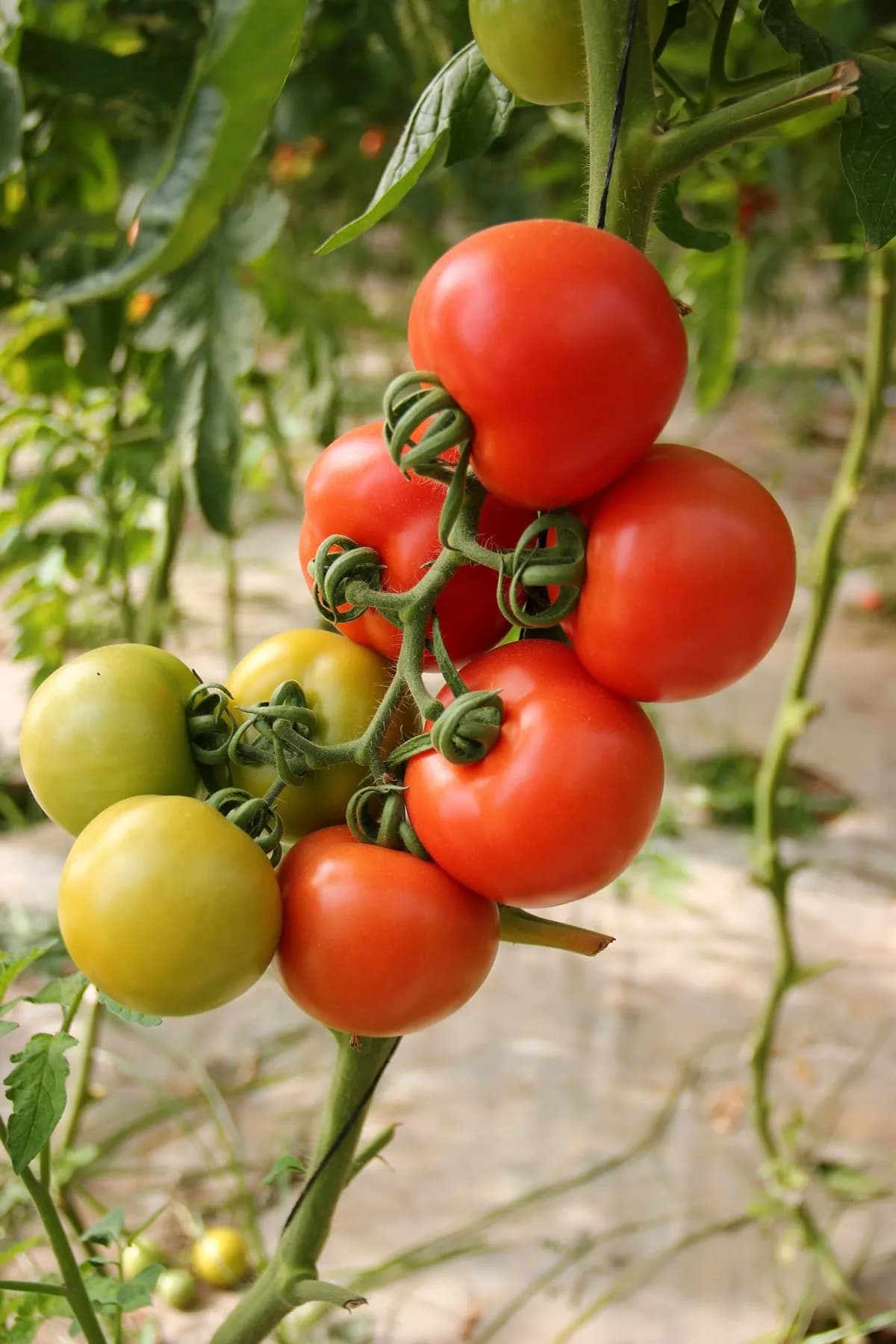
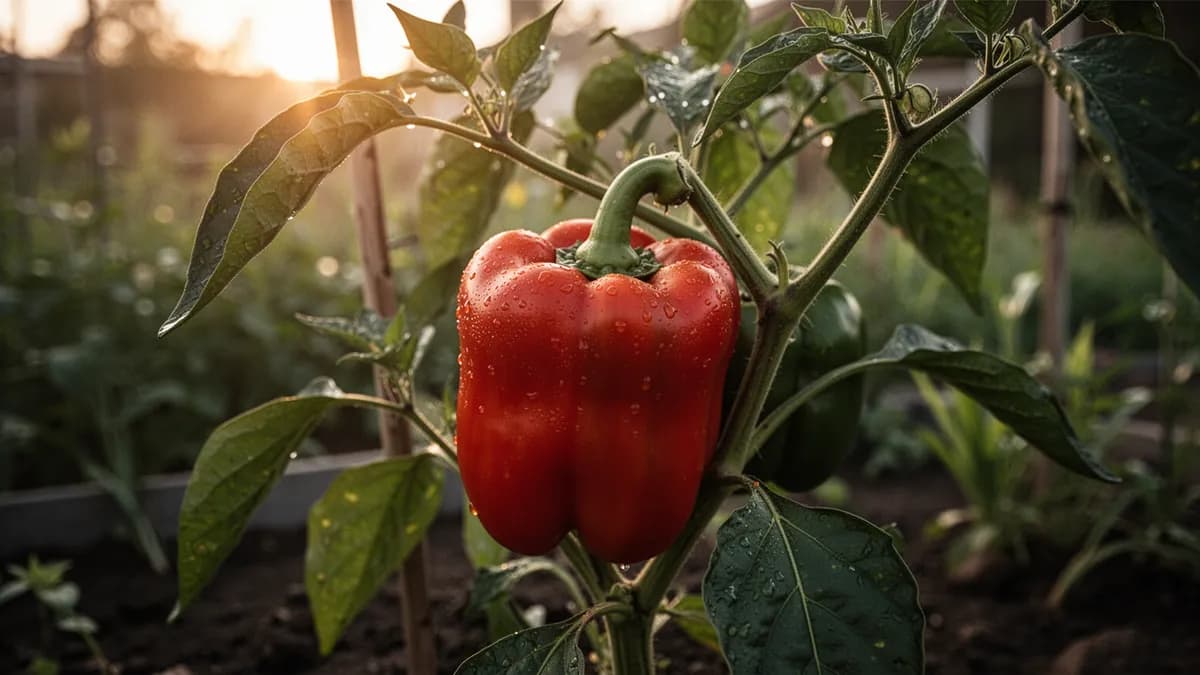
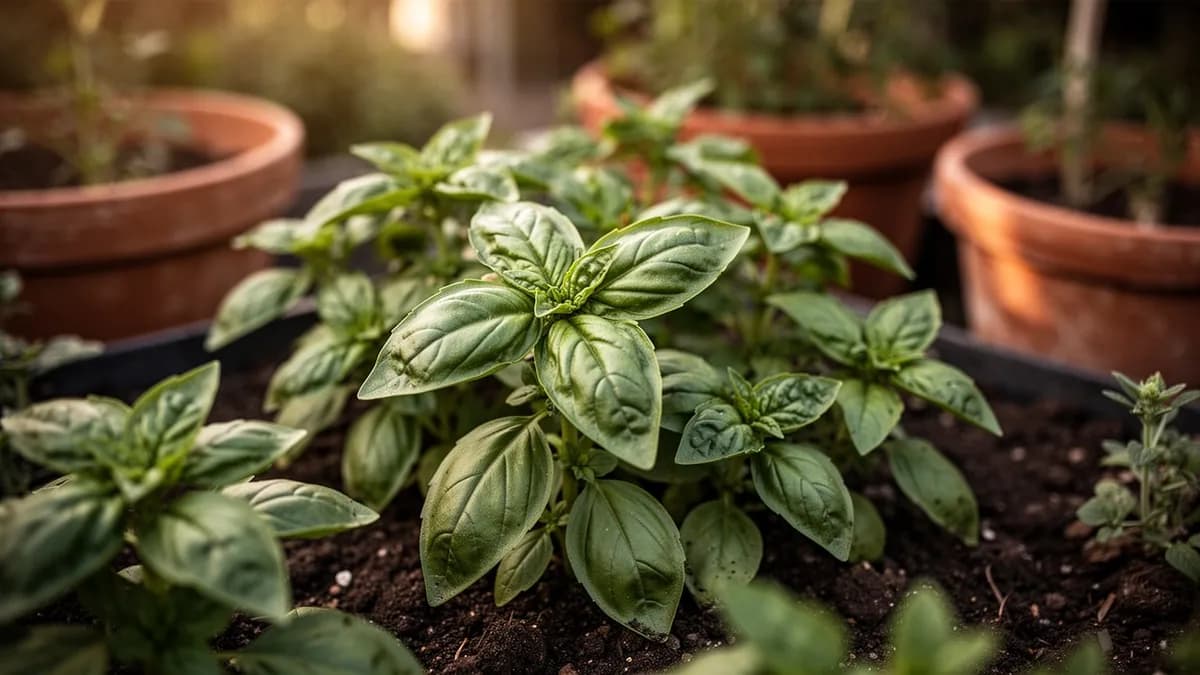
El pápalo prospera junto a otras plantas amantes del calor, como tomates, pimientos y tomatillos. Su aroma intenso puede ayudar a repeler algunos insectos plaga de los cultivos vecinos. Plante el pápalo en la parte más cálida y expuesta del huerto, donde otras hierbas fracasan. Tolera las mismas condiciones que el orégano mexicano y es un compañero natural. Evite plantar el pápalo donde su alto porte haga sombra a compañeros más bajos. Tenga en cuenta la tendencia de la planta a resembrarse al elegir su ubicación en el huerto.
Cilantro va a su lado.
Saber de huerto de siempre, cotejado con la tabla real de Pápalo — prueba cualquier planta que cultives.
Prueba Pápalo en un bancal, aquí mismo
Un bancal real del planificador con Pápalo ya plantado. Toca una planta compañera para colocarla y mira cómo responde la comprobación de vecinos: verde para buenos vecinos, rojo si hay conflicto.


Guías de cultivo relacionadas
Abónalo bien
El pápalo prospera en suelos de fertilidad media a baja, bien drenados, y produce su sabor más intenso en condiciones pobres. Un pH de 6.0-7.5 es adecuado. No enmiende el suelo en exceso ni fertilice con regularidad, ya que un suelo rico produce plantas grandes pero insípidas. Una sola aplicación ligera de fertilizante equilibrado en el momento del trasplante es más que suficiente. En macetas, use una mezcla estándar de sustrato sin enmiendas adicionales. El pápalo es una de las hierbas de menor mantenimiento que puede cultivar y prácticamente no necesita abonado una vez establecido.
Temperatura ideal
Compatibilidad de zonas de rusticidad
De la semilla a la cosecha, etapa por etapa
Germinación
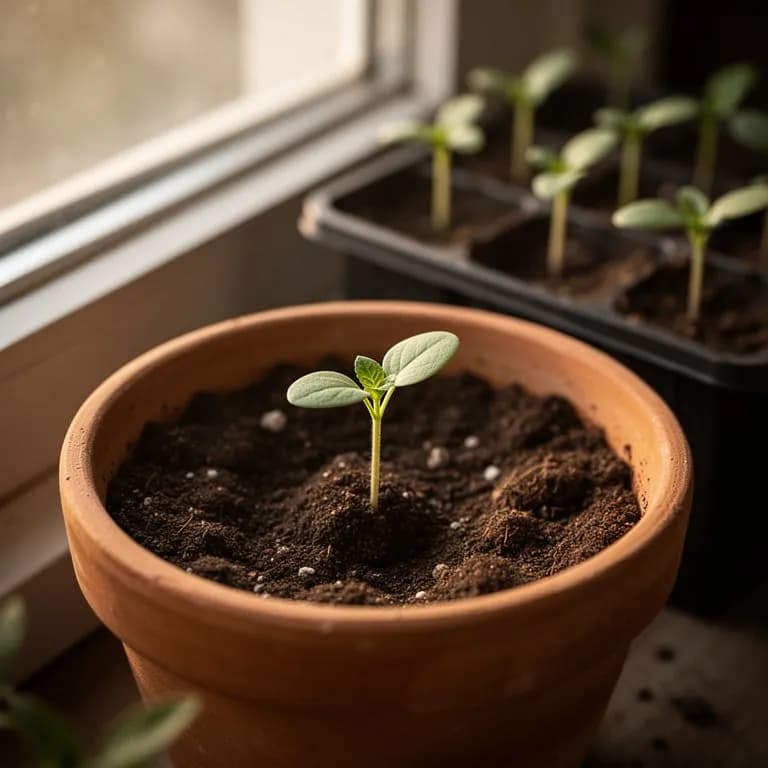
Las semillas de pápalo son pequeñas, oscuras y alargadas. Necesitan temperaturas del suelo superiores a 21 °C para germinar de forma fiable, un proceso que suele tardar 10-14 días. Las semillas deben sembrarse en superficie o apenas cubiertas, ya que se benefician de la exposición a la luz durante la germinación. Las plántulas emergen con pequeñas hojas cotiledóneas redondeadas de color verde pálido.
Establecimiento de plántulas
Aparecen las hojas verdaderas con la característica forma ovalada y color verde azulado. Las glándulas de aceite translúcidas a lo largo de los márgenes foliares se hacen visibles incluso en esta etapa temprana, y las hojas aplastadas ya desprenden el distintivo aroma del pápalo. Las plántulas crecen lentamente al principio, estableciendo una raíz pivotante antes de dedicar energía al crecimiento aéreo.
Crecimiento vegetativo
El crecimiento se acelera drásticamente cuando llega el calor estival. El tallo principal se ramifica libremente, desarrollando un porte arbustivo de varios tallos. Las hojas aumentan de tamaño e intensidad aromática, alcanzando su máxima concentración de sabor durante esta fase. Las plantas pueden ganar 5-10 cm de altura por semana en tiempo cálido con humedad y nutrición adecuadas.
Cosecha en pleno apogeo
Las plantas alcanzan su tamaño completo de 90-150 cm de altura y están cubiertas de hojas aromáticas y ricas en sabor. Esta es la ventana de cosecha óptima, cuando el sabor de las hojas es más intenso y complejo. La cosecha regular de hojas y puntas de tallo tiernas estimula el crecimiento continuo y retrasa la floración.
Floración y maduración de semillas
A medida que la planta madura o responde al acortamiento de los días, produce tallos florales altos rematados por pequeñas cabezuelas en forma de botón compuestas de flósculos discoidales de color morado oscuro. Una vez que comienza la floración, la producción de hojas disminuye y las hojas existentes desarrollan un sabor más intenso y a veces áspero. Cada cabezuela floral produce un racimo de semillas estrechas con vilano plumoso para la dispersión por el viento.
Siembre las semillas a no más de 3 mm de profundidad en suelo cálido y húmedo. Use una alfombrilla térmica en interior para mantener temperaturas del suelo constantes de 24-27 °C. Mantenga la superficie uniformemente húmeda con un pulverizador fino, evitando el encharcamiento que provoca la pudrición de las semillas. La paciencia es clave — el pápalo germina más lentamente que la mayoría de las hierbas comunes.
Cuidar Pápalo mes a mes
Qué hacer cada mes para tu Pápalo
Octubre
Mes actualÚltimas cosechas en climas templados antes de que las heladas maten las plantas. Limpie y almacene las semillas cosechadas en sobres de papel etiquetados en un lugar fresco y seco. Arranque las plantas agotadas y compóstelas si están sanas. Anote el comportamiento de las variedades para la próxima temporada.
Ten claro qué hacer en tu huerto, cada mes
Un correo al empezar cada mes: qué sembrar, plantar y hacer ahora mismo — para tu Pápalo y todo lo que crece alrededor. Más un breve curso inicial para esquivar los errores clásicos.
- Qué hacer ahora mismo
- Ajustado a tu temporada
- Curso inicial incluido
Cosechar Pápalo
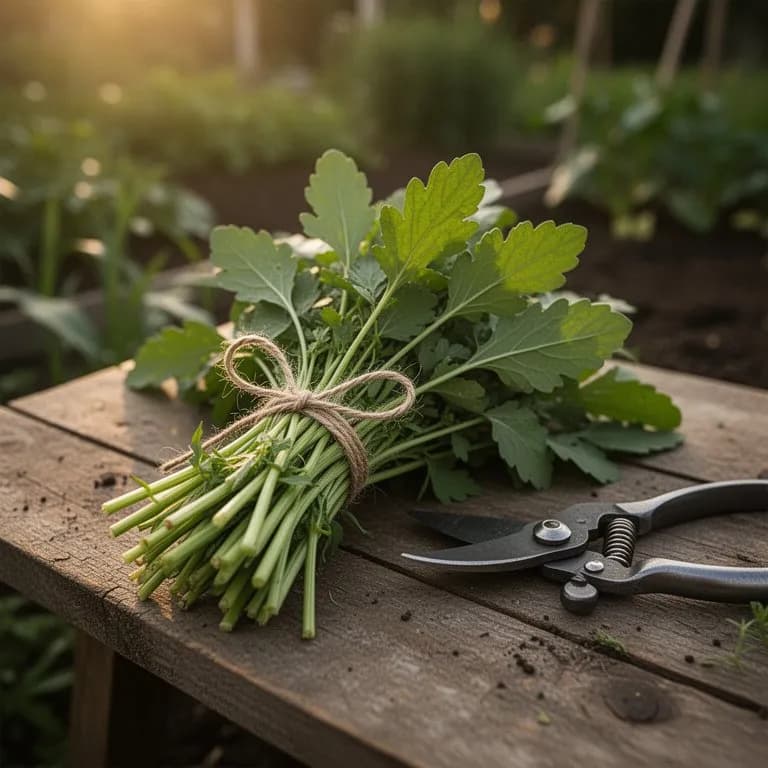
Coseche las hojas de pápalo cuando las plantas alcancen 30 cm de altura, aproximadamente 40 días desde la siembra. Recoja hojas jóvenes individuales desde las puntas de los tallos, que son las de sabor más suave. El sabor se intensifica drásticamente a medida que suben las temperaturas y las hojas maduran, por lo que conviene probar con regularidad y cosechar según su preferencia. Use el pápalo con moderación, ya que es mucho más pungente que el cilantro. Con el calor extremo, el sabor puede volverse casi abrumador. Pellizque las puntas de crecimiento para estimular un porte más arbustivo y una producción de hojas tiernas más abundante.
se supone que plantas al comenzar el periodo — indica tu fecha real
Cosecha Pápalo a tiempo y la planta sigue produciendo.
Almacenamiento y conservación
Use el pápalo fresco para la experiencia de sabor más auténtica. Las hojas frescas pueden conservarse en una bolsa de plástico en el refrigerador hasta una semana. Los potentes aceites esenciales hacen que el pápalo retenga más sabor en almacenamiento que hierbas delicadas como el cilantro. El pápalo no se seca bien, ya que pierde su característica pungencia. Congelar hojas picadas en bolsas herméticas preserva algo de sabor para usarlo en platos cocinados. Algunos cocineros mezclan pápalo fresco en salsas o mantequillas compuestas y los congelan para uso posterior.
Qué falla — y cómo solucionarlo
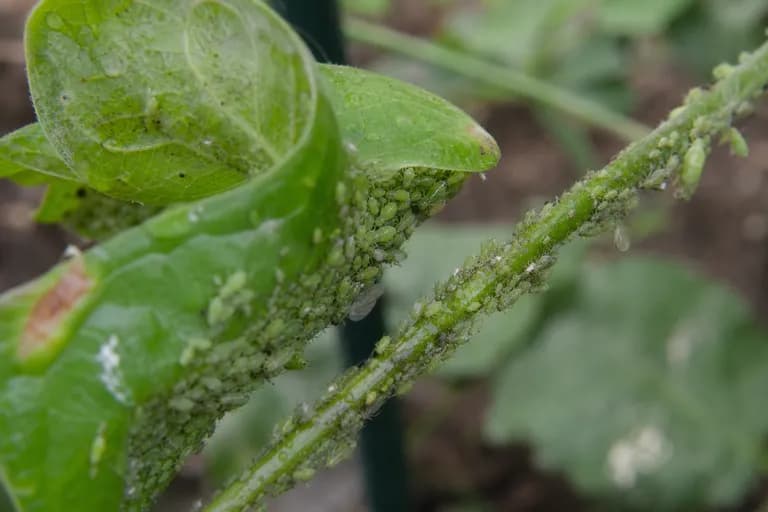
Pulgones
PlagaPequeñas colonias de insectos en las puntas de los tallos y capullos florales, residuo pegajoso y leve deformación foliar.
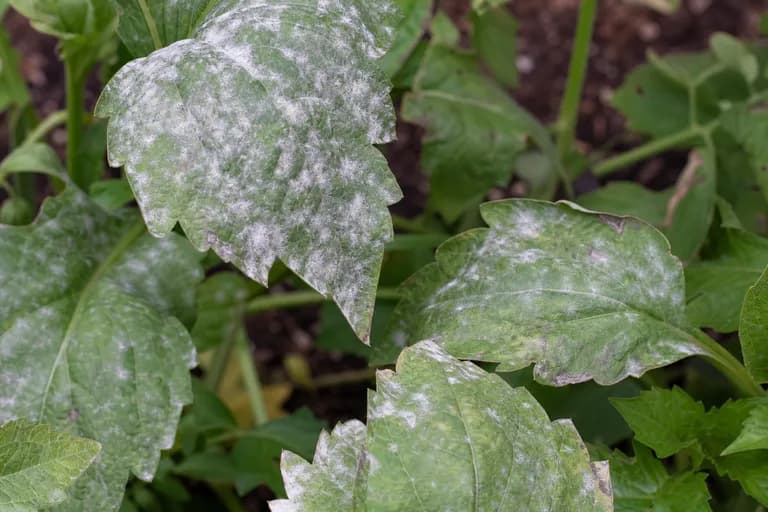
Oídio
EnfermedadManchas blancas y polvorientas en hojas viejas, especialmente en tiempo húmedo al final de la temporada.
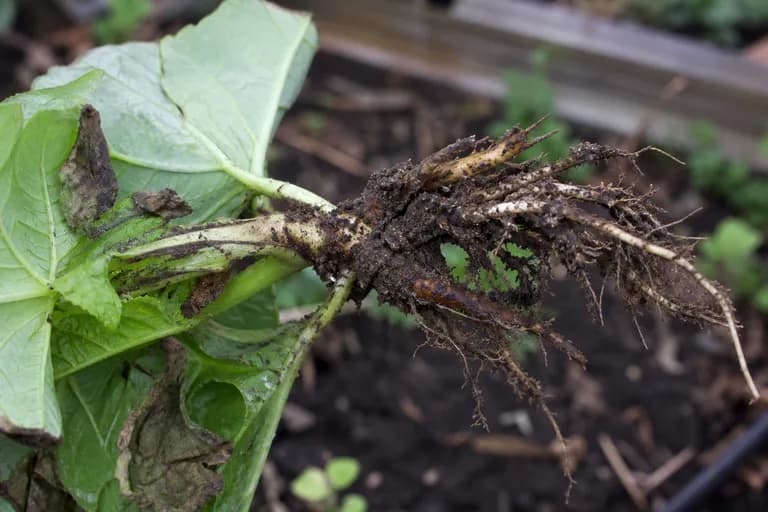
Pudrición de raíces
EnfermedadMarchitamiento, amarillamiento de las hojas inferiores y crecimiento detenido en condiciones de suelo encharcado.
Solución de problemas comunes
El mayor reto para muchos jardineros es la intensidad abrumadora del sabor, especialmente en el pico del calor veraniego. Comience con cantidades muy pequeñas en la cocina y ajuste al gusto. El pápalo no germina en suelo frío; espere hasta que la temperatura del suelo supere los 21 °C. La planta puede crecer de forma inesperadamente alta (90-150 cm) y puede necesitar tutoraje en lugares ventosos. La resiembra espontánea puede hacer que el pápalo persista en climas cálidos. El sabor es polarizante: algunas personas lo encuentran excesivamente fuerte o jabonoso, de forma similar a la sensibilidad genética al cilantro.
Consejos de cultivo
- Inicie las semillas de pápalo en interior 6-8 semanas antes de la última helada usando una alfombrilla térmica, ya que las semillas requieren temperaturas del suelo constantes de 21-27 °C para germinar. La siembra directa al exterior es más fiable una vez que el suelo se ha calentado bien a finales de primavera o principios de verano.
- Dé al pápalo un espaciado generoso de 30-45 cm entre plantas. Se desarrolla hasta convertirse en una planta grande y arbustiva que puede alcanzar 90-150 cm de altura y anchura, y las plantas apiñadas se vuelven desgarbadas y producen menos hojas al competir por la luz y la ventilación.
- Plante el pápalo en pleno sol con al menos 6-8 horas de luz solar directa diaria. A diferencia de muchas hierbas, el pápalo no se beneficia de la sombra por la tarde incluso en calor extremo — más sol produce más aceite aromático en las hojas y una planta más robusta en general.
- Use suelo de fertilidad media a baja, bien drenado. El pápalo es originario de suelos mexicanos secos, pedregosos y pobres en nutrientes, y produce hojas más sabrosas y aromáticas cuando no se abona en exceso. Un exceso de nitrógeno da lugar a un follaje exuberante pero insípido.
- Riegue en profundidad pero con poca frecuencia una vez que las plantas estén establecidas. El pápalo es moderadamente tolerante a la sequía y desarrolla una raíz pivotante fuerte que alcanza la humedad profunda. El riego excesivo y el suelo encharcado provocan la pudrición de las raíces y reducen la intensidad del sabor.
- Pellizque la punta de crecimiento central cuando las plantas alcancen 25-30 cm de altura para favorecer la ramificación lateral. Una planta más arbustiva con múltiples tallos produce una superficie foliar cosechable significativamente mayor que un único tallo alto al que se deja crecer sin control.
- Coseche las hojas de pápalo con frecuencia recogiendo hojas individuales o pellizcando las puntas de tallo tiernas. La cosecha regular estimula el crecimiento nuevo y retrasa la floración. No retire nunca más de un tercio de la planta en una sola cosecha para mantener el vigor de la planta.
- Use el pápalo exclusivamente como hierba fresca y cruda — su complejo sabor se destruye con el calor. Añada hojas enteras o troceadas a los platos justo antes de servir, como haría con el cilantro fresco o la albahaca. Cocinar el pápalo lo vuelve amargo y elimina sus cualidades aromáticas.
- Deje que una o dos plantas florezcan y produzcan semillas al final de la temporada para la cosecha del año siguiente. El pápalo se resiembra con entusiasmo en climas cálidos, y las plántulas voluntarias suelen aparecer la primavera siguiente sin ningún esfuerzo. Recoja las semillas antes de que se dispersen por el viento cortando las cabezuelas enteras en una bolsa de papel.
- Cultive el pápalo como sustituto directo del cilantro durante los meses más calurosos del verano. Cuando el cilantro espiga en pocos días con temperaturas superiores a 27 °C, el pápalo prospera y produce sus hojas más aromáticas — llenando exactamente el hueco culinario que el cilantro deja atrás.
Cultiva tu mejor Pápalo — y todo lo que la rodea.
Empieza un plan gratis hoy. Diseña tus bancales, coloca tu Pápalo y deja que PlotMyGarden gestione el momento, el espaciado, las asociaciones y los recordatorios de la semilla a la cesta.
Elige tu Pápalo
Pápalo común
La variedad estándar con hojas redondeadas de color verde azulado y sabor intenso. La forma más cultivada en huertos domésticos y mercados mexicanos.
Pipicha (Porophyllum tagetoides)
Una especie estrechamente relacionada con hojas más estrechas y un sabor más refinado, similar al cilantro. Se considera más versátil en cocina que el pápalo estándar.
Quilquiña
Una variedad sudamericana con notas de sabor ligeramente distintas, utilizada en la cocina boliviana y peruana junto con queso fresco y patatas.
El pápalo es extremadamente raro en los supermercados fuera de los mercados mexicanos y latinoamericanos, donde un pequeño manojo se vende por 2-4 € cuando está disponible. Un sobre de semillas cuesta 3-5 € y produce 50-100 plantas. Cultivar tan solo 4-6 plantas proporciona un suministro continuo de esta hierba exclusiva desde mediados del verano hasta el otoño — equivalente a 20-50 € en manojos comprados. Dado que el pápalo se resiembra con facilidad en climas cálidos, una única siembra puede establecer una colonia autorrenovable que regresa cada año sin coste adicional, lo que hace que el ahorro a largo plazo sea aún más sustancial.
Recetas rápidas
Cemita poblana clásica con pápalo
25 minEl icónico sándwich de Puebla, México — un bollo tipo brioche cubierto de semillas de sésamo relleno con milanesa de pollo o ternera empanada, queso Oaxaca, aguacate, salsa de chipotle y un generoso puñado de hojas frescas de pápalo. La pungente hierba corta la riqueza del relleno y define el sándwich.
7 ingredientesSalsa verde cruda de pápalo
10 minUna salsa verde en crudo llena del atrevido sabor herbal del pápalo fresco, mezclado con tomatillos, chiles serranos y lima. Se usa como salsa de mesa para tacos, carnes a la parrilla y quesadillas — el pápalo añade una capa de complejidad aromática que el cilantro solo no puede lograr.
8 ingredientesEnsalada veraniega de pápalo y aguacate
15 minUna ensalada refrescante de verano que muestra el sabor brillante y pungente del pápalo junto al cremoso aguacate, los jugosos tomates y los crujientes rábanos. Aliñada simplemente con zumo de lima y aceite de oliva, esta ensalada celebra los sabores intensos de un huerto mexicano en verano.
9 ingredientesUsos culinarios
El pápalo se usa fresco en la cocina mexicana como sustituto del cilantro durante los meses más calurosos del verano. Añádalo con moderación a tacos, tortas, cemitas (el sándwich típico de Puebla), salsas y guacamole. Las hojas combinan especialmente bien con cerdo, queso fresco y aguacate. Use siempre el pápalo en crudo, ya que la cocción destruye su sabor. Comience con una o dos hojas pequeñas por ración hasta calibrar su tolerancia a su intensidad. En Puebla, México, el pápalo es la hierba definitoria de la cemita poblana.
Qué contiene
Beneficios para la salud
- El pápalo contiene fitoquímicos únicos a base de azufre, concentrados en las glándulas de aceite de las hojas, que han demostrado actividad antimicrobiana en estudios, respaldando el uso tradicional de la hierba en la medicina popular mexicana para prevenir enfermedades de transmisión alimentaria y tratar infecciones leves.
- Rico en betacaroteno (provitamina A), aportando aproximadamente el 68% del valor diario por cada 100 g de porción — esencial para mantener una visión sana, apoyar la función del sistema inmunitario y promover la regeneración de las células cutáneas.
- Los compuestos fenólicos y flavonoides presentes en el pápalo exhiben propiedades antiinflamatorias documentadas, con potencial para reducir la inflamación crónica de bajo grado asociada al síndrome metabólico y las enfermedades cardiovasculares.
- La herbolaria mexicana tradicional ha usado preparaciones de pápalo durante siglos para apoyar la salud digestiva, calmar el malestar estomacal y aliviar los gases — aplicaciones coherentes con las propiedades carminativas de sus aceites volátiles aromáticos.
- El pápalo aporta una fuente significativa de vitamina C (20% VD por cada 100 g), que actúa como potente antioxidante, apoya la síntesis de colágeno para la salud de la piel y las articulaciones, y mejora la absorción del hierro vegetal procedente de los alimentos que lo acompañan.
- Los aceites esenciales aromáticos de las hojas de pápalo contienen compuestos que han mostrado efectos hepatoprotectores (protectores del hígado) en investigaciones preliminares, lo que sugiere posibles beneficios para la salud hepática cuando se consume como parte de una dieta variada.
De dónde viene Pápalo
El pápalo (Porophyllum ruderale) es una antigua hierba culinaria originaria de América, con su mayor centro de diversidad e historia más larga de cultivo en el centro y sur de México. La planta pertenece a la familia Asteraceae (margaritas), aunque guarda poca semejanza con sus parientes más conocidos. La evidencia arqueológica y etnobotánica sitúa al pápalo en las cocinas mexicanas durante más de 1.500 años, donde fue utilizado por los pueblos azteca, mixteco y zapoteco como guarnición fresca para una gran variedad de platos. El nombre náhuatl 'papaloquelite' — hierba mariposa — refleja tanto el aspecto ondulante de sus hojas redondeadas como las profundas raíces de la planta en la cultura mesoamericana precolombina.
El área de distribución del pápalo se extiende de forma natural desde México a través de Centroamérica hasta Sudamérica, donde especies y subespecies relacionadas se usan como hierbas culinarias con distintos nombres locales. En Bolivia y partes de Perú, la estrechamente emparentada Porophyllum ruderale subsp. macrocephalum se conoce como 'quirquiña' o 'quilquiña' y ocupa un nicho culinario similar — una hierba fresca esencial para salsas, ensaladas y carnes a la parrilla. A lo largo de su área nativa, el pápalo crece como una planta semi-silvestre vigorosa en bordes de caminos, márgenes de campos y suelos alterados, prosperando en las condiciones calurosas y secas que definen gran parte del paisaje mexicano.
A pesar de su antiguo linaje y su amplio uso en toda América Latina, el pápalo permaneció prácticamente desconocido fuera de su área de origen hasta finales del siglo XX, cuando el creciente interés por la cocina regional mexicana auténtica y el movimiento de la granja a la mesa lo puso en el punto de mira de jardineros y chefs aventureros en Estados Unidos y Europa. Hoy, el pápalo experimenta un silencioso renacimiento a medida que los jardineros aficionados descubren su notable tolerancia al calor, su facilidad de cultivo y su perfil de sabor único que ninguna otra hierba puede replicar. Llena un hueco fundamental en el huerto de verano — aportando un sabor intenso y cercano al cilantro precisamente durante los meses más calurosos, cuando el propio cilantro ya hace tiempo que espigó.
Pápalo: ¿sabías que?
Datos fascinantes sobre Pápalo
El pápalo (Porophyllum ruderale) lleva más de 1.500 años cultivándose en México, siglos antes de la conquista española. La evidencia arqueológica sugiere que era una hierba común en la cocina azteca y precolombina, usada fresco como guarnición pungente de forma muy similar a como se emplea hoy.
Pápalo: preguntas frecuentes
¿Cuándo debo plantar Pápalo?
¿Cuáles son buenas plantas acompañantes para Pápalo?
¿En qué zonas de rusticidad puede crecer Pápalo?
¿Cuánto sol necesita Pápalo?
¿A qué distancia debo espaciar Pápalo?
¿Qué plagas y enfermedades afectan a Pápalo?
¿Cómo almaceno Pápalo después de la cosecha?
¿Cuáles son las mejores variedades de Pápalo para cultivar?
¿Qué suelo necesita Pápalo?
¿A qué sabe el pápalo? ¿Es realmente un sustituto del cilantro?
¿Puedo cultivar pápalo en una maceta en el patio o el balcón?
¿Por qué tardan tanto en germinar mis semillas de pápalo?
¿El pápalo es una hierba perenne o anual?
¿Cómo conservo el pápalo fresco tras la cosecha?
¿El pápalo se polinizará de forma cruzada con otras hierbas de mi huerto?
Acabas de leer la teoría. Ahora cultívala en piloto automático.
Todo lo que hace que Pápalo sea delicado — el momento, el espaciado, las asociaciones, la ventana de cosecha — es justo lo que PlotMyGarden resuelve por ti, para cada planta de tu huerto.
Un plan que conoce tu clima
Indica tu ubicación una vez. Recibe fechas de siembra, abonado y cosecha basadas en tu última helada real y el pronóstico en vivo — sin adivinar con un sobre genérico.
De la sección “Cuándo plantar”Planificador de bancales de arrastrar y soltar
Diseña bancales sobre una cuadrícula. Cada planta encaja con su espaciado correcto y ves toda la temporada antes de gastar un céntimo en semillas.
De la sección “Cultivo”Conflictos de asociación, detectados a tiempo
Más de 200 buenas y malas combinaciones comprobadas en vivo mientras plantas — para que un error que arruine la temporada nunca llegue a la tierra.
De la sección “Asociaciones”Recordatorios que sí vas a seguir
“Riega las judías.” “Recoge hoy antes de que se pase.” Oportunos, concretos y ligados a las plantas que de verdad cultivas.
De la sección “Cosecha”Escalonado, programado
¿Quieres cosechar seis semanas en vez de seis días? Reparte tus siembras automáticamente y te avisa cuando toca el siguiente lote.
De la sección “Cuándo plantar”Un registro que se vuelve más listo
Cada cosecha que registras le enseña tu huerto. El plan del año que viene parte de lo que de verdad funcionó en tu suelo, no en un manual.
De la sección “Resumen”Planta estos junto a Pápalo
Más Hierbas culinarias
Cultiva tu mejor Pápalo — y todo lo que la rodea.
Empieza un plan gratis hoy. Diseña tus bancales, coloca tu Pápalo y deja que PlotMyGarden gestione el momento, el espaciado, las asociaciones y los recordatorios de la semilla a la cesta.