Greek Oregano
Considered the most flavorful oregano for Mediterranean cooking, with intensely aromatic white-flowered plants.





On this pageOverview
Meet Greek Oregano
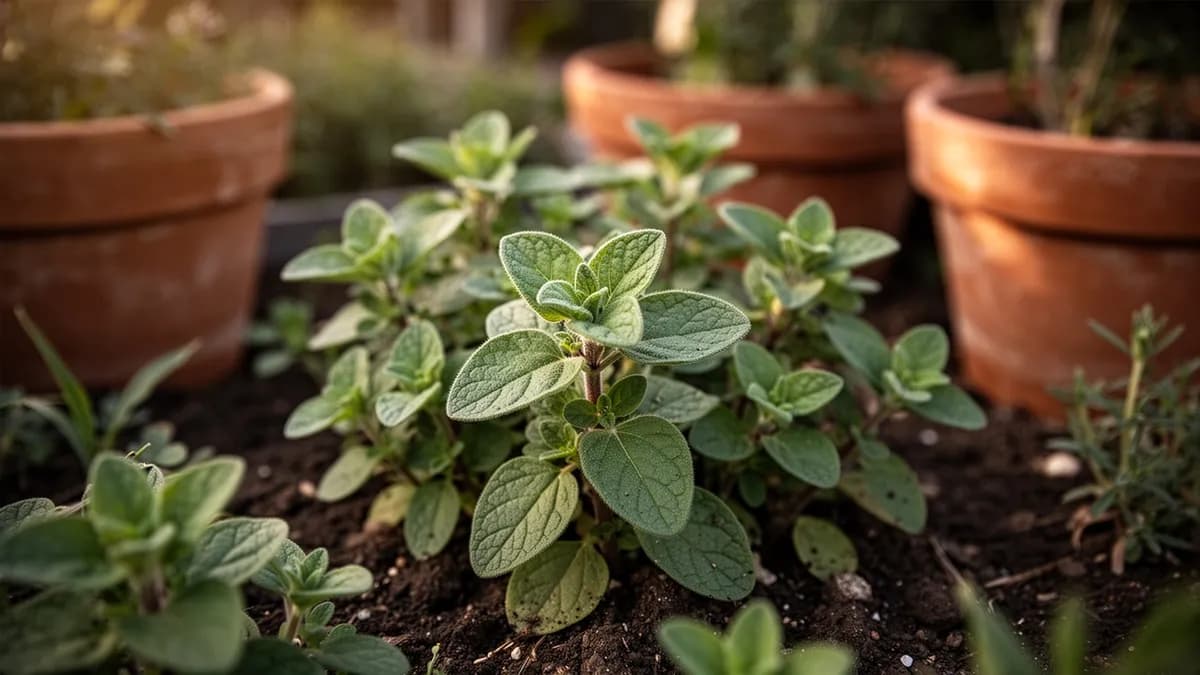
Considered the most flavorful oregano for Mediterranean cooking, with intensely aromatic white-flowered plants. Greek oregano is spicier and more pungent than common oregano, making it the gold standard for pizza and grilled meats. Grow in hot, dry conditions with poor soil for the most concentrated essential oils.
When to plant Greek Oregano
Greek oregano seeds can be sown indoors 6-8 weeks before the last frost, but be aware that seed-grown plants are highly variable in flavor. Scatter seeds on the surface of moist seed mix and press in without covering, as they need light for germination. Seeds germinate in 10-15 days at 60-70°F. For guaranteed flavor quality, propagate from cuttings or purchase taste-tested nursery plants. If growing from seed, taste-test seedlings as they mature and cull any that lack the characteristic pungent, spicy flavor.
Your Greek Oregano Year
Composed for Zone 7 · typical seasons · frost passes Apr 2, returns Nov 1
Plant Greek Oregano Mar – May, pick Jan – Dec. Check the planting methods below and set your climate to personalize these windows.
How to grow Greek Oregano
Start Greek oregano from nursery transplants or stem cuttings for the most reliably flavorful plants. Seed-grown oregano is highly variable, and many common oregano seeds produce bland, ornamental plants. To verify you have true Greek oregano, taste a leaf from the parent plant: it should be intensely spicy and pungent. Take 3-4 inch cuttings from vigorous shoots in late spring, strip lower leaves, and root in perlite under a humidity dome.
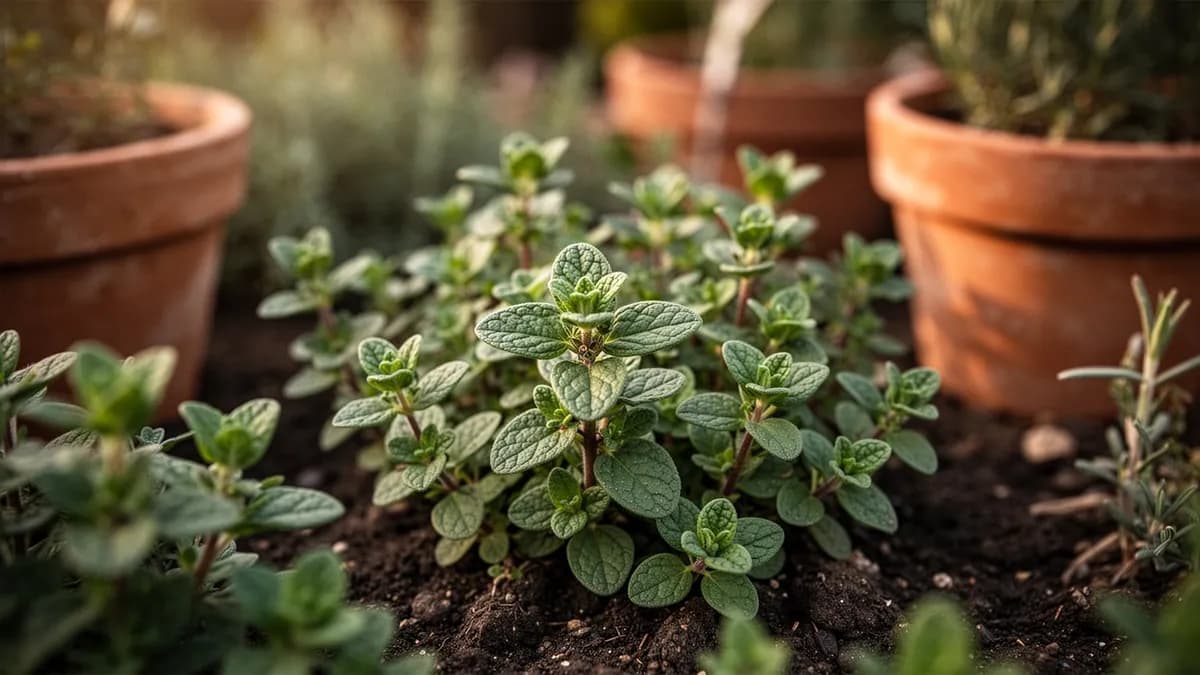
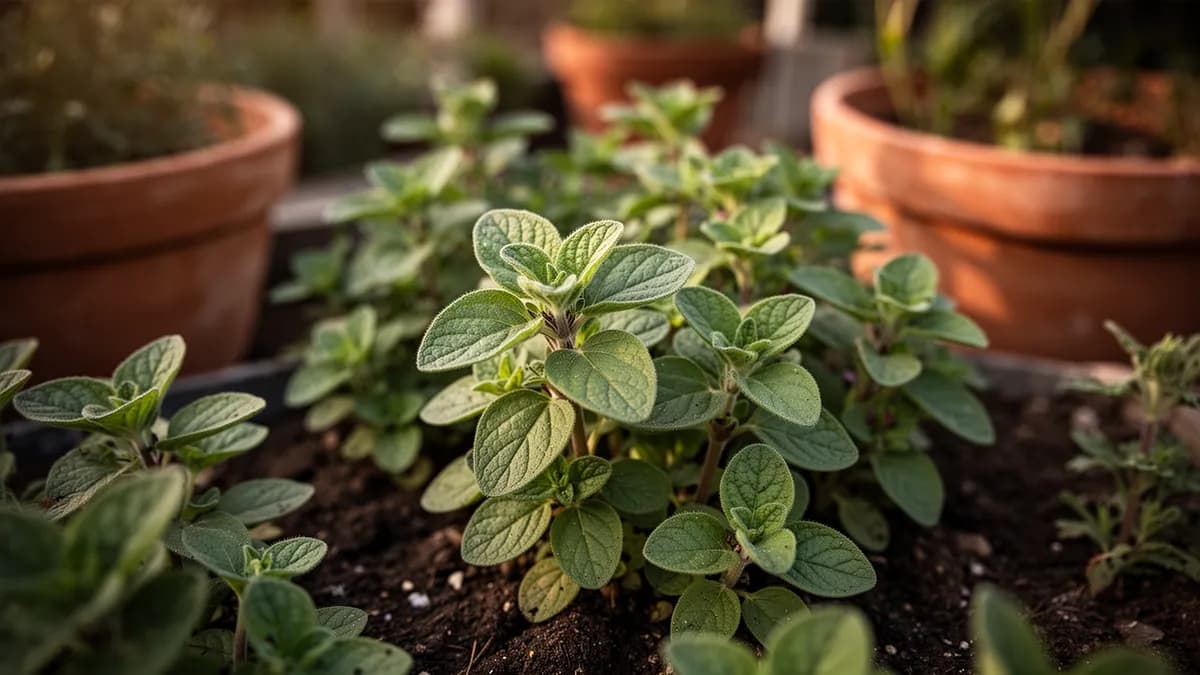
Plant Greek oregano in full sun with lean, well-drained soil at a pH of 6.0-8.0. Poor, dry, rocky soil produces the most concentrated essential oils and the most flavorful leaves. Space plants 12-18 inches apart. Greek oregano grows into a dense, spreading mound 12-18 inches tall with small, slightly fuzzy grey-green leaves and clusters of tiny white flowers in midsummer.
Water sparingly once established; Greek oregano is highly drought-tolerant and produces less flavorful leaves with excessive moisture or fertilization. Shear plants back by half after flowering to promote fresh, tender growth and prevent them from becoming woody and leggy. Greek oregano is a hardy perennial to zone 5 and expands slowly by underground runners. Divide clumps every 3-4 years in spring to maintain vigor.
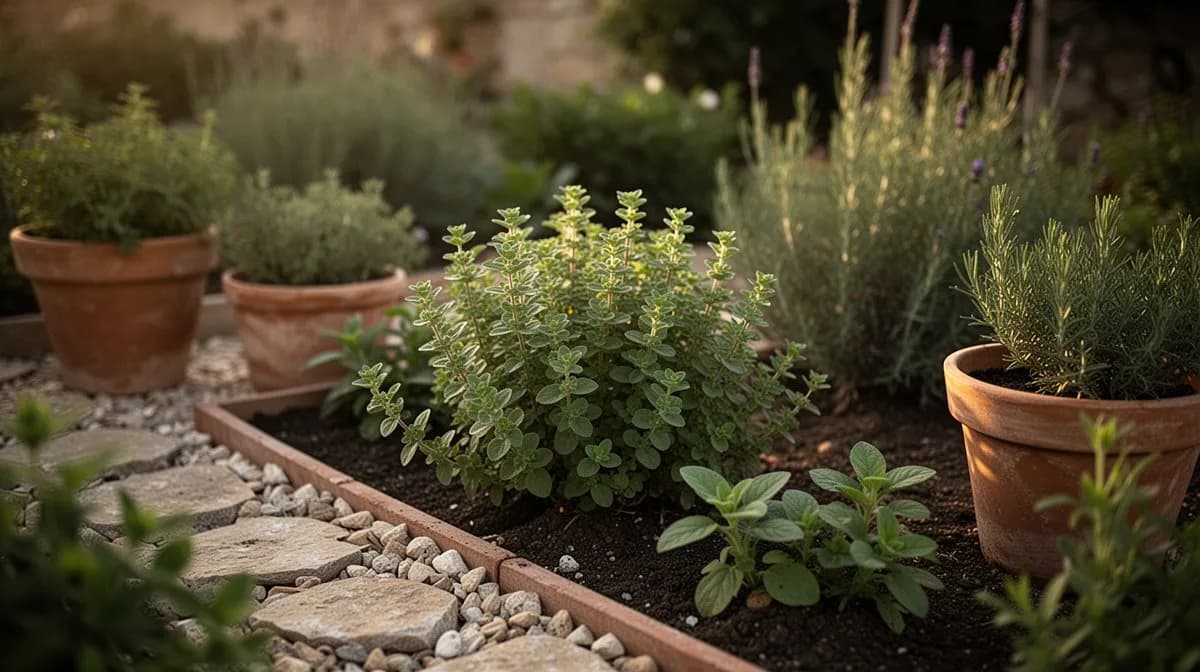
32 plants fit a 4 × 8 ft bed
Each Greek Oregano wants 30 cm of elbow room. The planner keeps that spacing for you — every plant, every bed.
Greek Oregano's best neighbours
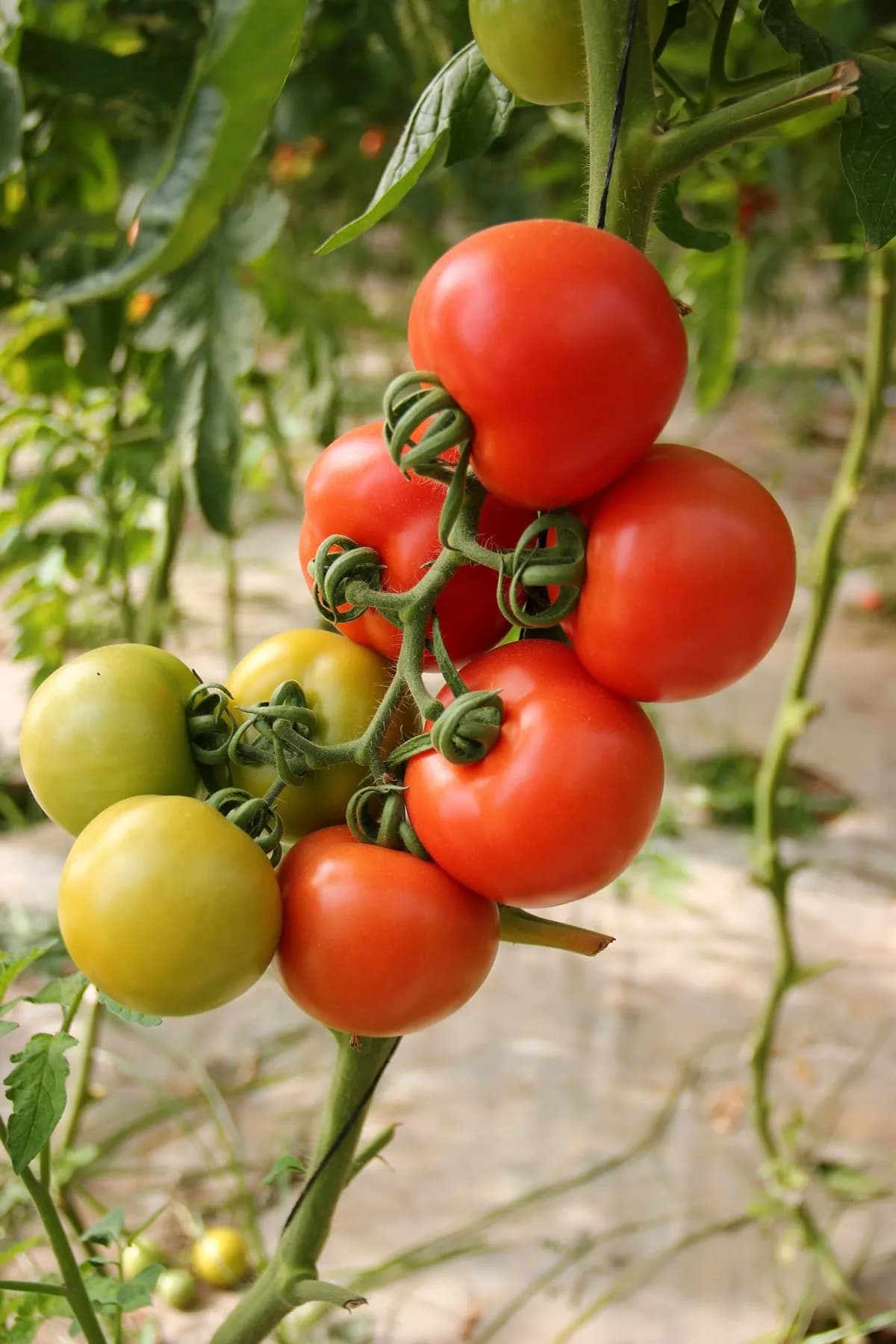
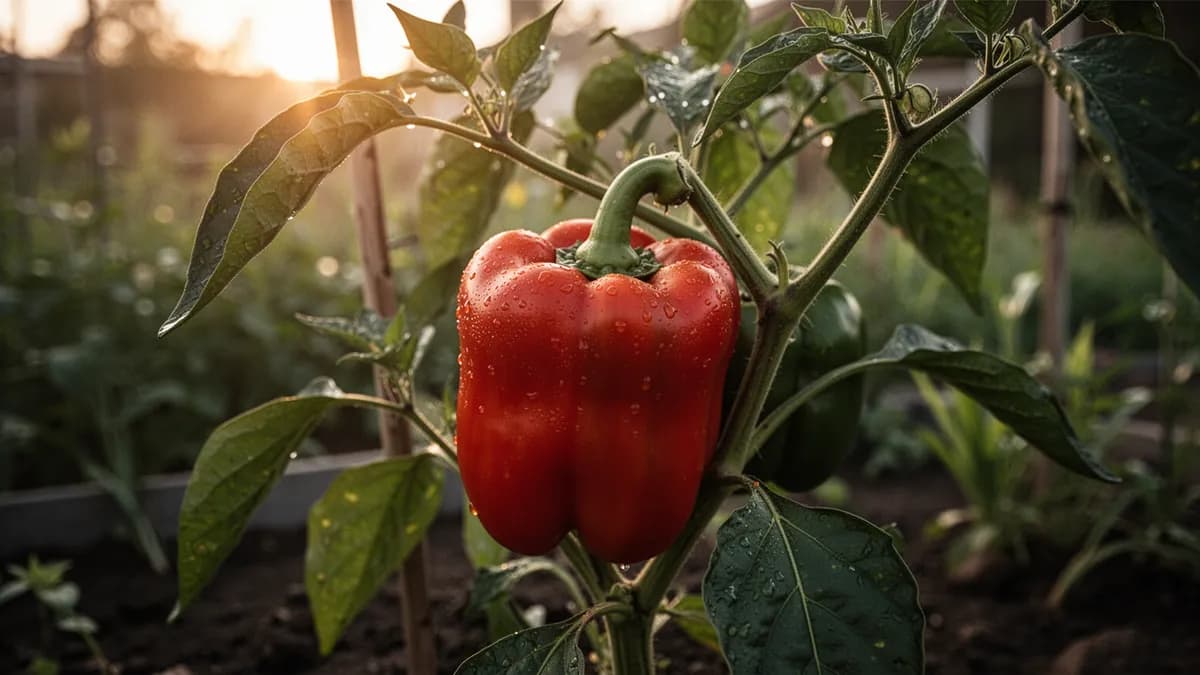
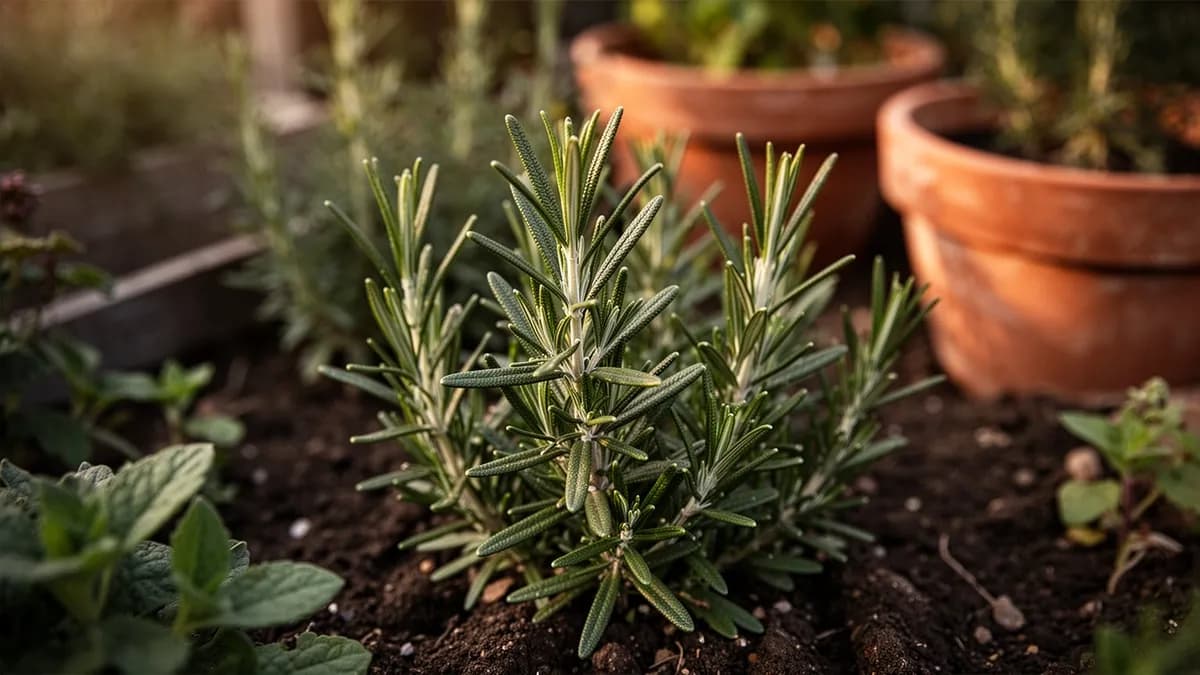
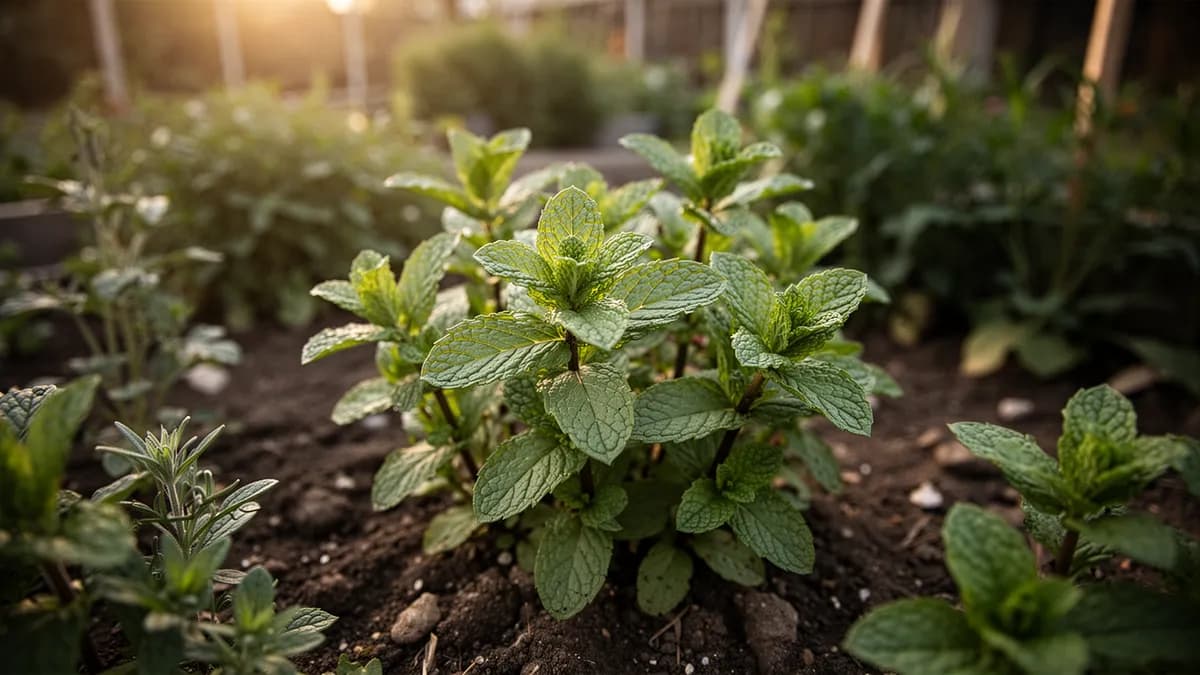
Greek oregano is an excellent companion plant that deters aphids, spider mites, and various beetles with its pungent aromatic oils. Plant near peppers, tomatoes, and squash for pest protection and pollinator attraction. It grows beautifully alongside other Mediterranean herbs like thyme, rosemary, and sage that share similar lean, dry soil preferences. Greek oregano's spreading habit provides living mulch that suppresses weeds. Avoid planting near mint, which has a more aggressive spreading habit and conflicting moisture needs.
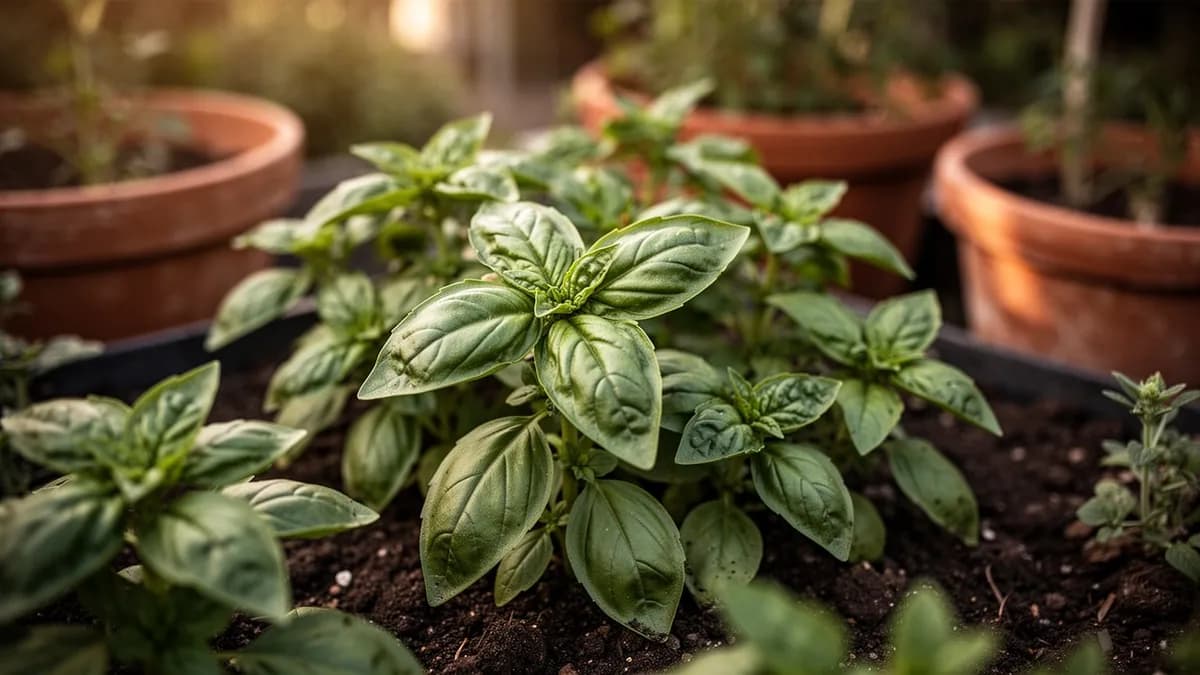
Basil belongs beside it. Mint doesn't.
Old growers' knowledge, checked against Greek Oregano's real companion table below — test any plant you're growing.
Try Greek Oregano in a bed — right here
A real planner bed with Greek Oregano already in it. Tap a companion to place it and watch the pairing checks answer — green for good neighbours, red for a clash.


Related growing guides
Feed it well
Greek oregano produces its most flavorful leaves in lean, poor, well-drained soil with a pH of 6.0-8.0. Rich, fertile soil is actually detrimental, producing abundant but flavorless foliage. Sandy, gravelly, or rocky soil mimics the herb's native Greek hillside habitat. Avoid fertilizing established plants; the stress of lean soil concentrates essential oils. If plants seem genuinely nutrient-starved, a single light application of balanced granular fertilizer in spring is sufficient. Gravel mulch keeps the crown dry and reflects heat upward, improving essential oil production.
Ideal Temperature
Hardiness Zone Compatibility
From seed to harvest, stage by stage
Seed Germination
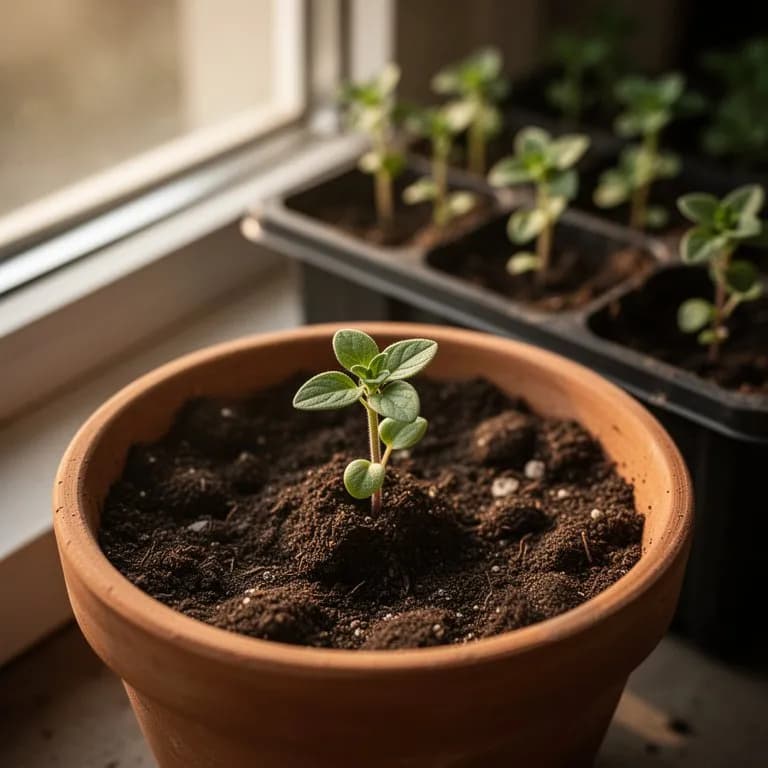
Greek oregano seeds are exceptionally tiny — almost dust-like — and require light to germinate. When surface-sown on moist seed-starting mix and kept warm, the first threadlike sprouts appear in 7-14 days. Germination can be erratic, so sowing thickly is recommended. Seedlings are extremely small and delicate at this stage.
Seedling Development
The first true leaves appear as tiny oval pairs with a slightly fuzzy texture and the faintest hint of oregano scent when touched. Seedlings grow slowly during this phase, developing their root system before putting on significant top growth. By 6 weeks, plants are 5-8 cm tall with several sets of paired leaves.
Vegetative Growth
Plants enter a rapid growth phase, branching heavily from the base to form a dense, rounded mound of aromatic foliage. Stems become semi-woody at the base and the characteristic silvery-green leaves develop their full concentration of essential oils. By 3 months, plants reach 20-30 cm tall and 30-40 cm wide.
Flowering
Upright flower spikes emerge from stem tips bearing tight clusters of small white to pale pink flowers with distinctive dark purple bracts. Each flower spike opens progressively from bottom to top over 2-3 weeks. The flowers are extremely attractive to honeybees, mason bees, and butterflies, making oregano an excellent companion plant for pollinator gardens.
Dormancy and Overwintering
As temperatures drop in autumn, growth slows and the plant enters semi-dormancy. In zones 5-9, Greek oregano is reliably perennial — the woody base persists through winter while the softer top growth may die back partially or fully depending on climate. In spring, fresh green shoots emerge vigorously from the established root system and woody crown.
Scatter seeds on the surface of moist, fine-textured seed-starting mix and press gently — do not cover with soil, as light triggers germination. Mist daily to keep the surface moist without washing seeds away. Maintain temperatures of 18-21°C (65-70°F) for best germination rates.
Caring for Greek Oregano month by month
What to do each month for your Greek Oregano
October
You are herePot up divisions or rooted cuttings for indoor winter growing on a sunny windowsill. In zones 5-6, apply a 5 cm mulch of gravel or straw around the base of outdoor plants after the first light frost. Stop harvesting to allow plants to harden off for winter naturally.
Know exactly what to do in your garden — every month
One email at the start of each month: what to sow, plant, and tackle right now — for your Greek Oregano and everything growing around it. Plus a short starter course that helps you dodge the classic mistakes.
- What to do, right now
- Matched to your season
- Starter course included
Harvesting Greek Oregano
Harvest Greek oregano once plants are well-established and actively growing, typically when they reach 4-6 inches tall. Cut stems just above a leaf node. The most intensely flavored harvest comes just as flower buds begin to form but before they fully open. Cut entire stems back to 2-3 inches above the ground for a major harvest. Greek oregano can be cut back 2-3 times per season and will regrow vigorously each time. Morning harvests yield the most aromatic sprigs. The white flowers are also edible and highly aromatic.
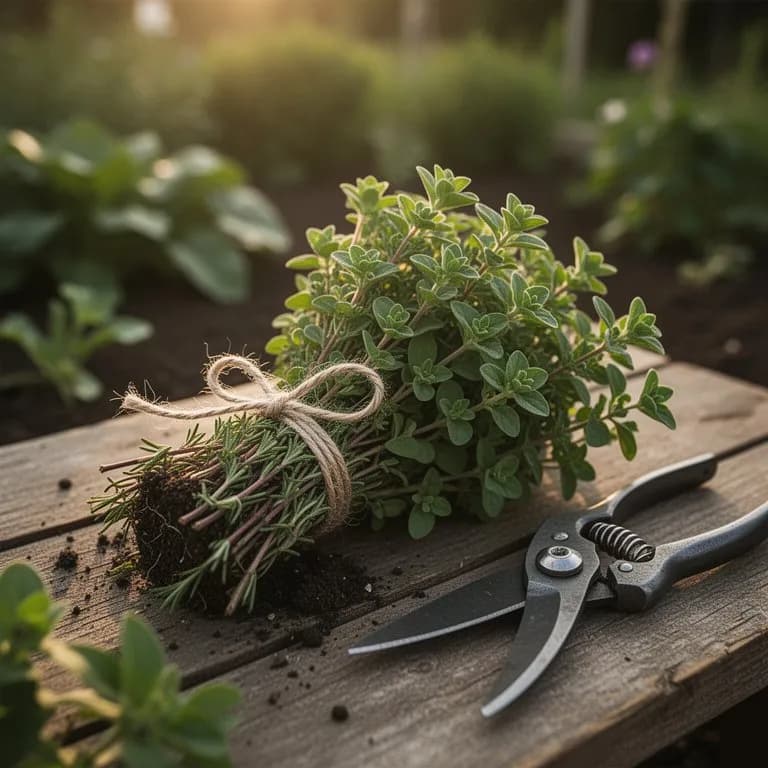
assuming you plant when the window opens — set your real date
Pick Greek Oregano promptly and the plant keeps producing.
Storage & Preservation
Greek oregano is one of the rare herbs that is actually more flavorful dried than fresh. The drying process concentrates the essential oils and intensifies the pungent, spicy character. Hang small bundles upside down in a warm, dark, well-ventilated area for 1-2 weeks. Strip dried leaves from stems and store in airtight glass jars away from light for up to two years. Frozen sprigs work well in cooked dishes. Greek oregano-infused olive oil is a staple of Greek cooking and stores for months in a cool, dark place.
What goes wrong — and the fix
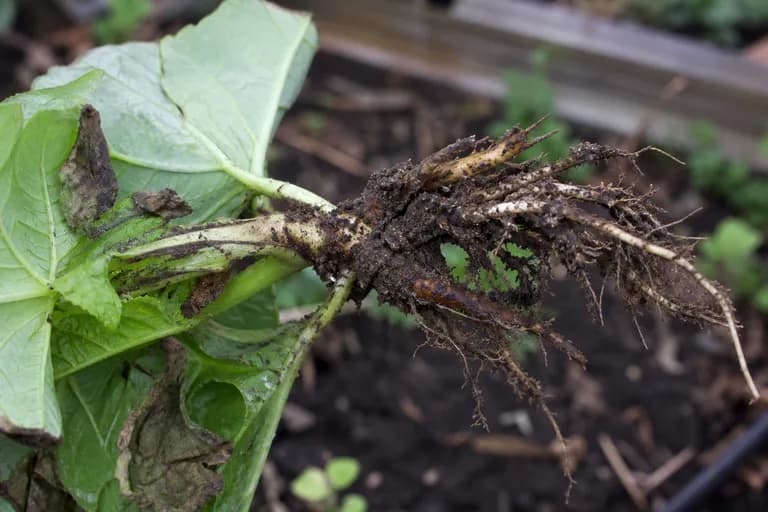
Root Rot
DiseaseWilting despite moist soil, yellowing lower leaves, brown mushy roots, plant decline and death.
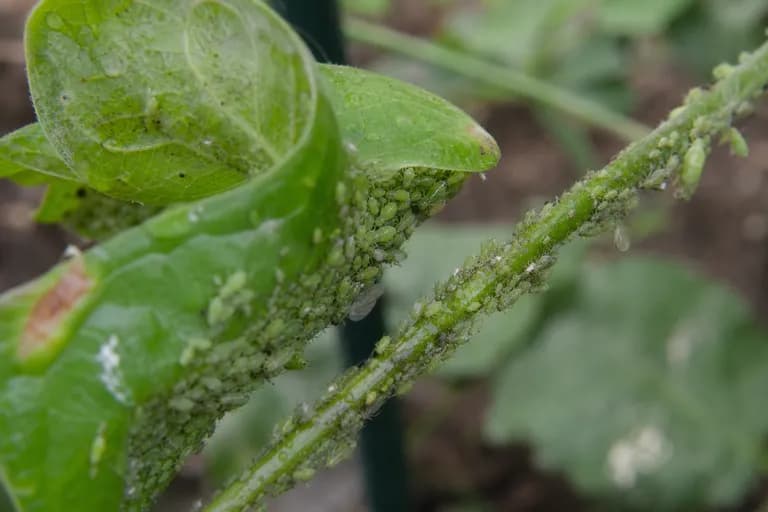
Aphids
PestClusters of small green, black, or brown insects on tender new growth, sticky honeydew, distorted shoot tips.
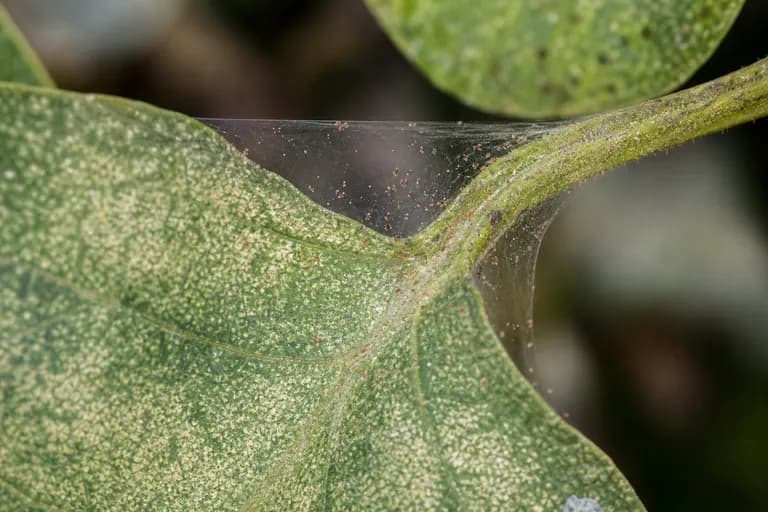
Spider Mites
PestFine stippling on leaves, tiny webs visible in branch crotches, overall dull and bronzed appearance of foliage.
Troubleshooting Common Problems
The most common problem with Greek oregano is growing from seed that produces bland, tasteless plants. Always purchase named cultivars from reputable herb nurseries and taste-test before buying. Overwatering and rich soil cause lush but flavorless growth; keep conditions lean and dry. Plants become woody and hollow in the center after 3-4 years; divide and replant to rejuvenate. In humid climates, fungal issues can occur; provide excellent drainage and air circulation. Greek oregano spreads by runners and can become mildly invasive in ideal conditions.
Growing Tips
- Always verify you have true Greek oregano (Origanum vulgare subsp. hirtum) by tasting a leaf — it should deliver a sharp, peppery, almost numbing bite on the tongue. Common oregano and marjoram look very similar but have a much milder, sweeter flavor that will not deliver authentic Greek or Italian flavor in cooking.
- Plant in the poorest, most well-drained soil in your garden. Greek oregano grown in rich, fertile, moist soil produces lush green foliage but with dramatically reduced essential oil content and a bland, grassy flavor. Lean, rocky, even slightly alkaline soil produces the most intensely flavored leaves.
- Full sun is non-negotiable — Greek oregano requires a minimum of 6-8 hours of direct sunlight daily to develop its characteristic flavor and compact growth habit. Plants grown in partial shade become leggy, sparse, and produce inferior-tasting leaves.
- Water deeply but infrequently, allowing the soil to dry out thoroughly between waterings. Established Greek oregano is remarkably drought-tolerant and actually produces more flavorful foliage under mild water stress. Overwatering is the most common cause of oregano failure, leading to root rot and fungal disease.
- Pinch or trim growing tips every 2-3 weeks during the growing season to maintain a compact, bushy shape and prevent the plant from becoming woody and leggy. Regular harvesting serves double duty as pruning and encourages continuous production of tender, flavorful new growth.
- Harvest at the right moment for maximum flavor. The essential oil concentration peaks just as flower buds form but before they open fully. Cut entire stems to about 10 cm above the ground in the morning after the dew has dried for the most aromatic and shelf-stable dried herb.
- Propagate by division or stem cuttings rather than seed for guaranteed quality. Oregano grown from seed is highly variable — many seedlings will revert to mild-flavored common oregano types. Taking cuttings or dividing a plant you know tastes excellent ensures every new plant is a flavor clone of the parent.
- Improve winter survival in cold zones (5-6) by ensuring perfect drainage around the crown. Oregano dies in winter more often from wet, frozen soil than from cold alone. A 5 cm mulch of pea gravel around the base helps shed moisture away from the crown while still insulating the roots.
- Grow Greek oregano as a companion plant near tomatoes, peppers, and beans. Its strong aromatic oils are believed to repel aphids, spider mites, and certain beetle species, and its flowers are magnets for beneficial pollinators and predatory wasps that control garden pests.
- Replace plants every 4-5 years when the center becomes woody and sparse. Divide the vigorous outer portions of old clumps in spring and replant them in refreshed soil, or start new plants from cuttings taken from the most flavorful stems of the old plant.
Grow your best Greek Oregano yet — and everything around it.
Start a free plan today. Lay out your beds, drop in your Greek Oregano, and let PlotMyGarden handle the timing, spacing, companions and reminders from seed to harvest basket.
Pick your Greek Oregano
Greek Oregano (Origanum vulgare subsp. hirtum)
The true Greek oregano with white flowers and intensely pungent, spicy leaves. The benchmark for authentic Mediterranean oregano flavor.
Hot and Spicy Oregano
A selected Greek oregano strain with even more concentrated essential oils and a peppery heat. Excellent for pizza and grilled meats.
Kaliteri
A premium Greek oregano cultivar sourced from wild Greek mountain populations. Reputed to have the most authentic, intense flavor of any commercially available oregano.
A small jar (15-30g) of quality dried Greek oregano costs $4-8 at retail, and specialty wild-harvested Greek oregano commands $12-20 per 100g at gourmet shops. A single $3 seed packet or $5 starter plant produces a perennial bush that yields 50-100g of dried oregano per year for 5-8 years — representing $40-150 worth of premium dried oregano over the plant's lifetime from a one-time investment. Fresh oregano sprigs sell for $2-4 per small bunch at farmers markets, yet a garden plant provides unlimited fresh cuttings all summer long.
Quick recipes
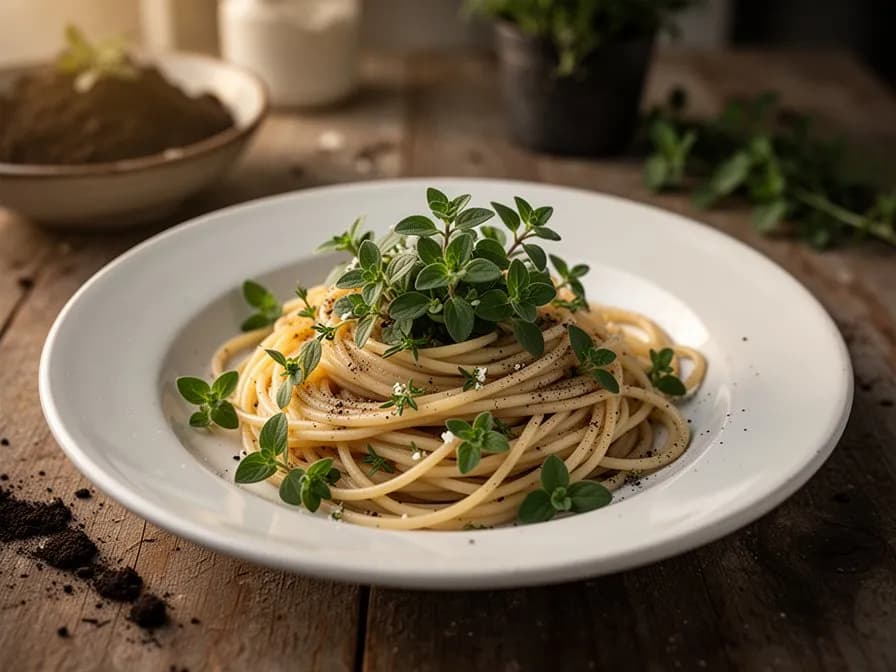
Greek Oregano Chimichurri
10 minA Mediterranean twist on the classic Argentine herb sauce. Fresh Greek oregano is blended with garlic, red wine vinegar, and quality olive oil to create a vibrant, peppery condiment perfect for grilled meats, roasted vegetables, or crusty bread. The bold oregano flavor stands up to rich, smoky dishes beautifully.
6 ingredients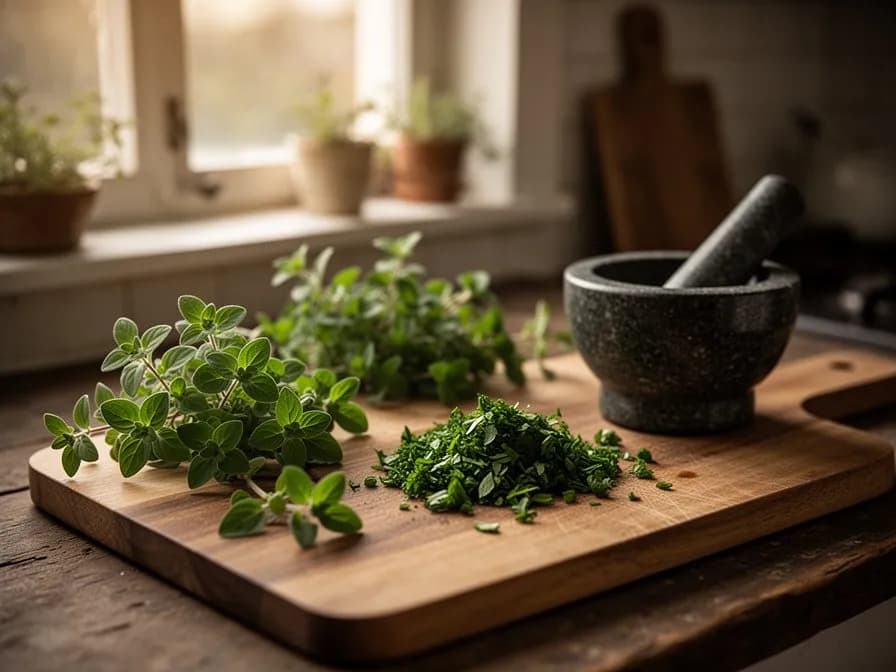
Oregano and Lemon Roasted Potatoes (Patates Fournou)
60 minThe quintessential Greek side dish — chunky potatoes roasted until crispy and golden in olive oil, lemon juice, garlic, and generous handfuls of dried Greek oregano. The potatoes absorb the tangy, herbaceous cooking liquid, developing an irresistibly savory crust with fluffy, flavorful interiors.
7 ingredientsFresh Oregano and Feta Salad Dressing
5 minA creamy, tangy dressing that showcases fresh Greek oregano's aromatic complexity. Crumbled feta is blended with fresh oregano leaves, lemon juice, and olive oil into a thick, herbaceous dressing ideal for Mediterranean salads, grain bowls, or as a dip for fresh vegetables and pita.
7 ingredientsCulinary Uses
Greek oregano is the definitive pizza and pasta oregano, with an intense, warm, peppery-earthy flavor that defines Mediterranean cuisine. Use it generously on grilled and roasted meats, especially lamb, where its bold character stands up to the richness of the meat. It is essential in Greek salads, moussaka, and souvlaki. Dried Greek oregano is a pantry staple that improves tomato sauces, marinades, and vinaigrettes. Combine with lemon juice and olive oil for a classic Greek marinade.
What's inside
Health Benefits
- Contains carvacrol and thymol, two phenolic compounds with potent antimicrobial properties shown in laboratory studies to inhibit the growth of bacteria including E. coli, Staphylococcus aureus, and Salmonella — contributing to oregano's traditional use as a food preservative.
- Exceptionally high in antioxidants, with dried oregano ranking among the top herbs and spices for ORAC (oxygen radical absorbance capacity) values — regular dietary use may help reduce oxidative stress and protect cells from free radical damage.
- Rich in rosmarinic acid, a polyphenol with demonstrated anti-inflammatory and anti-allergenic properties in research, potentially helping reduce symptoms of seasonal allergies and inflammatory conditions when consumed regularly as part of the diet.
- Provides significant vitamin K per serving (even in small culinary amounts), supporting proper blood clotting, bone mineralization, and cardiovascular health — one tablespoon of dried oregano supplies approximately 10% of daily vitamin K needs.
- Traditional Mediterranean folk medicine has used oregano tea for centuries to relieve coughs, sore throats, and digestive discomfort — modern research supports these uses by identifying the herb's antispasmodic and expectorant compounds.
- Contains beta-caryophyllene, a dietary cannabinoid that interacts with the body's endocannabinoid system and has shown anti-inflammatory effects in preliminary research, potentially contributing to oregano's traditional reputation as a soothing digestive herb.
Where Greek Oregano comes from
Greek oregano (Origanum vulgare subsp. hirtum) is native to the sun-baked limestone hillsides of Greece, Turkey, and the broader Eastern Mediterranean basin. The herb has grown wild across the Greek islands and mountainsides for millennia, thriving in the thin, rocky soils and intense sunlight of the region. Ancient Greeks recognized its medicinal and culinary value as early as 500 BCE, and Hippocrates himself documented oregano's use as an antiseptic and remedy for respiratory and digestive ailments.
In classical Greek culture, oregano held profound symbolic meaning beyond the kitchen. It was associated with Aphrodite, goddess of love, who was said to have created the herb as a symbol of joy. Oregano wreaths crowned newlyweds, and the herb was planted on graves to grant the dead eternal peace. The Romans adopted oregano enthusiastically after conquering Greece, spreading its cultivation throughout the Roman Empire and integrating it into their cuisine and pharmacopoeia. Roman soldiers carried oregano on campaigns, and the herb traveled along trade routes into North Africa, the Iberian Peninsula, and even Britain.
Throughout the Middle Ages, oregano remained a staple of Mediterranean herbal medicine and monastic gardens. Monks cultivated it alongside other medicinal herbs, and it was prescribed for everything from toothaches to poisonous bites. The herb's culinary role deepened in southern Italy and Greece, becoming inseparable from the region's evolving cuisine — no Greek salad, grilled lamb, or village bread was complete without a generous scattering of dried oregano.
The modern global popularity of oregano traces directly to the mid-20th century. American and British soldiers stationed in Italy and Greece during World War II developed a fondness for the local food, and returning veterans created unprecedented demand for oregano in their home countries. Pizza's explosive rise in American popular culture from the 1950s onward cemented oregano as a pantry staple far beyond the Mediterranean. Today, Greece remains the gold standard for oregano quality, with wild-harvested Greek oregano from mountainous regions commanding premium prices for its unmatched carvacrol content and complex, peppery aroma.
Greek Oregano: did you know?
Fascinating facts about Greek Oregano
The name 'oregano' comes from the Greek words 'oros' (mountain) and 'ganos' (joy or brightness), meaning 'joy of the mountain' — ancient Greeks believed that oregano growing wild on the hillsides was a sign of happiness placed there by the goddess Aphrodite.
Greek Oregano questions, answered
When should I plant Greek Oregano?
What are good companion plants for Greek Oregano?
What hardiness zones can Greek Oregano grow in?
How much sun does Greek Oregano need?
How far apart should I space Greek Oregano?
What pests and diseases affect Greek Oregano?
How do I store Greek Oregano after harvest?
What are the best Greek Oregano varieties to grow?
What soil does Greek Oregano need?
What is the difference between Greek oregano and regular oregano?
Can I grow Greek oregano indoors year-round?
How do I dry and store Greek oregano for the best flavor?
Why does my Greek oregano taste bland and grassy?
Is Greek oregano a perennial? Will it survive winter?
How often should I harvest Greek oregano and will it grow back?
You just read the theory. Now grow it on autopilot.
Everything that makes Greek Oregano fiddly — the timing, the spacing, the companions, the harvest window — is exactly what PlotMyGarden handles for you, for every plant in your garden.
A plan that knows your weather
Set your location once. Get sow, feed and harvest dates built around your real last-frost date and live forecast — no more guessing from a generic seed packet.
From the “When to plant” sectionDrag-and-drop bed planner
Design beds on a grid. Every plant snaps to its proper spacing, and you can see your whole season laid out before you spend a cent on seed.
From the “Growing guide” sectionCompanion conflicts, caught early
200+ good-and-bad pairings checked live as you plant — so a season-wrecking mistake never makes it into the ground.
From the “Companions” sectionReminders you'll actually act on
“Water the beans.” “Pick today before it turns.” Timely, specific, and tied to the plants you're really growing.
From the “Harvest” sectionSuccession, scheduled
Want a harvest for six weeks, not six days? It spaces your sowings automatically and reminds you when each new block is due.
From the “When to plant” sectionA record that gets smarter
Every harvest you log teaches it your garden. Next year's plan starts from what actually worked in your soil, not a textbook's.
From the “Overview” sectionPlant these alongside Greek Oregano
More Culinary Herbs
Keep Greek Oregano away from these
Garden plans featuring Greek Oregano
Grow your best Greek Oregano yet — and everything around it.
Start a free plan today. Lay out your beds, drop in your Greek Oregano, and let PlotMyGarden handle the timing, spacing, companions and reminders from seed to harvest basket.