Torpedozwiebel
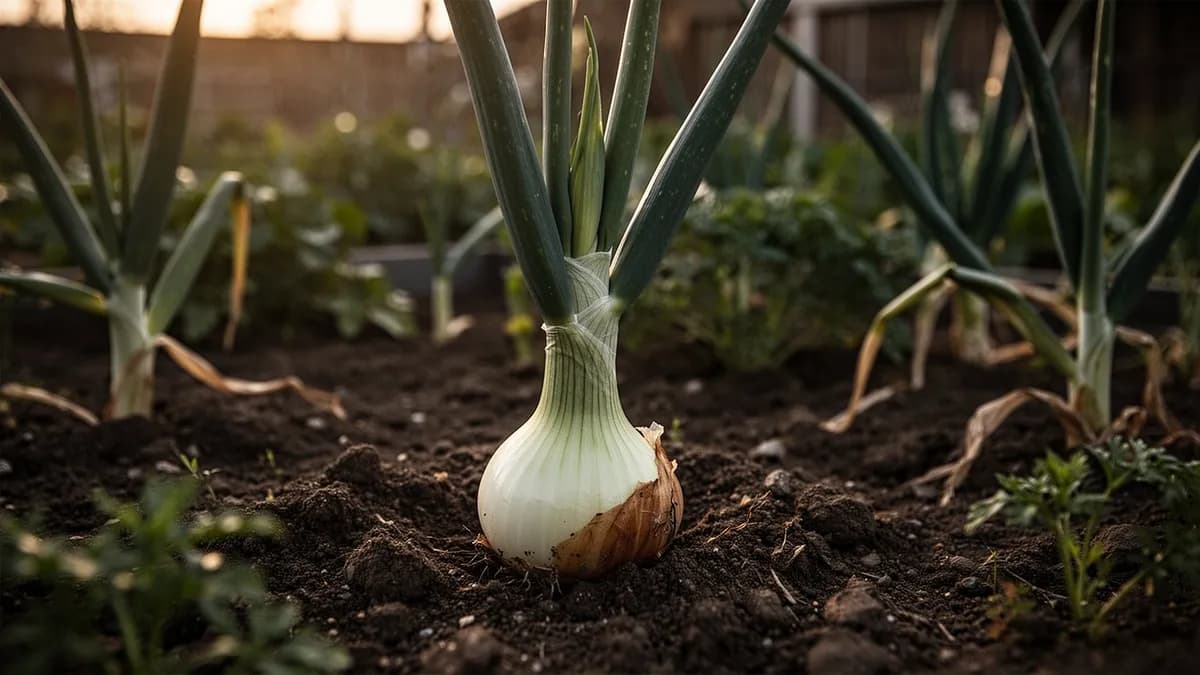
Eine italienische Erbsorte, auch als Rossa di Tropea bekannt, mit einer länglichen Torpedoform und wunderschöner magentarosafarbener Schale.





Auf dieser SeiteÜberblick
Torpedozwiebel im Überblick
Eine italienische Erbsorte, auch als Rossa di Tropea bekannt, mit einer länglichen Torpedoform und wunderschöner magentarosafarbener Schale. Das Fleisch ist unglaublich süß und mild, was sie zu einer der besten Zwiebeln für den rohen Verzehr in Salaten und Sandwiches macht. Die längliche Form erzeugt gleichmäßige Scheiben, die ideal zum Grillen und Karamellisieren sind. Die Pflanzen benötigen eine lange Vegetationsperiode und eine lange Tageslänge, um in nördlichen Breitengraden richtig heranzuwachsen.
Wann Torpedozwiebel pflanzen
Beginnen Sie mit der Torpedozwiebel-Aussaat zehn bis zwölf Wochen vor dem letzten Frosttermin im Haus. Säen Sie die Samen in tiefe Zellenschalen oder Erdpresstöpfe, wobei Sie zwei bis drei Samen pro Zelle etwa 0,5 cm tief pflanzen. Halten Sie Temperaturen von 18–21 Grad Celsius für die Keimung ein. Sorgen Sie für vierzehn bis sechzehn Stunden helles Licht täglich. Vereinzeln Sie auf einen Sämling pro Zelle, wenn sie zwei echte Blätter haben. Schneiden Sie die Spitzen auf 10 cm Höhe, wenn sie anfangen umzuknicken, um dickere Stängel zu fördern. Beginnen Sie zwei Wochen vor dem Umpflanzen mit dem Abhärten, indem Sie sie schrittweise den Außenbedingungen aussetzen. Pflanzen Sie um, wenn die Sämlinge bleistiftdick sind und die Bodentemperatur mindestens 10 Grad Celsius beträgt.
Dein Torpedozwiebel-Jahr
Abgestimmt auf Zone 7 · typische Saison · Frost geht um den 2. Apr. und kehrt um den 1. Nov. zurück
Torpedozwiebel Mär – Mai pflanzen, Jul – Sep ernten. Beachte die Pflanzmethoden unten und wähle dein Klima für passende Zeiträume.
So baust du Torpedozwiebel an
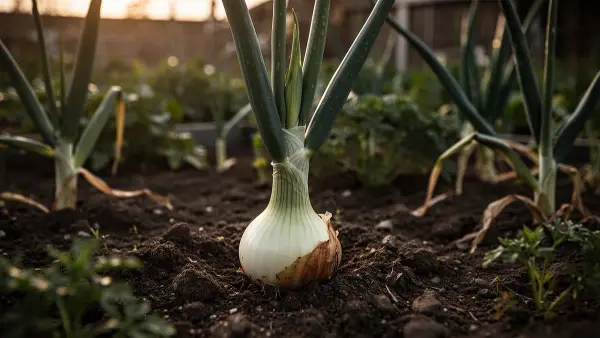
Torpedozwiebeln benötigen eine lange Vegetationsperiode von 110 Tagen oder mehr, daher sollten die Samen zehn bis zwölf Wochen vor dem letzten Frost im Haus vorgezogen werden. Säen Sie die Samen dünn in Schalen mit feiner Anzuchterde, bedecken Sie sie kaum und halten Sie eine Temperatur von 18–21 Grad Celsius ein. Die Keimung dauert sieben bis vierzehn Tage. Schneiden Sie die Spitzen der Sämlinge auf 10 cm zurück, wenn sie umknicken, um ein gedrungenes Wachstum zu fördern. Härten Sie die Pflanzen ab und setzen Sie sie ins Freiland, wenn die Bodentemperaturen 10 Grad Celsius erreichen.
Setzen Sie die Jungpflanzen im Abstand von 12–15 cm in Reihen mit 30 cm Abstand in fruchtbaren, gut durchlässigen Boden. Torpedozwiebeln sind mittlere bis Langtagsorten, die 14 oder mehr Stunden Tageslicht benötigen, um die Knollenbildung einzuleiten. Gleichmäßige Feuchtigkeit ist während der Knollenbildungsphase unerlässlich, aber reduzieren Sie das Gießen, wenn das Laub zu vergilben beginnt und umknickt. Ein ausgewogener Dünger alle drei Wochen während des aktiven Wachstums unterstützt die Knollenvergrößerung.
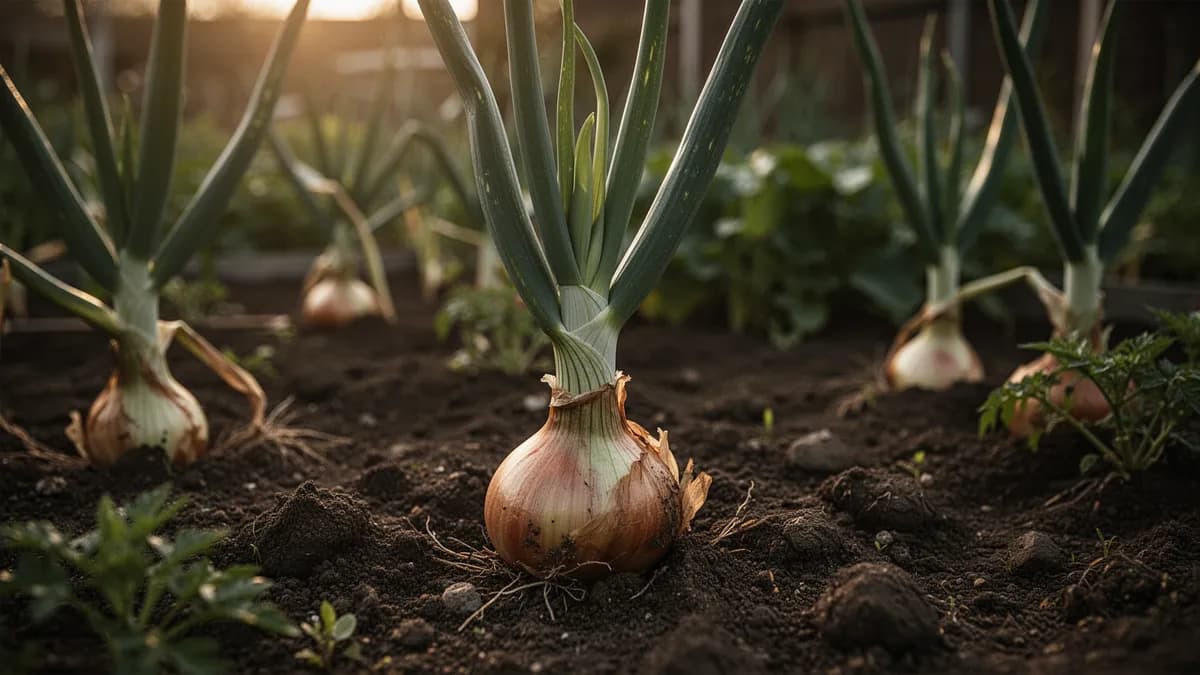
Diese Zwiebeln sind erntereif, wenn etwa die Hälfte des Laubes auf natürliche Weise umgeknickt ist. Stellen Sie an diesem Punkt das Gießen ein und lassen Sie die Knollen einige Tage im Boden nachreifen, bevor Sie sie herausnehmen. Die längliche Form macht sie anfällig für Sonnenbrand während der Nachreife, daher sollten Sie Schatten spenden oder im Innenbereich nachreifen lassen. Gehen Sie vorsichtig mit ihnen um, da das weiche, süße Fleisch leicht Druckstellen bekommt.
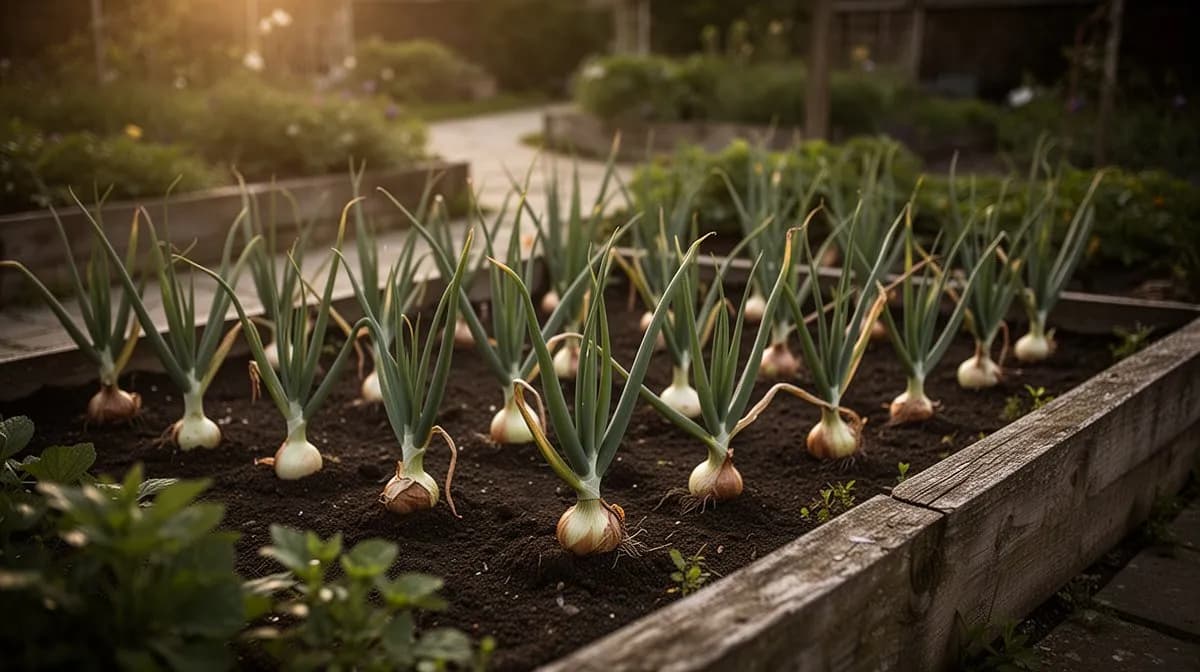
128 Pflanzen passen in ein Beet von 120 × 240 cm
Torpedozwiebel braucht 15 cm Platz pro Pflanze. Der Planer hält diesen Abstand für dich ein — jede Pflanze, jedes Beet.
Die besten Nachbarn für Torpedozwiebel
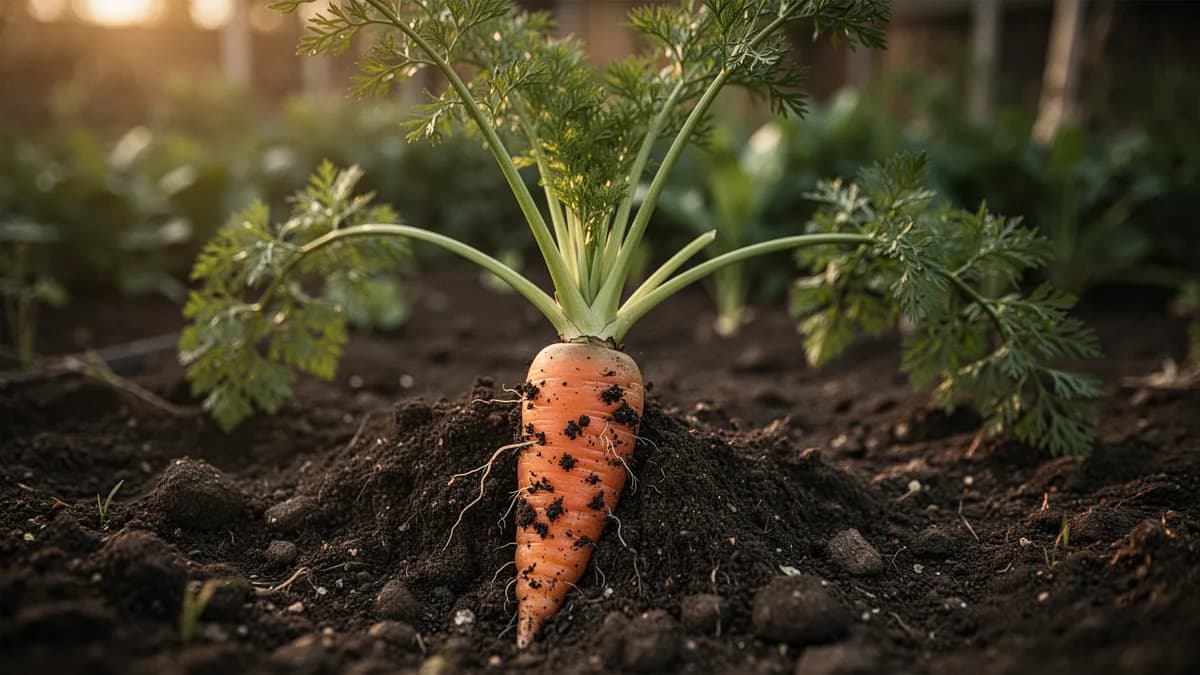
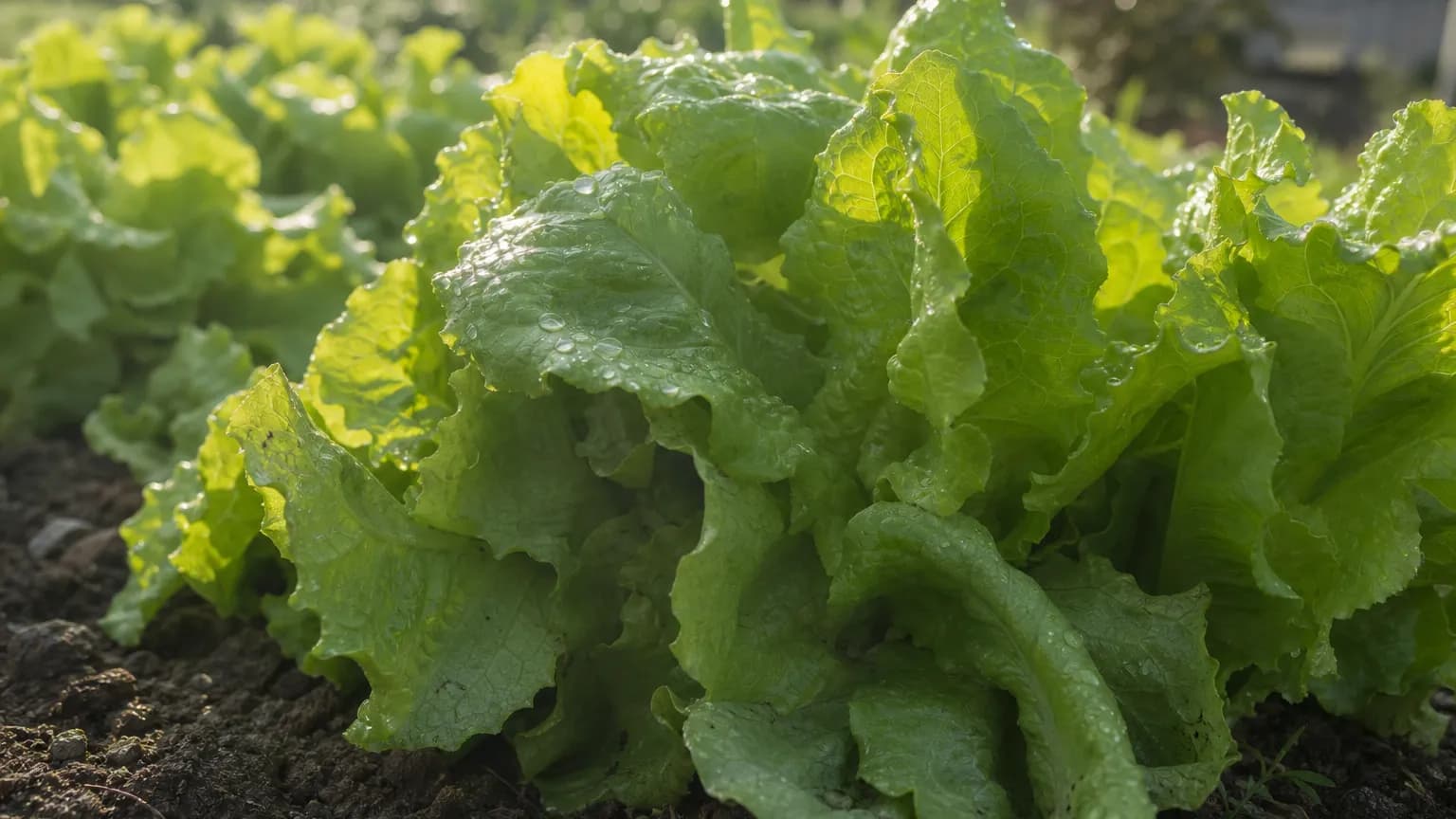
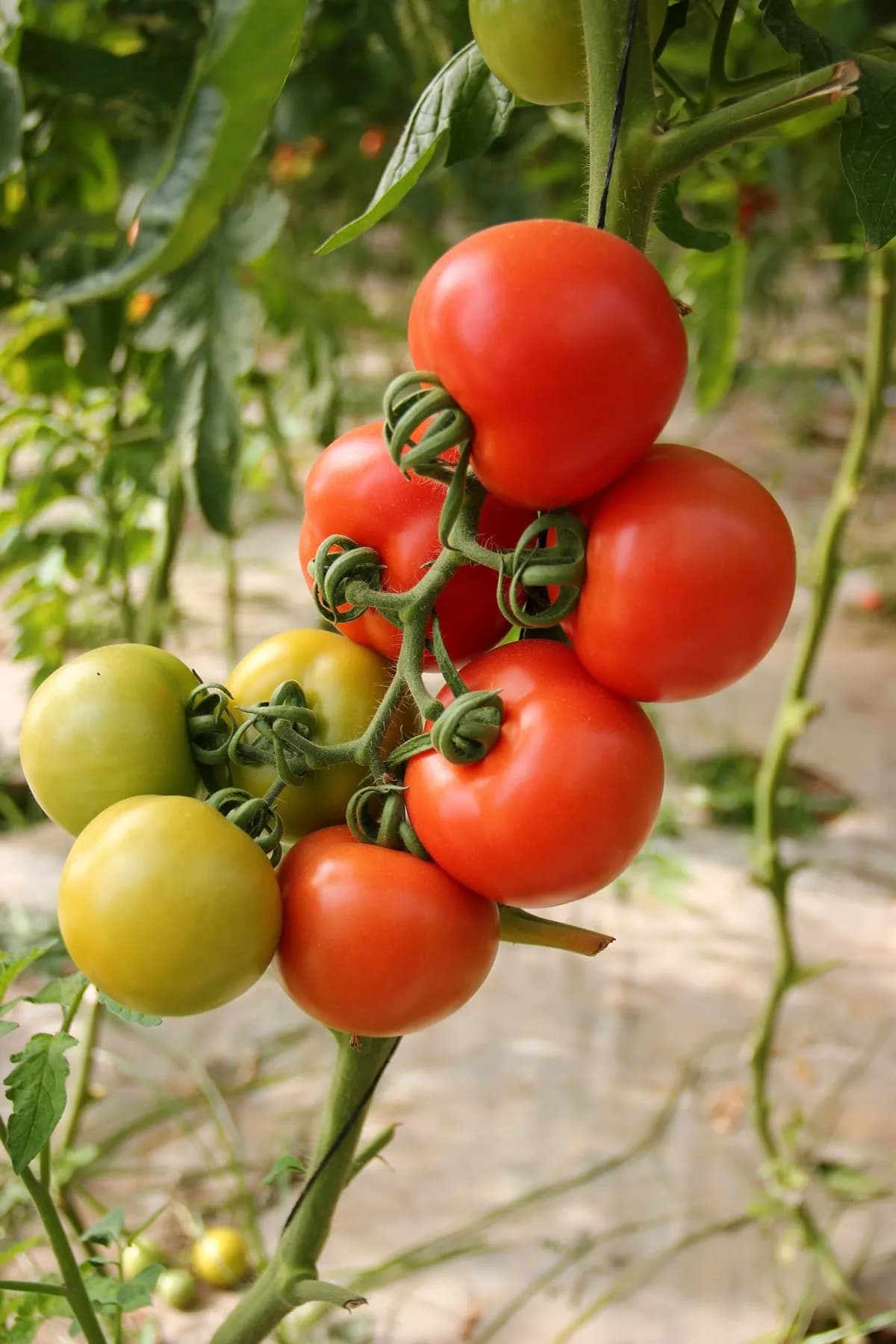
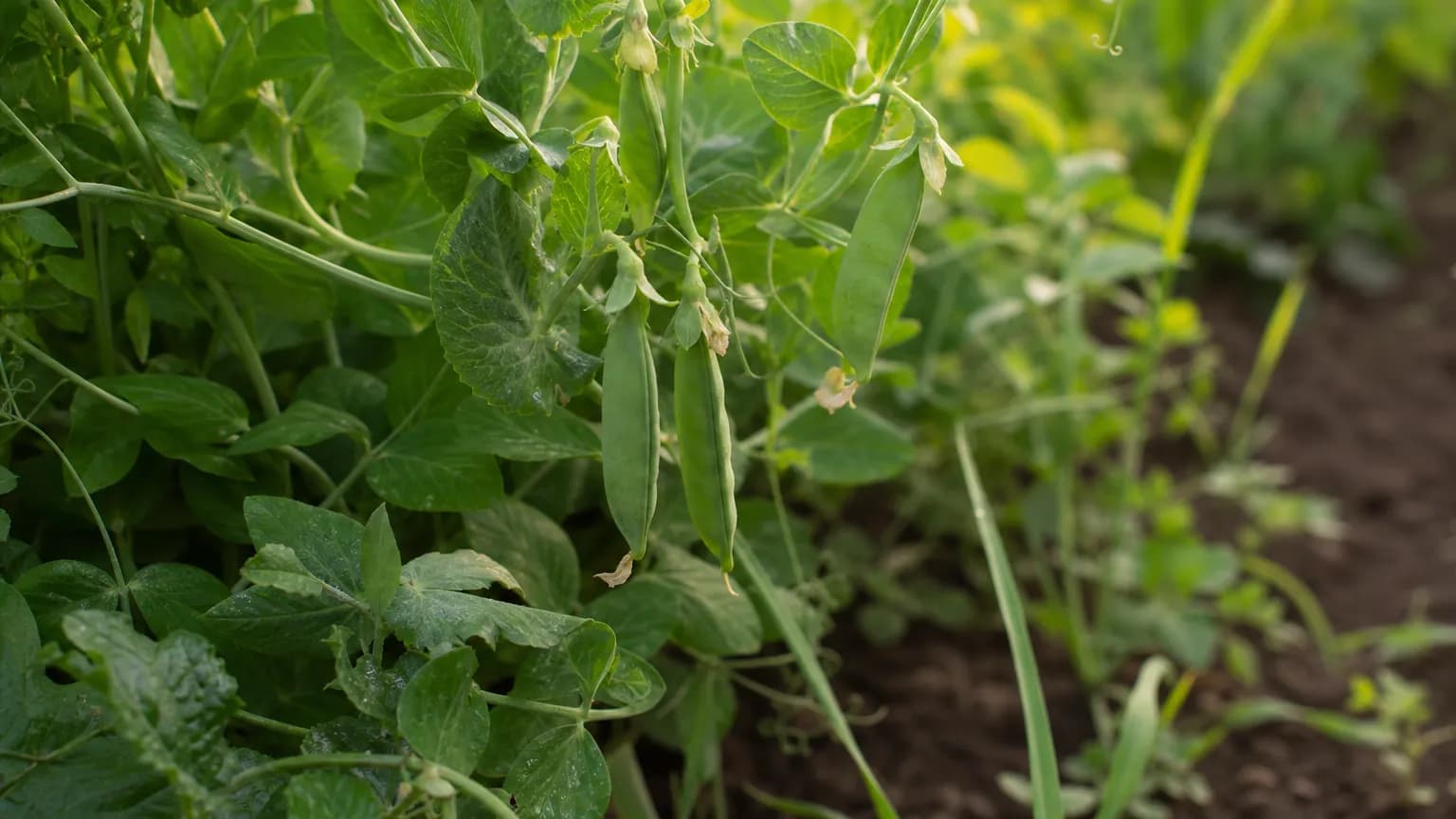
Torpedozwiebeln passen gut zu Karotten, da der Zwiebelgeruch hilft, Karotten vor der Möhrenfliege zu verbergen. Pflanzen Sie sie neben Salat und Rote Bete, die von den schädlingsabwehrenden Eigenschaften der Lauchgewächse profitieren. Tomaten und Paprika sind gute Nachbarn, vermeiden Sie jedoch eine Beschattung der Zwiebeln, da diese volle Sonne benötigen. Kamille in der Nähe kann den Geschmack und die Vitalität der Zwiebeln verbessern. Vermeiden Sie das Pflanzen in der Nähe von Erbsen, Bohnen und anderen Hülsenfrüchten, da Lauchgewächse deren Stickstofffixierungsfähigkeit hemmen. Halten Sie Abstand zu Spargel, der durch nahe Lauchgewächspflanzungen im Wachstum gehemmt werden kann.
Karotte gehört daneben. Erbsen nicht.
Altes Gärtnerwissen, geprüft an der echten Nachbartabelle von Torpedozwiebel — teste jede Pflanze, die du anbaust.
Probiere Torpedozwiebel direkt hier im Beet
Ein echtes Planer-Beet, Torpedozwiebel steht schon drin. Tippe einen Begleiter an, platziere ihn und sieh, wie die Nachbarschaftsprüfung antwortet — grün für gute Nachbarn, rot bei Streit.


Passende Anbau-Ratgeber
Richtig düngen
Torpedozwiebeln benötigen tief gelockerten, lockeren Boden, um ihre längliche Form ungehindert entwickeln zu können. Sandiger Lehm mit einem pH-Wert von 6,0 bis 6,8 ist ideal. Arbeiten Sie gut verrotteten Kompost bis zu einer Tiefe von 25 cm ein und fügen Sie Knochenmehl für Phosphor hinzu, der die Knollenentwicklung unterstützt. Vermeiden Sie schwere Tonböden, die die Torpedoform verformen können. Bringen Sie beim Umpflanzen einen ausgewogenen organischen Dünger aus und düngen Sie alle drei Wochen während der vegetativen Wachstumsphase mit stickstoffreichen Ergänzungsmitteln wie Blutmehl nach. Stellen Sie die Stickstoffdüngung ein, sobald die Knollenbildung beginnt, um eine ordnungsgemäße Nachreife und Lagerqualität zu fördern.
Ideale Temperatur
Winterhärtezone-Kompatibilität
Von der Saat zur Ernte, Schritt für Schritt
Aussaat
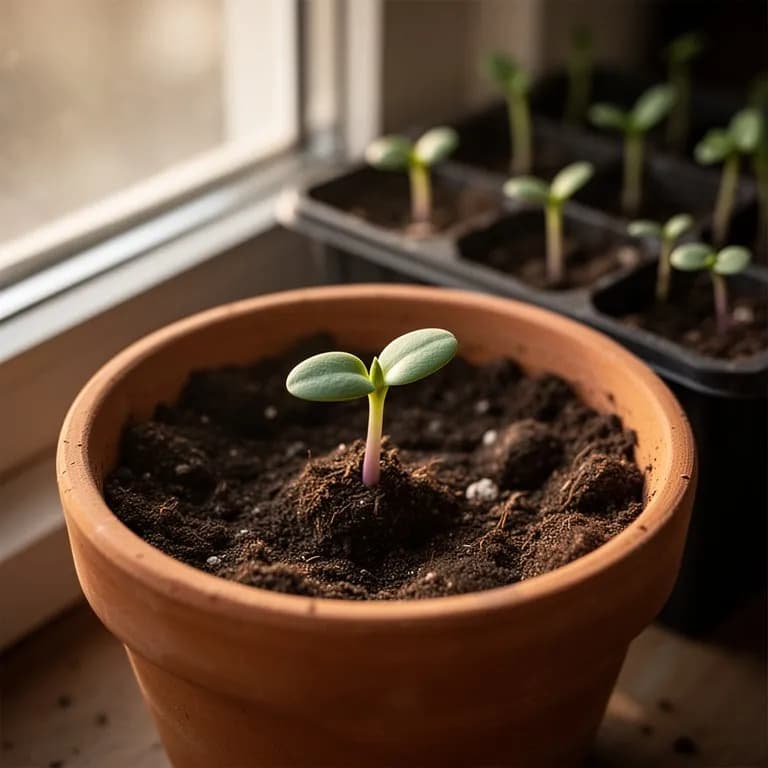
Torpedozwiebelsamen sind winzig und keimen langsam — es dauert 7–14 Tage bei optimalen Temperaturen. Das erste sichtbare Wachstum ist ein einzelnes dünnes, grasartiges Blatt (das Flaggenblatt), das in einer Schleife austreibt, bevor es sich aufrichtet. Die Samen müssen 10–12 Wochen vor dem letzten Frost im Haus ausgesät werden, da diese Langzeit-Zwiebeln jeden verfügbaren Wachstumstag benötigen, um vollgroße Knollen zu bilden.
Sämlingsentwicklung
Die Sämlinge entwickeln zusätzliche röhrenförmige Blätter und beginnen mit dem Aufbau des Wurzelsystems, das später das Knollenwachstum unterstützt. Das Wachstum ist in dieser Phase langsam und stetig. Die dünnen, aufrechten Blätter können anfangen umzuknicken, wenn sie 12–15 cm erreichen, was das Signal ist, sie zurückzuschneiden, um dickere, stabilere Stängel zu fördern und die Energie in die Wurzelentwicklung umzuleiten.
Vegetatives Wachstum
Nach dem Umpflanzen etablieren sich die Pflanzen im Garten und bilden einen Fächer aus 6–10 aufrechten röhrenförmigen Blättern. Das Wurzelsystem breitet sich schnell im umgebenden Boden aus. Diese Phase konzentriert sich ausschließlich auf den Aufbau der Blattmasse, die später das Knollenwachstum antreibt — jedes Blatt entspricht einem Ring in der fertigen Knolle, sodass mehr Blätter eine größere Zwiebel bedeuten.
Knollenbildung und -vergrößerung
Wenn die Tageslänge die kritische Schwelle von 14+ Stunden erreicht, verlagert die Pflanze ihre Energie von der Blattproduktion auf die Knollenbildung. Die Basis jedes Blattes schwillt an und verdickt sich und bildet die konzentrischen Schichten der sich entwickelnden Knolle. Die charakteristische längliche Torpedoform wird sichtbar, wenn sich die Knolle teilweise über die Bodenoberfläche schiebt. Dies ist die wasserkritsichte Phase des gesamten Wachstumszyklus.
Reifung und Nachreife
Die äußeren Blätter beginnen von den Spitzen nach unten zu vergilben, da die Pflanze alle verbleibende Energie in die Knolle umleitet. Wenn etwa die Hälfte des Laubes auf natürliche Weise umgeknickt ist, signalisiert die Zwiebel, dass sie ihre endgültige Größe erreicht hat. Der Hals wird weich und die äußere Schale beginnt zu trocknen und sich um die Knolle zu straffen, wobei sich die charakteristische papierartige magentarosafarbene Hülle entwickelt.
Säen Sie die Samen 0,5 cm tief in tiefe Zellenschalen oder Erdpresstöpfe mit feiner Anzuchterde. Halten Sie die Bodentemperatur bei 18–21 °C. Sorgen Sie ab der Aussaat für 14–16 Stunden starkes Licht täglich — auch vor dem Auflaufen — um gedrungene statt schwache, schlaksige Sämlinge zu erzeugen.
Torpedozwiebel Monat für Monat pflegen
Was du jeden Monat für deine Torpedozwiebel tun solltest
Oktober
Aktueller MonatLagern Sie die nachgereiften Torpedozwiebeln an einem kühlen, trockenen Ort bei 5–10 °C mit guter Luftzirkulation. Rechnen Sie mit 2–3 Monaten Lagerfähigkeit. Verarbeiten Sie Überschüsse durch Schneiden und Einfrieren, Einlegen in Rotweinessig oder Herstellen von langsam karamellisierter Zwiebelmarmelade für längere Haltbarkeit.
Immer wissen, was jetzt im Garten zu tun ist
Eine E-Mail zum Monatsanfang: was du jetzt säen, pflanzen und anpacken solltest — für deine Torpedozwiebel und alles, was drumherum wächst. Dazu ein kurzer Startkurs, der dich vor den klassischen Fehlern bewahrt.
- Was jetzt zu tun ist
- Passend zu deiner Saison
- Startkurs inklusive
Torpedozwiebel ernten
Torpedozwiebeln sind erntereif, wenn etwa die Hälfte des grünen Laubes auf natürliche Weise umgeknickt ist, typischerweise von Ende Juli bis August. Knicken Sie das verbleibende aufrechte Laub vorsichtig um, um den Reifeprozess zu beschleunigen. Nach einigen Tagen lockern Sie den Boden mit einer Grabegabel und heben die Knollen vorsichtig heraus. Die längliche Form ist anfällig für Beschädigungen, daher ist Vorsicht geboten. Lassen Sie sie in einer einzigen Schicht an einem warmen, trockenen, gut belüfteten Ort ohne direkte Sonneneinstrahlung zwei bis drei Wochen nachreifen, bis der Hals vollständig trocken und die äußere Schale papierartig ist. Kürzen Sie die Wurzeln und schneiden Sie das Laub auf 2 cm für die Lagerung.
angenommen, du pflanzt zu Beginn des Zeitraums — trage dein tatsächliches Datum ein
Ernte Torpedozwiebel zügig, dann trägt die Pflanze weiter.
Lagerung & Konservierung
Torpedozwiebeln haben aufgrund ihres hohen Zuckergehalts eine kürzere Lagerdauer als runde Zwiebeln und halten typischerweise zwei bis drei Monate unter kühlen, trockenen Bedingungen bei 5–10 Grad Celsius. Flechten Sie sie an ihrem Laub für eine dekorative Aufbewahrung. Schneiden Sie sie in Scheiben und frieren Sie sie auf Tabletts ein, um sie das ganze Jahr über bequem zum Kochen zu verwenden. Legen Sie dünne Torpedozwiebelringe in Rotweinessig für ein würziges Gewürz ein. Karamellisieren Sie große Mengen langsam und frieren Sie sie in Portionen ein, um sie schnell in Suppen und Soßen verwenden zu können. Das süße Fleisch lässt sich auch gut zu knusprigen Zwiebelchips zum Snacken trocknen.
Was schiefgeht — und die Lösung
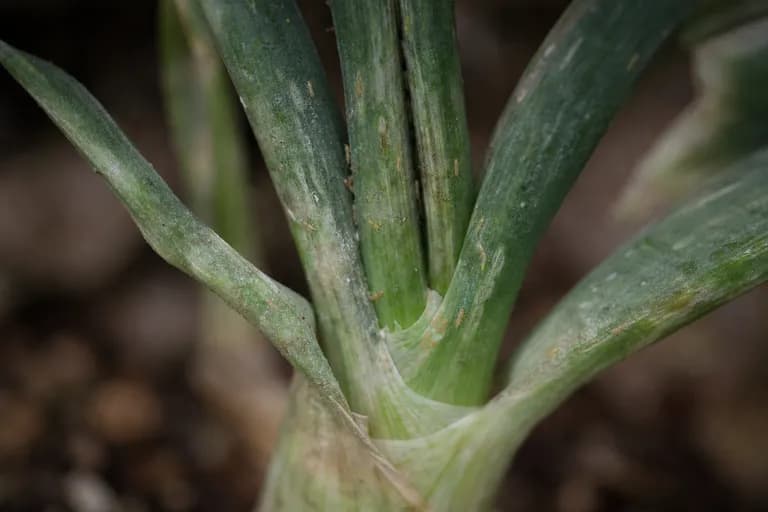
Zwiebelthripse
SchädlingSilbrig-weiße Streifen auf den Blättern, Blatteinrollen und verkümmertes Wachstum. Starker Befall führt dazu, dass die Blätter braun werden und zusammenfallen, was die Knollengröße reduziert.
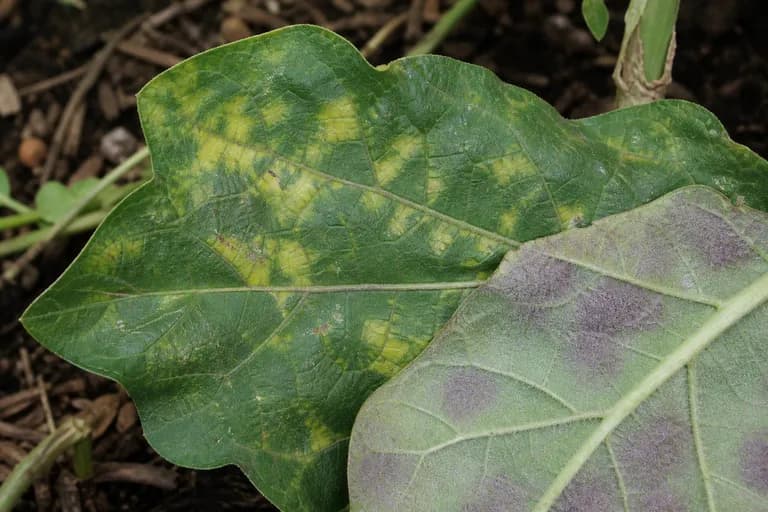
Falscher Mehltau
KrankheitGrau-violetter, flaumiger Belag auf Blattoberflächen, besonders bei kühlem, feuchtem Wetter. Befallene Blätter vergilben und fallen von der Spitze nach unten zusammen.
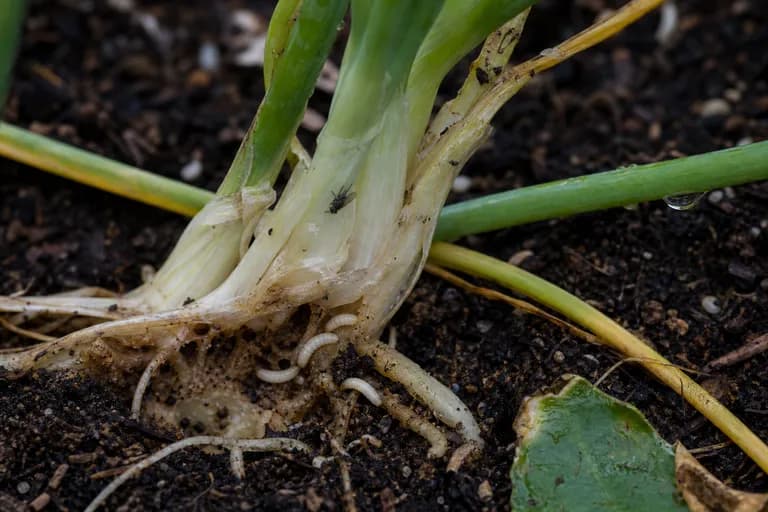
Zwiebelfliege
SchädlingVergilben und Welken junger Pflanzen, mit kleinen weißen Maden, die im Wurzelbereich und an der Knollenbasis sichtbar sind.
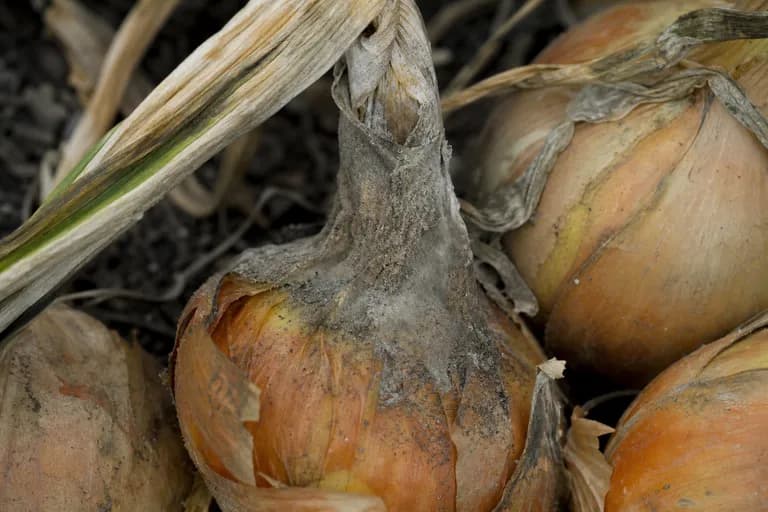
Botrytis-Halsfäule
KrankheitWeiche, graue Fäulnis am Hals der Knolle während der Lagerung, die sich nach unten durch das Fleisch ausbreitet. Grauer, flaumiger Schimmel entwickelt sich auf befallenem Gewebe.
Fehlerbehebung bei häufigen Problemen
Das häufigste Problem ist, dass schossresistente Torpedozwiebeln aufgrund von Kältestress während des frühen Wachstums vorzeitig in Blüte gehen. Vermeiden Sie ein zu frühes Umpflanzen und schützen Sie vor späten Kälteeinbrüchen. Kurze, gedrungene Knollen anstelle der charakteristischen Torpedoform resultieren oft aus verdichtetem oder schwerem Tonboden. Doppelknollen werden durch Temperaturschwankungen während der Knollenbildungsphase verursacht. Sonnenbrand während der Nachreife erzeugt grüne, bittere Stellen auf freiliegenden Knollen. Eine schlechte Lagerfähigkeit ist in der Regel auf unzureichende Nachreife oder eine Ernte zurückzuführen, bevor der Hals vollständig getrocknet ist. Aufplatzen tritt bei unregelmäßiger Bewässerung während der Knollenvergrößerung auf.
Anbautipps
- Beginnen Sie früh mit der Aussaat und überstürzen Sie das Umpflanzen nicht. Torpedozwiebeln benötigen eine volle Vegetationsperiode von 110+ Tagen, daher ist die Anzucht im Haus 10–12 Wochen vor dem letzten Frost unverzichtbar. Zu spät begonnene Pflanzen haben nicht genug Wachstumszeit, bevor die Knollen voll ausreifen können.
- Schneiden Sie die Sämlingsspitzen auf 10 cm, wann immer sie anfangen umzuknicken — das mag kontraintuitiv erscheinen, aber das Schneiden leitet die Energie von schlaffem Blattwachstum in die Wurzelentwicklung und Stängeldicke um. Bleistiftdicke Stängel zum Zeitpunkt des Umpflanzens sind der beste einzelne Indikator für große Knollen bei der Ernte.
- Die Bodenvorbereitung ist entscheidend für eine gute Form. Torpedozwiebeln benötigen tief gelockerten, lockeren, steinfreien Boden, um ihre charakteristische längliche Form zu entwickeln. Verdichteter oder steiniger Boden erzeugt kurze, missgeformte Knollen. Graben Sie die Beete doppelt um oder bauen Sie in Hochbeeten mit sandigem Lehm für die besten Ergebnisse an.
- Halten Sie die Beete akribisch unkrautfrei. Zwiebeln haben flache, spärliche Wurzelsysteme und schmale aufrechte Blätter, die nicht mit Unkraut um Licht, Wasser oder Nährstoffe konkurrieren können. Selbst mäßiger Unkrautdruck kann die Knollengröße um 50 % oder mehr reduzieren. Mulchen Sie nach dem Umpflanzen leicht mit Stroh.
- Wasser ist alles während der Knollenvergrößerung. Torpedozwiebeln benötigen gleichmäßige, konstante Feuchtigkeit vom Umpflanzen bis zum Beginn des Laubumknickens. Unregelmäßiges Gießen während der Knollenbildungsphase verursacht Aufplatzen, Doppelknollen und dicke Hälse, die sich der Nachreife widersetzen. Ein Tropfschlauch mit Zeitschaltuhr ist ideal.
- Stellen Sie die Stickstoffdüngung ein, wenn die Knollenbildung beginnt. Späte Stickstoffgaben fördern weiches, üppiges Wachstum, das anfällig für Halsfäule bei der Lagerung ist und den natürlichen Nachreifeprozess verzögert. Wechseln Sie zu einer kaliumbetonten Düngung (wie Holzaschetee), um die Knollenfestigkeit und Lagerqualität zu fördern.
- Behandeln Sie geerntete Knollen wie Eier. Die längliche Torpedoform und der hohe Wassergehalt machen diese Zwiebeln viel anfälliger für Druckstellen und mechanische Beschädigungen als runde Zwiebeln. Verwenden Sie eine Grabegabel, um den Boden vor dem Herausheben zu lockern, und ziehen Sie Knollen niemals am Laub heraus — der Hals kann reißen und Lagerfäule begünstigen.
- Lassen Sie sie vor der Lagerung gründlich nachreifen. Torpedozwiebeln benötigen 2–3 Wochen Nachreife an einem warmen (24–30 °C), trockenen, schattigen, gut belüfteten Ort, bis der Hals vollständig trocken und beim Drücken hauchdünn ist. Unzureichend nachgereifte Zwiebeln entwickeln innerhalb weniger Wochen nach der Einlagerung Halsfäule.
Bau deine beste Torpedozwiebel an — und alles drumherum.
Starte heute kostenlos. Lege deine Beete an, setze deine Torpedozwiebel ein und lass PlotMyGarden Timing, Abstände, Begleiter und Erinnerungen von der Saat bis zum Erntekorb übernehmen.
Finde deine Torpedozwiebel
Rossa di Tropea
Die klassische italienische Torpedozwiebel aus Kalabrien mit tiefmagentafarbener Schale, süßem weißem Fleisch und hervorragender Rohessqualität.
Red Long of Florence
Eine italienische Erbsorte mit tiefroten Schale und rosa-weißem Fleisch, extrem süß und mild, wenn sie roh in Salaten gegessen wird.
Cipolla di Certaldo
Eine toskanische Sorte mit lila-roter Schale und flacher Torpedoform, geschätzt für ihren ausgewogenen süß-scharfen Geschmack in regionalen Gerichten.
Simiane
Ein französischer Torpedotyp mit blassem kupferfarbenem Hautton und sehr süßem weißem Fleisch, hervorragend zum Karamellisieren und für Gratins.
Torpedozwiebeln sind ein Premium-Spezialprodukt und kosten auf Wochenmärkten und in Feinkostläden 8–16 € pro Kilogramm — und authentische IGP-Cipolla di Tropea, importiert aus Italien, kann in Spezialgeschäften 20–30 € pro Kilogramm kosten. Ein einzelnes Samentütchen für 3–4 € enthält über 200 Samen, genug, um weit mehr Zwiebeln anzubauen, als ein Haushalt benötigt. Der Anbau von 40–50 Knollen aus einem einzigen Tütchen kann 5–10 kg Torpedozwiebeln im Wert von 50–150 € zu Einzelhandelspreisen erzeugen. Die Ersparnis ist noch dramatischer, wenn man bedenkt, dass Torpedozwiebeln oft nur saisonal auf Spezialmärkten erhältlich sind, während Hobbygärtner sie monatelang ernten und lagern können.
Schnelle Rezepte
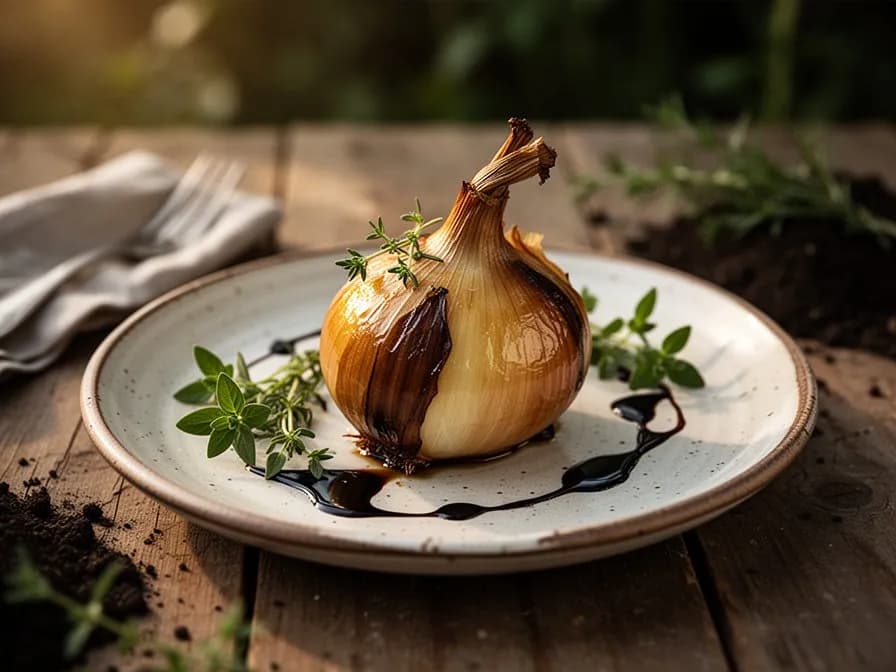
Gegrillte Torpedozwiebelringe mit Balsamico-Glasur
20 Min.Dicke Querringe von Torpedozwiebeln, mit Olivenöl bestrichen und bei starker Hitze gegrillt, bis sie tief verkohlt und süß sind. Eine Balsamico-Reduktion darüber geträufelt schafft eine perfekte Balance aus rauchig, süß und würzig. Die Torpedoform erzeugt gleichmäßige Ringe, die auf dem Grill wunderbar zusammenhalten.
6 ZutatenKlassischer italienischer Torpedozwiebel-Tomaten-Salat
10 Min.Die einfachste und ikonischste Art, Torpedozwiebeln zu genießen — dünn geschnitten und roh mit reifen Sommertomaten, frischem Basilikum und dem besten Olivenöl, das Sie haben, vermischt. Die außergewöhnliche Süße der Rossa di Tropea bedeutet, dass kein Einweichen in Wasser nötig ist, um die Schärfe zu mildern.
7 ZutatenLangsam karamellisierte Torpedozwiebel-Marmelade (Cipollata)
50 Min.Ein traditionelles kalabrisches Gewürz, das die natürlichen Zucker der Torpedozwiebeln zu einer dicken, glänzenden, tiefgeschmackvollen Marmelade konzentriert. Langsames Kochen in Rotwein und einem Hauch Essig ergibt einen süß-herzhaften Aufstrich, der auf Crostini, neben Käse oder eingerührt in Pfannensoßen außergewöhnlich schmeckt.
9 ZutatenKulinarische Verwendung
Torpedozwiebeln sind in der italienischen Küche für den Rohverzehr geschätzt, wo ihr süßer, milder Geschmack in Sommersalaten und Panini zur Geltung kommt. Schneiden Sie sie in dicke Ringe und grillen Sie sie, bis sie verkohlt und süß sind. Rösten Sie sie ganz im Ofen, bis sie innen schmelzend weich sind. Karamellisieren Sie sie langsam für französische Zwiebelsuppe mit außergewöhnlicher Geschmackstiefe. Die gleichmäßige Torpedoform erzeugt perfekte Ringe zum Frittieren. Legen Sie sie in Balsamico-Essig für eine elegante Vorspeise ein. Köcheln Sie sie in einer traditionellen italienischen Zwiebelmarmelade namens Cipollata.
Was drinsteckt
Gesundheitsvorteile
- Rote und rosafarbene Zwiebelsorten wie Torpedozwiebeln enthalten deutlich höhere Quercetinwerte als weiße oder gelbe Sorten — Quercetin ist eines der am besten erforschten Nahrungsflavonoide, wobei Studien entzündungshemmende, antihistaminische und kardiovaskulär schützende Eigenschaften nahelegen.
- Reich an Organoschwefelverbindungen, die freigesetzt werden, wenn die Zwiebel geschnitten, zerdrückt oder gekaut wird. Diese Verbindungen, darunter Allicin und Diallylsulfide, haben antimikrobielle Aktivität gezeigt und können die Herz-Kreislauf-Gesundheit unterstützen, indem sie die Thrombozytenaggregation hemmen.
- Enthält präbiotische Ballaststoffe (Fructooligosaccharide und Inulin), die selektiv nützliche Darmbakterien ernähren, insbesondere Bifidobakterien. Regelmäßiger Verzehr unterstützt ein gesundes Darmmikrobiom, das zunehmend als zentral für die Immunfunktion und metabolische Gesundheit anerkannt wird.
- Die für die magentarosafarbene Farbe verantwortlichen Anthocyanpigmente bieten antioxidativen Schutz gegen oxidativen Stress. Diese Pigmente sind in den äußeren Schichten am stärksten konzentriert, daher bewahrt minimales Schälen den größten Nährwert.
- Liefert nennenswerte Mengen an Chrom, einem Spurenelement, das an der Insulinrezeptorfunktion und dem Glukosestoffwechsel beteiligt ist. Regelmäßiger Lauchgewächskonsum wurde in Beobachtungsstudien mit verbesserter Insulinsensitivität in Verbindung gebracht.
- Der milde, süße Geschmack von Torpedozwiebeln fördert den Rohverzehr, der hitzeempfindliche Nährstoffe wie Vitamin C und das Enzym Alliinase, das nützliche Schwefelverbindungen erzeugt, bewahrt. Kochen reduziert diese Verbindungen um 30–60 %, sodass rohe Torpedozwiebeln in Salaten den maximalen Gesundheitsnutzen liefern.
Woher Torpedozwiebel stammt
Die Torpedozwiebel (Allium cepa) hat ihre Wurzeln in der antiken Mittelmeerwelt, wo längliche Zwiebelsorten von Griechen, Römern und Phöniziern angebaut wurden. Die spezifische Linie der italienischen Torpedozwiebel gelangte vermutlich über phönizische Händler, die vor mehr als 2.500 Jahren Kolonien entlang des Tyrrhenischen Meeres gründeten, an die kalabrische Küste Süditaliens. Die sandigen, gut durchlässigen Küstenböden und das milde Meeresklima Kalabriens erwiesen sich als ideal für die Entwicklung der süßen, milden Zwiebel, die schließlich weltweit berühmt werden sollte.
Die Stadt Tropea, auf dramatischen Klippen über dem Meer in der Provinz Vibo Valentia gelegen, wurde zum Zentrum des Torpedozwiebelanbaus. Über Jahrhunderte selektierten kalabrische Bauern auf die am stärksten verlängerten Knollenformen, die tiefste Magentafarbe und vor allem den mildesten, süßesten Geschmack. Die daraus entstandene Sorte — Cipolla Rossa di Tropea — wurde so renommiert, dass sie 2008 den IGP-Status (Geschützte Geografische Angabe) der Europäischen Union erhielt, der ihren Namen und ihre geografische Herkunft rechtlich schützt. Nur Zwiebeln, die im ausgewiesenen Küstenstreifen Kalabriens, von Amantea im Norden bis Nicotera im Süden, angebaut werden, dürfen den Namen Tropea tragen.
Über Italien hinaus verbreiteten sich Torpedozwiebelsorten im gesamten Mittelmeerraum und schließlich weltweit. Die Red Long of Florence (Rossa Lunga di Firenze) ist eine toskanische Verwandte, während die französische Simiane und verschiedene spanische Torpedosorten die gleiche längliche Genetik aufweisen, angepasst an lokale Bedingungen. Im 20. Jahrhundert brachten italienische Einwanderer Torpedozwiebelsamen nach Amerika, wo die Sorte treue Anhänger unter Hobbygärtnern und Spezialanbauern gewann. Heute werden Torpedozwiebeln kommerziell in Italien, Frankreich, Spanien und zunehmend in Kalifornien und anderen Warmklima-Regionen der Vereinigten Staaten angebaut. Sie bleiben ein Premium-Spezialprodukt, das auf Gourmetmärkten weltweit höhere Preise als Standardzwiebeln erzielt.
Torpedozwiebel: Schon gewusst?
Faszinierende Fakten über Torpedozwiebel
Die berühmteste Torpedozwiebel der Welt ist die Cipolla Rossa di Tropea, die den IGP-Status (Indicazione Geografica Protetta) der Europäischen Union trägt — eine rechtliche Zertifizierung, dass nur Zwiebeln, die in der spezifischen Küstenzone Kalabriens zwischen Amantea und Nicotera angebaut werden, den Namen Tropea tragen dürfen.
Torpedozwiebel: Fragen & Antworten
Wann sollte ich Torpedozwiebel pflanzen?
Was sind gute Begleitpflanzen für Torpedozwiebel?
In welchen Winterhärtezonen kann Torpedozwiebel wachsen?
Wie viel Sonne braucht Torpedozwiebel?
Welchen Abstand sollte ich zwischen Torpedozwiebel lassen?
Welche Schädlinge und Krankheiten befallen Torpedozwiebel?
Wie lagere ich Torpedozwiebel nach der Ernte?
Was sind die besten Torpedozwiebel-Sorten zum Anbauen?
Welchen Boden braucht Torpedozwiebel?
Warum bilden meine Torpedozwiebeln kurze, runde Knollen statt der länglichen Torpedoform?
Kann ich Torpedozwiebeln aus Steckzwiebeln ziehen oder muss ich aus Samen anziehen?
Warum sind meine Torpedozwiebeln geschosst (haben Blütenstängel gebildet), anstatt Knollen zu bilden?
Wie lange kann ich Torpedozwiebeln lagern, und warum halten sie nicht so lange wie normale Zwiebeln?
Was ist der Unterschied zwischen Rossa di Tropea und Red Long of Florence?
Brauchen Torpedozwiebeln lange Tage, um Knollen zu bilden, oder kann ich sie in südlichen Breitengraden anbauen?
Du hast die Theorie gelesen. Jetzt baue sie auf Autopilot an.
Alles, was Torpedozwiebel knifflig macht — das Timing, die Abstände, die Begleiter, das Erntefenster — genau das übernimmt PlotMyGarden für dich, für jede Pflanze im Garten.
Ein Plan, der dein Wetter kennt
Standort einmal festlegen. Aussaat-, Dünge- und Erntedaten rund um deinen echten letzten Frosttermin und die Live-Vorhersage — kein Raten mehr nach Saattüte.
Aus dem Abschnitt „Pflanzzeit“Beetplaner per Drag & Drop
Beete auf einem Raster gestalten. Jede Pflanze rastet im richtigen Abstand ein, und du siehst die ganze Saison, bevor du einen Cent für Saatgut ausgibst.
Aus dem Abschnitt „Anbau“Begleiter-Konflikte früh erkannt
Über 200 gute und schlechte Kombinationen werden beim Pflanzen live geprüft — so landet ein saisonruinierender Fehler nie in der Erde.
Aus dem Abschnitt „Begleiter“Erinnerungen, nach denen du wirklich handelst
„Gieß die Bohnen.“ „Heute ernten, bevor's umschlägt.“ Pünktlich, konkret und auf deine echten Pflanzen bezogen.
Aus dem Abschnitt „Ernte“Staffel-Aussaat, geplant
Sechs Wochen ernten statt sechs Tage? Die App verteilt deine Aussaaten automatisch und erinnert dich, wenn der nächste Satz fällig ist.
Aus dem Abschnitt „Pflanzzeit“Ein Verlauf, der schlauer wird
Jede protokollierte Ernte bringt der App deinen Garten bei. Der Plan fürs nächste Jahr startet bei dem, was in deinem Boden wirklich funktioniert hat.
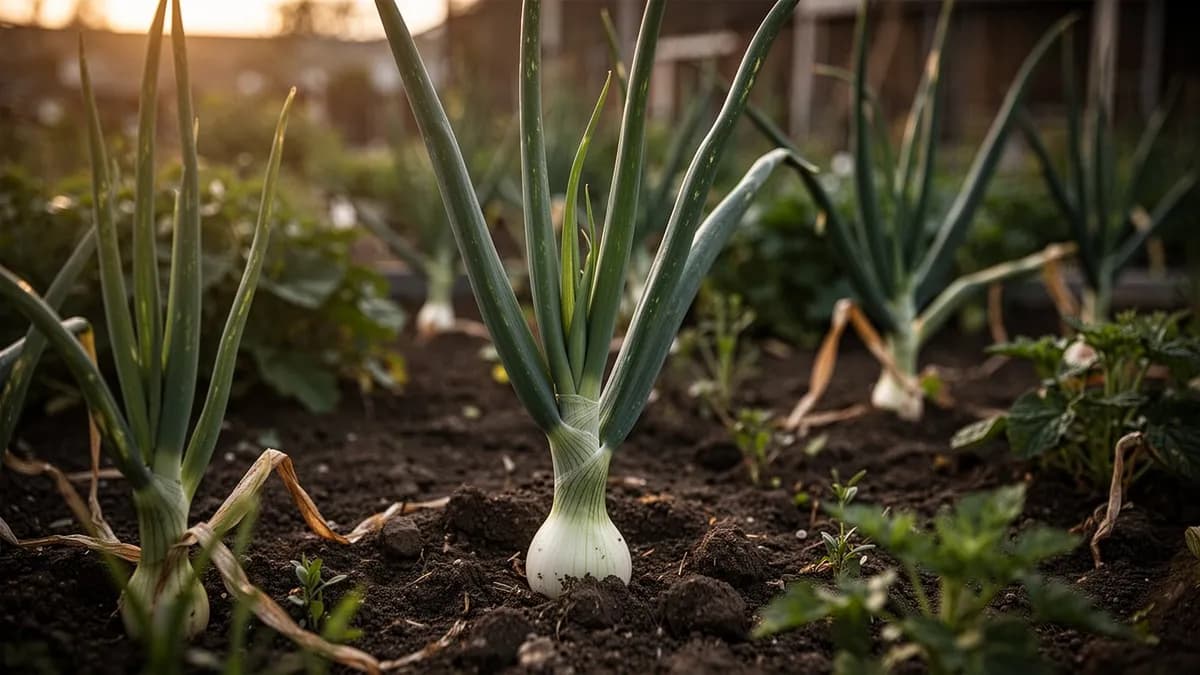
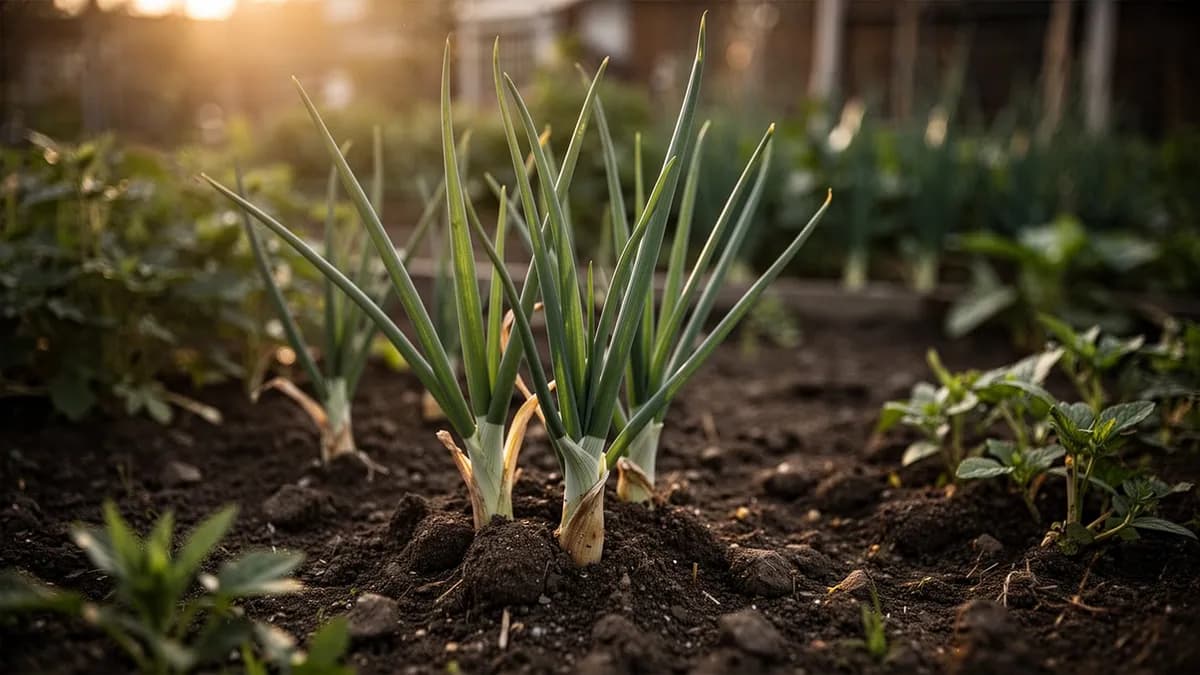
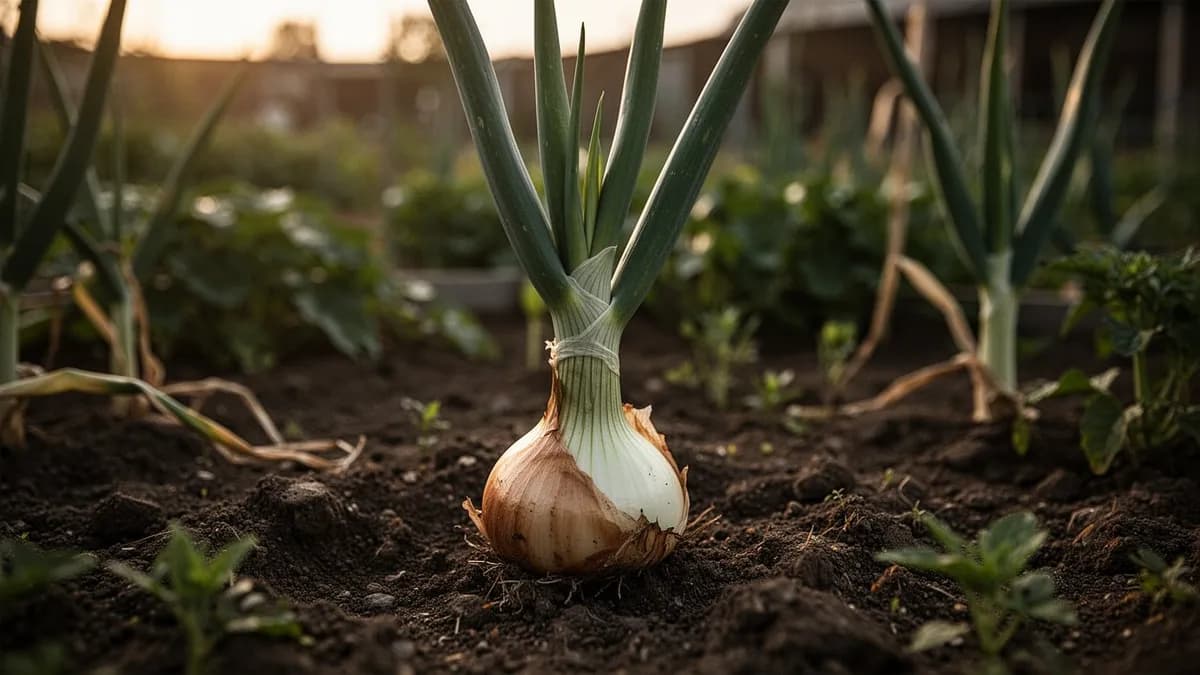
Aus dem Abschnitt „Überblick“Pflanze diese neben Torpedozwiebel
Weitere Lauchgewächse
Halte Torpedozwiebel von diesen fern
Bau deine beste Torpedozwiebel an — und alles drumherum.
Starte heute kostenlos. Lege deine Beete an, setze deine Torpedozwiebel ein und lass PlotMyGarden Timing, Abstände, Begleiter und Erinnerungen von der Saat bis zum Erntekorb übernehmen.