Mustard Greens
A fast-growing, peppery green that adds a spicy kick to salads, stir-fries, and braised dishes.





On this pageOverview
Meet Mustard Greens
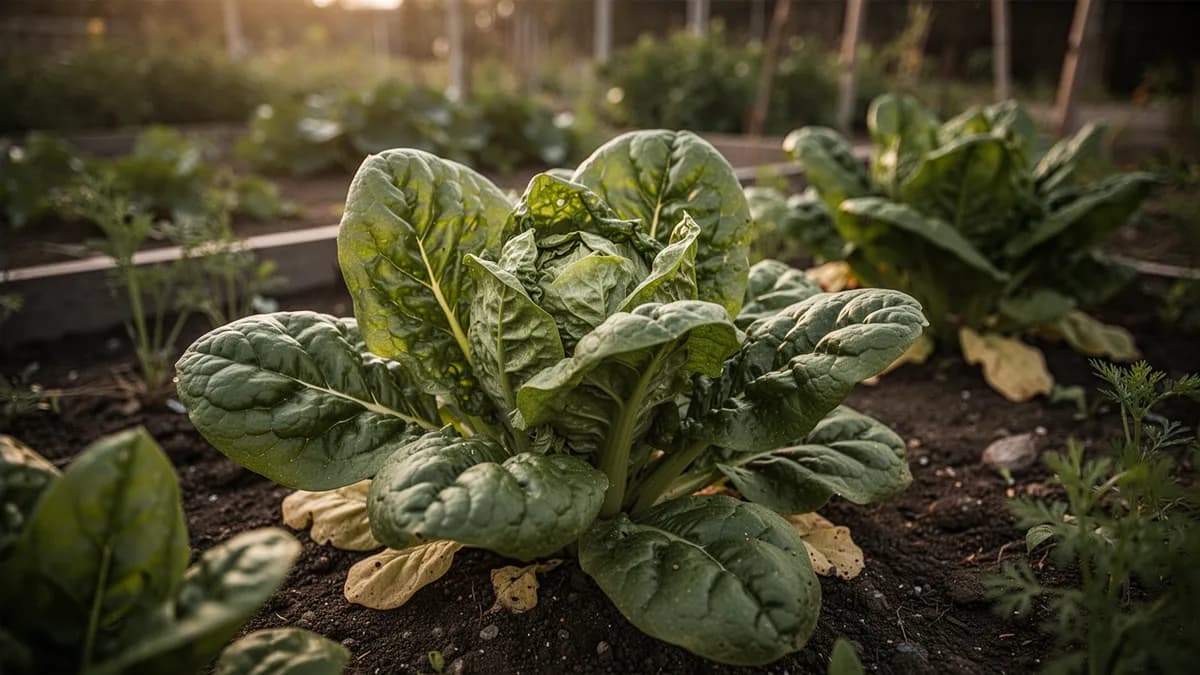
A fast-growing, peppery green that adds a spicy kick to salads, stir-fries, and braised dishes. Mustard greens come in many varieties with different leaf shapes and heat levels, from mild to fiery. Young leaves are tender enough for raw salads while mature leaves develop stronger flavor and are best cooked. Sow seeds every few weeks for continuous harvest and pick outer leaves to keep plants producing over a long season.
When to plant Mustard Greens
Direct sow seeds 1/4 inch deep outdoors as soon as soil can be worked in spring, typically 4 weeks before last frost. Seeds germinate in 4-7 days even in cool soil (45°F minimum). Thin to 6-8 inches apart for full-sized plants or 2-3 inches for baby greens. Indoor starting is unnecessary due to rapid germination and growth. For fall crops, sow 6-8 weeks before first frost. Succession sow every 2-3 weeks for uninterrupted harvest. Seeds remain viable for 3-4 years.
Your Mustard Greens Year
Composed for Zone 7 · typical seasons · frost passes Apr 2, returns Nov 1
Plant Mustard Greens Mar – Apr, Aug – Sep, pick May – Jun, Oct – Nov. Check the planting methods below and set your climate to personalize these windows.
How to grow Mustard Greens
Direct sow mustard green seeds 1/4 inch deep in prepared beds as early as 4 weeks before the last frost. Space rows 12-18 inches apart and thin seedlings to 6-8 inches apart. Seeds germinate rapidly in 4-7 days at 45-75°F, making them one of the fastest brassicas to establish. Succession sow every 2-3 weeks for continuous harvests.
Mustard greens prefer cool weather between 50-65°F but tolerate light frost and moderate heat better than many greens. In warm climates, grow as a fall, winter, or early spring crop. Provide partial shade in hot weather to delay bolting. Water consistently and mulch to keep roots cool. Side-dress with nitrogen fertilizer once a month for lush leaf growth.
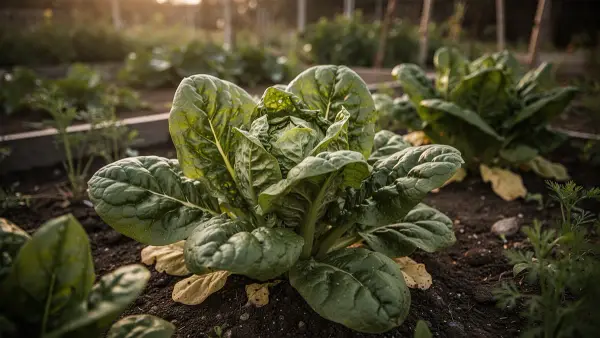
Harvest individual outer leaves when they reach 4-6 inches for baby greens or let them grow to full size (12-18 inches) for cooking greens. Cut-and-come-again harvesting works well, taking leaves from multiple plants in rotation. Once plants begin to bolt, harvest all remaining leaves as the flavor becomes intensely peppery and bitter.
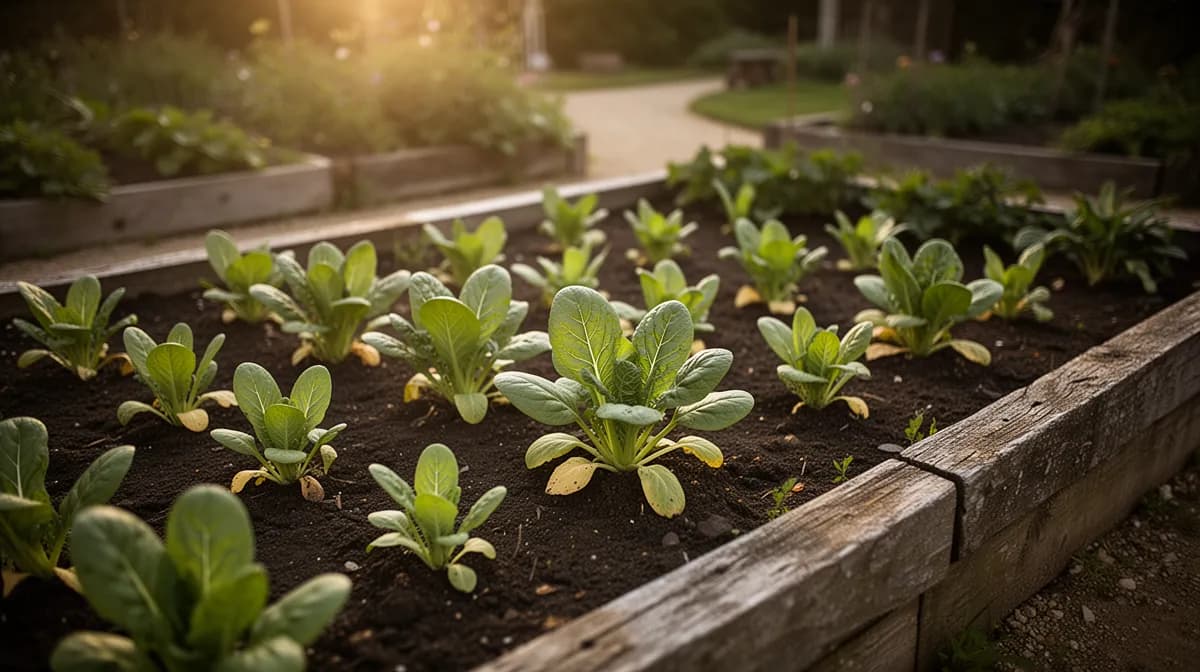
72 plants fit a 4 × 8 ft bed
Each Mustard Greens wants 20 cm of elbow room. The planner keeps that spacing for you — every plant, every bed.
Mustard Greens's best neighbours
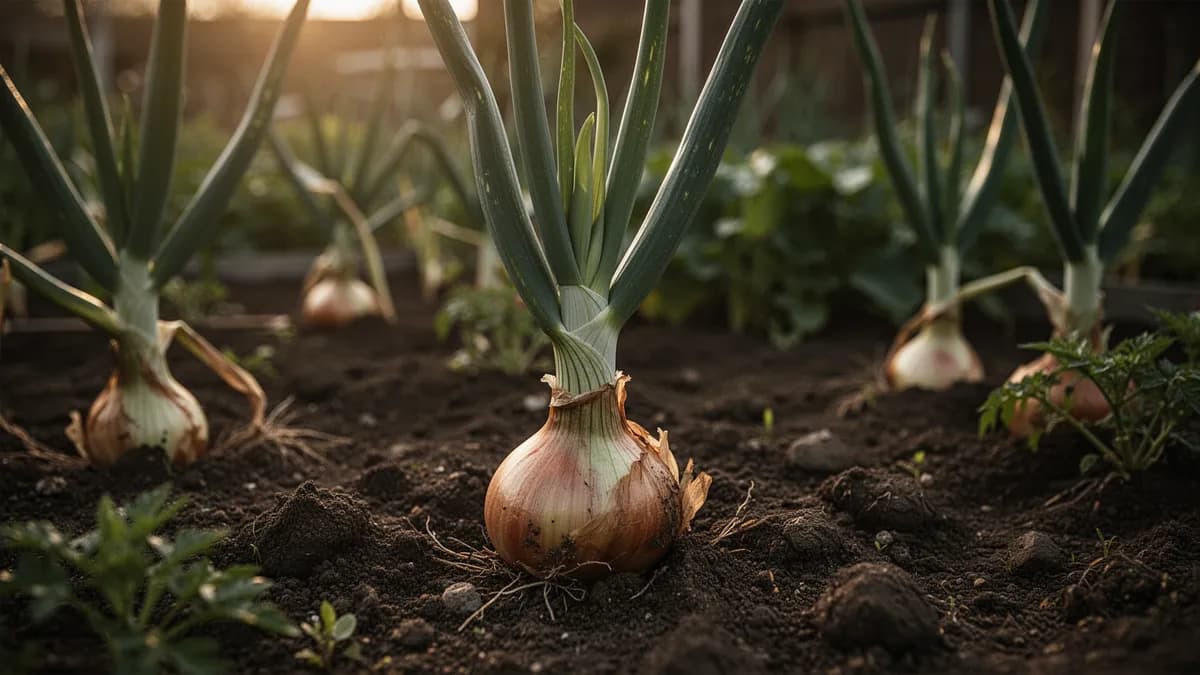
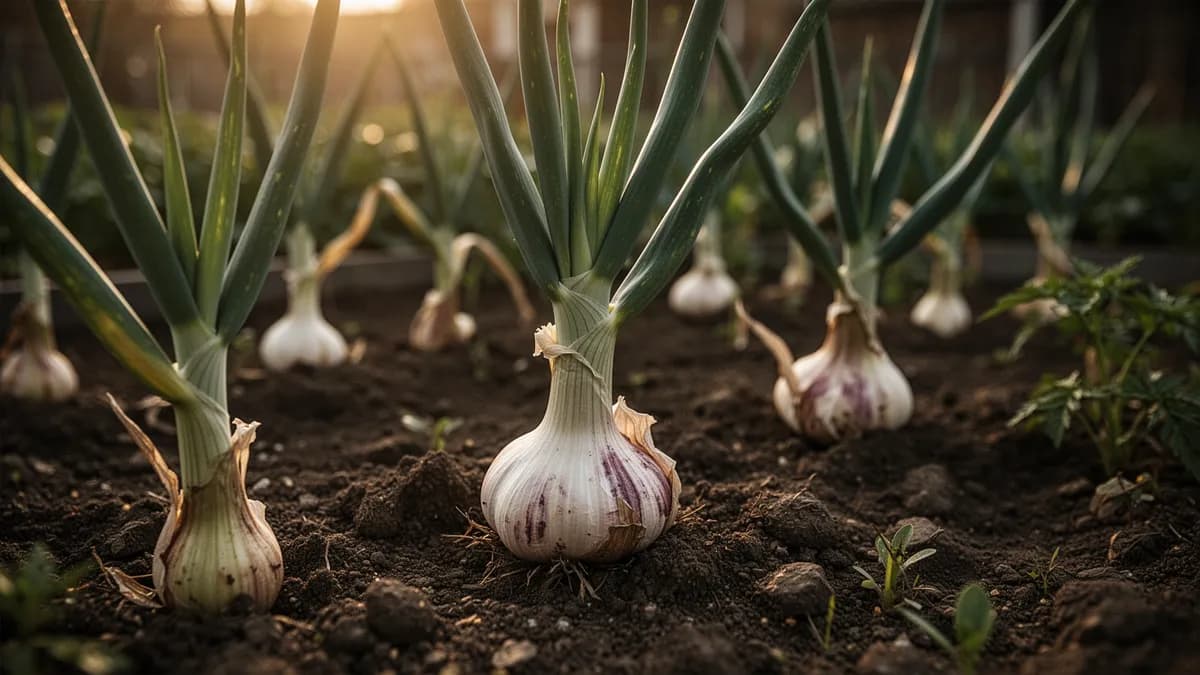
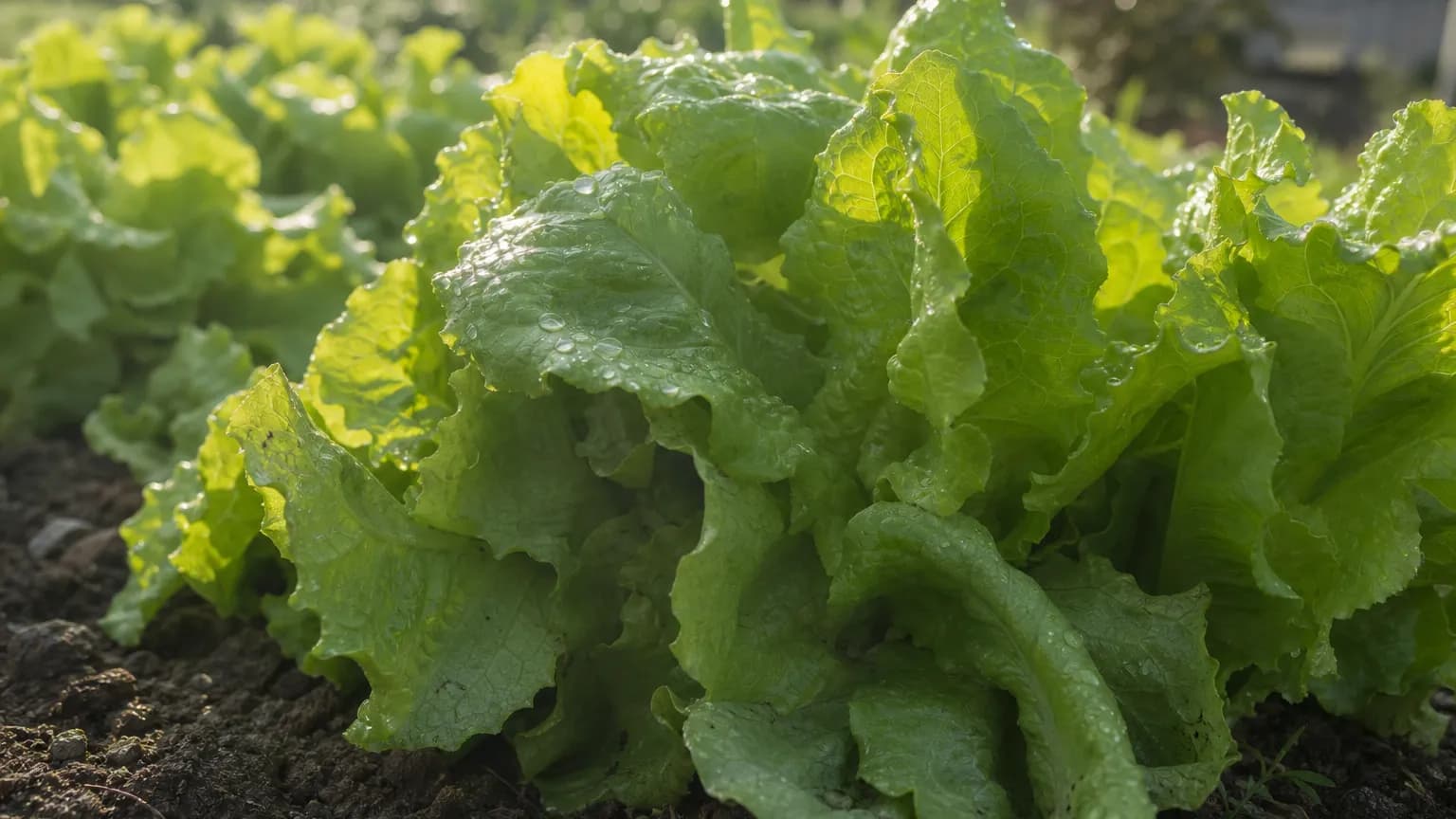
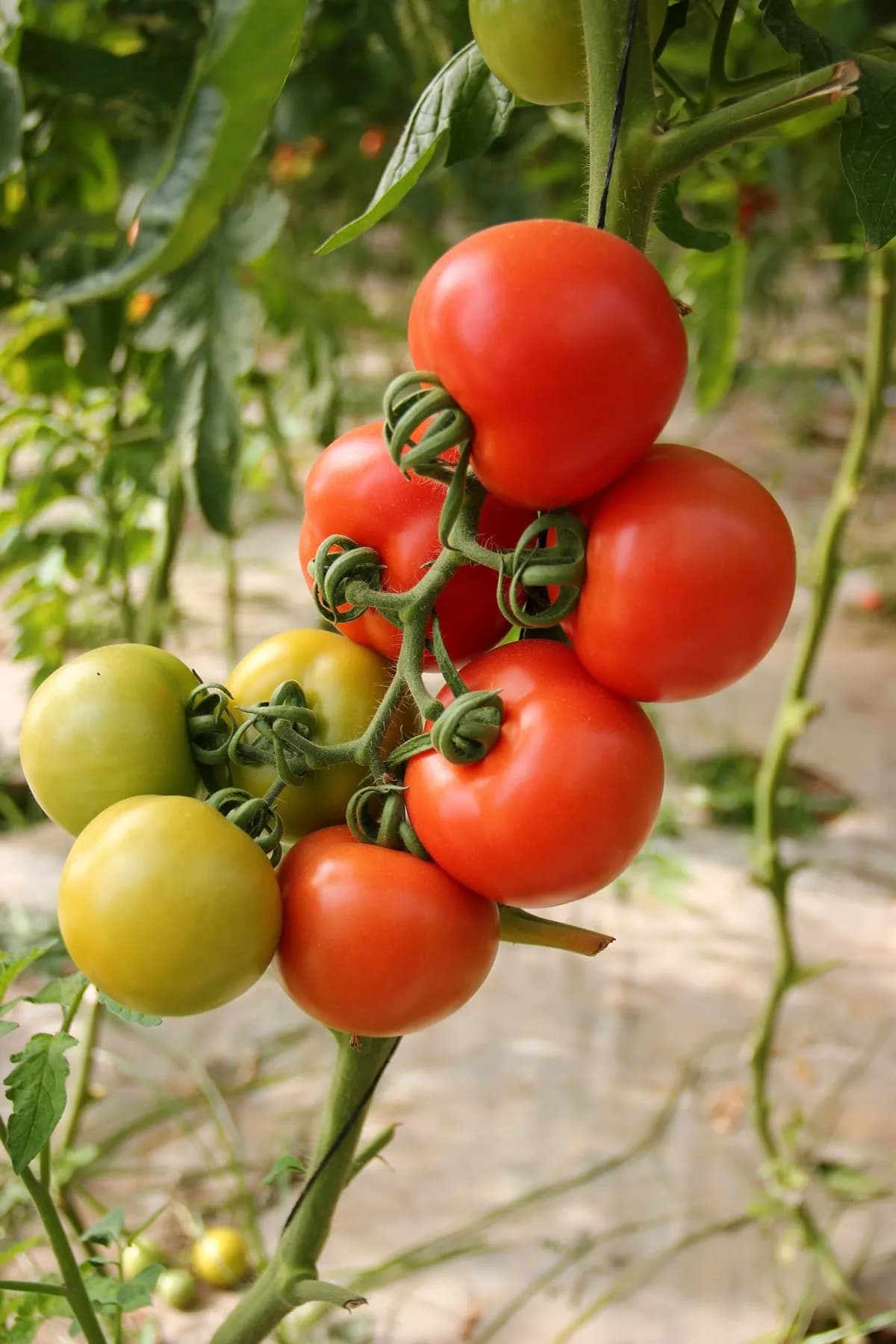
Mustard greens grow well alongside onions, garlic, and lettuce. They can serve as trap crops for flea beetles when planted near more valuable brassicas like broccoli or cabbage. Avoid planting near tomatoes. Herbs like dill and cilantro attract beneficial predatory insects. Mustard greens make excellent interplanting partners with slower-growing vegetables, as they mature quickly and can be harvested before larger plants need the space.
Onion belongs beside it. Tomato doesn't.
Old growers' knowledge, checked against Mustard Greens's real companion table below — test any plant you're growing.
Try Mustard Greens in a bed — right here
A real planner bed with Mustard Greens already in it. Tap a companion to place it and watch the pairing checks answer — green for good neighbours, red for a clash.


Related growing guides
Feed it well
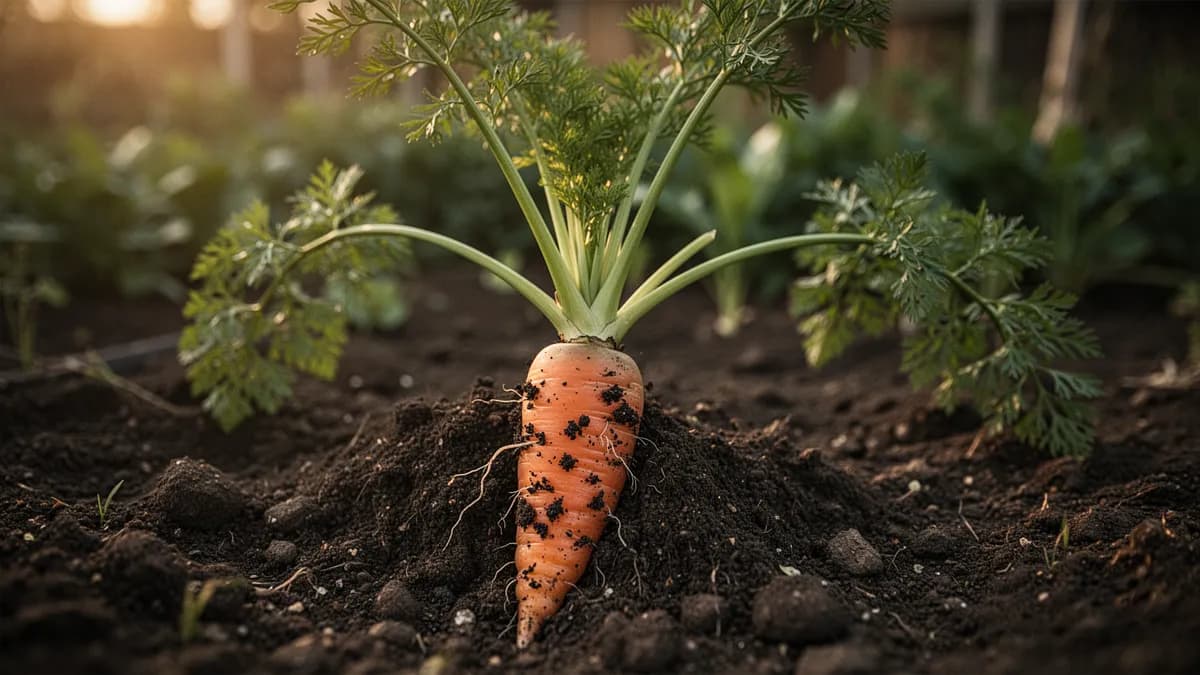
Mustard greens are not fussy about soil but perform best in fertile, well-drained soil with a pH of 6.0-7.0. Work in compost before planting and apply a balanced fertilizer at sowing. Side-dress with nitrogen-rich fertilizer monthly for continued leaf production. Mustard greens are light to moderate feeders compared to heading brassicas. Ensure consistent soil moisture for mild-flavored, tender leaves. Sandy loam produces the fastest growth.
Ideal Temperature
Hardiness Zone Compatibility
From seed to harvest, stage by stage
Seed Germination
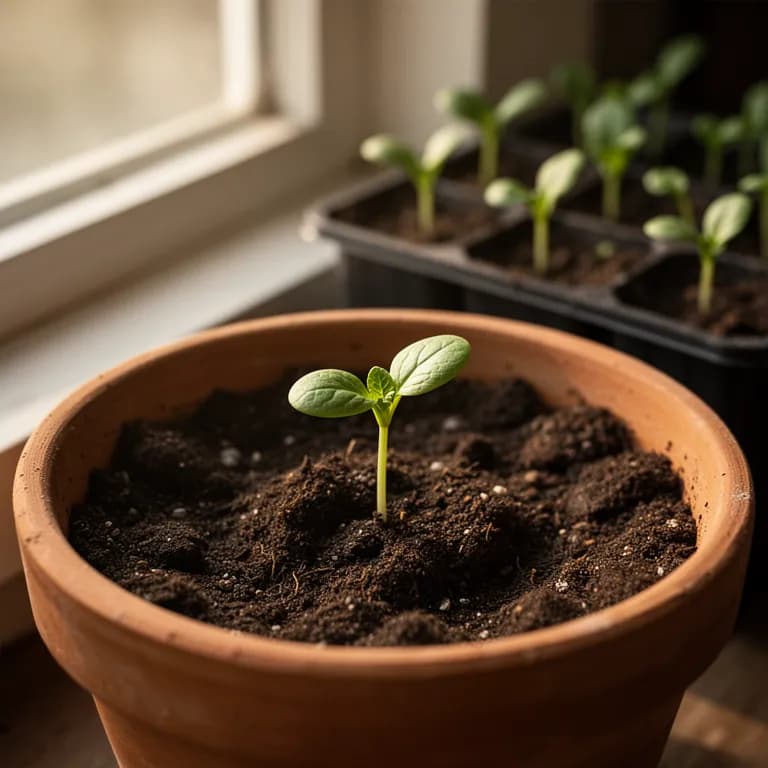
Tiny mustard seeds germinate remarkably fast, often within 4-7 days even in cool soil as low as 7°C (45°F). The small, rounded cotyledons push through the soil surface and open to reveal bright green seed leaves. Mustard is among the fastest-germinating brassicas.
Seedling Development
True leaves emerge with the first hints of each variety's distinctive shape — serrated edges for curled types, broader blades for flat-leaf varieties. Seedlings grow rapidly in cool weather and begin developing their characteristic peppery flavor compounds (glucosinolates).
Rapid Leaf Growth
Plants enter a phase of vigorous leaf production, adding new leaves every few days. Leaf size and color intensify — red and purple varieties develop deeper pigmentation as temperatures cool. The root system establishes in the top 15-20 cm of soil.
Mature Harvest
Plants reach full size with large, broad leaves 30-45 cm long depending on variety. The rosette of leaves is dense and productive. Flavor is at its peak — peppery but not yet bitter. This is the primary harvest window for cooking greens.
Bolting and Seed Set
Triggered by lengthening days and rising temperatures, the plant sends up a central flower stalk bearing clusters of small yellow four-petaled flowers typical of the brassica family. Leaves become intensely peppery and tougher. Flowers attract pollinators and develop into slender seed pods (siliques).
Keep soil evenly moist but not soggy during germination. Seeds are very small, so sow shallowly at just 6mm (1/4 inch) deep. A light dusting of vermiculite over seeds helps retain surface moisture without crusting.
Caring for Mustard Greens month by month
What to do each month for your Mustard Greens
October
You are herePeak fall harvest month. Mustard greens improve in flavor after light frost, which converts starches to sugars. Harvest generously — the plants are at their best now. Mulch around plants to extend the season in colder zones.
Know exactly what to do in your garden — every month
One email at the start of each month: what to sow, plant, and tackle right now — for your Mustard Greens and everything growing around it. Plus a short starter course that helps you dodge the classic mistakes.
- What to do, right now
- Matched to your season
- Starter course included
Harvesting Mustard Greens
Begin harvesting baby mustard leaves as early as 21 days after sowing, or wait 40-50 days for full-sized leaves. Pick outer leaves individually, leaving the center to continue growing. For a bulk harvest, cut the entire plant 2 inches above the soil and it will regrow for a second cutting. Harvest in the morning when leaves are most crisp. Flavor is mildest in cool weather; hot weather intensifies the peppery bite. Harvest before flower stalks appear for best taste.
assuming you plant when the window opens — set your real date
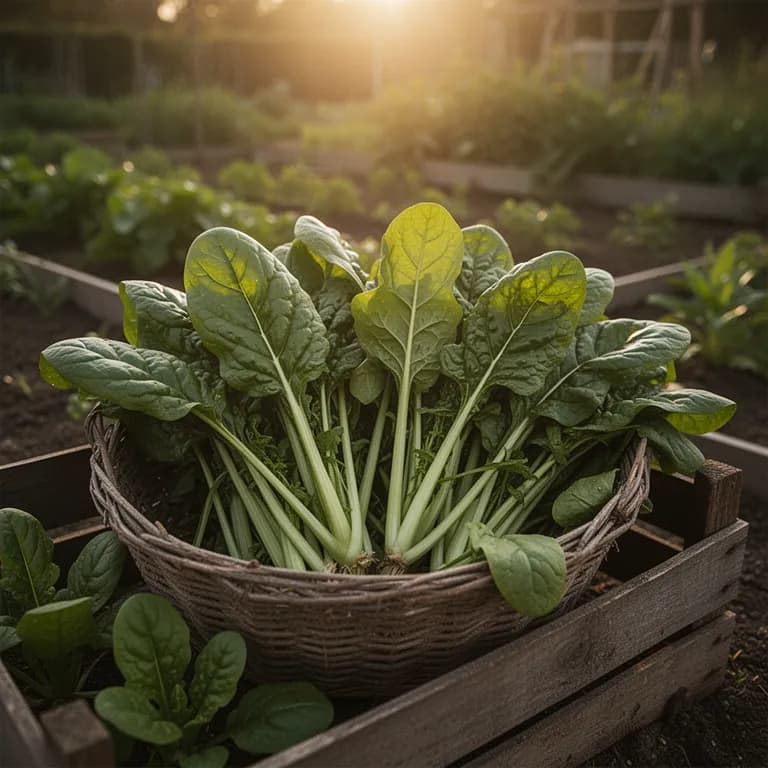
Pick Mustard Greens promptly and the plant keeps producing.
Storage & Preservation
Store unwashed mustard greens in a plastic bag with a damp paper towel in the refrigerator for up to 5 days. For longer preservation, blanch leaves for 2 minutes, cool in ice water, and freeze in airtight bags for up to 10 months. Mustard greens can be fermented into traditional Asian pickled mustard greens (suan cai), which keeps for months refrigerated. Dehydrate leaves and crumble for a spicy seasoning powder.
What goes wrong — and the fix
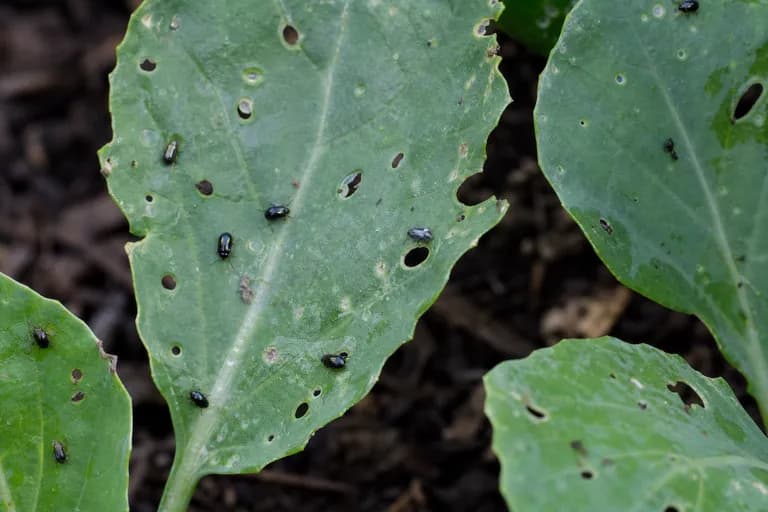
Flea Beetles
PestTiny round holes (shot-holes) peppering leaves, especially damaging to young seedlings.
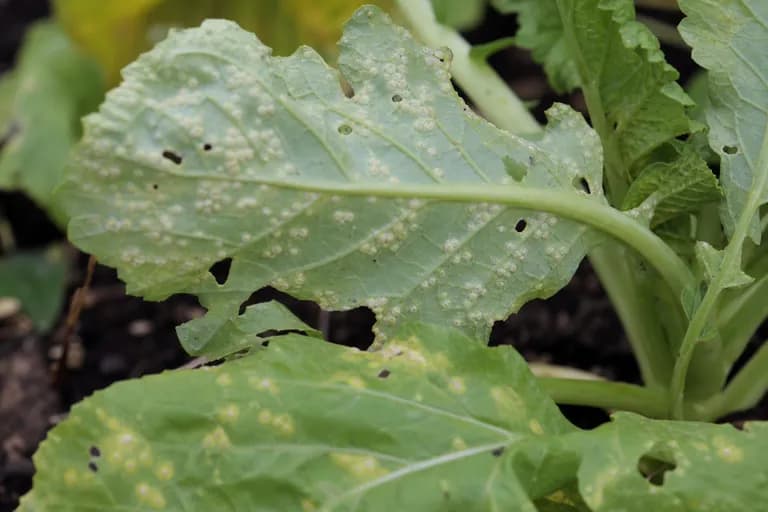
White Rust
DiseaseWhite, blister-like pustules on undersides of leaves, yellow spots on upper surfaces, distorted growth.
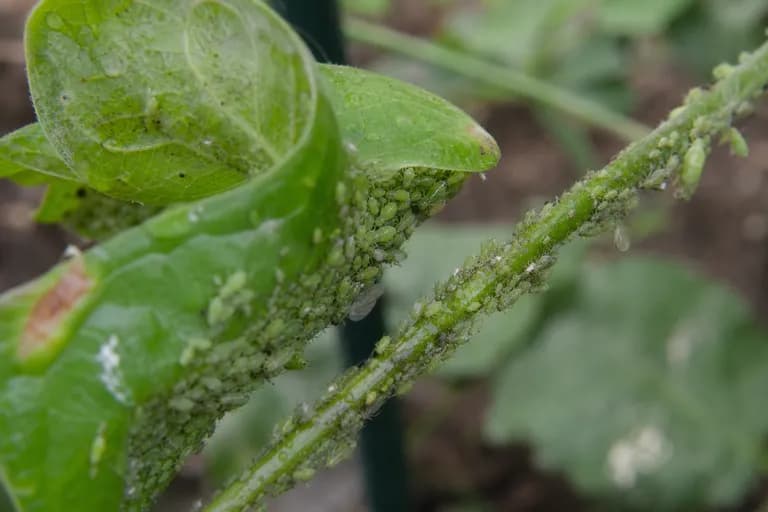
Aphids
PestClusters of small insects on leaf undersides, curled leaves, sticky honeydew, stunted growth.
Troubleshooting Common Problems
Bolting is the primary challenge, triggered by long days, high temperatures above 75°F, or drought stress. Choose slow-bolt varieties and plant in cool seasons. Bitter, tough leaves result from heat stress or water deprivation. Flea beetle damage on seedlings can be severe; use row covers from day one. Overcrowding leads to leggy, weak plants; thin diligently. In humid conditions, fungal leaf spots can develop; ensure good air circulation.
Growing Tips
- Sow seeds shallowly — just 6mm (1/4 inch) deep. Mustard seeds are small and seedlings struggle to emerge from deeper planting. Press seeds gently into moist soil and cover with a thin layer of fine compost or vermiculite.
- Succession sow every 2-3 weeks for continuous harvest rather than planting one large batch. This prevents the feast-or-famine cycle where all plants bolt simultaneously, leaving you with nothing.
- Harvest outer leaves first, working inward, and always leave the central growing point intact. This cut-and-come-again method can triple your total yield from each plant compared to a single full harvest.
- Provide afternoon shade in warm weather using shade cloth (30-50%) or by planting on the east side of taller crops like tomatoes or corn. Even a few degrees of cooling can delay bolting by weeks.
- Water consistently to keep leaves mild and tender. Drought-stressed mustard greens develop an aggressively hot, bitter flavor that many find unpleasant. Mulch heavily to maintain even soil moisture.
- Mix varieties for visual interest and culinary diversity. Plant Red Giant, Green Wave, and Mizuna together — they mature at similar rates but offer dramatically different leaf shapes, colors, and flavor intensities.
- Use mustard greens as a biofumigant cover crop. When the growing season ends, chop plants finely and till them into the soil. The glucosinolates released as the plant matter decomposes naturally suppress soilborne diseases and nematodes.
- Interplant mustard greens with slower-growing vegetables like broccoli, cabbage, or Brussels sprouts. The mustard greens will be harvested and cleared before the larger brassicas need the space, effectively doubling your bed productivity.
Grow your best Mustard Greens yet — and everything around it.
Start a free plan today. Lay out your beds, drop in your Mustard Greens, and let PlotMyGarden handle the timing, spacing, companions and reminders from seed to harvest basket.
Pick your Mustard Greens
Red Giant
Striking purple-red leaves with mild peppery flavor. Beautiful in salads and as ornamental edging. Grows up to 18 inches.
Mizuna
Japanese variety with deeply serrated, feathery leaves and mild flavor. Excellent for salads and stir-fries.
Green Wave
Frilly, bright green leaves with strong mustard flavor. Very bolt-resistant and productive over a long season.
Osaka Purple
Large, round purple leaves with mild flavor when young. Stunning color deepens in cool weather.
Southern Giant Curled
Classic Southern variety with large, ruffled leaves. Vigorous grower with bold mustard flavor perfect for cooking.
Mustard green seeds are among the cheapest vegetable seeds available — a $2-3 packet contains hundreds of seeds sufficient for multiple sowings. Fresh mustard greens sell for $3-5 per bunch at grocery stores and $4-7 at farmers markets. A single $2 seed packet, succession sown across spring and fall, can easily produce 10-15 kg of greens worth $60-120 at retail prices. The cost per serving from homegrown mustard greens is essentially zero after the initial seed investment. Specialty varieties like mizuna and Red Giant command even higher prices at market.
Quick recipes
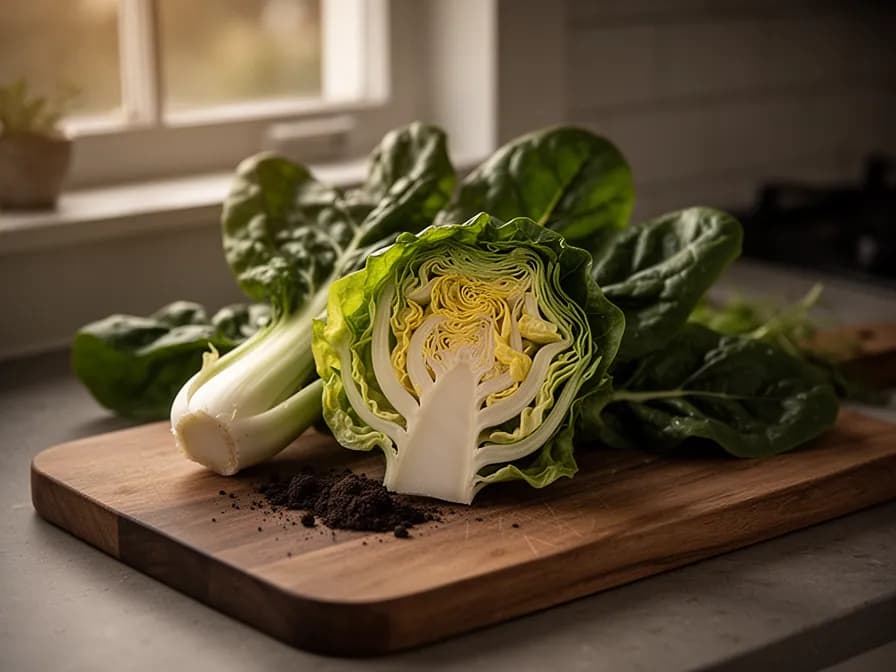
Garlic Sesame Stir-Fried Mustard Greens
15 minA classic Asian preparation that tames the peppery bite of mustard greens while preserving their vibrant color and nutritional value. The high-heat wok cooking creates slightly charred edges with a tender center — the perfect balance of smoky, garlicky, and spicy.
8 ingredientsSouthern-Style Braised Mustard Greens
45 minSlow-braised in a savory pot liquor with smoked ham hock, this traditional Southern preparation transforms peppery mustard greens into a meltingly tender, deeply flavored side dish. The braising liquid (pot likker) is rich enough to drink on its own with cornbread.
9 ingredientsMustard Green and White Bean Soup
30 minA hearty, nutrient-dense soup where the peppery bite of mustard greens cuts through the creamy richness of white beans and Parmesan broth. This one-pot meal comes together quickly and tastes even better the next day as the flavors meld.
9 ingredientsCulinary Uses
Young mustard greens add a peppery bite to mixed salads, sandwiches, and wraps. Mature leaves are excellent sauteed with garlic and sesame oil, braised in broth, or added to soups and stews. Essential in Asian stir-fries and Korean kimchi. Southern-style preparation involves slow-cooking with smoked meat. Use as a pizza topping, in omelets, or blended into pesto for a spicy twist.
What's inside
Health Benefits
- Mustard greens are among the most nutrient-dense foods on earth, scoring higher than kale on the Aggregate Nutrient Density Index (ANDI). Just one cup of cooked mustard greens provides over 500% of the daily value for vitamin K, critical for bone health and proper blood clotting.
- The glucosinolates in mustard greens, particularly sinigrin, are converted to allyl isothiocyanate during digestion — a compound extensively researched for its ability to inhibit cancer cell growth, especially in bladder, colon, and lung cancers.
- Exceptionally high in beta-carotene (provitamin A), providing over 200% of the daily value per 100g. Beta-carotene supports eye health, skin integrity, and immune function, and acts as a powerful fat-soluble antioxidant.
- Rich in calcium (115mg per 100g) with relatively low oxalate content compared to spinach, making the calcium more bioavailable. Regular consumption supports bone density, particularly important for those who do not consume dairy.
- Contains significant anti-inflammatory compounds including vitamin C, beta-carotene, and isothiocyanates that work synergistically to reduce chronic inflammation — a root factor in heart disease, diabetes, and autoimmune conditions.
- High in dietary fiber (3.2g per 100g) that supports digestive health, feeds beneficial gut bacteria, and helps regulate cholesterol levels. The soluble fiber component may help moderate post-meal blood sugar spikes.
Where Mustard Greens comes from
Mustard greens (Brassica juncea) originated in the Himalayan region of Central Asia, likely arising as a natural hybrid between Brassica rapa (turnip/field mustard) and Brassica nigra (black mustard) thousands of years ago. Archaeological evidence and ancient texts indicate cultivation in India dating back at least 5,000 years, where the plant was valued for its leaves, seeds, and oil. From the Indian subcontinent, mustard greens spread along trade routes to China, where they became a foundational ingredient in regional cuisines — particularly in Sichuan and Cantonese cooking — and were developed into dozens of distinct varieties including gai choy, mizuna, and tatsoi.
Mustard greens reached the Mediterranean basin via Persian and Arab traders, where they integrated into European gardening traditions. The Romans cultivated mustard primarily for its seeds as a condiment, but the leafy greens were also consumed. In Africa, mustard greens became widely cultivated across the continent, and enslaved Africans brought their culinary knowledge of cooking greens to the American South. There, mustard greens joined collards, turnip greens, and kale as essential components of Southern soul food tradition, slow-braised with smoked pork and served with cornbread — a culinary practice that endures as a cornerstone of Southern cooking today.
Today, India and China are the world's largest producers of Brassica juncea, grown both for oil seed production and as a leafy vegetable. In the United States, mustard greens are commercially grown across the Southeast and are increasingly popular nationwide as interest in diverse leafy greens expands beyond conventional lettuce and spinach. Modern breeding has produced an enormous range of varieties — from the giant, ruffled leaves of Southern Giant Curled to the delicate, deeply cut foliage of Japanese mizuna — each suited to different culinary traditions and growing conditions.
Mustard Greens: did you know?
Fascinating facts about Mustard Greens
Mustard greens (Brassica juncea) are the same species that produces brown mustard seeds — the leaves, seeds, and even the oil are all used in different cuisines around the world, making it one of the most versatile crop plants on earth.
Mustard Greens questions, answered
When should I plant Mustard Greens?
What are good companion plants for Mustard Greens?
What hardiness zones can Mustard Greens grow in?
How much sun does Mustard Greens need?
How far apart should I space Mustard Greens?
What pests and diseases affect Mustard Greens?
How do I store Mustard Greens after harvest?
What are the best Mustard Greens varieties to grow?
What soil does Mustard Greens need?
Why do my mustard greens taste so hot and bitter?
How do I prevent my mustard greens from bolting so quickly?
Can I eat mustard greens raw, or do they need to be cooked?
What is the difference between mustard greens, mizuna, and gai choy?
Are mustard greens and mustard seed from the same plant?
Can I grow mustard greens in containers?
You just read the theory. Now grow it on autopilot.
Everything that makes Mustard Greens fiddly — the timing, the spacing, the companions, the harvest window — is exactly what PlotMyGarden handles for you, for every plant in your garden.
A plan that knows your weather
Set your location once. Get sow, feed and harvest dates built around your real last-frost date and live forecast — no more guessing from a generic seed packet.
From the “When to plant” sectionDrag-and-drop bed planner
Design beds on a grid. Every plant snaps to its proper spacing, and you can see your whole season laid out before you spend a cent on seed.
From the “Growing guide” sectionCompanion conflicts, caught early
200+ good-and-bad pairings checked live as you plant — so a season-wrecking mistake never makes it into the ground.
From the “Companions” sectionReminders you'll actually act on
“Water the beans.” “Pick today before it turns.” Timely, specific, and tied to the plants you're really growing.
From the “Harvest” sectionSuccession, scheduled
Want a harvest for six weeks, not six days? It spaces your sowings automatically and reminds you when each new block is due.
From the “When to plant” sectionA record that gets smarter
Every harvest you log teaches it your garden. Next year's plan starts from what actually worked in your soil, not a textbook's.
From the “Overview” sectionPlant these alongside Mustard Greens
More Cruciferous
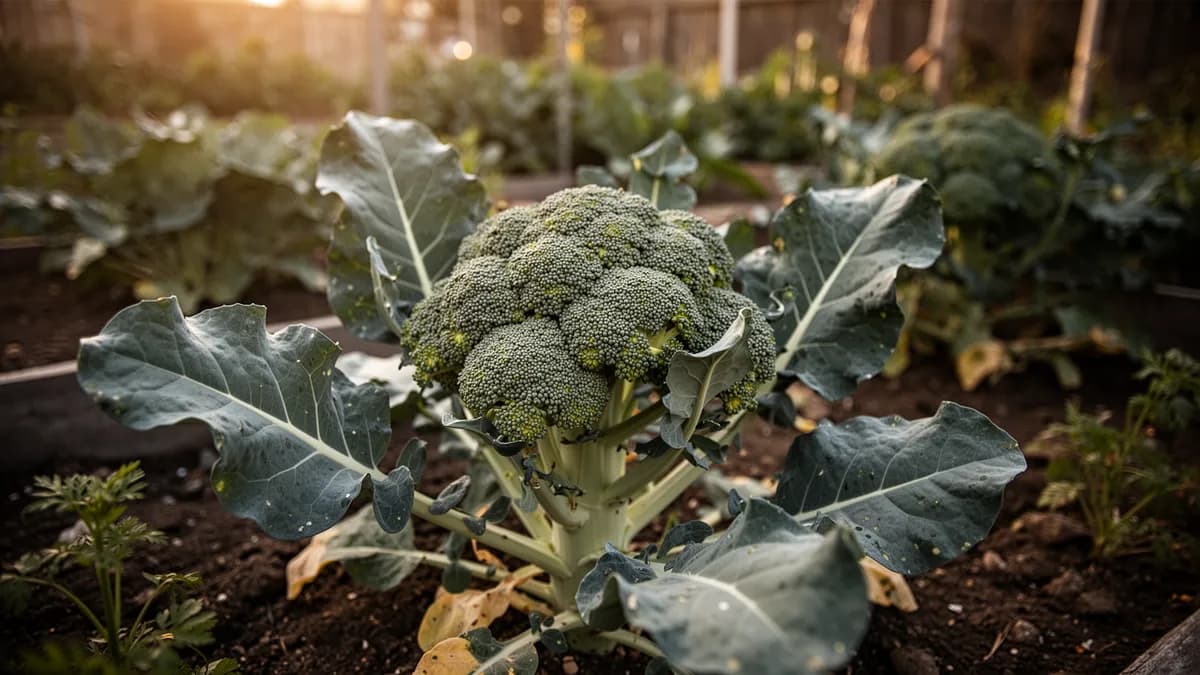
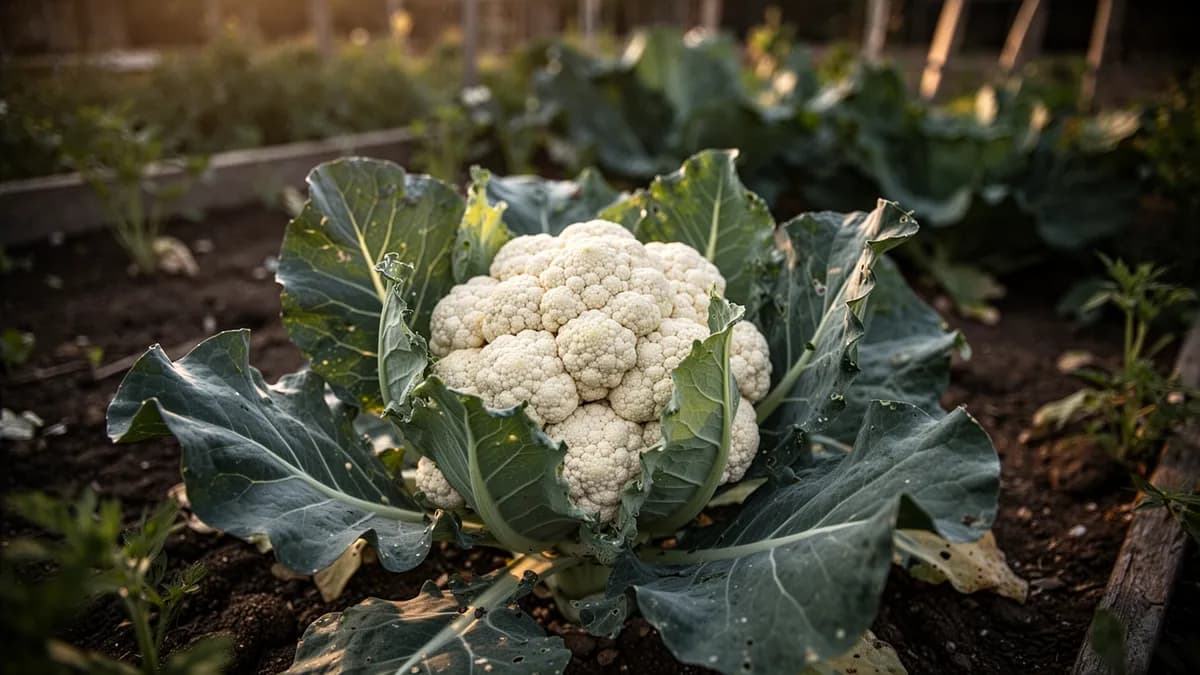
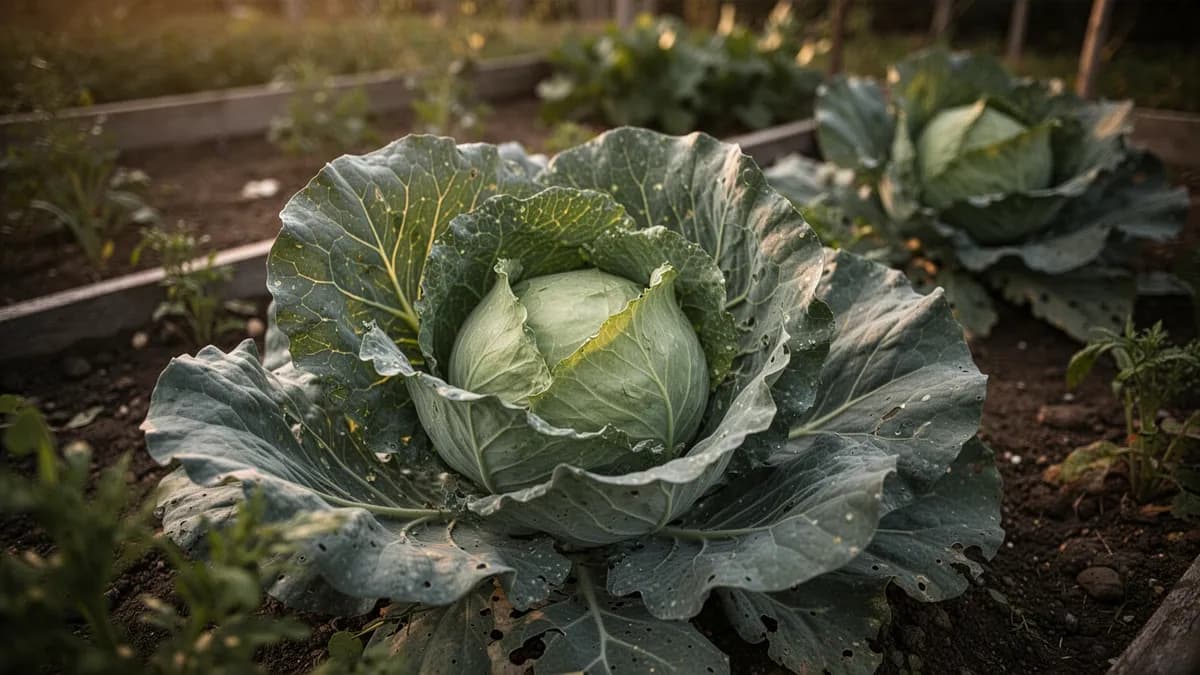
Keep Mustard Greens away from these
Garden plans featuring Mustard Greens
Grow your best Mustard Greens yet — and everything around it.
Start a free plan today. Lay out your beds, drop in your Mustard Greens, and let PlotMyGarden handle the timing, spacing, companions and reminders from seed to harvest basket.