Moonflower
A vigorous tropical vine with large, fragrant white flowers that unfurl at dusk and glow in moonlight.





On this pageOverview
Meet Moonflower
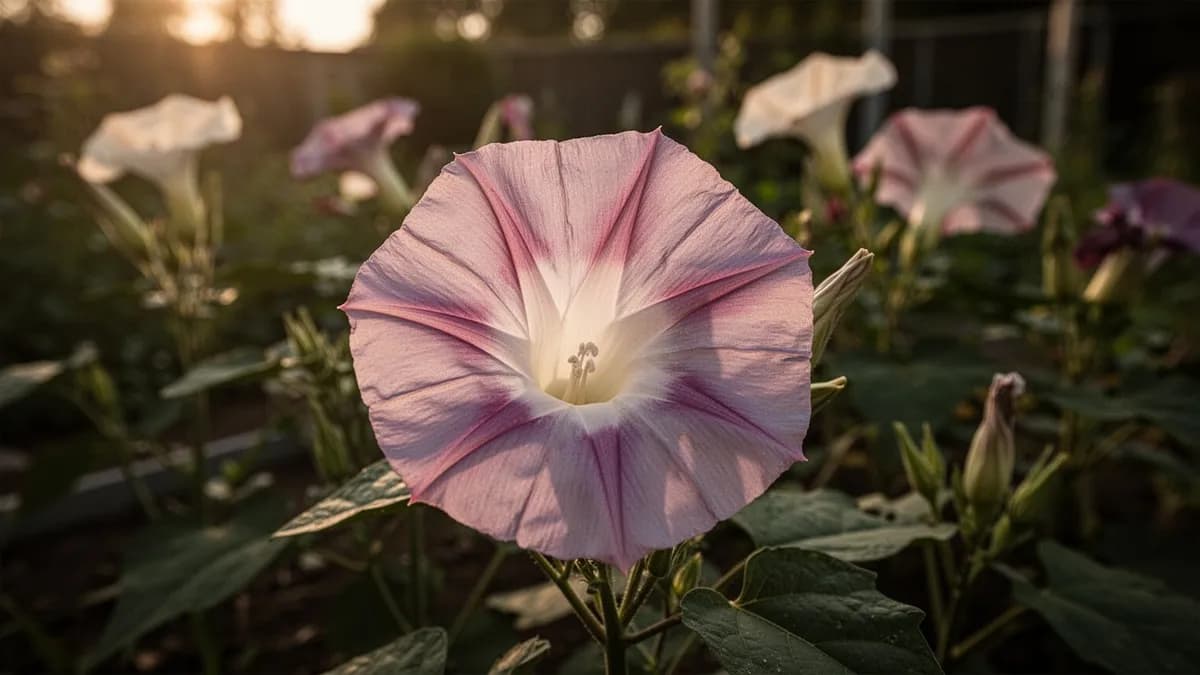
A vigorous tropical vine with large, fragrant white flowers that unfurl at dusk and glow in moonlight. Moonflowers are the night-blooming counterpart to morning glories and attract nocturnal pollinators like hawk moths. Nick or scarify the hard seeds before planting and provide a sturdy trellis for the fast-growing vines.
When to plant Moonflower
Scarify moonflower seeds by nicking the hard seed coat with a file or nail clippers, then soak in warm water for twenty-four hours. Start indoors four to six weeks before the last frost in individual peat pots, planting one inch deep. Seeds germinate in seven to fourteen days at 70 to 85 degrees Fahrenheit. Provide a small stake in each pot for emerging vines to climb. Transplant outdoors after all frost danger has passed and soil is warm. Direct sowing after the last frost also works well in long-season climates.
Your Moonflower Year
Composed for Zone 7 · typical seasons · frost passes Apr 2, returns Nov 1
Plant Moonflower May – Jun, pick Jul – Oct. Check the planting methods below and set your climate to personalize these windows.
How to grow Moonflower
Moonflowers require warm soil and a long growing season, so wait to plant until two weeks after the last frost when soil temperatures are consistently above 65 degrees Fahrenheit. Nick the hard seed coat with a file or soak seeds in warm water for twenty-four hours before planting. Sow seeds one inch deep and six inches apart at the base of a sturdy trellis or support structure.
Provide a robust support system, as moonflower vines can reach fifteen to twenty feet and become quite heavy by late summer. A pergola, arbor, or heavy-gauge wire trellis works best. Plant in full sun for maximum blooming, though vines tolerate light afternoon shade. The soil should be moderately fertile and well-drained, with consistent moisture during the establishment period.
Once vines are actively growing, reduce watering to encourage flowering. Like morning glories, moonflowers bloom more when slightly stressed. The large, fragrant white flowers open dramatically at dusk and remain open until the following morning, making them ideal for evening gardens. All parts of the plant are toxic, so handle with care and keep away from children and pets. In frost-free regions, moonflower can become perennial and potentially invasive.
32 plants fit a 4 × 8 ft bed
Each Moonflower wants 30 cm of elbow room. The planner keeps that spacing for you — every plant, every bed.
Moonflower's best neighbours
Moonflowers are the perfect companion for morning glories, creating a day-and-night blooming display on the same trellis structure. Pair with four o'clocks and nicotiana for a complete evening fragrance garden. Plant near outdoor seating areas, patios, and bedroom windows to enjoy the intoxicating nighttime scent. The white flowers attract hawk moths and other beneficial nocturnal pollinators. Avoid planting near edible crops due to the toxicity of all plant parts.
Morning Glory (Annual) belongs beside it.
Old growers' knowledge, checked against Moonflower's real companion table below — test any plant you're growing.
Try Moonflower in a bed — right here
A real planner bed with Moonflower already in it. Tap a companion to place it and watch the pairing checks answer — green for good neighbours, red for a clash.


Related growing guides
Feed it well
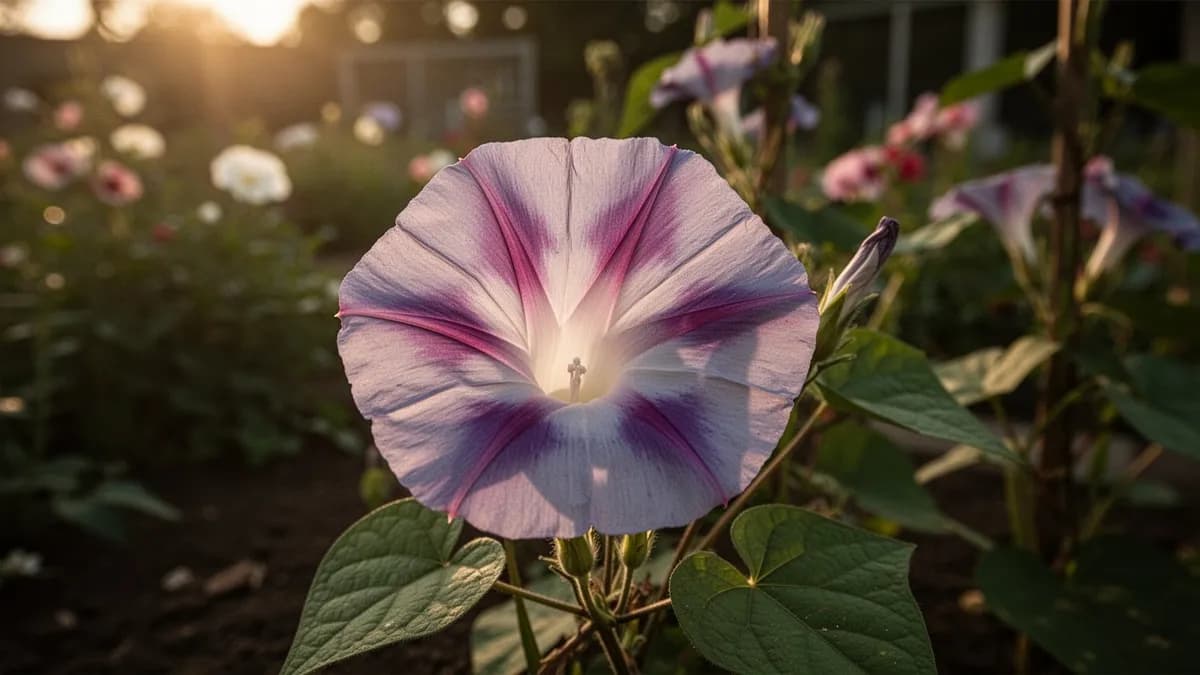
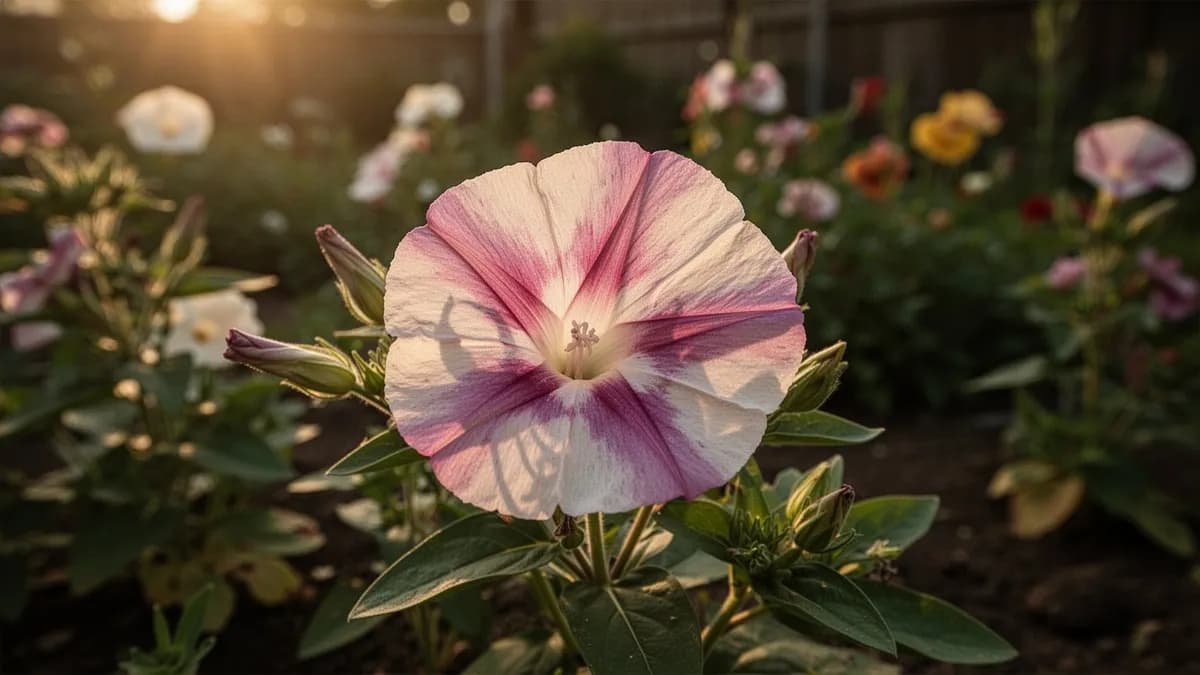
Moonflowers grow best in moderately fertile, well-drained soil with a pH of 6.0 to 6.8. Avoid overly rich soil which promotes heavy foliage growth at the expense of flowers. Work a moderate amount of compost into the planting area. Feed sparingly with a phosphorus-rich fertilizer such as bone meal to encourage blooming rather than vegetative growth. Container-grown moonflowers need regular feeding every two to three weeks with a balanced liquid fertilizer due to the limited root space.
Ideal Temperature
Hardiness Zone Compatibility
From seed to harvest, stage by stage
Seed Germination
Moonflower seeds have a hard outer coat that must be scarified or soaked for 24 hours in warm water before planting. Once the seed coat softens and absorbs moisture, the radicle emerges and pushes downward into warm soil. Seeds require soil temperatures of at least 18°C (65°F) and germination typically takes 5 to 10 days under favorable conditions.
Seedling Establishment
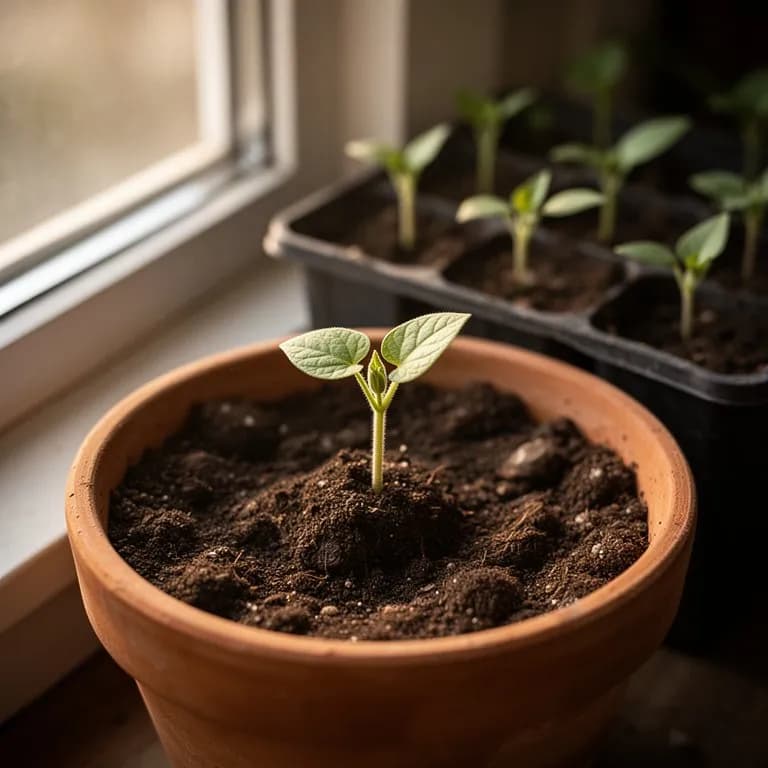
Heart-shaped cotyledons emerge first, followed by the first true leaves which are entire and broadly ovate. Seedlings establish their root system during this period and begin showing the twining growth habit characteristic of morning glory family plants. Stems are tender and green at this stage.
Vine Development
The plant enters a vigorous vegetative phase, producing long twining stems that can grow 3 to 5 meters in a single season. Large heart-shaped leaves up to 20 centimeters across develop along the stems. The vine actively seeks vertical support and wraps counterclockwise around trellises, fences, and other structures.
Bud Formation
Elongated flower buds begin forming in the leaf axils along mature stems. The buds are tightly spiraled and point upward, gradually swelling over several days before opening. Each bud develops a distinctive twisted appearance as it prepares to unfurl. Plants may produce multiple buds simultaneously once blooming begins.
Flowering and Fragrance
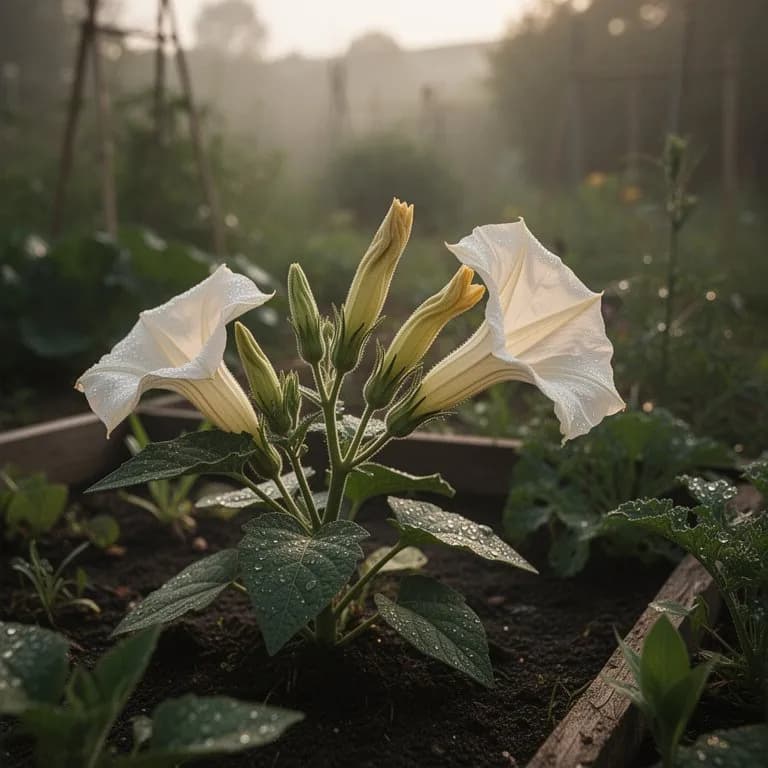
The spectacular blooming phase begins with flowers opening rapidly at dusk, unfurling in just a few minutes. Each pure white trumpet-shaped bloom measures 12 to 15 centimeters across and releases an intense sweet fragrance that attracts nocturnal pollinators including sphinx moths. Individual flowers last one night and close by mid-morning the following day.
Seed Set and Maturation
Pollinated flowers develop round seed pods that gradually dry and turn brown on the vine. Each pod contains two to four large dark brown or black seeds roughly the size of a pea. The plant continues flowering while earlier pods mature, allowing for extended seed collection. In frost-free climates the vine may persist as a short-lived perennial.
Nick the seed coat with a nail file or soak seeds overnight in warm water before planting to speed germination. Plant seeds 1 to 2 centimeters deep in moist, well-draining soil. Keep soil consistently warm and moist but never waterlogged during this critical phase.
Caring for Moonflower month by month
What to do each month for your Moonflower
October
You are hereHarvest mature seed pods that have turned brown and papery on the vine. Extract seeds and dry them thoroughly before storing in labeled envelopes. In frost-prone areas prepare to remove the vine after the first killing frost.
Know exactly what to do in your garden — every month
One email at the start of each month: what to sow, plant, and tackle right now — for your Moonflower and everything growing around it. Plus a short starter course that helps you dodge the classic mistakes.
- What to do, right now
- Matched to your season
- Starter course included
Harvesting Moonflower
Moonflowers are best enjoyed on the vine during warm summer evenings. Individual flowers last only one night, opening at dusk and wilting by morning, so they are not suited for cutting. For seed saving, allow the round seed pods to dry completely on the vine until they turn brown and begin to crack open. Collect the large black seeds and dry them thoroughly before storing. The seeds germinate more readily after scarification, so save more than you need to account for germination variability.
assuming you plant when the window opens — set your real date
Pick Moonflower promptly and the plant keeps producing.
Storage & Preservation
Moonflower blooms cannot be preserved as cut flowers due to their single-night bloom cycle. Seeds are the main item to save and store well for three to five years in paper envelopes in a cool, dry location. In cold climates, the tuberous roots can sometimes be dug before frost and stored in slightly moist peat moss at 50 to 55 degrees Fahrenheit, though this is less reliable than with four o'clocks. Pressing individual blooms between books is possible if done immediately after they open at dusk.
What goes wrong — and the fix

Sweet Potato Whitefly
PestTiny white flying insects on leaf undersides, sticky honeydew deposits, sooty mold growth, yellowing and wilting leaves.

Leaf Spot
DiseaseCircular brown or black spots on leaves that enlarge over time, sometimes with yellow halos. Severe cases cause defoliation.
Spider Mites
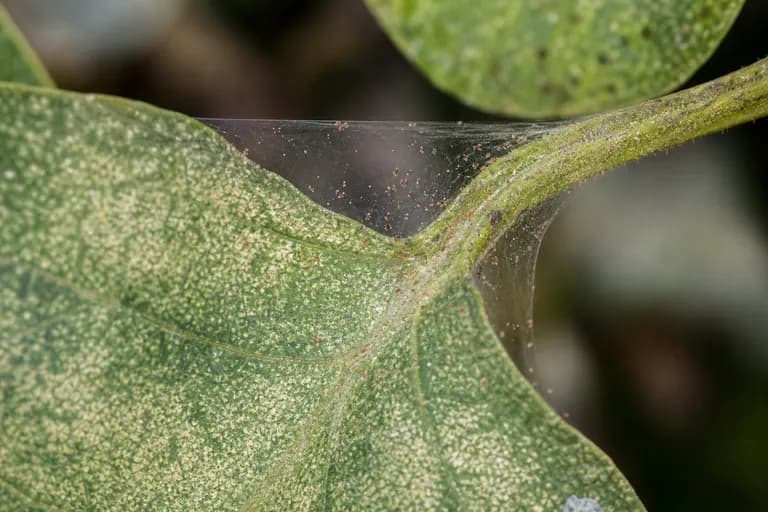
PestFine stippling on leaves, tiny webs between leaves and stems, bronzing foliage in hot, dry conditions.
Troubleshooting Common Problems
The most common frustration is lack of flowers on vigorously growing vines, caused by too much nitrogen or shade. Plant in lean soil and full sun for best results. Moonflowers need a long warm season and may not bloom before frost in short-season climates. Start seeds indoors to gain extra weeks. All plant parts are toxic, limiting their usefulness in family gardens. The aggressive growth can smother nearby plants if not managed. In frost-free zones, moonflower can escape cultivation and become invasive.
Growing Tips
- Scarify moonflower seeds by nicking the hard outer coat with a nail file or sandpaper, then soak them in warm water for 24 hours before planting to dramatically improve germination rates from roughly 50 percent to over 90 percent.
- Start seeds indoors 4 to 6 weeks before the last expected frost date in individual biodegradable pots to minimize root disturbance during transplanting, as moonflowers resent having their roots disturbed.
- Plant moonflowers in full sun with at least 6 hours of direct sunlight daily for the strongest vine growth, but note that partial afternoon shade in extremely hot climates will not significantly reduce flowering since blooms open in the evening.
- Provide a sturdy support structure at planting time because moonflower vines grow rapidly and can reach 3 to 5 meters in a single season, and the combined weight of foliage and stems can overwhelm lightweight trellises.
- Water deeply once or twice per week rather than frequent shallow watering to encourage deep root development. Moonflowers are moderately drought-tolerant once established but produce more blooms with consistent moisture.
- Avoid high-nitrogen fertilizers which promote excessive leafy growth at the expense of flower production. Use a balanced fertilizer at planting time and switch to a phosphorus-rich formula once buds begin forming in midsummer.
- Plant moonflowers near outdoor seating areas, patios, bedroom windows, or along pathways where you spend time in the evening to enjoy the dramatic bloom display and intoxicating sweet fragrance after dark.
- Combine moonflowers with morning glories on the same trellis for round-the-clock floral interest, as the morning glories will bloom during the day and close as the moonflowers open each evening.
- Deadhead spent blooms regularly by pinching off wilted flowers in the morning to direct the plant's energy toward producing new buds rather than setting seed, which extends the flowering season by several weeks.
- Save seeds from the healthiest and most prolific plants at the end of the season by allowing pods to dry completely on the vine before harvesting. Store seeds in paper envelopes in a cool dry location for planting the following spring.
Grow your best Moonflower yet — and everything around it.
Start a free plan today. Lay out your beds, drop in your Moonflower, and let PlotMyGarden handle the timing, spacing, companions and reminders from seed to harvest basket.
Pick your Moonflower
Giant White
The standard moonflower with enormous six-inch fragrant white blooms that glow luminously in moonlight and garden lighting.
Evening Glory
A vigorous grower with slightly earlier blooming than the species, opening flowers before full darkness on warm evenings.
Ipomoea alba
The true species form with large, pure white, sweetly fragrant flowers on vigorous vines reaching fifteen to twenty feet.
Moonflowers are exceptionally cost-effective ornamental vines. A single packet of seeds costing around two to four dollars can produce six to ten vigorous vines that cover large areas of fencing, trellises, or arbors with lush foliage and hundreds of blooms over the season. Each mature plant produces abundant seeds that can be saved and replanted year after year at no additional cost, making moonflowers essentially a one-time investment. Compared to purchasing mature potted flowering vines from a nursery at fifteen to thirty dollars each, growing moonflowers from seed saves significant money while delivering dramatic visual impact and evening fragrance that few other garden plants can match.
Quick recipes
Moonflower Petal Floating Bowl Centerpiece
10 minutesCreate an enchanting evening table centerpiece by floating freshly picked moonflower blooms in a shallow bowl of water with floating candles. Pick flowers just as they fully open at dusk for the longest display. The fragrant blooms will last through the evening and perfume the air around your dining area. This is a decorative use only as moonflowers are not edible.
5 ingredients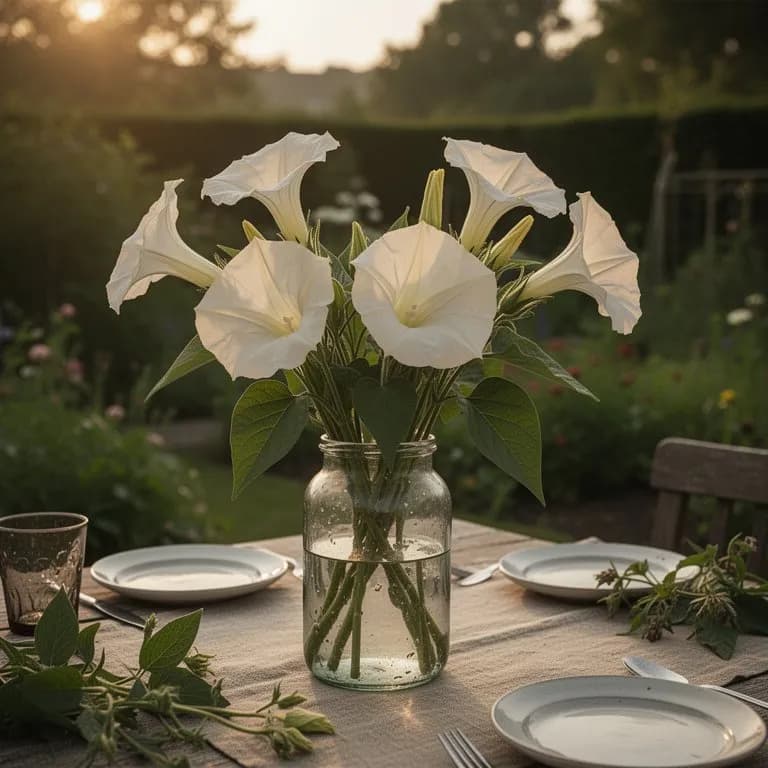
Dried Moonflower Vine Wreath
45 minutes plus drying timeCraft a rustic decorative wreath from dried moonflower vines harvested at the end of the growing season. The sturdy twining stems form a natural circular shape when wound together. Allow the wreath base to dry for several days before adding dried seed pods, ribbon, or other embellishments for a unique autumn or winter door decoration.
5 ingredientsMoonflower Pressed Flower Art
20 minutes plus 2 to 3 weeks pressing timePreserve the beauty of moonflower blooms by pressing them for use in framed botanical art, greeting cards, or bookmarks. Pick fresh blooms just after they fully open and press them between layers of absorbent paper under heavy books. The large white petals dry to a translucent ivory color that is especially striking when mounted against dark backgrounds.
5 ingredientsWhat's inside
Health Benefits
- Moonflower gardens promote relaxation and stress reduction by encouraging evening outdoor time, allowing gardeners to unwind while watching the dramatic nightly bloom display.
- The powerful sweet fragrance of moonflowers provides natural aromatherapy benefits in the evening garden, and studies suggest floral scents can lower cortisol levels and improve mood.
- Growing moonflowers supports pollinator health by providing essential nectar resources for nocturnal pollinators including sphinx moths, which are important but often overlooked members of the garden ecosystem.
- Tending a moonflower vine throughout the season provides moderate physical activity including planting, trellising, watering, and harvesting seeds, contributing to overall fitness and joint mobility.
- Evening gardens featuring moonflowers encourage a healthy wind-down routine before bedtime, and time spent in natural settings near fragrant flowers has been associated with improved sleep quality.
- The act of nurturing a fast-growing vine from seed to spectacular bloom provides a sense of accomplishment and purpose, supporting positive mental health and mindfulness throughout the gardening season.
Where Moonflower comes from
Ipomoea alba, commonly known as the moonflower or tropical white morning glory, is a vigorous climbing vine native to tropical and subtropical regions throughout the Americas. Its natural range extends from northern Argentina through Brazil, Central America, Mexico, and the Caribbean islands, reaching into the southernmost parts of the United States including Florida and the Gulf Coast. The species thrives in warm humid environments where it grows as a perennial, though it is cultivated as an annual in temperate climates worldwide. Indigenous peoples across Central and South America recognized the plant for its striking nocturnal blooms and sweet fragrance, and it held cultural significance in several pre-Columbian societies. Spanish and Portuguese explorers encountered moonflowers during the colonial period and brought seeds back to Europe in the sixteenth and seventeenth centuries, where the vine quickly became a prized ornamental in aristocratic gardens. By the eighteenth century moonflowers were widely grown across southern Europe and had spread to tropical regions of Asia and Africa through colonial trade routes. The Victorian era saw a surge of interest in moonflowers as the fashion for evening gardens and moon gardens took hold in England and North America. Gardeners prized the dramatic nightly spectacle of the flowers opening at dusk and the intoxicating sweet scent that filled the night air. Today Ipomoea alba remains one of the most popular nocturnal flowering vines in cultivation, grown on every inhabited continent in tropical and warm temperate zones. Modern breeding efforts have focused on improving cold tolerance and extending the blooming season, though the species has changed relatively little from its wild ancestors, retaining the large luminous white trumpets and powerful fragrance that have captivated gardeners for over four hundred years.
Moonflower: did you know?
Fascinating facts about Moonflower
Moonflower blooms unfurl in a dramatic spiral motion that takes only a few minutes, making it one of the few flowers you can actually watch open in real time during the evening hours.
Moonflower questions, answered
When should I plant Moonflower?
What are good companion plants for Moonflower?
What hardiness zones can Moonflower grow in?
How much sun does Moonflower need?
How far apart should I space Moonflower?
What pests and diseases affect Moonflower?
How do I store Moonflower after harvest?
What are the best Moonflower varieties to grow?
What soil does Moonflower need?
Are moonflowers the same as morning glories?
Are moonflowers toxic to pets and children?
Why are my moonflower seeds not germinating?
How do I get my moonflower to bloom more prolifically?
Can moonflowers grow in containers?
Do moonflowers come back every year?
You just read the theory. Now grow it on autopilot.
Everything that makes Moonflower fiddly — the timing, the spacing, the companions, the harvest window — is exactly what PlotMyGarden handles for you, for every plant in your garden.
A plan that knows your weather
Set your location once. Get sow, feed and harvest dates built around your real last-frost date and live forecast — no more guessing from a generic seed packet.
From the “When to plant” sectionDrag-and-drop bed planner
Design beds on a grid. Every plant snaps to its proper spacing, and you can see your whole season laid out before you spend a cent on seed.
From the “Growing guide” sectionCompanion conflicts, caught early
200+ good-and-bad pairings checked live as you plant — so a season-wrecking mistake never makes it into the ground.
From the “Companions” sectionReminders you'll actually act on
“Water the beans.” “Pick today before it turns.” Timely, specific, and tied to the plants you're really growing.
From the “Harvest” sectionSuccession, scheduled
Want a harvest for six weeks, not six days? It spaces your sowings automatically and reminds you when each new block is due.
From the “When to plant” sectionA record that gets smarter
Every harvest you log teaches it your garden. Next year's plan starts from what actually worked in your soil, not a textbook's.
From the “Overview” sectionPlant these alongside Moonflower
More Annuals
Grow your best Moonflower yet — and everything around it.
Start a free plan today. Lay out your beds, drop in your Moonflower, and let PlotMyGarden handle the timing, spacing, companions and reminders from seed to harvest basket.