Tabaco ornamental
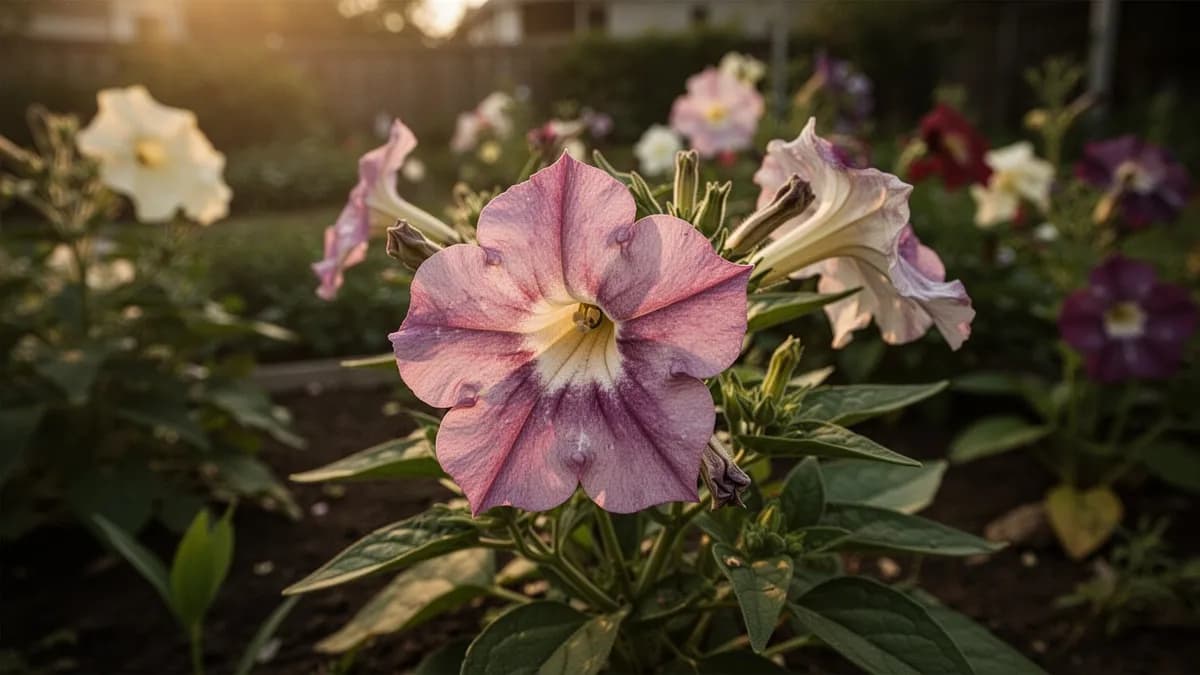
Una anual fragante con flores tubulares que liberan un perfume dulce al anochecer y atraen a polillas esfinge y colibríes.





En esta páginaResumen
Conoce Tabaco ornamental
Una anual fragante con flores tubulares que liberan un perfume dulce al anochecer y atraen a polillas esfinge y colibríes. El tabaco ornamental crece bien en semisombra y tolera una amplia gama de suelos con humedad constante. Las variedades altas aportan una altura elegante a los bordes, mientras que las enanas son adecuadas para macetas.
Cuándo plantar Tabaco ornamental
Siembra las semillas de tabaco ornamental en interior de seis a ocho semanas antes de la última helada prevista. Las semillas son extremadamente diminutas, así que mézclalas con arena fina para repartirlas de forma uniforme y presiónalas sobre la superficie de sustrato húmedo para siembra sin cubrirlas. Las semillas necesitan luz y humedad constante para germinar en diez a veinte días a 20-24 °C. Aclara las plántulas dejando las más fuertes en cada alveolo cuando tengan dos hojas verdaderas. Endurece durante una semana antes de trasplantar, después de la fecha de la última helada.
Tu año de Tabaco ornamental
Ajustado a Zona 7 · temporada típica · la helada se va hacia el 2 abr y vuelve hacia el 1 nov
Planta Tabaco ornamental Abr – May y cosecha Jun – Sep. Consulta los métodos de plantación y elige tu clima para adaptar los periodos.
Cómo cultivar Tabaco ornamental
El tabaco ornamental rinde mejor en semisombra o a pleno sol con un suelo rico, constantemente húmedo y enmendado con abundante materia orgánica. Empieza las semillas en interior de seis a ocho semanas antes de la última helada, presionando las diminutas semillas sobre la superficie de sustrato húmedo para siembra sin cubrirlas, ya que necesitan luz para germinar. Trasplanta al exterior cuando haya pasado todo riesgo de heladas, dejando entre 30 y 45 cm entre plantas según la variedad.
Riega con regularidad para mantener el suelo uniformemente húmedo pero no encharcado. El tabaco ornamental tolera mejor la sombra que la mayoría de las anuales y produce un follaje más verde y un aroma más intenso cuando recibe protección del sol fuerte de la tarde. Aplica una capa de mantillo orgánico de unos 5 cm para conservar la humedad y mantener frescas las raíces durante el calor.
Las variedades altas, como Nicotiana sylvestris, pueden alcanzar entre 1.2 y 1.5 m y se benefician de tutores en lugares expuestos. Elimina las flores marchitas con regularidad para prolongar la floración, aunque muchas variedades modernas se limpian solas. Abona cada tres o cuatro semanas con un fertilizante líquido equilibrado. El tabaco ornamental se resiembra con facilidad en climas suaves, produciendo plántulas espontáneas la primavera siguiente.
32 plantas caben en un bancal de 120 × 240 cm
Cada Tabaco ornamental pide 30 cm de margen. El planificador guarda ese marco por ti — cada planta, cada bancal.
Los mejores vecinos de Tabaco ornamental
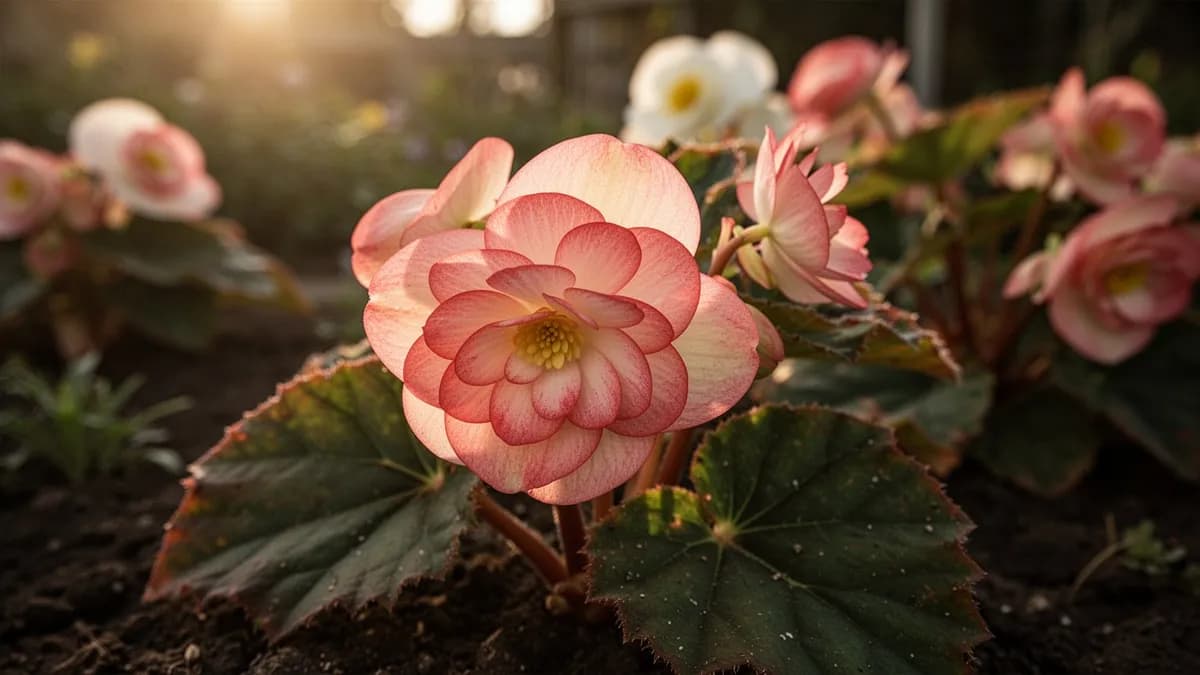
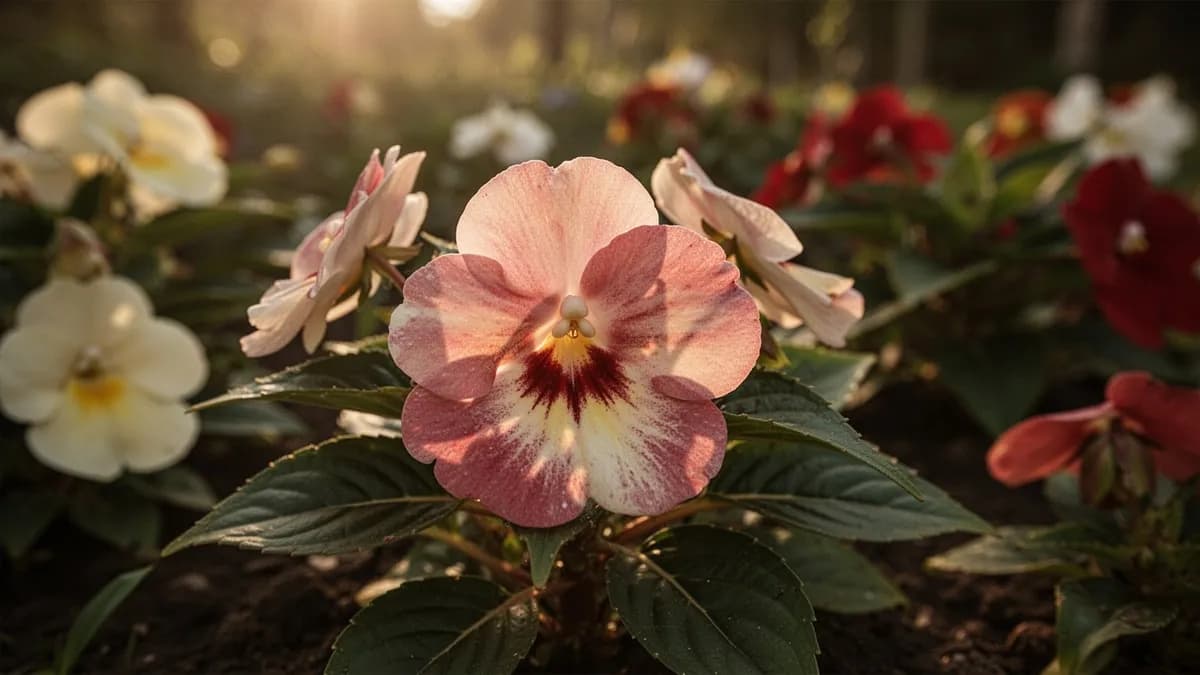
El tabaco ornamental combina muy bien con compañeras tolerantes a la sombra como begonias, impatiens y helechos en bancales de semisombra. Su fragancia vespertina complementa las plantaciones de flor de luna y dama de la noche en jardines nocturnos. Los pelos pegajosos del follaje pueden atrapar pequeñas plagas, ofreciendo cierto control pasivo. Plántalo cerca de patios y zonas de descanso para disfrutar de su dulce aroma nocturno. Evita plantarlo cerca de otras solanáceas para reducir la transmisión de enfermedades.
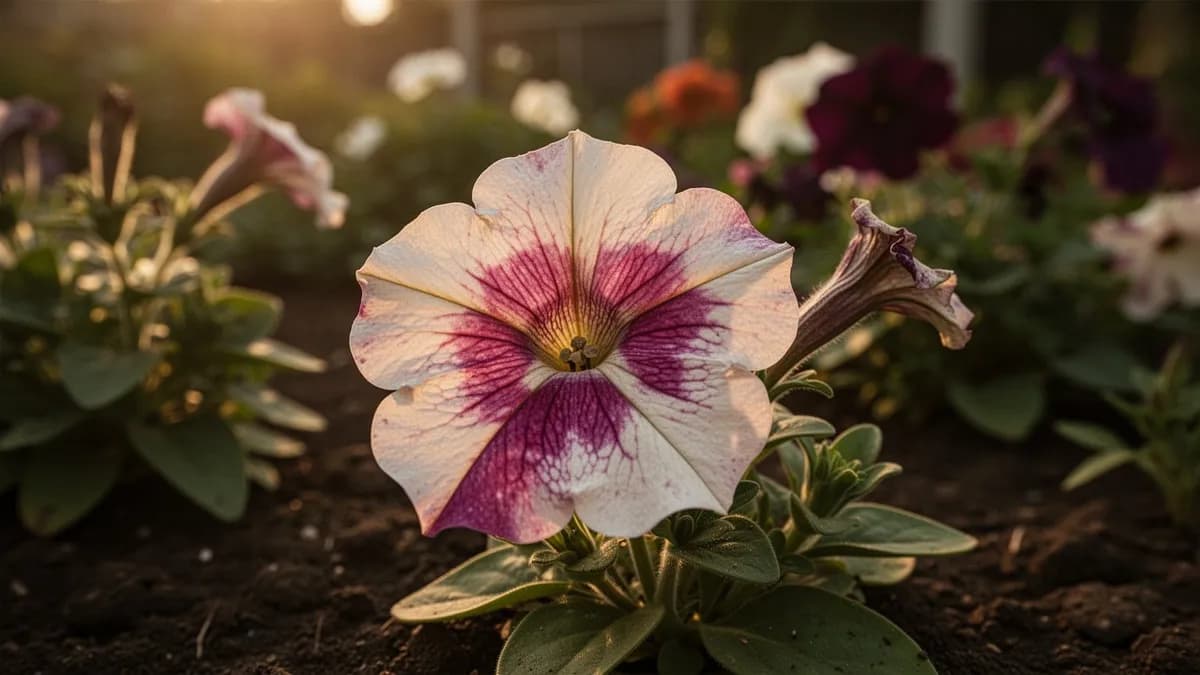
Petunia va a su lado.
Saber de huerto de siempre, cotejado con la tabla real de Tabaco ornamental — prueba cualquier planta que cultives.
Prueba Tabaco ornamental en un bancal, aquí mismo
Un bancal real del planificador con Tabaco ornamental ya plantado. Toca una planta compañera para colocarla y mira cómo responde la comprobación de vecinos: verde para buenos vecinos, rojo si hay conflicto.


Guías de cultivo relacionadas

Abónalo bien
El tabaco ornamental prefiere un suelo rico en humus, con buena retención de humedad y un pH de 5.8 a 6.5. Enmienda las zonas de plantación con abundante compost o estiércol bien descompuesto antes de plantar. Abona cada tres o cuatro semanas con un fertilizante líquido equilibrado 10-10-10 durante la temporada de crecimiento. Las plantas en maceta se benefician de un fertilizante granular de liberación lenta mezclado con el sustrato en el momento de plantar. Evita que el suelo se seque por completo, ya que el tabaco ornamental se marchita con rapidez cuando sufre sequía.
Temperatura ideal
Compatibilidad de zonas de rusticidad
De la semilla a la cosecha, etapa por etapa
Germinación de la semilla
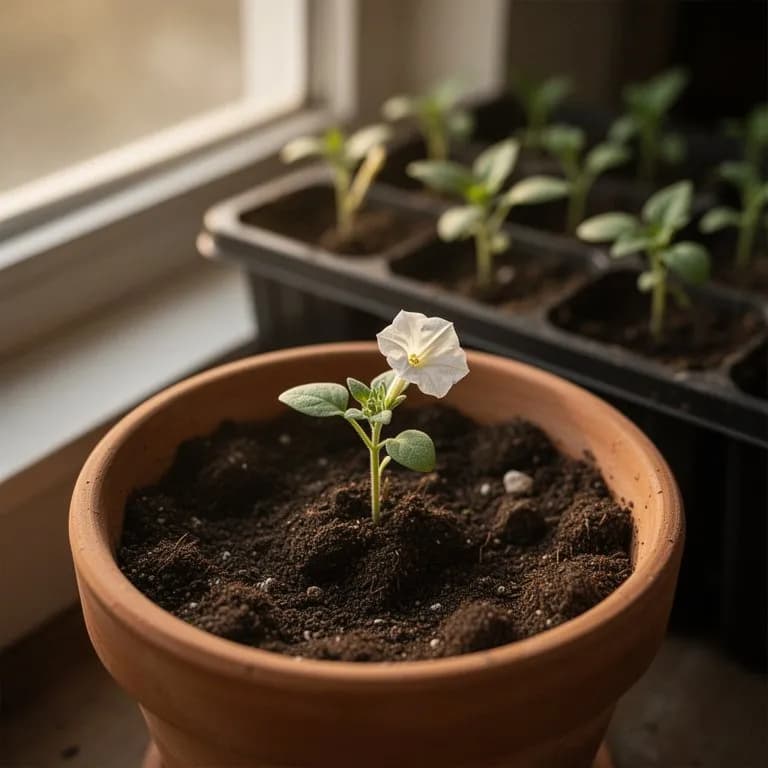
Las semillas de nicotiana están entre las más diminutas del jardín, casi como polvo. Necesitan luz para germinar y deben sembrarse en la superficie de un sustrato fino y húmedo, sin cubrirlas. Mantén una humedad y una temperatura constantes de alrededor de 20-25 °C. La germinación suele producirse en 10-14 días en condiciones óptimas, aunque puede tardar hasta 21 días con temperaturas más frescas.
Desarrollo de plántulas
Las plántulas que emergen son extremadamente pequeñas y delicadas, con cotiledones redondeados muy pequeños seguidos de hojas verdaderas un poco mayores. El crecimiento es lento al principio, pero se acelera a medida que se establece el sistema radicular. Durante esta fase, las plántulas desarrollan la textura foliar suave y ligeramente pegajosa característica.
Formación de roseta
Las plantas desarrollan una roseta basal de hojas grandes y ampliamente ovaladas que pueden alcanzar 15-25 cm de longitud. El follaje es suave, ligeramente pegajoso al tacto por los pelos glandulares, y de color verde claro a medio. El sistema radicular se expande rápidamente durante este periodo, construyendo la base de los tallos florales que vendrán después.
Alargamiento del tallo y formación de botones
Los tallos florales comienzan a emerger desde el centro de la roseta, creciendo con rapidez y alcanzando a veces 60-120 cm de altura según la variedad. Se desarrollan tallos laterales ramificados a lo largo del tallo principal, cada uno rematado por racimos de botones florales largos y tubulares encerrados en cálices verdes. La planta adquiere su arquitectura característica, alta y algo estilizada.
Floración máxima
Las flores largas y tubulares se abren sucesivamente desde la parte baja de cada racimo hacia arriba, creando un despliegue prolongado que puede durar semanas. Cada flor se abre en una forma estrellada de cinco puntas. Muchas variedades desprenden una fragancia muy intensa, especialmente al atardecer, cuando liberan su dulce aroma parecido al jazmín para atraer a las polillas polinizadoras. Los colores van desde el blanco puro y el verde pálido hasta el rosa, rosado, rojo y carmesí profundo.
Formación de semillas y final de temporada
A medida que avanza la temporada, las flores polinizadas desarrollan pequeñas cápsulas con miles de semillas minúsculas. Las plantas pueden seguir produciendo nuevos tallos florales si se eliminan las flores marchitas de forma constante. El crecimiento se ralentiza cuando bajan las temperaturas en otoño. En climas sin heladas, la nicotiana puede persistir como una perenne de vida corta, pero en la mayoría de los jardines templados completa su ciclo con la primera helada fuerte.
Presiona las semillas suavemente sobre la superficie del sustrato humedecido, pero no las cubras. Usa una cúpula transparente de humedad o film plástico para conservar la humedad y proporciona luz brillante indirecta o lámparas de cultivo durante 12-16 horas al día.
Cuidar Tabaco ornamental mes a mes
Qué hacer cada mes para tu Tabaco ornamental
Octubre
Mes actualRecolecta las cápsulas maduras antes de la primera helada fuerte cortando los tallos florales secos y sacudiendo las semillas dentro de un sobre. En climas suaves (zonas USDA 9-10), la nicotiana puede sobrevivir a heladas leves y seguir floreciendo. En zonas frías, la primera helada letal pondrá fin al espectáculo.
Ten claro qué hacer en tu huerto, cada mes
Un correo al empezar cada mes: qué sembrar, plantar y hacer ahora mismo — para tu Tabaco ornamental y todo lo que crece alrededor. Más un breve curso inicial para esquivar los errores clásicos.
- Qué hacer ahora mismo
- Ajustado a tu temporada
- Curso inicial incluido
Cosechar Tabaco ornamental
Corta las flores de tabaco ornamental para arreglos de interior cuando se hayan abierto varias flores en la espiga. Cosecha al anochecer, cuando el aroma es más intenso, cortando los tallos en diagonal y colocándolos inmediatamente en agua. Para recolectar semillas, deja que los tallos florales se sequen en la planta hasta que las cápsulas se tornen marrones y empiecen a abrirse, luego sacude las semillas dentro de una bolsa de papel. Retira con regularidad las espigas marchitas para fomentar nuevos tallos florales durante toda la temporada de crecimiento.

se supone que plantas al comenzar el periodo — indica tu fecha real
Cosecha Tabaco ornamental a tiempo y la planta sigue produciendo.
Almacenamiento y conservación
Los tallos frescos de tabaco ornamental duran de cinco a siete días en un jarrón limpio con conservante floral. Cambia el agua cada dos días y recorta los tallos. Las flores se disfrutan mejor frescas, ya que no se secan bien. Las semillas pueden recolectarse cuando las cápsulas se tornan marrones, guardarse en sobres etiquetados en un lugar fresco y seco, y permanecen viables durante dos a tres años. Si quieres, prensa flores individuales entre las páginas de un libro para manualidades.
Qué falla — y cómo solucionarlo

Virus del mosaico del tabaco
EnfermedadPatrones moteados amarillos y verdes en las hojas, crecimiento atrofiado, follaje deformado y menor floración.

Pulgones
PlagaGrupos de pequeños insectos de cuerpo blando en el crecimiento tierno, depósitos pegajosos de melaza y fumagina en las hojas.

Mildiu velloso
EnfermedadManchas amarillo pálido en la parte superior de las hojas con un crecimiento grisáceo y púrpura en el envés. Las hojas se marchitan y mueren en condiciones húmedas.
Oruga del tabaco
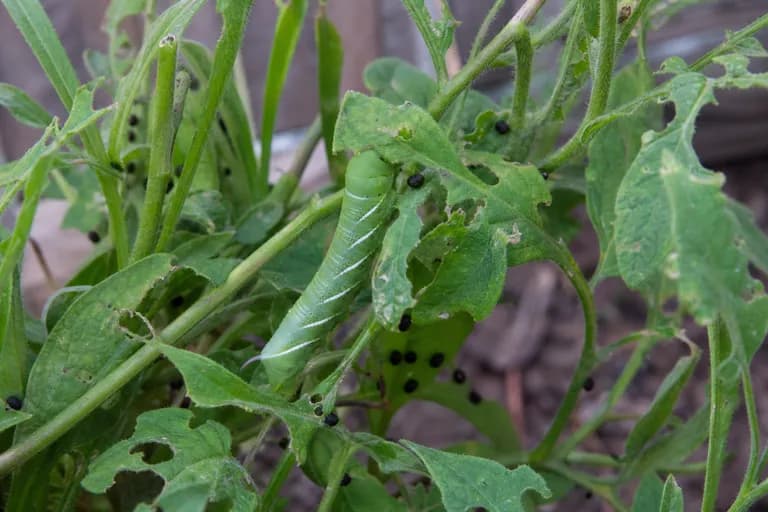
PlagaOrugas grandes y verdes con rayas diagonales blancas que comen hojas y tallos, dejando excrementos oscuros y una defoliación importante.
Solución de problemas comunes
El tabaco ornamental puede volverse espigado cuando hay demasiada sombra, produciendo tallos altos y débiles con pocas flores. El exceso de riego y un mal drenaje provocan pudrición de raíz y problemas fúngicos. En climas muy calurosos, las plantas pueden ralentizar la floración a mediados del verano, pero se recuperan cuando baja la temperatura. Algunas variedades antiguas solo abren las flores al atardecer, lo que puede resultar decepcionante para quienes buscan color durante el día. Elige series modernas de floración diurna para una exhibición continua.
Consejos de cultivo
- Empieza las semillas en interior de 6-8 semanas antes de la última helada. Las semillas son extremadamente finas, casi como polvo, así que mézclalas con una pequeña cantidad de arena fina antes de sembrarlas en la superficie para lograr una distribución más uniforme en la bandeja.
- Nunca cubras las semillas de nicotiana con tierra o vermiculita. Necesitan luz para germinar y fallarán por completo si quedan enterradas. Simplemente presiónalas con suavidad sobre la superficie del sustrato húmedo para siembra y rocíalas con un pulverizador.
- Mantén una humedad y una calidez constantes durante la germinación usando una cúpula transparente o film plástico sobre la bandeja. Retira la cubierta cuando emerjan las plántulas para proporcionar buena circulación de aire y evitar la enfermedad de damping-off.
- Elige un lugar de plantación que reciba sol de la mañana y sombra ligera por la tarde para obtener los mejores resultados en climas cálidos. En las regiones norteñas más frescas, el pleno sol es ideal. Las flores se abren con más fiabilidad y duran más cuando están protegidas del intenso calor del mediodía.
- Enriquece el suelo de plantación con abundante compost o estiércol bien descompuesto antes de trasplantar. A diferencia de muchas plantas ornamentales, la nicotiana es una consumidora moderadamente alta que recompensa un suelo fértil y con buena retención de humedad con tallos más altos y una floración más abundante.
- Riega con regularidad y en profundidad, sobre todo cuando hace calor, ya que las hojas grandes y suaves pierden humedad rápidamente por transpiración. Una humedad constante del suelo evita el marchitamiento y favorece una producción continua de flores durante todo el verano.
- Elimina los racimos florales marchitos cortando el tallo justo por encima del siguiente grupo de botones o de una unión foliar. Esto redirige la energía de la planta desde la producción de semillas hacia la formación de nuevas flores y puede prolongar el periodo de floración varias semanas.
- Planta las variedades de flores blancas cerca de patios, senderos, ventanas abiertas o zonas de asiento al aire libre, donde su intenso aroma vespertino pueda disfrutarse después del anochecer. Las flores blancas también brillan de forma preciosa bajo la luz de la luna y una iluminación baja del jardín.
- Usa nicotiana como cultivo trampa en el huerto plantándola cerca de tomates, pimientos y berenjenas. La mosca blanca se siente fuertemente atraída por las hojas pegajosas de nicotiana, alejándose de tus cultivos comestibles.
- Deja que algunas plantas formen semillas al final de la temporada para lograr una resiembra natural. La nicotiana produce plántulas espontáneas con facilidad la primavera siguiente, que pueden trasplantarse o aclararse según convenga para tener una exhibición anual gratuita y sin esfuerzo.
Cultiva tu mejor Tabaco ornamental — y todo lo que la rodea.
Empieza un plan gratis hoy. Diseña tus bancales, coloca tu Tabaco ornamental y deja que PlotMyGarden gestione el momento, el espaciado, las asociaciones y los recordatorios de la semilla a la cesta.
Elige tu Tabaco ornamental
Perfume Series
Plantas compactas de hasta 45 cm con flores muy fragantes en una gama de colores que permanecen abiertas durante el día.
Nicotiana sylvestris
Una especie espectacular de hasta 1.5 m con largas flores blancas colgantes en forma de trompeta que liberan un intenso aroma vespertino, ideal para el fondo de las borduras.
Lime Green
Flores verde chartreuse poco comunes en tallos de unos 60 cm, favoritas de los diseñadores florales para añadir un acento fresco y moderno a los ramos.
Saratoga Mix
Plantas enanas de 25 a 30 cm con flores orientadas hacia arriba en rojo, rosa, blanco y verde lima, ideales para macetas.
Whisper Mix
Elegantes tonos pastel apagados en tallos de 90 cm con excelente aroma vespertino, perfectos para borduras de estilo cottage.
Un solo paquete de semillas de nicotiana suele costar entre 2 y 4 € y contiene 200-500 semillas, suficientes para llenar una bordura completa. Como cada planta madura produce miles de semillas, solo necesitas comprarlas una vez y puedes recolectar tu propio suministro indefinidamente. Un paquete de seis plántulas de vivero cuesta entre 4 y 8 €, mientras que cultivarlas desde semilla da docenas de plantas por una fracción de ese precio. La nicotiana también se resiembra con libertad en muchos jardines, lo que significa que cada primavera aparecen plántulas espontáneas sin coste alguno. Su capacidad para atraer polinizadores mejora el rendimiento de frutas y hortalizas en todo el jardín, proporcionando ahorros indirectos en productos. En un periodo de cinco años, una plantación autosuficiente de nicotiana puede ahorrar entre 50 y 100 € frente a la compra de anuales de temporada cada año.
Recetas rápidas
Ramo de jardín con fragancia vespertina
15 minutosCrea un impresionante arreglo de flor cortada con tallos de nicotiana junto a otras flores fragantes de la noche. El tabaco ornamental es una flor cortada excelente y duradera, y sus tallos se mantienen frescos en agua durante 7-10 días. Las variedades blancas siguen liberando su fragancia al anochecer en interiores, llenando la habitación con un aroma dulce parecido al jazmín después de la puesta del sol.
6 ingredientes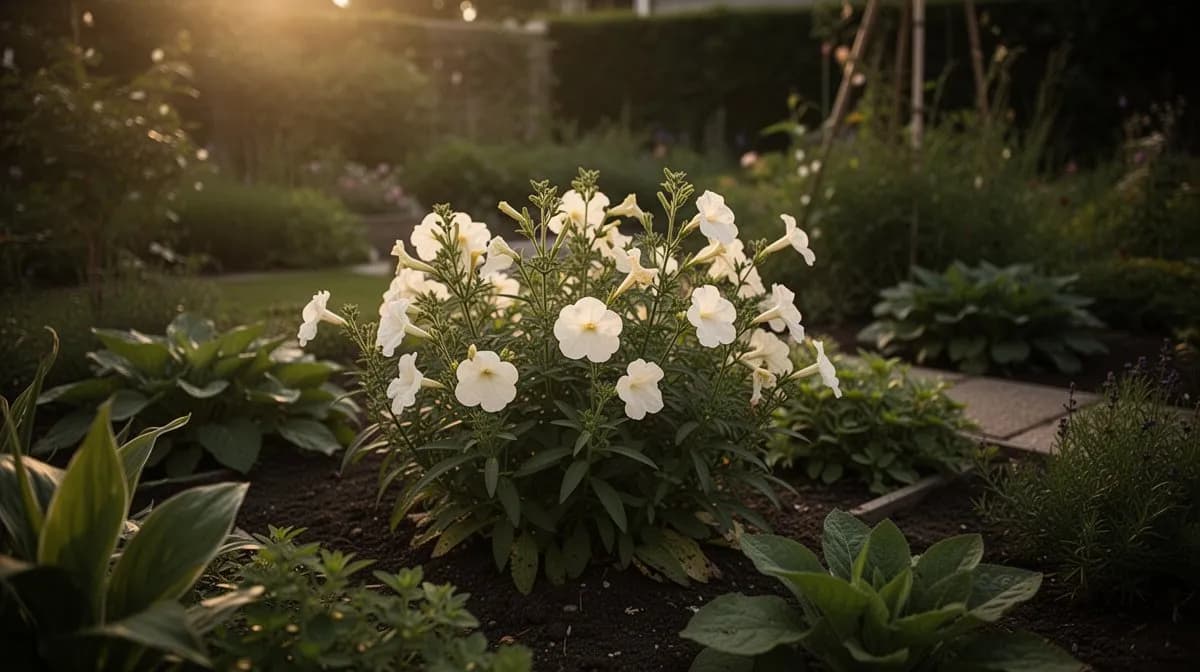
Plantación en maceta para jardín de luna
30 minutosDiseña una composición en maceta centrada en nicotiana blanca que convierta tu patio en un refugio fragante al anochecer. Las luminosas flores blancas de Nicotiana alata brillan con la luz de la luna y con una iluminación suave del paisaje, creando un despliegue mágico al caer la noche. Combínala con otras plantas blancas y plateadas que resalten al crepúsculo para lograr el máximo impacto cerca de las zonas de asiento al aire libre.
6 ingredientesCabezas de semillas secas de nicotiana
10 minutos activos + 2 semanas de secadoLas delicadas cabezas de semillas ramificadas de la nicotiana son un complemento atractivo para arreglos de flores secas y coronas de invierno. Una vez que las flores se han marchitado y las cápsulas de semillas se han formado, los tallos adquieren un tono tostado cálido que añade textura y altura naturales a las composiciones secas. Este proyecto también te permite guardar semillas para la próxima temporada.
6 ingredientesQué contiene
Beneficios para la salud
- Nicotiana alata sirve como una importante fuente de néctar para polinizadores beneficiosos como polillas esfinge, polillas esfinge de los géneros afines y colibríes, apoyando la biodiversidad del ecosistema del jardín y beneficiando indirectamente la salud de los cultivos cercanos mediante una mejor polinización.
- Los pelos glandulares pegajosos de las hojas de nicotiana atrapan de forma natural pequeños insectos plaga como mosca blanca, pulgones y mosquitos del mantillo, reduciendo la presión de plagas sobre las hortalizas y hierbas vecinas sin necesidad de insecticidas químicos.
- Cultivar tabaco ornamental cerca de zonas de estar al aire libre aporta aromaterapia natural al atardecer, ya que su dulce fragancia parecida al jazmín se ha asociado tradicionalmente con la relajación y la reducción del estrés en jardines perfumados y paisajes terapéuticos.
- Las plantas de nicotiana pueden usarse como indicadores biológicos de la contaminación por ozono, ya que son especialmente sensibles a niveles elevados y desarrollan manchas visibles en las hojas que alertan a los jardineros sobre mala calidad del aire.
- Pasar tiempo en un jardín nocturno con nicotiana y otras flores fragantes de la noche fomenta la relajación al aire libre tras el anochecer, lo que puede ayudar a regular el ritmo circadiano y facilitar la transición del cuerpo y la mente hacia un sueño reparador.
- Como cultivo trampa en sistemas de manejo integrado de plagas, la nicotiana ayuda a proteger cultivos comestibles de la familia de las solanáceas, como tomates, berenjenas y pimientos, frente a infestaciones de mosca blanca, reduciendo la necesidad de aplicar pesticidas en plantas alimentarias.
De dónde viene Tabaco ornamental
Nicotiana alata, conocida comúnmente como tabaco ornamental o tabaco jazmín, es originaria del sur de Brasil, el noreste de Argentina y Paraguay, donde crece como una perenne de vida corta en praderas subtropicales y bordes de bosque. La especie fue descrita científicamente por primera vez en 1825 por el botánico alemán Johann Heinrich Friedrich Link y el botánico checo Christoph Friedrich Otto, a partir de ejemplares cultivados en el Jardín Botánico de Berlín. El género Nicotiana fue nombrado por el botánico sueco Carl Linneo en honor a Jean Nicot de Villemain, el embajador francés en Portugal que introdujo plantas de tabaco en la corte francesa en la década de 1560. Mientras el tabaco comercial (Nicotiana tabacum) se cultivaba por sus hojas, Nicotiana alata llamó la atención únicamente por sus cualidades ornamentales y su extraordinario aroma vespertino. Los coleccionistas europeos de plantas llevaron semillas de Sudamérica durante el siglo XIX y, para la década de 1880, el tabaco ornamental se había convertido en una planta popular de parterre en los jardines victorianos de toda Gran Bretaña y Europa continental. Los jardineros apreciaban sus altos y elegantes tallos florales y el embriagador aroma parecido al jazmín que perfumaba las noches de verano. Durante el siglo XX, los mejoradores desarrollaron numerosos cultivares con una gama de colores ampliada que incluía rosa, rosado, rojo, carmesí y verde lima. Sin embargo, muchos híbridos compactos modernos sacrificaron fragancia a cambio de apertura diurna de las flores y menor estatura. En las últimas décadas ha resurgido el interés por la especie original fragante y por las variedades de herencia entre los jardineros de estilo cottage y los aficionados a los jardines de luna. Nicotiana alata también ha despertado interés científico por su papel en la ecología de la polinización, ya que sus largas flores tubulares y su fragancia nocturna la convierten en una especie modelo para estudiar la coevolución entre plantas y polillas. Hoy, el tabaco ornamental se cultiva en todo el mundo como una anual decorativa en jardines templados y como una perenne tierna en regiones subtropicales sin heladas.
Tabaco ornamental: ¿sabías que?
Datos fascinantes sobre Tabaco ornamental
Las flores de Nicotiana alata se abren a última hora de la tarde y liberan su fragancia más intensa por la noche, una adaptación evolutiva para atraer a las polillas esfinge, cuyas largas probóscides pueden alcanzar el néctar del fondo de las flores tubulares profundas.
Tabaco ornamental: preguntas frecuentes
¿Cuándo debo plantar Tabaco ornamental?
¿Cuáles son buenas plantas acompañantes para Tabaco ornamental?
¿En qué zonas de rusticidad puede crecer Tabaco ornamental?
¿Cuánto sol necesita Tabaco ornamental?
¿A qué distancia debo espaciar Tabaco ornamental?
¿Qué plagas y enfermedades afectan a Tabaco ornamental?
¿Cómo almaceno Tabaco ornamental después de la cosecha?
¿Cuáles son las mejores variedades de Tabaco ornamental para cultivar?
¿Qué suelo necesita Tabaco ornamental?
¿La nicotiana (tabaco ornamental) es lo mismo que el tabaco para fumar y es segura de cultivar?
¿Por qué mis flores de nicotiana solo se abren por la tarde y se cierran durante el día?
¿Puede la nicotiana sobrevivir al invierno y volver al año siguiente?
¿Cuáles son las mejores plantas acompañantes para cultivar junto a la nicotiana?
¿Cómo recojo y guardo semillas de nicotiana para el año siguiente?
Mis plantas de nicotiana son altas y espigadas. ¿Cómo puedo conseguir un crecimiento más tupido y compacto?
Acabas de leer la teoría. Ahora cultívala en piloto automático.
Todo lo que hace que Tabaco ornamental sea delicado — el momento, el espaciado, las asociaciones, la ventana de cosecha — es justo lo que PlotMyGarden resuelve por ti, para cada planta de tu huerto.
Un plan que conoce tu clima
Indica tu ubicación una vez. Recibe fechas de siembra, abonado y cosecha basadas en tu última helada real y el pronóstico en vivo — sin adivinar con un sobre genérico.
De la sección “Cuándo plantar”Planificador de bancales de arrastrar y soltar
Diseña bancales sobre una cuadrícula. Cada planta encaja con su espaciado correcto y ves toda la temporada antes de gastar un céntimo en semillas.
De la sección “Cultivo”Conflictos de asociación, detectados a tiempo
Más de 200 buenas y malas combinaciones comprobadas en vivo mientras plantas — para que un error que arruine la temporada nunca llegue a la tierra.
De la sección “Asociaciones”Recordatorios que sí vas a seguir
“Riega las judías.” “Recoge hoy antes de que se pase.” Oportunos, concretos y ligados a las plantas que de verdad cultivas.
De la sección “Cosecha”Escalonado, programado
¿Quieres cosechar seis semanas en vez de seis días? Reparte tus siembras automáticamente y te avisa cuando toca el siguiente lote.
De la sección “Cuándo plantar”Un registro que se vuelve más listo
Cada cosecha que registras le enseña tu huerto. El plan del año que viene parte de lo que de verdad funcionó en tu suelo, no en un manual.
De la sección “Resumen”Planta estos junto a Tabaco ornamental
Más Anuales
Cultiva tu mejor Tabaco ornamental — y todo lo que la rodea.
Empieza un plan gratis hoy. Diseña tus bancales, coloca tu Tabaco ornamental y deja que PlotMyGarden gestione el momento, el espaciado, las asociaciones y los recordatorios de la semilla a la cesta.