Wunderblume
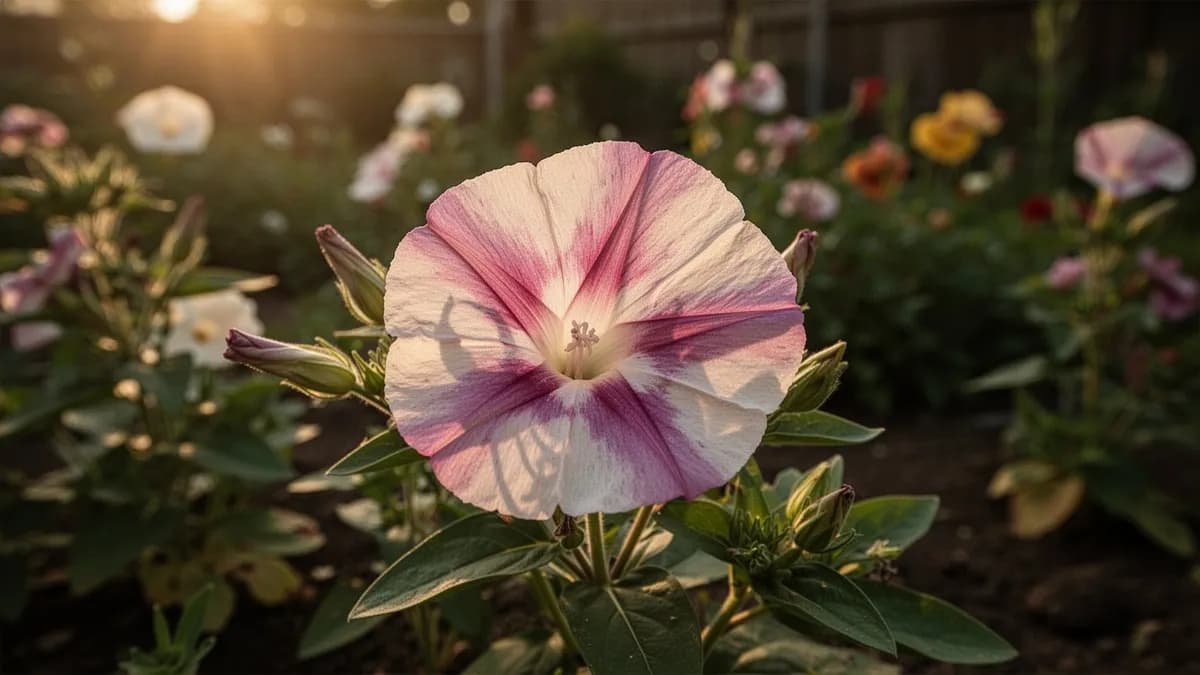
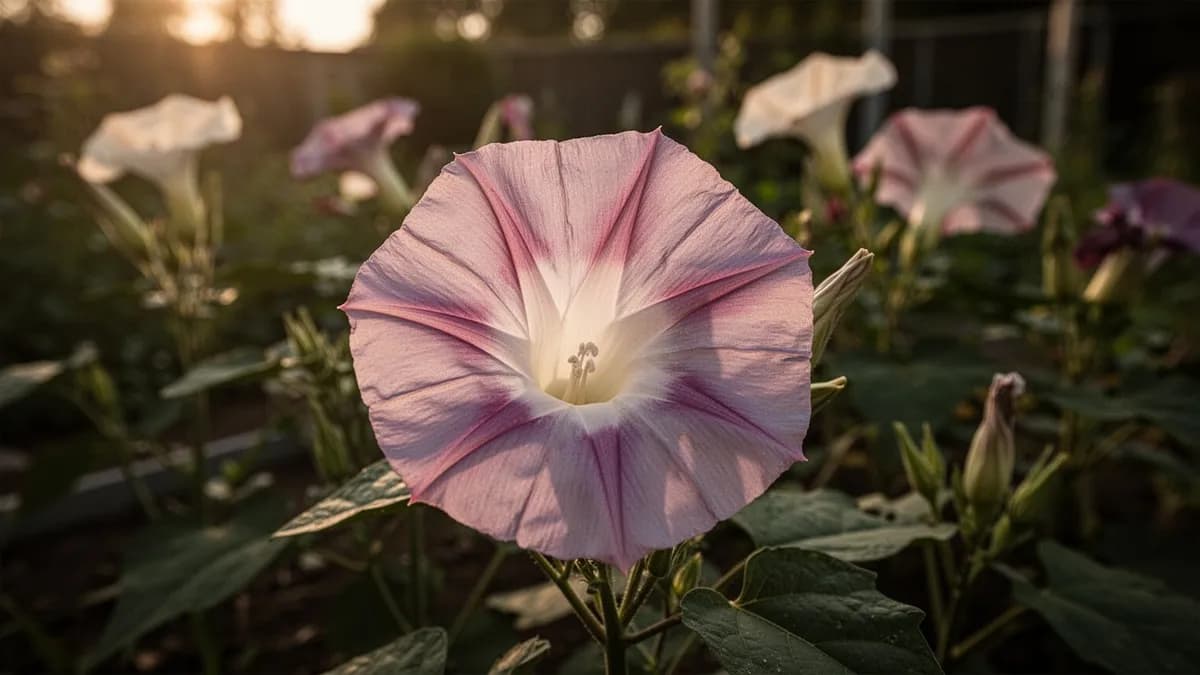
Eine buschige einjährige Pflanze mit duftenden Trompetenblüten, die sich am späten Nachmittag öffnen und am folgenden Morgen schließen, erhältlich in vielen Farben.





Auf dieser SeiteÜberblick
Wunderblume im Überblick
Eine buschige einjährige Pflanze mit duftenden Trompetenblüten, die sich am späten Nachmittag öffnen und am folgenden Morgen schließen, erhältlich in vielen Farben. Wunderblumen bilden knollige Wurzeln und säen sich bereitwillig selbst aus, wobei sie sich in warmen Klimazonen oft wie Stauden verhalten. Sie sind pflegeleicht, trockenheitstolerant und ziehen mit ihrem Abendduft Schwärmer an.
Wann Wunderblume pflanzen
Die großen Samen sind leicht zu handhaben und ideal für Gartenanfänger. Säen Sie sie nach Ende der Frostgefahr etwa zweieinhalb Zentimeter tief direkt aus, im Abstand von dreißig bis fünfundvierzig Zentimetern. Die Samen keimen in sieben bis zehn Tagen in warmem Boden über 18 Grad Celsius. Für frühere Blüten starten Sie drei bis vier Wochen vor dem letzten Frost drinnen in einzelnen Töpfen. Über Nacht in warmem Wasser einweichen beschleunigt die Keimung. Vereinzeln Sie direkt gesäte Sämlinge auf die stärkste Pflanze pro Stelle. Sammeln Sie im Herbst einfach die harten schwarzen Samen vom Boden unter den Pflanzen.
Dein Wunderblume-Jahr
Abgestimmt auf Zone 7 · typische Saison · Frost geht um den 2. Apr. und kehrt um den 1. Nov. zurück
Wunderblume Apr – Mai pflanzen, Jul – Okt ernten. Beachte die Pflanzmethoden unten und wähle dein Klima für passende Zeiträume.
So baust du Wunderblume an
Wunderblumen lassen sich bemerkenswert einfach aus ihren großen, runden, schwarzen Samen ziehen. Säen Sie die Samen nach dem letzten Frosttermin direkt ins Freiland, etwa zweieinhalb Zentimeter tief und dreißig bis fünfundvierzig Zentimeter voneinander entfernt in voller Sonne. Die Samen keimen schnell innerhalb von sieben bis zehn Tagen, wenn der Boden warm ist. In kälteren Regionen können Sie die Samen drei bis vier Wochen vor dem letzten Frost drinnen in einzelnen Töpfen vorziehen, um frühere Blüten zu erhalten.
Diese Pflanzen gedeihen in durchschnittlichem bis magerem, gut durchlässigem Boden und vertragen Hitze und Trockenheit, sobald sie etabliert sind. Nährstoffreicher Boden bringt größere, buschigere Pflanzen hervor, die neunzig Zentimeter bis einen Meter zwanzig hoch und breit werden können. Gießen Sie während der Anwuchsphase regelmäßig und reduzieren Sie dann auf gelegentliches tiefes Wässern. Wunderblumen sind nicht wählerisch bezüglich des Boden-pH-Werts und passen sich an eine Vielzahl von Bedingungen an.
Die knolligen Wurzeln können in Zonen, in denen sie nicht winterhart sind, ausgegraben und über den Winter gelagert werden, ähnlich wie bei Dahlien. In den Zonen 7 und darüber überleben die Wurzeln den Winter oft im Boden und treiben im Frühling wieder aus. Die Pflanzen säen sich auch reichlich durch herabgefallene Samen selbst aus. Alle Pflanzenteile gelten als giftig, tragen Sie daher beim Umgang mit den Samen Handschuhe und halten Sie Kinder und Haustiere fern.
10 Pflanzen passen in ein Beet von 120 × 240 cm
Wunderblume braucht 45 cm Platz pro Pflanze. Der Planer hält diesen Abstand für dich ein — jede Pflanze, jedes Beet.
Die besten Nachbarn für Wunderblume
Wunderblumen sind ideale Begleiter für Mondblumen und Ziertabak in Abend- und Nachtgärten, die auf Duft ausgelegt sind. Ihr buschiger Wuchs bietet einen Hintergrund für niedrigere einjährige Pflanzen. Sie harmonieren gut mit Ziergräsern und spät blühenden Stauden. Die Blüten ziehen Schwärmer und andere nachtaktive Bestäuber an und bereichern das gesamte Gartenökosystem. Pflanzen Sie sie in der Nähe von Sitzplätzen im Freien, um den Abendduft zu genießen, aber halten Sie sie wegen der Giftigkeit von Gemüsegärten fern.
Mondwinde gehört daneben.
Altes Gärtnerwissen, geprüft an der echten Nachbartabelle von Wunderblume — teste jede Pflanze, die du anbaust.
Probiere Wunderblume direkt hier im Beet
Ein echtes Planer-Beet, Wunderblume steht schon drin. Tippe einen Begleiter an, platziere ihn und sieh, wie die Nachbarschaftsprüfung antwortet — grün für gute Nachbarn, rot bei Streit.


Passende Anbau-Ratgeber
Richtig düngen
Wunderblumen sind anspruchslos bezüglich des Bodens und wachsen in nahezu jedem gut durchlässigen Gartenboden mit einem pH-Wert von 6,0 bis 7,0. Sie blühen sogar freier in durchschnittlichem bis magerem Boden. Zu nährstoffreicher Boden fördert übermäßiges vegetatives Wachstum auf Kosten der Blüten. Eine einmalige Gabe von ausgewogenem Granulatdünger zum Pflanztermin ist ausreichend. Kübelpflanzen profitieren von einer leichten monatlichen Düngung mit verdünntem Flüssigdünger. Gute Drainage ist die wichtigste Bodenanforderung.
Ideale Temperatur
Winterhärtezone-Kompatibilität
Von der Saat zur Ernte, Schritt für Schritt
Samenkeimung
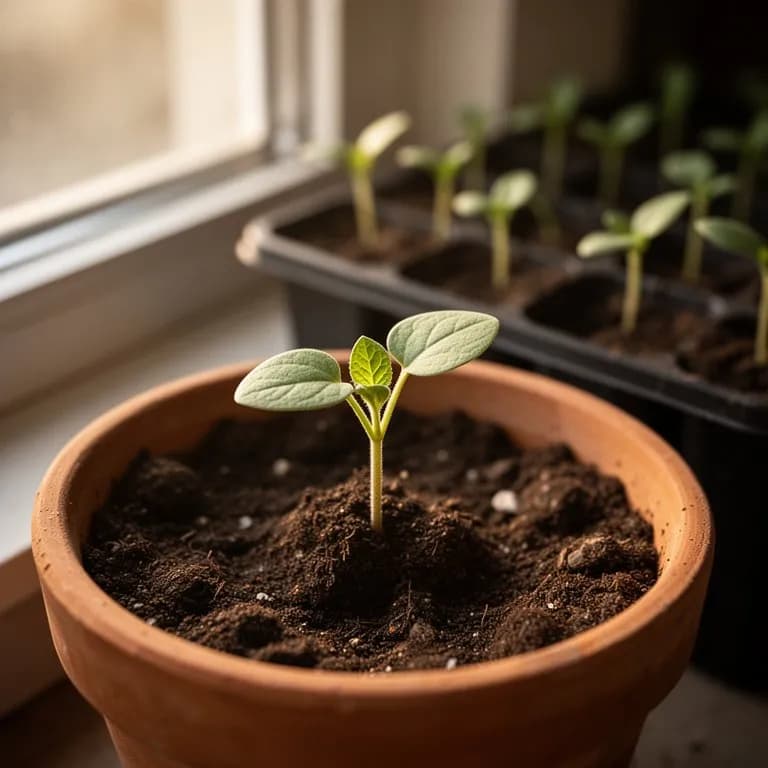
Die Samen sind groß und hartschalig. Über Nacht in warmem Wasser einweichen oder die Samenschale mit einer Feile anritzen beschleunigt die Keimung. Säen Sie die Samen nach dem letzten Frosttermin etwa eineinhalb Zentimeter tief in warmen Boden. Die Keimung erfolgt in sieben bis vierzehn Tagen, wenn die Bodentemperaturen über 18 °C bleiben.
Sämlingsentwicklung
Die Sämlinge entwickeln dicke, kräftige Stängel und gegenständige Paare herzförmiger Blätter. Das Wachstum ist bei warmen Bedingungen schnell. Die jungen Pflanzen beginnen früh, ihren charakteristischen buschigen Wuchs auszubilden.
Vegetatives Wachstum
Die Pflanzen wachsen kräftig und erreichen eine Höhe von sechzig bis neunzig Zentimetern bei nahezu ebenso großer Breite. Die verzweigten Stängel werden an der Basis halbverholzt. Unterirdisch beginnen sich Knollenwurzeln zu bilden, die Energie für zukünftige Saisons speichern.
Blütezeit
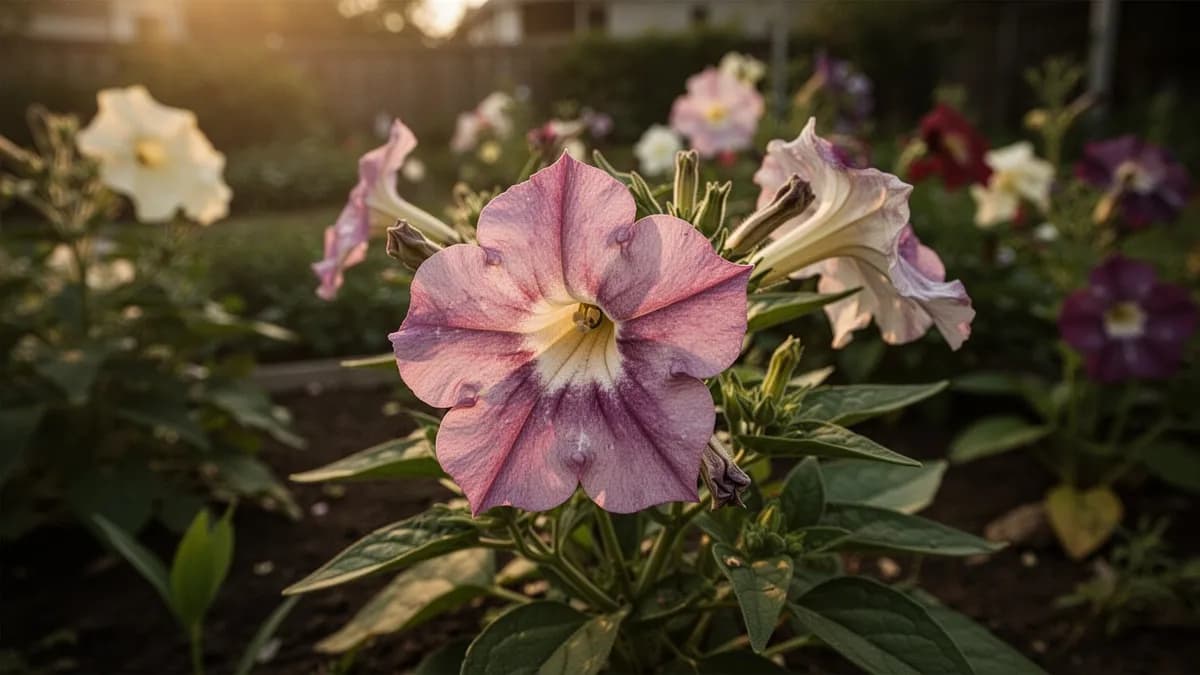
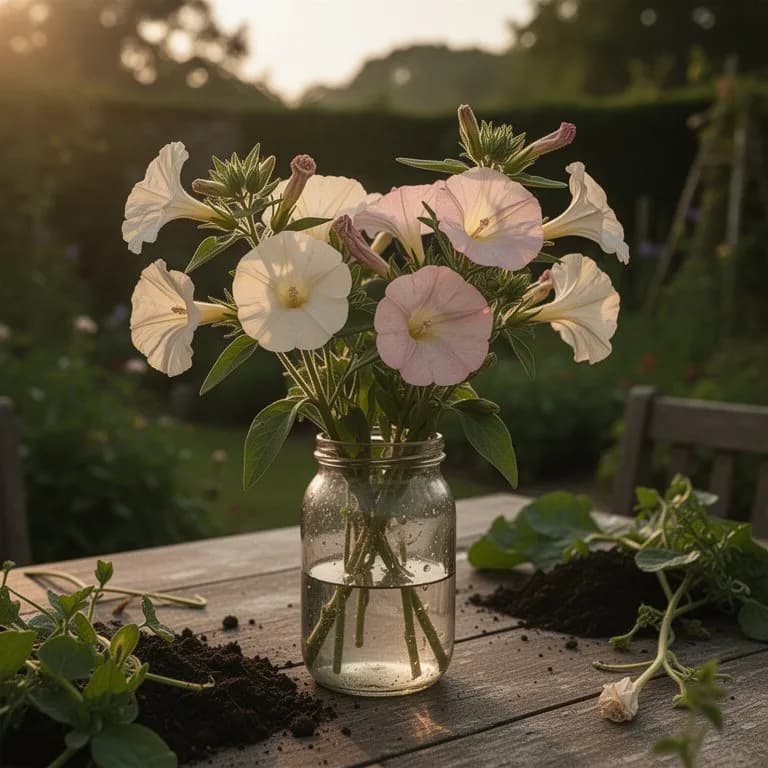
Trompetenförmige Blüten erscheinen in Büscheln an den Triebspitzen und öffnen sich am späten Nachmittag, bleiben die ganze Nacht geöffnet und schließen sich am folgenden Morgen. Die Farben reichen von Magenta, Rosa, Rot, Gelb bis Weiß, wobei manche Pflanzen zweifarbige oder gestreifte Blüten am selben Zweig hervorbringen.
Samenbildung und Ruhephase
Wenn die Temperaturen im Herbst sinken, verlangsamt sich die Blütenproduktion und runde schwarze Samen entwickeln sich an der Basis verblühter Blüten. Das oberirdische Laub stirbt mit dem ersten starken Frost ab. Die Knollenwurzeln bleiben in den Zonen 7 bis 11 unterirdisch ruhend und sind bereit, im folgenden Frühling wieder auszutreiben.
Halten Sie den Boden während der Keimung gleichmäßig feucht, aber nicht staunass. Eine dünne Mulchschicht hilft, die Feuchtigkeit zu bewahren.
Wunderblume Monat für Monat pflegen
Was du jeden Monat für deine Wunderblume tun solltest
Oktober
Aktueller MonatLassen Sie die Pflanzen nach dem ersten leichten Frost natürlich absterben. Graben Sie in kalten Klimazonen die Knollenwurzeln zur Winterlagerung aus, bevor der Boden gefriert.
Immer wissen, was jetzt im Garten zu tun ist
Eine E-Mail zum Monatsanfang: was du jetzt säen, pflanzen und anpacken solltest — für deine Wunderblume und alles, was drumherum wächst. Dazu ein kurzer Startkurs, der dich vor den klassischen Fehlern bewahrt.
- Was jetzt zu tun ist
- Passend zu deiner Saison
- Startkurs inklusive
Wunderblume ernten
Wunderblumenblüten genießt man am besten an der Pflanze, da sie beim Schneiden schnell welken. Zum Samensammeln ernten Sie die großen, runden, schwarzen Samen, die im Spätsommer und Herbst unter den Pflanzen auf den Boden fallen. Die Samen sind leicht zu erkennen und von Hand aufzusammeln. Trocknen Sie die Samen einige Tage auf einem Küchentuch, bevor Sie sie einlagern. Die knolligen Wurzeln können im Herbst vor dem Frost ausgegraben, einen Tag getrocknet und in Torfmoos an einem kühlen Ort bis zur Neupflanzung im folgenden Frühling gelagert werden.
angenommen, du pflanzt zu Beginn des Zeitraums — trage dein tatsächliches Datum ein
Ernte Wunderblume zügig, dann trägt die Pflanze weiter.
Lagerung & Konservierung
Wunderblumen eignen sich aufgrund ihres kurzen Blühzyklus und schnellen Welkens nicht für Schnittblumenarrangements. Samen lassen sich hervorragend drei bis fünf Jahre lang in Papierumschlägen an einem kühlen, trockenen Ort aufbewahren. Knollige Wurzeln sollten nach dem ersten leichten Frost ausgegraben, kurz getrocknet und in leicht feuchtem Torfmoos oder Vermiculit bei 10 bis 13 Grad Celsius über den Winter gelagert werden. Pflanzen Sie die Knollen im Frühling nach dem letzten Frost wieder ein, um frühere und kräftigere Blüten zu erhalten als bei aus Samen gezogenen Pflanzen.
Was schiefgeht — und die Lösung
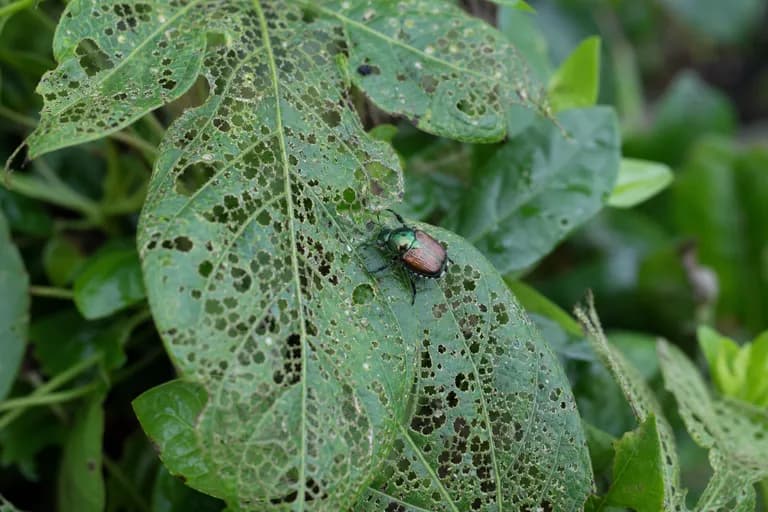
Japankäfer
SchädlingSkelettierte Blätter, bei denen nur die Blattadern übrig bleiben, metallisch grüne und kupferfarbene Käfer, die im Hochsommer sichtbar am Laub fressen.
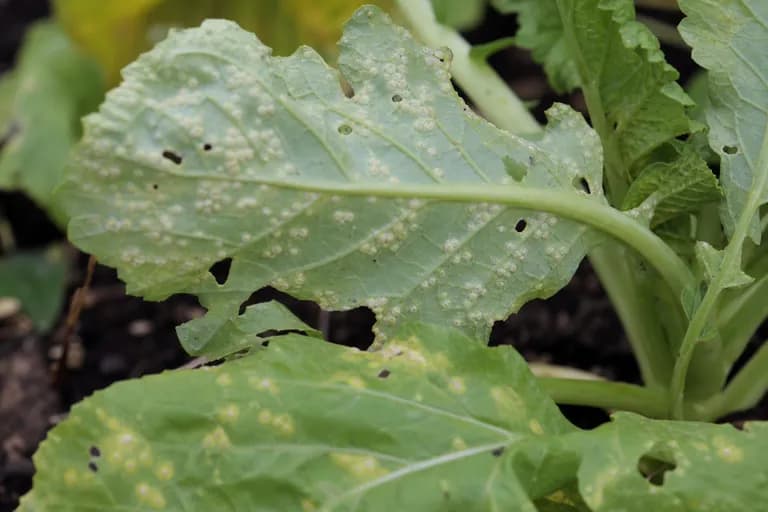
Weißrost
KrankheitWeiße, blasenartige Pusteln auf den Blattunterseiten mit entsprechenden gelben Flecken auf der Blattoberseite.
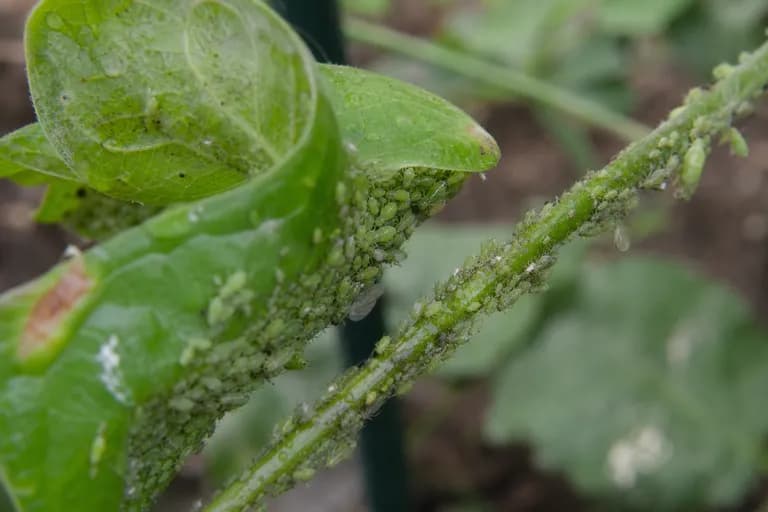
Blattläuse
SchädlingAnsammlungen kleiner Insekten an zarten Trieben und Blütenknospen, Honigtau-Rückstände sowie eingerollte oder verformte Blätter.
Fehlerbehebung bei häufigen Problemen
Die größte Herausforderung besteht darin, die aggressive Selbstaussaat der Wunderblumen zu kontrollieren, die in warmen Klimazonen Gartenbeete überwuchern kann. Entfernen Sie verblühte Blüten, bevor die Samen herunterfallen, um die Ausbreitung einzuschränken. Die Pflanzen können sehr groß und buschig werden und kleinere Nachbarn überwältigen, wenn ihnen nicht genügend Platz eingeräumt wird. Die Blüten öffnen sich erst am späten Nachmittag, was Gärtner enttäuscht, die während der Abendstunden nicht zu Hause sind. Alle Pflanzenteile sind giftig, was sie zu einer schlechten Wahl für Gärten macht, die von kleinen Kindern oder Haustieren besucht werden.
Anbautipps
- Weichen Sie die harten, dunklen Samen zwölf bis vierundzwanzig Stunden in warmem Wasser ein, bevor Sie sie pflanzen, um die Samenschale aufzuweichen und die Keimung um mehrere Tage zu beschleunigen.
- Wählen Sie einen Pflanzort, der mindestens sechs Stunden täglich volle Sonne erhält, obwohl Wunderblumen in extrem heißen Klimazonen leichten Nachmittagsschatten vertragen.
- Pflanzen Sie die Pflanzen in einem Abstand von fünfundvierzig bis sechzig Zentimetern, um ihrem natürlich buschigen Wuchs Raum zu geben, der bei Reife sechzig bis neunzig Zentimeter breit werden kann.
- Wunderblumen sind dank ihrer Knollenwurzeln bemerkenswert trockenheitstolerant, sobald sie etabliert sind, aber regelmäßiges wöchentliches Gießen während der Blütezeit bringt die meisten Blüten hervor.
- Vermeiden Sie Überdüngung mit stickstofflastigen Produkten, die übermäßiges Blattwachstum auf Kosten der Blüten fördern. Ein ausgewogener oder phosphorreicher Dünger wirkt am besten.
- Knipsen Sie die Triebspitzen junger Pflanzen ab, wenn sie zwanzig bis fünfundzwanzig Zentimeter hoch sind, um die Verzweigung zu fördern und eine vollere, kompaktere Pflanzenform zu erzielen.
- In USDA-Zonen 6 und kälter graben Sie die Knollenwurzeln nach dem ersten Herbstfrost aus, lassen sie einen Tag trocknen und lagern sie in Torfmoos bei 7 bis 13 Grad Celsius.
- Wunderblumen säen sich in warmen Klimazonen aggressiv selbst aus. Entfernen Sie verblühte Blüten, bevor die Samen reifen, wenn Sie verhindern möchten, dass sich Selbstaussaat in unerwünschten Bereichen ausbreitet.
- Diese Pflanzen haben sehr wenige Schädlingsprobleme, aber achten Sie im Hochsommer auf Japankäfer. Sammeln Sie die Käfer frühmorgens von Hand ab, wenn sie träge sind, für eine wirksame biologische Bekämpfung.
- Pflanzen Sie Wunderblumen in der Nähe von Terrassen, Veranden oder Schlafzimmerfenstern, um ihren intensiven süßen Duft während der Abendstunden zu genießen, wenn die Blüten vollständig geöffnet und am aromatischsten sind.
Bau deine beste Wunderblume an — und alles drumherum.
Starte heute kostenlos. Lege deine Beete an, setze deine Wunderblume ein und lass PlotMyGarden Timing, Abstände, Begleiter und Erinnerungen von der Saat bis zum Erntekorb übernehmen.
Finde deine Wunderblume
Broken Colors Mix
Eine einzigartige Sorte mit marmorierten und gesprenkelten zweifarbigen Blüten in Kombinationen aus Gelb, Rosa, Rot und Weiß auf derselben Pflanze.
Jingles Mix
Kompakte Pflanzen von etwa sechzig Zentimetern Höhe mit gestreiften und gesprenkelten Blüten in einem Karneval leuchtender Farben.
Limelight
Besticht durch gelbgrünes Laub, das einen atemberaubenden Kontrast zu den magentarosafarbenen Blüten bildet, ein herausragender Blattschmuck.
Tea Time Mix
Eine ausgewogene Mischung aus Volltonfarben wie Rot, Gelb, Rosa, Weiß und Lachs auf buschigen, etwa neunzig Zentimeter hohen Pflanzen.
Wunderblumen gehören zu den wirtschaftlichsten Zierpflanzen im Anbau. Eine einzelne Samentüte für zwei bis vier Euro kann Dutzende von Pflanzen hervorbringen, die große Gartenflächen füllen. Da sich die Pflanzen reichlich selbst aussäen und in milden Klimazonen mehrjährige Knollen bilden, bietet eine einmalige Investition jahrelang kontinuierliche Farbe praktisch ohne zusätzliche Kosten. Im Vergleich zum Kauf einjähriger Beetpflanzen für drei bis fünf Euro pro Topf jeden Frühling spart der Anbau von Wunderblumen aus Samen fünfzig bis hundert Euro pro Saison für eine typische Gartenumrandung. Die Knollen können auch geteilt und an Nachbarn verschenkt werden, was den Wert weiter steigert.
Schnelle Rezepte
Natürlicher Stofffärber aus Wunderblumen
45 Min.Die leuchtend magenta- und rosafarbenen Blüten der Wunderblumen ergeben einen wunderschönen natürlichen Farbstoff, der zum Einfärben von Stoffen, Papier und Bastelprojekten in Rosa- und Malventönen verwendet werden kann. Dies ist ein Non-Food-Bastelrezept unter Verwendung der natürlichen Blütenpigmente.
5 Zutaten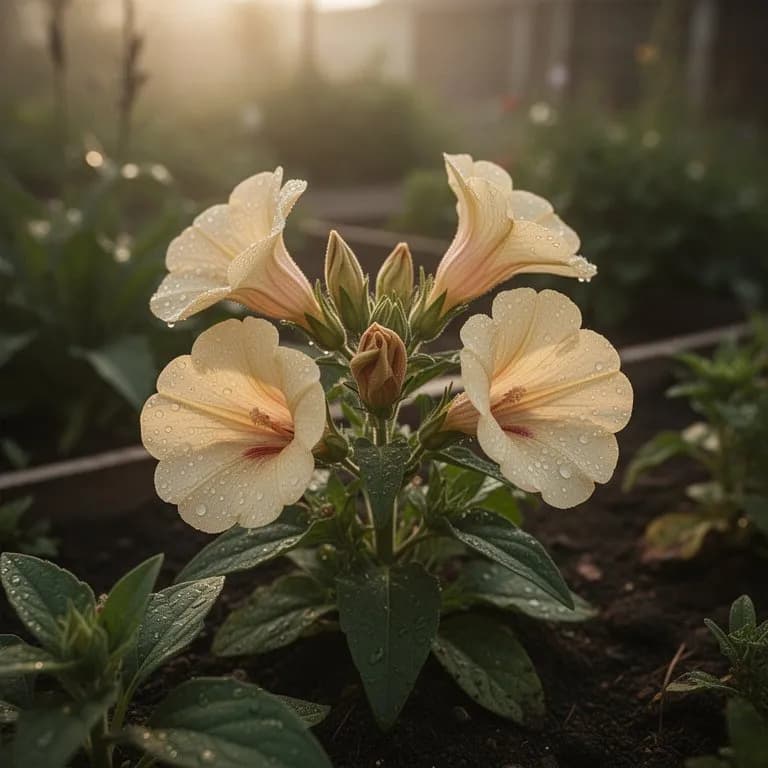
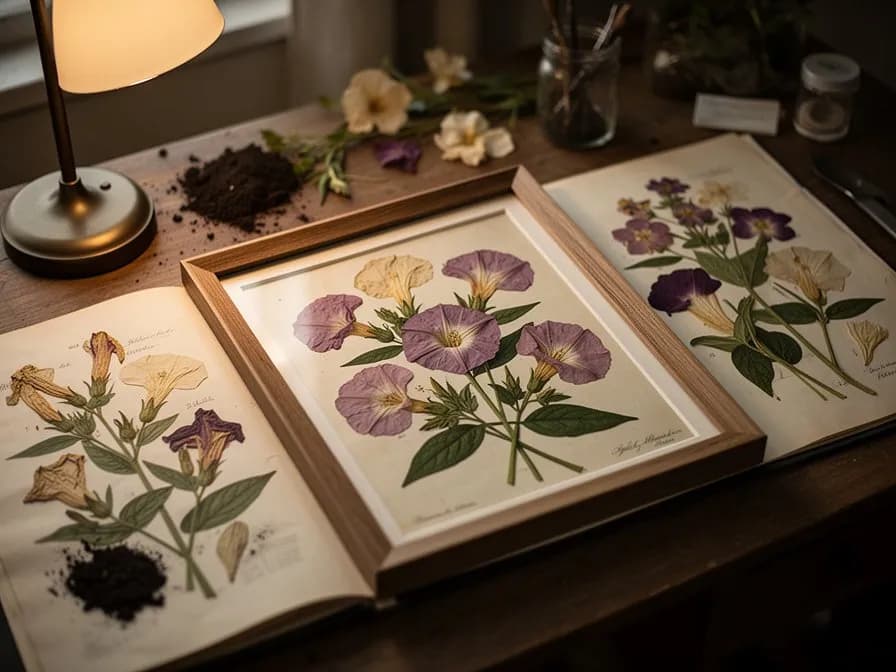
Gepresste Wunderblumen-Blütenkunst
20 Min. aktiv plus 2 Wochen TrocknungKonservieren Sie die atemberaubenden mehrfarbigen Blüten Ihres Wunderblumengartens durch Pressen zur Verwendung in Grußkarten, Lesezeichen und gerahmter botanischer Kunst. Ernten Sie die Blüten am frühen Morgen, wenn sie noch vollständig geöffnet sind, für die besten Ergebnisse.
5 Zutaten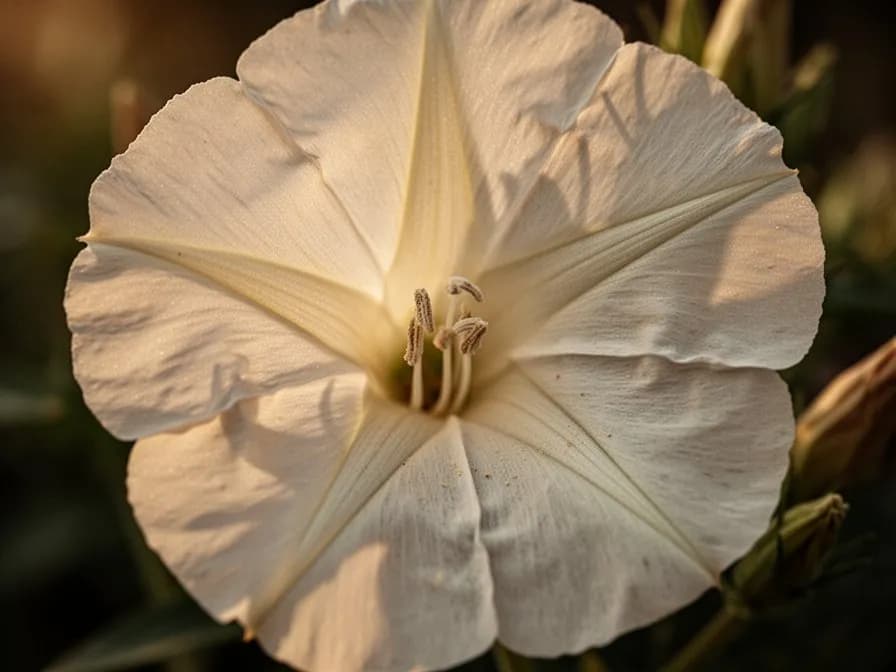
Gesichtspeeling aus Wunderblumen-Samenpulver
15 Min.Folgen Sie der jahrhundertealten japanischen Tradition, das Pulver aus Wunderblumensamen als Kosmetikum zu verwenden, und stellen Sie ein sanftes Peeling-Gesichtspeeling her. Die feine weiße Stärke im Inneren der reifen Samen hat eine seidige Textur, die in ostasiatischen Schönheitsritualen seit der Edo-Zeit geschätzt wird.
5 ZutatenWas drinsteckt
Gesundheitsvorteile
- Traditionelle Kräuterkundige in Mittel- und Südamerika verwenden seit Langem Blattumschläge äußerlich zur Linderung kleinerer Hautreizungen, Insektenstiche und kleiner Wunden.
- Wurzelextrakte von Mirabilis jalapa haben in Laborstudien antimikrobielle Eigenschaften gezeigt, mit Wirksamkeit gegen bestimmte Bakterien und Pilze.
- Das aus den Samen isolierte MAP30-Protein hat in kontrollierten Forschungsumgebungen antivirale Aktivität gezeigt und Interesse an potenziellen pharmazeutischen Anwendungen geweckt.
- In der ayurvedischen und traditionellen chinesischen Medizin wurden sorgfältig zubereitete Wurzelabkochungen historisch zur Unterstützung der Verdauungsgesundheit und zur Entzündungshemmung verwendet.
- Der Anbau von Wunderblumen im Garten unterstützt nachtaktive Bestäuberpopulationen, darunter Schwärmer und Nachtfalter, und trägt zur lokalen Biodiversität und Gesundheit des Ökosystems bei.
- Die Pflege eines Abendgartens mit duftenden Wunderblumen bietet Stressabbau und fördert das seelische Wohlbefinden, da der beruhigende Duft und das Ritual der Dämmerungsgärtnerei zur Entspannung anregen.
Woher Wunderblume stammt
Mirabilis jalapa, allgemein bekannt als Wunderblume oder Wunder von Peru, stammt aus den tropischen Regionen Mittel- und Südamerikas, wobei ihr Ursprungszentrum in den Anden Perus und der Nachbarländer vermutet wird. Die aztekische und inkaische Zivilisation kultivierte diese Pflanze lange vor dem europäischen Kontakt und schätzte sie sowohl wegen ihrer Zierschönheit als auch wegen ihrer medizinischen Eigenschaften. Indigene Völker verwendeten Zubereitungen aus Wurzeln, Blättern und Samen zur Behandlung verschiedener Beschwerden, darunter Wunden, Verdauungsstörungen und Hautkrankheiten. Spanische Konquistadoren begegneten der Pflanze im sechzehnten Jahrhundert und waren von ihrer ungewöhnlichen Eigenschaft fasziniert, unterschiedlich gefärbte Blüten an einem einzigen Exemplar hervorzubringen. Sie brachten Samen um 1540 nach Europa zurück, wo die Pflanze schnell in Kloster- und Apothekergärten in Spanien, Italien und Südfrankreich an Beliebtheit gewann. Der schwedische Botaniker Carl von Linné beschrieb die Art 1753 formell und wählte den Gattungsnamen Mirabilis, was auf Lateinisch 'wunderbar' oder 'wundersam' bedeutet, als Verweis auf die erstaunliche Farbvariation innerhalb einzelner Pflanzen. Im siebzehnten Jahrhundert hatten sich Wunderblumen entlang der Handelswege nach Asien verbreitet und waren fest in die Gartentraditionen Japans, Chinas, Indiens und der Philippinen integriert. Die Pflanze spielte eine bemerkenswerte Rolle in der Geschichte der Genetik, als der deutsche Botaniker Carl Correns sie 1909 nutzte, um die nicht-mendelsche zytoplasmatische Vererbung zu demonstrieren und zu zeigen, dass Blattfarbmuster ausschließlich über die mütterliche Linie vererbt werden. Heute ist Mirabilis jalapa in tropischen und subtropischen Regionen weltweit eingebürgert und wird in gemäßigten Klimazonen als einjährige Pflanze kultiviert. Sie bleibt eine beliebte Bauerngartenpflanze, geschätzt für ihre leichte Kultivierung, lebhaften Abendblüten und den süßen Duft, der den Garten in der Abenddämmerung erfüllt.
Wunderblume: Schon gewusst?
Faszinierende Fakten über Wunderblume
Eine einzige Wunderblume kann gleichzeitig Blüten verschiedener Farben hervorbringen, darunter einfarbige, gestreifte und gesprenkelte Muster am selben Zweig, verursacht durch transponierbare genetische Elemente, die zwischen Pigmentgenen springen.
Wunderblume: Fragen & Antworten
Wann sollte ich Wunderblume pflanzen?
Was sind gute Begleitpflanzen für Wunderblume?
In welchen Winterhärtezonen kann Wunderblume wachsen?
Wie viel Sonne braucht Wunderblume?
Welchen Abstand sollte ich zwischen Wunderblume lassen?
Welche Schädlinge und Krankheiten befallen Wunderblume?
Wie lagere ich Wunderblume nach der Ernte?
Was sind die besten Wunderblume-Sorten zum Anbauen?
Welchen Boden braucht Wunderblume?
Sind Wunderblumen giftig für Haustiere oder Kinder?
Warum ändern meine Wunderblumen von Tag zu Tag ihre Farbe?
Kann ich Wunderblumen in Kübeln auf einem Balkon oder einer Terrasse anbauen?
Wie überwintere ich Wunderblumenknollen in kalten Klimazonen?
Ziehen Wunderblumen nützliche Bestäuber in den Garten?
Kommen Wunderblumen jedes Jahr von selbst wieder?
Du hast die Theorie gelesen. Jetzt baue sie auf Autopilot an.
Alles, was Wunderblume knifflig macht — das Timing, die Abstände, die Begleiter, das Erntefenster — genau das übernimmt PlotMyGarden für dich, für jede Pflanze im Garten.
Ein Plan, der dein Wetter kennt
Standort einmal festlegen. Aussaat-, Dünge- und Erntedaten rund um deinen echten letzten Frosttermin und die Live-Vorhersage — kein Raten mehr nach Saattüte.
Aus dem Abschnitt „Pflanzzeit“Beetplaner per Drag & Drop
Beete auf einem Raster gestalten. Jede Pflanze rastet im richtigen Abstand ein, und du siehst die ganze Saison, bevor du einen Cent für Saatgut ausgibst.
Aus dem Abschnitt „Anbau“Begleiter-Konflikte früh erkannt
Über 200 gute und schlechte Kombinationen werden beim Pflanzen live geprüft — so landet ein saisonruinierender Fehler nie in der Erde.
Aus dem Abschnitt „Begleiter“Erinnerungen, nach denen du wirklich handelst
„Gieß die Bohnen.“ „Heute ernten, bevor's umschlägt.“ Pünktlich, konkret und auf deine echten Pflanzen bezogen.
Aus dem Abschnitt „Ernte“Staffel-Aussaat, geplant
Sechs Wochen ernten statt sechs Tage? Die App verteilt deine Aussaaten automatisch und erinnert dich, wenn der nächste Satz fällig ist.
Aus dem Abschnitt „Pflanzzeit“Ein Verlauf, der schlauer wird
Jede protokollierte Ernte bringt der App deinen Garten bei. Der Plan fürs nächste Jahr startet bei dem, was in deinem Boden wirklich funktioniert hat.
Aus dem Abschnitt „Überblick“Pflanze diese neben Wunderblume
Weitere Einjährige
Bau deine beste Wunderblume an — und alles drumherum.
Starte heute kostenlos. Lege deine Beete an, setze deine Wunderblume ein und lass PlotMyGarden Timing, Abstände, Begleiter und Erinnerungen von der Saat bis zum Erntekorb übernehmen.