Gauklerblume
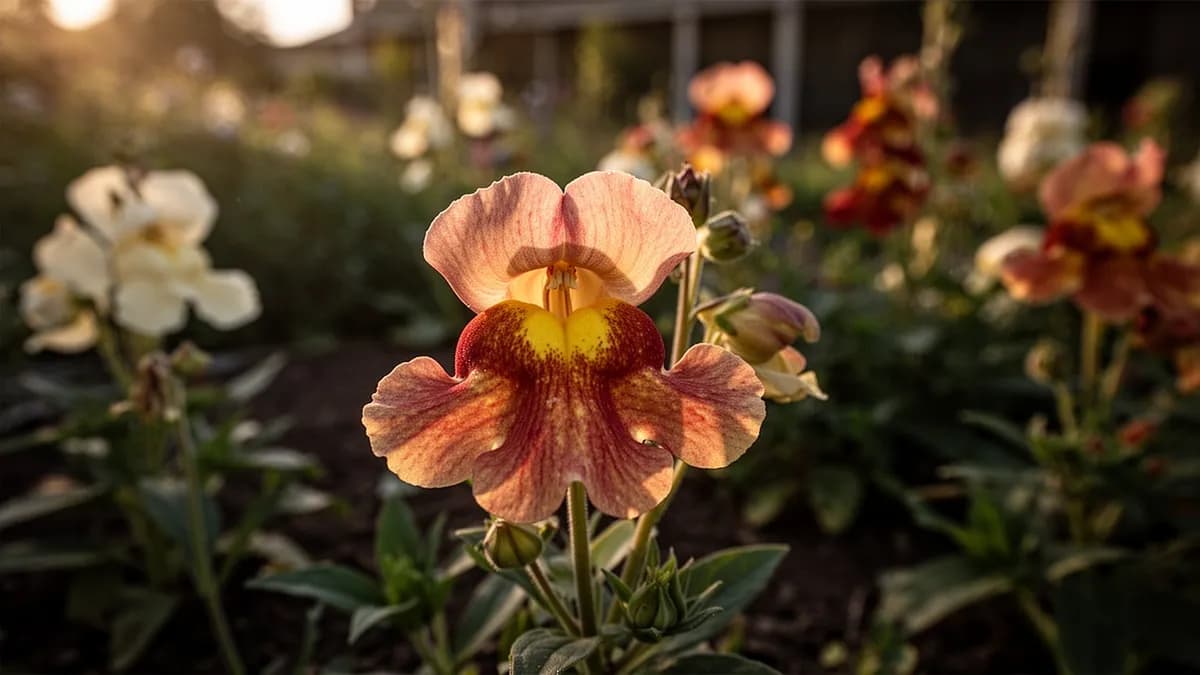
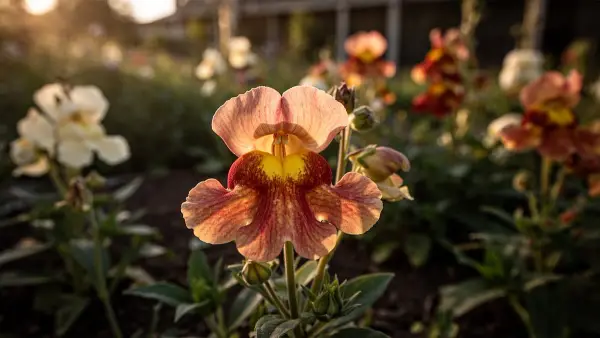
Eine fröhliche, schattenliebende einjährige Pflanze mit gesprenkelten, trompetenförmigen Blüten, die in Gelb-, Orange- und Rottönen an grinsende Affengesichter erinnern.





Auf dieser SeiteÜberblick
Gauklerblume im Überblick
Eine fröhliche, schattenliebende einjährige Pflanze mit gesprenkelten, trompetenförmigen Blüten, die in Gelb-, Orange- und Rottönen an grinsende Affengesichter erinnern. Gauklerblumen gedeihen unter kühlen, feuchten Bedingungen und eignen sich hervorragend für schattige Beete, sumpfige Bereiche und Kübelbepflanzungen. Sie blühen am besten im Frühling und Frühsommer, bevor die Hitze einsetzt.
Wann Gauklerblume pflanzen
Winzige Samen 8–10 Wochen vor dem letzten Frost auf die Oberfläche feuchter Aussaaterde säen – nicht bedecken, da die Samen Licht zum Keimen benötigen. Bei 18–21 °C mit gleichmäßiger Feuchtigkeit halten. Die Keimung dauert 7–14 Tage. Sämlinge vorsichtig umpflanzen, wenn sie groß genug zum Handhaben sind, mit einem Abstand von 20–25 cm. Gauklerblumen können auch direkt an schattige, feuchte Gartenplätze im frühen Frühling gesät werden, obwohl dies langsamer ist.
Dein Gauklerblume-Jahr
Abgestimmt auf Zone 7 · typische Saison · Frost geht um den 2. Apr. und kehrt um den 1. Nov. zurück
Gauklerblume Mär – Mai pflanzen, Mai – Aug ernten. Beachte die Pflanzmethoden unten und wähle dein Klima für passende Zeiträume.
So baust du Gauklerblume an
Die Gauklerblume ist eine farbenfrohe, schattentolerante einjährige Pflanze, die unter Bedingungen gedeiht, die für die meisten anderen Blütenpflanzen zu kühl und zu nass sind. Säen Sie die Samen 8–10 Wochen vor dem letzten Frost drinnen aus, indem Sie die winzigen Samen auf die Oberfläche feuchter Aussaaterde drücken – sie benötigen Licht zum Keimen. Die Keimung dauert 7–14 Tage bei 18–21 °C.
Setzen Sie die Sämlinge nach dem letzten Frost ins Freie, mit einem Abstand von 20–25 cm im Halb- bis Vollschatten. Gauklerblumen benötigen gleichmäßig feuchte Erde und welken dramatisch, wenn sie austrocknen. Sie eignen sich perfekt für schattige Beete, Bachufer, Moorgärten und Kübel in nach Norden ausgerichteten Positionen.
Gauklerblumen blühen am üppigsten bei kühlem Wetter und können bei sommerlicher Hitze nachlassen oder aufhören zu blühen. In heißen Klimazonen behandeln Sie sie als Frühlings- und Herbstblumen. In Gebieten mit kühlen Sommern blühen sie durchgehend vom späten Frühling bis zum Herbst. Kneifen Sie junge Pflanzen zurück, um buschiges Wachstum und mehr Blüten zu fördern.
72 Pflanzen passen in ein Beet von 120 × 240 cm
Gauklerblume braucht 20 cm Platz pro Pflanze. Der Planer hält diesen Abstand für dich ein — jede Pflanze, jedes Beet.
Die besten Nachbarn für Gauklerblume
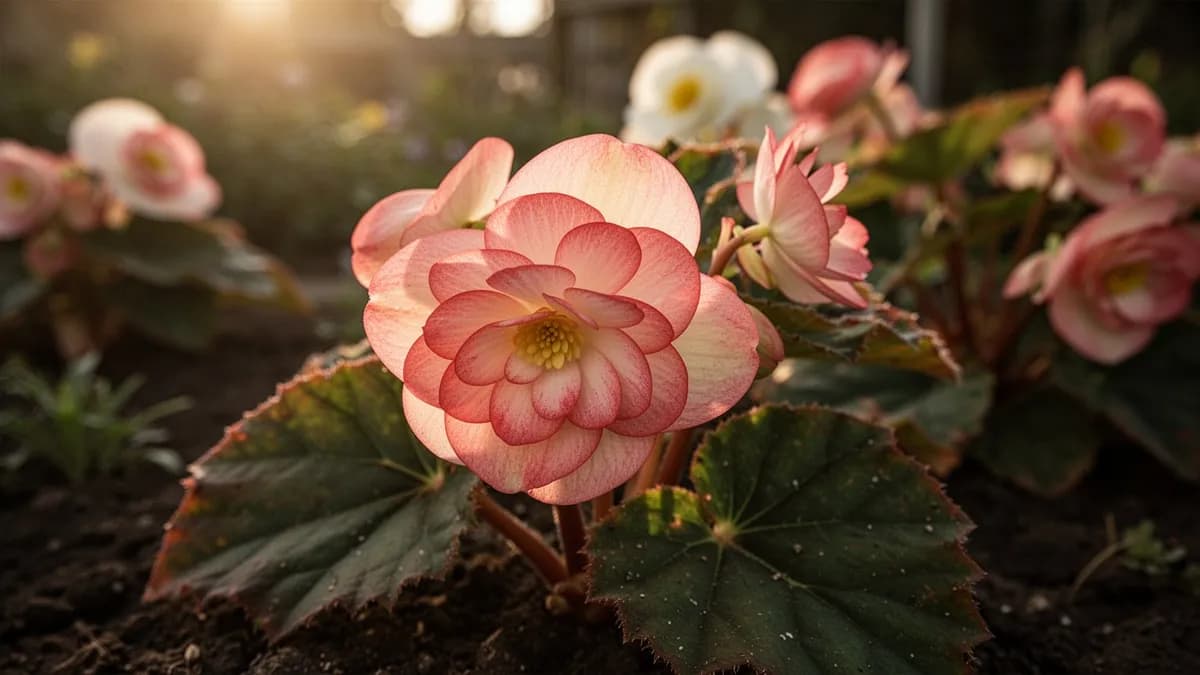
Gauklerblumen gedeihen gut mit anderen Schatten- und Feuchtigkeitsliebhabern: Fleißige Lieschen, Begonien, Farne und Astilben. Sie sind ausgezeichnete Begleitpflanzen für Funkien und sorgen für farbenfrohe Blüten am Fuß der Funkienhügel. In Moorgärten zusammen mit Vergissmeinnicht, Kardinals-Lobelie und Japanischen Primeln pflanzen. In Kübeln mit hängendem Efeu und schattentoleranten Fuchsien kombinieren.
Lobelie gehört daneben.
Altes Gärtnerwissen, geprüft an der echten Nachbartabelle von Gauklerblume — teste jede Pflanze, die du anbaust.
Probiere Gauklerblume direkt hier im Beet
Ein echtes Planer-Beet, Gauklerblume steht schon drin. Tippe einen Begleiter an, platziere ihn und sieh, wie die Nachbarschaftsprüfung antwortet — grün für gute Nachbarn, rot bei Streit.


Passende Anbau-Ratgeber
Richtig düngen
Gauklerblumen benötigen nährstoffreiche, gleichmäßig feuchte Erde mit einem pH-Wert von 5,5–6,5. Mit reichlich Kompost anreichern, um die Feuchtigkeitsaufnahme zu verbessern. In Kübeln eine hochwertige Blumenerde mit zugesetztem Torf oder Kokosfaser für bessere Wasserspeicherung verwenden. Alle zwei Wochen mit einem ausgewogenen Flüssigdünger füttern. Die Erde darf niemals austrocknen – selbst kurzes Welken kann die Pflanzen erheblich zurückwerfen.
Ideale Temperatur
Winterhärtezone-Kompatibilität
Von der Saat zur Ernte, Schritt für Schritt
Aussaat
Gauklerblumen-Samen sind extrem fein, fast staubartig, und benötigen Licht zum Keimen. Streuen Sie sie auf die Oberfläche feuchter, fein strukturierter Aussaaterde und drücken Sie sie sehr leicht an, ohne sie zu bedecken. Halten Sie gleichmäßige Feuchtigkeit durch Bewässerung von unten oder feinen Nebel, um ein Verschieben der winzigen Samen zu vermeiden.
Keimung und Keimblattstadium
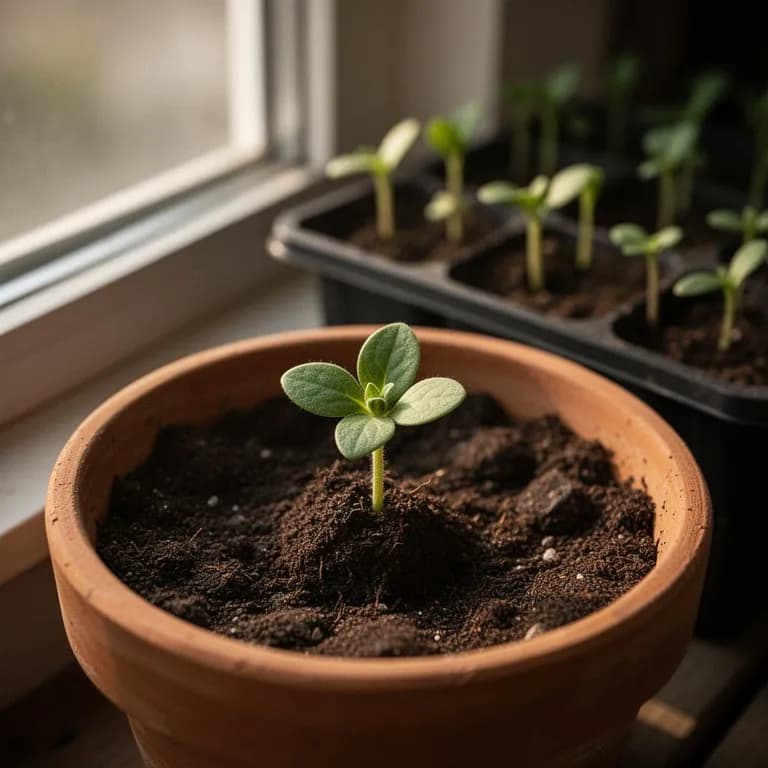
Winzige Sämlinge erscheinen mit ihrem ersten Paar rundlicher Keimblätter. In diesem Stadium sind die Sämlinge extrem klein und zerbrechlich, anfangs kaum mit bloßem Auge sichtbar. Sie benötigen helles, indirektes Licht und ein gleichmäßig feuchtes, aber nicht staunasses Substrat.
Entwicklung der echten Blätter
Die ersten echten Blätter erscheinen und zeigen die charakteristische gegenständige Blattanordnung mit gezähnten oder leicht gesägten Rändern. Die Pflanzen beginnen ein kräftigeres Wurzelsystem zu entwickeln und können vorsichtig in einzelne Töpfe oder Zellschalen umgepflanzt werden. Das Wachstum beschleunigt sich in dieser Phase merklich.
Vegetatives Wachstum und Verzweigung
Die Pflanzen entwickeln buschiges, gut verzweigtes Wachstum mit mehreren Stängeln und dichtem Laub. Die klebrigen, leicht behaarten Blätter werden ausgeprägter. Die Pflanzen erreichen je nach Art und Sorte eine Höhe von 15–30 cm. Dies ist das ideale Stadium, um die Wachstumsspitzen zu kneifen, um buschigere, kompaktere Pflanzen zu fördern.
Knospenbildung
Blütenknospen bilden sich an den Stängelspitzen und in den Blattachseln. Die Knospen sind röhrenförmig und von einem leicht klebrigen Kelch umgeben. Beim Anschwellen werden durch die sich entwickelnden Blütenblätter Andeutungen der endgültigen Blütenfarbe sichtbar. Die Pflanzen haben nun ihre volle reife Größe von 20–45 cm erreicht oder stehen kurz davor.
Vollblüte
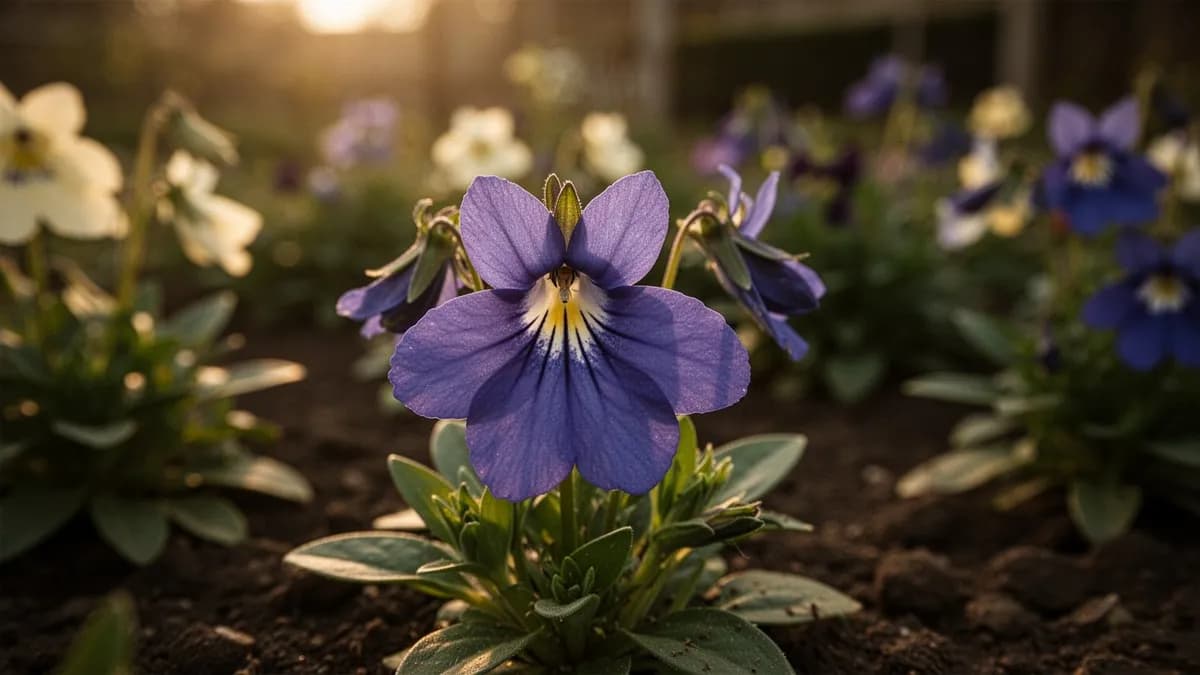
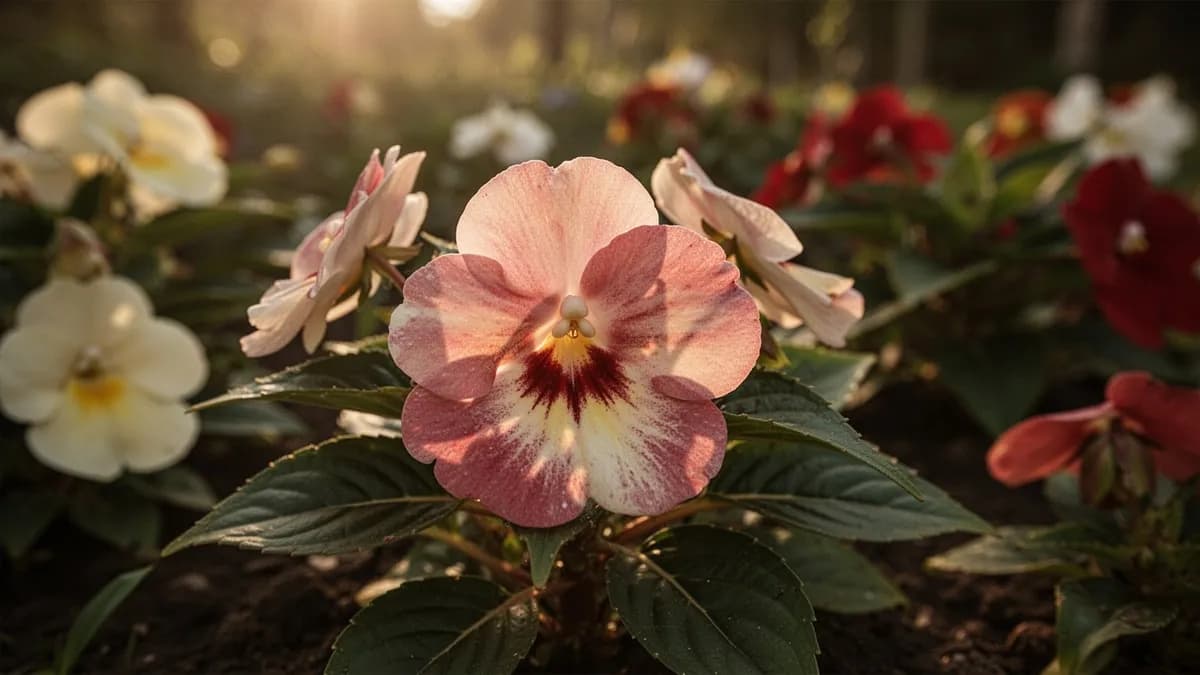
Die auffälligen zweilippigen Röhrenblüten öffnen sich nacheinander und zeigen lebhafte Farben und charakteristische gesprenkelte oder gefleckte Schlundzeichnungen. Jede Blüte ähnelt einem kleinen grinsenden Gesicht, was der Pflanze ihren deutschen Namen gibt. Blüten werden über viele Wochen hinweg kontinuierlich produziert, wenn die Bedingungen kühl und feucht bleiben.
Samenansatz und Ruhephase
Bestäubte Blüten entwickeln kleine Kapseln, die Hunderte staubfeiner Samen enthalten. Wenn die Kapseln trocknen und sich öffnen, werden die Samen durch Wind und Wasser verbreitet. Mehrjährige Arten beginnen bei sinkenden Temperaturen bis zum Wurzelstock abzusterben, während einjährige Arten ihren Lebenszyklus abschließen und vergehen.
Bedecken Sie die Samen nicht mit Erde. Sie benötigen volle Lichteinwirkung zum Keimen. Verwenden Sie eine durchsichtige Feuchtigkeitshaube oder Frischhaltefolie über der Saatschale, um die Feuchtigkeit bis zum Erscheinen der Keimlinge zu halten. Bei 15–20 °C für optimale Keimung halten.
Gauklerblume Monat für Monat pflegen
Was du jeden Monat für deine Gauklerblume tun solltest
Oktober
Aktueller MonatReife Samenkapseln vor dem Aufplatzen sammeln und Samen in beschrifteten Papierumschlägen an einem kühlen, trockenen Ort lagern. Mehrjährige Gauklerblumen nach dem ersten starken Frost bodennah zurückschneiden. Eine Mulchschicht über der Wurzelzone als Winterschutz auftragen.
Immer wissen, was jetzt im Garten zu tun ist
Eine E-Mail zum Monatsanfang: was du jetzt säen, pflanzen und anpacken solltest — für deine Gauklerblume und alles, was drumherum wächst. Dazu ein kurzer Startkurs, der dich vor den klassischen Fehlern bewahrt.
- Was jetzt zu tun ist
- Passend zu deiner Saison
- Startkurs inklusive
Gauklerblume ernten
Gauklerblumen werden hauptsächlich als Beet- und Kübelpflanzen und nicht als Schnittblumen verwendet. Die fröhlichen gesprenkelten Blüten können für kleine Sträußchen und Knospenvässchen gepflückt werden, wo sie 3–5 Tage im Wasser halten. Schneiden Sie, wenn die Blüten voll geöffnet sind, für sofortigen Genuss. Sie sind bezaubernd in kleinen, zwanglosen Arrangements, gemischt mit Farnen und Blattwerk.
angenommen, du pflanzt zu Beginn des Zeitraums — trage dein tatsächliches Datum ein
Ernte Gauklerblume zügig, dann trägt die Pflanze weiter.
Lagerung & Konservierung
Gauklerblumen werden typischerweise als einjährige Pflanzen kultiviert und werden nicht als Zwiebeln gelagert. Einige Arten sind in milden Klimazonen (Zonen 7–11) mehrjährig und können mit Mulchschutz überwintern. Um Samen zu gewinnen, lassen Sie einige Blüten ausreifen und Samenkapseln entwickeln. Ernten Sie, wenn die Kapseln braun werden und sich zu öffnen beginnen. Lagern Sie die winzigen Samen in beschrifteten Umschlägen an einem kühlen, trockenen Ort.
Was schiefgeht — und die Lösung
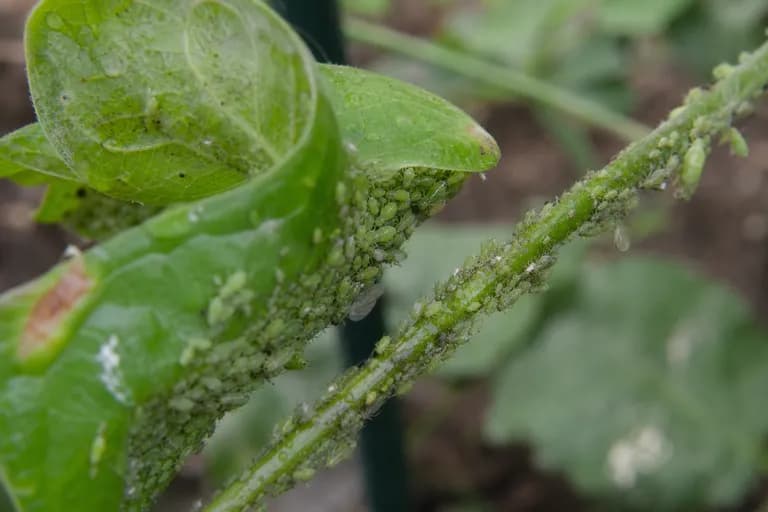
Blattläuse
SchädlingAnsammlungen weichkörperiger Insekten an Stängeln und Knospen. Verkrüppeltes Wachstum und klebrige Rückstände.
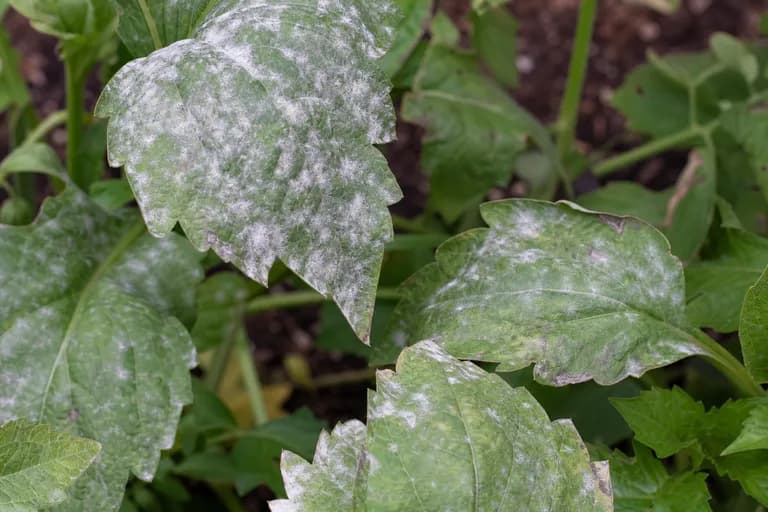
Echter Mehltau
KrankheitWeißer, pudriger Belag auf den Blättern bei feuchten Bedingungen mit schlechter Luftzirkulation.
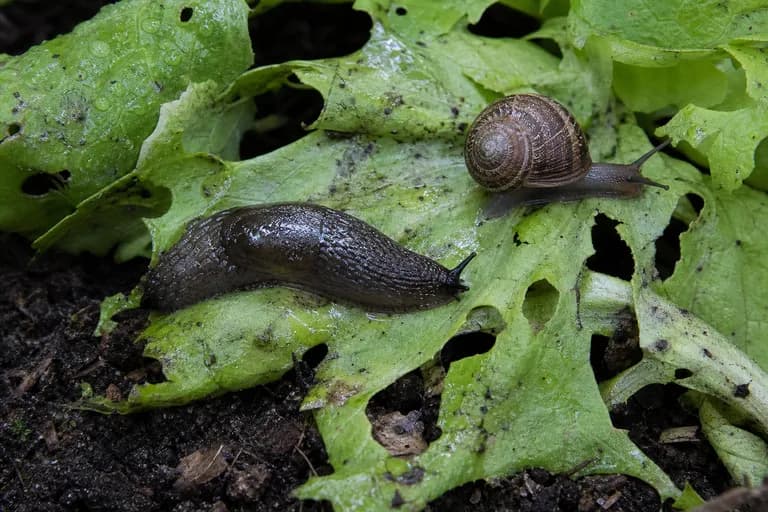
Schnecken und Nacktschnecken
SchädlingUnregelmäßige Löcher in Blättern und Blüten. Schleimspuren sichtbar auf und um die Pflanzen, besonders morgens.
Fehlerbehebung bei häufigen Problemen
Austrocknung ist der Hauptkiller von Gauklerblumen – diese feuchtigkeitsliebenden Pflanzen vertragen einfach keine Trockenheit. Hitzestress führt dazu, dass die Pflanzen aufhören zu blühen und vergeilen. In heißen Klimazonen an der kühlsten, schattigsten Stelle anbauen und die Erde gleichmäßig feucht halten. Schnecken lieben das zarte Laub unter schattigen, feuchten Bedingungen – Eisen-III-Phosphat-Köder oder Bierfallen verwenden.
Anbautipps
- Die staubfeinen Samen auf fein strukturierte feuchte Aussaaterde oberflächlich aussäen und nicht bedecken, da Gauklerblumen-Samen Licht zum Keimen benötigen. Bewässerung von unten verwenden, um die winzigen Samen nicht wegzuspülen.
- Gleichmäßig feuchte Erde jederzeit aufrechterhalten. Gauklerblumen stammen von Bachufern und feuchten Wiesen und vertragen kein Austrocknen. Erwägen Sie, sie in der Nähe eines Wasserspiels, Regengartens oder in einem natürlich feuchten Bereich des Gartens zu pflanzen.
- In den meisten Klimazonen Morgensonne mit Nachmittagsschatten bieten. In kühlen Küsten- oder Bergregionen vertragen Gauklerblumen volle Sonne, aber in warmen Binnengebieten benötigen sie Schutz vor intensiver Nachmittagshitze, um Welken und Blütenfall zu verhindern.
- Die Wachstumsspitzen junger Pflanzen bei einer Höhe von 10–15 cm kneifen, um buschigeres, kompakteres Wachstum mit mehr Blütenstängeln zu fördern. Dieser einzelne Schritt verbessert die Gesamtdarstellung dramatisch.
- Während der Wachstumssaison alle zwei bis drei Wochen mit einem ausgewogenen Flüssigdünger in halber Stärke düngen. Stickstoffreiche Dünger vermeiden, die blattreiches Wachstum auf Kosten der Blütenproduktion fördern.
- Verblühte Blüten regelmäßig durch Kneifen oder Abschneiden direkt über dem nächsten Blattpaar entfernen. Konsequentes Ausputzen kann die Blütezeit um mehrere Wochen verlängern und hält die Pflanzen ordentlich.
- Auf Schnecken, Nacktschnecken und Blattläuse achten, die die häufigsten Schädlinge sind. Bierfallen aufstellen oder Eisen-III-Phosphat-Köder gegen Schnecken verwenden und Blattläuse mit einem kräftigen Wasserstrahl aus dem Schlauch abspritzen.
- Im Spätsommer Stängelstecklinge nehmen, um empfindliche Sorten drinnen auf einer hellen Fensterbank zu überwintern. Stecklinge bewurzeln sich leicht in feuchtem Perlit oder einem Glas Wasser innerhalb von zwei bis drei Wochen.
- Um die Pflanzen herum mit Kompost oder geschredderter Rinde mulchen, um Bodenfeuchtigkeit zu speichern, Unkraut zu unterdrücken und die Wurzeltemperaturen bei warmen Phasen kühl zu halten. Mulch nicht direkt an die Stängel häufen, um Fäulnis zu vermeiden.
- In Regionen mit strengen Wintern die Horste mehrjähriger Gauklerblumen nach dem ersten starken Frost mit einer 5–10 cm dicken Schicht Stroh oder Laubmulch schützen. Den Mulch im Frühling schrittweise entfernen, wenn neues Wachstum aus der Basis erscheint.
Bau deine beste Gauklerblume an — und alles drumherum.
Starte heute kostenlos. Lege deine Beete an, setze deine Gauklerblume ein und lass PlotMyGarden Timing, Abstände, Begleiter und Erinnerungen von der Saat bis zum Erntekorb übernehmen.
Finde deine Gauklerblume
Mimulus 'Magic'-Serie
Kompakte 15–20 cm große Pflanzen, übersät mit großen Blüten mit dramatisch gesprenkelten Schlünden in Gelb, Rot, Orange und Weiß.
Mimulus 'Mystic'-Serie
Zweifarbige Blüten mit auffälligen kontrastierenden Zeichnungen in Kombinationen aus Orange-Rot, Gelb-Rot und Creme-Rosa.
Mimulus 'Twinkle' Mix
Kleinere Blüten, aber außergewöhnlich blühfreudig, die einen Blütenteppich in Schattengärten und Kübeln bilden.
Gauklerblumen-Samen sind extrem fein und eine einzelne Packung enthält typischerweise 500–1.000 Samen für nur 3–5 €, was sie zu einer der wirtschaftlichsten Zierpflanzen macht, die man aus Samen ziehen kann. Da sich viele Arten unter günstigen feuchten Bedingungen leicht selbst aussäen, kann eine einzige Pflanzung eine sich selbst erhaltende Kolonie begründen, die Jahr für Jahr ohne zusätzliche Kosten wiederkommt. Mehrjährige Sorten breiten sich auch durch Ausläufer und Stängelbewurzelung aus, was Ihre Investition weiter vervielfacht. Im Vergleich zum Kauf von Gauklerblumen aus der Gärtnerei zu je 5–8 € kann die Anzucht aus Samen 50–100 € oder mehr sparen, wenn eine große Pflanzung angelegt wird. Ihr Wert als Bestäuberpflanzen und ihre Fähigkeit, an schwierigen feuchten oder schattigen Stellen zu gedeihen, an denen andere Zierpflanzen Probleme haben, macht sie zu einer außergewöhnlich kostengünstigen Wahl für Gärtner, die pflegeleichte saisonale Farbe suchen.
Schnelle Rezepte
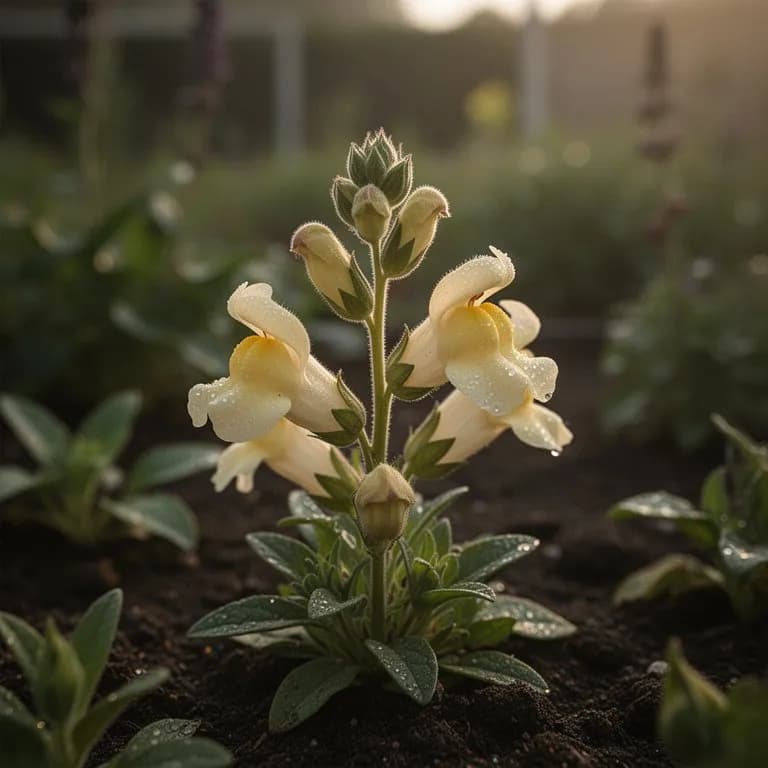
Gauklerblumen-Blütenblatt-Salatgarnitur
10 Min.Eine lebhafte essbare Blütengarnitur aus frischen Gauklerblumen, die Sommersalaten Farbe und einen milden, leicht süß-grünen Geschmack verleiht. Die gesprenkelten Blütenblätter schaffen eine visuell beeindruckende Präsentation, die einen gewöhnlichen Salat in etwas Besonderes verwandelt.
5 Zutaten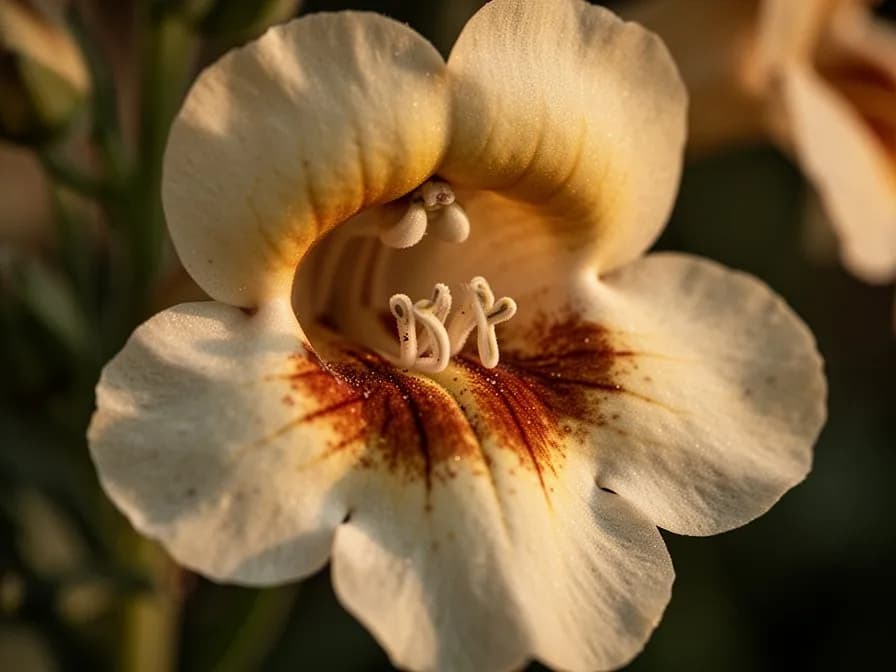
Gauklerblumen-Kräuteressig
15 Min. aktiv, 2 Wochen ZiehzeitEin dekorativer und mild blumiger Kräuteressig, hergestellt durch Einlegen bunter Gauklerblumen-Blütenblätter in Weißweinessig. Das Ergebnis ist ein wunderschön gefärbter Essig mit einer subtilen botanischen Note, perfekt zum Anmachen von Salaten oder als einzigartiges selbstgemachtes Geschenk.
5 ZutatenWildkräuterpfanne mit Gauklerblumen-Blättern
15 Min.Eine einfache Pfanne aus gesammelten Wildkräutern mit zarten jungen Gauklerblumen-Blättern zusammen mit anderen mild schmeckenden Wildkräutern. Die Gauklerblumen-Blätter verleihen eine frische, leicht säuerliche Note und wurden traditionell von indigenen Völkern als saisonales Wildgemüse gesammelt.
6 ZutatenWas drinsteckt
Gesundheitsvorteile
- Gauklerblumen-Blätter enthalten Iridoidglykoside, die in vorläufigen Laborstudien entzündungshemmende Wirkung gezeigt haben, was die traditionelle indigene Verwendung der Pflanze als Umschlag bei Hautreizungen und leichten Schwellungen unterstützt.
- Die frischen Blätter und Stängel liefern bescheidene Mengen an Vitamin C, einem essenziellen Antioxidans, das die Immunfunktion unterstützt und Zellen vor oxidativem Stress durch freie Radikale schützt.
- Junge Gauklerblumen-Triebe liefern Ballaststoffe, die eine gesunde Verdauung unterstützen und bei Verzehr als Teil einer abwechslungsreichen Ernährung mit gesammelten Wildkräutern eine nützliche Darmmikrobiota fördern.
- Die essbaren Blüten enthalten Flavonoidpigmente einschließlich Anthocyane in roten und rosa Sorten, die als Antioxidantien wirken und bei regelmäßigem Verzehr als Teil einer vielseitigen Ernährung zur Herz-Kreislauf-Gesundheit beitragen können.
- Traditionelle Kräuterkundige im westlichen Nordamerika verwendeten Gauklerblumen-Zubereitungen zur Linderung von Halsschmerzen und leichten Atembeschwerden und legten das schleimhaltige Blattgewebe als lindernden Umschlag auf.
- Zeit mit dem Anbau und der Beobachtung von Gauklerblumen im Garten zu verbringen, bietet dokumentierte Vorteile für die psychische Gesundheit, die mit Gartenarbeit verbunden sind, darunter reduzierte Cortisolwerte, verbesserte Stimmung und gesteigerte Achtsamkeit sowie Verbundenheit mit der Natur.
Woher Gauklerblume stammt
Gauklerblumen gehören zu einer Pflanzengruppe, die historisch unter der Gattung Mimulus klassifiziert wurde, wobei die Mehrheit der nordamerikanischen Arten nach umfangreicher molekularer phylogenetischer Forschung inzwischen in die Gattung Erythranthe umklassifiziert wurde. Die Gruppe ist hauptsächlich im westlichen Nordamerika beheimatet, wo die größte Artenvielfalt vorkommt, von der Küste Kaliforniens bis zu den Bergbächen der Rocky Mountains und Kaskaden. Einige Arten kommen auch im östlichen Nordamerika, Südamerika, Australien und im südlichen Afrika vor. Diese Pflanzen waren im Laufe ihrer Evolutionsgeschichte eng mit feuchten Lebensräumen verbunden und gediehen an Bachufern, Sickerquellen, feuchten Wiesen und Bergquellen, wo gleichmäßige Feuchtigkeit verfügbar war. Indigene Völker Nordamerikas verfügten über Generationen hinweg über praktisches Wissen über Gauklerblumen und verwendeten Blätter und Stängel als traditionelles Umschlagmaterial bei Hautleiden und aßen gelegentlich die mild schmeckenden jungen Triebe. Europäische Entdecker und Pflanzensammler brachten Gauklerblumen Ende des 18. und Anfang des 19. Jahrhunderts erstmals westlichen Botanikern zur Kenntnis. Der schottische Botaniker und Pflanzenjäger David Douglas sammelte mehrere Arten während seiner Expeditionen durch den pazifischen Nordwesten in den 1820er Jahren, und die Pflanzen wurden schnell in viktorianischen Gärten in Großbritannien wegen ihrer farbenfrohen, exotisch aussehenden Blüten beliebt. Die Gelbe Gauklerblume gehörte zu den ersten in Europa kultivierten Arten und verwilderte anschließend aus Gärten, wobei sie sich auf den Britischen Inseln und in Teilen Kontinentaleuropas einbürgerte. Im zwanzigsten und einundzwanzigsten Jahrhundert erlangten Gauklerblumen außerordentliche wissenschaftliche Bedeutung als Modellsystem für die Erforschung von Evolutionsbiologie, Artbildung und bestäubergesteuerter Anpassung. Forschungen zur Genetik der Blütenfarbe bei sympatrischen Artenpaaren wie Erythranthe cardinalis und E. lewisii haben bahnbrechende Erkenntnisse darüber geliefert, wie einzelne genetische Veränderungen die Bestäuberpräferenz verschieben und reproduktive Isolation vorantreiben können, und damit grundlegendes Wissen zu unserem Verständnis beigetragen, wie neue Arten in der Natur entstehen.
Gauklerblume: Schon gewusst?
Faszinierende Fakten über Gauklerblume
Gauklerblumen haben ihren Namen von der Form ihrer zweilippigen Blütenkrone, die an ein grinsendes Affengesicht erinnern soll, oder in manchen Deutungen an gesichtsähnliche Zeichnungen, die dem Antlitz eines Primaten ähneln.
Gauklerblume: Fragen & Antworten
Wann sollte ich Gauklerblume pflanzen?
Was sind gute Begleitpflanzen für Gauklerblume?
In welchen Winterhärtezonen kann Gauklerblume wachsen?
Wie viel Sonne braucht Gauklerblume?
Welchen Abstand sollte ich zwischen Gauklerblume lassen?
Welche Schädlinge und Krankheiten befallen Gauklerblume?
Wie lagere ich Gauklerblume nach der Ernte?
Was sind die besten Gauklerblume-Sorten zum Anbauen?
Welchen Boden braucht Gauklerblume?
Sind Gauklerblumen einjährig oder mehrjährig?
Warum welken meine Gauklerblumen, obwohl ich sie gieße?
Ziehen Gauklerblumen Bestäuber in den Garten?
Kann ich Gauklerblumen in Kübeln oder Hängeampeln anbauen?
Was ist der Unterschied zwischen Mimulus und Erythranthe?
Wie sammle und lagere ich Gauklerblumen-Samen?
Du hast die Theorie gelesen. Jetzt baue sie auf Autopilot an.
Alles, was Gauklerblume knifflig macht — das Timing, die Abstände, die Begleiter, das Erntefenster — genau das übernimmt PlotMyGarden für dich, für jede Pflanze im Garten.
Ein Plan, der dein Wetter kennt
Standort einmal festlegen. Aussaat-, Dünge- und Erntedaten rund um deinen echten letzten Frosttermin und die Live-Vorhersage — kein Raten mehr nach Saattüte.
Aus dem Abschnitt „Pflanzzeit“Beetplaner per Drag & Drop
Beete auf einem Raster gestalten. Jede Pflanze rastet im richtigen Abstand ein, und du siehst die ganze Saison, bevor du einen Cent für Saatgut ausgibst.
Aus dem Abschnitt „Anbau“Begleiter-Konflikte früh erkannt
Über 200 gute und schlechte Kombinationen werden beim Pflanzen live geprüft — so landet ein saisonruinierender Fehler nie in der Erde.
Aus dem Abschnitt „Begleiter“Erinnerungen, nach denen du wirklich handelst
„Gieß die Bohnen.“ „Heute ernten, bevor's umschlägt.“ Pünktlich, konkret und auf deine echten Pflanzen bezogen.
Aus dem Abschnitt „Ernte“Staffel-Aussaat, geplant
Sechs Wochen ernten statt sechs Tage? Die App verteilt deine Aussaaten automatisch und erinnert dich, wenn der nächste Satz fällig ist.
Aus dem Abschnitt „Pflanzzeit“Ein Verlauf, der schlauer wird
Jede protokollierte Ernte bringt der App deinen Garten bei. Der Plan fürs nächste Jahr startet bei dem, was in deinem Boden wirklich funktioniert hat.
Aus dem Abschnitt „Überblick“Pflanze diese neben Gauklerblume
Weitere Einjährige
Bau deine beste Gauklerblume an — und alles drumherum.
Starte heute kostenlos. Lege deine Beete an, setze deine Gauklerblume ein und lass PlotMyGarden Timing, Abstände, Begleiter und Erinnerungen von der Saat bis zum Erntekorb übernehmen.