Mizuna
Ein mildes, gefiedertes japanisches Senfblattgemüse mit tief gezahnten Blättern, das Salaten eine sanfte pfeffrige Note verleiht.





Auf dieser SeiteÜberblick
Mizuna im Überblick
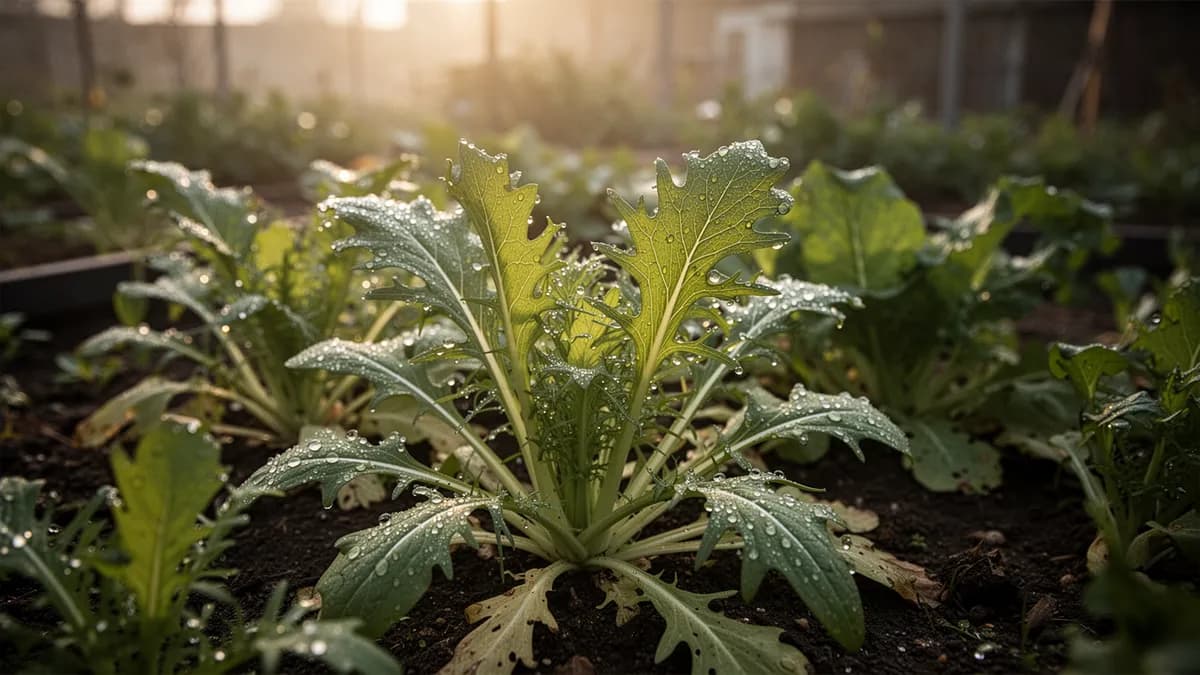
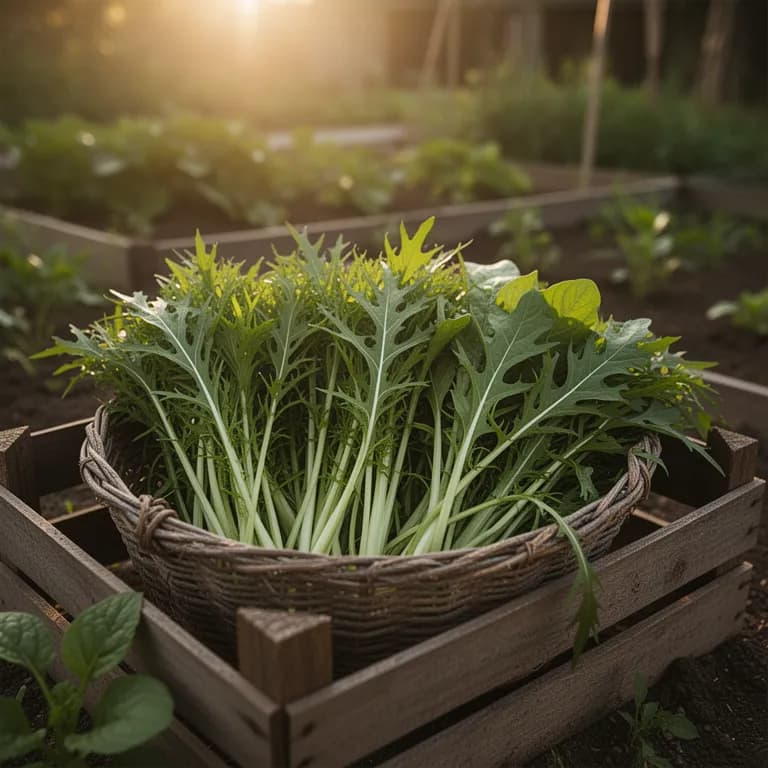
Ein mildes, gefiedertes japanisches Senfblattgemüse mit tief gezahnten Blättern, das Salaten eine sanfte pfeffrige Note verleiht. Mizuna ist äußerst winterhart und kann unter Vliesabdeckungen oder Frühbeetrahmen noch bis weit in den Winter hinein geerntet werden. Die schnellwüchsigen Pflanzen produzieren reichlich und treiben nach dem Schnitt rasch wieder aus, was sie ideal für die Schnitt-und-Nachwuchs-Ernte macht. Verwenden Sie Mizuna in Salaten, Pfannengerichten oder als Garnitur und erfreuen Sie sich am attraktiven, fein geschnittenen Laub im Garten.
Wann Mizuna pflanzen
Direkt 0,5 cm tief aussäen, sobald der Boden bearbeitet werden kann (Minimum 4 °C). Die Samen keimen schnell innerhalb von 4–7 Tagen. Für Babyblätter dicht aussäen. Für ausgewachsene Pflanzen auf 15 cm vereinzeln. Alle 2–3 Wochen nachsäen. Eine Vorkultur in Innenräumen ist aufgrund der schnellen Keimung und des raschen Wachstums nicht nötig. Für den Herbst- und Winteranbau im Spätsommer aussäen und mit Vliesabdeckungen schützen, wenn die Temperaturen fallen. Samen bleiben 3–4 Jahre keimfähig.
Dein Mizuna-Jahr
Abgestimmt auf Zone 7 · typische Saison · Frost geht um den 2. Apr. und kehrt um den 1. Nov. zurück
Mizuna Mär – Mai, Aug – Sep pflanzen, Apr – Jun, Sep – Nov ernten. Beachte die Pflanzmethoden unten und wähle dein Klima für passende Zeiträume.
So baust du Mizuna an
Säen Sie Mizuna-Samen direkt 0,5 cm tief aus, sobald der Boden im Frühjahr bearbeitet werden kann, oder beginnen Sie 3–4 Wochen vor dem letzten Frost mit der Vorkultur in Innenräumen. Die Samen keimen schnell innerhalb von 4–7 Tagen bei 4–24 °C. Vereinzeln Sie die Pflanzen auf 15 cm Abstand für ausgewachsene Exemplare oder säen Sie dicht für Babysalat. Die Reihen sollten einen Abstand von 20–30 cm haben.
Mizuna gehört zu den unkompliziertesten und ertragreichsten Blattgemüsen im Garten. Die Pflanze verträgt Kälte bis -12 °C mit Schutz und kommt mit Hitze besser zurecht als die meisten asiatischen Blattgemüse. Sorgen Sie für gleichmäßige Feuchtigkeit und Halbschatten bei warmem Wetter, um den milden Geschmack zu erhalten. Düngen Sie alle 3–4 Wochen leicht mit einem ausgewogenen Dünger. Die Pflanzen bilden attraktive Polster aus gefiederten, tief gezahnten Blättern.
Säen Sie alle 2–3 Wochen nach, um eine kontinuierliche Ernte zu gewährleisten. Mizuna eignet sich hervorragend als Schnitt-und-Nachwuchs-Kultur und treibt nach der Ernte kräftig wieder aus, sodass 3–4 Schnitte möglich sind. Verlängern Sie die Saison im Herbst mit Vliesabdeckungen oder Frühbeetrahmen; Mizuna produziert noch lange weiter, nachdem andere Blattgemüse dem Frost erlegen sind. Die Pflanze sät sich leicht selbst aus, wenn man sie blühen lässt, und liefert in der folgenden Saison freiwillige Jungpflanzen.
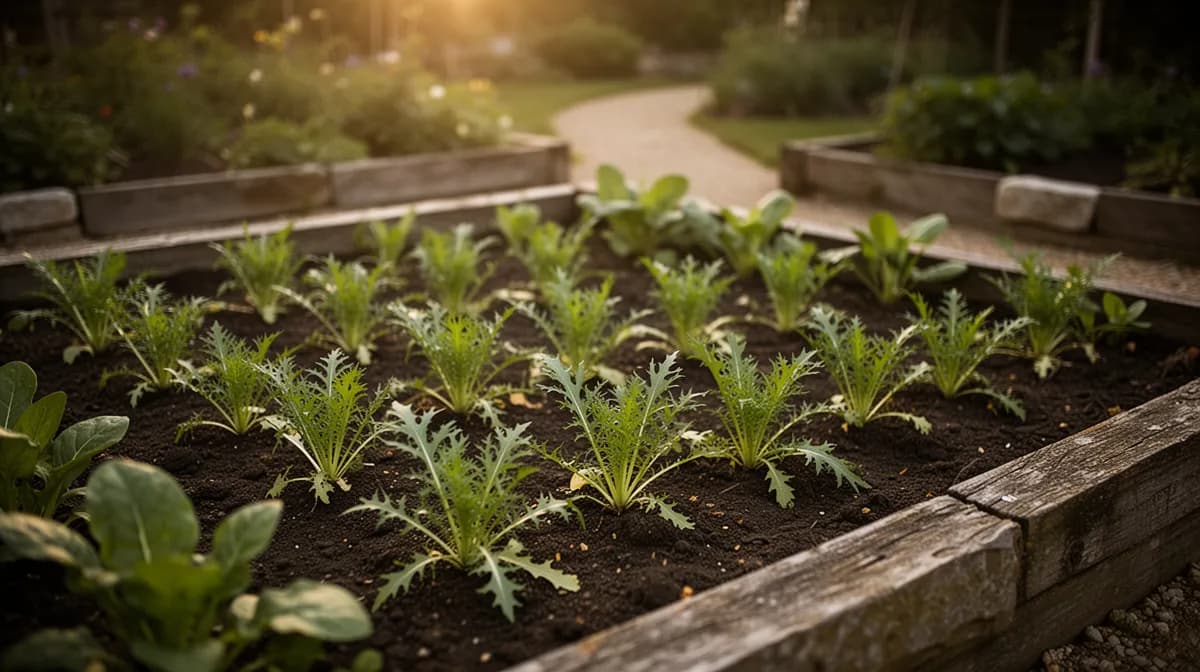
128 Pflanzen passen in ein Beet von 120 × 240 cm
Mizuna braucht 15 cm Platz pro Pflanze. Der Planer hält diesen Abstand für dich ein — jede Pflanze, jedes Beet.
Die besten Nachbarn für Mizuna
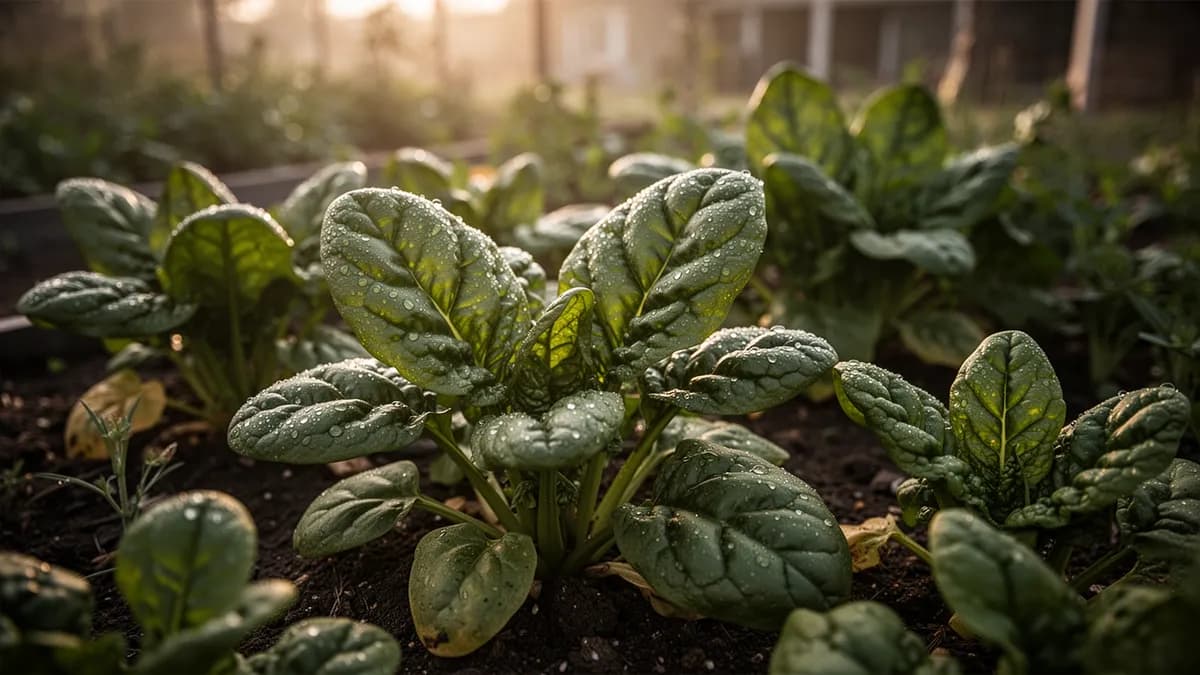
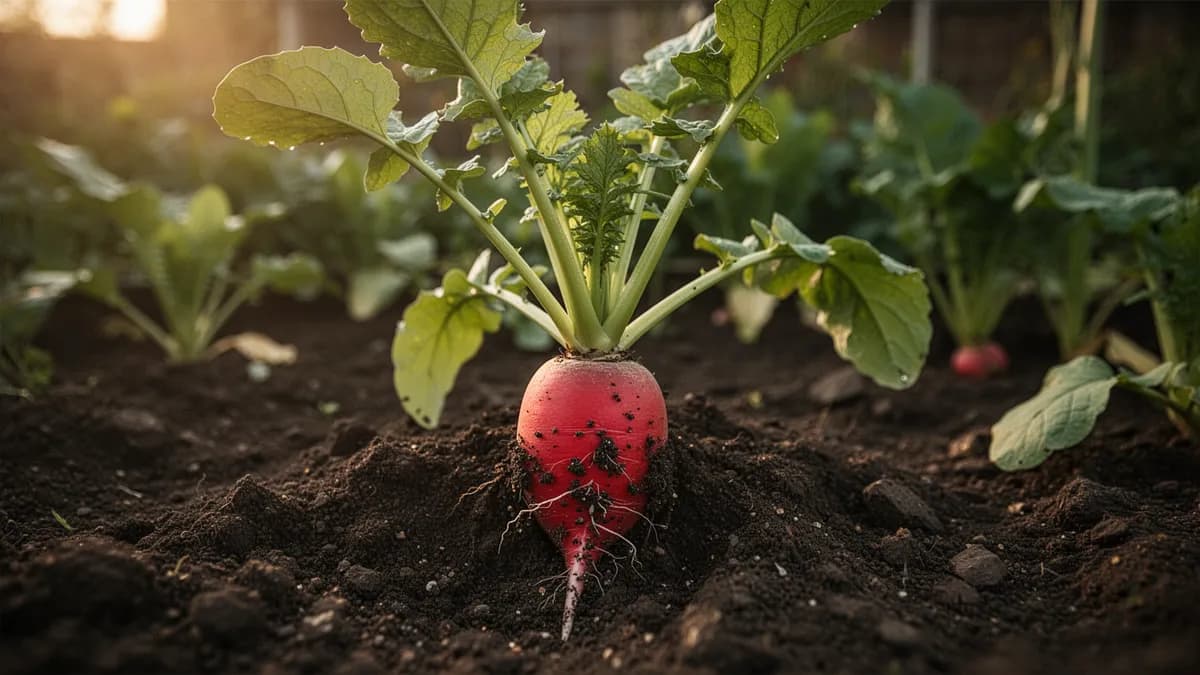
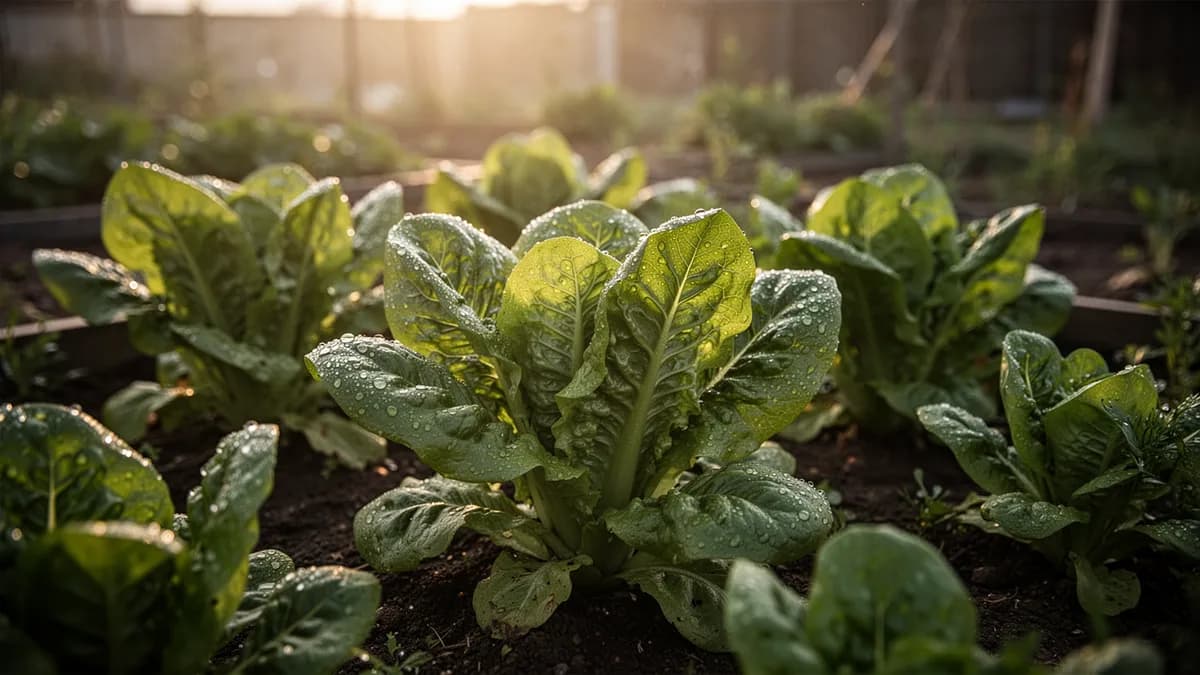
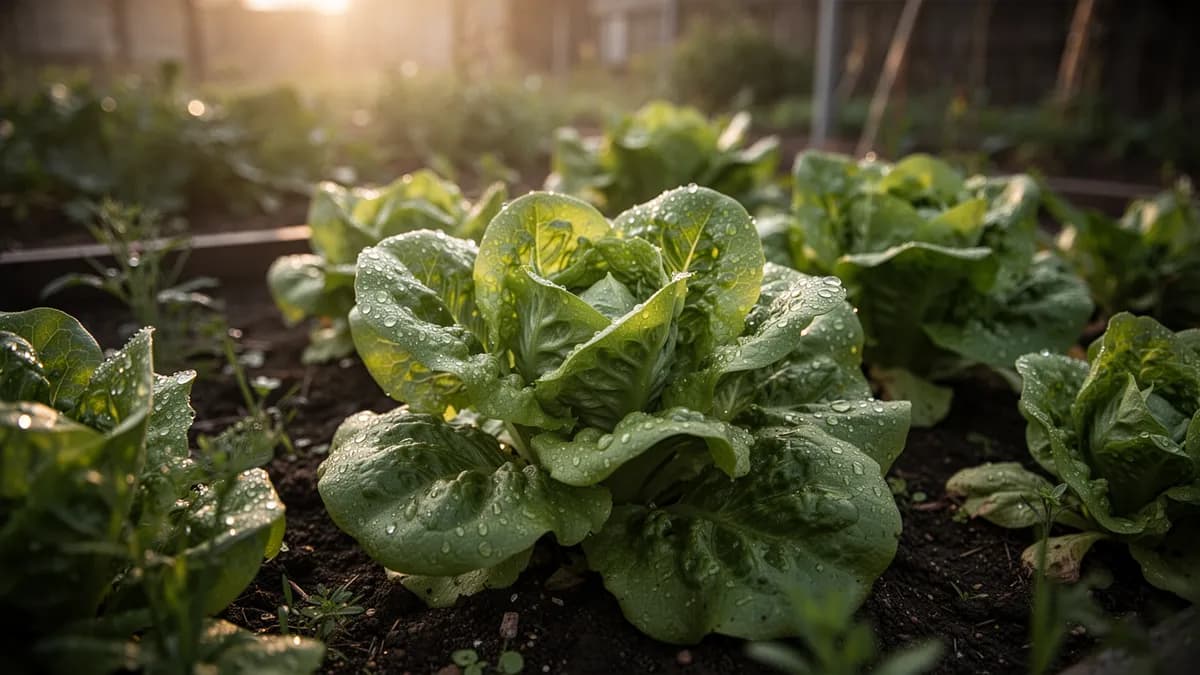
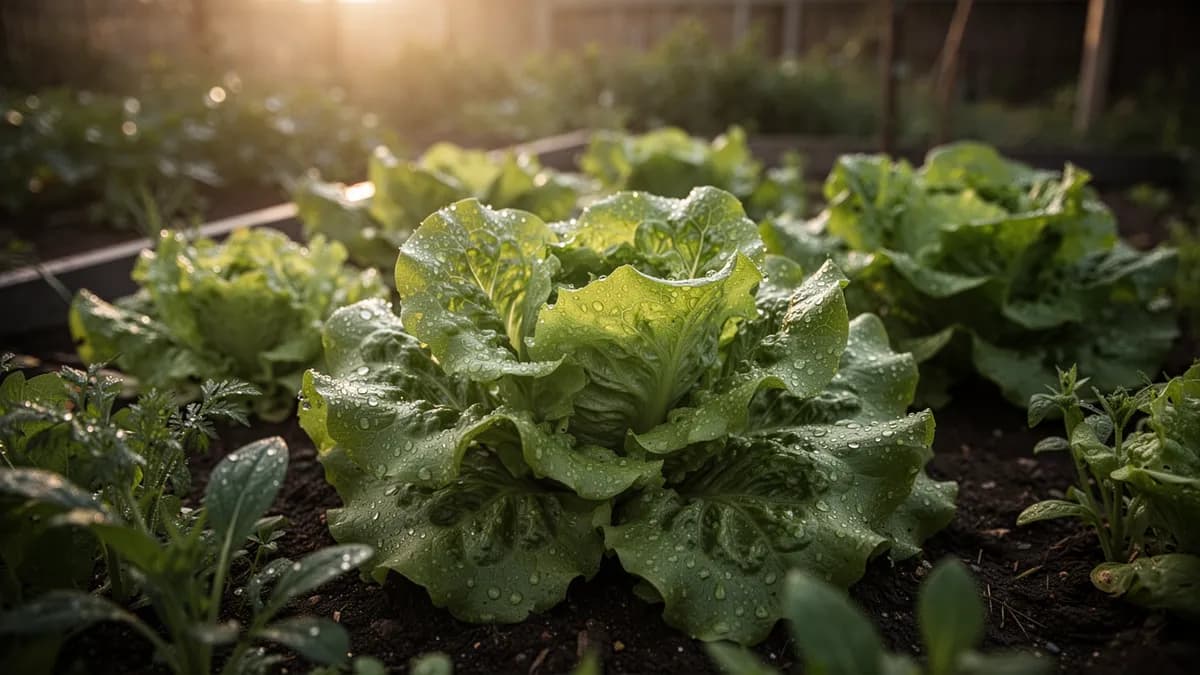
Mizuna passt gut zu Kopfsalat, Spinat und Radieschen in gemischten Salatbeeten. Sein schnelles Wachstum füllt Lücken zwischen langsamer wachsenden Kulturen. Höhere Pflanzen bieten bei warmem Wetter wohltuenden Schatten. Vermeiden Sie es, Mizuna neben anderen Kohlgewächsen zu pflanzen, um den gemeinsamen Schädlingsdruck zu verringern. Kräuter wie Koriander und Dill locken Nützlinge an. Mizuna eignet sich hervorragend als essbare Einfassung oder in Ziergärten mit Gemüse dank seines attraktiven Laubs.
Kopfsalat gehört daneben.
Altes Gärtnerwissen, geprüft an der echten Nachbartabelle von Mizuna — teste jede Pflanze, die du anbaust.
Probiere Mizuna direkt hier im Beet
Ein echtes Planer-Beet, Mizuna steht schon drin. Tippe einen Begleiter an, platziere ihn und sieh, wie die Nachbarschaftsprüfung antwortet — grün für gute Nachbarn, rot bei Streit.


Passende Anbau-Ratgeber
Richtig düngen
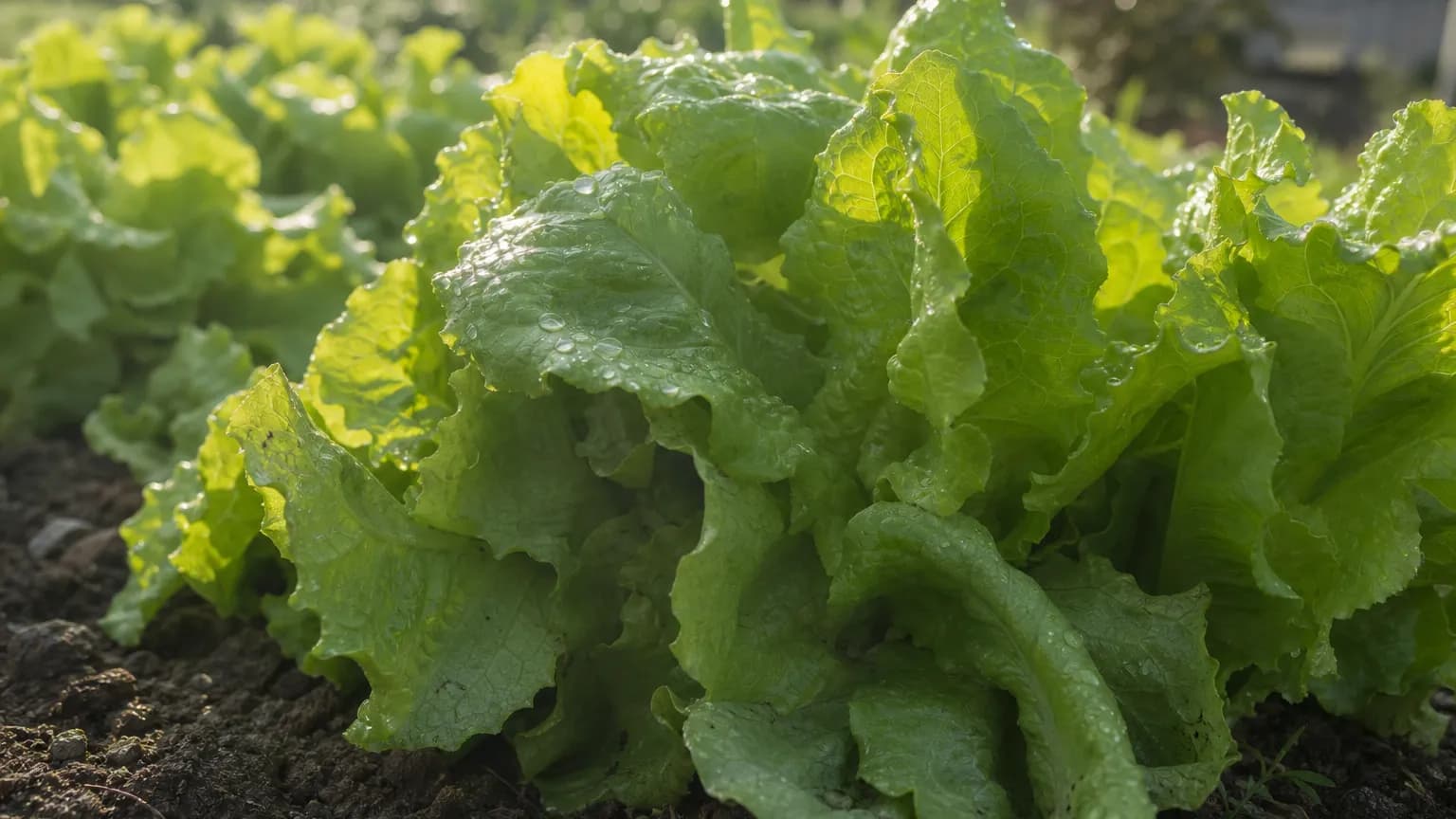
Mizuna wächst in fast jedem Boden, gedeiht aber am besten in fruchtbarem, gut durchlässigem Boden mit einem pH-Wert von 6,0–7,0. Arbeiten Sie vor der Pflanzung Kompost ein. Eine leichte Düngung mit ausgewogenem Dünger unterstützt das schnelle Nachwachsen nach dem Schnitt. Vermeiden Sie starke Stickstoffdüngung, die den Blättern einen unangenehmen Geschmack verleihen kann. Gleichmäßige Feuchtigkeit erzeugt die mildesten und zartesten Blätter. Mizuna eignet sich sehr gut für den Anbau in Gefäßen mit hochwertiger Blumenerde. Hochbeete bieten die hervorragende Drainage, die diese Pflanze bevorzugt.
Ideale Temperatur
Winterhärtezone-Kompatibilität
Von der Saat zur Ernte, Schritt für Schritt
Keimung
Mizuna-Samen keimen schnell, oft innerhalb von 4–7 Tagen, selbst in kühlem Boden bei nur 4 °C. Die winzigen Samen bilden schlanke, riemenförmige Keimblätter, die rasch die Oberfläche durchstoßen. Die Keimung ist bei 15–24 °C am schnellsten, erfolgt jedoch zuverlässig über einen weiten Temperaturbereich.
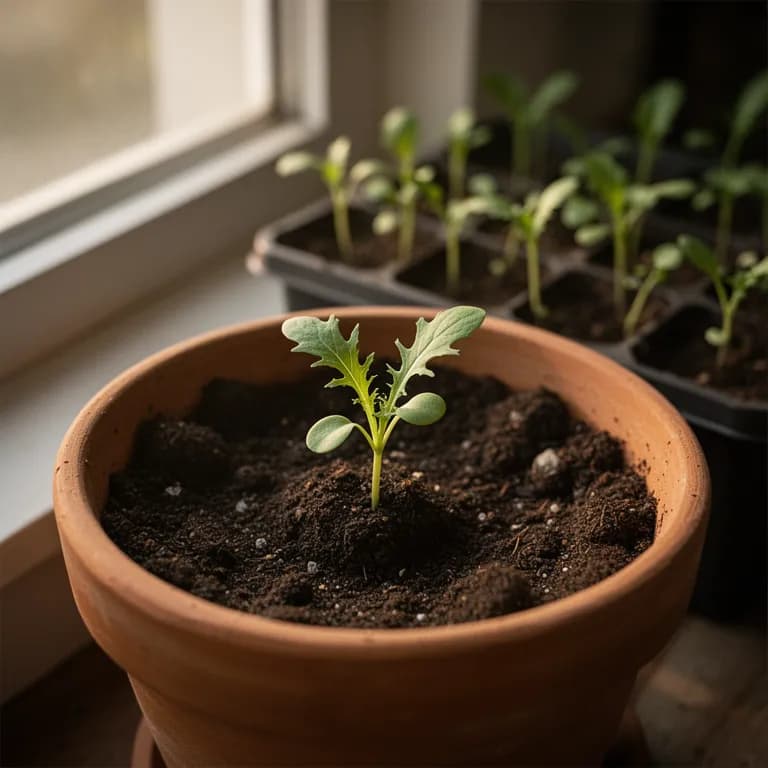
Sämlingsentwicklung
Die ersten echten Blätter erscheinen mit den charakteristischen gezahnten Rändern, die Mizuna von anderen Kohlgewächs-Sämlingen unterscheiden. Die Blätter sind hellgrün mit schmalen, tief eingeschnittenen Lappen. Die Sämlinge wachsen schnell und beginnen, ein kleines Rosettenmuster zu bilden.
Babyblatt-Stadium
Die Pflanzen bilden einen Schub zarter, fein gezahnter Babyblätter, die ideal für die erste Schnitt-und-Nachwuchs-Ernte sind. Die Blätter sind 8–12 cm lang und haben einen milden, leicht senfartigen Geschmack. Dies ist das Stadium, das für Salatmischungen und Mesclun-Mischungen am meisten geschätzt wird.
Ausgewachsene Rosette
Die Pflanzen bilden volle, springbrunnenförmige Polster aus tief eingeschnittenem, gefiedertem Laub, die 20–30 cm hoch und breit werden. Die Blätter sind länger und etwas pfeffriger als im Babystadium. Eine einzelne Pflanze kann Dutzende von Blättern produzieren und treibt nach dem Schnitt 3–4 Mal wieder aus.
Schossen und Blüte
Mit zunehmender Tageslänge und steigenden Temperaturen über 27 °C treiben die Pflanzen einen zentralen Blütenstängel mit kleinen gelben Kreuzblüten. Der Blattgeschmack wird schärfer und leicht bitter. Die Blüten locken Bienen und Nützlinge an, und nach der Bestäubung bilden sich Samenschoten.
Halten Sie den Boden während der Keimung gleichmäßig feucht, aber nicht staunass. Säen Sie flach in 6 mm Tiefe — tiefere Aussaat verlangsamt das Auflaufen. Eine Heizmatte ist nicht nötig; die Keimung in kühlem Boden ist eine der Stärken von Mizuna.
Mizuna Monat für Monat pflegen
Was du jeden Monat für deine Mizuna tun solltest
Oktober
Aktueller MonatHaupterntesaison im Herbst. Die Schnitt-und-Nachwuchs-Ernte ist bei kühlem Herbstwetter höchst produktiv. Schützen Sie die Pflanzen mit Vliesabdeckungen, wenn Frost droht. Mizuna übersteht leichten Frost und verbessert sich tatsächlich im Geschmack nach Kälteeinwirkung.
Immer wissen, was jetzt im Garten zu tun ist
Eine E-Mail zum Monatsanfang: was du jetzt säen, pflanzen und anpacken solltest — für deine Mizuna und alles, was drumherum wächst. Dazu ein kurzer Startkurs, der dich vor den klassischen Fehlern bewahrt.
- Was jetzt zu tun ist
- Passend zu deiner Saison
- Startkurs inklusive
Mizuna ernten
Beginnen Sie mit der Ernte von Mizuna-Babyblättern bereits 21 Tage nach der Aussaat oder warten Sie 35–40 Tage für ausgewachsene Blätter. Für die Schnitt-und-Nachwuchs-Ernte schneiden Sie die Pflanzen 2–5 cm über dem Boden mit einer Schere ab. Die Pflanzen treiben innerhalb von 10–14 Tagen wieder aus und ermöglichen einen weiteren Schnitt, wobei 3–4 Ernten möglich sind, bevor die Qualität nachlässt. Alternativ können Sie einzelne äußere Blätter pflücken. Ernten Sie am Morgen für die knackigste Textur. Der Geschmack ist bei kühlem Wetter am mildesten und wird bei Hitze etwas intensiver.
angenommen, du pflanzt zu Beginn des Zeitraums — trage dein tatsächliches Datum ein
Ernte Mizuna zügig, dann trägt die Pflanze weiter.
Lagerung & Konservierung
Lagern Sie ungewaschene Mizuna in einem Plastikbeutel im Kühlschrank für 4–5 Tage. Die zarten Blätter welken schneller als robustere Blattgemüse, daher sollten Sie sie zeitnah verwenden. Mizuna lässt sich für den Salatgebrauch nicht gut einfrieren oder trocknen. Für Kochzwecke kurz blanchieren und bis zu 6 Monate einfrieren. Verwenden Sie es direkt aus dem Gefrierfach in Pfannengerichten, Suppen und Eintöpfen. Die schnelle Wachstumsrate macht die frische Ernte zur besten Konservierungsstrategie.
Was schiefgeht — und die Lösung
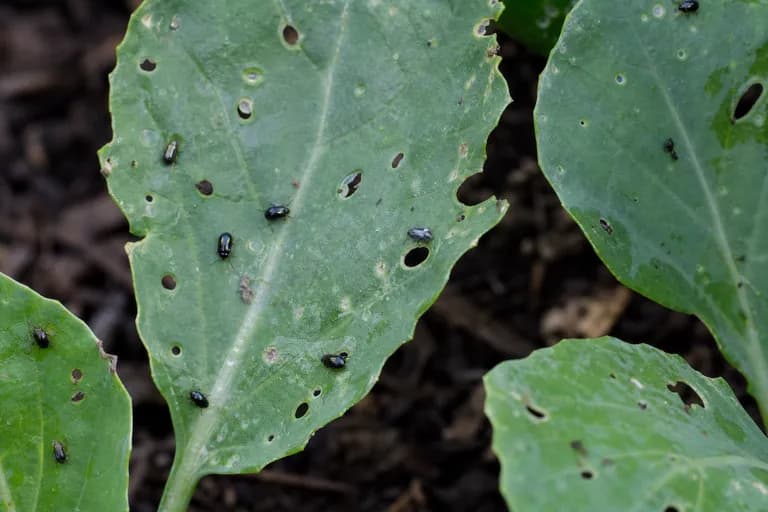
Erdflöhe
SchädlingWinzige runde Löcher, die die Blätter durchsieben, besonders bei jungen Sämlingen.
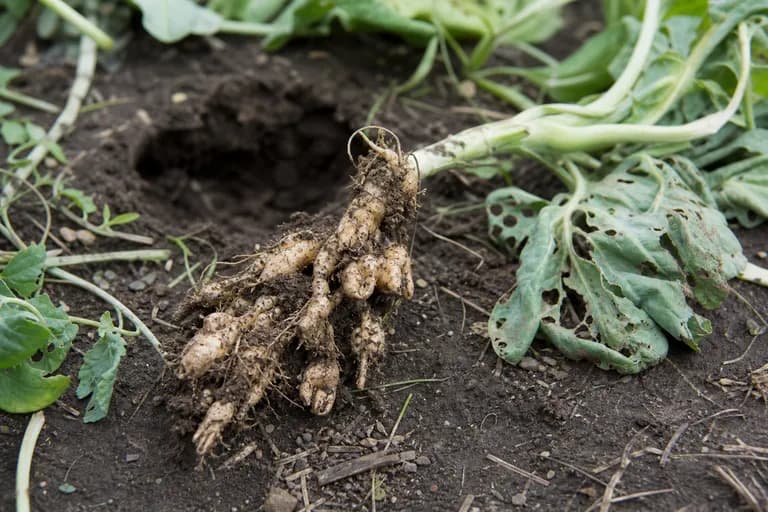
Kohlhernie
KrankheitKümmerwuchs, Welken bei warmem Wetter, verformte und geschwollene Wurzeln.
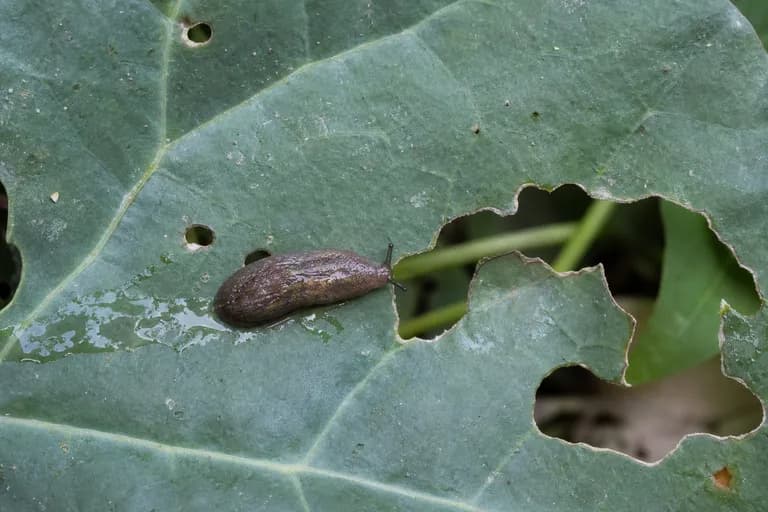
Nacktschnecken
SchädlingUnregelmäßige Löcher in Blättern, Schleimspuren, schlimmer bei feuchten Bedingungen.
Fehlerbehebung bei häufigen Problemen
Erdflohschäden an jungen Sämlingen sind das häufigste Schädlingsproblem; verwenden Sie Vliesabdeckungen ab der Aussaat. Schossen tritt bei heißem Wetter über 27 °C und langen Tagen auf; bieten Sie Schatten und pflanzen Sie in kühlen Jahreszeiten. Pflanzen werden bei Überbelegung spindelig und zäh; vereinzeln Sie ausreichend. Selbstaussaat kann unkrautartig werden, wenn man die Pflanzen Samen ansetzen lässt; entfernen Sie unerwünschte Sämlinge. Gelbe untere Blätter sind normal, wenn die Pflanzen älter werden; entfernen Sie diese einfach.
Anbautipps
- Säen Sie ohne Ausnahme alle 2–3 Wochen nach. Mizuna wächst so schnell, dass eine einzelne Aussaat nur wenige Wochen Ernte liefert, bevor die Pflanzen schossen oder sich erschöpfen. Gestaffelte Aussaaten gewährleisten eine kontinuierliche Versorgung vom Frühjahr bis in den Spätherbst.
- Säen Sie für Babyblätter dicht aus, anstatt auf den vollen Abstand zu vereinzeln. Dichte Aussaaten, die nach 21 Tagen mit der Schere geerntet werden, produzieren die zartesten Blätter und den höchsten Ertrag pro Quadratmeter — die klassische Schnitt-und-Nachwuchs-Methode.
- Sorgen Sie bei warmem Wetter für Nachmittagsschatten. Mizuna schosst schnell, wenn die Temperaturen 27 °C überschreiten und die Tage lang sind. Ein Schattiergewebe (30–50 %) oder der Schatten höherer Kulturen kann Frühjahrspflanzungen um 2–3 Wochen verlängern.
- Verwenden Sie Vliesabdeckungen ab dem Tag der Aussaat, um Erdflohschäden zu verhindern. Diese winzigen springenden Käfer können Mizuna-Sämlinge innerhalb von Tagen verwüsten, und Vorbeugung ist weitaus einfacher als Behandlung. Leichtes Vlies lässt Licht und Regen durch und hält Schädlinge fern.
- Bauen Sie Mizuna als Herbst- und Winterkultur an, um die beste Qualität zu erzielen. Kühle Temperaturen erzeugen die süßesten, mildesten Blätter mit der knackigsten Textur. Unter Frühbeetkästen oder Niedrigtunneln übersteht Mizuna Temperaturen weit unter dem Gefrierpunkt und kann in Zonen 6 und höher den ganzen Winter über geerntet werden.
- Gießen Sie bodennah statt von oben, um die zarten, fein geschnittenen Blätter sauber und trocken zu halten. Feuchtes Laub bei kühlem Wetter begünstigt Pilzkrankheiten, und auf die gezahnten Blätter gespritzter Schmutz lässt sich kaum noch vollständig auswaschen.
- Lassen Sie am Ende jeder Saison ein oder zwei Pflanzen schossen und Samen ansetzen. Mizuna sät sich leicht selbst aus, und die freiwilligen Sämlinge, die im Herbst erscheinen, produzieren oft besser als absichtlich gesäte Kulturen und profitieren vom natürlichen Zeitpunkt.
- Versuchen Sie, Mizuna in Gefäßen auf einem Balkon oder einer Fensterbank anzubauen. Ein breiter, flacher Topf (mindestens 15 cm tief) mit hochwertiger Blumenerde kann mehrere Schnitte Babyblätter liefern. Halten Sie die Erde feucht und sorgen Sie für mindestens 4 Stunden direktes Licht.
Bau deine beste Mizuna an — und alles drumherum.
Starte heute kostenlos. Lege deine Beete an, setze deine Mizuna ein und lass PlotMyGarden Timing, Abstände, Begleiter und Erinnerungen von der Saat bis zum Erntekorb übernehmen.
Finde deine Mizuna
Early Mizuna
Standard-Grünmizuna mit fein gezahnten Blättern. Extrem schnellwachsend und ertragreich.
Red Mizuna
Purpurrote Stängel und getönte Blätter. Etwas stärkerer pfeffriger Geschmack als grüne Sorten.
Kyoto
Traditionelle japanische Auslese mit sehr feinen, spitzenartigen Blättern. Hervorragende Kältetoleranz für den Winteranbau.
Eine einzelne Packung Mizuna-Samen (2–4 €) enthält 500–1.000 Samen — genug, um eine ganze Saison mit Staffelaussaaten zu bestücken. Da Babysalat-Mischungen im Supermarkt für 5–8 € pro 150-g-Schale verkauft werden, kann selbst ein kleines 1 m x 1 m großes Mizuna-Beet mit wöchentlichen Schnitten über eine Anbausaison 100–200 € einsparen. Da Mizuna nach dem Schnitt nachwächst und vom zeitigen Frühjahr bis in den Spätherbst gesät werden kann, bietet es eine der höchsten Renditen aller Salatkulturen pro in Saatgut investiertem Euro.
Schnelle Rezepte
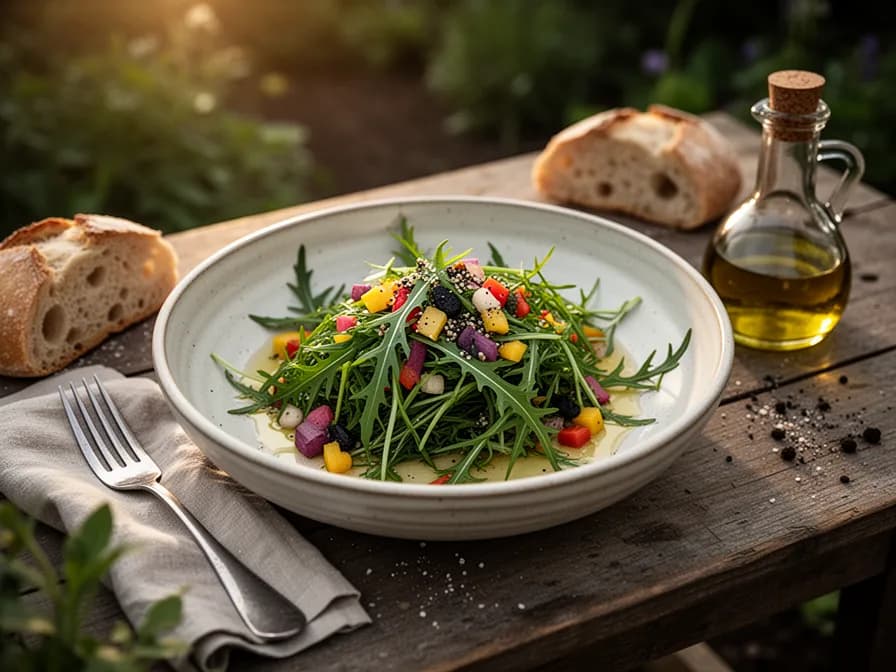
Mizuna-Sesam-Salat
10 minEin leichter, erfrischender Salat im japanischen Stil, der Mizunas zarten pfeffrigen Geschmack und die gefiederte Textur zur Geltung bringt. Ein einfaches Sesam-Soja-Dressing verbindet alles, ohne die Blätter zu übertönen.
7 ZutatenKnoblauch-Mizuna-Pfanne
8 minEin schnelles, feuriges Wok-Gericht, das Mizuna gerade genug welkt, um die Stängel weich zu machen, während die Blätter leuchtend bleiben. Die hohe Hitze bringt eine angenehme Nussigkeit der Blätter hervor.
7 ZutatenMizuna-Weiße-Bohnen-Suppe
25 minEine nahrhafte, einfache Suppe, bei der Mizuna im letzten Moment untergerührt wird und in einer seidigen Brühe mit cremigen weißen Bohnen welkt. Wohltuend und dennoch leicht genug für jede Jahreszeit.
8 ZutatenKulinarische Verwendung
Mizuna ist ein vielseitiges Salatblattgemüse, das gemischten Salaten einen sanften pfeffrigen Geschmack und eine wunderschöne gefiederte Textur verleiht. Geben Sie es in der letzten Minute des Garens zu Pfannengerichten hinzu. Verwenden Sie es in japanischen Eintopfgerichten, Miso-Suppe und Nudelschalen. Mischen Sie es unter Pasta als schnelles gewelktes Grüngemüse. Der milde Geschmack macht es auch für jene zugänglich, die bittere Blattgemüse nicht mögen. Verwenden Sie es als attraktive Garnitur für angerichtete Teller.
Was drinsteckt
Gesundheitsvorteile
- Äußerst reich an Vitamin C (65 mg pro 100 g roh), das die Immunabwehr, die Kollagenproduktion und die verbesserte Aufnahme von Nicht-Häm-Eisen aus pflanzlichen Lebensmitteln unterstützt.
- Reich an Glucosinolaten — schwefelhaltigen Verbindungen in Kohlgemüse, die zu Isothiocyanaten abgebaut werden, denen Laborstudien krebshemmende Eigenschaften zugeschrieben haben.
- Liefert erhebliche Mengen an Vitamin K (etwa 130 % des Tagesbedarfs pro 100 g), das für die ordnungsgemäße Blutgerinnung und die Regulierung von Kalzium in Knochen und Blutgefäßen unerlässlich ist.
- Enthält bedeutende Mengen an Beta-Carotin (Provitamin A), das der Körper in Retinol umwandelt und das die Augengesundheit, die Immunfunktion und die Hautzellenerneuerung unterstützt.
- Eine gute pflanzliche Kalziumquelle (210 mg pro 100 g), die zur Knochendichte und Muskelfunktion beiträgt — besonders wertvoll für diejenigen, die ihren Milchkonsum reduzieren.
- Reich an Nahrungsnitraten, die der Körper in Stickstoffmonoxid umwandelt, was zur Senkung des Blutdrucks beitragen und die kardiovaskuläre Funktion bei körperlicher Betätigung verbessern kann.
Woher Mizuna stammt
Mizuna (Brassica rapa var. nipposinica) stammt aus Japan, wo es seit Jahrhunderten als traditionelles Blattgemüse angebaut wird. Sein genauer wilder Vorfahre ist ungewiss, aber es stammt vom selben Brassica-rapa-Artenkomplex ab, der in Europa Rüben und in China Pak Choi hervorgebracht hat — ein Zeugnis für die bemerkenswerte Formbarkeit dieser einen Art unter menschlicher Selektion. Die frühesten schriftlichen Erwähnungen von Mizuna finden sich in japanischen Landwirtschaftstexten aus der Edo-Zeit (1603–1868), obwohl die Kulturpflanze mit ziemlicher Sicherheit älter ist und lange vor der formalen Dokumentation angebaut wurde.
Mizuna ist am engsten mit Kyoto verbunden, wo es als eines der geschätzten 'kyo-yasai' (Kyoto-Gemüse) eingestuft wird — traditionelle Erbstücksorten, die seit Generationen in der Küche der Region gepflegt und gefeiert werden. Auf Kyotos Märkten bleibt Mizuna ein Winterklassiker, der in Eintöpfen, Suppen, eingelegtem Gemüse und leicht angemachten Salaten verwendet wird. Die Pflanze wurde traditionell in den reichen Schwemmböden entlang der Flüsse und Bewässerungskanäle rund um die Stadt angebaut, und ihr Name ('Wassergrün') spiegelt wahrscheinlich diese Verbindung mit feuchten, fruchtbaren Anbauflächen wider.
Mizuna war außerhalb Japans bis ins späte 20. Jahrhundert weitgehend unbekannt, als das weltweite Interesse an asiatischen Küchen und Babysalat-Mischungen es in den 1990er Jahren auf westliche Märkte brachte. Es wurde schnell zum Liebling von Marktgärtnern und Mesclun-Erzeugern in Europa und Nordamerika, dank seiner außergewöhnlichen Wachstumsgeschwindigkeit, Winterhärte, seines milden und für den westlichen Gaumen zugänglichen Geschmacks sowie der visuellen Anziehungskraft seiner fein gezahnten, gefiederten Blätter. Heute wird Mizuna auf allen Kontinenten kommerziell angebaut und ist in Supermärkten als Bestandteil vorgewaschener Salatmischungen weit verbreitet. Trotz seiner weltweiten Verbreitung ist es nach wie vor am tiefsten in der Esskultur der Kansai-Region Japans verwurzelt, wo es in Mengen verzehrt wird, die die jedes anderen Landes bei Weitem übersteigen.
Mizuna: Schon gewusst?
Faszinierende Fakten über Mizuna
Mizuna wird in Japan mindestens seit der Edo-Zeit (1603–1868) angebaut und gehört zu den traditionellen 'Kyoto-Gemüsen' (kyo-yasai) — Erbstücksorten, die eng mit der Küche und Kultur der alten Hauptstadt Japans verbunden sind.
Mizuna: Fragen & Antworten
Wann sollte ich Mizuna pflanzen?
Was sind gute Begleitpflanzen für Mizuna?
In welchen Winterhärtezonen kann Mizuna wachsen?
Wie viel Sonne braucht Mizuna?
Welchen Abstand sollte ich zwischen Mizuna lassen?
Welche Schädlinge und Krankheiten befallen Mizuna?
Wie lagere ich Mizuna nach der Ernte?
Was sind die besten Mizuna-Sorten zum Anbauen?
Welchen Boden braucht Mizuna?
Warum schosst mein Mizuna so schnell?
Wie oft kann ich Mizuna ernten, bevor es aufhört nachzuwachsen?
Kann ich Mizuna drinnen oder auf einer Fensterbank anbauen?
Ist Mizuna roh essbar, und schmeckt es wie andere Senfblattgemüse?
Was ist der Unterschied zwischen grünem und rotem Mizuna?
Übersteht Mizuna Frost, und kann ich es im Winter anbauen?
Du hast die Theorie gelesen. Jetzt baue sie auf Autopilot an.
Alles, was Mizuna knifflig macht — das Timing, die Abstände, die Begleiter, das Erntefenster — genau das übernimmt PlotMyGarden für dich, für jede Pflanze im Garten.
Ein Plan, der dein Wetter kennt
Standort einmal festlegen. Aussaat-, Dünge- und Erntedaten rund um deinen echten letzten Frosttermin und die Live-Vorhersage — kein Raten mehr nach Saattüte.
Aus dem Abschnitt „Pflanzzeit“Beetplaner per Drag & Drop
Beete auf einem Raster gestalten. Jede Pflanze rastet im richtigen Abstand ein, und du siehst die ganze Saison, bevor du einen Cent für Saatgut ausgibst.
Aus dem Abschnitt „Anbau“Begleiter-Konflikte früh erkannt
Über 200 gute und schlechte Kombinationen werden beim Pflanzen live geprüft — so landet ein saisonruinierender Fehler nie in der Erde.
Aus dem Abschnitt „Begleiter“Erinnerungen, nach denen du wirklich handelst
„Gieß die Bohnen.“ „Heute ernten, bevor's umschlägt.“ Pünktlich, konkret und auf deine echten Pflanzen bezogen.
Aus dem Abschnitt „Ernte“Staffel-Aussaat, geplant
Sechs Wochen ernten statt sechs Tage? Die App verteilt deine Aussaaten automatisch und erinnert dich, wenn der nächste Satz fällig ist.
Aus dem Abschnitt „Pflanzzeit“Ein Verlauf, der schlauer wird
Jede protokollierte Ernte bringt der App deinen Garten bei. Der Plan fürs nächste Jahr startet bei dem, was in deinem Boden wirklich funktioniert hat.
Aus dem Abschnitt „Überblick“Pflanze diese neben Mizuna
Weitere Blattgemüse
Gartenpläne mit Mizuna
Bau deine beste Mizuna an — und alles drumherum.
Starte heute kostenlos. Lege deine Beete an, setze deine Mizuna ein und lass PlotMyGarden Timing, Abstände, Begleiter und Erinnerungen von der Saat bis zum Erntekorb übernehmen.