Chocolate Mint
A peppermint cultivar with brown-tinged stems and a distinctive chocolate-mint aroma reminiscent of after-dinner mints.





On this pageOverview
Meet Chocolate Mint
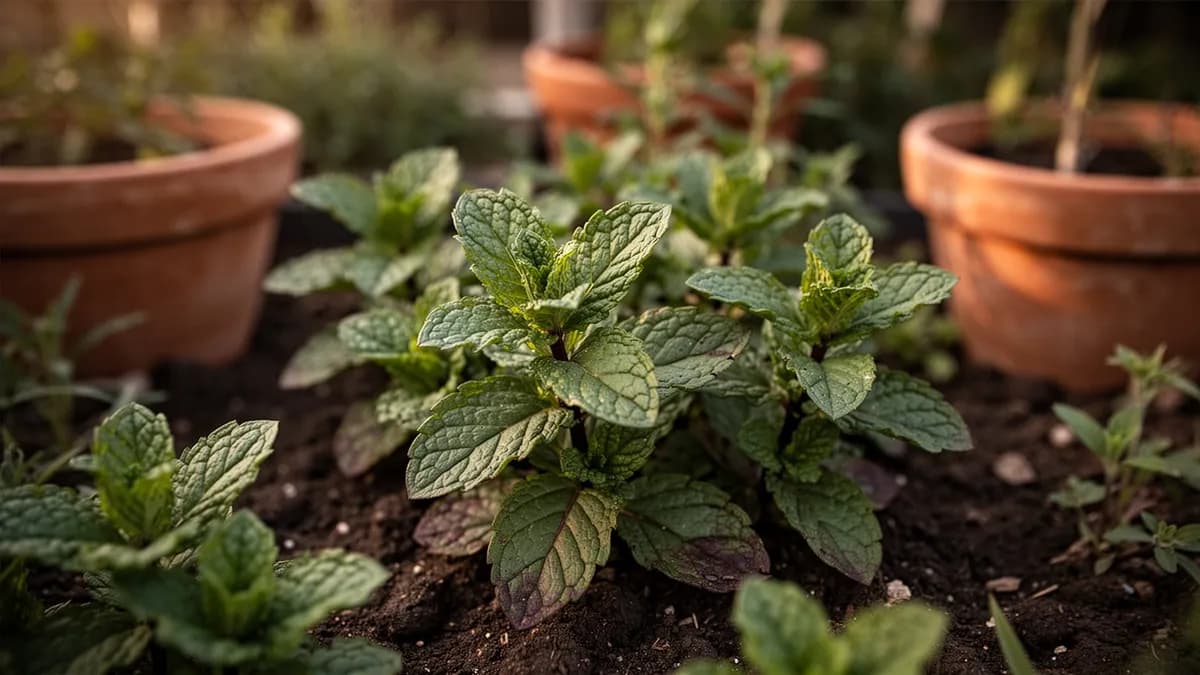
A peppermint cultivar with brown-tinged stems and a distinctive chocolate-mint aroma reminiscent of after-dinner mints. The dark green leaves with brownish undersides make excellent dessert garnishes, ice cream infusions, and hot chocolate additions. Contain in pots to prevent aggressive spreading, as it shares mint's vigorous runner habit.
When to plant Chocolate Mint
Chocolate mint should not be grown from seed, as peppermint cultivars are sterile hybrids that do not produce viable seed. Propagate exclusively by root division or stem cuttings. Take 4-inch stem cuttings, remove lower leaves, and place in water or moist soil. Roots develop in 1 to 2 weeks. Plant divisions or rooted cuttings in containers with drainage holes, spacing 12 to 18 inches apart. New plants establish quickly and can be harvested within 4 to 6 weeks.
Your Chocolate Mint Year
Composed for Zone 7 · typical seasons · frost passes Apr 2, returns Nov 1
Plant Chocolate Mint Mar – May, pick May – Oct. Check the planting methods below and set your climate to personalize these windows.
How to grow Chocolate Mint
Chocolate mint is a distinctive peppermint cultivar with brown-tinged stems and a remarkable chocolate-mint aroma that evokes after-dinner mints and thin mint cookies. Like all mints, it is a vigorous spreader that must be contained to prevent it from taking over the garden. Grow in containers, bottomless pots sunk in the ground, or areas bounded by hardscape. Plant in partial shade with moist, rich soil with a pH of 6.0 to 7.0.
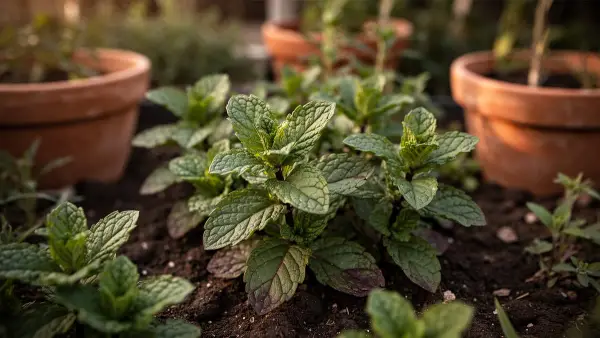
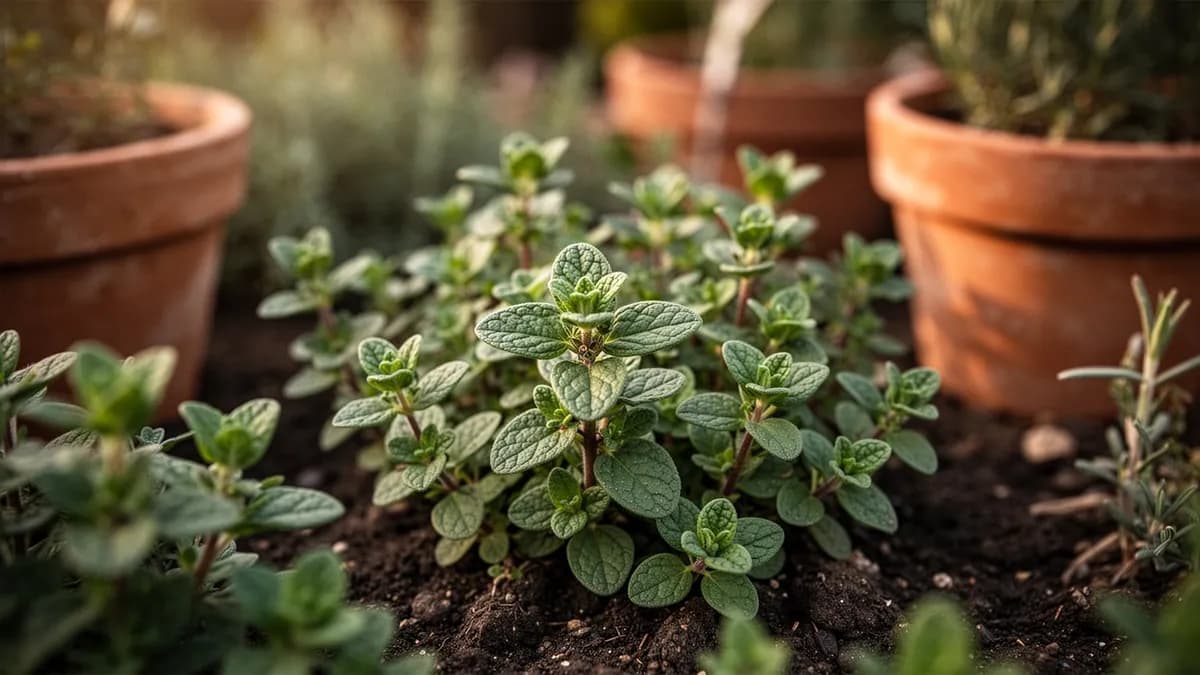
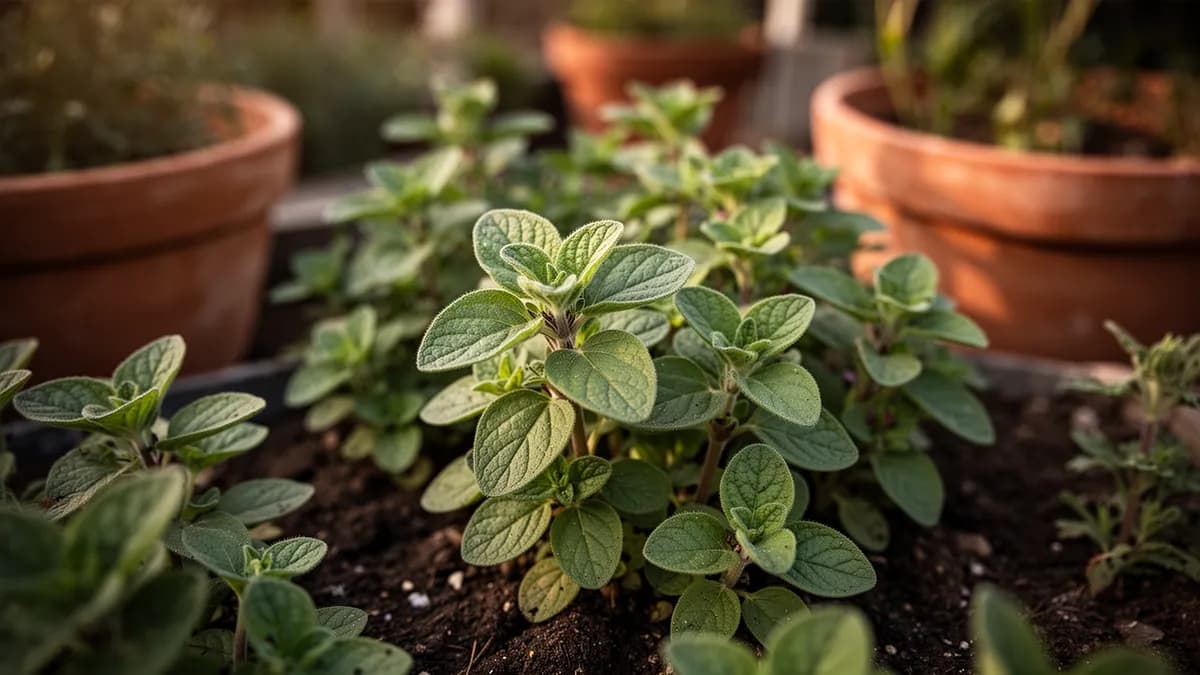
Propagate from root divisions or stem cuttings rather than seed, as mint cultivars do not come true from seed. Plant divisions 18 inches apart in spring. Keep soil consistently moist; mint grows in boggy conditions in the wild. Chocolate mint grows 12 to 24 inches tall with dark green leaves that have distinctive brownish undersides and brown-purple stems.
Harvest regularly by cutting stems to 2 inches above the ground to stimulate fresh tender growth. Remove flower spikes to extend the harvest season and maintain leaf quality. Chocolate mint is hardy to zone 3 and dies to the ground in winter, returning vigorously in spring. Divide clumps every 2 to 3 years to maintain vigor.
10 plants fit a 4 × 8 ft bed
Each Chocolate Mint wants 45 cm of elbow room. The planner keeps that spacing for you — every plant, every bed.
Chocolate Mint's best neighbours
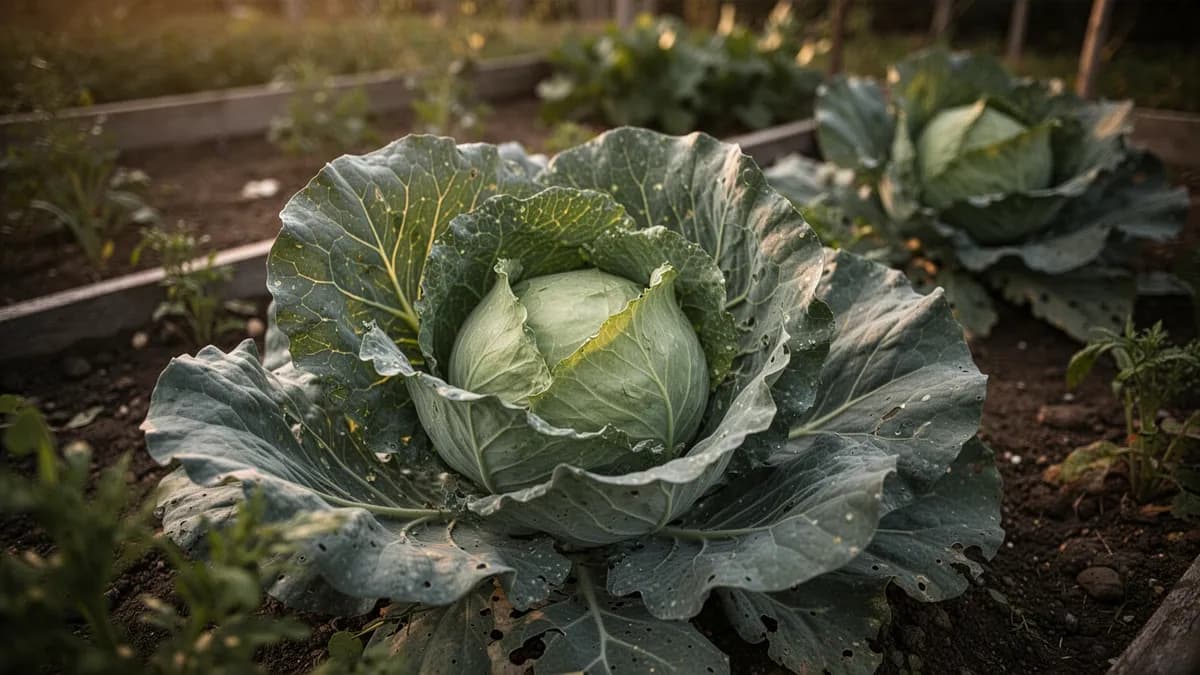
Like all mints, chocolate mint should be isolated from other plants to prevent its runners from invading. Container growing is strongly recommended. The flowers attract pollinators and beneficial insects. Some gardeners plant contained mint near brassicas, as the strong scent is reputed to confuse cabbage white butterflies. Keep away from other mint varieties to prevent hybridization.
Tomato belongs beside it. Parsley doesn't.
Old growers' knowledge, checked against Chocolate Mint's real companion table below — test any plant you're growing.
Try Chocolate Mint in a bed — right here
A real planner bed with Chocolate Mint already in it. Tap a companion to place it and watch the pairing checks answer — green for good neighbours, red for a clash.


Related growing guides
Feed it well
Chocolate mint thrives in rich, moist soil with a pH of 6.0 to 7.0. Unlike Mediterranean herbs, mint prefers fertile, moisture-retentive soil. Amend with compost and water regularly. Feed monthly with balanced liquid fertilizer during active growth for maximum production. Container plants need more frequent watering and feeding than in-ground plantings.
Ideal Temperature
Hardiness Zone Compatibility
From seed to harvest, stage by stage
Propagation and Establishment
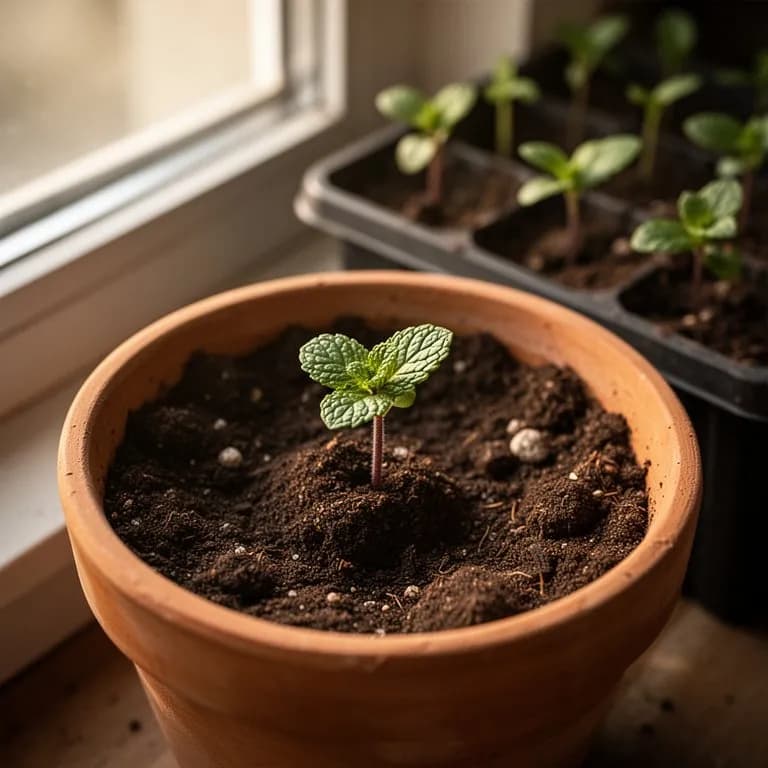
Chocolate mint is most reliably started from cuttings, divisions, or nursery transplants rather than seed, since seed-grown plants may not retain the characteristic chocolate aroma. Stem cuttings root readily in water or moist soil within 7-10 days, producing a tangle of white roots from the submerged nodes. Transplants establish quickly once set into prepared soil.
Early Vegetative Growth
Rooted cuttings and transplants begin sending up new vertical shoots with pairs of opposite, rounded leaves along square stems — a hallmark of the mint family. The distinctive dark brown-purple stem coloring becomes more pronounced as the plant matures. Underground stolons begin extending outward from the crown, each capable of producing a new plant.
Vigorous Spreading
The plant enters its most aggressive growth phase. Both underground rhizomes and above-ground stolons spread rapidly in all directions, rooting at every node they contact soil. A single plant can cover a 60-90 cm area within a few weeks. The canopy thickens into a dense, aromatic mat of dark green foliage that effectively suppresses weeds beneath it.
Flowering
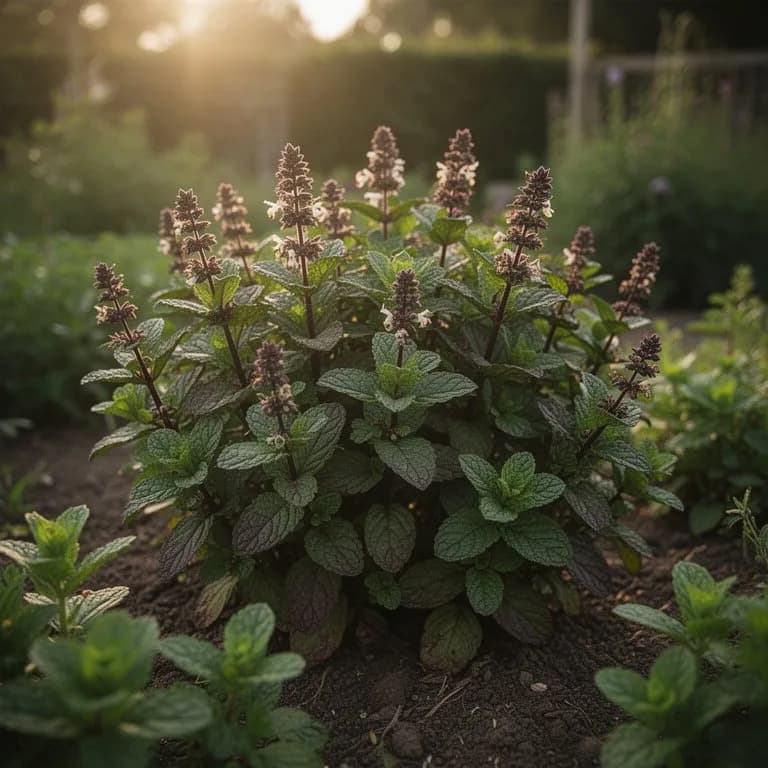
Terminal flower spikes develop at the tips of mature stems, bearing whorls of small, tubular, lavender-pink flowers that are highly attractive to bees, butterflies, and other pollinators. As flowering begins, the plant redirects energy from leaf production to reproduction, and leaf flavor becomes slightly more bitter. The essential oil composition shifts during this stage.
Late Season and Dormancy
As temperatures drop in autumn, above-ground growth slows and stems begin to brown and die back. The plant stores energy in its extensive underground rhizome network, which survives winter temperatures down to -30°C (-22°F) in most climates. The dried stems and leaf litter provide some insulation for the crown through winter. New shoots will emerge vigorously in spring from surviving rhizomes.
Take 10-15 cm stem cuttings just below a leaf node and remove the lower leaves. Place in a glass of water on a bright windowsill or stick directly into moist potting mix. Keep consistently moist until roots are 3-5 cm long, then transplant into the garden or a container.
Caring for Chocolate Mint month by month
What to do each month for your Chocolate Mint
October
You are hereGrowth slows as temperatures drop. Above-ground stems begin to die back after the first hard frost. Cut back dead stems to 5 cm above soil level. Apply a fresh layer of mulch over the root zone for winter protection. Move container plants to a sheltered location if needed.
Know exactly what to do in your garden — every month
One email at the start of each month: what to sow, plant, and tackle right now — for your Chocolate Mint and everything growing around it. Plus a short starter course that helps you dodge the classic mistakes.
- What to do, right now
- Matched to your season
- Starter course included
Harvesting Chocolate Mint
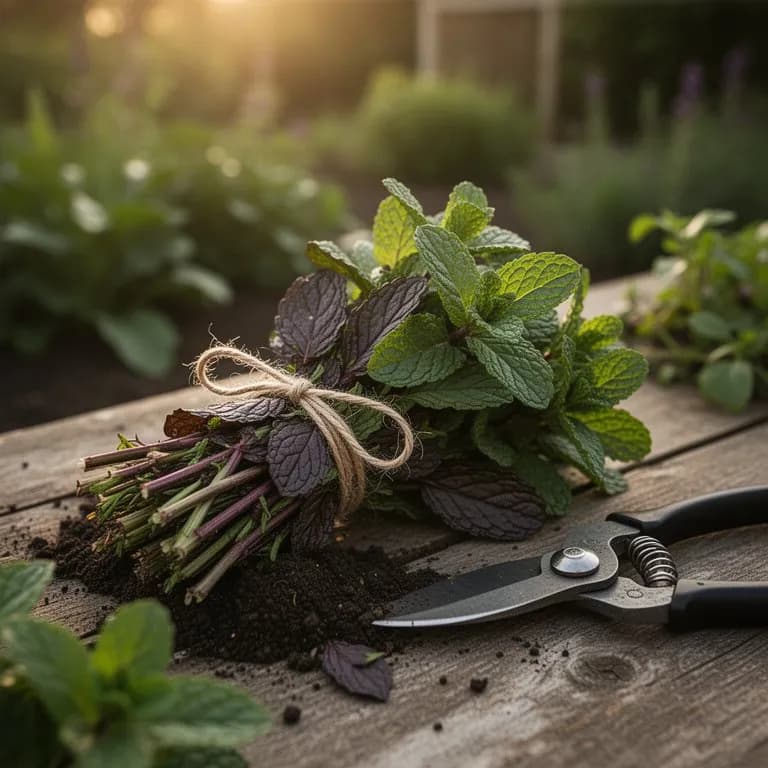
Harvest chocolate mint stems throughout the growing season by cutting to 2 inches above the ground. The most intense chocolate-mint aroma develops just before flowering. Cut entire stems and strip leaves, or use sprigs whole as garnishes. The flavor is strongest in morning harvests. For large batches for drying or extraction, cut the entire plant back; it will regenerate in 2 to 3 weeks.
assuming you plant when the window opens — set your real date
Pick Chocolate Mint promptly and the plant keeps producing.
Storage & Preservation
Fresh chocolate mint stores in a glass of water at room temperature for several days or in the refrigerator in a sealed bag with a damp paper towel for up to a week. For drying, hang small bundles upside down in a warm, dark area for 1 week. Dried chocolate mint makes excellent tea and retains the chocolate aroma well. Freeze chopped leaves in ice cube trays with water for hot chocolate and dessert additions. Infuse into cream, simple syrup, or chocolate ganache for unique dessert flavorings.
What goes wrong — and the fix
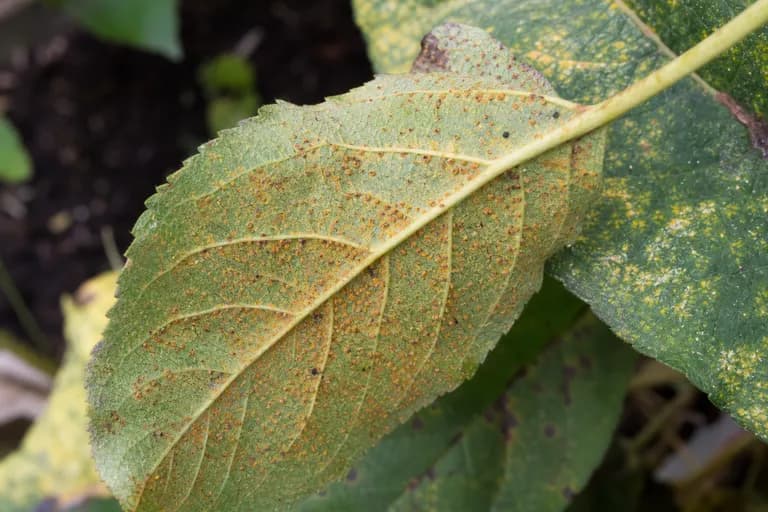
Rust
DiseaseOrange-brown pustules on leaf undersides. Yellowing and premature leaf drop. Most common in humid conditions with poor air circulation.
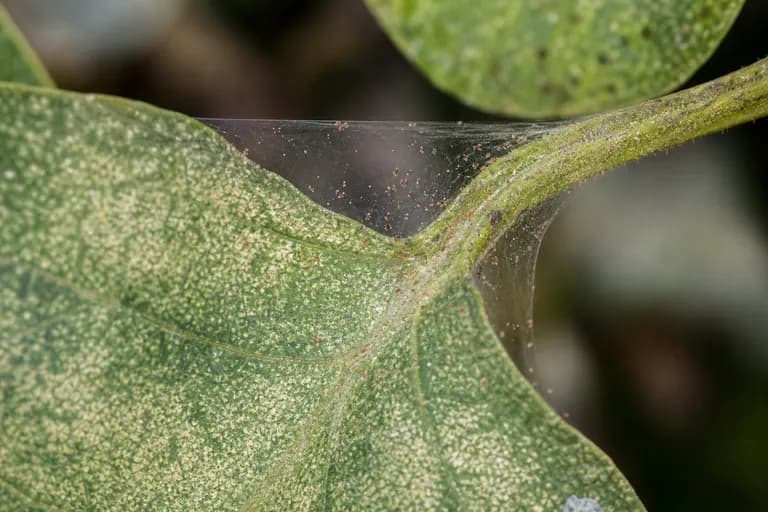
Spider Mites
PestFine stippling on leaves. Tiny webbing visible on close inspection. Most common on indoor container plants in dry conditions.
Troubleshooting Common Problems
Aggressive spreading is the primary concern; always grow in containers or contained areas. The chocolate aroma can fade in excessively hot, dry conditions. Rust disease can devastate plantings; cut affected plants to ground level and allow regrowth. Indoor plants become leggy without adequate light. Mint flea beetles occasionally skeletonize leaves. Cross-pollination with nearby mint varieties can produce hybrid seedlings with different flavors.
Growing Tips
- Always grow chocolate mint in containers or within buried root barriers to prevent it from overtaking your garden. A large pot (minimum 30 cm diameter), a sunken bucket with the bottom cut out, or metal edging buried 30 cm deep will contain the aggressive rhizomes that otherwise colonize entire garden beds within a single season.
- Start from cuttings or divisions rather than seed. Chocolate mint is a sterile hybrid cultivar that does not come true from seed — any seeds produced will grow into plants that lack the characteristic chocolate aroma. Take 10-15 cm stem cuttings, root them in water for 7-10 days, then transplant into moist, rich soil.
- Provide partial shade in hot climates (zones 8-10) to maintain the best leaf flavor and prevent heat stress. In cooler zones (3-7), full sun is fine as long as soil moisture remains consistent. Chocolate mint naturally grows along stream banks and forest edges, so it tolerates more shade than most herbs.
- Harvest regularly and aggressively — this is the single best thing you can do for mint. Cut stems back to a strong leaf pair every 2-3 weeks during the growing season. Regular harvesting stimulates branching, prevents flowering, and keeps the plant producing tender, flavorful new growth all season long.
- Water consistently to keep soil evenly moist but never saturated. Mint is a moisture-loving plant but will develop root rot in waterlogged conditions. Container-grown mint dries out faster than in-ground plants and may need daily watering in summer heat. Mulching helps retain soil moisture between waterings.
- Feed lightly with balanced organic fertilizer or compost in spring and again in midsummer. Over-fertilizing with nitrogen produces rapid, leggy growth with reduced essential oil concentration and weaker flavor. A rich, compost-amended soil provides all the nutrition most mint plants need.
- Watch for mint rust — small orange-brown pustules on the undersides of leaves — which is the most common disease of all mint species. Remove and destroy affected leaves immediately. Improve air circulation by thinning dense growth. In severe cases, cut the entire plant to ground level and allow fresh, disease-free growth to emerge.
- Divide established plants every 2-3 years to maintain vigor and prevent the center of the clump from becoming woody and unproductive. Lift the entire root mass, discard the old woody center, and replant vigorous outer sections with healthy white rhizomes in refreshed, compost-enriched soil.
- Bring mint indoors for winter harvests by potting up a division or rooted cutting in autumn before the first frost. Place on a bright south-facing windowsill or under a grow light. Indoor mint grows more slowly but provides fresh leaves for tea and cooking throughout the cold months.
- Preserve your harvest by drying, freezing, or making extract. To dry, hang small bundles upside down in a warm, airy space for 5-7 days, then strip leaves from stems and store in airtight jars. To freeze, chop leaves and pack into ice cube trays with water or olive oil. For extract, pack a jar with fresh leaves and cover with vodka — it will be ready in 4-6 weeks.
Grow your best Chocolate Mint yet — and everything around it.
Start a free plan today. Lay out your beds, drop in your Chocolate Mint, and let PlotMyGarden handle the timing, spacing, companions and reminders from seed to harvest basket.
Pick your Chocolate Mint
Chocolate Mint
The standard cultivar with brown stems and a pronounced chocolate-mint aroma. Dark green leaves with brownish undersides. Vigorous spreader like all mints.
After Eight Mint
A related peppermint selection with similar chocolate notes. Named for the famous chocolate mints. Slightly more compact growth habit than standard chocolate mint.
Fresh mint herbs sell for $2-4 per small bundle at grocery stores, and a single potted plant from a nursery costs $4-8. A single chocolate mint plant, once established, produces unlimited harvests for years — easily yielding $50-100 worth of fresh mint per season if purchased at retail prices. Dried organic chocolate mint tea sells for $8-15 per ounce, yet a single plant provides enough leaves to dry several ounces each season. Homemade mint extract (leaves steeped in vodka) replaces $6-10 bottles of commercial extract. Since chocolate mint propagates effortlessly from cuttings and divisions, one initial plant can supply an entire neighborhood with free starts within a single growing season.
Quick recipes
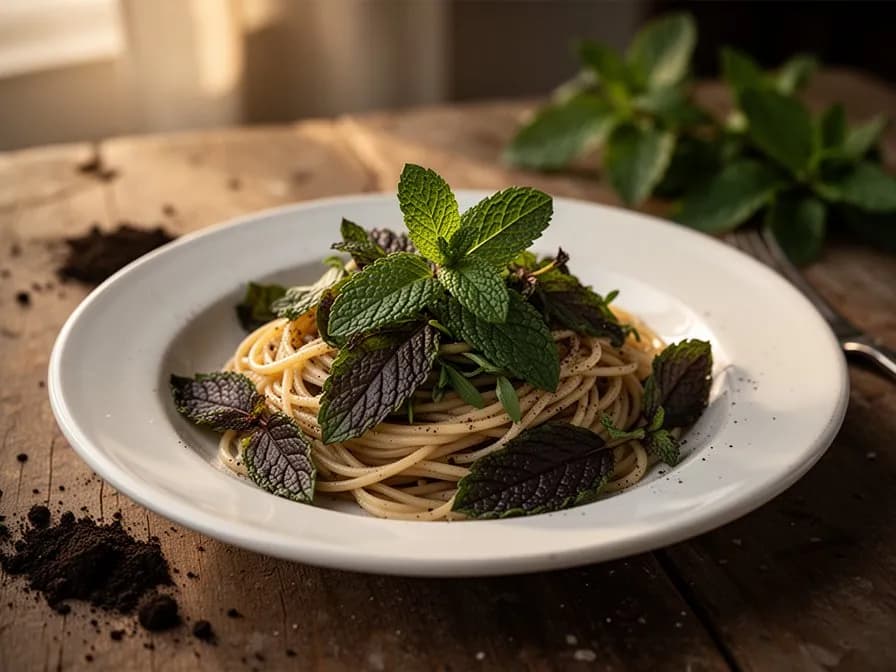
Chocolate Mint Tea
5 minA soothing caffeine-free herbal tea that captures the full chocolate-mint essence of fresh leaves. Simply steep a generous handful of chocolate mint in just-boiled water for a warm, aromatic infusion that doubles as a digestive aid after meals.
4 ingredientsChocolate Mint Ice Cream Infusion
30 min + chillingSteep fresh chocolate mint into a custard base for an intensely flavored ice cream that surpasses anything made with extract. The natural oils in fresh leaves create a complex, layered flavor with genuine cocoa undertones that commercial mint extract cannot replicate.
7 ingredientsChocolate Mint Sugar
10 min + 2 days dryingLayer fresh chocolate mint leaves with granulated sugar in a sealed jar and let the essential oils slowly perfume the sugar over two days. The result is a subtly aromatic sugar perfect for rimming cocktail glasses, sprinkling on fruit, or sweetening tea and baking.
3 ingredientsCulinary Uses
Chocolate mint excels in dessert applications. Add fresh leaves to hot chocolate, brownies, ice cream, and chocolate mousse for a natural mint-chocolate combination. Muddle into cocktails and mocktails for a sophisticated twist. Infuse into cream for chocolate-mint truffles, ganache, and panna cotta. Use as a garnish for chocolate desserts. Dried leaves make a delightful tea that tastes like a liquid after-dinner mint. Chocolate mint syrup is outstanding drizzled over ice cream or mixed into coffee drinks.
What's inside
Health Benefits
- The menthol in chocolate mint acts as a natural antispasmodic, relaxing smooth muscle tissue in the digestive tract — peppermint tea has been clinically shown to reduce symptoms of irritable bowel syndrome (IBS) including bloating, gas, and abdominal cramping.
- Menthol vapors from crushed leaves or tea act as a natural decongestant by triggering cold receptors in the nasal passages, providing temporary relief from sinus congestion, colds, and seasonal allergies without pharmaceutical side effects.
- Peppermint aroma has been shown in research studies to improve alertness, concentration, and memory performance — simply sniffing fresh chocolate mint leaves or sipping the tea may enhance mental clarity during study or work sessions.
- The rosmarinic acid found abundantly in mint leaves is a potent anti-inflammatory compound that may help reduce allergic responses by inhibiting the release of histamine from immune cells — traditional herbalists have used mint for hay fever relief for centuries.
- Topical application of crushed chocolate mint leaves or diluted essential oil provides cooling pain relief for tension headaches, minor muscle aches, and insect bites through menthol's interaction with pain and cold receptors in the skin.
- Regular consumption of mint tea may support oral health — menthol has natural antibacterial properties that help reduce harmful bacteria in the mouth, freshen breath, and soothe minor gum inflammation.
Where Chocolate Mint comes from
Chocolate mint (Mentha x piperita 'Chocolate') is a cultivated variety of peppermint, which itself is a natural hybrid that arose spontaneously wherever its two parent species — watermint (Mentha aquatica) and spearmint (Mentha spicata) — grew in close proximity across Europe. The genus Mentha has an ancient lineage in human cultivation stretching back thousands of years. Dried mint leaves have been found in Egyptian tombs dating to 1000 BCE, and both the Greeks and Romans prized mint for its fragrance, culinary uses, and medicinal properties. The Roman naturalist Pliny wrote extensively about mint cultivation, and the herb was spread throughout the Roman Empire by legions who carried it for digestive remedies and to flavor food and water.
Peppermint (Mentha x piperita) was first formally described by the English botanist John Ray in 1696, though it had been recognized and cultivated informally for centuries before that. The species thrived in the damp meadows and stream banks of England, where it was harvested wild and eventually brought into organized cultivation for the burgeoning herbal medicine and essential oil industries. By the 18th century, the town of Mitcham in Surrey had become the world center of peppermint oil production, a reputation it held for over a century.
The 'Chocolate' cultivar emerged in the 20th century as herb growers selected peppermint plants with unusually warm, cocoa-like aromatic undertones for propagation. The exact origin and date of the cultivar's naming are not precisely documented, but it gained widespread popularity through the American herb nursery trade in the 1970s and 1980s as specialty herb gardening became a mainstream hobby. Its distinctive brown-tinged stems and unique flavor profile set it apart from standard peppermint and made it a favorite among culinary gardeners and herb enthusiasts.
Today, chocolate mint is grown worldwide by home gardeners and small-scale herb farms. It remains a vegetatively propagated cultivar, passed from gardener to gardener through cuttings and divisions — a living link in an unbroken chain of cultivation stretching back to the original plant that first displayed that remarkable chocolate-mint aroma.
Chocolate Mint: did you know?
Fascinating facts about Chocolate Mint
Chocolate mint gets its name not from any cocoa content but from the warm, cocoa-like undertone in its essential oil profile — caused by specific ratios of menthol, menthone, and linalool that trick the brain into perceiving a chocolate-like warmth beneath the cool peppermint sensation.
Chocolate Mint questions, answered
When should I plant Chocolate Mint?
What are good companion plants for Chocolate Mint?
What hardiness zones can Chocolate Mint grow in?
How much sun does Chocolate Mint need?
How far apart should I space Chocolate Mint?
What pests and diseases affect Chocolate Mint?
How do I store Chocolate Mint after harvest?
What are the best Chocolate Mint varieties to grow?
What soil does Chocolate Mint need?
Does chocolate mint actually taste like chocolate?
How do I stop chocolate mint from taking over my entire garden?
Can I grow chocolate mint indoors year-round?
Is chocolate mint safe for pets?
Why has my chocolate mint lost its chocolate scent?
When is the best time to harvest chocolate mint for maximum flavor?
You just read the theory. Now grow it on autopilot.
Everything that makes Chocolate Mint fiddly — the timing, the spacing, the companions, the harvest window — is exactly what PlotMyGarden handles for you, for every plant in your garden.
A plan that knows your weather
Set your location once. Get sow, feed and harvest dates built around your real last-frost date and live forecast — no more guessing from a generic seed packet.
From the “When to plant” sectionDrag-and-drop bed planner
Design beds on a grid. Every plant snaps to its proper spacing, and you can see your whole season laid out before you spend a cent on seed.
From the “Growing guide” sectionCompanion conflicts, caught early
200+ good-and-bad pairings checked live as you plant — so a season-wrecking mistake never makes it into the ground.
From the “Companions” sectionReminders you'll actually act on
“Water the beans.” “Pick today before it turns.” Timely, specific, and tied to the plants you're really growing.
From the “Harvest” sectionSuccession, scheduled
Want a harvest for six weeks, not six days? It spaces your sowings automatically and reminds you when each new block is due.
From the “When to plant” sectionA record that gets smarter
Every harvest you log teaches it your garden. Next year's plan starts from what actually worked in your soil, not a textbook's.
From the “Overview” sectionPlant these alongside Chocolate Mint
More Culinary Herbs
Keep Chocolate Mint away from these
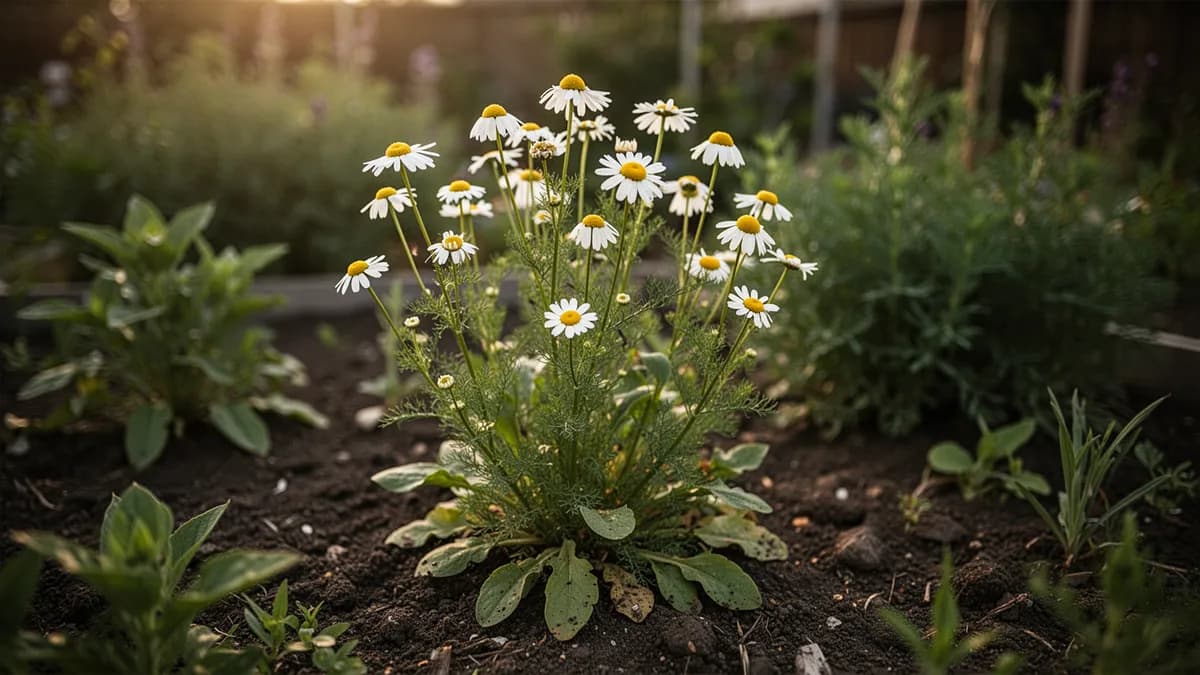
Grow your best Chocolate Mint yet — and everything around it.
Start a free plan today. Lay out your beds, drop in your Chocolate Mint, and let PlotMyGarden handle the timing, spacing, companions and reminders from seed to harvest basket.