Amaranto colgante
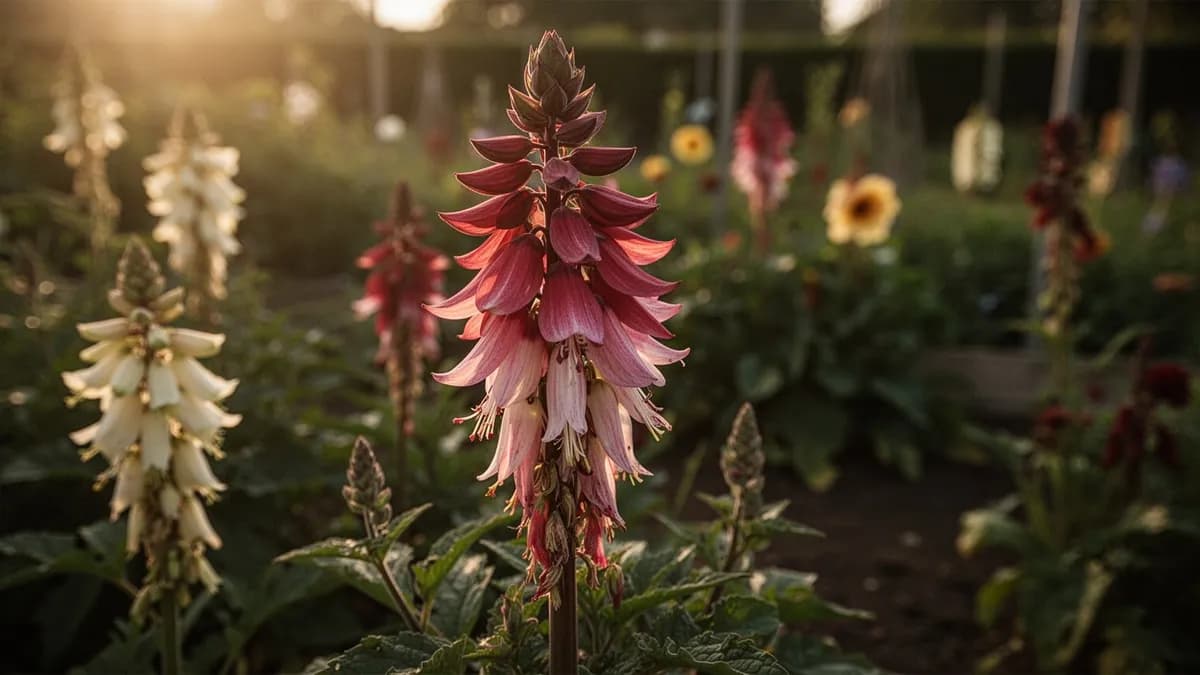
Una llamativa anual con largas borlas colgantes de flores de un intenso carmesi que se mecen graciosamente desde plantas altas y robustas.





En esta páginaResumen
Conoce Amaranto colgante
Una llamativa anual con largas borlas colgantes de flores de un intenso carmesi que se mecen graciosamente desde plantas altas y robustas. El amaranto colgante tolera el calor y la sequia una vez establecido, prospera en suelos mediocres o pobres y requiere minimo cuidado. Los espectaculares penachos en forma de cuerda resultan impresionantes en arreglos frescos o secos.
Cuándo plantar Amaranto colgante
Siembre directamente las semillas tras la ultima helada, cuando el suelo este calido (18 °C o mas). Esparza las semillas sobre el suelo preparado y presione ligeramente: necesitan luz para germinar. Mantenga humedo hasta que la germinacion ocurra en 10-14 dias. Aclare a 45-60 cm de separacion. Para un inicio anticipado, siembre en interior 4-6 semanas antes de la ultima helada a 21 °C. Trasplante con cuidado tras el endurecimiento, ya que el amaranto no tolera bien la perturbacion de raices.
Tu año de Amaranto colgante
Ajustado a Zona 7 · temporada típica · la helada se va hacia el 2 abr y vuelve hacia el 1 nov
Planta Amaranto colgante Abr – May y cosecha Jul – Oct. Consulta los métodos de plantación y elige tu clima para adaptar los periodos.
Cómo cultivar Amaranto colgante
El amaranto colgante es una anual de estacion calida de crecimiento rapido y gran impacto visual, reconocible por sus largas borlas carmesi que caen en cascada. Siembre directamente las semillas tras el ultimo riesgo de helada, cuando el suelo haya alcanzado al menos 18 °C. Cubra apenas las semillas, ya que necesitan algo de luz para germinar. Aclare las plantulas a 45-60 cm de separacion.
Elija un lugar soleado con suelo medio o pobre: como muchas especies de amaranto, el amaranto colgante da lo mejor de si en condiciones magras. Un suelo demasiado rico produce plantas enormes y desequilibradas que se vuelcan facilmente. Riegue con moderacion durante el establecimiento y reduzca el riego una vez que las plantas crezcan con vigor. Las plantas establecidas son extraordinariamente tolerantes a la sequia y al calor.
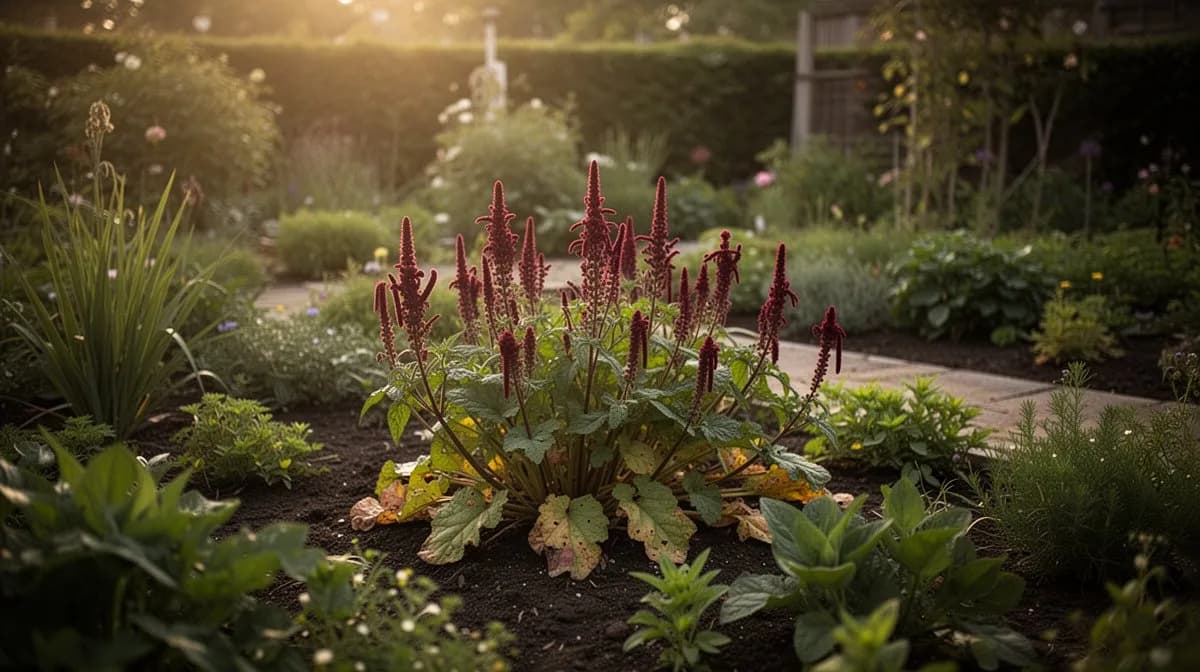
Las espectaculares borlas en forma de cuerda pueden alcanzar 45-60 cm de longitud y caen desde las axilas foliares superiores. Aparecen a mediados del verano y persisten hasta la helada, profundizando gradualmente en color a medida que maduran. Las plantas pueden alcanzar entre 90 cm y 1.5 m de altura segun las condiciones. En lugares expuestos al viento, coloque un tutor resistente, ya que las pesadas borlas actuan como velas ante el viento.
10 plantas caben en un bancal de 120 × 240 cm
Cada Amaranto colgante pide 45 cm de margen. El planificador guarda ese marco por ti — cada planta, cada bancal.
Los mejores vecinos de Amaranto colgante
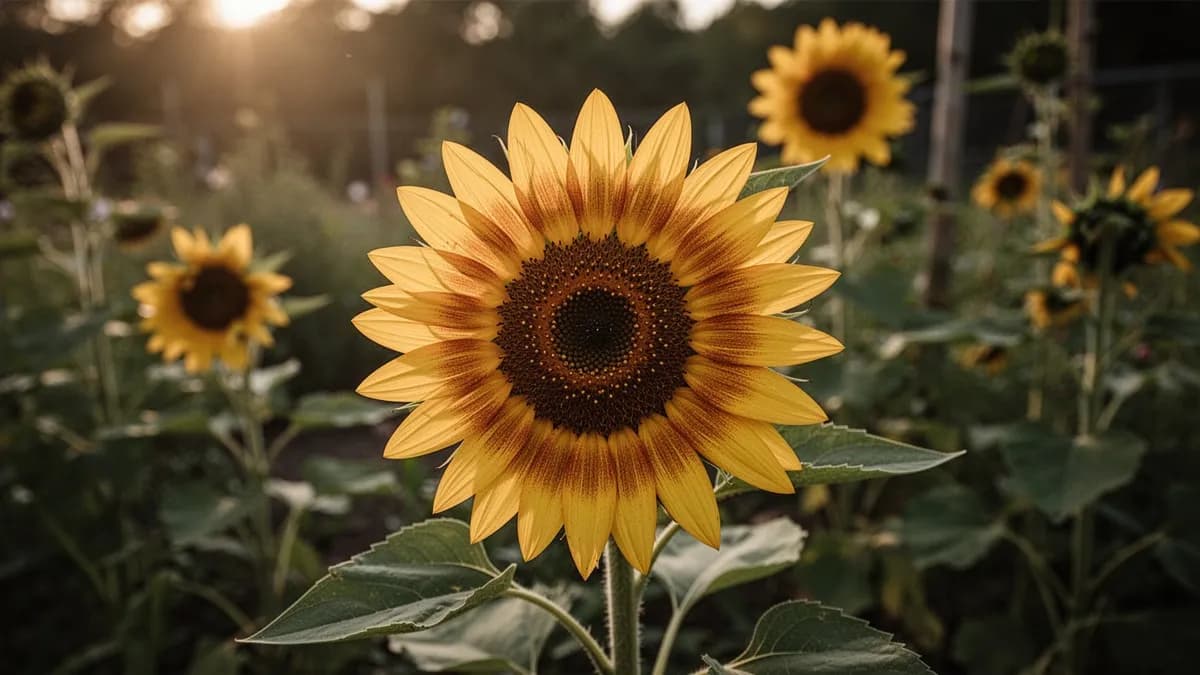
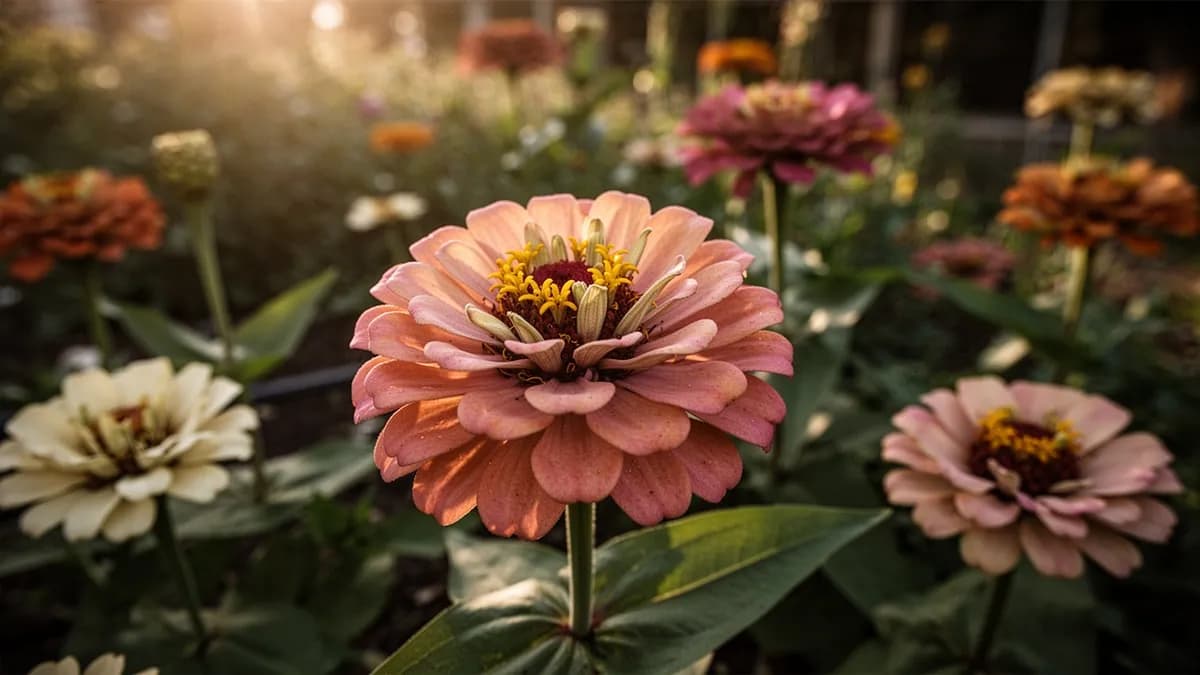
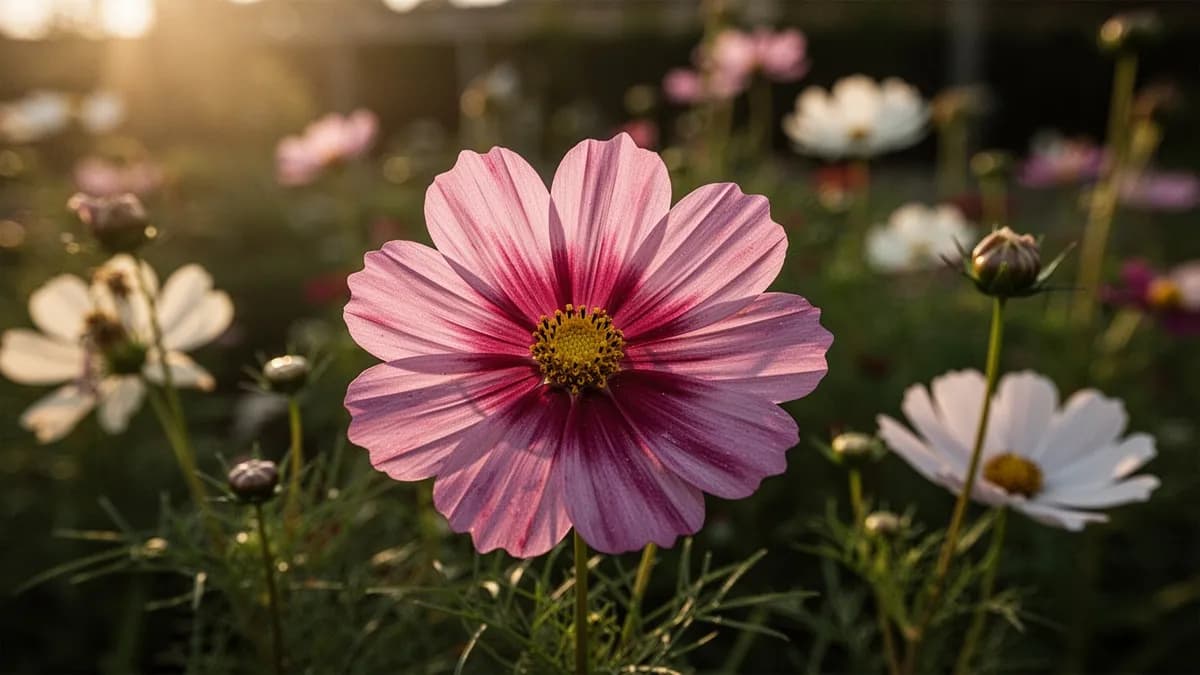
El amaranto colgante crea dramaticos acentos verticales en jardines rurales y borduras mixtas. Plantelo junto a girasoles, dalias y canas para una bordura atrevida de estilo tropical. Las borlas carmesi contrastan de manera hermosa con la rudbeckia dorada y las caléndulas amarillas. En el jardin cortador, plante cerca de zinnias, cosmos y hierbas ornamentales para obtener material de arreglo diverso.
Girasol va a su lado.
Saber de huerto de siempre, cotejado con la tabla real de Amaranto colgante — prueba cualquier planta que cultives.
Prueba Amaranto colgante en un bancal, aquí mismo
Un bancal real del planificador con Amaranto colgante ya plantado. Toca una planta compañera para colocarla y mira cómo responde la comprobación de vecinos: verde para buenos vecinos, rojo si hay conflicto.


Guías de cultivo relacionadas
Abónalo bien
El amaranto colgante prospera en suelos medio o pobres, bien drenados, con un pH de 6.0-7.5. Evite los suelos ricos y muy fertilizados, que producen plantas enormes que se vuelcan bajo su propio peso. Una unica aplicacion ligera de fertilizante equilibrado en el momento de la plantacion es mas que suficiente. En suelos muy pobres, abone lateralmente con compost una vez durante la temporada de crecimiento. Las plantas en contenedor necesitan una mezcla de maceta estandar sin enmiendas adicionales.
Temperatura ideal
Compatibilidad de zonas de rusticidad
De la semilla a la cosecha, etapa por etapa
Germinacion
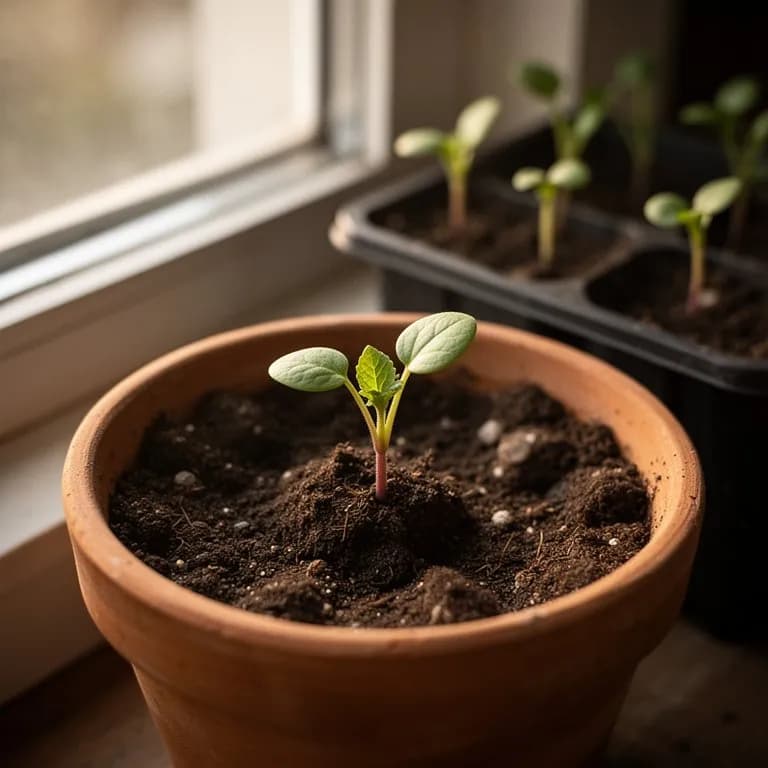
Las minusculas semillas, de apenas 1 mm de diametro, germinan en suelo calido en 5-10 dias. Las plantulas emergen con pequenos cotiledonos redondeados de color verde palido. Las semillas requieren exposicion a la luz para una germinacion optima y deben sembrarse en superficie o cubiertas con una finisima capa de tierra. Las temperaturas del suelo por encima de 18 °C son esenciales; las tasas de germinacion caen drasticamente en suelo frio.
Establecimiento de plantulas
Las hojas verdaderas se desarrollan con una forma ovada amplia y bordes lisos, creciendo sobre tallos cada vez mas robustos. Las plantulas son verdes en esta etapa y comienzan a desarrollar el robusto sistema radicular que sostendra el dramatico crecimiento aereo posterior. Esta es la mejor ventana para trasplantar si las plantulas se iniciaron en interior.
Crecimiento vegetativo
Las plantas entran en una fase de crecimiento vigoroso, construyendo rapidamente altura y produciendo hojas grandes y exuberantes sobre tallos gruesos y robustos. En condiciones ideales, el amaranto colgante puede crecer 5-8 cm por semana durante esta etapa, alcanzando 60-90 cm de altura antes de que comience la floracion. La produccion de hojas alcanza su maximo durante este periodo, convirtiendolo en la ventana optima para cosechar verduras.
Formacion de borlas y floracion
Las caracteristicas borlas florales colgantes comienzan a emerger desde la yema apical y las axilas foliares superiores de la planta. Inicialmente cortas y erectas, las borlas se alargan rapidamente y comienzan a caer hacia abajo bajo su propio peso, alcanzando finalmente entre 30 y 60 cm de longitud. Las borlas se profundizan desde rosa palido hasta un intenso carmesi o borgoña a medida que maduran. Cada borla contiene miles de minusculos florets polinizados por el viento que atraen insectos beneficiosos.
Desarrollo y maduracion de semillas
Las semillas se desarrollan dentro de las borlas florales, llenandose gradualmente y pesando hacia abajo las estructuras ya colgantes. Las semillas maduran desde blandas y verdes hasta duras, lisas y de color crema palido o marfil. Una sola planta madura puede producir entre 40.000 y 80.000 semillas. Las partes inferiores de las borlas maduran primero, con semillas listas para cosechar durante un periodo de 2-3 semanas.
Senescencia y cosecha final
La planta se seca naturalmente a medida que las temperaturas bajan y se completa la dispersion de semillas. Las hojas inferiores amarillean y caen, mientras que las borlas se vuelven papirosas y comienzan a dispersar semillas libremente. Esta es la ultima ventana para recoger semillas y cortar borlas para arreglos de flores secas antes de que pierdan integridad estructural.
Presione suavemente las semillas sobre la superficie de suelo humedo y de textura fina y riegue con spray. No entierre las semillas a mas de 2-3 mm o no germinaran. Mantenga la superficie uniformemente humeda con un pulverizador hasta que emerjan las plantulas y mantenga temperaturas del suelo de 21-27 °C para obtener los mejores resultados.
Cuidar Amaranto colgante mes a mes
Qué hacer cada mes para tu Amaranto colgante
Octubre
Mes actualComplete la cosecha de semillas de todas las plantas restantes. Trille las borlas secas frotandolas entre las manos sobre una sabana limpia o un bol grande, luego aviente la paja con un abanico suave. Guarde las semillas limpias en tarros de cristal etiquetados en una despensa fresca y oscura para comer o resembrar.
Ten claro qué hacer en tu huerto, cada mes
Un correo al empezar cada mes: qué sembrar, plantar y hacer ahora mismo — para tu Amaranto colgante y todo lo que crece alrededor. Más un breve curso inicial para esquivar los errores clásicos.
- Qué hacer ahora mismo
- Ajustado a tu temporada
- Curso inicial incluido
Cosechar Amaranto colgante
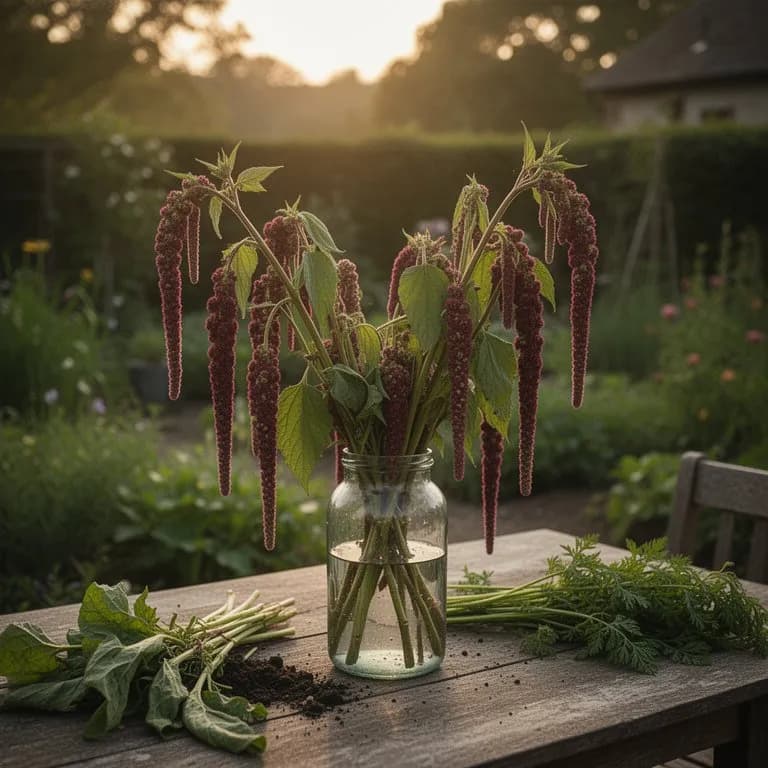
Corte las borlas del amaranto colgante para arreglos frescos cuando hayan alcanzado su longitud maxima e intensidad de color. Corte los tallos largos por la manana y acondicione en agua tibia durante varias horas. Las borlas colgantes crean exhibiciones dramaticas y desafiantes a la gravedad en jarrones altos. Para secar, corte las borlas en el momento de maximo color y cuélguelas boca abajo en un espacio oscuro, calido y ventilado durante 2-3 semanas. Las borlas secas conservan bien su forma, aunque pueden soltar pequenas semillas.
se supone que plantas al comenzar el periodo — indica tu fecha real
Cosecha Amaranto colgante a tiempo y la planta sigue produciendo.
Almacenamiento y conservación
El amaranto colgante se seca de manera hermosa, manteniendo su forma en cascada y su profundo color rojo. Cuelgue en pequenos manojos boca abajo durante 2-3 semanas. Las borlas preservadas resultan impresionantes en coronas otosales y arreglos secos. Las pequenas semillas ricas en proteinas pueden recogerse agitando las borlas secas sobre una lamina: el grano de amaranto se ha cultivado como cultivo alimentario durante milenios. Guarde las semillas para plantar en sobres etiquetados en un lugar fresco y seco.
Qué falla — y cómo solucionarlo
Pulgones
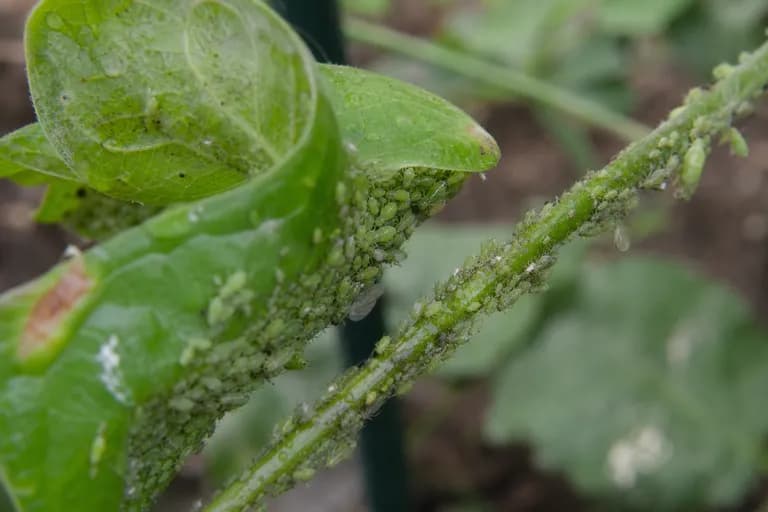
PlagaSe concentran en las puntas de los tallos y en las hojas jovenes. Melaza pegajosa y posible fumagina.
Pudricion de tallos
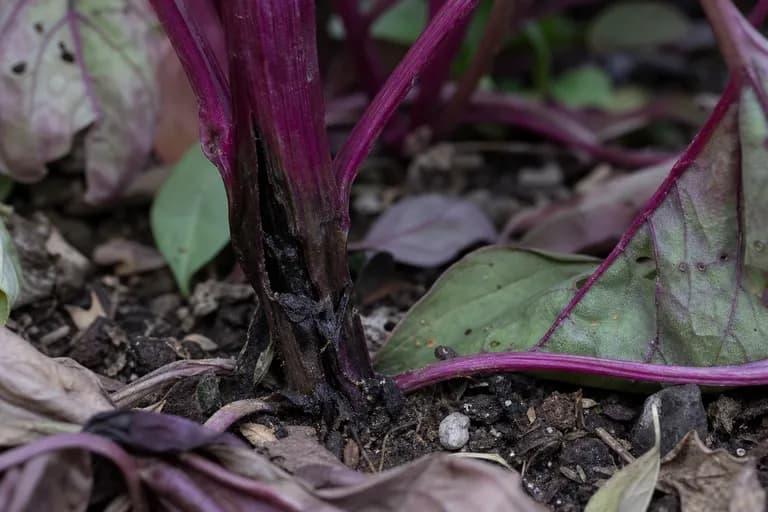
EnfermedadLos tallos se oscurecen y se vuelven blandos en la base, especialmente en condiciones humedas. Las plantas se inclinan y acaban colapsando.
Minadores de hojas
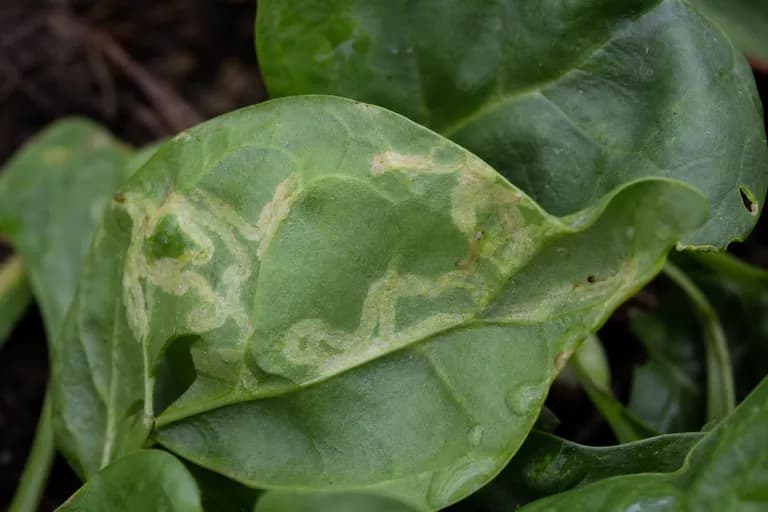
PlagaTuneles palidos y sinuosos visibles dentro del tejido foliar. Las hojas afectadas pueden enrollarse o caer.
Solución de problemas comunes
El problema mas comun es que las plantas se vuelquen por exceso de peso: un suelo pobre y el uso de tutores lo evitan. La autosiembra puede ser agresiva en climas templados; retire las borlas marchitas antes de que caigan las semillas si esto supone un problema. En suelos muy ricos, las plantas pueden alcanzar 1.5-1.8 m con follaje excesivo y borlas relativamente pequenas. Las minusculas semillas se dispersan profusamente cuando se perturban las borlas, lo que dificulta la limpieza.
Consejos de cultivo
- Siembre las semillas en superficie sobre suelo fino y humedo y presione suavemente sin cubrir. Las semillas del amaranto colgante son diminutas y necesitan luz para germinar: enterrarlas incluso 5 mm puede reducir la germinacion en un 70 % o mas. Pulverice con un spray diariamente hasta que emerjan las plantulas.
- Espere a que las temperaturas del suelo superen de forma constante los 18 °C antes de sembrar o trasplantar al exterior. El amaranto colgante es una planta tropical que no tolera el suelo frio, y una plantacion prematura produce plantulas atrofiadas que nunca se recuperan completamente.
- Espacie las plantas a 30-45 cm de separacion para dar a las borlas colgantes espacio para desarrollar todo su efecto dramatico. Las plantas amontonadas producen borlas mas cortas y menos impresionantes y son mas susceptibles al oidio por la escasa circulacion de aire.
- Entutorar o jaular las plantas altas en lugares expuestos, especialmente una vez que se desarrollen las pesadas borlas florales. Una borla cargada puede pesar lo suficiente como para volcar las plantas con viento fuerte o lluvia intensa. Utilice tutores resistentes y ataduras suaves para evitar danar los tallos.
- Coseche las hojas de forma constante de las partes exteriores de la planta durante la etapa vegetativa para favorecer un crecimiento mas compacto y retrasar la floracion. Una vez que comienzan a formarse las borlas florales, la calidad de las hojas disminuye a medida que la planta redirige su energia hacia la reproduccion.
- Para obtener el color de borla mas vivo, cultive las plantas a pleno sol con al menos 8 horas de luz solar directa al dia. La sombra parcial produce un crecimiento aceptable pero un color de borla significativamente mas palido, disminuyendo el impacto ornamental.
- Para secar borlas para arreglos florales, cortelas cuando el color este en su maxima intensidad pero antes de que las semillas comiencen a dispersarse. Cuelgue los tallos boca abajo en pequenos manojos en un espacio calido, oscuro y bien ventilado durante 2-3 semanas. Pulverizar con laca sin perfume despues del secado ayuda a conservar las borlas.
- Controle la autosiembra cortando las borlas antes de que las semillas maduren y se dispersen, o acolchando generosamente alrededor de la base de las plantas en otono para sofocar las semillas caidas. Si le dan la bienvenida a las plantas voluntarias, deje que algunas borlas dejen caer semillas naturalmente cerca de la planta madre.
- Cultive el amaranto colgante en contenedores grandes (al menos 30 cm de diametro y 40 cm de profundidad) en patios o balcones donde las borlas colgantes creen un espectacular exhibicion. Utilice una mezcla de maceta rica y riegue a diario en tiempo caluroso, ya que las plantas en contenedor se secan rapidamente.
- Evite los fertilizantes ricos en nitrogeno una vez que las borlas florales comiencen a formarse. El exceso de nitrogeno en esta etapa promueve el crecimiento foliar a expensas de la longitud y el color de las borlas. Cambie a un abono rico en fosforo o simplemente deje de fertilizar una vez que vea los primeros botones florales.
Cultiva tu mejor Amaranto colgante — y todo lo que la rodea.
Empieza un plan gratis hoy. Diseña tus bancales, coloca tu Amaranto colgante y deja que PlotMyGarden gestione el momento, el espaciado, las asociaciones y los recordatorios de la semilla a la cesta.
Elige tu Amaranto colgante
Amaranthus 'Love-Lies-Bleeding' (estandar)
Borlas colgantes de un intenso rojo carmesi en plantas de 90-120 cm. La variedad clasica que se ha cultivado en jardines rurales durante siglos.
Amaranthus 'Green Tails'
Borlas de color verde lima que ofrecen un contraste llamativo con la forma roja. Impresionante en disenos florales contemporaneos.
Amaranthus 'Coral Fountain'
Borlas de color rosa coral en plantas mas compactas de 60-90 cm. Un color mas suave y romantico que el rojo clasico.
Amaranthus 'Pony Tails'
Variedad enana de 45 cm con borlas mas cortas en una mezcla de rojo y verde. Ideal para macetas y espacios pequenos.
Un solo paquete de semillas de amaranto colgante cuesta entre 2 y 5 euros y contiene suficientes semillas para toda una exhibicion de jardin mas la cosecha de grano. En mercados especializados, las verduras frescas de amaranto se venden por 4-8 euros el manojo, mientras que el grano de amaranto ecologico tiene un precio de 8-15 euros por 450 g. Cultivar 4-6 plantas produce un suministro de verduras para toda la temporada valorado en 40-80 euros y varios cientos de gramos de grano con un valor adicional de 20-40 euros. Las borlas secas se venden en floristeria por 5-10 euros el tallo, por lo que unas pocas plantas bien cultivadas pueden producir decenas de tallos valorados en 50-100 euros para arreglos. Dado que el amaranto colgante se autosiembra de forma fiable, una sola compra de semillas puede proporcionar anos de cosechas continuas.
Recetas rápidas
Barritas andinas de amaranto reventado
20 minUn aperitivo andino tradicional en el que las semillas del amaranto colgante se revientan en una sarten seca como palomitas en miniatura, luego se unen con miel o jarabe de panela en crujientes y nutritivas barritas. Estas barritas ricas en proteinas eran llevadas por los mensajeros incas en largos viajes como alimento ligero y con alta densidad energetica.
7 ingredientesHojas de amaranto al vapor con ajo y limon
12 minUna preparacion sencilla que realza el sabor suave, similar a las espinacas, de las hojas jovenes de amaranto colgante. El vapor rapido preserva la textura tierna y el color verde vibrante, mientras que el ajo y el limon aportan frescura. Asi es como se comen mas comunmente las verduras de amaranto en todo Africa oriental y el sur de Asia.
6 ingredientesPapilla de kiwicha para el desayuno con canela y fruta
25 minUna calida y cremosa papilla de desayuno elaborada con semillas de amaranto colgante hervidas que se cocinan hasta obtener una consistencia suave y ligeramente gelatinosa similar a la semola de trigo. Naturalmente sin gluten y rica en proteina completa, esta papilla de inspiracion andina proporciona energia sostenida por la manana y mantiene la saciedad durante horas.
8 ingredientesUsos culinarios
Las semillas de amaranto del amaranto colgante son comestibles y muy nutritivas, con proteina completa, hierro y calcio. Las minusculas semillas pueden reventarse como palomitas en miniatura, cocerse como papilla o molerse en harina para hornear. Las hojas jovenes tambien son comestibles y pueden usarse como espinacas en salteados y sopas. El amaranto ha sido un alimento basico en America Central durante miles de anos.
Qué contiene
Beneficios para la salud
- Fuente excepcional de beta-caroteno (provitamina A) en las hojas, aportando el 58 % del valor diario por 100 g: fundamental para mantener una vision sana, una respuesta inmune robusta y una diferenciacion celular adecuada en todo el organismo.
- Las semillas contienen proteina completa con todos los aminoacidos esenciales en niveles comparables o superiores a la mayoria de los cereales, con un contenido de lisina particularmente alto que las convierte en un complemento excelente para dietas basadas en arroz, trigo o maiz deficientes en este aminoacido.
- Ricas en hierro y calcio biodisponibles con niveles de oxalatos relativamente bajos en comparacion con las espinacas y la acelga, lo que permite al organismo absorber una mayor proporcion de estos minerales esenciales para la salud de la sangre y la fortaleza osea.
- El aceite de semilla de amaranto contiene entre un 5 y un 8 % de escualeno, un potente compuesto antioxidante que la investigacion sugiere que puede ayudar a proteger las membranas celulares del dano oxidativo, favorecer la salud cardiovascular y promover una piel sana.
- Contiene peptidos bioactivos identificados en estudios recientes con propiedades inhibidoras de la ECA, lo que significa que el consumo regular puede contribuir a una regulacion saludable de la presion arterial, apoyando siglos de uso tradicional para el bienestar cardiovascular en la medicina popular andina.
- Las semillas son totalmente sin gluten y tienen un indice glucemico bajo, lo que convierte al grano de amaranto colgante en un alimento basico seguro y nutritivo para las personas con enfermedad celiaca o sensibilidad al gluten, al tiempo que favorece niveles estables de azucar en sangre tras las comidas.
De dónde viene Amaranto colgante
El amaranto colgante (Amaranthus caudatus) es originario de las tierras altas de America del Sur, donde fue domesticado por civilizaciones preincaicas en la region andina del actual Peru, Bolivia y Ecuador hace al menos 4.000 anos. Conocido como 'kiwicha' en quechua, se convirtio en uno de los cultivos de grano mas importantes del Imperio Inca, cultivado a altitudes de entre 2.000 y 3.500 metros donde pocos otros cultivos de grano podian prosperar. Las evidencias arqueologicas de sitios de todo los Andes confirman que las semillas de amaranto eran un alimento basico, molidas en harina para elaborar panes planos, tostadas como aperitivo crujiente y fermentadas en la tradicional bebida 'chicha de kiwicha'.
Cuando los colonizadores espanoles conquistaron el Imperio Inca en el siglo XVI, suprimieron el cultivo del amaranto debido a su papel central en las ceremonias religiosas indigenas, al igual que hicieron con Amaranthus cruentus en Mesoamerica. A pesar de estos esfuerzos, la kiwicha sobrevivio en comunidades montanesas remotas donde las practicas agricolas tradicionales persistieron fuera del alcance colonial. Mientras tanto, la planta se extendio a Europa como curiosidad ornamental en el siglo XVII, donde sus dramaticas borlas lloronas cautivaron a los jardineros. Rapidamente se convirtio en un elemento fijo de los jardines rurales europeos, ganando evocadores nombres comunes como amaranto colgante, flor borla y flor de terciopelo. Los jardineros de la era victoriana se sentian particularmente atraidos por su melancólica belleza.
Desde Europa, el amaranto colgante viajo a lo largo de las rutas comerciales hasta Africa y Asia, donde fue adoptado no solo como ornamental sino como planta alimentaria. En partes de India, Africa oriental y el sudeste asiatico, las hojas jovenes se convirtieron en una valiosa verdura cocida, mientras que las semillas complementaban las cosechas de grano. Hoy en dia, Amaranthus caudatus esta experimentando un notable resurgimiento. El gobierno peruano ha promovido activamente la kiwicha como un superalimento, y las organizaciones internacionales de investigacion la han identificado como un cultivo resiliente al clima con una densidad nutricional excepcional. Su perfil completo de aminoacidos, su tolerancia a la sequia y los suelos pobres, y su doble uso como grano y verdura de hoja la hacen cada vez mas importante para la seguridad alimentaria mundial.
Amaranto colgante: ¿sabías que?
Datos fascinantes sobre Amaranto colgante
El nombre 'amaranto colgante' proviene de las largas borlas de color rojo sangre de la planta que se inclinan hacia el suelo como si lloraran. En el lenguaje victoriano de las flores, simbolizaba el amor sin esperanza y el desconsuelo, y era habitual plantarla en entornos de jardin melancolicos junto a sauces llorones y tejos.
Amaranto colgante: preguntas frecuentes
¿Cuándo debo plantar Amaranto colgante?
¿Cuáles son buenas plantas acompañantes para Amaranto colgante?
¿En qué zonas de rusticidad puede crecer Amaranto colgante?
¿Cuánto sol necesita Amaranto colgante?
¿A qué distancia debo espaciar Amaranto colgante?
¿Qué plagas y enfermedades afectan a Amaranto colgante?
¿Cómo almaceno Amaranto colgante después de la cosecha?
¿Cuáles son las mejores variedades de Amaranto colgante para cultivar?
¿Qué suelo necesita Amaranto colgante?
¿Son seguras para comer las hojas y semillas del amaranto colgante?
¿En que se diferencia el amaranto colgante de otras especies de amaranto?
¿Puedo cultivar amaranto colgante en contenedores?
¿Cuando y como debo cosechar las borlas para arreglos de flores secas?
¿Volvera el amaranto colgante cada ano?
¿Como reviento las semillas de amaranto como palomitas?
Acabas de leer la teoría. Ahora cultívala en piloto automático.
Todo lo que hace que Amaranto colgante sea delicado — el momento, el espaciado, las asociaciones, la ventana de cosecha — es justo lo que PlotMyGarden resuelve por ti, para cada planta de tu huerto.
Un plan que conoce tu clima
Indica tu ubicación una vez. Recibe fechas de siembra, abonado y cosecha basadas en tu última helada real y el pronóstico en vivo — sin adivinar con un sobre genérico.
De la sección “Cuándo plantar”Planificador de bancales de arrastrar y soltar
Diseña bancales sobre una cuadrícula. Cada planta encaja con su espaciado correcto y ves toda la temporada antes de gastar un céntimo en semillas.
De la sección “Cultivo”Conflictos de asociación, detectados a tiempo
Más de 200 buenas y malas combinaciones comprobadas en vivo mientras plantas — para que un error que arruine la temporada nunca llegue a la tierra.
De la sección “Asociaciones”Recordatorios que sí vas a seguir
“Riega las judías.” “Recoge hoy antes de que se pase.” Oportunos, concretos y ligados a las plantas que de verdad cultivas.
De la sección “Cosecha”Escalonado, programado
¿Quieres cosechar seis semanas en vez de seis días? Reparte tus siembras automáticamente y te avisa cuando toca el siguiente lote.
De la sección “Cuándo plantar”Un registro que se vuelve más listo
Cada cosecha que registras le enseña tu huerto. El plan del año que viene parte de lo que de verdad funcionó en tu suelo, no en un manual.
De la sección “Resumen”Planta estos junto a Amaranto colgante
Más Anuales
Diseños de jardín con Amaranto colgante
Cultiva tu mejor Amaranto colgante — y todo lo que la rodea.
Empieza un plan gratis hoy. Diseña tus bancales, coloca tu Amaranto colgante y deja que PlotMyGarden gestione el momento, el espaciado, las asociaciones y los recordatorios de la semilla a la cesta.