Lantana
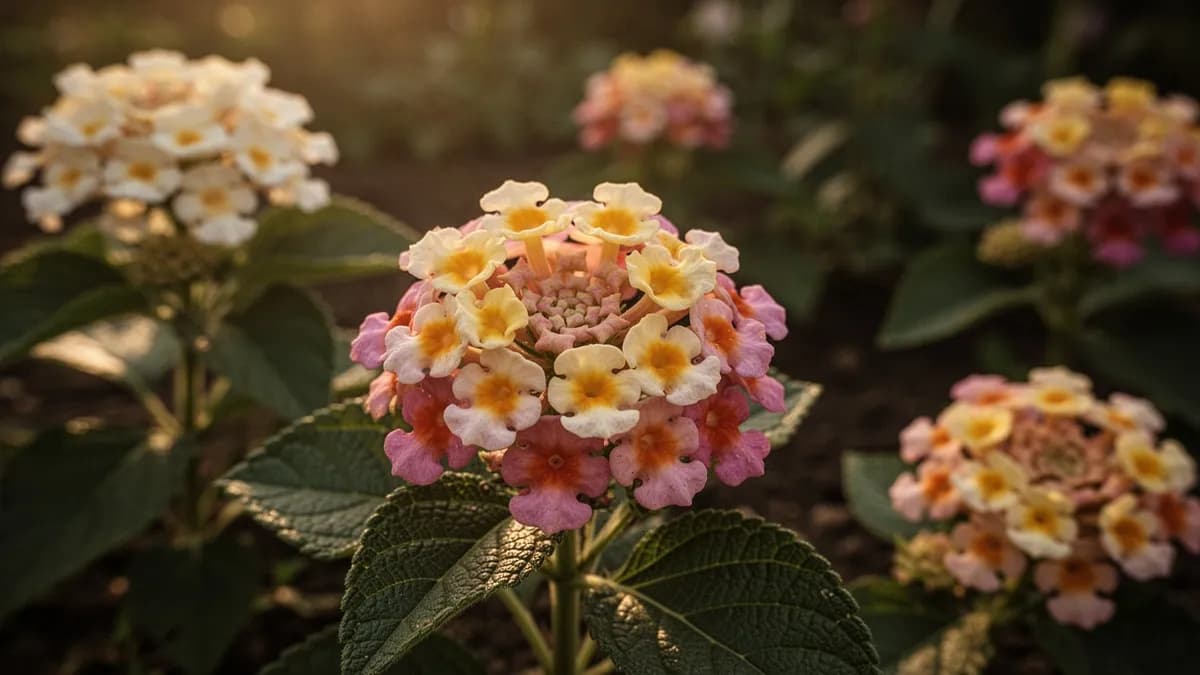
A heat-loving annual with multicolored flower clusters that change color as they age, attracting butterflies by the dozen.





On this pageOverview
Meet Lantana
A heat-loving annual with multicolored flower clusters that change color as they age, attracting butterflies by the dozen. Lantana is one of the toughest annuals for hot, dry conditions and blooms non-stop until frost. The berries are toxic if ingested, so site away from areas where children play.
When to plant Lantana
Lantana can be grown from seed but germination is slow and erratic, taking up to six weeks. Most gardeners purchase transplants for reliability. To start from seed, soak seeds in warm water for twenty-four hours, then sow one-quarter inch deep in moist seed-starting mix. Maintain temperatures of 70 to 75 degrees Fahrenheit. Seeds may take fourteen to forty-two days to germinate. Seedlings grow slowly and may take four to five months to reach blooming size. Stem cuttings root easily in two to three weeks and are the preferred propagation method.
Your Lantana Year
Composed for Zone 7 · typical seasons · frost passes Apr 2, returns Nov 1
Plant Lantana May – Jun, pick Jun – Oct. Check the planting methods below and set your climate to personalize these windows.
How to grow Lantana
Lantana is typically purchased as nursery transplants and planted outdoors after all danger of frost when soil and air temperatures are consistently warm. Space plants eighteen to twenty-four inches apart in full sun with well-drained soil. Lantana demands heat and will not thrive until temperatures are consistently above 70 degrees Fahrenheit. It is one of the best-performing annuals for the hottest, driest locations in the garden.
Water regularly during establishment, then reduce to occasional deep watering. Once established, lantana is remarkably drought-tolerant and actually blooms better under dry conditions. Overwatering promotes foliage growth at the expense of flowers and can lead to root rot. Lean, well-drained soil produces the most prolific blooms.
Lantana blooms continuously from late spring through frost without deadheading, though removing spent flower clusters keeps plants tidy. Feed monthly with a light application of balanced fertilizer or not at all if plants are vigorous. In zones 8 through 11, lantana is perennial and can become a large shrub. All parts of the plant are toxic, especially the unripe green berries, so keep away from children and pets. Lantana is considered invasive in some tropical and subtropical regions.
10 plants fit a 4 × 8 ft bed
Each Lantana wants 45 cm of elbow room. The planner keeps that spacing for you — every plant, every bed.
Lantana's best neighbours
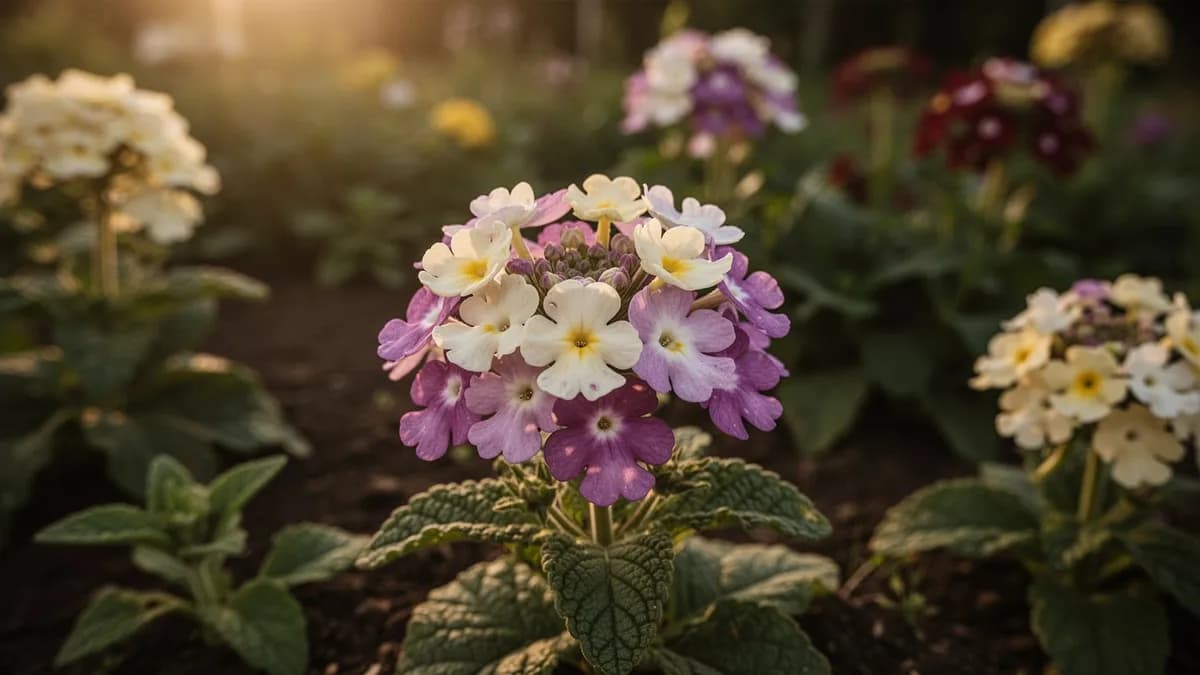
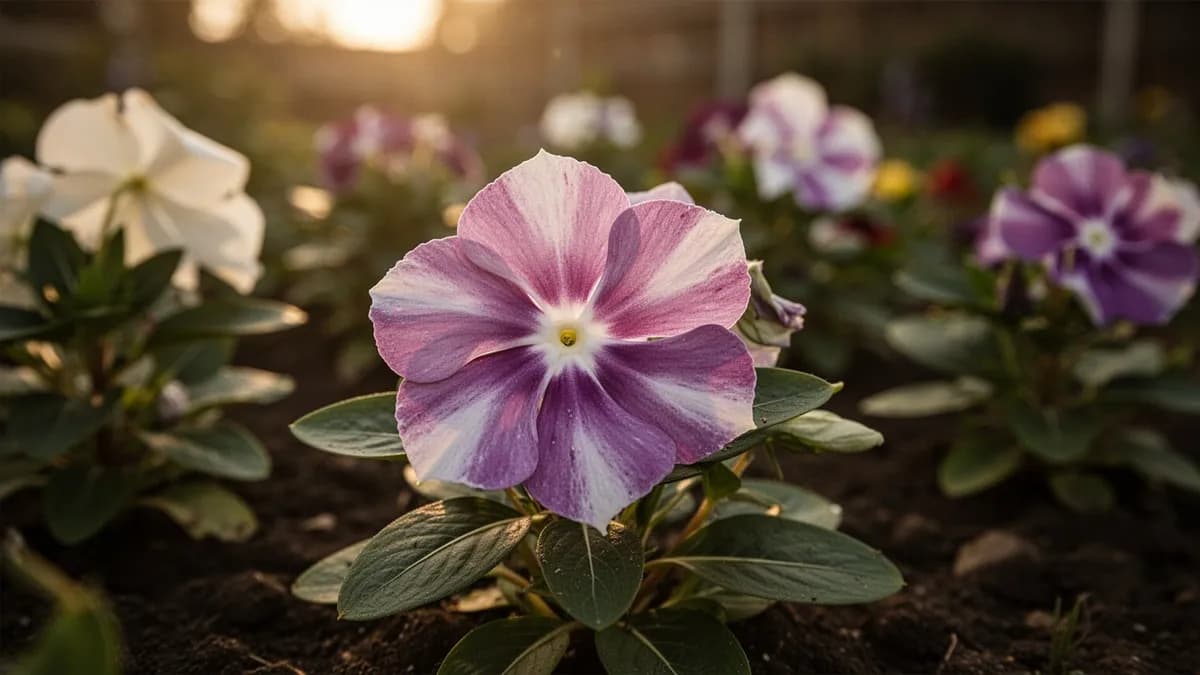
Lantana is an outstanding butterfly-garden plant, attracting dozens of butterfly species with its nectar-rich flower clusters. Combine with other heat-loving, drought-tolerant plants like verbena, vinca, portulaca, and ornamental grasses. Its mounding habit provides a colorful middle layer between taller salvias and lower ground covers. Lantana is deer and rabbit resistant, making it valuable in wildlife-prone areas. Avoid planting near vegetable gardens or areas where children play due to toxicity.
Verbena belongs beside it.
Old growers' knowledge, checked against Lantana's real companion table below — test any plant you're growing.
Try Lantana in a bed — right here
A real planner bed with Lantana already in it. Tap a companion to place it and watch the pairing checks answer — green for good neighbours, red for a clash.


Related growing guides
Feed it well
Lantana thrives in lean, well-drained soil with a pH of 6.0 to 7.0 and is tolerant of poor, sandy, and even slightly alkaline conditions. Avoid rich, heavily amended soil which promotes excessive foliage at the expense of flowers. A light application of balanced slow-release fertilizer at planting time is sufficient. Feed monthly during the growing season only if plants appear to lack vigor. Container plants benefit from more frequent feeding every two to three weeks with diluted liquid fertilizer.
Ideal Temperature
Hardiness Zone Compatibility
From seed to harvest, stage by stage
Seed Germination
Lantana seeds have a hard outer coat that slows germination. Soaking seeds in warm water for 24 hours before sowing softens the seed coat and improves germination rates. Sow seeds 3mm deep in a warm, moist seed-starting mix and maintain a consistent temperature of 21-24°C. Germination is erratic and can take 14 to 60 days, so patience is essential.
Seedling Development
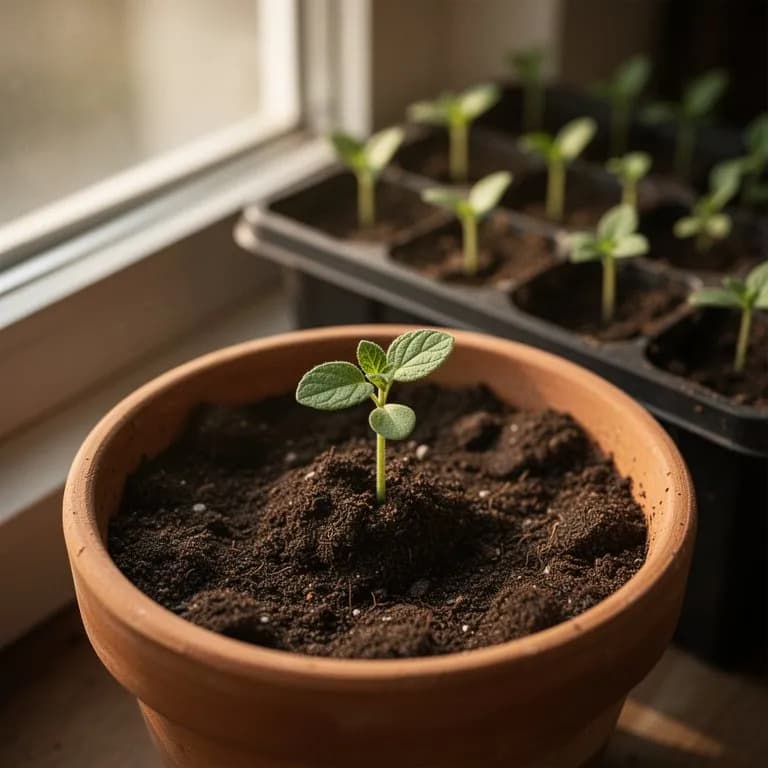
Young lantana seedlings produce pairs of rough-textured, serrated leaves with a distinctive pungent aroma when brushed. Growth is moderate at this stage as the plant builds its root system. Provide bright light for at least 10-12 hours daily to prevent leggy, weak stems.
Vegetative Growth
The plant enters a vigorous growth phase, rapidly developing a multi-branched, mounding form. Stems become semi-woody at the base and the foliage thickens. Lantana grows quickly once temperatures are consistently warm, adding 5-10 cm of growth per week in ideal conditions. The characteristic rough, sandpaper-like leaf texture becomes prominent.
First Bloom
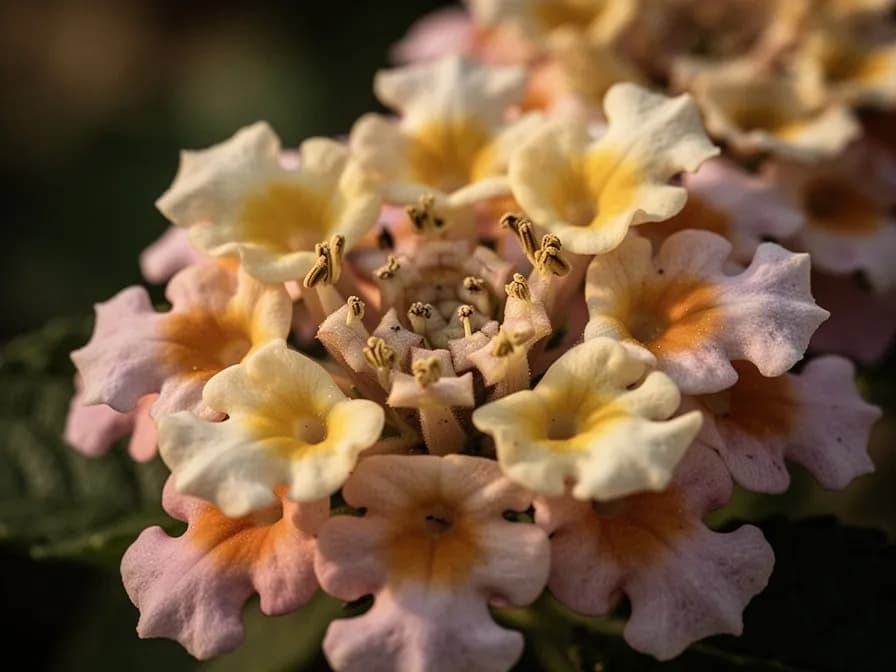
Rounded flower clusters (umbels) begin to appear at the branch tips. Each umbel is composed of dozens of small tubular florets that open sequentially from the outside inward. The distinctive color-changing effect becomes visible as older outer florets shift from yellow to orange or red while newer inner florets remain in their initial hue.
Peak Flowering
The plant is covered in abundant flower clusters, producing a non-stop display of color throughout the hottest months. Lantana thrives in heat that would stress most annuals, blooming even more prolifically during mid-summer temperatures above 30°C. Butterflies, hummingbirds, and bees visit the flowers constantly. If spent flowers are not removed, clusters of small green berries begin to form and ripen to dark purple-black.
Late Season Bloom and Decline
Flowering continues but gradually slows as day length shortens and nights cool in autumn. The plant may become somewhat leggy if not pruned during the season. In frost-free climates lantana can persist year-round, but in temperate zones it declines rapidly with the first frost. Any formed berries should be removed and disposed of safely, as they are toxic.
Provide bottom heat using a seedling heat mat to maintain consistent soil temperature. Keep the medium evenly moist but not waterlogged to prevent damping off.
Caring for Lantana month by month
What to do each month for your Lantana
October
You are hereIn zones 8 and colder, lantana will be killed by the first hard frost. Remove dead plants and dispose of any berries safely away from children, pets, and compost piles. Bring rooted cuttings indoors to a bright windowsill for overwintering. In frost-free areas, continue enjoying late-season blooms.
Know exactly what to do in your garden — every month
One email at the start of each month: what to sow, plant, and tackle right now — for your Lantana and everything growing around it. Plus a short starter course that helps you dodge the classic mistakes.
- What to do, right now
- Matched to your season
- Starter course included
Harvesting Lantana
Lantana flower clusters can be cut for small, short-lived bouquets, lasting three to four days in water. Cut stems when most of the tiny florets in the cluster have opened. The multicolored flower heads are particularly attractive in casual arrangements. Deadheading is not required but keeps the plant looking tidy and prevents berry formation. Do not eat the berries, as they are toxic. For propagation, take stem cuttings in late summer and root in moist perlite for overwintering indoors.
assuming you plant when the window opens — set your real date
Pick Lantana promptly and the plant keeps producing.
Storage & Preservation
Lantana flowers are not well-suited for drying. In cold climates where lantana is treated as an annual, take stem cuttings in late summer to overwinter indoors. Root four-inch cuttings in moist perlite under plastic for humidity, then pot up once rooted and grow in a sunny window. Reduce watering in winter and prune back in early spring before moving outdoors. In mild climates, lantana is perennial and can be pruned hard in late winter for vigorous spring regrowth.
What goes wrong — and the fix
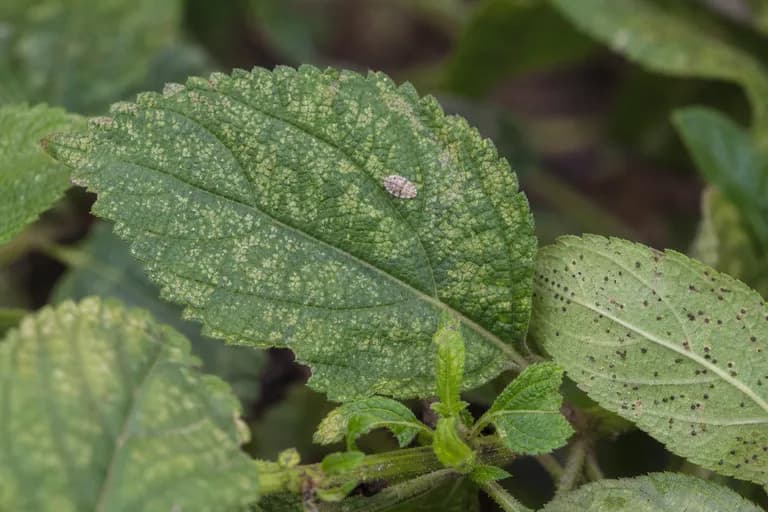
Lantana Lace Bug
PestStippled, bleached appearance on upper leaf surfaces with dark excrement spots on the undersides. Leaves become mottled and bronzed.
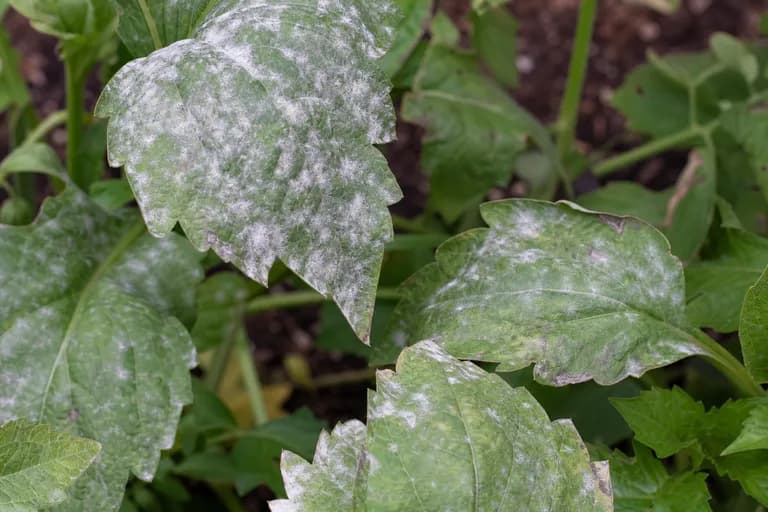
Powdery Mildew
DiseaseWhite powdery coating on leaves and stems, typically in humid conditions with poor air circulation.
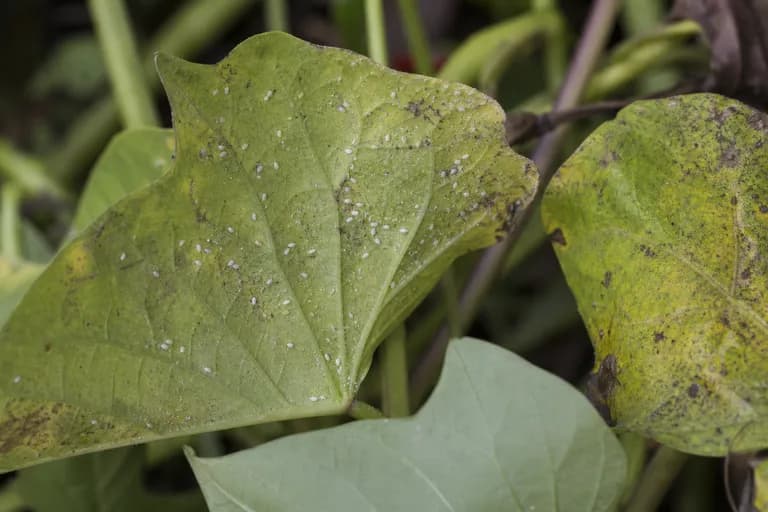
Whitefly
PestClouds of tiny white insects when plants are disturbed, sticky honeydew deposits, yellowing and declining foliage.
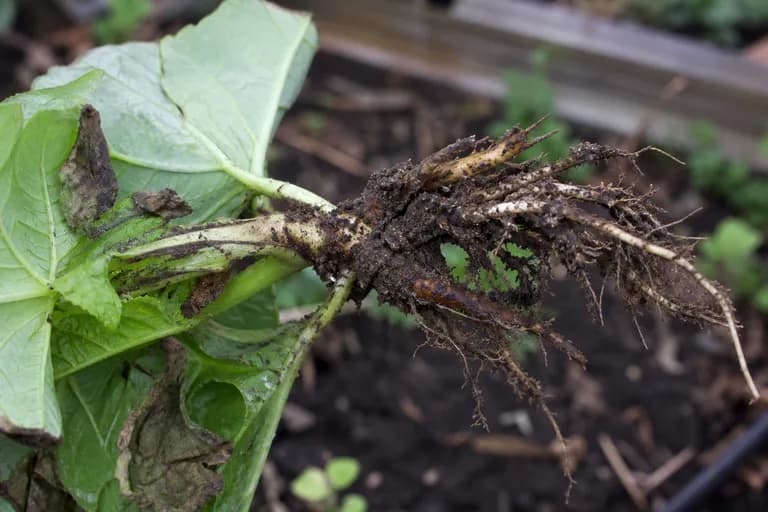
Root Rot
DiseaseWilting despite adequate soil moisture, yellowing foliage, soft brown roots, overall plant decline.
Troubleshooting Common Problems
Lantana's primary issues are related to its toxicity and potential invasiveness. All plant parts, especially unripe berries, are toxic to humans and animals if ingested. In tropical and subtropical regions, lantana can become an aggressive invasive weed. Check local regulations before planting. Overwatering is the most common cultural mistake, causing root rot and reducing flowering. Lantana will not thrive in cool, moist, or shaded conditions. It requires sustained heat to perform at its best.
Growing Tips
- Plant lantana in the hottest, sunniest spot in your garden. It thrives in locations where other annuals wilt, including south-facing walls, driveway borders, and unshaded patios where reflected heat intensifies summer temperatures.
- Use well-drained soil and avoid overwatering. Lantana is remarkably drought-tolerant once established and performs best when soil is allowed to dry out between waterings. Soggy soil leads to root rot and reduced flowering.
- Deadhead spent flower clusters religiously to prevent toxic berry formation and to encourage continuous blooming. This is especially critical in gardens where children or pets have access, as the dark purple-black ripe berries and green unripe berries are both poisonous.
- Pinch or trim growing tips every 3-4 weeks during the growing season to maintain a compact, bushy shape and promote abundant branching, which results in more flower clusters across the entire plant.
- Avoid heavy nitrogen fertilization, which produces lush foliage at the expense of flowers. If fertilizing, use a balanced or bloom-boosting formula (such as 10-20-10) applied at half strength every 4-6 weeks during the growing season.
- Wear gloves when pruning or handling lantana, as the rough foliage contains irritant compounds that can cause contact dermatitis in sensitive individuals. The sap and leaf hairs are the primary sources of skin irritation.
- In containers, use a pot with excellent drainage and a lightweight potting mix amended with perlite. Lantana roots resent sitting in water. Terra cotta pots are ideal because they wick away excess moisture and retain heat that lantana loves.
- To overwinter lantana in cold climates, take 10-15 cm stem tip cuttings in September, root them in moist perlite, and grow them on a bright windowsill through winter. This is more reliable than trying to keep the entire parent plant alive indoors.
- Space plants 45-60 cm apart in landscape beds to allow air circulation and room for their naturally spreading habit. Crowded plantings promote fungal diseases like powdery mildew, especially in humid climates.
- Consider sterile or low-fertility cultivars such as the Landmark or Bandana series if you want to minimize berry production. These modern hybrids bloom just as prolifically but set far fewer seeds and toxic berries than older varieties.
Grow your best Lantana yet — and everything around it.
Start a free plan today. Lay out your beds, drop in your Lantana, and let PlotMyGarden handle the timing, spacing, companions and reminders from seed to harvest basket.
Pick your Lantana
Bandana Series
Compact, mounding plants with large flower clusters that change from one color to another as they mature, excellent heat and drought tolerance.
Luscious Series
Vigorous plants with superior disease resistance and vibrant multicolored flower heads in combinations like berry blend and citrus blend.
Lucky Series
Compact, well-branched plants ideal for containers and small spaces, available in red, lemon cream, peach sunrise, and more.
Landmark Series
Large, upright plants reaching two to three feet with bold bicolor flower clusters, ideal for mass landscape plantings.
Dallas Red
A classic variety with bright red and yellow flower clusters that deepen to solid red as they age, extremely heat tolerant.
A single lantana plant typically costs $3-6 at a garden center and provides continuous, vibrant color from late spring through the first frost, a blooming period of 5-6 months that would otherwise require multiple successive plantings of shorter-blooming annuals. Lantana's extreme drought tolerance reduces water costs compared to thirsty annuals like impatiens or petunias, and its natural resistance to deer, rabbits, and most pests eliminates the need for expensive repellents or pesticides. Propagating new plants from stem cuttings is free, allowing you to fill large beds or multiple containers from a single purchased plant. Over a growing season, one lantana plant can replace $15-25 worth of less resilient annuals.
Quick recipes
Lantana Butterfly Nectar Garden Plan
30 minutes planning + planting dayRather than a food recipe, this is a garden design plan featuring lantana as the centerpiece of a butterfly attraction garden. Lantana is toxic and cannot be eaten, but it excels as the anchor plant in a pollinator garden. Combine lantana with complementary nectar plants to create a continuous butterfly buffet from late spring through frost.
6 ingredients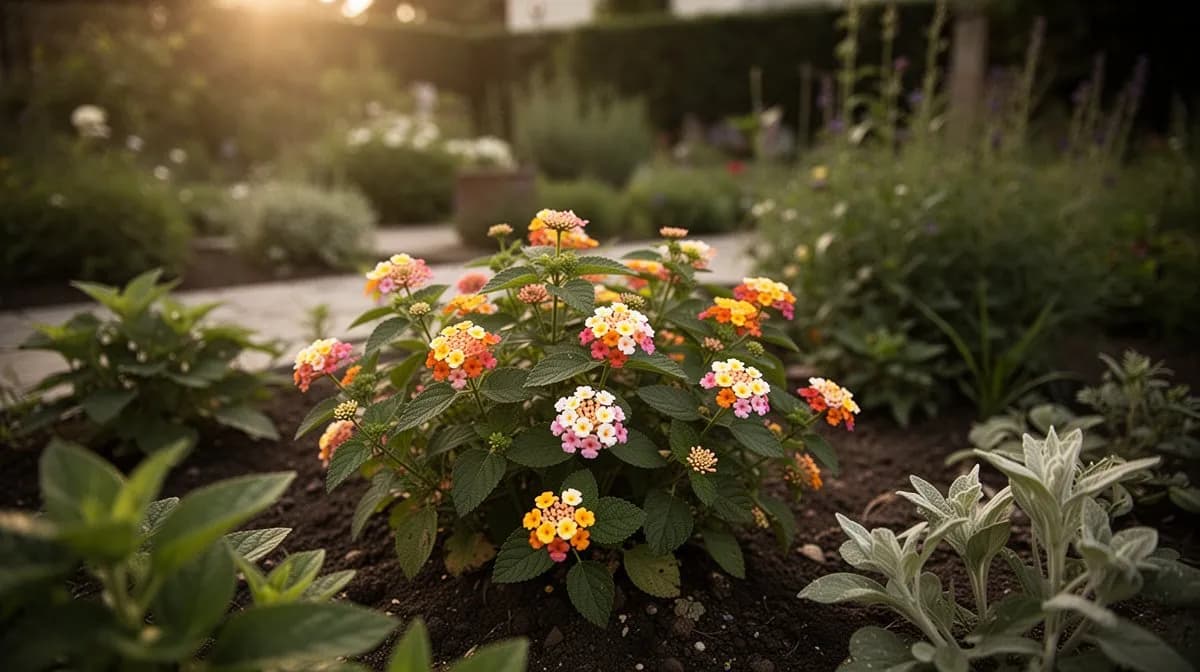
Lantana Heat-Proof Container Arrangement
45 minutesThis container planting recipe uses lantana as the star of a drought-tolerant, heat-proof patio display that thrives in the most punishing summer conditions. The combination of textures and colors creates a professional-looking arrangement that needs minimal watering once established. Note: lantana is grown strictly as an ornamental and is NOT edible.
6 ingredientsLantana Dried Flower Wreath
20 minutes assembly + 2 weeks drying timeLantana flower clusters can be dried to retain some of their color for use in decorative crafts. This project creates a cheerful dried flower wreath using lantana blooms alongside other garden flowers. Always wear gloves when handling lantana stems, as the foliage can irritate skin. Keep the finished wreath away from children and pets, as dried plant material remains toxic.
6 ingredientsWhat's inside
Health Benefits
- Lantana is a toxic plant and provides no direct health benefits through consumption. However, growing lantana contributes to mental well-being by attracting butterflies and hummingbirds, which studies show reduces stress and promotes mindfulness during garden observation.
- The act of gardening with lantana and other ornamental plants has been associated with reduced cortisol levels and improved mood, contributing to overall psychological health through regular outdoor activity and connection with nature.
- Lantana's exceptional ability to attract pollinators supports the broader garden ecosystem, which in turn benefits the productivity of nearby edible plants that depend on pollination for fruit and seed production.
- Growing lantana as a deer-resistant and rabbit-resistant border plant helps protect more vulnerable edible garden crops from animal damage, indirectly supporting the gardener's ability to grow their own nutritious food.
- Research into lantana leaf extracts has identified compounds with potential antimicrobial and insecticidal properties, though these are subjects of laboratory study only and the plant should never be used in home remedies due to its documented liver toxicity.
- Lantana's dense growth habit and prolific flowering provide ground-level habitat and nectar resources for beneficial insects including predatory wasps and parasitic flies that naturally control garden pests like aphids and caterpillars.
Where Lantana comes from
Lantana camara is native to the tropical and subtropical regions of Central and South America, with its natural range extending from Mexico through the Caribbean islands and southward into Brazil and Uruguay. It thrives in the warm, humid conditions of tropical forests, forest edges, and disturbed habitats, where it grows as a scrambling shrub reaching 2-4 meters in its perennial form. The plant was first described by European botanists in the 17th century, when Dutch and Spanish explorers brought specimens back from the New World. By the 1690s, lantana had been introduced to European botanical gardens and aristocratic greenhouses, admired for its unusual color-changing flowers and long blooming season. The plant rapidly gained popularity as an ornamental and was distributed throughout the tropics during the colonial era. British colonists introduced lantana to India, Australia, and Southeast Asia in the 19th century, where it escaped cultivation and became aggressively invasive in many regions with suitable climates. In Australia alone, lantana now infests over 4 million hectares of land and is classified as a Weed of National Significance. Despite its invasive reputation in tropical climates, lantana has earned a valued place in temperate-zone gardens where cold winters prevent it from spreading. Grown as a frost-tender annual in zones 8 and colder, it provides exceptional summer color, drought tolerance, and pollinator value without the risk of naturalization. Modern plant breeding has produced hundreds of cultivars in a wide spectrum of colors, including sterile or low-fertility varieties that produce few or no berries, reducing both toxicity concerns and invasive potential. Today, lantana remains one of the most popular bedding and container plants worldwide, sold in garden centers across North America and Europe for its unmatched heat tolerance, continuous blooming, and ability to attract butterflies and hummingbirds throughout the growing season.
Lantana: did you know?
Fascinating facts about Lantana
Lantana flower clusters change color as individual florets age, often displaying yellow, orange, pink, and red simultaneously in a single flower head, a phenomenon caused by changes in pigment pH as the flower matures.
Lantana questions, answered
When should I plant Lantana?
What are good companion plants for Lantana?
What hardiness zones can Lantana grow in?
How much sun does Lantana need?
How far apart should I space Lantana?
What pests and diseases affect Lantana?
How do I store Lantana after harvest?
What are the best Lantana varieties to grow?
What soil does Lantana need?
Are lantana berries poisonous?
Is lantana annual or perennial?
Why is my lantana not blooming?
Is lantana invasive?
Can I grow lantana indoors as a houseplant?
How do I safely handle lantana around pets and children?
You just read the theory. Now grow it on autopilot.
Everything that makes Lantana fiddly — the timing, the spacing, the companions, the harvest window — is exactly what PlotMyGarden handles for you, for every plant in your garden.
A plan that knows your weather
Set your location once. Get sow, feed and harvest dates built around your real last-frost date and live forecast — no more guessing from a generic seed packet.
From the “When to plant” sectionDrag-and-drop bed planner
Design beds on a grid. Every plant snaps to its proper spacing, and you can see your whole season laid out before you spend a cent on seed.
From the “Growing guide” sectionCompanion conflicts, caught early
200+ good-and-bad pairings checked live as you plant — so a season-wrecking mistake never makes it into the ground.
From the “Companions” sectionReminders you'll actually act on
“Water the beans.” “Pick today before it turns.” Timely, specific, and tied to the plants you're really growing.
From the “Harvest” sectionSuccession, scheduled
Want a harvest for six weeks, not six days? It spaces your sowings automatically and reminds you when each new block is due.
From the “When to plant” sectionA record that gets smarter
Every harvest you log teaches it your garden. Next year's plan starts from what actually worked in your soil, not a textbook's.
From the “Overview” sectionPlant these alongside Lantana
More Annuals
Grow your best Lantana yet — and everything around it.
Start a free plan today. Lay out your beds, drop in your Lantana, and let PlotMyGarden handle the timing, spacing, companions and reminders from seed to harvest basket.