Macedonian Scabious
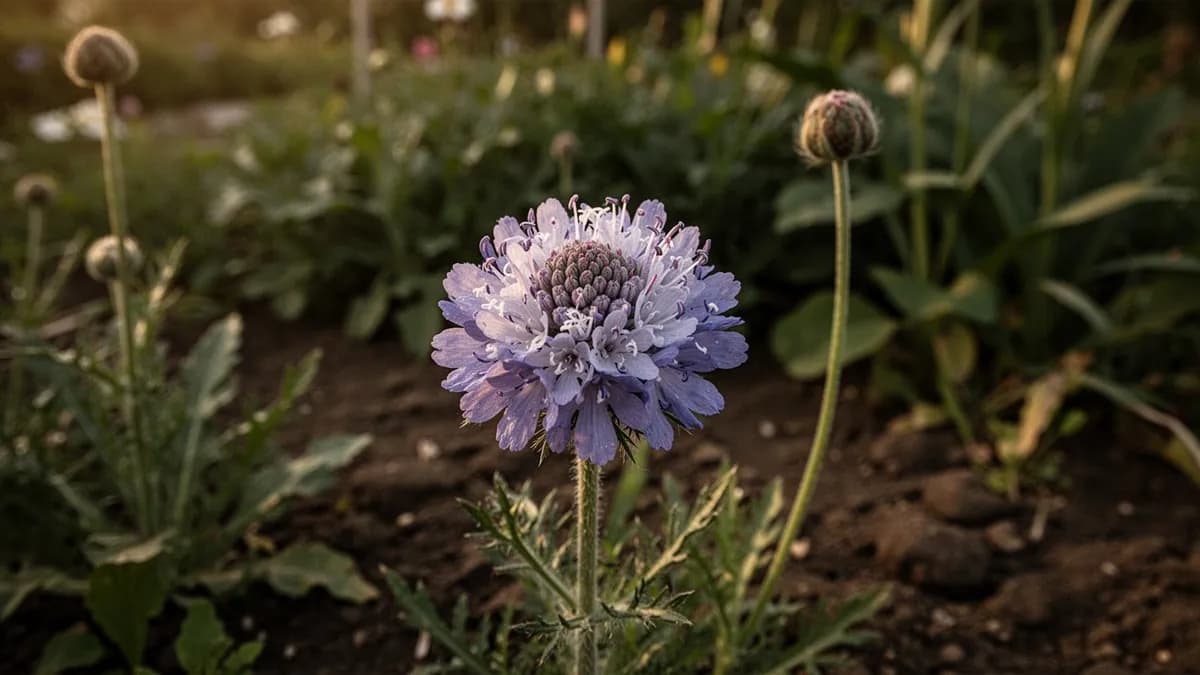
A cottage garden perennial with deep crimson pincushion flowers on wiry stems that bloom for months and attract bees and butterflies.





On this pageOverview
Meet Macedonian Scabious
A cottage garden perennial with deep crimson pincushion flowers on wiry stems that bloom for months and attract bees and butterflies. Knautia is easy to grow in average, well-drained soil and self-sows pleasantly without becoming invasive. Deadhead regularly or let some seed heads stand for winter interest and self-sowing.
When to plant Macedonian Scabious
Sow seeds in spring, covering lightly. Germination takes 14-21 days at 65°F (18°C). Plants typically flower in their second year from seed. Self-sowing maintains established plantings naturally.
Your Macedonian Scabious Year
Composed for Zone 7 · typical seasons · frost passes Apr 2, returns Nov 1
Plant Macedonian Scabious Mar – May, pick Jun – Sep. Check the planting methods below and set your climate to personalize these windows.
How to grow Macedonian Scabious
Macedonian scabious is a cottage garden gem that produces deep crimson pincushion flowers on wiry, branching stems from early summer through fall. Plant in spring, spacing 18 inches apart in full sun with well-drained soil.
Knautia is incredibly easy to grow, thriving in average garden soil with minimal care. The wiry stems sway gracefully in the breeze, creating a natural, meadow-like effect. Deadhead regularly to extend the blooming season, or allow some seed heads to develop for self-sowing.
The deep crimson-maroon flowers are unusual and valuable in the garden—few other perennials offer this rich, dark color for so long. Bees, butterflies, and other pollinators visit the flowers constantly. Knautia self-sows pleasantly without becoming weedy, creating natural drifts over time.
10 plants fit a 4 × 8 ft bed
Each Macedonian Scabious wants 45 cm of elbow room. The planner keeps that spacing for you — every plant, every bed.
Macedonian Scabious's best neighbours
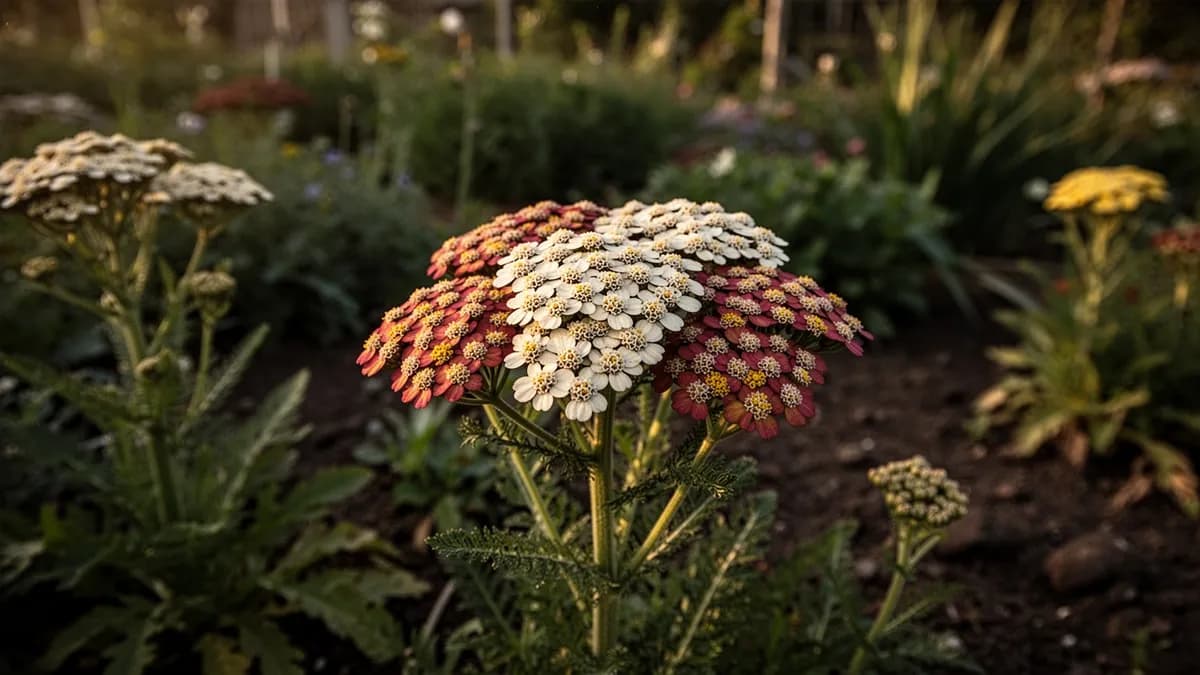
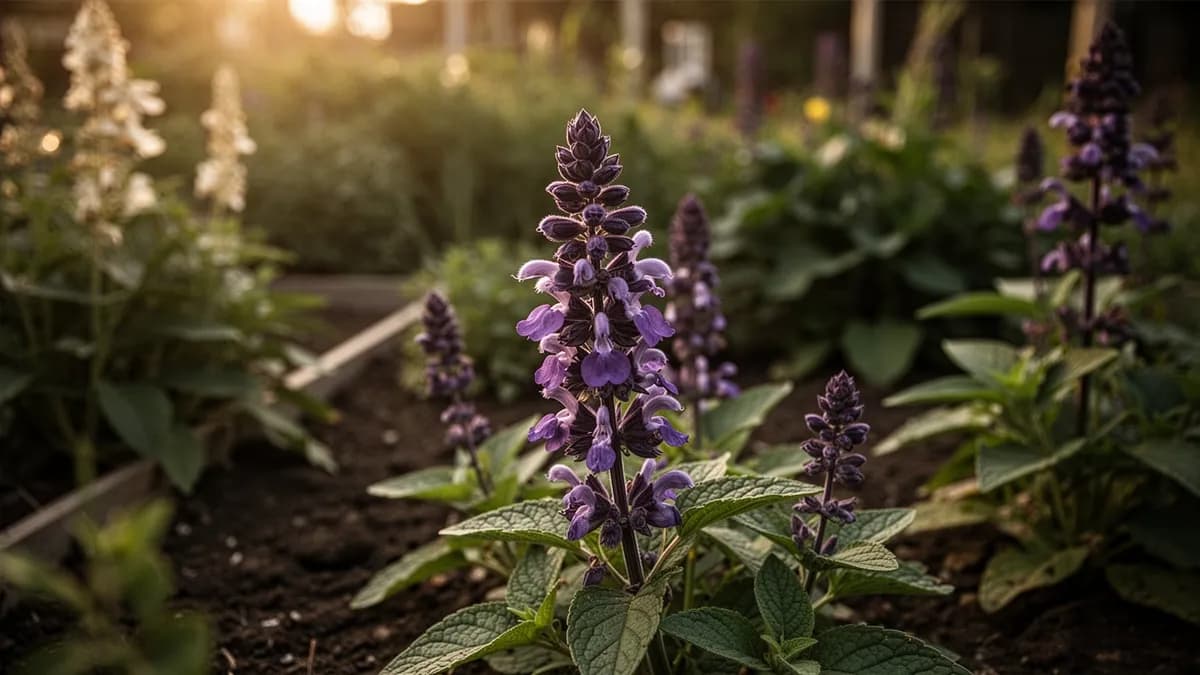
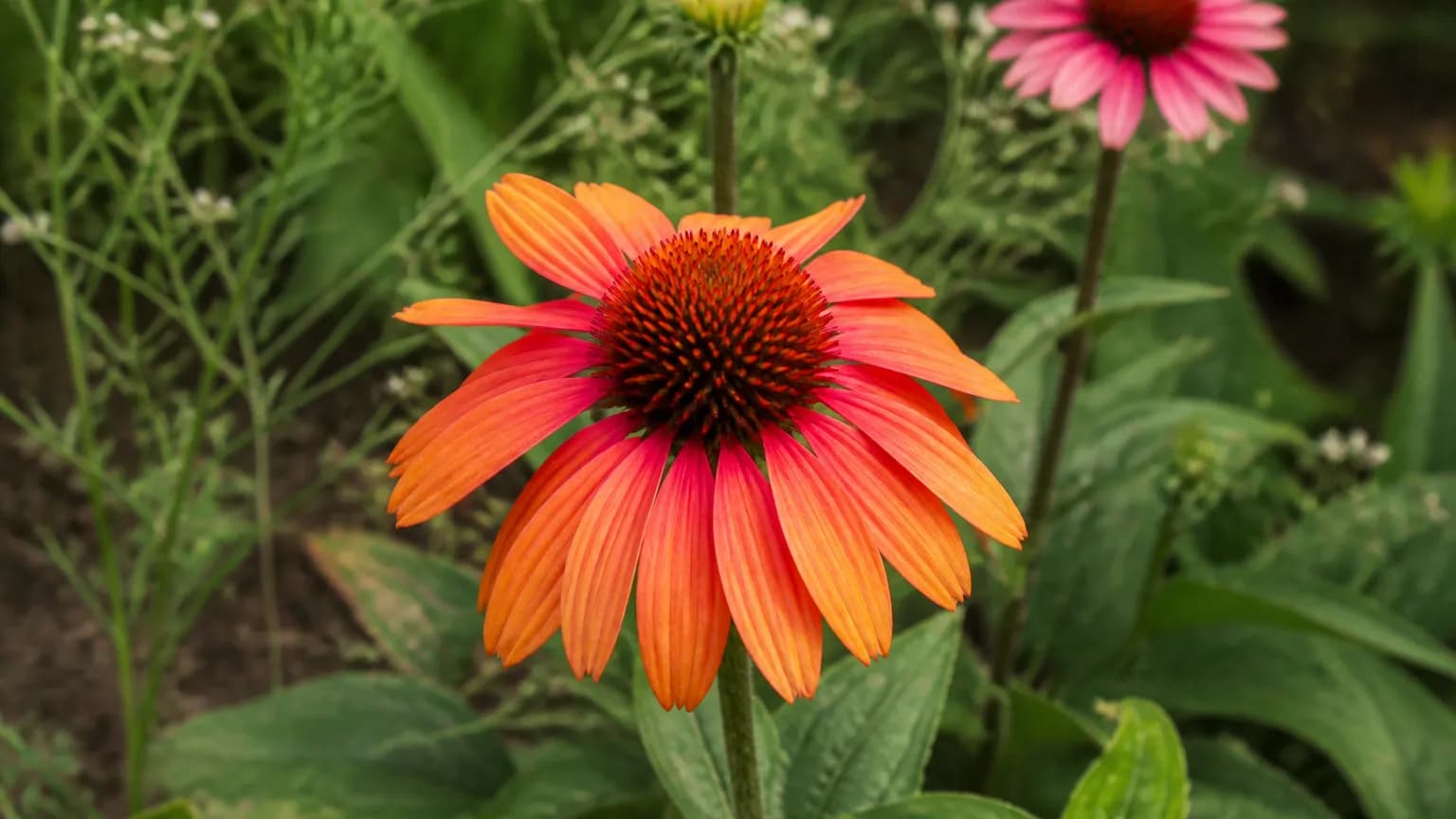
Knautia weaves beautifully through ornamental grasses, creating a naturalistic prairie effect. Pair with achillea, salvia, echinacea, and Stipa for a cottage-garden meadow. The deep crimson flowers contrast strikingly with silver artemisia and blue salvia.
Yarrow belongs beside it.
Old growers' knowledge, checked against Macedonian Scabious's real companion table below — test any plant you're growing.
Try Macedonian Scabious in a bed — right here
A real planner bed with Macedonian Scabious already in it. Tap a companion to place it and watch the pairing checks answer — green for good neighbours, red for a clash.


Related growing guides
Feed it well
Knautia thrives in average, well-drained soil with a pH of 6.0-7.5. Avoid rich soil and heavy feeding. A single application of balanced fertilizer in spring is sufficient. These plants prefer lean conditions.
Ideal Temperature
Hardiness Zone Compatibility
From seed to harvest, stage by stage
Seed Germination
Knautia macedonica seeds require a period of cold stratification (4-6 weeks at 1-5°C) to break dormancy before germination occurs. Once sown in warm, moist compost, germination is irregular and can take 14-21 days. Seeds are small and should be surface-sown or only lightly covered with fine vermiculite.
Seedling Rosette Formation
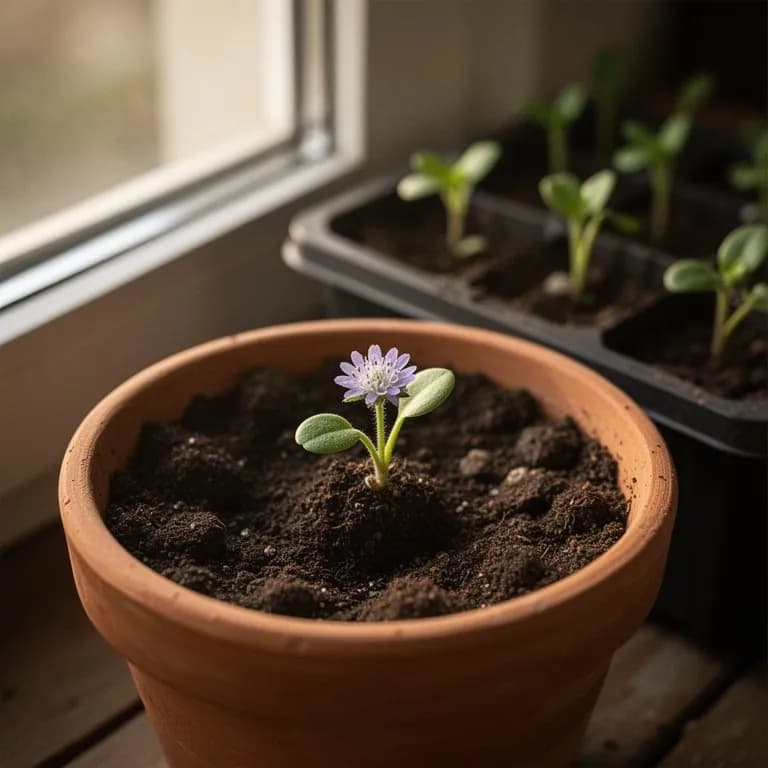
After germination, seedlings develop a pair of rounded cotyledons followed by their first true leaves, which are elongated and slightly toothed. Over several weeks the plant forms a low basal rosette of deeply lobed, lance-shaped leaves. Growth is steady but not rapid during this establishment phase as the plant focuses on root development.
Vegetative Growth and Establishment
The basal rosette expands significantly, producing numerous deeply divided leaves up to 15 cm long. A strong taproot system develops, anchoring the plant and accessing moisture from deeper soil layers. In the first year, the plant may remain as a rosette without flowering, directing energy into root establishment.
Stem Elongation and Bud Formation
Wiry, branching stems emerge from the basal rosette, rising 60-80 cm tall with opposite pairs of increasingly smaller and more divided leaves along their length. Flower buds form at the tips of the branching stems, initially appearing as tight, rounded green clusters enclosed by narrow bracts. The stems have a distinctive wiry quality that allows them to sway gracefully in the breeze.
Peak Flowering
The plant enters its spectacular long flowering season, producing a succession of deep crimson to dark magenta pincushion flowers, each 3-4 cm across. Individual flowers consist of numerous tiny florets arranged in a domed head, with the outer florets being slightly larger than the inner ones. Flowering typically runs from mid-June through September, with each stem producing multiple blooms sequentially.
Seed Setting and Dispersal
After pollination, the flower heads develop into attractive rounded seed heads, each containing numerous small, single-seeded fruits (achenes) surrounded by a cup-shaped calyx with feathery bristles. These structures aid wind dispersal and give the seed heads an ornamental quality. The plant self-seeds readily in open, well-drained soil.
Dormancy and Overwintering
As temperatures drop in autumn, the above-ground stems and foliage die back, though the basal rosette of evergreen to semi-evergreen leaves often persists through mild winters. The strong taproot stores energy for the following year's growth. In colder regions, the plant may become fully deciduous.
Sow seeds on the surface of moist seed-starting mix and press gently without covering deeply. If sowing in spring, pre-chill seeds in a damp paper towel in the refrigerator for 4-6 weeks. Keep soil temperature at 15-18°C for best germination rates. Be patient, as germination is often erratic.
Caring for Macedonian Scabious month by month
What to do each month for your Macedonian Scabious
October
You are hereTransplant self-sown seedlings to desired locations while they are still small and easy to move. Cut back flowering stems once they have finished or leave seed heads standing for winter interest and wildlife value. Apply a light top-dressing of compost around the crown.
Know exactly what to do in your garden — every month
One email at the start of each month: what to sow, plant, and tackle right now — for your Macedonian Scabious and everything growing around it. Plus a short starter course that helps you dodge the classic mistakes.
- What to do, right now
- Matched to your season
- Starter course included
Harvesting Macedonian Scabious
Cut knautia flowers for informal cottage-style arrangements. The deep crimson blooms last 5-7 days in the vase and add an unusual color note to mixed bouquets. The seed heads can be left to dry on the plant for winter interest.
assuming you plant when the window opens — set your real date
Pick Macedonian Scabious promptly and the plant keeps producing.
Storage & Preservation
Knautia is fully hardy and needs no storage. Cut back in late autumn. Allow some self-sowing to maintain the planting. Division in spring rejuvenates older clumps.
What goes wrong — and the fix
Powdery Mildew
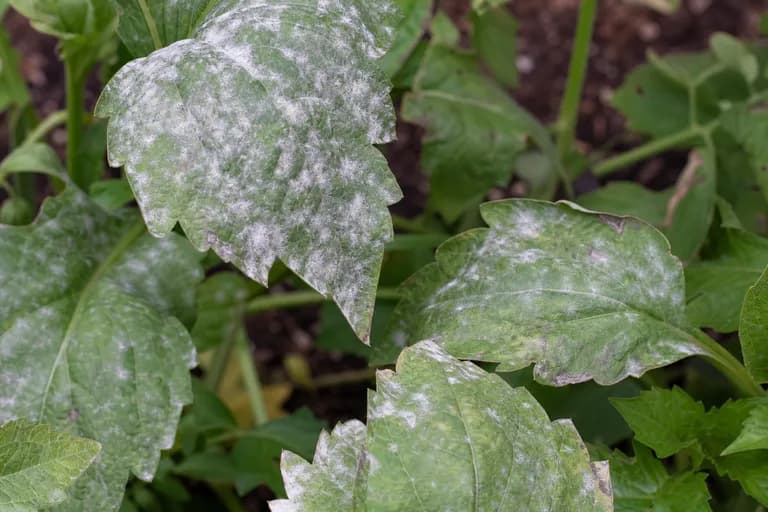
DiseaseWhite coating on lower leaves in humid conditions. Minor and cosmetic.
Troubleshooting Common Problems
Excessive self-sowing may require management—deadhead to control spread. Plants in rich soil become leggy and flop. Short-lived in heavy, wet soil. Provide well-drained conditions for longevity.
Growing Tips
- Plant knautia in full sun for the best flowering performance. It tolerates light partial shade but will produce fewer flowers and develop lankier stems in lower light conditions.
- Ensure excellent soil drainage, which is the single most critical factor for success. Knautia tolerates poor, stony, and alkaline soils but will rot in heavy, waterlogged clay. Amend clay soils generously with grit and compost before planting.
- Deadhead regularly throughout the summer by cutting spent flowers back to a lateral bud or side shoot. This simple practice can extend the flowering season by 4-6 weeks and prevents the plant from putting energy into unwanted seed production.
- Allow some flowers to set seed toward the end of the season if you want the plant to self-sow. Self-sown seedlings often appear in gravel paths, cracks in paving, and at the base of walls where drainage is sharpest.
- Divide established clumps every 3-4 years in early spring to maintain vigor and increase your stock. Lift the entire plant, split it into sections with a sharp spade, and replant the healthiest outer portions immediately.
- Combine knautia with ornamental grasses such as Stipa gigantea and Molinia caerulea for a naturalistic prairie-style planting. The grasses provide physical support for knautia's wiry stems and create beautiful textural contrast.
- Take basal cuttings in spring by removing 7-10 cm shoots from the base of the plant with a small heel of older tissue. Insert into a free-draining cutting mix and keep in a cool, bright position until rooted in 3-4 weeks.
- If powdery mildew appears on the lower foliage during humid weather, improve air circulation by thinning congested stems and avoid overhead watering. Remove and dispose of badly affected leaves to prevent spread.
- In colder regions (USDA zone 5), apply a winter mulch of straw or evergreen branches over the crown after the first hard frost to provide insulation. Remove the mulch gradually in early spring as new growth emerges.
- Knautia performs exceptionally well in gravel gardens and Mediterranean-style plantings. Its taproot system makes it drought-tolerant once established, typically needing supplemental water only during extended dry spells lasting more than 2-3 weeks.
Grow your best Macedonian Scabious yet — and everything around it.
Start a free plan today. Lay out your beds, drop in your Macedonian Scabious, and let PlotMyGarden handle the timing, spacing, companions and reminders from seed to harvest basket.
Pick your Macedonian Scabious
Knautia macedonica 'Melton Pastels'
A seed strain with flowers ranging from deep crimson through pink, salmon, and mauve. Beautiful mixed drift.
Knautia macedonica 'Mars Midget'
Compact form at 12-15 inches with deep crimson flowers. Ideal for smaller gardens and front of border.
Knautia macedonica is exceptionally cost-effective once established. A single packet of seeds (typically 50-100 seeds for $3-5) can produce dozens of plants, and the species self-seeds freely, creating new plants year after year at no additional cost. As a long-lived perennial (5-8 years or more), it eliminates the annual expense of replanting seasonal bedding. Established clumps can be divided every 3-4 years to create additional plants for free. Its drought tolerance reduces water costs, and its ability to thrive in poor soil means minimal fertilizer expenditure. Compared to purchasing potted perennials at $8-15 each, growing knautia from seed can save well over $100 when establishing a large drift planting.
Quick recipes
Fresh Cut Knautia Arrangement
15 minutesA stunning informal flower arrangement featuring the deep crimson pincushion blooms of Knautia macedonica mixed with complementary garden flowers. The wiry, branching stems create a naturally airy and graceful display that lasts well in a vase for 5-7 days when properly conditioned.
6 ingredients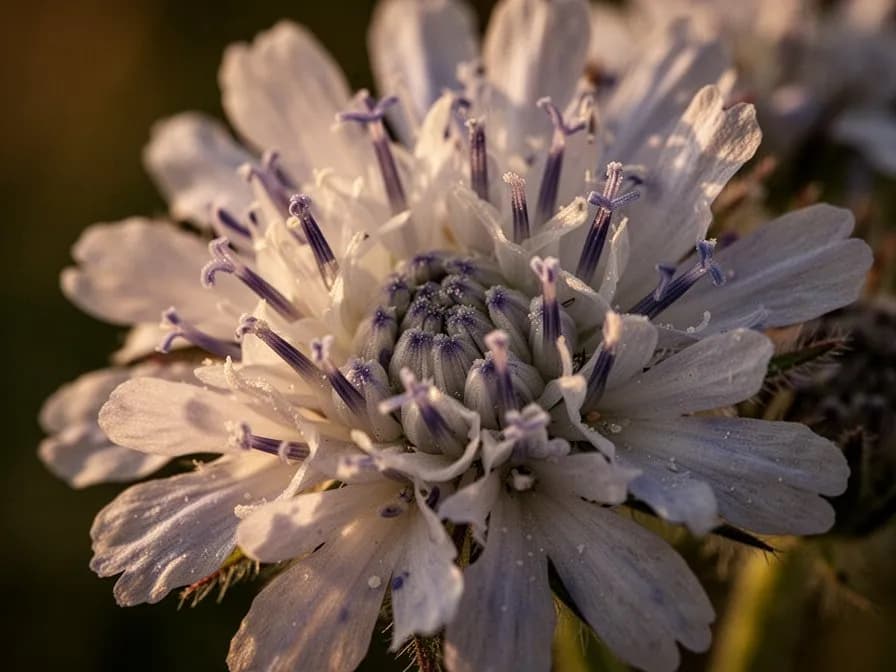
Dried Knautia Seed Head Wreath
45 minutesA beautiful everlasting wreath made from the distinctive rounded seed heads of Knautia macedonica, combined with other dried garden materials. The seed heads retain their architectural dome shape beautifully when dried, creating lasting textural interest for autumn and winter decoration.
6 ingredients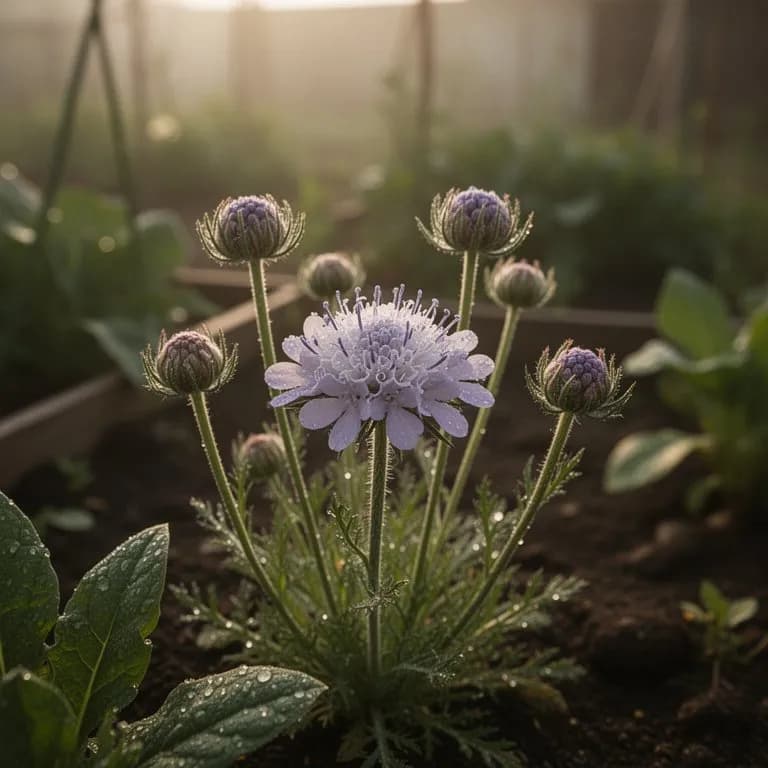
Knautia Pollinator Garden Seed Mix
20 minutesA carefully balanced wildflower seed mix centered around Knautia macedonica, designed to create a long-flowering pollinator meadow strip. This mix combines plants with overlapping bloom times to provide nectar from late spring through autumn, supporting a wide range of beneficial insects throughout the season.
6 ingredientsWhat's inside
Health Benefits
- Knautia macedonica is one of the top nectar-producing perennials for pollinator gardens, supporting bees, butterflies, hoverflies, and other beneficial insects that are essential for food crop pollination and broader ecosystem health.
- Spending time tending and observing flowering plants like knautia has been associated with reduced stress and improved mental well-being, consistent with horticultural therapy research showing benefits of gardening for anxiety reduction.
- The long flowering season of knautia from June through September provides sustained visual beauty in the garden, contributing to the positive psychological effects of exposure to natural color and living landscapes.
- Related species in the Knautia and Scabiosa genera have a documented history in European folk medicine, where decoctions were applied externally to treat skin conditions including scabies, eczema, and minor wounds.
- Growing knautia and similar pollinator-friendly perennials contributes to local biodiversity, supporting food webs that include insectivorous birds and predatory insects that naturally control garden pest populations.
- As a low-maintenance, drought-tolerant perennial, knautia reduces the need for resource-intensive gardening practices such as frequent watering, heavy fertilization, and annual replanting, promoting a more sustainable approach to gardening.
Where Macedonian Scabious comes from
Knautia macedonica, commonly known as Macedonian scabious, is a herbaceous perennial native to the central Balkan Peninsula, with its range extending through North Macedonia, Serbia, Albania, Greece, and parts of Romania. In its homeland, it inhabits dry meadows, rocky limestone grasslands, open scrubland, and woodland margins from lowland areas up to approximately 1,800 meters in elevation. The plant has adapted to the warm, dry summers and cold winters of the continental Balkan climate, developing a deep taproot that allows it to thrive in well-drained, nutrient-poor soils where many other perennials would struggle. The genus Knautia was named in honor of Christoph Knaut, a 17th-century German physician and botanical writer, while the species epithet macedonica references the historical region of Macedonia where it was first formally described for botanical science. Although the plant has been known to local herbalists and naturalists in southeastern Europe for centuries, it remained largely obscure in Western horticulture until the latter half of the 20th century. Its journey into mainstream garden culture was significantly accelerated by the Dutch garden designer Piet Oudolf and the broader New Perennial Movement of the 1990s, which championed long-flowering, ecologically valuable, and low-maintenance perennials for naturalistic planting designs. Oudolf recognized the exceptional merits of Knautia macedonica: its extraordinarily long blooming period, its deep crimson color that was unusual among summer perennials, its graceful wiry habit, and its outstanding value as a pollinator plant. Since then, the plant has received the Royal Horticultural Society Award of Garden Merit and has become widely available through nurseries and seed catalogs across Europe and North America. Breeding work has expanded the available color range through selections such as 'Melton Pastels' and the compact 'Mars Midget,' while the species continues to naturalize freely in gardens, meadows, and roadside verges where conditions suit its preference for sun and sharp drainage.
Macedonian Scabious: did you know?
Fascinating facts about Macedonian Scabious
Knautia macedonica is named after the 17th-century German botanist Christoph Knaut (1638-1694), who was a physician and botanical author in Halle, Germany, and its species name refers to its native range in the Balkans, particularly North Macedonia.
Macedonian Scabious questions, answered
When should I plant Macedonian Scabious?
What are good companion plants for Macedonian Scabious?
What hardiness zones can Macedonian Scabious grow in?
How much sun does Macedonian Scabious need?
How far apart should I space Macedonian Scabious?
What pests and diseases affect Macedonian Scabious?
How do I store Macedonian Scabious after harvest?
What are the best Macedonian Scabious varieties to grow?
What soil does Macedonian Scabious need?
Is Knautia macedonica the same as scabious?
How long does Knautia macedonica bloom?
Does Knautia macedonica spread aggressively?
What soil does Knautia macedonica need?
Can I grow Knautia macedonica in containers?
Is Knautia macedonica deer and rabbit resistant?
You just read the theory. Now grow it on autopilot.
Everything that makes Macedonian Scabious fiddly — the timing, the spacing, the companions, the harvest window — is exactly what PlotMyGarden handles for you, for every plant in your garden.
A plan that knows your weather
Set your location once. Get sow, feed and harvest dates built around your real last-frost date and live forecast — no more guessing from a generic seed packet.
From the “When to plant” sectionDrag-and-drop bed planner
Design beds on a grid. Every plant snaps to its proper spacing, and you can see your whole season laid out before you spend a cent on seed.
From the “Growing guide” sectionCompanion conflicts, caught early
200+ good-and-bad pairings checked live as you plant — so a season-wrecking mistake never makes it into the ground.
From the “Companions” sectionReminders you'll actually act on
“Water the beans.” “Pick today before it turns.” Timely, specific, and tied to the plants you're really growing.
From the “Harvest” sectionSuccession, scheduled
Want a harvest for six weeks, not six days? It spaces your sowings automatically and reminds you when each new block is due.
From the “When to plant” sectionA record that gets smarter
Every harvest you log teaches it your garden. Next year's plan starts from what actually worked in your soil, not a textbook's.
From the “Overview” sectionPlant these alongside Macedonian Scabious
More Perennials
Grow your best Macedonian Scabious yet — and everything around it.
Start a free plan today. Lay out your beds, drop in your Macedonian Scabious, and let PlotMyGarden handle the timing, spacing, companions and reminders from seed to harvest basket.