Yaca
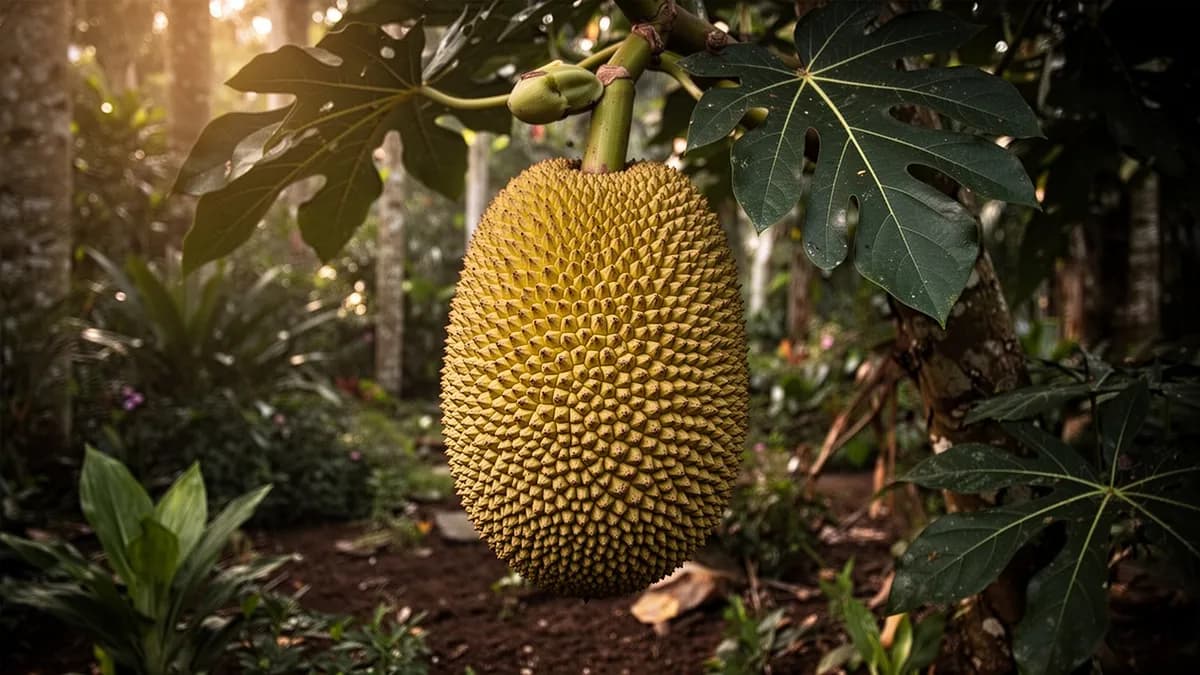
La fruta que crece en árbol más grande del mundo, con ejemplares individuales que pueden pesar hasta 36 kilos y contener gajos dulces y aromáticos.





En esta páginaResumen
Conoce Yaca
La fruta que crece en árbol más grande del mundo, con ejemplares individuales que pueden pesar hasta 36 kilos y contener gajos dulces y aromáticos. La yaca joven e inmadura tiene una textura similar a la carne que la ha vuelto muy popular como sustituto vegano de la carne. Los árboles crecen con rapidez en condiciones tropicales y comienzan a fructificar en tres o cuatro años.
Cuándo plantar Yaca
Las semillas de yaca pierden viabilidad con rapidez y deben plantarse a los pocos días de extraerlas. Limpia las semillas y ponlas en remojo toda la noche. Siembra a 2.5 cm de profundidad en un sustrato húmedo y rico, con el lado plano hacia abajo. Mantén el calor entre 24 y 29 grados Celsius y la humedad constante. La germinación ocurre en tres a ocho semanas. Los plantones crecen rápido y deben trasplantarse a su ubicación definitiva dentro del primer año, ya que la raíz principal en desarrollo no tolera bien las perturbaciones. Se prefieren árboles injertados para asegurar una calidad de fruto fiable.
Tu año de Yaca
Ajustado a Zona 7 · temporada típica · la helada se va hacia el 2 abr y vuelve hacia el 1 nov
Planta Yaca Mar – May y cosecha Mar – Sep. Consulta los métodos de plantación y elige tu clima para adaptar los periodos.
Cómo cultivar Yaca
Los árboles de yaca son tropicales de hoja perenne y crecimiento rápido que, en condiciones ideales, pueden alcanzar entre 18 y 24 metros de altura. Elige un lugar con pleno sol, suelo profundo y bien drenado, y protección frente a vientos fuertes. El árbol desarrolla una raíz principal profunda, así que evita zonas con nivel freático alto o subsuelo compactado. Planta plantones o árboles injertados en un hoyo tres veces más ancho que el cepellón, rellenando con tierra nativa enmendada con compost.
Riega con regularidad los árboles jóvenes para establecer un sistema radicular fuerte y después reduce la frecuencia a medida que el árbol madura. La yaca tolera sequía moderada una vez establecida, pero produce mejores frutos con humedad constante. Fertiliza cada tres meses con un abono equilibrado, aumentando el potasio durante la temporada de fructificación. Los árboles cultivados en suelos arenosos se benefician de materia orgánica adicional y suplementación de micronutrientes.
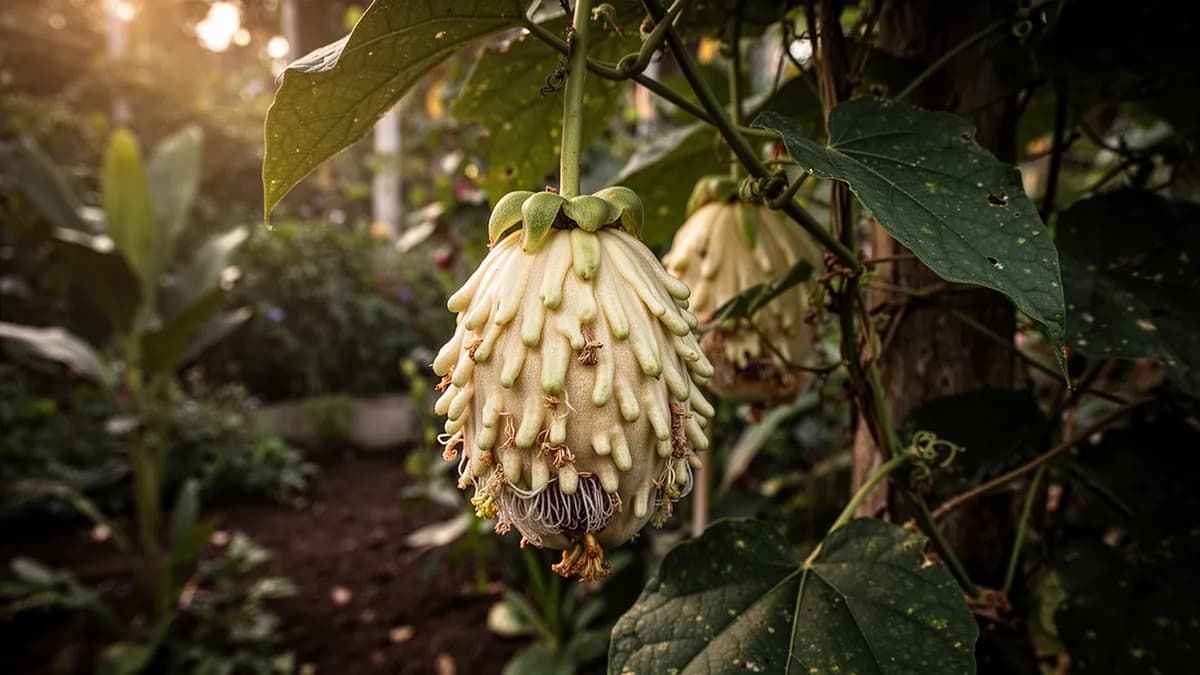
Los árboles de yaca producen frutos directamente sobre el tronco y las ramas principales, una característica llamada caulifloria. Aclare los frutos dejando tres o cuatro por rama para obtener piezas más grandes y de mejor calidad. Pode para controlar la altura y mantener una copa manejable para la cosecha. Elimine ramas muertas y aclare el interior de la copa para mejorar la entrada de luz. En climas marginales cercanos a la zona 10, proteja los árboles jóvenes del frío con manta antiheladas durante el invierno.
Para Yaca un bancal de 120 × 240 cm se queda corto
Cada Yaca pide 900 cm de margen. El planificador guarda ese marco por ti — cada planta, cada bancal.
Guías de cultivo relacionadas
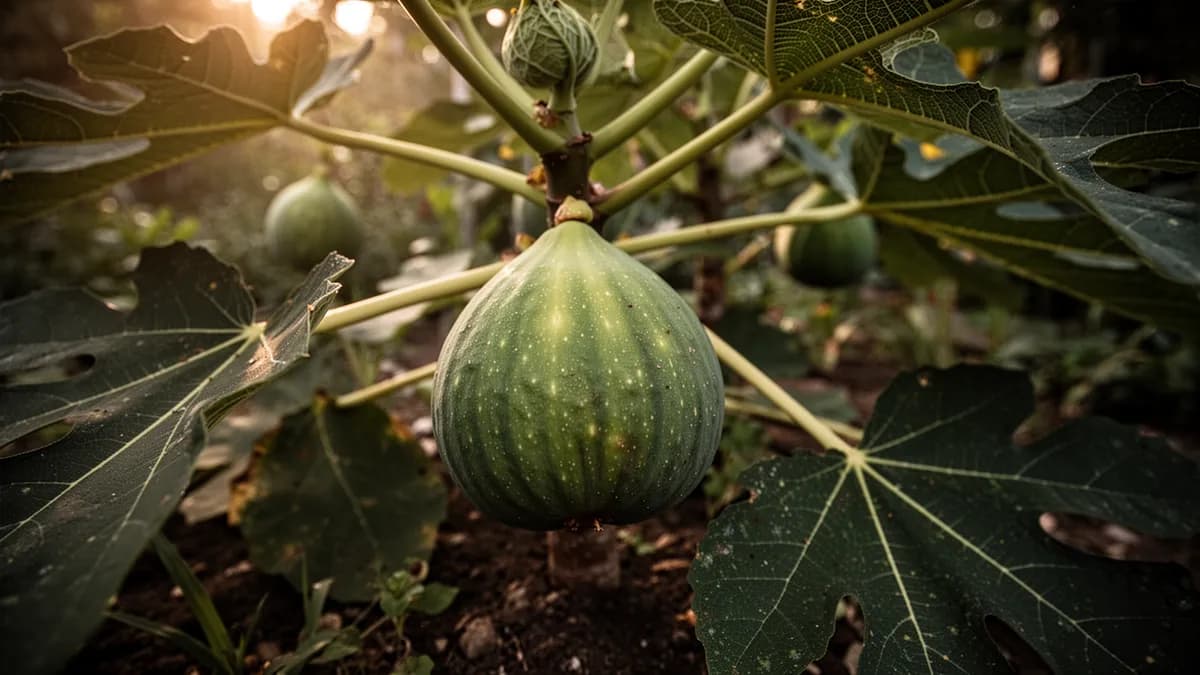
Abónalo bien
La yaca crece mejor en un suelo aluvial o franco, profundo y bien drenado, con un pH de 6.0 a 7.5. No tolera el encharcamiento, que provoca pudrición de raíces. Aplica un fertilizante NPK equilibrado cada trimestre, con mayor potasio durante la fructificación. Los árboles maduros se benefician de 4.5 a 7 kilos de compost orgánico aplicados cada año alrededor de la línea de goteo. Complementa con zinc y boro en suelos deficientes para evitar un mal desarrollo del fruto y deformaciones foliares.
Temperatura ideal
Compatibilidad de zonas de rusticidad
De la semilla a la cosecha, etapa por etapa
Germinación
Las semillas germinan en 3–8 días cuando se mantienen húmedas y cálidas. El plantón emerge con dos cotiledones anchos, seguidos por las primeras hojas verdaderas en 2–4 semanas.
Establecimiento del plantón
El árbol joven desarrolla una raíz principal y produce varios conjuntos de hojas brillantes y elípticas. El crecimiento es rápido con calor y 6 o más horas de sol directo al día.
Crecimiento juvenil
El árbol aumenta de forma notable su crecimiento vegetativo, formando una copa densa y un tronco más grueso. En esta fase no hay fructificación, pero se establecen la estructura y el sistema radicular del árbol.
Primera floración
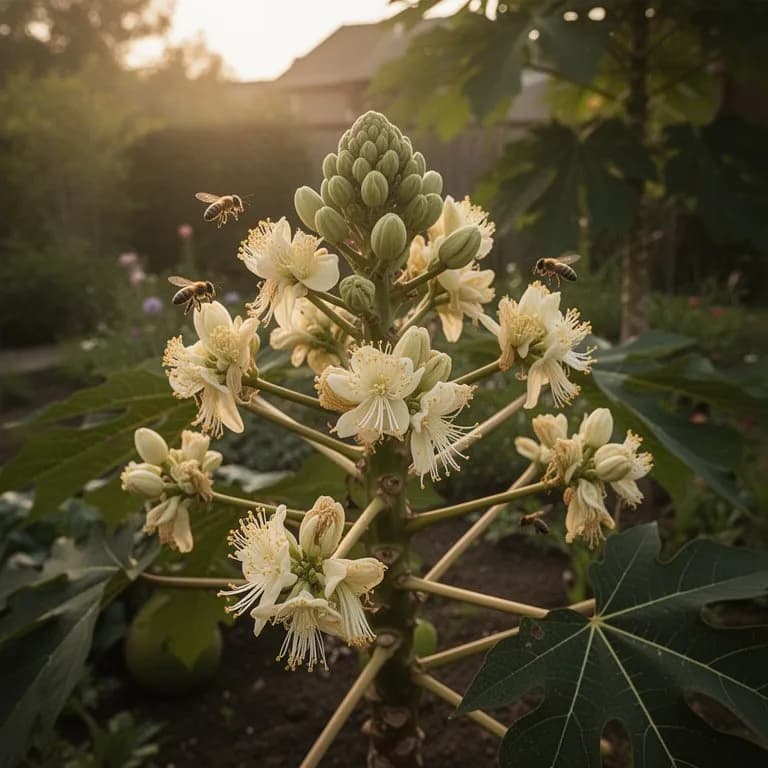
Los árboles injertados pueden florecer en 2–3 años; los árboles nacidos de semilla suelen tardar 5–7 años. Pequeñas espigas florales caulifloras emergen del tronco y de las ramas principales. La polinización la realizan insectos y el viento.
Desarrollo del fruto
Tras una polinización exitosa, la flor femenina se convierte en un fruto compuesto en 3–6 meses. El fruto crece con rapidez y a menudo alcanza entre 10 y 50 kg al madurar. La piel verde espinosa pasa gradualmente a un tono marrón amarillento.
Maduración y cosecha
El fruto está maduro cuando cede ligeramente a la presión de los dedos, se vuelve marrón amarillento, desprende un fuerte aroma dulce y produce un sonido hueco al golpearlo. La fruta madura está lista para consumirse fresca.
Rebrote tras la cosecha
Después de la cosecha, el árbol sigue produciendo nuevas espigas florales y puede dar una segunda cosecha en el mismo año en condiciones tropicales óptimas. Es una planta perenne y productiva durante décadas.
Usa semillas frescas: las semillas de yaca pierden viabilidad rápidamente. Ponlas en agua durante 24 horas antes de sembrarlas para mejorar el porcentaje de germinación.
Cuidar Yaca mes a mes
Qué hacer cada mes para tu Yaca
Octubre
Mes actualDespués de la cosecha principal, aplica un fertilizante completo para ayudar al árbol a recuperarse y preparar la producción del año siguiente. Limpia los frutos caídos y los restos vegetales alrededor de la base para reducir la presión de hongos y plagas.
Ten claro qué hacer en tu huerto, cada mes
Un correo al empezar cada mes: qué sembrar, plantar y hacer ahora mismo — para tu Yaca y todo lo que crece alrededor. Más un breve curso inicial para esquivar los errores clásicos.
- Qué hacer ahora mismo
- Ajustado a tu temporada
- Curso inicial incluido
Cosechar Yaca
La yaca está lista para cosechar cuando la piel pasa de verde a marrón amarillento, las espinas se aplanan y se separan y la fruta desprende un aroma dulce muy intenso. Golpea la fruta y escucha un sonido hueco en lugar de un golpe sólido. Corta el pedúnculo con un cuchillo o una sierra afilados, ya que el fruto es pesado y el tallo es grueso. Cubre tus manos y herramientas con aceite de cocina antes de cortar, porque la fruta contiene látex extremadamente pegajoso. La fruta madura cede ligeramente a la presión.
se supone que plantas al comenzar el periodo — indica tu fecha real
Cosecha Yaca a tiempo y la planta sigue produciendo.
Almacenamiento y conservación
La yaca madura entera, sin cortar, se conserva a temperatura ambiente de tres a cinco días o refrigerada hasta dos semanas. Una vez cortada, separa los gajos comestibles de las fibras y las semillas, y guarda los gajos refrigerados en un recipiente hermético hasta una semana. Los gajos se congelan bien hasta dos meses. La yaca inmadura puede envasarse en salmuera para usarla como sustituto de carne. Las semillas son comestibles cuando se hierven o se tuestan, y pueden secarse y molerse para hacer harina.
Qué falla — y cómo solucionarlo
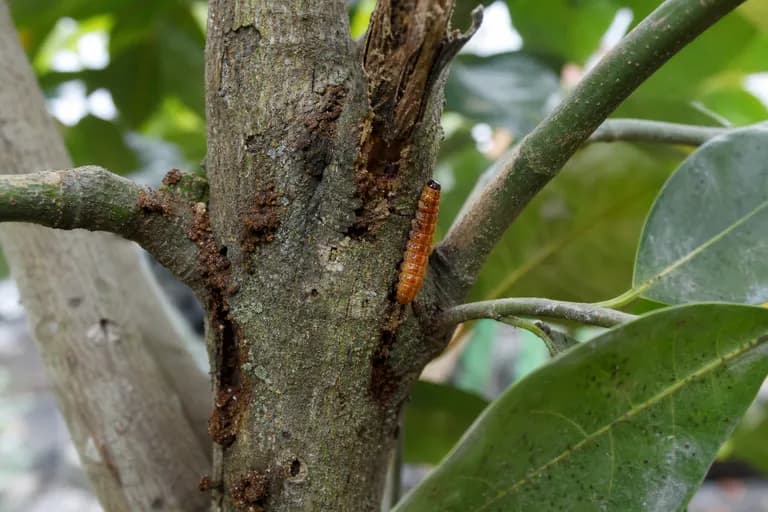
Barrenador de la yaca
PlagaAgujeros de perforación en el tronco y las ramas con acumulación de serrín, ramas debilitadas que pueden romperse, galerías visibles al retirar la corteza.
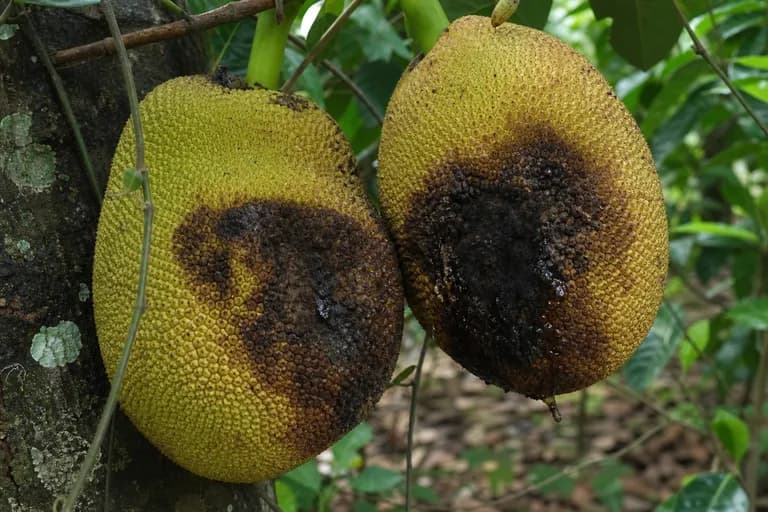
Podredumbre del fruto por Rhizopus
EnfermedadZonas blandas y empapadas en fruta madura que se expanden con rapidez, moho negro en la superficie del fruto, olor agrio a fermentación.
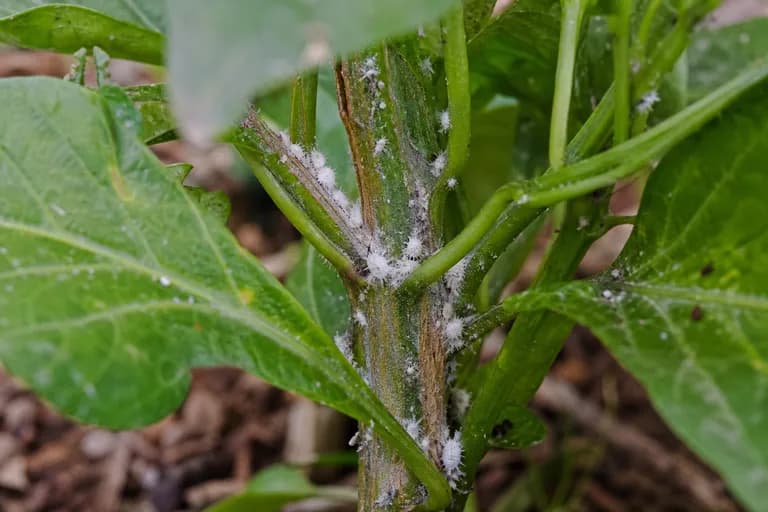
Cochinillas algodonosas
PlagaMasas blancas y algodonosas en el envés de las hojas y en los frutos, secreción pegajosa de melaza, crecimiento de fumagina, amarilleo y crecimiento reducido.
Solución de problemas comunes
La caída de frutos es frecuente cuando los árboles sufren estrés por sequía, carencia de nutrientes o presión de plagas. El látex pegajoso que se libera durante la cosecha puede manchar de forma permanente la ropa y las herramientas. Los árboles de yaca son susceptibles a la pudrición de raíces en suelos con mal drenaje. En climas marginales, el daño por frío en flores y frutos jóvenes reduce la producción. Los frutos pesados pueden romper ramas si no se sostienen o aclaran adecuadamente. Las aves y los murciélagos frugívoros pueden dañar los frutos en maduración.
Consejos de cultivo
- La yaca tiene una raíz principal profunda y sensible: empieza siempre las semillas en recipientes profundos o trasplanta los plantones cuando aún son muy jóvenes (menos de 30 cm) para evitar daños radiculares que pueden frenar el crecimiento de forma permanente.
- Los árboles injertados de un vivero de confianza se recomiendan encarecidamente frente a los árboles de semilla para los jardineros domésticos, porque fructifican entre 2 y 3 años antes y producen frutos con las características de calidad conocidas de la variedad madre.
- Planta la yaca en un lugar protegido de vientos fuertes, ya que las hojas grandes y los frutos pesados hacen que el árbol sea vulnerable a la rotura de ramas y a la caída de frutos durante las tormentas: un muro orientado al sur o un seto cortavientos ofrece una protección ideal.
- La yaca no tolera el suelo encharcado: planta siempre en franco arenoso o suelo franco bien drenado, con un pH ligeramente ácido entre 6.0 y 7.5, y eleva el lugar de plantación o crea canales de drenaje si tu suelo retiene agua después de llover.
- El árbol responde muy bien al acolchado orgánico: mantén una capa de 10–15 cm de virutas de madera o paja hasta la línea de goteo, renovándola dos veces al año para suprimir malas hierbas, conservar la humedad y mejorar gradualmente la materia orgánica del suelo.
- Al cosechar, usa siempre guantes y ropa vieja: la savia blanca de látex que sale de las superficies cortadas es extraordinariamente pegajosa y se adhiere a la piel, la tela y las herramientas. Frota el cuchillo, las manos y la superficie de corte con aceite de coco o vegetal antes de hacer cualquier corte.
- En cultivo en contenedor, elige una maceta de al menos 100 litros para el largo plazo, usa una mezcla tropical bien drenante y asume que la producción será modesta. Meter el contenedor en el interior durante el invierno es esencial en cualquier clima con heladas.
- La yaca se beneficia del cultivo asociado con árboles fijadores de nitrógeno, como el gandul o la leucaena, que mejoran la fertilidad del suelo. Intercalar plátano, papaya o jengibre en los primeros años maximiza el espacio mientras el árbol madura.
- Las moscas de la fruta son la plaga más dañina de la yaca en muchas regiones: coloca trampas con cebo proteico alrededor de la copa desde la floración hasta la cosecha, y embolsa los frutos en desarrollo con bolsas de papel o de malla transpirable para evitar la puesta de huevos en la piel.
- No permitas nunca que los frutos caídos se pudran bajo el árbol, porque atraen grandes cantidades de moscas de la fruta, roedores y hongos que empeoran progresivamente la presión de plagas temporada tras temporada. Recoge y composta o entierra los frutos caídos de inmediato.
Cultiva tu mejor Yaca — y todo lo que la rodea.
Empieza un plan gratis hoy. Diseña tus bancales, coloca tu Yaca y deja que PlotMyGarden gestione el momento, el espaciado, las asociaciones y los recordatorios de la semilla a la cesta.
Elige tu Yaca
Black Gold
Selección de Florida que produce frutos medianos con pulpa de naranja intenso, muy dulce y un aroma fuerte y agradable. Da cosechas abundantes y constantes.
Cheena
Híbrido malasio con frutos pequeños a medianos de pulpa excepcionalmente dulce y crujiente. Árbol más compacto, adecuado para huertos domésticos.
NS1
Variedad popular del sudeste asiático que produce frutos uniformes de tamaño medio con pulpa gruesa, dulce y anaranjada. Temprana y muy productiva, ideal para producción comercial.
Honey Gold
Produce frutos pequeños a medianos con pulpa dorada intensamente dulce y menos fibrosa que la mayoría de las variedades. Buena para cultivo en contenedor en zonas protegidas.
Cultivar un solo árbol de yaca maduro en un clima tropical o subtropical adecuado puede producir entre 100 y 200 frutos al año, cada uno de 5 a 30 kg. Con precios de mercado habituales de 2 a 5 dólares por kilo, un árbol productivo puede generar entre 500 y 3.000 dólares en fruta al año. Para los hogares de regiones tropicales, un árbol de yaca prácticamente elimina la necesidad de comprar sustitutos de la carne, ya que el fruto inmaduro sirve como una fuente versátil y gratuita de proteína vegetal. Incluso en climas templados donde la yaca debe importarse, cultivarla en un invernadero o en un contenedor grande puede ahorrar entre 50 y 150 dólares al año en compras especializadas.
Recetas rápidas
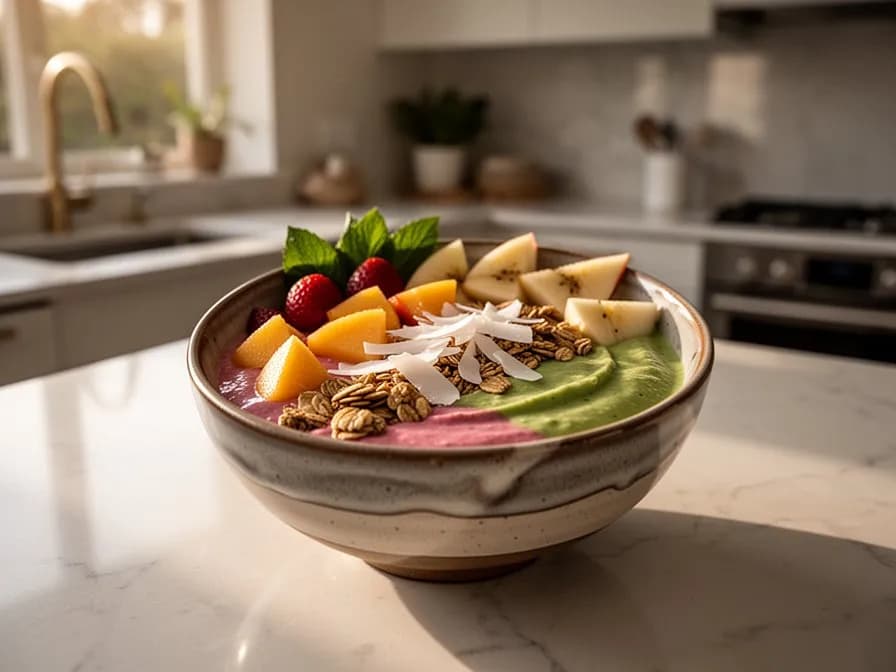
Tacos de yaca desmechada
35 minutosYaca verde joven cocinada lentamente en una salsa ahumada de chipotle y comino, deshilachada para imitar el cerdo desmechado y servida en tortillas de maíz calientes con cebolla encurtida y crema de aguacate.
10 ingredientesCurry tailandés verde de yaca
40 minutosUn aromático curry verde estilo tailandés con yaca joven cocida a fuego lento en leche de coco con limoncillo, hojas de lima kaffir y albahaca tailandesa, servido con arroz jazmín al vapor.
10 ingredientesPudin dulce de yaca y coco
20 minutosUn postre sencillo y reconfortante, inspirado en el sudeste asiático, elaborado con arilos de yaca madura, arroz glutinoso y crema de coco endulzada, que a menudo se sirve caliente o a temperatura ambiente.
6 ingredientesUsos culinarios
Los gajos maduros de yaca se comen frescos por su sabor dulce y tropical, con recuerdos de piña y plátano. La yaca verde joven se cocina como ingrediente salado y se deshilacha para imitar cerdo o pollo desmechado en tacos, sándwiches y curris. Las semillas se hierven o se tuestan como un tentempié nutritivo con sabor parecido a la castaña. En el sudeste asiático, la yaca se usa en helados, chips y productos de fruta deshidratada.
Qué contiene
Beneficios para la salud
- Los flavonoides y carotenoides de la yaca madura, en particular el beta-caroteno y la luteína, actúan como potentes antioxidantes que protegen las células del estrés oxidativo y pueden reducir el riesgo de enfermedades crónicas, incluidos ciertos tipos de cáncer.
- La yaca tiene un índice glucémico moderado y contiene azúcares de fructosa que se metabolizan de forma distinta a la glucosa, por lo que es una fruta más adecuada para quienes controlan su glucemia que otras frutas tropicales de índice glucémico alto.
- La fibra dietética tanto de la pulpa como de las semillas favorece una digestión saludable, promueve bacterias intestinales beneficiosas, reduce el estreñimiento y puede ayudar a bajar el colesterol LDL con el tiempo.
- El notable contenido de potasio de la yaca ayuda a regular la presión arterial al contrarrestar los efectos del sodio, apoyando la salud cardiovascular y reduciendo el riesgo de hipertensión y accidente cerebrovascular.
- La yaca aporta cantidades apreciables de vitamina C y otros antioxidantes que apoyan el sistema inmunitario, ayudan al cuerpo a defenderse de infecciones, favorecen la cicatrización y mantienen la piel sana mediante la síntesis de colágeno.
- Investigaciones emergentes sugieren que los extractos de hojas de yaca y los compuestos de sus semillas pueden tener propiedades antiinflamatorias y antimicrobianas, y la medicina tradicional del sur de Asia ha utilizado durante mucho tiempo las hojas de yaca para tratar síntomas relacionados con la diabetes y afecciones cutáneas.
De dónde viene Yaca
La yaca (Artocarpus heterophyllus) es originaria de los Ghats Occidentales de la India y de las selvas tropicales de Bangladés y Sri Lanka, donde se cultiva desde hace al menos 3.000 a 6.000 años. Textos sánscritos antiguos mencionan esta fruta, y se cree que fue una fuente alimentaria importante para las primeras comunidades agrícolas del subcontinente indio mucho antes de la historia escrita.
Desde su origen en el sur de Asia, la yaca se extendió hacia el este gracias al comercio y la migración humanas hasta el sudeste asiático, donde quedó profundamente integrada en las tradiciones culinarias de Tailandia, Malasia, Indonesia, Vietnam y Filipinas. El árbol fue llevado hacia el oeste a África oriental, probablemente por comerciantes árabes e indios durante la época medieval de la ruta de las especias, y se naturalizó a lo largo de la costa oriental africana y en Madagascar. Más tarde, exploradores y comerciantes portugueses introdujeron la yaca en Brasil y en otras zonas de la América tropical del Sur durante los siglos XVI y XVII, donde prosperó en el clima húmedo de la Selva Atlántica y hoy se cultiva ampliamente.
En la India, la yaca ha sido venerada no solo como alimento, sino también como símbolo de prosperidad y abundancia. Se asocia con varias festividades hindúes y se considera una de las tres frutas auspiciosas de Tamil Nadu, junto con el mango y el plátano. En Bangladés tiene el estatus de fruta nacional y aparece con frecuencia en el folclore y el arte regionales.
El mundo occidental pasó por alto en gran medida la yaca hasta principios del siglo XXI, cuando el auge mundial de la alimentación vegetal le dio notoriedad internacional como sustituto de la carne. El descubrimiento de que la yaca joven e inmadura se deshilacha con una textura casi indistinguible del cerdo desmechado o del pollo desmenuzado provocó un auge en el cultivo comercial y en el desarrollo de productos alimentarios en Norteamérica y Europa. Hoy en día, la yaca se cultiva en más de 17 países y se reconoce cada vez más no solo como una curiosidad culinaria, sino como un cultivo resiliente al clima capaz de alimentar a millones en una era de inseguridad alimentaria.
Yaca: ¿sabías que?
Datos fascinantes sobre Yaca
La yaca es la fruta que crece en árbol más grande del mundo: un solo fruto puede pesar hasta 55 kilos y medir más de 90 centímetros de largo.
Yaca: preguntas frecuentes
¿Cuándo debo plantar Yaca?
¿En qué zonas de rusticidad puede crecer Yaca?
¿Cuánto sol necesita Yaca?
¿A qué distancia debo espaciar Yaca?
¿Qué plagas y enfermedades afectan a Yaca?
¿Cómo almaceno Yaca después de la cosecha?
¿Cuáles son las mejores variedades de Yaca para cultivar?
¿Qué suelo necesita Yaca?
¿Puedo cultivar yaca fuera de climas tropicales?
¿Cómo sé cuándo una yaca está madura y lista para cortar?
¿Cuál es la diferencia entre yaca madura e inmadura para cocinar?
¿Con qué frecuencia debo fertilizar un árbol de yaca?
¿La savia blanca y pegajosa de la yaca es perjudicial?
¿Cuánto tarda un árbol de yaca en producir frutos?
Acabas de leer la teoría. Ahora cultívala en piloto automático.
Todo lo que hace que Yaca sea delicado — el momento, el espaciado, las asociaciones, la ventana de cosecha — es justo lo que PlotMyGarden resuelve por ti, para cada planta de tu huerto.
Un plan que conoce tu clima
Indica tu ubicación una vez. Recibe fechas de siembra, abonado y cosecha basadas en tu última helada real y el pronóstico en vivo — sin adivinar con un sobre genérico.
De la sección “Cuándo plantar”Planificador de bancales de arrastrar y soltar
Diseña bancales sobre una cuadrícula. Cada planta encaja con su espaciado correcto y ves toda la temporada antes de gastar un céntimo en semillas.
De la sección “Cultivo”Conflictos de asociación, detectados a tiempo
Más de 200 buenas y malas combinaciones comprobadas en vivo mientras plantas — para que un error que arruine la temporada nunca llegue a la tierra.
De la sección “Asociaciones”Recordatorios que sí vas a seguir
“Riega las judías.” “Recoge hoy antes de que se pase.” Oportunos, concretos y ligados a las plantas que de verdad cultivas.
De la sección “Cosecha”Escalonado, programado
¿Quieres cosechar seis semanas en vez de seis días? Reparte tus siembras automáticamente y te avisa cuando toca el siguiente lote.
De la sección “Cuándo plantar”Un registro que se vuelve más listo
Cada cosecha que registras le enseña tu huerto. El plan del año que viene parte de lo que de verdad funcionó en tu suelo, no en un manual.
De la sección “Resumen”Más Frutas tropicales
Cultiva tu mejor Yaca — y todo lo que la rodea.
Empieza un plan gratis hoy. Diseña tus bancales, coloca tu Yaca y deja que PlotMyGarden gestione el momento, el espaciado, las asociaciones y los recordatorios de la semilla a la cesta.