Weihrauchpflanze
Eine spektakuläre zweijährige Pflanze aus Australien, die bis zu 2,4 Meter hoch wird und überhängende Rispen aus korallenrosa Blüten mit einem intensiven weihrauchartigen Duft hervorbringt.





Auf dieser SeiteÜberblick
Weihrauchpflanze im Überblick
Eine spektakuläre zweijährige Pflanze aus Australien, die bis zu 2,4 Meter hoch wird und überhängende Rispen aus korallenrosa Blüten mit einem intensiven weihrauchartigen Duft hervorbringt. Die gesamte Pflanze verströmt ein harziges Kirchenweihrauch-Aroma, das den umliegenden Gartenbereich parfümiert. In nährstoffreichem Boden mit gleichmäßiger Feuchtigkeit kultivieren und vor Frost schützen, da sie nur in milden Klimazonen winterhart ist.
Wann Weihrauchpflanze pflanzen
Weihrauchpflanzen-Samen im Frühling auf die Oberfläche von feuchter, feiner Aussaaterde säen – nicht bedecken, da die Samen Licht zum Keimen benötigen. Bei 18–22 °C halten und Keimung in 2–4 Wochen erwarten. Sämlinge wachsen anfangs langsam, beschleunigen aber mit der Etablierung. Im ersten Jahr fortlaufend in größere Gefäße umtopfen. Pflanzen im ersten Jahr an einem frostfreien Ort bei 5–10 °C mit reduzierter Bewässerung überwintern. Nach dem letzten Frost des zweiten Jahres auspflanzen oder in endgültige Gefäße umsetzen.
Dein Weihrauchpflanze-Jahr
Abgestimmt auf Zone 7 · typische Saison · Frost geht um den 2. Apr. und kehrt um den 1. Nov. zurück
Weihrauchpflanze Mär – Apr pflanzen, Jul – Sep ernten. Beachte die Pflanzmethoden unten und wähle dein Klima für passende Zeiträume.
So baust du Weihrauchpflanze an
Die Weihrauchpflanze ist eine dramatische, seltene zweijährige Pflanze, die einen sensationellen Blickfang im Garten oder Wintergarten bildet. Im ersten Jahr bildet sie eine große Rosette aus kräftigen, leicht klebrigen, aromatischen Blättern. Im zweiten Jahr schießt sie auf 150–240 cm Höhe empor, gekrönt von überhängenden Rispen aus korallenrosa bis rostrot gefärbten Blüten, die den gesamten Garten mit einem berauschenden weihrauchartigen Duft erfüllen.
In nährstoffreichem, feuchtigkeitsspeicherndem Boden in voller Sonne kultivieren. Dies ist eine hungrige, durstige Pflanze, die während der gesamten Wachstumsperiode großzügige Düngung und regelmäßiges Gießen benötigt – das Gegenteil der meisten aromatischen Kräuter. In milden Klimazonen (Zonen 9–12) direkt in den Garten pflanzen. Andernfalls in großen Kübeln (mindestens 30 Liter) kultivieren, die in einem frostfreien Gewächshaus oder Wintergarten überwintern können.
Die Weihrauchpflanze ist eine echte zweijährige Pflanze – sie blüht im zweiten Jahr und stirbt dann ab. Um eine kontinuierliche Präsentation aufrechtzuerhalten, jährlich Samen aussäen, damit immer sowohl Rosetten im ersten Jahr als auch blühende Exemplare im zweiten Jahr vorhanden sind. Die gesamte Pflanze sondert eine klebrige, harzige Substanz ab, die bei manchen Menschen Hautreizungen verursacht – mit Handschuhen handhaben.
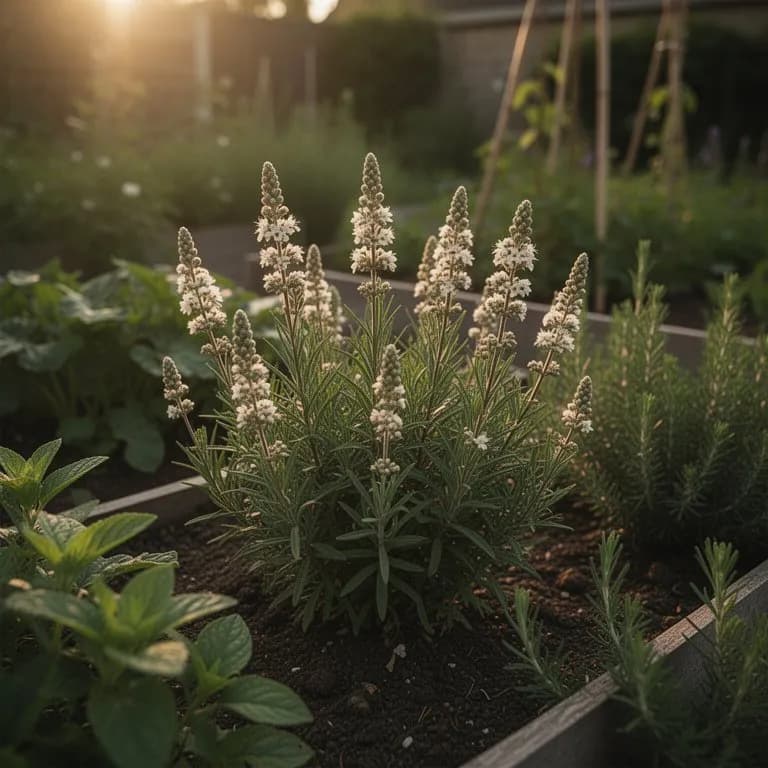
8 Pflanzen passen in ein Beet von 120 × 240 cm
Weihrauchpflanze braucht 60 cm Platz pro Pflanze. Der Planer hält diesen Abstand für dich ein — jede Pflanze, jedes Beet.
Passende Anbau-Ratgeber
Richtig düngen
Anders als die meisten aromatischen Kräuter benötigt die Weihrauchpflanze nährstoffreichen, fruchtbaren, feuchtigkeitsspeichernden Boden mit einem pH-Wert von 6,0–7,0. Pflanzflächen großzügig mit Kompost und gut verrottetem Mist anreichern. Kübelpflanzen während der Wachstumsperiode wöchentlich mit einem ausgewogenen Flüssigdünger versorgen. Dies ist eines der wenigen aromatischen Kräuter, das großzügige Düngung mit besserem Wachstum und besserer Blüte belohnt. Gleichmäßige Feuchtigkeit aufrechterhalten – den Boden niemals vollständig austrocknen lassen.
Ideale Temperatur
Winterhärtezone-Kompatibilität
Von der Saat zur Ernte, Schritt für Schritt
Keimung
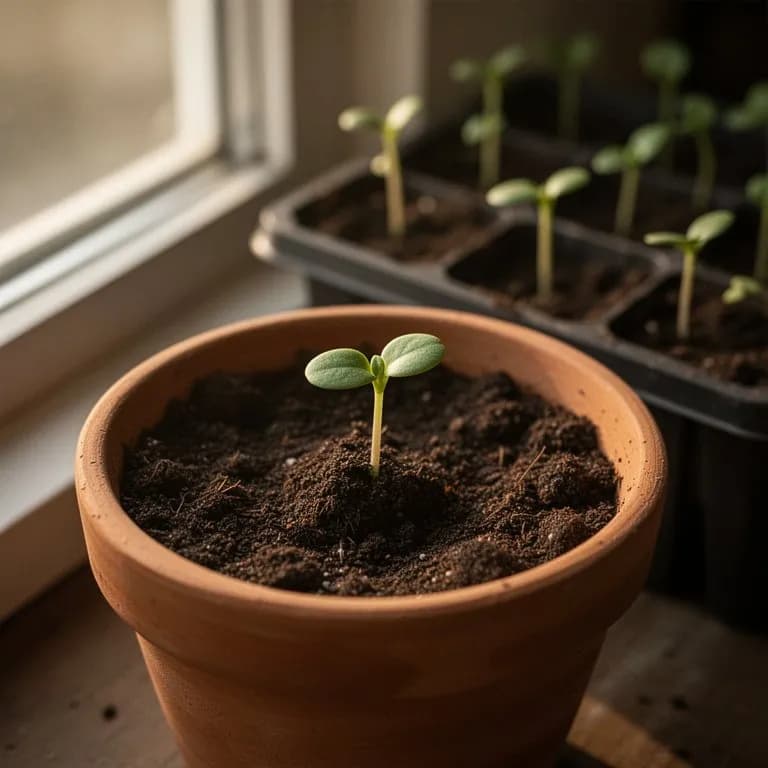
Weihrauchpflanzen-Samen sind extrem fein und benötigen Licht zum Keimen – sie müssen oberflächlich ausgesät und nicht mit Erde bedeckt werden. Die Keimung ist langsam und unregelmäßig und dauert typischerweise 14–28 Tage bei Temperaturen um 18–22 °C. Die winzigen Sämlinge bilden ein Paar kleiner, runder Keimblätter, gefolgt von den ersten echten Blättern, die bereits die klebrigen Drüsenhaare und den schwachen aromatischen Duft zeigen, die für die Art charakteristisch sind.
Rosettenentwicklung (Erstes Jahr)
Als zweijährige Pflanze verbringt die Weihrauchpflanze ihr gesamtes erstes Jahr damit, eine große grundständige Rosette aus klebrigen, stark aromatischen Blättern aufzubauen. Die Blätter sind breit lanzettlich, bis zu 30 cm lang, graugrün gefärbt und dicht mit Drüsenhaaren bedeckt, die einen intensiven harzigen Duft absondern, der an Weihrauch oder Zeder erinnert. Die Rosette kann bis zum Ende der ersten Wachstumsperiode einen Durchmesser von 60–80 cm erreichen, während sie eine kräftige Pfahlwurzel ausbildet.
Überwinterung
Die Rosette überdauert den Winter unter frostfreien Bedingungen. In ihrem heimischen australischen Klima wächst die Pflanze ganzjährig, aber in gemäßigten Gärten der nördlichen Hemisphäre benötigt sie Frostschutz, da sie unter -2 °C nicht zuverlässig winterhart ist. Die Rosette bleibt über den Winter halbimmergrün, wächst langsam, und die Pfahlwurzel entwickelt sich weiter und speichert Energie für das explosive Wachstum im Frühling.
Stängelstreckung (Zweites Jahr)
Im zweiten Frühling durchläuft die Weihrauchpflanze ein dramatisches vertikales Wachstum und treibt einen dicken, kräftigen Zentralstängel, der in nur wenigen Monaten 1,5–3 Meter Höhe erreichen kann. Der Stängel ist mit denselben klebrigen Drüsenhaaren wie die Blätter bedeckt und wird zur Spitze hin zunehmend verzweigt. Die Blätter werden am Stängel nach oben hin progressiv kleiner. Die Wachstumsrate in dieser Phase ist bemerkenswert – unter idealen Bedingungen bis zu 5 cm pro Tag.
Blütezeit
Die Pflanze bildet enorme, herabhängende Rispen aus winzigen Korbblüten an der Spitze jedes Zweiges. Jede Rispe kann 60–90 cm lang sein und hängt in einer dramatischen Trauerform herab. Die einzelnen Blüten sind winzig – nur 3–4 mm Durchmesser – aber sie erscheinen zu Tausenden und erzeugen ein spektakuläres Schauspiel in Korallrosa-, Lachs- und Bronzetönen. Die Blütezeit dauert 4–6 Wochen und der Duft intensiviert sich, wobei er den umliegenden Garten mit dem charakteristischen weihrauchartigen Aroma erfüllt.
Samenbildung und Absterben
Nach der Blüte produziert jede winzige Einzelblüte einen einzelnen Samen mit einem federartigen Pappus zur Windverbreitung. Als zweijährige Pflanze stirbt die gesamte Pflanze nach der Samenreife ab – Stängel, Blätter und Wurzelsystem verfallen und trocknen über mehrere Wochen ein. Die getrockneten Blütenrispen bleiben eine Weile dekorativ und behalten ihre anmutige, überhängende Form auch beim Braunwerden bei.
Samen auf feuchte, fein gesiebte Aussaaterde oberflächlich aussäen und leicht andrücken, ohne zu bedecken. Unter Glas oder Klarsichtfolie bei 18–22 °C an einem hellen Standort ohne direkte Sonneneinstrahlung halten. Die Oberfläche regelmäßig besprühen, um gleichmäßige Feuchtigkeit aufrechtzuerhalten – das Substrat darf während dieser empfindlichen Phase weder austrocknen noch vernässen.
Weihrauchpflanze Monat für Monat pflegen
Was du jeden Monat für deine Weihrauchpflanze tun solltest
Oktober
Aktueller MonatAbgestorbene Pflanzen im zweiten Jahr entfernen, sobald sie vollständig eingezogen sind. Rosetten im ersten Jahr für die Überwinterung vorbereiten, indem Gefäße vor dem ersten Frost in ein frostfreies Gewächshaus oder Frühbeet gebracht werden. Bewässerung schrittweise reduzieren, da das Wachstum mit abnehmender Tageslänge nachlässt.
Immer wissen, was jetzt im Garten zu tun ist
Eine E-Mail zum Monatsanfang: was du jetzt säen, pflanzen und anpacken solltest — für deine Weihrauchpflanze und alles, was drumherum wächst. Dazu ein kurzer Startkurs, der dich vor den klassischen Fehlern bewahrt.
- Was jetzt zu tun ist
- Passend zu deiner Saison
- Startkurs inklusive
Weihrauchpflanze ernten
Die Weihrauchpflanze wird hauptsächlich wegen ihrer aromatischen Präsenz im Garten kultiviert und nicht zur Ernte. Die harzigen Blätter können für Potpourri und natürliche Räuchermischungen getrocknet werden. Blätter durch Abschneiden von Trieben während der Wachstumsperiode ernten – Handschuhe tragen, da das klebrige Harz die Haut reizen kann. Die getrockneten Blütenrispen behalten ihre Farbe und ihren leichten Duft. Blühende Stängel ernten, wenn die Rispen voll entwickelt sind, aber bevor einzelne Blüten zu verblühen beginnen.
angenommen, du pflanzt zu Beginn des Zeitraums — trage dein tatsächliches Datum ein
Ernte Weihrauchpflanze zügig, dann trägt die Pflanze weiter.
Lagerung & Konservierung
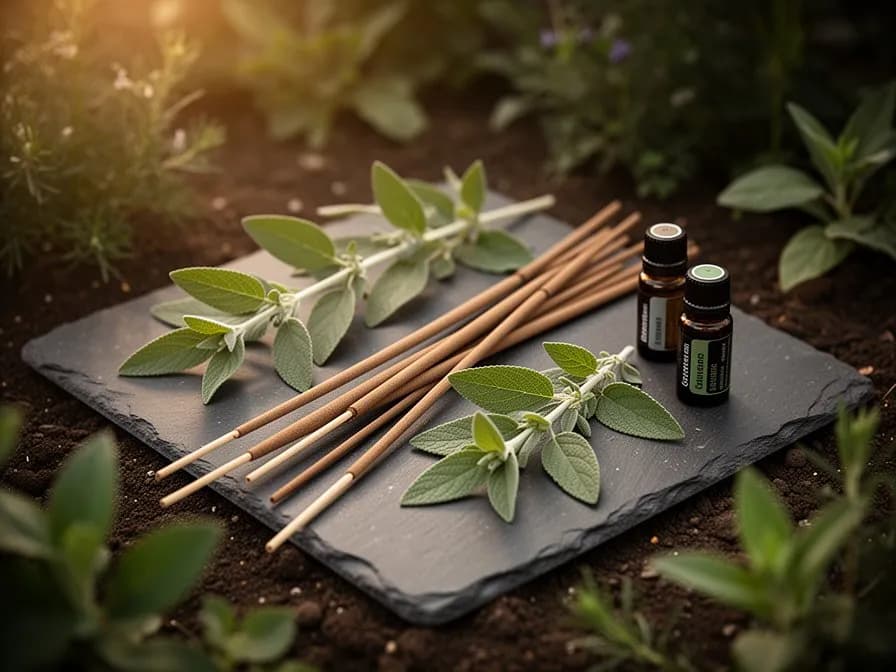
Blätter und Blütenstängel durch Aufhängen an einem warmen, gut belüfteten Ort trocknen. Die harzigen Blätter trocknen gut und behalten ihren weihrauchartigen Duft monatelang. In Papiertüten oder Kartons aufbewahren – luftdichte Behälter vermeiden, da das klebrige Harz in verschlossenen Umgebungen Schimmel verursachen kann. Getrocknete Blütenrispen sind dramatische Ergänzungen für große Trockengestecke. Die getrockneten Blätter können auf Holzkohle als natürlicher Weihrauch mit einem reichen, kirchenartigen Duft verbrannt werden.
Was schiefgeht — und die Lösung
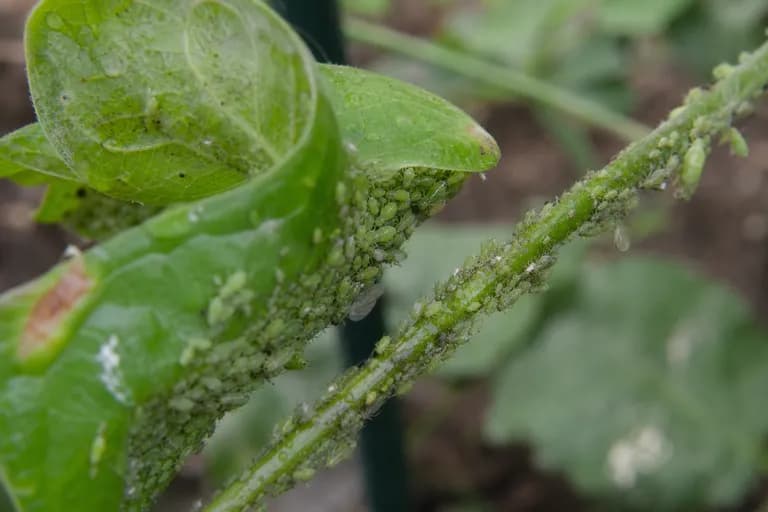
Blattläuse
SchädlingGrüne oder schwarze Blattläuse, die sich an zarten Blütenknospen und Neutrieben sammeln. Die klebrigen Blätter können Insekten auf natürliche Weise einfangen.
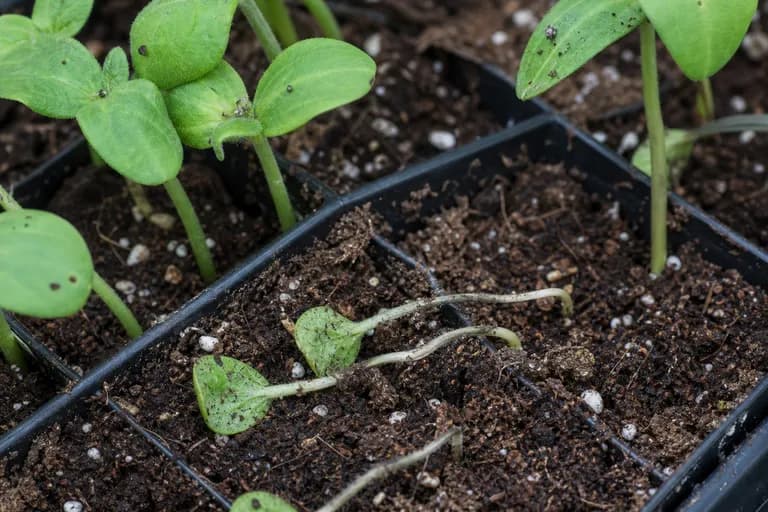
Umfallkrankheit
KrankheitSämlinge kollabieren auf Bodenniveau und werden weich und braun. Verursacht durch Pilzerreger bei kühlen, feuchten Bedingungen.
Fehlerbehebung bei häufigen Problemen
Die größte Herausforderung ist die Überwinterung der Rosetten im ersten Jahr, die frostfreie Bedingungen benötigen. In kalten Klimazonen ist Gewächshaus- oder Wintergartenkultur unerlässlich. Das klebrige Harz verursacht bei empfindlichen Personen Hautreizungen – immer mit Handschuhen handhaben. Die hohen Blütenstängel müssen an exponierten Standorten möglicherweise gestützt werden. Die kurze Lebensdauer (zweijährig) bedeutet, dass jährliche Aussaat für eine kontinuierliche Präsentation notwendig ist. Saatgut kann schwer zu beschaffen sein.
Anbautipps
- Die extrem feinen Samen oberflächlich auf feuchte Aussaaterde säen, ohne sie zu bedecken – sie benötigen Licht zum Keimen. Schalen mit Glas oder Klarsichtfolie abdecken, um die Feuchtigkeit aufrechtzuerhalten, und bei gleichmäßig 18–22 °C unter hellem indirektem Licht halten. Die Keimung ist langsam und unregelmäßig und dauert 14–28 Tage – Geduld haben.
- Alle Pflanzenteile mit Handschuhen handhaben, da die klebrigen Drüsenhaare bei empfindlichen Personen allergische Kontaktdermatitis verursachen können. Das harzige Exsudat ist hartnäckig und schwer von Haut und Kleidung abzuwaschen, daher ist Schutzkleidung beim engen Arbeiten mit ausgewachsenen Pflanzen ratsam.
- Einen geschützten Pflanzstandort in voller Sonne bis leichtem Halbschatten mit nährstoffreichem, feuchtigkeitsspeicherndem, aber gut durchlässigem Boden wählen. Die Weihrauchpflanze mag keine exponierten, windigen Standorte, an denen ihre hohen Stängel und schweren Blütenrispen anfällig für Schäden sind. Eine nach Süden ausgerichtete Mauer oder ein geschützter Innenhof ist ideal.
- In der schnellen Wachstumsphase im zweiten Jahr großzügig und gleichmäßig gießen – die enorme Blattoberfläche verliert durch Transpiration schnell Wasser. Trockenstress während der Stängelstreckung verursacht verkümmertes Wachstum und schlechte Blüte. Um die Basis herum mulchen, um die Bodenfeuchtigkeit zu bewahren.
- Einen stabilen Stab von mindestens 2 Metern Höhe bereitstellen, der früh im zweiten Jahr angebracht wird, bevor der Stängel schwer handhabbar wird. Die Pflanze kann über 3 Meter Höhe erreichen und wird bei der Blüte extrem kopflastig – den Stängel an mehreren Stellen mit weichen Bindungen befestigen, während er wächst.
- Während der Wachstums- und Blütephase im zweiten Jahr wöchentlich mit einem kaliumbetonten Flüssigdünger düngen. Die schnelle Wachstumsrate der Pflanze erfordert erhebliche Nährstoffzufuhr, und unterversorgte Exemplare produzieren kleinere, weniger beeindruckende Blütenrispen. Übermäßigen Stickstoff vermeiden, der weiches, schlaffes Wachstum fördert.
- Rosetten im ersten Jahr in einem frostfreien Gewächshaus, Wintergarten oder Frühbeet bei 2–8 °C mit guter Belüftung und minimaler Bewässerung überwintern. Die Weihrauchpflanze ist nicht frosthart und wird bei Temperaturen unter -2 °C absterben. Ausreichend Licht sicherstellen, um vergeiltes Winterwachstum zu verhindern.
- In aufeinanderfolgenden Jahren säen, um eine kontinuierliche Präsentation aufrechtzuerhalten, da der zweijährige Lebenszyklus bedeutet, dass jede Pflanze nur einmal blüht, bevor sie abstirbt. Sowohl Rosetten im ersten Jahr als auch blühende Exemplare im zweiten Jahr zu haben, stellt eine jährliche Schau ohne Lücken sicher.
- Samen rechtzeitig sammeln, wenn die Rispen zu trocknen beginnen, da der federartige Pappus die Samen beim geringsten Windhauch davonträgt. Ganze Rispen in große Papiertüten schneiden und schütteln, um die Samen freizusetzen. Gereinigte Samen kühl und trocken aufbewahren – die Keimfähigkeit nimmt nach 12 Monaten ab, daher liefert frisches Saatgut die besten Ergebnisse.
- Die Weihrauchpflanze ergibt ein spektakuläres Kübelexemplar für Terrassen und Wintergärten, wenn sie in einem großen Topf von mindestens 40 cm Durchmesser kultiviert wird. Eine nährstoffreiche, lehmbasierte Erde mit zusätzlichem Perlit für Drainage verwenden und darauf vorbereitet sein, bei heißem Wetter täglich zu gießen, da die Pflanze extrem viel Wasser verbraucht.
Bau deine beste Weihrauchpflanze an — und alles drumherum.
Starte heute kostenlos. Lege deine Beete an, setze deine Weihrauchpflanze ein und lass PlotMyGarden Timing, Abstände, Begleiter und Erinnerungen von der Saat bis zum Erntekorb übernehmen.
Finde deine Weihrauchpflanze
Calomeria amaranthoides (Standard)
Die einzige Art in Kultur. Korallenrosa Blütenrispen mit einem intensiven weihrauchartigen Duft. Eine dramatische Solitärpflanze.
Obwohl die Weihrauchpflanze keine Nahrungspflanze ist, bietet ihr Anbau zu Hause bemerkenswerte Einsparungen für Liebhaber natürlicher Aromastof. Hochwertige getrocknete botanische Potpourri-Mischungen kosten im Handel 15–30 $ pro Beutel, und handgefertigte Räucherbündel werden für 8–15 $ pro Stück verkauft. Eine einzelne Weihrauchpflanze produziert genug aromatisches Material für 4–6 Duftsäckchen und 3–4 Räucherbündel, was 50–80 $ an handgemachten aromatischen Produkten entspricht. Samen sind mit 3–5 $ pro Packung günstig, und allein die dramatische Zierwirkung – vergleichbar mit einem Premium-Baumschulexemplar für 25–40 $ – macht diese Pflanze zu einem hervorragenden Wert für abenteuerlustige Gärtner.
Schnelle Rezepte
Weihrauchpflanzen-Potpourri-Mischung
30 Min. + TrocknungszeitEin reichhaltig duftendes Potpourri, das das einzigartige Zedern-und-Weihrauch-Aroma von Calomeria amaranthoides einfängt. Die getrockneten Blätter und Blütenrispen behalten ihren Duft monatelang, was es zu einem wunderbaren natürlichen Lufterfrischer für Kleiderschränke, Wäschefächer und Wohnräume macht. Die dezenten Rosa-Bronze-Töne der getrockneten Blüten verleihen der Mischung visuelle Schönheit.
6 ZutatenAromatische Räucherbündel
20 Min. + 2 Wochen TrocknungHandgefertigte Räucherbündel aus den intensiv duftenden Stängeln und Blättern der Weihrauchpflanze. Wenn getrocknet und angezündet, geben diese Bündel einen reichen, harzigen Rauch ab, der an Kirchenweihrauch erinnert. Sie sind durchdachte handgemachte Geschenke und füllen einen Raum mit einem warmen, komplexen Aroma, das vollständig natürlich ist.
4 ZutatenDuftende Schrankbeutelchen
15 Min.Einfache Stoffbeutelchen, gefüllt mit getrocknetem Weihrauchpflanzenmaterial, die gelagerte Kleidung und Wäsche natürlich parfümieren und dabei Motten und Silberfischchen abwehren helfen. Das kraftvolle harzige Aroma des getrockneten Laubs hält 6–12 Monate an, was diese Beutelchen zu einer langlebigen und nachhaltigen Alternative zu synthetischen Lufterfrischern und Mottenkugeln macht.
5 ZutatenWas drinsteckt
Gesundheitsvorteile
- Die aromatischen flüchtigen Verbindungen, die vom Laub der Weihrauchpflanze freigesetzt werden, einschließlich Alpha-Pinen und Limonen, tragen zu einer angenehmen Gartenatmosphäre bei, die bei Genuss im Freien Entspannung und Stressabbau fördern kann.
- Der harzige Duft von getrocknetem Weihrauchpflanzenmaterial wird anekdotisch als natürliches Insektenabwehrmittel in Kleiderschränken und Lagerräumen verwendet und hilft, Kleidung vor Motten zu schützen, ohne synthetische chemische Mottenkugeln zu verwenden.
- Die Gartenarbeit mit dramatischen Solitärpflanzen wie der Weihrauchpflanze bietet sinnvolle körperliche Bewegung durch Abstützen, Gießen und Pflegen, kombiniert mit den psychischen Gesundheitsvorteilen der Betreuung eines anspruchsvollen und lohnenden botanischen Projekts.
- Die aromatischen Terpene, die vom Laub in die umgebende Luft freigesetzt werden, teilen chemische Ähnlichkeiten mit Verbindungen, die in Waldbade-Umgebungen vorkommen, welche laut Forschung die Immunfunktion unterstützen und den Cortisolspiegel senken können.
- Der Anbau der Weihrauchpflanze vom Samen über ihren vollständigen zweijährigen Zyklus lehrt Geduld und langfristige gärtnerische Planungsfähigkeiten und trägt zu den gut dokumentierten psychologischen Vorteilen einer nachhaltigen Beschäftigung mit lebenden Pflanzen bei.
- Die getrockneten Blütenrispen und das aromatische Laub liefern Materialien für kreative Bastelprojekte wie Potpourri, Duftsäckchen und Blumenarrangements – taktile kreative Aktivitäten, die nachweislich das psychische Wohlbefinden und die Achtsamkeit fördern.
Woher Weihrauchpflanze stammt
Die Weihrauchpflanze (Calomeria amaranthoides) stammt aus dem Südosten Australiens, wo sie natürlich in feuchten, geschützten Schluchten, Waldrändern und entlang von Bachufern in den Küsten- und Bergregionen von New South Wales, Victoria und Tasmanien vorkommt. Sie gedeiht in den kühlen, feuchten Mikroklimaten an Rändern gemäßigter Regenwälder und feuchter Sklerophyllwälder und wächst typischerweise als Unterwuchspflanze im gefilterten Licht unter Eukalyptuskronen.
Die Art wurde erstmals von europäischen Botanikern während der frühen Erforschung der australischen Kolonien gesammelt und 1819 vom französischen Botaniker Étienne Pierre Ventenat formal beschrieben, obwohl sie später mehrfach umklassifiziert wurde, bevor sie sich in der Gattung Calomeria einordnete. Die Pflanze wurde bemerkenswert früh nach Großbritannien eingeführt – Samen wurden in den ersten Jahrzehnten des 19. Jahrhunderts an die Kew Gardens und andere botanische Institutionen geschickt, und in den 1830er Jahren war sie bereits eine modische Wintergartenpflanze unter wohlhabenden viktorianischen Gärtnern.
Die Viktorianer waren fasziniert von der außergewöhnlichen Kombination aus aufragender Statur, überhängenden Blütenrispen und intensivem harzigen Duft der Weihrauchpflanze. Sie wurde zum Prestigeobjekt in den großen Glashäusern englischer Landsitze, und Obergärtner wetteiferten darum, die höchsten und blütenreichsten Exemplare für Sommerausstellungen zu produzieren. Der renommierte Gärtner und Autor Shirley Hibberd beschrieb sie als eine der prächtigsten Pflanzen, die unter Glas kultiviert werden können, und sie erschien regelmäßig in den Gartenzeitschriften der Epoche.
In ihrem heimischen Australien war die Weihrauchpflanze den Aborigines bekannt, obwohl detaillierte Aufzeichnungen über ihre traditionelle Verwendung begrenzt sind. Europäische Siedler in Australien nannten sie Federbush oder Weihrauchbusch und bemerkten ihren intensiven Duft. Die Pflanze hatte nur begrenzte kommerzielle Kultivierung, wird aber weiterhin von spezialisierten Züchtern und botanischen Gärten weltweit geschätzt. Heute erfreut sie sich erneuten Interesses unter abenteuerlustigen Gärtnern, die dramatische architektonische Pflanzen suchen, und wird als Wintergarten-Exemplar in kühl-gemäßigten Klimazonen oder als zweijährige Freilandpflanze in milderen mediterranen und ozeanischen Regionen kultiviert.
Weihrauchpflanze: Schon gewusst?
Faszinierende Fakten über Weihrauchpflanze
Die Weihrauchpflanze stammt aus dem Südosten Australiens, wo sie natürlich in feuchten Schluchten und Waldrändern in New South Wales, Victoria und Tasmanien wächst – sie wurde Anfang des 19. Jahrhunderts in europäische Gärten eingeführt und wurde schnell zur Sensation in viktorianischen Wintergärten.
Weihrauchpflanze: Fragen & Antworten
Wann sollte ich Weihrauchpflanze pflanzen?
In welchen Winterhärtezonen kann Weihrauchpflanze wachsen?
Wie viel Sonne braucht Weihrauchpflanze?
Welchen Abstand sollte ich zwischen Weihrauchpflanze lassen?
Welche Schädlinge und Krankheiten befallen Weihrauchpflanze?
Wie lagere ich Weihrauchpflanze nach der Ernte?
Was sind die besten Weihrauchpflanze-Sorten zum Anbauen?
Welchen Boden braucht Weihrauchpflanze?
Ist die Weihrauchpflanze essbar oder medizinisch nutzbar?
Wie hoch wird die Weihrauchpflanze?
Warum blüht meine Weihrauchpflanze nicht?
Kann die Weihrauchpflanze Frost überstehen?
Verursacht die Weihrauchpflanze Hautreizungen?
Wie trockne ich Weihrauchpflanzen-Blüten für Gestecke?
Du hast die Theorie gelesen. Jetzt baue sie auf Autopilot an.
Alles, was Weihrauchpflanze knifflig macht — das Timing, die Abstände, die Begleiter, das Erntefenster — genau das übernimmt PlotMyGarden für dich, für jede Pflanze im Garten.
Ein Plan, der dein Wetter kennt
Standort einmal festlegen. Aussaat-, Dünge- und Erntedaten rund um deinen echten letzten Frosttermin und die Live-Vorhersage — kein Raten mehr nach Saattüte.
Aus dem Abschnitt „Pflanzzeit“Beetplaner per Drag & Drop
Beete auf einem Raster gestalten. Jede Pflanze rastet im richtigen Abstand ein, und du siehst die ganze Saison, bevor du einen Cent für Saatgut ausgibst.
Aus dem Abschnitt „Anbau“Begleiter-Konflikte früh erkannt
Über 200 gute und schlechte Kombinationen werden beim Pflanzen live geprüft — so landet ein saisonruinierender Fehler nie in der Erde.
Aus dem Abschnitt „Begleiter“Erinnerungen, nach denen du wirklich handelst
„Gieß die Bohnen.“ „Heute ernten, bevor's umschlägt.“ Pünktlich, konkret und auf deine echten Pflanzen bezogen.
Aus dem Abschnitt „Ernte“Staffel-Aussaat, geplant
Sechs Wochen ernten statt sechs Tage? Die App verteilt deine Aussaaten automatisch und erinnert dich, wenn der nächste Satz fällig ist.
Aus dem Abschnitt „Pflanzzeit“Ein Verlauf, der schlauer wird
Jede protokollierte Ernte bringt der App deinen Garten bei. Der Plan fürs nächste Jahr startet bei dem, was in deinem Boden wirklich funktioniert hat.
Aus dem Abschnitt „Überblick“Weitere Duftkräuter
Bau deine beste Weihrauchpflanze an — und alles drumherum.
Starte heute kostenlos. Lege deine Beete an, setze deine Weihrauchpflanze ein und lass PlotMyGarden Timing, Abstände, Begleiter und Erinnerungen von der Saat bis zum Erntekorb übernehmen.