Hopfensprossen
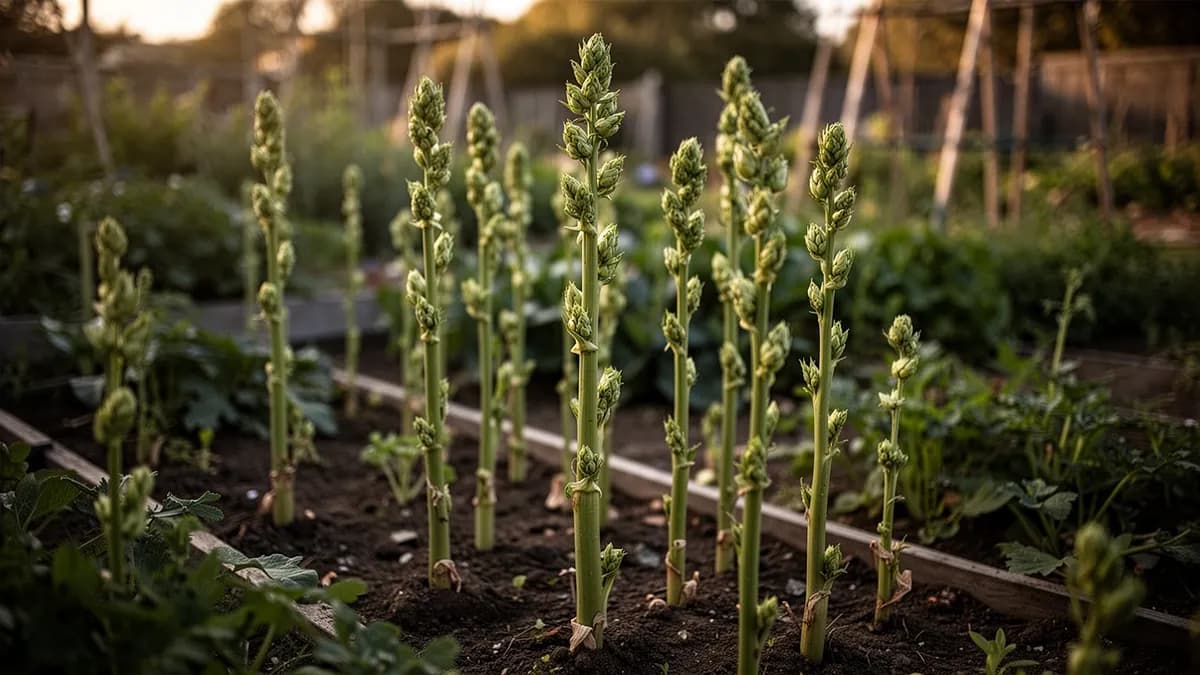
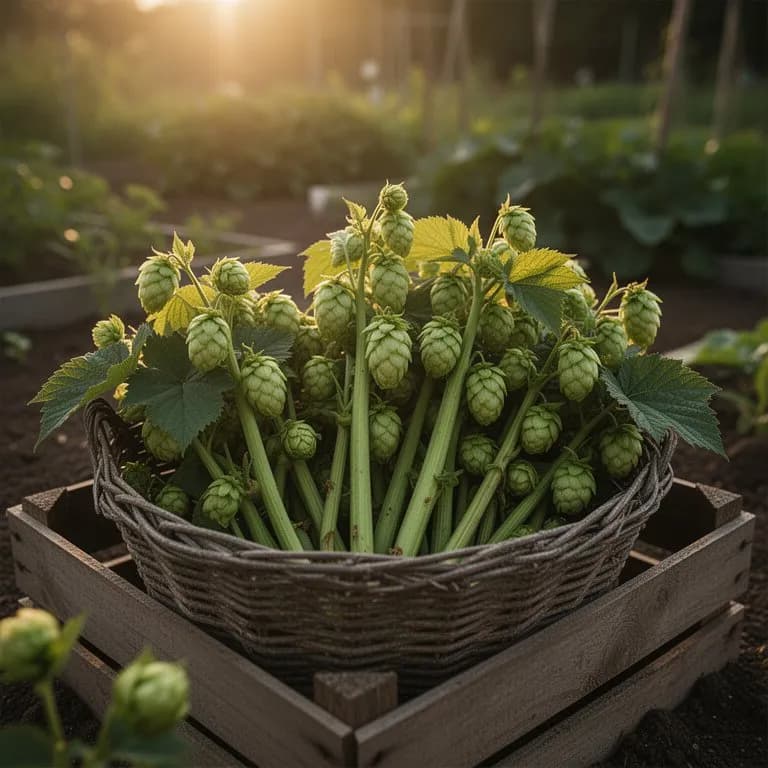
Die zarten Frühlingstriebe der Hopfenpflanze gelten als eines der teuersten Gemüse der Welt, wenn sie kommerziell geerntet werden.





Auf dieser SeiteÜberblick
Hopfensprossen im Überblick
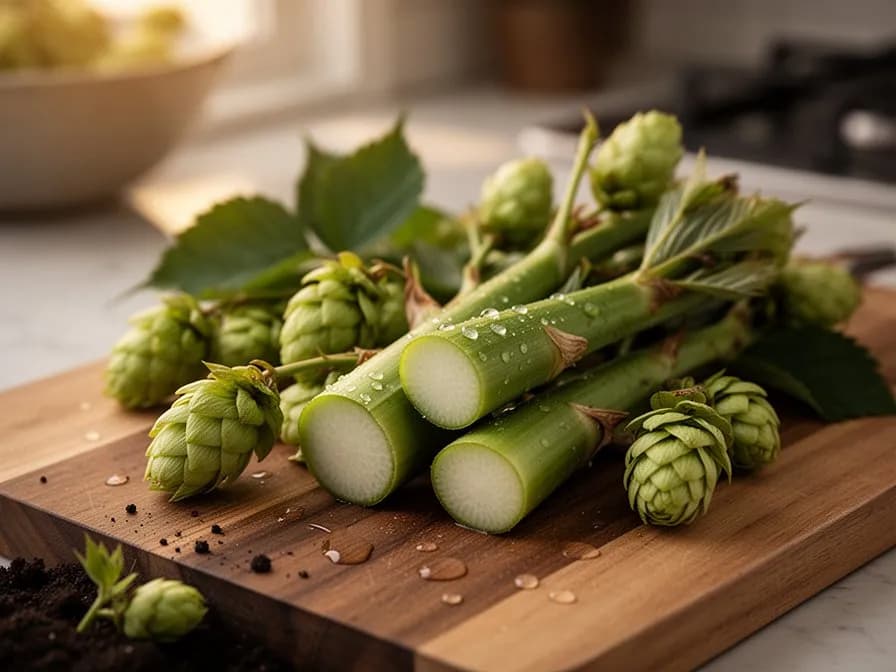
Die zarten Frühlingstriebe der Hopfenpflanze gelten als eines der teuersten Gemüse der Welt, wenn sie kommerziell geerntet werden. Junge Triebe von fünfzehn bis zwanzig Zentimetern Länge werden im zeitigen Frühjahr abgebrochen und in Butter angebraten oder in Omeletts und Risotto verwendet. Der Geschmack ist delikat und spargelähnlich mit einer dezenten Bitterkeit. Mehrjährige Hopfenpflanzen sind kräftige Wachser und bieten ein kurzes, aber luxuriöses Erntefenster, bevor die Ranken ihre volle Höhe von sechs Metern erreichen.
Wann Hopfensprossen pflanzen
Hopfen wird vegetativ über Rhizomstecklinge vermehrt und nicht über Samen. Kaufen Sie Rhizome von einer seriösen Gärtnerei im zeitigen Frühjahr. Jeder Steckling sollte zehn bis fünfzehn Zentimeter lang sein und mindestens zwei sichtbare Knospen aufweisen. Pflanzen Sie horizontal etwa zehn Zentimeter tief mit den Knospen nach oben. Gießen Sie nach dem Pflanzen gut an und halten Sie den Boden gleichmäßig feucht, bis die Triebe in zwei bis vier Wochen erscheinen. Pflanzen im ersten Jahr sollten nicht für Triebe geerntet werden, da das gesamte Wachstum zur Etablierung des Wurzelsystems benötigt wird. Ab dem zweiten Frühjahr können Sie mit der Ernte überschüssiger Triebe beginnen.
Dein Hopfensprossen-Jahr
Abgestimmt auf Zone 7 · typische Saison · Frost geht um den 2. Apr. und kehrt um den 1. Nov. zurück
Hopfensprossen Mär – Apr pflanzen, Apr – Mai ernten. Beachte die Pflanzmethoden unten und wähle dein Klima für passende Zeiträume.
So baust du Hopfensprossen an
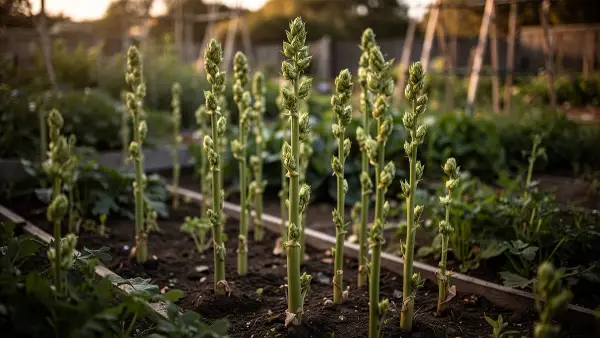
Hopfenpflanzen sind kräftige mehrjährige Kletterpflanzen, die eine stabile Stützstruktur wie ein Spalier, eine Laube oder hohe Stangen mit Schnur benötigen. Pflanzen Sie Rhizomstecklinge im zeitigen Frühjahr, sobald der Boden bearbeitet werden kann, und legen Sie sie horizontal etwa zehn Zentimeter tief mit den Knospen nach oben zeigend ein. Wählen Sie einen Standort mit voller Sonne und gut durchlässigem Boden. Setzen Sie die Pflanzen in einem Abstand von neunzig Zentimetern bis eineinhalb Metern in Reihen, wobei die Reihen mindestens zweieinhalb Meter voneinander entfernt sein sollten.
Im ersten Jahr lassen Sie alle Triebe wachsen, um ein starkes Wurzelsystem aufzubauen. In den Folgejahren dünnen Sie im Frühjahr die austreibenden Triebe auf die drei stärksten pro Hügel aus und leiten sie im Uhrzeigersinn an ihren Stützen hoch. Die entfernten Triebe sind Ihre essbare Ernte. Halten Sie die Pflanzen während der Etablierung gut bewässert, reduzieren Sie jedoch die Bewässerung, sobald die Ranken kräftig klettern.
Nach Ende der Wachstumsperiode und dem Absterben der Ranken im Herbst schneiden Sie diese bodennah ab und tragen eine Schicht Kompost oder gut verrotteten Mist über den Wurzelstöcken auf. Hopfenpflanzen können bei richtiger Pflege zwanzig Jahre und länger produktiv sein. In wärmeren Klimazonen können die Pflanzen Schwierigkeiten haben, da nicht genügend Winterkältestunden vorhanden sind, um die Dormanz zu brechen.
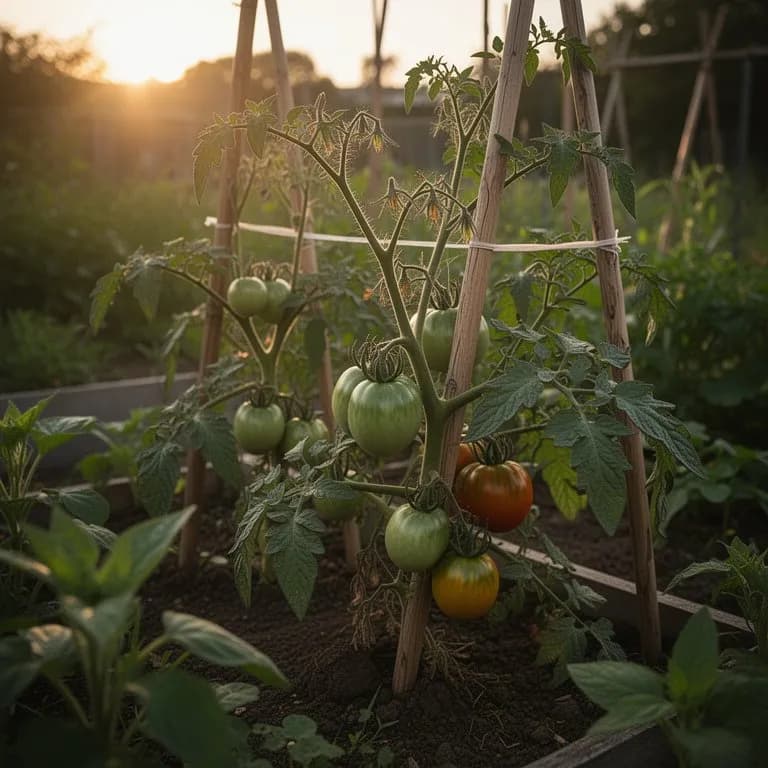
2 Pflanzen passen in ein Beet von 120 × 240 cm
Hopfensprossen braucht 90 cm Platz pro Pflanze. Der Planer hält diesen Abstand für dich ein — jede Pflanze, jedes Beet.
Passende Anbau-Ratgeber
Richtig düngen
Hopfen bevorzugt tiefgründigen, gut durchlässigen Lehmboden mit einem pH-Wert zwischen 6,0 und 7,5. Verbessern Sie schwere Tonböden mit großzügigen Mengen Kompost und grobem Sand, um die Drainage zu fördern. Tragen Sie im zeitigen Frühjahr beim Austrieb der Triebe einen ausgewogenen organischen Dünger auf und arbeiten Sie im Frühsommer Kompost oder gut verrotteten Mist seitlich ein. Hopfen ist ein Starkzehrer, der von regelmäßigen Stickstoffgaben während der Wachstumsperiode profitiert, aber vermeiden Sie das Düngen nach Mittsommer. Halten Sie eine dicke Mulchschicht um die Basis, um Feuchtigkeit zu bewahren und Unkraut zu unterdrücken.
Ideale Temperatur
Winterhärtezone-Kompatibilität
Von der Saat zur Ernte, Schritt für Schritt
Dormanz und Rhizompflanzung
Hopfenpflanzen wachsen aus mehrjährigen Rhizomen (unterirdischen Stängeln), die im zeitigen Frühjahr gepflanzt werden, sobald der Boden bearbeitbar ist. Das Rhizom wird horizontal 10–15 cm tief eingesetzt, mit den Knospenaugen nach oben zeigend. Während der ersten ein bis zwei Wochen etabliert sich das Wurzelsystem im umgebenden Boden, während die im Rhizom gespeicherte Energie das anfängliche unterirdische Wachstum antreibt.
Triebaustrieb (Erntefenster)
Zarte Triebe treiben aus dem Wurzelstock aus, wenn sich der Boden im Frühjahr erwärmt, und durchstoßen die Oberfläche als blassgrüne bis violett getönte Speere mit fest eingerollten Spitzen. Dies ist das begehrte Erntefenster – die Triebe werden bei 15–20 cm geschnitten, bevor sich die Blätter entfalten. Ein etablierter Wurzelstock produziert über einen Zeitraum von drei bis vier Wochen Dutzende von Trieben. Jeder Trieb zeigt bereits an der Spitze die charakteristische Spirale im Uhrzeigersinn.
Rebentraining
Die verbleibenden ungeernteten Triebe entwickeln sich rasch zu kräftigen Reben – nicht Ranken –, die sich im Uhrzeigersinn um Stützen winden. Bei warmem Wetter können Reben 15–30 cm pro Tag wachsen und schnell die Spitze eines Spaliers erreichen. Große drei- bis fünflappige Blätter entfalten sich entlang der Rebe, und seitliche Arme beginnen sich zu verzweigen.
Vegetatives Wachstum
Die Reben erreichen ihre volle Höhe von 5–8 Metern und entwickeln dichte Seitentriebe. Die Pflanze bildet ein üppiges Blätterdach aus tief gelappten Blättern und beginnt an den Knoten der Seitentriebe Blütenknospen anzusetzen. Das Wurzelsystem breitet sich unterirdisch aggressiv aus und speichert Energie für die Triebproduktion des nächsten Jahres.
Blüte und Doldenentwicklung
Weibliche Pflanzen produzieren die charakteristischen papierartigen grünen Dolden (Strobili) an den Seitentrieben. Diese Dolden enthalten Lupulindrüsen – leuchtend gelbe harzige Punkte, die die Bittersäuren und aromatischen Öle produzieren, die im Brauwesen geschätzt werden. Die Dolden entwickeln sich über vier bis sechs Wochen und werden allmählich füllig und fühlen sich bei Reife papierartig an.
Seneszenz und Dormanz
Mit kürzer werdenden Tagen und sinkenden Temperaturen vergilbt das oberirdische Wachstum und stirbt ab. Die Pflanze leitet alle verbleibende Energie in den Rhizom-Wurzelstock zur Wintereinlagerung um. Das unterirdische Wurzelsystem bleibt lebendig und breitet sich leicht aus, wobei es Knospenaugen für den Triebaustrieb im nächsten Frühjahr vorbereitet.
Pflanzen Sie Rhizome in lockeren, gut durchlässigen Boden, der mit Kompost angereichert ist. Gießen Sie bei der Pflanzung gründlich an und halten Sie den Boden gleichmäßig feucht, aber nie staunass. Bei etablierten Wurzelstöcken tritt dieses Stadium natürlich ein, wenn die Winterdormanz mit steigenden Bodentemperaturen über 5 °C bricht.
Hopfensprossen Monat für Monat pflegen
Was du jeden Monat für deine Hopfensprossen tun solltest
Oktober
Aktueller MonatDas oberirdische Wachstum vergilbt und beginnt abzusterben. Lassen Sie die Pflanze natürlich absterben – dieser Prozess führt Nährstoffe in den Wurzelstock zur Wintereinlagerung zurück. Stellen Sie die Düngung ein. Bereiten Sie Mulchmaterial für den Winterschutz vor.
Immer wissen, was jetzt im Garten zu tun ist
Eine E-Mail zum Monatsanfang: was du jetzt säen, pflanzen und anpacken solltest — für deine Hopfensprossen und alles, was drumherum wächst. Dazu ein kurzer Startkurs, der dich vor den klassischen Fehlern bewahrt.
- Was jetzt zu tun ist
- Passend zu deiner Saison
- Startkurs inklusive
Hopfensprossen ernten
Ernten Sie Hopfensprossen im zeitigen Frühjahr, wenn sie fünfzehn bis zwanzig Zentimeter groß und noch zart sind. Brechen oder schneiden Sie sie auf Bodenhöhe ab. Die besten Triebe sind dick, blass und haben fest geschlossene Spitzen. Ernten Sie am Morgen, wenn die Triebe am prallsten sind. Bei etablierten Pflanzen können Sie den ersten Triebschub großzügig ernten und nur drei bis vier der stärksten pro Hügel als Ranken weiterwachsen lassen. Das Erntefenster ist sehr kurz und dauert im Frühjahr nur zwei bis drei Wochen. Die Triebe werden zäh und bitter, sobald sie etwa dreißig Zentimeter Länge überschreiten.
angenommen, du pflanzt zu Beginn des Zeitraums — trage dein tatsächliches Datum ein
Ernte Hopfensprossen zügig, dann trägt die Pflanze weiter.
Lagerung & Konservierung
Hopfensprossen sind äußerst verderblich und sollten idealerweise innerhalb weniger Stunden nach der Ernte verwendet werden. Falls nötig, wickeln Sie sie locker in feuchte Küchentücher und lagern Sie sie im Kühlschrank bis zu zwei Tage. Sie lassen sich aufgrund ihrer zarten Textur nicht gut einfrieren oder trocknen. Für eine kurzfristige Konservierung blanchieren Sie die Triebe kurz in gesalzenem kochendem Wasser, schrecken sie in Eiswasser ab und lagern sie gekühlt bis zu drei Tage. Eingelegte Hopfensprossen in einer leichten Essiglake können ihre Haltbarkeit auf mehrere Wochen verlängern und eignen sich hervorragend als Garnitur.
Was schiefgeht — und die Lösung
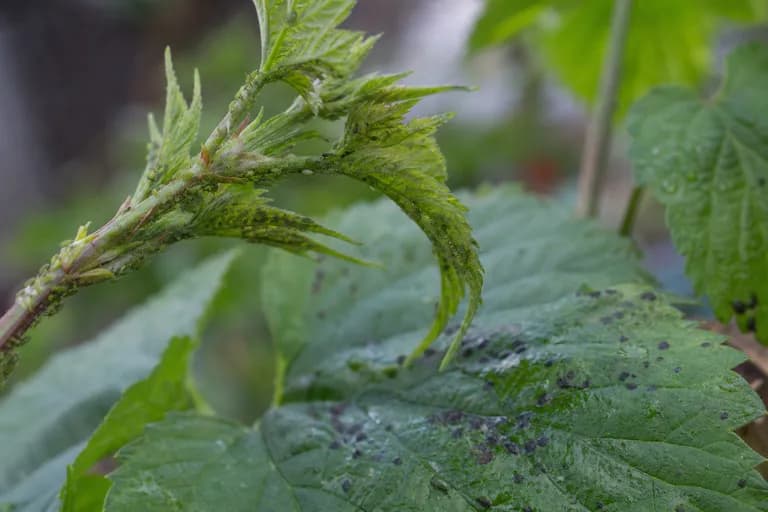
Hopfenblattlaus
SchädlingAnsammlungen kleiner grüner Insekten an Triebspitzen und Blattunterseiten. Klebriger Honigtau und Rußtaupilz auf dem Laub.
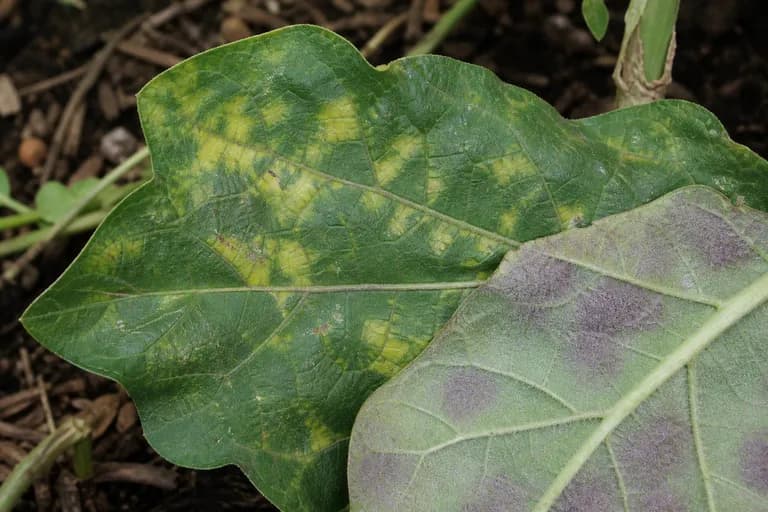
Falscher Mehltau
KrankheitVerkümmerte oder verformte Triebe im Frühjahr. Dunkle, eckige Läsionen auf Blättern mit grau-violettem Flaum auf der Unterseite.
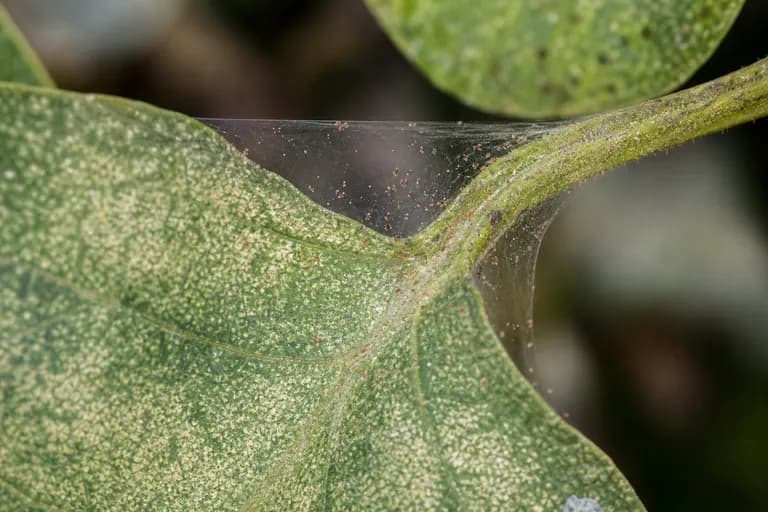
Spinnmilben
SchädlingFeine Sprenkelung auf Blättern, Verbräunung des Laubs und feine Gespinste an Blattunterseiten bei heißem, trockenem Wetter.
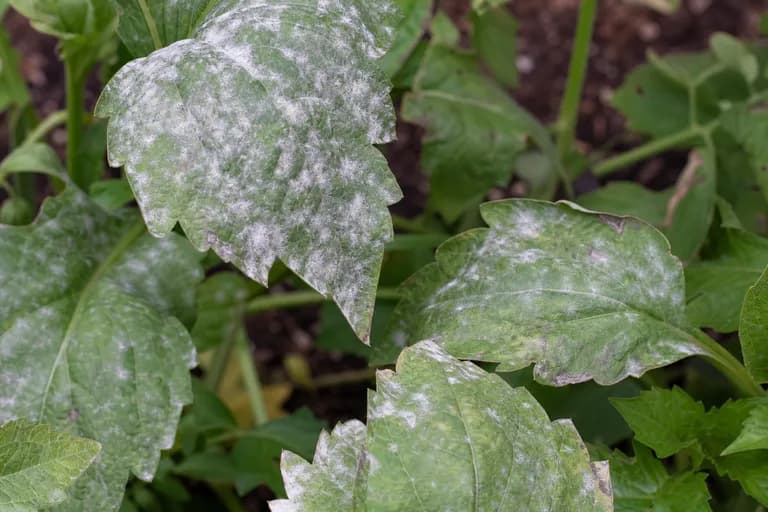
Echter Mehltau
KrankheitWeiße, pudrige Flecken auf Blättern und Trieben, die oft an den unteren Blättern beginnen und sich nach oben ausbreiten.
Fehlerbehebung bei häufigen Problemen
Die häufigste Herausforderung bei Hopfensprossen ist das extrem kurze Erntefenster, da die Triebe schnell über ihr zartes Stadium hinauswachsen. Kräftige Ausbreitung durch unterirdische Rhizome kann Hopfen im Garten invasiv machen – installieren Sie daher Wurzelsperren oder kultivieren Sie ihn in großen Behältern. Pflanzen können in warmen Klimazonen, die nicht genügend Winterkälte bieten, schlecht gedeihen. Unzureichende Stützstrukturen können zu verheddertem, ungesundem Wachstum führen. Junge Pflanzungen liefern im ersten Jahr oft enttäuschende Triebernten, da sich das Wurzelsystem erst entwickelt.
Anbautipps
- Beginnen Sie mit Rhizomen, nicht mit Samen. Hopfensamen sind unzuverlässig und produzieren eine Mischung aus männlichen und weiblichen Pflanzen – nur weibliche Pflanzen produzieren Dolden, und die Qualität der Sämlinge ist unvorhersehbar. Kaufen Sie benannte Sorten als Rhizome von seriösen Hopfenlieferanten für gleichmäßige Ergebnisse.
- Ernten Sie im ersten Jahr nach der Pflanzung keine Triebe. Der Wurzelstock benötigt eine volle Saison uneingeschränkten Wachstums, um ein starkes Wurzelsystem aufzubauen, das Jahrzehnte der Produktion tragen kann. Beginnen Sie im zweiten Jahr mit leichter Ernte und ab dem dritten Jahr mit voller Ernte.
- Pflanzen Sie Hopfenwurzelstöcke dort, wo sie dauerhaft bleiben sollen – sie sind einmal etabliert extrem schwer zu entfernen. Das Rhizomsystem breitet sich aggressiv unterirdisch aus und kann Triebe 2–3 Meter von der ursprünglichen Pflanzstelle entfernt aussenden. Installieren Sie Wurzelsperren oder pflanzen Sie in Hochbeeten, um die Ausbreitung einzudämmen.
- Bieten Sie die höchste Stütze, die Sie bewältigen können. Hopfen klettert natürlicherweise 5–8 Meter hoch, und Pflanzen, die ihre volle Höhe erreichen, produzieren die stärksten Wurzelstöcke und die meisten Triebe im folgenden Frühjahr. Ein einfaches Stangen-Schnur-System funktioniert gut für Hobbygärtner.
- Ernten Sie während des 3–4-wöchigen Frühjahrsfensters früh und häufig. Schneiden oder brechen Sie die Triebe auf Bodenhöhe ab, wenn sie 15–20 cm erreichen – sobald sich die Blätter zu entfalten beginnen, werden die Stängel faserig. Verwenden Sie Hopfensprossen innerhalb von Stunden nach dem Schneiden, da sie schneller welken als Spargel.
- Lassen Sie immer mindestens 3–5 kräftige Triebe pro Wurzelstock als Reben weiterwachsen. Diese Reben produzieren das Laub, das Energie durch Photosynthese zurück in das Rhizom leitet und direkt die Triebproduktion des nächsten Frühjahrs bestimmt. Übermäßiges Ernten schwächt den Wurzelstock.
- Hopfen ist ein Starkzehrer mit tiefem Wurzelsystem. Arbeiten Sie beim Pflanzen großzügige Mengen Kompost ein und düngen Sie jährlich seitlich nach. Die produktivsten Hopfengärten erhalten jeden Herbst nach dem Rückschnitt der Reben eine dicke Kompostmulchschicht.
- Wählen Sie einen Standort mit voller Sonne und ausgezeichneter Drainage. Hopfen verträgt viele Bodentypen, fault aber bei Staunässe. Eine nach Süden ausgerichtete Wand oder ein Zaun bieten ideale Bedingungen – die reflektierte Wärme fördert einen früheren Triebaustrieb im Frühjahr und die Struktur dient gleichzeitig als Spalier.
Bau deine beste Hopfensprossen an — und alles drumherum.
Starte heute kostenlos. Lege deine Beete an, setze deine Hopfensprossen ein und lass PlotMyGarden Timing, Abstände, Begleiter und Erinnerungen von der Saat bis zum Erntekorb übernehmen.
Finde deine Hopfensprossen
Cascade
Die am weitesten verbreitete amerikanische Hopfensorte mit kräftiger Frühjahrstriebproduktion und guter Krankheitsresistenz. Produziert reichlich zarte Triebe.
Centennial
Eine Mehrzwecksorte mit starkem Wuchsverhalten und reichlicher Triebproduktion, die sie sowohl für kulinarische Triebe als auch für die spätere Hopfendoldenernte hervorragend geeignet macht.
Nugget
Eine wüchsige Sorte, die im Frühjahr dicke, fleischige Triebe produziert. Resistent gegen Falschen Mehltau und gut für kältere Klimazonen geeignet.
Willamette
Eine aromatische Sorte mit mild schmeckenden Trieben, die in der Küche besonders geschätzt werden. Gute Krankheitsresistenz.
Hopfensprossen sind in normalen Lebensmittelgeschäften praktisch nicht erhältlich und erzielen außergewöhnliche Preise, wenn sie verfügbar sind – Spezialitätenläden und Restaurants zahlen in Europa 100–300 Euro pro Kilogramm, und in den Vereinigten Staaten gelten ähnliche Premiumpreise. Ein einzelnes Hopfenrhizom, das 5–12 Euro kostet, produziert nach der Etablierung jährlich Triebe im Marktwert von 50–150 Euro, und der Wurzelstock produziert 25–50 Jahre lang mit minimalem Pflegeaufwand. Der eigene Anbau ist im Grunde die einzige Möglichkeit, dieses Ultra-Premium-Gemüse regelmäßig zu genießen, da die kommerzielle Produktion winzig ist und das Erntefenster in Wochen, nicht Monaten gemessen wird.
Schnelle Rezepte
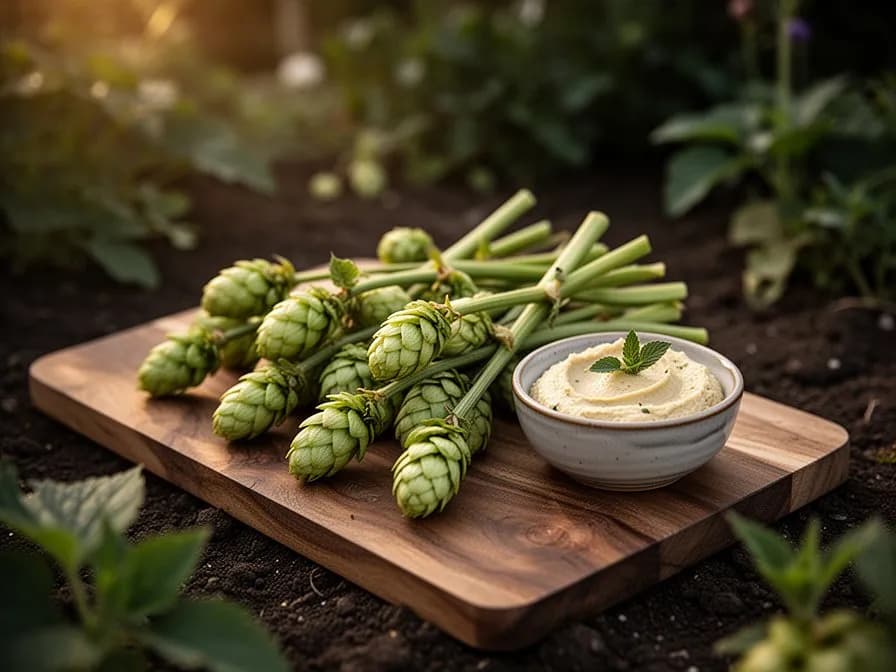
In Butter geschwenkte Hopfensprossen
10 Min.Die einfachste und traditionellste Zubereitung – zarte Hopfensprossen schnell in Butter angebraten, bis sie gerade zusammenfallen, abgeschlossen mit einem Spritzer Zitrone. Diese Methode hebt den einzigartigen bitter-süßen, spargelähnlichen Geschmack hervor, der Hopfensprossen zu einem der begehrtesten Frühlingsgemüse der Welt macht.
6 ZutatenHopfensprossen-Ricotta-Frittata
25 Min.Eine Frühlingsfrittata, die die sanfte Bitterkeit der Hopfensprossen mit cremigem Ricotta und frischen Kräutern verbindet. Dieses italienisch inspirierte Gericht feiert die flüchtige Hopfensprossen-Saison und ergibt ein elegantes Brunch- oder leichtes Abendessen.
8 ZutatenHopfensprossen-Spargel-Frühlingsrisotto
40 Min.Ein luxuriöses Risotto, das zwei der feinsten Frühlingstriebe vereint. Die Hopfensprossen werden am Ende untergerührt, um ihre zarte Textur und angenehm bittere Note zu bewahren, die wunderbar mit dem cremigen, stärkehaltigen Reis kontrastiert.
10 ZutatenKulinarische Verwendung
Hopfensprossen haben einen delikaten, spargelähnlichen Geschmack mit dezenten bitteren und kräuterigen Noten. Sie gelten als Delikatesse in der belgischen und italienischen Küche. Einfach in Butter angebraten mit einer Prise Salz ist die traditionellste Zubereitung. Sie eignen sich hervorragend in Omeletts, Frittatas und Rührei. Hopfensprossen passen wunderbar zu Risotto, Sahne-basierten Pastasaucen und Frühlingssuppen. Sie können leicht in Tempurateig frittiert oder blanchiert und mit Olivenöl und Zitrone angerichtet werden.
Was drinsteckt
Gesundheitsvorteile
- Enthält Xanthohumol, ein einzigartiges prenyliertes Flavonoid, das fast ausschließlich in Hopfen vorkommt und in Labor- und Tierstudien vielversprechende krebshemmende, entzündungshemmende und kardiovaskulär schützende Eigenschaften gezeigt hat.
- Die milden Bitterstoffe in Hopfensprossen (verwandt mit den Alphasäuren in Hopfendolden) regen die Produktion von Verdauungsenzymen an und können den Appetit und die Nährstoffaufnahme verbessern, wenn sie als Vorspeise oder Beilage verzehrt werden.
- Reich an antioxidativen Polyphenolen, die freie Radikale neutralisieren und oxidativen Stress reduzieren, was möglicherweise das Risiko chronischer Erkrankungen wie Herz-Kreislauf-Erkrankungen und bestimmter Krebsarten senkt.
- Enthält natürlich vorkommende beruhigende Verbindungen (insbesondere 2-Methyl-3-buten-2-ol, das aus Hopfensäuren entsteht), die Entspannung und Schlafqualität fördern können – die traditionelle europäische Kräuterheilkunde nutzt Hopfen seit Langem zur Beruhigung und als Schlafhilfe.
- Gute Quelle für Ballaststoffe, die die Verdauungsregelmäßigkeit unterstützen und die nützliche Darmmikrobiota ernähren und so zu einem gesunden intestinalen Mikrobiom beitragen.
- Liefert entzündungshemmende Flavonoide wie Quercetin und Kaempferol, die dazu beitragen können, chronische niedriggradige Entzündungen zu reduzieren, die mit dem metabolischen Syndrom und Autoimmunerkrankungen in Verbindung stehen.
Woher Hopfensprossen stammt
Die Hopfenpflanze (Humulus lupulus) ist in den gemäßigten Regionen Europas, Westasiens und Nordamerikas beheimatet, wo wilder Hopfen noch immer an Flussufern, Waldrändern und Hecken wächst. Die Art wird seit Tausenden von Jahren vom Menschen genutzt – zunächst als Nahrungs- und Heilpflanze und erst später als der wesentliche Bitter- und Konservierungsstoff im Bier, für den sie heute bekannt ist. Archäologische Funde deuten darauf hin, dass wilde Hopfensprossen von mesolithischen und neolithischen Völkern in ganz Europa als Frühlingsgemüse gesammelt wurden, lange bevor es irgendeine Form der Landwirtschaft gab.
Die früheste schriftliche Erwähnung von Hopfensprossen als Nahrungsmittel stammt von Plinius dem Älteren, der sie in seiner Naturalis Historia um 77 n. Chr. als Gartengemüse beschrieb und ihre Zubereitung mit der von Spargel verglich. Während des gesamten Mittelalters blieben Hopfensprossen eine geschätzte Frühlingsdelikatesse in Klöstern und ländlichen Gemeinschaften in Mittel- und Westeuropa, selbst als die Dolden der Pflanze für das Brauwesen immer wichtiger wurden. Mönche, die Hopfengärten für ihre Brauereien bewirtschafteten, ernteten auch die zarten Frühjahrstriebe für die Küche – eine doppelte Nutzung, die sich in den belgischen Trappistenklöstern bis heute fortsetzt.
Der Verzehr von Hopfensprossen als Luxusgemüse erreichte seinen Höhepunkt in Belgien und den Niederlanden, wo die Tradition seit mindestens dem 16. Jahrhundert ununterbrochen gepflegt wird. Die Stadt Poperinge in Westflandern, das historische Zentrum des belgischen Hopfenanbaus, veranstaltet ein jährliches Hopfensprossenfest, und die ersten Triebe der Saison werden zu Premiumpreisen verkauft. Heute erleben Hopfensprossen eine weltweite kulinarische Renaissance, da Köche und Feinschmecker diese uralte Delikatesse wiederentdecken. Kleinerzeuger in den Vereinigten Staaten, dem Vereinigten Königreich, Deutschland und Japan bauen mittlerweile Hopfen gezielt für die Triebproduktion an, und die Zutat erscheint während ihrer kurzen Frühjahrssaison auf den Speisekarten von Spitzenrestaurants weltweit.
Hopfensprossen: Schon gewusst?
Faszinierende Fakten über Hopfensprossen
Hopfensprossen halten den Rekord als eines der teuersten Gemüse der Welt – in Belgien und den Niederlanden wurde die erste Frühjahrsernte auf Auktionen für über 1.000 Euro pro Kilogramm verkauft, was dem Preis von hochwertigem Safran oder weißen Trüffeln gleichkommt.
Hopfensprossen: Fragen & Antworten
Wann sollte ich Hopfensprossen pflanzen?
In welchen Winterhärtezonen kann Hopfensprossen wachsen?
Wie viel Sonne braucht Hopfensprossen?
Welchen Abstand sollte ich zwischen Hopfensprossen lassen?
Welche Schädlinge und Krankheiten befallen Hopfensprossen?
Wie lagere ich Hopfensprossen nach der Ernte?
Was sind die besten Hopfensprossen-Sorten zum Anbauen?
Welchen Boden braucht Hopfensprossen?
Warum sind Hopfensprossen so teuer im Einkauf?
Wie schmecken Hopfensprossen?
Kann ich Hopfensprossen von jeder Hopfensorte essen?
Wie verhindere ich, dass Hopfenpflanzen sich ausbreiten und meinen Garten übernehmen?
Brauche ich sowohl männliche als auch weibliche Hopfenpflanzen?
Wie lange dauert es, bis ich Hopfensprossen von einer neuen Pflanzung ernten kann?
Du hast die Theorie gelesen. Jetzt baue sie auf Autopilot an.
Alles, was Hopfensprossen knifflig macht — das Timing, die Abstände, die Begleiter, das Erntefenster — genau das übernimmt PlotMyGarden für dich, für jede Pflanze im Garten.
Ein Plan, der dein Wetter kennt
Standort einmal festlegen. Aussaat-, Dünge- und Erntedaten rund um deinen echten letzten Frosttermin und die Live-Vorhersage — kein Raten mehr nach Saattüte.
Aus dem Abschnitt „Pflanzzeit“Beetplaner per Drag & Drop
Beete auf einem Raster gestalten. Jede Pflanze rastet im richtigen Abstand ein, und du siehst die ganze Saison, bevor du einen Cent für Saatgut ausgibst.
Aus dem Abschnitt „Anbau“Begleiter-Konflikte früh erkannt
Über 200 gute und schlechte Kombinationen werden beim Pflanzen live geprüft — so landet ein saisonruinierender Fehler nie in der Erde.
Aus dem Abschnitt „Begleiter“Erinnerungen, nach denen du wirklich handelst
„Gieß die Bohnen.“ „Heute ernten, bevor's umschlägt.“ Pünktlich, konkret und auf deine echten Pflanzen bezogen.
Aus dem Abschnitt „Ernte“Staffel-Aussaat, geplant
Sechs Wochen ernten statt sechs Tage? Die App verteilt deine Aussaaten automatisch und erinnert dich, wenn der nächste Satz fällig ist.
Aus dem Abschnitt „Pflanzzeit“Ein Verlauf, der schlauer wird
Jede protokollierte Ernte bringt der App deinen Garten bei. Der Plan fürs nächste Jahr startet bei dem, was in deinem Boden wirklich funktioniert hat.
Aus dem Abschnitt „Überblick“Weitere Stängel & Stiele
Bau deine beste Hopfensprossen an — und alles drumherum.
Starte heute kostenlos. Lege deine Beete an, setze deine Hopfensprossen ein und lass PlotMyGarden Timing, Abstände, Begleiter und Erinnerungen von der Saat bis zum Erntekorb übernehmen.