Schierlingstanne
Eine der wenigen großen immergrünen Nadelbäume, die im tiefen Schatten gedeiht, was sie für Sicht- und Heckenpflanzungen in Waldgebieten unschätzbar wertvoll macht.





Auf dieser SeiteÜberblick
Schierlingstanne im Überblick
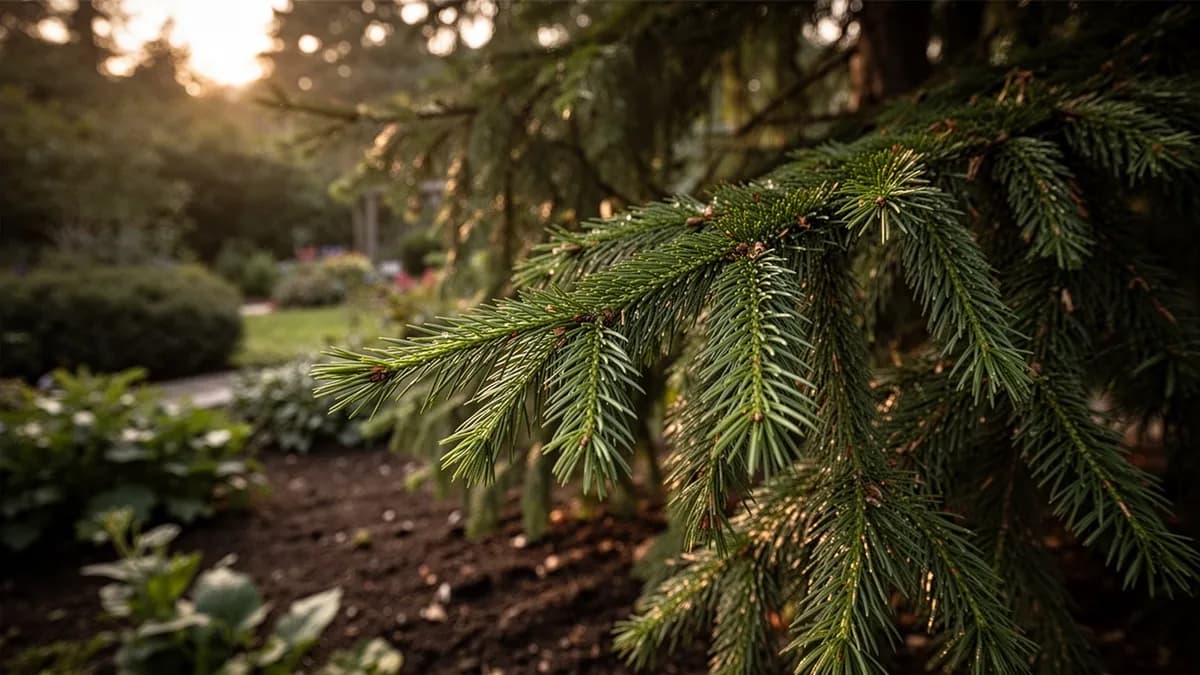
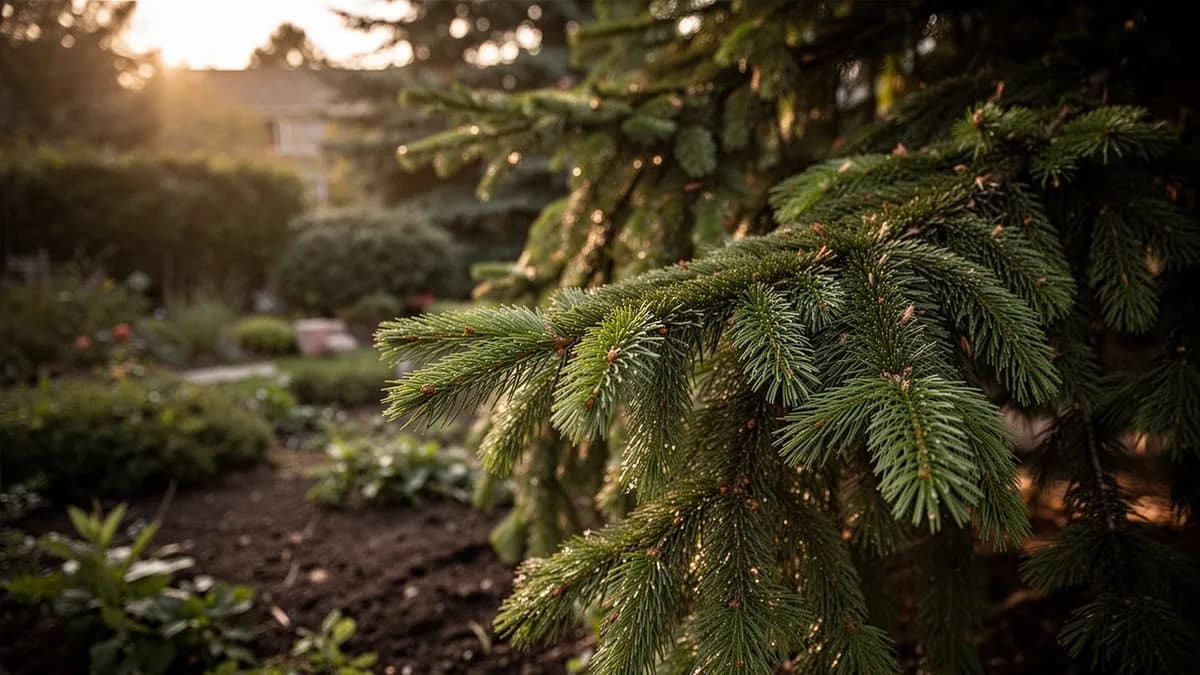
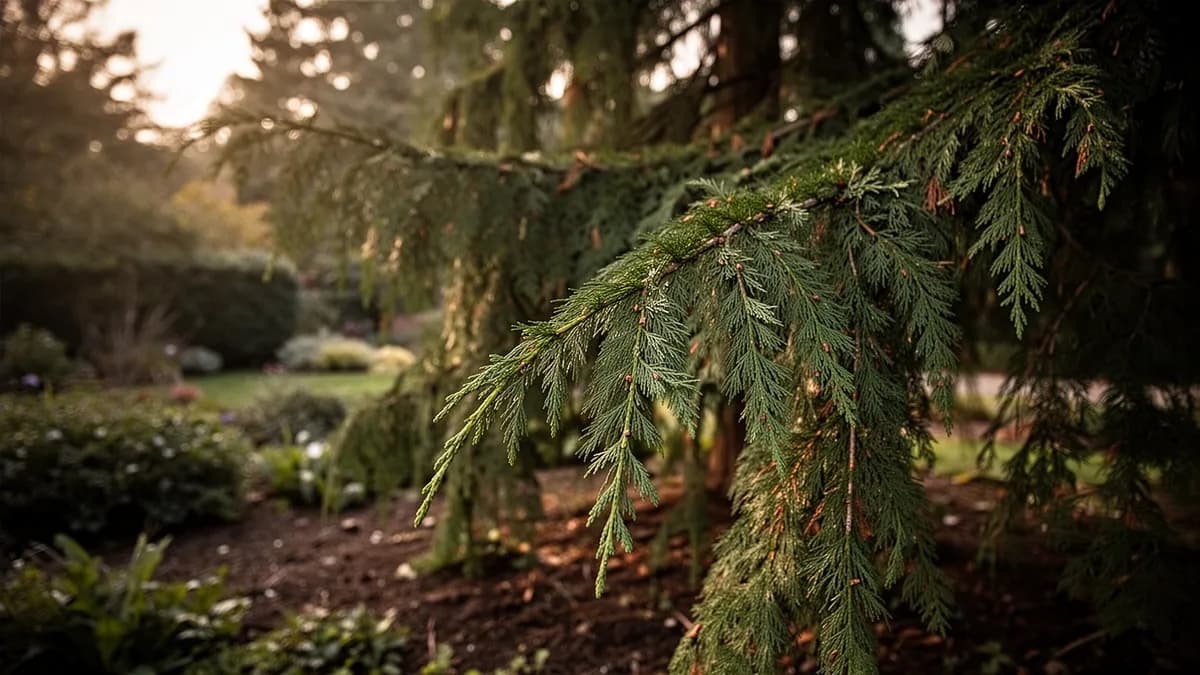
Eine der wenigen großen immergrünen Nadelbäume, die im tiefen Schatten gedeiht, was sie für Sicht- und Heckenpflanzungen in Waldgebieten unschätzbar wertvoll macht. Schierlingstannen haben anmutig herabhängende Astspitzen mit kleinen, weichen Nadeln und bilden winzige, elegante Zapfen. Sie sind sehr anfällig für die Schierlingstannen-Wolllaus, einen invasiven Schädling, der die heimischen Bestände im östlichen Nordamerika dezimiert hat. Pflanzen Sie sie in kühlen, feuchten, sauren Boden mit Schutz vor heißer Nachmittagssonne und austrocknenden Winden.
Wann Schierlingstanne pflanzen
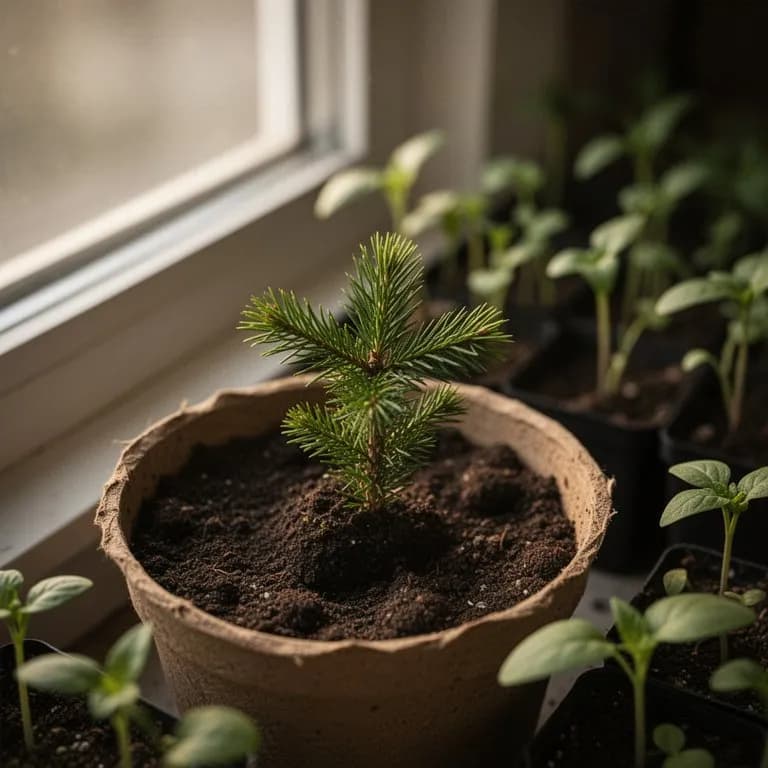
Sammeln Sie kleine Zapfen im Herbst, wenn sie braun werden, und legen Sie sie in Papiertüten zum Trocknen und zur Samenfreisetzung. Schierlingstannensamen benötigen 60 bis 90 Tage Kältestratifikation bei 2 bis 4 Grad Celsius in feuchtem Torfmoos. Nach der Stratifikation säen Sie die Samen auf die Oberfläche einer feinen Aussaaterde und drücken Sie sie leicht an, ohne sie zu bedecken, da die Samen Licht zum Keimen benötigen. Halten Sie sie gleichmäßig feucht bei 15 bis 18 Grad Celsius. Die Keimung dauert 3 bis 6 Wochen und ist oft ungleichmäßig. Sämlinge wachsen im ersten Jahr langsam und erreichen nur 5 bis 8 cm. Topfen Sie sie um, nachdem die ersten echten Nadeln erscheinen, und ziehen Sie sie mindestens zwei Jahre im Schatten auf, bevor Sie sie auspflanzen.
Dein Schierlingstanne-Jahr
Abgestimmt auf Zone 7 · typische Saison · Frost geht um den 2. Apr. und kehrt um den 1. Nov. zurück
Schierlingstanne Mär – Apr, Okt – Nov pflanzen, — ernten. Beachte die Pflanzmethoden unten und wähle dein Klima für passende Zeiträume.
So baust du Schierlingstanne an
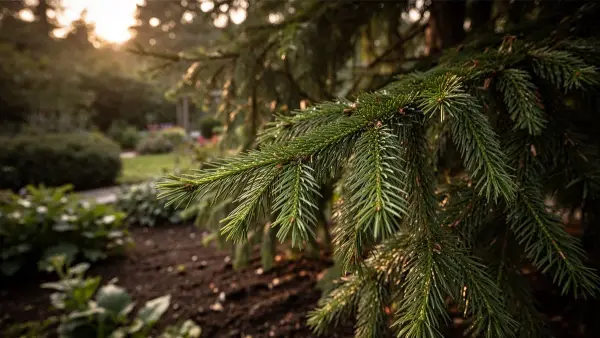
Die Östliche Schierlingstanne gedeiht unter Bedingungen, die die meisten großen Nadelbäume herausfordern: tiefer Schatten, kühle Temperaturen und feuchte, saure Böden. Wählen Sie einen Pflanzstandort mit gefiltertem oder vollem Schatten und Schutz vor heißer Nachmittagssonne und austrocknenden Winterwinden. Die Schierlingstanne bevorzugt einen pH-Wert von 5,0 bis 6,0 in lehmigem, gut durchlässigem Boden, der mit Laubhumus oder kompostierter Kiefernrinde angereichert ist. Setzen Sie die Bäume im Abstand von 3 bis 4,5 Metern für einen natürlichen Sichtschutz oder 1,2 bis 1,8 Meter für eine formale Hecke.
Pflanzen Sie ballen- oder containergebundene Bäume im zeitigen Frühjahr oder Herbst. Graben Sie das Pflanzloch doppelt so breit wie den Wurzelballen und setzen Sie den Baum auf die gleiche Tiefe wie in der Baumschule. Wässern Sie beim Pflanzen gründlich und halten Sie die Feuchtigkeit während der ersten beiden Vegetationsperioden gleichmäßig aufrecht. Tragen Sie eine 8 cm dicke Schicht aus saurem organischem Mulch wie Kiefernnadeln oder zerkleinerte Rinde auf und halten Sie ihn vom Stamm fern.
Schierlingstannen reagieren ausgezeichnet auf Rückschnitt und Formschnitt, was sie zu einer der besten immergrünen Heckenpflanzen macht. Schneiden Sie im späten Frühjahr, nachdem der Neuaustrieb teilweise ausgewachsen ist. Etablierte Bäume benötigen wenig Dünger; eine leichte Gabe eines säuernden Düngers im zeitigen Frühjahr ist ausreichend. Überwachen Sie sorgfältig auf die Schierlingstannen-Wolllaus, besonders in wärmeren Teilen des Verbreitungsgebiets.
Für Schierlingstanne ist ein Beet von 120 × 240 cm zu klein
Schierlingstanne braucht 700 cm Platz pro Pflanze. Der Planer hält diesen Abstand für dich ein — jede Pflanze, jedes Beet.
Die besten Nachbarn für Schierlingstanne
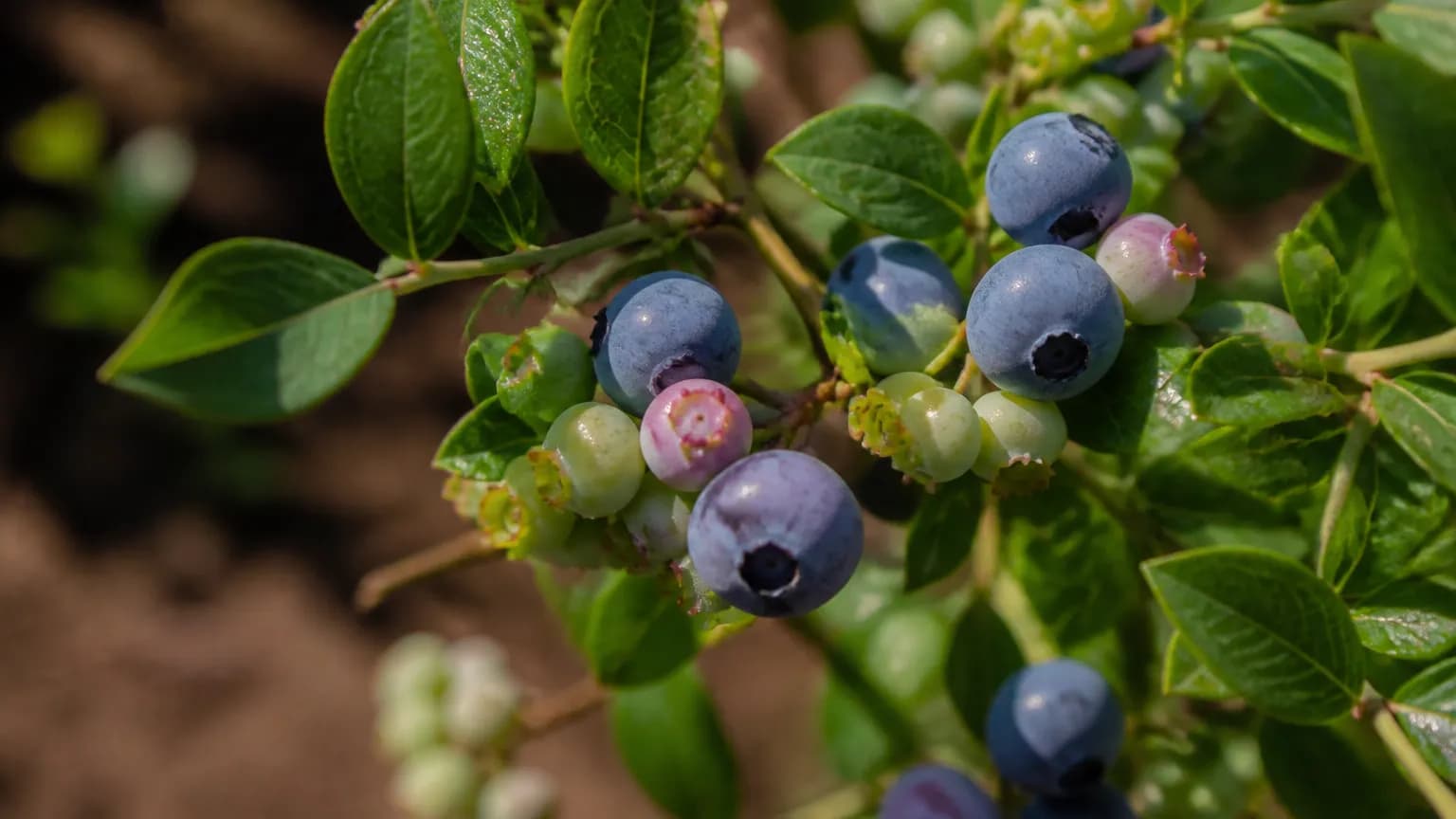
Schierlingstannen schaffen die gleichen sauren, kühlen Waldbedingungen, die von Rhododendren, Azaleen, Berglorbeer und Farnen bevorzugt werden. Unterpflanzen Sie mit schattenliebenden Bodendeckern wie Dickmännchen, Wildingwer oder einheimischen Waldwildblumen wie Dreizack und Blutwurz. Heidelbeeren gedeihen im sauren Boden, der durch den Nadelfall der Schierlingstanne entsteht. Funkien und Prachtspieren entwickeln sich gut im lichten Schatten unter Schierlingstannenkronen. Vermeiden Sie die Kombination mit Pflanzen, die alkalischen Boden oder volle Sonne benötigen.
Heidelbeere gehört daneben.
Altes Gärtnerwissen, geprüft an der echten Nachbartabelle von Schierlingstanne — teste jede Pflanze, die du anbaust.
Probiere Schierlingstanne direkt hier im Beet
Ein echtes Planer-Beet, Schierlingstanne steht schon drin. Tippe einen Begleiter an, platziere ihn und sieh, wie die Nachbarschaftsprüfung antwortet — grün für gute Nachbarn, rot bei Streit.


Passende Anbau-Ratgeber
Richtig düngen
Die Schierlingstanne benötigt sauren Boden mit einem pH-Wert von 5,0 bis 6,0 und ausgezeichnete Drainage. Schwere Tonböden müssen mit großzügigen Mengen organischer Substanz, Perlit oder Kiefernrindenmulch verbessert werden. Mulchen Sie mit 8 bis 10 cm Kiefernnadeln, zerkleinerter Rinde oder Laubhumus, um die Bodensäure und Feuchtigkeit zu erhalten. Düngen Sie sparsam mit einem säuernden Dünger, wie er für Azaleen und Rhododendren formuliert ist, und tragen Sie ihn im zeitigen Frühjahr mit der Hälfte der empfohlenen Menge auf. Vermeiden Sie stickstoffreiche Dünger, die weiches Wachstum fördern, das anfällig für Schädlinge und Krankheiten ist. Etablierte Schierlingstannen in organisch reichem Boden benötigen selten zusätzliche Düngung.
Ideale Temperatur
Winterhärtezone-Kompatibilität
Von der Saat zur Ernte, Schritt für Schritt
Samenkeimung
Schierlingstannensamen benötigen eine Kältestratifikationsperiode von 60 Tagen vor der Keimung. Die Samen sind winzig, durchschnittlich etwa 660.000 pro Kilogramm, und benötigen gleichmäßige Feuchtigkeit sowie Kontakt mit mineralischem Boden oder einem humusreichen Substrat zum Keimen. Die Keimraten in der Natur sind niedrig, oft unter 10 Prozent, was jeden erfolgreichen Sämling ökologisch wertvoll macht.
Sämlingsetablierung
Schierlingstannen-Sämlinge wachsen in den ersten beiden Jahren extrem langsam und erreichen oft nur 5 bis 10 cm Höhe. Sie entwickeln ein zartes Pfahlwurzelsystem und beginnen mit der Bildung ihrer charakteristischen flachen Nadeln. Sämlinge sind sehr schattenverträglich und gedeihen unter 75 Prozent Kronenbedeckung tatsächlich besser als in voller Sonne, wo sie zur Austrocknung neigen.
Jugendliches Wachstum
Zwischen dem 2. und 10. Jahr beschleunigen Schierlingstannen ihre Wachstumsrate mäßig und legen unter günstigen Bedingungen 15 bis 30 cm pro Jahr zu. Der Baum entwickelt seine charakteristische pyramidale Form mit anmutig herabhängenden Astspitzen. Das Wurzelsystem dehnt sich seitlich aus und bildet vorteilhafte Mykorrhiza-Partnerschaften mit Bodenpilzen, die die Nährstoffaufnahme drastisch verbessern.
Kronenentwicklung im Jugendalter
Vom 10. bis zum 30. Jahr tritt die Schierlingstanne in eine Phase stetigen vertikalen und seitlichen Wachstums ein und legt jährlich 30 bis 60 cm an Höhe zu. Die Krone füllt sich aus und der Baum beginnt, kleine hängende Zapfen zu produzieren, typischerweise ab einem Alter von 15 bis 20 Jahren. Die Rinde wandelt sich von glatt graubraun zur dunkleren, gefurchten Textur, die für ältere Exemplare charakteristisch ist.
Ausgewachsenes Exemplar
Ausgewachsene Schierlingstannen erreichen in typischen Gartenanlagen 12 bis 21 Meter, obwohl Altbaumexemplare über 49 Meter überschreiten können. Die Krone entwickelt eine breite, kegelförmige Form mit einem charakteristischen nickenden Wipfeltrieb. Ausgewachsene Bäume produzieren jährlich reichlich Zapfen und bieten wichtigen Lebensraum für Wildtiere, da sie als Wärmeschutz für Rehe im Winter und Nistplätze für zahlreiche Vogelarten dienen.
Altbaum-Veteran
Schierlingstannen sind bemerkenswert langlebige Nadelbäume, wobei einige Exemplare mit über 500 Jahren dokumentiert sind. Altbaum-Schierlingstannen entwickeln massive Stämme von bis zu 1,8 Metern Durchmesser, tief gefurchte Rinde und unregelmäßige Kronenformen, die durch Jahrhunderte von Wind, Eis und Blitz geformt wurden. Diese uralten Bäume sind Schlüsselarten in den Waldökosystemen des östlichen Nordamerikas, regulieren Wassertemperaturen und unterstützen einzigartige Lebensgemeinschaften.
Säen Sie die Samen auf die Oberfläche einer feuchten, sauren Aussaaterde und stellen Sie sie für 8 Wochen in den Kühlschrank, bevor Sie sie in einen kühlen, schattigen Wachstumsbereich bringen. Bedecken Sie die Samen nicht tief, da sie etwas Licht zum Keimen benötigen.
Schierlingstanne Monat für Monat pflegen
Was du jeden Monat für deine Schierlingstanne tun solltest
Oktober
Aktueller MonatGeben Sie eine letzte gründliche Bewässerung, bevor der Boden gefriert, insbesondere bei jungen oder kürzlich umgepflanzten Bäumen. Dies hilft, Winteraustrocknungsschäden zu verhindern. Der Herbst ist eine ausgezeichnete Zeit zum Pflanzen neuer Schierlingstannen, da die kühlen, feuchten Bedingungen die Wurzeletablierung begünstigen. Fügen Sie eine zusätzliche Mulchschicht für den Winterschutz hinzu.
Immer wissen, was jetzt im Garten zu tun ist
Eine E-Mail zum Monatsanfang: was du jetzt säen, pflanzen und anpacken solltest — für deine Schierlingstanne und alles, was drumherum wächst. Dazu ein kurzer Startkurs, der dich vor den klassischen Fehlern bewahrt.
- Was jetzt zu tun ist
- Passend zu deiner Saison
- Startkurs inklusive
Schierlingstanne ernten
Die Schierlingstanne wird normalerweise nicht für die Ernte angebaut, obwohl das Laub historisch zur Herstellung eines vitamin-C-reichen Tees verwendet wurde. Wenn Sie Laub für Tee sammeln, ernten Sie junge Frühlingsspitzen im Mai oder Juni, wenn sie hellgrün und zart sind. Schneiden Sie kleine Mengen von mehreren Ästen, anstatt einen einzelnen Ast komplett zu entnadeln. Die Rinde der Schierlingstanne war historisch wichtig für die Lederbearbeitung aufgrund ihres hohen Gerbstoffgehalts. Das Holz wird kommerziell für Schnittholz und Zellstoff in der Forstwirtschaft verwendet.
angenommen, du pflanzt zu Beginn des Zeitraums — trage dein tatsächliches Datum ein
Ernte Schierlingstanne zügig, dann trägt die Pflanze weiter.
Lagerung & Konservierung
Frische Schierlingstannenspitzen für Tee können sofort verwendet oder auf Gittern in einem gut belüfteten Bereich fern von direkter Sonneneinstrahlung für 5 bis 7 Tage getrocknet werden. Lagern Sie getrocknete Spitzen in luftdichten Glasgefäßen an einem kühlen, dunklen Ort, wo sie ihr Aroma bis zu einem Jahr behalten. Schierlingstannenzweige sind beliebt für Feiertagsdekoration und Kränze. Geschnittene Zweige halten drinnen 2 bis 3 Wochen, wenn sie kühl gehalten und gelegentlich besprüht werden. Stellen Sie geschnittene Zweige in Wasser, um ihre Frische zu verlängern.
Was schiefgeht — und die Lösung
Schierlingstannen-Wolllaus
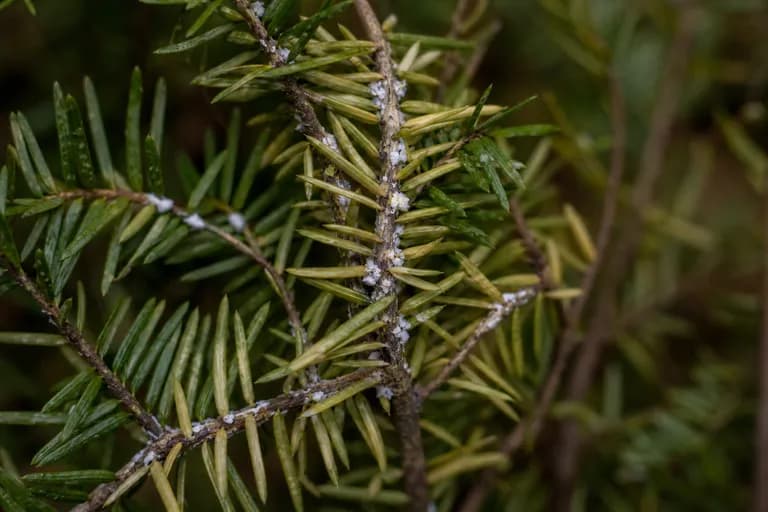
SchädlingKleine weiße, watteähnliche Eisäcke erscheinen an der Basis der Nadeln auf den Unterseiten der Äste. Die Nadeln vergilben, werden dünn und fallen vorzeitig ab. Bäume verfallen über mehrere Jahre.
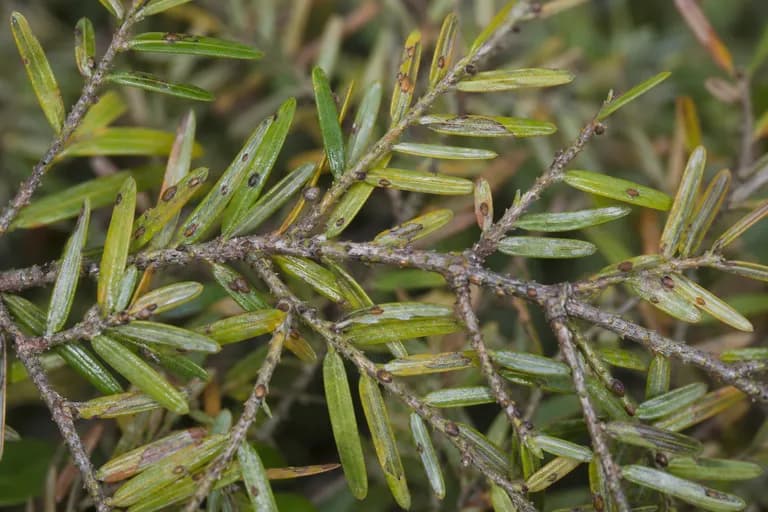
Langgestreckte Schierlingstannen-Schildlaus
SchädlingFlache, ovale braune Schildläuse auf den Unterseiten der Nadeln verursachen Vergilbung und Nadelfall. Starker Befall erzeugt dünne, lichte Kronen mit einem bräunlichen Schimmer.
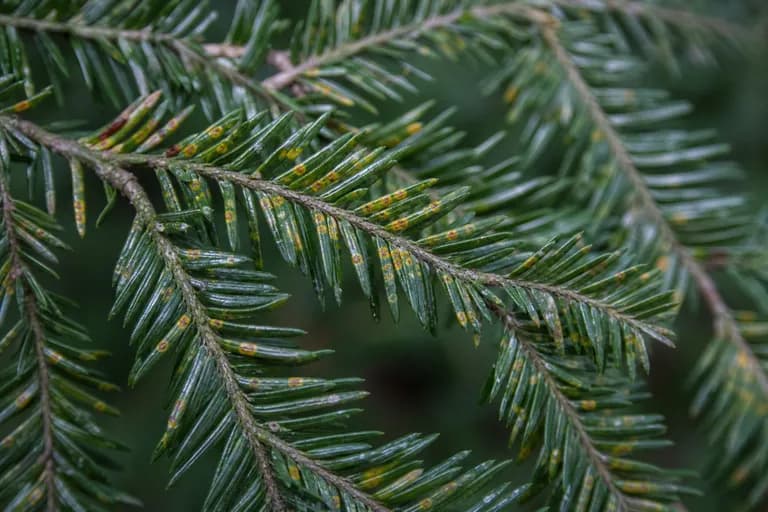
Nadelrost
KrankheitGelb-orange Pusteln erscheinen im Frühjahr auf den Nadeln und verursachen vorzeitigen Nadelfall und eine Ausdünnung der Krone im Laufe der Zeit.
Fehlerbehebung bei häufigen Problemen
Die Schierlingstannen-Wolllaus ist die schwerwiegendste Bedrohung, die Bäume innerhalb von 3 bis 5 Jahren töten kann, wenn sie unbehandelt bleibt. Trockenstress macht Bäume wesentlich anfälliger für Wollausbefall und andere Schädlingsprobleme. Schierlingstannen, die in voller Sonne oder an trockenen, exponierten Standorten gepflanzt werden, verfallen schnell und zeigen Nadelvergilbung, Astabsterben und lichte Kronen. Salzsprühnebel und Streusalzabfluss sind für Schierlingstannen giftig, daher vermeiden Sie die Pflanzung in der Nähe von Straßen oder Auffahrten, die im Winter gestreut werden. Innere Nadelbräune und -abfall im Herbst ist normaler saisonaler Nadelwechsel und kein Grund zur Sorge.
Anbautipps
- Pflanzen Sie Schierlingstannen an einem Standort mit Morgensonne und Nachmittagsschatten oder in gefiltertem Licht den ganzen Tag über. Sie gehören zu den wenigen Nadelbäumen, die wirklich im Halb- bis Vollschatten gedeihen, was sie ideal für Nordhänge und Waldunterpflanzungen macht.
- Stellen Sie gut durchlässigen, sauren Boden mit einem pH-Wert zwischen 5,0 und 6,5 sicher. Schierlingstannen vertragen keine alkalischen Bedingungen und entwickeln chlorotisch vergilbende Nadeln, wenn sie in Böden mit einem pH-Wert über 7,0 gepflanzt werden. Verbessern Sie Pflanzflächen mit Schwefel oder Torfmoos, wenn Ihr natürlicher Boden neutral bis alkalisch ist.
- Gießen Sie gründlich und gleichmäßig, besonders während der ersten drei Jahre nach dem Pflanzen. Schierlingstannen haben flache, faserige Wurzelsysteme, die sehr empfindlich gegenüber Trockenstress sind. Geben Sie mindestens 25 mm Wasser pro Woche während trockener Perioden, langsam aufgetragen, um ein tiefes Eindringen in den Boden zu gewährleisten.
- Halten Sie eine 8 bis 10 cm dicke Schicht aus organischem Mulch wie zerkleinerter Rinde, Kiefernnadeln oder Hackschnitzeln über dem gesamten Wurzelbereich aufrecht. Dies ahmt die natürlichen Waldbodenbedingungen nach, die Schierlingstannen bevorzugen, reguliert die Bodentemperatur, konserviert Feuchtigkeit und säuert den Boden beim Zersetzen langsam an.
- Überwachen Sie wachsam auf die Schierlingstannen-Wolllaus, insbesondere wenn Sie im östlichen Nordamerika von Neuengland südwärts durch die Appalachenregion gärtnern. Untersuchen Sie die Astunterseiten im Winter auf weiße, watteähnliche Eimassen und behandeln Sie sofort mit Gartenbauöl, Insektizidseife oder systemischem Imidacloprid, wenn ein Befall festgestellt wird.
- Vermeiden Sie das Pflanzen von Schierlingstannen an exponierten, windigen Standorten oder in der Nähe von Straßen, wo sie Salzsprühnebel durch Winterstreudienste ausgesetzt sind. Schierlingstannen sind außergewöhnlich empfindlich gegenüber sowohl Windaustrocknung als auch Salzschäden, die fortschreitende Bräunung und Absterben des Laubes verursachen.
- Beim Anlegen einer Schierlingstannenhecke setzen Sie die Pflanzen im Abstand von 0,9 bis 1,2 Metern für einen dichten Sichtschutz und beginnen Sie mit dem Formschnitt, sobald sie die gewünschte Höhe erreicht haben. Schneiden Sie nur im späten Frühjahr, nachdem der Neuaustrieb sich entfaltet hat, aber bevor er vollständig aushärtet, und entfernen Sie nie mehr als ein Drittel des aktuellen Jahreswachstums.
- Düngen Sie sparsam mit einem säuernden Langzeitdünger in Granulatform, wie er für Stechpalmen, Azaleen und Rhododendren formuliert ist. Tragen Sie einmal im zeitigen Frühjahr die Hälfte der empfohlenen Menge auf, da Schierlingstannen Schwachzehrer sind und übermäßiger Stickstoff zartes Wachstum fördern kann, das anfällig für Schädlingsbefall ist.
- Erwägen Sie die Mischpflanzung von Schierlingstannen mit einheimischen Unterwuchsbegleitern wie Rhododendren, Berglorbeer, Farnen und Wildblumen, die ähnliche Vorlieben für sauren Boden, gleichmäßige Feuchtigkeit und Halbschatten teilen. Dies schafft einen naturalistischen Waldgarten mit gestaffeltem visuellen Interesse durch alle Jahreszeiten.
- Wenn Sie Schierlingstannen in einer Baumschule kaufen, untersuchen Sie die Pflanzen gründlich auf Anzeichen von Wolllaus, bevor Sie sie nach Hause bringen. Wählen Sie Exemplare mit dichtem, dunkelgrünem Laub ohne sichtbare weiße Massen auf den Astunterseiten. Stellen Sie neue Pflanzen möglichst mehrere Wochen unter Quarantäne, bevor Sie sie in der Nähe etablierter Schierlingstannen pflanzen.
Bau deine beste Schierlingstanne an — und alles drumherum.
Starte heute kostenlos. Lege deine Beete an, setze deine Schierlingstanne ein und lass PlotMyGarden Timing, Abstände, Begleiter und Erinnerungen von der Saat bis zum Erntekorb übernehmen.
Finde deine Schierlingstanne
Sargentii
Eine Trauerform, die einen breiten Hügel aus herabhängenden Ästen bildet, ausgezeichnet als Solitärpflanze oder über Mauern geleitet. Erreicht 1,5 bis 3 Meter Höhe und bis zu 3 Meter Breite.
Pendula
Eine weitere Trauersorte mit einem aufrechteren Mitteltrieb als Sargentii. Kann aufgestäbt werden, um ein dramatisches hohes Trauerexemplar von 4,5 Metern oder mehr zu schaffen.
Gentsch White
Kompakte Zwergform mit weißspitzigem Neuaustrieb, der ein bereiftes Aussehen verleiht. Wird 0,9 bis 1,2 Meter hoch, ideal für Grundstücksbepflanzungen und kleine Gärten.
Jeddeloh
Niedrigwachsende, nestförmige Zwergsorte, die einen dichten Hügel von 0,9 bis 1,5 Metern Breite bildet. Perfekt für Steingärten, Rabatten und Kübel an schattigen Standorten.
Das Pflanzen von Schierlingstannen als Sichtschutzhecken oder Windschutz kann die Heizkosten um 10 bis 25 Prozent senken, indem kalte Winterwinde abgehalten werden, und gleichzeitig den Immobilienwert durch verbesserte Attraktivität und ganzjährigen Sichtschutz um geschätzte 7 bis 15 Prozent steigern. Eine Schierlingstannenhecke bietet nach der Etablierung jahrzehntelange natürliche Einfriedung, die sonst Tausende von Euro für Holz- oder Vinylersatz alle 15 bis 20 Jahre kosten würde. Darüber hinaus kann der dichte Schatten ausgewachsener Schierlingstannen die Kühlkosten im Sommer senken, indem die direkte Sonnenwärmeeinstrahlung auf nahe gelegene Gebäude reduziert wird.
Schnelle Rezepte
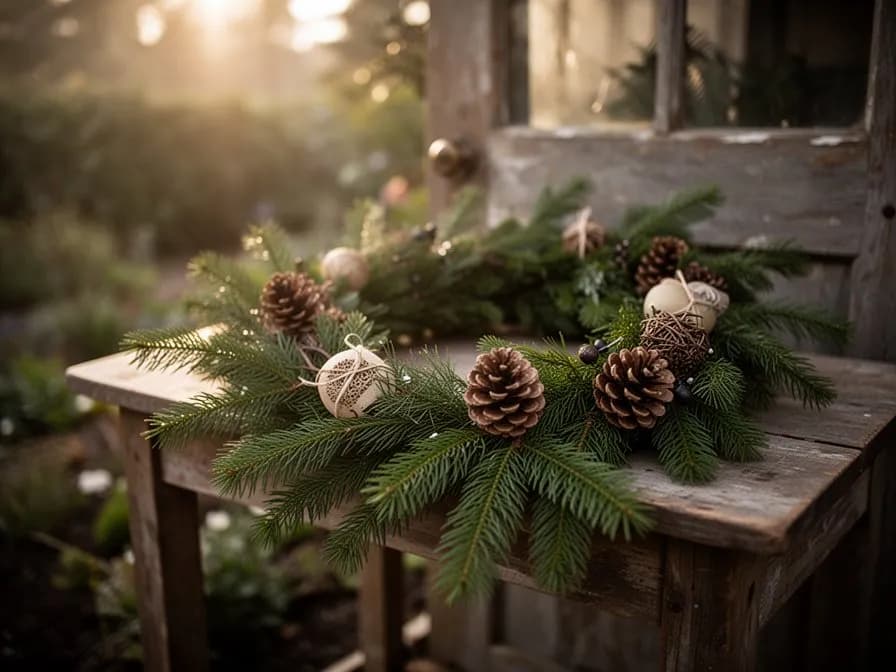
Traditioneller Schierlingstannen-Nadeltee
10 Min.Ein duftender, vitamin-C-reicher Waldtee aus frischen Schierlingstannen-(Tsuga-)Nadeln. Dies war ein Grundnahrungsmittel-Überlebensgetränk für indigene Völker und frühe Entdecker, mit einem milden, leicht zitrusartigen Kiefernaroma. Stellen Sie immer sicher, dass Sie Tsuga-Nadeln verwenden und keine andere Art, bevor Sie zubereiten.
4 ZutatenSchierlingstannennadel-Sirup
30 Min. plus AbkühlungEin waldiger, aromatischer einfacher Sirup mit Schierlingstannennadel-Geschmack, perfekt zum Beträufeln von Pfannkuchen, für Cocktails oder zum Süßen von Festtagsgetränken. Die sanften Nadelbaumnoten harmonieren wunderbar mit Zitrus- und Beerengeschmack.
5 Zutaten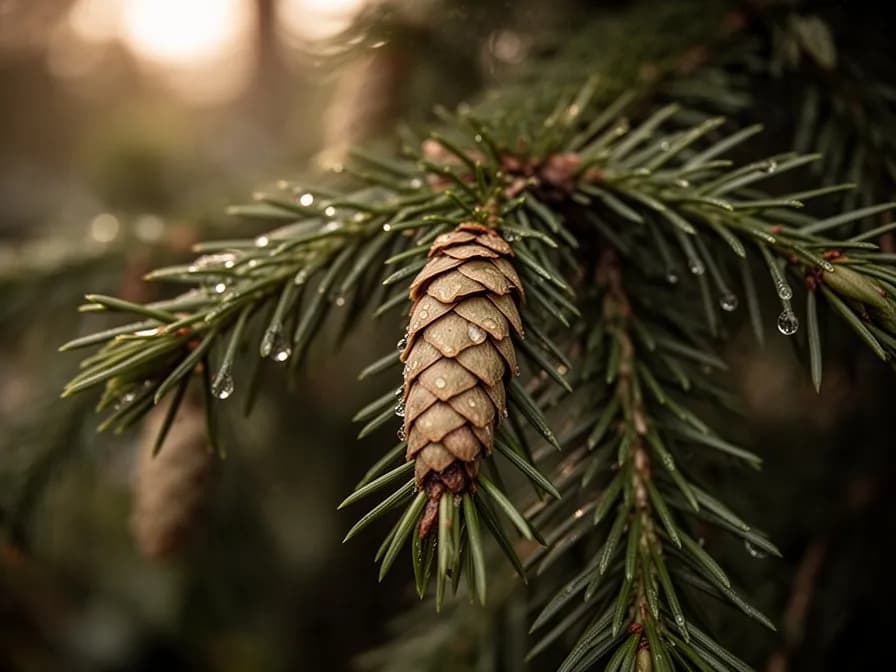
Schierlingstannen-Räuchersalz-Mischung
15 Min. aktiv, 2 Stunden TrocknungEin Finishing-Salz mit getrockneten Schierlingstannennadeln, das eine erdige, waldbodige Komplexität zu gegrilltem Fleisch, geröstetem Gemüse und rustikalen Broten hinzufügt. Das Schierlingstannenaroma ist subtil und passt außergewöhnlich gut zu Wildfleisch und Pilzgerichten.
5 ZutatenWas drinsteckt
Gesundheitsvorteile
- Schierlingstannen-Nadeltee liefert eine bedeutende natürliche Vitamin-C-Quelle, die historisch Skorbut bei indigenen Gemeinschaften und frühen Siedlern während langer Winter verhinderte, wenn frisches Obst und Gemüse nicht verfügbar war.
- Die von Schierlingstannenlaub freigesetzten ätherischen Öle, insbesondere Alpha-Pinen, werden mit reduzierten Stresshormonen und verbesserter Atemfunktion beim Waldbaden und Aufenthalt im Freien in Verbindung gebracht.
- Traditionelle pflanzenheilkundliche Zubereitungen aus Schierlingstannenrinde und -nadeln wurden von indianischen Heilern als Umschläge bei rheumatischen Gelenkschmerzen, Hautreizungen und kleinerer Wundversorgung verwendet.
- Das Verweilen in Schierlingstannenhainen hat messbare Vorteile, die mit Waldtherapieforschung übereinstimmen, darunter gesenkte Cortisolspiegel, reduzierter Blutdruck und erhöhte natürliche Killerzellaktivität in Verbindung mit der Immunfunktion.
- Schierlingstannennadel-Extrakte enthalten Proanthocyanidine und andere polyphenolische Verbindungen mit nachgewiesener antioxidativer Aktivität in Laborstudien, die möglicherweise die Zellgesundheit unterstützen und oxidativen Stress reduzieren.
- Die dichte, ganzjährige Krone von Schierlingstannen schafft natürliche Luftfiltrationszonen, fängt Feinstaubpartikel ein und erzeugt sauerstoffreiche Mikroklimata, die der Atemwegsgesundheit im Freien in Wohn- und Parkgebieten zugutekommen.
Woher Schierlingstanne stammt
Die Gattung der Schierlingstanne (Tsuga) umfasst etwa acht bis zehn Arten, die über Nordamerika und Ostasien verbreitet sind – ein disjunktes biogeographisches Muster, das auf alte Landbrückenverbindungen während des Tertiärs zurückgeht. Die beiden wichtigsten nordamerikanischen Arten sind die Östliche Schierlingstanne (Tsuga canadensis), heimisch von Nova Scotia bis Nord-Georgia entlang des Appalachenkorridors, und die Westliche Schierlingstanne (Tsuga heterophylla), die die feuchten Wälder des pazifischen Nordwestens von Südost-Alaska bis Nordkalifornien dominiert. Die Östliche Schierlingstanne ist seit Jahrtausenden eine prägende Art der kühlen, feuchten Schluchten- und Nordhangwälder der Appalachen und schafft überall, wo sie wächst, ein einzigartiges Mikroklima. Indigene Völker, darunter die Haudenosaunee und Cherokee, verwendeten Schierlingstannenrinde für medizinische Tees, die reich an Vitamin C waren, für den Bau von Unterkünften und als Notnahrung aus der inneren Rinde während harter Winter. Europäische Kolonisten erkannten schnell den außergewöhnlichen Gerbstoffgehalt der Rinde, und bis Mitte des 19. Jahrhunderts hatte sich eine massive Rindenernteindustrie in Pennsylvania, New York und Neuengland entwickelt, wobei Rindenarbeiter jeden Frühling durch die Wälder zogen. Diese Industrie verwüstete die ursprünglichen Schierlingstannenbestände im gesamten Nordosten, brach aber schließlich zusammen, als die Vorräte schwanden und synthetische Gerbstoffe verfügbar wurden. Im 20. Jahrhundert sahen sich Schierlingstannen einer weit schwerwiegenderen Bedrohung gegenüber: der Ankunft der Schierlingstannen-Wolllaus (Adelges tsugae), eines invasiven blattlausähnlichen Insekts aus Japan, das erstmals 1951 in Richmond, Virginia, entdeckt wurde. Die Wolllaus ernährt sich von den Stärkereserven an der Basis der Schierlingstannennadeln und hungert den Baum über mehrere Jahre langsam aus. Ohne natürliche Feinde in Nordamerika hat sich die Wolllaus über den Großteil des Verbreitungsgebiets der Östlichen Schierlingstanne ausgebreitet, verursacht weit verbreitetes Baumsterben und hat Notfall-Naturschutzmaßnahmen ausgelöst, einschließlich biologischer Bekämpfungsprogramme mit importierten Raubkäfern aus dem Herkunftsgebiet der Wolllaus.
Schierlingstanne: Schon gewusst?
Faszinierende Fakten über Schierlingstanne
Die Östliche Schierlingstanne (Tsuga canadensis) ist der Staatsbaum von Pennsylvania, 1931 gewählt, um ihre historische Rolle in der einst mächtigen Gerbereiindustrie des Staates zu ehren, die Millionen von Schierlingstannenrinden-Ernten verarbeitete.
Schierlingstanne: Fragen & Antworten
Wann sollte ich Schierlingstanne pflanzen?
Was sind gute Begleitpflanzen für Schierlingstanne?
In welchen Winterhärtezonen kann Schierlingstanne wachsen?
Wie viel Sonne braucht Schierlingstanne?
Welchen Abstand sollte ich zwischen Schierlingstanne lassen?
Welche Schädlinge und Krankheiten befallen Schierlingstanne?
Wie lagere ich Schierlingstanne nach der Ernte?
Was sind die besten Schierlingstanne-Sorten zum Anbauen?
Welchen Boden braucht Schierlingstanne?
Ist die Schierlingstanne dasselbe wie der Giftschierling, der Sokrates tötete?
Was ist die Schierlingstannen-Wolllaus und wie ernst ist die Bedrohung?
Wie schnell wachsen Schierlingstannen und wie groß werden sie?
Können Schierlingstannen als Sichtschutzhecke gezogen werden?
Warum vergilben und fallen die Nadeln meiner Schierlingstanne ab?
Sind Schierlingstannen sicher zum Pflanzen in der Nähe von Bächen, Brunnen oder Wasserspielen?
Du hast die Theorie gelesen. Jetzt baue sie auf Autopilot an.
Alles, was Schierlingstanne knifflig macht — das Timing, die Abstände, die Begleiter, das Erntefenster — genau das übernimmt PlotMyGarden für dich, für jede Pflanze im Garten.
Ein Plan, der dein Wetter kennt
Standort einmal festlegen. Aussaat-, Dünge- und Erntedaten rund um deinen echten letzten Frosttermin und die Live-Vorhersage — kein Raten mehr nach Saattüte.
Aus dem Abschnitt „Pflanzzeit“Beetplaner per Drag & Drop
Beete auf einem Raster gestalten. Jede Pflanze rastet im richtigen Abstand ein, und du siehst die ganze Saison, bevor du einen Cent für Saatgut ausgibst.
Aus dem Abschnitt „Anbau“Begleiter-Konflikte früh erkannt
Über 200 gute und schlechte Kombinationen werden beim Pflanzen live geprüft — so landet ein saisonruinierender Fehler nie in der Erde.
Aus dem Abschnitt „Begleiter“Erinnerungen, nach denen du wirklich handelst
„Gieß die Bohnen.“ „Heute ernten, bevor's umschlägt.“ Pünktlich, konkret und auf deine echten Pflanzen bezogen.
Aus dem Abschnitt „Ernte“Staffel-Aussaat, geplant
Sechs Wochen ernten statt sechs Tage? Die App verteilt deine Aussaaten automatisch und erinnert dich, wenn der nächste Satz fällig ist.
Aus dem Abschnitt „Pflanzzeit“Ein Verlauf, der schlauer wird
Jede protokollierte Ernte bringt der App deinen Garten bei. Der Plan fürs nächste Jahr startet bei dem, was in deinem Boden wirklich funktioniert hat.
Aus dem Abschnitt „Überblick“Pflanze diese neben Schierlingstanne
Weitere Immergrüne
Bau deine beste Schierlingstanne an — und alles drumherum.
Starte heute kostenlos. Lege deine Beete an, setze deine Schierlingstanne ein und lass PlotMyGarden Timing, Abstände, Begleiter und Erinnerungen von der Saat bis zum Erntekorb übernehmen.