Winterharter Storchschnabel
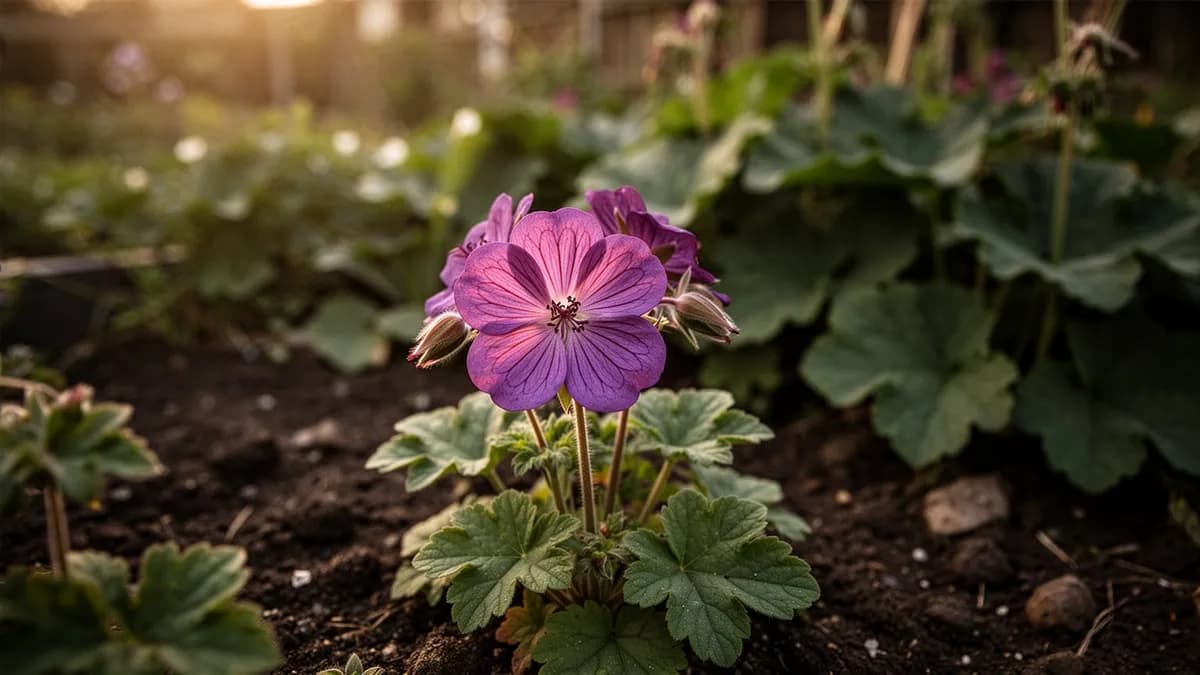
Eine vielseitige, langblühende Staude mit schalenförmigen Blüten in Violettblau über Laubkissen aus tief gelapptem Blattwerk, das sich im Herbst wunderschön verfärbt.





Auf dieser SeiteÜberblick
Winterharter Storchschnabel im Überblick
Eine vielseitige, langblühende Staude mit schalenförmigen Blüten in Violettblau über Laubkissen aus tief gelapptem Blattwerk, das sich im Herbst wunderschön verfärbt. Winterharte Storchschnäbel sind die Arbeitspferde des Staudenbeetes, die in Sonne oder Halbschatten mit durchschnittlichem Boden gedeihen. Nach der ersten Blüte zurückschneiden für einen ordentlichen Wuchs und eine Nachblüte.
Wann Winterharter Storchschnabel pflanzen
Arten können aus Samen gezogen werden, die im Herbst oder Frühling ausgesät werden. Samen benötigen möglicherweise eine Kältestratifikation. Benannte Sorten müssen durch Teilung oder Stecklinge vermehrt werden. Artensamen in Töpfe mit sandigem Substrat säen und leicht bedecken. Die Keimung kann langsam und unregelmäßig sein und 2–8 Wochen dauern.
Dein Winterharter Storchschnabel-Jahr
Abgestimmt auf Zone 7 · typische Saison · Frost geht um den 2. Apr. und kehrt um den 1. Nov. zurück
Winterharter Storchschnabel Mär – Mai pflanzen, Mai – Sep ernten. Beachte die Pflanzmethoden unten und wähle dein Klima für passende Zeiträume.
So baust du Winterharter Storchschnabel an
Winterharte Storchschnäbel gehören zu den vielseitigsten und lohnendsten Stauden und bilden ordentliche Laubkissen aus tief gelapptem Blattwerk, das von schalenförmigen Blüten übersät ist. Pflanzen Sie im Frühling oder Herbst mit einem Abstand von 45–60 cm. Sie gedeihen in voller Sonne bis Halbschatten mit durchschnittlichem, gut durchlässigem Boden.
Die erste Blütenwelle erscheint im späten Frühling und hält mehrere Wochen an. Wenn die Blüte nachlässt, schneiden Sie die gesamte Pflanze um ein Drittel bis zur Hälfte zurück – dies erzeugt frisches, kompaktes Laub und löst eine starke zweite Blütenwelle aus, die bis in den Herbst anhält.
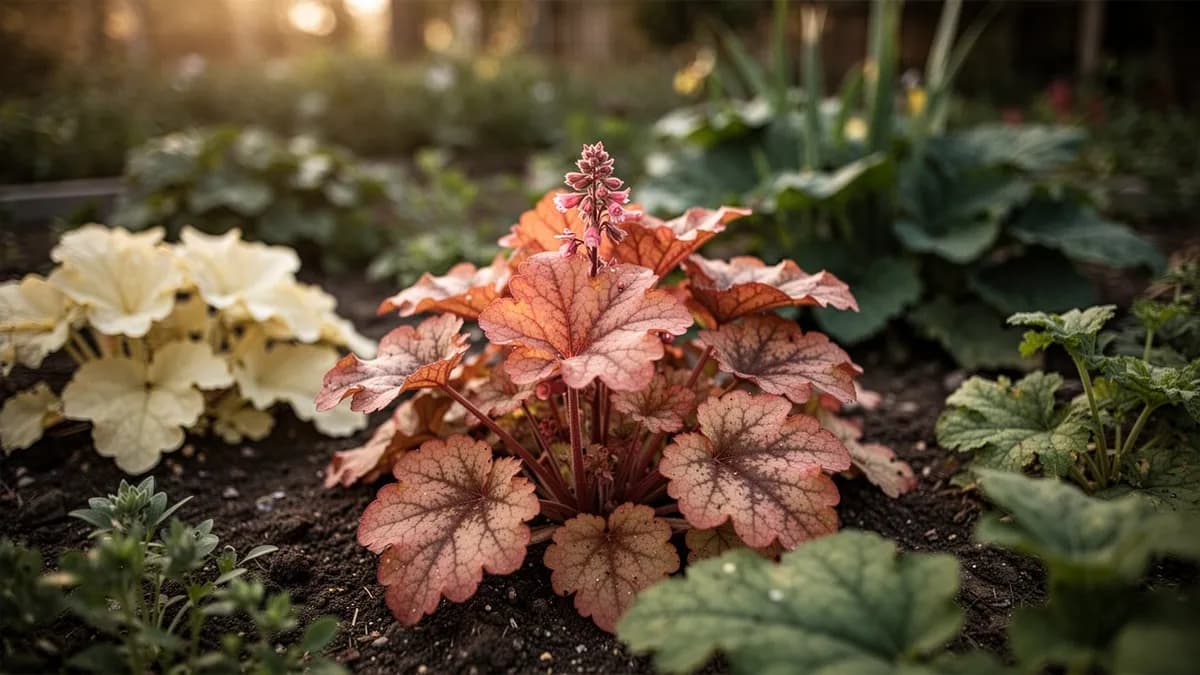
Winterharte Storchschnäbel sind bemerkenswert anpassungsfähig und vertragen eine breite Palette von Bedingungen, von magerem, trockenem Boden bis zu reichhaltigem Beetboden. Sie sind hirsch- und kaninchenresistent, praktisch schädlingsfrei und erfordern neben dem Rückschnitt in der Saisonmitte nur minimale Pflege. Viele Arten und Sorten bieten eine hervorragende Herbstlaubfärbung in Rot- und Orangetönen.
10 Pflanzen passen in ein Beet von 120 × 240 cm
Winterharter Storchschnabel braucht 45 cm Platz pro Pflanze. Der Planer hält diesen Abstand für dich ein — jede Pflanze, jedes Beet.
Die besten Nachbarn für Winterharter Storchschnabel
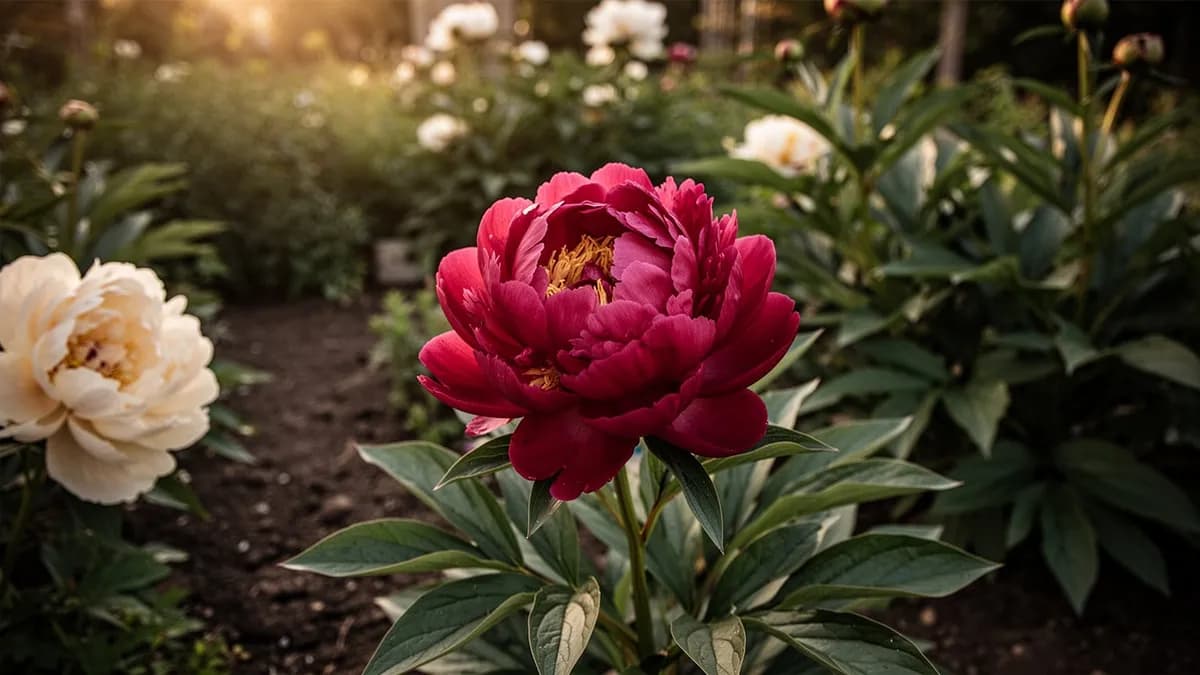
Winterharte Storchschnäbel sind die idealen Beetbegleiter und harmonieren wunderbar mit Rosen, Pfingstrosen, Taglilien und Zierlauch. Der kissenartige Wuchs macht sie perfekt zum Aufweichen von Kanten und zum Füllen von Lücken zwischen höheren Stauden. 'Rozanne' ist spektakulär, wenn sie sich durch Ziergräser windet. G. macrorrhizum ist als Bodendecker unter Strauchrosen unschlagbar.
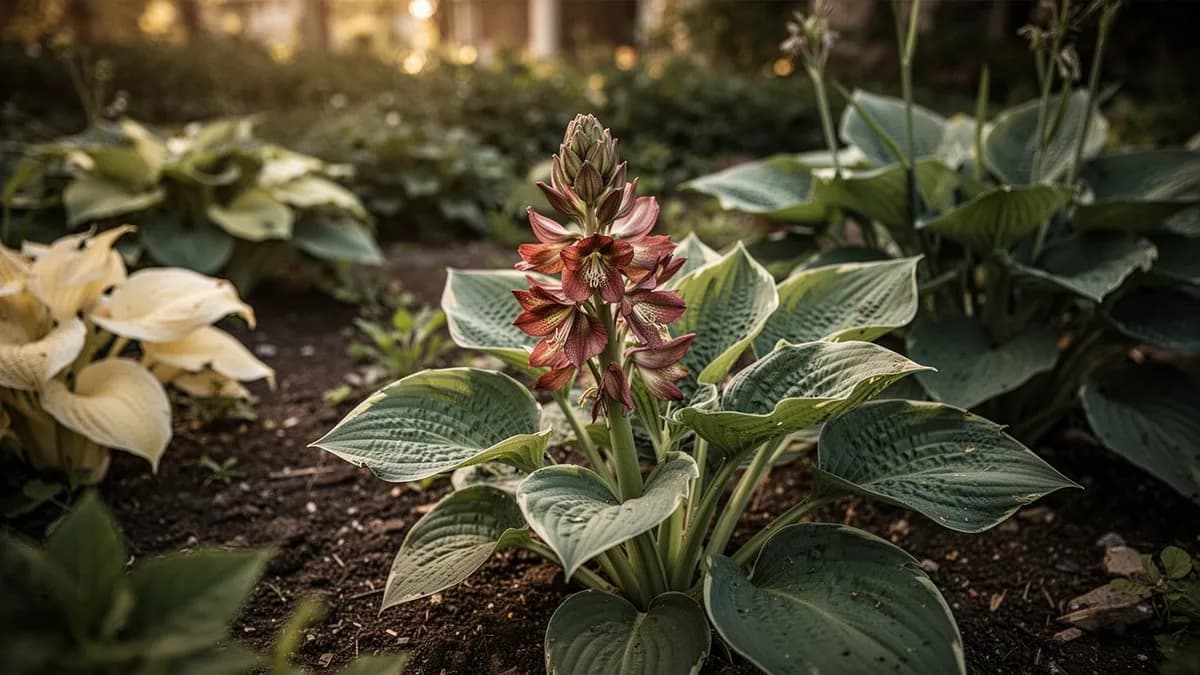
Funkie gehört daneben.
Altes Gärtnerwissen, geprüft an der echten Nachbartabelle von Winterharter Storchschnabel — teste jede Pflanze, die du anbaust.
Probiere Winterharter Storchschnabel direkt hier im Beet
Ein echtes Planer-Beet, Winterharter Storchschnabel steht schon drin. Tippe einen Begleiter an, platziere ihn und sieh, wie die Nachbarschaftsprüfung antwortet — grün für gute Nachbarn, rot bei Streit.


Passende Anbau-Ratgeber
Richtig düngen
Winterharte Storchschnäbel sind genügsam bezüglich des Bodens und gedeihen in durchschnittlichen, gut durchlässigen Bedingungen mit einem pH-Wert von 5,5–7,5. Eine leichte Gabe von ausgewogenem Dünger im Frühling fördert eine gute Blüte. Schwere Düngung vermeiden, da diese üppiges Laub auf Kosten der Blüten erzeugt. Die meisten Arten vertragen mageren, trockenen Boden, sobald sie etabliert sind.
Ideale Temperatur
Winterhärtezone-Kompatibilität
Von der Saat zur Ernte, Schritt für Schritt
Samenkeimung oder Teilung
Storchschnabelsamen benötigen eine Kältestratifikation (4–6 Wochen bei 1–5 °C) vor der Aussaat, um die Keimruhe zu brechen. Alternativ können Teilstücke von ausgereiften Horsten im zeitigen Frühling oder Herbst entnommen werden. Die Samen werden auf der Oberfläche von feuchtem Aussaatsubstrat ausgesät und leicht bedeckt.
Sämlingsentwicklung
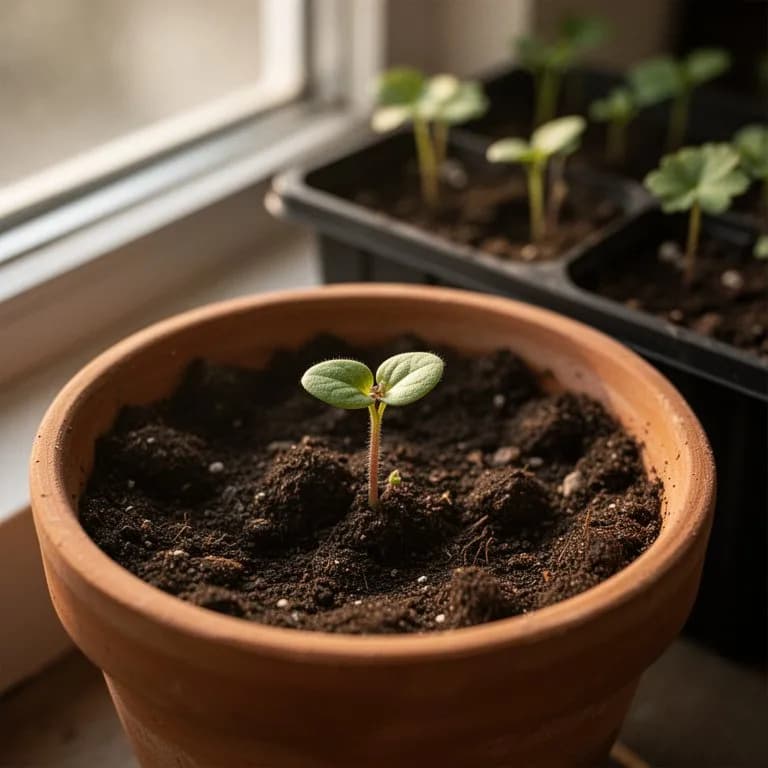
Sämlinge erscheinen mit rundlichen Keimblättern, gefolgt vom ersten Paar flach gelappter echter Blätter. Das Wachstum ist anfangs langsam, da die Pflanze ihr Wurzelsystem entwickelt. Teilstücke etablieren sich schneller und treiben innerhalb von zwei bis drei Wochen neue Triebe aus der Krone.
Vegetatives Wachstum
Die Pflanze entwickelt ihr charakteristisches Polster aus tief geschnittenem, handförmigem Laub. Triebe breiten sich nach außen aus und das Wurzelsystem dehnt sich erheblich aus. Die Blätter werden mit zunehmender Reife tiefer geteilt und aromatischer. Viele Arten bilden in dieser Phase eine ordentliche Kuppelform von 30–60 cm Höhe und Breite.
Blütezeit
Blütenknospen bilden sich an den Triebspitzen und in den Blattachseln und öffnen sich zu fünfblättrigen, schalenförmigen Blüten in Blau-, Violett-, Rosa-, Magenta- oder Weißtönen, je nach Art und Sorte. Die meisten Arten blühen vier bis sechs Wochen lang üppig, wobei einige nachblühende Sorten sporadisch bis zum Frost weiterbühen.
Samenbildung
Bestäubte Blüten entwickeln die charakteristische längliche Samenkapsel, die einem Storchschnabel ähnelt und der Gattung ihren Namen gibt. Wenn sie reif ist, öffnet sich die Kapsel und die fünf Segmente rollen sich explosionsartig nach oben, wodurch Samen mehrere Meter weit von der Mutterpflanze geschleudert werden.
Herbstfärbung und Ruhephase
Viele winterharte Storchschnabelarten zeigen eine herausragende Herbstlaubfärbung, wobei sich die Blätter in Töne von Karmesinrot, Scharlachrot, Orange und Rostbraun verfärben. Mit sinkenden Temperaturen stirbt die Pflanze allmählich bis auf ihren holzigen Wurzelstock ab. Halbimmergrüne Arten können in milden Wintern eine niedrige Blattrosette behalten.
Frisches Saatgut keimt wesentlich zuverlässiger als gelagertes. Beim Kauf auf frisch geerntetes Saatgut achten und vor der Aussaat in einem verschlossenen Beutel mit feuchtem Sand im Kühlschrank stratifizieren.
Winterharter Storchschnabel Monat für Monat pflegen
Was du jeden Monat für deine Winterharter Storchschnabel tun solltest
Oktober
Aktueller MonatDie Herbstlaubfärbung bei Arten wie Geranium macrorrhizum und Geranium × cantabrigiense genießen. Weiterhin neue Teilstücke oder Containerpflanzen setzen, solange der Boden bearbeitbar bleibt. Eine Mulchschicht aus Laubmulch als Winterschutz auftragen.
Immer wissen, was jetzt im Garten zu tun ist
Eine E-Mail zum Monatsanfang: was du jetzt säen, pflanzen und anpacken solltest — für deine Winterharter Storchschnabel und alles, was drumherum wächst. Dazu ein kurzer Startkurs, der dich vor den klassischen Fehlern bewahrt.
- Was jetzt zu tun ist
- Passend zu deiner Saison
- Startkurs inklusive
Winterharter Storchschnabel ernten
Die Blüten des winterharten Storchschnabels sind zu klein für die traditionelle Verwendung als Schnittblume, aber das Laub ist in der Floristik geschätzt. Einzelne Stiele mit tief gelappten Blättern eignen sich hervorragend als Füllmaterial in gemischten Sträußen. Das herbstlich gefärbte Laub ist besonders attraktiv für Herbstarrangements.
angenommen, du pflanzt zu Beginn des Zeitraums — trage dein tatsächliches Datum ein
Ernte Winterharter Storchschnabel zügig, dann trägt die Pflanze weiter.
Lagerung & Konservierung
Winterharte Storchschnäbel sind vollständig winterhart und benötigen keine besondere Lagerung. Verbrauchtes Laub im Spätherbst zurückschneiden oder für den Winteraspekt stehen lassen. Alle 3–4 Jahre im Frühling teilen, um die Vitalität zu erhalten. Teilung ist die einfachste Vermehrungsmethode für benannte Sorten.
Was schiefgeht — und die Lösung
Dickmaulrüssler
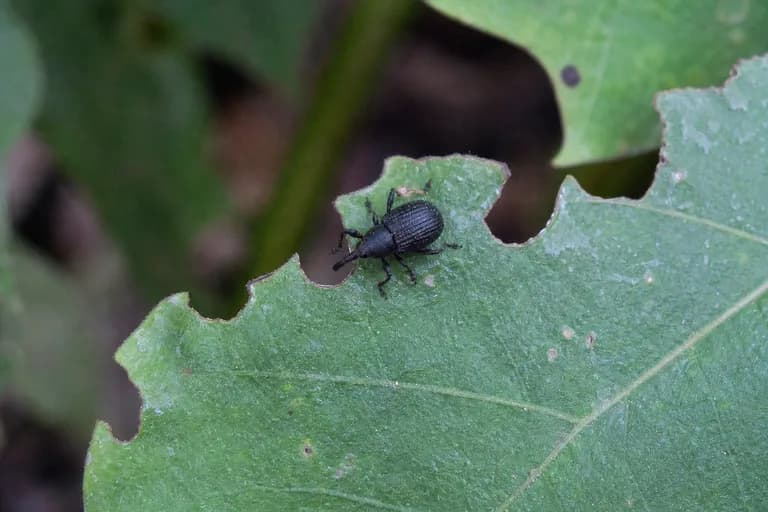
SchädlingEingekerbte Blattränder. Larven fressen an den Wurzeln und führen dazu, dass Pflanzen welken und zusammenbrechen.
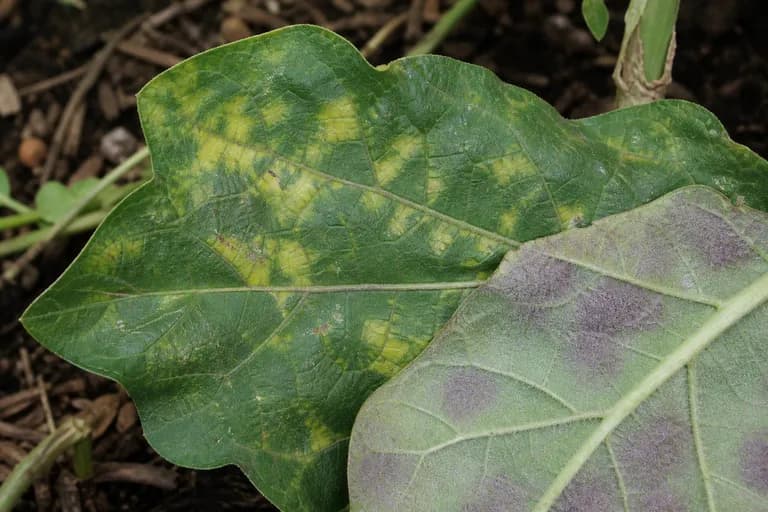
Falscher Mehltau
KrankheitGelbe Flecken auf der Blattoberseite mit grauem Schimmel an der Unterseite. Tritt bei kühlen, feuchten Bedingungen auf.
Fehlerbehebung bei häufigen Problemen
Pflanzen, die sparrig werden und sich in der Mitte öffnen, müssen zurückgeschnitten werden – schneiden Sie nach der ersten Blütenwelle kräftig zurück, und sie erholen sich schnell. Einige Arten verbreiten sich stark durch Selbstaussaat (G. phaeum, G. pratense) und müssen eventuell kontrolliert werden. Der Dickmaulrüssler ist der ernsthafteste Schädling, besonders in Kübeln.
Anbautipps
- Wählen Sie die richtige Art für Ihre Standortbedingungen: Geranium macrorrhizum gedeiht im trockenen Schatten, Geranium pratense glänzt auf feuchten Wiesen und Geranium sanguineum verträgt heiße, trockene Hänge in voller Sonne.
- Pflanzen Sie winterharte Storchschnäbel im Herbst oder zeitigen Frühling, wenn der Boden feucht und kühl ist, damit die Wurzeln Zeit haben, sich vor den Anforderungen der Sommerblüte zu etablieren.
- Setzen Sie die Pflanzen bei den meisten sich ausbreitenden Arten mit 30–45 cm Abstand, damit sie innerhalb von zwei Vegetationsperioden zu einem dichten bodendeckenden Teppich zusammenwachsen.
- Nach der ersten Blütenwelle die gesamte Pflanze kräftig auf 10–15 cm über dem Boden zurückschneiden, tief gießen und leicht düngen, um frisches Laub und eine kräftige zweite Blüte anzuregen.
- Starke Düngung vermeiden. Winterharte Storchschnäbel gedeihen am besten in magerem bis mäßig fruchtbarem Boden. Überschüssiger Stickstoff verursacht schlaffen, auseinanderfallenden Wuchs, der sich öffnet und seinen attraktiven Kissencharakter verliert.
- Verfilzte Horste alle drei bis fünf Jahre im zeitigen Frühling oder frühen Herbst teilen, um die Vitalität zu erhalten, die Blühfreudigkeit zu verbessern und kostenlose neue Pflanzen für andere Gartenbereiche zu gewinnen.
- Im Frühling mit einer dünnen Schicht Laubmulch oder Gartenkompost mulchen, um Feuchtigkeit zu bewahren und sanft zu nähren, aber Mulch von der Krone fernhalten, um Fäulnis zu vermeiden.
- Winterharte Storchschnäbel mit Rosen, Lavendel, Zierlauch und Ziergräsern für klassische Cottage-Garden-Pflanzenkombinationen kombinieren, bei denen das Storchschnabellaub die kahlen unteren Stiele höherer Begleiter verdeckt.
- Für trockenen Schatten unter Bäumen Geranium macrorrhizum, Geranium nodosum oder Geranium phaeum versuchen, die zu den wenigen blühenden Stauden gehören, die unter anspruchsvollen Bedingungen mit wenig Licht und durchwurzeltem Boden wirklich gedeihen.
- In Regionen mit heißen Sommern Nachmittagsschatten bieten und für gleichmäßige Bodenfeuchte sorgen, um Hitzestress, Laubverbrennungen und vorzeitige Sommerdormanz zu verhindern.
Bau deine beste Winterharter Storchschnabel an — und alles drumherum.
Starte heute kostenlos. Lege deine Beete an, setze deine Winterharter Storchschnabel ein und lass PlotMyGarden Timing, Abstände, Begleiter und Erinnerungen von der Saat bis zum Erntekorb übernehmen.
Finde deine Winterharter Storchschnabel
Geranium 'Rozanne'
Der weltweit beliebteste winterharte Storchschnabel. Große blauviolette Blüten blühen ununterbrochen von Mai bis November ohne Ausputzen.
Geranium × magnificum
Satt violettblaue Blüten in einer einzigen spektakulären Blütenwelle. Hervorragende Herbstfärbung in tiefem Rot und Orange.
Geranium 'Johnson's Blue'
Klassische, reinblaue Blüten auf 40 cm hohen Polstern. Eine der ursprünglichen und nach wie vor schönsten blauen Storchschnabelarten.
Geranium macrorrhizum 'Ingwersen's Variety'
Aromatisches Laub, halbimmergrün, zartrosa Blüten. Der beste Bodendecker-Storchschnabel für trockenen Schatten.
Winterharte Storchschnäbel sind außergewöhnlich kostengünstige Stauden. Eine einzelne Pflanze, die für 8–15 € erworben wird, kann alle drei bis fünf Jahre geteilt werden und ergibt fünf oder mehr neue Pflanzen, die Beete und Bodendeckerflächen schnell und ohne zusätzliche Kosten füllen. Ihr dichtes Laub unterdrückt Unkraut und reduziert den Bedarf an Mulch und Herbiziden. Die meisten Arten sind nach der Etablierung trockenheitsverträglich und benötigen minimale zusätzliche Bewässerung. Ihre lange Lebensdauer von 15–20 Jahren oder mehr und die Freiheit von ernsthaften Schädlingen und Krankheiten bedeuten sehr geringe laufende Pflegekosten im Vergleich zu einjährigen Beet- und Balkonpflanzen.
Schnelle Rezepte
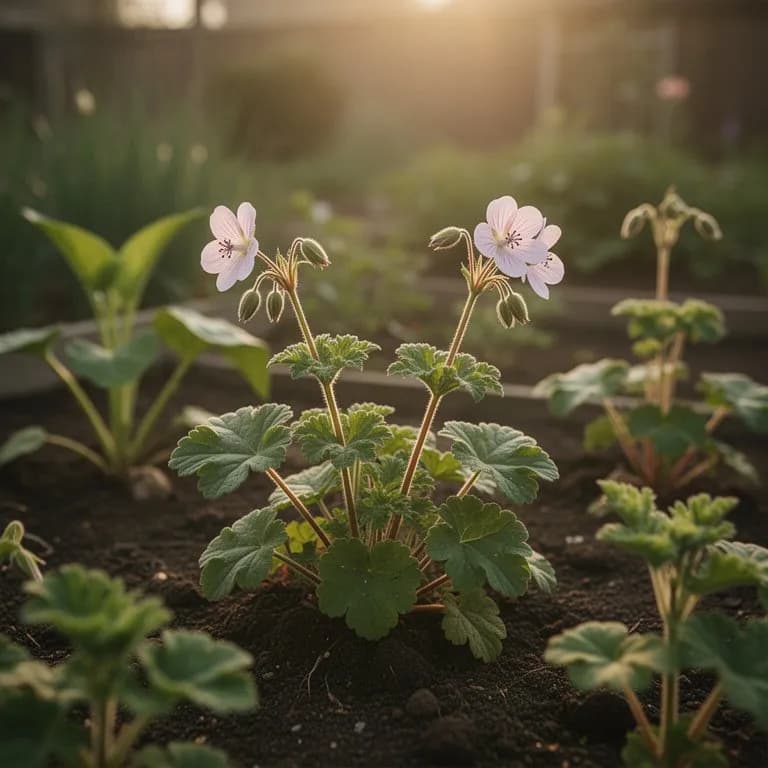
Storchschnabel-Blättertee
10 Min.Ein sanfter adstringierender Kräutertee aus getrockneten Storchschnabelblättern, der traditionell in der europäischen Volksmedizin als beruhigender Verdauungstee verwendet wird. Der Tee hat einen milden, leicht gerbstoffhaltigen Geschmack mit erdigen Untertönen.
4 Zutaten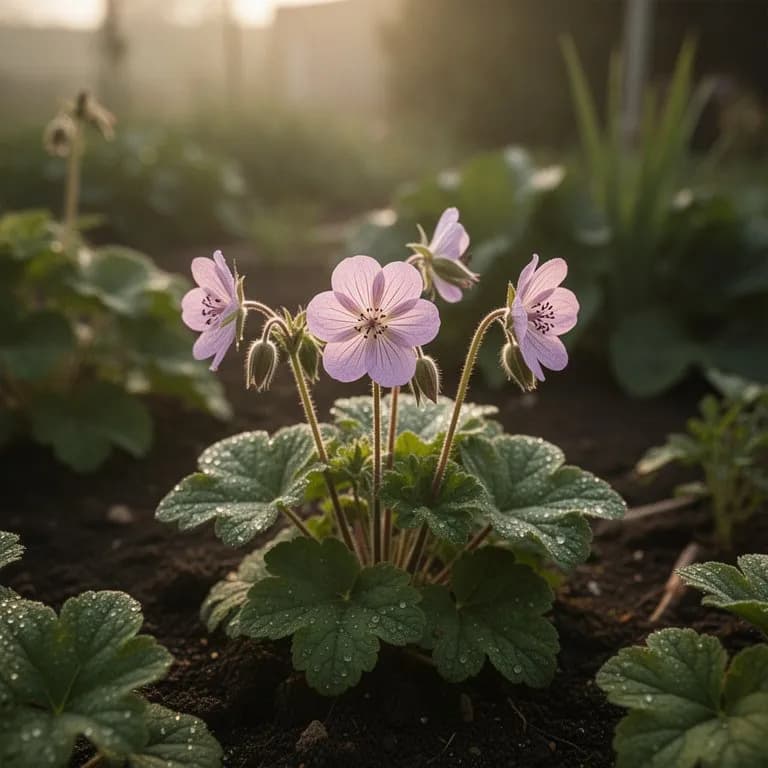
Salat mit Storchschnabelblüten-Garnitur
15 Min.Ein frischer Gartensalat, dekoriert mit essbaren Storchschnabelblüten, die einen mild-pfeffrigen Geschmack und eine wunderschöne violettblaue Farbe beisteuern. Die Blüten sind rein dekorativ und essbar, haben aber einen minimalen Nährwert.
7 ZutatenStorchschnabelwurzel-Adstringens zum Gurgeln
20 Min.Eine traditionelle Kräuterzubereitung aus getrockneter Storchschnabelwurzel, reich an Gerbstoffen, die historisch als Gurgelwasser bei Halsschmerzen verwendet wurde. Dies ist ein Volksmedizinrezept und kein Ersatz für ärztlichen Rat oder medizinische Behandlung.
4 ZutatenWas drinsteckt
Gesundheitsvorteile
- Reich an Gerbstoffen, die natürliche adstringierende Eigenschaften besitzen und traditionell in der Kräutermedizin zur Wundversorgung und zur Verringerung leichter Blutungen und Entzündungen der Schleimhäute eingesetzt werden.
- Enthält Geraniin und andere polyphenolische Verbindungen, die in Laborstudien eine signifikante antioxidative Wirkung zeigen und dazu beitragen, freie Radikale zu neutralisieren und oxidativen Stress zu reduzieren.
- Wurde historisch in der europäischen und balkanischen Volksmedizin als sanftes Verdauungsmittel verwendet, wobei Storchschnabelwurzel-Zubereitungen bei Durchfall und leichten Magen-Darm-Beschwerden eingenommen wurden.
- Die ätherischen Öle aromatischer Arten wie Geranium macrorrhizum enthalten Geraniol und Citronellol – Verbindungen, die mit beruhigenden aromatherapeutischen Wirkungen und natürlichen insektenabwehrenden Eigenschaften in Verbindung gebracht werden.
- Traditionelle Kräuterkundige haben Storchschnabel-Zubereitungen als Gurgelwasser und Mundspülung zur Linderung von Halsschmerzen, Mundgeschwüren und Zahnfleischentzündungen verwendet, wobei sie sich auf den Gerbstoffgehalt für seine adstringierende Wirkung verlassen.
- Das Gärtnern mit winterharten Storchschnäbeln bietet gut dokumentierte Vorteile für die psychische Gesundheit, darunter Stressabbau, verbesserte Stimmung und sanfte körperliche Betätigung durch Pflanzen, Teilen und Pflegen dieser langlebigen, lohnenden Stauden.
Woher Winterharter Storchschnabel stammt
Winterharte Storchschnäbel (Gattung Geranium) sind echte Storchschnabelgewächse aus der Familie der Geraniaceae, einer großen und vielfältigen Gruppe von etwa 420 Arten, die in gemäßigten Regionen der Welt verbreitet sind, mit besonderer Konzentration im Mittelmeerraum, Ostasien und den Gebirgen des tropischen Afrikas. Die Gattung hat eine tiefe gärtnerische Geschichte in Europa, wo heimische Arten wie Geranium pratense (Wiesen-Storchschnabel) und Geranium sanguineum (Blut-Storchschnabel) seit mindestens dem sechzehnten Jahrhundert in Bauerngärten kultiviert werden. Die große Ära der Storchschnabel-Hybridisierung begann im zwanzigsten Jahrhundert, als Pflanzenzüchter und Sammler begannen, Arten verschiedener Kontinente zu kreuzen, was zu wüchsigen Hybriden mit verlängerten Blütezeiten und verbesserter Gartenleistung führte. Geranium macrorrhizum vom Balkan und aus Südeuropa wurde als Bodendecker weitverbreitet beliebt und war historisch in der Volksmedizin wegen seiner aromatischen ätherischen Öle geschätzt, die Verbindungen wie Geraniol und Citronellol enthalten. In der traditionellen europäischen Kräutermedizin wurden verschiedene Storchschnabelarten als adstringierende Heilmittel bei Wunden, Durchfall und Entzündungen eingesetzt, was auf ihren hohen Gerbstoffgehalt zurückzuführen ist. Das gewöhnliche Ruprechtskraut (Geranium robertianum) hat eine der längsten medizinischen Geschichten in der Gattung und wurde im mittelalterlichen Kräuterwesen mit dem Heiligen Robert von Molesme in Verbindung gebracht. Moderne Zuchtprogramme, insbesondere von Alan Bremner auf den Orkney-Inseln in Schottland sowie von niederländischen und deutschen Gärtnereien, haben Hunderte außergewöhnlicher Sorten hervorgebracht, die winterharte Storchschnäbel zu einer der wichtigsten Staudengruppen für zeitgenössische Gärten weltweit gemacht haben.
Winterharter Storchschnabel: Schon gewusst?
Faszinierende Fakten über Winterharter Storchschnabel
Der Name Geranium stammt vom griechischen Wort 'geranos', was Kranich bedeutet, da die Samenkapsel dem langen Schnabel eines Kranichs ähnelt. Im Deutschen heißt die Pflanze deshalb Storchschnabel.
Winterharter Storchschnabel: Fragen & Antworten
Wann sollte ich Winterharter Storchschnabel pflanzen?
Was sind gute Begleitpflanzen für Winterharter Storchschnabel?
In welchen Winterhärtezonen kann Winterharter Storchschnabel wachsen?
Wie viel Sonne braucht Winterharter Storchschnabel?
Welchen Abstand sollte ich zwischen Winterharter Storchschnabel lassen?
Welche Schädlinge und Krankheiten befallen Winterharter Storchschnabel?
Wie lagere ich Winterharter Storchschnabel nach der Ernte?
Was sind die besten Winterharter Storchschnabel-Sorten zum Anbauen?
Welchen Boden braucht Winterharter Storchschnabel?
Was ist der Unterschied zwischen einem winterharten Storchschnabel und einer Pelargonie?
Wie verhindere ich, dass mein winterharter Storchschnabel nach der Blüte unordentlich aussieht?
Kann ich winterharte Storchschnäbel im Schatten anbauen?
Wann und wie sollte ich winterharte Storchschnäbel teilen?
Sind winterharte Storchschnäbel hirsch- und kaninchenresistent?
Ziehen winterharte Storchschnäbel Bestäuber an?
Du hast die Theorie gelesen. Jetzt baue sie auf Autopilot an.
Alles, was Winterharter Storchschnabel knifflig macht — das Timing, die Abstände, die Begleiter, das Erntefenster — genau das übernimmt PlotMyGarden für dich, für jede Pflanze im Garten.
Ein Plan, der dein Wetter kennt
Standort einmal festlegen. Aussaat-, Dünge- und Erntedaten rund um deinen echten letzten Frosttermin und die Live-Vorhersage — kein Raten mehr nach Saattüte.
Aus dem Abschnitt „Pflanzzeit“Beetplaner per Drag & Drop
Beete auf einem Raster gestalten. Jede Pflanze rastet im richtigen Abstand ein, und du siehst die ganze Saison, bevor du einen Cent für Saatgut ausgibst.
Aus dem Abschnitt „Anbau“Begleiter-Konflikte früh erkannt
Über 200 gute und schlechte Kombinationen werden beim Pflanzen live geprüft — so landet ein saisonruinierender Fehler nie in der Erde.
Aus dem Abschnitt „Begleiter“Erinnerungen, nach denen du wirklich handelst
„Gieß die Bohnen.“ „Heute ernten, bevor's umschlägt.“ Pünktlich, konkret und auf deine echten Pflanzen bezogen.
Aus dem Abschnitt „Ernte“Staffel-Aussaat, geplant
Sechs Wochen ernten statt sechs Tage? Die App verteilt deine Aussaaten automatisch und erinnert dich, wenn der nächste Satz fällig ist.
Aus dem Abschnitt „Pflanzzeit“Ein Verlauf, der schlauer wird
Jede protokollierte Ernte bringt der App deinen Garten bei. Der Plan fürs nächste Jahr startet bei dem, was in deinem Boden wirklich funktioniert hat.
Aus dem Abschnitt „Überblick“Pflanze diese neben Winterharter Storchschnabel
Weitere Stauden
Bau deine beste Winterharter Storchschnabel an — und alles drumherum.
Starte heute kostenlos. Lege deine Beete an, setze deine Winterharter Storchschnabel ein und lass PlotMyGarden Timing, Abstände, Begleiter und Erinnerungen von der Saat bis zum Erntekorb übernehmen.