Grüner Knoblauch
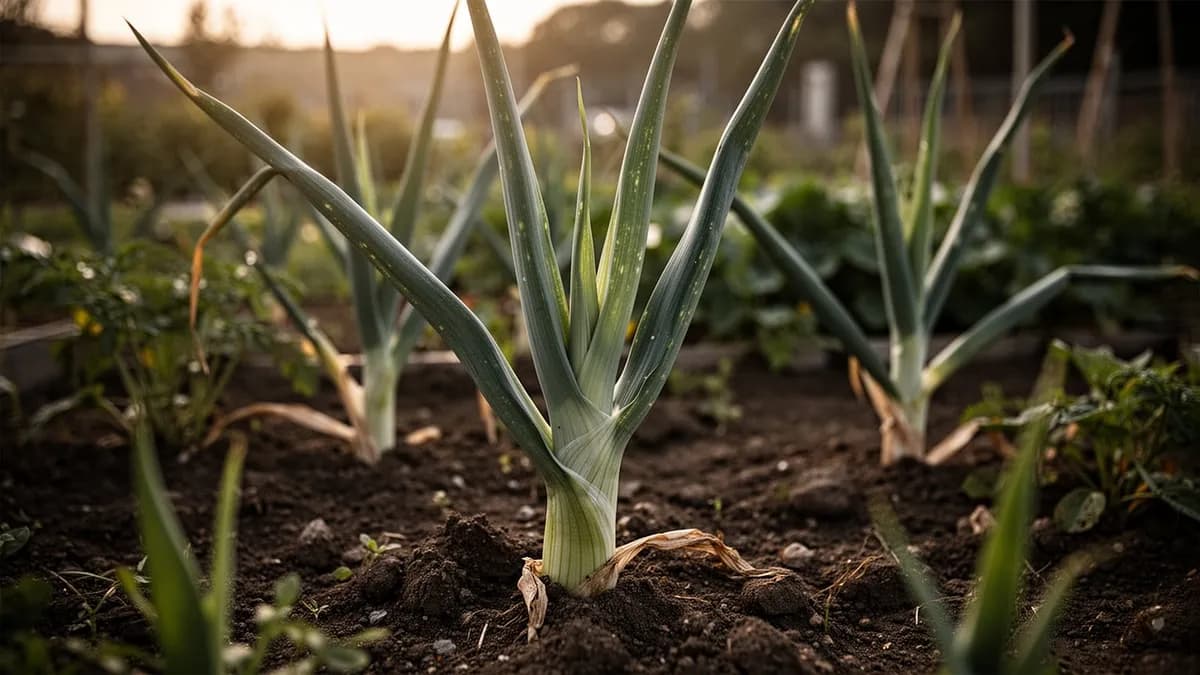
Unreifer Knoblauch, der im Frühjahr geerntet wird, bevor sich die Zwiebel in einzelne Zehen geteilt hat.





Auf dieser SeiteÜberblick
Grüner Knoblauch im Überblick
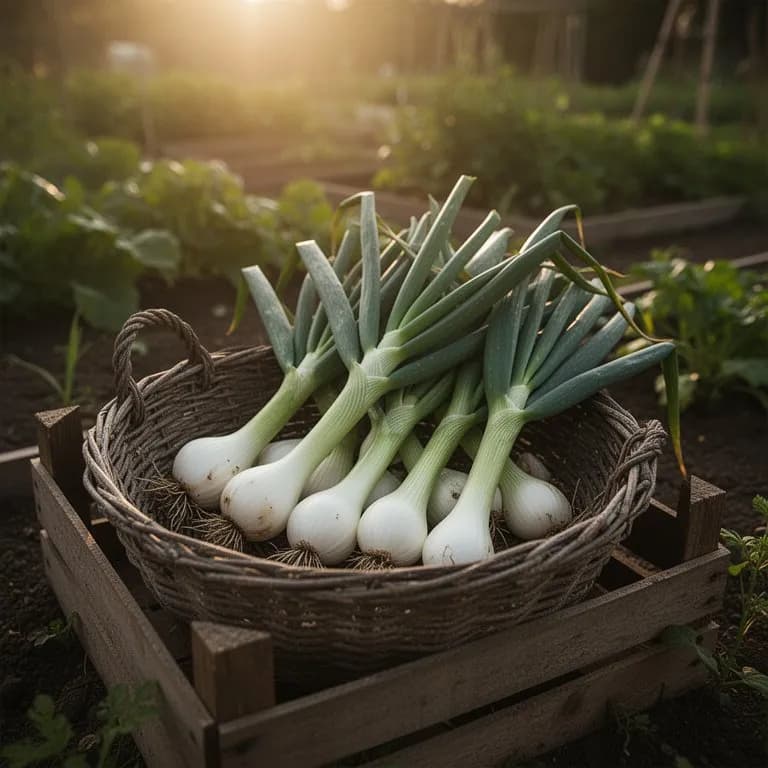
Unreifer Knoblauch, der im Frühjahr geerntet wird, bevor sich die Zwiebel in einzelne Zehen geteilt hat. Er ähnelt dicken Frühlingszwiebeln mit mildem Knoblauchgeschmack. Pflanzen Sie die Zehen im Herbst dicht für eine Frühjahrsernte, bei der die gesamte Pflanze gezogen und im Ganzen verwendet wird. Der Geschmack ist sanfter und frischer als bei getrocknetem Knoblauch – perfekt für Frühlingssuppen, Pesto und zum Anbraten. Eine großartige Möglichkeit, Knoblauchbeete auszudünnen und gleichzeitig eine saisonale Delikatesse zu genießen, die selten in Geschäften erhältlich ist.
Wann Grüner Knoblauch pflanzen
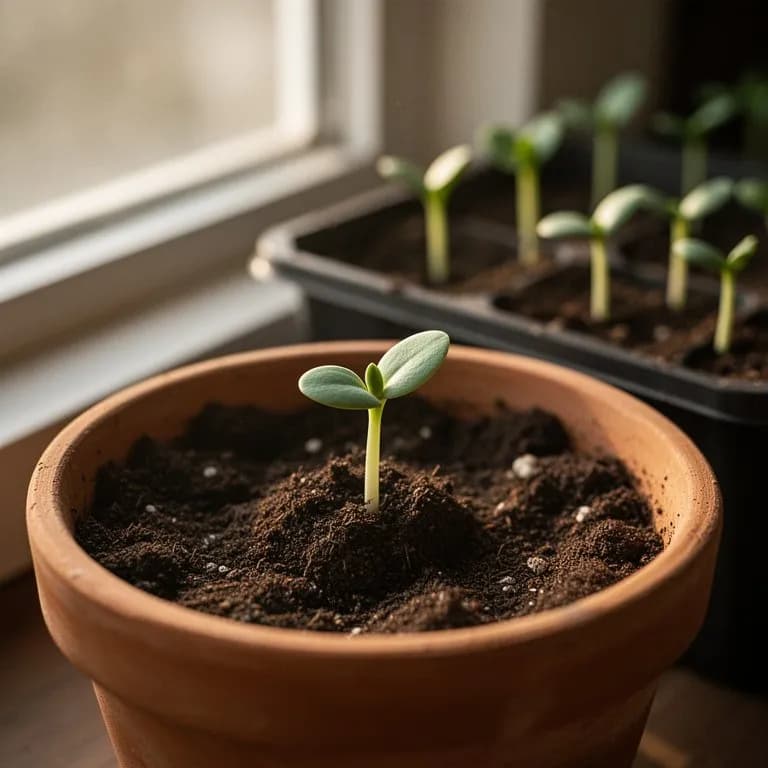
Grüner Knoblauch wird aus einzelnen Zehen statt aus Samen gezogen. Wählen Sie die größten, gesündesten Zehen einer ausgewachsenen Knoblauchknolle und belassen Sie die papierartige Haut intakt. Pflanzen Sie im Herbst, vier bis sechs Wochen vor dem ersten starken Frost, damit sich die Wurzeln vor der Winterruhe etablieren können. In milden Klimazonen pflanzen Sie von Oktober bis November. Für den Anbau in Gefäßen verwenden Sie Töpfe mit mindestens 20 cm Tiefe und guter Drainage und pflanzen die Zehen 5 cm auseinander. Zehen können auch im Spätwinter drinnen für eine schnellere Frühjahrsernte gestartet werden – pflanzen Sie sie in tiefe Schalen unter Pflanzenlampen und setzen Sie sie ins Freie, sobald der Boden bearbeitbar ist.
Dein Grüner Knoblauch-Jahr
Abgestimmt auf Zone 7 · typische Saison · Frost geht um den 2. Apr. und kehrt um den 1. Nov. zurück
Grüner Knoblauch Sep – Nov pflanzen, Mär – Mai ernten. Beachte die Pflanzmethoden unten und wähle dein Klima für passende Zeiträume.
So baust du Grüner Knoblauch an
Grüner Knoblauch ist einfach gewöhnlicher Knoblauch, der jung geerntet wird, bevor sich die Zwiebel in einzelne Zehen aufgeteilt hat. Pflanzen Sie einzelne Knoblauchzehen im Herbst mit einem Abstand von etwa 5–8 cm in Reihen mit 15 cm Abstand. Drücken Sie jede Zehe mit der Spitze nach oben etwa 5 cm tief in gut vorbereiteten Boden und bedecken Sie sie mit einer dicken Schicht Stroh- oder Laubmulch zum Winterschutz.
Im zeitigen Frühjahr werden grüne Triebe durch den Mulch stoßen. Halten Sie das Beet gleichmäßig feucht, wenn das Wachstum mit steigenden Temperaturen zunimmt. Wenn der Boden beim Pflanzen mit Kompost angereichert wurde, ist normalerweise kein Dünger nötig, aber eine leichte Gabe eines ausgewogenen organischen Düngers im zeitigen Frühjahr kann das Wachstum fördern. Entfernen Sie alle Blütenstängel, die erscheinen, um die Energie in den Stängel zu lenken.
Ernten Sie den grünen Knoblauch, wenn die Pflanzen 30–45 cm hoch sind, typischerweise von März bis Mai, je nach Klima. Ziehen Sie die gesamte Pflanze heraus, einschließlich der kleinen ungeteilten Zwiebel. Das ideale Erntefenster liegt etwa zwei bis drei Wochen bevor die Zwiebel sich zu teilen beginnen würde. Gestaffelte Pflanzungen im Abstand von zwei Wochen im Herbst verlängern die Ernteperiode im Frühjahr.
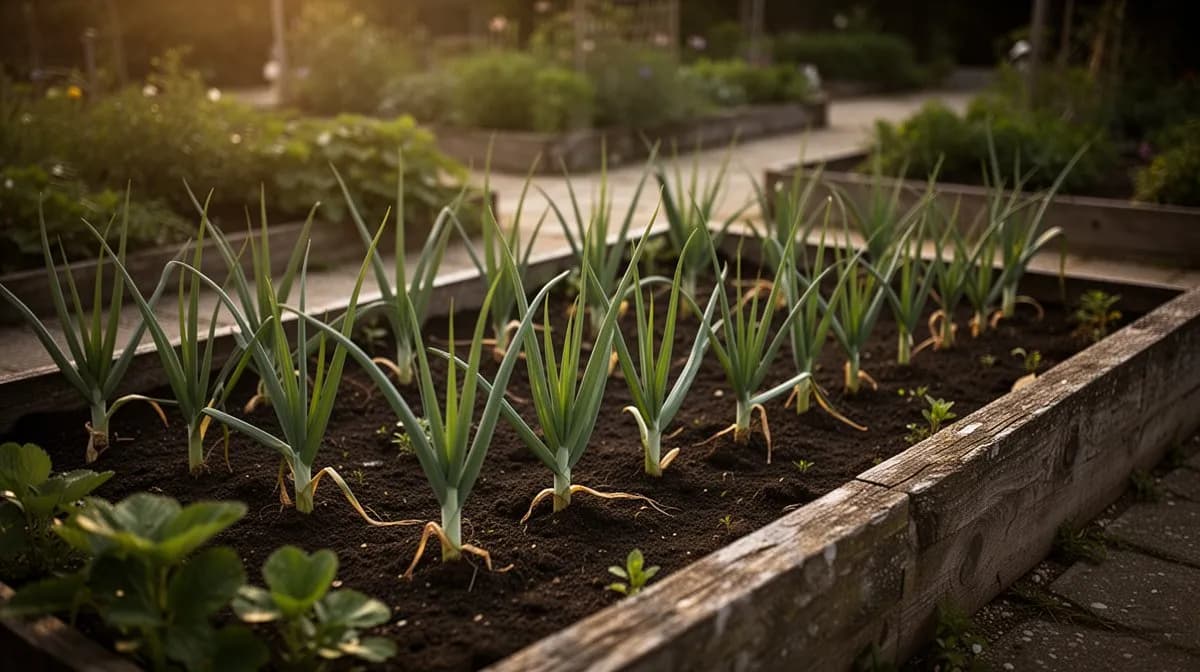
450 Pflanzen passen in ein Beet von 120 × 240 cm
Grüner Knoblauch braucht 8 cm Platz pro Pflanze. Der Planer hält diesen Abstand für dich ein — jede Pflanze, jedes Beet.
Die besten Nachbarn für Grüner Knoblauch
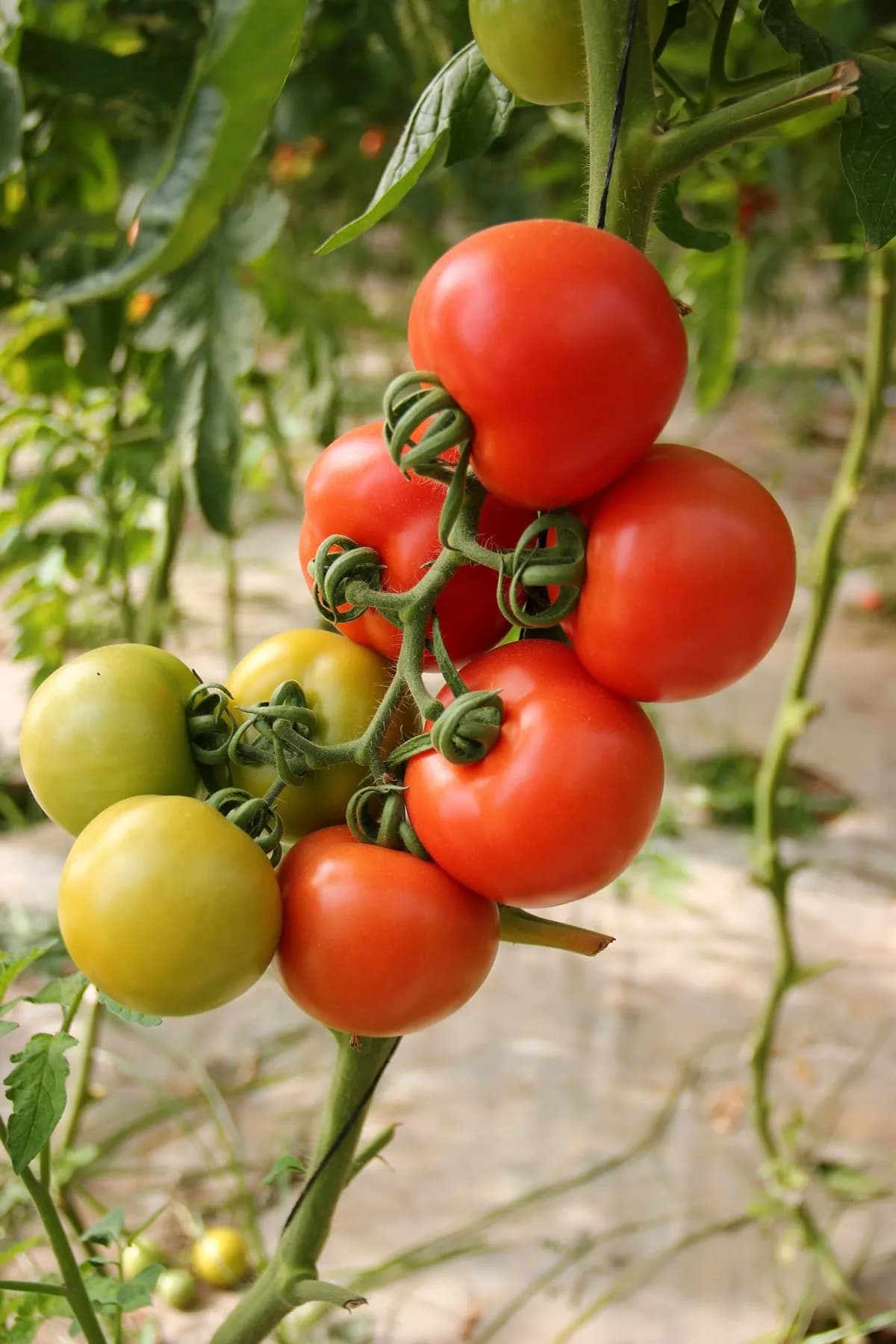
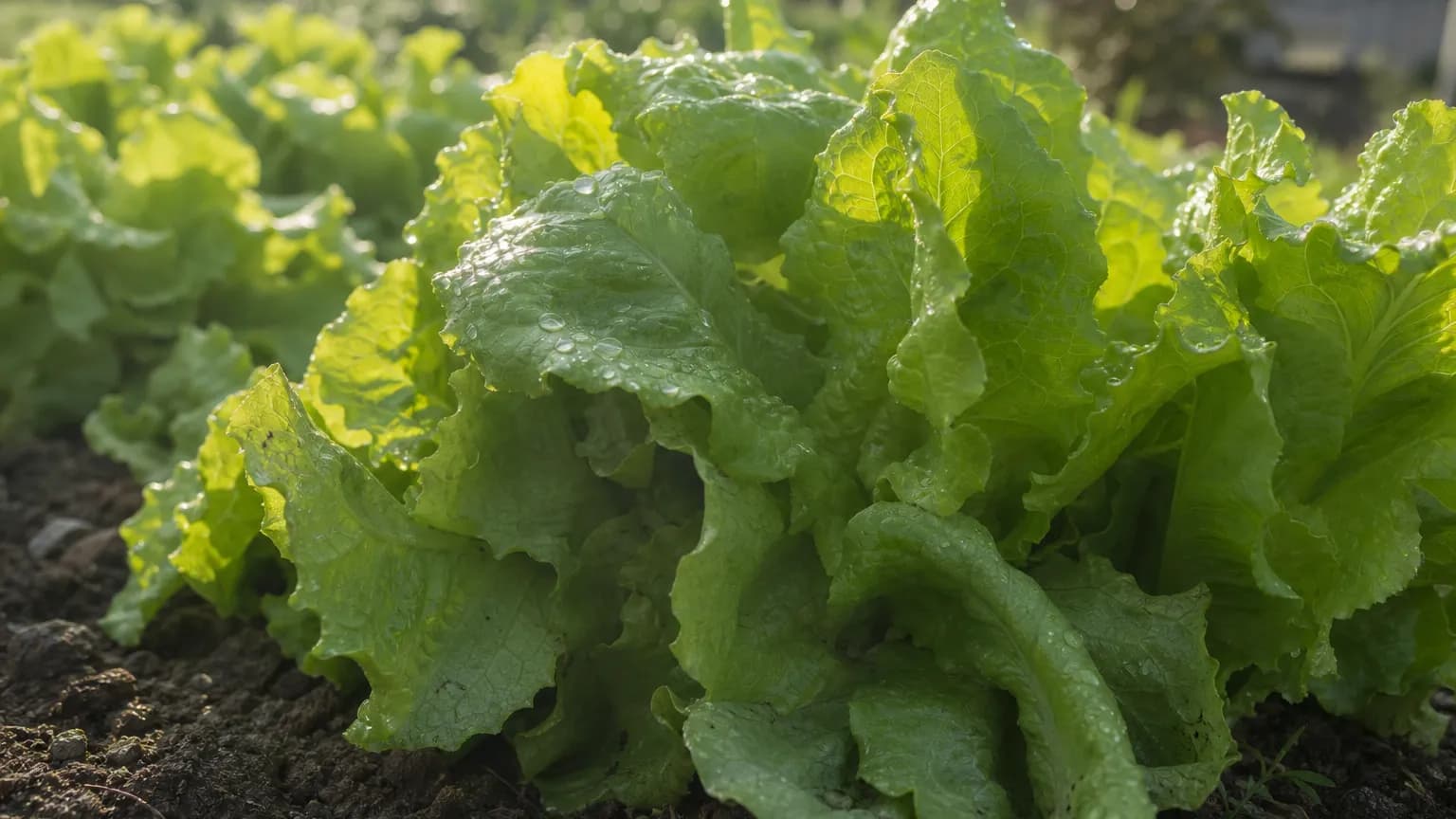
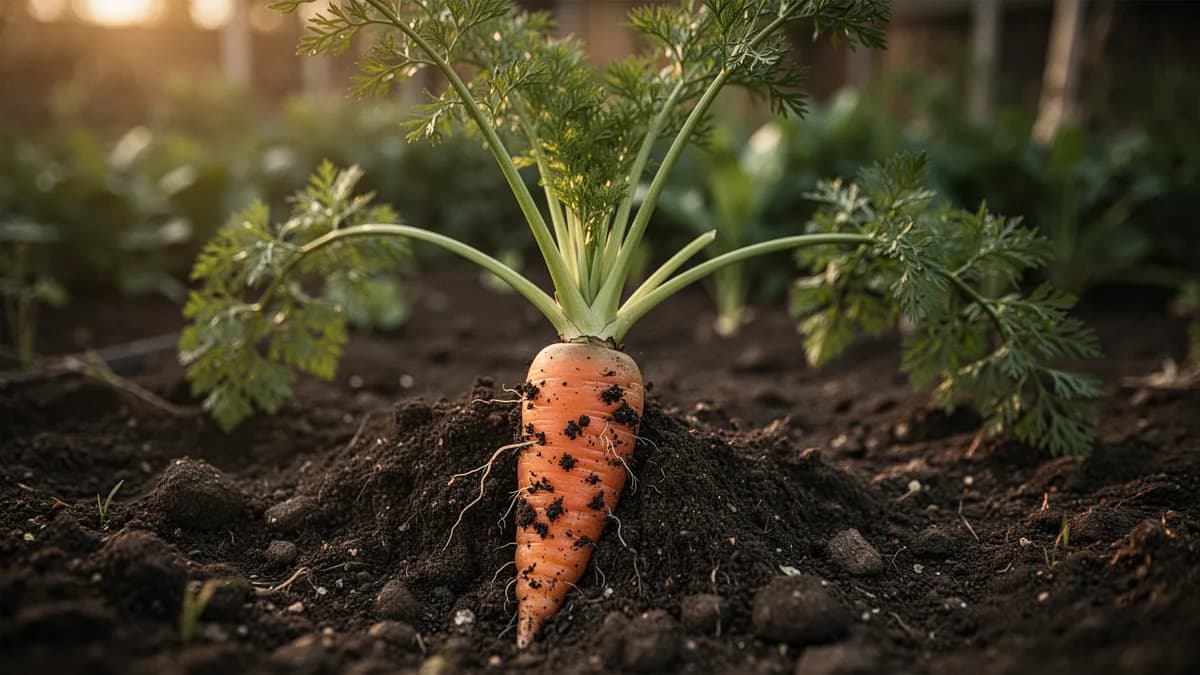
Grüner Knoblauch profitiert von der Nähe zu Tomaten, deren aromatische Verbindungen Knoblauchschädlinge abwehren können. Pflanzen Sie ihn zusammen mit Salat und Spinat, die den leichten Schatten des Knoblauchlaubs schätzen und vor dem Knoblauch geerntet werden, wenn dieser den Platz braucht. In der Nähe gepflanzte Karotten profitieren von den Schwefelverbindungen, die Knoblauch in den Boden abgibt, was die Möhrenfliege abschrecken kann. Vermeiden Sie das Pflanzen in der Nähe von Erbsen und Bohnen, da Lauchgewächse deren stickstofffixierende Bakteriensymbionten hemmen können. Erdbeeren sind ebenfalls gute Begleiter und profitieren von den natürlichen fungiziden Eigenschaften des Knoblauchs.
Tomate gehört daneben. Erbsen nicht.
Altes Gärtnerwissen, geprüft an der echten Nachbartabelle von Grüner Knoblauch — teste jede Pflanze, die du anbaust.
Probiere Grüner Knoblauch direkt hier im Beet
Ein echtes Planer-Beet, Grüner Knoblauch steht schon drin. Tippe einen Begleiter an, platziere ihn und sieh, wie die Nachbarschaftsprüfung antwortet — grün für gute Nachbarn, rot bei Streit.


Passende Anbau-Ratgeber
Richtig düngen
Grüner Knoblauch gedeiht in lockerem, gut durchlässigem Boden, der reich an organischer Substanz ist, mit einem pH-Wert von 6,0 bis 7,0. Schwere Lehmböden sollten mit großzügigen Mengen Kompost und grobem Sand verbessert werden, um die Drainage zu fördern. Arbeiten Sie gereiften Kompost oder gut verrotteten Mist bis zu einer Tiefe von 20 cm ein, bevor Sie pflanzen. Ein ausgewogener organischer Dünger beim Pflanzen liefert ausreichend Nährstoffe für den kurzen Wachstumszyklus. Geben Sie im zeitigen Frühjahr, wenn das Wachstum wieder einsetzt, Fischemulsion oder Komposttee als Nachdüngung. Vermeiden Sie stickstoffreiche Dünger spät in der Saison, da sie weiches, krankheitsanfälliges Wachstum fördern können.
Ideale Temperatur
Winterhärtezone-Kompatibilität
Von der Saat zur Ernte, Schritt für Schritt
Pflanzung
Einzelne Knoblauchzehen werden mit der Spitze nach oben 5–8 cm tief in gut durchlässigen, fruchtbaren Boden gepflanzt. Die Herbstpflanzung (Oktober–November) ist ideal, da die Zehen vor der Winterruhe Wurzeln entwickeln. Frühjahrspflanzung (Februar–März) funktioniert ebenfalls, bringt aber kleinere Pflanzen hervor. Die Zehe nutzt ihre gespeicherte Energie, um ein weißes Wurzelsystem auszubilden, bevor oberirdisch grünes Wachstum sichtbar wird.
Trieberscheinung
Ein einzelner grüner Trieb durchbricht die Bodenoberfläche – oder bei im Herbst gepflanzten Zehen die Mulchschicht im Frühjahr. Die flachen, riemenförmigen Blätter entrollen sich nacheinander aus dem zentralen Vegetationspunkt. Das Wurzelsystem breitet sich weiter aus und die Stängelbasis verdickt sich. Das Wachstum ist bei kühlen Frühlingstemperaturen stetig, aber langsam.
Schnelles Blattwachstum
Wenn die Frühlingstemperaturen steigen, tritt grüner Knoblauch in eine Phase kräftigen vegetativen Wachstums ein. Die Pflanze bildet 6–10 flache Blätter, die 30–50 cm hoch werden, und der Stängel verdickt sich merklich an der Basis. Die unreife Zwiebel beginnt leicht anzuschwellen, hat sich aber noch nicht in einzelne Zehen geteilt. Der Geschmack intensiviert sich mit zunehmender Reife, bleibt aber milder und nuancierter als bei getrocknetem Knoblauch.
Ernte
Grüner Knoblauch ist erntereif, wenn der Stängel etwa die Dicke eines Bleistifts oder Daumens hat und die Zwiebel an der Basis prall, aber noch nicht in einzelne Zehen aufgeteilt ist. Die Pflanze ähnelt einer großen Frühlingszwiebel mit flachen statt hohlen Blättern. Zu langes Warten bedeutet, dass die Zwiebel sich zu teilen beginnt und der Geschmack schärfer und weniger süß wird.
Wählen Sie die größten äußeren Zehen von gesunden Knollen – größere Zehen ergeben größere Pflanzen. Pflanzen Sie in lockeren, mit Kompost angereicherten Boden mit guter Drainage. Setzen Sie die Zehen für grünen Knoblauch 8–10 cm auseinander (enger als für Zwiebelknoblauch). Gießen Sie nach dem Pflanzen gut an und mulchen Sie bei Herbstpflanzungen mit 10 cm Stroh.
Grüner Knoblauch Monat für Monat pflegen
Was du jeden Monat für deine Grüner Knoblauch tun solltest
Oktober
Aktueller MonatHauptpflanzmonat im Herbst für die meisten Zonen (5–8). Pflanzen Sie die Zehen 5–8 cm tief, mit der Spitze nach oben, 8–10 cm auseinander für die Produktion von grünem Knoblauch. Gießen Sie gut und mulchen Sie mit 10–15 cm Stroh. Die Zehen entwickeln Wurzeln, bevor der Boden gefriert. In milden Zonen können grüne Triebe vor dem Winter erscheinen.
Immer wissen, was jetzt im Garten zu tun ist
Eine E-Mail zum Monatsanfang: was du jetzt säen, pflanzen und anpacken solltest — für deine Grüner Knoblauch und alles, was drumherum wächst. Dazu ein kurzer Startkurs, der dich vor den klassischen Fehlern bewahrt.
- Was jetzt zu tun ist
- Passend zu deiner Saison
- Startkurs inklusive
Grüner Knoblauch ernten
Ziehen Sie grünen Knoblauch, wenn die Stängel bleistift- bis fingerdick sind, normalerweise 30–45 cm hoch. Lockern Sie den Boden entlang der Reihe mit einer Grabegabel, bevor Sie ziehen, um ein Abbrechen der Stängel zu vermeiden. Die kleine Zwiebel an der Basis sollte fest und weiß sein und sich noch nicht in Zehen aufgeteilt haben. Ernten Sie morgens, wenn die Pflanzen prall sind. Schütteln Sie lose Erde ab und schneiden Sie die Wurzeln ab. Die gesamte Pflanze ist essbar – von der Zwiebel bis zu den grünen Spitzen. Ernten Sie zügig, denn das Zeitfenster zwischen idealem grünem Knoblauch und in Zehen aufgeteiltem Knoblauch beträgt nur wenige Wochen.
angenommen, du pflanzt zu Beginn des Zeitraums — trage dein tatsächliches Datum ein
Aus Zwiebeln, Knollen oder Zehen
Ernte Grüner Knoblauch zügig, dann trägt die Pflanze weiter.
Lagerung & Konservierung
Grüner Knoblauch wird am besten frisch innerhalb von ein bis zwei Wochen verwendet. Lagern Sie ihn ungewaschen im Kühlschrank, locker in ein feuchtes Papiertuch gewickelt, in einem Plastikbeutel. Die grünen Spitzen können gehackt und in Eiswürfelformen mit Olivenöl für die spätere Verwendung eingefroren werden. Grüner Knoblauch kann auch konserviert werden, indem man ein lebhaftes grünes Knoblauchpesto herstellt und es in kleinen Behältern einfriert. Das Trocknen von geschnittenem grünem Knoblauch bei niedrigen Temperaturen ergibt ein geschmackvolles Pulver zum Würzen. Anders als getrockneter Knoblauch ist grüner Knoblauch nicht für die Langzeitlagerung bei Raumtemperatur geeignet.
Was schiefgeht — und die Lösung
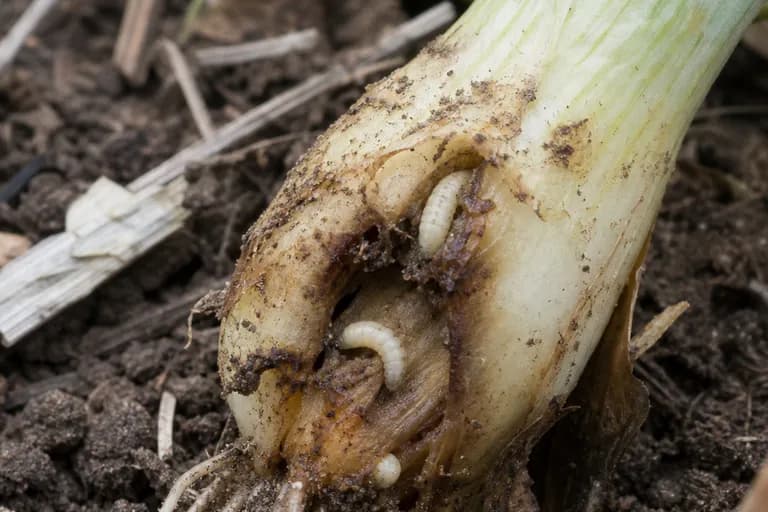
Zwiebelfliege
SchädlingVergilbung und Welken der Blätter, weiche Fäulnis an der Pflanzenbasis, wo die Larven sich vom sich entwickelnden Gewebe ernähren.
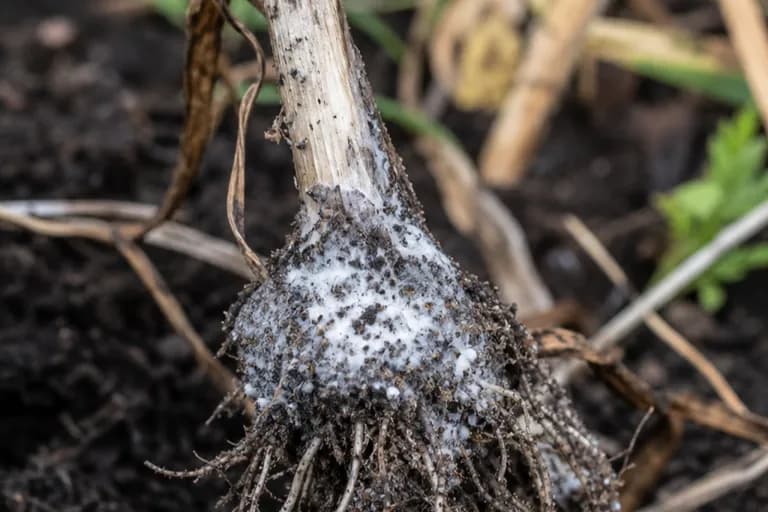
Weiße Fäule
KrankheitVergilbende Blätter, weißer, flauschiger Pilzbewuchs an der Pflanzenbasis und schwarze Sklerotien auf verrottendem Gewebe.
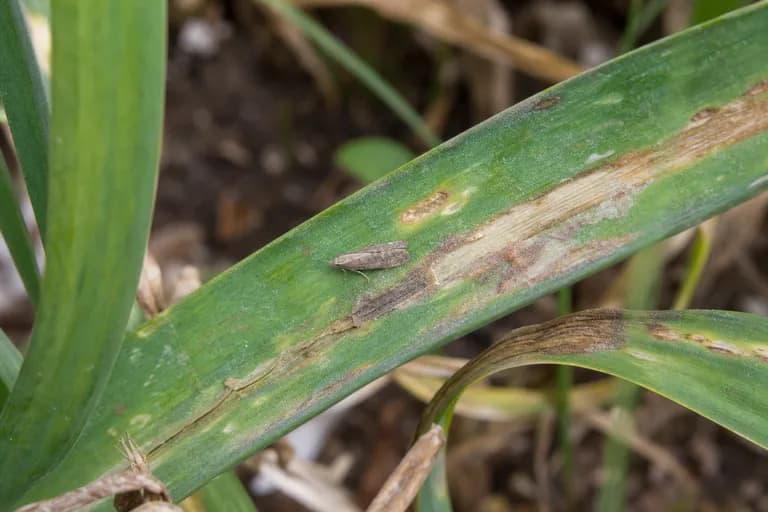
Lauchmotte
SchädlingKleine Löcher in den Blättern und Miniergänge im Blattgewebe. Die Larven bohren sich in die Stängel und können junge Pflanzen erheblich schädigen.
Fehlerbehebung bei häufigen Problemen
Das häufigste Problem ist die vorzeitige Zwiebelaufteilung durch verspätete Ernte. Beobachten Sie die Pflanzen Mitte Frühling genau und ernten Sie, bevor sich die Zehen trennen. Zu flaches Pflanzen kann im Winter zu Frostaufwerfungen führen – stellen Sie daher sicher, dass die Zehen mindestens 5 cm tief gesetzt und ausreichend gemulcht werden. Überwässerung oder schlecht durchlässiger Boden führt zu Wurzelfäule und Pilzproblemen. Vögel können frisch gepflanzte Zehen herausziehen – decken Sie die Beete daher mit Netz ab, bis Triebe erscheinen. Lückenhaftes Austreiben im Frühjahr deutet oft auf falsch herum gepflanzte Zehen oder Schäden durch bodenlebende Insekten im Winter hin.
Anbautipps
- Die Herbstpflanzung bringt den besten grünen Knoblauch hervor. Im Oktober–November gepflanzte Zehen entwickeln über den Winter starke Wurzelsysteme und starten im zeitigen Frühjahr explosiv durch – mit dickeren Stängeln und komplexerem Geschmack als im Frühjahr gepflanzter Knoblauch. Betrachten Sie es als einen Vorsprung von mehreren Monaten.
- Pflanzen Sie die Zehen für grünen Knoblauch enger als für Zwiebelknoblauch – 8–10 cm in alle Richtungen statt der üblichen 15 cm. Da Sie vor der vollen Reife ernten, brauchen die Pflanzen nicht so viel Platz zur Entwicklung. Diese dichte Pflanzung maximiert den Ertrag pro Quadratmeter.
- Verwenden Sie im Notfall Knoblauch aus dem Supermarkt. Obwohl spezieller Pflanzknoblauch die besten Ergebnisse liefert, wächst Bio-Knoblauch aus dem Supermarkt für die Produktion von grünem Knoblauch einwandfrei. Vermeiden Sie konventionellen Knoblauch, der mit Keimhemmern behandelt sein kann, die das Wachstum verhindern.
- Staffeln Sie Ihre Pflanzungen im Abstand von 2–3 Wochen von Ende Februar bis April für eine kontinuierliche Versorgung mit grünem Knoblauch den ganzen Frühling über. Jede Pflanzung erreicht die Erntereife zu einem anderen Zeitpunkt und verlängert Ihre Saison von einem kurzen 2-Wochen-Fenster auf 6–8 Wochen Verfügbarkeit.
- Ernten Sie zum richtigen Zeitpunkt. Grüner Knoblauch ist auf seinem Höhepunkt, wenn die Stängel bleistift- bis daumendick sind und die Basis geschwollen ist, die Zwiebel sich aber noch nicht in sichtbare Zehen geteilt hat. Wenn Sie beim Drücken der Basis deutliche Zehensegmente fühlen, haben Sie etwas zu lange gewartet – immer noch verwendbar, aber der Geschmack ist schärfer.
- Verwenden Sie jeden Teil der Pflanze. Die weiße Zwiebel, der helle Stängel und die dunkelgrünen Spitzen haben alle kulinarischen Wert. Zwiebel und Stängel sind am mildesten und eignen sich für schonendes Kochen. Die grünen Spitzen sind kräftiger und eignen sich hervorragend roh gehackt als Garnitur oder püriert in Pestos und Kräuterbutter.
- Pflanzen Sie grünen Knoblauch zwischen Reihen langsam startender Frühlingskulturen wie Tomatensetzlinge oder Paprika. Der Knoblauch wird geerntet und aus dem Weg sein, bevor die Sommerkulturen den Platz brauchen, und seine Schwefelverbindungen können in der Zwischenzeit einige häufige Gartenschädlinge abschrecken.
- Lagern Sie frisch geernteten grünen Knoblauch im Kühlschrank, locker in ein feuchtes Papiertuch gewickelt, in einem offenen Plastikbeutel. Er hält sich 1–2 Wochen, ist aber am besten innerhalb weniger Tage zu verwenden, wenn der Geschmack am lebendigsten ist. Anders als getrockneter Knoblauch hat grüner Knoblauch keine lange Haltbarkeit.
Bau deine beste Grüner Knoblauch an — und alles drumherum.
Starte heute kostenlos. Lege deine Beete an, setze deine Grüner Knoblauch ein und lass PlotMyGarden Timing, Abstände, Begleiter und Erinnerungen von der Saat bis zum Erntekorb übernehmen.
Finde deine Grüner Knoblauch
Music
Eine beliebte Hardneck-Sorte, die als junger Knoblauch hervorragenden grünen Knoblauch mit kräftigem Geschmack und dicken Stängeln produziert.
German Extra Hardy
Porzellan-Knoblauch, der zuverlässig überwintert und kräftiges Frühlingswachstum hervorbringt – ideal für eine frühe Ernte von grünem Knoblauch.
Chesnok Red
Violett gestreifte Sorte mit mildem, süßem Geschmack als grüner Knoblauch – besonders gut zum Rösten im Ganzen geeignet.
Inchelium Red
Softneck-Sorte, die zarten grünen Knoblauch mit mildem Geschmack produziert – gut geeignet für mildere Klimazonen.
Grüner Knoblauch wird auf Bauernmärkten und in Feinkostläden für 3–6 $ pro Bund (typischerweise 3–5 Stängel) verkauft und gehört damit zu den teuersten saisonalen Gemüsesorten nach Gewicht. Ein einzelner Pflanzknoblauchkopf (3–5 $) liefert 8–12 Zehen, von denen jede eine grüne Knoblauchpflanze ergibt – ein Ertrag von 15–30 $ an grünem Knoblauch aus einer einzigen Knolleninvestition. Da grüner Knoblauch in herkömmlichen Supermärkten fast nie erhältlich ist und eine flüchtige Frühlingssaison hat, ist der eigene Anbau oft die einzige zuverlässige Möglichkeit, ihn überhaupt zu genießen.
Schnelle Rezepte
Grünes Knoblauchpesto
10 Min.Eine lebhafte Frühlingsvariante des klassischen Pestos, bei der grüner Knoblauch sowohl den Knoblauch als auch einen Teil des Basilikums ersetzt und eine helle, mild-knoblauchige Soße ergibt – perfekt für Pasta, Bruschetta oder als Topping für gegrilltes Gemüse.
7 ZutatenGegrillter grüner Knoblauch mit Romesco
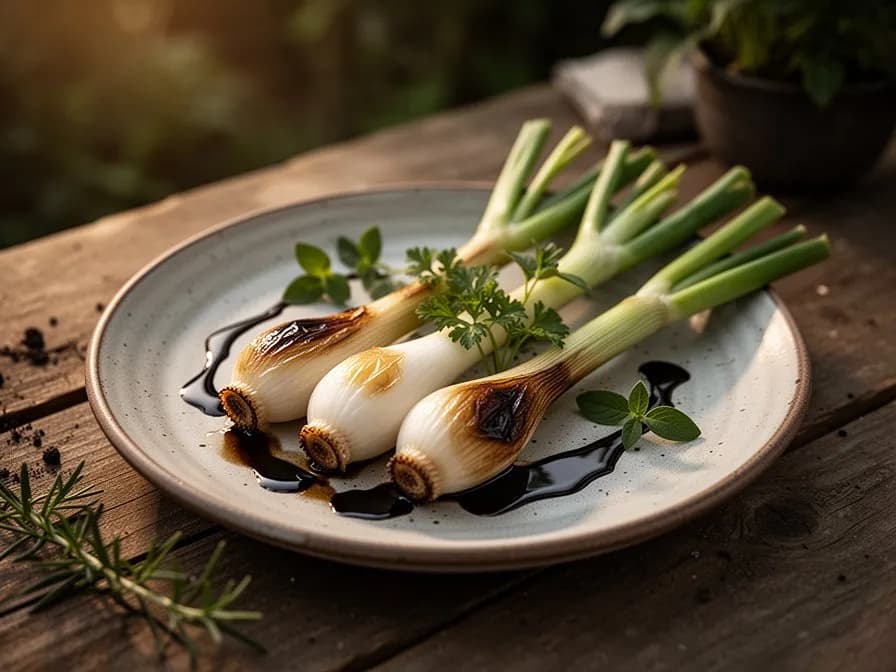
20 Min.Ganze grüne Knoblauchstängel, mit Olivenöl bestrichen und gegrillt, bis sie angekohlt und zart sind, serviert mit einer rauchigen spanischen Romesco-Soße. Die Hitze verwandelt den milden Knoblauch in etwas Süßes, Rauchiges und tiefherzhaftes – eine perfekte Frühlingsbeilage.
4 ZutatenRisotto mit grünem Knoblauch und Frühlingserbsen
35 Min.Ein zartes Frühlingsrisotto, bei dem dünn geschnittener grüner Knoblauch sanft als aromatische Basis angebraten wird und dem cremigen Reis einen dezenten Knoblauchduft verleiht. Frische Erbsen und ein Regen von Parmesan vollenden diese saisonale Feier.
9 ZutatenKulinarische Verwendung
Grüner Knoblauch glänzt in Frühlingsgerichten, in denen sein milder, frischer Geschmack im Mittelpunkt stehen kann. Schneiden Sie die gesamte Pflanze dünn für Pfannengerichte, Pasta und Risotto. Pürieren Sie ihn zu einem lebhaften grünen Knoblauchpesto mit Basilikum und Pinienkernen. Grillen Sie ganze Stängel, bestrichen mit Olivenöl, als Beilage. Verwenden Sie ihn anstelle von Frühlingszwiebeln oder Lauch für einen dezenten Knoblauchunterton. Die grünen Spitzen eignen sich hervorragend als Garnitur, und die kleine Zwiebel kann im Ganzen geröstet werden, bis sie weich und karamellisiert ist.
Was drinsteckt
Gesundheitsvorteile
- Grüner Knoblauch enthält Allicin und andere Organosulfurverbindungen, die beim Zerdrücken oder Zerkleinern des Gewebes freigesetzt werden – diese Verbindungen wurden umfassend auf ihre kardiovaskulären Vorteile untersucht, darunter die Unterstützung eines gesunden Blutdrucks und Cholesterinspiegels.
- Höherer Vitamin-C-Gehalt als getrockneter Knoblauch aufgrund des größeren Wassergehalts und des frischen Zustands, bietet antioxidativen Schutz und unterstützt die Immunfunktion beim Übergang vom Winter zum Frühling.
- Die grünen Spitzen enthalten erhebliche Mengen an Vitamin K, das für die Blutgerinnung und den Knochenstoffwechsel unerlässlich ist – ein ernährungsphysiologischer Vorteil, der bei getrockneten Knoblauchknollen, die ihre grünen Teile verloren haben, völlig fehlt.
- Reich an präbiotischen Fruktanen (Inulin-Typ-Fasern), die gezielt nützliche Bifidobacterium- und Lactobacillus-Arten im Darm ernähren und ein gesundes Verdauungsmikrobiom unterstützen.
- Enthält Selen und Mangan, Spurenelemente, die die Schilddrüsenfunktion und antioxidative Enzymsysteme unterstützen – Knoblauch ist je nach Bodenbeschaffenheit eine der besseren pflanzlichen Selenquellen.
- Studien deuten darauf hin, dass der regelmäßige Verzehr von frischem Lauchgemüse wie grünem Knoblauch mit einem verringerten Risiko für verschiedene Krebsarten verbunden ist, insbesondere Magen- und Darmkrebs, aufgrund der kombinierten Wirkung von Organosulfurverbindungen, Flavonoiden und Selen.
Woher Grüner Knoblauch stammt
Grüner Knoblauch ist keine eigene Art, sondern das unreife Stadium des gewöhnlichen Knoblauchs (Allium sativum), einer der ältesten Kulturpflanzen der Menschheitsgeschichte. Knoblauch selbst stammt aus den Gebirgen Zentralasiens – vermutlich aus dem Tian-Shan-Gebirge, das sich über das heutige Kirgisistan und Westchina erstreckt – wo wilde Knoblauchverwandte noch heute in Höhenlagen von 1.500–3.000 Metern wachsen. Von dieser zentralasiatischen Wiege breitete sich Knoblauch entlang der antiken Seidenstraßenhandelsrouten sowohl nach Osten nach China als auch nach Westen zum Mittelmeer aus. Archäologische Belege für den Knoblauchanbau reichen mindestens 5.000 Jahre zurück – nach Mesopotamien, Ägypten, Indien und China.
Während des größten Teils der langen Geschichte des Knoblauchs war die Unterscheidung zwischen grünem und reifem Knoblauch keine Frage getrennter Kategorien, sondern des Zeitpunkts und Bedarfs. Antike und mittelalterliche Bauern aßen routinemäßig Knoblauch in allen Wachstumsstadien und zogen junge Pflanzen im Frühjahr, wenn der gelagerte Knoblauch vom Vorjahr zur Neige ging und frische Nahrung knapp war. Diese Praxis war kulturübergreifend verbreitet – vom antiken Rom über das dynastische China bis zum mittelalterlichen Europa. Grüner Knoblauch war Bauernkost – die ungeduldige frühe Ernte von etwas, das mehr erbringen könnte, wenn man es wachsen ließe.
Die moderne Wiederentdeckung von grünem Knoblauch als Gourmet-Zutat begann in den 1990er Jahren auf Bauernmärkten in Kalifornien, wo kleine Bio-Anbauer die Ausdünnungen ihrer Knoblauchbeete an begeisterte Restaurantköche verkauften. Köche wie Alice Waters im Chez Panisse machten sich für grünen Knoblauch als einzigartig saisonale Zutat stark, deren feinen, delikaten Geschmack man in getrocknetem Knoblauch vergeblich sucht. Heute erzielt grüner Knoblauch Premiumpreise auf Frühlingsbauernmärkten in Nordamerika, Europa und darüber hinaus und ist zum Symbol der saisonalen, lokalen Lebensmittelbewegung geworden. Was einst eine bescheidene Notlösung zu Saisonbeginn war, ist heute einer der begehrtesten flüchtigen Geschmäcker des Frühlings.
Grüner Knoblauch: Schon gewusst?
Faszinierende Fakten über Grüner Knoblauch
Grüner Knoblauch ist einfach gewöhnlicher Knoblauch (Allium sativum), der in seiner Jugend geerntet wird – bevor sich die Zwiebel in die einzelnen Zehen teilt, die wir von reifem Knoblauch kennen. Jede Knoblauchknolle, die Sie je gegessen haben, hat ihr Leben genau wie grüner Knoblauch begonnen.
Grüner Knoblauch: Fragen & Antworten
Wann sollte ich Grüner Knoblauch pflanzen?
Was sind gute Begleitpflanzen für Grüner Knoblauch?
In welchen Winterhärtezonen kann Grüner Knoblauch wachsen?
Wie viel Sonne braucht Grüner Knoblauch?
Welchen Abstand sollte ich zwischen Grüner Knoblauch lassen?
Welche Schädlinge und Krankheiten befallen Grüner Knoblauch?
Wie lagere ich Grüner Knoblauch nach der Ernte?
Was sind die besten Grüner Knoblauch-Sorten zum Anbauen?
Welchen Boden braucht Grüner Knoblauch?
Was ist der Unterschied zwischen grünem Knoblauch und Knoblauchscapes?
Kann ich grünen Knoblauch aus Supermarkt-Knoblauch ziehen?
Wann ist der richtige Zeitpunkt, grünen Knoblauch zu ernten?
Ist grüner Knoblauch milder als normaler Knoblauch?
Kann ich grünen Knoblauch in Gefäßen anbauen?
Kann ich grünen Knoblauch nach dem Abschneiden aus der Basis nachwachsen lassen?
Du hast die Theorie gelesen. Jetzt baue sie auf Autopilot an.
Alles, was Grüner Knoblauch knifflig macht — das Timing, die Abstände, die Begleiter, das Erntefenster — genau das übernimmt PlotMyGarden für dich, für jede Pflanze im Garten.
Ein Plan, der dein Wetter kennt
Standort einmal festlegen. Aussaat-, Dünge- und Erntedaten rund um deinen echten letzten Frosttermin und die Live-Vorhersage — kein Raten mehr nach Saattüte.
Aus dem Abschnitt „Pflanzzeit“Beetplaner per Drag & Drop
Beete auf einem Raster gestalten. Jede Pflanze rastet im richtigen Abstand ein, und du siehst die ganze Saison, bevor du einen Cent für Saatgut ausgibst.
Aus dem Abschnitt „Anbau“Begleiter-Konflikte früh erkannt
Über 200 gute und schlechte Kombinationen werden beim Pflanzen live geprüft — so landet ein saisonruinierender Fehler nie in der Erde.
Aus dem Abschnitt „Begleiter“Erinnerungen, nach denen du wirklich handelst
„Gieß die Bohnen.“ „Heute ernten, bevor's umschlägt.“ Pünktlich, konkret und auf deine echten Pflanzen bezogen.
Aus dem Abschnitt „Ernte“Staffel-Aussaat, geplant
Sechs Wochen ernten statt sechs Tage? Die App verteilt deine Aussaaten automatisch und erinnert dich, wenn der nächste Satz fällig ist.
Aus dem Abschnitt „Pflanzzeit“Ein Verlauf, der schlauer wird
Jede protokollierte Ernte bringt der App deinen Garten bei. Der Plan fürs nächste Jahr startet bei dem, was in deinem Boden wirklich funktioniert hat.
Aus dem Abschnitt „Überblick“Pflanze diese neben Grüner Knoblauch
Weitere Lauchgewächse
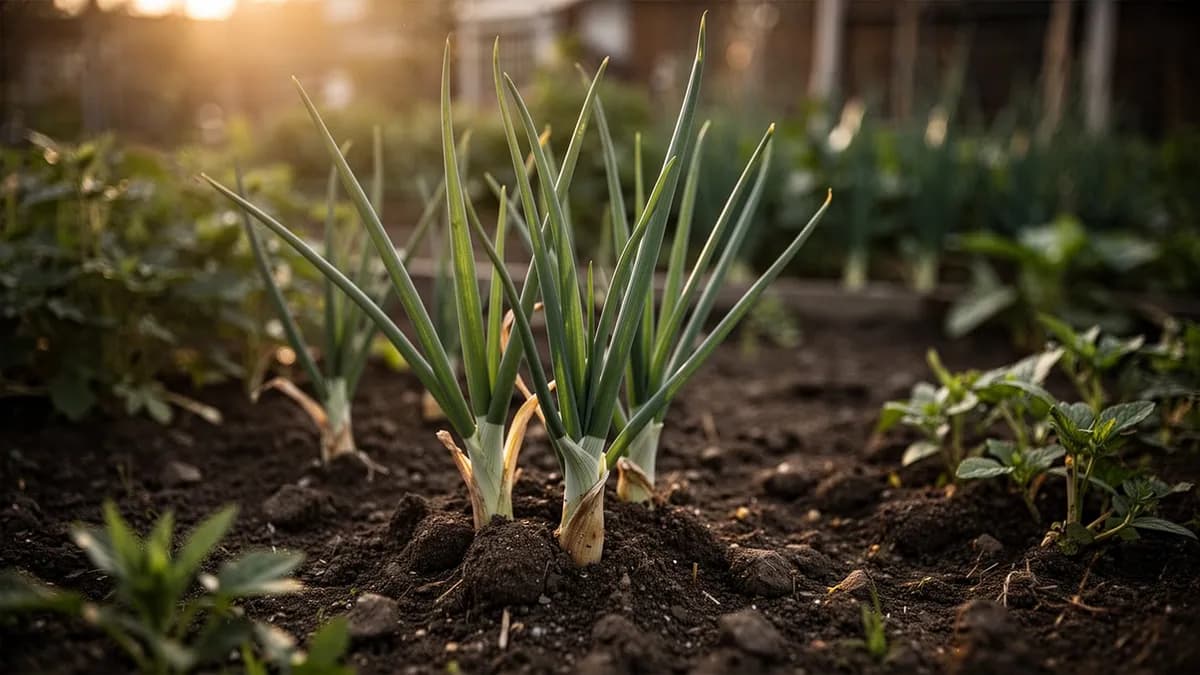
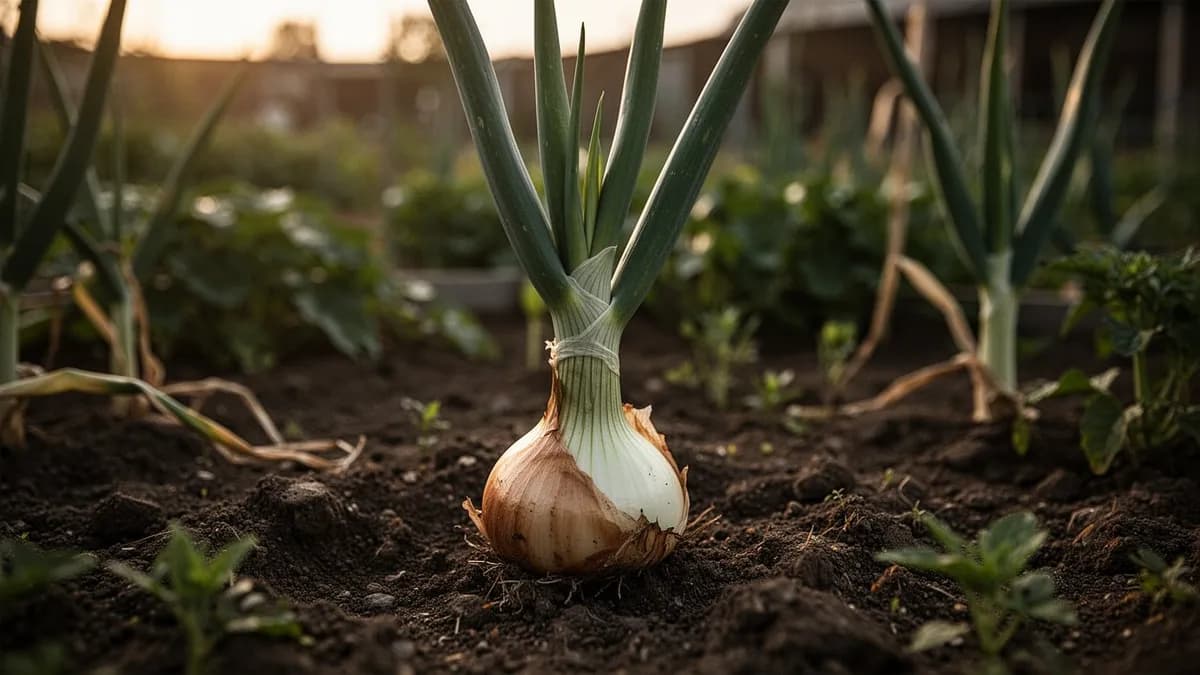
Halte Grüner Knoblauch von diesen fern
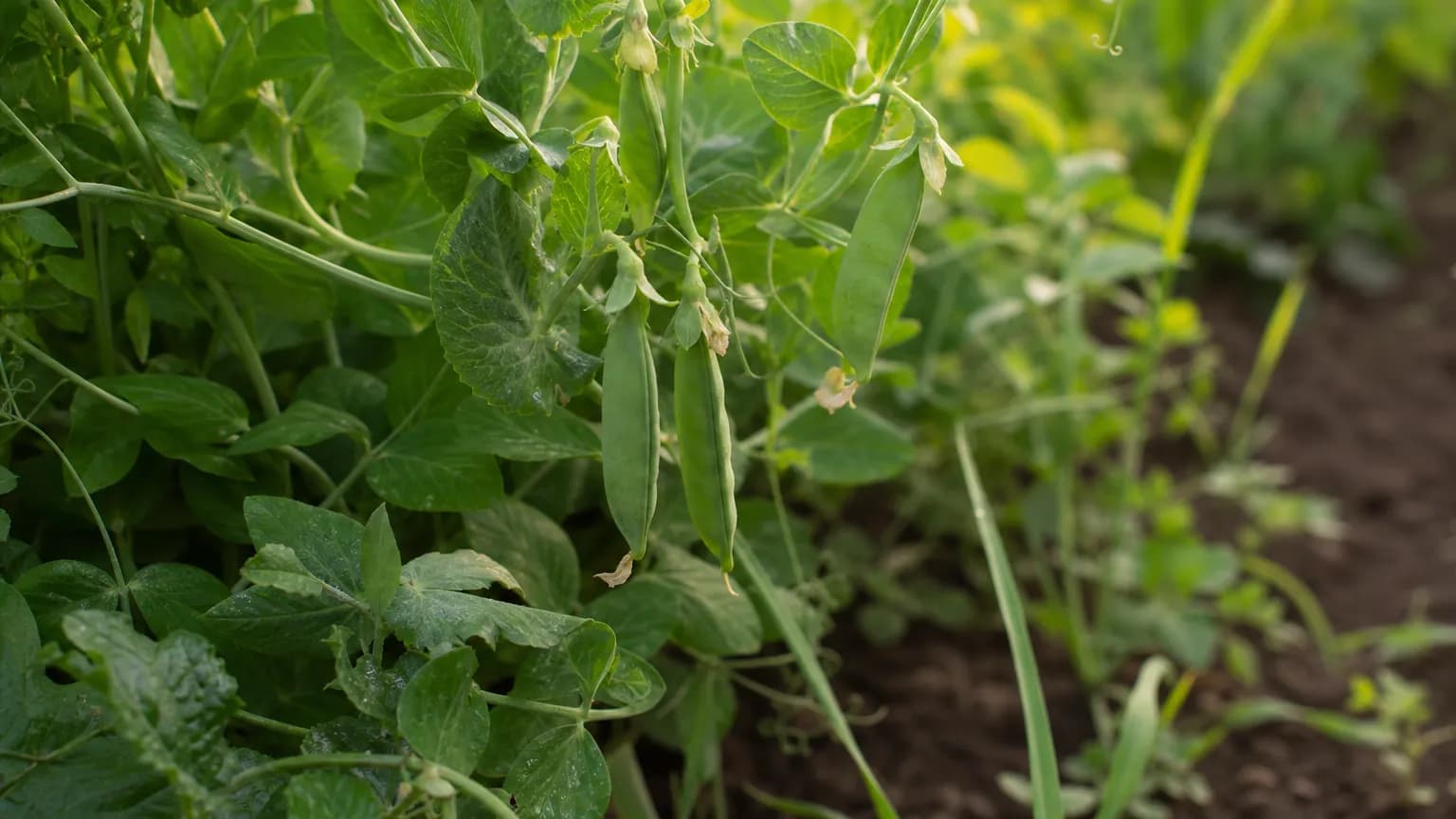
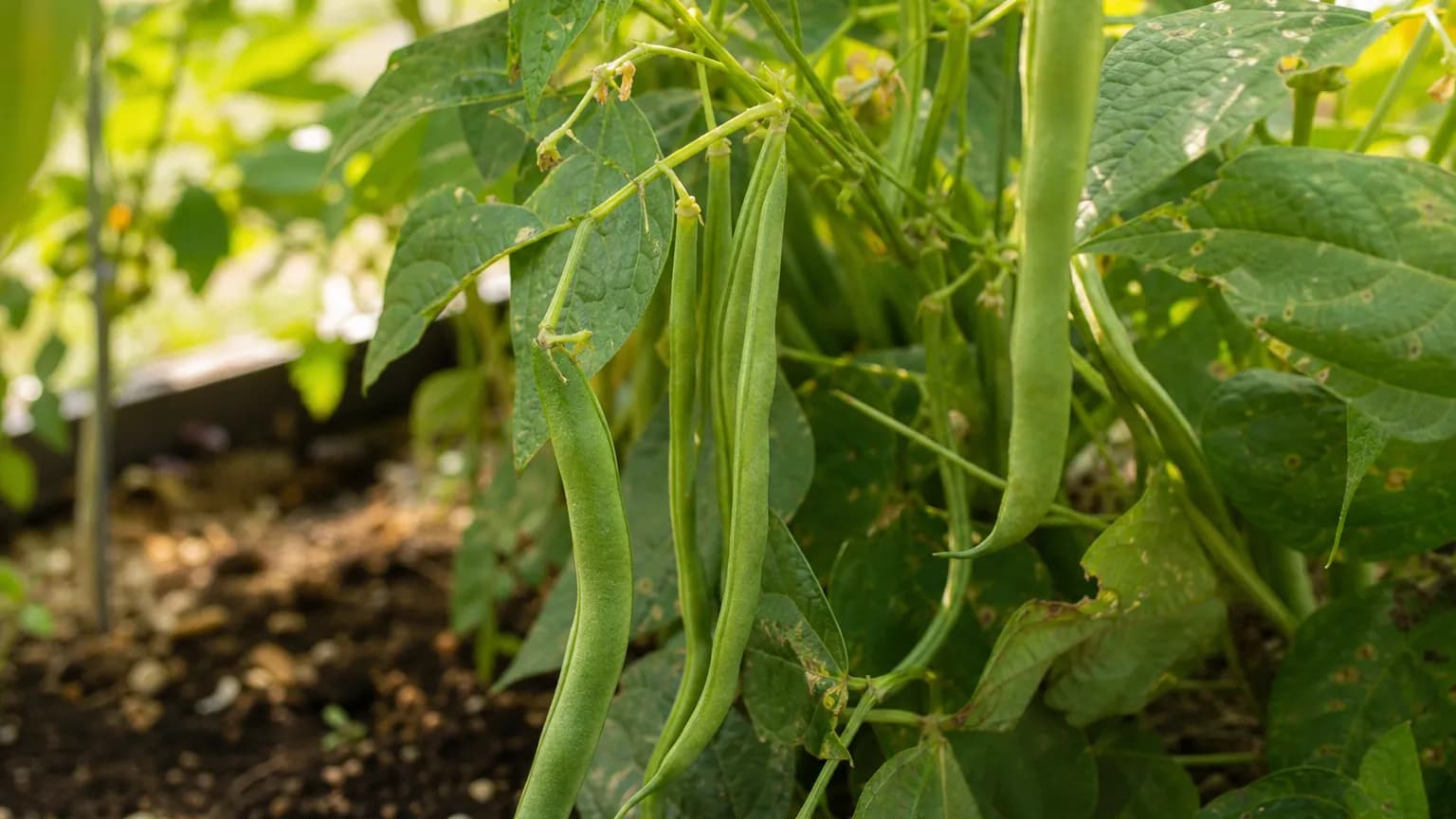
Bau deine beste Grüner Knoblauch an — und alles drumherum.
Starte heute kostenlos. Lege deine Beete an, setze deine Grüner Knoblauch ein und lass PlotMyGarden Timing, Abstände, Begleiter und Erinnerungen von der Saat bis zum Erntekorb übernehmen.