Yellow Dragon Fruit
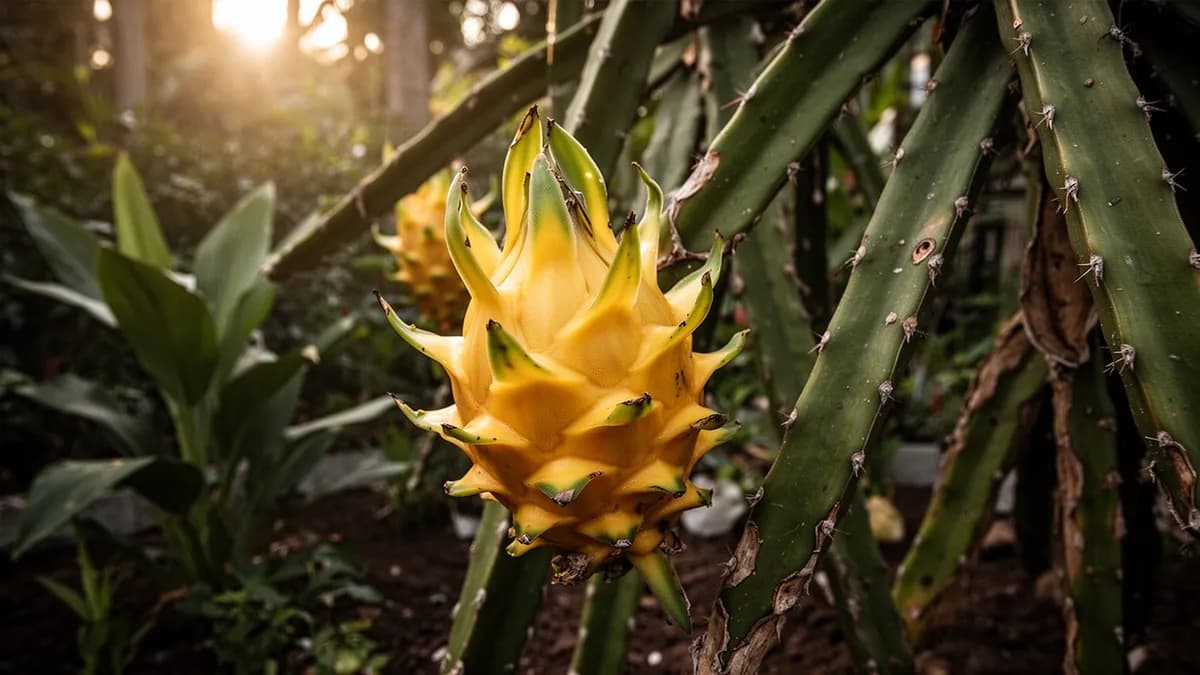
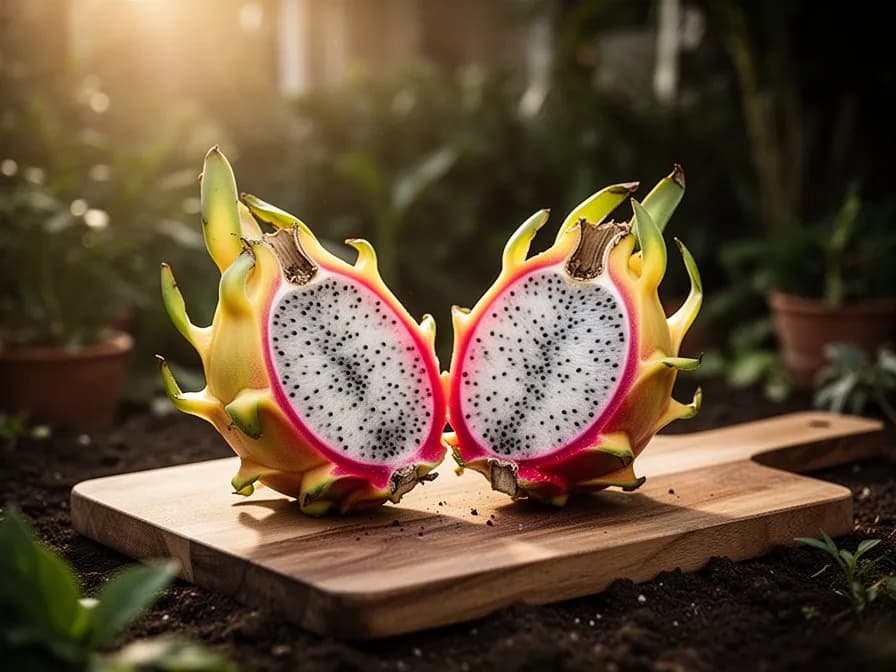
Considered the sweetest and most flavorful dragon fruit species, with a knobby yellow exterior and white flesh dotted with tiny edible seeds.





On this pageOverview
Meet Yellow Dragon Fruit
Considered the sweetest and most flavorful dragon fruit species, with a knobby yellow exterior and white flesh dotted with tiny edible seeds. Yellow dragon fruit is self-fertile, unlike most pink varieties, making it easier to grow with a single plant. It is slower growing and more spiny than pink types but commands premium prices.
When to plant Yellow Dragon Fruit
Yellow dragon fruit can be grown from seed extracted from ripe fruit, though seedlings are very slow to develop and may take five to seven years to fruit. Clean seeds by mashing fruit in water and straining. Sow on the surface of moist cactus mix and keep warm at 75 to 85 degrees Fahrenheit. Germination takes one to three weeks. For faster production, propagate from stem cuttings, which root in two to four weeks in warm conditions and can fruit within two to three years. Grafting yellow dragon fruit onto vigorous pink rootstock can also accelerate growth and improve cold tolerance.
Your Yellow Dragon Fruit Year
Composed for Zone 7 · typical seasons · frost passes Apr 2, returns Nov 1
Plant Yellow Dragon Fruit Mar – May, pick Aug – Nov. Check the planting methods below and set your climate to personalize these windows.
How to grow Yellow Dragon Fruit
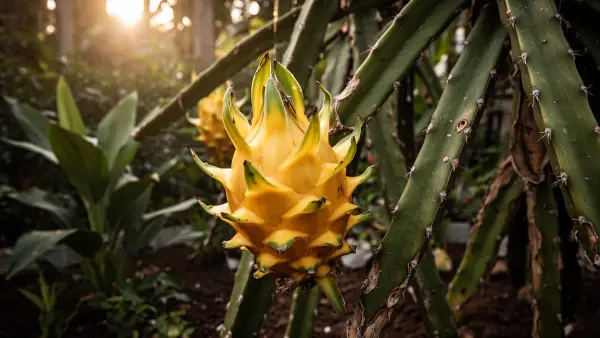
Yellow dragon fruit grows similarly to pink varieties but is generally slower and more compact. Plant cuttings in full sun with excellent drainage, providing a sturdy post or trellis for support. This species is more spiny than pink dragon fruit, so wear thick gloves when handling. Space plants 6 to 8 feet apart and allow stems to cascade over the top of support structures.
Water moderately, allowing soil to dry between irrigations. Yellow dragon fruit is more cold-sensitive than pink types and needs protection below 40 degrees Fahrenheit. In borderline climates, grow in large containers that can be moved to shelter. The plants produce fewer but more valuable fruits than pink varieties.
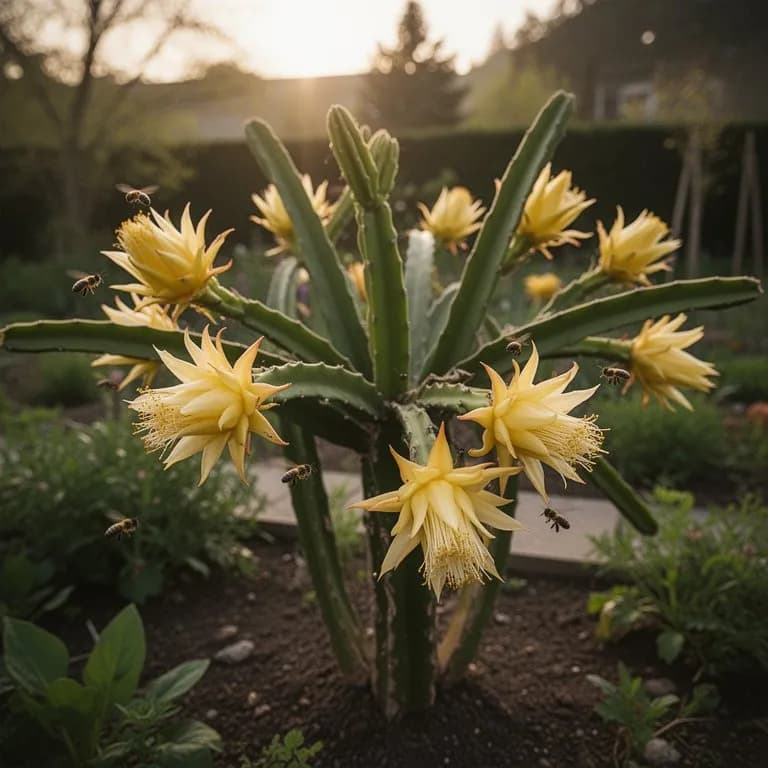
The major advantage of yellow dragon fruit is self-fertility, meaning a single plant can produce fruit without a pollinator partner. However, the flowers still open at night and benefit from hand-pollination to improve fruit size and set rate. Prune sparingly compared to pink types, as the slower growth means less maintenance is needed. Feed with a balanced fertilizer during the growing season and reduce in winter.
Yellow Dragon Fruit needs more room than a 4 × 8 ft bed gives
Each Yellow Dragon Fruit wants 300 cm of elbow room. The planner keeps that spacing for you — every plant, every bed.
Related growing guides
Feed it well
Yellow dragon fruit requires exceptionally well-drained soil, even more so than pink varieties. Use a cactus-specific mix or amend garden soil with 50 percent perlite, coarse sand, or pumice. The pH should be 6.0 to 7.0. Apply a balanced organic fertilizer monthly during the growing season, reducing to every two months in winter. A high-phosphorus formula when flowering begins helps promote fruit set. Top-dress with thin compost layers rather than heavy mulch, which can hold too much moisture around the stems.
Ideal Temperature
Hardiness Zone Compatibility
From seed to harvest, stage by stage
Cutting or Seedling Establishment
Whether starting from a stem cutting or seed, the plant focuses energy on root development. Cuttings callus over and begin producing roots at the base. Seeds germinate within 10-14 days but grow slowly in early stages.
Juvenile Stem Growth
The plant begins sending out long, ribbed stems. Aerial roots emerge along the stems, seeking surfaces to grip. Growth can be surprisingly vigorous once roots are established, adding several centimeters per week in warm weather.
Vegetative Maturation
The plant continues building a framework of mature stems. Older stems thicken and become woody at their base. The cactus is building the energy reserves it will need for flowering. Yellow dragon fruit typically requires 1-2 years before first flowering.
First Flowering
Flower buds appear as small protrusions from the edges of mature stems. They develop rapidly, opening into enormous, fragrant white flowers that bloom only at night. Each flower lasts only a single night, requiring pollination within hours of opening.
Fruit Development
Successfully pollinated flowers develop into fruit over approximately 4-6 weeks. The fruit grows rapidly, transitioning from green to bright golden yellow as it ripens. The characteristic spines soften as the fruit matures.
Peak Bearing
An established yellow dragon fruit plant enters its most productive phase, flowering multiple times per season. A well-maintained plant can produce 20-50 fruits per flowering cycle, with 2-4 cycles annually in suitable climates. Plants remain productive for 20-30 years.
Keep the growing medium barely moist — overwatering at this stage is the most common cause of failure. Place cuttings in indirect light until roots are established.
Caring for Yellow Dragon Fruit month by month
What to do each month for your Yellow Dragon Fruit
October
You are hereTransition to a minimal watering regime. Apply a final light dose of potassium-rich fertilizer to help harden stems before winter. In temperate climates, bring container plants under cover before the first frost. Clean up any fallen fruit or debris around the plant.
Know exactly what to do in your garden — every month
One email at the start of each month: what to sow, plant, and tackle right now — for your Yellow Dragon Fruit and everything growing around it. Plus a short starter course that helps you dodge the classic mistakes.
- What to do, right now
- Matched to your season
- Starter course included
Harvesting Yellow Dragon Fruit
Yellow dragon fruits are ready when the knobby yellow skin turns from green to bright golden-yellow and small spines on the knobs begin to dry and fall off. The fruit should give slightly to gentle pressure. Carefully twist or cut from the stem, wearing gloves due to the spines. Fruits are smaller than pink varieties, typically weighing 100 to 350 grams, but are significantly sweeter with a more complex flavor. Allow fruits to fully ripen on the plant for best sweetness. A mature plant produces 10 to 30 fruits per season.
assuming you plant when the window opens — set your real date
Pick Yellow Dragon Fruit promptly and the plant keeps producing.
Storage & Preservation
Yellow dragon fruit stores better than pink varieties due to its thicker skin. Keep at room temperature for three to four days or refrigerate for up to three weeks. The flesh can be scooped, cubed, and frozen for later use in smoothies and desserts. Due to its premium sweetness, yellow dragon fruit is best enjoyed fresh. It can also be juiced, made into sorbet, or dehydrated. The higher sugar content makes it excellent for jam and fruit preserves.
What goes wrong — and the fix
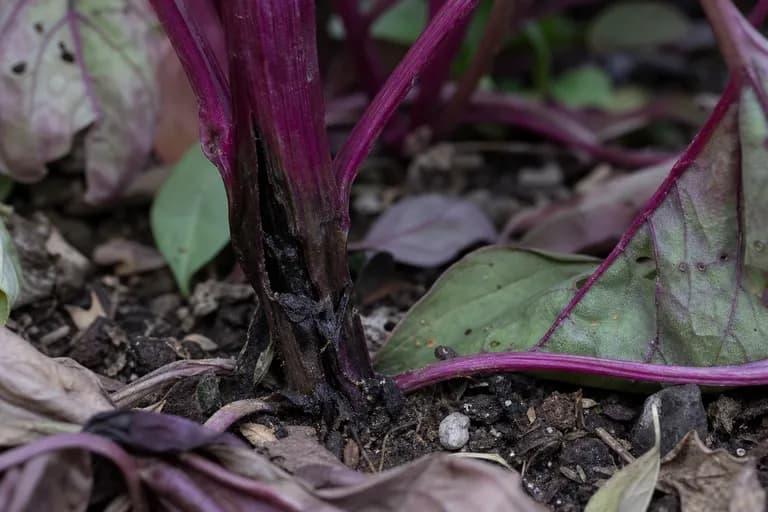
Stem Rot
DiseaseSoft, brown to black lesions on stems; mushy tissue that spreads rapidly; stem collapse in severe cases.
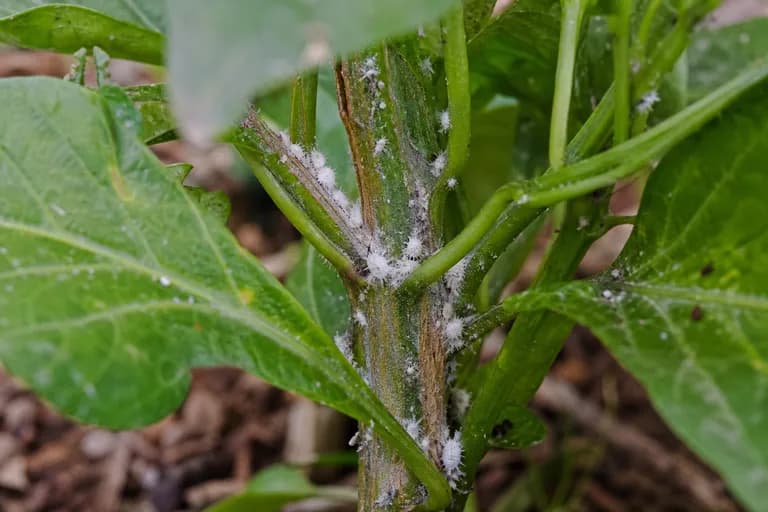
Mealybugs
PestWhite, cottony masses in stem crevices and among spines; honeydew residue; sooty mold; weakened growth.
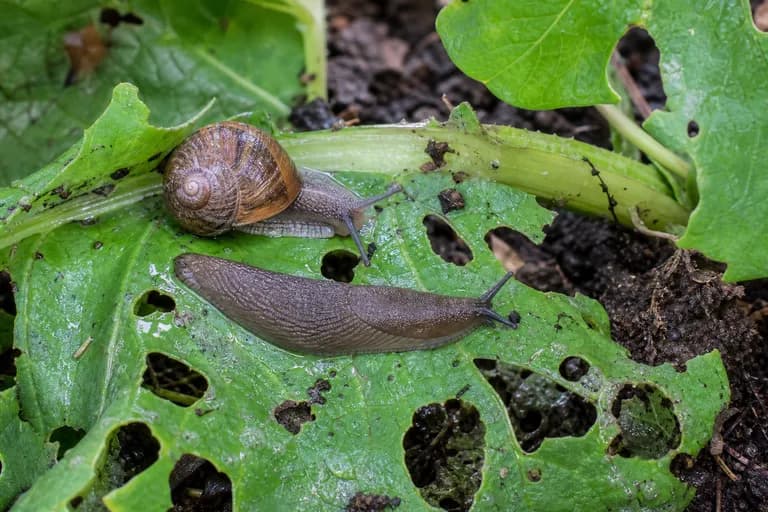
Snails and Slugs
PestChewed edges on young stems; slime trails on plant surfaces; damage to developing fruit near ground level.
Troubleshooting Common Problems
Yellow dragon fruit is slower growing than pink types, which means it takes longer to fill support structures and reach full production. The prominent spines make handling difficult and require thick leather gloves. Cold sensitivity is greater than pink dragon fruit, and temperatures below 35 degrees Fahrenheit can cause serious damage. Overwatering is the most common cause of plant loss. Some growers experience poor fruit set despite self-fertility, which can be improved through hand-pollination.
Growing Tips
- Yellow dragon fruit requires a robust support structure from the start — install a concrete post, wooden trellis, or metal frame at least 1.5 meters (5 feet) tall before planting, as the cactus can eventually weigh 50 kg or more when fully established.
- Unlike most cacti, yellow dragon fruit appreciates regular watering during active growth — aim to keep the root zone evenly moist (but never waterlogged) from spring through fall, then reduce to minimal watering in winter.
- Hand-pollination is essential for reliable fruit set in most home garden settings, as the natural bat and moth pollinators are rarely present outside tropical regions. Set an alarm for late evening (9 PM to midnight) when flowers are fully open, and transfer pollen between two different flowers using a soft artist's paintbrush.
- Yellow dragon fruit performs best in a slightly acidic to neutral soil with a pH of 6.0 to 7.0 — amend heavy clay soils with generous quantities of coarse sand, perlite, and organic compost to achieve the sharp drainage the plant demands.
- Container growing is highly effective for yellow dragon fruit in cooler climates — use a pot at least 60 cm (24 inches) in diameter, filled with a well-draining cactus mix, and move the container to a frost-free location when temperatures drop below 5°C (41°F).
- Avoid planting yellow dragon fruit in low-lying areas or spots where water pools after rain — the roots are extremely sensitive to standing water and fungal root rot can kill an established plant within weeks.
- Fertilize with a balanced cactus fertilizer (such as 6-6-6 or 8-10-8 NPK) three to four times during the growing season — avoid high-nitrogen fertilizers, which promote lush green growth at the expense of flowers and fruit.
- Yellow dragon fruit benefits from a mild winter rest: reduce watering and stop fertilizing from late fall through late winter to mimic the dry season of its Andean homeland and encourage a prolific spring flowering flush.
- Prune the plant after each fruiting season by removing crowded, damaged, or overly long stems — maintain 4 to 6 main stems per support post to optimize light penetration and airflow, which directly improves fruit size and quantity.
- If you live in a region with hot summers above 38°C (100°F), position your plant where it will receive afternoon shade — intense midday sun can cause unsightly yellowing and scorch on stems, and extreme heat during flowering will cause bud drop.
Grow your best Yellow Dragon Fruit yet — and everything around it.
Start a free plan today. Lay out your beds, drop in your Yellow Dragon Fruit, and let PlotMyGarden handle the timing, spacing, companions and reminders from seed to harvest basket.
Pick your Yellow Dragon Fruit
Palora
The most common yellow variety from Ecuador, known for exceptional sweetness and consistent production. The premium commercial standard.
Colombian Yellow
A productive variety with slightly larger fruits than Palora and good disease resistance. Widely grown in South America.
Israel Yellow
A selection adapted to semi-arid Mediterranean conditions, producing well in drier climates with less humidity.
Yellow dragon fruit is one of the most economically rewarding exotic fruits a home gardener can grow. At retail, ripe yellow dragon fruit typically sells for $5 to $15 per fruit in North American and European markets, with premium or organic examples fetching even more. A mature, well-maintained plant can yield 20 to 100 fruits per season across multiple fruiting flushes. At a conservative estimate of 40 fruits per year at an average retail value of $7 each, a single productive plant represents approximately $280 in annual grocery savings. The initial investment in a cutting or young plant ($15–$40) and a suitable support structure ($20–$60) is typically recovered within the first productive season. Over the plant's potential 20-30 year lifespan, the cumulative savings are substantial. Growing your own also means harvesting at peak ripeness — a luxury rarely available with store-bought dragon fruit, which is almost always picked underripe for shipping.
Quick recipes

Yellow Dragon Fruit Smoothie Bowl
10 minutesA vibrant, nutrient-dense breakfast bowl that showcases the beautiful white flesh and natural sweetness of yellow dragon fruit. The creamy base is topped with crunchy granola and fresh tropical fruits for a satisfying start to the day.
7 ingredientsPitahaya Amarilla Agua Fresca
15 minutesA traditional South American agua fresca inspired by Colombian street vendors. Refreshingly light with just enough sweetness, this drink is perfect for hot summer days and makes excellent use of a bumper crop of yellow dragon fruit.
7 ingredientsYellow Dragon Fruit and Chili Salsa
20 minutesA fresh, unexpected salsa that pairs the floral sweetness of yellow dragon fruit with the heat of fresh chili and brightness of cilantro. Extraordinary served with grilled fish, shrimp tacos, or simply with tortilla chips.
8 ingredientsCulinary Uses
Yellow dragon fruit is prized as a premium fresh eating fruit, with its exceptional sweetness and tropical flavor best enjoyed plain or in upscale fruit platters. The white flesh pairs beautifully with citrus, coconut, and other tropical fruits. It makes luxurious smoothie bowls, sorbets, and cocktail garnishes. The sweeter flavor also works well in fruit tarts and tropical salads.
What's inside
Health Benefits
- Yellow dragon fruit is rich in antioxidant compounds including betalains, flavonoids, and phenolic acids that help neutralize free radicals and reduce cellular oxidative damage associated with aging and chronic disease.
- The prebiotic fiber content in yellow dragon fruit feeds beneficial gut bacteria, particularly Lactobacillus and Bifidobacterium species, supporting a balanced microbiome and improving digestive health over time.
- Regular consumption of yellow dragon fruit may help regulate blood sugar levels due to its relatively low glycemic index and the presence of fiber that slows carbohydrate absorption — making it a suitable fruit choice for people managing type 2 diabetes.
- The fruit provides a meaningful dose of magnesium, a mineral essential for more than 300 enzymatic reactions in the body, including energy metabolism, muscle function, and maintaining healthy blood pressure.
- Yellow dragon fruit contains iron and vitamin C in a complementary combination — the vitamin C enhances the bioavailability of the plant-based iron, making it a useful dietary addition for individuals prone to iron-deficiency anemia.
- The seeds of yellow dragon fruit are a source of polyunsaturated fatty acids, including omega-6 linoleic acid, which support cardiovascular health by helping to maintain healthy cholesterol levels when consumed as part of a balanced diet.
Where Yellow Dragon Fruit comes from
Yellow dragon fruit (Selenicereus megalanthus, formerly classified as Hylocereus megalanthus) traces its origins to the elevated slopes and valleys of the Andes Mountains, with a native range spanning Colombia, Ecuador, Peru, and Bolivia. Unlike its Central American and Southeast Asian relatives, it evolved in a cooler, more temperate montane environment, which explains its greater cold tolerance compared to red-fleshed dragon fruit varieties.
Indigenous peoples of the Andes cultivated and consumed the wild pitahaya for centuries before European contact, valuing the fruit for its intense sweetness and refreshing quality in the warm, dry seasons. Spanish colonizers documented the fruit in the 16th and 17th centuries, referring to it as 'pitahaya' — a word likely derived from a Caribbean Taino language term meaning 'scaly fruit.' However, yellow dragon fruit remained largely unknown outside South America until the 20th century.
Commercial cultivation of yellow dragon fruit expanded significantly in Colombia from the 1980s onward, driven by export demand from Europe and North America where the striking appearance and exceptional sweetness quickly attracted premium buyers. By the 1990s and early 2000s, Colombia had established itself as the world's leading exporter of yellow dragon fruit, a position it continues to hold today.
Israel, Australia, and Southeast Asian nations began experimental cultivation programs in the late 1990s, drawn by the crop's high market value and the novelty of its appearance. Florida and California hobbyists and small-scale farmers began growing yellow dragon fruit around the same period, finding it better adapted to subtropical and Mediterranean climates than other dragon fruit species.
Today, yellow dragon fruit enjoys a devoted following among food enthusiasts, tropical fruit collectors, and home gardeners worldwide. Its superior sweetness over red-skinned varieties, combined with its dramatic flowers and architectural plant form, has earned it a reputation as one of the most rewarding exotic fruits a gardener can grow.
Yellow Dragon Fruit: did you know?
Fascinating facts about Yellow Dragon Fruit
Yellow dragon fruit (Selenicereus megalanthus) is native to the Andes region of South America — unlike the more common red-skinned varieties, which originate in Central America and Vietnam.
Yellow Dragon Fruit questions, answered
When should I plant Yellow Dragon Fruit?
What hardiness zones can Yellow Dragon Fruit grow in?
How much sun does Yellow Dragon Fruit need?
How far apart should I space Yellow Dragon Fruit?
What pests and diseases affect Yellow Dragon Fruit?
How do I store Yellow Dragon Fruit after harvest?
What are the best Yellow Dragon Fruit varieties to grow?
What soil does Yellow Dragon Fruit need?
How long does it take for yellow dragon fruit to produce its first fruit?
Why are my yellow dragon fruit flowers not setting fruit?
Can I grow yellow dragon fruit in a pot or container?
How do I know when yellow dragon fruit is ripe and ready to harvest?
Is yellow dragon fruit the same as white dragon fruit or red dragon fruit?
How do I protect my yellow dragon fruit plant from frost?
You just read the theory. Now grow it on autopilot.
Everything that makes Yellow Dragon Fruit fiddly — the timing, the spacing, the companions, the harvest window — is exactly what PlotMyGarden handles for you, for every plant in your garden.
A plan that knows your weather
Set your location once. Get sow, feed and harvest dates built around your real last-frost date and live forecast — no more guessing from a generic seed packet.
From the “When to plant” sectionDrag-and-drop bed planner
Design beds on a grid. Every plant snaps to its proper spacing, and you can see your whole season laid out before you spend a cent on seed.
From the “Growing guide” sectionCompanion conflicts, caught early
200+ good-and-bad pairings checked live as you plant — so a season-wrecking mistake never makes it into the ground.
From the “Companions” sectionReminders you'll actually act on
“Water the beans.” “Pick today before it turns.” Timely, specific, and tied to the plants you're really growing.
From the “Harvest” sectionSuccession, scheduled
Want a harvest for six weeks, not six days? It spaces your sowings automatically and reminds you when each new block is due.
From the “When to plant” sectionA record that gets smarter
Every harvest you log teaches it your garden. Next year's plan starts from what actually worked in your soil, not a textbook's.
From the “Overview” sectionMore Tropical Fruits
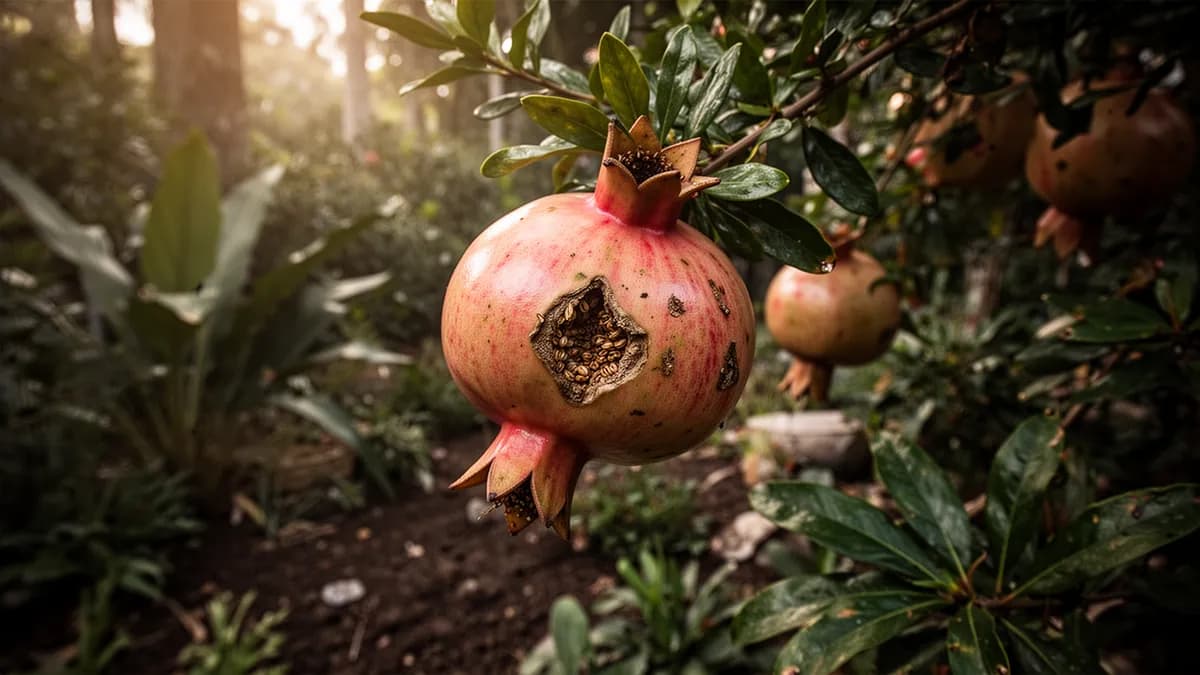
Grow your best Yellow Dragon Fruit yet — and everything around it.
Start a free plan today. Lay out your beds, drop in your Yellow Dragon Fruit, and let PlotMyGarden handle the timing, spacing, companions and reminders from seed to harvest basket.