Pitahaya
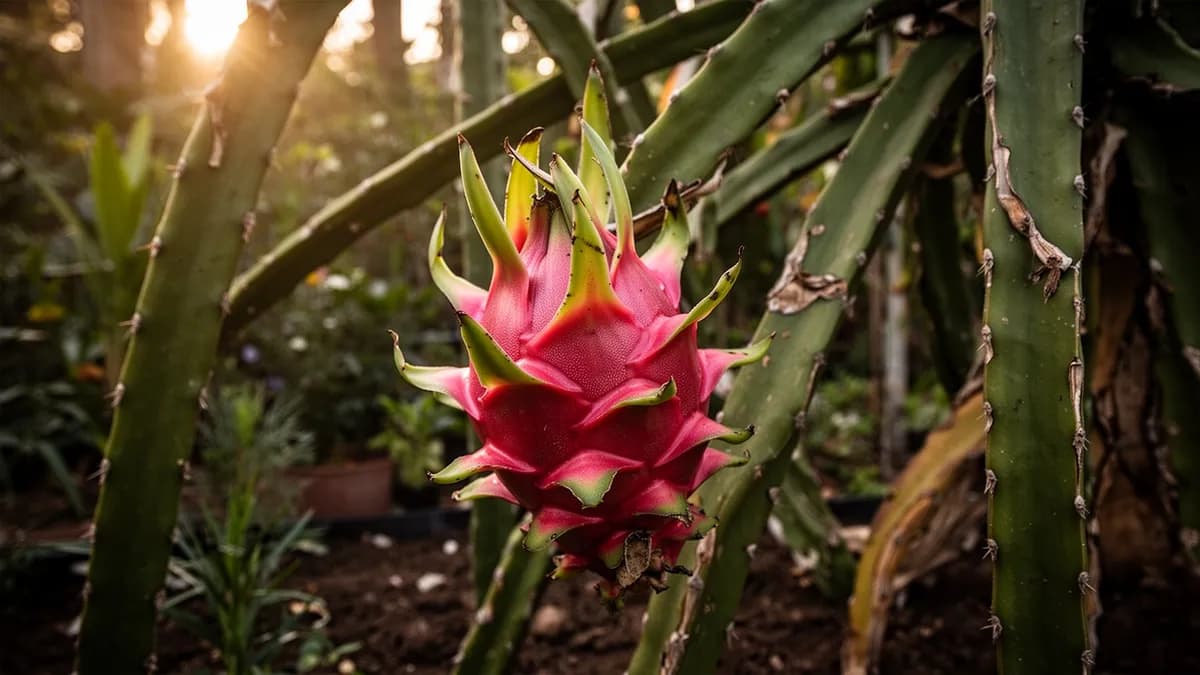
Un cactus trepador que produce espectaculares flores nocturnas seguidas de frutos de piel rosa intensa con pulpa blanca o moteada de color magenta.





En esta páginaResumen
Conoce Pitahaya
Un cactus trepador que produce espectaculares flores nocturnas seguidas de frutos de piel rosa intensa con pulpa blanca o moteada de color magenta. La pitahaya necesita una estructura de soporte resistente y prefiere condiciones cálidas y secas, propias de su origen desértico. La mayoría de las variedades requieren polinización cruzada de otro cultivar y las flores grandes deben polinizarse a mano en zonas sin polinizadores nocturnos.
Cuándo plantar Pitahaya
Las semillas de pitahaya se extraen de la pulpa machacando el fruto en agua y colándolo con una malla fina para separar las diminutas semillas negras. Extienda las semillas sobre una toalla de papel húmeda durante un día y después siémbralas en la superficie de una mezcla bien drenada para cactus, presionando ligeramente pero sin cubrirlas. Mantenga temperaturas cálidas de 24 a 29 grados Celsius y una humedad constante. La germinación tarda de una a dos semanas. El crecimiento de las plántulas es muy lento durante el primer año. Las plantas procedentes de semilla tardan de tres a cinco años en dar fruto. Se prefiere la propagación por esquejes de tallo, ya que enraízan con facilidad y pueden fructificar en uno a dos años.
Tu año de Pitahaya
Ajustado a Zona 7 · temporada típica · la helada se va hacia el 2 abr y vuelve hacia el 1 nov
Planta Pitahaya Mar – May y cosecha Jul – Nov. Consulta los métodos de plantación y elige tu clima para adaptar los periodos.
Cómo cultivar Pitahaya
La pitahaya es un cactus trepador que necesita una estructura de soporte sólida, como un poste de hormigón o madera, un enrejado o una pérgola. Plante esquejes o plantas de vivero en primavera, a pleno sol y en un suelo bien drenado, ligeramente arenoso. Separe las plantas entre 1.8 y 3 metros a lo largo de la estructura de soporte. Los tallos carnosos y triangulares trepan mediante raíces aéreas y pueden alcanzar 6 metros o más.
Riegue con moderación durante la temporada de crecimiento, dejando que el suelo se seque entre riegos. Aunque sea un cactus, la pitahaya rinde mejor con humedad regular durante la floración y la fructificación, pero el exceso de riego provoca pudrición de tallos y raíces. Reduzca mucho el riego en invierno, durante el periodo de reposo.
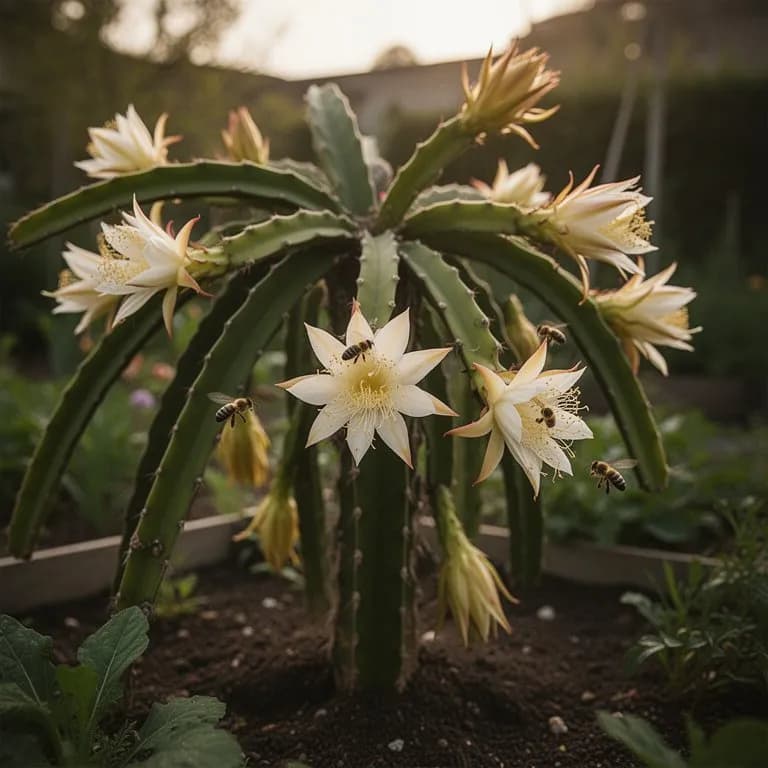
Las flores de pitahaya se abren solo una noche y deben polinizarse dentro de esa ventana. En zonas sin polinizadores nocturnos, como murciélagos y polillas esfinge, la polinización manual es esencial. Transfiera polen entre flores de distintas variedades con un pincel pequeño al atardecer. La mayoría de las variedades de piel rosada necesitan polinización cruzada de un cultivar genéticamente diferente para cuajar fruto. Pode cada año para retirar tallos muertos o dañados y limitar el crecimiento a un tamaño manejable.
Para Pitahaya un bancal de 120 × 240 cm se queda corto
Cada Pitahaya pide 300 cm de margen. El planificador guarda ese marco por ti — cada planta, cada bancal.
Guías de cultivo relacionadas
Abónalo bien
La pitahaya prefiere un suelo bien drenado, ligeramente arenoso o franco, con un pH de 6.0 a 7.0. Como cactus, es muy susceptible a la pudrición de raíces en suelos pesados o encharcados. Enmiende los suelos arcillosos generosamente con arena, perlita y materia orgánica. Aplique un fertilizante equilibrado (10-10-10) una vez al mes durante la temporada de crecimiento, y cambie a una fórmula baja en nitrógeno y alta en fósforo (2-10-10) cuando aparezcan los botones florales. Añada sulfato de magnesio para evitar el amarilleo. La materia orgánica, como el compost, debe aplicarse como acolchado superficial, no incorporarse en profundidad.
Temperatura ideal
Compatibilidad de zonas de rusticidad
De la semilla a la cosecha, etapa por etapa
Propagación y enraizamiento
Los esquejes se toman de tallos maduros y se dejan cicatrizar durante 3 a 7 días antes de plantarlos. Las raíces aparecen en 2 a 4 semanas en condiciones cálidas y húmedas. También se pueden usar semillas, pero tardan mucho más en alcanzar la madurez para fructificar.
Crecimiento juvenil del tallo
Las plantas jóvenes producen sus primeros tallos, que son triangulares y acanalados. El crecimiento es vigoroso durante los meses cálidos. La planta comienza a trepar y a buscar soporte, produciendo raíces aéreas a lo largo de sus tallos.
Establecimiento de la copa
La planta alcanza la parte superior de su soporte y comienza a caer en cascada, formando una corona. Se desarrollan múltiples ramas. Esta etapa es fundamental para construir la masa de copa necesaria para sostener la futura floración y fructificación.
Primera floración
Las plantas maduras comienzan a producir botones florales a lo largo de los bordes de sus tallos. Las flores son enormes, blancas y fragantes, se abren solo después del anochecer y se cierran por la mañana. Cada flor debe polinizarse para cuajar fruto, y muchas variedades requieren polinización cruzada.
Desarrollo del fruto
Las flores polinizadas empiezan a hincharse y convertirse en fruto en pocos días. El fruto escamoso y de color brillante se desarrolla durante 30 a 50 días, pasando de verde a su color final rojo, amarillo o rosa cuando madura. Cada episodio de fructificación se denomina 'tanda'.
Cosecha y producción continua
Las plantas establecidas pueden producir de 4 a 6 tandas de fructificación por año en climas tropicales, o de 1 a 2 en regiones subtropicales. Las plantas pueden seguir siendo productivas durante 20 a 30 años con buenos cuidados. El fruto está listo para cosechar cuando el color de la piel está plenamente desarrollado y las alas (escamas) empiezan a marchitarse.
Deje que los extremos cortados se sequen y cicatricen por completo antes de plantar para evitar la pudrición. Plante en una mezcla bien drenante para cactus y mantenga el sustrato ligeramente húmedo, no empapado.
Cuidar Pitahaya mes a mes
Qué hacer cada mes para tu Pitahaya
Octubre
Mes actualEn regiones subtropicales, la temporada de crecimiento se ralentiza. Realice una poda completa para dar forma a la planta, eliminar madera muerta y aclarar la copa para el año siguiente. Aplique una última fertilización equilibrada. En zonas tropicales, la producción de fruto puede continuar durante toda la temporada.
Ten claro qué hacer en tu huerto, cada mes
Un correo al empezar cada mes: qué sembrar, plantar y hacer ahora mismo — para tu Pitahaya y todo lo que crece alrededor. Más un breve curso inicial para esquivar los errores clásicos.
- Qué hacer ahora mismo
- Ajustado a tu temporada
- Curso inicial incluido
Cosechar Pitahaya
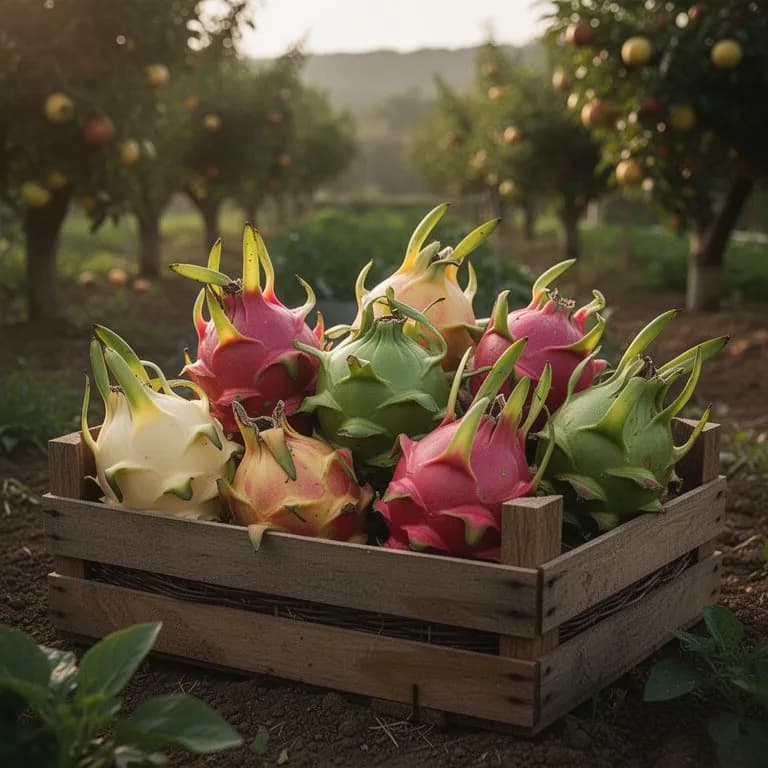
Las pitahayas están listas para cosechar entre 30 y 50 días después de la floración, cuando la piel pasa de verde a rosa o roja intensa y las brácteas en forma de ala empiezan a marchitarse. El fruto debe ceder ligeramente al presionarlo con suavidad. Gire o corte el fruto del tallo, dejando un pequeño pedúnculo. Los frutos demasiado maduros se agrietan y pierden calidad rápidamente. La pulpa debe ser firme y tener semillas negras diminutas distribuidas de forma uniforme. Coseche por la mañana para conservar mejor la vida útil. Una planta madura puede producir de 20 a 60 frutos por temporada durante varios meses.
se supone que plantas al comenzar el periodo — indica tu fecha real
Cosecha Pitahaya a tiempo y la planta sigue produciendo.
Almacenamiento y conservación
La pitahaya fresca se conserva a temperatura ambiente de dos a tres días o en refrigeración hasta dos semanas. El fruto cortado debe refrigerarse y consumirse en un plazo de dos días. Para congelarlo, saque la pulpa, córtela en cubos y congélela sobre una bandeja antes de pasarla a bolsas para congelador. La pitahaya congelada es excelente en bowls de batido y postres helados. El fruto puede deshidratarse en chips masticables o convertirse en mermelada. El zumo de pitahaya es popular en bebidas tropicales.
Qué falla — y cómo solucionarlo
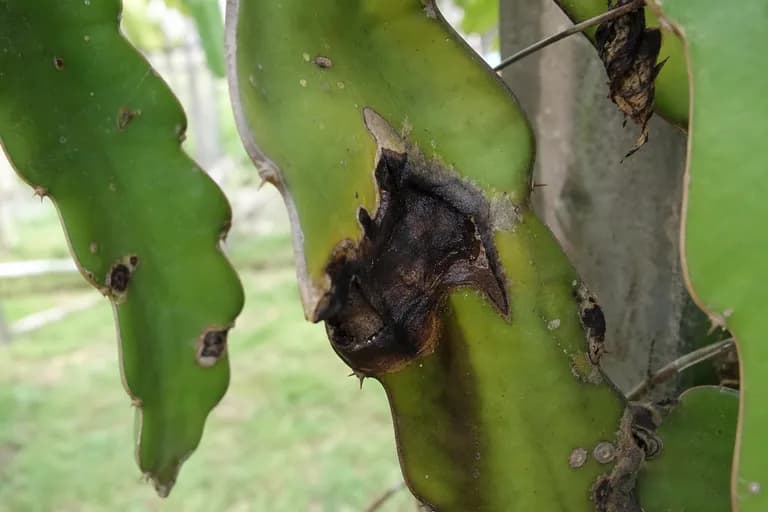
Pudrición del tallo (antracnosis)
EnfermedadLesiones hundidas marrones o negras en los tallos; tejido blando y en descomposición; segmentos del tallo que se vuelven blandos y colapsan.
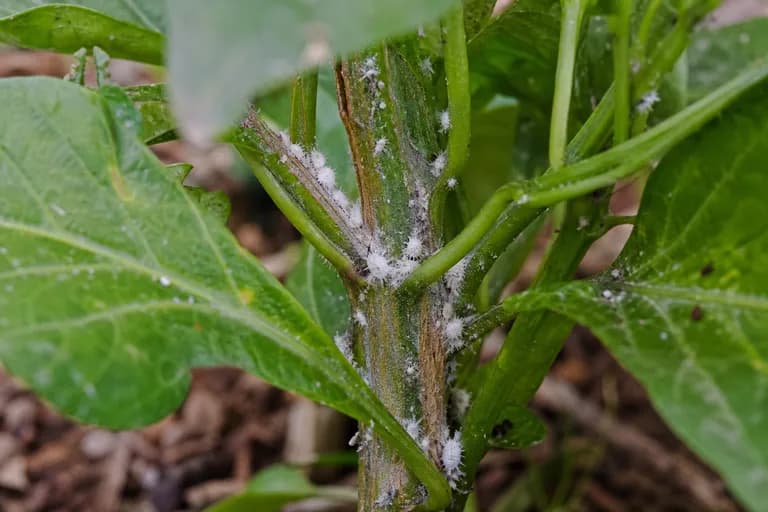
Cochinillas
PlagaMasas blancas y algodonosas en las uniones de los tallos y en los frutos en desarrollo; melaza pegajosa; crecimiento atrofiado; fumagina.
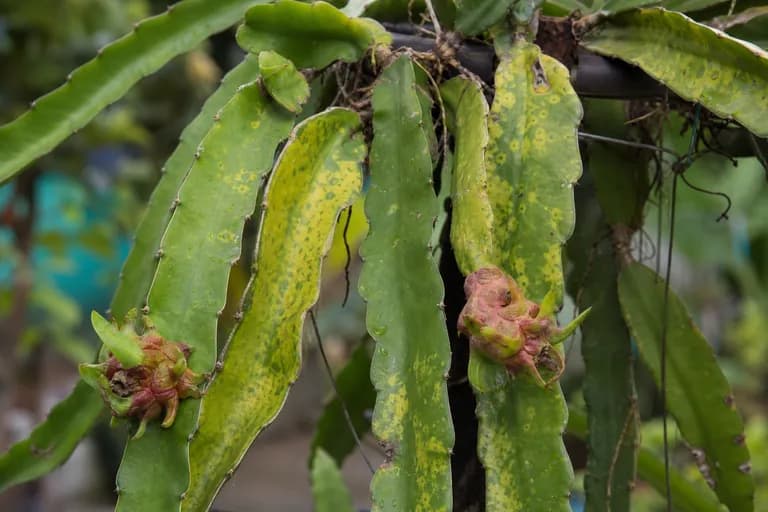
Virus X del cactus
EnfermedadMoteado amarillo en los tallos; crecimiento atrofiado; frutos deformes; deterioro general del vigor de la planta.
Solución de problemas comunes
El problema más común es la falta de cuajado por una polinización insuficiente. Como las flores se abren solo por la noche y durante una sola velada, la polinización manual suele ser necesaria. El segundo problema más frecuente es el exceso de riego, que provoca pudrición de tallos y raíces. El sol excesivo puede quemar los tallos en climas muy cálidos, por lo que conviene dar algo de sombra por la tarde en las zonas más calientes. Los tallos pesados y extendidos pueden sobrecargar estructuras de soporte débiles, así que construya postes o enrejados robustos. Los síntomas de carencia de nutrientes son comunes en suelos pobres, especialmente la falta de magnesio y hierro.
Consejos de cultivo
- Use siempre una mezcla de suelo muy bien drenante: las raíces de la pitahaya son muy propensas a pudrirse si permanecen en un sustrato encharcado. Una mezcla de 60 % de suelo arenoso grueso o perlita y 40 % de compost funciona bien tanto en suelo como en contenedor.
- Instale una estructura de soporte estable y permanente antes o justo después de plantar. Las plantas de pitahaya ganan peso con el tiempo; un poste de hormigón, un poste de madera fuerte o un enrejado de hierro anclado en profundidad es mucho mejor que un tutor débil que tendrá que sustituir más adelante.
- La polinización manual mejora mucho el cuajado, especialmente en quienes cultivan una sola planta. Use un pincel pequeño y suave o un bastoncillo de algodón para transferir polen de los estambres al estigma (la columna central) de la flor. Hágalo entre 2 y 3 horas después de la apertura de la flor al anochecer para obtener los mejores resultados.
- La pitahaya es uno de los pocos cactus que se beneficia realmente del riego regular durante su etapa activa de crecimiento y fructificación: a diferencia de los cactus del desierto, procede de bosques tropicales con lluvias estacionales. Riegue en profundidad y con constancia desde la primavera hasta la cosecha, y después reduzca mucho en invierno.
- Cultive al menos dos variedades distintas para maximizar la polinización cruzada y el cuajado. Aunque algunas variedades son autofértiles, la mayoría produce frutos más numerosos y más grandes cuando se cruzan con una planta genéticamente diferente.
- Fertilice con una fórmula que evolucione a lo largo de la temporada: use un fertilizante rico en nitrógeno en primavera para impulsar el crecimiento de tallos y copa, cambie a una fórmula alta en fósforo para favorecer la floración cuando se desarrollen los botones, y use una fórmula rica en potasio durante y después de la fructificación para apoyar la calidad del fruto y la recuperación de la planta.
- En regiones con inviernos fríos, cultivar pitahaya en contenedores grandes (al menos 60-100 litros para una planta madura) permite moverlas al interior o a un invernadero antes de la helada. Incluso un cuarto soleado sin heladas o un garaje con luz de cultivo puede servir para pasar el invierno con éxito.
- Pode la planta con decisión después de la principal temporada de fructificación cada año. Elimine los tallos más viejos, gruesos y leñosos que ya no florecen con productividad, y aclare las zonas densas de la copa. La pitahaya fructifica sobre todo en crecimiento nuevo, así que la poda de renovación regular mantiene altos los rendimientos.
- Proteja los frutos en maduración de aves e insectos colocando bolsas de papel, protectores de malla o incluso medias viejas sobre los frutos en desarrollo cuando alcancen el tamaño de una pelota de golf. Este paso sencillo puede salvar una parte importante de la cosecha de daños.
- Cuando los tallos son jóvenes y verdes, pueden quemarse con el sol bajo radiación directa intensa, especialmente en climas cálidos y áridos. Proporcione sombra ligera por la tarde a las plantas menores de un año, o durante olas de calor, para evitar el blanqueamiento y los daños permanentes en el tejido fotosintético.
Cultiva tu mejor Pitahaya — y todo lo que la rodea.
Empieza un plan gratis hoy. Diseña tus bancales, coloca tu Pitahaya y deja que PlotMyGarden gestione el momento, el espaciado, las asociaciones y los recordatorios de la semilla a la cesta.
Elige tu Pitahaya
American Beauty
Una variedad autofértil con pulpa de color magenta intenso y un sabor dulce excelente. Una de las mejores para cultivar en casa gracias a su capacidad de autopolinizarse.
Vietnam White
La variedad comercial más común, con piel rosa y pulpa blanca. Sabor suave y dulce, y producción fiable, aunque requiere polinización cruzada.
Physical Graffiti
Un híbrido muy codiciado con pulpa magenta muy viva y una dulzura excepcional. Requiere polinización cruzada con otra variedad.
Edgar's Baby
Una variedad compacta y autofértil con pulpa roja, muy adecuada para cultivo en contenedor y jardines pequeños.
Natural Mystic
Una planta vigorosa con pulpa rojo púrpura intensa y un sabor complejo, parecido a la uva. Excelente para climas tropicales.
La pitahaya fresca se vende con regularidad entre 3 y 8 dólares por fruta (o entre 6 y 12 dólares por libra) en tiendas especializadas y mercados agrícolas, lo que la convierte en una de las frutas comunes más caras por peso. Una sola planta madura de pitahaya en un clima adecuado puede producir entre 20 y 100 frutos al año a lo largo de varias tandas, lo que representa un valor minorista de 60 a 800 dólares anuales por planta. Las plantas en contenedor compradas como esquejes enraizados suelen costar entre 20 y 50 dólares y empiezan a producir frutos en 1 o 2 años. A lo largo de una vida productiva de más de 20 años, el ahorro acumulado frente a comprar fruta comercialmente puede superar con facilidad los 1.000 dólares por planta, lo que convierte a la pitahaya en uno de los cultivos con mayor valor por metro cuadrado para horticultores domésticos en climas cálidos.
Recetas rápidas
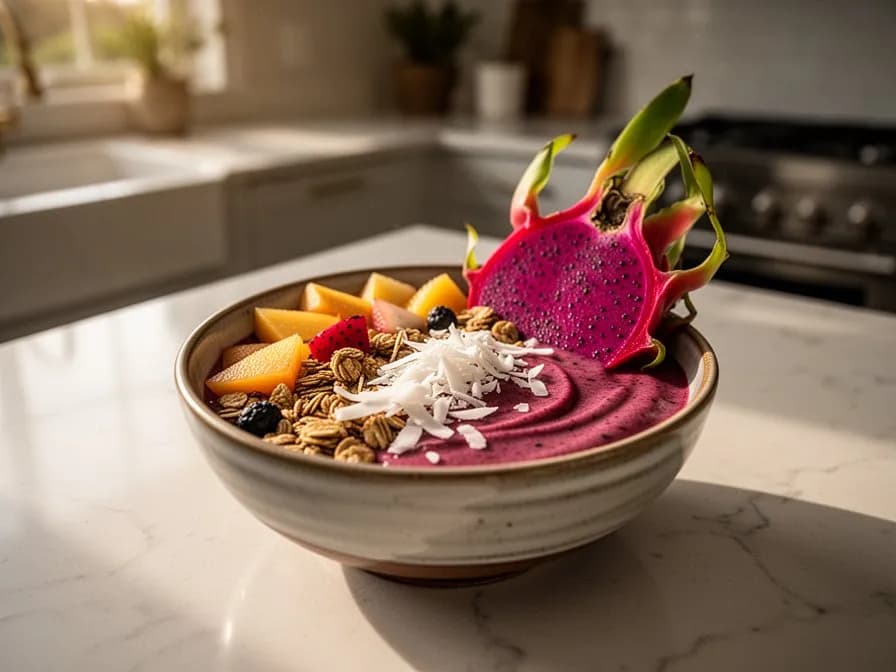
Bol de batido de pitahaya
10 minutosUn bol de desayuno vibrante y perfecto para Instagram que muestra el impresionante color de la pitahaya de pulpa roja. Espeso, cremoso y naturalmente dulce.
5 ingredientesSalsa de pitahaya y mango
15 minutosUna salsa refrescante y colorida que combina de maravilla con pescado a la parrilla, tacos de pollo o totopos. El dulzor suave de la pitahaya se equilibra a la perfección con la lima y el chile.
7 ingredientesLimonada fría de pitahaya
10 minutosUna limonada impresionante, naturalmente rosa, que utiliza el zumo de la pitahaya roja para lograr su color brillante. Refrescante, ligeramente dulce y completamente natural.
6 ingredientesUsos culinarios
La pitahaya se come normalmente fresca, sacando la pulpa con una cuchara de la mitad del fruto. Su pulpa suave, ligeramente dulce, es popular en bowls de batido, ensaladas de frutas y como colorante natural. Las variedades de pulpa roja producen un color rosa magenta muy vivo en bebidas y postres. La fruta combina bien con cítricos, kiwi y sabores tropicales. El sorbete y el helado de pitahaya son postres muy populares.
Qué contiene
Beneficios para la salud
- Los pigmentos betalainas de la pitahaya de pulpa roja son potentes antioxidantes que neutralizan los radicales libres, ayudando a proteger las células del estrés oxidativo asociado con enfermedades crónicas y el envejecimiento.
- La pitahaya contiene fibras prebióticas, en particular oligosacáridos, que alimentan de forma selectiva bacterias intestinales beneficiosas como Lactobacillus y Bifidobacterium, apoyando un microbioma sano y mejorando la digestión.
- La combinación de vitamina C y hierro del fruto la hace valiosa para mejorar la absorción del hierro, algo especialmente útil para personas con riesgo de anemia por deficiencia de hierro.
- El contenido natural de fibra de la pitahaya ralentiza la absorción de azúcar en el torrente sanguíneo, ayudando a moderar los picos de glucosa después de las comidas y favoreciendo un mejor control glucémico a largo plazo.
- El consumo regular de pitahaya se ha asociado con una reducción de marcadores de inflamación en varios estudios, lo que podría disminuir factores de riesgo relacionados con enfermedades cardíacas y síndrome metabólico.
- El magnesio de la pitahaya favorece más de 300 reacciones enzimáticas del cuerpo, incluida la contracción muscular, la transmisión nerviosa, la síntesis de proteínas y la regulación de la presión arterial.
De dónde viene Pitahaya
La pitahaya (Hylocereus undatus, también clasificada como Selenicereus undatus) es una planta de la familia de los cactus Cactaceae y es originaria de las selvas tropicales de México, Guatemala, El Salvador y Costa Rica. Crece de forma silvestre en estas regiones, trepando por árboles y afloramientos rocosos gracias a sus raíces aéreas. Los pueblos indígenas de Mesoamérica cultivaban y consumían pitahaya mucho antes del contacto europeo, valorando tanto su pulpa dulce y refrescante como sus tiernos tallos jóvenes como alimento.
Los exploradores españoles y portugueses conocieron la planta durante la colonización de Centroamérica y la llevaron a Europa y a sus colonias asiáticas a principios del siglo XVII. Los franceses la introdujeron en Vietnam durante la época colonial, probablemente en el siglo XIX, donde encontró un clima casi perfecto y rápidamente se convirtió en un cultivo comercial. El nombre vietnamita 'thanh long', que significa 'dragón verde', es el origen directo del nombre común en inglés 'fruta del dragón', una referencia a las escamas verdes en forma de llamas sobre la brillante piel del fruto.
Desde Vietnam, el cultivo se extendió rápidamente por el sudeste asiático durante el siglo XX, hacia Tailandia, Filipinas, Malasia, Indonesia y el sur de China. Hoy Asia produce la gran mayoría de la pitahaya del mundo, y solo Vietnam representa una parte dominante de las exportaciones globales. El cultivo transformó la economía de muchas comunidades rurales vietnamitas y se convirtió en uno de los productos agrícolas de exportación más importantes del país.
En América, el cultivo comercial de pitahaya empezó a ganar impulso serio en los años noventa y dos mil, especialmente en Florida, California, Hawái y en toda América Latina. El auge del interés por los 'superalimentos' exóticos en los mercados occidentales durante las décadas de 2000 y 2010 aumentó de forma espectacular la demanda de los consumidores, impulsando una rápida expansión de las plantaciones comerciales en todo el mundo. Hoy la pitahaya se cultiva comercialmente en todos los continentes excepto la Antártida, y es cada vez más popular entre los jardineros domésticos de climas cálidos que buscan una planta comestible exótica, productiva y visualmente espectacular.
Pitahaya: ¿sabías que?
Datos fascinantes sobre Pitahaya
Las flores de pitahaya son polinizadas exclusivamente por la noche por polillas y murciélagos en su hábitat nativo, lo que las convierte en uno de los pocos cultivos que dependen por completo de polinizadores nocturnos.
Pitahaya: preguntas frecuentes
¿Cuándo debo plantar Pitahaya?
¿En qué zonas de rusticidad puede crecer Pitahaya?
¿Cuánto sol necesita Pitahaya?
¿A qué distancia debo espaciar Pitahaya?
¿Qué plagas y enfermedades afectan a Pitahaya?
¿Cómo almaceno Pitahaya después de la cosecha?
¿Cuáles son las mejores variedades de Pitahaya para cultivar?
¿Qué suelo necesita Pitahaya?
¿Cuánto tarda la pitahaya en dar fruto después de plantarla?
¿Puedo cultivar pitahaya en una maceta o contenedor?
¿Por qué mi planta de pitahaya no florece?
¿Necesito más de una planta de pitahaya para obtener frutos?
¿Cómo sé cuándo la pitahaya está madura y lista para cosechar?
¿La pitahaya resiste el frío, y cuál es la temperatura más baja que puede soportar?
Acabas de leer la teoría. Ahora cultívala en piloto automático.
Todo lo que hace que Pitahaya sea delicado — el momento, el espaciado, las asociaciones, la ventana de cosecha — es justo lo que PlotMyGarden resuelve por ti, para cada planta de tu huerto.
Un plan que conoce tu clima
Indica tu ubicación una vez. Recibe fechas de siembra, abonado y cosecha basadas en tu última helada real y el pronóstico en vivo — sin adivinar con un sobre genérico.
De la sección “Cuándo plantar”Planificador de bancales de arrastrar y soltar
Diseña bancales sobre una cuadrícula. Cada planta encaja con su espaciado correcto y ves toda la temporada antes de gastar un céntimo en semillas.
De la sección “Cultivo”Conflictos de asociación, detectados a tiempo
Más de 200 buenas y malas combinaciones comprobadas en vivo mientras plantas — para que un error que arruine la temporada nunca llegue a la tierra.
De la sección “Asociaciones”Recordatorios que sí vas a seguir
“Riega las judías.” “Recoge hoy antes de que se pase.” Oportunos, concretos y ligados a las plantas que de verdad cultivas.
De la sección “Cosecha”Escalonado, programado
¿Quieres cosechar seis semanas en vez de seis días? Reparte tus siembras automáticamente y te avisa cuando toca el siguiente lote.
De la sección “Cuándo plantar”Un registro que se vuelve más listo
Cada cosecha que registras le enseña tu huerto. El plan del año que viene parte de lo que de verdad funcionó en tu suelo, no en un manual.
De la sección “Resumen”Más Frutas tropicales
Cultiva tu mejor Pitahaya — y todo lo que la rodea.
Empieza un plan gratis hoy. Diseña tus bancales, coloca tu Pitahaya y deja que PlotMyGarden gestione el momento, el espaciado, las asociaciones y los recordatorios de la semilla a la cesta.