Cleome
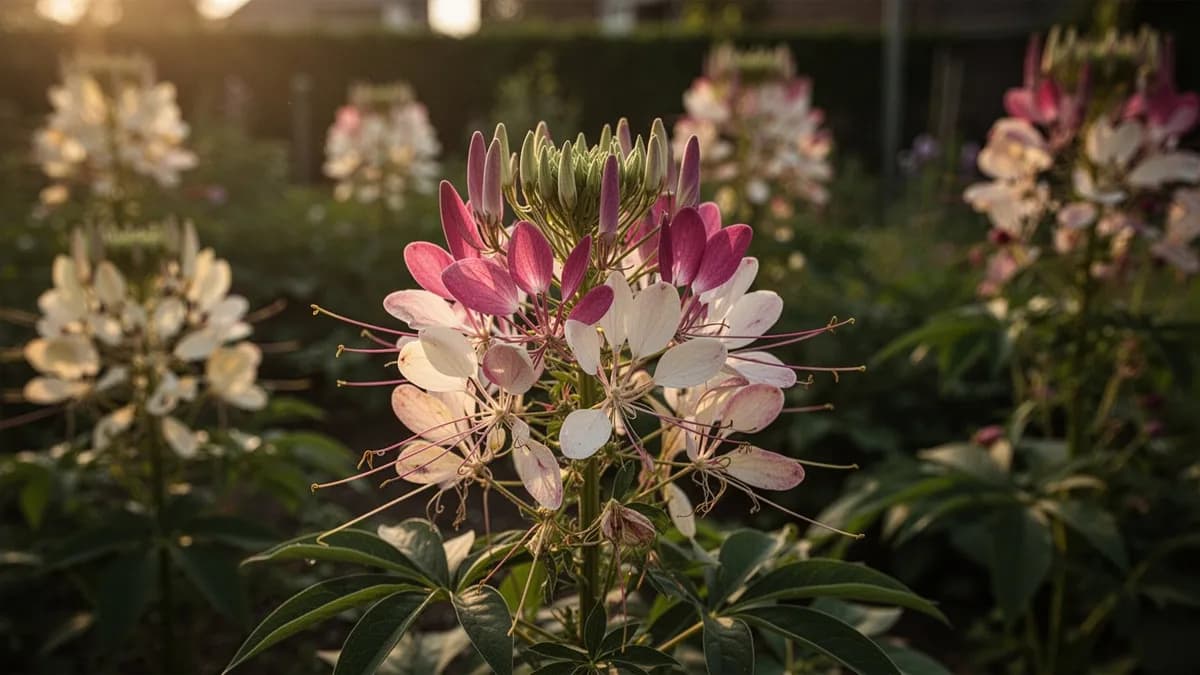
Eine hohe, dramatische Einjährige mit spinnenartigen Blütendolden auf kräftigen Stielen, die sich im Garten zuverlässig selbst aussät.





Auf dieser SeiteÜberblick
Cleome im Überblick
Eine hohe, dramatische Einjährige mit spinnenartigen Blütendolden auf kräftigen Stielen, die sich im Garten zuverlässig selbst aussät. Cleome kann eine Höhe von anderthalb Metern erreichen und sorgt mit luftigen Blüten in Rosa, Lila und Weiß für hervorragende Hintergrundhöhe im Beet. Sie ist trockenheitstolerant und hirschresistent und benötigt nach dem Anwachsen nur minimale Pflege.
Wann Cleome pflanzen
Cleome-Samen nach dem letzten Frost durch Ausstreuen auf der Bodenoberfläche und leichtes Andrücken direkt aussäen. Samen benötigen Licht und Temperaturen über 21°C, um in zehn bis vierzehn Tagen zu keimen. Für frühzeitigere Blüten vier bis sechs Wochen vor dem letzten Frost drinnen in Einzeltöpfen anziehen, um die Wurzelstörung zu minimieren. Samen vor der Aussaat eine Woche im Kühlschrank lagern, um die Keimrate zu verbessern. Samen nicht bedecken, da Licht erforderlich ist. Selbstgesäte Sämlinge erscheinen in den Folgejahren bereitwillig.
Dein Cleome-Jahr
Abgestimmt auf Zone 7 · typische Saison · Frost geht um den 2. Apr. und kehrt um den 1. Nov. zurück
Cleome Apr – Mai pflanzen, Jul – Okt ernten. Beachte die Pflanzmethoden unten und wähle dein Klima für passende Zeiträume.
So baust du Cleome an
Cleome wird am besten nach dem letzten Frost direkt ins Freiland gesät, da sie eine Pfahlwurzel entwickelt, die Umpflanzen nicht verträgt. Wählen Sie einen sonnigen Standort mit durchschnittlichem bis magerem Boden und guter Drainage. Streuen Sie die Samen auf die Bodenoberfläche und drücken Sie sie leicht an, da Cleome-Samen Licht für die Keimung benötigen. Pflanzen Sie im Abstand von 45 bis 60 cm oder vereinzeln Sie Setzlinge auf diesen Abstand, um der buschigen Endgröße Raum zu lassen.
Einmal angewachsen ist Cleome erstaunlich pflegeleicht. Sie verträgt Trockenheit, Hitze und nährstoffarmen Boden problemlos und ist daher eine ausgezeichnete Wahl für vernachlässigte Gartenbereiche. Gießen Sie tief, aber selten und lassen Sie den Boden zwischen den Wassergaben abtrocknen. Eine Stütze ist im Allgemeinen nicht erforderlich, da die Stängel kräftig sind, obwohl sehr hohe Pflanzen an windigen Standorten von einer Abstützung profitieren können.
Cleome blüht von der Hochsommermitte bis zum Frost ohne Rückschnitt kontinuierlich, obwohl das Entfernen verblühter Blütenköpfe übermäßige Selbstaussaat verhindert. Die Pflanzen haben kleine Dornen an den Stängeln, daher beim Umgang Handschuhe tragen. Düngen Sie während der Wachstumssaison ein- bis zweimal leicht mit einem ausgewogenen Dünger, da zu nährstoffreicher Boden üppiges Blattwerk auf Kosten der Blüten erzeugt. Lassen Sie einige Pflanzen aussamen, damit sich eine selbstaussäende Kolonie bildet, die jedes Jahr zurückkehrt.
10 Pflanzen passen in ein Beet von 120 × 240 cm
Cleome braucht 45 cm Platz pro Pflanze. Der Planer hält diesen Abstand für dich ein — jede Pflanze, jedes Beet.
Die besten Nachbarn für Cleome
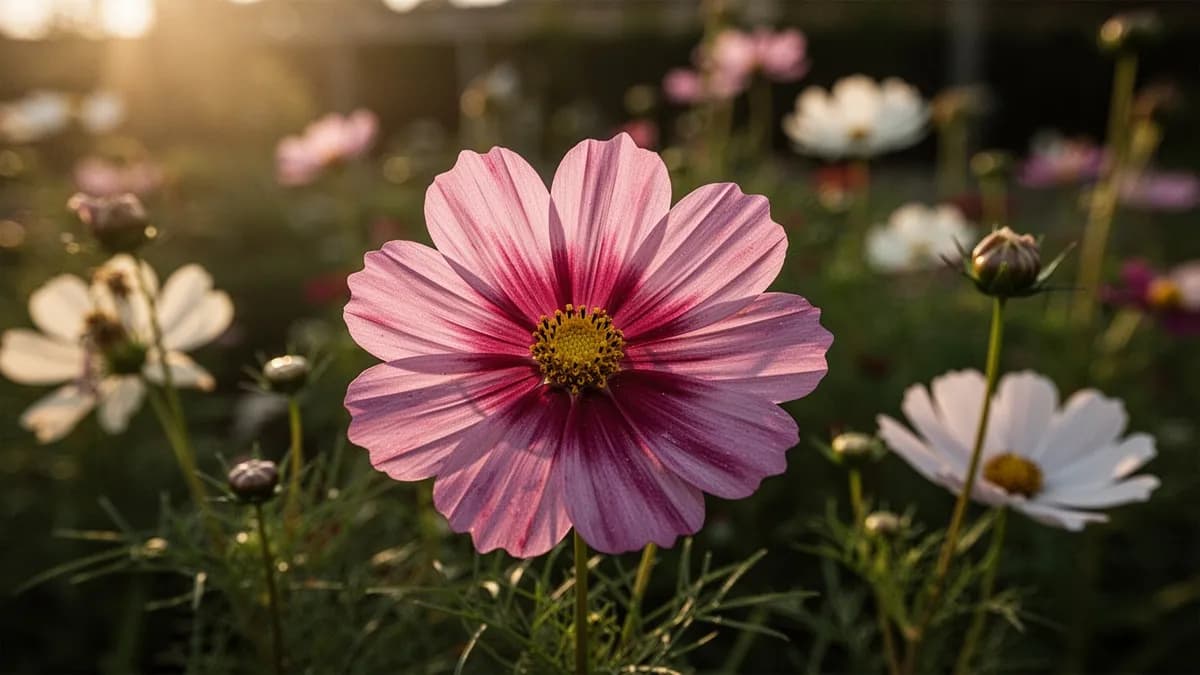
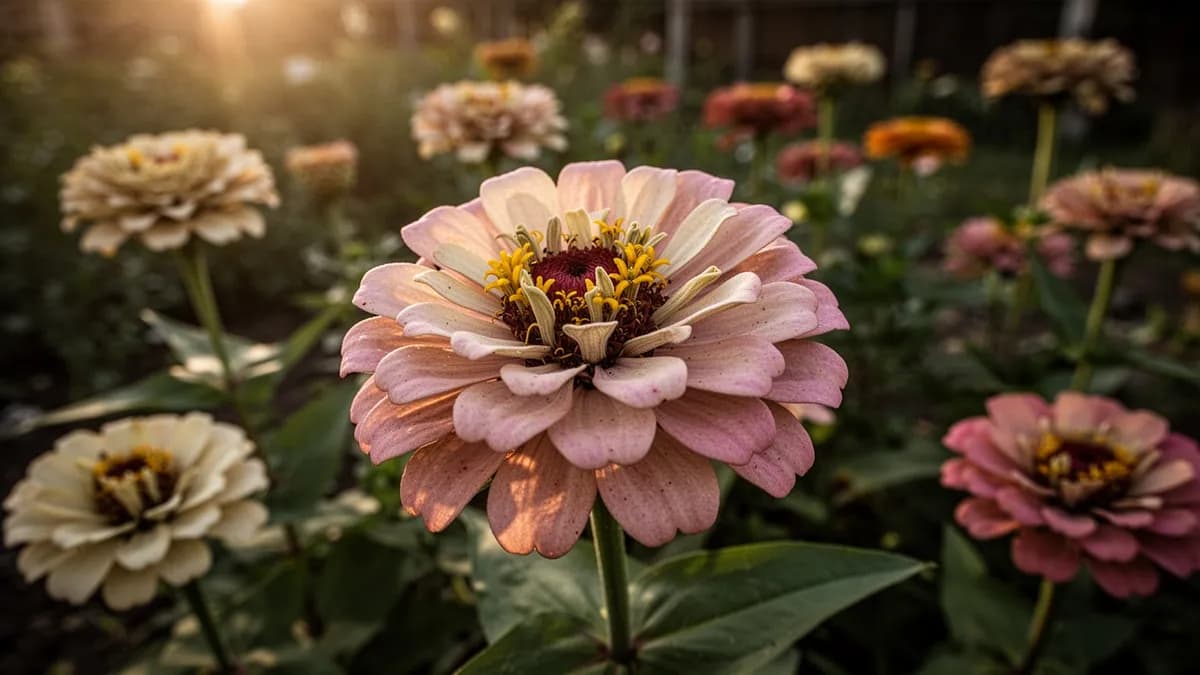
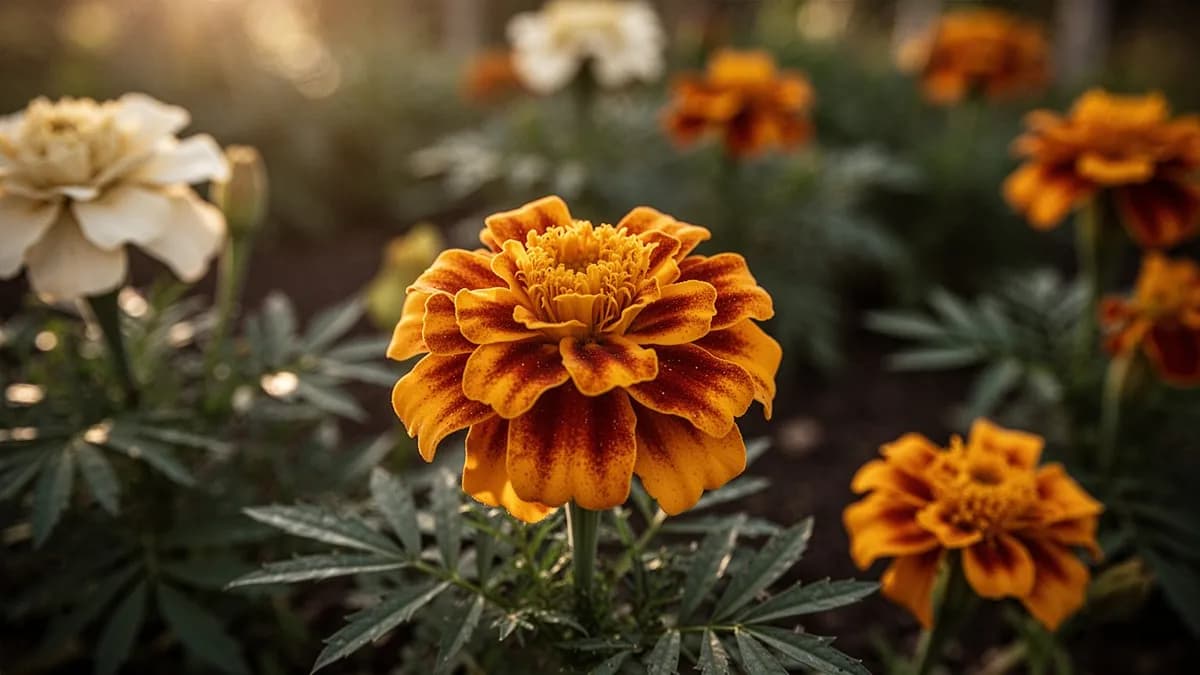
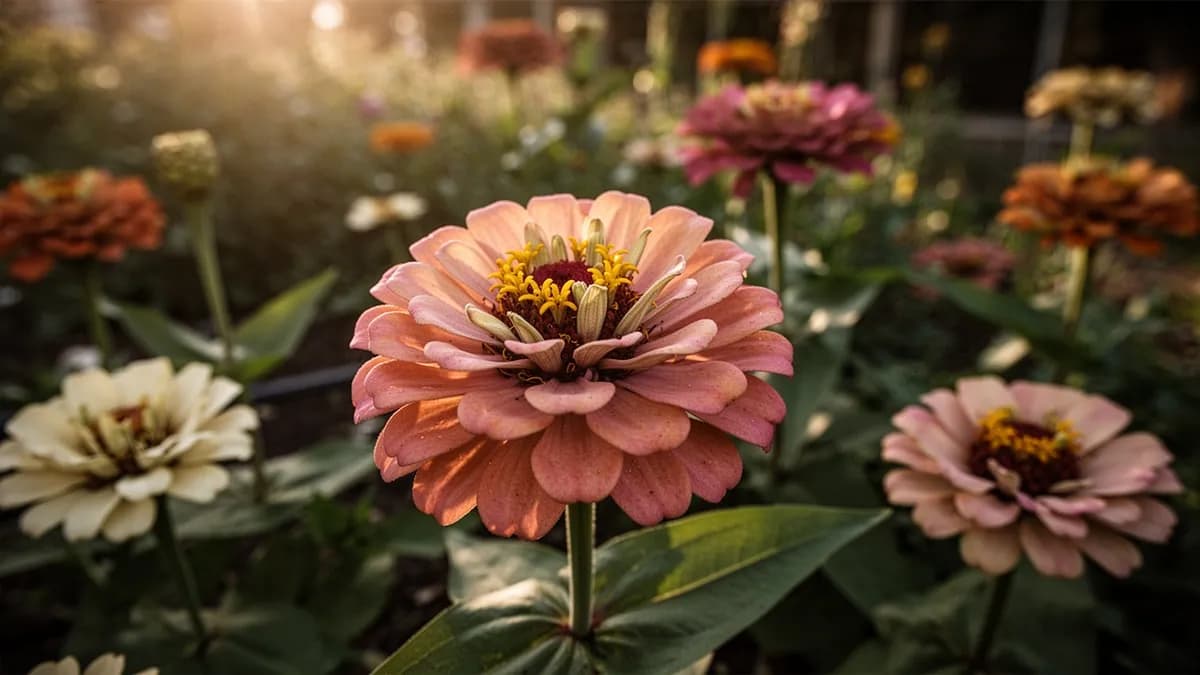
Cleome wirkt wunderschön als hoher Hintergrund hinter niedrig wachsenden Einjährigen wie Zinnien, Cosmeen und Ringelblumen. Ihre Höhe und luftige Textur sorgen für hervorragendes vertikales Interesse in gemischten Rabatten. Die Blüten ziehen Kolibris und große Schmetterlinge an und machen sie zu einem wertvollen Element in Bestäubungsgärten. Mit Ziergräsern für eine naturnahe Präriestil-Kombination pflanzen. Ihre Hirsch- und Kaninchenresistenz macht sie zu einer zuverlässigen Wahl in Gebieten mit Wildtierdruck.
Cosmos gehört daneben.
Altes Gärtnerwissen, geprüft an der echten Nachbartabelle von Cleome — teste jede Pflanze, die du anbaust.
Probiere Cleome direkt hier im Beet
Ein echtes Planer-Beet, Cleome steht schon drin. Tippe einen Begleiter an, platziere ihn und sieh, wie die Nachbarschaftsprüfung antwortet — grün für gute Nachbarn, rot bei Streit.


Passende Anbau-Ratgeber
Richtig düngen
Cleome ist anspruchslos und gedeiht in durchschnittlichem bis magerem, gut durchlässigem Boden mit einem pH-Wert von 6,0 bis 7,0. Reicher, stark verbesserter Boden erzeugt übermäßiges Blattwerk auf Kosten der Blüten. Zum Pflanzungszeitpunkt eine leichte Gabe ausgewogenen Granulat-Düngers in den Boden einarbeiten und Mitte des Sommers einmal nachdüngen. Kübelpflanzen sollten alle drei bis vier Wochen mit verdünntem Flüssigdünger gedüngt werden. Sandige oder kiesige Böden eignen sich besonders gut für Cleome.
Ideale Temperatur
Winterhärtezone-Kompatibilität
Von der Saat zur Ernte, Schritt für Schritt
Saatgutanzucht
Cleome-Samen haben eine harte Schale und profitieren von einer kurzen Kältebehandlung. Samen 6–8 Wochen vor dem letzten Frost drinnen in feuchtes Anzuchtsubstrat drücken. Samen benötigen Licht und Wärme von etwa 26–29 °C zum Keimen. Die Keimung kann ungleichmäßig verlaufen und zwischen 5 und 14 Tagen dauern.
Sämlingsentwicklung
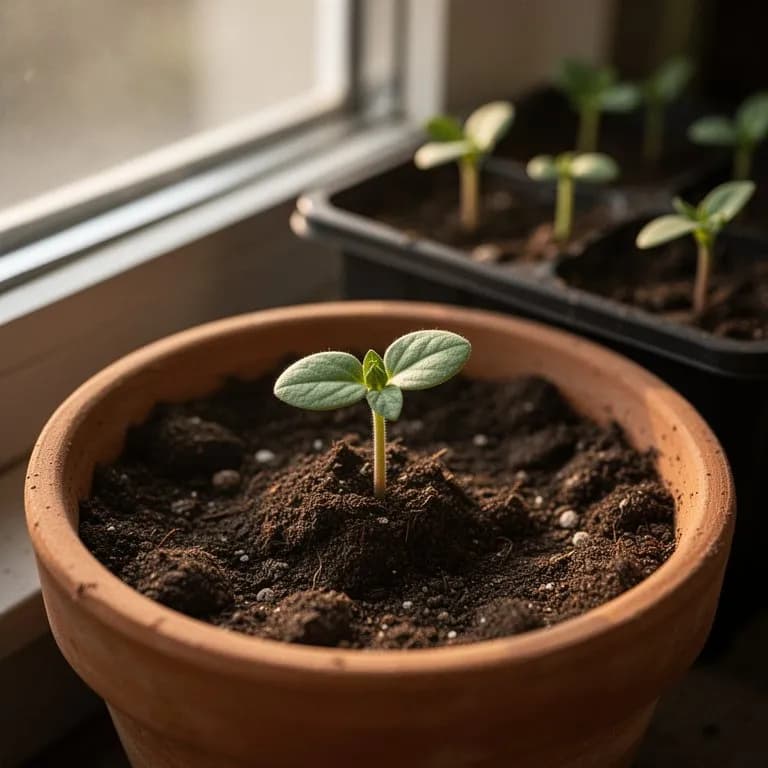
Sämlinge erscheinen mit einem Paar runder Keimblätter, denen rasch die ersten echten Blätter folgen, die einfach und eiförmig sind. Innerhalb von zwei bis drei Wochen beginnen die charakteristischen gefiederten zusammengesetzten Blätter zu erscheinen, die jeweils fünf bis sieben Blättchen aufweisen, die wie Finger einer Hand angeordnet sind. Die Stängel sind schlank, werden aber rasch kräftiger.
Vegetatives Wachstum
Die Pflanzen treten in eine schnelle Wachstumsphase ein, bauen kräftige Hauptstängel auf und bilden reichlich gefiedertes Laub. Cleome wächst in warmem Wetter schnell und fügt oft 5–8 cm Höhe pro Woche hinzu. Die charakteristischen, leicht klebrigen Stängel und das moschusartig duftende Laub werden deutlich. Pflanzen können 60–90 cm erreichen, bevor die Blüte beginnt.
Knospenbildung
Terminale Blütenknospen bilden sich an der Spitze jedes Hauptstängels und formen dichte, runde Trauben. Die Knospen sind anfangs eng gepackt und grün und enthüllen allmählich Farbe, wenn sich die äußeren Kelchblätter öffnen. Seitentriebe beginnen ebenfalls ihre eigenen Knospentrauben zu bilden, was die Blütezeit erheblich verlängert.
Blüte
Blüten öffnen sich von der Basis jeder Dolde nach oben in einem spiralförmigen Muster und bilden eine sich stetig verlängernde Blütenähre. Jede einzelne Blüte hat vier zarte Blütenblätter und dramatisch lange Staubfäden und Stempel, die weit über die Blütenblätter hinausragen und das spinnenartige Aussehen erzeugen. Die Blüten durchlaufen kontinuierlich frische Blüten an der Spitze, während sich unten längliche Samenschoten bilden.
Samenentwicklung
Lange, schmale Samenschoten von 5–10 cm Länge entwickeln sich rasch unterhalb des aktiven Blütenstandes und hängen an schlanken Stielen. Jede Schote enthält zahlreiche kleine runde Samen, die grün beginnen und zu Braun oder Schwarz reifen. Die Schoten platzen schließlich auf und streuen Samen frei, so sät sich Cleome im Garten problemlos selbst aus.
Saisonabschluss und Rückgang
Wenn die Temperaturen im Herbst sinken, verlangsamt sich das Cleome-Wachstum und die Blütenproduktion nimmt ab. Untere Blätter vergilben und fallen ab, während die oberen Teile der Pflanze möglicherweise weiterhin sporadisch bis zum ersten harten Frost blühen, der die Pflanze abtötet. Die getrockneten Stängel mit den verbleibenden Samenschoten bilden interessante Wintersilhouetten im Garten.
Samen 3–5 Tage vor der Aussaat in den Kühlschrank legen, um die Dormanz zu brechen. Samen nicht tief bedecken, da sie Lichteinwirkung benötigen, um die Keimung auszulösen. Das Anzuchtsubstrat gleichmäßig feucht halten, indem es fein besprüht wird.
Cleome Monat für Monat pflegen
Was du jeden Monat für deine Cleome tun solltest
Oktober
Aktueller MonatAbgestorbene Pflanzen nach dem ersten harten Frost, der das Laub schwärzt, entfernen. Gesundes Pflanzenmaterial kompostieren, aber Stängel mit Krankheitszeichen entsorgen. Die Stellen notieren, an denen Samen möglicherweise verstreut sind, um Selbstaussaat-Sämlinge im nächsten Frühjahr zu identifizieren. Leere Beete mit Kompost für die Winteranreicherung abdecken.
Immer wissen, was jetzt im Garten zu tun ist
Eine E-Mail zum Monatsanfang: was du jetzt säen, pflanzen und anpacken solltest — für deine Cleome und alles, was drumherum wächst. Dazu ein kurzer Startkurs, der dich vor den klassischen Fehlern bewahrt.
- Was jetzt zu tun ist
- Passend zu deiner Saison
- Startkurs inklusive
Cleome ernten
Cleome-Stängel für Arrangements schneiden, wenn die unteren Blüten der Dolde geöffnet sind und sich die oberen Knospen noch bilden. In den kühlen Morgenstunden ernten und Stängel sofort ins Wasser stellen. Beachten Sie, dass die Stängel einen moschusartigen Duft haben, den manche drinnen als unangenehm empfinden. Zur Samenernte die Samenschoten an der Pflanze trocknen lassen, bis sie von Natur aus aufplatzen, dann Samen sammeln und in einem Papierumschlag aufbewahren. Das Ausputzen ist optional, reduziert jedoch die Selbstaussaat.
angenommen, du pflanzt zu Beginn des Zeitraums — trage dein tatsächliches Datum ein
Ernte Cleome zügig, dann trägt die Pflanze weiter.
Lagerung & Konservierung
Frisch geschnittene Cleome hält sich vier bis sechs Tage in einer Vase mit sauberem Wasser. Die Zugabe von Schnittblumenfrischhalter verlängert die Vasenhaltbarkeit. Wasser häufig wechseln, da die Stängel Geruch entwickeln können. Im Herbst gesammelte Samen bleiben zwei bis drei Jahre keimfähig, wenn sie an einem kühlen, trockenen Ort in verschlossenen Behältern aufbewahrt werden. Cleome trocknet oder presst sich aufgrund der empfindlichen Natur ihrer spinnenartigen Blütenblätter nicht gut und wird daher am besten frisch genossen.
Was schiefgeht — und die Lösung
Blattläuse
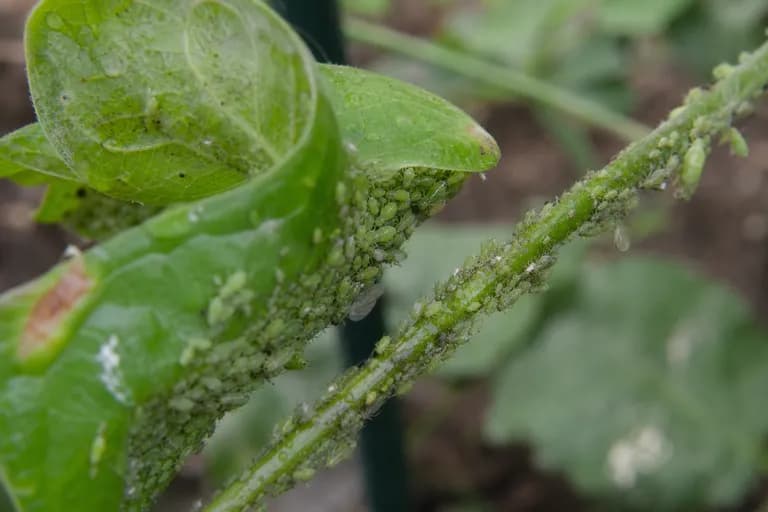
SchädlingAnsammlungen kleiner Insekten an jungem Trieb und Blütenknospen, klebrige Honigtau-Rückstände und Rußtau auf den unteren Blättern.
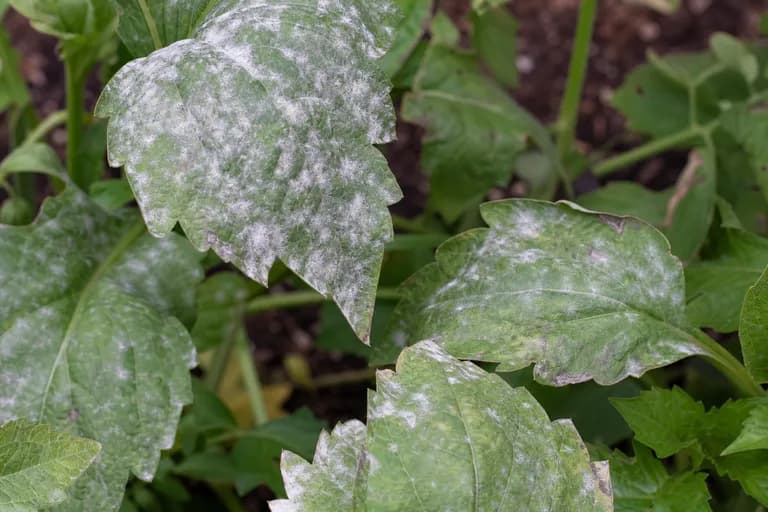
Echter Mehltau
KrankheitWeißer pulvriger Belag auf Blättern, besonders im Spätsommer. Befallene Blätter können sich gelb färben und vorzeitig abfallen.
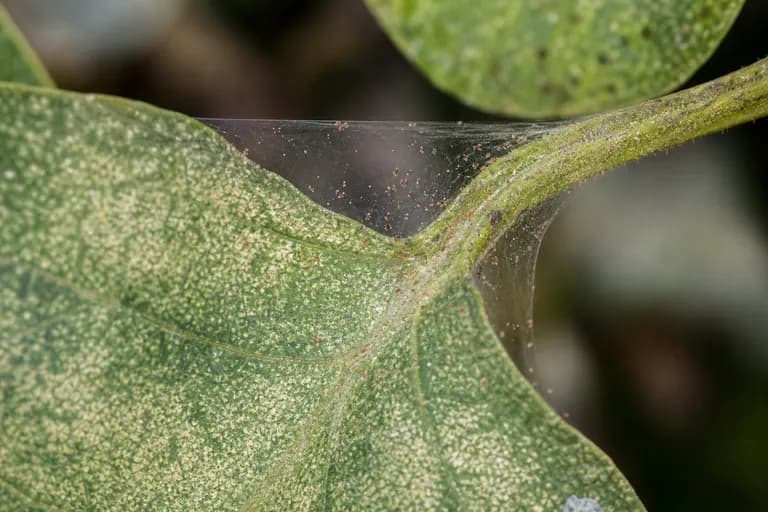
Spinnmilben
SchädlingFeine Sprenkelung auf Blättern, winzige Gespinste zwischen Stängeln und Blättern, Bronzeverfärbung des Laubes bei heißem, trockenem Wetter.
Fehlerbehebung bei häufigen Problemen
Die größte Herausforderung bei Cleome ist ihre begeisterte Selbstaussaat, die sie in manchen Gärten unkrautartig werden lassen kann. Verblühte Blütenköpfe entfernen, bevor die Samen reifen, um die Ausbreitung zu kontrollieren. Die Stängel haben kleine Dornen, die kratzen können, daher beim Umgang Handschuhe tragen. Manche Gärtner mögen den moschusartigen Duft des Laubes nicht. Untere Blätter können sich im Laufe der Saison gelb färben und abfallen, was normal ist. Kürzere Begleitpflanzen davor pflanzen, um kahle untere Stängel zu verdecken.
Anbautipps
- Cleome-Samen 3–5 Tage vor der Aussaat in den Kühlschrank legen, um eine kurze Kälteperiode zu simulieren, die die Keimraten erheblich verbessert, die sonst frustrierend ungleichmäßig und langsam sein können.
- Samen auf die Oberfläche des Anzuchtsubstrats säen und nicht bedecken, da Cleome-Samen Lichteinwirkung benötigen, um die Keimung auszulösen. Samen einfach sanft in feuchte Erde drücken, um guten Kontakt zu gewährleisten.
- Bodentemperaturen von 26–29 °C für die Keimung mit einer Sämlings-Heizmatte bereitstellen, da Cleome eine tropische Art ist, die in kühlen Bodenbedingungen unter 21 °C nicht gut keimen wird.
- Pflanzen 45–60 cm voneinander entfernt setzen, um ausreichende Luftzirkulation zu ermöglichen, was das Risiko von Pilzkrankheiten verringert und jeder Pflanze Raum gibt, ihr volles Verzweigungspotenzial zu entwickeln.
- Cleome am hinteren Beetrand oder entlang von Zäunen pflanzen, wo ihre beeindruckende Höhe von 90–150 cm dramatisches vertikales Interesse bieten kann, ohne kürzere Pflanzen davor zu verdecken.
- Hohe Sorten an windigen oder exponierten Standorten stützen, indem ein einzelner Bambusstab neben dem Hauptstängel eingesteckt und an zwei oder drei Punkten entlang des Stängels locker mit weichem Gartenbindfaden befestigt wird.
- Cleome nicht überdüngen, da reicher Boden und übermäßiger Stickstoff üppiges Blattwachstum auf Kosten der Blüten fördern. Eine einzige ausgewogene Düngergabe zum Pflanzungszeitpunkt ist in der Regel ausreichend.
- Einmal etablierte Pflanzen tief, aber selten gießen, da Cleome eine moderate Trockenheitstoleranz aufweist und Boden bevorzugt, der zwischen den Wassergaben leicht austrocknet, anstatt dauerhaft gesättigt zu bleiben.
- Einige Samenschoten am Ende der Saison auf natürliche Weise reifen und fallen lassen, wenn im folgenden Jahr Selbstaussaat-Pflanzen gewünscht werden. Cleome sät sich zuverlässig selbst aus, und Sämlinge sind leicht zu identifizieren und umzupflanzen.
- Beim Umgang mit Cleome-Pflanzen Gartenhandschuhe tragen, da die Stängel an den Blattknoten kleine Dornen aufweisen und das Laub eine klebrige, stechende Substanz produziert, die manchen Menschen auf bloßer Haut reizend ist.
Bau deine beste Cleome an — und alles drumherum.
Starte heute kostenlos. Lege deine Beete an, setze deine Cleome ein und lass PlotMyGarden Timing, Abstände, Begleiter und Erinnerungen von der Saat bis zum Erntekorb übernehmen.
Finde deine Cleome
Queen Mix
Die klassische Cleome-Serie, die eine Höhe von 120 bis 150 cm erreicht, mit großen Blütenköpfen in Rose, Rosa, Lila, Violett und Weiß.
Senorita Rosalita
Ein dornenloser, steriler Hybrid, der 90 cm hoch wird und üppig blüht, ohne sich selbst auszusäen – ideal für gepflegte Gartenränder.
Spirit Appleblossom
Eine kompakte Sorte, die nur 90 cm hoch wird, mit sanften zweifarbigen Rosa-Weiß-Blüten, geeignet für kleinere Räume.
Sparkler Blush
Eine Zwergsorte, die nur 60 bis 90 cm hoch wird, perfekt für Kübel und Vordergrundplatzierungen mit sanftrosa Blüten.
Cleome ist außerordentlich kosteneffizient, da ein einziges Samenpaket für 1,50–3,50 € 30–50 Pflanzen erzeugen kann, die bis zu 1,5 Meter hoch wachsen und ganze Saison lang große Gartenflächen mit dramatischer Farbe füllen. Einmal etabliert, sät sich Cleome frei selbst aus und liefert in den folgenden Jahren einen endlosen Vorrat an Selbstaussaat-Sämlingen ohne zusätzliche Kosten. Eine vergleichbare Anzahl hoher einjähriger Pflanzen, die als Baumschulpflanzen gekauft werden, würde 100–200 € kosten, was Samen-gezogene Cleome zu einem der besten Preis-Leistungs-Verhältnisse im Ziergarten macht.
Schnelle Rezepte
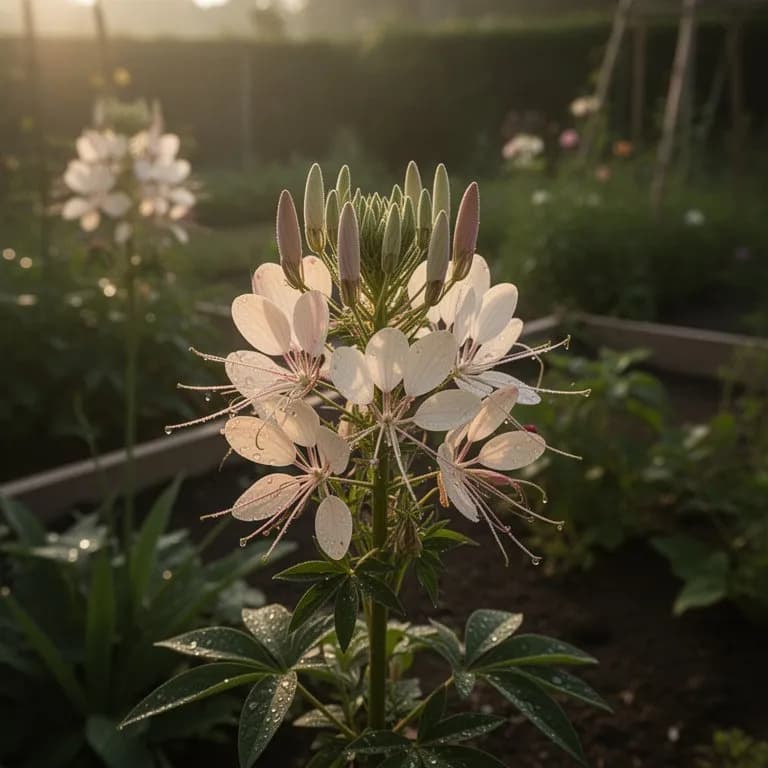
Cleome-Spinnenblüten-Strauß-Arrangement
15 Min.Ein atemberaubendes Blumenarrangement mit frisch geschnittenen Cleome-Stängeln gestalten. Die hohen, dramatischen Blütendolden eignen sich hervorragend als Tafelaufsätze und halten sich bei richtigem Schnitt gut im Wasser. Stängel früh morgens schneiden, wenn die Blüten frisch und hydratisiert sind, für eine längste Vasenhaltbarkeit von fünf bis sieben Tagen.
5 ZutatenGepresste Cleome-Blüten als Botanische Kunst
20 Min. aktiv plus 2–3 Wochen TrocknungDie filigranen Einzelblüten der Cleome pressen, um sie für botanische Kunst, handgemachte Karten oder gerahmte Exponate zu verwenden. Die zarten Blütenblätter und dramatischen Staubfäden lassen sich wunderschön pressen und behalten bei sachgemäßer Trocknung zwischen saugenden Papierschichten feine Farbverläufe von Rosa bis Weiß.
5 Zutaten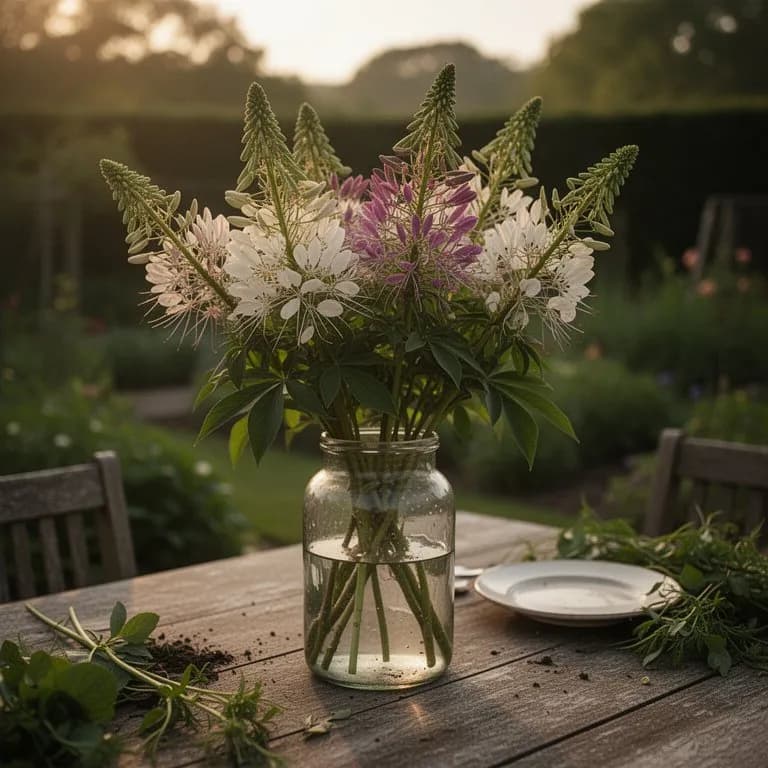
Cleome-Samenspar- und Saatgutteilen-Päckchen
30 Min.Cleome-Samen aus dem eigenen Garten für die Pflanzung der nächsten Saison ernten und verpacken oder mit anderen Gärtnern teilen. Cleome produziert reichlich Samen in charakteristischen länglichen Schoten, die leicht gesammelt werden können, wenn sie braun werden. Jede Schote enthält Dutzende kleiner runder Samen, die bei sachgemäßer Aufbewahrung zwei bis drei Jahre keimfähig bleiben.
5 ZutatenWas drinsteckt
Gesundheitsvorteile
- Cleome-Arten werden in der traditionellen afrikanischen und asiatischen Kräutermedizin zur Behandlung von Kopfschmerzen, Entzündungen und Ohrinfektionen verwendet, wobei Blattumschläge äußerlich aufgetragen werden, um Schwellungen und Beschwerden zu lindern.
- Die Blätter von Cleome gynandra, einer eng verwandten essbaren Art, sind reich an Antioxidantien einschließlich Beta-Carotin und Ascorbinsäure, die zum Schutz der Zellen vor oxidativem Stress und zur Unterstützung der Immunfunktion beitragen.
- In der traditionellen ayurvedischen und Volksmedizin wurden Cleome-Zubereitungen zur Unterstützung der Verdauungsgesundheit und zur Linderung von Magenbeschwerden eingesetzt, obwohl die wissenschaftliche Evidenz begrenzt ist und die Konsultation eines Arztes empfohlen wird.
- Das Anbauen und Pflegen von Cleome im Garten bietet durch Pflanz-, Bewässerungs- und Ernteaktivitäten moderate körperliche Bewegung und unterstützt die kardiovaskuläre Fitness und Gelenkbeweglichkeit für Gärtner aller Altersgruppen.
- Das Vorhandensein von Cleome im Garten fördert das seelische Wohlbefinden, indem sie Kolibris, Schmetterlinge und andere Bestäuber anzieht und eine beruhigende und regenerative natürliche Umgebung schafft, die Stress abbaut und Entspannung fördert.
- Die Zeit unter blühenden Cleome-Pflanzen bietet gartenbauliche Therapievorteile, da das sensorische Erleben der filigranen spinnenartigen Blüten und die Beobachtung von Bestäuberaktivitäten nachweislich den Cortisolspiegel senkt und die Stimmung verbessert.
Woher Cleome stammt
Cleome hassleriana, allgemein bekannt als Spinnenpflanze, Spinnenkraut oder Bienenblume, ist eine kräftige einjährige Blütenart aus der Familie der Cleomaceae, die früher in die Kaperngewächse Capparaceae eingeordnet wurde. Die Art stammt aus den subtropischen und gemäßigten Grasländern des südlichen Südamerikas, ihr natürliches Verbreitungsgebiet erstreckt sich über Argentinien, Paraguay, Uruguay und die südlichsten Regionen Brasiliens. In ihrem natürlichen Lebensraum gedeiht Cleome auf offenen Wiesen, Brachland und entlang von Wasserläufen, wo der Boden warm und gut durchlässig ist.
Die Art wurde erstmals 1898 vom Schweizer Botaniker Robert Chodat formal beschrieben und zu Ehren des Schweizer Arztes und Botanikers Emil Hassler benannt, der im späten neunzehnten und frühen zwanzigsten Jahrhundert umfangreich Pflanzenproben in Paraguay gesammelt hat. Europäische und nordamerikanische Gärtner entdeckten Cleome Mitte des 19. Jahrhunderts, und um die Jahrhundertwende war sie zu einem beliebten Bauerngartenelement geworden, das für ihre hohe, dramatische Statur und ihre ungewöhnlichen spinnenartigen Blüten geschätzt wurde.
Im Laufe des zwanzigsten Jahrhunderts entwickelten Pflanzenzüchter zahlreiche Kultivare in einer erweiterten Farbpalette, darunter tiefes Rose, Violett, Rosa und reines Weiß. Die Queen-Serie, die Mitte des zwanzigsten Jahrhunderts eingeführt wurde, gehört weltweit zu den meistgepflanzten Sorten. Jüngst haben Züchter kompakte und dornenlose Sorten wie die Senorita-Serie entwickelt, die ordentlichere Wuchsformen bieten und weder das klebrige Laub noch die kleinen Dornen traditioneller Kultivare aufweisen. Heute wird Cleome auf jedem bewohnten Kontinent als Ziereinjährige angebaut und für ihre Fähigkeit geschätzt, Bestäuber anzuziehen, Hitze und Trockenheit nach dem Anwachsen zu tolerieren und architektonische Höhe in gemischten Rabatten und Schnittblumengärten zu bieten.
Cleome: Schon gewusst?
Faszinierende Fakten über Cleome
Cleome wird Spinnenpflanze genannt, weil ihre außergewöhnlich langen Staubfäden und Stempel weit über die Blütenblätter hinausragen und den Spinnenbeinen ähneln, die vom Zentrum jeder Blüte ausstrahlen.
Cleome: Fragen & Antworten
Wann sollte ich Cleome pflanzen?
Was sind gute Begleitpflanzen für Cleome?
In welchen Winterhärtezonen kann Cleome wachsen?
Wie viel Sonne braucht Cleome?
Welchen Abstand sollte ich zwischen Cleome lassen?
Welche Schädlinge und Krankheiten befallen Cleome?
Wie lagere ich Cleome nach der Ernte?
Was sind die besten Cleome-Sorten zum Anbauen?
Welchen Boden braucht Cleome?
Ist Cleome eine einjährige oder mehrjährige Pflanze?
Warum riecht meine Cleome unangenehm, und gibt es eine Möglichkeit, den Geruch zu reduzieren?
Wie verhindere ich, dass Cleome zu aggressiv selbst aussät?
Kann Cleome erfolgreich in Kübeln angebaut werden?
Ist Cleome für Haustiere oder Kinder giftig?
Was sind die besten Begleitpflanzen für Cleome?
Du hast die Theorie gelesen. Jetzt baue sie auf Autopilot an.
Alles, was Cleome knifflig macht — das Timing, die Abstände, die Begleiter, das Erntefenster — genau das übernimmt PlotMyGarden für dich, für jede Pflanze im Garten.
Ein Plan, der dein Wetter kennt
Standort einmal festlegen. Aussaat-, Dünge- und Erntedaten rund um deinen echten letzten Frosttermin und die Live-Vorhersage — kein Raten mehr nach Saattüte.
Aus dem Abschnitt „Pflanzzeit“Beetplaner per Drag & Drop
Beete auf einem Raster gestalten. Jede Pflanze rastet im richtigen Abstand ein, und du siehst die ganze Saison, bevor du einen Cent für Saatgut ausgibst.
Aus dem Abschnitt „Anbau“Begleiter-Konflikte früh erkannt
Über 200 gute und schlechte Kombinationen werden beim Pflanzen live geprüft — so landet ein saisonruinierender Fehler nie in der Erde.
Aus dem Abschnitt „Begleiter“Erinnerungen, nach denen du wirklich handelst
„Gieß die Bohnen.“ „Heute ernten, bevor's umschlägt.“ Pünktlich, konkret und auf deine echten Pflanzen bezogen.
Aus dem Abschnitt „Ernte“Staffel-Aussaat, geplant
Sechs Wochen ernten statt sechs Tage? Die App verteilt deine Aussaaten automatisch und erinnert dich, wenn der nächste Satz fällig ist.
Aus dem Abschnitt „Pflanzzeit“Ein Verlauf, der schlauer wird
Jede protokollierte Ernte bringt der App deinen Garten bei. Der Plan fürs nächste Jahr startet bei dem, was in deinem Boden wirklich funktioniert hat.
Aus dem Abschnitt „Überblick“Pflanze diese neben Cleome
Weitere Einjährige
Bau deine beste Cleome an — und alles drumherum.
Starte heute kostenlos. Lege deine Beete an, setze deine Cleome ein und lass PlotMyGarden Timing, Abstände, Begleiter und Erinnerungen von der Saat bis zum Erntekorb übernehmen.